Every successful interview starts with knowing what to expect. In this blog, we’ll take you through the top Standing for Extended Periods interview questions, breaking them down with expert tips to help you deliver impactful answers. Step into your next interview fully prepared and ready to succeed.
Questions Asked in Standing for Extended Periods Interview
Q 1. Describe your experience managing discomfort from prolonged standing.
Managing discomfort from prolonged standing requires a multi-faceted approach. It’s not just about enduring the pain; it’s about proactively mitigating it. My experience involves understanding the root causes of discomfort – often stemming from muscle fatigue, poor posture, and inadequate support. I’ve learned to identify my personal pain points and develop strategies to address them. This includes incorporating regular movement breaks, using supportive footwear, and employing techniques to improve posture and circulation.
For instance, I once worked a long shift on a hard floor and experienced significant lower back pain. By implementing frequent short breaks to stretch my legs and back, and using a cushioned mat, I drastically reduced the discomfort. Learning to recognize the early warning signs of fatigue – such as stiffness or tingling – allows for preemptive intervention, preventing it from escalating into severe pain.
Q 2. What strategies do you employ to maintain proper posture while standing for extended periods?
Maintaining proper posture while standing for extended periods is crucial for preventing injury and discomfort. It’s about achieving a neutral spine alignment, distributing weight evenly, and engaging core muscles. I employ several strategies:
- Engaging my core: Actively engaging my abdominal and back muscles helps stabilize my spine and reduces strain. Think of it like tightening your belt slightly.
- Maintaining a neutral spine: Imagine a straight line from your ears, down through your shoulders, hips, and to your ankles. Avoid hunching or arching excessively.
- Alternating foot position: Shifting my weight from one foot to the other helps avoid strain on any single joint. I also sometimes stand slightly apart with feet hip-width or shoulder-width apart to provide more stability.
- Using a supportive surface: Standing on an anti-fatigue mat significantly reduces pressure on my feet and legs, improving comfort and reducing fatigue.
Q 3. How do you prevent fatigue and maintain energy levels during long shifts involving standing?
Preventing fatigue and maintaining energy during long standing shifts is a matter of planning and consistent self-care. I utilize several approaches:
- Regular movement breaks: Short, frequent breaks to stretch, walk around, or simply shift my weight help improve circulation and prevent stiffness. Even a few minutes every half hour makes a significant difference.
- Hydration and nutrition: Staying well-hydrated and consuming nutritious snacks throughout the day provides sustained energy. Avoiding sugary drinks and processed foods is vital.
- Comfortable footwear: Supportive shoes with good arch support are non-negotiable. They are critical in reducing the overall stress on my body.
- Proper posture maintenance: As mentioned before, good posture reduces muscle fatigue. Regular adjustments throughout the shift are essential.
- Mindfulness and breaks for mental rest: Stepping away from the task for a moment to clear my head and reduce stress levels is as important as physical rest.
Q 4. Have you ever experienced any physical ailments due to prolonged standing? If so, how did you address them?
Yes, I have experienced plantar fasciitis (inflammation of the plantar fascia in the foot) due to prolonged standing in the past. Addressing it involved a multi-pronged approach:
- Rest and ice: I prioritized rest and applied ice packs to reduce inflammation.
- Stretching and exercises: I incorporated specific stretches and exercises recommended by a physical therapist to strengthen the plantar fascia and surrounding muscles.
- Supportive footwear: I switched to more supportive shoes with proper arch support and cushioning.
- Orthotics: In some cases, custom orthotics provided additional support and helped alleviate pressure on the affected area.
- Over-the-counter pain relief: I used over-the-counter pain relievers such as ibuprofen to manage pain and inflammation, always following label instructions.
The key was consistent application of these measures rather than relying on a single quick fix.
Q 5. Explain your understanding of ergonomic principles relevant to standing workstations.
Ergonomic principles for standing workstations focus on minimizing physical strain and promoting comfort and efficiency. Key elements include:
- Adjustable height: The workstation should be adjustable to allow for optimal posture, ensuring the elbows are bent at approximately 90 degrees when working.
- Proper monitor placement: The monitor should be positioned at eye level to prevent neck strain.
- Supportive flooring: Anti-fatigue mats are vital to reduce pressure and fatigue on the feet and legs.
- Footrests: Footrests allow for changes in posture and help reduce lower back strain.
- Chair availability: While it is a standing workstation, the option to sit occasionally can prevent sustained strain.
These elements work together to create a workspace that supports the body’s natural biomechanics, preventing discomfort and promoting productivity. Ignoring these can lead to significant discomfort and injury.
Q 6. What are some practical ways you can adjust your posture and body position to alleviate strain during prolonged standing?
Adjusting posture and body position is crucial for alleviating strain. Simple changes can have a significant impact:
- Shifting weight: Regularly shift your weight from one foot to the other, and occasionally stand with feet slightly apart for better balance.
- Stretching: Incorporate simple stretches throughout the day. These could include calf stretches, hamstring stretches, and gentle back stretches.
- Using a footrest: If available, adjust footrests to allow for changes in foot position and posture.
- Leaning against a support: If possible and appropriate for the work, lean against a wall or support to provide additional stability and rest to your back.
- Micro-movements: Making slight adjustments to your posture throughout the day, such as lifting your chest and rotating your shoulders, can help maintain blood flow and prevent stiffness.
These small adjustments accumulate over time to significantly reduce overall strain and discomfort.
Q 7. How do you prioritize breaks and movement while maintaining productivity in a job requiring extensive standing?
Prioritizing breaks and movement without compromising productivity requires careful planning and self-discipline. I approach this using a structured approach:
- Scheduled breaks: I incorporate short, regular breaks into my workday, using a timer to ensure consistency. Even 5-minute breaks every 30 minutes can significantly reduce fatigue.
- Movement during breaks: I actively utilize my breaks for movement, such as walking around, stretching, or doing simple exercises.
- Task rotation: If possible, I try to vary tasks throughout the day, reducing repetitive strain. A slight change in activity can reduce muscle fatigue.
- Prioritization of tasks: I prioritize physically demanding tasks for periods when I feel most energetic and schedule more sedentary tasks for later in the day.
- Mindful breaks: Combining micro-breaks with a moment of mindfulness or deep breathing can help refresh and refocus.
Ultimately, integrating these strategies promotes both productivity and long-term health. The upfront investment of time spent on breaks pays off by preventing injury and maintaining peak performance.
Q 8. Describe a situation where you had to adapt to unusual or challenging standing conditions.
One particularly challenging situation involved working a long shift at a trade show. I was responsible for manning our booth for eight hours straight, primarily standing on a hard, concrete floor. The booth was also quite cramped, limiting my ability to move around freely and making proper posture difficult to maintain. To adapt, I employed several strategies: I used a small anti-fatigue mat to cushion my feet, regularly shifted my weight from foot to foot, and consciously tried to maintain good posture. I also took short, planned breaks to stretch and walk around whenever possible, even if it meant briefly stepping away from the booth. This prevented the fatigue from building up too drastically, and enabled me to complete my shift professionally.
Q 9. How would you handle a situation where you experienced unexpected pain or discomfort during a long period of standing?
Unexpected pain or discomfort during prolonged standing requires immediate attention. My first step would be to assess the source of the pain – is it muscular, in my feet, or elsewhere? Then, I would take a break. I would sit or find a comfortable position for at least 10-15 minutes, gently stretching the affected area to promote blood circulation and alleviate tension. If the pain persists, or is severe, I would apply a cold compress (ice) or heat pack as appropriate, depending on the type of pain. For persistent or recurring issues, I would consult a medical professional or physical therapist to rule out any underlying conditions or to receive guidance on tailored exercises and treatments. Ultimately, ignoring pain can lead to injury; proactive management is key.
Q 10. What are the key components of a comfortable and ergonomic standing workstation, in your opinion?
A comfortable and ergonomic standing workstation is crucial for minimizing strain and promoting well-being. Key components include: an adjustable-height desk to allow for varied posture, an anti-fatigue mat to cushion the feet and promote better blood circulation, a comfortable and supportive chair to alternate between sitting and standing, and ample space to move around and stretch. Additionally, good lighting, proper monitor placement to avoid neck strain, and well-positioned keyboard and mouse to maintain neutral wrist positions are critical. Imagine a chef’s station; it’s designed with functionality and ease of movement in mind. A standing workstation should follow similar principles.
Q 11. How do you assess your own physical limitations and plan accordingly for jobs requiring prolonged standing?
Assessing my physical limitations is an ongoing process. I regularly check in with my body, noting any persistent aches or pains. I also consider my past injuries and any current health conditions that might influence my ability to stand for extended periods. Before a job requiring prolonged standing, I would explicitly discuss duration and break opportunities with my employer, to ensure a realistic plan is in place. I might also utilize preparatory exercises, like stretching and strengthening exercises, to build endurance in my legs and core. It’s about realistic self-assessment combined with proactive planning to prevent injury and maintain productivity.
Q 12. Discuss the importance of proper footwear for individuals who stand for extended periods.
Proper footwear is non-negotiable for those who stand for extended periods. Shoes should provide ample arch support to prevent plantar fasciitis and other foot problems. They should also have good cushioning to absorb shock and reduce stress on the joints. Avoid high heels or completely flat shoes; a slight heel is often beneficial. The shoes should fit well, neither too tight nor too loose, and made from breathable materials to prevent sweating and discomfort. Think of your shoes as the foundation upon which your body rests when standing – they deserve proper attention.
Q 13. What are some effective stretching exercises or movements you would utilize to relieve strain after prolonged standing?
After prolonged standing, several stretches can effectively relieve strain. These include calf stretches (leaning against a wall, bending one knee), hamstring stretches (reaching towards toes), quad stretches (bringing heel towards buttock), and torso twists (gentle rotation to stretch the back). Additionally, simple movements like walking around, ankle rotations, and hip circles can improve blood flow and reduce stiffness. These exercises should be gentle and should not cause pain; a slight stretch is the goal. It’s like oiling a machine after extended use – these movements help keep your body fluid and prevent seizing.
Q 14. How do you prioritize hydration and nutrition to support your physical stamina during prolonged standing?
Hydration and nutrition are paramount for maintaining stamina during prolonged standing. Dehydration leads to fatigue and muscle cramps, so consistently drinking water throughout the day is essential. Avoid sugary drinks; they provide a temporary energy boost followed by a crash. Focus on a balanced diet rich in complex carbohydrates for sustained energy, lean protein for muscle repair and growth, and fruits and vegetables for vital nutrients. Regular, smaller meals are better than a few large ones, as they prevent energy fluctuations. Think of it as fueling a marathon runner; it takes sustained, sensible nutrition.
Q 15. Describe a time when you successfully persevered despite physical discomfort during a job requiring extensive standing.
During my time as a surgical nurse, we’d often stand for twelve-hour shifts. One particularly demanding day involved a complex, emergency surgery that stretched well beyond the usual timeframe. My feet ached, my back screamed, and honestly, I felt utterly exhausted. But we had a critically ill patient, and leaving wasn’t an option. I successfully persevered by consciously shifting my weight, using a small anti-fatigue mat (which made a surprising difference!), taking brief, mindful walking breaks between phases of the operation, and focusing on the patient’s well-being – it kept me mentally engaged and helped distract from the physical discomfort. I also ensured I was properly hydrated. By the end, I was drained, but the successful outcome and the team’s collaborative spirit made the experience worthwhile, and validated the need to prioritize both patient care and self-care.
Career Expert Tips:
- Ace those interviews! Prepare effectively by reviewing the Top 50 Most Common Interview Questions on ResumeGemini.
- Navigate your job search with confidence! Explore a wide range of Career Tips on ResumeGemini. Learn about common challenges and recommendations to overcome them.
- Craft the perfect resume! Master the Art of Resume Writing with ResumeGemini’s guide. Showcase your unique qualifications and achievements effectively.
- Don’t miss out on holiday savings! Build your dream resume with ResumeGemini’s ATS optimized templates.
Q 16. How would you modify your approach to a task involving prolonged standing if you anticipate higher than usual fatigue?
If I anticipate higher-than-usual fatigue during a task involving prolonged standing, I would proactively modify my approach by incorporating several strategies. This would include frequent micro-breaks – brief pauses every 20-30 minutes to shift my weight, stretch my legs and back, and gently roll my shoulders. I’d also use an anti-fatigue mat and wear supportive, comfortable footwear. Furthermore, I would prioritize tasks requiring less physical exertion earlier in the day, reserving less demanding activities for when I’m more fatigued. Proper hydration and nutrition are crucial too, as dehydration can significantly worsen fatigue. Lastly, maintaining correct posture and consciously engaging my core muscles helps support my back and reduce strain.
Q 17. What are some warning signs indicating you need to adjust your approach or take a break while standing?
Warning signs indicating the need for an adjustment or break while standing include: lower back pain, leg cramps, persistent foot ache, numbness or tingling in the legs or feet, increased fatigue, and a general feeling of discomfort or stiffness. Sharp pains should always be taken seriously and medical attention sought if necessary. Even subtle signs, like feeling your posture slumping, are indicators that you need a break to reset your body’s position and avoid developing chronic issues. It’s crucial to listen to your body and act proactively before these signs intensify.
Q 18. How would you train a new employee on the importance of proper posture and movement for prolonged standing?
Training a new employee on proper posture and movement for prolonged standing involves a multi-faceted approach. I’d begin by demonstrating correct posture: feet shoulder-width apart, knees slightly bent, and maintaining a natural curvature of the spine. I would then explain the importance of shifting weight regularly and engaging core muscles for stability. Practical exercises, like simple stretches for the legs, back, and neck, would be incorporated, demonstrating proper techniques to avoid injury. Use of ergonomic aids, such as anti-fatigue mats and adjustable work surfaces will be discussed and demonstrated where applicable. Crucially, I’d emphasize the importance of listening to their body and taking regular breaks. The session would end with an interactive Q&A to ensure understanding and address any specific concerns the employee may have.
Q 19. Describe your understanding of the potential long-term health effects of prolonged standing.
Prolonged standing can have significant long-term health effects. The most common include varicose veins, due to the continuous pressure on leg veins, and lower back pain stemming from poor posture and muscle strain. Other potential issues are plantar fasciitis (heel pain), swollen ankles and feet from fluid retention, and increased risk of cardiovascular diseases due to reduced circulation. In severe cases, prolonged standing can contribute to musculoskeletal disorders, such as osteoarthritis in the knees and hips. Regular breaks and attention to posture and good footwear are crucial to mitigating these risks.
Q 20. How can an employer help mitigate the risks associated with prolonged standing for their employees?
Employers can mitigate risks associated with prolonged standing by implementing several measures. Providing ergonomic workstations with adjustable height surfaces allows for a range of comfortable positions. Offering anti-fatigue mats greatly reduces pressure on the feet and legs. Encouraging regular breaks is paramount; perhaps implementing scheduled breaks or providing comfortable seating areas. Investing in comfortable and supportive footwear for employees whose jobs require standing for extended periods is also vital. Providing training on proper posture, stretches, and movement techniques empowers employees to actively manage their physical well-being. And finally, creating a culture that prioritizes employee health and encourages employees to report any discomfort is crucial.
Q 21. What are some effective ways to reduce lower back pain when standing for extended periods?
Reducing lower back pain when standing for extended periods requires a holistic approach. Maintaining correct posture – ensuring the spine’s natural curvature isn’t compromised – is crucial. Regularly shifting weight from one leg to the other prevents pressure buildup on any single area. Simple stretches, such as back extensions and gentle hamstring stretches, can ease tension. The use of a supportive lumbar support belt can offer additional back support. An anti-fatigue mat provides cushioning and promotes better blood flow. Ensuring adequate hydration and minimizing prolonged standing without breaks are also important considerations. And finally, appropriate footwear significantly impacts lower back health and comfort.
Q 22. How can you stay focused and productive while working in a job that requires a lot of standing?
Maintaining focus and productivity while standing for extended periods requires a multi-pronged approach. It’s not just about physical comfort; mental stamina is equally crucial. Think of it like a marathon, not a sprint.
- Strategic Breaks: Short, regular breaks are essential. Even a minute or two of movement – stretching, walking around – can significantly improve circulation and cognitive function. The Pomodoro Technique (25 minutes of work followed by a 5-minute break) can be adapted to this context.
- Ergonomic Setup: Ensure your workstation is ergonomically sound. This might involve adjusting the height of your counter, using a footrest, or ensuring adequate lighting to minimize eye strain. A comfortable posture reduces fatigue and improves concentration.
- Mindfulness and Movement: Incorporate mindfulness exercises or gentle stretches during breaks to reduce muscle tension and improve focus. Simple stretches like calf raises or shoulder rolls can be done discreetly.
- Hydration and Nutrition: Dehydration and low blood sugar can significantly impact energy levels and focus. Maintain consistent hydration and opt for nutritious snacks to sustain your performance throughout the day.
Q 23. What are your strategies for preventing foot and leg fatigue when standing for long periods of time?
Preventing foot and leg fatigue necessitates a holistic approach that combines proactive measures and supportive aids. Think of your legs and feet as valuable assets; you need to invest in their care.
- Proper Footwear: Wear comfortable, supportive shoes with good arch support. Avoid high heels or flat, unsupportive footwear. Consider investing in shoes specifically designed for prolonged standing.
- Movement and Stretching: Regularly shift your weight, walk around, and perform simple stretches like calf raises and hamstring stretches to improve circulation and prevent muscle stiffness. Think of it as ‘micro-exercising’ throughout the day.
- Anti-Fatigue Mats: These mats provide cushioning and support, reducing pressure on your feet and legs. They distribute weight more evenly, lessening the strain on specific areas.
- Compression Socks: Compression socks improve blood circulation, reducing swelling and fatigue in the lower extremities. This is particularly useful for those prone to edema.
- Foot Elevations: Occasionally elevating your feet can help to reduce swelling and promote better blood flow.
Q 24. How would you adapt your work style in different types of standing-based work environments (e.g., kitchen vs. retail floor)?
Adapting my work style to different standing-based environments requires understanding the unique challenges of each setting. It’s about flexibility and resourcefulness.
- Kitchen Environment: In a kitchen, mobility is paramount. I would prioritize efficient movement patterns to minimize unnecessary steps and strain. Using rolling carts and properly organized workstations is crucial. Frequent, short breaks are vital to avoid overheating and exhaustion.
- Retail Floor: On a retail floor, customer interaction and prolonged periods of standing in one place are key challenges. I’d utilize micro-breaks strategically, perhaps during slower periods, to stretch or shift weight. I would also consider using a supportive mat and comfortable footwear designed for walking.
The common thread is the need for regular breaks, appropriate footwear, and mindful movement to mitigate fatigue and injury in any standing-based job.
Q 25. Have you used any supportive equipment (e.g., anti-fatigue mats, compression socks) to help with prolonged standing?
Yes, I’ve extensively used supportive equipment to manage prolonged standing. I consider these tools vital investments in my health and well-being.
- Anti-fatigue mats: I’ve found these particularly helpful in reducing foot fatigue and pressure points. They make a noticeable difference in overall comfort and energy levels. I prefer mats with good cushioning and a slightly textured surface for better grip.
- Compression socks: These are a game-changer, particularly during long shifts. They significantly reduce leg swelling and improve circulation, leading to less fatigue and discomfort at the end of the day. I choose socks with graduated compression for optimal benefit.
Q 26. Describe a time you had to modify your routine or tasks to alleviate discomfort associated with standing?
During a previous role, I experienced significant lower back pain after extended periods of standing. Instead of pushing through the discomfort, which would only exacerbate the problem, I proactively adjusted my routine.
I started incorporating short, frequent breaks to stretch my back and legs. I also invested in a lumbar support belt to provide additional back support. By consistently implementing these changes, I managed to significantly alleviate the pain and prevent further injury. This reinforced the importance of listening to my body and prioritizing preventative measures.
Q 27. How would you prioritize safety and well-being for yourself and others in a job requiring prolonged standing?
Prioritizing safety and well-being in a prolonged standing job is a shared responsibility. It’s about creating a culture of awareness and proactive prevention.
- Individual Practices: This includes utilizing supportive equipment, taking regular breaks, staying hydrated, and wearing appropriate footwear. It’s also crucial to recognize and address early signs of fatigue or discomfort.
- Team Collaboration: Open communication with colleagues is essential. We should share tips, encourage breaks, and support each other in maintaining a healthy work environment. A supportive team environment fosters a culture of mutual care.
- Employer Responsibility: Employers play a vital role by providing ergonomic workstations, anti-fatigue mats, and promoting regular breaks. Offering training on proper posture and body mechanics further reinforces safe working practices. This demonstrates a commitment to employee well-being.
Key Topics to Learn for Standing for Extended Periods Interview
- Ergonomics and Posture: Understanding proper posture and body mechanics to minimize strain and fatigue while standing for extended periods. This includes techniques for maintaining good alignment and avoiding common postural problems.
- Footwear and Apparel: The impact of appropriate footwear and clothing choices on comfort and physical well-being during prolonged standing. This includes considerations for support, cushioning, and breathability.
- Movement and Breaks: Strategies for incorporating micro-breaks and movement into your routine to alleviate stiffness and improve circulation. This involves exploring techniques like shifting weight, stretching, and taking short walking breaks.
- Workplace Environment: Identifying and addressing potential environmental factors that contribute to discomfort during prolonged standing, such as flooring type, workstation height, and temperature.
- Health and Wellness: Recognizing and managing potential health risks associated with prolonged standing, including fatigue, lower back pain, and varicose veins. This could involve exploring preventative measures and seeking professional advice when needed.
- Adaptive Strategies: Exploring assistive devices and adaptive strategies to improve comfort and reduce strain during prolonged standing. Examples include anti-fatigue mats, supportive insoles, or adjustable work surfaces.
- Problem-Solving & Workplace Solutions: Developing solutions for workplace scenarios involving prolonged standing, such as proposing ergonomic improvements or suggesting alternative work arrangements.
Next Steps
Mastering the art of comfortable and efficient standing for extended periods is crucial for many roles, enhancing productivity and overall well-being. It demonstrates your commitment to health and safety, and your ability to adapt to demanding work environments. This skill significantly improves your job prospects and showcases your professionalism. To make your application stand out, focus on building an ATS-friendly resume that highlights your relevant skills and experience. ResumeGemini is a trusted resource to help you create a professional and impactful resume. We provide examples of resumes tailored to highlight experience in managing prolonged standing, so you can effectively showcase your qualifications.
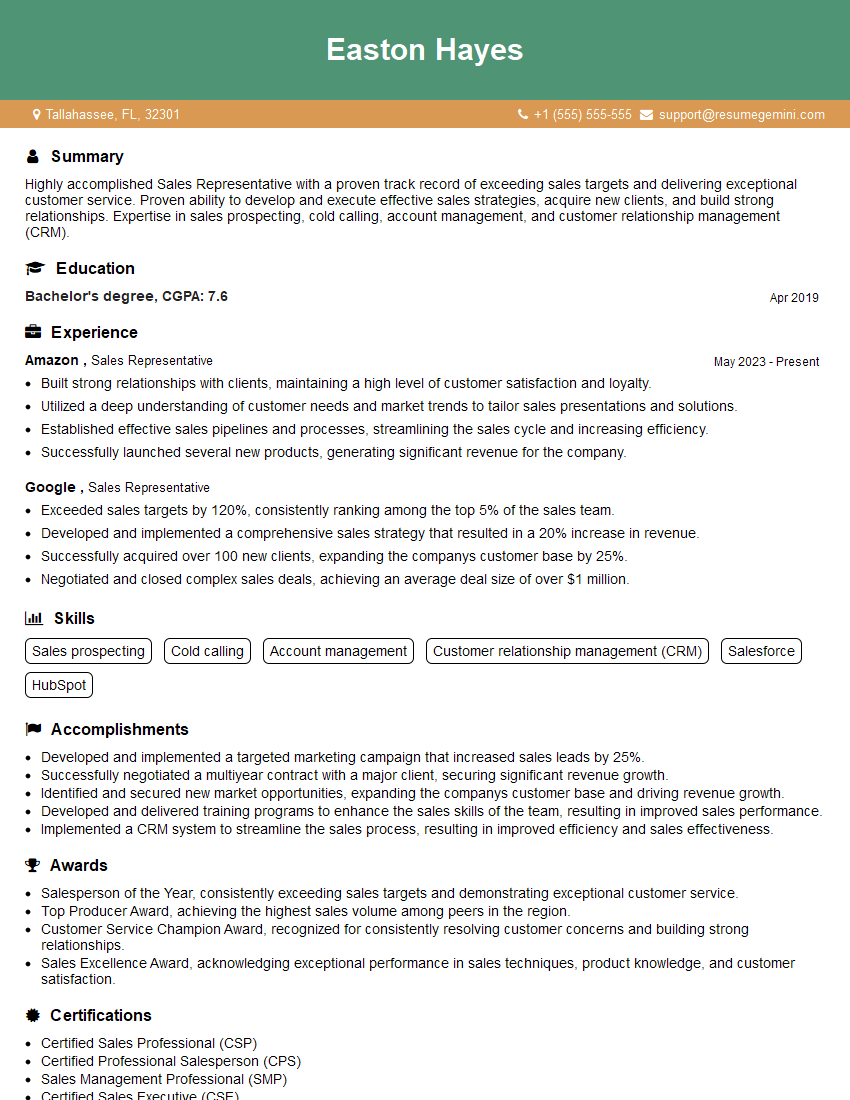
Sales Representative Resume Sample
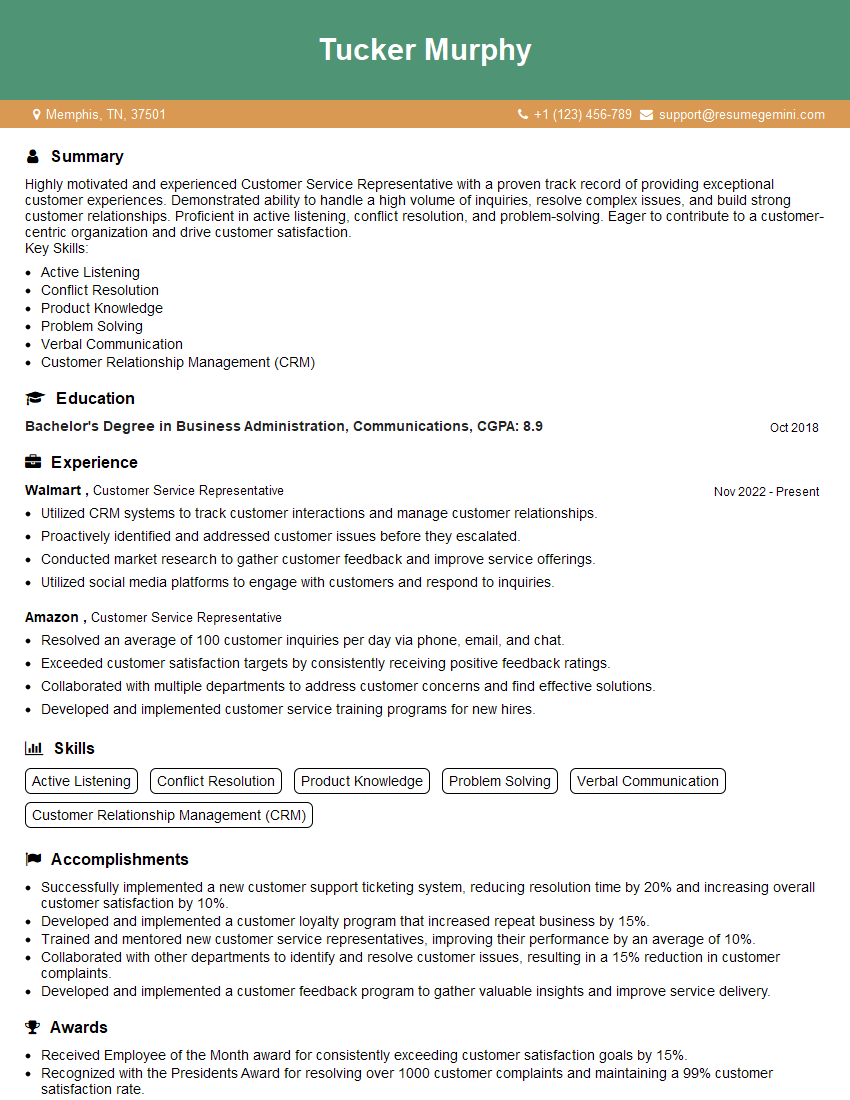
Customer Service Representative Resume Sample
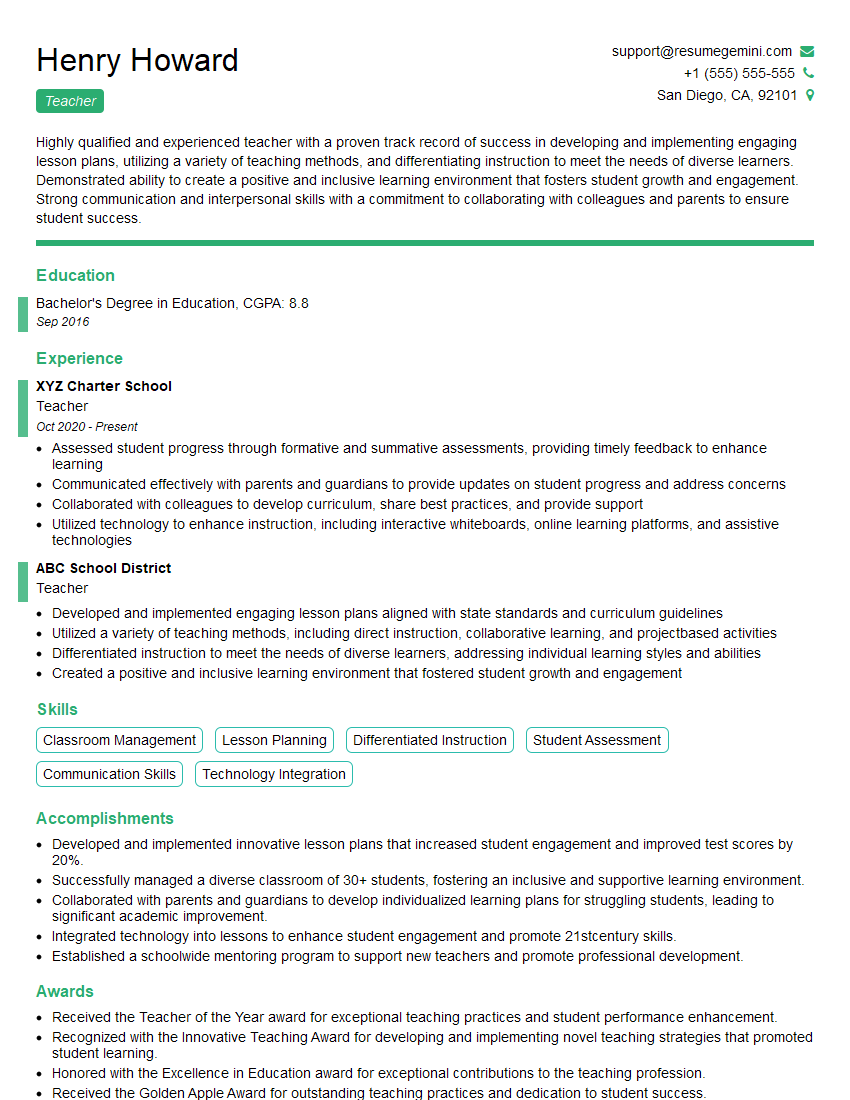
Teacher Resume Sample
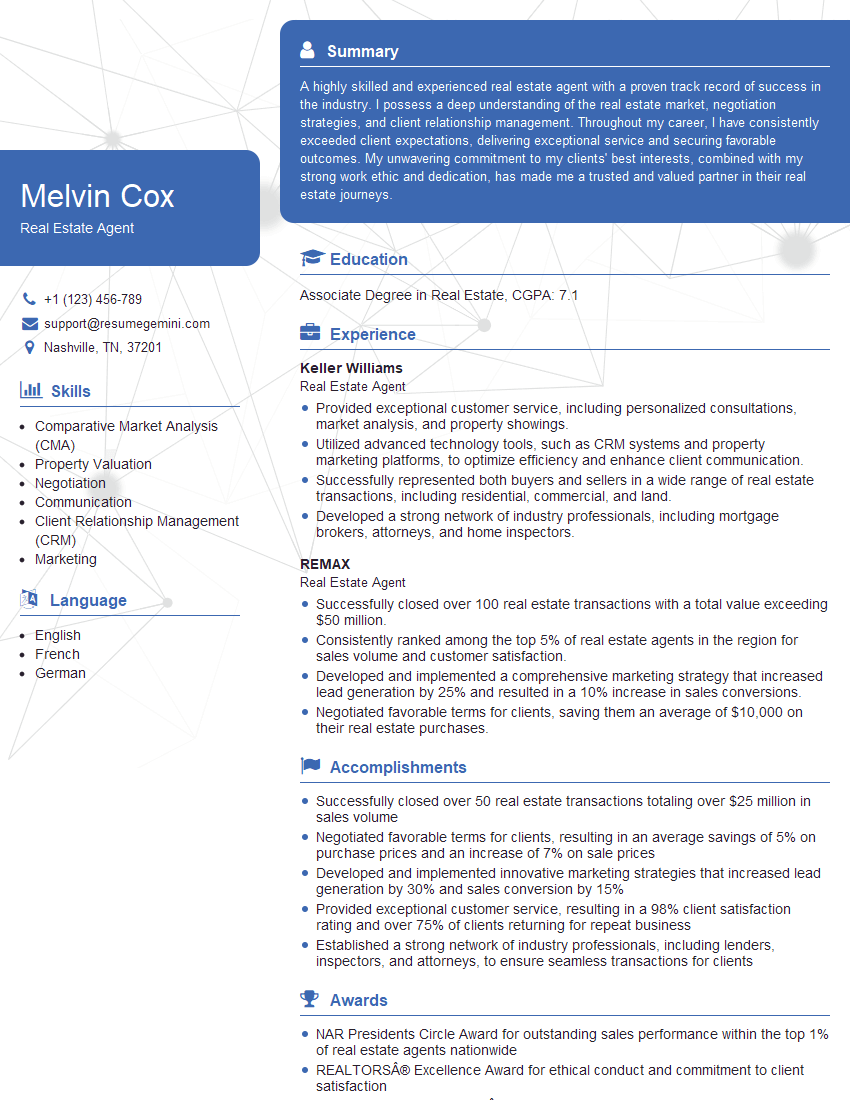
Real Estate Agent Resume Sample
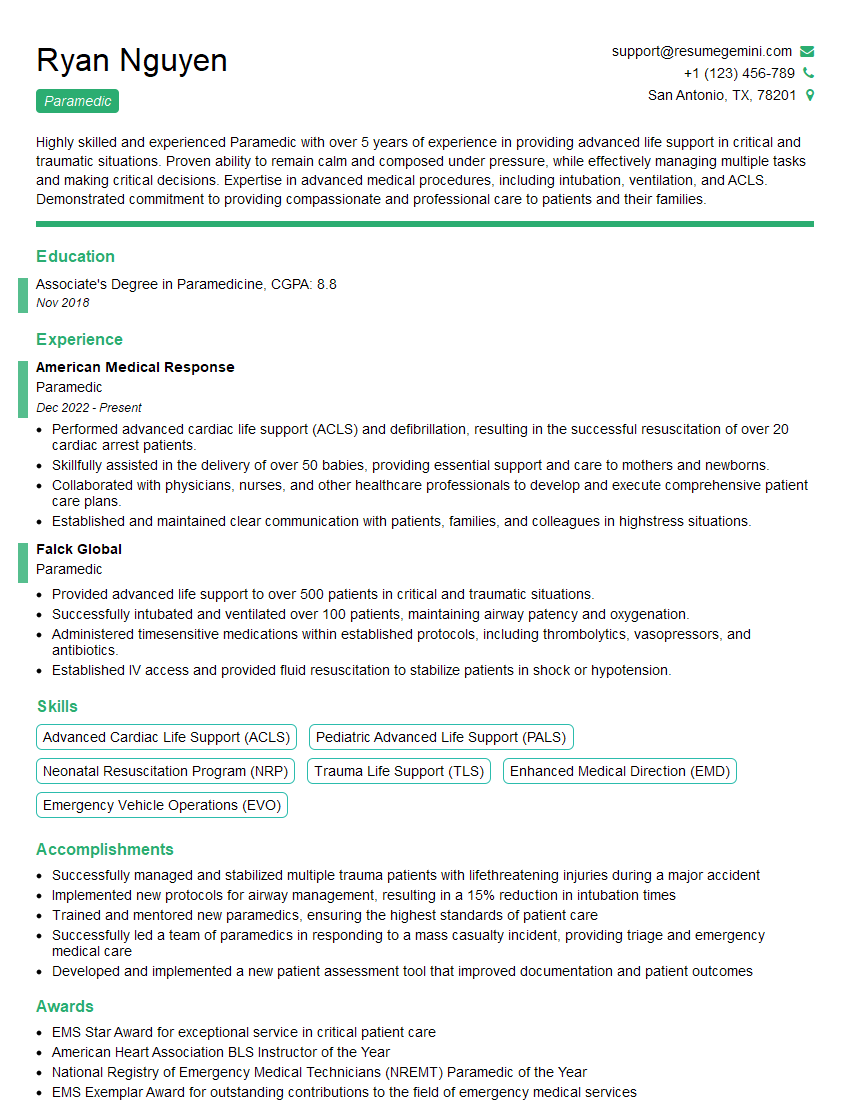
Paramedic Resume Sample
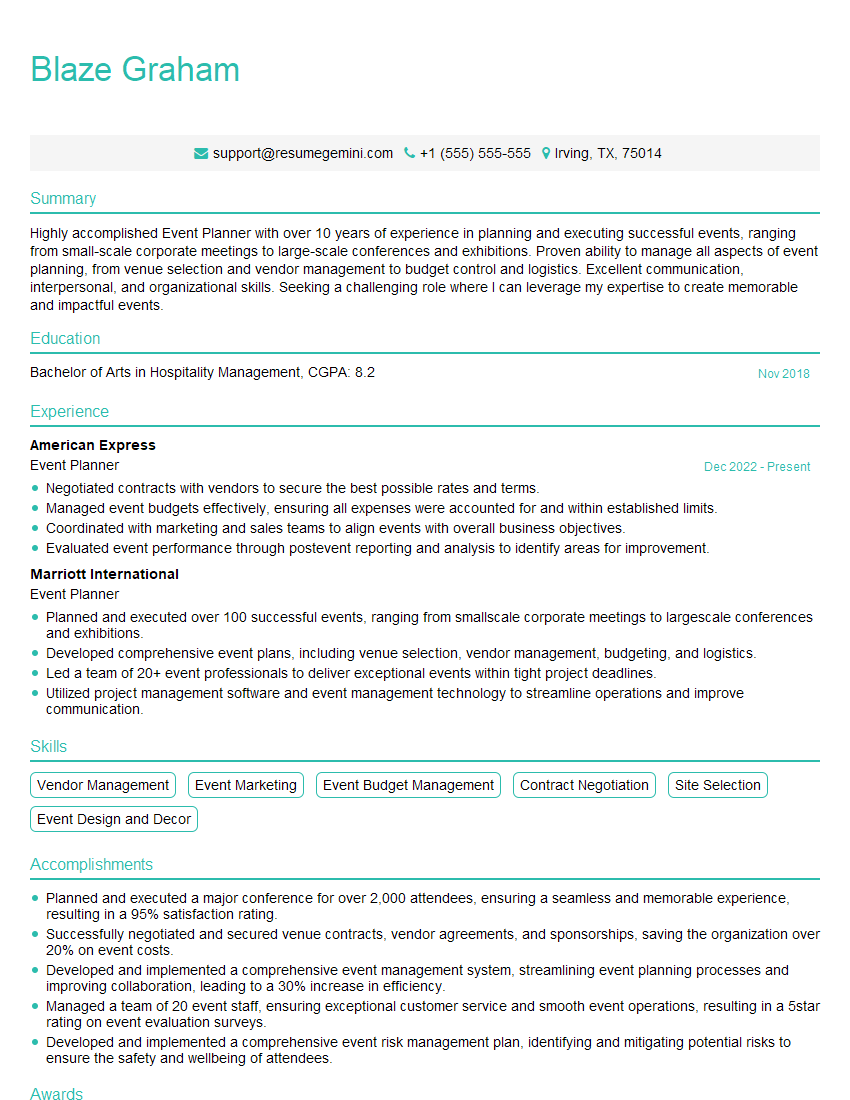
Event Planner Resume Sample
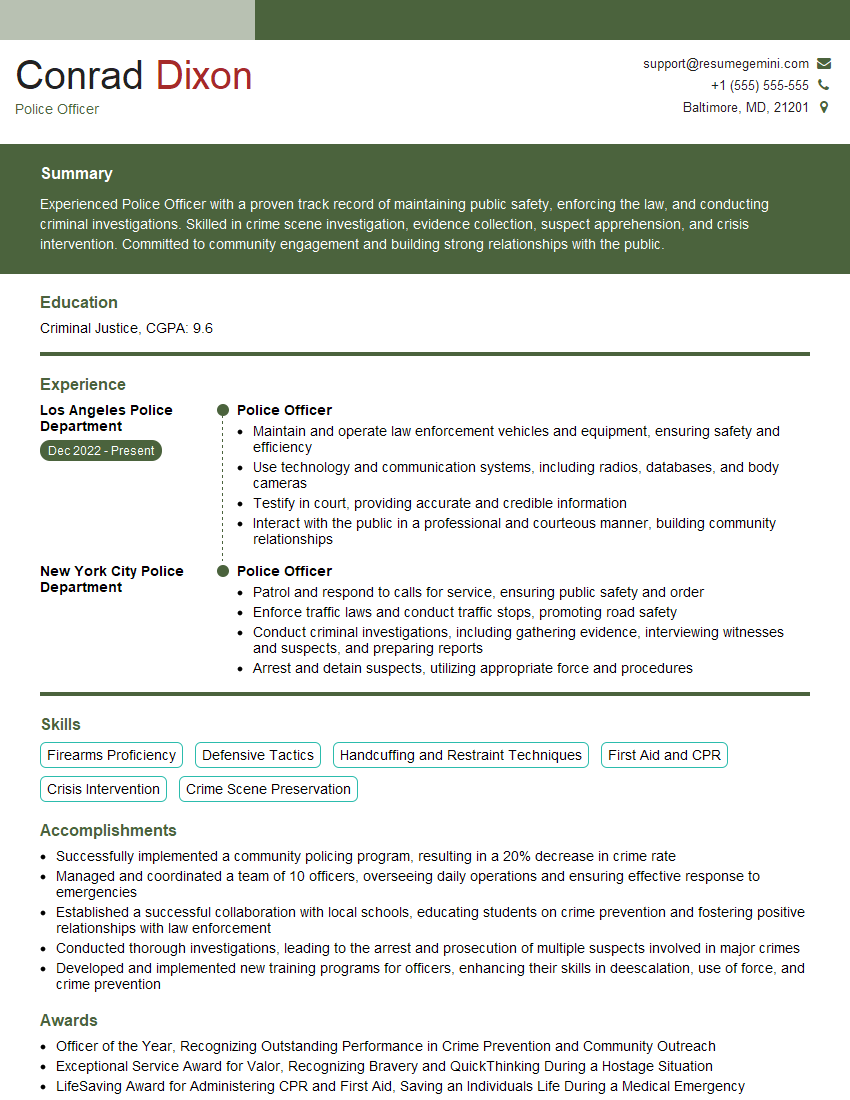
Police Officer Resume Sample
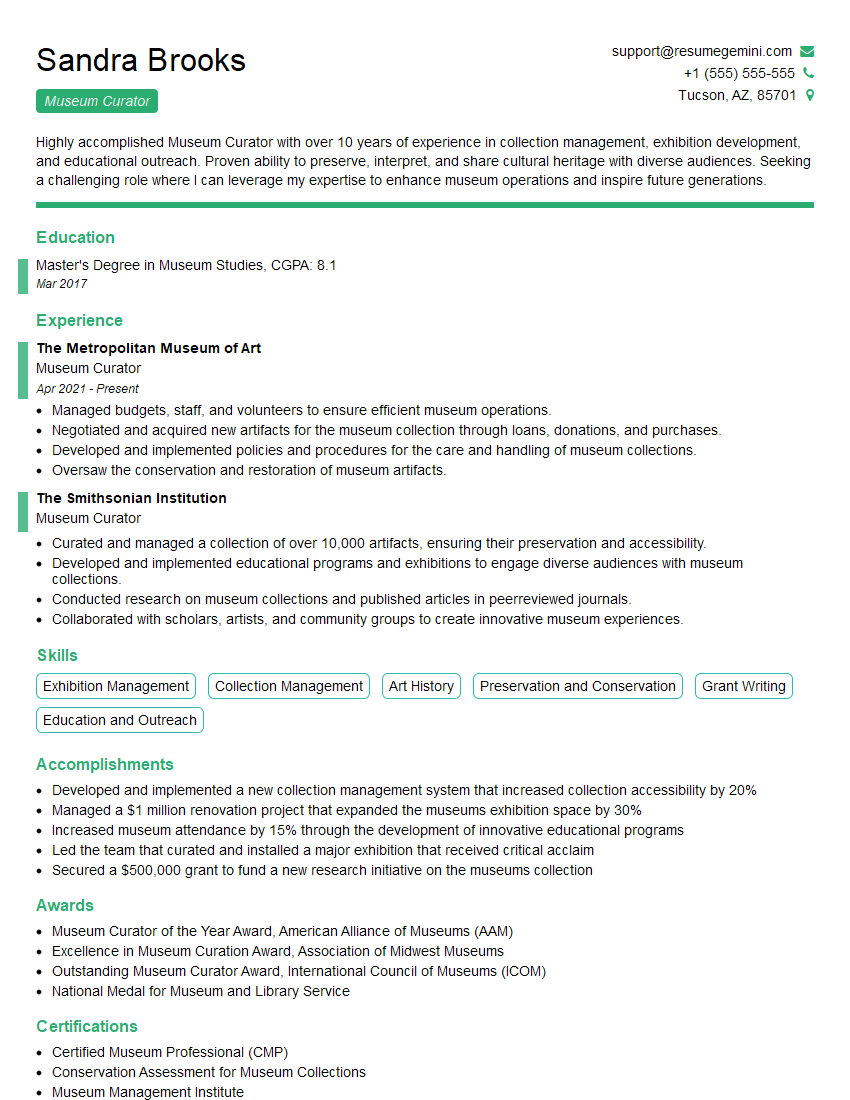
Museum Curator Resume Sample
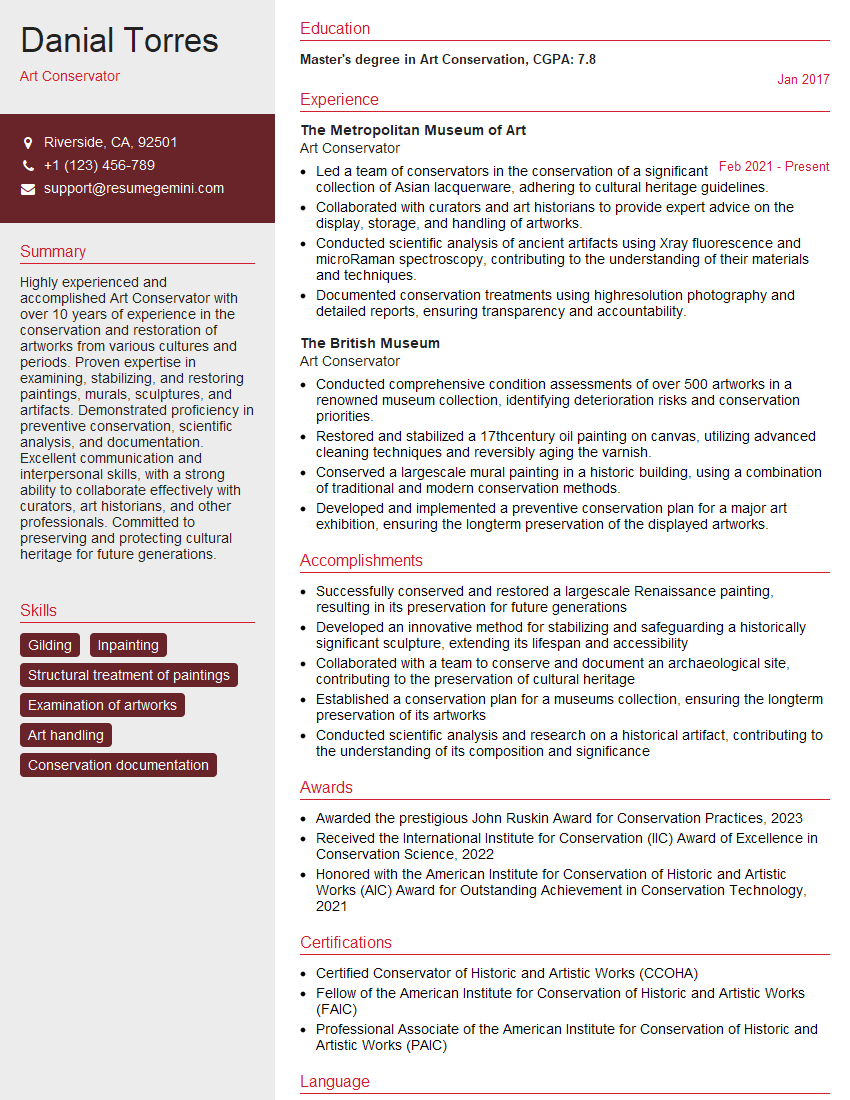
Art Conservator Resume Sample
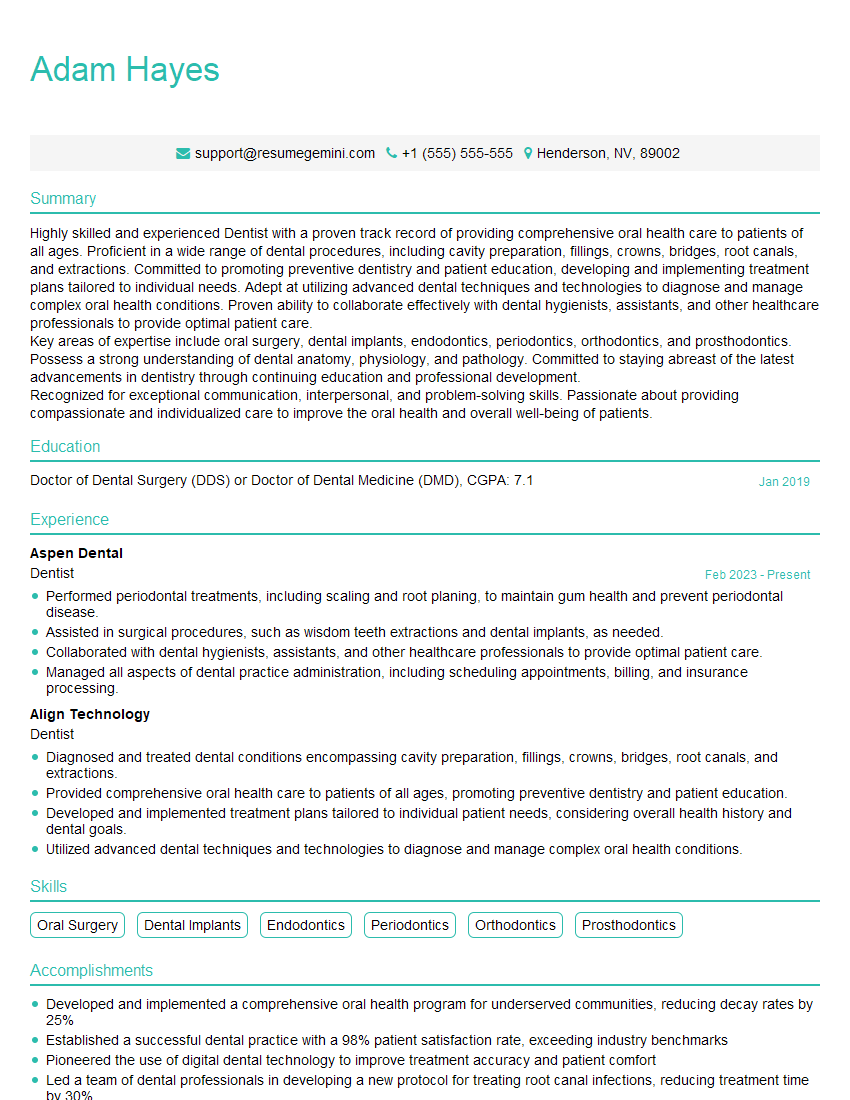
Dentist Resume Sample
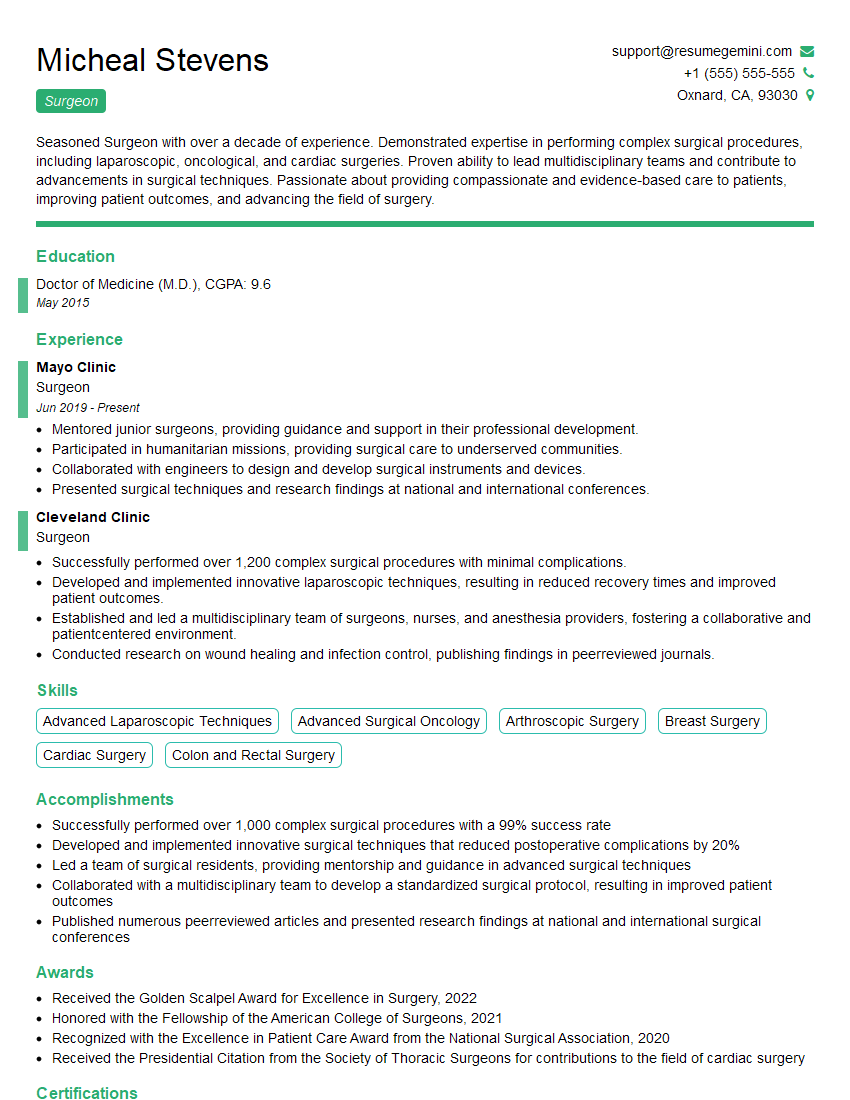
Surgeon Resume Sample
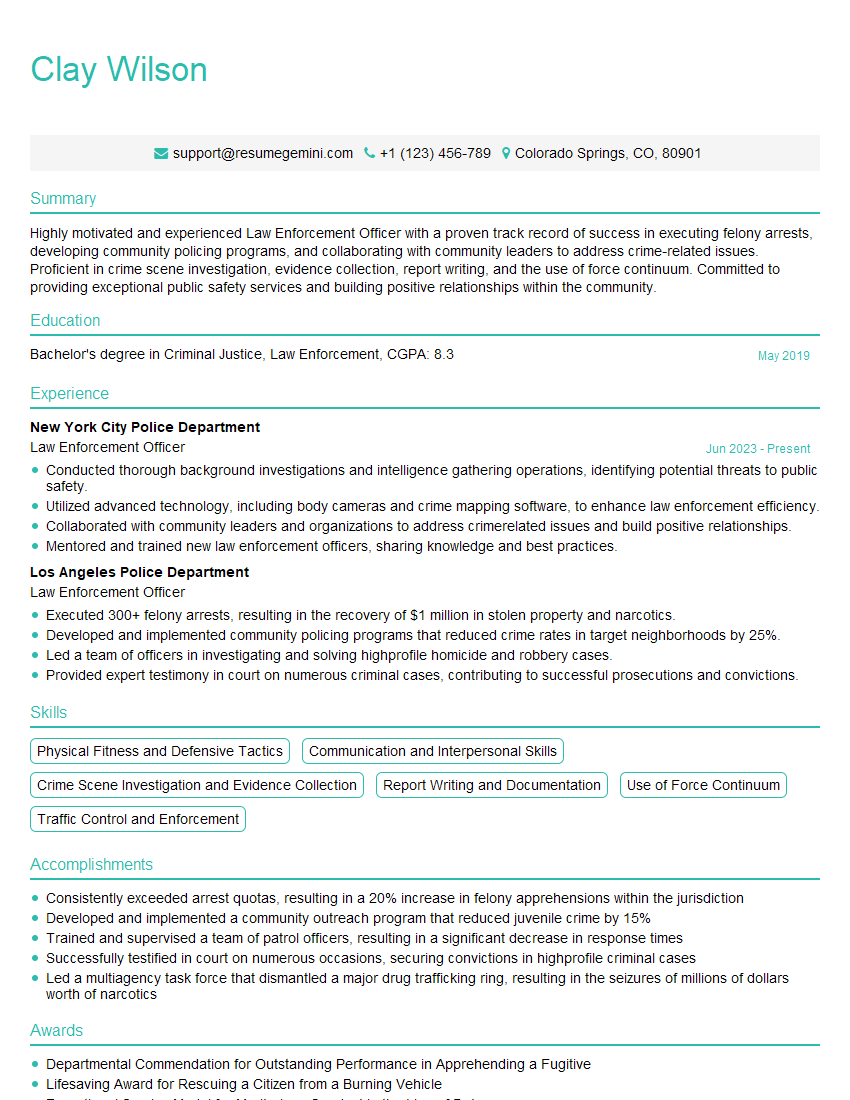
Law Enforcement Officer Resume Sample
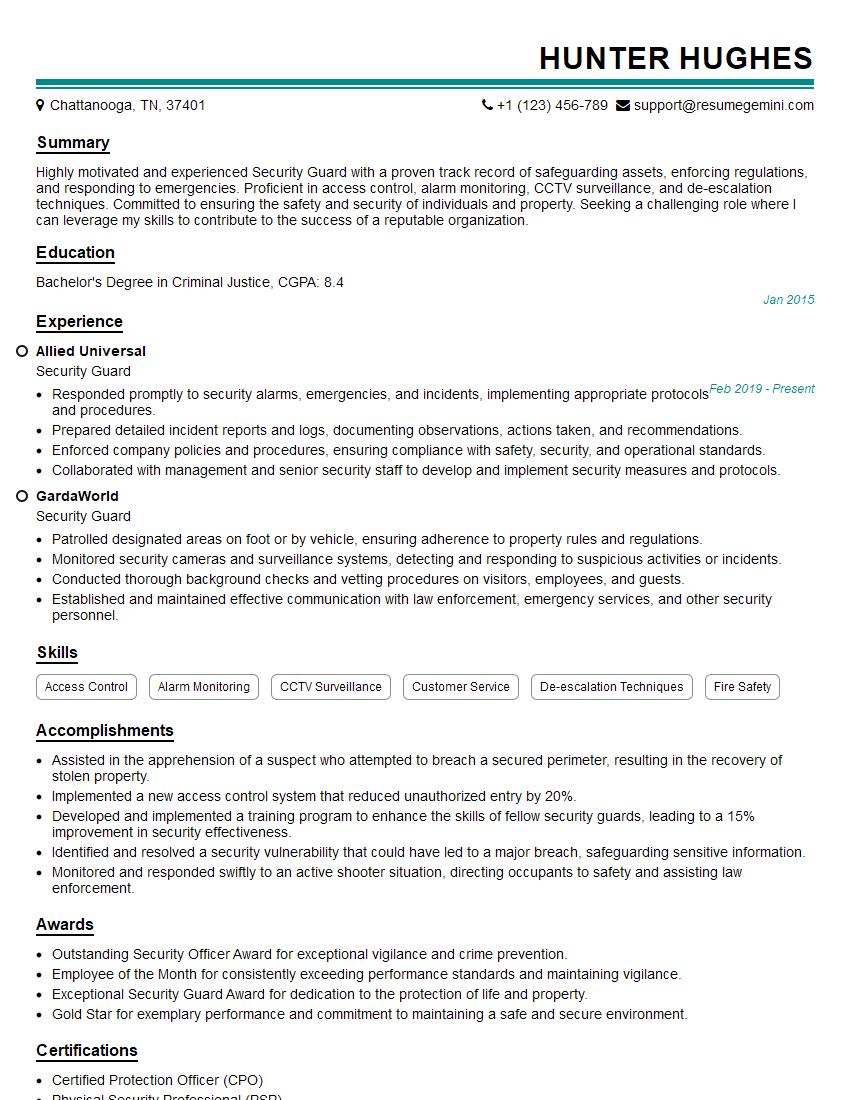
Security Guard Resume Sample
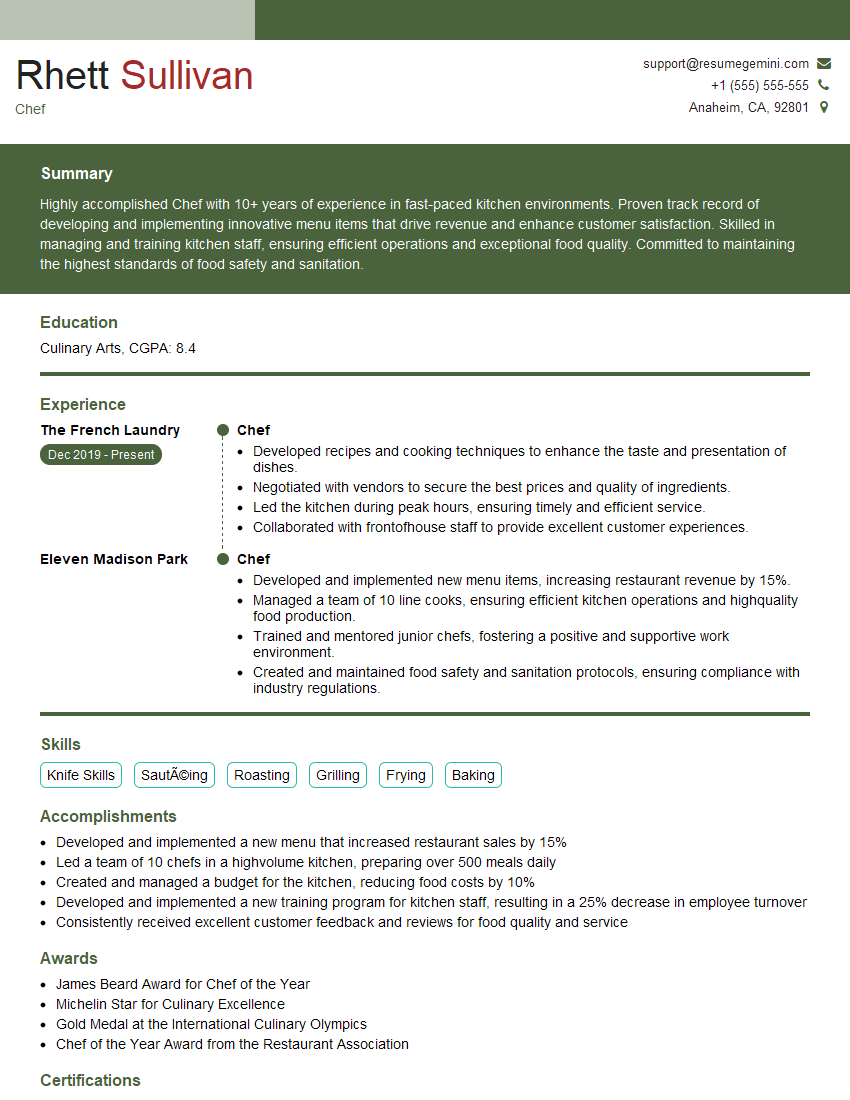
Chef Resume Sample
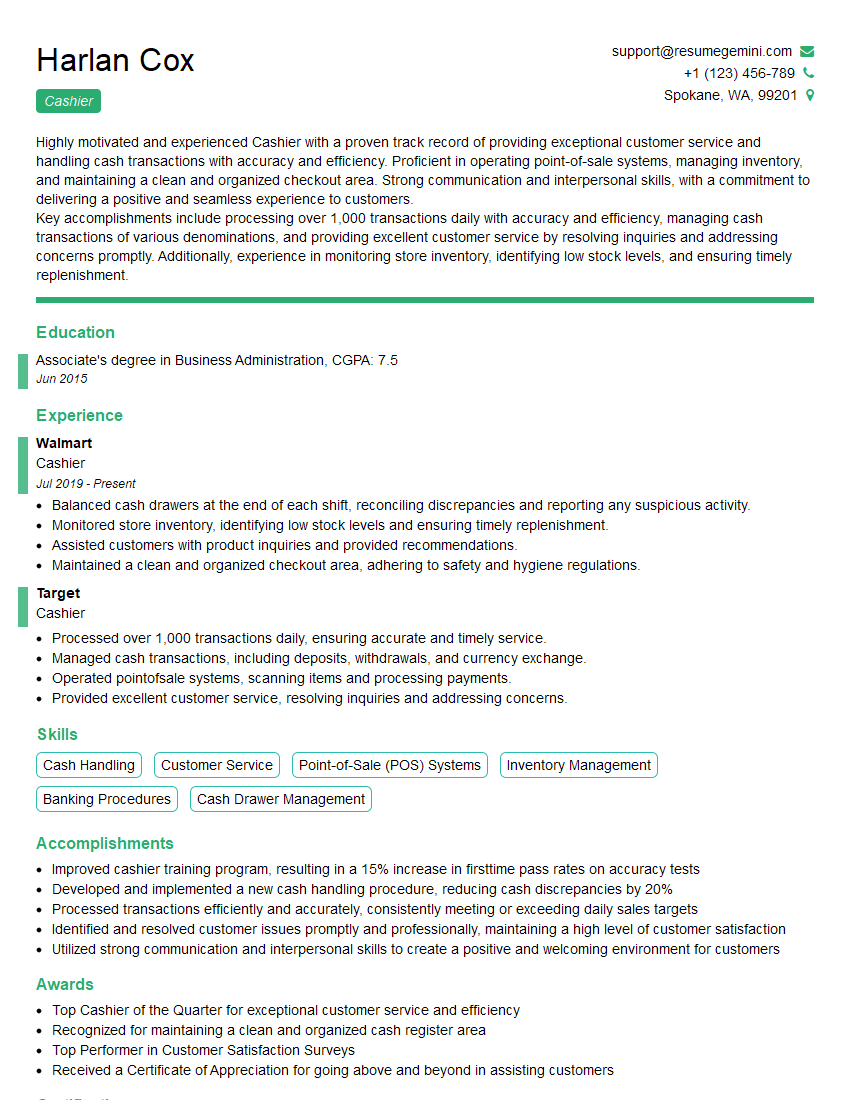
Cashier Resume Sample
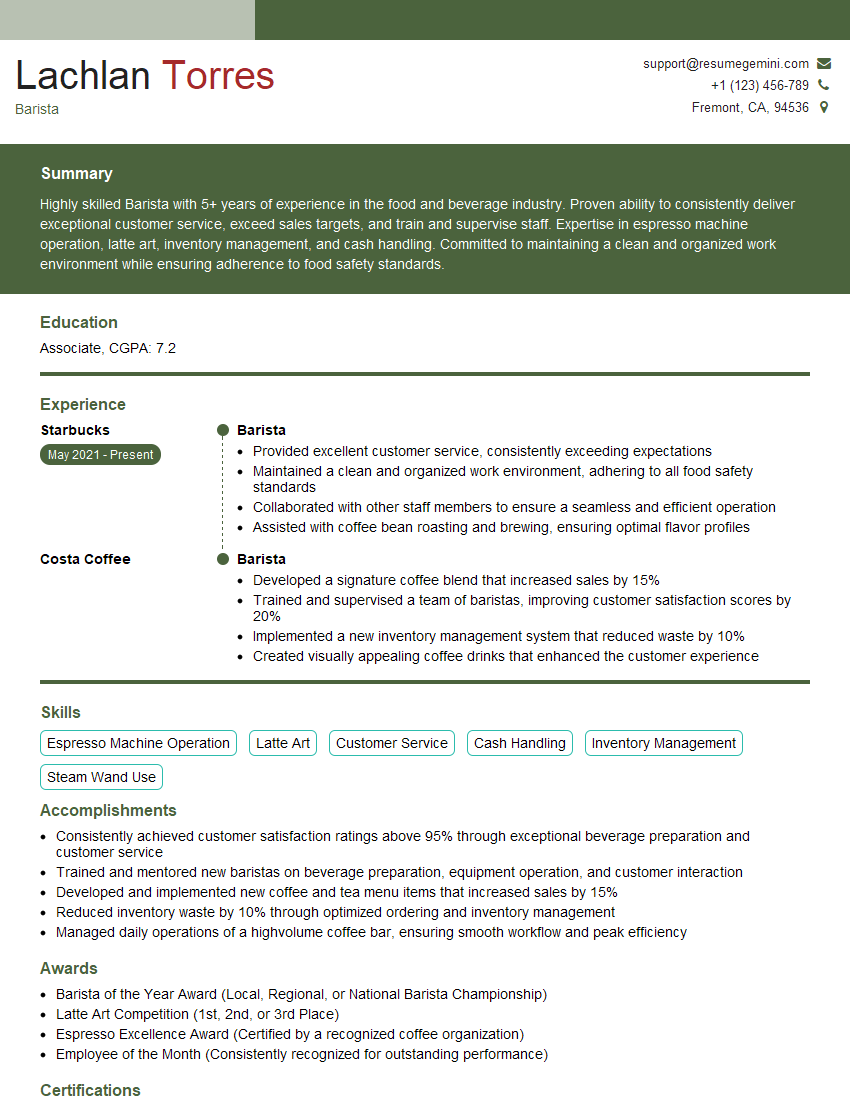
Barista Resume Sample
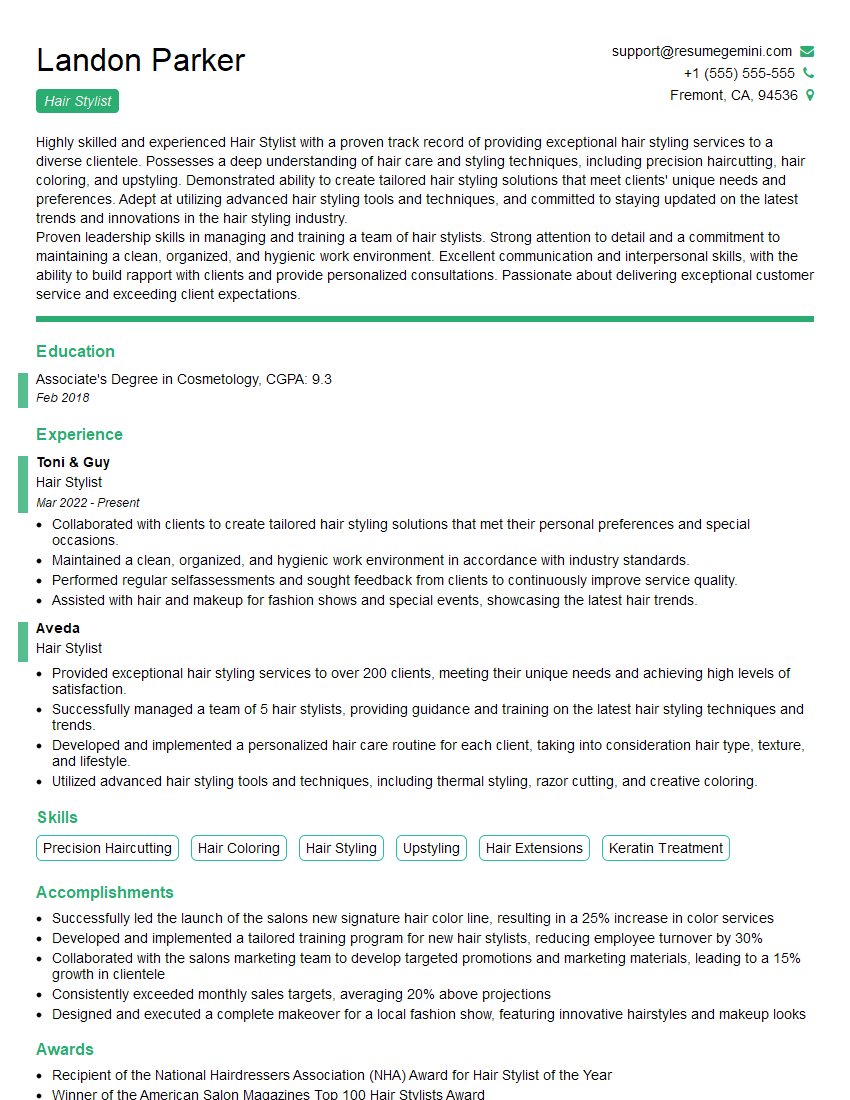
Hair Stylist Resume Sample
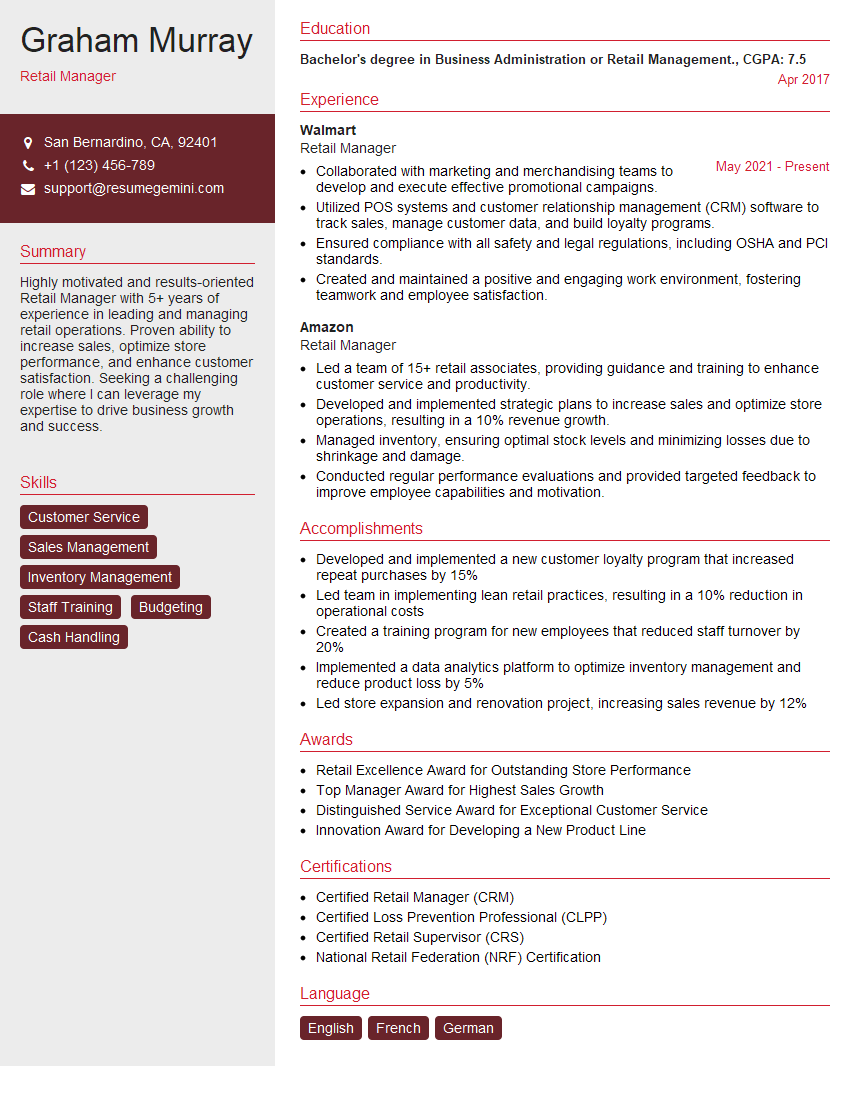
Retail Manager Resume Sample
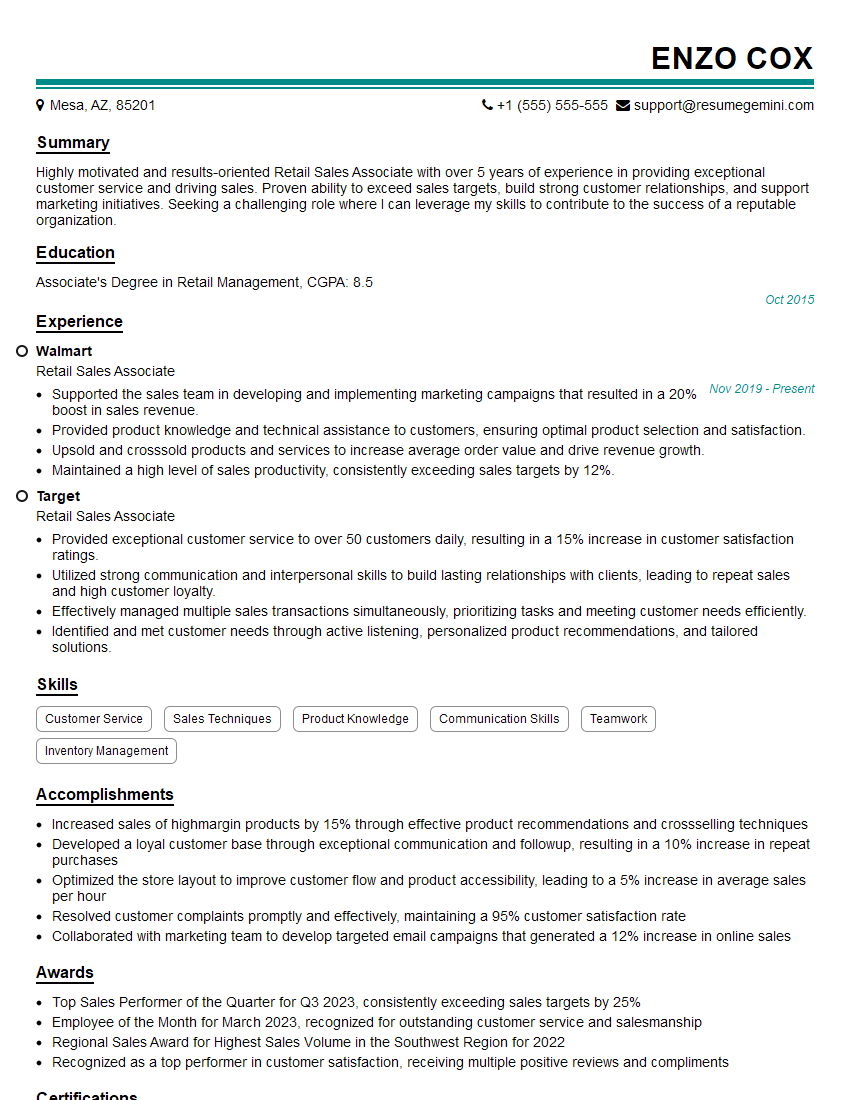
Retail Sales Associate Resume Sample
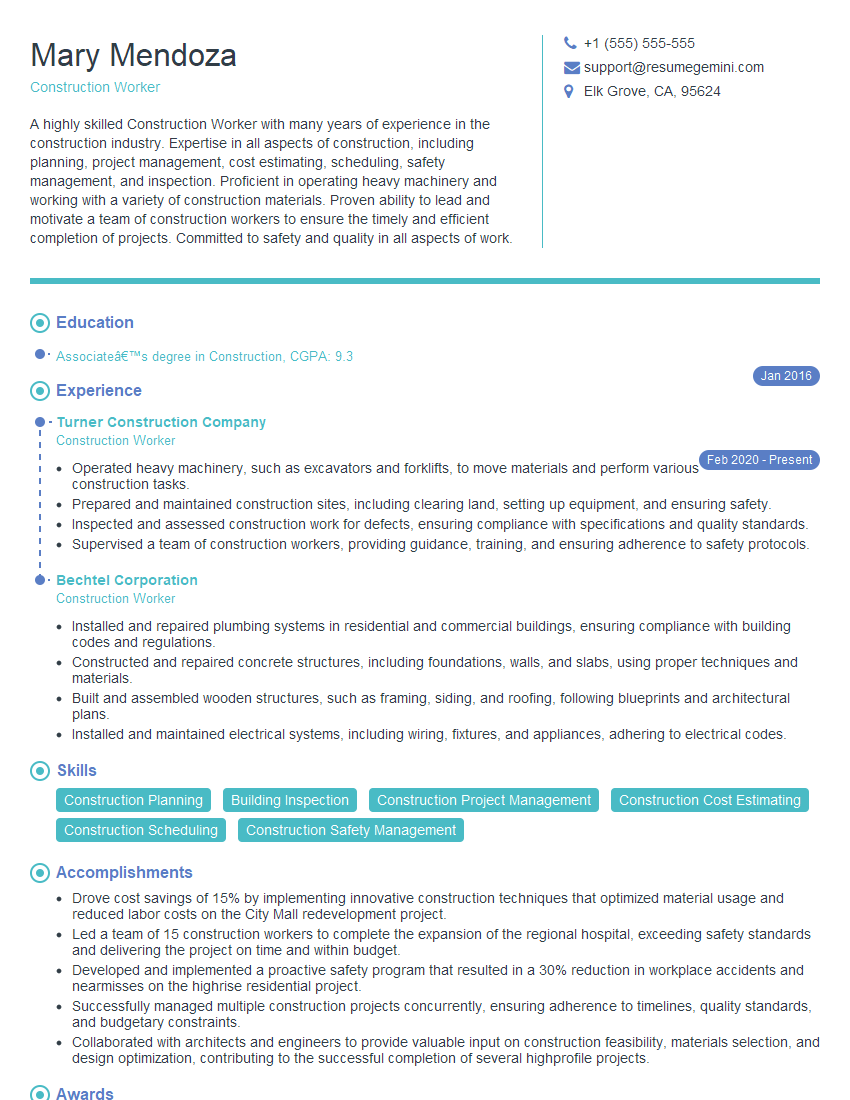
Construction Worker Resume Sample
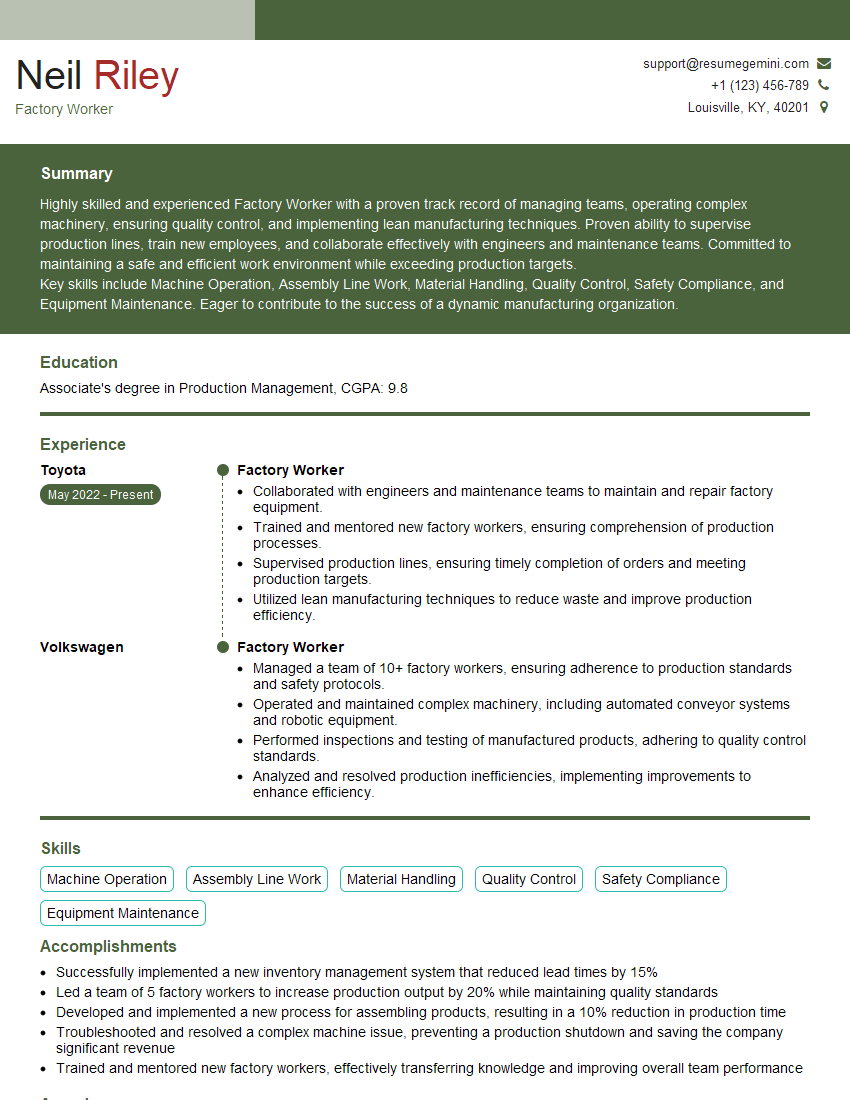
Factory Worker Resume Sample
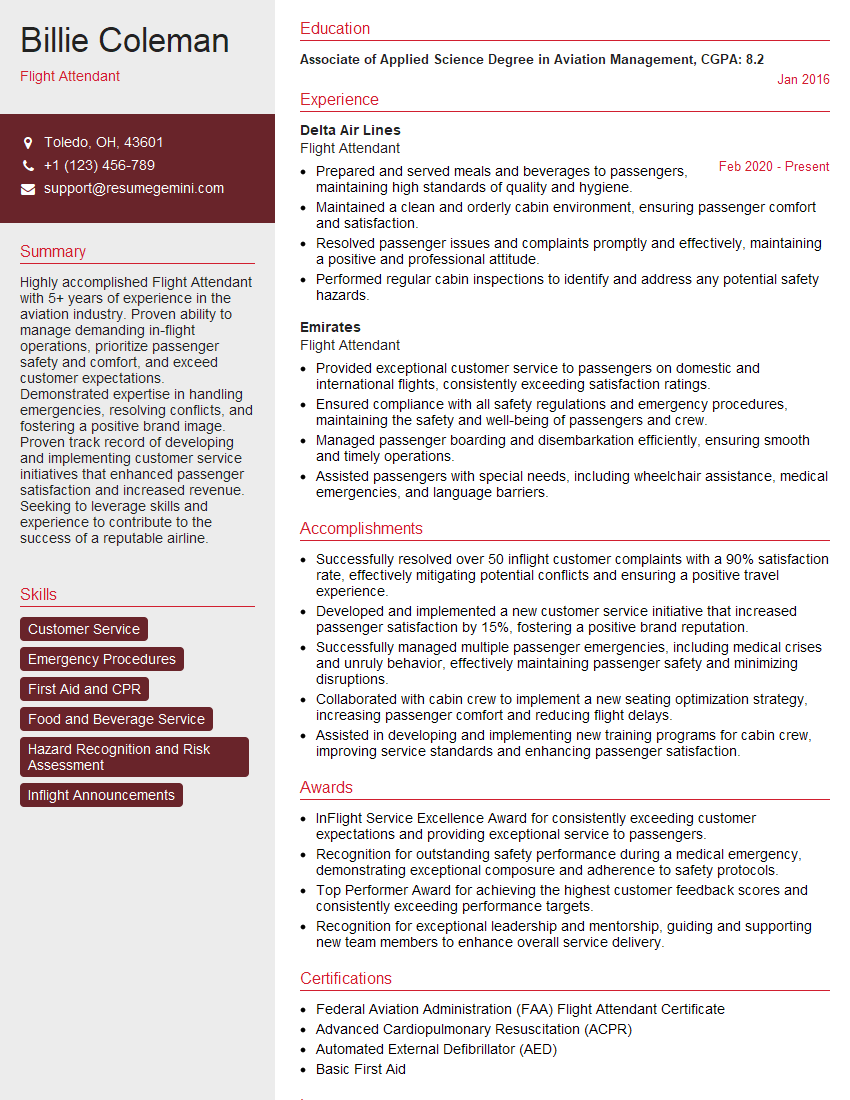
Flight Attendant Resume Sample
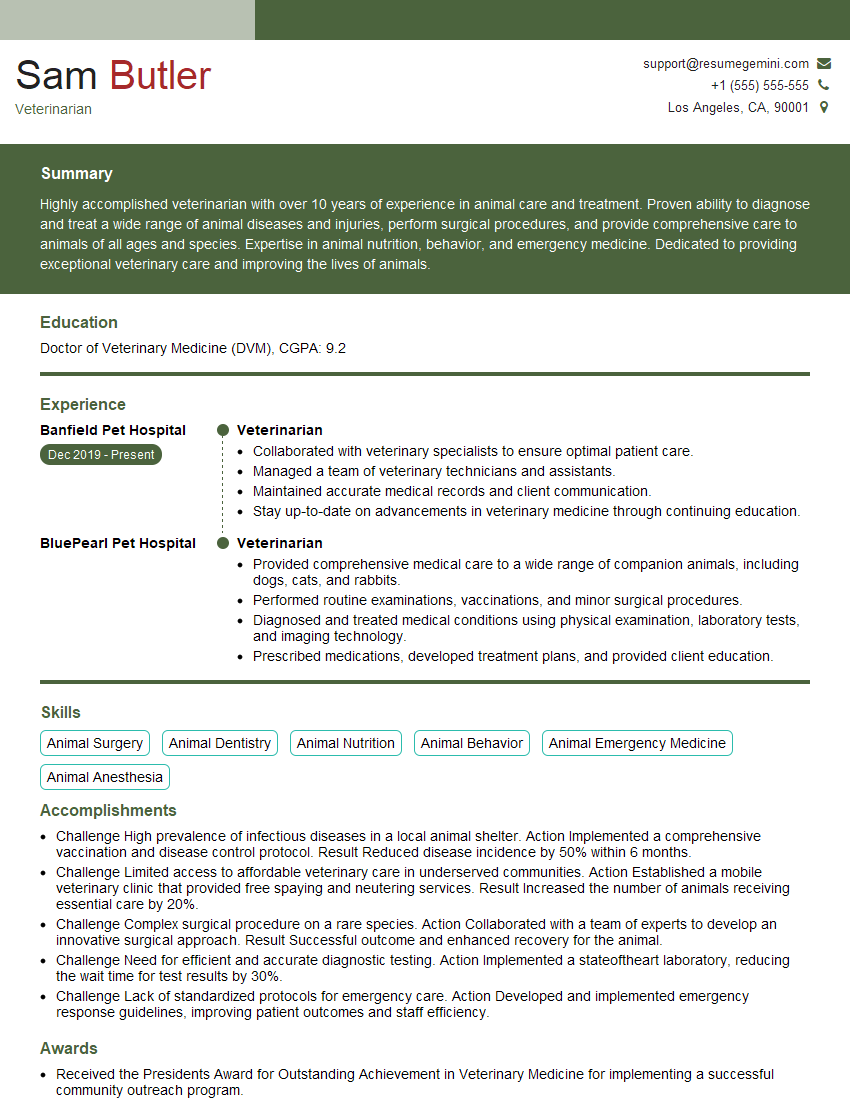
Veterinarian Resume Sample
- Sales Representative
- Customer Service Representative
- Teacher
- Real Estate Agent
- Paramedic
- Event Planner
- Police Officer
- Museum Curator
- Art Conservator
- Dentist
- Surgeon
- Law Enforcement Officer
- Security Guard
- Chef
- Cashier
- Barista
- Hair Stylist
- Retail Manager
- Retail Sales Associate
- Construction Worker
- Factory Worker
- Flight Attendant
- Veterinarian
Explore more articles
Users Rating of Our Blogs
Share Your Experience
We value your feedback! Please rate our content and share your thoughts (optional).
What Readers Say About Our Blog
Very informative content, great job.
good