The thought of an interview can be nerve-wracking, but the right preparation can make all the difference. Explore this comprehensive guide to Rocketry interview questions and gain the confidence you need to showcase your abilities and secure the role.
Questions Asked in Rocketry Interview
Q 1. Explain the Tsiolkovsky rocket equation and its significance.
The Tsiolkovsky rocket equation is a fundamental equation in rocketry that describes the relationship between a rocket’s initial mass, final mass, exhaust velocity, and the change in velocity (delta-v) it can achieve. It’s essentially a conservation of momentum equation applied to a rocket expelling propellant.
The equation is: Δv = ve * ln(m0/mf)
Where:
Δvis the change in the rocket’s velocity (delta-v)veis the exhaust velocity of the propellantm0is the initial mass of the rocket (including propellant)mfis the final mass of the rocket (after propellant is expended)lnis the natural logarithm
Its significance lies in its ability to predict the performance of a rocket given its design parameters. It shows that to achieve a large change in velocity (e.g., to reach orbit), you either need a high exhaust velocity (efficient engine), a large initial mass relative to the final mass (lots of propellant), or a combination of both. This equation is critical in the design phase of any rocket, dictating the size and amount of propellant needed to reach a specific target.
Q 2. Describe different types of rocket propulsion systems (solid, liquid, hybrid).
Rocket propulsion systems are broadly categorized into three main types: solid, liquid, and hybrid.
- Solid-propellant rockets: These use a solid mixture of fuel and oxidizer pre-packed in the combustion chamber. They are simple, reliable, and require minimal infrastructure for operation. However, they are typically less efficient than liquid-propellant rockets and their burn rate cannot be easily controlled after ignition. Examples include the Space Shuttle Solid Rocket Boosters.
- Liquid-propellant rockets: These rockets use separate tanks for fuel and oxidizer, which are pumped into a combustion chamber where they mix and burn. They offer greater control over thrust, allowing for throttling (adjusting thrust levels) and even shut-down and restart of the engine. They’re more complex and require sophisticated plumbing and control systems, but generally achieve higher specific impulse (more efficient). Examples include the engines used in the Saturn V rocket.
- Hybrid-propellant rockets: These combine aspects of both solid and liquid systems. They usually have a solid fuel grain and a liquid oxidizer. This offers some control over the burn rate and allows for more efficient operation compared to solid rockets, while maintaining a simpler design than liquid systems. They represent a compromise offering increased safety and control compared to solid rockets while being less complex than liquid rockets. An example is the SpaceShipOne motor.
Q 3. What are the challenges of designing a reusable rocket?
Designing a reusable rocket presents significant engineering challenges, primarily revolving around the extreme conditions experienced during launch and re-entry.
- Thermal Protection: The intense heat generated during atmospheric re-entry requires robust thermal protection systems to prevent the vehicle from burning up. This is exceptionally challenging due to the aerodynamic heating and the wide range of temperatures experienced.
- Aerodynamic Control: Precise control during atmospheric descent is crucial for safe landing. Maneuvering a large, falling vehicle at hypersonic speeds requires advanced control surfaces and sophisticated guidance systems.
- Structural Integrity: The rocket must withstand the immense stresses of launch, the forces of atmospheric flight, and the impacts of landing. This requires advanced materials and structural designs capable of handling repeated cycles of extreme stress.
- Engine Reuse: Reusing rocket engines demands that they survive the extreme temperatures and pressures of launch, the vibrations of flight, and the harsh conditions of re-entry and landing. Their complex design, often with delicate components, needs to be robust enough for multiple flights.
- Cost-effectiveness: Reusability is ultimately driven by cost reduction. The design needs to balance the added complexity and cost of reusability with the cost savings from repeated launches.
These challenges require innovative solutions in materials science, thermal management, aerodynamics, control systems, and manufacturing processes. SpaceX’s Falcon 9 and Starship programs are prime examples of addressing these challenges, although many hurdles still remain.
Q 4. Explain the concept of specific impulse and its importance in rocket design.
Specific impulse (Isp) is a measure of the efficiency of a rocket engine. It represents the amount of thrust produced per unit weight of propellant consumed per unit time. A higher specific impulse indicates a more efficient engine, meaning it can achieve a larger delta-v for the same amount of propellant.
The formula is: Isp = F/(ṁ * g0)
Where:
Ispis the specific impulse (usually measured in seconds)Fis the thrust produced by the engineṁis the propellant mass flow rateg0is the standard acceleration due to gravity
In rocket design, specific impulse is crucial because it directly impacts the payload capacity and overall mission performance. A higher Isp means you need less propellant to achieve the same velocity change, reducing the overall mass of the rocket and allowing for a heavier payload or a longer mission duration. The choice of propellant and engine design heavily influences the specific impulse.
Q 5. Describe the stages of a typical rocket launch.
A typical rocket launch involves several key stages:
- Pre-launch checks: Thorough inspections of the rocket and its systems, fueling, and final preparations are made.
- Ignition and liftoff: The rocket engines ignite, and the vehicle lifts off the launchpad.
- Initial ascent: The rocket climbs vertically, gradually tilting its trajectory to minimize atmospheric drag.
- Stage separation: As the propellant in the initial stage is expended, the spent stage is jettisoned, reducing the overall mass of the rocket.
- Orbital insertion: The upper stage(s) fire to achieve the required velocity for orbital insertion. This maneuver puts the spacecraft into its intended orbit.
- Payload deployment: Once in orbit, the payload (satellite, spacecraft, etc.) is released from the upper stage.
- Post-mission operations: Tracking and monitoring the payload, and conducting post-flight analyses are done.
The number of stages depends on the mission requirements. Larger missions with greater delta-v requirements usually employ multi-stage rockets, enabling them to efficiently reach their destination.
Q 6. How does a rocket’s guidance, navigation, and control system work?
A rocket’s Guidance, Navigation, and Control (GNC) system is responsible for ensuring the rocket follows its intended trajectory and reaches its target. It’s a complex interplay of several subsystems:
- Guidance: This system determines the desired trajectory based on the mission objectives. It calculates the necessary steering commands to guide the rocket to its target.
- Navigation: This involves determining the rocket’s current position, velocity, and attitude (orientation). It uses various sensors, such as inertial measurement units (IMUs), GPS, and star trackers, to gather data about the rocket’s state.
- Control: This system executes the guidance commands by actuating the rocket’s control surfaces (fins, gimbals, etc.) and/or engine thrust vectoring to adjust its trajectory and attitude. It ensures the rocket stays on course.
These three subsystems work in a closed-loop feedback system. The navigation system provides data about the rocket’s current state to the guidance system. The guidance system calculates the necessary control inputs and sends them to the control system, which then adjusts the rocket’s trajectory. The process repeats continuously throughout the flight. Advanced algorithms and sophisticated software are crucial for real-time processing and accurate control during the flight.
Q 7. What are some common failure modes in rocket propulsion systems?
Rocket propulsion systems are subjected to extremely harsh conditions, leading to several common failure modes:
- Combustion instability: Unstable combustion can lead to violent pressure fluctuations, potentially damaging the engine or causing catastrophic failure.
- Turbopump failure: Turbopumps, which are used in liquid-propellant rockets to pump propellants into the combustion chamber, are complex and high-speed components prone to failure.
- Propellant leaks: Leaks in propellant tanks or lines can result in loss of propellant, reduced performance, or even explosions.
- Premature ignition: Accidental ignition of the propellant before the intended launch time is a significant safety concern.
- Engine shutdown: Engine shutdown during flight, due to various reasons such as sensor malfunctions or propellant depletion, can result in mission failure.
- Structural failure: The intense forces during launch and flight can cause structural failures in the engine or other parts of the rocket.
These failures are often caused by a combination of factors, including material defects, design flaws, manufacturing errors, and operational issues. Rigorous testing, quality control, and redundancy are essential in mitigating these risks.
Q 8. Explain the role of aerodynamics in rocket design.
Aerodynamics plays a crucial role in rocket design, dictating how the vehicle interacts with the atmosphere during ascent. It’s all about minimizing drag and maximizing lift (though lift is less critical for rockets than for airplanes). A streamlined shape reduces air resistance, allowing the rocket to reach higher speeds with less fuel. Conversely, understanding how air flows over the rocket’s surfaces is critical for maintaining stability and preventing destructive forces.
Consider the Apollo Saturn V rocket: its sleek, conical shape was meticulously designed to minimize drag. Conversely, a poorly designed rocket with a large surface area and irregular shape will experience significantly higher drag, drastically reducing its efficiency and potentially causing instability.
Aerodynamic forces are calculated using computational fluid dynamics (CFD) simulations, which model the airflow around the rocket. This helps engineers optimize the shape and design for optimal performance.
Q 9. Describe different types of rocket trajectories.
Rocket trajectories are determined by several factors, including the mission objective, the type of rocket, and the desired altitude and range. We can broadly categorize them as:
- Vertical Ascent: A straight-up trajectory, typically used for suborbital flights or for launching payloads into orbit.
- Lofted Trajectory: A trajectory where the rocket initially ascends vertically then gradually curves towards a target location, often used for ballistic missiles.
- Orbital Trajectory: A trajectory designed to place a payload into orbit around a celestial body. This requires achieving a specific velocity and altitude.
- Suborbital Trajectory: This trajectory achieves a certain altitude but does not achieve orbit, the payload comes back to Earth.
The choice of trajectory depends on the specific mission. For example, a satellite launch requires a precise orbital trajectory, while a sounding rocket for atmospheric research might use a simple vertical ascent trajectory.
Q 10. How do you ensure the stability of a rocket during flight?
Rocket stability is essential to prevent tumbling and ensure accurate flight. This is achieved through a combination of methods:
- Center of Gravity (CG) and Center of Pressure (CP): The CG is the point where the rocket’s weight is concentrated, while the CP is the point where the aerodynamic forces act. For stable flight, the CG must be located slightly ahead of the CP. This creates a restoring moment that rights the rocket if it deviates from its intended trajectory.
- Fins: Fins provide aerodynamic stability, acting like the tail feathers of an arrow. Their size, shape, and placement are crucial for maintaining stability, especially at lower altitudes where aerodynamic forces are stronger. The number and design of fins are carefully calculated to maximize stability and minimize drag.
- Control Systems: For larger rockets, active control systems using gimballed engines or thrust vector control (TVC) are often used to precisely control the rocket’s orientation and compensate for any disturbances.
Imagine a spinning top; the CG below the CP provides inherent stability. A rocket’s stability is achieved using similar principles, albeit with more complex aerodynamic considerations.
Q 11. What are the challenges of designing for high-altitude flight?
Designing for high-altitude flight presents unique challenges. The atmosphere becomes progressively thinner with altitude, leading to reduced aerodynamic forces and increased reliance on onboard propulsion systems. Other challenges include:
- Extreme Temperature Variations: Rockets experience extreme temperature differences, from the intensely cold temperatures of the upper atmosphere to the heat generated by the propulsion system. This necessitates the use of specialized materials and thermal protection systems.
- Reduced Air Density: The thinner atmosphere at high altitudes offers less lift and more resistance to acceleration. Careful engine design and trajectory planning are crucial to compensate.
- Radiation Exposure: At high altitudes, rockets and their payloads are exposed to greater levels of radiation from the sun and cosmic rays. Shielding is often needed to protect sensitive electronics.
- Extreme Pressure Changes: The significant pressure difference between sea level and high altitudes requires careful design and testing to ensure structural integrity and proper operation of various systems.
For example, the Space Shuttle’s thermal protection system (TPS) was crucial for withstanding the extreme heat of atmospheric re-entry. This system was designed to withstand the heat generated by friction with the atmosphere at hypersonic speeds.
Q 12. Explain the importance of thermal management in rocket design.
Thermal management is critical in rocket design because of the extreme temperature variations experienced during flight. The propulsion system generates immense heat, while the outside environment can be extremely cold at high altitudes. Effective thermal management prevents component failure and ensures the overall safety and reliability of the rocket.
Techniques for thermal management include:
- Insulation: Using materials with high thermal resistance to minimize heat transfer.
- Cooling Systems: Employing liquid or gas coolants to remove excess heat from critical components, like the engine nozzle or avionics bay.
- Heat Sinks: Using high-thermal-capacity materials to absorb heat.
- Radiative Cooling: Allowing heat to dissipate into space via radiation.
Failure to manage heat effectively can lead to catastrophic results. For instance, overheating of the engine can cause it to malfunction or even explode.
Q 13. Describe different methods for controlling rocket thrust.
Rocket thrust is controlled through several methods:
- Throttleable Engines: Some rocket engines can vary their thrust level during flight, allowing for precise control of acceleration and trajectory. This capability is particularly useful for orbital maneuvers.
- Thrust Vectoring: This technique involves deflecting the direction of the exhaust plume, allowing for the control of the rocket’s attitude and direction. It is often achieved by gimbaling (pivoting) the engine nozzle or by using vanes or jets within the exhaust stream.
- Stage Separation: Multi-stage rockets control their thrust by sequentially shedding stages. This reduces the overall weight of the rocket as it ascends, improving efficiency.
- Gas Generators: Many rockets use smaller gas generators which control steering and valve operation and thus, the overall thrust levels.
The choice of method depends on the rocket’s size, mission requirements, and engine design. For instance, the Space Shuttle’s main engines were throttleable, allowing for precise control during ascent and orbital maneuvers.
Q 14. How do you design for safety and reliability in rocket systems?
Safety and reliability are paramount in rocket design. A multifaceted approach is necessary, incorporating redundancy, rigorous testing, and robust quality control.
- Redundancy: Critical systems are often duplicated or triplicated. If one system fails, a backup is available, ensuring the mission’s success or at least preventing a catastrophe.
- Fail-Safe Mechanisms: Design incorporates features that automatically shut down the rocket in case of anomalies, preventing uncontrolled flight.
- Rigorous Testing: Extensive testing, including simulations and actual flight tests, is conducted to validate the design and identify potential weaknesses. This involves various tests, from component-level tests to full-scale simulations.
- Quality Control: Stringent quality control measures throughout the manufacturing process ensure that components meet the required specifications and are free from defects.
- Safety Procedures: Comprehensive safety protocols are implemented throughout all phases of the mission, from pre-launch preparation to post-flight analysis.
For example, the Apollo missions included numerous redundancy measures. The command module had a backup oxygen supply, and backup systems were in place for critical functions like navigation and communications.
Q 15. What are the ethical considerations in rocket development?
Ethical considerations in rocket development are multifaceted and demand careful consideration throughout the entire lifecycle, from design to disposal. A primary concern is environmental impact. Rocket launches release pollutants into the atmosphere, including greenhouse gases and particulate matter. The potential for damage to the ozone layer and contribution to climate change needs rigorous assessment and mitigation strategies. We must strive for environmentally sustainable propellant choices and launch technologies.
Safety is paramount. The risk of accidents during development, testing, and operation must be minimized through robust safety protocols, redundant systems, and rigorous testing. This includes considering potential consequences of launch failures and the safety of surrounding populations.
Space debris is another critical ethical issue. The accumulation of defunct satellites and rocket stages poses a threat to operational spacecraft. We need strategies for mitigating debris, including designing spacecraft for controlled de-orbiting and developing technologies for debris removal.
Finally, the potential for weaponization of space technologies raises serious ethical questions. International cooperation and adherence to treaties are essential to prevent an arms race in space. Responsible development and use of space technology must always prioritize peaceful purposes.
Career Expert Tips:
- Ace those interviews! Prepare effectively by reviewing the Top 50 Most Common Interview Questions on ResumeGemini.
- Navigate your job search with confidence! Explore a wide range of Career Tips on ResumeGemini. Learn about common challenges and recommendations to overcome them.
- Craft the perfect resume! Master the Art of Resume Writing with ResumeGemini’s guide. Showcase your unique qualifications and achievements effectively.
- Don’t miss out on holiday savings! Build your dream resume with ResumeGemini’s ATS optimized templates.
Q 16. Explain the concept of orbital mechanics.
Orbital mechanics governs the motion of satellites and spacecraft around celestial bodies. It’s essentially an application of Newtonian physics, considering the gravitational forces between these bodies. Understanding orbital mechanics is crucial for launching and controlling rockets to achieve desired orbits.
Key concepts include:
- Kepler’s Laws of Planetary Motion: These laws describe the elliptical shape of orbits, the relationship between orbital period and distance, and the sweeping area law.
- Orbital Elements: These parameters uniquely define an orbit, including semi-major axis (size), eccentricity (shape), inclination (angle relative to the equator), and others. Accurately calculating these is critical for mission planning.
- Gravitational Spheres of Influence: Understanding which celestial body’s gravity dominates at different points in space. This is essential for interplanetary missions, where spacecraft transition between different gravitational fields.
- Orbital Maneuvers: These are changes in velocity (delta-v) applied to a spacecraft to alter its orbit. This might involve raising or lowering the orbit, changing its inclination, or performing rendezvous and docking maneuvers. Calculating the required delta-v is key to mission success.
Imagine throwing a ball – it follows a parabolic arc due to gravity. Orbital mechanics extends this concept to scenarios where the object’s velocity is sufficient to ‘miss’ the Earth entirely, instead continuing in an elliptical or circular path around it.
Q 17. Describe different types of rocket payloads.
Rocket payloads encompass any objects or systems carried by a rocket into space. They vary widely depending on the mission objectives. Some examples include:
- Satellites: Communication satellites, Earth observation satellites, weather satellites, navigation satellites (like GPS), scientific research satellites.
- Spacecraft: These are more complex systems designed for specific missions, like crewed spacecraft (e.g., Orion), interplanetary probes (e.g., Voyager), or robotic explorers (e.g., Mars rovers).
- Scientific Instruments: Telescopes, spectrometers, particle detectors, and other equipment used for scientific research in space.
- Cargo: Supplies and equipment for space stations or other orbital facilities.
- Humans: Crewed missions involve sending people into space for research, exploration, or space station operations.
The choice of payload heavily influences the rocket’s design and capabilities. A larger or heavier payload requires a more powerful rocket.
Q 18. How does telemetry work in rocket systems?
Telemetry is the process of remotely measuring and transmitting data from a rocket or spacecraft to a ground station. This data provides crucial real-time information about the vehicle’s performance during flight. Think of it as the rocket’s ‘vital signs’ sent back to engineers.
The system typically involves:
- Sensors: These measure various parameters like altitude, velocity, temperature, pressure, engine thrust, and fuel levels.
- Transmitter: This sends the sensor data wirelessly to a ground station.
- Ground Station: This receives, processes, and displays the telemetry data, allowing engineers to monitor the rocket’s status and make necessary adjustments if required.
Telemetry is critical for mission control and safety. It allows for early detection of anomalies, enabling proactive responses to prevent failures. Real-time data also helps validate the rocket’s design and refine future missions. For instance, if a sensor detects an unexpected temperature increase in an engine, engineers can take appropriate steps or even abort the mission if necessary.
Q 19. What are the challenges of integrating different subsystems in a rocket?
Integrating different subsystems in a rocket is a complex engineering challenge requiring meticulous planning and execution. Subsystems such as the propulsion system, guidance and navigation, avionics, and structure are highly interdependent.
Challenges include:
- Compatibility: Ensuring all subsystems work together seamlessly, with compatible interfaces and power requirements. A mismatch can lead to system failures.
- Weight and Size Constraints: Balancing performance with weight and volume is crucial. Every component adds weight and affects the rocket’s overall capabilities.
- Environmental Factors: Subsystems must withstand extreme temperatures, vibrations, and accelerations experienced during launch and flight.
- Reliability and Redundancy: High reliability is paramount, with redundant systems in place to ensure mission success even if one component fails. This significantly increases complexity.
- Testing and Verification: Thorough testing is essential to validate the integration and ensure that all subsystems perform as expected under various conditions.
Imagine building a complex clock – each gear must mesh perfectly. Rocket integration is similar; precise coordination and testing are crucial to ensure that every component functions flawlessly as part of the whole.
Q 20. Describe your experience with rocket testing and simulations.
My experience with rocket testing and simulations spans over [Number] years, encompassing various roles in [mention specific roles, e.g., design, testing, analysis]. I’ve been involved in [mention specific projects or programs], focusing primarily on [mention specific area of expertise, e.g., propulsion system testing, flight dynamics simulation].
Testing methodologies involved both hardware-in-the-loop (HIL) simulations, where real components interact with simulated environments, and software-in-the-loop (SIL) simulations focusing on software algorithms and control systems. We used high-fidelity simulations to model complex phenomena such as fluid dynamics, combustion, and structural response, allowing us to predict performance under diverse conditions and identify potential design flaws before costly physical testing. This approach significantly reduces risk and development costs.
Specific examples of my contributions include [mention specific achievements or accomplishments, e.g., developing novel testing procedures that reduced testing time by X%, identifying and resolving critical design flaws using simulation, contributing to the successful launch of X]. Data analysis and interpretation were integral aspects of my role, guiding design improvements and validating performance predictions.
Q 21. Explain the different types of rocket fuels and oxidizers.
Rocket fuels and oxidizers are carefully chosen based on their energy density, performance characteristics, safety, and cost. They are typically paired for optimal combustion efficiency.
Fuels:
- Liquid Hydrogen (LH2): High energy density but cryogenic (very cold), requiring specialized storage and handling.
- Kerosene (RP-1): Relatively inexpensive and easily stored, commonly used in many rockets.
- Hydrazine (N2H4): Hypergolic (ignites spontaneously on contact with oxidizer), used in smaller thrusters and attitude control systems. Toxic and hazardous.
Oxidizers:
- Liquid Oxygen (LOX): Most common oxidizer, highly efficient but cryogenic.
- Nitrogen Tetroxide (N2O4): Hypergolic oxidizer, used with fuels like hydrazine.
- Nitric Acid (HNO3): Powerful oxidizer but corrosive, used in some older rocket designs.
The choice depends on the mission requirements. High-energy missions requiring high delta-v (like interplanetary travel) often utilize LH2/LOX, while shorter-range missions might use kerosene/LOX or hypergolic combinations for their simplicity and reliability. Safety and environmental concerns are also crucial factors influencing the choice of propellants.
Q 22. How do you manage risks in a rocket development project?
Risk management in rocket development is paramount. It’s a systematic process that begins during the conceptual design phase and continues throughout the entire lifecycle, from design and manufacturing to launch and operation. We employ a multi-layered approach, integrating several key strategies:
- Hazard Identification and Analysis: We utilize Failure Modes and Effects Analysis (FMEA) and Fault Tree Analysis (FTA) to systematically identify potential hazards and their consequences. This helps prioritize risks based on their likelihood and severity.
- Risk Mitigation: Once identified, we develop mitigation strategies. This can include design modifications, enhanced testing procedures, redundant systems (e.g., having backup engines), or even adjusting the mission profile to reduce risk. For example, if a particular component has a high failure rate, we might redesign it, implement more rigorous quality control, or choose a more reliable alternative.
- Risk Monitoring and Control: Throughout the project, we continuously monitor the identified risks. Regular reviews and updates to the risk register ensure that the mitigation plans remain effective and any new risks are addressed promptly. Data from tests and simulations are crucial here.
- Contingency Planning: We develop detailed contingency plans for various scenarios, including launch failures or unexpected events. These plans detail the steps to be taken to ensure the safety of personnel and the mission’s objectives to the greatest extent possible.
For example, during a recent project, we identified a high risk associated with the first-stage separation system. Through detailed analysis and simulation, we implemented a redundant pyrotechnic system, significantly reducing the probability of failure and enhancing mission success.
Q 23. Describe your experience with CAD software for rocket design.
I have extensive experience using various CAD software packages for rocket design, including SolidWorks, CATIA, and NX. My expertise lies in leveraging these tools to create detailed 3D models of rocket components, perform finite element analysis (FEA) to assess structural integrity under stress, and generate manufacturing drawings. I’m proficient in creating complex assemblies, managing large datasets, and collaborating effectively within a team environment using these tools.
For example, in a previous project, we used SolidWorks to design the intricate fuel injectors for a liquid-fueled rocket engine. The software allowed us to simulate the flow of propellant, optimize the injector geometry for efficient combustion, and ensure the structural integrity of the injector under high pressure. This resulted in a more efficient and reliable engine design.
Q 24. What are the environmental impacts of rocket launches?
Rocket launches have significant environmental impacts, primarily due to the emission of pollutants and the potential for debris generation. The main concerns include:
- Greenhouse gas emissions: The combustion of rocket propellants releases greenhouse gases like carbon dioxide (CO2), contributing to climate change. The type and amount of emissions depend heavily on the propellant used.
- Atmospheric pollution: Rocket exhaust contains various pollutants like soot, oxides of nitrogen (NOx), and potentially harmful particulate matter. These can affect air quality and contribute to smog formation.
- Noise pollution: Rocket launches generate intense noise, which can negatively impact wildlife and nearby communities.
Mitigation strategies include developing greener propellants, improving engine efficiency to reduce emissions, implementing strategies to de-orbit spent rocket stages, and carefully selecting launch sites to minimize environmental impact. The industry is actively working on these challenges to lessen the footprint of space exploration.
Q 25. Describe your experience with rocket launch operations.
I have extensive experience in rocket launch operations, having participated in multiple launch campaigns from pre-launch preparations to post-launch analysis. My roles have involved overseeing pre-flight checks, coordinating with various teams (e.g., engineers, technicians, safety personnel), monitoring launch parameters in real-time, and analyzing post-flight data.
Specifically, I have been involved in tasks such as:
- Pre-launch checks: Verifying the readiness of the rocket and launch infrastructure, including propellant loading, systems checks, and weather monitoring.
- Launch sequence execution: Supervising the countdown sequence and initiating the launch commands.
- Flight monitoring: Tracking telemetry data and ensuring proper rocket performance throughout the flight.
- Post-flight analysis: Reviewing flight data, identifying any anomalies, and contributing to lessons learned reports for future missions.
One memorable experience involved a launch delay due to unforeseen weather conditions. My team’s quick thinking and effective communication with the meteorological team allowed us to safely postpone the launch and minimize any risks.
Q 26. How do you ensure the structural integrity of a rocket?
Ensuring the structural integrity of a rocket is critical for mission success and safety. We accomplish this through a combination of:
- Material Selection: Utilizing high-strength, lightweight materials like aluminum alloys, carbon fiber composites, and titanium alloys, carefully chosen for their specific properties and the stresses they will endure.
- Design Optimization: Employing advanced computational tools such as Finite Element Analysis (FEA) to simulate the stresses and strains on the rocket structure during launch, flight, and re-entry (if applicable). This analysis helps identify potential weak points and allows us to optimize the design for maximum strength and minimum weight.
- Testing: Performing rigorous testing, including static fire tests (firing the engines on the ground), vibration testing to simulate launch loads, and acoustic testing to assess the effects of sound pressure during launch. These tests are critical for verifying the design’s ability to withstand real-world conditions.
For example, in the design of a large payload fairing, FEA was used to model the stresses during launch and atmospheric pressure changes. We discovered a stress concentration at a specific joint. A design modification, including reinforcement in that area, eliminated this potential failure point.
Q 27. Explain your understanding of orbital maneuvering.
Orbital maneuvering involves changing a spacecraft’s orbit after it has been successfully launched. This requires careful planning and execution, using onboard thrusters or engines to adjust the spacecraft’s velocity and trajectory. Different maneuvers serve various purposes, such as:
- Orbit raising or lowering: Adjusting the altitude of the orbit, often required to achieve a desired operational altitude or to transfer between different orbits.
- Orbit plane changes: Altering the inclination of the orbit, which is the angle between the orbital plane and the equatorial plane. This can involve substantial fuel consumption.
- Station-keeping: Making small adjustments to maintain a spacecraft’s position in a specific orbit, counteracting the effects of atmospheric drag or gravitational perturbations.
- Rendezvous and docking: Performing complex maneuvers to approach, match velocity with, and dock with another spacecraft.
The calculations involved in orbital maneuvering are complex, requiring precise knowledge of orbital mechanics, celestial mechanics, and propulsion systems. Software tools are commonly employed to simulate maneuvers and determine the optimal fuel usage and timing.
Q 28. What are the latest advancements in rocket technology?
Recent advancements in rocket technology are revolutionizing the space industry, driven by the need for more efficient, reusable, and environmentally friendly systems. Some key areas include:
- Reusable rockets: Companies like SpaceX have demonstrated the feasibility of reusable rocket stages, dramatically reducing the cost of space access. This involves technologies for controlled descent, landing, and refurbishment of the rockets.
- Advanced propulsion systems: Research into alternative propellants, such as methane-oxygen or hybrid propulsion systems, aims to improve engine efficiency, reduce emissions, and enhance performance.
- 3D printing of rocket components: Additive manufacturing is enabling the creation of complex and lightweight rocket components with improved structural integrity, reducing manufacturing time and cost.
- Autonomous flight control systems: Increasingly sophisticated autonomous flight control systems are enhancing launch reliability and enabling complex maneuvers with greater precision.
- In-Space propulsion and refueling: Development of in-space propulsion systems and refueling capabilities is essential for longer missions, deep-space exploration, and the establishment of space-based infrastructure.
These advancements are not only making space access more affordable and sustainable but are also enabling more ambitious space exploration missions.
Key Topics to Learn for Rocketry Interview
- Rocket Propulsion Fundamentals: Understand different types of rocket engines (solid, liquid, hybrid), their operating principles, and performance characteristics. Consider the thermodynamics and gas dynamics involved.
- Orbital Mechanics: Grasp key concepts like Kepler’s laws, orbital elements, Hohmann transfers, and trajectory optimization. Be prepared to discuss practical applications in mission design.
- Rocket Design and Engineering: Familiarize yourself with structural design considerations, materials science relevant to aerospace applications, and the challenges of weight optimization.
- Guidance, Navigation, and Control (GNC): Understand the principles of inertial navigation, GPS-based navigation, and attitude control systems. Be ready to discuss algorithms and their implementation.
- Aerospace Materials: Develop a strong understanding of the properties and applications of materials commonly used in rocketry, considering factors like strength-to-weight ratio and thermal resistance.
- Flight Dynamics and Control: Understand the principles of stability and control of rockets, and be prepared to discuss different control systems and their effectiveness.
- Telemetry and Data Acquisition: Familiarize yourself with the processes involved in collecting and analyzing data from rocket flights, and the importance of reliable data transmission.
- Safety and Reliability: Understand the critical importance of safety protocols and reliability engineering in rocketry, and be prepared to discuss risk assessment and mitigation strategies.
Next Steps
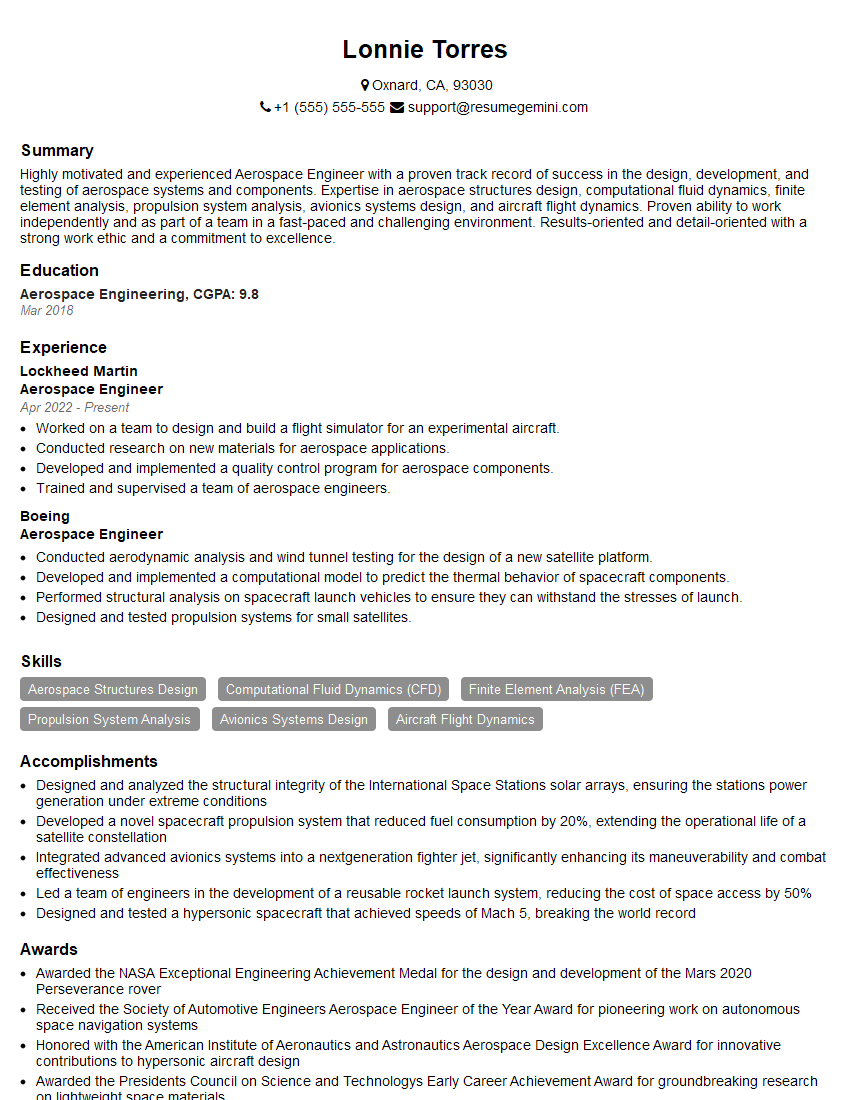
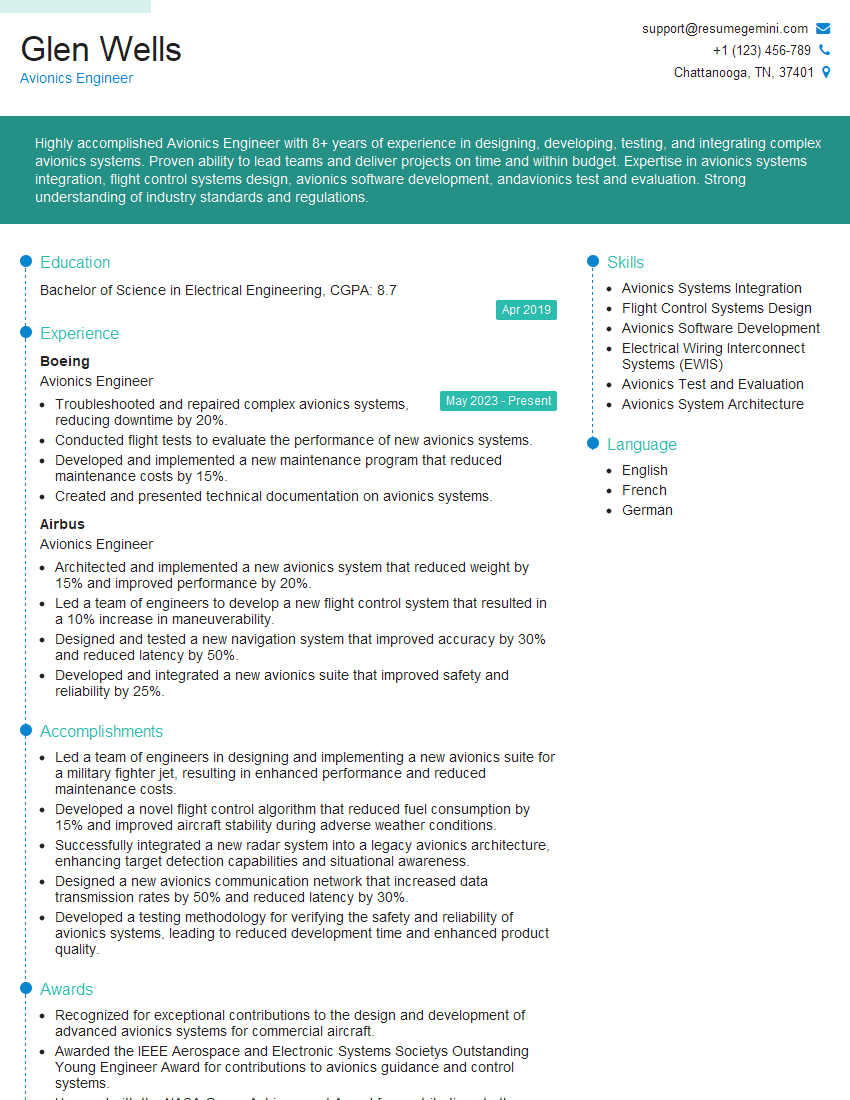
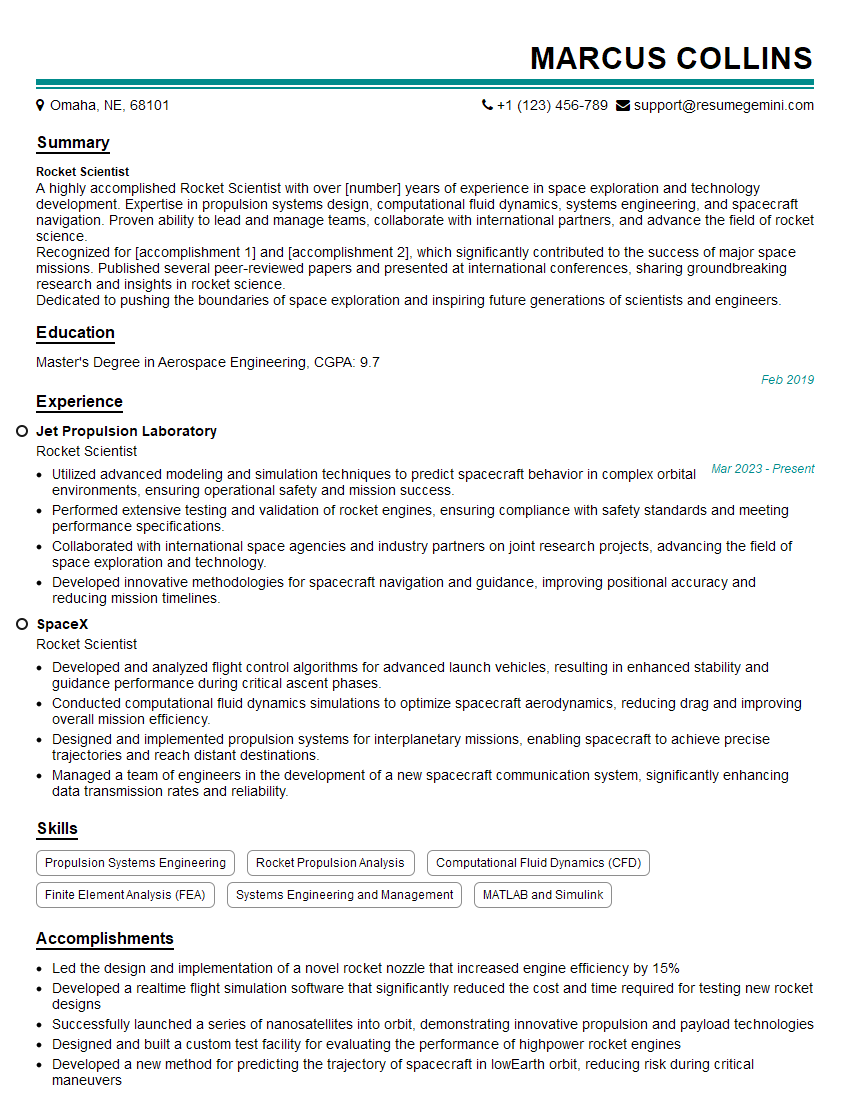
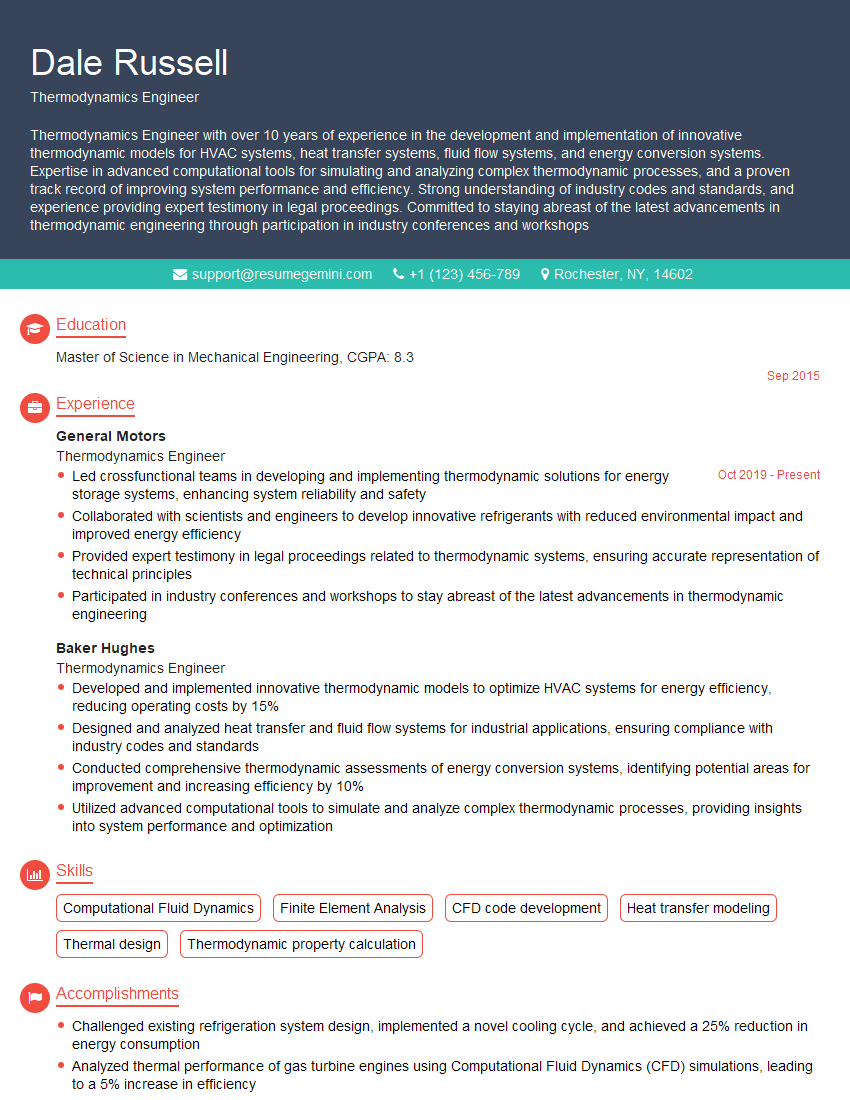
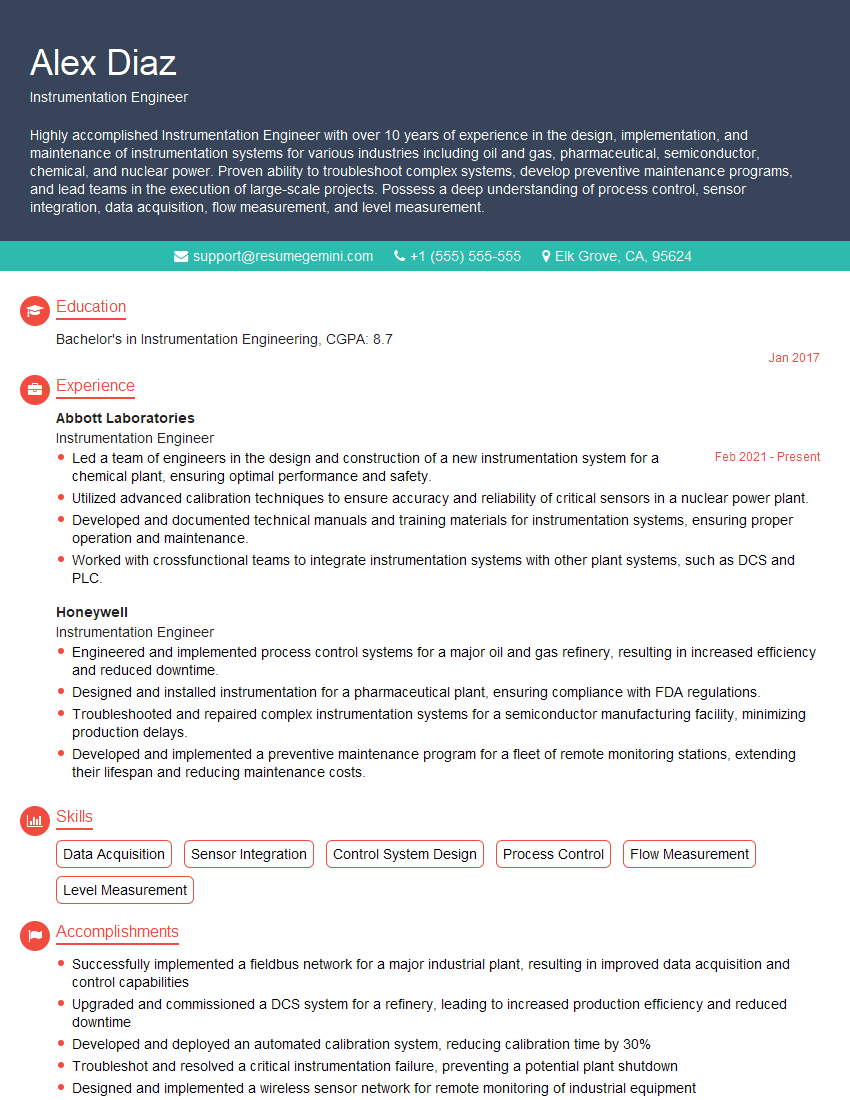
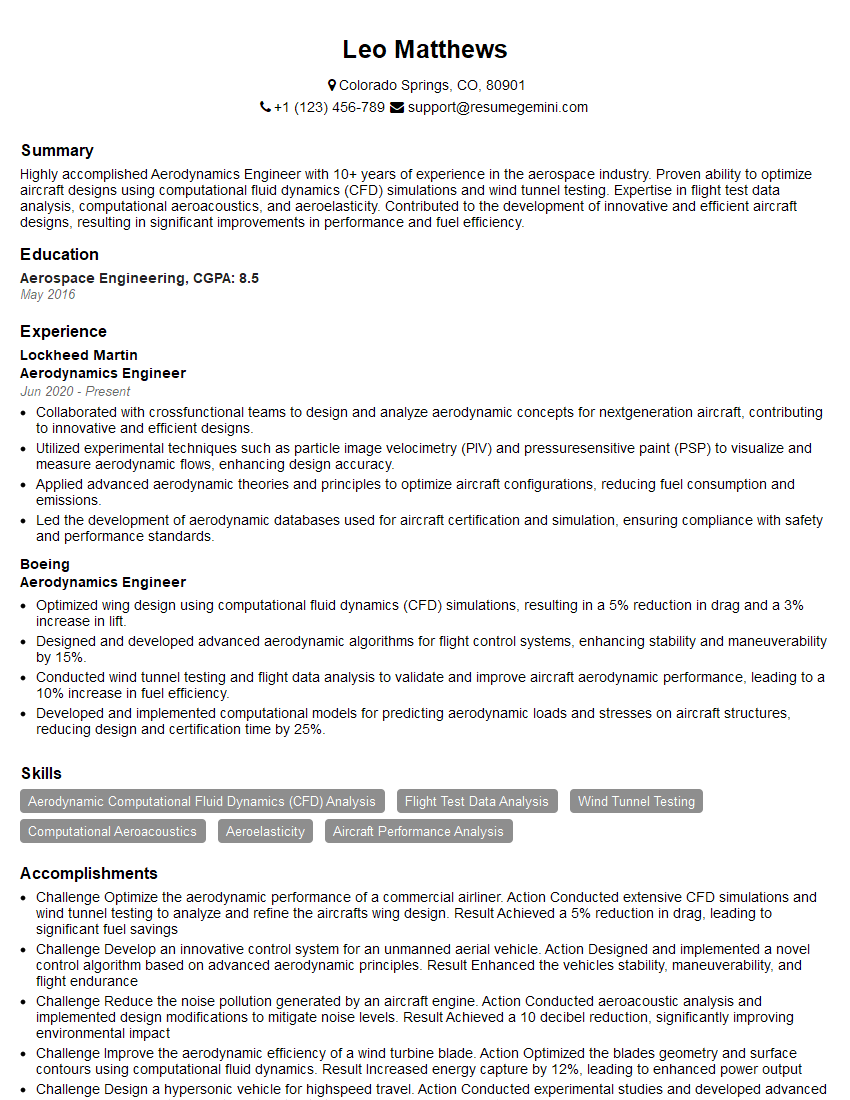
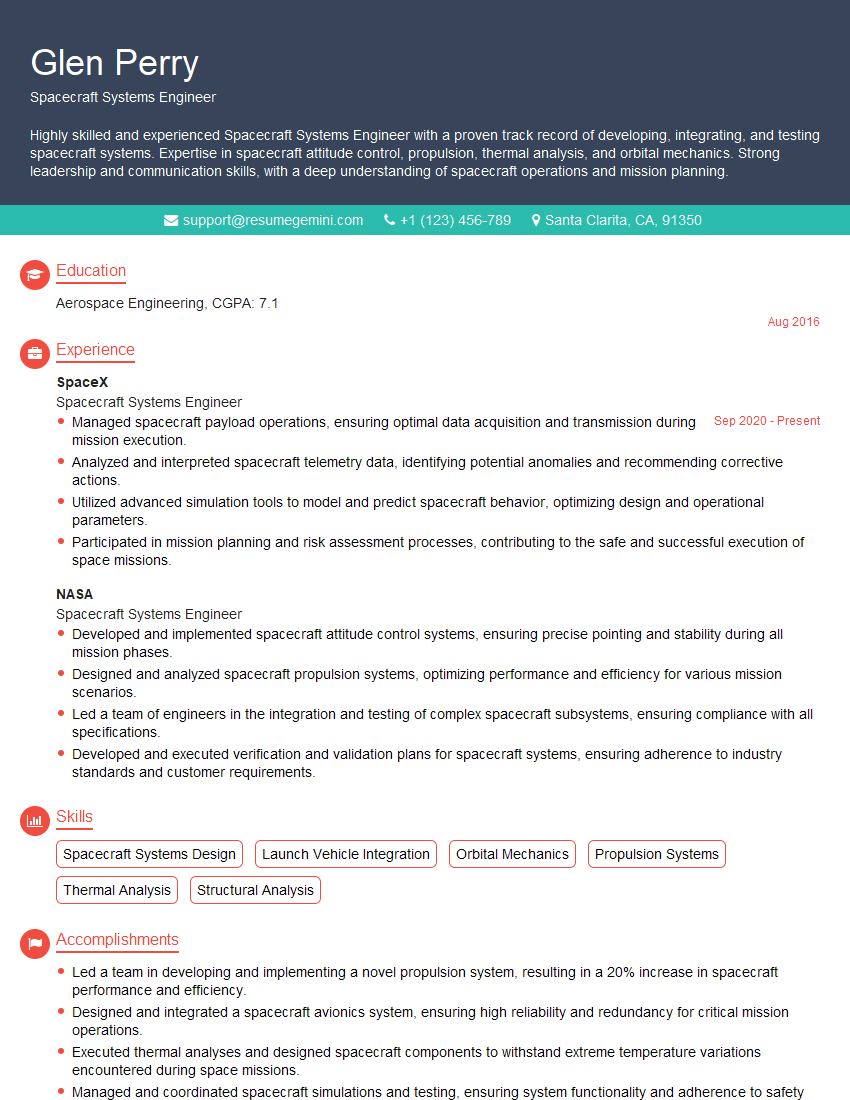
Mastering Rocketry opens doors to exciting and impactful careers in a rapidly evolving field. To significantly enhance your job prospects, invest time in crafting a compelling, ATS-friendly resume that showcases your skills and experience effectively. ResumeGemini is a trusted resource that can help you build a professional resume tailored to the aerospace industry. Examples of resumes tailored to Rocketry are available to help guide you in this process. A well-structured resume will significantly increase your chances of landing your dream job in this dynamic sector.
Explore more articles
Users Rating of Our Blogs
Share Your Experience
We value your feedback! Please rate our content and share your thoughts (optional).
What Readers Say About Our Blog
Very informative content, great job.
good