Interviews are opportunities to demonstrate your expertise, and this guide is here to help you shine. Explore the essential Rodeo Event Knowledge and Regulations interview questions that employers frequently ask, paired with strategies for crafting responses that set you apart from the competition.
Questions Asked in Rodeo Event Knowledge and Regulations Interview
Q 1. Explain the different rodeo event categories and their scoring systems.
Rodeo events are broadly categorized into roughstock and timed events. Roughstock events involve riding bucking animals, while timed events focus on speed and skill in handling livestock. Let’s break down the categories and scoring:
- Roughstock (e.g., Bull Riding, Bareback Bronc Riding, Saddle Bronc Riding): Judges score riders based on their riding ability and the animal’s bucking action. Scores range from 0 to 50 points for each judge (typically two judges), with the total score being the sum. A rider must stay mounted for eight seconds (bull riding) or eight seconds (bareback bronc riding) to receive a score. Higher scores are awarded for maintaining control, spurring technique, and exhibiting athleticism while the animal bucks fiercely. The animal’s bucking contributes significantly to the final score.
- Timed Events (e.g., Steer Wrestling, Tie-Down Roping, Team Roping, Barrel Racing): These events prioritize speed and efficiency. The contestant’s time is measured electronically, and the lowest time wins. Penalties are added for rule infractions (e.g., illegal maneuvers, failing to properly restrain the animal). For example, in steer wrestling, the goal is to wrestle a steer to the ground as quickly as possible; in barrel racing, the goal is to navigate a cloverleaf pattern around three barrels in the fastest time.
Example: In bull riding, a rider might receive a 45 from one judge and a 47 from another, resulting in a final score of 92. In barrel racing, a time of 14.5 seconds is better than a time of 15.2 seconds.
Q 2. Describe the proper procedures for handling a rodeo injury.
Responding to a rodeo injury requires immediate action and follows a standardized procedure. First, ensure the safety of the injured person and those around them. Then:
- Assess the situation: Determine the nature and severity of the injury. Look for bleeding, broken bones, head injuries, etc.
- Call for help: Immediately contact emergency medical services (EMS). In remote locations, this might involve utilizing satellite phones or radios.
- Provide first aid: Administer first aid as appropriate, but avoid doing anything that could worsen the injury. Control bleeding if necessary. If a spinal injury is suspected, do not move the person; immobilize them and await professional medical assistance.
- Maintain scene safety: Prevent further accidents. Alert others to the situation and clear the area if necessary.
- Cooperate with EMS: When EMS arrives, provide them with all relevant information, including what happened and the first aid given.
Practical Application: Having readily available first-aid kits, trained personnel (e.g., certified EMTs), and a well-defined emergency response plan are crucial for managing rodeo injuries effectively. Regular safety training for all participants is essential.
Q 3. What are the key regulations regarding animal welfare in rodeos?
Animal welfare is paramount in modern rodeos. Regulations vary by rodeo association, but common guidelines include:
- Animal Selection and Health: Only healthy animals should participate. Veterinary checks are often mandatory before and during the event. Animals deemed unfit are withdrawn.
- Humane Handling: Roughstock animals must be handled humanely throughout the process, from transportation to the arena. Rules prohibit excessive force or abusive treatment. Roping techniques must follow safety guidelines, preventing unnecessary injury to the livestock.
- Equipment Inspections: Equipment used on animals (e.g., bucking straps, ropes) is inspected for proper condition and design, ensuring minimal risk of injury.
- Veterinary Oversight: Many rodeos employ veterinarians to ensure animal welfare. Their job involves monitoring animal health, inspecting equipment, and addressing any concerns immediately.
- Post-Event Care: Proper care of animals after an event is crucial. This involves providing water, food, and necessary medical attention if needed.
Example: A veterinarian might disqualify a bull showing signs of lameness, ensuring it doesn’t compete. Specific rules on how tight a flank strap should be on a bucking bronco prevent injury.
Q 4. How do you ensure the safety of contestants, livestock, and spectators at a rodeo?
Ensuring safety involves proactive measures across all aspects of the rodeo:
- Arena Design and Maintenance: The arena should have a safe, well-maintained surface. Barriers and protective fencing should be in place to separate the performance area from spectators. Regular inspections prevent hazards.
- Contingency Planning: A comprehensive emergency plan, including emergency medical services and crowd control, must be in place to handle various scenarios.
- Animal Handling Protocols: Strict protocols for animal handling and transportation minimize risks for both animals and humans.
- Equipment Checks: Regular inspections of all equipment used by contestants and stock handlers prevent malfunctions and potential injuries.
- Spectator Management: Clearly designated spectator areas, proper seating arrangements, and crowd control measures are implemented to maintain safety.
- Personnel Training: All rodeo personnel (judges, announcers, animal handlers, security personnel, medical staff) should undergo proper training on safety procedures and emergency response.
Example: A designated “safety zone” might be established around the bucking chutes. Regular arena inspections would identify any holes or other dangers to participants.
Q 5. What are the common causes of rodeo accidents and how can they be prevented?
Rodeo accidents stem from various sources:
- Animal Behavior: Unpredictable animal behavior is the primary cause. A sudden, unexpected move by a bucking animal can cause injury. Improper training can exacerbate this risk.
- Equipment Malfunction: Faulty equipment (saddles, ropes, chutes) can lead to accidents. Regular inspections and maintenance are critical.
- Human Error: Mistakes by contestants (e.g., improper riding techniques), animal handlers, or other personnel increase the risk of accidents.
- Lack of Safety Measures: Inadequate safety protocols, insufficient protective measures, and lack of emergency response planning contribute to accidents.
Prevention Strategies: Rigorous animal training, regular equipment inspections, adherence to safety regulations, adequate emergency response planning, and mandatory safety training for all participants are key preventative measures. Utilizing experienced animal handlers and skilled rodeo personnel helps to mitigate the inherent risks associated with the sport.
Q 6. Explain the role of a rodeo judge in ensuring fair competition.
Rodeo judges are essential in ensuring fair competition. Their responsibilities include:
- Scoring Roughstock Events: In roughstock events, judges evaluate both the rider’s performance and the animal’s bucking ability, assigning scores based on pre-defined criteria (e.g., ride control, spurring, animal’s intensity and difficulty). They must remain impartial and consistent in their judgment.
- Enforcing Rules: Judges ensure that contestants adhere to all rules and regulations. Penalties are applied for rule violations.
- Maintaining Objectivity: Judges must remain impartial, avoiding bias based on personal preferences or external influences.
- Providing Feedback: While not always directly to contestants, their scoring and rulings contribute to feedback on both animal handling and contestant skill.
Example: A judge might deduct points for a rider who loses their grip, doesn’t use proper spurring technique, or if the animal isn’t bucking with sufficient intensity. In timed events, judges ensure events adhere to rules to allow for an accurate time measurement.
Q 7. How do you handle disputes or protests during a rodeo event?
Dispute resolution follows a structured process. Typically:
- Formal Protest: A formal protest must be submitted by the aggrieved party within a specific timeframe, usually outlining the reason for the protest, including specific rules violated and supporting evidence.
- Review by Officials: The protest is reviewed by designated rodeo officials (e.g., head judge, rodeo committee). This might involve reviewing video recordings and witness testimony.
- Decision: A decision is rendered based on the evidence and rodeo rules. The decision is final, unless there’s a specific appeals process within the rodeo organization.
- Appeals Process (if applicable): Some rodeo organizations allow for appeals to a higher authority within the governing body.
Example: If a contestant believes a judge’s scoring was unfair, a written protest could be lodged, accompanied by video evidence or testimony from witnesses. The protest would then undergo the formal review process defined in the rodeo rules.
Q 8. Describe the different types of rodeo livestock and their specific requirements.
Rodeo livestock encompasses several breeds carefully selected for specific events. Their requirements center around animal welfare, ensuring their safety and peak performance.
- Bareback Broncs and Saddle Broncs: These horses, typically Mustangs or other strong breeds, require rigorous training and conditioning for their explosive power and unpredictable bucking styles. Specific requirements include proper veterinary care, regular farrier attention for hoof health, and sufficient space and nutrition.
- Bull Riding Bulls: Bred for their aggressive bucking ability and strength, these animals demand exceptional care. This includes specialized diets, regular health checks, and strict handling procedures to minimize stress and injury. Their temperament and genetics are critical factors in ensuring both animal safety and exciting rides.
- Steer Wrestling Steers: These steers, often specially trained, are chosen for their size and willingness to run. Their care focuses on proper feeding and handling, ensuring they’re healthy and not unduly stressed during the competition.
- Calf Roping Calves: Young cattle, typically selected for their size and agility, are handled with care to minimize stress and injuries. Proper vaccination schedules and monitoring for illness are essential.
- Team Roping Steers: Similar to calf roping calves, these steers need to be healthy, well-fed, and handled gently. Their specific training involves getting them accustomed to being roped.
All rodeo livestock must meet strict regulations regarding health, age, and humane treatment. Regular veterinary inspections and adherence to industry best practices are paramount. Ignoring these requirements can lead to disqualifications and potential harm to the animals.
Q 9. What are the key elements of a successful rodeo event?
A successful rodeo event hinges on several key factors, creating a winning combination of entertainment, safety, and smooth logistics.
- High-Quality Livestock: The quality of the animals directly impacts the excitement and competitiveness of the events. Well-trained, powerful livestock attracts both participants and spectators.
- Talented Competitors: Skilled cowboys and cowgirls are essential for thrilling performances and close competitions. Promoting the event with a diverse range of renowned competitors enhances its appeal.
- Professional Judges and Officials: Impartial and experienced judges are crucial for fair and accurate scoring, ensuring the integrity of the competition. Efficient officials maintain order and a smooth-running event.
- Excellent Venue and Facilities: A well-maintained arena, safe chutes, and adequate seating for spectators are essential. Proper lighting, sound systems, and parking areas enhance the overall experience.
- Effective Safety Measures: Prioritizing safety is paramount. This includes having readily available medical personnel, strict safety protocols for both livestock and participants, and well-defined safety zones for spectators.
- Engaging Atmosphere: Creating an exciting and festive atmosphere through music, announcements, and engaging emcees elevates the audience experience.
Balancing all these elements meticulously ensures the success of a rodeo. Think of it like a well-orchestrated symphony—each section plays its part to create a harmonious, captivating whole.
Q 10. How do you manage the logistics of a rodeo event, including scheduling and transportation?
Managing the logistics of a rodeo event requires meticulous planning and coordination. It involves several distinct stages:
- Scheduling: Develop a detailed schedule outlining each event, including warm-up times, competition times, and breaks. Allocate sufficient time for transitions and unforeseen delays. Consider using event management software to aid in scheduling and communication.
- Livestock Transportation: Arrange for safe and appropriate transport for all livestock, ensuring their well-being throughout the journey. Work with experienced livestock haulers who understand animal welfare. Follow strict regulations for animal transport.
- Personnel Management: Hire and manage judges, officials, volunteers, security personnel, and medical staff. Clearly define roles and responsibilities. Hold pre-event briefings to ensure everyone is informed and prepared.
- Venue Setup and Breakdown: Coordinate the setup and breakdown of the arena, chutes, seating areas, and other facilities. This involves working closely with venue management and ensuring all equipment is in place and functioning correctly. Schedule sufficient time for setup and teardown.
- Equipment Management: Secure and maintain all necessary equipment, including sound systems, lighting, scoreboards, medical supplies, and first-aid kits. Regularly inspect equipment for proper functioning and safety. Have backup equipment ready in case of malfunctions.
Effective communication and collaboration between all involved parties are crucial for seamless logistics. Regular communication and detailed checklists can prevent common logistical problems.
Q 11. What are your strategies for promoting and marketing a rodeo event?
Promoting a rodeo event involves a multi-faceted approach to reach a broad audience. Strategies include:
- Targeted Advertising: Use print, online, and social media advertising to reach specific demographics interested in rodeo. Consider local newspapers, rodeo magazines, and social media platforms like Facebook and Instagram.
- Public Relations: Build relationships with local media outlets to secure coverage of the event. Issue press releases and invite journalists to cover the rodeo. Create a compelling narrative that highlights the event’s unique aspects.
- Website and Social Media: Develop an informative website and active social media presence to share updates, photos, and videos of past and upcoming events. Use engaging visuals and captivating content to generate interest.
- Partnerships and Sponsorships: Collaborate with local businesses and organizations to secure sponsorships. Offer sponsors visibility at the event in exchange for financial support. This can help offset event costs.
- Community Engagement: Participate in local events and festivals to promote the rodeo and build community awareness. Partner with local charities to create a positive image in the community.
- Early Bird Discounts and Ticket Promotions: Encourage early ticket purchases by offering discounts and special promotions. Run contests and giveaways to generate excitement.
A well-executed marketing plan leverages a combination of these strategies to maximize reach and generate buzz.
Q 12. How do you manage the budget for a rodeo event?
Budget management for a rodeo event requires careful planning and tracking. The process includes:
- Detailed Budget Creation: Develop a comprehensive budget outlining all anticipated income and expenses. Include categories such as livestock costs, prize money, venue rental, advertising, insurance, staff salaries, and equipment rentals.
- Fundraising and Sponsorship: Actively seek out fundraising opportunities and sponsorships to supplement event revenue. This includes grants, ticket sales, merchandise sales, and corporate sponsorships.
- Cost Control Measures: Implement cost-control measures to ensure expenses stay within budget. Negotiate favorable rates with vendors and suppliers. Explore cost-effective alternatives where possible.
- Regular Budget Monitoring: Monitor the budget regularly to track income and expenses. Compare actual spending against the planned budget to identify any variances. Make necessary adjustments to stay within financial constraints.
- Contingency Planning: Include a contingency fund to cover unforeseen expenses. This helps protect against unexpected costs or emergencies. This is especially crucial for weather-related events.
Accurate budget management is essential for the financial viability and long-term success of the rodeo. Proactive monitoring and adherence to the budget are key to preventing financial shortfalls.
Q 13. Describe your experience with rodeo safety equipment and procedures.
Rodeo safety is paramount, and my experience encompasses both equipment and procedures.
- Safety Equipment: This includes protective gear for both participants and livestock handlers, such as protective vests, helmets, chaps, and gloves for competitors; protective barriers and well-maintained chutes for livestock; and first-aid kits readily accessible throughout the venue. The condition of protective gear must be meticulously checked, ensuring its proper function and wear-resistance.
- Safety Procedures: This entails establishing clear rules and protocols for participants, ensuring they are well-versed in safety procedures, and consistently enforced. Regular safety training and risk assessments are essential. Well-defined emergency response plans need to be in place, addressing livestock-related incidents and medical emergencies. Trained first responders and a dedicated medical team are vital. Clear communication channels are paramount to guarantee a quick and appropriate response to any emergency.
I emphasize preventative safety measures through rigorous training and regular inspections. A commitment to best practices minimizes risk and ensures a safe environment for everyone involved. A proactive approach prevents incidents rather than just reacting to them.
Q 14. Explain the importance of maintaining accurate records during a rodeo event.
Maintaining accurate records during a rodeo event is critical for several reasons:
- Financial Accountability: Accurate financial records are essential for tracking income and expenses, managing budgets, and demonstrating financial transparency. This includes documenting ticket sales, sponsorship revenue, vendor payments, and all other financial transactions.
- Legal Compliance: Accurate records are vital for meeting legal requirements and avoiding potential disputes or liabilities. This includes maintaining records of participant registrations, animal health records, and adherence to safety regulations.
- Performance Tracking: Detailed records of competition scores, participant details, and livestock performance are necessary for fair judging and accurate results. This information may also be valuable for future event planning and analysis.
- Event Analysis and Improvement: Data from previous rodeos, such as attendance figures, ticket sales, and participant feedback, informs improvements in future events. This analysis assists in optimizing event planning and enhancing the overall experience.
Utilizing digital record-keeping systems can streamline the process and enhance accuracy. This helps ensure the event’s smooth operation and its long-term success. Regular audits and verification processes can further enhance record accuracy.
Q 15. How do you ensure compliance with all relevant rodeo regulations and safety standards?
Ensuring compliance with rodeo regulations and safety standards is paramount. It’s a multi-faceted process that begins long before the event. First, I meticulously review all relevant rules and guidelines set by the Professional Rodeo Cowboys Association (PRCA), Women’s Professional Rodeo Association (WPRA), or any other governing body for the specific rodeo. This includes rules pertaining to animal welfare, competitor safety, arena preparation, and spectator safety.
Secondly, I develop and implement detailed safety protocols. This involves thorough inspections of the arena, chutes, and equipment well in advance, ensuring everything meets the required safety standards. I also mandate pre-event safety meetings for all participants, including cowboys, barrel racers, clowns, judges, and volunteers, to review safety procedures, emergency protocols, and communication strategies. For example, we’ll practice communication pathways using radios or designated signal systems for immediate response to injuries or emergencies.
Thirdly, I maintain comprehensive documentation. This ensures traceability of safety checks, training records, and incident reports. This documentation is vital for audits and demonstrates our commitment to maintaining a safe environment. Finally, I actively work with local authorities and emergency medical services (EMS) to coordinate emergency response plans and ensure quick access to medical professionals in case of accidents. This collaborative approach is critical for effectively managing any incident.
Career Expert Tips:
- Ace those interviews! Prepare effectively by reviewing the Top 50 Most Common Interview Questions on ResumeGemini.
- Navigate your job search with confidence! Explore a wide range of Career Tips on ResumeGemini. Learn about common challenges and recommendations to overcome them.
- Craft the perfect resume! Master the Art of Resume Writing with ResumeGemini’s guide. Showcase your unique qualifications and achievements effectively.
- Don’t miss out on holiday savings! Build your dream resume with ResumeGemini’s ATS optimized templates.
Q 16. What is your experience with different rodeo event formats and styles?
My experience encompasses a broad range of rodeo event formats and styles. I’ve worked with traditional rodeos featuring all the classic events like bareback bronc riding, saddle bronc riding, bull riding, steer wrestling, tie-down roping, team roping, and barrel racing. I’m also familiar with specialized rodeo formats, such as junior rodeos, ranch rodeos, and even modified rodeo events adapted for specific venues or audiences.
Beyond the standard events, my experience includes managing rodeos with varying levels of formality and atmosphere, from large-scale professional events with thousands of spectators to smaller, more intimate community gatherings. This variety has given me the adaptability to tailor event management strategies to the unique demands of different rodeo styles. For instance, a large professional rodeo needs a far more robust infrastructure for things like ticketing, crowd control, and media engagement than a smaller community event. I’ve found that understanding the specific nuances of each format is key to successful execution.
Q 17. How do you handle challenging situations or unexpected events during a rodeo?
Handling unexpected events is a crucial aspect of rodeo management. My approach involves proactive planning and a well-defined emergency response plan. For example, if a cowboy is injured during a ride, we have designated personnel – including EMTs or paramedics – strategically positioned to provide immediate medical attention. Clear communication channels are vital, and our plan outlines precise procedures for notifying emergency services, transporting the injured individual, and coordinating with event officials and spectators.
Beyond medical emergencies, unforeseen issues like severe weather or equipment malfunctions need immediate and effective responses. For weather issues, we have contingency plans that may involve postponing or canceling events based on weather forecasts and immediate conditions. For equipment failures, we have backup equipment and a skilled team to repair or replace malfunctioning machinery promptly. The key is to remain calm, assess the situation quickly, implement the appropriate emergency protocol, and maintain open communication with all stakeholders. A successful response relies on preparedness and the ability to adapt to circumstances while prioritizing safety.
Q 18. Explain your understanding of the different types of rodeo contracts.
Rodeo contracts can vary greatly, depending on the event scale, participants, and sponsors. I’m familiar with several types. There are contracts with individual contestants, outlining their participation fees, prize money distribution, and liability waivers. These are crucial for ensuring fair compensation and defining each participant’s responsibilities and expectations. Then there are contracts with livestock providers, stipulating animal care standards, transportation agreements, and payment schedules.
Furthermore, sponsorship contracts are essential for securing funding and securing support for the event. These contracts will detail the sponsor’s contribution in exchange for advertising and branding opportunities. Finally, venue rental agreements, crucial for securing the location and covering aspects like security, infrastructure usage, and potential damage liability. Understanding the specifics of each contract type is crucial to avoid future disputes and ensure a smooth operational flow. Each contract type has its own legal implications, and seeking legal advice when drafting or reviewing these is highly recommended.
Q 19. Describe your experience with crowd management and control at rodeo events.
Crowd management is vital for a safe and enjoyable rodeo experience. My strategy involves a multi-layered approach. This begins with effective event planning. This includes designing the arena layout to facilitate clear entry and exit points, designating designated seating areas, and establishing clear signage. Prior to the event, we often conduct thorough risk assessments identifying potential crowd congestion areas. This allows us to plan accordingly for sufficient staffing and security.
During the event, we maintain a visible security presence, ready to address any potential issues. We utilize trained personnel skilled in crowd control techniques, ensuring a safe and orderly environment. We also have emergency exit procedures and clear communication systems to promptly address any potential hazards, such as overcrowding or disruptive behavior. Regular monitoring of crowd density and crowd flow through strategically located personnel helps us to promptly address any emerging issues. Post-event evaluations allow us to refine strategies based on lessons learned, continuously improving our procedures and anticipating future crowd management challenges.
Q 20. How do you manage volunteer staff effectively during a rodeo?
Effective volunteer management is crucial for a successful rodeo. My approach begins with clear communication and well-defined roles. Before the event, I hold comprehensive training sessions to outline each volunteer’s responsibilities, ensuring everyone understands their tasks and how they contribute to the overall event success. This clarity minimizes confusion and maximizes efficiency. We assign clear supervisors for each volunteer group, creating a hierarchical structure that promotes effective coordination and communication.
Throughout the event, I maintain open lines of communication with volunteers, regularly checking in to address any concerns or questions. I recognize and appreciate their efforts, creating a positive and encouraging atmosphere. Post-event, I provide feedback and express my gratitude. This demonstrates my value of their contributions and encourages continued participation. This consistent communication and recognition cultivates a strong volunteer team that is integral to the success of the event.
Q 21. What are your strategies for ensuring a positive and enjoyable experience for rodeo attendees?
Creating a positive attendee experience is a top priority. This involves carefully curating the event atmosphere. This means creating a family-friendly environment with engaging activities and entertainment. We might include things like carnival games, food vendors, and children’s activities to cater to different age groups. Clear and accessible information is also key. This involves clear event schedules, easily understandable signage, and readily available staff to answer questions.
We strive to provide high-quality entertainment, ensuring a well-organized and exciting rodeo program. We prioritize cleanliness and comfort, ensuring that the venue is well-maintained and that there are ample restrooms and seating areas. Finally, we gather feedback through surveys or informal interactions to learn what worked well and what could be improved for future events. This continuous improvement approach is vital for ensuring a consistently positive and memorable rodeo experience for all.
Q 22. Describe your familiarity with relevant rodeo governing bodies and their regulations.
My familiarity with rodeo governing bodies is extensive. I’m well-versed in the rules and regulations of organizations like the Professional Rodeo Cowboys Association (PRCA) in the United States, the Canadian Professional Rodeo Association (CPRA), and the International Rodeo Federation (IRF), among others. I understand their specific rules regarding animal welfare, competitor safety, judging criteria for various events (bareback bronc riding, saddle bronc riding, bull riding, steer wrestling, tie-down roping, team roping, barrel racing), and the overall conduct of a rodeo. For example, I’m intimately aware of the PRCA’s points system and how it impacts qualification for the National Finals Rodeo (NFR), a crucial element in event planning and competitor selection. I also stay updated on any rule changes or amendments issued by these bodies, ensuring compliance and fairness throughout every event I manage.
Understanding these regulations isn’t just about adhering to the letter of the law; it’s about fostering a safe and fair environment for both animals and competitors. A deep understanding of these rules allows for proactive risk management and helps prevent disputes or accidents.
Q 23. How do you manage the risks associated with large-scale rodeo events?
Managing risks in large-scale rodeo events requires a multi-faceted approach. It starts with meticulous pre-event planning, including thorough risk assessments identifying potential hazards. This could range from rider safety in events like bull riding to crowd control and ensuring the structural integrity of the arena. We then develop comprehensive safety protocols and contingency plans. These plans incorporate emergency medical services, crowd management strategies, and protocols for handling animal-related incidents.
Think of it like building a house – you wouldn’t start without blueprints and safety checks! We engage experienced professionals, including veterinarians, EMTs, and security personnel. Regular safety briefings are held for all personnel involved, emphasizing responsible conduct and emergency procedures. Clear communication channels are established to ensure swift response in any crisis. Post-event debriefings are crucial to analyze what went well and where improvements can be made, continually refining our risk management strategy. We even utilize technology, like GPS tracking on animals or real-time crowd monitoring, to bolster safety and efficiency.
Q 24. Explain your experience with various rodeo event sponsorships and partnerships.
My experience with rodeo event sponsorships and partnerships spans many years. I’ve successfully secured sponsorships from a variety of businesses, ranging from local agricultural companies to national brands. The key is tailoring proposals to resonate with each sponsor’s target audience and demonstrating the event’s potential for brand exposure. For example, a partnership with a feed company is a natural fit, showcasing their products’ impact on animal health and performance. Similarly, partnerships with automotive companies can promote their vehicles through promotional activities within the event.
Beyond securing sponsorship, I cultivate strong relationships with our partners. This includes regular communication, providing them with updates on event progress, and offering opportunities for brand activation during the rodeo. Transparent reporting and demonstrating a return on investment (ROI) for sponsors are critical for maintaining long-term partnerships.
Q 25. What are your techniques for effective communication with rodeo participants and officials?
Effective communication is paramount in rodeo event management. I employ a multi-channel approach, combining face-to-face meetings, written communications, and digital platforms. Clear and concise communication with participants is crucial, especially regarding event schedules, rules, and safety protocols. We utilize email, event apps, and even text messaging to disseminate information effectively. Pre-event briefings are essential for clarifying expectations and addressing potential questions.
With officials, maintaining open communication lines is critical. Regular check-ins and feedback sessions ensure everyone is on the same page. Clear communication protocols are established to manage incidents or disputes fairly and efficiently. For example, a clear escalation protocol defines who to contact in case of emergencies and ensures a uniform response. The goal is to create a collaborative environment where everyone feels heard and informed.
Q 26. How do you utilize technology to improve efficiency and safety in rodeo event management?
Technology significantly enhances efficiency and safety in rodeo event management. We use event management software for scheduling, registration, and competitor tracking. This streamlines the logistical aspects of the event, reducing manual work and potential errors. Live-scoring systems offer immediate updates, reducing wait times and enhancing fan experience. GPS tracking technology on livestock ensures animal welfare and aids in emergency response. Digital ticketing and contactless payment methods improve crowd control and efficiency.
Furthermore, video analysis tools can be used for judging and training purposes, offering objective feedback to competitors. Security cameras help with crowd management, safety protocols, and incident investigations. The integration of these technologies ensures data is readily available, providing valuable insights for future event planning.
Q 27. Describe your experience with post-event analysis and reporting for rodeo events.
Post-event analysis and reporting are crucial for continuous improvement. We conduct thorough reviews encompassing all aspects of the event – from attendance figures and financial statements to competitor feedback and safety incident reports. This involves analyzing data from various sources such as ticketing systems, sponsor engagement metrics, and feedback surveys. This comprehensive data analysis helps us identify areas for improvement and measure the effectiveness of our strategies.
A detailed report is compiled, highlighting key achievements, challenges encountered, and recommendations for future events. This report serves as a valuable resource for refining processes, optimizing budgets, and improving the overall event experience. For example, identifying low attendance for a specific event time slot might prompt a schedule change for future rodeos.
Q 28. How do you adapt to changes in rodeo regulations and best practices?
Adapting to changes in rodeo regulations and best practices is an ongoing process. I maintain close contact with governing bodies and actively participate in industry conferences and workshops to stay abreast of the latest developments. This includes actively following updates on animal welfare regulations, safety guidelines, and judging criteria. We regularly review and update our internal procedures to ensure compliance with these changes. For example, if new animal welfare guidelines are issued by the PRCA, we immediately implement them in our operational procedures.
Continuous learning and professional development are vital in this field. Staying informed ensures our events remain compliant, safe, and aligned with evolving industry standards. A proactive approach to adaptation ensures our events remain successful and maintain the highest ethical and safety standards.
Key Topics to Learn for Rodeo Event Knowledge and Regulations Interview
- Rodeo Event Rules and Regulations: Understanding the specific rules and regulations governing each rodeo event (e.g., bareback bronc riding, bull riding, barrel racing, steer wrestling). This includes knowledge of judging criteria, penalties, and safety protocols.
- Animal Welfare and Safety: Demonstrating a thorough understanding of animal welfare practices in rodeo, including humane treatment, responsible handling, and safety measures for both animals and participants. Be prepared to discuss best practices and potential ethical considerations.
- Rodeo Event Logistics and Management: Familiarity with the operational aspects of running a rodeo, including event planning, scheduling, budgeting, risk management, and crowd control. Consider the practical applications of your knowledge in a real-world scenario.
- Judging and Scoring Procedures: Detailed knowledge of how different rodeo events are judged and scored. This includes understanding the scoring systems, the role of judges, and potential discrepancies or appeals processes.
- Safety Equipment and Procedures: Comprehensive understanding of the safety equipment used in various rodeo events and the safety procedures implemented to minimize risks to participants and spectators. Be able to discuss specific examples and their importance.
- Rodeo History and Culture: A foundational understanding of the history and cultural significance of rodeo, including its evolution, traditions, and impact on communities. This shows a holistic understanding beyond the technical aspects.
Next Steps
Mastering Rodeo Event Knowledge and Regulations is crucial for career advancement in the rodeo industry. A strong understanding of these areas will significantly improve your chances of securing a desirable position and progressing within your chosen field. To maximize your job prospects, creating an ATS-friendly resume is essential. This ensures your application is effectively screened by Applicant Tracking Systems used by many organizations. We highly recommend using ResumeGemini, a trusted resource, to build a professional and impactful resume that highlights your skills and experience. ResumeGemini provides examples of resumes tailored to Rodeo Event Knowledge and Regulations, guiding you towards creating a compelling application that captures the attention of potential employers.
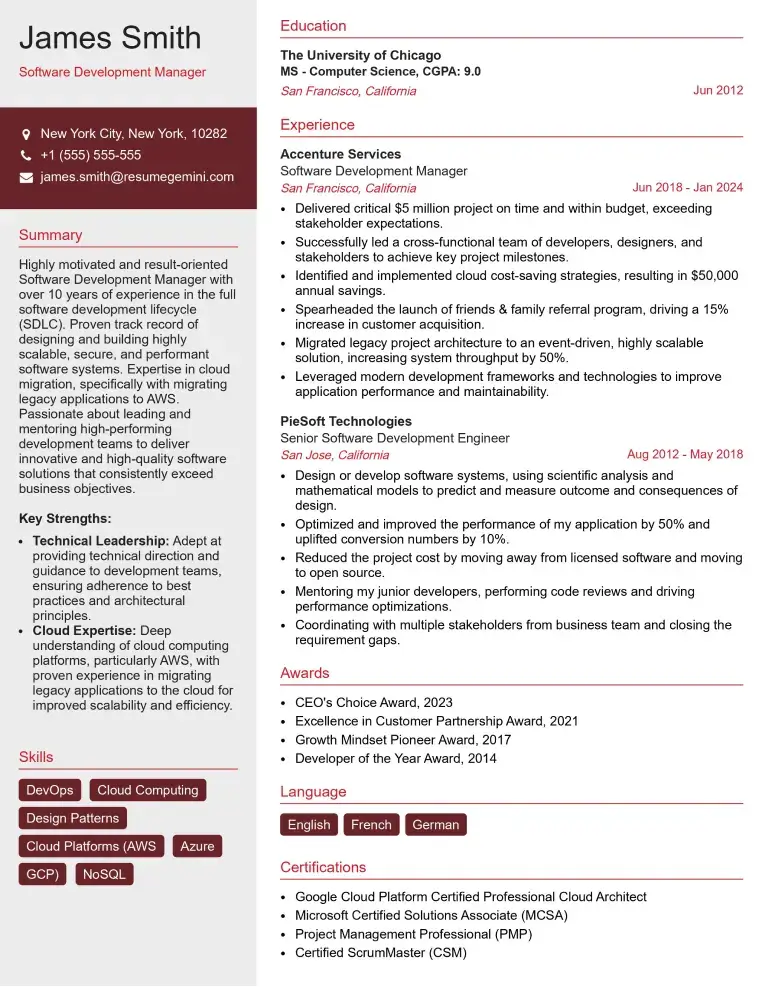
Check Out Resume Samples at ResumeGemini

Check Out Resume Samples at ResumeGemini
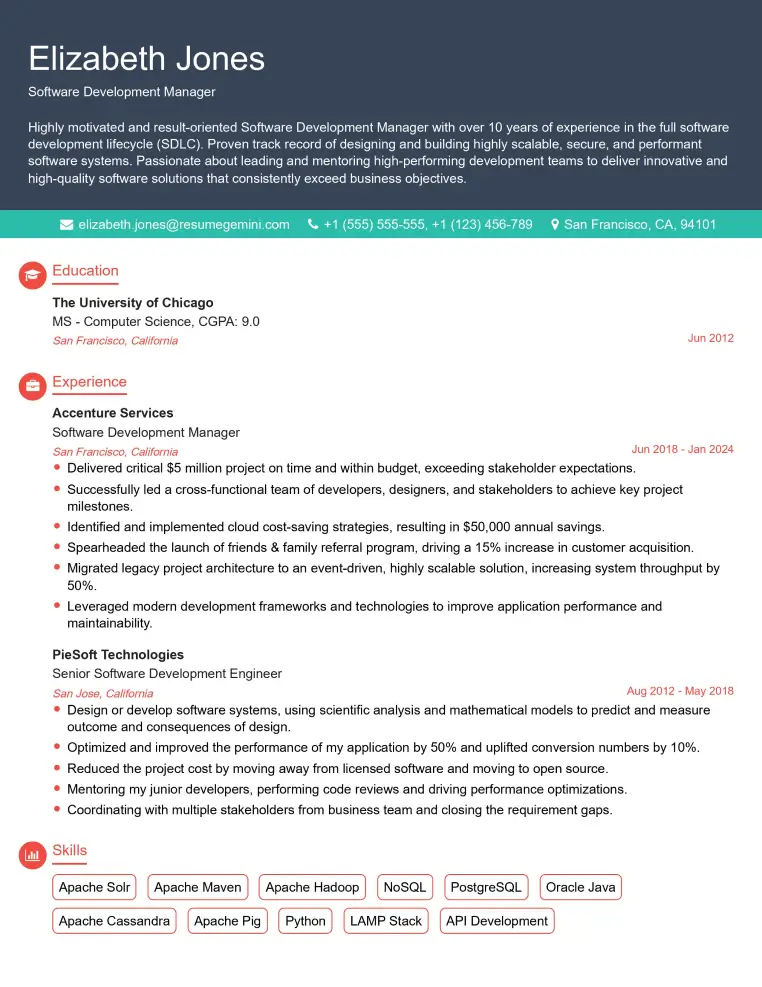
Check Out Resume Samples at ResumeGemini

Check Out Resume Samples at ResumeGemini
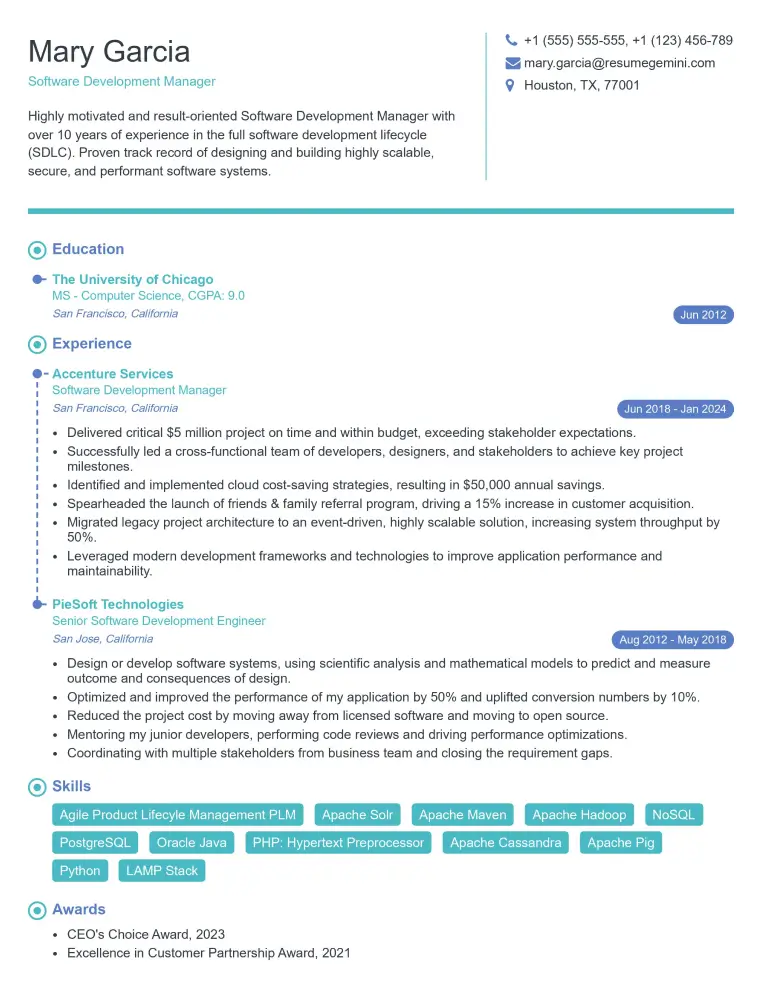
Check Out Resume Samples at ResumeGemini
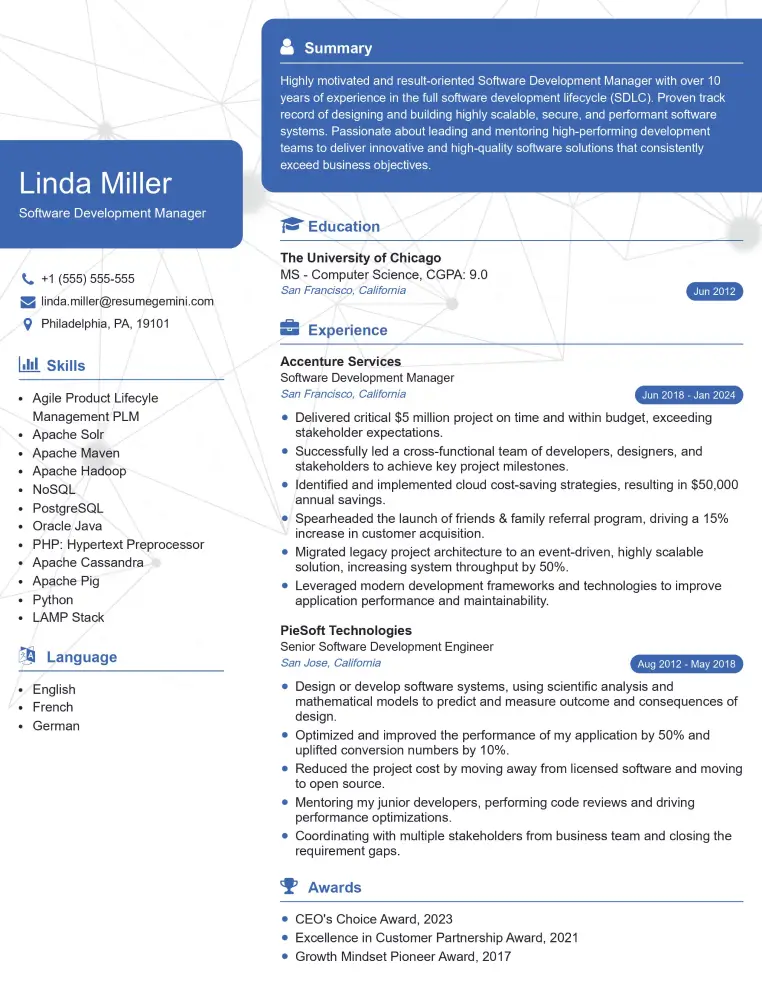
Check Out Resume Samples at ResumeGemini
Check Out Resume Samples at ResumeGemini
Explore more articles
Users Rating of Our Blogs
Share Your Experience
We value your feedback! Please rate our content and share your thoughts (optional).
What Readers Say About Our Blog
Very informative content, great job.
good