The thought of an interview can be nerve-wracking, but the right preparation can make all the difference. Explore this comprehensive guide to Root Cause Analysis for Product Incidents interview questions and gain the confidence you need to showcase your abilities and secure the role.
Questions Asked in Root Cause Analysis for Product Incidents Interview
Q 1. Explain the 5 Whys technique and its limitations.
The 5 Whys is a simple yet powerful iterative interrogative technique used to explore cause-and-effect relationships. It involves repeatedly asking “Why?” to peel back the layers of an incident, progressively getting closer to the root cause. Each answer becomes the basis for the next “Why?” question.
Example: Let’s say a car won’t start.
- Why? The battery is dead.
- Why? The alternator isn’t charging the battery.
- Why? The alternator belt is broken.
- Why? The belt was worn out.
- Why? Regular maintenance was neglected.
Therefore, neglecting regular maintenance is identified as the root cause.
Limitations: The 5 Whys can be overly simplistic and may not uncover complex or systemic root causes. It relies heavily on the experience and knowledge of the questioner, leading to potential biases. It can also become circular, failing to identify a true root cause. Additionally, it’s not well-suited for situations with multiple contributing factors.
Q 2. Describe the Fishbone diagram (Ishikawa diagram) and its application in RCA.
A Fishbone diagram, also known as an Ishikawa diagram, is a visual tool used to brainstorm and organize potential causes of a problem. It resembles a fish skeleton, with the problem statement forming the head and the contributing factors branching out as bones. These branches often represent categories like People, Methods, Machines, Materials, Environment, and Measurement (the 6Ms).
Application in RCA: In a Root Cause Analysis, the Fishbone diagram helps systematically explore potential causes within these categories. Each category branch further branches out into more specific causes. This helps teams collaboratively identify potential root causes and contributing factors, promoting open discussion and a shared understanding of the problem.
Example: If the problem is consistently late product deliveries, the Fishbone diagram might reveal that late deliveries are caused by inefficient processes (Methods), lack of training (People), machine breakdowns (Machines), inadequate raw materials (Materials), external logistical delays (Environment), and poor tracking (Measurement).
Q 3. What is Fault Tree Analysis (FTA) and how is it used in RCA?
Fault Tree Analysis (FTA) is a top-down, deductive method used to graphically and systematically represent the various combinations of events that could lead to a particular undesired event (top event). It starts with the undesired outcome and works backward to identify all possible causes, including their combinations, and probabilities.
Use in RCA: FTA excels in identifying multiple causes and their interactions. It uses logic gates (AND, OR) to show how multiple failures can contribute to the top event. This facilitates quantifying risk and assessing the likelihood of each combination of events. It’s particularly useful for complex systems where multiple factors can interact to cause failure.
Example: Imagine a power outage in a data center (top event). An FTA would map out all the possible causes, such as generator failure, power grid failure, UPS system failure. It would show how any combination of these could lead to the power outage, highlighting critical single points of failure. Then, by assigning probabilities to each event, a risk assessment can be made.
Q 4. Explain the difference between Root Cause and Contributing Factor.
The difference between a root cause and a contributing factor lies in their causal relationship to the problem. A root cause is the fundamental reason behind the problem, addressing which directly prevents the problem from recurring. A contributing factor, on the other hand, is a factor that played a role in the problem’s occurrence, but isn’t the fundamental cause. Removing a contributing factor might mitigate the problem, but it won’t eliminate its potential for recurrence.
Example: If a software system crashes (problem), a root cause might be a critical memory leak in the code (fundamental flaw). A contributing factor could be a high user load at the time of the crash (a situation that exacerbated the problem, but didn’t cause the memory leak). Addressing the memory leak (root cause) prevents future crashes; merely limiting user load only lessens the chance of crashes under similar conditions.
Q 5. How do you prioritize root causes when multiple are identified?
When multiple root causes are identified, prioritization is crucial for effective remediation. Here’s a structured approach:
- Severity: Assess the impact of each root cause on the problem’s severity. Which root cause leads to the most significant consequences?
- Probability: Determine the likelihood of each root cause recurring. Which root cause poses the greatest risk?
- Cost of Mitigation: Evaluate the resources needed to address each root cause. This includes time, money, and effort.
- Ease of Implementation: Consider the practicality and feasibility of implementing corrective actions for each root cause. Which solutions can be most readily implemented?
Using a matrix that plots severity against probability can provide a visual representation to aid in prioritization. Those root causes with high severity and high probability should be prioritized first.
Q 6. Describe your experience using Failure Mode and Effects Analysis (FMEA).
I have extensive experience using Failure Mode and Effects Analysis (FMEA). It’s a proactive risk assessment technique that helps identify potential failure modes within a system or process before they occur. I’ve applied FMEA in various projects, from analyzing manufacturing processes to evaluating software system designs.
In my experience, the process involves systematically reviewing each component or step within a system, identifying potential failure modes, and assessing their severity, probability of occurrence, and the ability to detect the failure. This creates a risk priority number (RPN) for each potential failure mode, highlighting those requiring immediate attention. The results from FMEA directly inform preventative measures and contribute significantly to improving product reliability and reducing risks. For instance, in a recent project involving a medical device, FMEA helped identify a potential sensor failure mode with a high RPN. This led to improved sensor design and more rigorous testing protocols.
Q 7. How do you handle situations where the root cause is unknown or difficult to pinpoint?
When the root cause is elusive, a structured approach is necessary. This usually involves the following:
- Data Collection: Gather as much data as possible, including logs, error reports, user feedback, and environmental factors. The more comprehensive the data, the higher the chance of uncovering clues.
- Hypothesis Generation: Based on the data, formulate several hypotheses for potential root causes. This might involve brainstorming sessions with diverse team members to avoid bias.
- Hypothesis Testing: Systematically test each hypothesis through experiments, simulations, or further data analysis. Each test should aim to either confirm or refute a hypothesis. This is iterative; some hypotheses may be rejected and new ones developed.
- Expert Consultation: Involve experts in relevant domains to provide insights and guide the investigation.
- 5 Whys or Fishbone diagrams: Even when the root cause is uncertain, these tools can help structure the thought process and stimulate further investigation.
- Acceptance of Uncertainty: Sometimes, despite thorough investigation, the root cause might remain unknown. It’s essential to accept this possibility, implement mitigating actions based on what is understood, and continue monitoring for recurrences.
The key is methodical investigation, openness to new information, and willingness to accept the possibility of not finding a definitive answer in some cases.
Q 8. Describe a situation where you used data analysis to identify a root cause.
Data analysis is crucial in Root Cause Analysis (RCA) for pinpointing the underlying issues behind product incidents. It moves us beyond guesswork and into a realm of evidence-based problem-solving.
In one instance, we experienced a significant spike in customer complaints regarding our flagship mobile application crashing. Instead of reacting based on anecdotal evidence, we leveraged our application logs, crash reports, and user feedback data. Analyzing these datasets revealed a strong correlation between crashes and a specific network condition – low bandwidth connectivity. Further investigation using statistical methods like frequency analysis confirmed this correlation. This pointed to a weakness in our application’s error handling for low-bandwidth scenarios, which was the root cause.
We visualized this data using histograms and scatter plots to identify patterns and outliers. This allowed us to pinpoint a specific code module responsible for the crash, leading to a targeted fix. Without data analysis, we might have wasted time pursuing less impactful solutions like general server upgrades.
Q 9. What are some common biases that can affect RCA?
Several biases can significantly skew the outcome of an RCA investigation if not carefully managed. These include:
- Confirmation bias: The tendency to favor information confirming pre-existing beliefs and overlook contradicting evidence.
- Anchoring bias: Over-reliance on the first piece of information received, hindering the search for alternative explanations.
- Availability bias: Overestimating the likelihood of events easily recalled, often vivid or recent incidents, rather than considering less salient but potentially more frequent factors.
- Groupthink: Pressure within a team to conform to a particular viewpoint, suppressing dissenting opinions and critical thinking.
- Attribution bias: The tendency to assign blame to individuals or groups, rather than focusing on systemic issues.
Imagine a team convinced a software bug is responsible for a failure. Confirmation bias might lead them to focus only on code reviews related to that specific bug, ignoring other potential causes like hardware malfunction or user error.
Q 10. How do you ensure objectivity and avoid confirmation bias during RCA?
Objectivity and avoiding confirmation bias during RCA require a structured approach:
- Define a clear scope and methodology: Establish a pre-defined framework (like the 5 Whys or Fishbone diagram) to guide the investigation systematically, reducing the influence of subjective interpretations.
- Assemble a diverse team: Include individuals from different departments and with varying levels of expertise. Diverse perspectives challenge assumptions and prevent groupthink.
- Document all findings meticulously: This creates a transparent record of the investigation’s progression, data analyzed, and conclusions drawn, reducing the impact of biases on the final analysis.
- Challenge assumptions actively: Encourage team members to question every piece of information and explore alternative hypotheses. Use techniques like ‘devil’s advocacy’ to intentionally challenge the prevailing narrative.
- Blind data analysis: If possible, anonymize data before analysis to reduce preconceptions.
For instance, in a case involving a manufacturing defect, we ensured that the team analyzing the data didn’t know which production line the faulty parts came from initially. This helped avoid biases related to past performance or reputations of specific teams.
Q 11. How do you document your RCA findings and communicate them effectively?
Effective documentation and communication are essential for RCA. The report should be concise, factual, and easy to understand for both technical and non-technical audiences. We utilize a standard template that includes:
- Executive summary: A brief overview of the incident and key findings.
- Problem statement: A clear description of the incident and its impact.
- Methodology: Details of the RCA process used (e.g., 5 Whys, Fault Tree Analysis).
- Data analysis: Presentation of evidence supporting the root cause(s).
- Root cause(s): Clearly defined and documented root cause(s) of the problem.
- Corrective actions: Specific and measurable actions to prevent recurrence.
- Responsibilities: Assigning ownership of corrective actions to specific individuals or teams.
- Timeline: Establishing deadlines for implementing corrective actions and verifying their effectiveness.
The report is shared with stakeholders through presentations, email, and potentially through a centralized incident management system. Visual aids such as diagrams and charts improve comprehension and engagement.
Q 12. Explain the importance of verifying the effectiveness of corrective actions.
Verifying the effectiveness of corrective actions is crucial to ensure that the RCA process has truly addressed the root cause and prevented future incidents. Failing to verify might lead to a recurrence of the problem, wasting time and resources. Verification involves monitoring key metrics after implementing the corrective actions to confirm whether the problem has indeed been resolved.
For example, if a software bug was identified as the root cause of a system crash, verifying the effectiveness of the fix would involve monitoring system stability metrics (like crash rate) post-deployment. We might use A/B testing to compare the performance of systems with and without the patch. Lack of verification in this scenario might lead to the bug re-emerging causing further incidents.
Q 13. What metrics do you use to measure the success of an RCA investigation?
Measuring the success of an RCA investigation is as important as conducting the investigation itself. We use a combination of metrics to evaluate effectiveness, including:
- Time to resolution: How quickly the root cause was identified and corrective actions implemented.
- Recurrence rate: The frequency with which the same problem occurs after corrective actions have been taken. A low recurrence rate signals a successful RCA.
- Cost savings: The reduction in costs associated with the problem after the corrective actions.
- Customer satisfaction: Improved satisfaction scores after the resolution of the incident.
- Team satisfaction: How satisfied the team was with the RCA process itself. This helps identify potential improvements in methodology.
These metrics provide a quantifiable way to assess the effectiveness of the RCA process and identify areas for improvement in future investigations.
Q 14. How do you handle situations where multiple teams or departments are involved in an RCA?
When multiple teams or departments are involved in an RCA, effective communication and collaboration are paramount. We utilize a structured approach involving:
- Establishing a central RCA team: This team acts as a coordinator, ensuring everyone stays informed and works towards a common goal.
- Defining roles and responsibilities: Clearly assigning ownership of tasks and data to different teams.
- Using collaborative tools: Implementing tools like shared documents, online whiteboards, or project management software to facilitate communication and knowledge sharing.
- Regular meetings: Holding frequent meetings to discuss progress, address challenges, and ensure alignment among teams.
- Conflict resolution mechanisms: Establishing a process to address disagreements and ensure everyone’s perspective is heard.
In a recent incident involving a supply chain disruption, we coordinated efforts between our procurement, logistics, and manufacturing teams. Regular cross-functional meetings allowed us to identify a bottleneck in the supplier’s production process, which was the underlying root cause. Without structured coordination, identifying this root cause would have been significantly more challenging and time-consuming.
Q 15. Describe your experience with different RCA methodologies (e.g., Pareto analysis).
My experience with Root Cause Analysis (RCA) methodologies is extensive, encompassing several popular techniques. One crucial method is Pareto analysis, which helps identify the vital few factors contributing to a problem, rather than the trivial many. This is achieved by plotting the frequency of different causes in descending order, revealing the 80/20 rule – 80% of the problems often stem from 20% of the causes. For example, if we are investigating frequent customer service call issues, a Pareto chart might reveal that 80% of calls relate to just two issues: website navigation and billing discrepancies. This allows us to focus our efforts on resolving those two core issues first.
Beyond Pareto, I’m proficient in 5 Whys, a simple yet effective technique that involves repeatedly asking “Why?” to drill down to the root cause. Imagine a manufacturing defect: a faulty component. Five Whys might uncover: 1) Why is the component faulty? – Incorrect material. 2) Why was the incorrect material used? – Supplier error. 3) Why did the supplier make the error? – Lack of quality control. 4) Why was quality control lacking? – Insufficient training. 5) Why was there insufficient training? – Budget cuts. This reveals the root cause as budget cuts leading to inadequate training, ultimately impacting component quality. I also utilize Fishbone diagrams (Ishikawa diagrams) to visually map out potential causes categorized by category (e.g., people, materials, machines, methods). This facilitates brainstorming and collaborative problem-solving.
Finally, I have experience with Fault Tree Analysis (FTA) for complex systems where multiple factors can interact. FTA uses a hierarchical tree structure to graphically represent the various failure modes that can lead to a top-level event. This provides a systematic way to identify potential root causes and their probabilities.
Career Expert Tips:
- Ace those interviews! Prepare effectively by reviewing the Top 50 Most Common Interview Questions on ResumeGemini.
- Navigate your job search with confidence! Explore a wide range of Career Tips on ResumeGemini. Learn about common challenges and recommendations to overcome them.
- Craft the perfect resume! Master the Art of Resume Writing with ResumeGemini’s guide. Showcase your unique qualifications and achievements effectively.
- Don’t miss out on holiday savings! Build your dream resume with ResumeGemini’s ATS optimized templates.
Q 16. How do you incorporate lessons learned from past RCA investigations into future processes?
Lessons learned from past RCA investigations are crucial for continuous improvement. I incorporate these learnings in several ways. First, we meticulously document the findings of each RCA, including root causes, contributing factors, corrective actions, and preventative measures. This documentation becomes a valuable knowledge base accessible to all relevant teams.
Secondly, I advocate for regular reviews of past RCA reports to identify recurring issues or patterns. This allows us to proactively address systemic problems rather than repeatedly treating individual symptoms. For instance, if multiple RCAs point to inadequate staff training as a recurring root cause, we can implement comprehensive training programs to prevent future incidents.
Furthermore, we utilize the lessons learned to update our processes, procedures, and training materials. If an incident stemmed from a flaw in our workflow, we revise the workflow to mitigate the risk of similar incidents happening again. This proactive approach fosters a culture of learning and improvement, leading to increased efficiency and reduced incidents over time. Finally, key findings are incorporated into relevant risk assessments to help proactively identify and mitigate potential issues before they lead to incidents.
Q 17. How do you balance the speed of RCA with the need for thoroughness?
Balancing the speed of RCA with thoroughness is a delicate act. While swift resolution is often critical to minimize business disruption, rushing the process risks identifying only superficial issues, leaving the actual root cause unaddressed. My approach involves a structured, phased approach.
The initial phase prioritizes rapid containment and stabilization of the incident, followed by a preliminary RCA focusing on immediate causes. This fast initial analysis allows for quick fixes to minimize further damage while simultaneously initiating a more detailed and in-depth investigation. The detailed investigation then digs deeper into the root causes utilizing the methodologies discussed earlier. This phased approach guarantees rapid action alongside thorough examination and long-term solutions.
For instance, in a software outage, we might quickly deploy a workaround to restore service (containment) while simultaneously launching a thorough investigation to identify the underlying code defect (root cause). This two-pronged approach ensures both immediate and long-term resolutions.
Q 18. How do you deal with conflicting information from different stakeholders during RCA?
Conflicting information from stakeholders is common in RCA investigations. My approach involves actively seeking diverse perspectives while maintaining objectivity. I start by ensuring all relevant stakeholders are identified and included in the process. This often includes engineers, operations personnel, product managers, and even customers.
I then use structured interview techniques to gather information. This approach minimizes bias by asking consistent questions and documenting responses verbatim. When discrepancies emerge, I avoid immediate judgment. Instead, I carefully analyze the differing accounts, considering the perspective and potential biases of each stakeholder. Are there any underlying organizational conflicts that could be contributing to the differing viewpoints? Sometimes, data analysis can help reconcile conflicting accounts, for example, by reviewing logs or performance metrics. Open communication and collaborative discussion, often facilitated with a neutral facilitator, are key to resolving conflicts and reaching consensus on the root cause.
Q 19. Explain your experience with using software tools for RCA.
I have extensive experience using software tools to support RCA investigations. These tools greatly enhance efficiency and accuracy. For example, I use issue tracking systems (e.g., Jira, Bugzilla) to collect and organize incident reports, track progress, and manage corrective actions. These systems provide a centralized repository for all relevant data.
Furthermore, I utilize data visualization and analysis tools (e.g., Tableau, Power BI) to identify trends, patterns, and correlations in data logs and performance metrics. This helps pinpoint potential root causes and prioritize areas for investigation. For instance, analyzing server logs using a data visualization tool might reveal a consistent pattern of errors linked to a specific database query, pointing towards a database design flaw.
Finally, collaborative platforms like Microsoft Teams or Google Workspace facilitate information sharing and communication between stakeholders throughout the RCA process. These tools are essential for maintaining transparency and ensuring everyone remains aligned on the investigation’s progress and conclusions.
Q 20. How do you manage the time constraints associated with RCA investigations?
Time constraints are a reality in RCA investigations. Effective time management is crucial. My strategy begins with establishing a clear timeline at the outset of the investigation, defining key milestones and deliverables. This timeline considers the urgency of the situation and the complexity of the issue. It is crucial to have a clear understanding of the overall objectives of the RCA investigation.
Prioritization is key. We focus on the most critical aspects first, addressing the immediate needs and tackling the most impactful root causes. We utilize efficient communication strategies to ensure timely information flow among stakeholders, avoiding delays caused by misunderstandings or miscommunication. Regular status updates keep everyone informed and avoid unnecessary time spent searching for information.
Finally, we leverage the software tools mentioned previously. These tools automate tasks, streamline data analysis, and facilitate communication, saving significant time and improving overall efficiency. For example, automating data collection through scripting eliminates manual data entry, saving valuable time.
Q 21. How do you ensure that the RCA process is unbiased and fair?
Ensuring an unbiased and fair RCA process is paramount. My approach emphasizes objectivity and transparency at every stage. First, I establish a clear investigation scope, outlining the problem and the boundaries of the investigation. This prevents the investigation from veering off-course or becoming overly focused on specific individuals or groups.
Next, I strive for a diverse and impartial investigation team. Including representatives from various departments and perspectives ensures a broader range of viewpoints and minimizes potential biases. Furthermore, I use structured interview techniques and data-driven analysis to limit subjective interpretations. The team uses documented evidence, avoiding speculation or assumptions.
Transparency is crucial. Findings, conclusions, and recommendations are clearly documented and shared with all relevant stakeholders. This open communication fosters trust and minimizes the possibility of misinterpretations or accusations of bias. A review process, perhaps involving a peer review, ensures the quality and objectivity of the RCA report. This approach leads to actionable recommendations and a culture of continuous improvement, ultimately fostering trust and confidence in the RCA process.
Q 22. What is your experience with investigating software-related product incidents?
My experience in investigating software-related product incidents spans over eight years, encompassing a wide range of methodologies and tools. I’ve been involved in analyzing incidents ranging from minor bugs causing UI glitches to critical system failures impacting thousands of users. My approach typically involves a systematic investigation using techniques like debugging, log analysis, code reviews, and utilizing various monitoring tools to pinpoint the exact location and cause of the issue. For instance, in one project, we used distributed tracing to identify a bottleneck in a microservice architecture that was causing unexpected delays. By isolating the problematic code segment through systematic debugging, we were able to swiftly resolve the incident and implement preventative measures.
I am proficient in various programming languages (Java, Python, C++) and debugging tools (GDB, LLDB), allowing me to delve deep into codebases to identify faulty logic, memory leaks, or concurrency issues. I also have extensive experience with version control systems like Git, which aids in tracking down the source of introduced bugs. This combined skillset enables effective and efficient root cause analysis of software incidents.
Q 23. What is your experience with investigating hardware-related product incidents?
My experience with hardware-related incidents is equally robust, focusing on understanding the physical components and their interactions within a system. This involves analyzing hardware logs, schematics, and test results. I’ve worked extensively with diagnostics tools, including specialized hardware analyzers and network monitoring systems, to identify failing components or environmental factors contributing to hardware malfunctions. For example, in one instance, a seemingly random system crash was traced back to an overheating power supply unit, causing the system to shut down as a safety measure. Understanding the thermal limits of the hardware, and subsequently implementing better cooling solutions, effectively resolved the problem and avoided future failures. This experience includes identifying failures in network infrastructure, storage devices, and peripheral hardware.
Q 24. How do you handle situations where the root cause involves human error?
Handling incidents involving human error requires a delicate balance between identifying the root cause and avoiding blame. While it’s crucial to understand the actions that led to the incident, the goal is to prevent future occurrences, not to punish individuals. My approach involves a thorough review of the processes and procedures, identifying weaknesses that allowed the error to occur. Instead of focusing on individual mistakes, I focus on improving the system to prevent similar mistakes in the future. This might involve creating better training materials, streamlining workflows, or implementing automated checks to prevent human errors from cascading into major incidents.
For example, if an operator accidentally deleted critical data, I would analyze the access control mechanisms, explore the possibility of data backups, and recommend more robust procedures, such as requiring dual authorization for such actions. The focus is always on system improvement, not on assigning blame.
Q 25. What are some common pitfalls to avoid during RCA?
Several common pitfalls can hinder effective RCA. One major pitfall is jumping to conclusions prematurely. It’s crucial to gather comprehensive data before hypothesizing about the root cause. Another is failing to consider all potential contributing factors. Often, incidents are not caused by a single issue but by a combination of factors. A third common mistake is focusing solely on symptoms rather than digging deeper to identify the underlying cause. This leads to superficial fixes that address the symptoms but not the underlying problem, ultimately leading to recurring incidents. Lastly, a lack of documented procedures and a failure to properly communicate findings can hinder the effectiveness of the RCA process.
To avoid these pitfalls, a structured approach using a proven methodology, such as the 5 Whys or Fishbone diagram, is essential. Thorough documentation and clear communication throughout the process ensure everyone is on the same page and that lessons learned are effectively disseminated.
Q 26. How do you use RCA to prevent future incidents?
RCA isn’t just about finding the cause of a past incident; it’s about preventing future ones. The process of RCA feeds directly into risk management and proactive problem-solving. Once the root cause is identified, we develop corrective actions to eliminate the cause. This might involve code changes, hardware upgrades, process improvements, or training modifications. We also implement preventative measures to prevent similar issues from occurring. These measures often include adding checks and balances, implementing automated monitoring systems, or introducing new policies and procedures. Post-incident reviews are critical to evaluate the effectiveness of these measures and make further improvements.
For example, if an RCA reveals a vulnerability in our security system, we wouldn’t just patch the vulnerability; we would also implement additional security measures, such as intrusion detection systems and regular security audits. This proactive approach transforms RCA from a reactive process into a proactive risk management strategy.
Q 27. Describe a time you identified a root cause that was unexpected or surprising.
In one instance, a seemingly simple software bug in a billing system led to significant revenue loss. Initial investigations pointed towards a coding error, but deeper analysis revealed that the problem stemmed from an unexpected interaction between the billing software and a newly implemented third-party payment gateway. The payment gateway had a subtle bug that was triggered only under specific circumstances, causing transactions to fail silently. This was surprising because the payment gateway had passed all initial testing and integration checks. This experience highlighted the importance of comprehensive testing, including edge cases and interactions with external systems. The ultimate solution involved updating the payment gateway and implementing robust error handling within the billing system to identify and recover from such failures.
Q 28. Explain your understanding of the relationship between RCA and risk management.
RCA and risk management are intrinsically linked. RCA helps identify vulnerabilities and weaknesses within a system, which are essentially risks. By understanding the root causes of past incidents, we can identify potential future risks and implement measures to mitigate them. The output of an RCA—corrective and preventative actions—directly informs the risk management process. By addressing the root causes, we reduce the likelihood of similar incidents happening again, thus reducing the overall risk to the organization.
For example, a risk assessment might identify the possibility of a data breach. An RCA of past data breaches would help refine this risk assessment by providing insights into the specific vulnerabilities exploited in the past. This then allows for targeted risk mitigation strategies to be implemented, strengthening security measures and ultimately reducing the likelihood of future data breaches.
Key Topics to Learn for Root Cause Analysis for Product Incidents Interview
- Defining the Problem: Understanding the incident thoroughly, gathering comprehensive data, and clearly articulating the issue’s impact.
- Identifying Potential Causes: Utilizing techniques like the “5 Whys,” fishbone diagrams (Ishikawa diagrams), and fault tree analysis to explore potential root causes. Practical application: Working through a hypothetical product failure scenario and applying these techniques.
- Data Analysis & Verification: Leveraging logs, metrics, and user reports to validate potential root causes. Understanding statistical significance and avoiding confirmation bias.
- Developing Corrective Actions: Proposing practical, effective, and efficient solutions to prevent recurrence. Considering both short-term fixes and long-term preventative measures.
- Communication & Reporting: Clearly and concisely communicating findings to stakeholders, including technical and non-technical audiences. Creating effective reports that highlight the root cause, corrective actions, and preventative measures.
- Understanding different RCA methodologies: Exploring the strengths and weaknesses of various approaches and selecting the most appropriate method for different incident types.
- Risk Assessment and Mitigation: Evaluating the potential risks associated with identified root causes and implementing appropriate mitigation strategies.
Next Steps
Mastering Root Cause Analysis is crucial for career advancement in any technical field. It demonstrates critical thinking, problem-solving skills, and a proactive approach to preventing future incidents. To significantly boost your job prospects, creating a strong, ATS-friendly resume is essential. ResumeGemini is a trusted resource to help you build a professional resume that highlights your RCA expertise and gets you noticed by recruiters. We provide examples of resumes tailored to Root Cause Analysis for Product Incidents to help you get started.
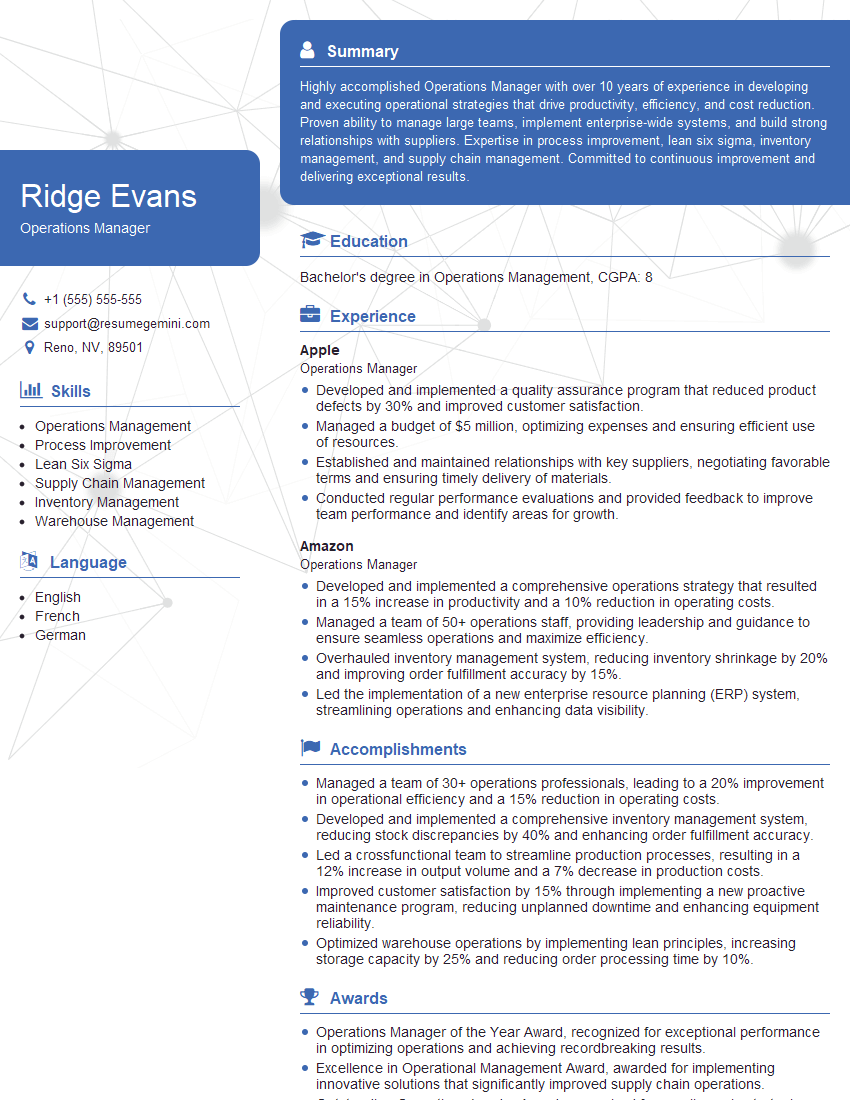
Operations Manager Resume Sample
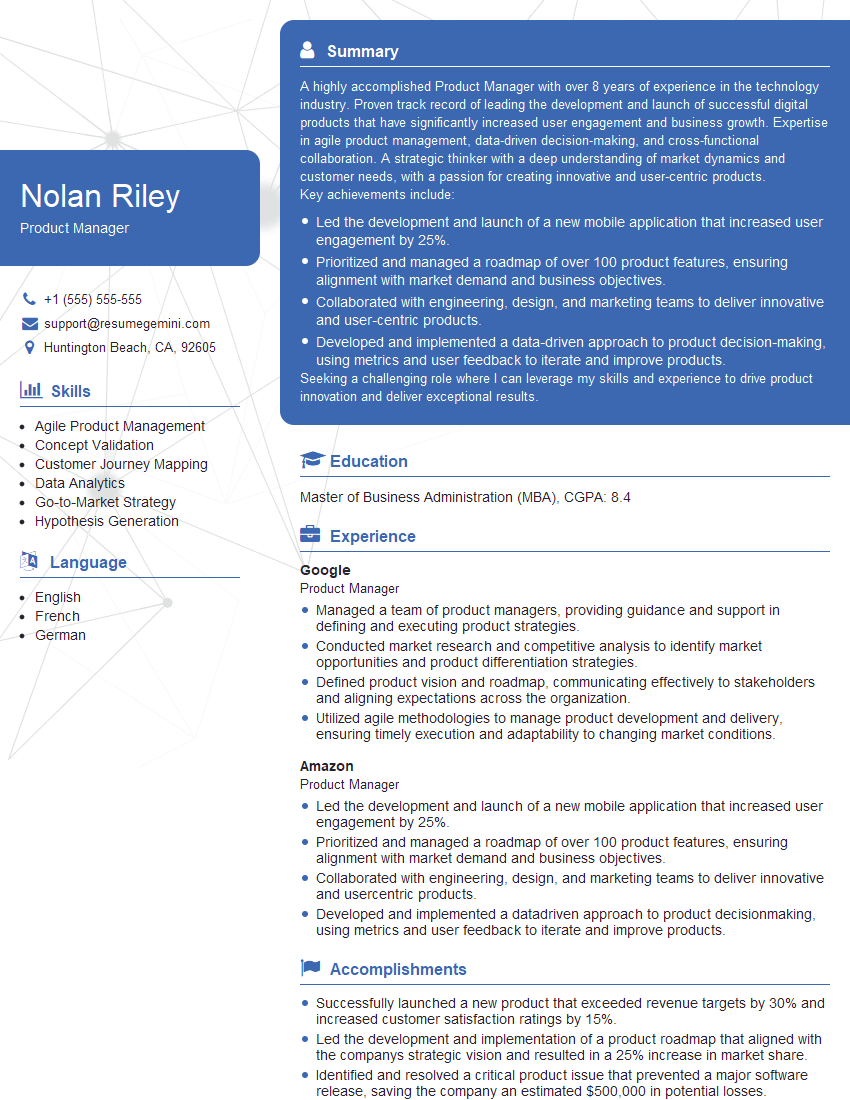
Product Manager Resume Sample

Project Engineer Resume Sample
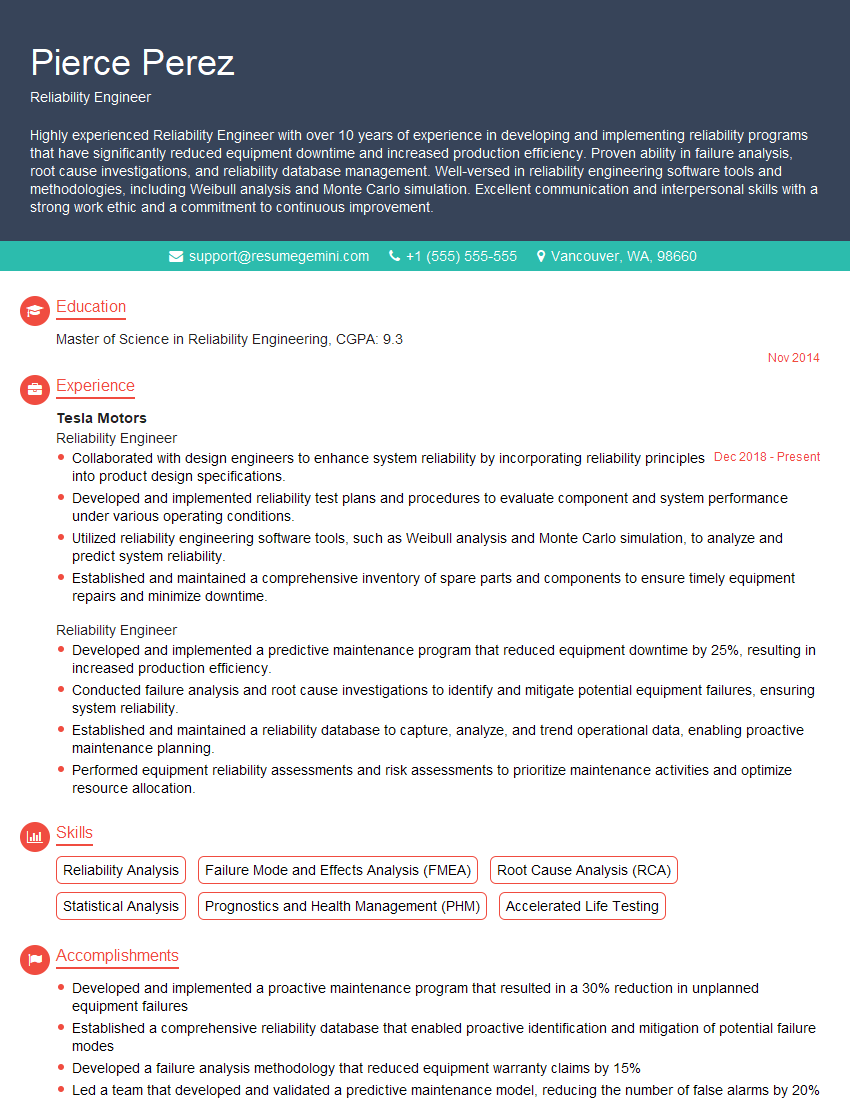
Reliability Engineer Resume Sample
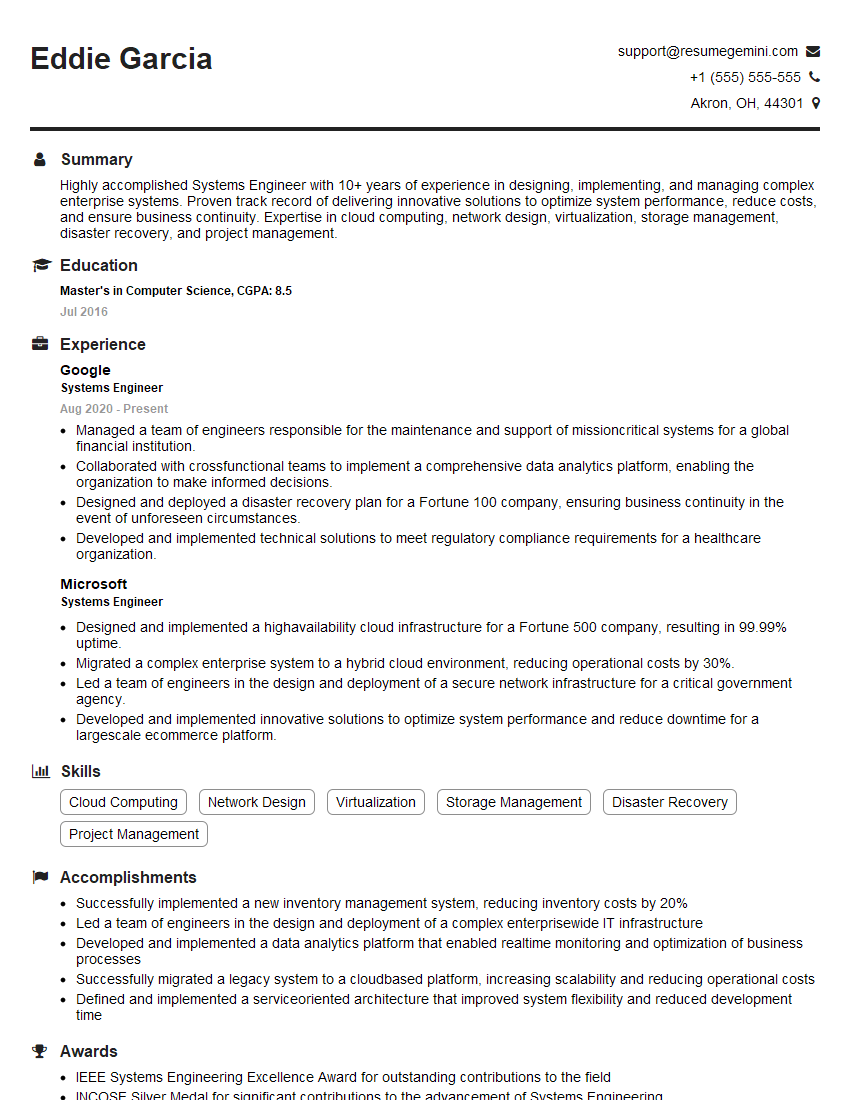
Systems Engineer Resume Sample
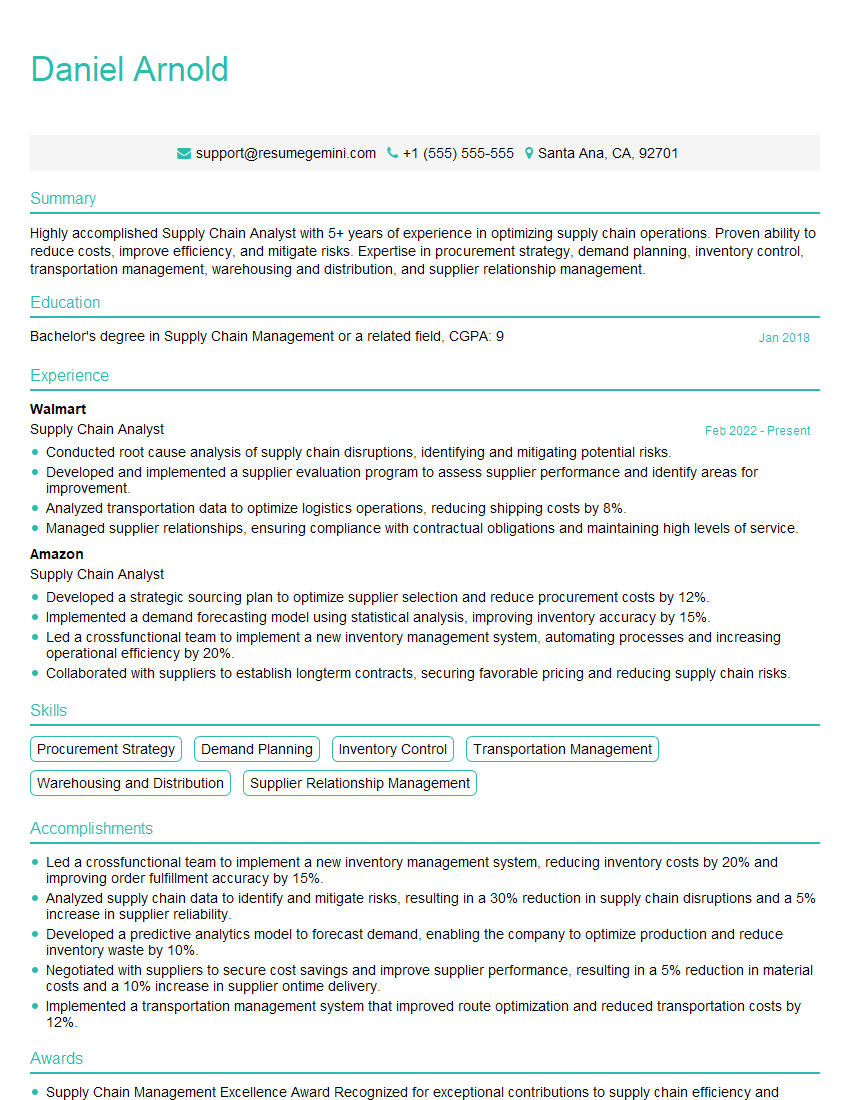
Supply Chain Analyst Resume Sample
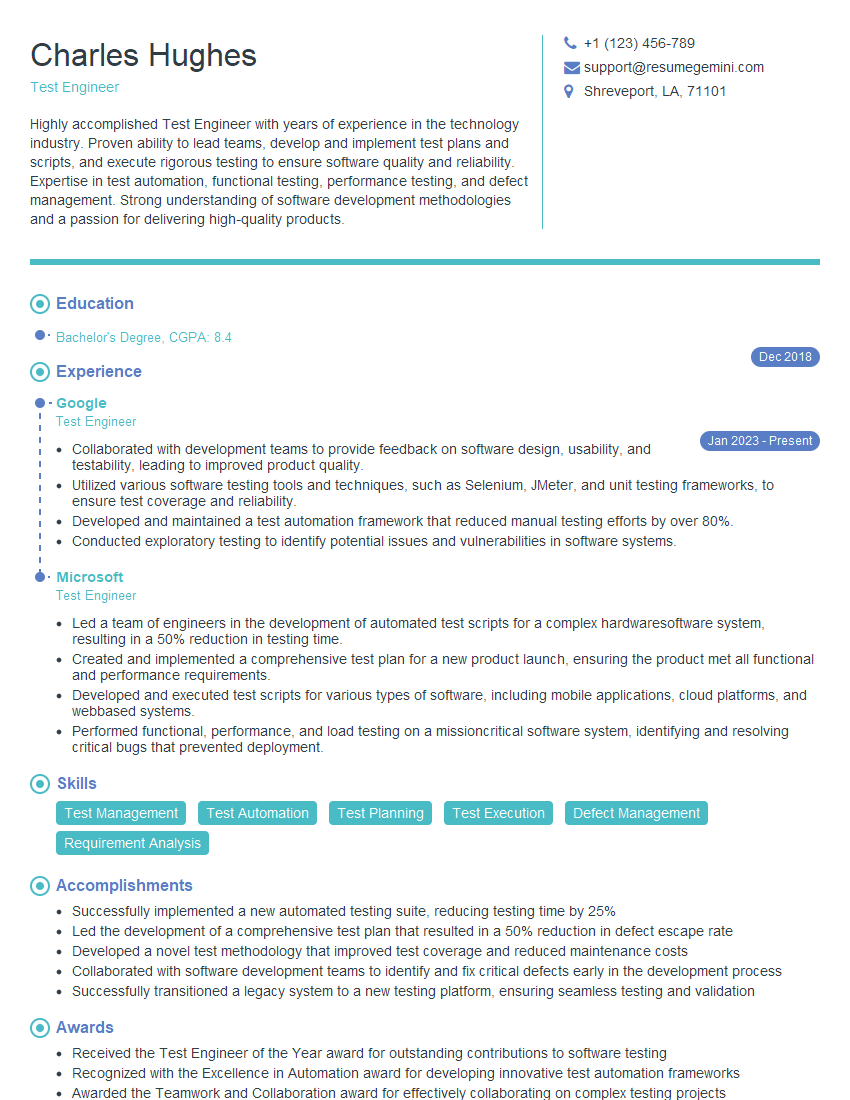
Test Engineer Resume Sample
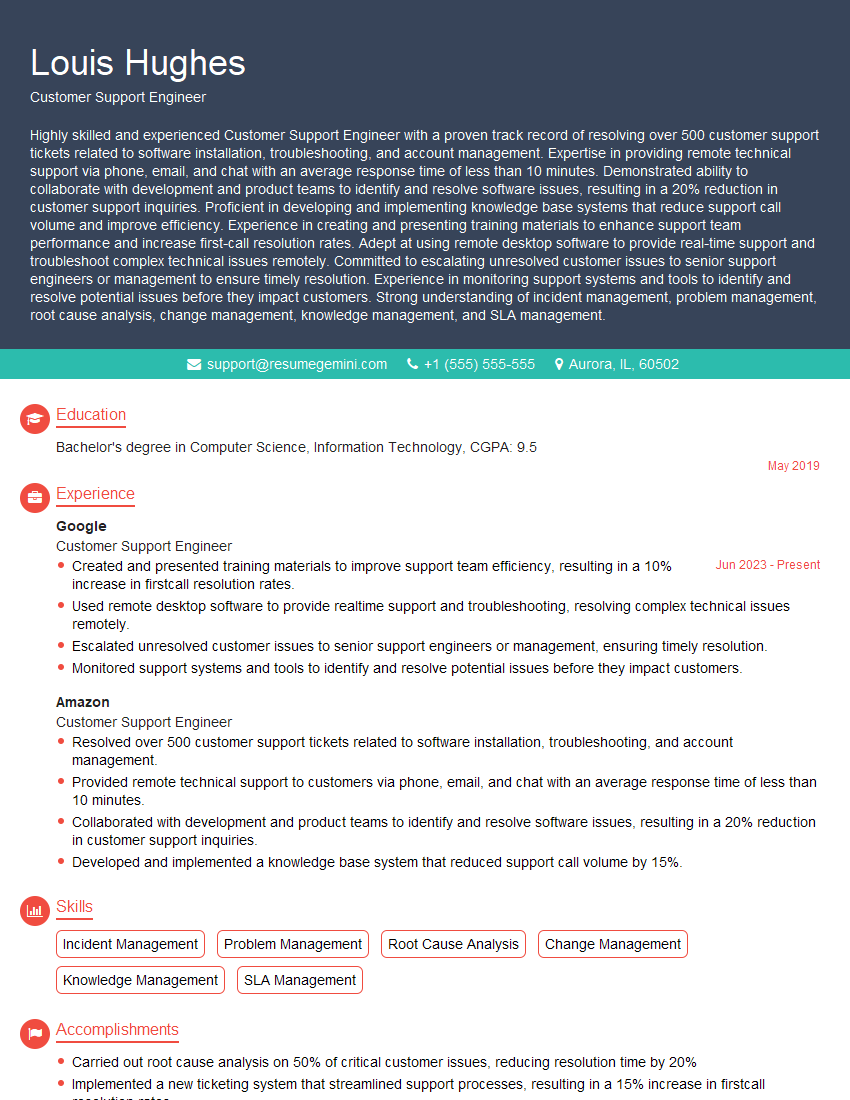
Customer Support Engineer Resume Sample
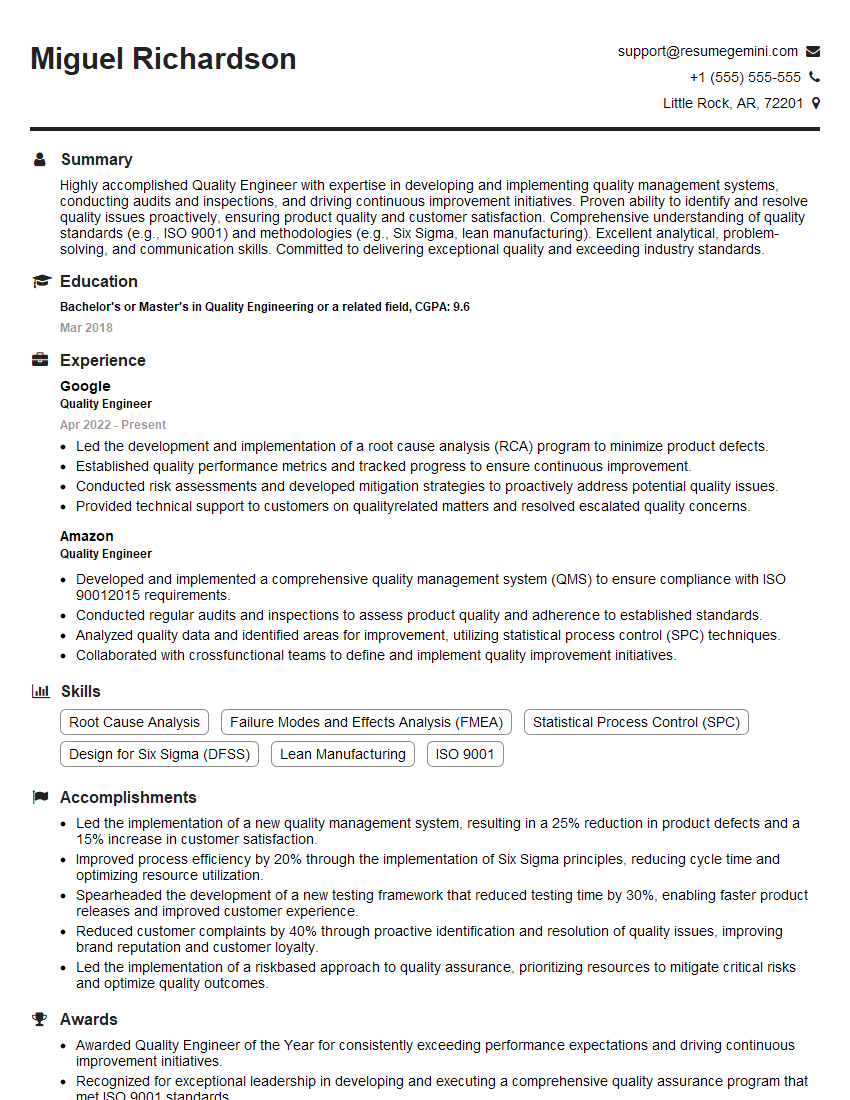
Quality Engineer Resume Sample
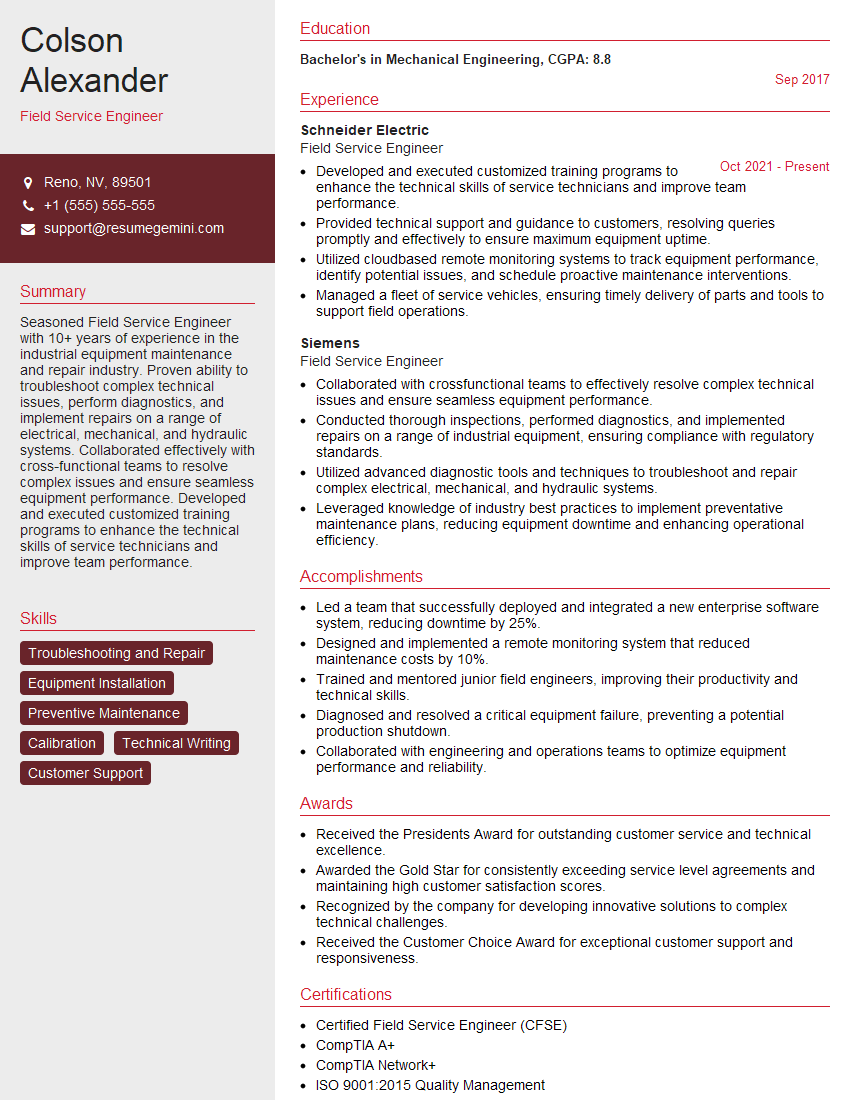
Field Service Engineer Resume Sample
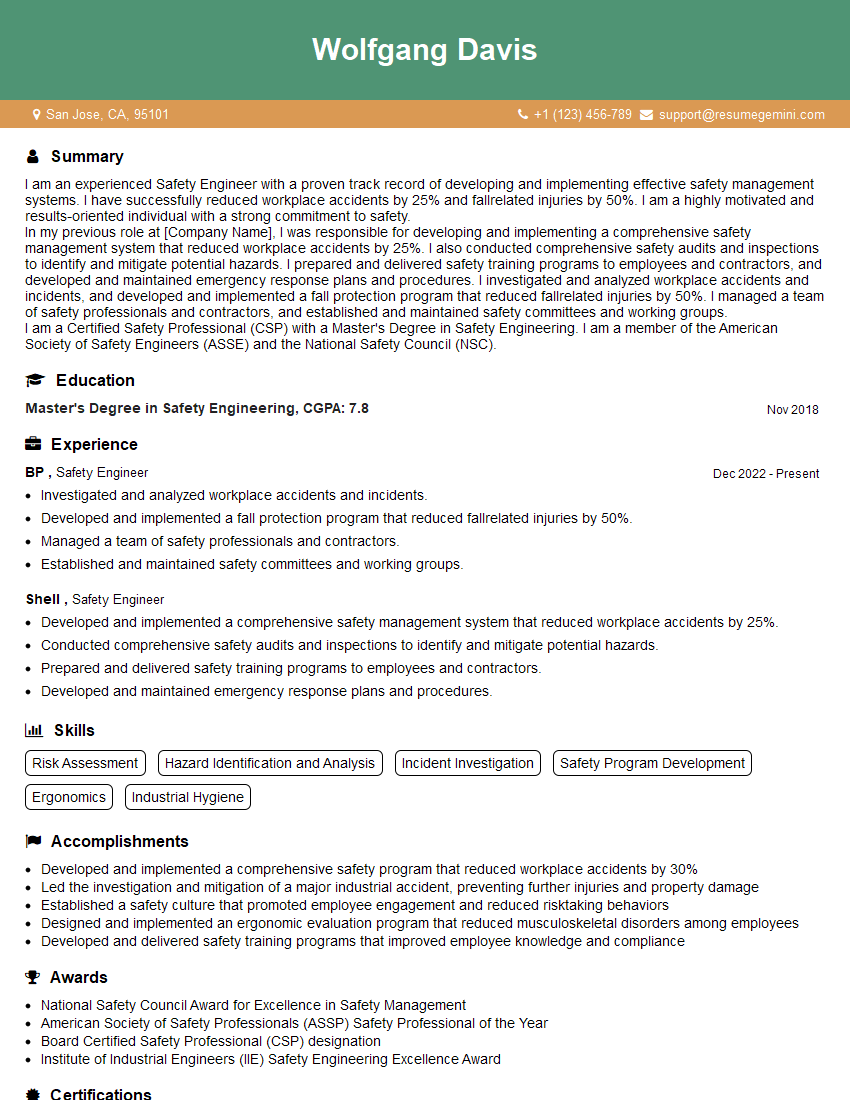
Safety Engineer Resume Sample
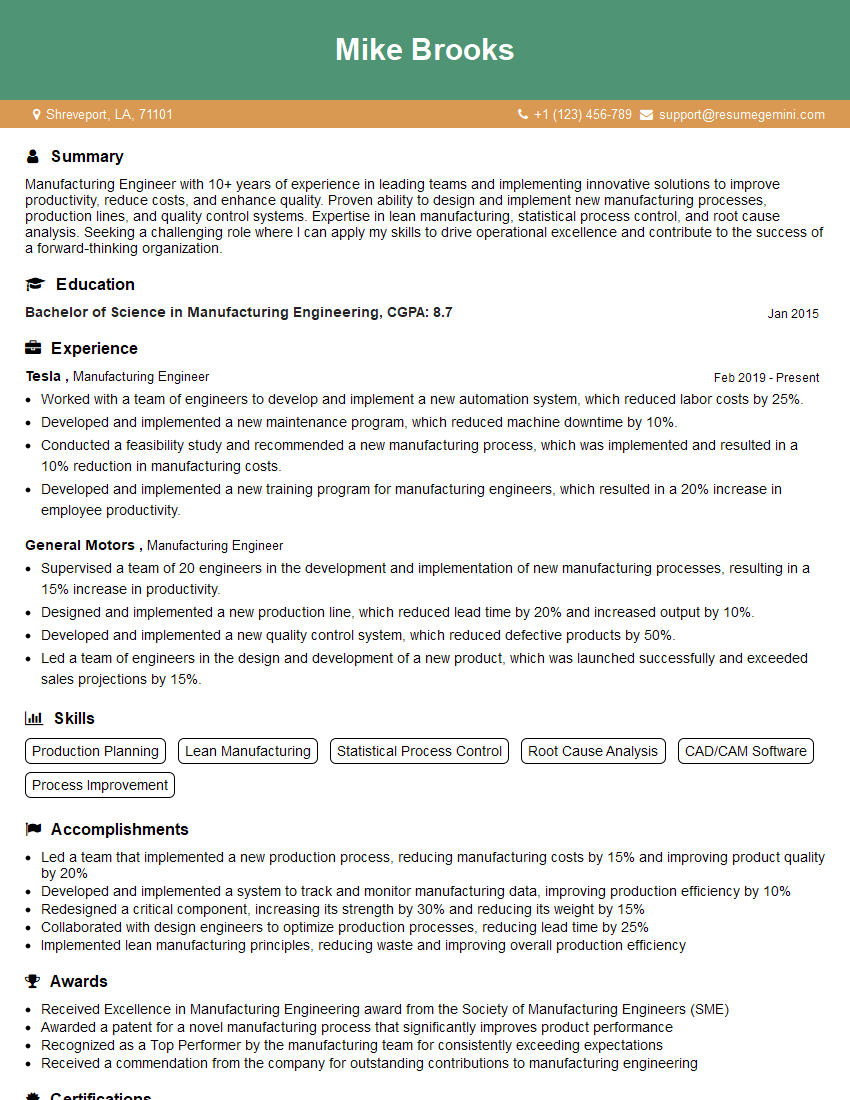
Manufacturing Engineer Resume Sample
Explore more articles
Users Rating of Our Blogs
Share Your Experience
We value your feedback! Please rate our content and share your thoughts (optional).
What Readers Say About Our Blog
Very informative content, great job.
good