Cracking a skill-specific interview, like one for Root Cause Investigation, requires understanding the nuances of the role. In this blog, we present the questions you’re most likely to encounter, along with insights into how to answer them effectively. Let’s ensure you’re ready to make a strong impression.
Questions Asked in Root Cause Investigation Interview
Q 1. Describe your experience with various root cause analysis methodologies (e.g., 5 Whys, Fishbone Diagram, Fault Tree Analysis).
Root cause analysis (RCA) employs various methodologies to pinpoint the underlying reasons for problems. My experience spans several key techniques:
- 5 Whys: This iterative questioning technique drills down to the root cause by repeatedly asking “Why?” For example, if a product is late, we might ask: 1. Why is the product late? (Supplier delay). 2. Why was the supplier delayed? (Transportation issues). 3. Why were there transportation issues? (Road closure). 4. Why was the road closed? (Accident). 5. Why was there an accident? (Driver negligence). This reveals driver negligence as the root cause.
- Fishbone Diagram (Ishikawa Diagram): This visual tool categorizes potential causes into major categories (e.g., methods, machines, materials, manpower, environment, measurement) to systematically explore contributing factors. It’s excellent for brainstorming and visualizing complex relationships.
- Fault Tree Analysis (FTA): This deductive approach starts with an undesired event (top event) and works backward to identify contributing causes using Boolean logic (AND, OR gates). It’s particularly useful for safety-critical systems, mapping out how multiple failures can lead to a major incident. I’ve used this extensively in analyzing software failures.
I am proficient in selecting the most appropriate methodology based on the context, complexity, and available data. Often, I combine techniques for a more comprehensive investigation.
Q 2. Explain the difference between correlation and causation in root cause analysis.
Correlation and causation are often confused, but they are distinct concepts crucial to effective RCA. Correlation simply means two events occur together; causation implies one event directly causes the other. Just because two events correlate doesn’t mean one causes the other.
Example: Ice cream sales and drowning incidents both increase in summer. They correlate, but ice cream doesn’t cause drowning. The underlying cause is the warm weather, leading to increased swimming and ice cream consumption.
In RCA, we must establish causation, not just correlation. We need evidence demonstrating a direct link between the identified cause and the problem. This often involves reviewing data, performing experiments, and eliminating alternative explanations.
Q 3. How do you handle situations where the root cause is unclear or multiple contributing factors exist?
When root causes are unclear or multiple factors contribute, a structured approach is essential. I typically employ these strategies:
- Systematic elimination: I test hypotheses by systematically eliminating potential causes until the most probable one(s) remain. This involves gathering data and evidence to support or refute each hypothesis.
- Pareto analysis: This technique identifies the ‘vital few’ factors contributing most significantly to the problem. By focusing on the 20% of causes responsible for 80% of the effects, we prioritize our efforts effectively.
- Layered investigation: I might investigate at multiple levels, starting with the immediate symptoms and progressively delving deeper to identify underlying causes. This could involve interviewing multiple stakeholders at various levels of the organization.
- Fault tree analysis (FTA): As mentioned earlier, FTA is particularly helpful in unraveling complex scenarios with multiple contributing factors, showing how they interact to produce the final outcome.
Ultimately, the goal is to identify the most impactful factors and address them to prevent recurrence, even if pinpointing a single definitive cause is challenging.
Q 4. What are some common pitfalls to avoid during a root cause investigation?
Several common pitfalls can derail a root cause investigation:
- Jumping to conclusions: Prematurely deciding on a root cause without sufficient evidence is a major mistake. Thorough investigation is crucial.
- Focusing solely on symptoms: Addressing only the immediate symptoms without digging deeper to identify the underlying causes ensures the problem will likely recur.
- Bias and preconceptions: Investigators’ biases can influence their interpretation of data. Maintaining objectivity is critical.
- Insufficient data collection: Lack of comprehensive data can lead to incomplete or inaccurate conclusions.
- Lack of stakeholder involvement: Involving relevant stakeholders throughout the investigation ensures a comprehensive perspective and buy-in for solutions.
- Failure to verify findings: Confirming findings through independent verification is crucial for ensuring accuracy and building confidence in the results.
I mitigate these pitfalls by employing a structured methodology, gathering comprehensive data, documenting the process meticulously, and seeking input from diverse stakeholders.
Q 5. How do you prioritize root causes when multiple are identified?
When multiple root causes are identified, prioritization is key. I use several methods:
- Risk assessment: Evaluating the likelihood and impact of each cause helps prioritize those with the highest potential for negative consequences. A risk matrix can be a useful tool here.
- Cost-benefit analysis: Considering the cost and benefits of addressing each cause assists in prioritizing the most impactful interventions.
- Urgency and feasibility: Causes that require immediate attention or are easiest to address might be prioritized initially.
- Stakeholder input: Involving stakeholders in the prioritization process ensures alignment and buy-in for the chosen solutions.
Prioritization is an iterative process. The initial prioritization might be refined as the investigation progresses and more information becomes available.
Q 6. Describe your experience using data analysis tools for root cause investigation.
Data analysis tools are invaluable in RCA. My experience includes using:
- Statistical software (e.g., R, SPSS): To identify trends, patterns, and correlations in data, enabling the quantification of impacts and the testing of hypotheses.
- Spreadsheet software (e.g., Excel): For data manipulation, visualization, and simple statistical analyses.
- Database query tools (e.g., SQL): To extract relevant data from databases for analysis.
- Data visualization tools (e.g., Tableau, Power BI): To create informative dashboards and reports that effectively communicate findings to stakeholders.
For instance, in analyzing network outages, I might use SQL to extract logs, then use R to identify patterns and correlations in the data, visualize them in Tableau, and present the findings to the network team.
Q 7. How do you ensure the objectivity and impartiality of your root cause analysis?
Objectivity and impartiality are paramount in RCA. I ensure this through:
- Structured methodology: Following a defined methodology reduces bias by providing a consistent framework for investigation.
- Data-driven approach: Relying on objective data and evidence rather than assumptions or opinions minimizes bias.
- Multiple perspectives: Involving diverse stakeholders with different viewpoints reduces the risk of overlooking crucial information or falling prey to groupthink.
- Documentation and transparency: Maintaining detailed records of the investigation process, including data sources, analysis methods, and conclusions, promotes transparency and allows scrutiny.
- Independent verification: Seeking independent verification of findings helps to identify and correct any biases.
By adhering to these principles, I ensure the investigation’s results are credible and actionable, regardless of potential external pressures.
Q 8. How do you communicate your findings effectively to technical and non-technical audiences?
Effective communication is crucial in root cause analysis. I tailor my communication style to the audience. For technical audiences, I use precise terminology, diagrams, and data analysis to illustrate my findings. For non-technical audiences, I focus on clear, concise language, avoiding jargon, and using analogies or visual aids to explain complex concepts. For example, if explaining a software bug to developers, I’d use a detailed code trace and debugging logs. If explaining the same issue to upper management, I’d focus on the impact on the business and the proposed solutions.
I always start by summarizing the problem, then present my findings in a logical order, highlighting key findings and their implications. I conclude by presenting recommendations and answering any questions clearly and patiently.
Q 9. How do you document your root cause analysis process?
Thorough documentation is essential for traceability and future reference. My documentation typically includes:
- Problem Statement: A clear and concise description of the issue.
- Timeline: When the problem occurred, when it was reported, and key milestones in the investigation.
- Data Collection: Details on the data sources used (logs, interviews, etc.)
- Analysis Methodology: The specific RCA method employed (e.g., 5 Whys, Fishbone Diagram, Fault Tree Analysis).
- Root Cause(s) Identification: Clearly stated root causes, supported by evidence.
- Corrective Actions: Proposed solutions to prevent recurrence, including responsibility and deadlines.
- Verification: How the effectiveness of corrective actions will be measured.
- Lessons Learned: Key insights gained and suggestions for future improvements.
I use a combination of written reports, diagrams (flowcharts, process maps), and presentations to ensure comprehensive documentation. The format and level of detail depend on the complexity of the issue and the audience.
Q 10. Explain your experience with implementing corrective actions following a root cause analysis.
Implementing corrective actions is critical to prevent recurrence. My experience involves collaborating with various teams to develop and implement solutions. This often involves:
- Prioritization: Ranking corrective actions based on impact and feasibility.
- Resource Allocation: Securing necessary resources (personnel, budget, tools).
- Collaboration: Working with different teams (engineering, operations, management) to coordinate implementation.
- Communication: Keeping stakeholders informed of progress and any challenges.
- Change Management: Implementing changes smoothly while minimizing disruption.
For instance, in one project, after identifying a flawed database query as the root cause of performance issues, I collaborated with the development team to rewrite the query, thoroughly testing it before deployment. This significantly improved system performance.
Q 11. How do you measure the effectiveness of implemented corrective actions?
Measuring the effectiveness of corrective actions is vital to ensure long-term success. I typically use a combination of methods:
- Monitoring Key Metrics: Tracking relevant performance indicators (e.g., error rates, downtime, customer complaints) before and after implementation.
- Data Analysis: Comparing pre- and post-implementation data to determine the impact of corrective actions.
- Audits: Conducting periodic reviews to assess the effectiveness of implemented controls.
- Feedback Collection: Gathering feedback from stakeholders to identify any unforeseen issues.
For example, after implementing a new security protocol, I monitored login attempts, successful logins, and unauthorized access attempts. A significant reduction in unauthorized access attempts indicated the effectiveness of the corrective action.
Q 12. Describe a situation where you had to overcome resistance to implementing corrective actions.
I once encountered resistance to implementing a corrective action that required a significant investment in new equipment. The team argued that the existing equipment was ‘good enough’ and replacing it wasn’t justified. To overcome this resistance, I presented a detailed cost-benefit analysis demonstrating that the long-term savings from reduced downtime and improved efficiency far outweighed the initial investment. I also presented case studies of similar improvements in other teams. This, coupled with clear communication and collaborative discussion, helped gain buy-in from the team.
Q 13. How do you handle situations where the root cause is outside your immediate control?
When the root cause lies outside my immediate control (e.g., a third-party vendor issue, regulatory changes), I focus on mitigation and communication. I clearly document the external factor, its impact, and the steps taken to mitigate its effects. I then communicate this information to relevant stakeholders, advocating for solutions that address the external factor while implementing workaround solutions to minimize disruption.
For instance, if a network outage caused by a third-party provider affected our system, I would document the impact, communicate with the vendor to understand the issue and the timeline for resolution, and meanwhile, implement strategies to maintain business continuity, such as diverting traffic or providing alternative access routes.
Q 14. Describe your experience with root cause analysis in a regulated industry.
My experience in regulated industries (e.g., healthcare, finance) emphasizes compliance and documentation. RCA processes in these industries must adhere to strict guidelines and regulations. This includes maintaining detailed records, performing thorough investigations, and ensuring that corrective actions are implemented and verified. I have extensive experience in conducting root cause analyses according to industry-specific standards (e.g., ISO 9001, FDA guidelines). These investigations often involve working with regulatory bodies and conducting audits to ensure compliance. My documentation is meticulously detailed, adhering to strict regulatory requirements, ensuring complete traceability and defensibility.
Q 15. What is your experience with risk assessment and its relationship to root cause analysis?
Risk assessment and root cause analysis (RCA) are intrinsically linked. Risk assessment identifies potential problems and their likelihood and impact, providing a proactive approach. RCA, on the other hand, is reactive, focusing on understanding the causes of events that have already occurred. However, the insights gained from a thorough RCA directly inform future risk assessments. By understanding why a failure occurred, we can better predict similar failures in the future, refine our risk registers, and implement preventative measures. For instance, if an RCA reveals a weakness in a particular software component that led to a system outage, this finding would be incorporated into future risk assessments, leading to more robust testing or redundancy plans for that component.
In my experience, I often start an RCA by reviewing existing risk assessments. This provides a head start by highlighting areas of known vulnerability that might be relevant to the incident being investigated. Conversely, the conclusions of an RCA invariably improve the accuracy and effectiveness of future risk assessments, creating a continuous feedback loop for enhanced risk management.
Career Expert Tips:
- Ace those interviews! Prepare effectively by reviewing the Top 50 Most Common Interview Questions on ResumeGemini.
- Navigate your job search with confidence! Explore a wide range of Career Tips on ResumeGemini. Learn about common challenges and recommendations to overcome them.
- Craft the perfect resume! Master the Art of Resume Writing with ResumeGemini’s guide. Showcase your unique qualifications and achievements effectively.
- Don’t miss out on holiday savings! Build your dream resume with ResumeGemini’s ATS optimized templates.
Q 16. How do you determine the appropriate scope for a root cause investigation?
Defining the scope of an RCA is crucial to its success. Too narrow a scope might miss crucial contributing factors, while too broad a scope can dilute the investigation and make it unmanageable. I typically determine scope by considering the following factors:
- Impact: The severity of the incident. A minor incident requires less extensive investigation than a major one.
- Resources: The time, personnel, and tools available for the investigation.
- Interdependencies: Whether the incident is isolated or part of a larger system. A systemic issue requires a wider scope.
- Objectives: What information is needed to prevent recurrence? This will shape the focus of the investigation.
For example, if a single server fails, the scope might be limited to that server’s hardware and software. However, if multiple servers fail due to a network issue, the scope needs to be expanded to include the network infrastructure and potentially related systems.
Q 17. What metrics do you use to assess the effectiveness of a root cause investigation?
Measuring the effectiveness of an RCA goes beyond simply finding a root cause; it’s about demonstrating that the investigation led to actionable improvements. Key metrics include:
- Number of recurring incidents: A significant reduction in the frequency of similar incidents is a strong indicator of success.
- Implementation of corrective actions: Tracking the implementation and effectiveness of recommendations resulting from the RCA.
- Reduction in downtime or financial losses: Measuring the impact of the corrective actions on key performance indicators.
- Stakeholder satisfaction: Assessing the level of buy-in and acceptance of the findings and recommendations by affected parties.
For instance, if an RCA identified a process flaw leading to frequent data entry errors, we’d track the error rate after implementing the recommended process change. A significant drop would demonstrate the RCA’s effectiveness.
Q 18. Describe your experience using statistical analysis in root cause investigation.
Statistical analysis plays a vital role in RCA, particularly when dealing with large datasets or complex systems. I’ve used various statistical methods, including:
- Regression analysis: To identify the correlation between different factors and the occurrence of the incident.
- Control charts: To monitor process stability and identify trends leading up to the incident.
- Failure rate analysis: To determine the frequency and distribution of failures over time.
- Hypothesis testing: To validate assumptions about potential causes.
For example, in investigating a high rate of customer complaints, regression analysis might reveal a strong correlation between complaint frequency and the time of day, suggesting a staffing issue during peak hours. This statistical evidence strengthens the RCA’s conclusions and supports recommended actions like adjusting staffing schedules.
Q 19. How do you handle conflicting information or data during a root cause investigation?
Conflicting information is common in RCA. My approach involves:
- Documenting all perspectives: Carefully recording conflicting accounts and supporting evidence from all stakeholders.
- Triangulation: Corroborating information from multiple sources to identify patterns and inconsistencies.
- Data validation: Verifying the accuracy and reliability of data sources, such as logs, databases, and interviews.
- Facilitation and mediation: Guiding discussions among stakeholders to clarify misunderstandings and reach a common understanding.
- Neutral analysis: Focusing on the objective evidence rather than individual perspectives.
Think of it like a detective solving a crime – you need to gather all the evidence, even if it seems contradictory at first. Careful analysis and comparison will usually lead to a clearer picture.
Q 20. Explain your experience with different data sources used in root cause analysis (e.g., logs, databases, interviews).
Effective RCA draws upon diverse data sources. My experience encompasses:
- Logs: System logs provide timestamps, error messages, and other crucial details about events leading up to the incident. I’ve used log analysis tools to search, filter, and correlate log entries for significant patterns.
- Databases: Database queries reveal transactional data, user activity, and system configurations relevant to the incident. This data can help identify trends and patterns.
- Interviews: Structured interviews with witnesses, operators, and subject matter experts gather contextual information, perspectives, and insights not readily available in logs or databases.
- Metrics dashboards: Performance monitoring dashboards highlight relevant metrics that might indicate a gradual degradation of the system before failure.
- Documents: Relevant documentation like system specifications, operating procedures, and maintenance logs offer valuable context.
Each source provides a unique perspective, and integrating them is key to a comprehensive RCA. For instance, server logs might show a memory leak, while database queries reveal a spike in user activity around the same time. Combining these insights might reveal that increased user activity triggered the memory leak and subsequent system failure.
Q 21. How do you involve stakeholders effectively throughout the root cause investigation process?
Stakeholder involvement is critical for a successful RCA. My approach prioritizes:
- Early engagement: Involving key stakeholders from the outset ensures buy-in and collaboration throughout the process.
- Communication plan: Establishing regular communication channels to keep stakeholders informed of progress and findings.
- Transparency: Sharing investigation findings and recommendations openly and honestly.
- Collaboration: Encouraging active participation from stakeholders in the data gathering, analysis, and recommendation development phases.
- Feedback loops: Seeking and incorporating stakeholder feedback throughout the investigation.
Imagine a faulty assembly line. Involving the operators, maintenance personnel, and engineers from the beginning ensures a thorough investigation that considers all perspectives. Their input can help identify hidden problems or highlight critical factors that might be overlooked otherwise. Active involvement fosters a sense of ownership and increases the likelihood that recommendations will be implemented effectively.
Q 22. How do you balance the speed and thoroughness of a root cause investigation?
Balancing speed and thoroughness in a root cause investigation is a delicate act. Think of it like diagnosing a patient: you need a quick assessment to stabilize the situation, but a rushed diagnosis can lead to ineffective treatment. A thorough investigation ensures you’ve identified the true underlying issue, not just a symptom.
My approach involves a phased investigation. Initially, I focus on quick wins – gathering immediate data, identifying obvious issues, and implementing temporary fixes to minimize further damage. This buys time for a deeper dive. The subsequent phases involve more detailed analysis using appropriate tools and techniques, ensuring we explore all potential causes. This iterative process helps maintain momentum while achieving a comprehensive understanding.
- Prioritization: Using techniques like Pareto analysis (80/20 rule) helps focus on the most significant contributors to the problem.
- Data Gathering: Employing structured data collection methods ensures efficiency and avoids wasting time on irrelevant information.
- Regular Check-ins: Frequent progress reviews and communication help to ensure the investigation stays on track and prevent scope creep.
Q 23. Describe your experience with root cause analysis software or tools.
I’ve extensive experience with various root cause analysis software and tools, including statistical software packages like Minitab and JMP for data analysis, and dedicated RCA platforms offering structured workflows and collaborative features. These tools help streamline the process, automate repetitive tasks, and provide visualization capabilities that make complex data more understandable. For example, I’ve utilized fault tree analysis software to map out potential failure points and identify their contributing factors. These tools, however, are only as good as the data you feed them and the judgment used in their interpretation. The human element, involving critical thinking and experience, remains crucial.
Q 24. How do you adapt your root cause analysis approach based on the complexity of the problem?
My approach adapts to the problem’s complexity. For simple issues, a straightforward 5 Whys analysis might suffice. However, for complex problems, involving multiple systems or contributing factors, a more structured methodology like Fishbone Diagrams (Ishikawa diagrams), Fault Tree Analysis (FTA), or even a combination of techniques is necessary. For instance, a software bug might need a debugging approach combined with user experience analysis. In contrast, a production line failure may require a thorough investigation involving statistical process control (SPC) data and failure mode and effects analysis (FMEA).
The key is to select the right tools for the job. Overly complex methods for simple problems waste time, while simple approaches for complex ones may miss critical factors.
Q 25. How do you ensure that your root cause analysis is actionable?
Ensuring actionability is paramount. The final report shouldn’t just identify the root cause; it must provide clear, concise recommendations for corrective and preventive actions. This requires clearly defining:
- Specific Actions: Detailed steps to address the root cause.
- Responsibility: Assigning ownership for each action to specific individuals or teams.
- Timeline: Setting realistic deadlines for implementation.
- Metrics: Defining measurable outcomes to evaluate the effectiveness of the implemented actions.
I also advocate for involving stakeholders throughout the investigation to ensure buy-in and facilitate the implementation of the recommendations.
Q 26. What is your experience with Failure Mode and Effects Analysis (FMEA)?
Failure Mode and Effects Analysis (FMEA) is a proactive risk assessment technique. I’ve used FMEA extensively in designing and improving systems to identify potential failure points *before* they occur. It’s a powerful tool for preventing problems rather than reacting to them. In my experience, a well-executed FMEA can dramatically reduce the likelihood of costly and disruptive failures. It involves systematically evaluating each component or process, identifying potential failure modes, assessing their severity, occurrence, and detectability, and then prioritizing actions to mitigate the highest-risk failures. This often results in improved designs, robust processes, and a safer overall operating environment.
Q 27. How do you manage the time constraints of a root cause investigation?
Managing time constraints requires prioritization and efficient resource allocation. I typically establish a clear timeline with defined milestones at the outset of the investigation. This involves:
- Scope Definition: Clearly defining the boundaries of the investigation to prevent scope creep.
- Resource Allocation: Identifying the necessary personnel, tools, and data.
- Regular Reporting: Providing updates to stakeholders on progress and any potential delays.
- Agile Approach: Employing an iterative approach, allowing for flexibility and adjustments as new information emerges.
Sometimes, we might need to prioritize specific areas based on the urgency and impact of the problem. This means focusing on the most critical aspects while documenting areas requiring further investigation for later analysis.
Q 28. Describe a situation where a root cause investigation led to significant process improvements.
During a root cause investigation for recurring downtime in a critical manufacturing process, we initially focused on the obvious culprits – equipment malfunctions. However, a deeper dive using statistical process control data and operator interviews revealed a previously unrecognized pattern in raw material quality. This led to a revised supplier selection process and stricter incoming material inspection protocols. The result? Downtime reduced by 70% within six months, leading to significant cost savings and improved product quality. This highlights how a thorough and data-driven approach can uncover unexpected root causes and drive substantial process improvements.
Key Topics to Learn for Root Cause Investigation Interview
- Defining the Problem: Mastering techniques for clearly and concisely defining the problem statement, including gathering relevant data and identifying affected systems.
- 5 Whys Analysis: Understanding the application of the 5 Whys technique and its limitations; knowing when to employ alternative methods.
- Fishbone Diagrams (Ishikawa): Proficiently creating and interpreting Fishbone diagrams to identify potential root causes across various contributing factors (people, processes, equipment, materials, environment, etc.).
- Fault Tree Analysis (FTA): Familiarity with FTA methodology for visualizing potential failure modes and their contributing factors, leading to a systematic root cause identification.
- Pareto Analysis: Applying Pareto analysis to prioritize root causes based on their frequency and impact; focusing investigation efforts effectively.
- Data Analysis Techniques: Demonstrating proficiency in using statistical methods and data visualization to analyze data related to the problem and support conclusions.
- Root Cause Verification and Validation: Understanding the importance of validating identified root causes and implementing corrective actions to prevent recurrence.
- Report Writing and Communication: Clearly and concisely communicating findings and recommendations to both technical and non-technical audiences.
- Different Methodologies: Being aware of and able to discuss the strengths and weaknesses of various root cause analysis methodologies, and selecting the most appropriate approach for different scenarios.
- Practical Application: Preparing examples from your past experience where you successfully applied root cause investigation techniques to solve complex problems. Be ready to discuss your approach, challenges faced, and lessons learned.
Next Steps
Mastering Root Cause Investigation is crucial for career advancement in many fields, demonstrating your analytical skills and problem-solving capabilities. To maximize your job prospects, it’s vital to present your skills effectively. Creating an ATS-friendly resume is key to getting your application noticed. We strongly recommend using ResumeGemini to build a professional resume that highlights your expertise in Root Cause Investigation. ResumeGemini provides examples of resumes tailored to this specific skillset, helping you create a compelling application that grabs recruiters’ attention. Take the next step towards your dream job today!
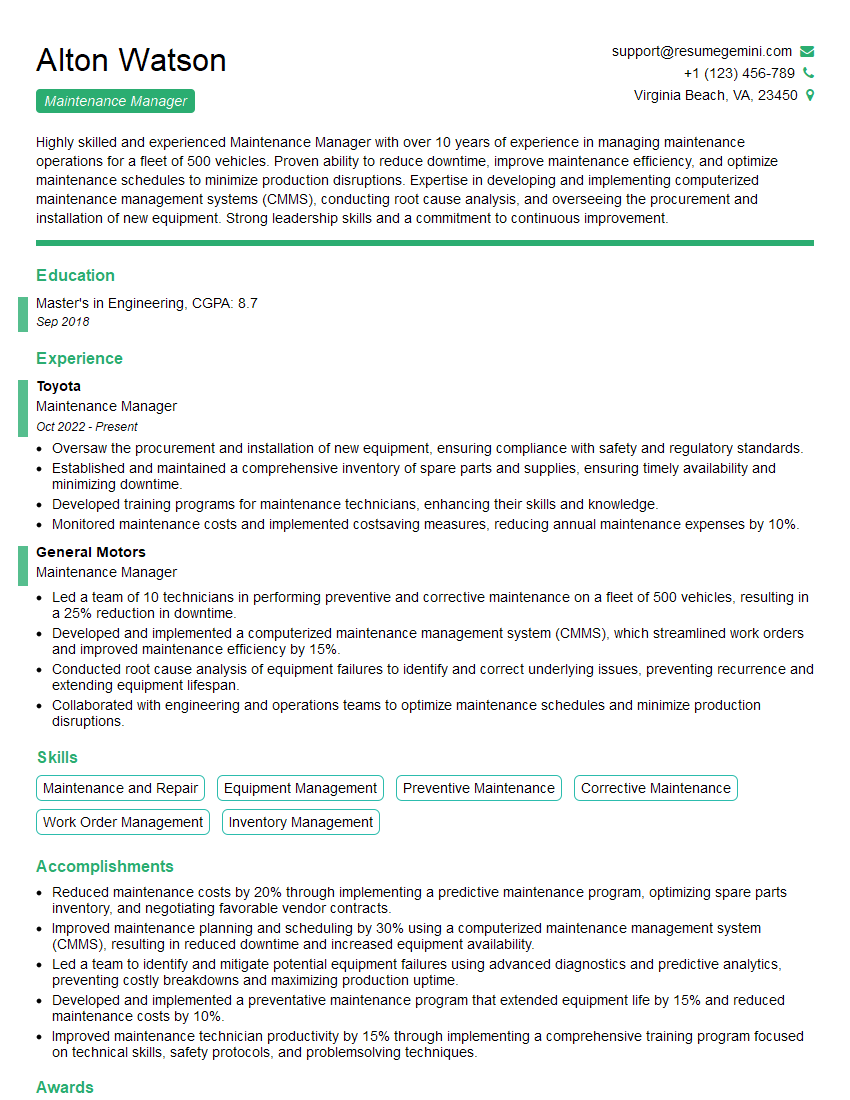
Maintenance Manager Resume Sample
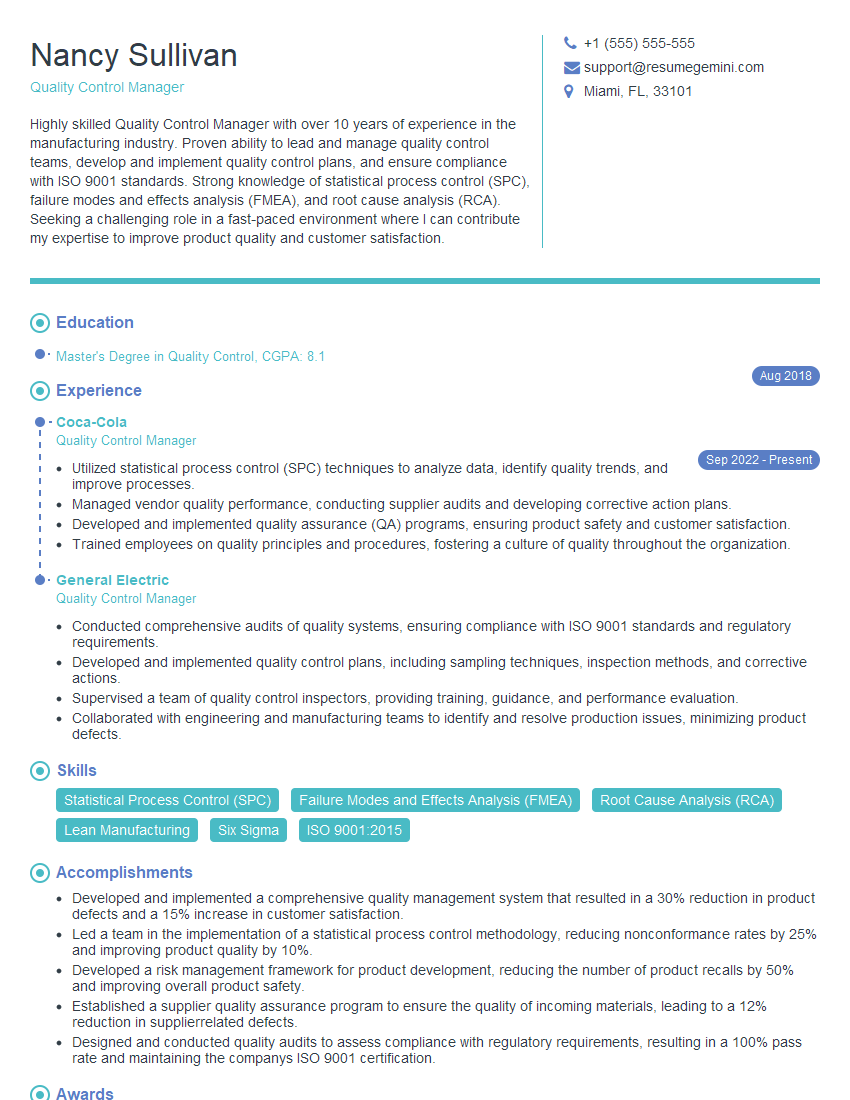
Quality Control Manager Resume Sample
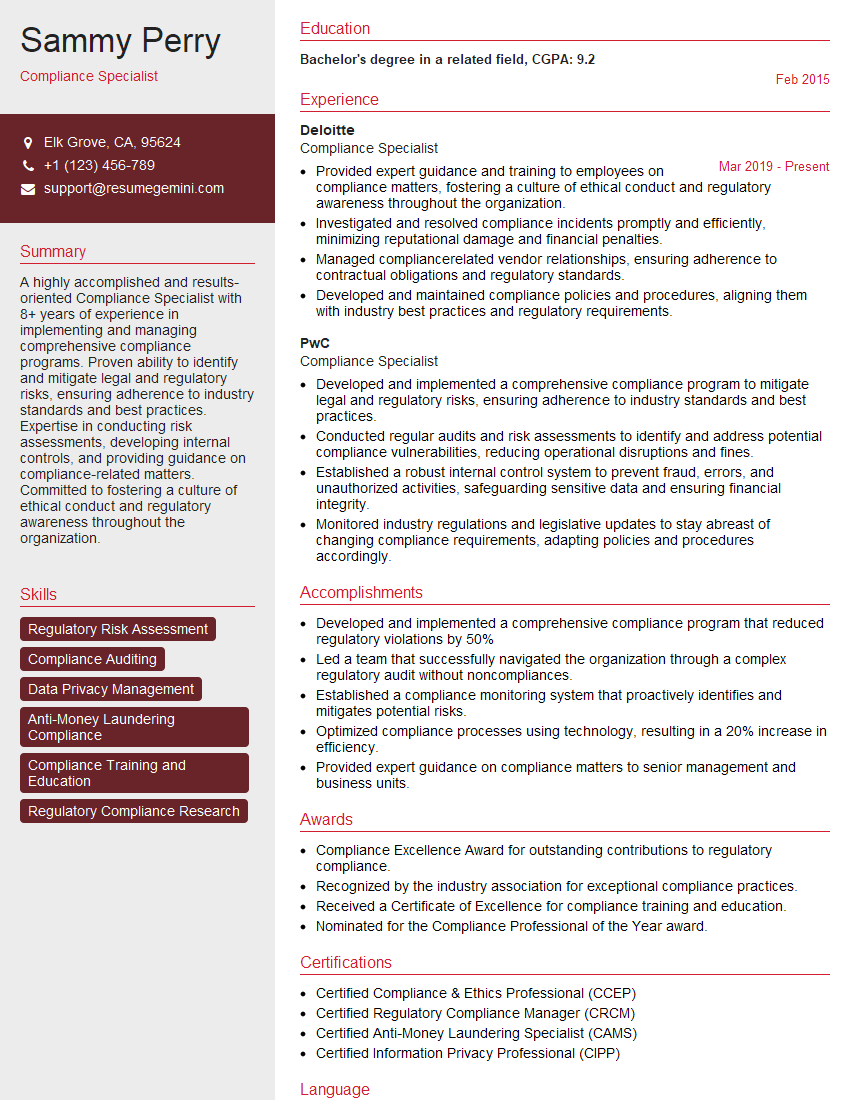
Compliance Specialist Resume Sample
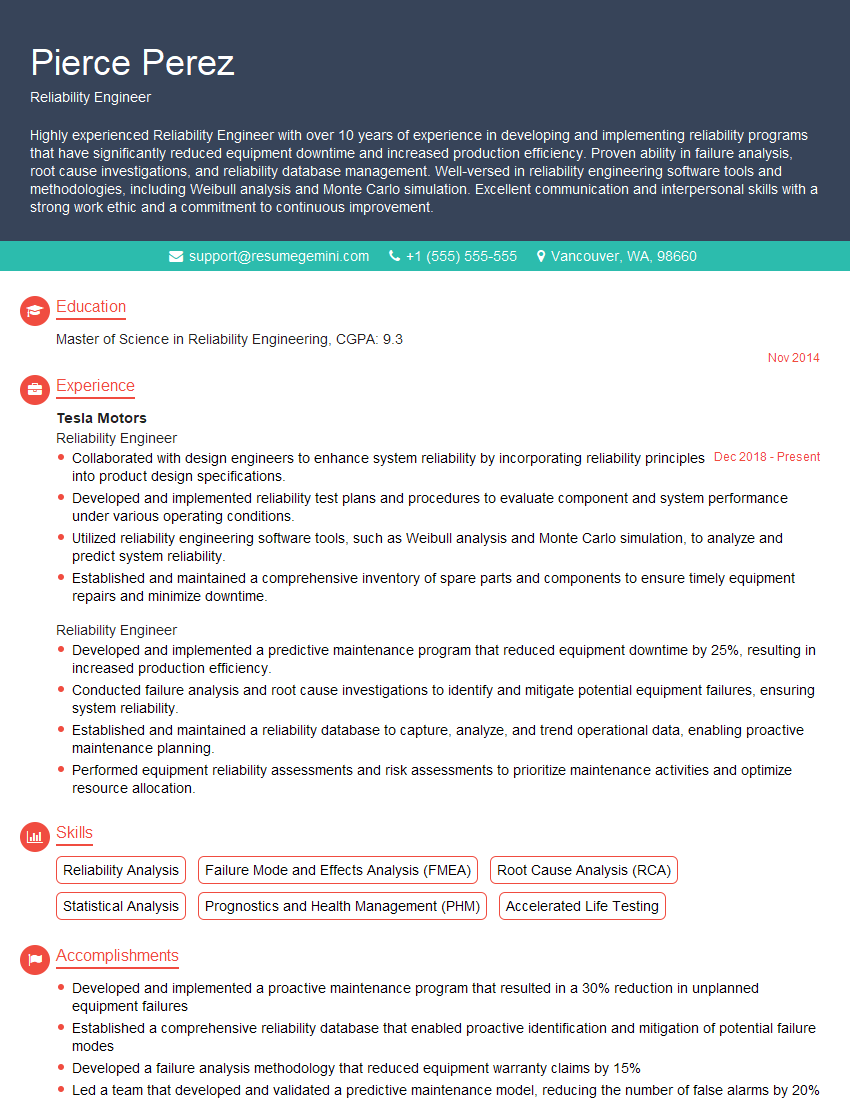
Reliability Engineer Resume Sample
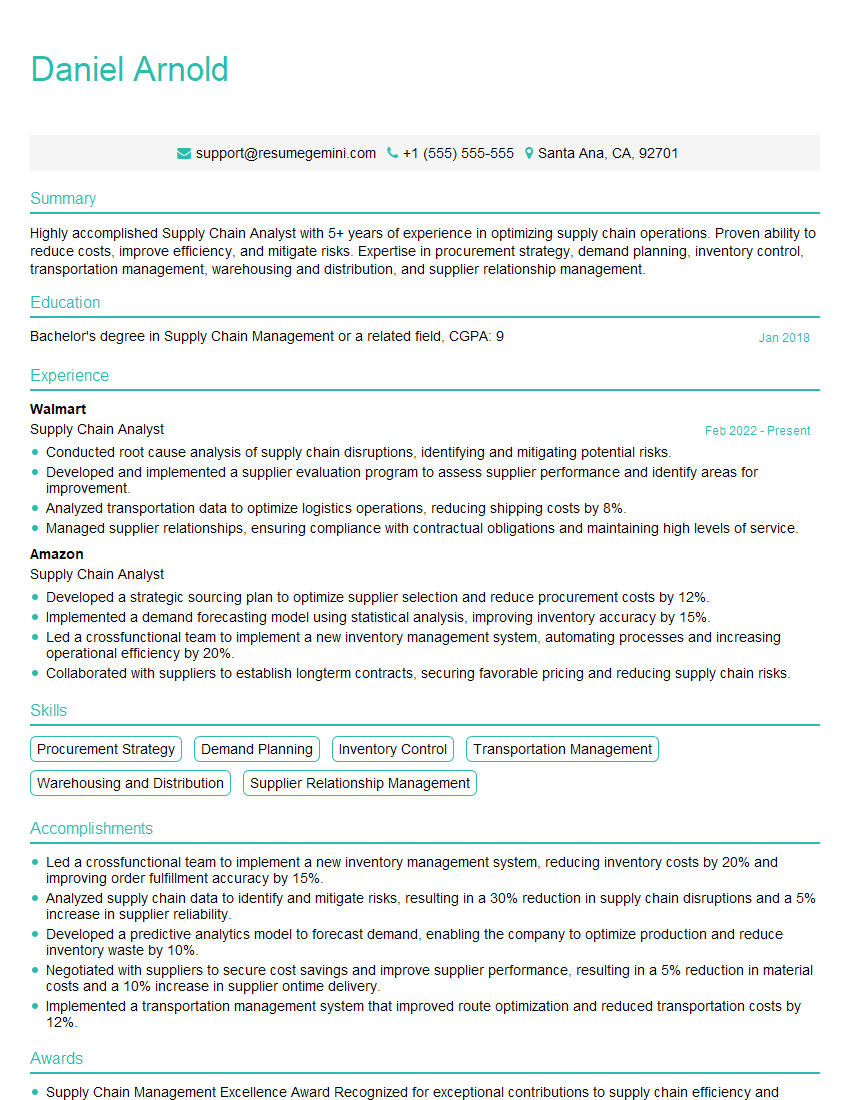
Supply Chain Analyst Resume Sample
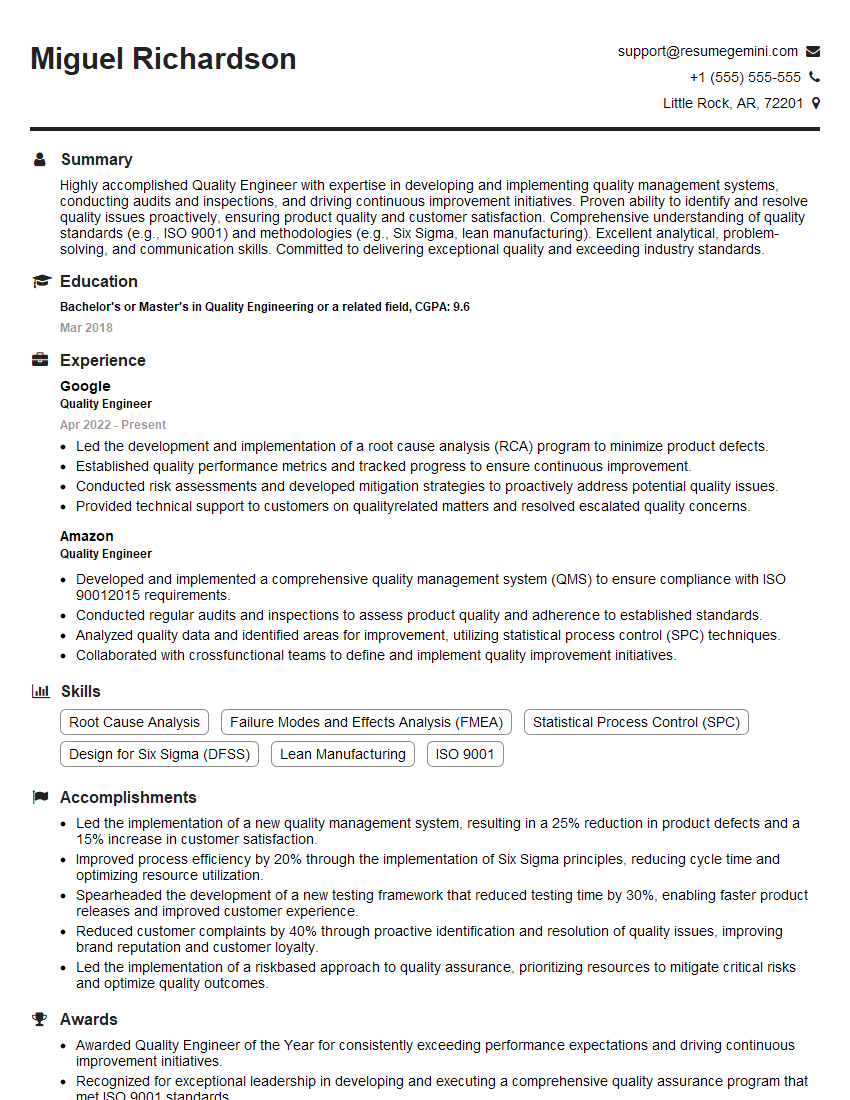
Quality Engineer Resume Sample
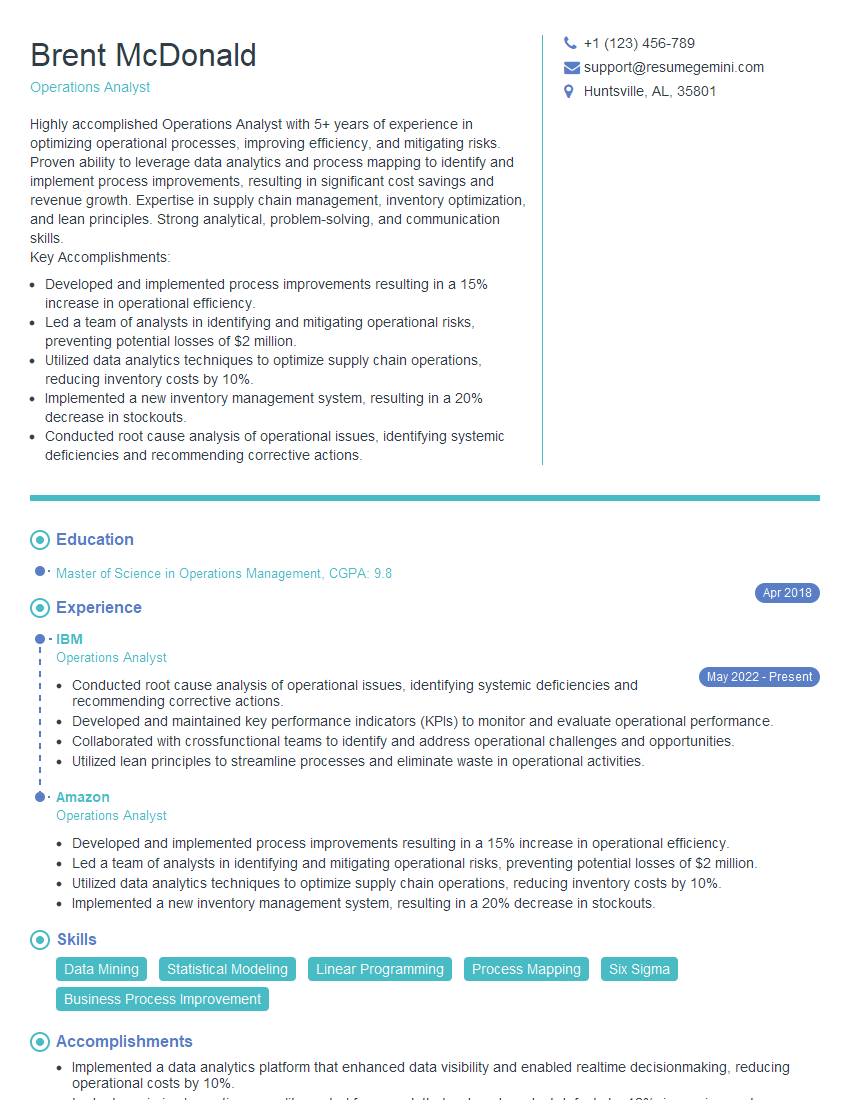
Operations Analyst Resume Sample
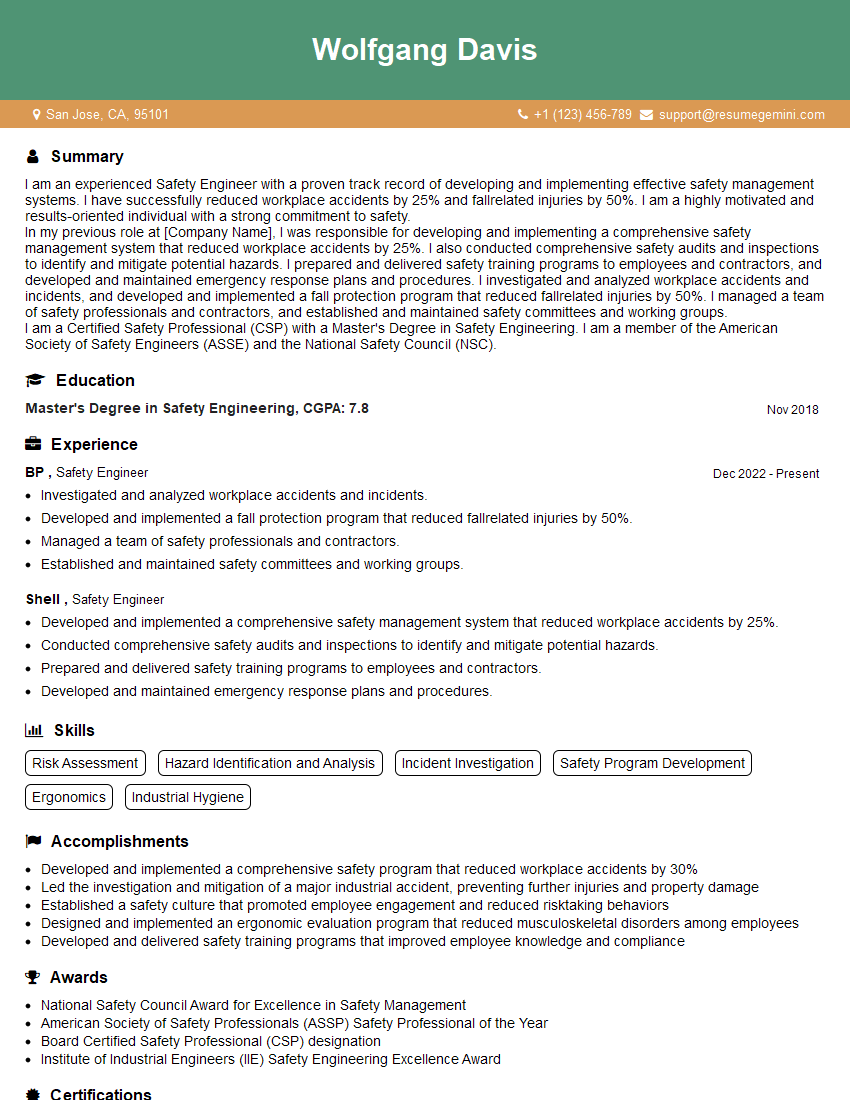
Safety Engineer Resume Sample
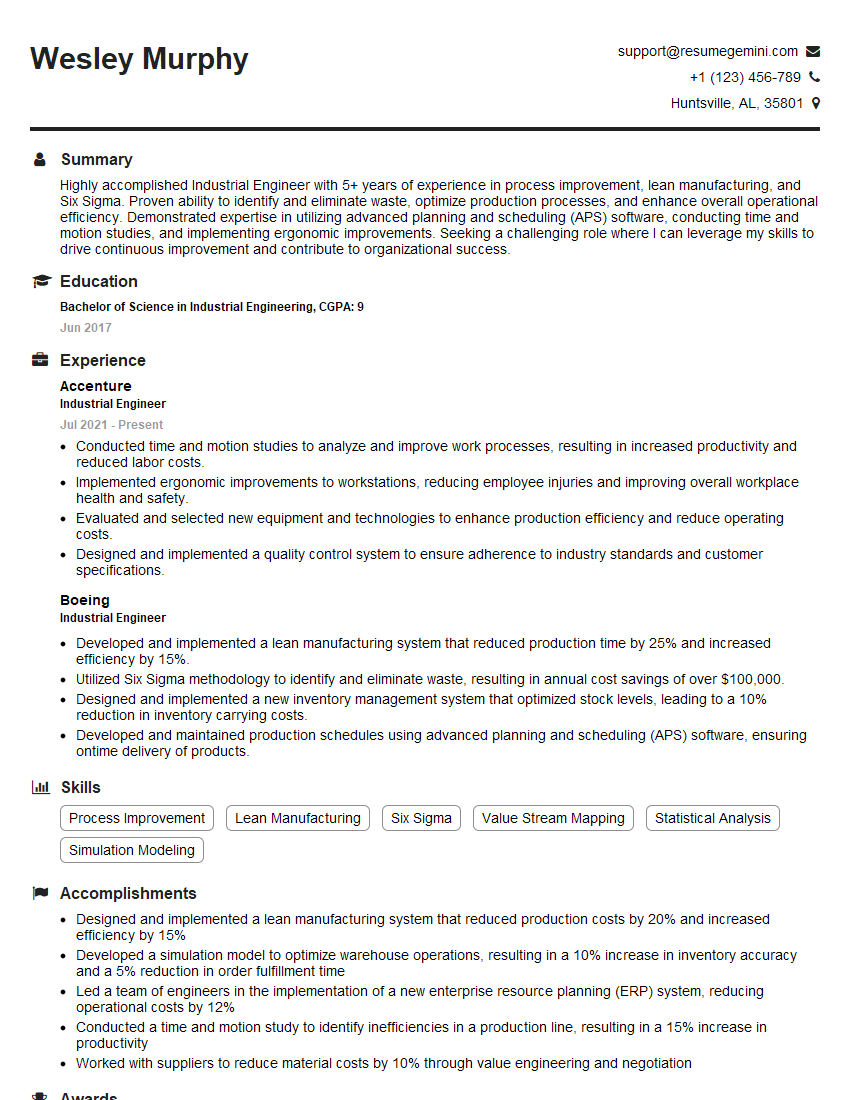
Industrial Engineer Resume Sample
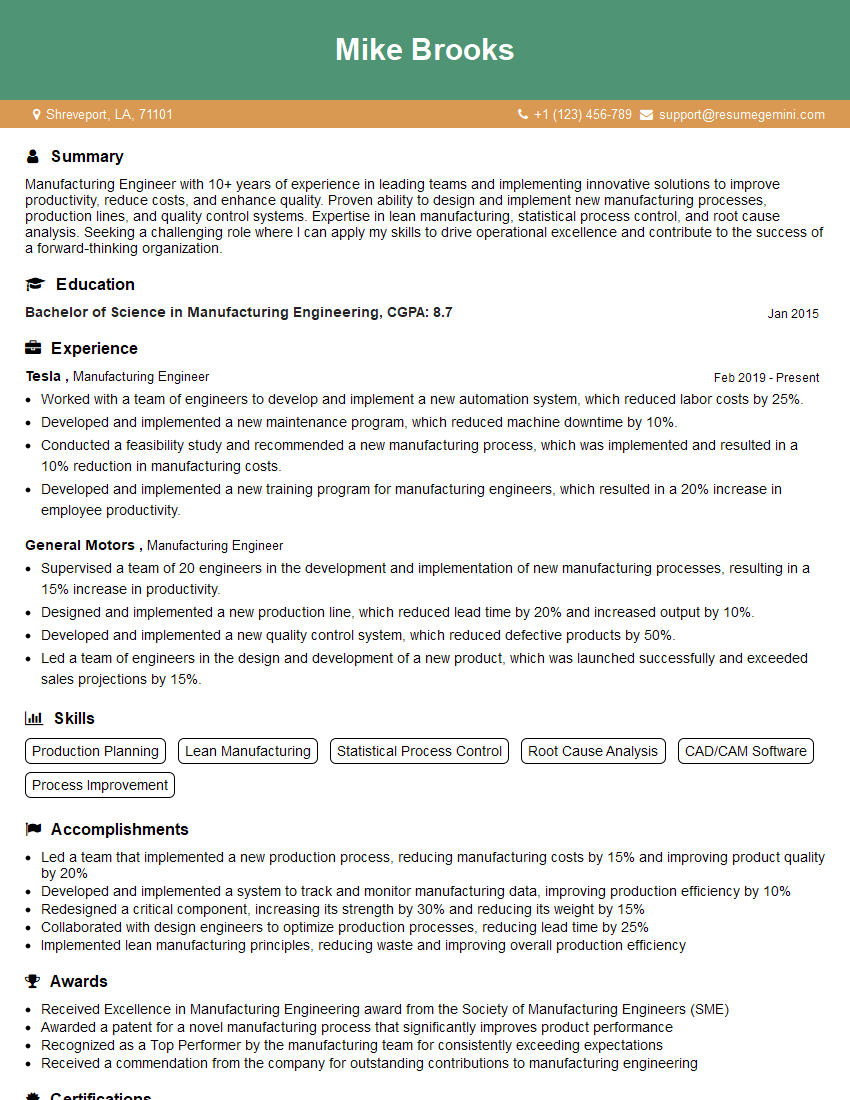
Manufacturing Engineer Resume Sample
Explore more articles
Users Rating of Our Blogs
Share Your Experience
We value your feedback! Please rate our content and share your thoughts (optional).
What Readers Say About Our Blog
Very informative content, great job.
good