The thought of an interview can be nerve-wracking, but the right preparation can make all the difference. Explore this comprehensive guide to Rule Interpretation and Enforcement interview questions and gain the confidence you need to showcase your abilities and secure the role.
Questions Asked in Rule Interpretation and Enforcement Interview
Q 1. Explain the difference between a rule and a guideline.
The core difference between a rule and a guideline lies in their enforceability. A rule is a mandatory regulation; failure to comply results in predetermined consequences, often penalties or sanctions. Think of traffic laws – running a red light is a violation with clear penalties. A guideline, on the other hand, is a recommendation or best practice. It suggests a course of action but doesn’t carry the weight of mandatory compliance. For example, a company might have a guideline suggesting employees use a specific password format for security, but not enforcing it with formal disciplinary action. The key is the presence or absence of enforceable consequences.
- Rules: Mandatory, enforceable, consequences for non-compliance.
- Guidelines: Recommendations, non-mandatory, no formal penalties for non-compliance.
Q 2. Describe your experience interpreting ambiguous rules.
Interpreting ambiguous rules requires a systematic approach. I begin by meticulously examining the text of the rule, looking for contextual clues and cross-referencing with related regulations. If ambiguity persists, I consult relevant legal precedents, industry standards, or expert opinions. For example, if a rule states “employees must maintain appropriate workplace behavior,” the definition of “appropriate” is subjective. I’d analyze existing company policies, conduct a review of similar cases, and consult with HR or legal counsel to establish a clear and consistent interpretation. This ensures fairness and prevents inconsistent application. Ultimately, the goal is to achieve a clear understanding that promotes consistency and minimizes risk.
Q 3. How do you handle conflicting rules or regulations?
Conflicting rules demand careful analysis and a hierarchical approach. I first identify the source of each rule – is one a company policy, the other a legal regulation? Legal regulations generally supersede internal policies. If the conflict is between two regulations from the same source, I try to reconcile them. Sometimes, a higher-level rule will clarify the application in case of conflict. If resolution isn’t possible through interpretation, I escalate the issue to the appropriate authority (legal counsel, compliance officer) for resolution. For instance, if a company policy conflicts with a health and safety regulation, the regulation takes precedence. A documented process for handling such conflicts is crucial to ensure fairness and consistency.
Q 4. Explain your process for identifying and escalating compliance issues.
My process for identifying and escalating compliance issues starts with proactive monitoring. This includes regular audits, reviews of reports, and employee training to raise awareness. When an issue is identified, I document it thoroughly, including the nature of the breach, evidence, and the individuals involved. The severity determines the escalation path. Minor issues might be addressed internally with corrective action. More serious violations are escalated to my supervisor or the relevant department (e.g., legal, HR) for investigation and potential disciplinary action. A clear escalation matrix ensures timely and appropriate responses to ensure consistent action and prevent further violations.
Q 5. Describe a time you had to enforce a rule despite resistance.
In a previous role, we had a policy prohibiting the use of personal devices for work purposes due to security concerns. Despite repeated communication and training, some employees resisted, citing inconvenience. When I discovered continued violations, despite clear warnings, I had to enforce the rule. This involved documenting the breaches, conducting formal discussions with the employees, and issuing appropriate warnings. While there was initial resistance, a consistent and fair approach, supported by management, helped address the issue. The key was explaining the rationale behind the policy and the potential risks involved, fostering a culture of understanding and compliance rather than just imposing penalties.
Q 6. How do you stay updated on changes in relevant rules and regulations?
Staying updated on changes is crucial. I subscribe to relevant newsletters and journals, attend industry conferences and webinars, and actively monitor government websites and regulatory bodies for updates. Many regulatory bodies offer alerts and subscriptions for changes in rules and regulations relevant to my field. I also maintain a network of professional contacts to share information and discuss emerging trends. Regular review of our internal policies and procedures, ensuring they align with the latest regulations, is vital to maintaining compliance. Proactive monitoring is far more effective than reactive responses.
Q 7. How would you explain a complex rule to someone with limited knowledge?
Explaining a complex rule requires breaking it down into smaller, digestible parts. I start with the overall objective of the rule – what problem does it address? Then, I explain each component separately, using simple language and avoiding jargon. Visual aids like flowcharts or diagrams can be incredibly helpful. I encourage questions and provide real-world examples to illustrate the rule’s application. Think of explaining the tax code – rather than presenting it as a monolithic entity, you’d break it into income brackets, deductions, credits, etc. Finally, I summarize the key points to ensure understanding and check for comprehension. Simple language, visual aids, and examples make complex information accessible and promote understanding.
Q 8. Describe your experience conducting internal audits for compliance.
Internal audits for compliance are crucial for ensuring an organization adheres to its internal policies, industry regulations, and legal requirements. My approach involves a systematic process. First, I carefully review relevant regulations and internal policies to identify key control points. Then, I develop a detailed audit plan outlining the scope, methodology, and timeline. This plan usually includes selecting a sample size of transactions or activities representative of the entire process. During the audit, I meticulously document evidence, noting any discrepancies or instances of non-compliance. Following the audit, I prepare a comprehensive report that summarizes findings, quantifies the impact of any non-compliance issues, and provides recommendations for corrective action. For example, during an audit of a financial institution, I might review a sample of loan applications for compliance with anti-money laundering (AML) regulations, meticulously documenting any inconsistencies or missing information. This ensures the organization remains compliant and minimizes potential risks.
Q 9. How do you prioritize multiple compliance tasks and deadlines?
Prioritizing multiple compliance tasks and deadlines requires a structured approach. I use a combination of methods, including prioritizing based on risk, urgency, and legal implications. I typically employ a project management methodology, such as the Eisenhower Matrix (urgent/important), to categorize tasks. High-risk, legally mandated deadlines always take precedence. I utilize project management tools to track progress, set milestones, and allocate resources effectively. Regular review meetings help to identify any potential bottlenecks and adjust priorities as needed. Think of it like a firefighter—you tackle the most immediate and dangerous threats first before addressing smaller issues. Effective communication with stakeholders is crucial for maintaining transparency and managing expectations throughout the prioritization process.
Q 10. How do you document your rule interpretation and enforcement decisions?
Thorough documentation is critical for transparency and accountability in rule interpretation and enforcement. My documentation includes detailed notes of the specific rule or regulation under review, the facts of the situation, my analysis of the evidence, and the rationale for my decision. This is often recorded in a standardized format using a template designed to ensure consistency. I might create a case file with each decision, including all supporting documents like emails, reports, or interview transcripts. This approach facilitates easy retrieval, auditing, and future reference. For example, if I interpreted a complex regulation in a particular way, my documentation ensures future decisions on similar cases maintain consistency. This systematic approach significantly reduces the risk of inconsistencies and misinterpretations.
Q 11. Explain your understanding of the legal ramifications of non-compliance.
Non-compliance can have significant legal ramifications, depending on the nature of the violation and applicable laws. These ramifications can range from civil penalties and fines to criminal charges, depending on the severity. For instance, a minor violation might result in a warning or a small fine, while serious breaches, especially those involving fraud or intentional disregard for regulations, can lead to substantial financial penalties, legal action, reputational damage, and even imprisonment. Understanding the specific laws and regulations relevant to the organization is crucial in mitigating these risks. Regular training and awareness programs help employees understand the potential consequences of non-compliance, fostering a culture of compliance within the organization.
Q 12. What is your approach to investigating potential rule violations?
Investigating potential rule violations requires a methodical and objective approach. My investigation typically begins with identifying the alleged violation and gathering relevant information. This might involve interviewing witnesses, reviewing documents, analyzing data, and potentially conducting forensic analysis depending on the severity of the violation. I always ensure a fair and impartial investigation, avoiding any bias or prejudgment. The investigation proceeds systematically, following a structured approach to ensure all relevant aspects are considered. A well-documented investigation helps maintain transparency and objectivity throughout the process. For example, if there was an allegation of data breach, I’d collect server logs, security incident reports, employee interviews, and forensic analysis to systematically rebuild the events leading to the data breach and identify any negligent actions.
Q 13. How do you handle situations where evidence is incomplete or conflicting?
Handling situations with incomplete or conflicting evidence requires careful consideration and a balanced approach. I start by thoroughly documenting the available evidence, noting any gaps or inconsistencies. Then, I seek to gather additional information to fill the gaps, perhaps by conducting further interviews, reviewing additional documents, or engaging expert consultants if needed. When evidence is truly conflicting, I carefully analyze the credibility and reliability of each source, considering factors such as witness bias, potential motivations, and the strength of supporting evidence. The goal is to reach a decision based on the preponderance of credible evidence, acknowledging the limitations of the information available. In such cases, it may be necessary to conclude that a definitive determination cannot be made and to state this clearly in any report or decision.
Q 14. Describe a situation where you had to make a difficult decision related to rule enforcement.
In a previous role, I faced a difficult decision concerning a potential violation of a data privacy regulation. An employee had inadvertently shared sensitive customer data with an unauthorized third party. While the employee’s action was unintentional, the violation was undeniable. I had to balance the need to enforce the company’s strict data privacy policy with the employee’s long-standing record of excellent performance and apparent remorse. After careful consideration, which included reviewing the company’s disciplinary procedures and the severity of the breach, I recommended a combination of disciplinary action (suspension and mandatory retraining) and remediation steps (implementing enhanced security measures). This approach aimed to ensure accountability while preserving the employee’s career and enhancing the organization’s data security posture.
Q 15. How do you ensure fairness and consistency in your enforcement actions?
Fairness and consistency in rule enforcement are paramount. They’re achieved through a multi-pronged approach focusing on clear, unambiguous rules; standardized procedures; and meticulous documentation.
Firstly, rules must be meticulously crafted, avoiding ambiguity or loopholes. Think of it like a well-written contract – every clause should be clear and easily understood. This reduces the chance of subjective interpretations leading to inconsistent enforcement.
Secondly, we implement standardized procedures. This involves creating detailed, step-by-step guides for investigations, decision-making, and the application of penalties. Each case is treated according to the same protocol, minimizing bias and ensuring equality of treatment. For example, a specific checklist might be used for every violation of a particular rule, ensuring consistent evaluation across all instances.
Finally, rigorous documentation is key. Every decision, action, and rationale must be recorded meticulously. This creates an audit trail that can be reviewed to ensure fairness and identify any potential inconsistencies. This transparency fosters accountability and builds trust amongst those subject to the rules.
Career Expert Tips:
- Ace those interviews! Prepare effectively by reviewing the Top 50 Most Common Interview Questions on ResumeGemini.
- Navigate your job search with confidence! Explore a wide range of Career Tips on ResumeGemini. Learn about common challenges and recommendations to overcome them.
- Craft the perfect resume! Master the Art of Resume Writing with ResumeGemini’s guide. Showcase your unique qualifications and achievements effectively.
- Don’t miss out on holiday savings! Build your dream resume with ResumeGemini’s ATS optimized templates.
Q 16. Describe your experience working with stakeholders to improve compliance.
Working with stakeholders to improve compliance is a collaborative process requiring strong communication and a willingness to understand differing perspectives. My experience shows that success hinges on building trust and fostering a sense of shared responsibility.
I begin by actively listening to stakeholder concerns. What challenges are they facing in adhering to the rules? Are there areas of ambiguity or complexity that need clarification? This information is crucial for identifying areas for improvement.
Following this, I work collaboratively to develop solutions. This might involve simplifying complex rules, providing additional training, or modifying processes to make compliance easier. For example, in one instance, working with a team of sales representatives, we discovered that a specific reporting requirement was cumbersome. By collaborating, we streamlined the process, resulting in significantly improved compliance and reduced administrative burden.
Finally, ongoing communication and feedback are vital. Regular check-ins and open forums allow for continuous improvement and ensure that the compliance program remains relevant and effective. Transparency and responsiveness are critical to building and maintaining stakeholder trust.
Q 17. What metrics do you use to assess the effectiveness of your compliance program?
Measuring the effectiveness of a compliance program requires a multi-faceted approach, employing both qualitative and quantitative metrics. We use a range of key performance indicators (KPIs) to assess success.
- Violation Rate: This tracks the number of rule violations over time. A decreasing rate suggests improving compliance.
- Time to Resolution: This measures how quickly violations are identified and addressed. Faster resolution indicates a more efficient system.
- Cost of Non-Compliance: This encompasses the financial and reputational costs associated with violations. Reduction in these costs signifies program success.
- Stakeholder Satisfaction: Gathering feedback through surveys and interviews helps assess the program’s perceived fairness and effectiveness.
- Training Effectiveness: Measuring knowledge retention and application of training materials helps assess the effectiveness of educational initiatives.
By regularly monitoring these KPIs and analyzing trends, we can identify areas for improvement and make data-driven adjustments to the compliance program.
Q 18. How do you adapt your approach to rule interpretation based on the context?
Context is crucial in rule interpretation. A rigid, inflexible approach can lead to unfair or ineffective enforcement. My approach emphasizes considering the specific circumstances surrounding each situation.
I begin by carefully examining the facts of each case. What were the circumstances leading to the alleged violation? Were there extenuating factors or mitigating circumstances to consider? For instance, a seemingly minor violation might be excused if it resulted from unforeseen technical difficulties.
Next, I consult relevant guidelines, precedents, and legal interpretations. This ensures consistency with established practices and avoids arbitrary decisions. Think of it like a judge considering case law – past rulings inform the current decision.
Finally, I consider the overall goals of the rule in question. What is the intended outcome? Is the application of the rule in this specific context serving that intended outcome, or is it creating unintended negative consequences? This holistic perspective ensures that enforcement remains proportionate and effective.
Q 19. How do you measure the impact of your rule enforcement activities?
Measuring the impact of rule enforcement requires a clear understanding of the desired outcomes. The metrics chosen should directly reflect the goals of the compliance program.
For instance, if the goal is to reduce fraudulent activity, the impact might be measured by the reduction in the number of fraudulent transactions or the amount of financial loss prevented. Similarly, if the aim is to improve workplace safety, the impact could be measured by a reduction in workplace accidents or injuries.
Qualitative data is also crucial. This might include gathering feedback from stakeholders on their perceptions of the program’s impact. For example, interviews with employees might reveal increased awareness of safety regulations and a greater sense of security in the workplace following an enforcement campaign.
By combining quantitative and qualitative data, a comprehensive assessment of the program’s effectiveness can be made, allowing for ongoing refinement and improvement.
Q 20. Explain your understanding of risk assessment related to rule compliance.
Risk assessment in rule compliance is a systematic process of identifying, analyzing, and prioritizing potential risks related to non-compliance. It’s about proactively identifying vulnerabilities and implementing preventative measures.
This process typically involves:
- Identifying potential risks: This includes reviewing past violations, analyzing the rule’s complexity, and considering the potential impact of non-compliance.
- Analyzing the likelihood and impact of each risk: This involves assigning probabilities and consequences to each identified risk. A risk matrix can be a helpful tool for visualizing this information.
- Prioritizing risks: Based on likelihood and impact, risks are ranked to focus resources on the most critical areas.
- Developing mitigation strategies: This involves creating action plans to reduce or eliminate the identified risks. These strategies might include training programs, improved internal controls, or enhanced monitoring procedures.
Regular risk assessments are crucial for staying ahead of potential compliance issues and ensuring the program remains effective and adaptable to changing circumstances.
Q 21. How do you communicate rule changes and updates effectively to relevant personnel?
Effective communication of rule changes and updates is critical for ensuring widespread understanding and compliance. A multi-channel approach ensures the message reaches everyone.
Firstly, I leverage formal channels like emails, memos, and intranet postings. These provide a clear and permanent record of the changes. For example, a detailed email might be sent outlining the changes, rationale, and effective date.
Secondly, I conduct training sessions and workshops. These interactive sessions allow for questions and clarification, fostering a deeper understanding and ensuring all personnel are adequately trained. Interactive quizzes or scenarios can reinforce the learning.
Finally, I utilize informal communication channels like team meetings and one-on-one discussions. These provide opportunities to address concerns, answer questions, and ensure buy-in. This allows for feedback and promotes a collaborative approach to compliance.
Consistent communication, across various methods, minimizes confusion and helps to foster a culture of compliance.
Q 22. How do you use technology to support your rule interpretation and enforcement efforts?
Technology plays a crucial role in modern rule interpretation and enforcement. We leverage several tools to streamline processes and enhance accuracy. For example, we use rule management systems to centralize and manage all rules, ensuring consistency and reducing ambiguity. These systems often incorporate features like version control and automated rule updates, minimizing the risk of human error. Furthermore, we utilize data analytics platforms to monitor compliance, identify trends, and proactively address potential violations. This might involve using SQL queries to extract relevant data from databases and applying machine learning algorithms to predict potential compliance risks. Finally, workflow automation tools help us manage tasks associated with rule enforcement, like automated notifications and escalation procedures, ensuring timely responses to critical events.
- Rule Management Systems: Imagine a central repository for all company policies and regulations, easily accessible and always updated. This eliminates the confusion of searching across various documents.
- Data Analytics Platforms: Think of these as powerful microscopes allowing us to examine large datasets for patterns indicating non-compliance. We can then focus our resources where they are most needed.
- Workflow Automation: This is like having a digital assistant managing the entire enforcement process, ensuring that alerts are sent to the right people at the right time.
Q 23. Describe your experience using different data analysis techniques for compliance monitoring.
My experience encompasses a broad range of data analysis techniques for compliance monitoring. I’ve extensively used SQL to query large transactional databases, extracting key information related to compliance events. For instance, I used SQL to identify instances where transactions exceeded pre-defined thresholds, flagging potential violations of internal policies. Beyond SQL, I’ve utilized statistical methods, such as regression analysis, to model relationships between various factors and compliance outcomes. This helps in identifying root causes of non-compliance and predicting future risks. Additionally, I’m proficient in using data visualization tools to represent complex compliance data in an easily understandable format for senior management and other stakeholders. This includes creating dashboards and reports that showcase key compliance metrics and identify areas needing attention.
In one project, we used anomaly detection algorithms to identify unusual patterns in sales data, which ultimately revealed a case of fraudulent activity. By analyzing the data, we were able to detect patterns that would have been missed by manual review, and this led to significant cost savings and a more robust compliance program.
Q 24. What is your experience with developing compliance training materials?
I have significant experience developing engaging and effective compliance training materials. My approach emphasizes practical application over rote memorization. I believe that training needs to be interactive, relevant, and relatable to the audience’s daily work. I utilize a variety of methods, including scenario-based learning, interactive quizzes, and gamification techniques, to enhance learner engagement and knowledge retention. I create materials in various formats, including videos, e-learning modules, and face-to-face training sessions, tailoring the approach to the audience and the subject matter. For example, for a complex regulatory change, I’d create a video explaining the key concepts and follow it up with an interactive e-learning module testing understanding. For a simpler update, a short presentation and a quick quiz may suffice. The key is to make it easy to understand and remember.
I always ensure that the training reflects current regulations and organizational policies, constantly updating the materials as needed to maintain their accuracy and relevance. Post-training assessments help gauge the effectiveness of the training programs and identify areas for improvement.
Q 25. Describe a situation where you had to justify your rule interpretation to senior management.
In a previous role, I interpreted a newly released regulatory guideline differently than senior management. The guideline was ambiguous, and our interpretation focused on minimizing disruption to our operations while remaining compliant. Senior management initially favored a more restrictive approach. To justify our interpretation, I presented a detailed analysis of the guideline, referencing relevant legal precedents and industry best practices. I also demonstrated how our interpretation minimized operational risks and aligned with the spirit of the regulation. I created a risk assessment matrix, comparing the risks associated with both interpretations. This data-driven approach, coupled with a clear and concise explanation, helped senior management understand and accept our position, leading to a more efficient and effective compliance approach.
Q 26. How do you handle situations where there is a conflict between organizational goals and compliance requirements?
Conflicts between organizational goals and compliance requirements are a delicate balancing act. My approach is to proactively identify and address these conflicts early on, before they escalate into major issues. This involves open communication and collaboration with all stakeholders, including legal counsel and business units. We work together to develop solutions that achieve both compliance and business objectives. Sometimes, this involves finding creative solutions that meet both needs. For example, instead of abandoning a project due to a specific compliance hurdle, we might modify the project scope or timeline to ensure compliance. Other times, it requires prioritizing compliance, accepting short-term financial implications in favor of long-term risk mitigation. The key is to establish a culture of transparency and a commitment to both business goals and regulatory adherence.
Q 27. How do you deal with pressure to compromise on compliance standards?
Pressure to compromise on compliance standards is unacceptable. I have a zero-tolerance policy towards such pressures. My approach involves firmly upholding compliance standards and documenting any attempts to compromise them. I would escalate any such pressure to my supervisor and legal counsel, clearly articulating the risks and potential repercussions of non-compliance. The potential penalties for non-compliance, from fines and legal action to reputational damage, far outweigh any short-term gains from cutting corners. My ethical stance is paramount in this matter. I believe that maintaining a strong ethical foundation and being transparent is crucial in handling such scenarios.
Q 28. Describe your experience collaborating with external regulatory bodies.
I have extensive experience collaborating with external regulatory bodies. This involves maintaining open communication channels, proactively responding to their inquiries, and participating in industry forums and working groups. Building strong, collaborative relationships is key to effective interaction. I ensure that all interactions are well-documented and that we understand and meet all regulatory requirements. In my experience, proactive engagement is the best approach. For example, I’ve initiated regular meetings with regulators to discuss emerging trends and potential compliance challenges. This proactive engagement fosters trust and mutual understanding, leading to smoother regulatory interactions and better outcomes.
Key Topics to Learn for Rule Interpretation and Enforcement Interview
- Understanding Legal Frameworks: Grasp the foundational legal principles governing the rules you’ll be interpreting. This includes statutory interpretation techniques and the hierarchy of laws.
- Practical Application of Rules: Develop your ability to apply rules to real-world scenarios. Practice analyzing case studies and hypothetical situations to determine the appropriate course of action.
- Identifying Ambiguities and Gaps: Learn to recognize and address ambiguities or inconsistencies within the rule set. Explore methods for resolving conflicting interpretations.
- Fair and Consistent Enforcement: Understand the importance of impartiality and consistency in enforcement. Explore strategies for ensuring equitable application of rules across diverse situations.
- Documentation and Record Keeping: Master the art of meticulously documenting enforcement actions, decisions, and justifications. Understand the importance of clear and accurate record keeping.
- Ethical Considerations: Explore the ethical implications of rule interpretation and enforcement. Consider potential conflicts of interest and strategies for maintaining professional integrity.
- Communication and Interpersonal Skills: Develop your ability to effectively communicate complex rules and decisions to diverse audiences. Practice active listening and conflict resolution techniques.
- Problem-solving and Decision-Making: Sharpen your analytical and critical thinking skills to effectively resolve complex situations involving rule interpretation and enforcement.
Next Steps
Mastering Rule Interpretation and Enforcement is crucial for career advancement in many fields, opening doors to leadership roles and increased responsibility. A strong understanding of these principles demonstrates your analytical capabilities, attention to detail, and commitment to fairness. To maximize your job prospects, it’s essential to create an ATS-friendly resume that highlights your relevant skills and experience. We recommend using ResumeGemini, a trusted resource for building professional resumes, to craft a compelling document that showcases your qualifications. Examples of resumes tailored to Rule Interpretation and Enforcement roles are available to help guide your process.
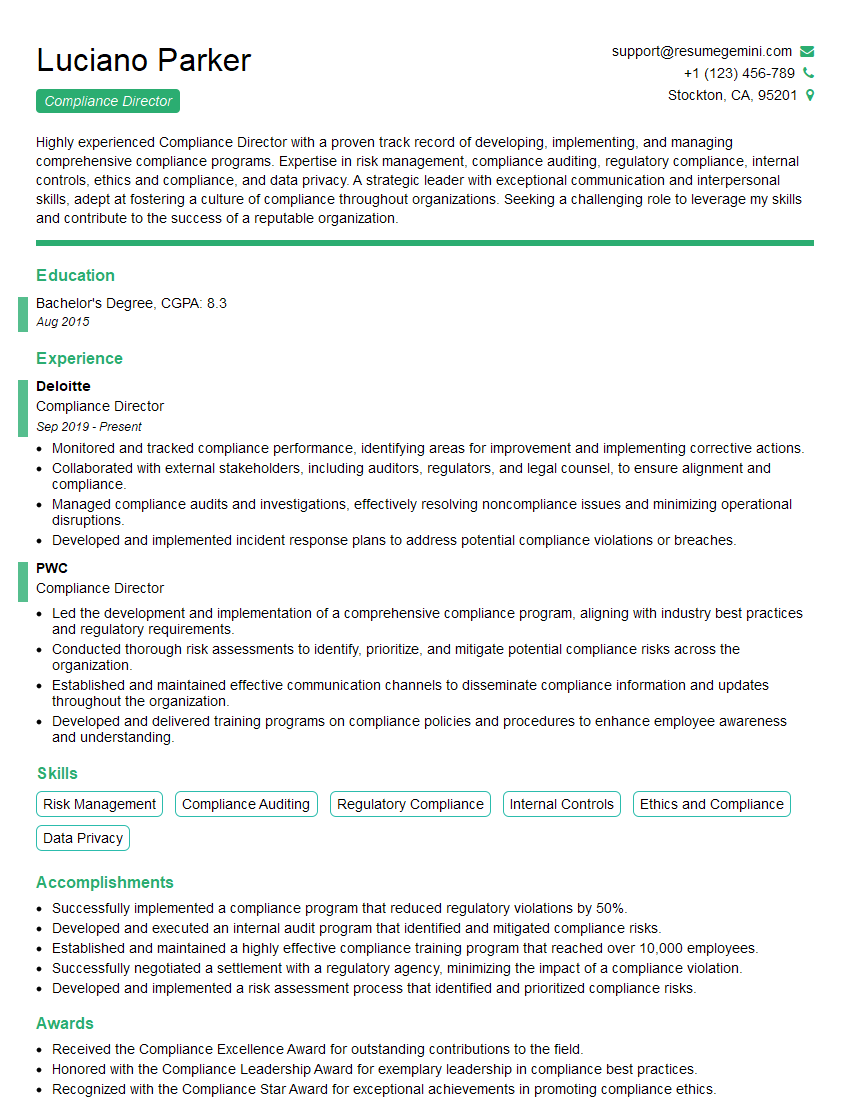
Compliance Director Resume Sample
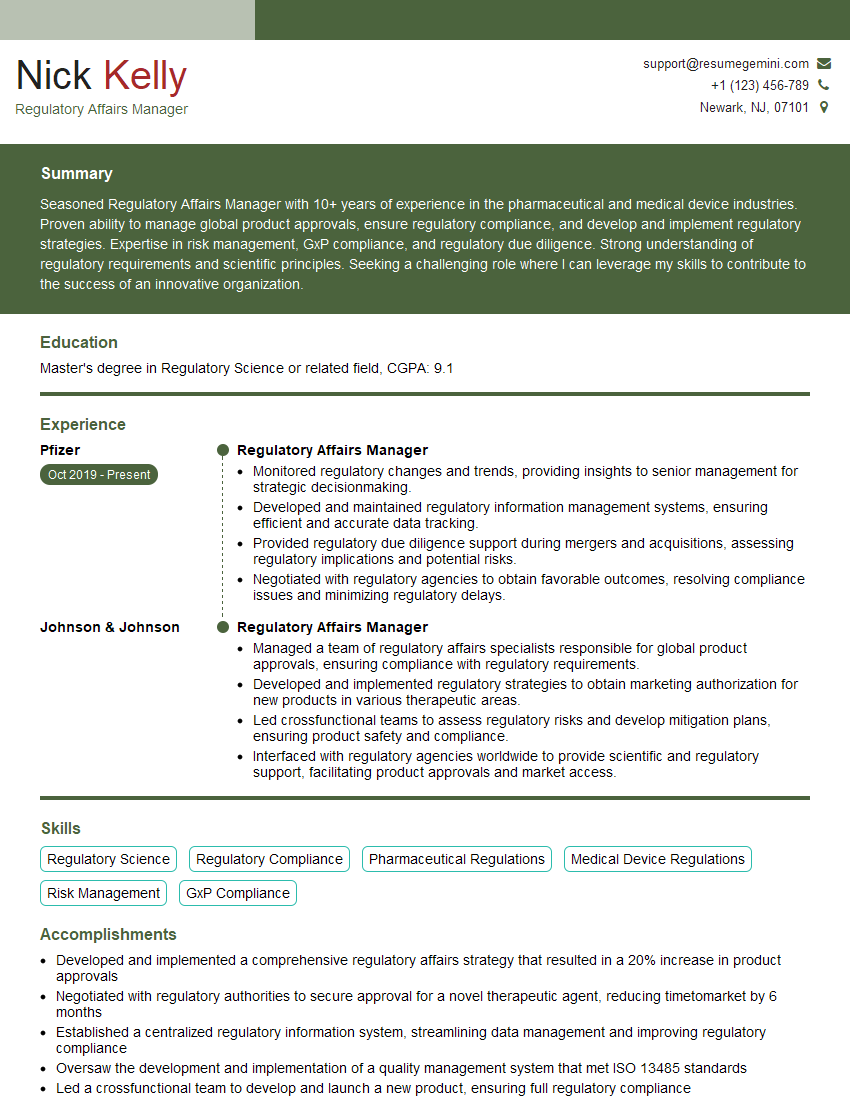
Regulatory Affairs Manager Resume Sample
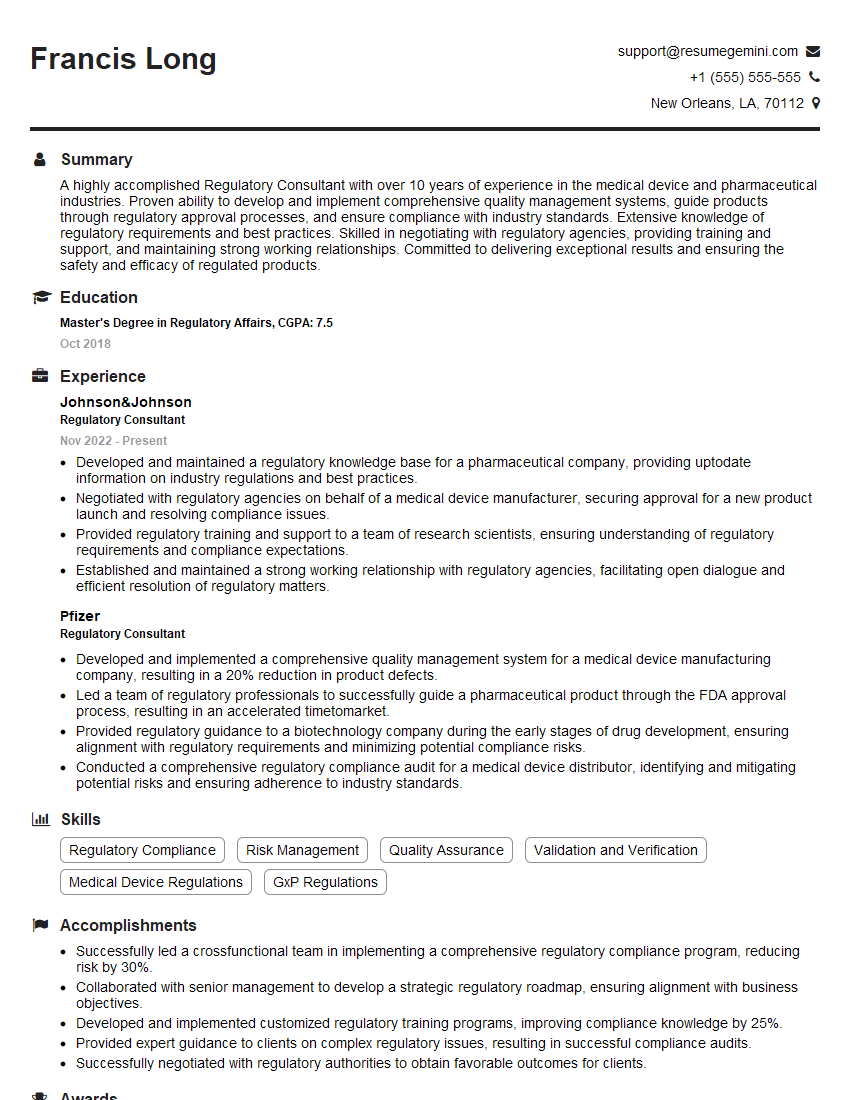
Regulatory Consultant Resume Sample
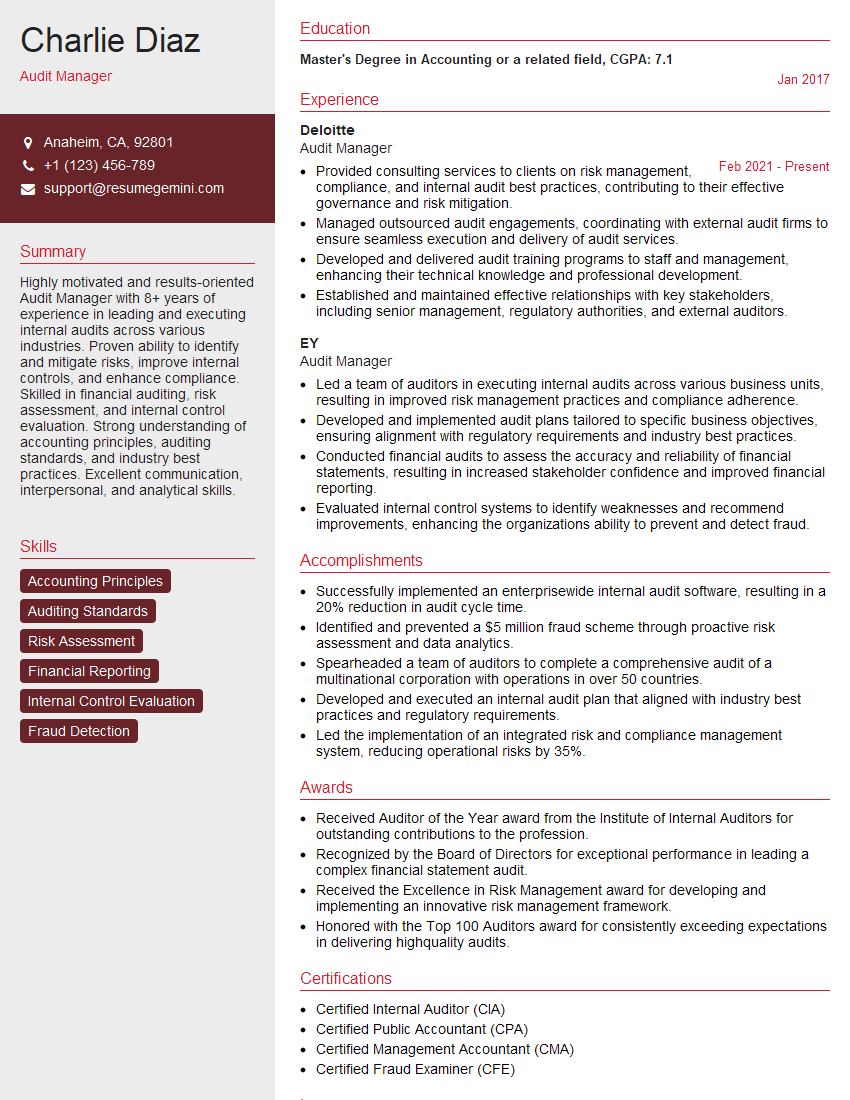
Audit Manager Resume Sample
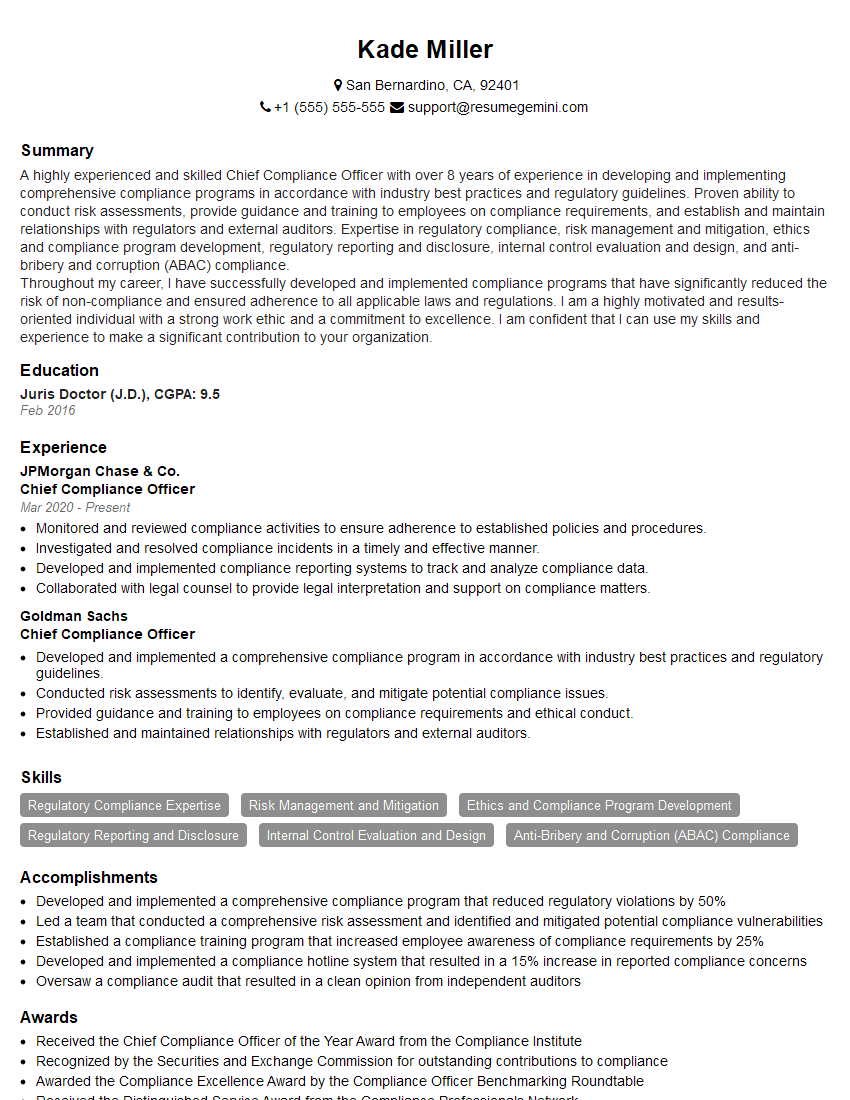
Chief Compliance Officer Resume Sample
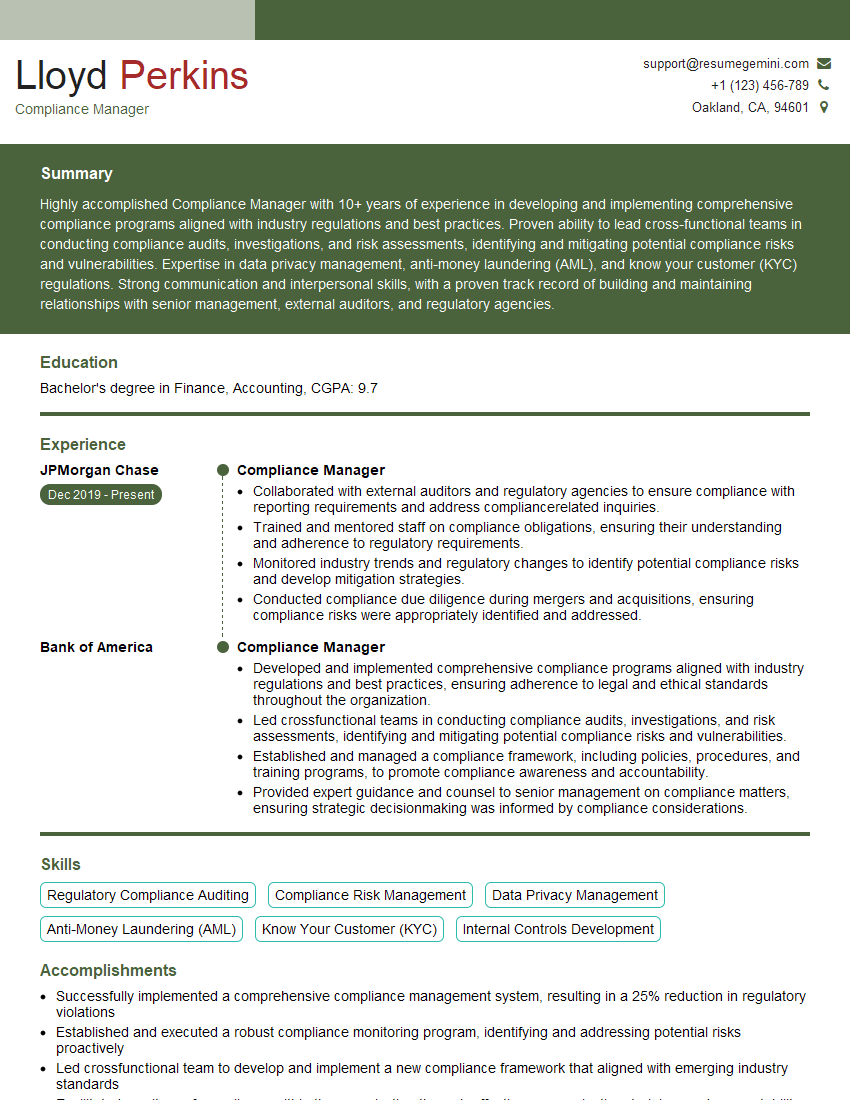
Compliance Manager Resume Sample
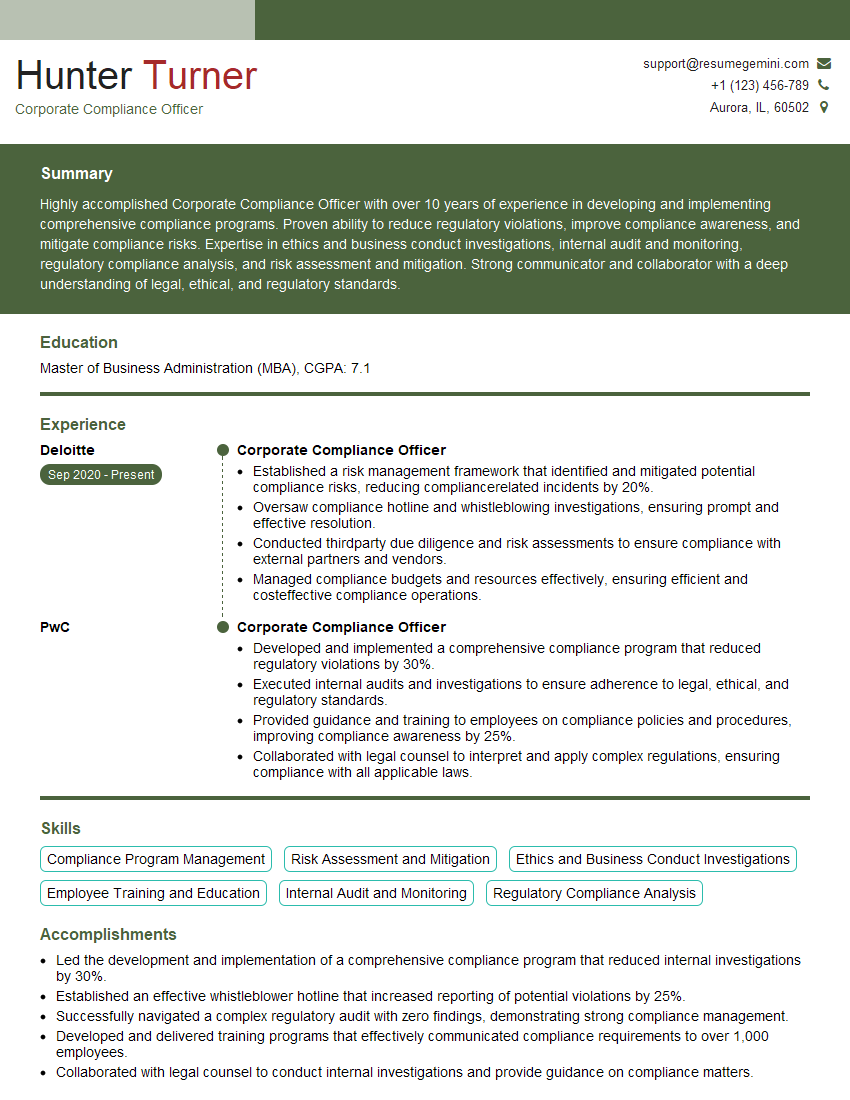
Corporate Compliance Officer Resume Sample
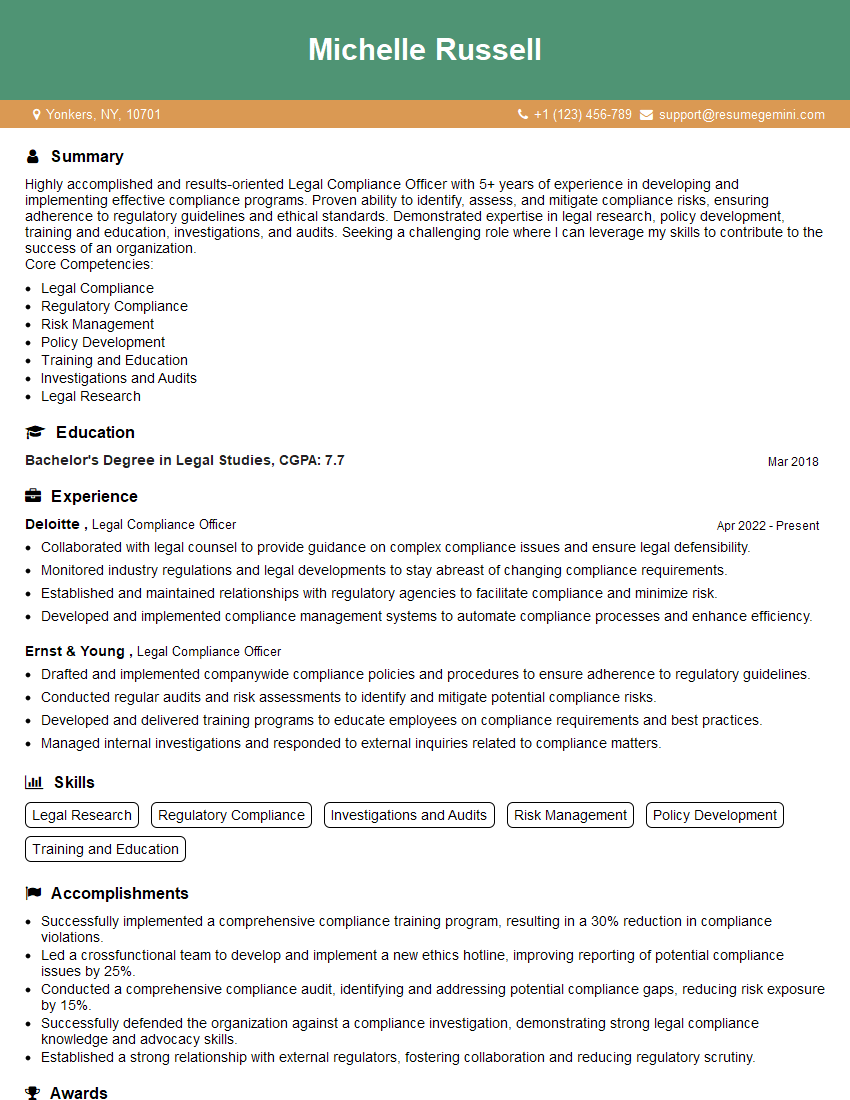
Legal Compliance Officer Resume Sample
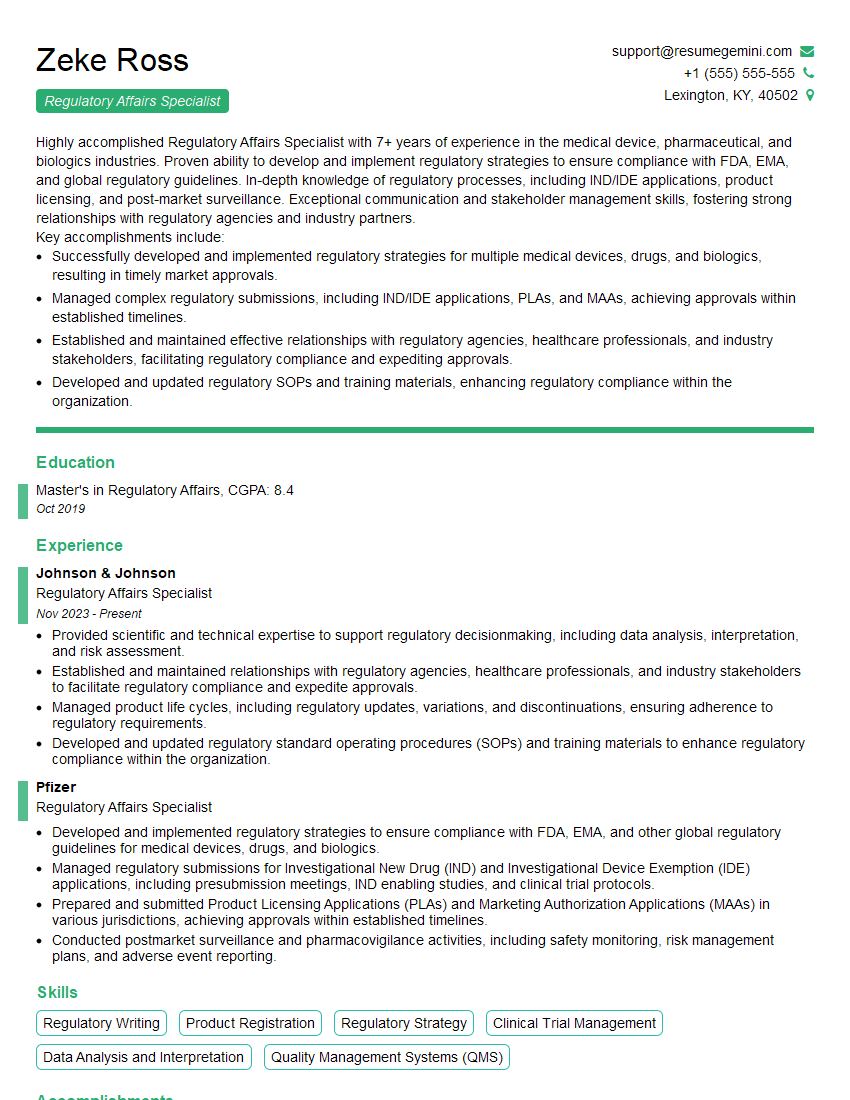
Regulatory Affairs Specialist Resume Sample
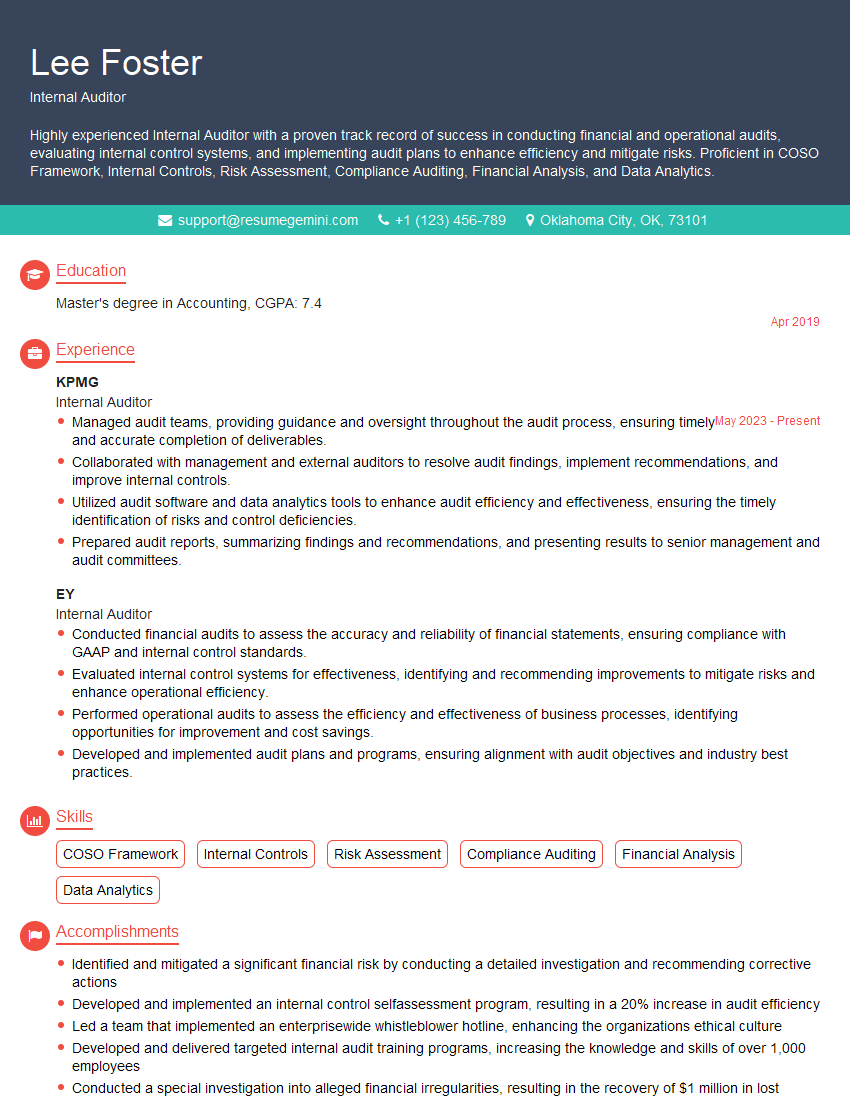
Internal Auditor Resume Sample
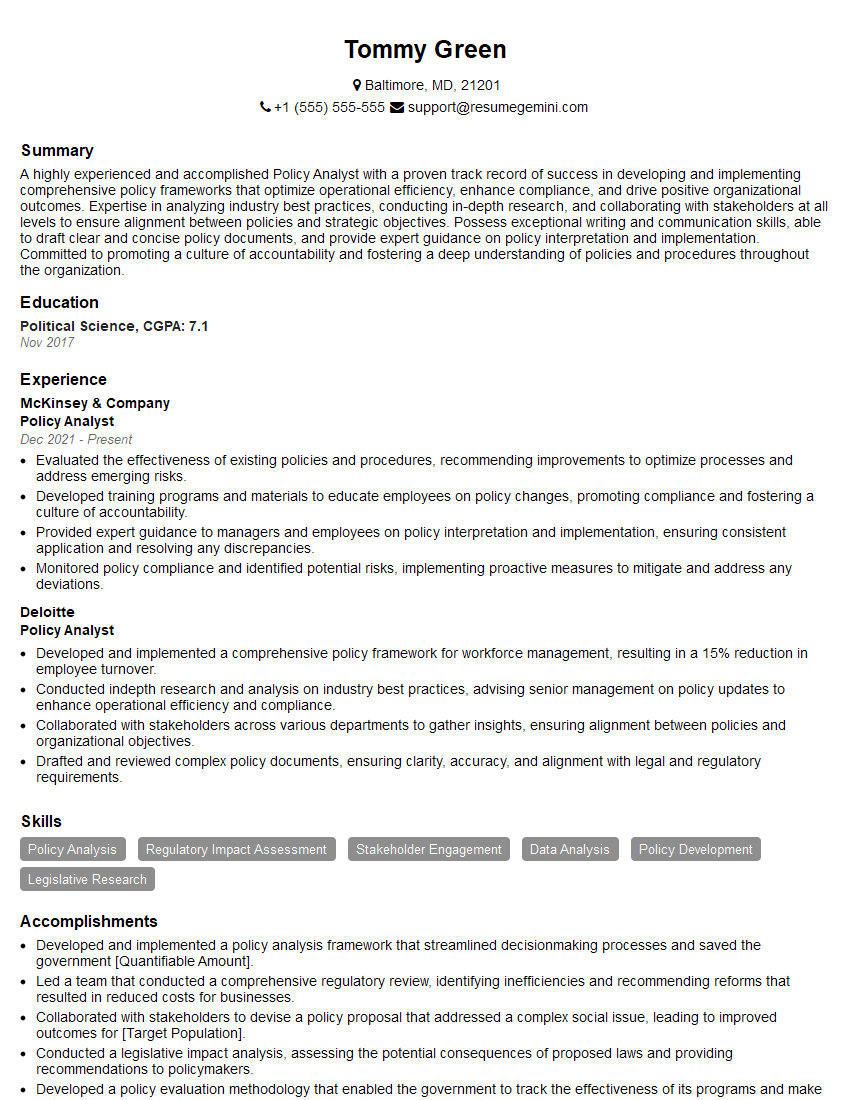
Policy Analyst Resume Sample

Risk Management Specialist Resume Sample
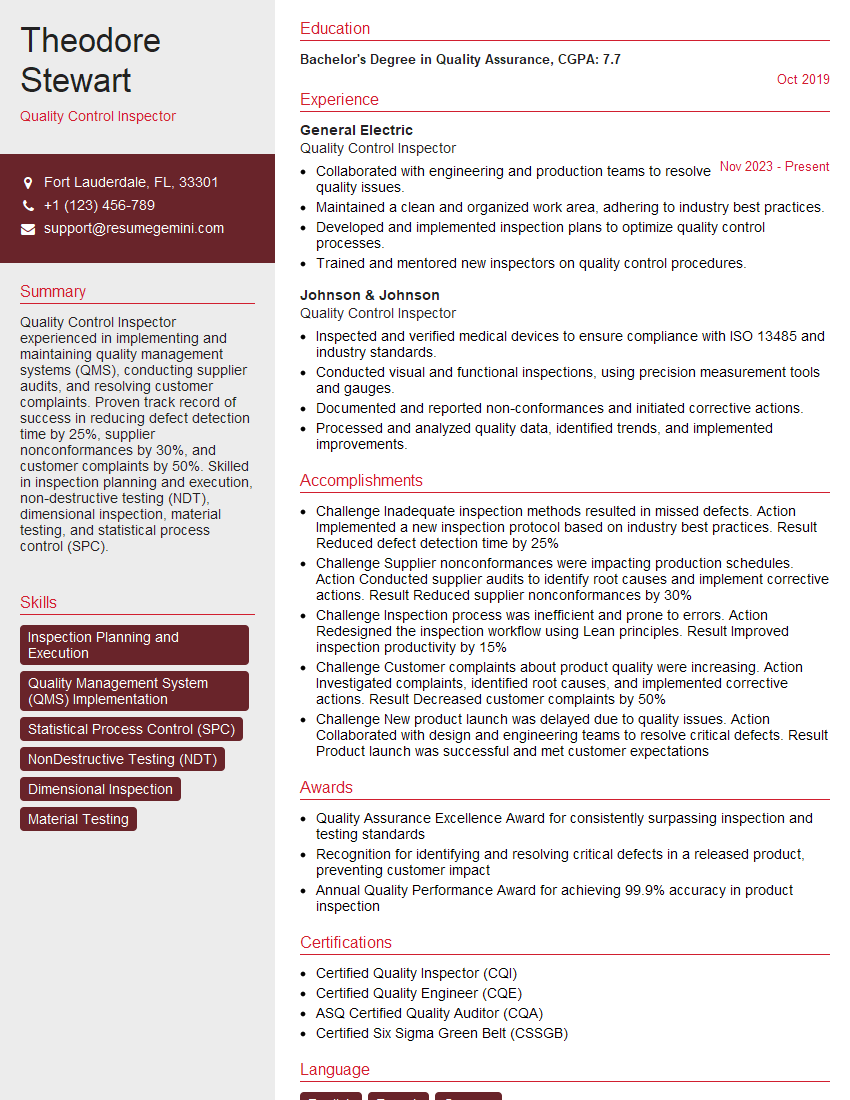
Quality Control Inspector Resume Sample
Explore more articles
Users Rating of Our Blogs
Share Your Experience
We value your feedback! Please rate our content and share your thoughts (optional).
What Readers Say About Our Blog
Very informative content, great job.
good