Are you ready to stand out in your next interview? Understanding and preparing for Rule Modifications and Amendments interview questions is a game-changer. In this blog, we’ve compiled key questions and expert advice to help you showcase your skills with confidence and precision. Let’s get started on your journey to acing the interview.
Questions Asked in Rule Modifications and Amendments Interview
Q 1. Explain the process for proposing a rule modification.
Proposing a rule modification is a structured process that ensures transparency and fairness. It typically begins with identifying the need for a change. This could stem from evolving best practices, technological advancements, stakeholder feedback, or regulatory updates. Once identified, a formal proposal is drafted, outlining the proposed changes, their rationale, and anticipated impact. This proposal is then reviewed by relevant stakeholders, often including subject matter experts, legal counsel, and affected parties. This review period provides an opportunity for feedback and amendments before the proposal is presented to the decision-making body – be it a board, committee, or regulatory agency. The proposal’s approval depends on several factors, including its alignment with overarching goals, its potential impact, and the availability of resources for implementation. Post-approval, the modification is formally documented, communicated, and integrated into the existing rule set.
For example, imagine a company updating its employee handbook. The HR department might propose a change to the vacation policy to better align with industry standards. They’d draft a proposal explaining the current policy’s shortcomings, the proposed changes, and how those changes benefit both employees and the company. This proposal would go through a review process before final approval.
Q 2. Describe your experience with impact assessments related to rule changes.
Impact assessments are crucial for evaluating the potential consequences of rule changes. My experience involves conducting comprehensive analyses considering various aspects, including financial, operational, environmental, and social impacts. I utilize various techniques such as cost-benefit analysis, stakeholder mapping, and scenario planning to gauge the potential effects on different groups. For instance, a rule change impacting environmental regulations necessitates a thorough environmental impact assessment, possibly involving simulations and modeling to predict the impact on various ecosystems. In a business setting, a change to pricing structures needs a financial impact assessment that predicts potential changes in revenue, market share, and profitability. Thorough documentation of the assessment methodology and findings is paramount, ensuring transparency and accountability. This also supports informed decision-making and allows for adjustments based on the assessment results.
Q 3. How do you ensure compliance with all relevant regulations during a rule amendment?
Ensuring compliance with all relevant regulations during a rule amendment is paramount. This involves meticulously reviewing all existing and applicable laws, guidelines, and standards. I use a checklist-based approach to ensure all regulations are addressed. This often includes consulting with legal experts to interpret complex legal frameworks and to identify any potential conflicts or areas of ambiguity. For example, changes to a data privacy policy must comply with data protection regulations like GDPR or CCPA. Furthermore, engaging external auditors or conducting internal compliance audits ensures the amendment’s adherence to all applicable regulations. Documentation of this entire process, including the checklist, legal opinions, and audit results, is essential for demonstrating compliance and minimizing legal risks.
Q 4. What methods do you use to communicate rule modifications to stakeholders?
Communicating rule modifications effectively involves employing a multi-pronged approach targeting different stakeholder groups. This includes formal written notifications, such as memos, emails, or newsletters. For more complex changes, comprehensive training sessions and workshops are highly effective. For a wider reach, public announcements through company intranets, websites, or social media platforms can be utilized. To ensure understanding, clear and concise language is used, avoiding technical jargon wherever possible. Feedback mechanisms, such as surveys or Q&A sessions, are established to address any queries and gauge understanding. For instance, a change to a company’s safety protocols may necessitate mandatory training sessions for all employees, followed by a written test to confirm comprehension. Tailoring communication to the audience is crucial for maximizing understanding and minimizing confusion.
Q 5. How do you handle conflicting requirements during a rule modification process?
Handling conflicting requirements during a rule modification demands a systematic approach prioritizing clarity and transparency. The first step involves clearly identifying all conflicting requirements. Then, a thorough analysis is conducted to understand the root cause of the conflict, considering the source and relative importance of each requirement. This could involve prioritizing requirements based on legal precedence, risk assessment, or business impact. Negotiation and compromise might be necessary to resolve the conflict, potentially involving stakeholders from different departments or even external regulatory bodies. In some cases, it may necessitate revising or re-interpreting existing rules or seeking legal advice. The resolution must be clearly documented and communicated to all stakeholders. For instance, a conflict between environmental regulations and manufacturing efficiency requirements might require finding a compromise that balances sustainability and cost-effectiveness.
Q 6. Describe a situation where you had to manage resistance to a rule change.
In a previous role, I encountered significant resistance to a proposed change in our quality control procedures. The change, though beneficial for product quality in the long run, required a substantial investment in new equipment and retraining of staff. This led to concerns about increased costs and disruption of workflow. I addressed the resistance by proactively engaging stakeholders through open communication and consultations. I presented data demonstrating the long-term cost savings and improvements in product quality. I also organized workshops to address their concerns and demonstrate the new procedures, making the transition smoother. Furthermore, I offered support and training to the staff to alleviate their anxieties. By fostering transparency and collaboration, I effectively addressed their concerns and secured their buy-in for the crucial rule change. The result was a successful implementation with minimal disruption.
Q 7. Explain your understanding of the legal aspects of rule modifications.
My understanding of the legal aspects of rule modifications encompasses a range of legal principles and precedents. This includes knowledge of administrative law, contract law, and relevant statutory provisions. I understand the importance of adhering to due process requirements, including providing notice, opportunity for comment, and fair consideration of feedback. I’m familiar with the potential legal challenges to rule modifications, including judicial review and appeals processes. I understand the concept of ‘legislative intent’ and its importance in interpreting regulations and their modifications. For example, changes affecting public health or safety must adhere to strict procedural requirements and be carefully reviewed for compliance with applicable laws. I also ensure all documentation complies with legal requirements and maintains an auditable trail of the amendment process. Consulting with legal experts ensures that modifications are not only effective but also legally sound.
Q 8. How do you prioritize rule modifications based on urgency and impact?
Prioritizing rule modifications requires a systematic approach balancing urgency and impact. I use a matrix that considers both factors. Urgency is typically determined by factors like immediate business needs, regulatory deadlines, or critical system failures. Impact is assessed by considering the number of users affected, the potential financial consequences, and the overall risk to the organization. For instance, a rule change with high urgency and high impact (like an immediate security patch) gets top priority, while a low urgency, low impact modification (like minor wording changes) is deprioritized. I often visualize this using a simple matrix: High Urgency/High Impact, High Urgency/Low Impact, Low Urgency/High Impact, Low Urgency/Low Impact. This allows for clear categorization and prioritization.
For example, if we discover a critical bug in a fraud detection rule causing significant financial losses, that would be classified as High Urgency/High Impact and addressed immediately. On the other hand, a rule that only affects a small number of users and has minor consequences can be placed in a Low Urgency/Low Impact category and tackled at a later date. This framework ensures the most critical changes are tackled first, minimizing risk and maximizing efficiency.
Q 9. What are the key steps involved in implementing a rule amendment?
Implementing a rule amendment involves several crucial steps. First, a thorough analysis of the need for the change is conducted, including impact assessments and stakeholder consultations. Next, the amendment is drafted precisely, considering potential side effects. This draft undergoes review by relevant parties, followed by formal approval. After approval, the amendment is integrated into the rule engine, usually through a controlled deployment process (perhaps a phased rollout). Extensive testing is then performed to ensure the amendment functions as intended and doesn’t introduce new problems. Finally, post-implementation monitoring tracks effectiveness and identifies any unforeseen issues. Think of it like building a house – you wouldn’t just start laying bricks; you’d need blueprints, approvals, materials, construction, and inspections.
- Analysis & Design: Understanding the problem, defining the solution, and drafting the amendment.
- Review & Approval: Formal sign-off from relevant stakeholders and compliance teams.
- Implementation: Integrating the amendment into the system, often utilizing version control.
- Testing: Rigorous testing to ensure accuracy and identify unintended consequences.
- Monitoring & Evaluation: Tracking performance and addressing any problems.
Q 10. How do you track the progress and effectiveness of rule modifications?
Tracking the progress and effectiveness of rule modifications is vital. I use a combination of methods, including dashboards providing real-time metrics, detailed logs recording each change and its impact, and regular reports summarizing performance. Key metrics include the number of rule changes implemented, the time taken for implementation, the success rate of the changes (did they achieve the intended outcome?), and any negative consequences observed. Furthermore, A/B testing or similar controlled experiments might be used to compare the performance of the rules before and after the modification. We also maintain a comprehensive audit trail to demonstrate compliance and accountability.
For instance, we might track the reduction in fraudulent transactions after implementing a new fraud detection rule. If the rate of fraud doesn’t decrease as anticipated, this signals a problem that needs investigation. A system of alerts and notifications is crucial for rapid response to issues. Think of this like monitoring a patient’s vital signs after surgery – constant observation is needed to ensure everything is proceeding as expected.
Q 11. Describe your experience with version control systems for rule management.
Version control systems are indispensable for effective rule management. I have extensive experience with Git, SVN, and other similar systems. These systems allow for collaborative development, tracking changes, reverting to previous versions if needed, and maintaining a complete history of all modifications. Each rule change is treated as a commit with a clear description of the alteration and the rationale behind it. Branching and merging features are critical for testing changes independently before deployment to the production environment. This prevents unintentional changes from affecting live operations. Furthermore, version control facilitates rollback capabilities – a critical safety net if unexpected issues arise.
Imagine building a software program – you wouldn’t just overwrite the code each time you made a change. Version control lets you track every alteration, revert if necessary and collaborate with others efficiently. This same principle applies to rule modifications.
Q 12. How do you ensure the accuracy and consistency of rules across different systems?
Maintaining accuracy and consistency across different systems requires a centralized rule repository and robust deployment mechanisms. This repository serves as a single source of truth, ensuring that all systems utilize the same, up-to-date rules. Automated deployment processes prevent manual errors that could lead to inconsistencies. Regular audits and validations are also crucial to verify the accuracy and consistency of the rules across the different systems. A robust validation framework, possibly incorporating automated checks, helps identify inconsistencies or errors before they cause issues.
Think of it like a restaurant chain maintaining a standardized menu across all locations. If one location deviates, it can lead to confusion and inconsistencies. The same principle applies to maintaining rule consistency across different systems.
Q 13. How do you identify potential unintended consequences of rule changes?
Identifying potential unintended consequences requires a thorough impact analysis before any rule change. This includes simulating the rule’s effect on various scenarios and data sets. Stakeholder feedback and reviews play a crucial role in catching potential overlooked issues. Testing across different data sets, boundary conditions, and edge cases helps identify unexpected behaviors. Comprehensive testing in a staging environment, which mirrors the production environment, is vital before deploying changes to live systems. Furthermore, monitoring key metrics post-implementation helps quickly identify and address any unforeseen negative impacts.
For example, tightening credit scoring criteria might reduce fraudulent applications, but it could also inadvertently reject legitimate applicants. Thorough analysis is vital for detecting this type of unforeseen consequence.
Q 14. What metrics do you use to measure the success of rule modifications?
Measuring the success of rule modifications involves tracking several key metrics. These metrics depend on the nature of the rule, but generally include error rates (reduced or increased), processing times (faster or slower), and compliance rates (improved or worsened). Business metrics, such as revenue impact, cost savings, or customer satisfaction, are also important. The specific metrics are determined based on the business objectives of the rule change and the overall goals of the organization. The use of control groups, where possible, allows for better comparison and helps isolate the effect of the rule change.
For example, if a rule change aims to reduce fraudulent claims, the key metrics would be the percentage reduction in fraudulent claims, the false positive rate, and potentially the cost savings from reduced fraud. It is important to use a combination of technical and business metrics to have a holistic view of success.
Q 15. Explain your experience with different rule modification methodologies.
Rule modification methodologies vary depending on the complexity and scope of the changes. I’ve worked with several, including iterative development, where changes are rolled out in phases; a ‘big bang’ approach, suitable for smaller, simpler rule sets; and agile methodologies, which emphasize flexibility and collaboration.
- Iterative Development: This is my preferred approach for large, complex rule sets. Imagine updating a traffic law – you wouldn’t change all the rules at once. Instead, you might start with modifying speed limits on certain highways, then later address parking regulations. This minimizes disruption and allows for feedback incorporation.
- Big Bang Approach: This works well for simpler scenarios. Think of updating a company’s internal expense policy – it’s often feasible to implement all changes simultaneously if they are clearly communicated and relatively straightforward.
- Agile Methodologies: This method is particularly useful when dealing with uncertain requirements or when the rules are likely to evolve rapidly. It emphasizes short development cycles, frequent testing, and collaboration between stakeholders.
My choice of methodology is always driven by a risk assessment considering the complexity of the rule set, the potential impact of errors, and the need for rapid implementation.
Career Expert Tips:
- Ace those interviews! Prepare effectively by reviewing the Top 50 Most Common Interview Questions on ResumeGemini.
- Navigate your job search with confidence! Explore a wide range of Career Tips on ResumeGemini. Learn about common challenges and recommendations to overcome them.
- Craft the perfect resume! Master the Art of Resume Writing with ResumeGemini’s guide. Showcase your unique qualifications and achievements effectively.
- Don’t miss out on holiday savings! Build your dream resume with ResumeGemini’s ATS optimized templates.
Q 16. How do you handle feedback and suggestions during the rule modification process?
Feedback is crucial to successful rule modification. I actively solicit input from all stakeholders, including users, legal, compliance, and IT teams, through various channels, like workshops, surveys, and dedicated feedback forums.
I organize feedback using a structured system, categorizing it by impact, urgency, and feasibility. This allows me to prioritize changes and address concerns effectively. For instance, if a proposed change receives negative feedback regarding usability from multiple users, we would prioritize addressing those concerns before final implementation. We use a combination of quantitative (e.g., survey results) and qualitative data (e.g., user comments) to make informed decisions.
Q 17. How do you ensure that rule modifications align with organizational goals?
Aligning rule modifications with organizational goals is paramount. Before any changes are made, I ensure a thorough understanding of the organization’s strategic objectives. This includes analyzing how the current rules contribute (or hinder) these goals and determining how modifications can better support them.
For example, if the company aims to improve customer satisfaction, rule changes might focus on simplifying processes or making information more accessible. We regularly review KPIs (Key Performance Indicators) to measure the effectiveness of the rules in achieving organizational goals, making adjustments as needed.
Q 18. Describe your experience with regulatory reporting related to rule changes.
Regulatory reporting is a critical aspect of rule changes, especially in highly regulated industries. My experience includes preparing and submitting reports detailing rule modifications to relevant authorities, adhering to strict deadlines and reporting standards.
This includes documenting the rationale behind the changes, their impact assessment, and any mitigating actions taken. I’m familiar with various reporting formats and tools, and I ensure all reports are accurate, complete, and comply with applicable laws and regulations. Failing to accurately report rule changes can have serious legal and financial consequences, so meticulous attention to detail is crucial.
Q 19. How do you manage the documentation associated with rule modifications?
Comprehensive documentation is vital for maintaining rule integrity and facilitating future modifications. I employ a version control system (like Git) to track all changes, providing a complete audit trail. Each modification is accompanied by a detailed description outlining the purpose, impact analysis, testing results, and approval details.
We use a centralized repository to store all relevant documents, ensuring easy access and collaboration among stakeholders. This repository includes the original rule set, each amendment, approval forms, testing documentation, and any related communications.
Q 20. What strategies do you use to minimize disruption during rule implementation?
Minimizing disruption during rule implementation requires careful planning and execution. This begins with thorough communication. Stakeholders are informed well in advance of changes, detailing the reasons, timelines, and any required actions.
We conduct rigorous testing before rollout, including unit testing, integration testing, and user acceptance testing (UAT). A phased rollout is often implemented, allowing us to identify and address any unforeseen issues before impacting all users. Comprehensive training and support are provided to ensure a smooth transition. For example, we might initially roll out new rules to a small subset of users for pilot testing before a wider release.
Q 21. How do you stay current with changes in relevant regulations and best practices?
Staying current is critical in this field. I subscribe to relevant industry publications, attend conferences and workshops, and actively participate in professional organizations.
I also leverage online resources and regulatory agency websites to monitor changes in regulations and best practices. I use a combination of automated alerts and manual reviews to stay informed about any updates that could affect our rules. Regular internal knowledge sharing sessions keep the team abreast of the latest changes and allow us to discuss the implications for our rules and processes.
Q 22. How do you handle emergency rule modifications?
Emergency rule modifications require swift action while maintaining rigor. Think of it like a fire drill – you need to act quickly but still follow established procedures. My approach involves immediately assessing the urgency and potential impact. This involves identifying the criticality of the situation, potential risks, and affected stakeholders. Then, I’d assemble a core team of experts to draft the modification, focusing on clarity, conciseness, and addressing the immediate problem. We would prioritize a rapid review process, potentially skipping some less critical steps while ensuring compliance with any relevant regulations or legal frameworks. Finally, the modification is implemented, and immediate communication to all affected parties is paramount. Post-implementation monitoring and a thorough review of the entire process is crucial for learning and improvement.
For instance, imagine a critical security flaw in a system governed by our rules. An emergency modification might temporarily restrict certain access privileges until the flaw is resolved. This would involve quickly drafting the modification, notifying the users affected, and carefully monitoring the system for unintended consequences.
Q 23. Explain your experience with different types of rule modification requests (e.g., minor, major, emergency).
My experience encompasses the full spectrum of rule modification requests. Minor modifications often involve small, localized changes, like correcting typos or clarifying existing language. These are usually handled through a streamlined process with minimal stakeholder involvement. Major modifications, however, involve more substantial changes, requiring a more comprehensive review and potentially impacting multiple systems or user groups. Think of rewriting a significant section of a rulebook; this process requires thorough analysis, significant testing, and extensive communication with all affected parties. Finally, emergency modifications, as discussed earlier, are fast-paced but demand meticulous attention to detail to mitigate risk. They require rapid responses and might involve temporary measures that would later be replaced by more refined solutions.
For example, a minor modification might be changing a date in a document, a major modification would be adjusting the entire approval workflow, and an emergency modification might be temporarily suspending a feature after discovering a serious bug.
Q 24. How do you involve stakeholders in the rule modification process?
Stakeholder involvement is crucial at every stage of the rule modification process. It’s not just about informing them; it’s about actively seeking their input and feedback. I utilize various strategies depending on the complexity of the change. For minor modifications, a simple email notification might suffice. For major changes, I’d leverage workshops, meetings, surveys, or online forums to collect feedback. This ensures transparency and buy-in, significantly improving the likelihood of successful implementation. For example, for a major change in our data security policy, we held a series of workshops with different departments to gather input, address concerns, and ensure compliance.
Consider the modification as a collaborative effort. The more people involved and consulted, the more robust and effective the modifications will be.
Q 25. Describe your experience using software or tools for rule management.
I’ve extensively used rule management software throughout my career. Tools like Jira, Confluence, and specialized rule engine platforms streamline the entire process, from request submission and tracking to version control and audit trails. These platforms offer features such as collaborative editing, workflow automation, and impact analysis, ensuring efficient and transparent management. They also provide a centralized repository for all rules and their versions, facilitating easy access and reducing the risk of errors. The use of version control is essential for tracking changes and allowing for easy rollback if necessary. For example, using Jira, we could track rule modification requests as tickets, assigning them to specific individuals, monitoring their progress, and documenting all changes made.
Q 26. How do you validate the effectiveness of a rule modification after implementation?
Validating the effectiveness of a rule modification post-implementation is vital. It’s not enough to just implement a change; we need to ensure it’s having the desired effect and isn’t causing any unintended problems. This involves monitoring key metrics, analyzing data, and gathering feedback from stakeholders. For instance, if we modified a rule to reduce customer service call times, we’d track the average call duration and customer satisfaction scores to see if our goals are being met. We might conduct post-implementation surveys or use A/B testing to compare the effectiveness of the old and new rules. Regular reporting and analysis ensure that modifications remain relevant and effective.
Q 27. How would you handle a situation where a rule modification creates unexpected problems?
If a rule modification creates unexpected problems, a structured and decisive response is crucial. The first step is to acknowledge the issue, quickly assessing its impact and severity. Next, we would assemble a team to investigate the root cause of the problem. This might involve reviewing the modification itself, testing different scenarios, and consulting relevant stakeholders. Once the root cause is identified, we’d work on a solution – this could involve rolling back the change, implementing a hotfix, or modifying the existing modification. Transparent communication with affected parties is essential throughout the process. Documentation of the issue, the investigation, and the solution is critical for learning from the experience and preventing future occurrences.
Imagine a rule change inadvertently disrupting a critical system. We would immediately reverse the change, investigate why it failed, and then address the underlying issue before reintroducing a corrected version. The key is to act quickly and transparently to mitigate further damage.
Q 28. How do you ensure that rule modifications are adequately tested before implementation?
Thorough testing is non-negotiable before implementing any rule modification. The type of testing employed depends on the complexity of the change. For minor modifications, simple unit tests may suffice. For more substantial changes, we would implement a comprehensive testing strategy involving unit tests, integration tests, system tests, and user acceptance testing (UAT). UAT involves having end-users test the modified rule in a real-world or simulated environment. This helps identify any unforeseen issues or usability problems. A robust testing process allows us to catch errors early on, preventing disruptions and ensuring the smooth functioning of the system post-implementation. The testing environment should mirror the production environment as closely as possible.
Key Topics to Learn for Rule Modifications and Amendments Interview
- Understanding the Rule Modification Process: Explore the lifecycle of a rule change, from initial proposal to final implementation. Consider the different stakeholders involved and their influence.
- Legal and Ethical Considerations: Examine the legal frameworks governing rule modifications and amendments. Understand the ethical implications of proposed changes and the potential impact on various parties.
- Impact Assessment and Analysis: Learn how to effectively assess the potential consequences of proposed rule changes. Develop skills in predicting and mitigating negative impacts while maximizing positive outcomes.
- Communication and Collaboration: Master techniques for clearly communicating complex rule changes to diverse audiences. Practice effective collaboration with colleagues and stakeholders throughout the modification process.
- Data Analysis and Interpretation: Develop skills in using data to inform rule modifications. Learn how to interpret data, identify trends, and support proposed changes with evidence-based reasoning.
- Problem-Solving and Decision-Making: Practice applying critical thinking skills to identify and solve problems related to rule modifications. Develop strategies for making informed decisions under pressure.
- Documentation and Record-Keeping: Understand the importance of meticulous documentation throughout the entire rule modification process. Learn best practices for maintaining accurate and comprehensive records.
Next Steps
Mastering Rule Modifications and Amendments is crucial for career advancement in many fields, demonstrating your ability to navigate complex regulatory environments and contribute to effective policy-making. An ATS-friendly resume is vital for getting your application noticed by recruiters. To significantly enhance your job prospects, we highly recommend using ResumeGemini to craft a compelling and effective resume tailored to your skills and experience. Examples of resumes tailored specifically for roles involving Rule Modifications and Amendments are available to help guide you. Start building your success story today!
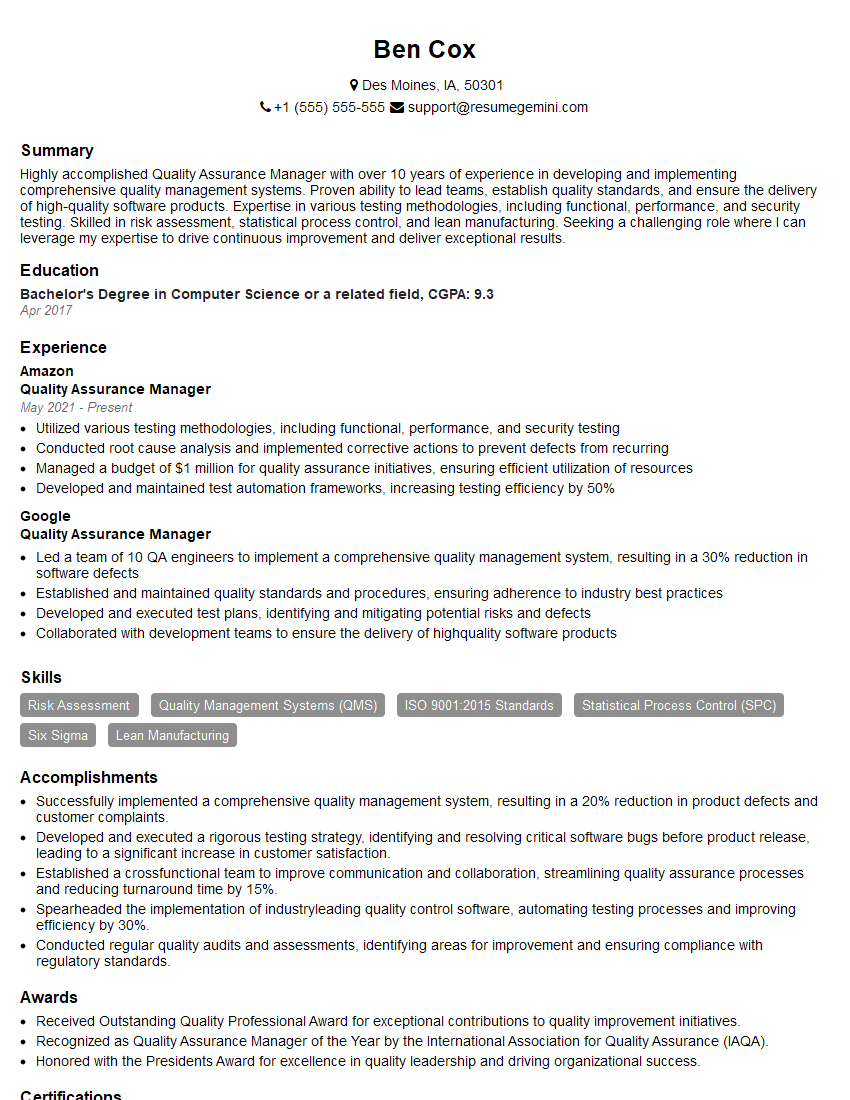
Quality Assurance Manager Resume Sample
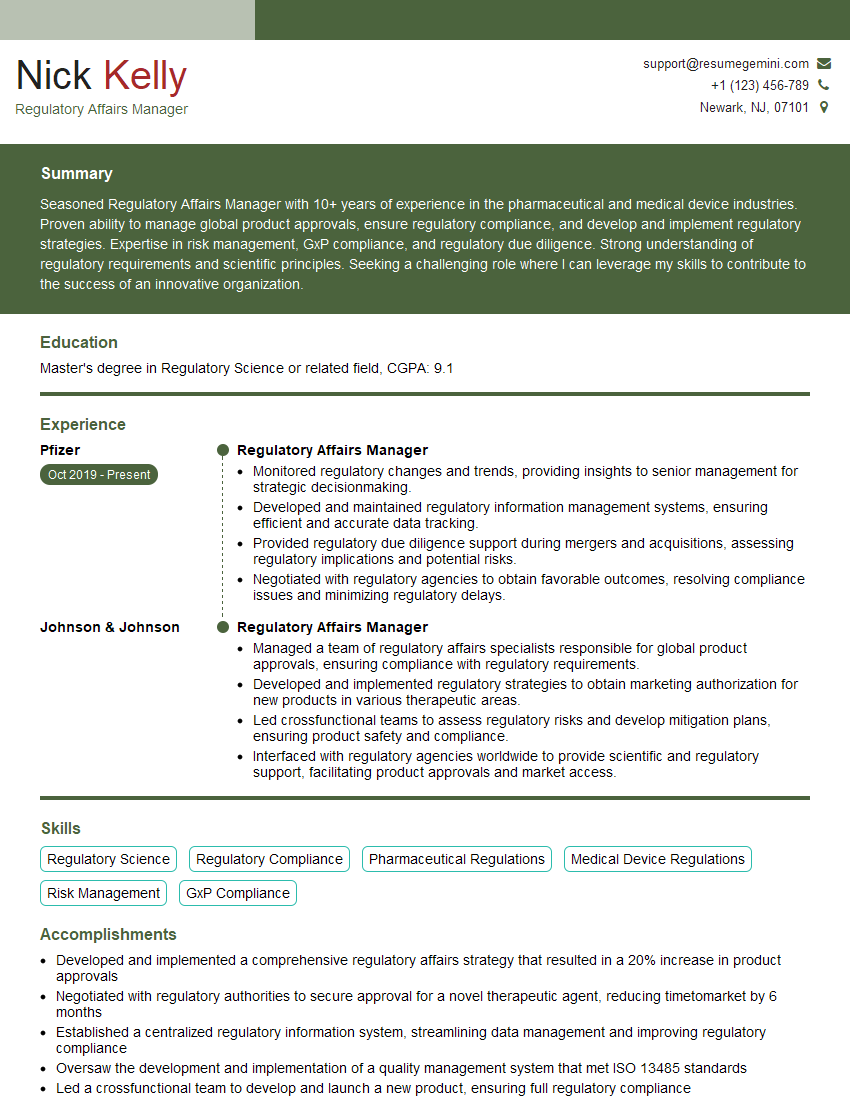
Regulatory Affairs Manager Resume Sample
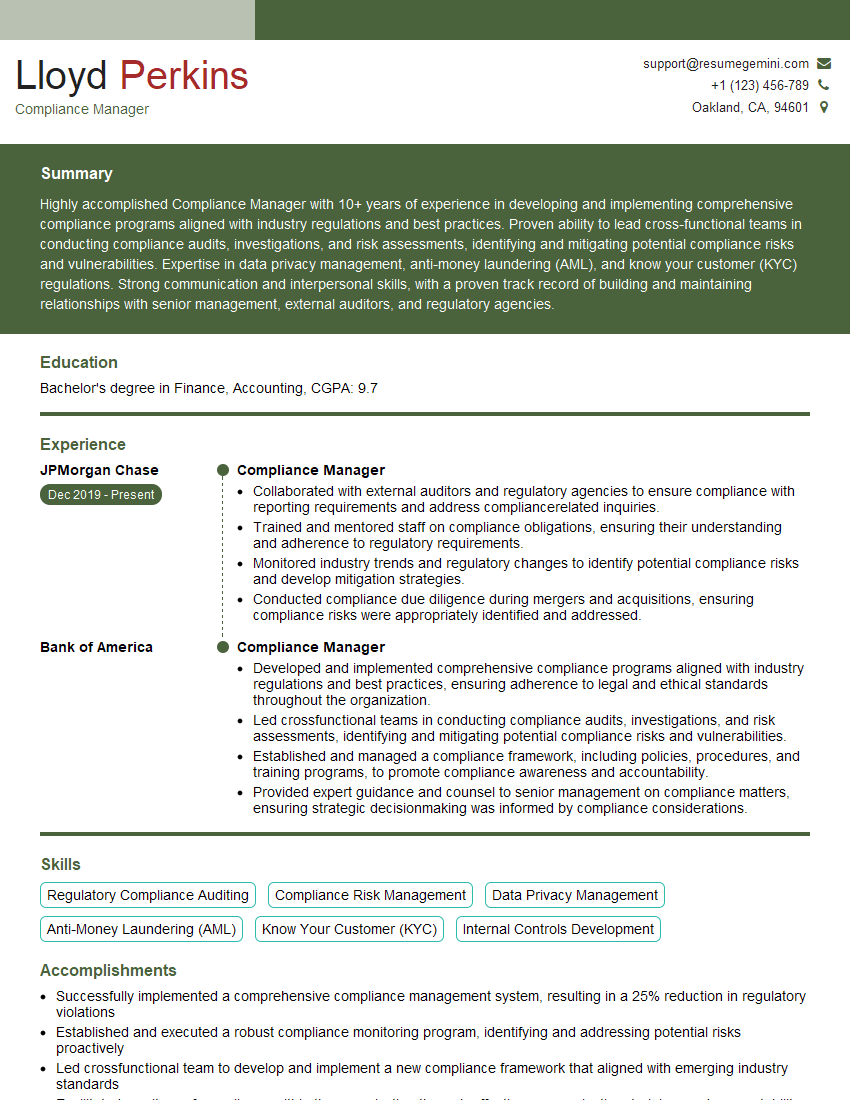
Compliance Manager Resume Sample
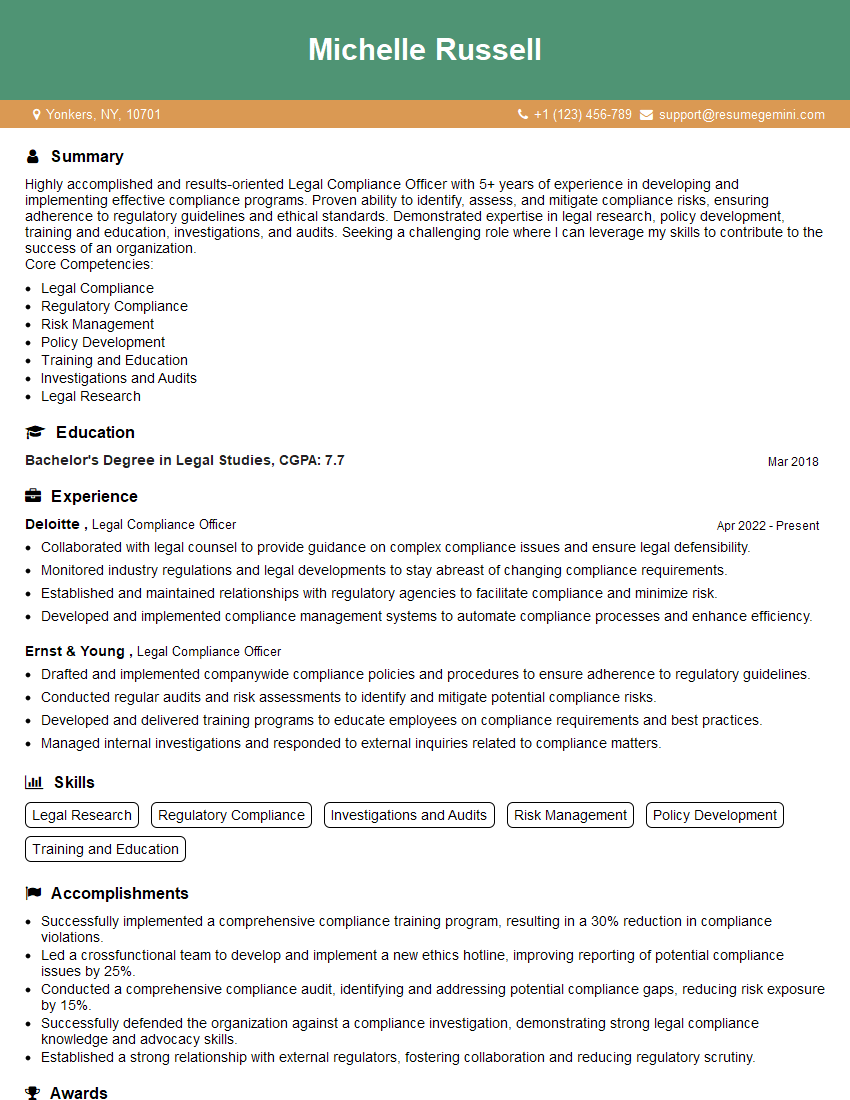
Legal Compliance Officer Resume Sample
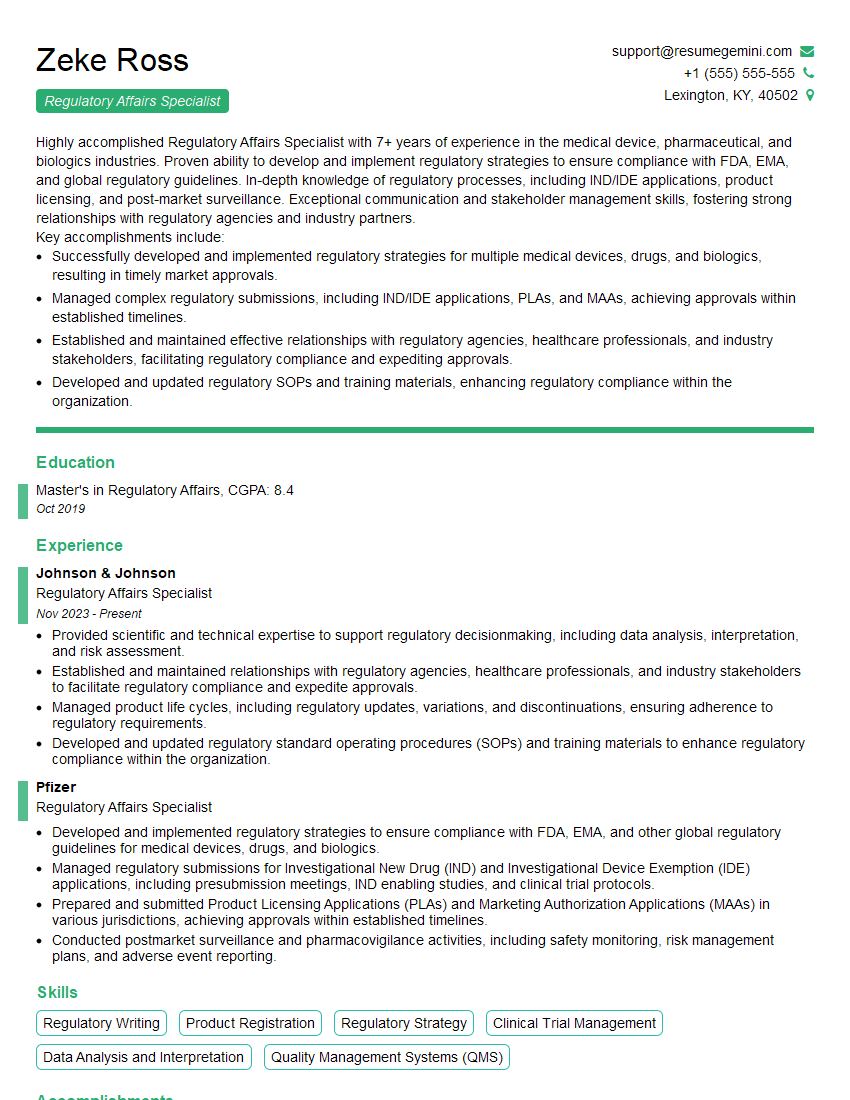
Regulatory Affairs Specialist Resume Sample
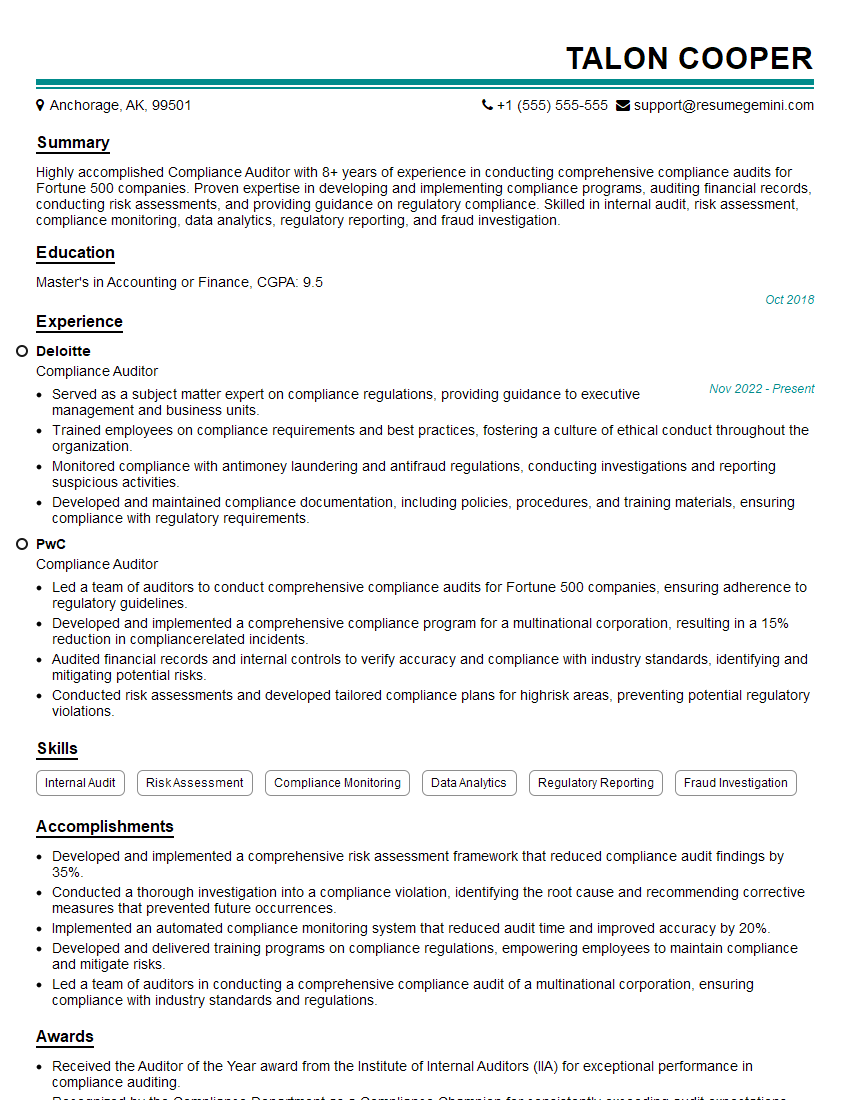
Compliance Auditor Resume Sample
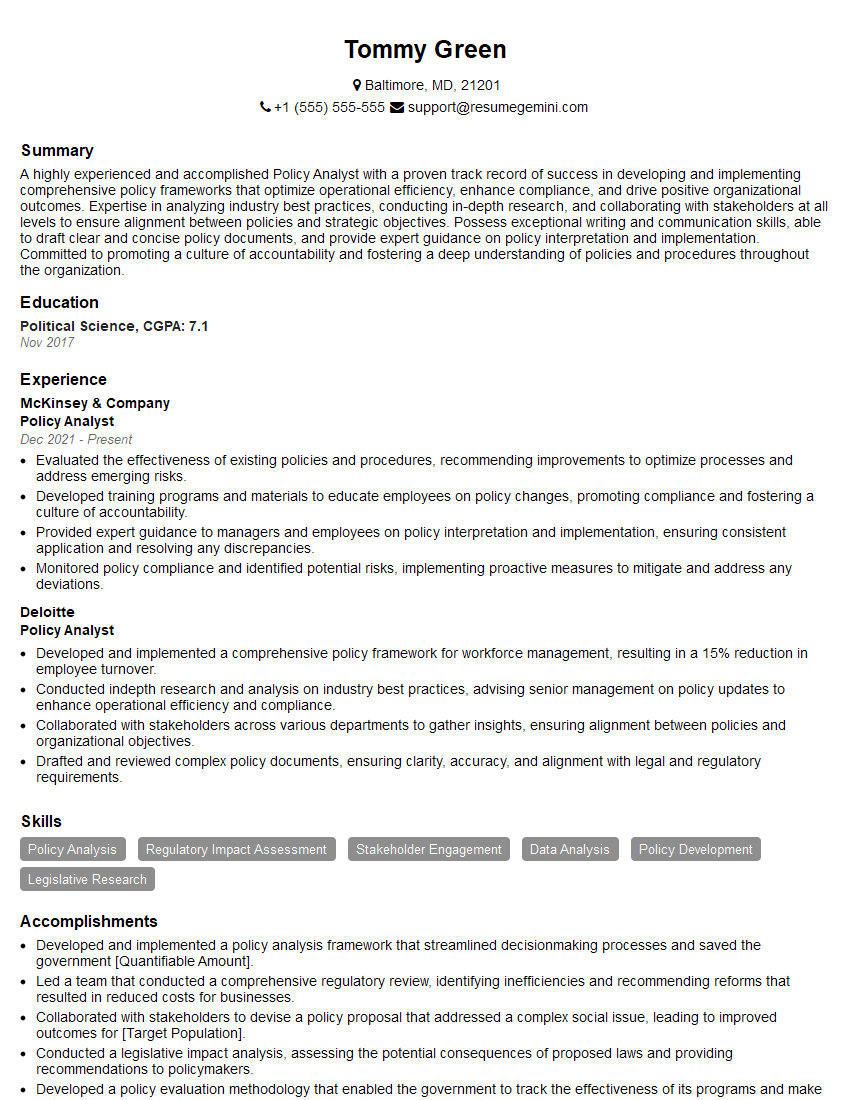
Policy Analyst Resume Sample

Risk Management Specialist Resume Sample
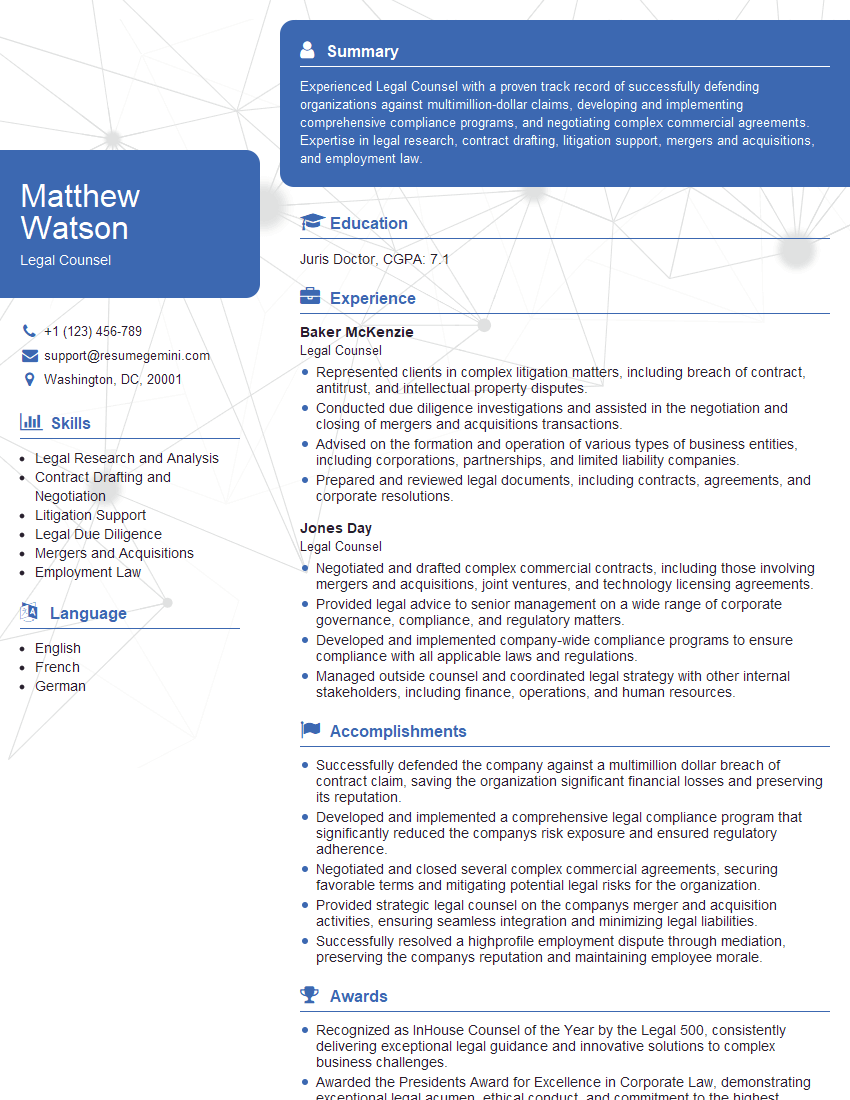
Legal Counsel Resume Sample
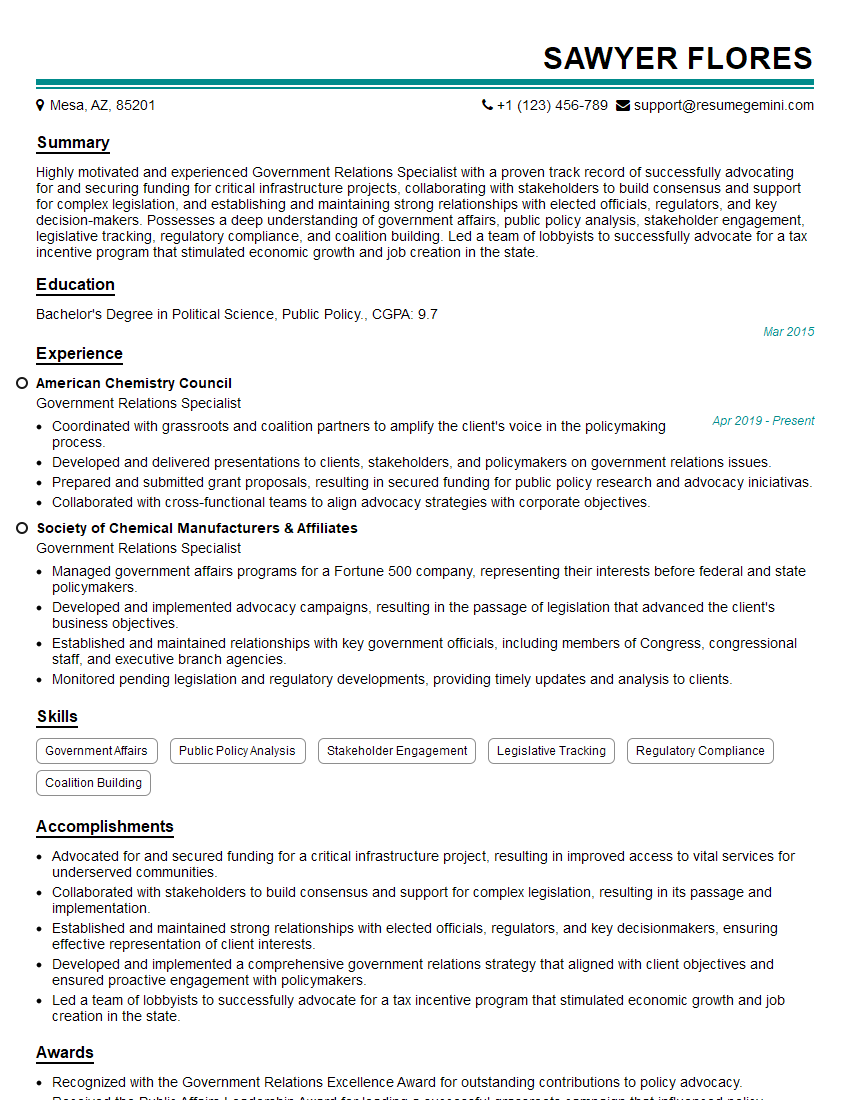
Government Relations Specialist Resume Sample
Explore more articles
Users Rating of Our Blogs
Share Your Experience
We value your feedback! Please rate our content and share your thoughts (optional).
What Readers Say About Our Blog
Very informative content, great job.
good