Every successful interview starts with knowing what to expect. In this blog, we’ll take you through the top Safe Spotting and Landing Techniques interview questions, breaking them down with expert tips to help you deliver impactful answers. Step into your next interview fully prepared and ready to succeed.
Questions Asked in Safe Spotting and Landing Techniques Interview
Q 1. Explain the principles of safe spotting for a helicopter landing.
Safe spotting for helicopter landings involves guiding the pilot to a safe and suitable landing area, ensuring a smooth and accident-free touchdown. It’s a crucial role requiring precise communication, keen observation, and a thorough understanding of wind conditions, terrain, and potential hazards. The principles revolve around clear communication with the pilot, accurate assessment of the landing zone, and continuous monitoring of the helicopter’s approach.
This involves identifying a level area large enough for the helicopter, free of obstacles like trees, power lines, or uneven terrain. Spotters must also consider the wind direction and speed, ensuring the helicopter has a safe approach and departure path, accounting for wind drift. The spotter’s role is to mitigate any risks to the aircraft and crew. Think of it like guiding a large bird into a carefully selected nest—precision and anticipation are key.
Q 2. Describe different hand signals used for guiding aircraft during landing.
Hand signals are crucial for communicating with pilots when radio communication is unavailable or unreliable. They’re standardized to ensure clear and unambiguous instructions. Some common signals include:
- Come closer: Arm extended downwards, hand moving in a beckoning motion.
- Go further: Arm extended upwards, hand pushing away.
- Land here: Arm extended sideways and dropped to a horizontal position.
- Abort landing: Arm extended straight up and moving vigorously from side to side.
- Increase power/ ascend: Arm raised and rotated clockwise in a circular motion.
- Decrease power/ descend: Arm raised and rotated counter-clockwise in a circular motion.
It’s vital to use clear, concise movements and maintain eye contact with the pilot. These signals are learned through rigorous training, ensuring consistent interpretation and minimizing misunderstandings.
Q 3. What are the critical factors to consider when selecting a safe landing zone?
Selecting a safe landing zone requires careful consideration of several critical factors. The size of the landing area must be appropriate for the helicopter’s size and the wind conditions. Obstacles such as trees, buildings, power lines, and uneven terrain must be avoided. The area needs to be free from debris or anything that could cause damage to the aircraft during landing or takeoff. The slope of the landing area is another critical aspect; a level or gently sloping surface is preferable. Finally, proximity to roads, buildings, and other potential hazards is a significant concern.
In my experience, a good approach includes visually inspecting the potential area from multiple angles, checking for wind patterns and considering possible backup locations in case the initial spot isn’t suitable. A mental checklist of these factors can prevent accidents. I have personally encountered scenarios where what appeared to be a safe location from one vantage point proved unsafe upon closer inspection due to hidden obstructions.
Q 4. How do you assess wind conditions and their impact on safe landing?
Assessing wind conditions is paramount to ensuring a safe landing. Wind speed and direction can significantly impact a helicopter’s approach and landing. High winds can make landing extremely challenging, potentially leading to a dangerous situation. I typically use a wind meter to measure the wind speed and observe the movement of flags, trees, or other objects to determine the wind direction.
The effect of wind on a helicopter landing depends not only on wind speed but also the wind’s steadiness. Strong gusts can be especially hazardous, causing unpredictable shifts in the helicopter’s position during landing. Therefore, assessing the steadiness of the wind, as well as its speed and direction, is crucial. In scenarios with significant wind, a different landing zone might be required. We’d never attempt a landing in conditions that exceed the aircraft’s certified limits.
Q 5. What safety precautions are necessary when spotting for heavy equipment?
Spotting for heavy equipment, such as cranes or excavators, differs significantly from helicopter spotting. Safety precautions are heightened due to the potential for large-scale damage and serious injury. The key is establishing a clear communication system with the equipment operator, ensuring everyone understands hand signals or radio communication protocols. A designated safe zone must be established, keeping personnel at a safe distance from the machinery’s operational area.
Spotters need to be well-versed in the equipment’s operating procedures, particularly blind spots and potential hazards. This includes understanding how the equipment moves, where its swing radius extends, and where potential pinch points may occur. Personal Protective Equipment (PPE) such as high-visibility clothing, safety glasses, and hearing protection are mandatory. Regular safety briefings reinforce awareness of potential hazards and safe working practices.
Q 6. Describe your experience with load securing and its relation to safe spotting.
Load securing is intrinsically linked to safe spotting, especially when dealing with external loads carried by helicopters or other machinery. Improperly secured loads can shift during transport, causing instability and posing a significant risk to both the equipment and those involved. My experience involves thorough inspection of load-securing methods, ensuring that all straps, chains, or nets are correctly fastened and rated for the weight and type of load.
The spotter’s role extends to monitoring the load during transit, reporting any signs of shifting or instability to the operator. This ensures the load remains secured throughout the entire movement, which is vital for preventing accidents. In one instance, I identified a loose strap during a pre-flight check which, if not detected, could have resulted in a serious accident during the lift.
Q 7. Explain the importance of communication during spotting and landing procedures.
Effective communication is the cornerstone of safe spotting and landing procedures. Clear and concise communication minimizes misunderstandings and enhances situational awareness for all involved. This communication should be tailored to the specific circumstances, using appropriate methods—such as hand signals, radio communication, or a combination of both—depending on the environment and the equipment being used.
In my work, I emphasize a robust system of checks and confirmations. The spotter should confirm their understanding of the pilot’s or operator’s instructions and provide regular updates on the situation. This includes reporting changes in wind conditions, potential hazards, and any issues with load stability. A proactive and transparent communication approach is essential for preventing accidents and maintaining a safe working environment.
Q 8. How do you handle unexpected obstacles or emergencies during a spotting operation?
Handling unexpected obstacles during a spotting operation requires a combination of preparedness, quick thinking, and clear communication. My approach involves a layered safety system.
- Pre-flight Planning: Thoroughly assessing the landing zone beforehand, identifying potential hazards (terrain, weather, obstructions), and establishing contingency plans are crucial. This might involve using advanced mapping software to analyze the terrain.
- Real-time Adaptability: During the operation, I maintain constant visual contact with the aircraft and the landing area, ready to adjust the spotting instructions based on changing conditions. For example, if a sudden gust of wind shifts the aircraft’s trajectory, I’ll immediately communicate the necessary corrections to the pilot.
- Emergency Procedures: Having pre-defined emergency procedures is vital. This could range from having designated escape routes for personnel to knowing how to quickly secure the landing zone if an unexpected event occurs, such as a sudden equipment malfunction. For instance, if a critical piece of landing gear equipment fails, I have back-up procedures in place and will immediately signal the pilot to abort the landing.
- Communication is Key: Clear, concise, and unambiguous communication with the pilot is paramount. We utilize standardized terminology and pre-agreed signals to ensure our instructions are perfectly understood.
For example, during a helicopter landing in a mountainous region, a sudden rockslide could present a major hazard. My immediate response would involve alerting the pilot to the danger, guiding them towards a safer landing zone, and coordinating with ground support to clear the debris if feasible and safe.
Q 9. What are the potential hazards associated with unsafe spotting practices?
Unsafe spotting practices can lead to several serious hazards, ranging from minor damage to catastrophic accidents. These include:
- Aircraft Damage: Inadequate spotting can result in collisions with ground obstacles, leading to significant damage to the aircraft, even potentially rendering it unusable.
- Personnel Injuries: Improper communication or positioning during spotting can expose personnel to rotating propellers or jet exhaust, causing severe injuries or fatalities.
- Environmental Damage: An unsafe landing can lead to damage to the environment, particularly in sensitive ecosystems like wetlands or forests. For example, a poorly spotted landing could result in fuel spills, harming the local flora and fauna.
- Cargo Damage: Poorly executed spotting can result in damage to cargo being transported, potentially leading to substantial financial losses.
Imagine a scenario where a spotter fails to adequately clear the landing zone. This could lead to the aircraft colliding with an unseen object during landing, causing extensive damage to the aircraft, injury to those on board, and potentially even death.
Q 10. Explain your understanding of weight distribution and its role in safe landing.
Weight distribution is crucial for safe landings, particularly for heavier aircraft. An uneven distribution of weight can lead to instability, increasing the risk of ground damage or a catastrophic accident.
Think of it like balancing a seesaw. If the weight is not evenly distributed, one side will tilt, causing instability. Similarly, if the aircraft’s weight is concentrated on one landing gear or side, it can increase the stress on that point, making it more likely to collapse or damage the landing surface.
To ensure safe weight distribution, we must consider factors such as the cargo’s placement, fuel levels, and aircraft design. Pre-flight planning usually involves assessing the center of gravity of the aircraft and making adjustments if necessary, such as repositioning cargo. Proper weight distribution reduces the load on individual landing gears, enhancing overall safety and stability during landing.
Q 11. Describe your experience with different types of landing gear and their impact on spotting.
My experience encompasses various landing gear types, each impacting spotting techniques differently:
- Conventional Landing Gear: This type is common in fixed-wing aircraft and involves a tricycle or tailwheel configuration. Spotting focuses on ensuring the aircraft aligns with the runway centerline, accounting for wind conditions and ground slope.
- Skids: Helicopters often use skids, requiring spotters to ensure a clear and level landing area, mindful of potential obstacles such as uneven terrain or debris.
- Floats: Aircraft designed for water landings require a different approach; spotters must be familiar with water currents, depth, and the presence of any obstacles in the water.
The type of landing gear directly influences the spotting techniques. For example, during a helicopter landing on skids, I would focus on ensuring a level and obstruction-free landing area, whereas for a fixed-wing aircraft, my focus shifts to precise alignment with the runway.
Q 12. How do you ensure the safety of personnel during landing procedures?
Ensuring personnel safety during landing procedures is a top priority. My approach involves:
- Clear Communication: Consistent and clear communication with the pilot and all ground personnel is essential. This includes using pre-agreed signals and terminology to avoid confusion during critical phases.
- Safety Zones: Establishing and maintaining clear safety zones around the landing area is crucial. This prevents unauthorized personnel from entering the hazardous area.
- Personal Protective Equipment (PPE): All personnel involved in spotting operations must wear appropriate PPE, including high-visibility clothing, safety helmets, and hearing protection.
- Emergency Response Plan: Having a well-defined emergency response plan, including procedures for evacuating the area in case of an incident, is also critical.
- Training: All personnel must receive thorough training on safety procedures, emergency response, and communication protocols.
For instance, before each landing, we ensure everyone wears the appropriate PPE and understands the established safety zones. This proactive approach minimizes the risk of accidents and ensures everyone’s safety.
Q 13. What are the regulatory requirements and standards for safe spotting in your field?
Regulatory requirements and standards for safe spotting vary depending on the type of aircraft and operating environment. However, common aspects include:
- Compliance with Aviation Regulations: Adhering to local and international aviation regulations related to landing procedures and safety is mandatory. This typically involves obtaining necessary licenses and certifications.
- Adherence to Company Safety Manuals: Companies usually have their internal safety manuals outlining specific procedures and best practices for spotting operations, which must be rigorously followed.
- Risk Assessments: Conducting thorough risk assessments before every operation, identifying potential hazards, and implementing mitigation strategies is crucial.
- Regular Inspections: Regular inspections of equipment, including signaling devices and communication systems, ensure their proper functioning.
- Incident Reporting: A robust system for reporting and investigating incidents helps to identify areas for improvement and prevent future accidents.
Failing to meet these standards can result in severe penalties, including fines, suspensions, and even criminal charges in cases involving negligence resulting in accidents or injuries.
Q 14. Describe your experience with pre-flight checks related to safe landing.
Pre-flight checks related to safe landing are crucial for ensuring a successful and safe operation. My routine includes:
- Landing Zone Inspection: A thorough visual inspection of the landing zone to identify potential hazards, such as debris, obstacles, uneven terrain, or adverse weather conditions.
- Communication System Check: Verifying that all communication systems (radios, signaling devices) are functioning correctly and that clear communication channels are established with the pilot and other ground personnel.
- Equipment Check: Checking the condition and functionality of all equipment used for spotting, such as windsocks, landing aids, and signaling devices.
- Weather Briefing: Reviewing the latest weather forecast, including wind speed and direction, visibility, and any potential weather hazards.
- Coordination with Pilot: Confirming the landing plan with the pilot, including the approach path, designated landing area, and emergency procedures.
For example, before a night landing, I would meticulously inspect the landing zone using high-intensity lighting to identify any potential obstacles and ensure that all lighting equipment is functioning correctly.
Q 15. How do you assess the structural integrity of a landing area?
Assessing the structural integrity of a landing area is crucial for safe operations. It involves a systematic evaluation of the surface’s strength, stability, and overall suitability for supporting the weight and impact of an aircraft or vehicle. This assessment typically involves a visual inspection, supplemented by consideration of environmental factors.
Visual Inspection: This involves checking for any obstacles, such as rocks, debris, holes, or uneven terrain. The surface’s firmness is also evaluated; is it solid ground, soft soil, or something else? The presence of any slope must be noted, as a steep incline can lead to instability.
Environmental Factors: Consider the weather conditions. Rain can soften the ground, while snow or ice can create slippery surfaces. Strong winds can affect the stability of the aircraft during landing. The presence of vegetation or other potential hazards should also be considered.
Weight and Impact Considerations: The size and weight of the aircraft or vehicle must be considered. A lighter aircraft can land on a less robust surface than a heavier one. Similarly, a hard landing requires a stronger landing area than a gentle one.
Surface Type: Different surfaces offer different levels of stability. A paved runway is the most ideal, followed by firm, compacted ground. Grass fields are suitable for lighter aircraft, but soft soil or sand should generally be avoided unless appropriate assessment is made.
For example, I once had to assess a potential landing area in a mountainous region after a helicopter’s engine failed. After a quick but thorough visual inspection, I identified a relatively level clearing, free from significant obstacles. I noted the slightly uneven ground and the gentle slope, and determined it was suitable for a cautious landing, given the emergency situation and the helicopter’s weight.
Career Expert Tips:
- Ace those interviews! Prepare effectively by reviewing the Top 50 Most Common Interview Questions on ResumeGemini.
- Navigate your job search with confidence! Explore a wide range of Career Tips on ResumeGemini. Learn about common challenges and recommendations to overcome them.
- Craft the perfect resume! Master the Art of Resume Writing with ResumeGemini’s guide. Showcase your unique qualifications and achievements effectively.
- Don’t miss out on holiday savings! Build your dream resume with ResumeGemini’s ATS optimized templates.
Q 16. Explain your familiarity with emergency landing procedures.
Emergency landing procedures involve a rapid assessment of the situation, identification of potential landing areas, and execution of a controlled landing in an unplanned location. It’s a high-pressure situation requiring quick thinking and precise action. Key aspects include:
Immediate Actions: First, address immediate threats – stabilize the aircraft and attempt to address the cause of the emergency (if possible and safe to do so).
Landing Site Selection: Next, scan for potential landing sites. Consider factors like length, width, obstacles, and surface type. Remember to check for obstructions above the landing zone as well. The ideal spot is long, level, relatively clear, and free of significant obstructions.
Communication: Alert air traffic control (ATC) or emergency services immediately. Provide your location and intentions, if possible.
Landing Execution: Perform a controlled landing using appropriate techniques for the aircraft type and site conditions. Be prepared for a potentially rough landing.
Post-Landing Procedures: After landing, ensure the safety of the crew and passengers. Secure the area and await emergency assistance. Report the incident to the relevant authorities.
The process requires a strong understanding of flight dynamics, emergency response protocols, and risk management. Extensive training and experience are essential.
Q 17. How do you maintain situational awareness during a spotting operation?
Maintaining situational awareness during a spotting operation is paramount. It involves constantly scanning the environment, actively looking for potential hazards, and communicating effectively with the pilot or driver. This involves a combination of visual observation, communication, and the use of available technology.
Visual Scanning: A continuous 360-degree scan of the airspace and ground environment is necessary. This includes looking for obstacles such as trees, power lines, buildings, and other aircraft. One must also keep an eye on weather conditions.
Communication: Effective communication with the pilot or driver is critical. Spotters provide real-time updates on environmental conditions, obstacles, and the aircraft’s trajectory. This should use clear and concise language.
Use of Technology: Tools like radar, GPS, or flight tracking systems can augment visual scanning and enhance situational awareness, particularly in low visibility conditions.
For instance, during a night operation, I relied heavily on my flashlight and clear communication with the helicopter pilot, frequently relaying wind direction, terrain variations, and the presence of any unseen obstructions.
Q 18. Describe your experience with using different spotting tools and equipment.
My experience encompasses a variety of spotting tools and equipment, tailored to different environments and missions. These include:
Hand Signals: A universal method for communication, particularly effective in environments where radio communication might be challenging or unreliable.
Two-way Radios: Essential for clear and direct communication, especially in complex or high-pressure situations. It allows for real-time feedback and instructions.
Binoculars/Telescopes: Useful for enhanced visibility, particularly for spotting distant objects or assessing terrain features in detail.
GPS Devices/Mapping Software: Provide accurate location data and assist in identifying potential landing areas, especially in unfamiliar terrain. This is vital for planning and contingency planning.
Wind Meters/Anemometers: For measuring wind speed and direction which is crucial for assessing the suitability of a landing zone and communicating relevant information to the pilot.
The specific tools used depend on the operational context. For example, I have used advanced GPS systems combined with real-time weather data during mountain rescues and relied on hand signals during low-visibility operations where radio communication was limited.
Q 19. How do you adapt your spotting techniques to different environmental conditions?
Adapting spotting techniques to different environmental conditions is critical for safety. Factors like weather, terrain, and visibility drastically impact procedures.
Visibility: In low visibility, enhanced communication and the use of supplemental lighting (e.g., high-powered flashlights or spotlights) become crucial. Radar or other technological aids may be needed.
Weather: Rain, snow, or fog drastically affect visibility and ground conditions. Landing area assessments must account for these factors. In heavy winds, wind speed and direction become paramount. We might need to look for shelter from the wind or adjust the landing approach based on wind speed and direction.
Terrain: Mountainous terrain requires specialized techniques and the use of GPS and mapping tools for navigation and landing site selection. Careful consideration must be given to slopes, obstacles, and potential hazards.
Temperature: Extreme temperatures can affect equipment performance and the physical capabilities of the spotting team. In cold climates, proper clothing and equipment are needed to maintain functionality and safety.
For example, during a blizzard, our team used specialized equipment to assess the snow-covered ground and high-powered flashlights to aid in guiding the aircraft to a safe landing.
Q 20. Explain your understanding of human factors that can affect safe spotting.
Human factors are a significant contributor to accidents and incidents during spotting operations. These include:
Fatigue: Extended shifts or lack of sleep can impair judgment and reaction time, increasing the risk of error.
Stress: High-pressure situations, especially emergencies, can lead to poor decision-making and heightened risk-taking.
Communication Breakdown: Poor communication, lack of clarity, or misinterpretations can lead to critical errors.
Lack of Training: Insufficient training in spotting techniques, emergency procedures, or communication protocols is a significant risk factor. Regular refresher training is vital.
Environmental Factors: Extreme temperatures, poor visibility, or challenging terrain can add to stress and reduce efficiency, increasing the chance of error.
Mitigating these risks involves implementing clear communication protocols, providing adequate rest periods, and regularly conducting training sessions to refresh skills and protocols. It’s also crucial to foster a culture of safety and encourage team members to report any concerns or fatigue.
Q 21. Describe a time you had to improvise a safe landing zone due to unforeseen circumstances.
During a wildfire response operation, the designated helicopter landing zone became inaccessible due to the rapidly spreading fire. We needed to quickly identify an alternative. I used my knowledge of the terrain, combined with real-time information from the fire ground, to locate a previously uncharted, relatively flat area a short distance from the original zone. We also performed a quick assessment of the new zone, considering the wind direction to evaluate the smoke impacts, ensuring that the new site was clear of any immediate hazards and appropriate for a safe landing of the helicopter given the emergency nature of the mission. Clear communication with the pilot allowed us to safely execute a landing in this newly identified zone, ensuring the crew’s safety and allowing them to continue their life-saving work. This improvisation was crucial in ensuring the mission’s success and personnel safety during a high-risk, dynamic situation.
Q 22. How do you identify and mitigate potential risks during landing operations?
Identifying and mitigating risks during landing operations is paramount to safety. It involves a systematic process that starts long before the aircraft even approaches the landing zone.
- Pre-flight Planning: This includes a thorough assessment of the landing site itself – terrain, obstacles (trees, powerlines, buildings), weather conditions (wind speed, direction, visibility), and the aircraft’s capabilities. We use tools like charts, maps, and weather forecasts to build a comprehensive picture.
- Risk Assessment Matrix: A matrix helps us categorize risks by likelihood and severity. For example, a high-likelihood, high-severity risk might be a strong crosswind at a short, unprepared landing site. Lower likelihood, lower severity risks could include minor equipment malfunctions.
- Mitigation Strategies: Once risks are identified, we develop mitigation strategies. For the strong crosswind example, this might involve choosing a different landing site, delaying the landing until conditions improve, or using a specific landing technique to compensate for the wind. For equipment malfunctions, pre-flight checks and backup systems are vital.
- Communication: Open and clear communication with the pilot and ground crew is crucial. Everyone needs to be aware of potential risks and the mitigation plans in place. During landing, clear hand signals communicate critical information about wind and potential hazards.
For example, during a recent operation in a mountainous region, we identified high winds as a significant risk. We mitigated this by selecting a landing zone sheltered from the prevailing winds and employing a precision approach technique.
Q 23. What are your strategies for ensuring clear communication in noisy environments?
Effective communication in noisy environments is vital for safe spotting and landing. Our strategies focus on multiple channels and redundancy to ensure critical information gets through.
- Visual Cues: Clear, universally understood hand signals are the primary means of communication during landing. These signals indicate wind direction, speed, and potential hazards.
- Pre-agreed Signals: Before any operation, we establish a set of pre-agreed signals for specific situations, avoiding potential ambiguity in high-stress situations. This could be something as simple as a thumbs-up indicating all is well, or a specific hand signal for an emergency situation.
- Loud Communication Systems: Where practical, we use headsets and loudspeakers to supplement hand signals, especially in very noisy environments. These allow for precise instructions and warnings to be communicated clearly.
- Confirmation and Repetition: It’s crucial to always confirm the reception of messages by repeating them back. This prevents misunderstandings from resulting in errors and misinterpretations.
Imagine a helicopter landing in a construction zone with constant noise from heavy machinery. The combination of pre-arranged hand signals and loud communication ensures the pilot understands the spotting instructions even with high background noise.
Q 24. How do you handle disagreements or conflicts regarding safe spotting procedures?
Disagreements regarding safe spotting procedures are addressed through a structured process that prioritizes safety and respect for everyone’s expertise.
- Collaborative Discussion: The first step is open and respectful discussion amongst involved personnel. Each person shares their perspective and rationale, highlighting safety concerns.
- Focus on Data and Facts: The discussion centers on verifiable information, such as weather data, site conditions, and aircraft limitations, to avoid subjective arguments.
- Senior Spotter Decision: If a consensus cannot be reached, the most experienced senior spotter makes the final call, ensuring the safety of the operation takes precedence.
- Post-Incident Review: Following the operation, regardless of outcome, a review is conducted to analyze the situation, identifying areas for improvement in communication and procedure clarification.
In one instance, a disagreement arose over the suitability of a landing zone given the wind conditions. Through collaborative discussion and referencing wind speed data, a safer alternative site was chosen, preventing a potentially dangerous situation.
Q 25. Describe your proficiency in using risk assessment matrices for landing operations.
Risk assessment matrices are fundamental to our approach to safe spotting and landing. We use them to systematically identify, analyze, and mitigate risks.
- Matrix Construction: The matrix typically has likelihood and severity as axes. Each risk identified (e.g., strong winds, low visibility, equipment malfunction) is plotted on the matrix, based on its likelihood and severity score.
- Risk Ranking: Risks are ranked based on their position within the matrix; higher scores indicate a higher-priority risk demanding immediate attention.
- Mitigation Planning: For each high-priority risk, we develop mitigation strategies, such as choosing an alternative landing site or delaying the operation.
- Documentation: The completed matrix and associated mitigation plans are carefully documented and shared among team members.
Example Matrix (Simplified):Likelihood: Low, Medium, High
Severity: Low, Medium, High
A risk with High Likelihood and High Severity would get the highest priority.
Using this, we can prioritize and effectively manage various threats, enabling safer operations.
Q 26. How do you incorporate lessons learned from past incidents into your spotting practices?
Lessons learned from past incidents are critical to continuous improvement. We incorporate them into our spotting practices through a comprehensive process.
- Incident Investigation: Thorough investigation of any near-misses or accidents, including interviews with those involved, detailed analysis of data, and a review of relevant procedures.
- Root Cause Analysis: Identifying the underlying causes of incidents, not just the symptoms. This often involves using tools like fishbone diagrams to identify contributing factors.
- Procedure Revision: Updating existing procedures based on the findings of the investigation and root cause analysis, to prevent similar incidents from happening again.
- Training Updates: Incorporating lessons learned into training programs, ensuring that all personnel are aware of the updated procedures and the reasoning behind them.
For instance, after a near-miss incident caused by miscommunication regarding wind conditions, we revised our hand signal procedures and incorporated additional communication channels into our standard operating procedure.
Q 27. What are your strategies for staying updated on best practices for safe spotting and landing techniques?
Staying current on best practices is essential for maintaining high safety standards. We achieve this through a multifaceted approach.
- Professional Development: Participating in ongoing training courses, workshops, and conferences focused on safe spotting and landing techniques.
- Industry Publications: Regularly reviewing relevant publications, journals, and online resources to stay informed about new technologies, procedures, and best practices.
- Industry Networking: Engaging in professional networks, sharing experiences and best practices with peers to learn from each other’s experiences.
- Regulatory Compliance: Maintaining awareness of any relevant changes in regulations and standards to ensure ongoing compliance.
For example, I recently attended a workshop on advanced helicopter landing techniques, which included instruction on using new technologies to enhance situational awareness, directly improving our safety protocols.
Key Topics to Learn for Safe Spotting and Landing Techniques Interview
- Risk Assessment and Mitigation: Understanding and applying hazard identification methods, evaluating potential risks associated with various landing zones, and developing mitigation strategies to minimize hazards.
- Landing Zone Selection: Criteria for selecting appropriate landing zones based on terrain, obstacles, wind conditions, and emergency escape routes. Practical application includes analyzing maps, satellite imagery, and conducting pre-flight briefings.
- Emergency Procedures: Developing and practicing contingency plans for unexpected situations, including equipment malfunctions, adverse weather conditions, and unexpected obstacles. This includes understanding emergency communication protocols.
- Spotting Techniques: Mastering visual and instrumental methods for accurately identifying and communicating the location of a landing zone to the pilot. Includes understanding the importance of clear and concise communication.
- Landing Approach and Execution: Understanding the principles of safe approaches, considering wind conditions, terrain, and obstacles. Practical application includes analyzing flight paths and making informed decisions about approach adjustments.
- Post-Landing Procedures: Safe shutdown procedures, securing the landing area, and conducting post-landing inspections. Understanding emergency response procedures post-landing.
- Legal and Regulatory Compliance: Familiarity with relevant regulations and safety standards governing safe spotting and landing techniques within your specific industry or operational context.
- Teamwork and Communication: Highlighting the importance of effective communication and coordination between the spotting team and the pilot, including clear signaling techniques.
Next Steps
Mastering Safe Spotting and Landing Techniques is crucial for career advancement in demanding fields requiring precision and safety. A strong understanding of these techniques demonstrates your commitment to safety and your ability to perform under pressure—qualities highly sought after by employers. To enhance your job prospects, create an ATS-friendly resume that showcases your expertise. ResumeGemini is a trusted resource that can help you build a professional and impactful resume that highlights your skills and experience. Examples of resumes tailored to Safe Spotting and Landing Techniques are available to guide you through the process.
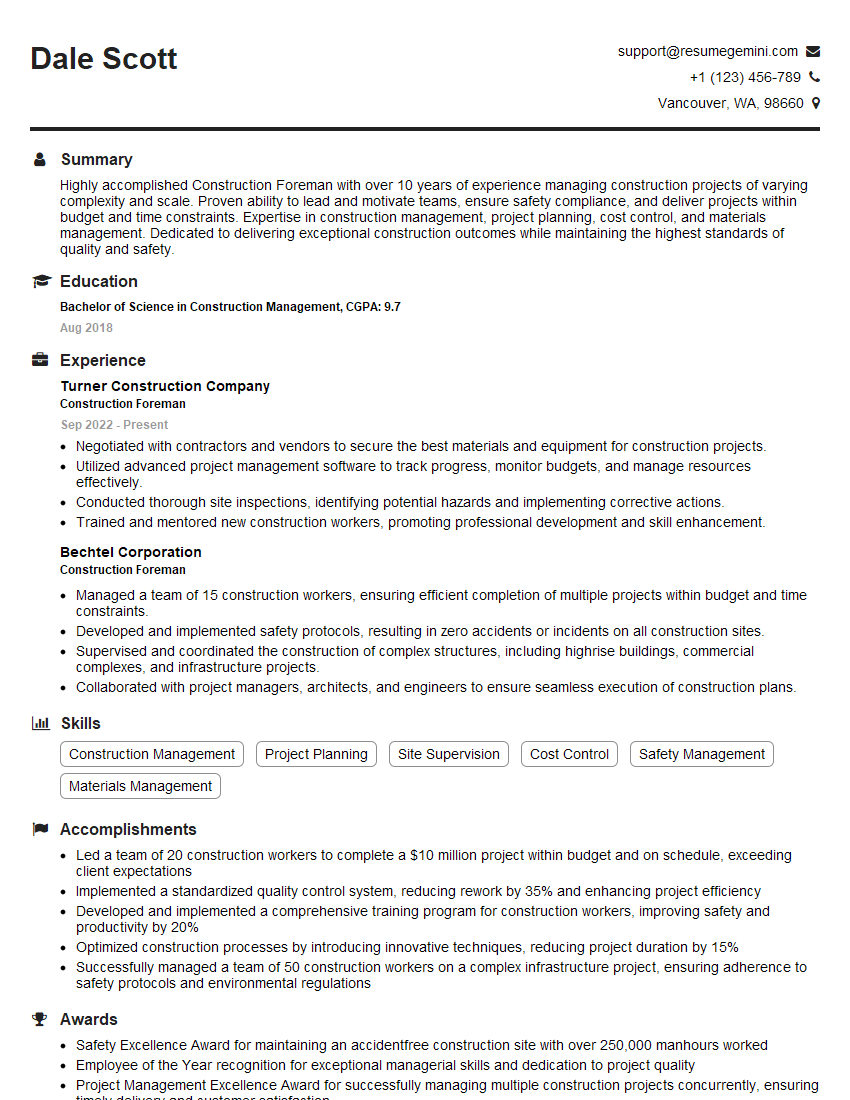
Construction Foreman Resume Sample

Compliance Officer Resume Sample
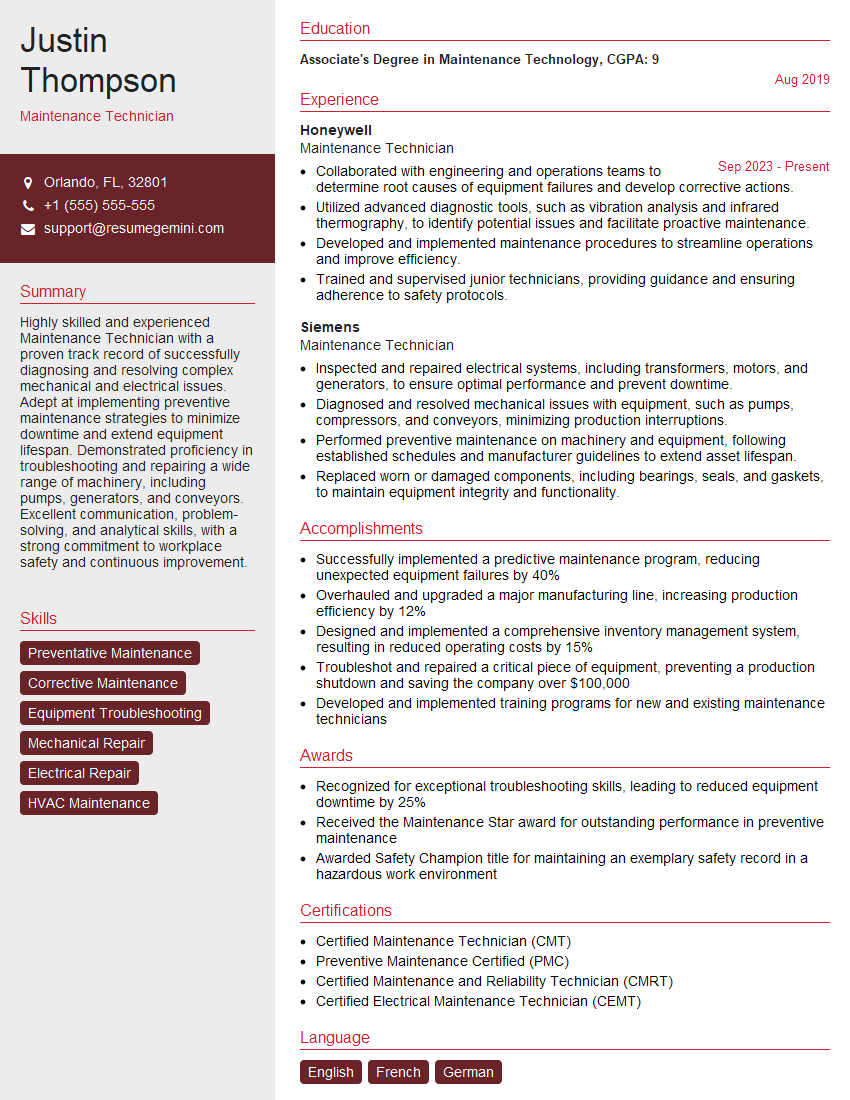
Maintenance Technician Resume Sample
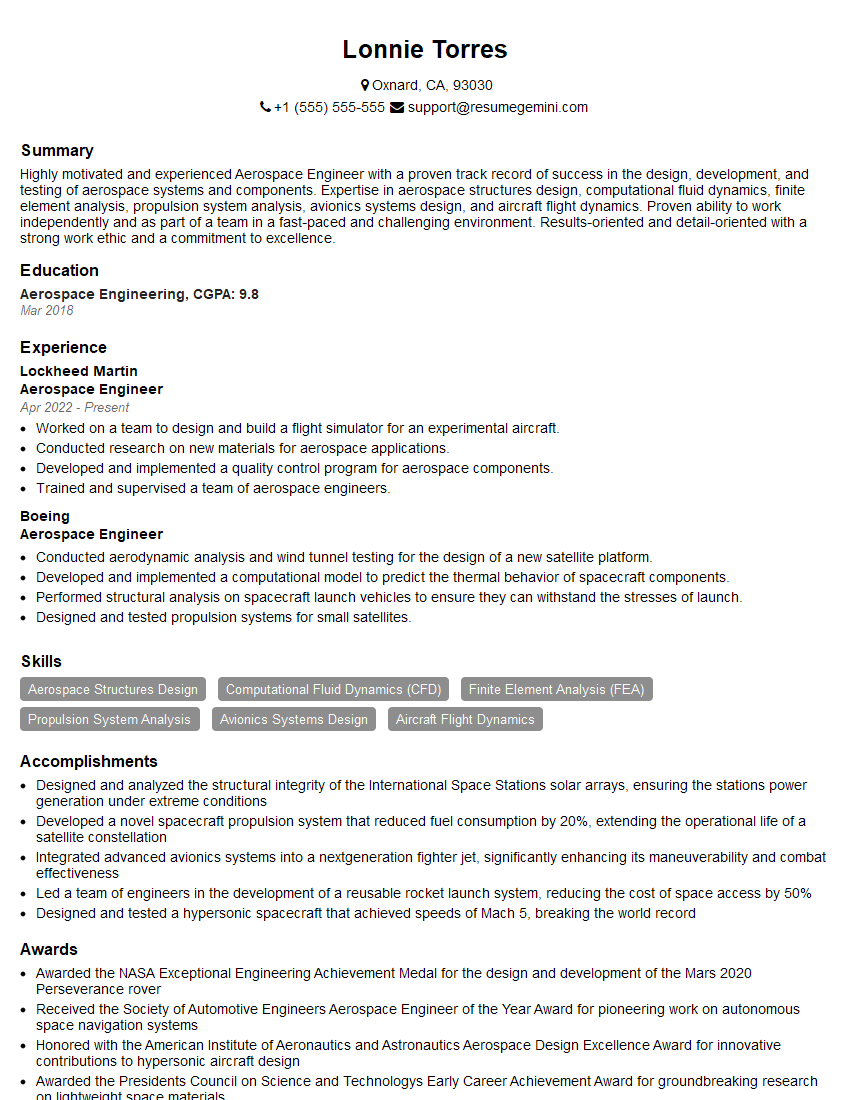
Aerospace Engineer Resume Sample
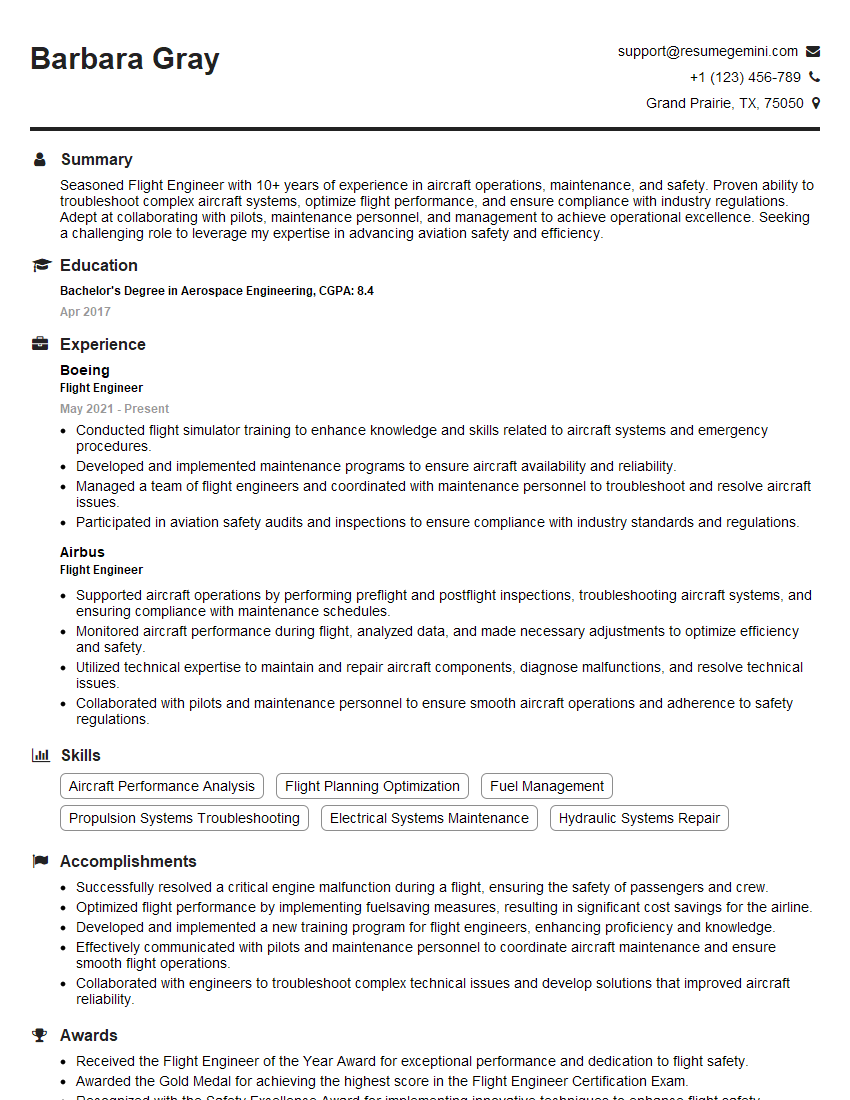
Flight Engineer Resume Sample
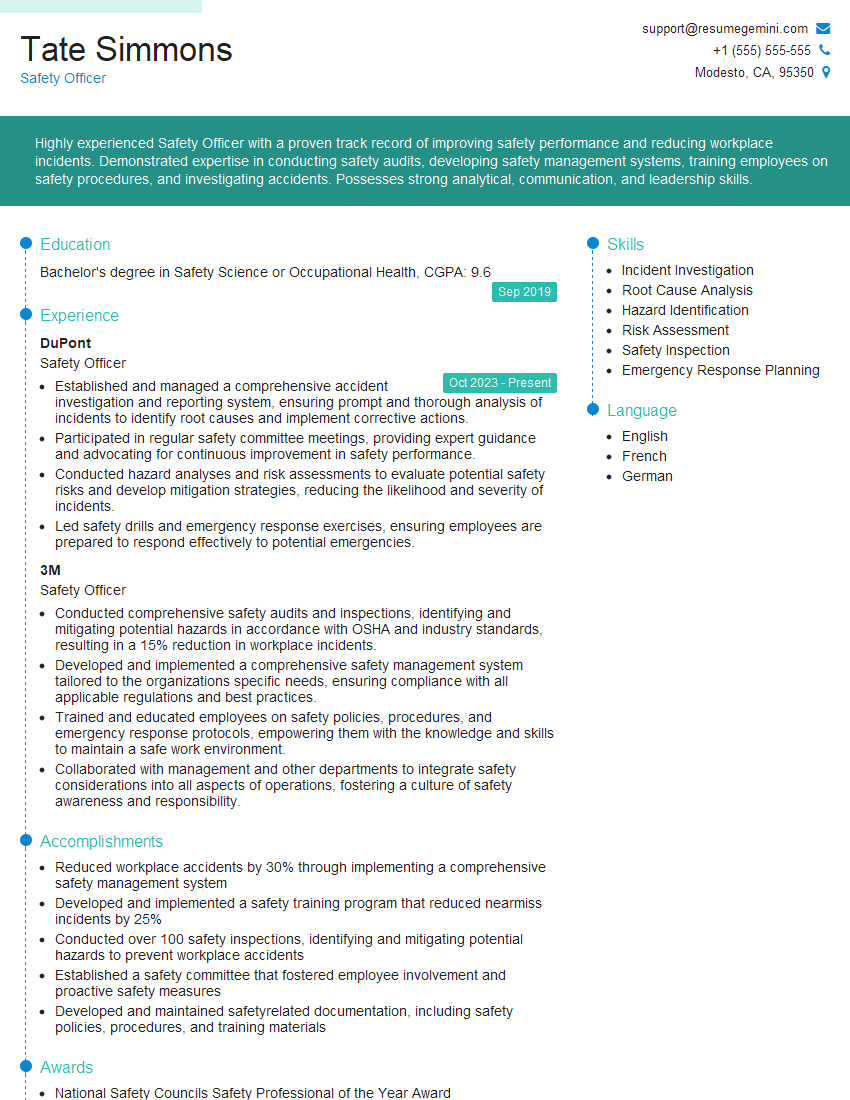
Safety Officer Resume Sample

Crane Operator Resume Sample
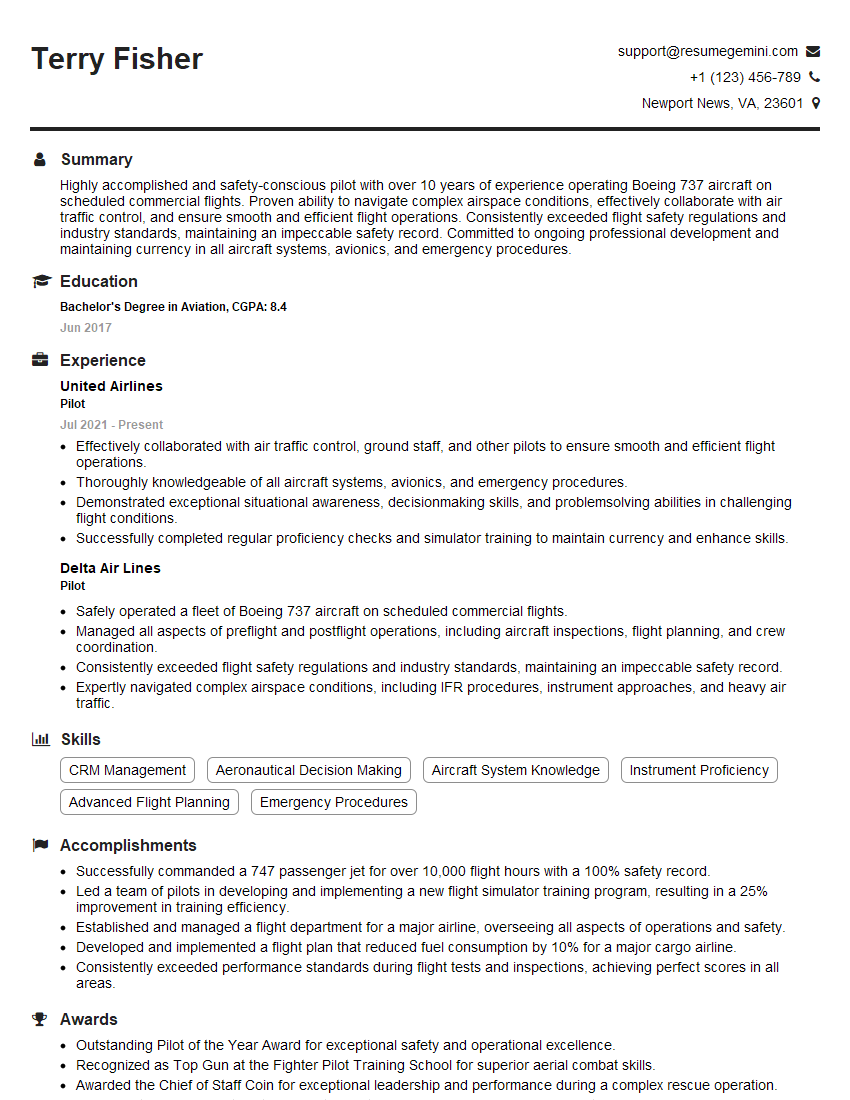
Pilot Resume Sample
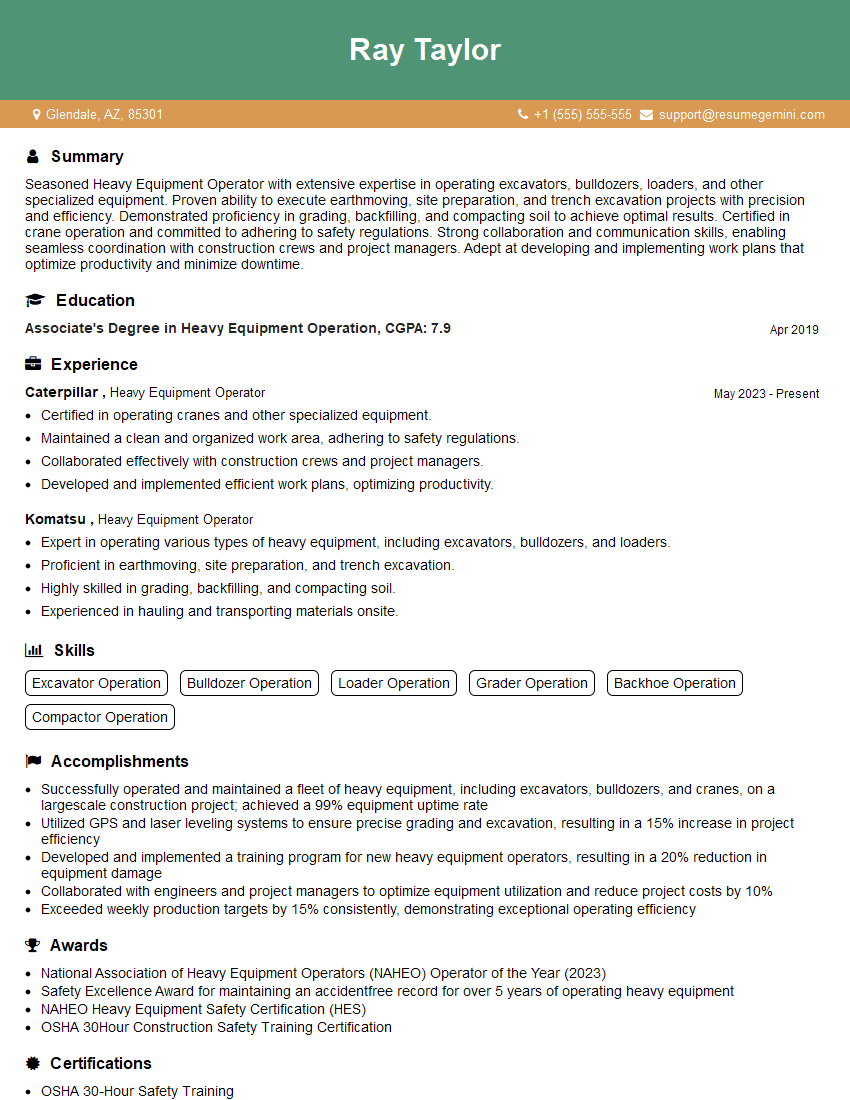
Heavy Equipment Operator Resume Sample
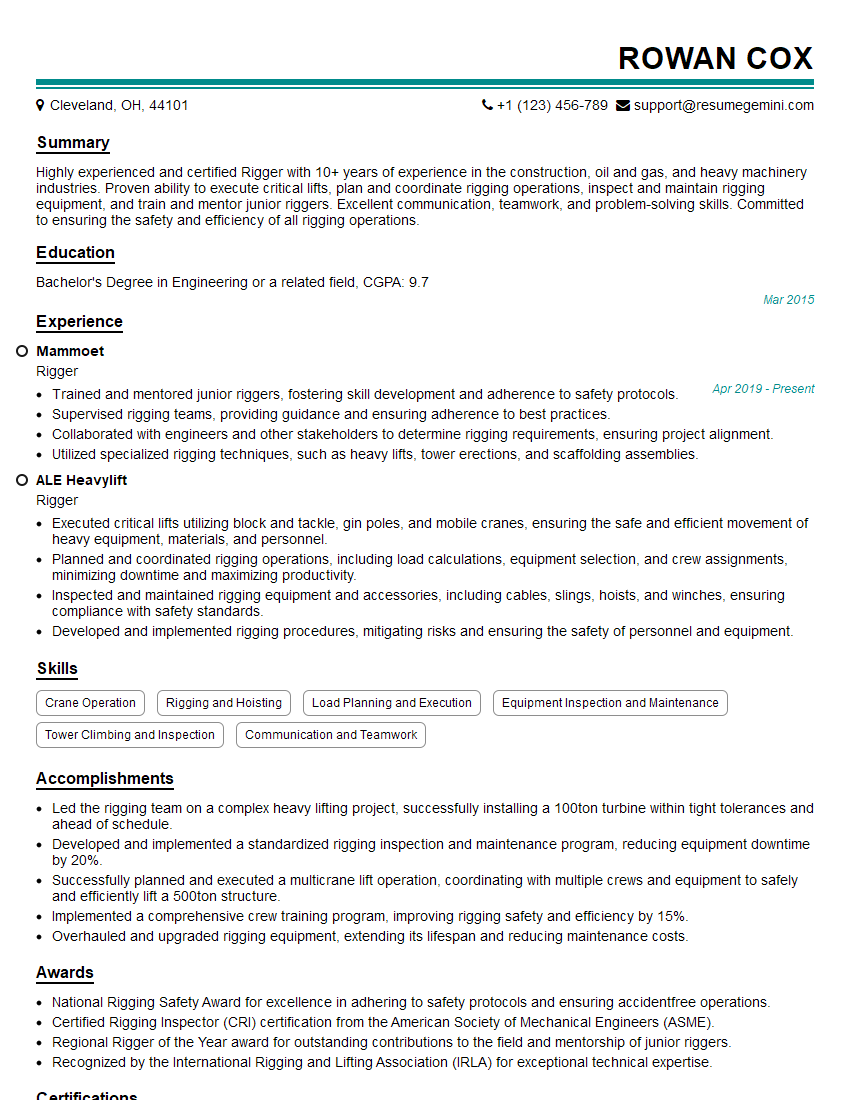
Rigger Resume Sample
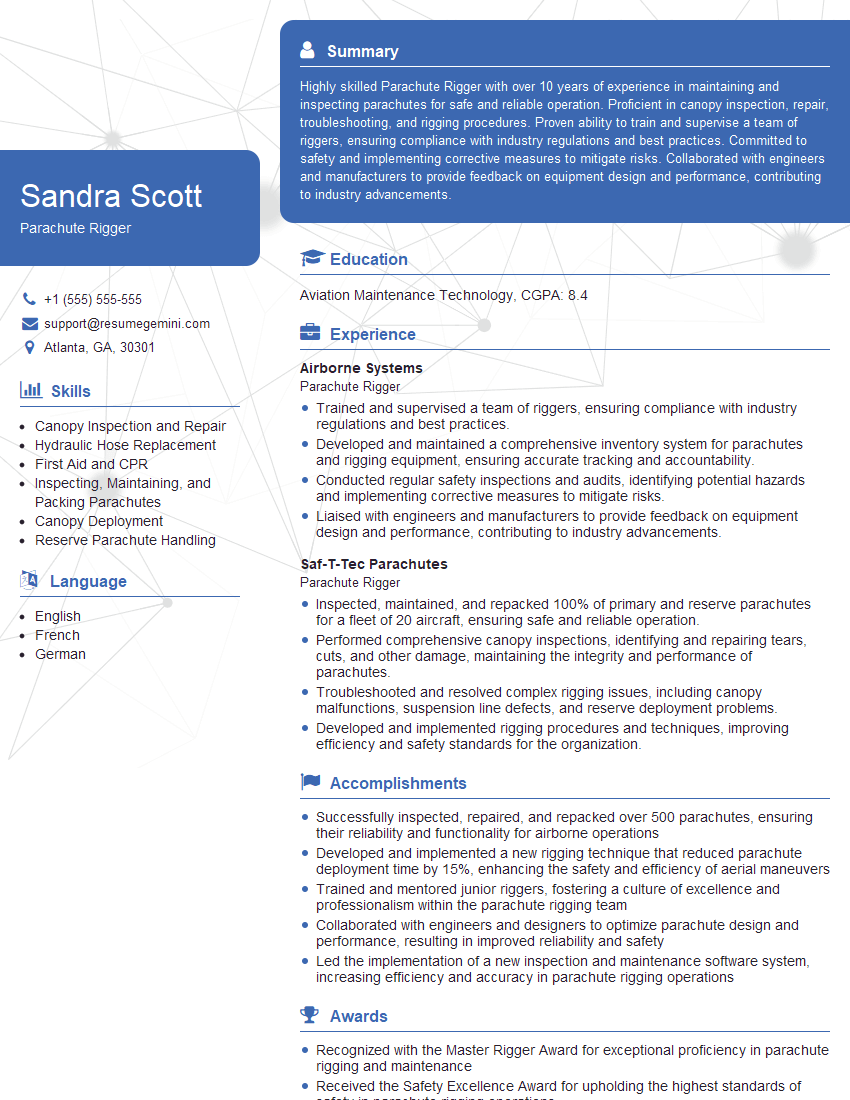
Parachute Rigger Resume Sample
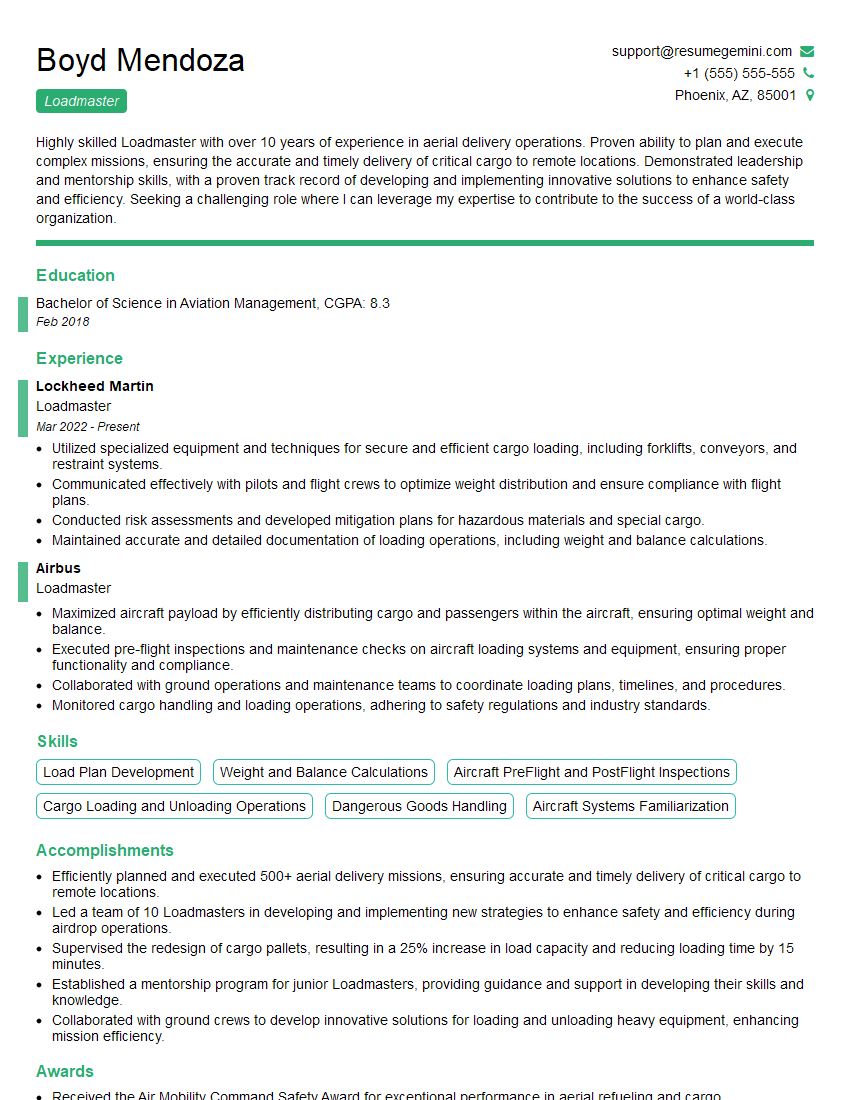
Loadmaster Resume Sample
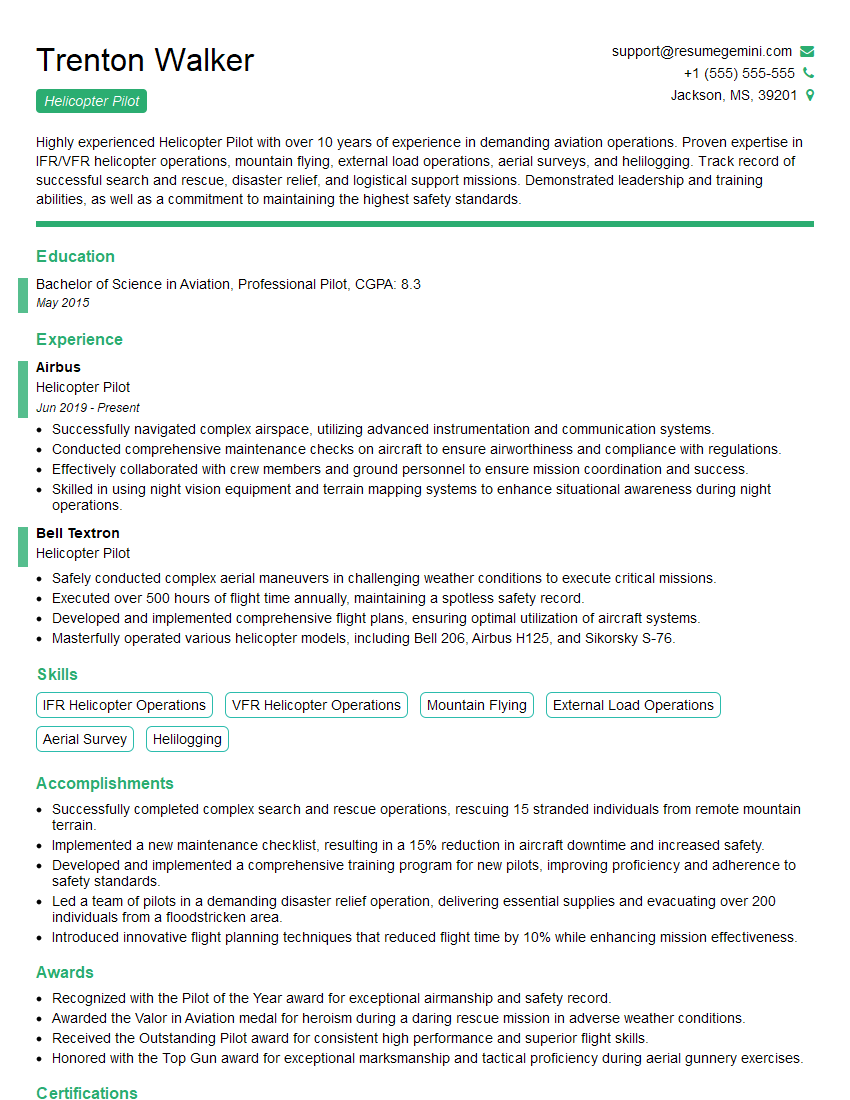
Helicopter Pilot Resume Sample
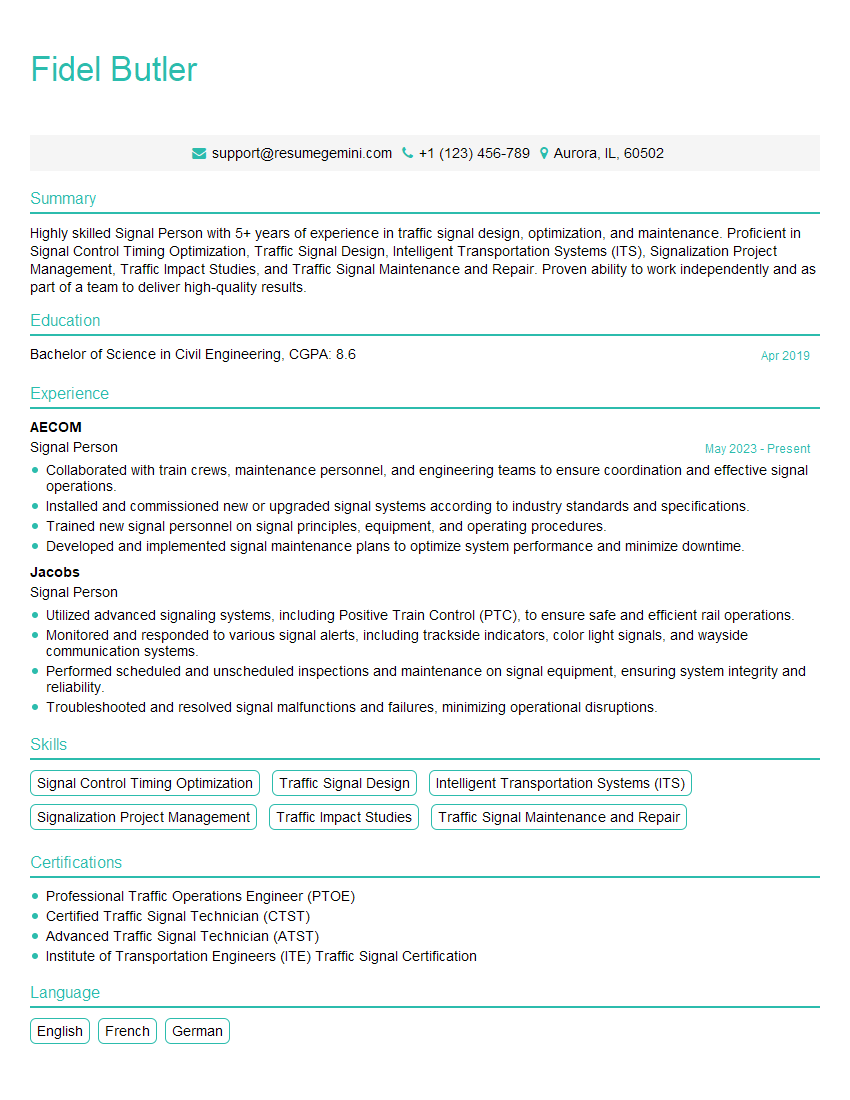
Signal Person Resume Sample
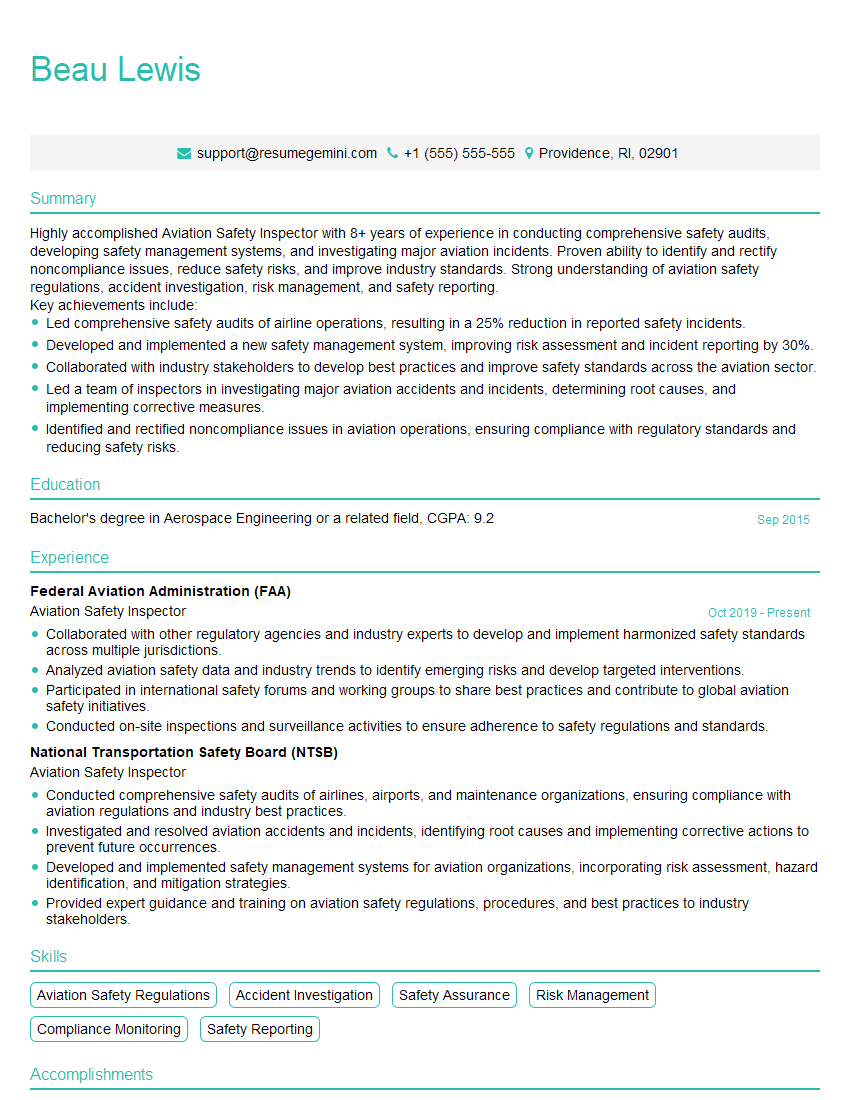
Aviation Safety Inspector Resume Sample
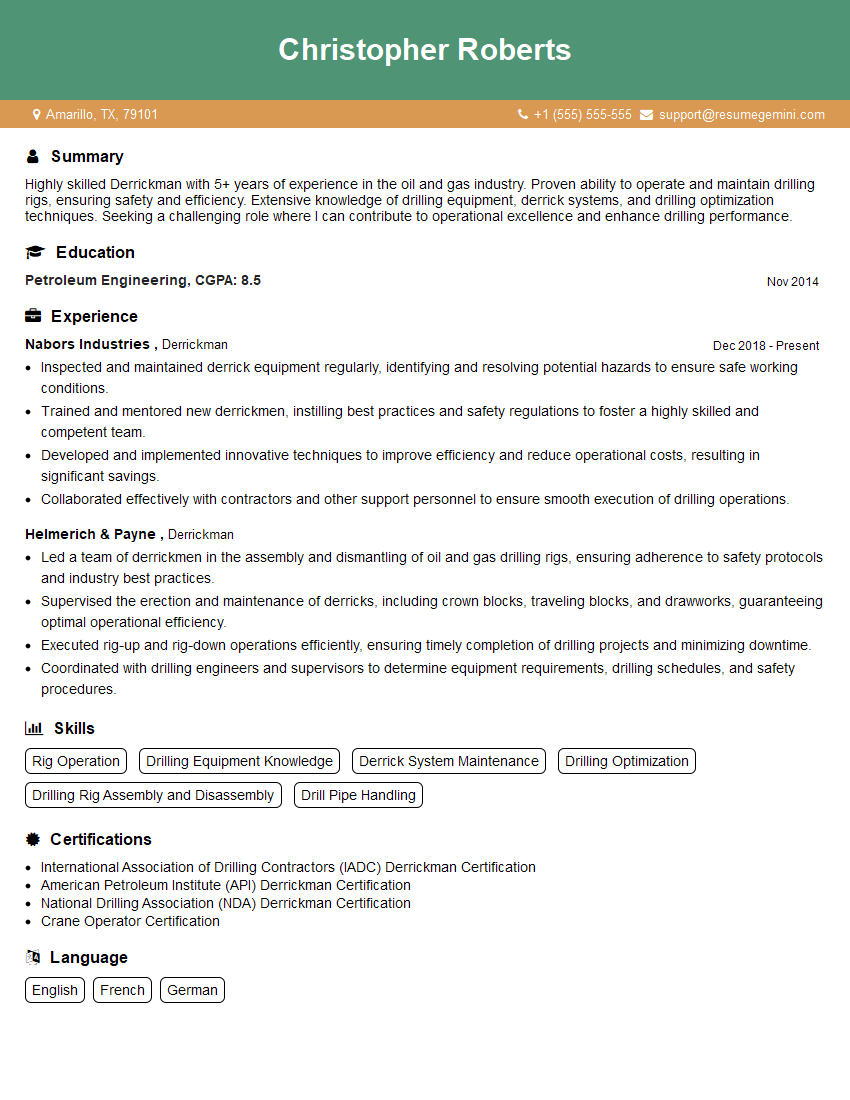
Derrickman Resume Sample
Explore more articles
Users Rating of Our Blogs
Share Your Experience
We value your feedback! Please rate our content and share your thoughts (optional).
What Readers Say About Our Blog
Very informative content, great job.
good