The thought of an interview can be nerve-wracking, but the right preparation can make all the difference. Explore this comprehensive guide to Safety Compliance Enforcement interview questions and gain the confidence you need to showcase your abilities and secure the role.
Questions Asked in Safety Compliance Enforcement Interview
Q 1. Describe your experience with OSHA regulations.
My experience with OSHA regulations is extensive, spanning over 10 years of direct application and enforcement. I’ve worked with a wide range of OSHA standards, including those related to general industry, construction, and maritime. This includes a deep understanding of the General Duty Clause, which holds employers responsible for providing a workplace free from recognized hazards. I’m proficient in interpreting OSHA standards, conducting inspections based on those standards, and ensuring compliance. For example, I’ve been involved in numerous investigations into workplace accidents, identifying root causes and recommending corrective actions to prevent future occurrences. My work regularly involves reviewing safety data sheets (SDS), conducting hazard assessments, and verifying the effectiveness of implemented control measures. I’m also familiar with OSHA’s recordkeeping requirements and the process of submitting injury and illness reports. Finally, I have experience working with OSHA inspectors during inspections and assisting companies in resolving any citations or violations.
Q 2. Explain your understanding of incident investigation methodologies.
Incident investigation methodologies are crucial for identifying the root causes of workplace incidents, preventing recurrences, and improving safety performance. My approach follows a structured process. It begins with securing the scene to preserve evidence, followed by gathering data through witness interviews, reviewing documents (like maintenance logs and training records), and examining physical evidence. I utilize various investigative techniques, including fault tree analysis and the ‘5 Whys’ method, to drill down to the root cause, not just the immediate cause. For example, if a worker was injured due to a machine malfunction (immediate cause), the ‘5 Whys’ might reveal inadequate machine maintenance procedures (root cause). This process allows for the identification of systemic issues, like inadequate training, flawed procedures, or deficient equipment, rather than focusing solely on individual error. A well-documented report, including findings, recommendations, and corrective actions, is critical. I’ve implemented these methodologies in numerous investigations, leading to significant improvements in safety protocols across various industries.
Q 3. How do you develop and implement safety training programs?
Developing and implementing effective safety training programs requires a needs assessment to identify knowledge gaps and specific hazards within the workplace. This is followed by designing a curriculum tailored to the specific needs of the workforce, covering relevant OSHA standards, safe work practices, emergency procedures, and hazard recognition. My approach incorporates various training methods, including classroom instruction, hands-on demonstrations, interactive simulations, and e-learning modules to cater to diverse learning styles. For instance, I developed a training program for a construction company that included both classroom sessions on fall protection and practical training on the proper use of harnesses and safety lines. Regular refresher training is also crucial to reinforce learning and address evolving hazards. Post-training assessments, like quizzes or practical exercises, measure the effectiveness of the program. Finally, I ensure that training records are meticulously maintained and regularly reviewed to demonstrate compliance.
Q 4. What are your strategies for conducting safety audits and inspections?
My strategy for conducting safety audits and inspections involves a systematic approach, combining planned inspections with frequent, unannounced spot checks. I start with a thorough review of the company’s safety policies and procedures. Then, I conduct a physical inspection of the workplace, paying close attention to potential hazards identified through hazard assessments, job safety analysis, and past incident reports. I use checklists to ensure consistency and thoroughness, but also allow for flexibility to address unexpected issues. For example, I might check for proper use of personal protective equipment (PPE), the condition of machinery and equipment, and compliance with lockout/tagout procedures. I meticulously document findings, take photographs, and interview employees to gain their perspectives. The audit report summarizes the findings, identifies areas of non-compliance, and provides recommendations for corrective actions, often with specific timelines for implementation. Following up on corrective actions is crucial to ensure that identified hazards are mitigated.
Q 5. How do you identify and mitigate workplace hazards?
Identifying and mitigating workplace hazards requires a proactive approach. I begin with a comprehensive hazard identification process, employing methods like job hazard analyses (JHA), walkthrough inspections, and employee feedback. This helps to pinpoint both obvious and latent hazards. Once identified, I employ a hierarchy of controls to mitigate these hazards, starting with eliminating the hazard altogether if possible. If elimination isn’t feasible, I explore engineering controls, such as installing safety guards on machinery. Administrative controls, like implementing safe work procedures, come next. Finally, as a last resort, I implement personal protective equipment (PPE), ensuring proper training on its correct use and maintenance. For example, in a manufacturing plant, we identified a risk of chemical exposure. We initially tried to eliminate the hazard by substituting the chemical with a less hazardous alternative. When this wasn’t fully successful, we implemented engineering controls (local exhaust ventilation) and administrative controls (strict work procedures) alongside providing appropriate PPE (respirators and protective clothing).
Q 6. Explain your experience with safety management systems (SMS).
My experience with Safety Management Systems (SMS) includes implementation and auditing of SMS programs across various industries. I understand the principles of a proactive approach to safety, focusing on hazard identification, risk assessment, and control measures. I’m familiar with internationally recognized standards like ISO 45001. Implementing an SMS involves establishing clear roles and responsibilities, developing comprehensive safety policies and procedures, and creating a strong safety culture within the organization. This includes regular safety meetings, incident reporting and investigation, and performance monitoring. Regular audits are key to assessing the effectiveness of the SMS, identifying areas for improvement, and ensuring continual improvement. I’ve successfully helped organizations implement SMS programs, resulting in demonstrable reductions in workplace incidents and improved safety performance.
Q 7. Describe your experience with regulatory reporting and compliance.
Regulatory reporting and compliance are critical aspects of my work. I have extensive experience in preparing and submitting reports to regulatory agencies, such as OSHA. This includes incident reports, injury and illness logs, and compliance certifications. I understand the specific requirements for recordkeeping and reporting, and I ensure that all reports are accurate, timely, and complete. Understanding the nuances of different regulations, both federal and state, is essential, and I stay up-to-date on changes and amendments. I’ve helped organizations navigate complex regulatory requirements, ensuring their compliance and preventing potential penalties. Furthermore, I’m adept at proactively identifying potential compliance issues and implementing preventative measures. This proactive approach minimizes the risk of non-compliance and fosters a culture of safety and responsibility.
Q 8. How do you ensure compliance with environmental regulations?
Ensuring compliance with environmental regulations is a multifaceted process that requires a proactive and systematic approach. It begins with a thorough understanding of all applicable laws, regulations, and permits relevant to our operations. This includes federal, state, and local environmental statutes, as well as industry-specific standards.
- Regular Audits and Inspections: We conduct internal audits and invite external inspections to identify potential non-compliances and areas for improvement. These audits cover everything from waste disposal and emissions monitoring to the proper handling and storage of hazardous materials.
- Training and Education: All employees receive comprehensive training on environmental regulations and their responsibilities in maintaining compliance. This training is regularly updated to reflect changes in legislation or best practices.
- Documentation and Record Keeping: Meticulous record-keeping is crucial. We maintain detailed records of all environmental activities, including permits, inspections, training, and waste management, ensuring easy traceability and audit readiness.
- Emergency Response Planning: We have comprehensive emergency response plans in place to deal with environmental incidents, such as spills or releases. This includes clear procedures for containment, cleanup, and reporting to relevant authorities.
- Continuous Improvement: Compliance isn’t a one-time event; it’s an ongoing process. We utilize data from audits, inspections, and performance metrics to identify areas needing improvement and implement corrective actions. For example, if we identify a recurring issue with waste segregation, we may implement additional training or invest in improved waste handling equipment.
For instance, in a previous role, we successfully implemented a new wastewater treatment system that significantly reduced our discharge of pollutants, exceeding regulatory requirements and improving our overall environmental footprint.
Q 9. What is your experience with risk assessment and risk management?
Risk assessment and management are fundamental to safety compliance. It involves systematically identifying hazards, analyzing their potential for harm, and implementing controls to mitigate those risks. I utilize a structured approach, typically following a framework like HAZOP (Hazard and Operability Study) or a similar methodology.
- Hazard Identification: This involves brainstorming potential hazards through techniques like checklists, HAZOP studies, and job safety analyses (JSAs). We consider both obvious and less apparent risks.
- Risk Assessment: Once hazards are identified, we assess the likelihood of an incident occurring and the severity of its potential consequences. This often involves a qualitative or quantitative risk matrix.
- Risk Control: This stage focuses on implementing appropriate controls to mitigate identified risks. Controls can be hierarchical, ranging from elimination (removing the hazard entirely) to administrative controls (training and procedures), engineering controls (equipment modifications), and personal protective equipment (PPE).
- Monitoring and Review: The risk assessment process isn’t static. We regularly monitor the effectiveness of implemented controls and review the risk assessment periodically to account for changes in operations, technology, or regulations. This ensures our risk management strategies remain relevant and effective.
For example, in a previous project involving the handling of chemicals, a HAZOP study revealed a potential for a reaction leading to a fire. We mitigated this by implementing engineering controls such as improved ventilation and explosion-proof equipment, in addition to providing detailed training for employees.
Q 10. How do you handle safety violations or non-compliance issues?
Handling safety violations or non-compliance issues requires a structured and fair approach. It’s crucial to act swiftly and decisively while ensuring due process.
- Immediate Action: Upon discovering a violation, immediate action is crucial to prevent further harm. This might involve stopping the unsafe activity, isolating the hazard, and providing immediate first aid if necessary.
- Investigation: A thorough investigation is needed to determine the root cause of the violation. This includes gathering evidence, interviewing witnesses, and reviewing relevant documentation.
- Corrective Actions: Based on the investigation’s findings, corrective actions are implemented to prevent recurrence. These actions can range from retraining employees to modifying equipment or processes.
- Disciplinary Actions (if necessary): Depending on the severity of the violation and the company’s policies, disciplinary actions may be necessary. This should be fair, consistent, and in accordance with the company’s policies and legal requirements.
- Reporting and Documentation: All incidents, violations, investigations, and corrective actions must be thoroughly documented and reported according to regulatory requirements and company policies.
For example, if a worker was found not using proper PPE, we’d investigate why (lack of training, equipment malfunction, etc.), implement corrective actions (retraining, equipment repair/replacement), and document the entire process. Depending on the circumstances and company policy, disciplinary action might also be warranted, but only after a fair and thorough investigation.
Q 11. Explain your experience with root cause analysis.
Root cause analysis (RCA) is a systematic process for identifying the underlying causes of incidents or problems. My experience involves utilizing various techniques to uncover not just the immediate causes, but the deeper, systemic issues that contributed to the event.
- 5 Whys: This simple but effective technique involves repeatedly asking “why” to delve deeper into the causes of an incident. It helps to uncover the chain of events leading to the problem.
- Fishbone Diagram (Ishikawa Diagram): This visual tool helps to brainstorm potential causes categorized by different contributing factors (people, equipment, materials, methods, environment).
- Fault Tree Analysis (FTA): This more complex technique uses a logical diagram to represent the combination of events that can lead to a specific undesirable outcome.
- SWIFT (Systemic Workplace Investigation of Failures and their Treatment): This is a comprehensive methodology for investigating incidents that considers human factors, organizational factors and systemic issues.
For example, if a machine malfunctioned, a simple “5 Whys” might reveal: 1. Machine malfunctioned. 2. A part broke. 3. The part was worn out. 4. Preventive maintenance was not performed. 5. Maintenance schedule wasn’t followed. This highlights the root cause being inadequate maintenance scheduling rather than just the broken part.
Q 12. Describe your experience with safety program development and implementation.
Developing and implementing effective safety programs requires a holistic approach, encompassing risk assessment, training, communication, and continuous improvement. My experience spans various industries and includes:
- Needs Assessment: Before developing a program, a thorough needs assessment is crucial to identify existing hazards, risks, and areas requiring improvement. This often involves reviewing accident data, conducting site inspections, and surveying employees.
- Program Design: Based on the needs assessment, a comprehensive safety program is designed. This includes defining goals, objectives, responsibilities, and procedures. Key elements include hazard identification and risk assessment procedures, emergency response plans, training programs, and procedures for reporting incidents and near misses.
- Implementation: Implementing the program requires effective communication, training, and resource allocation. It’s crucial to gain buy-in from employees and management.
- Monitoring and Evaluation: The program’s effectiveness is continuously monitored and evaluated through regular inspections, safety audits, and accident/incident data analysis. This data is used to identify areas for improvement and refine the program.
In a previous role, I developed and implemented a new lockout/tagout (LOTO) program for a manufacturing facility. This involved comprehensive training, regular inspections, and a robust system for tracking and managing LOTO procedures. The program significantly reduced the risk of injuries from accidental machine starts during maintenance.
Q 13. How do you communicate safety information effectively to employees?
Effective communication of safety information is critical to a successful safety program. It requires a multi-pronged approach tailored to the audience and the message’s complexity.
- Tailored Communication: Different communication methods are best suited for different audiences and messages. For example, complex technical information might be communicated through formal training sessions, while simple reminders about PPE use can be communicated through posters or short videos.
- Multiple Channels: Utilizing multiple communication channels ensures that the message reaches everyone. This includes safety meetings, newsletters, emails, posters, toolbox talks, and training sessions. In some cases, utilizing technology like mobile apps can enhance communication.
- Interactive Methods: Engaging employees through interactive methods like quizzes, games, and discussions can significantly improve knowledge retention and engagement. This fosters a culture of safety.
- Feedback Mechanisms: Establishing feedback mechanisms allows employees to voice concerns, provide suggestions, and report hazards. This ensures the communication is a two-way process, not just one-way instruction.
- Language and Clarity: Safety communication should be clear, concise, and easily understood by everyone, regardless of their language or literacy level. Avoid jargon and use visuals where appropriate.
For instance, instead of just distributing a safety manual, we used interactive training modules, videos, and regular toolbox talks to communicate important safety information. We also encouraged open dialogue and feedback from employees through suggestion boxes and regular safety meetings.
Q 14. How do you measure the effectiveness of your safety programs?
Measuring the effectiveness of safety programs requires a combination of quantitative and qualitative metrics. Key performance indicators (KPIs) help assess the program’s impact.
- Leading Indicators: These metrics assess the program’s effectiveness *before* an incident occurs. Examples include the number of safety training hours completed, the number of safety inspections conducted, and the number of near misses reported.
- Lagging Indicators: These metrics measure the outcome of the program *after* an incident. Examples include the number of accidents, lost-time injuries, and the severity of injuries.
- Employee Surveys: Surveys gauge employee perceptions of safety, their awareness of hazards, and their satisfaction with the safety program. This provides valuable qualitative data.
- Incident Investigation Reports: Analyzing incident reports helps to identify trends, common causes of accidents, and the effectiveness of implemented controls.
- Benchmarking: Comparing our safety performance with industry benchmarks helps to identify areas for improvement and track progress over time.
For example, we might track the number of safety training hours, the number of reported near misses, and the lost-time injury rate. A decrease in lagging indicators like the lost-time injury rate combined with an increase in leading indicators like safety training hours indicates that the safety program is effective.
Q 15. What is your experience with safety data sheets (SDS)?
Safety Data Sheets (SDS), formerly known as Material Safety Data Sheets (MSDS), are documents that provide comprehensive information on the potential hazards associated with a chemical product, and how to work safely with it. My experience encompasses creating, reviewing, and implementing SDS protocols across diverse industrial settings. This includes ensuring that SDSs are readily accessible to all employees, that they are kept up-to-date with the latest information, and that their contents are understood and applied correctly.
For example, in a previous role at a manufacturing plant, I spearheaded a project to digitize our SDS library. This not only improved accessibility but also allowed us to automate updates, ensuring compliance with evolving regulations. We also implemented a training program to ensure employees understood how to interpret the information within an SDS, specifically focusing on hazard identification, personal protective equipment requirements, and emergency response procedures.
Beyond simple access, I’ve actively used SDS information to make informed decisions regarding risk assessment, selecting appropriate personal protective equipment (PPE), and developing safe work procedures. Understanding SDS information is paramount in preventing workplace accidents and ensuring regulatory compliance.
Career Expert Tips:
- Ace those interviews! Prepare effectively by reviewing the Top 50 Most Common Interview Questions on ResumeGemini.
- Navigate your job search with confidence! Explore a wide range of Career Tips on ResumeGemini. Learn about common challenges and recommendations to overcome them.
- Craft the perfect resume! Master the Art of Resume Writing with ResumeGemini’s guide. Showcase your unique qualifications and achievements effectively.
- Don’t miss out on holiday savings! Build your dream resume with ResumeGemini’s ATS optimized templates.
Q 16. Describe your experience with personal protective equipment (PPE).
Personal Protective Equipment (PPE) is crucial for safeguarding workers from workplace hazards. My experience involves selecting, fitting, maintaining, and enforcing the correct use of PPE across various industries. This includes everything from hard hats and safety glasses to respirators and specialized suits.
In one instance, I worked with a team to implement a comprehensive PPE program at a construction site. This included a thorough hazard assessment to determine the necessary PPE for each job role, a proper fitting process to ensure adequate protection, and a robust training program that educated workers on the correct usage, limitations, and maintenance of their PPE. We regularly inspected PPE to ensure it remained in good condition and replaced damaged items promptly. This resulted in a significant reduction in workplace injuries.
Beyond simply providing PPE, I’ve also emphasized the importance of a culture of safety, encouraging employees to proactively utilize their PPE and report any deficiencies or issues. The right PPE, properly used and maintained, is a fundamental element in achieving a safe and productive work environment.
Q 17. How do you handle emergency situations in the workplace?
Handling emergency situations requires a calm, systematic approach. My experience covers various emergency scenarios, including chemical spills, fires, medical emergencies, and equipment malfunctions. My approach is based on a well-defined emergency response plan, thorough training, and regular drills.
The first step is always to ensure the safety of personnel – evacuation if necessary, providing first aid if qualified, and contacting emergency services. Following this, I focus on containment and mitigation of the hazard. This might involve isolating the area, using appropriate emergency equipment, and preventing further escalation. Finally, a thorough post-incident investigation is critical to understand the root cause, implement corrective actions, and prevent similar events from occurring in the future.
For instance, during a chemical spill incident, my immediate actions involved securing the area, activating the emergency response team, and utilizing spill kits to contain the spill. Following the successful cleanup, a thorough investigation identified the cause as a faulty valve, leading to its immediate replacement and an enhanced preventative maintenance program.
Q 18. Explain your familiarity with various safety standards (e.g., ISO 45001).
My understanding of safety standards is extensive, with a strong focus on ISO 45001, the internationally recognized standard for occupational health and safety management systems. I’m also familiar with OSHA standards (in the US context) and other relevant regulations depending on the industry and location.
ISO 45001 provides a framework for establishing, implementing, maintaining, and continually improving an occupational health and safety management system. My experience includes conducting internal audits to ensure compliance, identifying areas for improvement, and developing and implementing corrective actions. I have facilitated the certification process for organizations seeking ISO 45001 accreditation, working closely with auditors and management to address any gaps.
Understanding and applying these standards goes beyond simply ticking boxes; it’s about fostering a proactive safety culture that prioritizes risk assessment, hazard control, and continuous improvement. I actively participate in industry conferences and stay updated on the latest regulations and best practices to ensure our safety programs remain at the forefront.
Q 19. How do you manage safety budgets and resources?
Managing safety budgets and resources requires a strategic approach that balances cost-effectiveness with the need for robust safety measures. My experience includes developing and managing budgets, prioritizing projects based on risk assessments, and securing necessary funding.
This involves creating detailed cost estimates for safety equipment, training programs, and other initiatives. Prioritization is key, focusing on high-risk areas and implementing cost-effective solutions wherever possible. I’m adept at justifying expenditures to stakeholders by demonstrating a strong return on investment (ROI) in terms of reduced accidents, improved productivity, and enhanced employee morale.
For example, in a previous role, I successfully advocated for the purchase of new safety equipment, showcasing how the investment would reduce the risk of serious injuries, thereby mitigating potential costs associated with workers’ compensation claims and lost productivity. This approach demonstrated the value of safety investments beyond simple cost considerations.
Q 20. What are your experience with lockout/tagout procedures?
Lockout/Tagout (LOTO) procedures are critical for preventing accidental energy release during maintenance or repair activities. My experience encompasses developing, implementing, and enforcing LOTO programs, ensuring compliance with relevant standards.
This involves training employees on proper LOTO procedures, including identifying energy sources, selecting appropriate lockout devices, verifying energy isolation, and documenting all steps of the process. Regular inspections and audits are conducted to ensure that procedures are followed consistently and that equipment remains properly locked out.
One example involved implementing a comprehensive LOTO program at a chemical processing plant. This included developing detailed step-by-step procedures for various pieces of equipment, providing hands-on training to employees, and establishing a regular audit schedule. The result was a significant reduction in near-miss incidents and a substantial improvement in workplace safety.
Q 21. Describe your experience with confined space entry procedures.
Confined space entry procedures are vital for ensuring the safety of workers entering enclosed areas with limited access and potential hazards. My experience includes developing and enforcing permit-required confined space entry programs, ensuring compliance with relevant regulations and standards.
This involves a thorough risk assessment of the confined space, development of detailed entry permits, selection and use of appropriate respiratory protection and other PPE, and the implementation of effective atmospheric monitoring and emergency response procedures. I’ve supervised many confined space entries, always ensuring a comprehensive pre-entry assessment and the presence of a trained attendant.
In a recent project, I helped a company implement a robust confined space entry program for their underground utility maintenance work. This included thorough training for entry and standby personnel, improved atmospheric monitoring equipment, and an updated emergency response plan. This led to a considerable reduction in risk and ensured worker safety during confined space entries.
Q 22. How do you ensure compliance with hazardous waste regulations?
Ensuring compliance with hazardous waste regulations requires a multifaceted approach, encompassing proper waste characterization, handling, storage, transportation, and disposal. It’s not just about following the letter of the law; it’s about understanding the environmental implications and protecting human health.
- Waste Characterization: Accurate identification of hazardous waste is crucial. This involves laboratory testing to determine the presence of regulated substances like heavy metals, solvents, or ignitable materials. Mischaracterization can lead to severe penalties.
- Manifest System: Proper documentation is paramount. The generator of the waste must complete a manifest tracking the waste from cradle to grave, ensuring accountability at each stage of the process.
- Storage: Hazardous waste needs to be stored in designated areas, following specific containment and secondary containment requirements to prevent leaks and spills. Regular inspections are vital to ensure the integrity of the storage containers and the surrounding environment.
- Transportation: Transporting hazardous waste requires specialized vehicles and trained personnel. Compliance involves adhering to Department of Transportation (DOT) regulations and obtaining the necessary permits and approvals.
- Disposal: The final disposal of hazardous waste must be performed by permitted facilities that meet stringent regulatory requirements. This often involves incineration, landfilling in specifically designed hazardous waste landfills, or other treatment methods.
For example, in a previous role, I oversaw the implementation of a new waste management system for a manufacturing facility. This involved training employees on proper waste segregation, implementing a comprehensive manifest system, and conducting regular audits to ensure compliance. This resulted in a significant reduction in non-compliance incidents and a substantial improvement in our environmental performance.
Q 23. What is your experience with emergency response planning?
Emergency response planning is about preparedness—knowing what to do before an emergency occurs. It involves anticipating potential hazards, developing procedures to mitigate those hazards, and ensuring that personnel are trained and equipped to handle emergencies effectively. This often includes drills and exercises to test the plan’s effectiveness.
My experience includes developing and implementing comprehensive emergency response plans for various industrial settings. This involved conducting hazard assessments to identify potential risks, such as chemical spills, fires, or equipment malfunctions. Based on this assessment, I developed detailed response plans outlining procedures for evacuation, containment, and cleanup. These plans incorporated specific roles and responsibilities for each team member, emergency contact lists, and detailed procedures for communicating with emergency services.
In one instance, I spearheaded the development of an emergency response plan for a chemical processing plant. This plan included a detailed risk assessment, evacuation procedures, emergency communication protocols, and a comprehensive training program for all employees. The plan’s effectiveness was demonstrated during a simulated chemical spill, where the response team successfully contained the spill and minimized environmental impact.
Q 24. Describe your experience with safety performance indicators (KPIs).
Safety performance indicators (KPIs) are quantifiable metrics that measure the effectiveness of a safety program. They help track progress, identify areas for improvement, and demonstrate the value of safety initiatives. Examples of KPIs include the total recordable incident rate (TRIR), lost time incident rate (LTIR), near-miss reporting rate, and safety training completion rates.
Throughout my career, I have utilized a range of KPIs to monitor and improve safety performance. This includes collecting data on incidents, near misses, and safety observations. I use this data to identify trends, pinpoint areas of weakness, and develop targeted interventions to reduce risks. I then present this data in clear, concise reports to management, highlighting both successes and areas needing improvement. This data-driven approach ensures that safety initiatives are evidence-based and effectively allocate resources.
For instance, in a previous role, we implemented a new safety training program, and by tracking the completion rates as a KPI, we were able to demonstrate its effectiveness in reducing incidents. This allowed us to secure additional resources for continued safety improvements.
Q 25. How do you stay updated on changes in safety regulations?
Staying updated on changes in safety regulations requires a proactive and multi-pronged approach. It’s a continuous learning process, not a one-time event.
- Subscription to Regulatory Updates: Subscribing to newsletters and alerts from relevant regulatory bodies (e.g., OSHA, EPA) is crucial to receive timely updates on changes in regulations and guidance.
- Professional Organizations: Participating in professional organizations like the American Society of Safety Professionals (ASSP) provides access to industry news, best practices, and continuing education opportunities.
- Industry Publications and Journals: Regularly reading industry publications and journals keeps you informed about new research, emerging hazards, and best practices in safety management.
- Training and Certifications: Participating in relevant training courses and maintaining professional certifications ensures that your knowledge base remains current and aligned with evolving safety standards.
- Networking: Engaging with other safety professionals through conferences and networking events allows you to share knowledge, learn from others’ experiences, and stay abreast of current industry trends.
I personally attend industry conferences, actively participate in online forums dedicated to safety compliance, and maintain several subscriptions to relevant journals and regulatory updates. This ensures I’m aware of any changes that could impact our operations.
Q 26. What is your experience with conducting safety investigations?
Conducting thorough safety investigations is crucial for identifying the root causes of incidents, preventing recurrences, and improving safety performance. A robust investigation goes beyond simply identifying what happened; it delves into why it happened and what can be done to prevent it from happening again. This usually follows a structured methodology.
My experience involves conducting numerous safety investigations, utilizing various techniques including interviews with witnesses and involved personnel, reviewing documentation and records, analyzing data, and examining the physical evidence. I follow a systematic approach to ensure objectivity and thoroughness. This approach often involves applying techniques such as fault tree analysis or fishbone diagrams to pinpoint root causes. The findings from the investigation are meticulously documented in a comprehensive report that includes the root cause analysis, corrective actions, and preventive measures.
In one case, I investigated a near-miss incident involving a forklift. My investigation went beyond the immediate circumstances and revealed underlying issues such as inadequate training and a lack of clear safety procedures. The resulting corrective actions included enhanced training programs, improved signage, and the implementation of new safety procedures, which significantly improved forklift safety within the facility.
Q 27. Explain your experience with developing safety policies and procedures.
Developing effective safety policies and procedures is essential for establishing a strong safety culture and ensuring compliance. Policies provide the overarching framework, while procedures provide detailed steps for specific tasks. They must be clear, concise, accessible, and regularly reviewed and updated.
My experience includes developing safety policies and procedures for various organizations across different industries. I utilize a collaborative approach, involving key stakeholders from various departments to ensure that the policies and procedures are relevant, practical, and address potential hazards effectively. I use clear, concise language and incorporate visuals such as flowcharts and diagrams to make them easily understandable. The final policies and procedures are rigorously reviewed and approved by management before implementation.
For instance, I recently developed a comprehensive safety management system for a construction company. This involved creating policies covering various aspects of safety, such as hazard identification, risk assessment, personal protective equipment (PPE), and emergency procedures. These policies were complemented by detailed procedures outlining specific steps for various tasks. The result was a significant improvement in safety awareness and a reduction in incidents.
Q 28. How do you foster a strong safety culture within an organization?
Fostering a strong safety culture is a continuous process, not a one-time event. It involves creating an environment where safety is valued above all else. This requires leadership commitment, employee engagement, and continuous improvement.
- Leadership Commitment: Visible and active leadership commitment to safety is paramount. Leaders must demonstrate their commitment through actions, not just words.
- Employee Empowerment: Empowering employees to identify and report hazards is crucial. This involves creating a culture of open communication where employees feel comfortable speaking up without fear of reprisal.
- Training and Communication: Comprehensive safety training is essential. Regular communication and reinforcement of safety messages are vital to maintain awareness and reinforce safe work practices.
- Recognition and Rewards: Recognizing and rewarding safe behaviors helps reinforce positive safety culture and encourages employees to maintain safe practices.
- Continuous Improvement: Regular review of safety performance and identification of areas for improvement are essential for ongoing enhancements.
In one organization, I implemented a safety suggestion program where employees could submit ideas for improving safety. This demonstrated a commitment to employee input and resulted in several valuable safety improvements. By fostering a culture of proactive safety, we saw a significant reduction in incidents and a noticeable improvement in overall employee morale and engagement.
Key Topics to Learn for Safety Compliance Enforcement Interview
- Regulatory Frameworks: Understand the legal landscape of safety compliance, including OSHA regulations (or equivalent in your region), industry-specific standards, and relevant legislation. This includes knowing how these regulations are structured and enforced.
- Hazard Identification & Risk Assessment: Master techniques for identifying potential hazards in various work environments, conducting thorough risk assessments, and developing effective control measures. Be prepared to discuss practical examples of how you’ve applied these methods.
- Incident Investigation & Reporting: Learn the process of investigating workplace incidents, gathering evidence, analyzing root causes, and preparing comprehensive reports. Understanding different investigative methodologies is crucial.
- Inspection & Auditing Techniques: Familiarize yourself with best practices for conducting safety inspections and audits, including documentation, observation skills, and effective communication with employees and management.
- Enforcement & Corrective Actions: Understand the process of enforcing safety regulations, issuing citations (if applicable), and working with organizations to implement effective corrective actions to prevent future incidents. Be able to discuss different approaches to enforcement.
- Communication & Training: Effective communication is vital. Be prepared to discuss your experience in delivering safety training programs, communicating complex safety information to diverse audiences, and promoting a positive safety culture.
- Data Analysis & Reporting: Many roles involve analyzing safety data, identifying trends, and generating reports to management. Demonstrate your ability to interpret data and present findings clearly and concisely.
Next Steps
Mastering Safety Compliance Enforcement opens doors to a rewarding career with significant growth potential, offering opportunities for specialization and advancement within your field. A strong resume is crucial for showcasing your expertise and securing your desired position. To maximize your chances, crafting an ATS-friendly resume is essential. ResumeGemini can help you build a professional, impactful resume that gets noticed by recruiters. ResumeGemini provides examples of resumes tailored to Safety Compliance Enforcement, allowing you to see successful strategies firsthand. Take the next step towards your dream career – build a winning resume today.
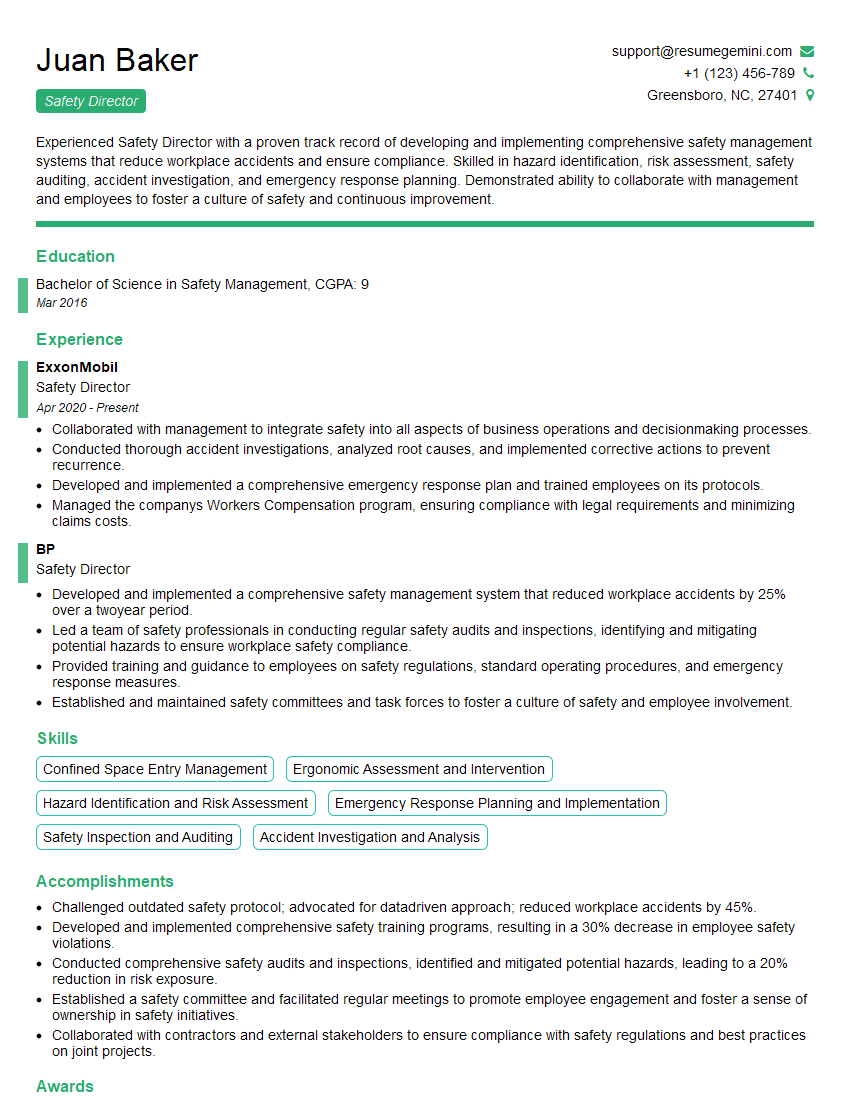
Safety Director Resume Sample
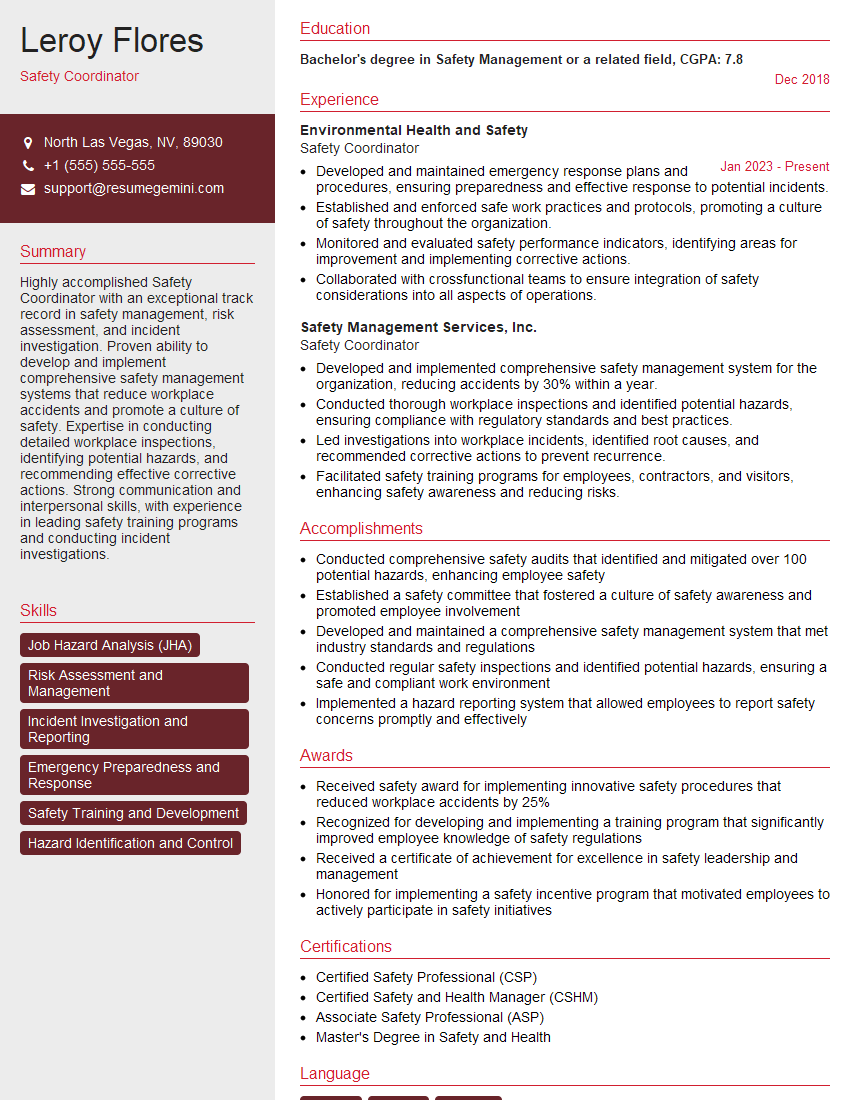
Safety Coordinator Resume Sample
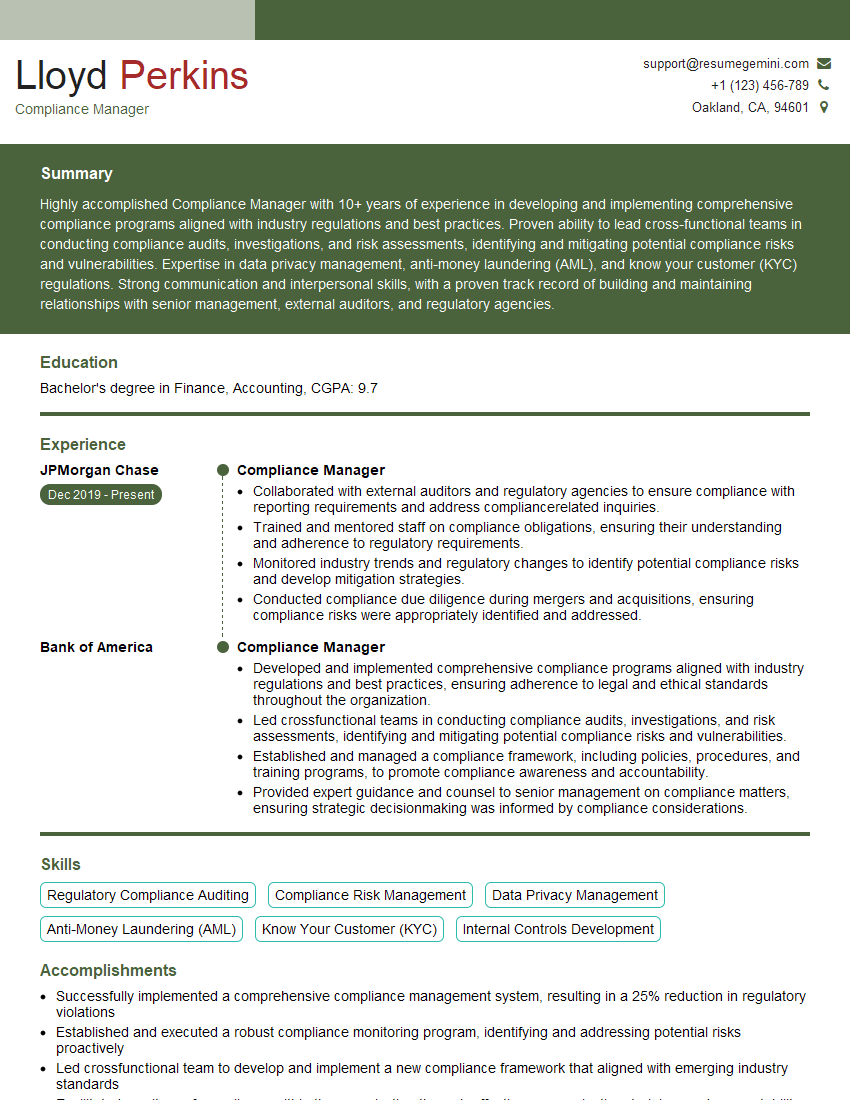
Compliance Manager Resume Sample
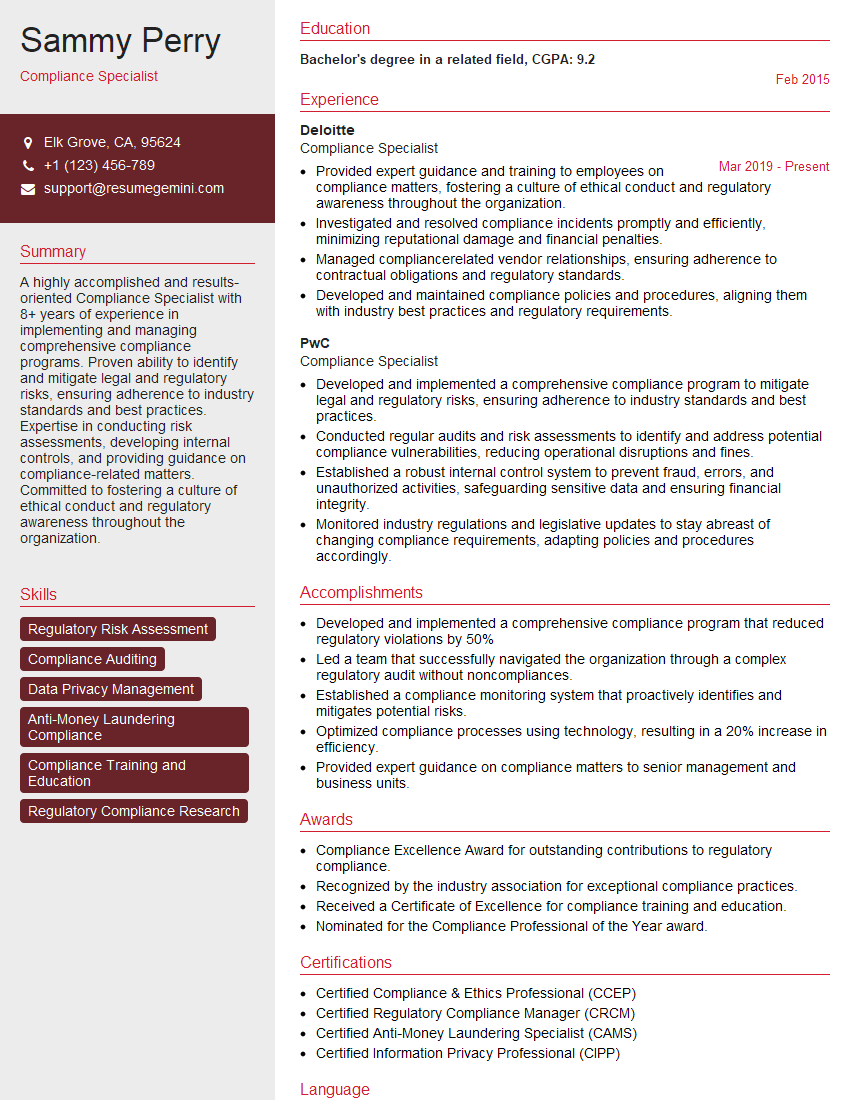
Compliance Specialist Resume Sample
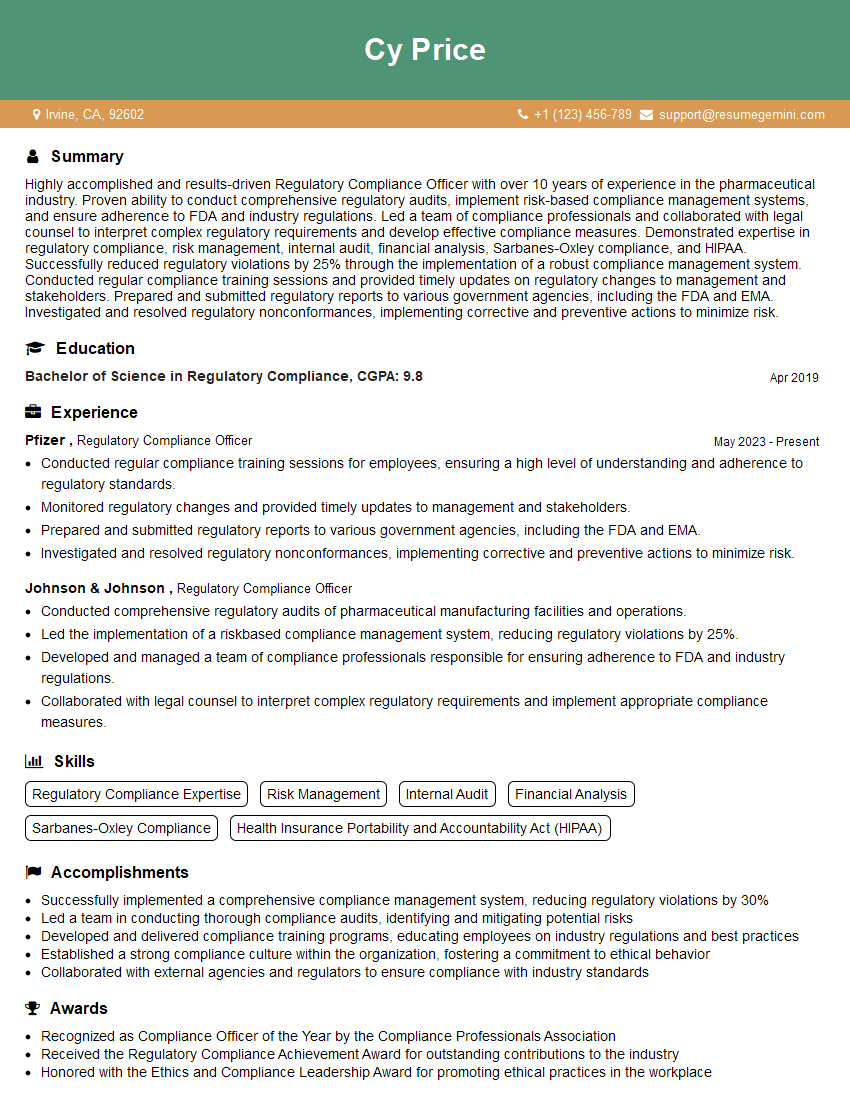
Regulatory Compliance Officer Resume Sample
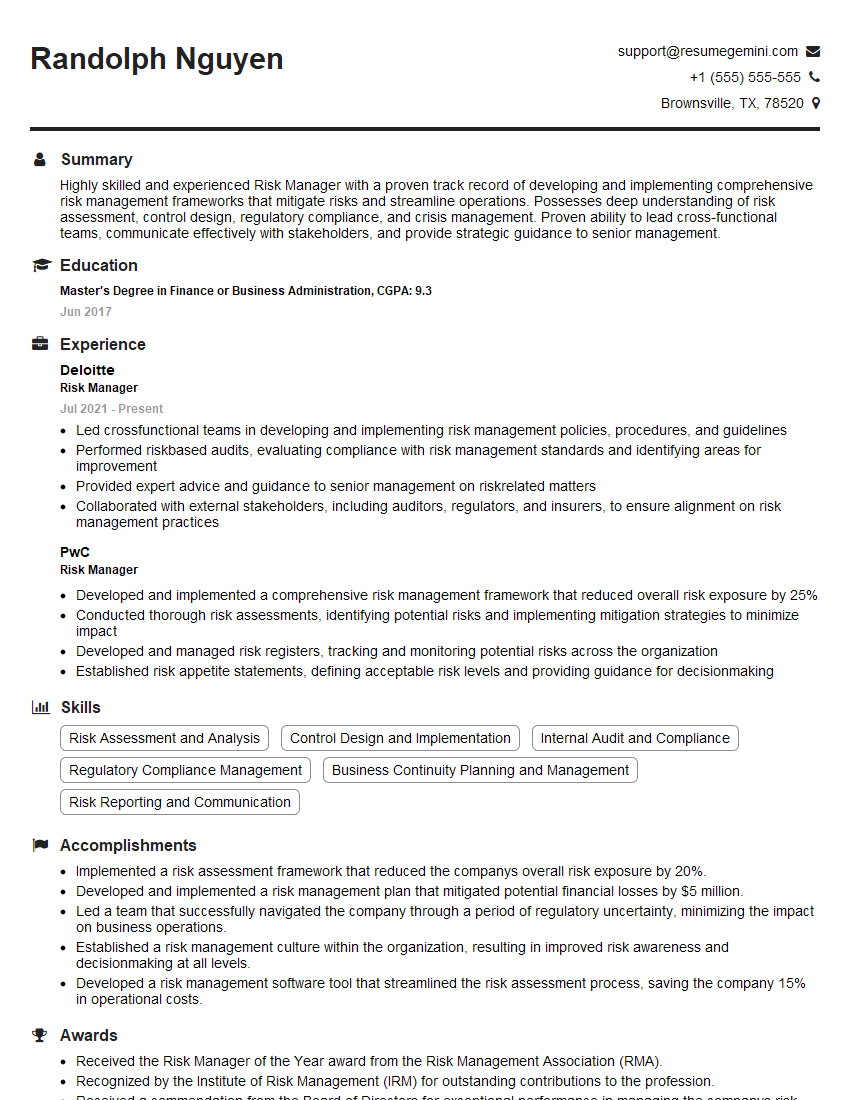
Risk Manager Resume Sample
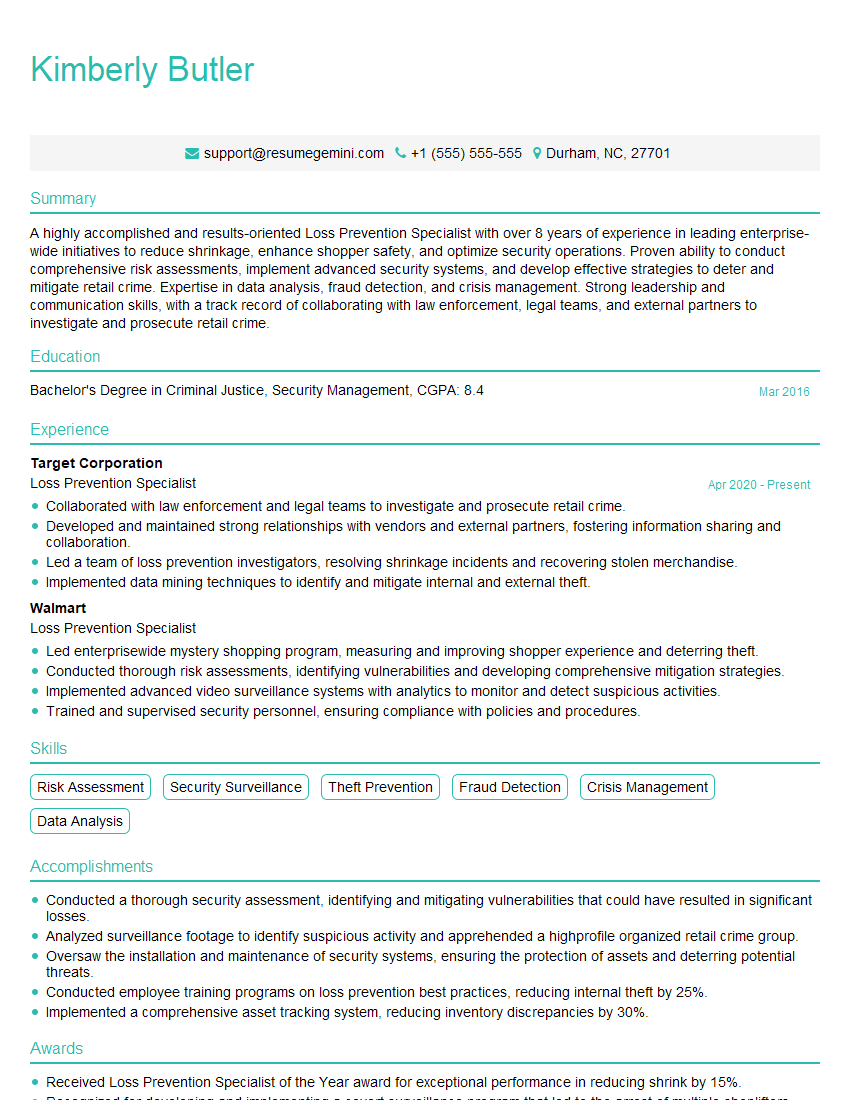
Loss Prevention Specialist Resume Sample
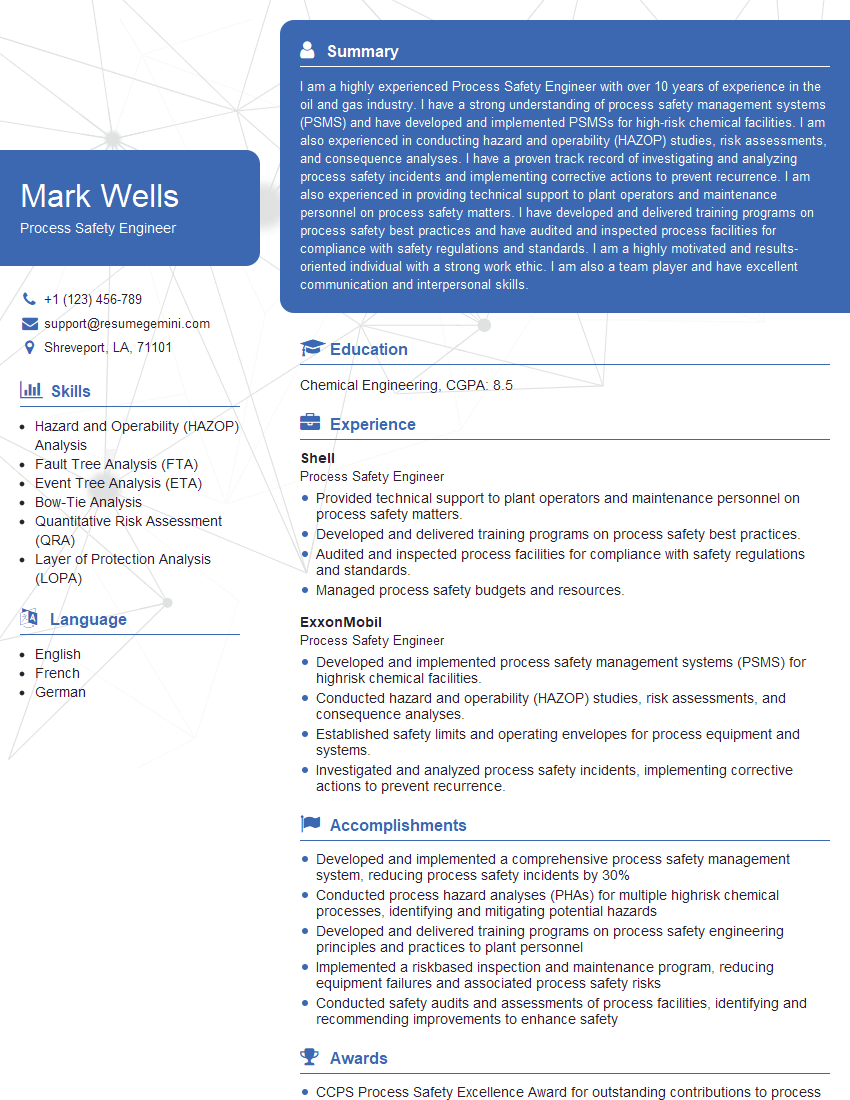
Process Safety Engineer Resume Sample
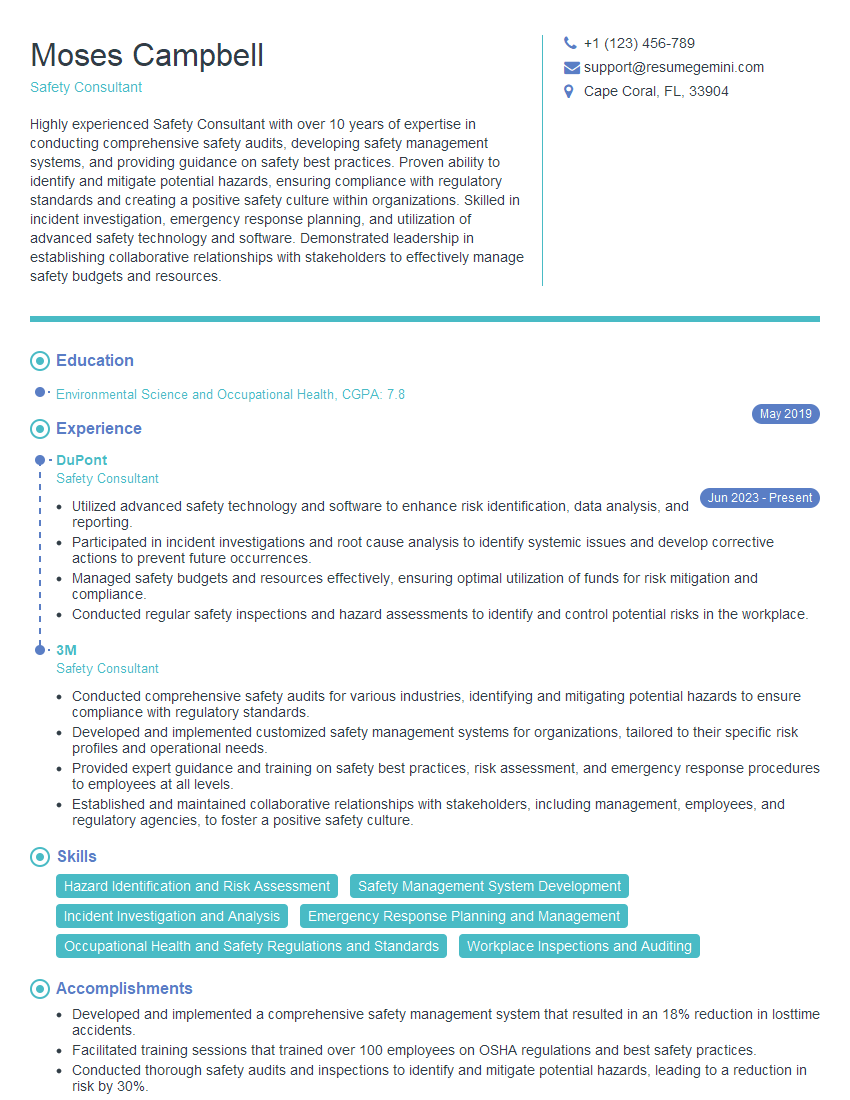
Safety Consultant Resume Sample
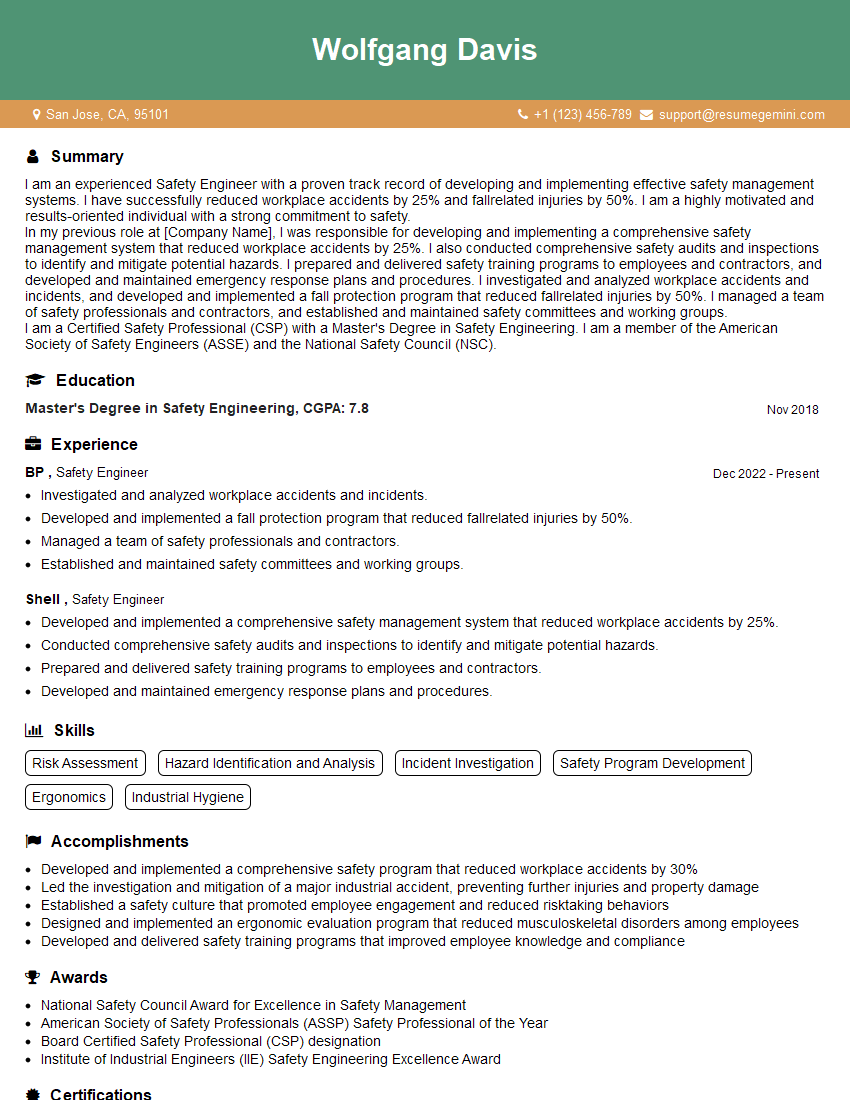
Safety Engineer Resume Sample
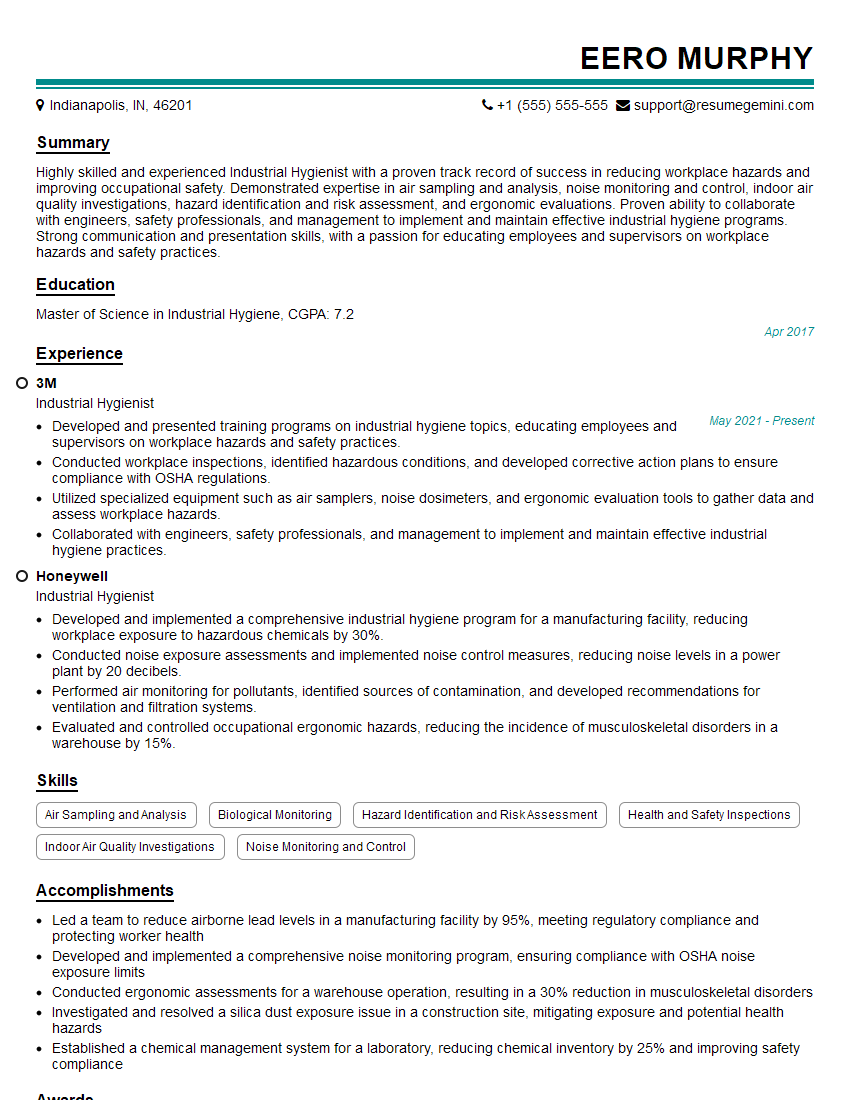
Industrial Hygienist Resume Sample
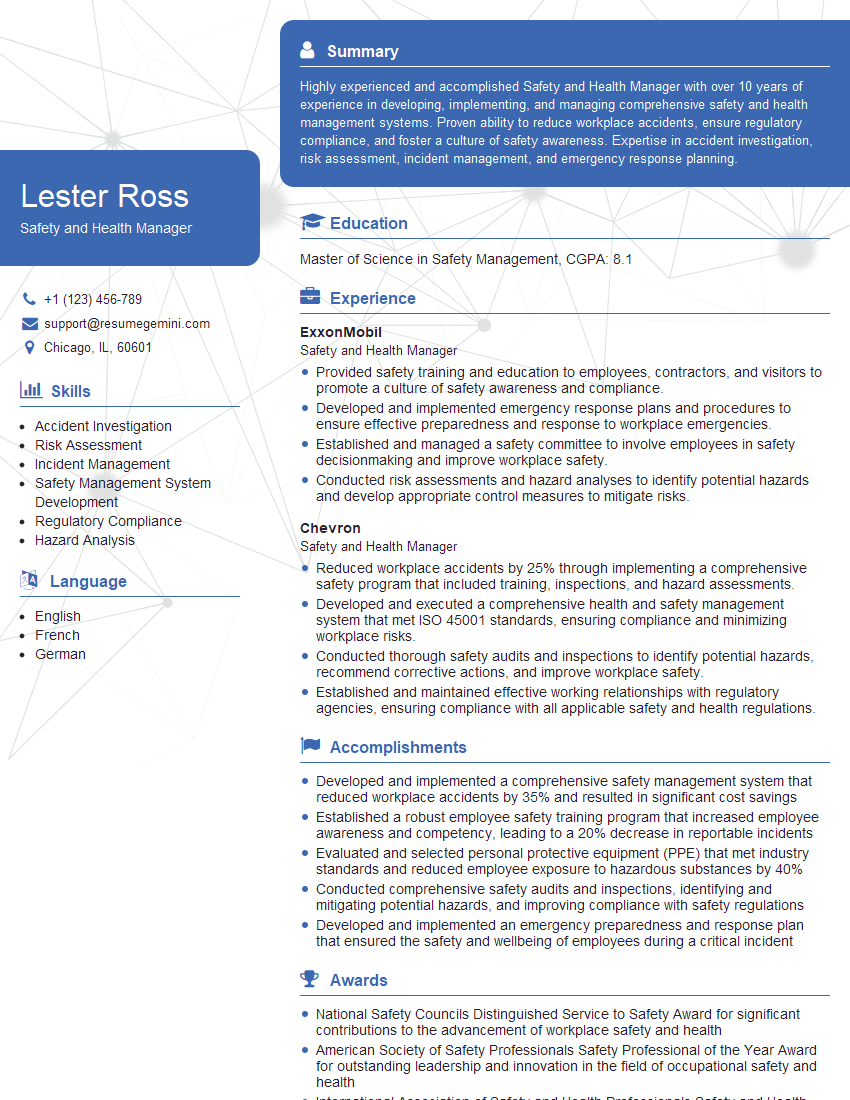
Safety and Health Manager Resume Sample
Explore more articles
Users Rating of Our Blogs
Share Your Experience
We value your feedback! Please rate our content and share your thoughts (optional).
What Readers Say About Our Blog
Very informative content, great job.
good