Interviews are more than just a Q&A session—they’re a chance to prove your worth. This blog dives into essential Safety Engineering Principles interview questions and expert tips to help you align your answers with what hiring managers are looking for. Start preparing to shine!
Questions Asked in Safety Engineering Principles Interview
Q 1. Define Hazard and Risk. Explain the difference.
A hazard is anything with the potential to cause harm, such as a sharp object, a chemical spill, or a faulty piece of equipment. It’s simply the source of potential harm. Think of it as the ‘what’—what could go wrong? Risk, on the other hand, is the likelihood of that hazard causing harm, combined with the severity of the potential harm. It’s a measure of the potential impact. Think of it as the ‘how much’—how likely is it to cause harm, and how bad would that harm be?
The difference lies in their focus: hazards are potential sources of harm, while risk is the assessment of the probability and consequences of that harm. For example, a knife (hazard) can cause a cut (harm). The risk depends on factors like whether the knife is sharp, whether it’s being handled safely, and how serious an injury would be. A dull knife poses a lower risk than a sharp one handled carelessly.
Q 2. Explain the concept of a Fault Tree Analysis (FTA).
A Fault Tree Analysis (FTA) is a top-down, deductive reasoning technique used to analyze the causes of a system failure or undesired event (called the ‘top event’). It visually represents the combination of events that can lead to the top event, using Boolean logic (AND, OR gates) to show how various lower-level events contribute. Think of it like reverse engineering a problem—starting with the problem and working backward to find the root causes.
For example, imagine a power outage (top event). An FTA would break this down to show that a power outage could be caused by a failed generator (event 1), or a downed power line (event 2). Event 1 (generator failure) could be caused by a lack of fuel (event 1a) or mechanical failure (event 1b). Event 2 (downed power line) could be caused by high winds (event 2a) or a vehicle accident (event 2b). The FTA visually connects all these events using logic gates, demonstrating how these individual failures contribute to the top event.
FTAs are useful in identifying critical components and weaknesses in a system, helping prioritize safety improvements and preventive measures.
Q 3. Describe the different types of risk assessment methodologies.
Several methodologies exist for risk assessment, each with strengths and weaknesses depending on the context. Some common ones include:
- Qualitative Risk Assessment: Uses descriptive terms (e.g., low, medium, high) to assess the likelihood and severity of risks. This is often simpler and quicker than quantitative methods but less precise.
- Quantitative Risk Assessment: Uses numerical data (e.g., probabilities, frequencies, consequences) to provide a more precise measure of risk. This requires more data and analysis but provides more accurate estimations.
- Checklist Method: Uses pre-defined checklists to identify potential hazards and assess risks based on the presence or absence of specific items. Simple but may miss hazards not on the checklist.
- What-If Analysis: A brainstorming technique where team members brainstorm potential hazards and the associated risks. Simple and effective but relies heavily on the expertise and experience of the team.
- Hazard and Operability Study (HAZOP): A structured and systematic approach used for process safety, analyzing deviations from the intended operation of a process.
- Failure Mode and Effects Analysis (FMEA): Identifies potential failure modes in a system and their effects on the overall system functionality and safety.
The choice of methodology depends on factors like the complexity of the system, the availability of data, and the resources available for the assessment.
Q 4. How do you conduct a Job Safety Analysis (JSA)?
A Job Safety Analysis (JSA) is a systematic process of identifying potential hazards associated with a specific job and determining the necessary control measures. It involves breaking down the job into steps, identifying hazards at each step, and recommending control measures to eliminate or mitigate those hazards.
Here’s a step-by-step approach to conducting a JSA:
- Select the Job: Identify the specific job to be analyzed.
- Break Down the Job: Divide the job into individual steps or tasks.
- Identify Hazards: For each step, identify potential hazards that could cause injury or illness.
- Identify Control Measures: For each hazard, identify control measures to eliminate or reduce the risk. This should follow the hierarchy of controls (see question 6).
- Document the Analysis: Record all identified hazards, control measures, and responsible parties in a JSA form.
- Review and Update: Regularly review and update the JSA to reflect changes in procedures, equipment, or environment.
Example: Consider the job of changing a lightbulb. Steps might include accessing the ladder, changing the bulb, and descending. Hazards might include falling from the ladder, electric shock, and dropping the bulb. Control measures could be using a stable ladder, turning off power, and using gloves.
Q 5. What is a Safety Management System (SMS)?
A Safety Management System (SMS) is a holistic approach to managing safety risks within an organization. It’s a systematic, proactive, and continuous process focused on identifying, assessing, mitigating, and monitoring safety hazards and risks across all organizational levels. It’s not just a set of rules but a culture of safety.
A well-designed SMS typically includes elements such as:
- Safety Policy: A formal statement outlining the organization’s commitment to safety.
- Risk Assessment and Management: Processes for identifying, assessing, and controlling risks.
- Training and Education: Providing employees with the knowledge and skills needed to work safely.
- Incident Reporting and Investigation: Mechanisms for reporting and investigating safety incidents to identify root causes and prevent recurrence.
- Emergency Response Planning: Procedures for responding to emergencies and mitigating their impact.
- Auditing and Monitoring: Regularly auditing the effectiveness of the SMS and making necessary improvements.
Think of an SMS as a living document that continually evolves to adapt to changing circumstances and technologies. The goal is not just to prevent accidents, but to foster a safety-conscious culture where everyone feels responsible for safety.
Q 6. Explain the hierarchy of controls in safety engineering.
The hierarchy of controls in safety engineering prioritizes control measures to eliminate or reduce hazards. It’s a sequence, starting with the most effective methods and moving down to less effective but still useful ones. The order is crucial, aiming for the most effective and sustainable solution first.
- Elimination: Completely removing the hazard. This is the ideal method, such as replacing a dangerous machine with a safer one.
- Substitution: Replacing the hazard with something less hazardous. For instance, using a water-based cleaner instead of a solvent-based one.
- Engineering Controls: Implementing engineering solutions to reduce the risk, such as guarding machinery or installing ventilation systems.
- Administrative Controls: Implementing procedures, training, and work practices to mitigate risk, like implementing safe work permits or providing personal protective equipment training.
- Personal Protective Equipment (PPE): Providing workers with PPE to protect them from hazards (e.g., safety glasses, gloves, helmets). This is the least effective control method, as it focuses on protecting the individual rather than eliminating the hazard itself and should be considered as a last resort.
The hierarchy guides decision-making when implementing safety measures, favoring the most effective and sustainable methods whenever possible.
Q 7. What are the key elements of an effective safety program?
Key elements of an effective safety program include:
- Strong Leadership and Commitment: Visible commitment from leadership is paramount, ensuring safety is prioritized at all levels.
- Comprehensive Risk Assessment: Regularly identifying and evaluating hazards and risks.
- Effective Controls: Implementing a hierarchy of controls to manage risks.
- Training and Competency: Providing employees with adequate training and ensuring they’re competent in their roles.
- Communication and Consultation: Establishing clear communication channels and involving employees in safety decisions.
- Incident Reporting and Investigation: Implementing a system for reporting and investigating incidents to identify root causes and prevent recurrence.
- Emergency Preparedness: Developing and practicing emergency response plans.
- Performance Monitoring and Improvement: Regularly monitoring safety performance and making necessary improvements.
- Accountability: Defining clear roles and responsibilities regarding safety.
An effective safety program is not a static document but a dynamic process that evolves and adapts to changing circumstances and needs. It’s a culture, deeply embedded in organizational values and processes.
Q 8. How do you identify and mitigate potential hazards in a workplace?
Identifying and mitigating workplace hazards is a systematic process involving hazard identification, risk assessment, and control implementation. It starts with a thorough walkthrough of the workplace, observing tasks, equipment, and the environment. We look for potential sources of harm, such as exposed wires, unguarded machinery, or poorly lit areas. This observation is supplemented by reviewing incident reports, near-misses, and conducting employee interviews to gather firsthand accounts and perspectives.
Once hazards are identified, a risk assessment is crucial. This involves determining the likelihood of an incident occurring and the severity of the potential consequences. A simple matrix can be used, ranking hazards based on likelihood and severity (e.g., low likelihood/low severity, high likelihood/high severity). The higher the risk, the more urgent the need for control measures.
Mitigation strategies can range from eliminating the hazard altogether (e.g., replacing a dangerous chemical with a safer alternative) to engineering controls (e.g., installing machine guards) and administrative controls (e.g., implementing a lock-out/tag-out procedure). Finally, personal protective equipment (PPE), like safety glasses or gloves, is the last line of defense, used when other controls are insufficient. For instance, in a construction site, identifying exposed electrical wires as a hazard would lead to immediate shutdown and repair, or covering them with protective casing. Failing that, clear signage and barricades would provide warning while the hazard is mitigated.
Q 9. Describe your experience with incident investigation and root cause analysis.
Incident investigation and root cause analysis are vital for preventing future incidents. My approach follows a structured methodology, often using a combination of techniques like the ‘5 Whys’ and Fault Tree Analysis (FTA). I begin by gathering all available information: witness statements, incident reports, photos, and any relevant data. This data helps reconstruct the sequence of events leading up to the incident.
The ‘5 Whys’ method involves repeatedly asking ‘Why?’ to uncover the underlying causes. For example, if a worker fell from a ladder, the initial answer might be ‘The ladder was unstable.’ Asking ‘Why was the ladder unstable?’ might reveal ‘It was placed on uneven ground.’ Continuing this process often leads to uncovering systemic issues. FTA, on the other hand, visually represents the potential causes of an incident, showing how multiple factors can contribute. It helps identify the root causes which are usually systemic weaknesses rather than solely human error.
In a previous role, I investigated an incident where a worker suffered a burn injury due to a malfunctioning piece of equipment. Using the ‘5 Whys’ and FTA, we discovered that inadequate maintenance procedures and a lack of proper training had created a situation where multiple failures could cascade into a serious incident. The subsequent corrective actions included updating maintenance protocols, providing additional training, and implementing safety interlocks on the equipment to prevent similar accidents.
Q 10. Explain the importance of safety audits and inspections.
Safety audits and inspections are proactive measures designed to identify existing or potential hazards before they cause incidents. They are the ‘eyes and ears’ of the safety program, providing a snapshot of the current safety status. Audits are broader assessments, often examining the effectiveness of the entire safety management system, including policies, procedures, training, and management commitment. Inspections, on the other hand, are typically more focused, examining specific equipment, work areas, or processes for compliance with safety regulations and standards.
Regular inspections ensure that safety equipment is properly maintained and functioning, work areas are organized and free from hazards, and workers are following established safety procedures. Think of it as a preventative medical checkup – better to identify and address potential problems early rather than waiting for a full-blown emergency. For example, a regular inspection might reveal a worn-out forklift tire, allowing for its replacement before it leads to an accident. A safety audit would assess whether the company’s maintenance procedures and training adequately covered forklift maintenance and safe operating procedures.
Q 11. What are some common safety regulations and standards (e.g., OSHA, ISO)?
Numerous safety regulations and standards guide workplace safety. In the United States, the Occupational Safety and Health Administration (OSHA) sets and enforces safety and health standards. OSHA standards cover a vast range of hazards, including those related to machinery, chemicals, electricity, and personal protective equipment. Internationally, the International Organization for Standardization (ISO) publishes a series of standards related to occupational health and safety, most notably ISO 45001, the standard for occupational health and safety management systems.
Other notable standards include those developed by industry-specific organizations, such as the American National Standards Institute (ANSI) and the National Fire Protection Association (NFPA). These standards often provide more detailed guidance on specific aspects of workplace safety. Compliance with relevant standards and regulations is not only essential for maintaining a safe working environment but also for avoiding potential legal repercussions and financial penalties. For example, OSHA’s lockout/tagout standard mandates procedures to prevent accidental energization of equipment during maintenance, helping to prevent injuries or fatalities. ISO 45001 provides a framework for building a robust occupational health and safety management system that reduces the likelihood of incidents.
Q 12. How do you communicate safety information effectively to workers?
Effective communication is paramount in safety. It’s not enough to just have safety rules – they must be understood and followed. I use a multi-pronged approach that leverages different communication channels and methods to reach all workers. This includes toolbox talks, where safety issues are discussed briefly at the start of a shift, formal safety training sessions, and regularly updated safety bulletins.
Visual aids, such as posters and videos, are very effective, especially for those who may not readily grasp written instructions. I also incorporate interactive elements, like quizzes and safety drills, to reinforce learning. Furthermore, I ensure safety information is provided in multiple languages to accommodate a diverse workforce. Finally, creating an open communication environment where employees feel comfortable reporting hazards or near misses without fear of reprisal is key. A strong safety culture fosters a shared responsibility for safety, enhancing communication effectiveness. For example, using simple, non-technical language in a safety video enhances comprehension across different educational and language backgrounds.
Q 13. Explain your understanding of ergonomic principles.
Ergonomics is the science of designing workplaces, jobs, and tools to fit the people who use them. It aims to reduce physical strain and discomfort, preventing musculoskeletal disorders (MSDs). Key principles include proper posture, avoiding awkward movements, reducing repetitive motions, and minimizing forceful exertions. Designing workstations with adjustable chairs, desks, and monitors, ensuring proper lighting and minimizing noise are all part of applying ergonomic principles.
In practice, this translates to things like using properly adjusted chairs to support the back, positioning monitors at eye level to avoid neck strain, and using tools that minimize hand fatigue. For example, a poorly designed assembly line task may require workers to reach repeatedly in awkward positions, leading to carpal tunnel syndrome or other MSDs. Implementing ergonomic principles, such as redesigning the workspace or using ergonomic tools, would reduce the risk.
Q 14. Describe your experience with personal protective equipment (PPE).
Personal Protective Equipment (PPE) serves as the last line of defense against workplace hazards. My experience encompasses selecting, fitting, maintaining, and training employees on the proper use of various types of PPE, including safety glasses, hearing protection, respirators, gloves, and protective clothing. Proper selection is crucial, ensuring that the PPE is appropriate for the specific hazard. For example, selecting a respirator with the correct filter for the specific airborne contaminants.
Beyond selection, proper fit and training are equally important. A poorly fitting respirator won’t provide adequate protection, and workers must be trained on how to use and maintain the PPE effectively. Regular inspections and replacements ensure the PPE remains in good condition. For instance, ensuring that hard hats are not cracked or damaged and that safety glasses are free from scratches is paramount. Additionally, I emphasize the importance of using PPE correctly and consistently, understanding it’s a complement to, not a replacement for, other hazard control methods.
Q 15. How do you manage safety in a team environment?
Managing safety in a team environment hinges on fostering a strong safety culture where everyone feels responsible and empowered to identify and address hazards. This requires a multi-pronged approach.
- Proactive Communication: Regular safety meetings, toolbox talks, and open communication channels ensure everyone is informed about safety procedures, potential hazards, and incident reports. I utilize various communication methods, including emails, newsletters, and visual aids to ensure information reaches everyone effectively.
- Shared Responsibility: Instead of assigning safety solely to one individual, I encourage shared responsibility, making everyone accountable for their own safety and that of their colleagues. This might involve peer-to-peer observations and feedback, where team members check each other’s adherence to safety protocols.
- Training and Competency: Ensuring each team member receives appropriate safety training tailored to their roles is crucial. This includes both initial training and regular refresher courses to maintain competency. For instance, in a construction setting, this might involve training on fall protection, hazard communication, and equipment operation.
- Leading by Example: As a safety professional, I always adhere to and promote safe practices. My actions demonstrate the importance of safety, setting the tone for the entire team.
- Incentivizing Safe Behavior: Implementing recognition programs for safe work practices and suggesting improvements can positively reinforce desired behaviors. This could involve awards, team lunches, or simple verbal acknowledgements of exemplary safety practices.
For example, in a previous role managing a construction crew, I implemented a ‘Safety Star of the Week’ program, which significantly increased participation in safety discussions and proactive hazard identification.
Career Expert Tips:
- Ace those interviews! Prepare effectively by reviewing the Top 50 Most Common Interview Questions on ResumeGemini.
- Navigate your job search with confidence! Explore a wide range of Career Tips on ResumeGemini. Learn about common challenges and recommendations to overcome them.
- Craft the perfect resume! Master the Art of Resume Writing with ResumeGemini’s guide. Showcase your unique qualifications and achievements effectively.
- Don’t miss out on holiday savings! Build your dream resume with ResumeGemini’s ATS optimized templates.
Q 16. How do you handle safety conflicts or disagreements?
Safety conflicts or disagreements are inevitable, and addressing them effectively is critical. My approach focuses on open communication, collaborative problem-solving, and a focus on objective data.
- Active Listening: I first ensure I understand all perspectives involved in the conflict, allowing each person to express their concerns fully without interruption. This often reveals underlying issues beyond the surface-level disagreement.
- Data-Driven Decision Making: I rely on objective data, such as safety statistics, incident reports, and risk assessments, to support my decisions. This removes subjectivity and helps to reach a consensus based on facts.
- Collaborative Problem Solving: I encourage all parties to participate in finding solutions. Brainstorming sessions can help generate multiple options, leading to a decision that accommodates everyone’s concerns as much as possible. If a consensus can’t be reached, a neutral third party might be necessary to mediate.
- Documentation: All agreements, decisions, and actions taken are meticulously documented to ensure transparency and prevent future conflicts on the same issue. This also aids in future risk assessments.
- Follow-up and Monitoring: After resolving a conflict, I follow up to ensure the agreed-upon solution is implemented and effective. Regular monitoring prevents similar conflicts from arising.
For instance, I once mediated a disagreement between a foreman and a subcontractor regarding the use of certain safety equipment. By analyzing the relevant safety standards and considering both perspectives, we developed a compromise that satisfied both parties and improved overall site safety.
Q 17. Explain your experience with safety training and education.
My experience in safety training and education is extensive. I’ve designed, delivered, and facilitated numerous safety training programs across various industries. My approach emphasizes practical application and engagement.
- Needs Assessment: Before designing any training, I perform a thorough needs assessment to understand the specific risks and training requirements of the target audience. This ensures the training is relevant and effective.
- Interactive Methods: I incorporate interactive learning methods, such as simulations, role-playing, and case studies, to maximize engagement and knowledge retention. Rather than just lectures, I prefer active learning that allows participants to apply concepts.
- Tailored Content: Training materials are tailored to the specific roles and tasks of participants, addressing their unique safety concerns and challenges. For instance, training for forklift operators will differ significantly from training for electricians.
- Assessment and Evaluation: I utilize pre- and post-training assessments to measure the effectiveness of the training and identify areas for improvement. Feedback from participants is also incorporated into future training sessions.
- Regular Refresher Training: I advocate for regular refresher training to maintain competency and address changes in safety regulations and best practices.
I once developed a comprehensive safety training program for a manufacturing plant, resulting in a 30% reduction in recordable incidents within six months.
Q 18. How do you measure the effectiveness of a safety program?
Measuring the effectiveness of a safety program requires a multifaceted approach, combining quantitative and qualitative data. Key metrics include:
- Leading Indicators: These measure the proactive aspects of the program, such as the number of safety training hours completed, hazard reports submitted, and near-misses reported. These indicators can predict future incidents.
- Lagging Indicators: These measure the outcomes of the safety program, such as the number of recordable injuries, lost-time incidents, and workers’ compensation costs. A decrease in these indicators reflects the program’s success.
- Employee Surveys and Feedback: Regular surveys and feedback mechanisms gauge employee perception of the safety program, its effectiveness, and areas for improvement. This qualitative data provides valuable insights.
- Safety Audits and Inspections: Regular audits and inspections identify potential hazards and compliance issues. This ensures the program is effectively addressing identified risks.
- Benchmarking: Comparing the safety performance against industry benchmarks allows for identifying areas of strength and weakness and informing improvement strategies.
For example, in a previous role, I implemented a new safety program and tracked these metrics over a year. The decrease in lagging indicators, coupled with positive feedback from employee surveys, demonstrated the program’s effectiveness.
Q 19. Describe your experience with emergency response planning.
My experience with emergency response planning involves developing comprehensive plans that address various potential emergencies. This includes:
- Hazard Identification and Risk Assessment: This is the foundation of any emergency response plan. It involves identifying potential hazards, assessing their likelihood and severity, and determining appropriate control measures.
- Emergency Procedures and Protocols: Clear, concise, and easily accessible procedures are essential for effective emergency response. This includes evacuation plans, emergency contact lists, and communication protocols.
- Training and Drills: Regular training and drills ensure personnel are familiar with emergency procedures and capable of responding effectively. This might involve fire drills, evacuation drills, and simulated emergency scenarios.
- Communication Systems: Reliable communication systems are critical for coordinating emergency response. This might include emergency alert systems, two-way radios, and designated communication channels.
- Post-Incident Analysis: After an emergency, a thorough analysis is conducted to identify areas for improvement and enhance future response capabilities. This includes reviewing what worked well, what could have been improved, and identifying gaps in training or procedures.
In one instance, I developed an emergency response plan for a chemical manufacturing facility, encompassing procedures for chemical spills, fires, and medical emergencies. This plan has since been successfully implemented multiple times, minimizing damage and ensuring personnel safety.
Q 20. Explain your understanding of human factors in safety.
Human factors in safety are crucial, as they acknowledge that human behavior and limitations play a significant role in accidents. Understanding human factors helps anticipate potential errors and design safer systems.
- Cognitive Factors: These include factors such as attention, perception, memory, and decision-making. Designing systems that minimize cognitive overload and account for human error is vital. For example, providing clear and concise instructions and using visual aids can improve comprehension and reduce errors.
- Physical Factors: These encompass physical limitations, fatigue, and ergonomic considerations. Designing workplaces that minimize physical strain and fatigue improves safety and productivity. This could include adjusting workstation heights and providing adequate rest breaks.
- Organizational Factors: Factors such as safety culture, communication, and management practices influence employee behavior and safety performance. Creating a positive safety culture where employees feel valued and empowered to report hazards is crucial. Good communication is also vital for preventing misunderstandings and ensuring everyone is on the same page.
- Environmental Factors: External factors such as lighting, noise, and temperature can affect human performance and safety. Optimizing the work environment to minimize these distractions can improve safety.
Understanding human factors helps in implementing controls that account for human error, rather than solely relying on the assumption that people will always behave perfectly. This might involve designing foolproof systems or providing clear warnings and safeguards.
Q 21. How do you address safety issues related to contractors?
Addressing safety issues related to contractors requires a proactive and collaborative approach. It is crucial to ensure that contractors understand and comply with the host company’s safety standards.
- Pre-qualification: Contractors should be pre-qualified based on their safety records and demonstrated commitment to safety. This might involve reviewing their safety programs, insurance coverage, and previous incident reports.
- Orientation and Training: Contractors should receive appropriate orientation and training on the host company’s safety rules, procedures, and specific hazards on the site. This ensures they are aware of the expectations and risks involved.
- Site-Specific Safety Plans: Developing site-specific safety plans that address potential hazards related to the contractor’s work is crucial. These plans should detail procedures for safe work practices and emergency response.
- Regular Monitoring and Inspections: Close monitoring and inspections of contractor activities are vital to ensure adherence to safety standards. This could involve regular safety audits, toolbox talks, and site inspections.
- Incident Reporting and Investigation: A clear process for reporting and investigating any safety incidents involving contractors must be in place. This ensures prompt corrective actions and prevents future incidents.
- Open Communication: Maintaining open and effective communication channels between the host company and the contractors helps to identify and address safety concerns promptly. Regular meetings and feedback mechanisms can be particularly helpful.
For example, before engaging a contractor, I always review their safety documentation and conduct a site-specific risk assessment to identify any potential hazards. I also arrange regular meetings to discuss safety concerns and ensure continued compliance.
Q 22. What is your approach to implementing safety improvements?
Implementing safety improvements involves a systematic approach that prioritizes hazard identification, risk assessment, and control implementation. It’s not just about fixing problems, but about building a proactive safety culture.
- Hazard Identification: This involves thoroughly examining processes, equipment, and work environments to pinpoint potential hazards. Techniques like Job Safety Analysis (JSA), Hazard and Operability Studies (HAZOP), and Failure Mode and Effects Analysis (FMEA) are crucial here. For example, in a chemical plant, a HAZOP study might reveal a potential for overpressure in a reactor, leading to an explosion.
- Risk Assessment: Once hazards are identified, we assess the likelihood and severity of each hazard to determine the level of risk. This often involves qualitative methods (ranking risks based on descriptions) or quantitative methods (calculating risk using numerical data). For example, a quantitative risk assessment might calculate the probability of a fire and the potential for injuries or fatalities.
- Control Implementation: This is where we put the mitigation measures in place. This could involve implementing engineering controls (e.g., installing safety valves, guards, or interlocks), administrative controls (e.g., training programs, work permits, or safe operating procedures), or personal protective equipment (PPE) as a last resort. For instance, after identifying the risk of overpressure in the reactor, we might implement an automated pressure relief system as an engineering control.
- Monitoring and Review: Safety improvements are ongoing. Regular monitoring and review of implemented controls are essential to ensure their effectiveness and adjust them as needed. This might involve regular inspections, audits, and safety performance data analysis.
This systematic approach ensures that safety improvements are effective, efficient, and aligned with organizational goals.
Q 23. How do you stay up-to-date with the latest safety regulations and best practices?
Staying current in safety is paramount. I achieve this through a multi-faceted approach:
- Professional Organizations: Active membership in organizations like the American Society of Safety Professionals (ASSP) provides access to publications, conferences, and networking opportunities to learn about the latest advancements and regulatory changes.
- Regulatory Agencies: I regularly review updates from relevant regulatory bodies such as OSHA (Occupational Safety and Health Administration) and EPA (Environmental Protection Agency) to ensure compliance with all applicable regulations. This includes subscribing to their newsletters and attending webinars.
- Industry Publications and Journals: Staying abreast of new research and best practices in safety engineering is vital. I read industry-specific publications and journals, focusing on emerging technologies and evolving safety challenges.
- Conferences and Workshops: Attending industry conferences and workshops allows for interaction with experts and learning about real-world applications of new safety technologies and techniques. The opportunity to discuss challenges and solutions with peers is invaluable.
- Continuing Education: I pursue continuing education courses and certifications to keep my skills and knowledge updated and relevant. This ensures that I am continually learning and improving my expertise.
This combination of formal and informal learning ensures I’m equipped to handle any safety challenges.
Q 24. Describe your experience with safety data sheets (SDS).
Safety Data Sheets (SDS), formerly known as Material Safety Data Sheets (MSDS), are crucial documents that provide comprehensive information on the hazards of a chemical product and how to handle it safely. My experience with SDSs includes:
- Review and Interpretation: I regularly review and interpret SDSs to identify potential hazards associated with chemicals used in various processes. I am proficient in understanding the sections, including physical and chemical properties, health hazards, first aid measures, and handling and storage recommendations.
- Training: I use SDS information to develop and deliver safety training programs for workers, ensuring they understand the hazards associated with their job and how to work safely with hazardous materials.
- Emergency Response: In the event of an emergency involving a hazardous material, I utilize the SDS to inform and guide emergency response procedures, facilitating effective and safe incident management.
- Compliance: I ensure that all SDSs are readily available and accessible to workers, in compliance with all relevant regulations. I also ensure that the SDS information is integrated into the workplace’s safety management systems.
Understanding and applying SDS information is fundamental to preventing accidents and protecting worker health.
Q 25. How do you perform a quantitative risk assessment?
Quantitative risk assessment uses numerical data to calculate the probability and consequences of hazards. It’s a more rigorous approach than qualitative methods, giving a more precise understanding of the risk level.
Here’s a step-by-step process:
- Hazard Identification: Identify all potential hazards related to the process or activity.
- Frequency Analysis: Determine the frequency of occurrence of each hazard using historical data, statistical models, or expert judgment. This could involve calculating the rate of specific events per year, for example.
- Consequence Analysis: Assess the severity of the consequences of each hazard. This might involve quantifying the potential for injuries, property damage, environmental impact, and financial losses. Often this involves using scales that assign numerical values to different severity levels.
- Risk Calculation: Calculate the risk for each hazard by multiplying the frequency and severity. This will often yield a risk score which can be compared between different hazards.
- Risk Prioritization: Rank hazards based on their calculated risk scores, prioritizing those with the highest risk levels.
- Risk Reduction Strategies: Develop and implement control measures to reduce the risk level of the prioritized hazards. This might involve engineering controls, administrative controls, or a combination of both. After implementing these controls, a re-assessment is usually performed to evaluate the effectiveness of these controls in reducing the risk.
Example: Imagine assessing the risk of a chemical spill. You might determine a spill happens once every five years (frequency = 0.2/year), and a spill causes $10,000 in damage (severity). The risk would be 0.2 * $10,000 = $2,000/year. This numerical value allows for direct comparison with other risks and justification for control measures.
Q 26. Explain your understanding of process safety management.
Process safety management (PSM) is a systematic approach to identifying, evaluating, and controlling hazards associated with the design, operation, and maintenance of processes involving hazardous materials. It focuses on preventing catastrophic releases or incidents.
Key elements of PSM include:
- Hazard Identification and Risk Assessment: This involves identifying potential hazards and evaluating the risks associated with them, similar to the quantitative risk assessment process mentioned earlier.
- Process Safety Information: Gathering and managing information about the process, including design specifications, operating procedures, and safety data sheets.
- Operating Procedures: Developing and implementing detailed operating procedures that minimize the risk of accidents. These should include startup, shutdown, and emergency procedures.
- Training: Providing comprehensive training to employees on safe operating procedures, emergency response, and hazard recognition.
- Mechanical Integrity: Maintaining the integrity of process equipment to prevent failures, through regular inspections, maintenance, and testing.
- Emergency Planning and Response: Developing and practicing emergency plans to respond effectively to process incidents. This includes having plans in place for evacuation, first aid, and notifying relevant authorities.
- Management of Change: Implementing a formal process for reviewing and approving changes to the process or equipment, ensuring that safety is not compromised by modifications.
- Compliance Audits: Conducting regular audits to ensure compliance with PSM standards and regulations.
PSM is not just a set of procedures, but a culture of safety embedded within the organization. It requires active participation from all levels of management and employees.
Q 27. Describe a time you had to make a difficult safety-related decision.
In a previous role, we were implementing a new piece of equipment with a shorter lead time than originally planned. While the manufacturer assured us it met safety standards, certain features felt rushed, and I had concerns about the effectiveness of the safety interlocks. The pressure to meet the deadline was intense, but I felt the safety of the workers was non-negotiable.
My decision was to advocate for further testing and a more thorough safety review. I presented my concerns to management, using data to support my arguments. Ultimately, it delayed the implementation, but additional testing revealed a critical flaw in the interlock system. This flaw was fixed, averting potential serious accidents. The extra time was well worth it, demonstrating that prioritizing safety, even in the face of pressure, is always the right decision.
Q 28. How do you handle a situation where safety procedures are not being followed?
When safety procedures are not followed, a multi-step approach is necessary, focusing on both immediate corrective action and longer-term preventative measures.
- Immediate Action: First, address the immediate safety violation. This could involve stopping the activity immediately if it poses an imminent danger. If necessary, I would personally intervene to ensure the unsafe action stops.
- Investigation: Following the immediate action, a thorough investigation is necessary to understand the root causes of the violation. This might involve interviewing workers, reviewing records, and examining the work environment. Was there inadequate training, unclear procedures, or a lack of supervision?
- Corrective Action: Based on the investigation, implement corrective actions to prevent similar incidents. This could include additional training, revised procedures, improvements to the work environment, or disciplinary measures if deliberate disregard for safety is found.
- Follow-up: After implementing corrective actions, a follow-up is essential to ensure their effectiveness. This could involve monitoring worker behavior, checking procedures, and re-assessing the risk.
- Communication: Open communication is vital throughout the process. Workers should be informed about the incident, the corrective actions taken, and the importance of adherence to safety procedures. This ensures transparency and fosters a culture of safety.
The goal is not to punish but to understand and prevent future incidents, emphasizing a learning approach to improve safety performance.
Key Topics to Learn for Safety Engineering Principles Interview
- Hazard Identification and Risk Assessment: Understand various methodologies like HAZOP, FMEA, and FTA. Learn how to apply these techniques to real-world scenarios, identifying potential hazards and evaluating their risks.
- Accident Investigation and Prevention: Master the techniques for investigating accidents, identifying root causes, and developing effective preventative measures. Practice applying different investigation models and reporting methods.
- Safety Regulations and Standards: Familiarize yourself with relevant industry regulations and standards (e.g., OSHA, ISO). Understand how these standards are applied in different contexts and their implications for safety management systems.
- Safety Management Systems (SMS): Gain a strong understanding of SMS principles, including planning, implementation, monitoring, and continuous improvement. Be prepared to discuss examples of successful SMS implementations.
- Ergonomics and Human Factors: Understand the principles of ergonomics and their role in preventing workplace injuries. Be able to discuss human error, its causes, and strategies for mitigation.
- Personal Protective Equipment (PPE): Know the different types of PPE, their applications, and limitations. Be able to discuss selection criteria and appropriate use of PPE in various work environments.
- Emergency Response Planning: Understand the principles of emergency preparedness and response. Be ready to discuss developing and implementing emergency plans, including evacuation procedures and crisis communication.
- Process Safety Management (PSM): For roles involving chemical processing or hazardous materials, demonstrate knowledge of PSM principles and best practices. This includes understanding inherent safety, process safety information, and risk management techniques.
Next Steps
Mastering Safety Engineering Principles is crucial for a successful and rewarding career. A strong understanding of these principles demonstrates your commitment to safety and your ability to contribute significantly to any organization. To enhance your job prospects, it’s vital to present your skills effectively. Creating an ATS-friendly resume is key to getting noticed by recruiters. ResumeGemini is a trusted resource that can help you build a professional and impactful resume tailored to highlight your expertise in Safety Engineering Principles. Examples of resumes specifically designed for Safety Engineering Principles roles are available to guide you.
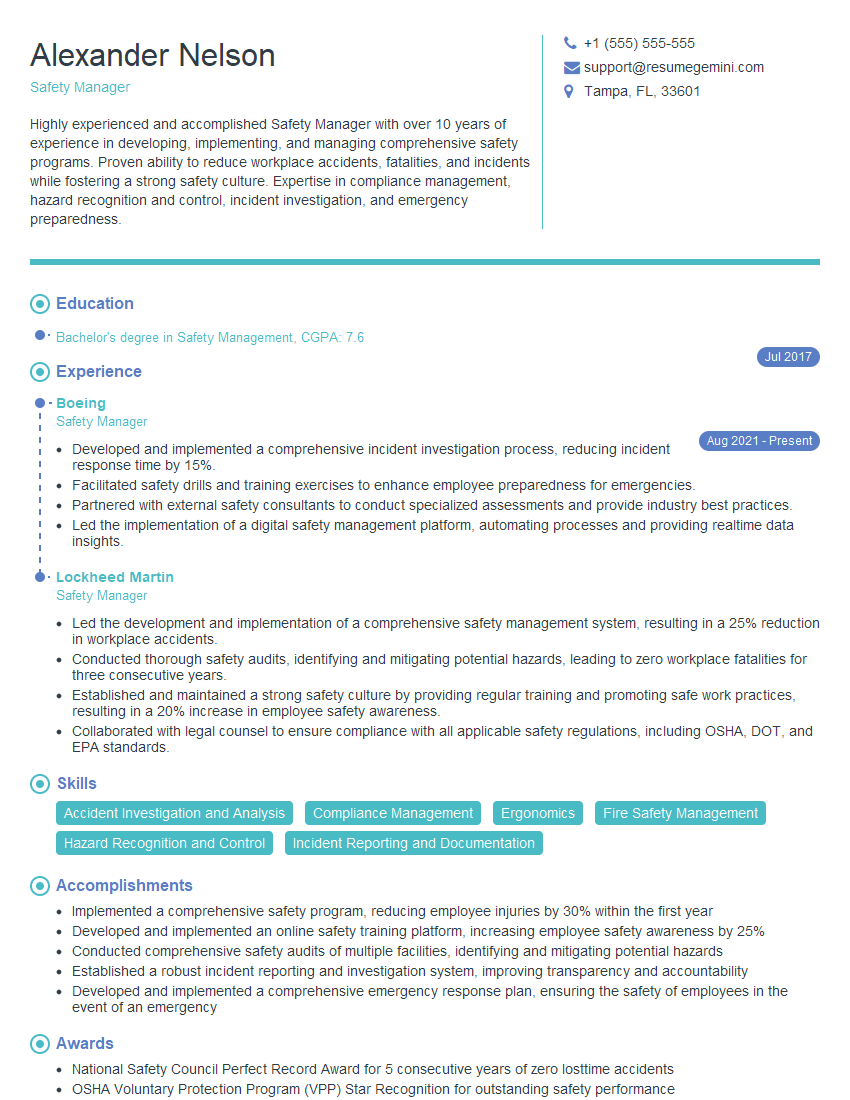
Safety Manager Resume Sample
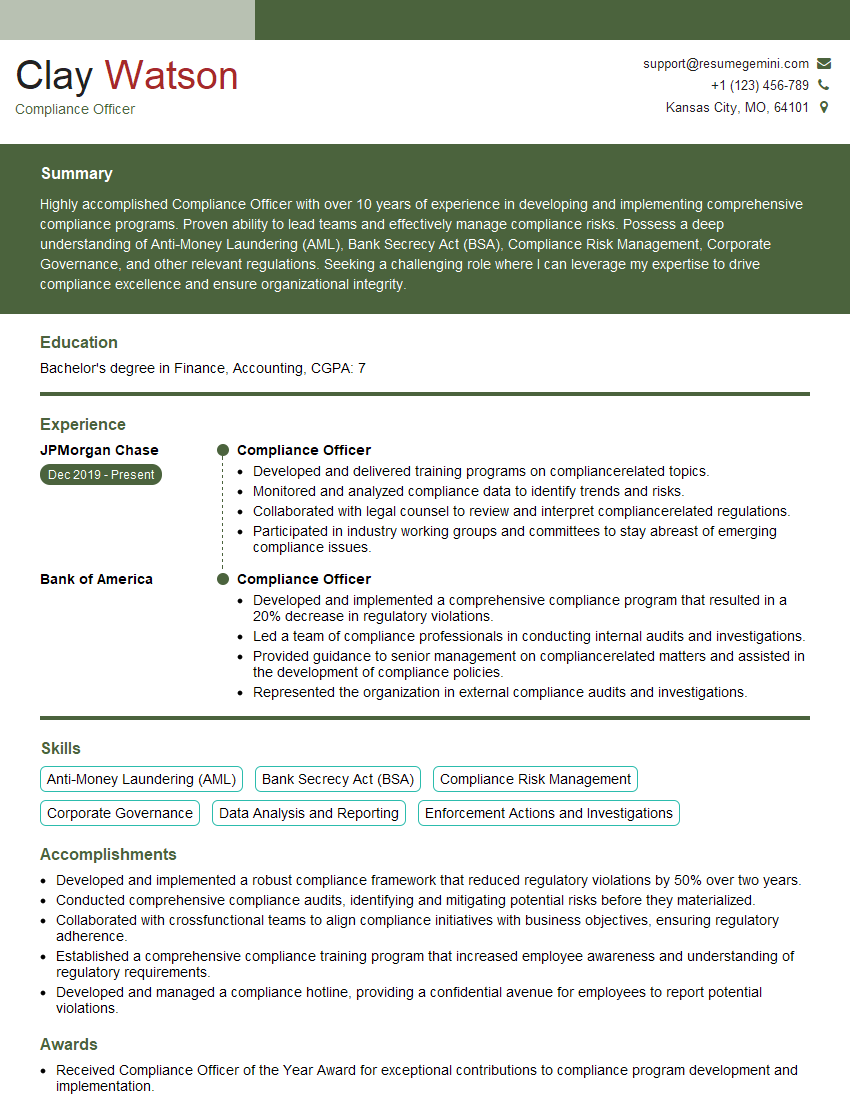
Compliance Officer Resume Sample
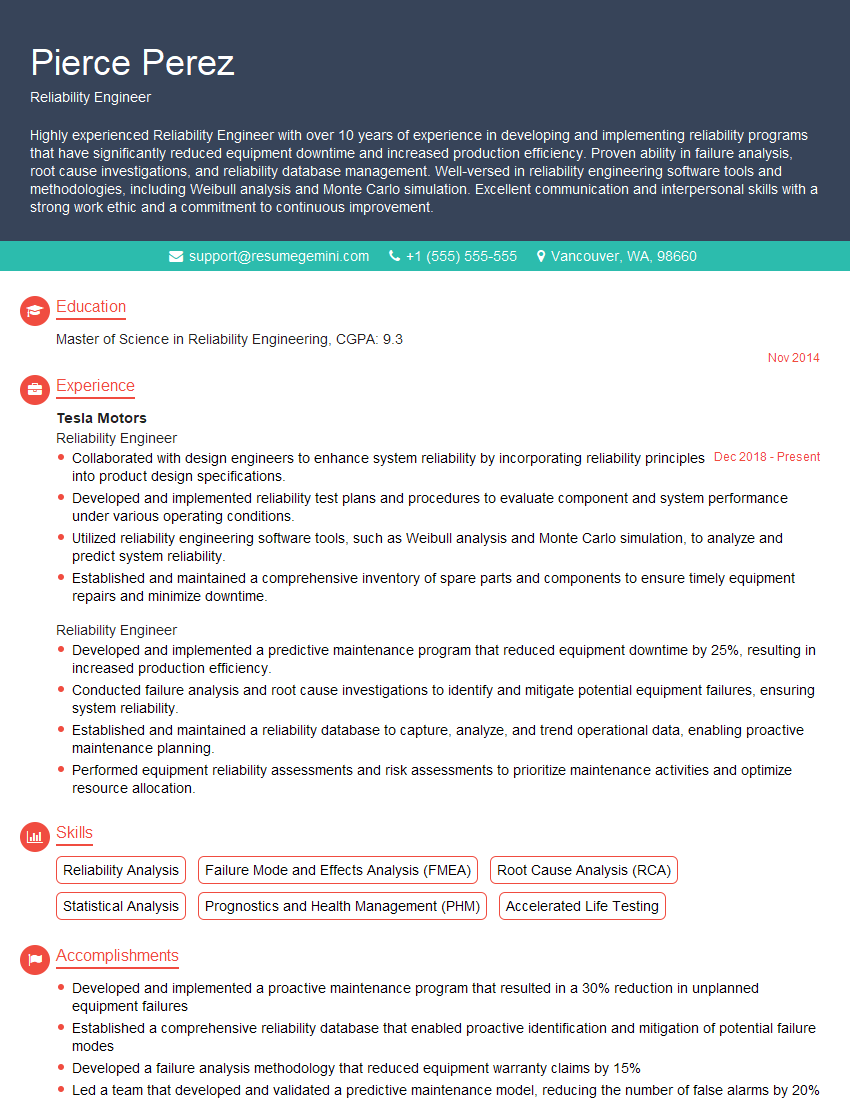
Reliability Engineer Resume Sample
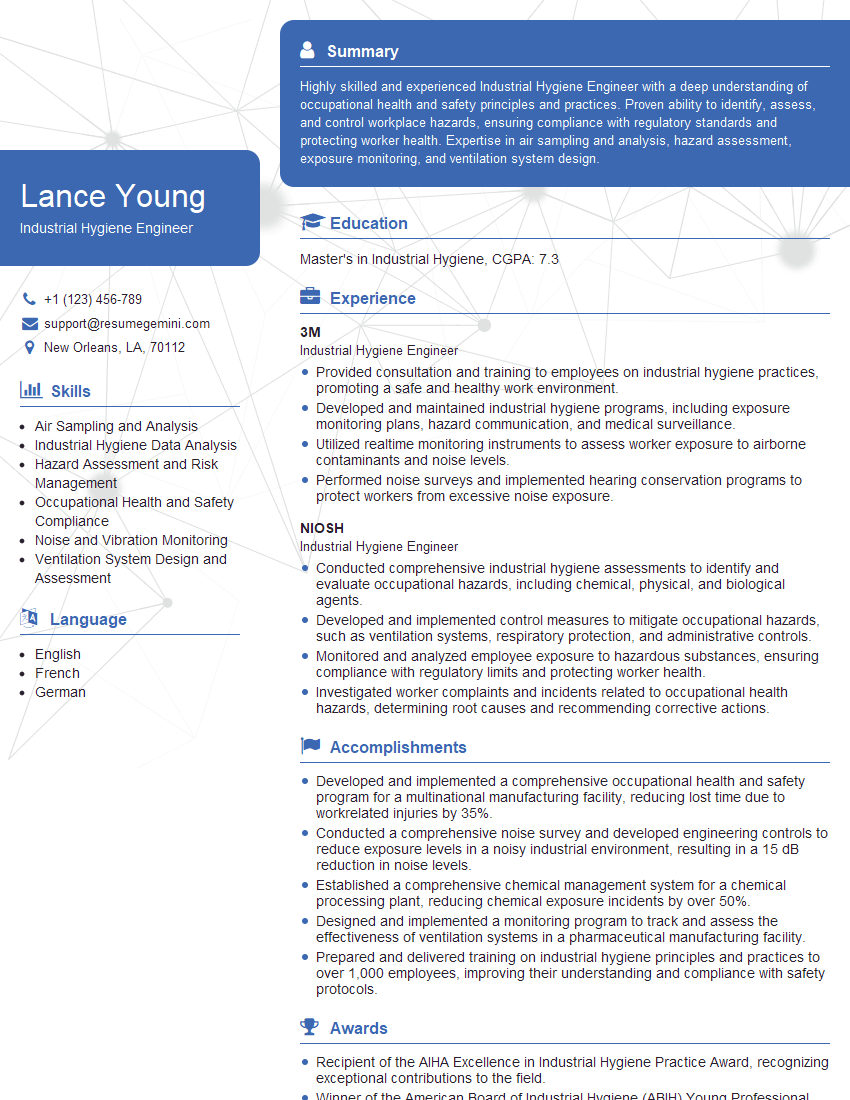
Industrial Hygiene Engineer Resume Sample
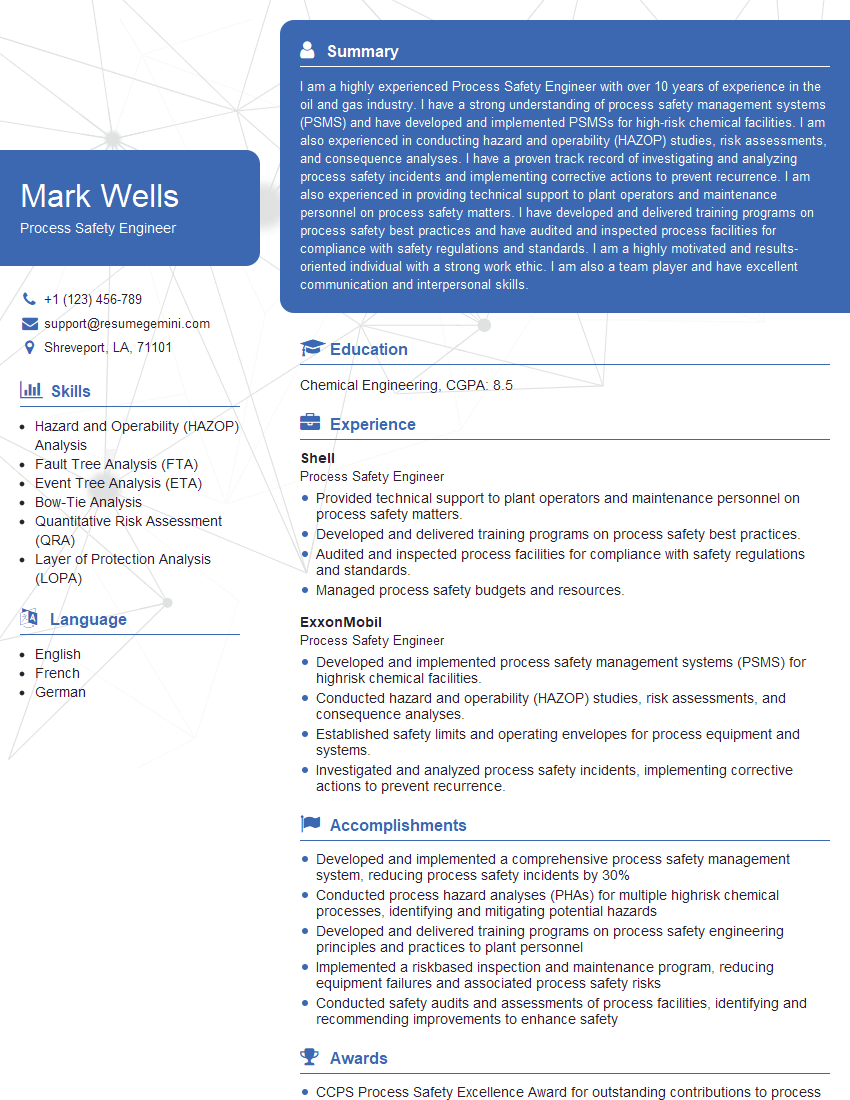
Process Safety Engineer Resume Sample
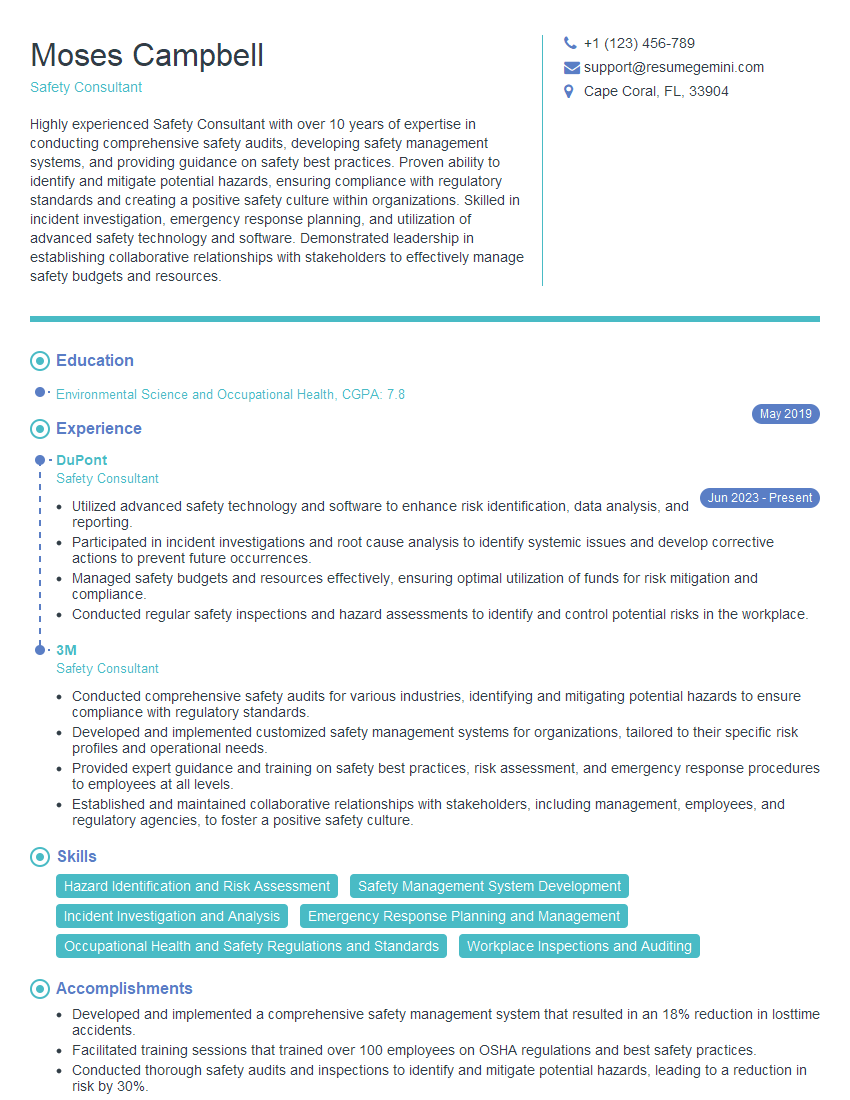
Safety Consultant Resume Sample
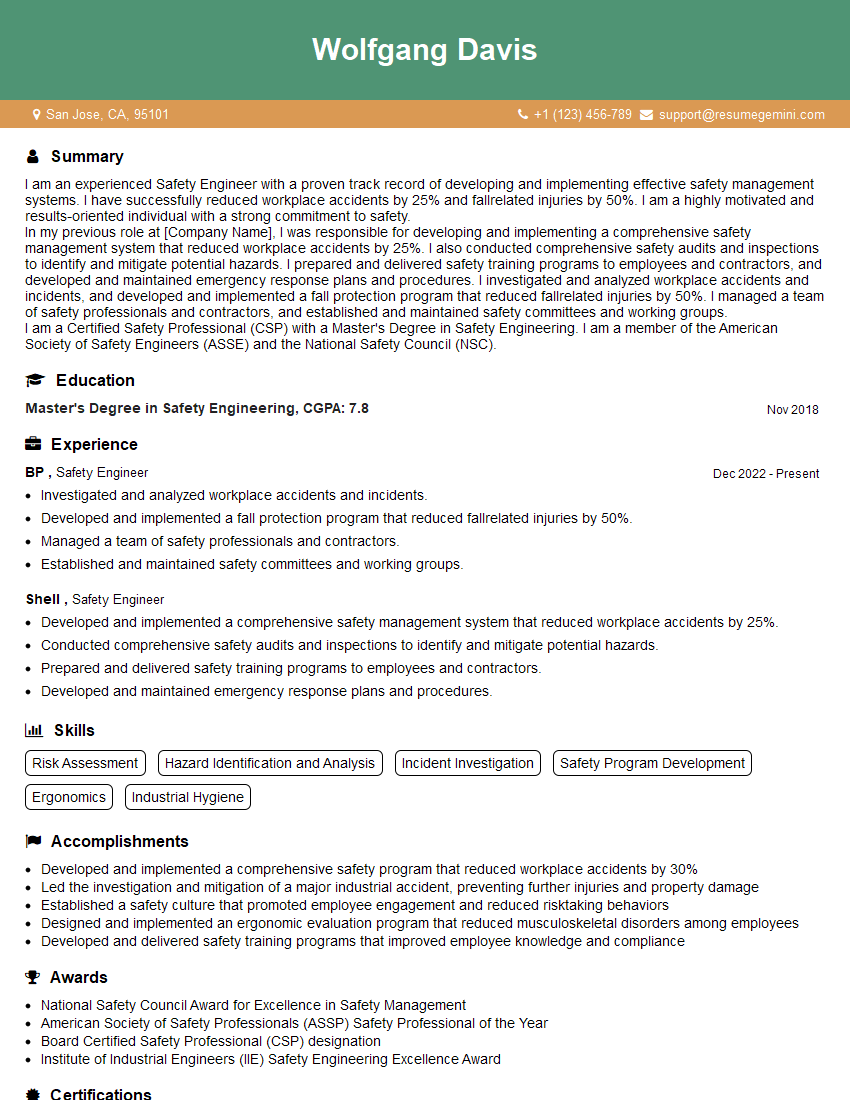
Safety Engineer Resume Sample
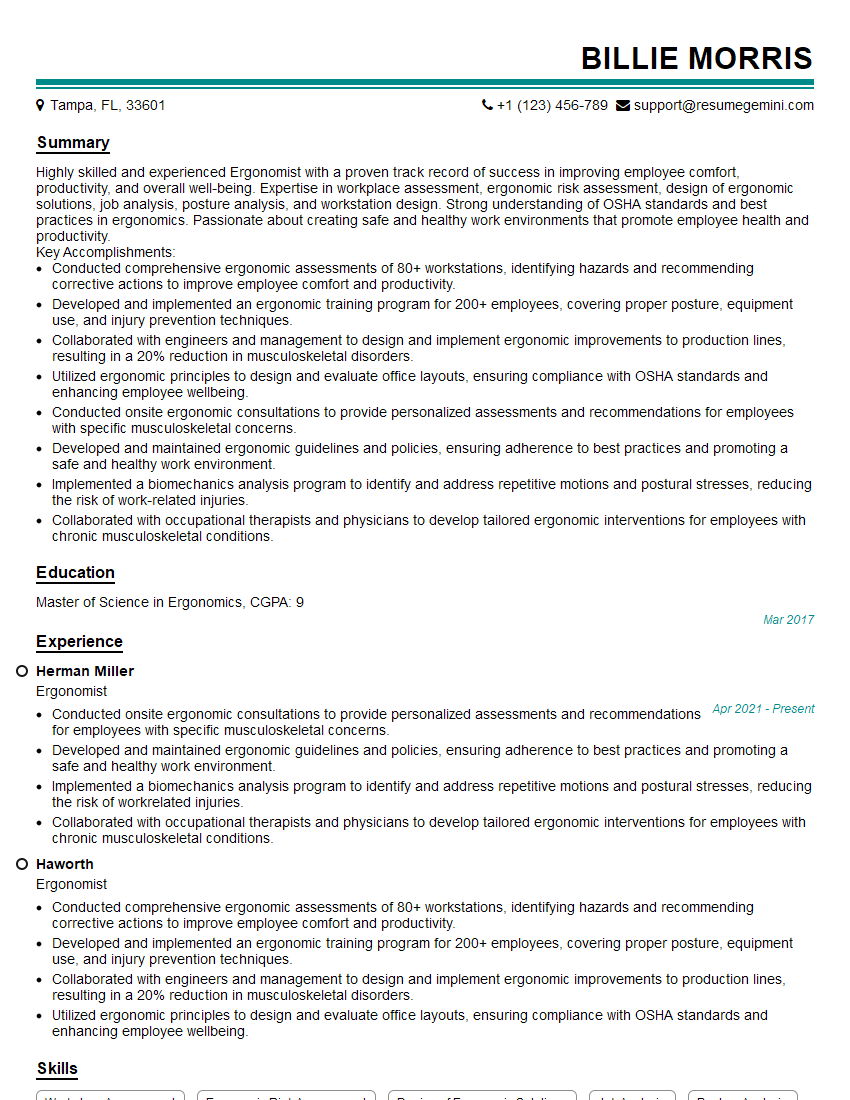
Ergonomist Resume Sample
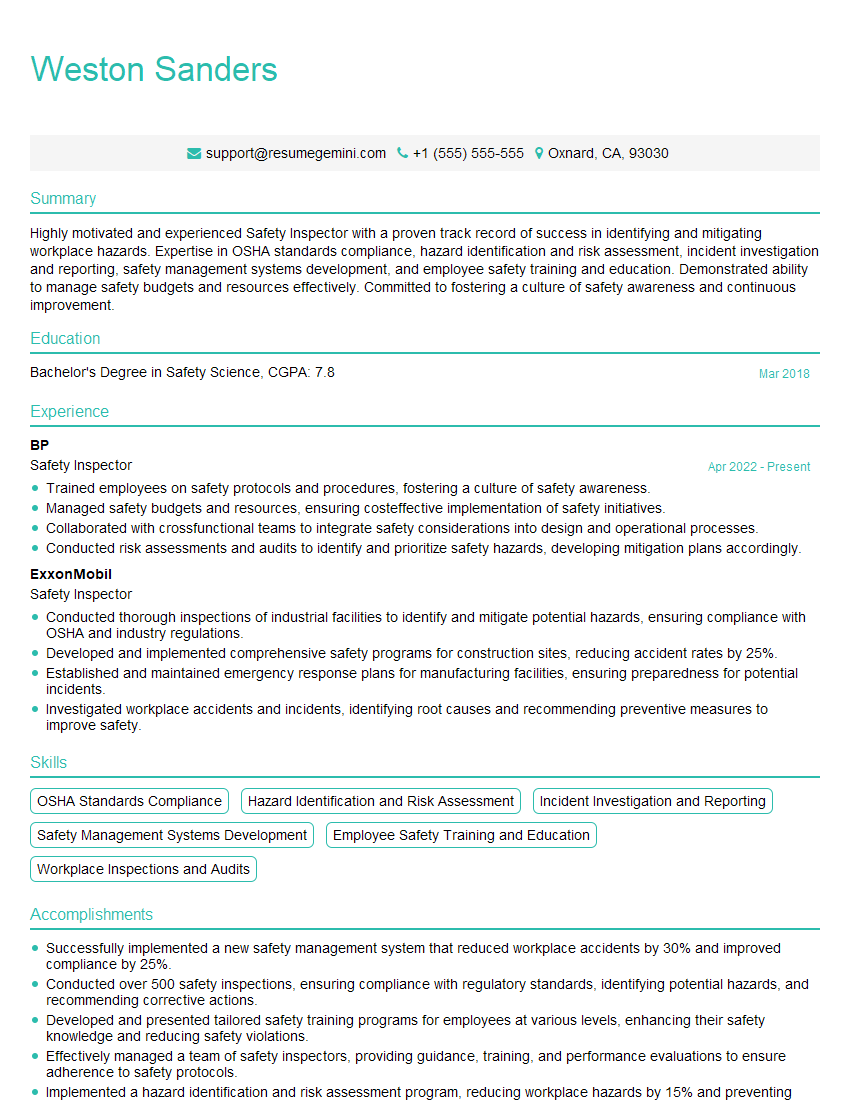
Safety Inspector Resume Sample
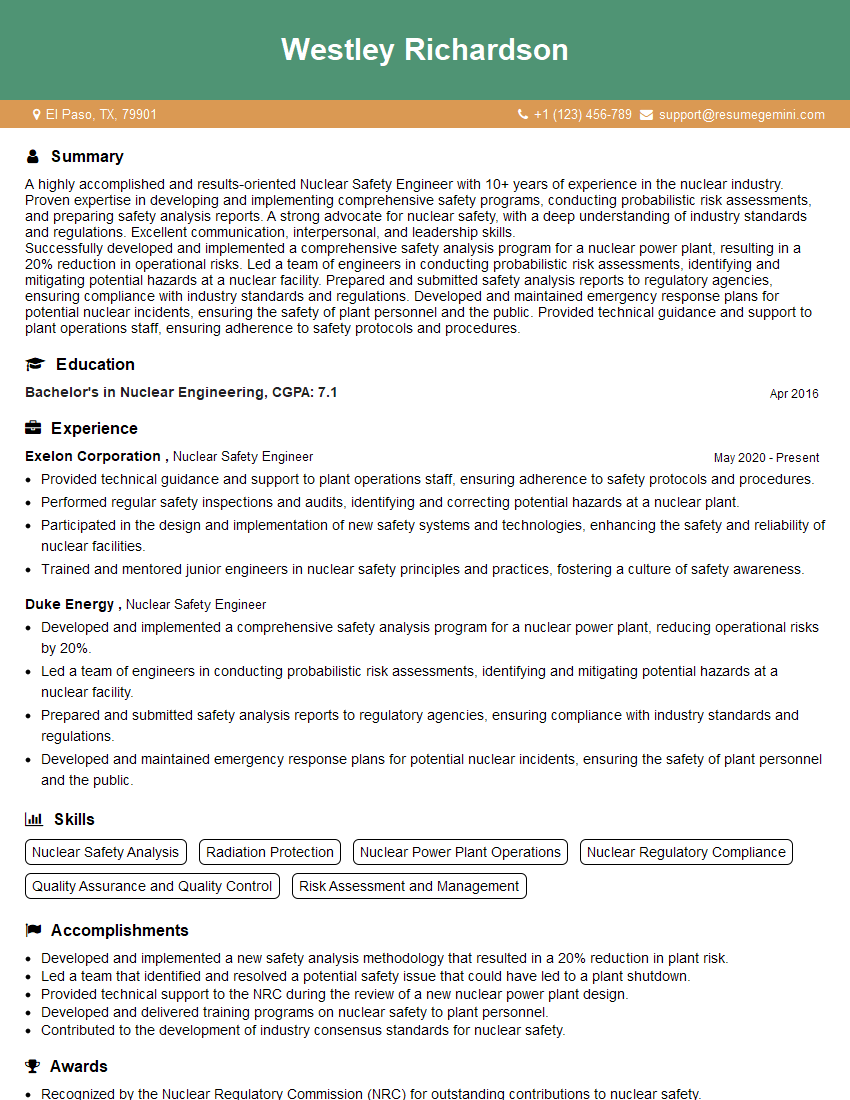
Nuclear Safety Engineer Resume Sample
Explore more articles
Users Rating of Our Blogs
Share Your Experience
We value your feedback! Please rate our content and share your thoughts (optional).
What Readers Say About Our Blog
Very informative content, great job.
good