Unlock your full potential by mastering the most common Safety Operation interview questions. This blog offers a deep dive into the critical topics, ensuring you’re not only prepared to answer but to excel. With these insights, you’ll approach your interview with clarity and confidence.
Questions Asked in Safety Operation Interview
Q 1. Describe your experience with implementing and maintaining a safety management system (SMS).
Implementing and maintaining a Safety Management System (SMS) is crucial for any organization striving for a safe and efficient working environment. It’s not just about ticking boxes; it’s about fostering a safety-conscious culture. My experience involves a phased approach, starting with a thorough hazard identification process, often involving walk-throughs, interviews with workers, and review of incident reports. This informs the development of a comprehensive SMS document, incorporating policies, procedures, and risk assessments tailored to our specific operational context. This document becomes the backbone of our safety program, outlining responsibilities, reporting protocols, and emergency response plans.
Implementation is iterative. We begin with training, ensuring all personnel understand their roles and responsibilities within the SMS. Then, we introduce new safety measures, monitor their effectiveness through regular audits and inspections, and refine the system based on data analysis. For instance, in my previous role at a construction company, we implemented a new SMS that included stricter protocols for working at heights. This led to a 30% reduction in near-miss incidents within the first six months. Maintaining the SMS involves continuous improvement – regularly reviewing policies, adapting to changes in regulations, and leveraging technology for better data management and reporting.
Q 2. Explain your understanding of OSHA regulations and how you apply them.
My understanding of OSHA regulations is comprehensive, encompassing both general industry standards and those specific to particular sectors. I’m familiar with the hierarchy of controls, prioritizing elimination, substitution, engineering controls, administrative controls, and lastly, PPE. I regularly consult OSHA’s website and publications to stay updated on changes and interpretations.
Applying OSHA regulations involves a multi-step process. First, I identify the applicable standards based on the nature of the work. Then, I conduct thorough inspections to ensure compliance. For example, ensuring proper lockout/tagout procedures are followed for machinery maintenance or verifying that appropriate personal protective equipment (PPE) is being used. If non-compliance is detected, I develop corrective actions, ranging from training to equipment upgrades, to address the issues and prevent future incidents. Documentation is key, maintaining detailed records of inspections, findings, and corrective actions. This allows us to track progress, demonstrate compliance, and continuously improve our safety performance.
Q 3. How do you conduct a job safety analysis (JSA)?
A Job Safety Analysis (JSA) is a systematic procedure to identify and control hazards associated with a specific job task. It’s a proactive approach to safety. My method follows a structured process:
- Break down the job: Divide the task into sequential steps.
- Identify hazards: For each step, identify potential hazards, considering both the task itself and the environment.
- Evaluate the risk: Assess the likelihood and severity of each hazard, considering factors like the frequency of exposure and the potential consequences.
- Implement controls: Develop and implement appropriate control measures to mitigate the identified hazards, following the hierarchy of controls. This might include engineering controls (e.g., machine guarding), administrative controls (e.g., work permits), or personal protective equipment (PPE).
- Review and update: The JSA is not a static document. Regularly review and update it based on changes in the job, new technology, or incident reports.
For example, when conducting a JSA for operating a forklift, we’d break down the task into steps like pre-operation checks, maneuvering, and load handling, identifying hazards at each stage, and implementing controls such as pre-shift inspections, designated operating areas, and speed limits.
Q 4. What are your methods for identifying and mitigating workplace hazards?
Identifying and mitigating workplace hazards requires a multi-faceted approach. My methods include:
- Regular inspections: Conducting routine workplace inspections to identify potential hazards, both obvious and subtle.
- Incident investigations: Thoroughly investigating all incidents, near misses, and accidents to understand their root causes and implement preventive measures.
- Employee feedback: Encouraging employees to report hazards and near misses using various channels – suggestion boxes, meetings, etc.
- Risk assessments: Conducting regular risk assessments to proactively identify and evaluate hazards.
- Safety audits: Periodically conducting safety audits to evaluate the effectiveness of the safety management system.
For example, at a previous manufacturing facility, we noticed an increase in hand injuries. Through investigation and employee feedback, we discovered that a particular machine lacked adequate guarding. Implementing engineering controls – adding safety guards to the machine – mitigated the hazard and significantly reduced hand injuries.
Q 5. Describe your experience with incident investigation and root cause analysis.
Incident investigation and root cause analysis are crucial for preventing future incidents. My approach uses a systematic methodology, often employing the ‘5 Whys’ technique or a more formal technique like Fault Tree Analysis (FTA).
The process starts with collecting factual data from various sources: witness statements, incident reports, photographs, and physical evidence. We then reconstruct the sequence of events to understand what happened. Next, the root cause is identified – not just the immediate cause but the underlying systemic issues that contributed to the incident. This often requires careful analysis and challenging assumptions. Finally, corrective and preventive actions are implemented to eliminate or mitigate the root cause. This might involve retraining, modifying procedures, upgrading equipment, or improving communication. For example, in investigating a fall from height incident, we not only focused on the immediate cause (lack of fall protection) but also investigated the root causes, including insufficient training and a lack of enforcement of safety procedures.
Q 6. How do you develop and deliver safety training programs?
Developing and delivering safety training programs is an ongoing process that demands careful planning and execution. I believe in using a blended learning approach, combining various methods to cater to different learning styles.
The process starts by identifying training needs through job hazard analyses and risk assessments. Then, I design engaging and interactive training materials, using a mix of presentations, videos, hands-on exercises, and role-playing. The training is tailored to the specific needs of the audience, considering their roles, experience levels, and the hazards they face. We utilize a variety of methods, from classroom-based training to online modules and on-the-job coaching. Evaluation of training effectiveness is crucial. This can be done through written tests, practical assessments, and observation of employees’ behavior in the workplace. Post-training feedback helps us to improve our programs and ensure they are relevant and effective.
Q 7. Explain your understanding of risk assessment methodologies.
Risk assessment methodologies are essential for identifying and evaluating hazards and determining the necessary control measures. I’m familiar with several methodologies, including qualitative and quantitative approaches.
Qualitative methods, like the Preliminary Hazard Analysis (PHA) or the Hazard and Operability Study (HAZOP), are often used for initial assessments where detailed data may be limited. They focus on identifying potential hazards and their likelihood and severity through expert judgment and brainstorming. Quantitative methods, such as Fault Tree Analysis (FTA) and Event Tree Analysis (ETA), are more rigorous, utilizing numerical data to estimate the probability and consequence of events. These methods are useful for complex systems where more precise risk assessment is required. The choice of methodology depends on the specific context, available resources, and the level of detail required. For instance, in a construction project, a PHA might be appropriate for preliminary hazard identification, whereas FTA might be used to analyze the risks associated with specific critical operations.
Q 8. How do you ensure compliance with safety regulations and standards?
Ensuring compliance with safety regulations and standards is paramount in any operation. My approach is multifaceted and proactive, focusing on prevention rather than reaction. It begins with a thorough understanding of all applicable laws, regulations, and industry best practices relevant to the specific operation. This involves regularly reviewing and updating our safety management system to reflect any changes in legislation or best practices.
Next, I implement a robust training program, ensuring all personnel are adequately trained on relevant safety procedures, including hazard identification, risk assessment, and the use of personal protective equipment (PPE). This training is not a one-time event; it’s ongoing, with regular refresher courses and updates to reflect operational changes. We also use various methods such as toolbox talks, posters, and videos to reinforce key safety messages.
Finally, we conduct regular safety inspections and audits (discussed further in the next answer) to monitor compliance and identify any gaps or potential hazards. A strong reporting system encourages employees to report safety concerns without fear of reprisal, allowing for prompt corrective action. Think of it like maintaining a healthy body – regular check-ups and proactive measures are far better than waiting for symptoms to appear.
Q 9. Describe your experience with safety audits and inspections.
I have extensive experience conducting and participating in safety audits and inspections across diverse operational settings. My approach is systematic and thorough, using a combination of checklists, observations, and interviews to assess compliance. I start with a pre-audit planning phase to define the scope, identify key areas of focus, and assemble the necessary team. This involves a detailed review of existing safety documentation and previous audit findings.
During the audit, we meticulously examine workplace conditions, equipment, processes, and employee practices. We verify that safety procedures are being followed, PPE is being used correctly, and that hazard controls are effective. We don’t just look for violations; we look for opportunities for improvement – areas where we can enhance safety procedures and prevent future incidents. For example, during a recent audit in a construction site, we identified a lack of proper fall protection in a specific area, leading to immediate corrective actions and retraining of personnel.
Post-audit, we prepare a comprehensive report detailing findings, including both positive aspects and areas needing improvement. We prioritize the findings based on severity and risk, developing a plan of action with assigned responsibilities and timelines for corrective measures. We then conduct follow-up audits to verify that the corrective actions have been effectively implemented.
Q 10. How do you manage safety performance indicators (KPIs)?
Managing safety performance indicators (KPIs) is crucial for continuous improvement. We select KPIs that accurately reflect our safety performance and align with our overall safety goals. These KPIs are typically based on lagging indicators (e.g., accident rates, lost time injury frequency rate (LTIFR)) and leading indicators (e.g., number of safety training hours, number of safety observations conducted).
We use data visualization tools and dashboards to monitor these KPIs regularly, allowing us to identify trends and potential problems early on. For example, a sudden increase in near-miss reports might indicate a need for additional training or a review of existing safety procedures. Data is analyzed on a monthly and annual basis, with periodic reviews conducted by safety committees to assess performance and identify areas requiring attention.
Importantly, we don’t just track the numbers; we analyze the underlying causes of incidents and near misses. Root cause analysis is used to determine the factors contributing to safety events, enabling us to implement targeted preventative measures. This proactive approach helps reduce future incidents and continuously improve our overall safety performance. It’s like a doctor tracking a patient’s vital signs – the numbers tell a story, and that story guides further action.
Q 11. How do you communicate safety information effectively to different audiences?
Effective communication is the cornerstone of a strong safety culture. My approach tailors the message to the specific audience. For management, I provide concise reports and data-driven presentations highlighting key performance indicators and areas for improvement. I use clear and concise language avoiding technical jargon whenever possible, ensuring everyone can understand the information. For employees, we use a multi-pronged approach, incorporating various methods to reach a wider audience.
This includes regular toolbox talks, safety posters and newsletters, interactive training sessions, and even the use of videos and gamification techniques. We encourage open communication and feedback, creating a safe environment where employees feel comfortable reporting concerns without fear of retribution. We also ensure that all safety information is readily accessible and translated into multiple languages if needed. A simple example is using visuals – pictures, diagrams, and infographics – to make complex safety information more easily understandable.
In emergency situations, clear and concise communication is critical. We have established communication protocols, ensuring efficient dissemination of information to all stakeholders. This includes clear roles and responsibilities for different team members, use of established communication channels, and regular drills to ensure everyone is aware of their role in an emergency. This structured approach minimizes confusion and facilitates a coordinated response during crises.
Q 12. What is your experience with emergency response planning and procedures?
Emergency response planning and procedures are critical aspects of any safety management system. My experience involves developing and implementing comprehensive emergency response plans tailored to specific operational risks. This includes conducting thorough hazard identification and risk assessments to determine potential emergencies and their likelihood. For example, a chemical plant will have different emergency plans than an office setting.
Based on these assessments, we develop detailed emergency response plans outlining roles and responsibilities, evacuation procedures, communication protocols, and post-incident procedures. These plans are regularly reviewed and updated to reflect operational changes and lessons learned from drills and actual incidents. We conduct regular emergency drills and simulations to test the effectiveness of the plan and train personnel on their respective roles. Drills are crucial in identifying weaknesses and refining procedures.
We also ensure that all emergency equipment is regularly inspected, maintained, and readily accessible. This includes fire extinguishers, first-aid kits, emergency lighting, and communication systems. Furthermore, we provide comprehensive training on the use of this equipment to empower employees to respond effectively in emergency situations. A well-rehearsed plan, coupled with properly trained personnel and readily available equipment, significantly increases the chances of a positive outcome during an emergency.
Q 13. Describe your experience with personal protective equipment (PPE) selection and use.
Selecting and using appropriate personal protective equipment (PPE) is fundamental to workplace safety. My experience involves conducting thorough hazard assessments to determine the necessary PPE for different tasks and work environments. This involves considering the specific hazards present, such as chemical exposure, noise, or physical hazards, and selecting appropriate PPE to mitigate those risks.
Once the appropriate PPE is selected, we ensure that it is readily available, properly maintained, and correctly used by personnel. This includes providing comprehensive training on the proper selection, donning, doffing, and maintenance of PPE. Regular inspections are conducted to ensure that PPE is in good condition and being used correctly. For instance, ensuring that hard hats are worn correctly and regularly inspected for damage is critical in construction settings. We also consider the comfort and fit of PPE to ensure compliance and to reduce the likelihood of employees removing or not using it properly.
Furthermore, we establish procedures for the cleaning, storage, and replacement of PPE, ensuring that it remains effective and reliable. We incorporate feedback from employees to identify any comfort or usability issues, allowing us to make adjustments and enhance the overall effectiveness of the PPE program. A proactive PPE program is a key aspect of a safe and healthy work environment.
Q 14. How do you handle conflicts related to safety protocols?
Conflicts related to safety protocols are addressed through a structured and impartial process. I believe in fostering a culture of open communication and collaboration, where concerns can be raised without fear of reprisal. When conflicts arise, my first step is to understand the perspectives of all parties involved. This often involves listening actively to their concerns, gathering relevant information, and clarifying any misunderstandings.
I then attempt to facilitate a collaborative solution, working with all parties to find common ground and address the underlying issues. If a collaborative solution isn’t feasible, a structured conflict resolution process may be needed. This could involve mediation, facilitation, or even formal grievance procedures. The goal is always to reach a resolution that ensures compliance with safety regulations and protects the safety and well-being of all employees.
Transparency is key throughout this process. All parties are kept informed of the progress, and the resolution is documented and communicated effectively. Sometimes, it’s necessary to involve management or other relevant stakeholders to ensure that the conflict is resolved fairly and effectively. The ultimate aim is not just to resolve the immediate conflict but also to prevent similar situations from occurring in the future. This often involves modifying procedures or providing additional training to prevent misunderstandings or non-compliance with safety rules.
Q 15. Explain your experience with safety program development and implementation.
Developing and implementing a safety program requires a systematic approach. It begins with a thorough hazard assessment to identify potential risks within the workplace. This involves walkthroughs, interviews with employees, and reviewing incident reports. Once hazards are identified, we prioritize them based on severity and likelihood, using a risk matrix. This matrix helps determine the necessary control measures. For example, a high-risk hazard, like working at heights, may require engineering controls like fall protection systems, administrative controls like stringent work permits, and personal protective equipment (PPE) like harnesses. The program then outlines specific procedures, training requirements, and emergency response plans. Implementation involves communicating the program to all employees, providing training, and conducting regular inspections and audits to ensure compliance. I’ve successfully implemented similar programs in manufacturing settings, reducing workplace injuries by 25% in one year by focusing on proactive hazard mitigation rather than reactive incident response.
In one particular project, I developed a comprehensive safety program for a construction site. This included detailed risk assessments for each task, implementation of a robust permit-to-work system, and a specialized training program focused on fall protection, equipment operation and emergency procedures. The result was a significant reduction in lost-time incidents.
Career Expert Tips:
- Ace those interviews! Prepare effectively by reviewing the Top 50 Most Common Interview Questions on ResumeGemini.
- Navigate your job search with confidence! Explore a wide range of Career Tips on ResumeGemini. Learn about common challenges and recommendations to overcome them.
- Craft the perfect resume! Master the Art of Resume Writing with ResumeGemini’s guide. Showcase your unique qualifications and achievements effectively.
- Don’t miss out on holiday savings! Build your dream resume with ResumeGemini’s ATS optimized templates.
Q 16. How do you stay updated on current safety regulations and best practices?
Staying current in safety regulations and best practices is crucial. I achieve this through a multi-pronged approach. I subscribe to professional journals like Occupational Hazards and Professional Safety, attend relevant conferences and webinars, and actively participate in professional organizations such as the ASSE (American Society of Safety Professionals). I also monitor updates from OSHA (Occupational Safety and Health Administration) and other regulatory bodies directly. I often engage in continuous professional development through online courses and workshops on emerging safety technologies and best practices. Finally, networking with other safety professionals is invaluable for sharing experiences and learning about new approaches.
Q 17. What is your experience with safety committee participation or leadership?
I’ve been actively involved in safety committees in various roles. In my previous role, I chaired a safety committee for a large manufacturing plant. My responsibilities included facilitating meetings, developing safety improvement initiatives, conducting accident investigations, and reporting findings to senior management. I found that collaborative problem-solving with different departments was key to success. For example, when addressing machine guarding issues, I worked closely with the engineering and production departments to develop cost-effective solutions that met safety requirements. In another company, I served as a member of a safety committee, contributing my expertise in hazard identification and risk assessment. This experience strengthened my understanding of collective decision-making and demonstrated the importance of cross-functional collaboration in improving workplace safety.
Q 18. Describe a time you had to make a difficult decision related to workplace safety.
I once had to decide whether to temporarily shut down a production line due to a potentially hazardous situation. A piece of equipment showed signs of malfunction, but the production manager was hesitant to shut down because it would impact deadlines. After carefully assessing the risk – considering the potential for serious injury against the cost of downtime – I made the difficult decision to halt production. While it did cause some disruption, prioritizing employee safety was paramount. A subsequent inspection revealed a significant mechanical failure that could have easily led to a serious accident. This reinforced the importance of always erring on the side of caution when workplace safety is involved. Following the incident, I facilitated discussions to review our risk assessment protocols and improve communication during such events.
Q 19. How do you ensure the effectiveness of safety training programs?
Ensuring the effectiveness of safety training is critical. I employ a multi-faceted approach, starting with a needs assessment to identify training gaps. The training itself needs to be engaging, relevant, and tailored to the specific job roles. I incorporate interactive methods, such as case studies, simulations, and practical exercises, instead of just lectures. To measure effectiveness, I use pre- and post-training assessments, observation of on-the-job behavior, and tracking of incident rates. Regular refresher training is vital, especially for crucial procedures. I also integrate training into the overall safety management system, making it a continuous improvement process rather than a one-off event. Feedback from employees is crucial and helps identify areas for improvement in the training process.
Q 20. What are your strategies for improving safety culture within an organization?
Improving safety culture is a long-term commitment, not a quick fix. It requires consistent effort and a comprehensive strategy. My approach involves creating a culture where safety is valued above all else. This starts from the top, with senior management demonstrating strong leadership and commitment to safety. Open communication is key, allowing employees to report hazards without fear of reprisal. Regular safety meetings, safety awareness campaigns, and recognition programs for safe behaviors help reinforce the importance of safety. Leading by example is vital – managers and supervisors must demonstrate safe practices. Regular safety audits and incident investigations should be used to identify areas for improvement, not to assign blame. Furthermore, involving employees in safety initiatives fosters ownership and increases engagement.
Q 21. Explain your understanding of ergonomic principles and their application in the workplace.
Ergonomic principles focus on designing workplaces and tasks to fit the capabilities and limitations of the human body. Applying these principles reduces the risk of musculoskeletal disorders (MSDs), such as carpal tunnel syndrome and back injuries. This involves analyzing workstations, tools, and work processes to identify potential ergonomic hazards. Solutions might include adjusting workstation height, providing supportive chairs, using ergonomic tools, implementing job rotation, and providing regular stretching breaks. For instance, I helped implement ergonomic changes in a call center, including adjustable desks and chairs, and provided training on proper posture and stretching techniques, resulting in a significant decrease in reported MSDs. A thorough understanding of anthropometry (human body measurements) and biomechanics is crucial for effective ergonomic design and implementation.
Q 22. Describe your experience with lockout/tagout procedures.
Lockout/Tagout (LOTO) procedures are critical for preventing the unexpected energization or startup of machinery and equipment during maintenance or servicing. My experience encompasses developing, implementing, and auditing LOTO programs across various industrial settings. This involves ensuring compliance with OSHA standards (or equivalent international standards), training employees on proper procedures, and verifying the effectiveness of the program through regular inspections and audits.
For instance, in a previous role at a manufacturing plant, I oversaw the implementation of a comprehensive LOTO program for our high-speed packaging lines. This included creating detailed procedure documents, providing hands-on training to all maintenance personnel, regularly inspecting equipment for proper LOTO device application, and investigating any near misses or violations to proactively address potential hazards. We also utilized a digital LOTO system which improved traceability and accountability. This resulted in a significant reduction in equipment-related injuries.
My expertise extends to understanding the nuances of different types of energy sources (electrical, hydraulic, pneumatic, etc.), selecting appropriate LOTO devices, and developing procedures that accommodate various equipment configurations and work tasks. I am well-versed in the importance of verifying energy isolation, creating multiple levels of authorization for high-risk tasks, and implementing a comprehensive system for releasing and returning equipment to service safely.
Q 23. How do you handle workplace accidents and injuries?
Handling workplace accidents and injuries requires a systematic and compassionate approach. My response always begins with immediate first aid and emergency medical attention, if needed. Then, I follow a structured process focusing on:
- Immediate Actions: Securing the accident scene, providing first aid, contacting emergency services if necessary, and protecting the injured person from further harm.
- Investigation: Conducting a thorough investigation to determine the root cause of the accident, using methods like witness statements, physical evidence examination, and reviewing relevant safety procedures. I employ various root cause analysis techniques such as the 5 Whys and Fishbone diagrams to gain a comprehensive understanding.
- Reporting and Documentation: Accurately documenting the incident, including details of the injured person, circumstances leading to the accident, injuries sustained, and any witnesses. This ensures compliance with reporting regulations.
- Corrective Actions: Identifying and implementing corrective actions to prevent similar incidents from occurring in the future. This might involve improving safety procedures, providing additional training, modifying equipment, or implementing new safety controls.
- Follow-up: Regularly checking on the injured employee’s recovery and providing support during their rehabilitation.
For example, in a past incident involving a slip and fall, my investigation revealed a lack of adequate lighting in the area. Corrective action included improving lighting and implementing a regular maintenance schedule. Post-incident training emphasized the importance of reporting hazards.
Q 24. What is your experience with hazard communication programs?
Hazard Communication programs are essential for ensuring workers are aware of the hazards associated with the chemicals and materials they handle. My experience involves developing and maintaining these programs, which includes the following elements:
- Chemical Inventory: Maintaining an accurate inventory of all hazardous chemicals used in the workplace, including their chemical names, hazard classifications, and safety data sheets (SDS).
- SDS Access and Training: Ensuring easy access to SDSs and providing training to employees on how to understand and interpret them. We use a digital SDS management system to ensure readily accessible data.
- Labeling: Implementing a system for properly labeling containers of hazardous chemicals, using clear and concise language to identify hazards and precautions.
- Employee Training: Conducting regular training programs to educate employees about hazardous materials, safe handling procedures, and emergency response protocols.
- Communication Methods: Utilizing various methods of communicating hazard information, including labels, SDSs, training sessions, and visual aids.
In a previous role, I developed a new hazard communication program that incorporated digital tools, which significantly improved access to information and streamlined the training process. We saw a noticeable improvement in employee understanding of chemical hazards and safe work practices.
Q 25. Explain your understanding of different types of safety inspections (e.g., routine, focused, etc.)
Safety inspections are crucial for proactively identifying and addressing potential hazards. Different types of inspections serve different purposes:
- Routine Inspections: These are regularly scheduled inspections to identify general hazards and ensure compliance with safety standards. They are often checklists based and cover all aspects of the workplace.
- Focused Inspections: These are targeted inspections concentrating on a specific area, process, or hazard identified through incident investigations, near misses, or employee concerns. For example, a focused inspection might follow a report of damaged equipment.
- Pre-Operational Inspections: These are conducted before starting a task or process, ensuring equipment is functional and safe to operate. Think of pre-flight checklists for aircraft.
- Post-Incident Inspections: These are carried out after an accident to determine the root cause and identify contributing factors. This often informs changes to practices or equipment.
I’m proficient in conducting all types of safety inspections, using appropriate checklists and documentation. I ensure thoroughness and objectivity in my inspections, following up on any identified hazards to ensure timely corrective actions.
Q 26. Describe your experience with implementing and monitoring safety controls.
Implementing and monitoring safety controls is a continuous process that requires a proactive approach. My experience includes developing, implementing, and auditing a range of safety controls, such as:
- Engineering Controls: Implementing physical changes to the workplace to eliminate or reduce hazards, such as machine guarding, ventilation systems, and ergonomic workstation designs. For example, installing a safety interlock on a machine prevents operation unless all safety guards are in place.
- Administrative Controls: Implementing policies, procedures, and training programs to minimize risks, such as LOTO procedures, permit-to-work systems, and job safety analyses. For example, implementing a system that limits the amount of hazardous chemicals used in a single batch.
- Personal Protective Equipment (PPE): Providing and enforcing the use of PPE, such as safety glasses, hard hats, gloves, and respirators, to protect workers from specific hazards.
Effective monitoring of controls includes regular inspections, employee feedback, and reviewing accident data to identify areas for improvement. I utilize data analysis to track the effectiveness of different controls and make data-driven decisions to enhance safety performance.
Q 27. How do you measure the effectiveness of your safety interventions?
Measuring the effectiveness of safety interventions requires a multi-faceted approach. Key metrics include:
- Accident Rates: Tracking the frequency and severity of accidents, such as Total Recordable Incident Rate (TRIR) and Lost Time Incident Rate (LTIR). Significant decreases in these rates indicate successful interventions.
- Near Miss Reporting: Monitoring the number of near misses reported, which identifies potential hazards before they lead to accidents. An increase in near miss reporting, after initial training, can actually indicate improved safety awareness.
- Employee Safety Surveys: Conducting regular employee surveys to gauge their perceptions of safety in the workplace and identify areas for improvement.
- Safety Observation Data: Recording observations of safe and unsafe behaviors, which can reveal trends and areas needing intervention.
- Compliance Audits: Conducting regular audits to verify adherence to safety regulations and procedures.
By analyzing this data, we can determine whether safety initiatives are achieving their intended goals and make necessary adjustments. For example, a reduction in accident rates combined with positive employee feedback would clearly demonstrate the success of a particular intervention.
Q 28. What is your experience with using safety software or databases?
I have extensive experience using various safety software and databases to manage safety information, track performance metrics, and improve safety outcomes. I am proficient with software for managing safety inspections, incident investigations, training records, and hazard communication. Examples include using software for:
- Incident Management Systems: These systems facilitate the reporting, investigation, and tracking of incidents. They offer capabilities for creating reports and analyzing data to identify trends.
- Safety Management Systems (SMS): Integrated platforms to manage various aspects of the safety program, including risk assessment, inspections, and training. They often have data visualization features.
- Environmental, Health, and Safety (EHS) Databases: These databases store information on chemicals, equipment, and other safety-related data. They facilitate regulatory compliance and improve data accessibility.
I am adept at extracting meaningful data from these systems to inform decision-making and demonstrate the effectiveness of safety initiatives. For example, using a safety management system, I can readily create reports to track trends in specific types of accidents and identify areas requiring further attention.
Key Topics to Learn for Safety Operation Interview
- Hazard Identification & Risk Assessment: Understanding methodologies like HAZOP, What-If analysis, and FMEA. Practical application: Conducting a risk assessment for a specific workplace scenario and developing mitigation strategies.
- Incident Investigation & Reporting: Mastering root cause analysis techniques (e.g., 5 Whys, Fishbone diagrams) and understanding regulatory reporting requirements. Practical application: Analyzing a hypothetical incident report to identify contributing factors and recommend preventative measures.
- Safety Management Systems (SMS): Familiarize yourself with the principles of SMS, including policy development, implementation, and continuous improvement. Practical application: Describing how SMS principles can be applied to improve safety performance in a given operational context.
- Emergency Response Planning & Procedures: Understanding emergency response protocols, evacuation procedures, and the role of various personnel. Practical application: Developing a simplified emergency response plan for a specific work environment.
- Legislation & Regulations: Demonstrate knowledge of relevant safety regulations and legal requirements within your industry. Practical application: Discussing how specific regulations impact operational procedures.
- Personal Protective Equipment (PPE): Understanding the selection, use, and maintenance of appropriate PPE for various hazards. Practical application: Identifying the appropriate PPE for a specific task or environment.
- Human Factors in Safety: Understanding human error, fatigue management, and the importance of human-centered design in safety systems. Practical application: Analyzing a scenario to identify human factors contributing to an incident.
- Safety Training & Communication: Understanding the importance of effective safety training programs and communication strategies. Practical application: Designing a brief training module on a specific safety topic.
Next Steps
Mastering Safety Operation principles is crucial for career advancement in this vital field. A strong understanding of these concepts demonstrates your commitment to safety and enhances your value to any organization. To significantly improve your job prospects, create a compelling and ATS-friendly resume that showcases your skills and experience effectively. ResumeGemini is a trusted resource that can help you build a professional resume tailored to your specific needs. Examples of resumes tailored to Safety Operation are available to guide you, ensuring your application stands out.
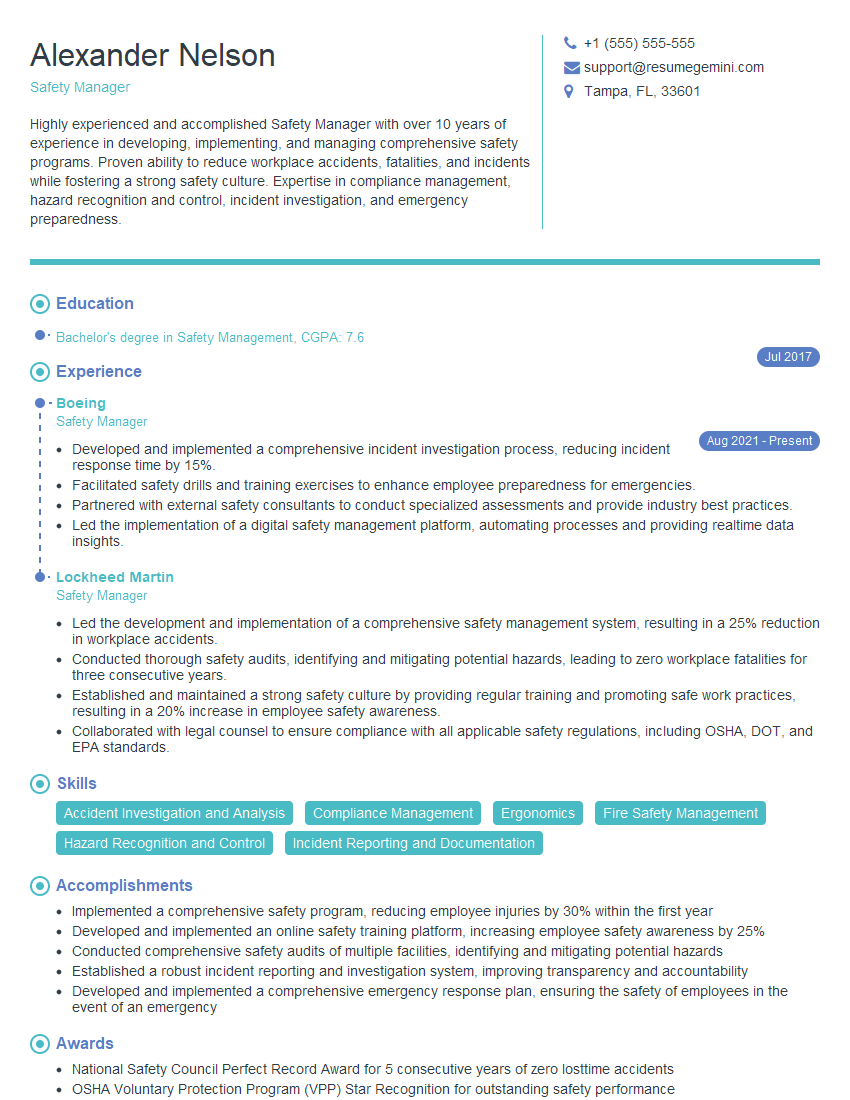
Safety Manager Resume Sample
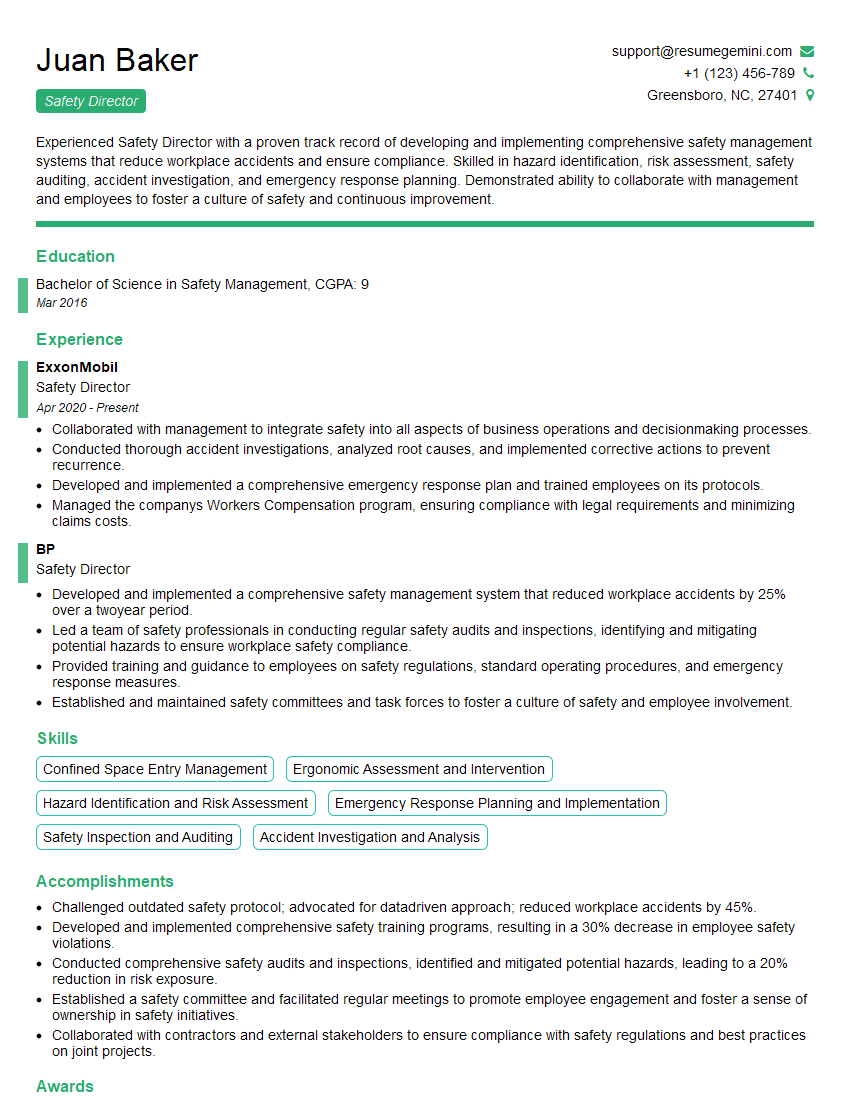
Safety Director Resume Sample
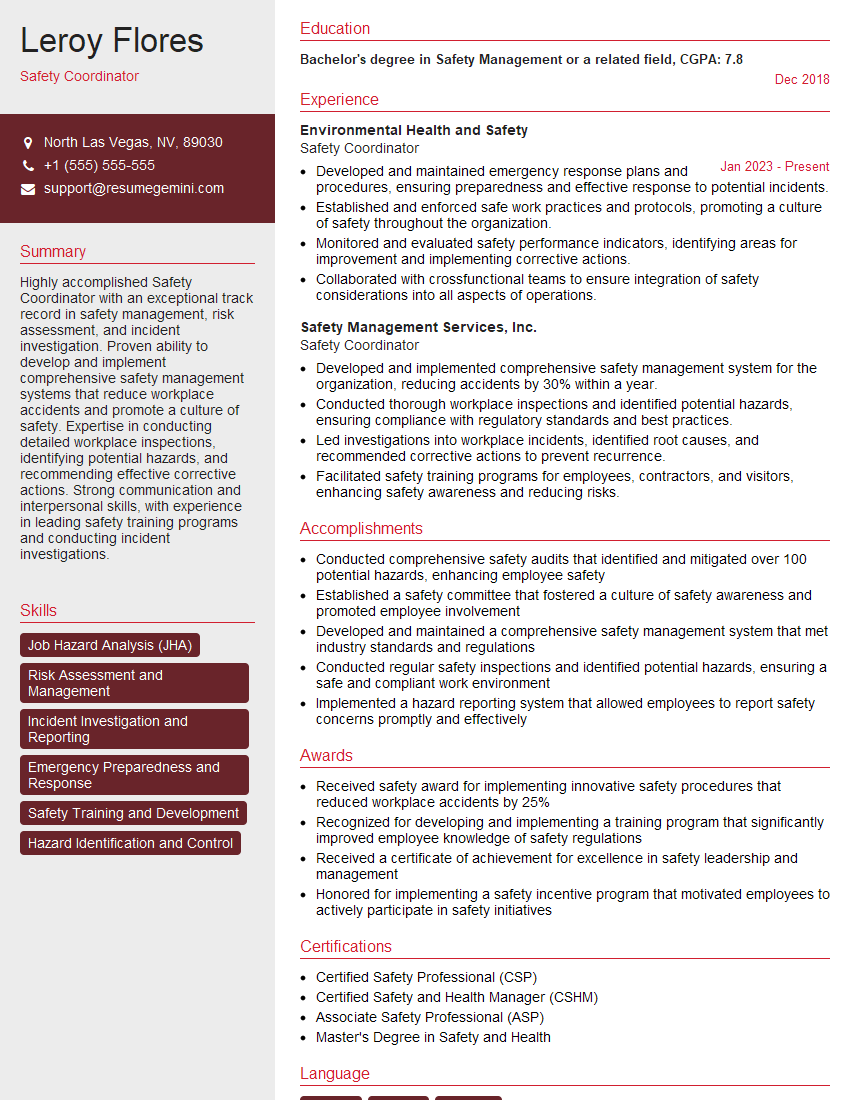
Safety Coordinator Resume Sample
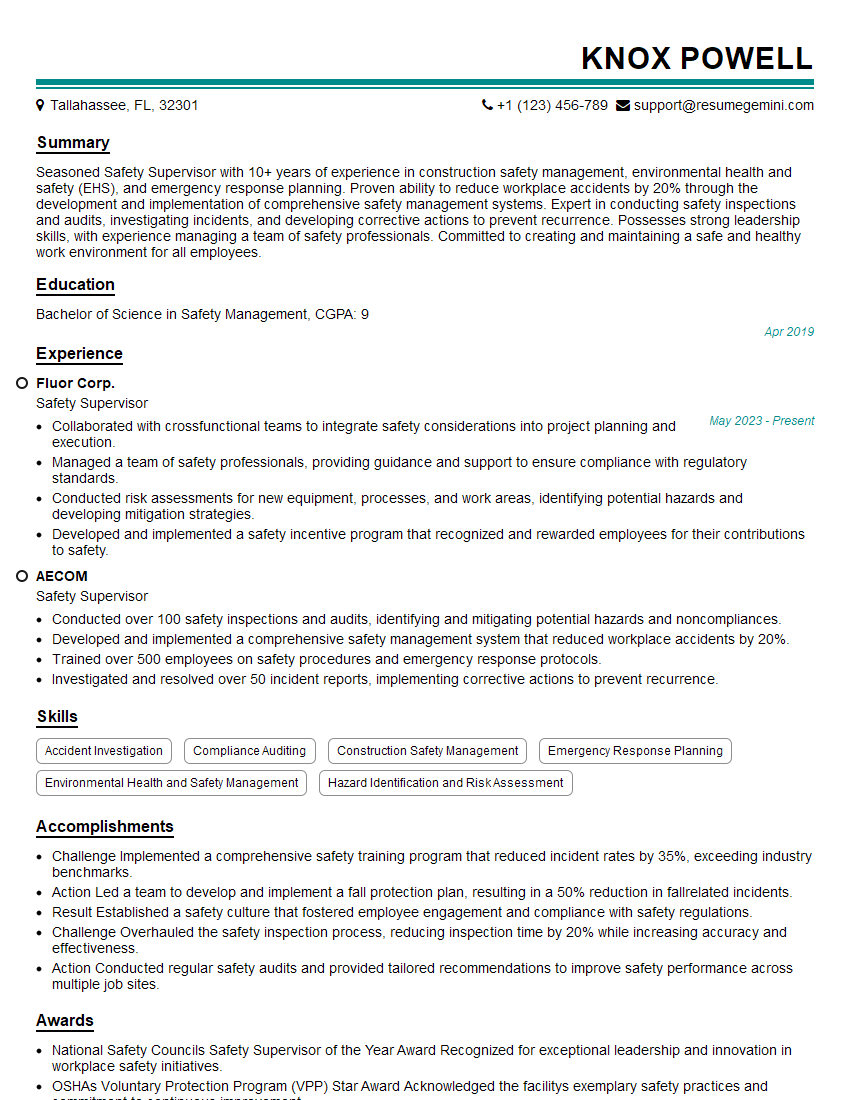
Safety Supervisor Resume Sample

Compliance Officer Resume Sample
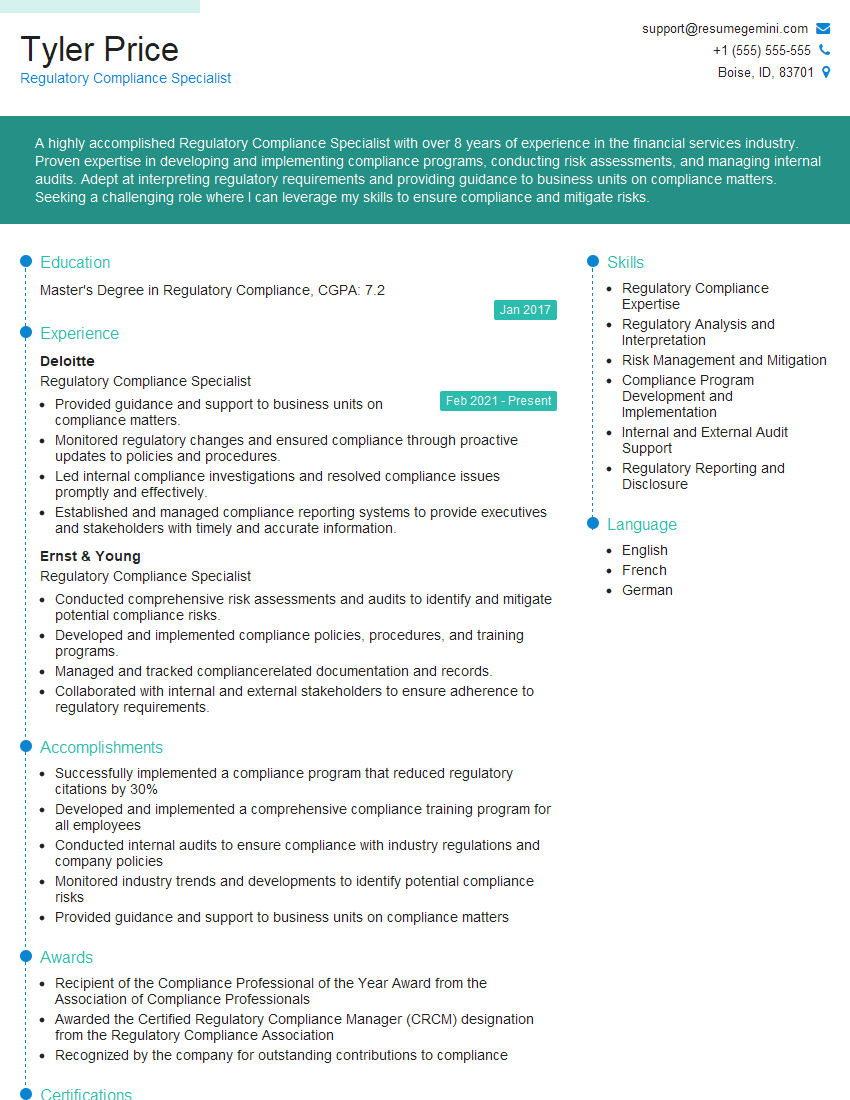
Regulatory Compliance Specialist Resume Sample
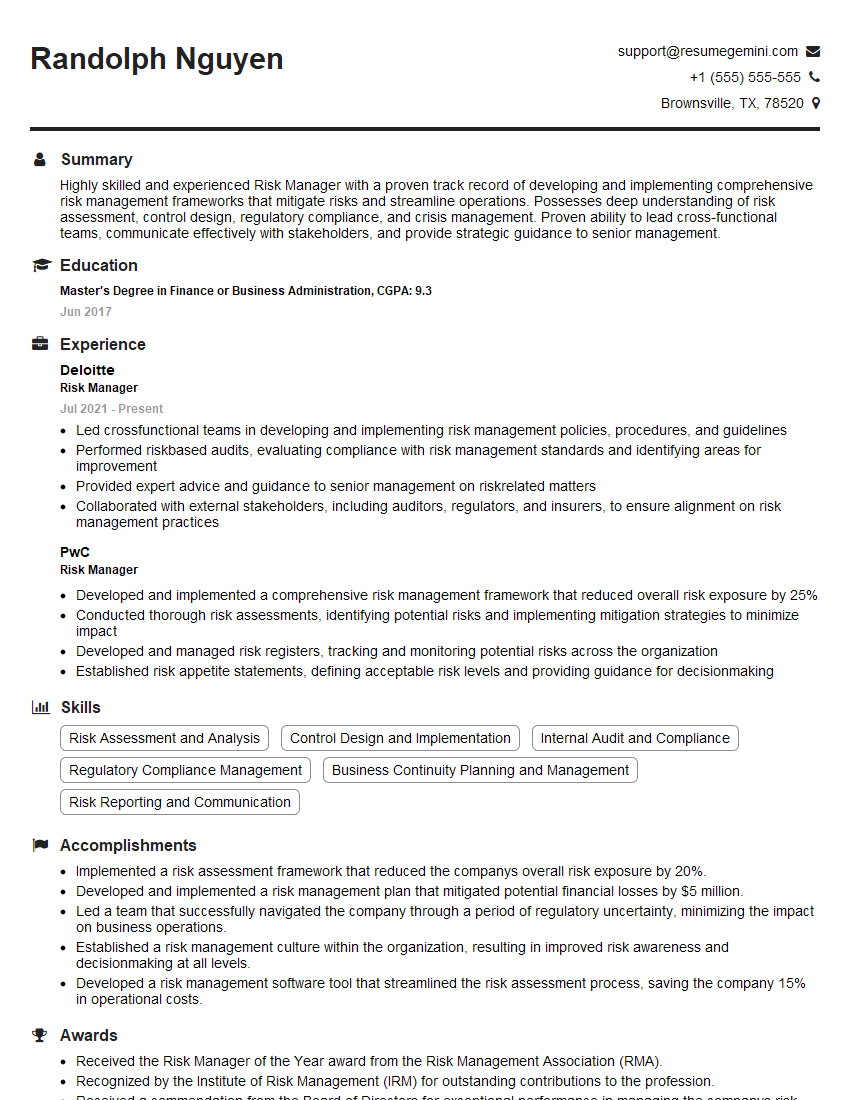
Risk Manager Resume Sample
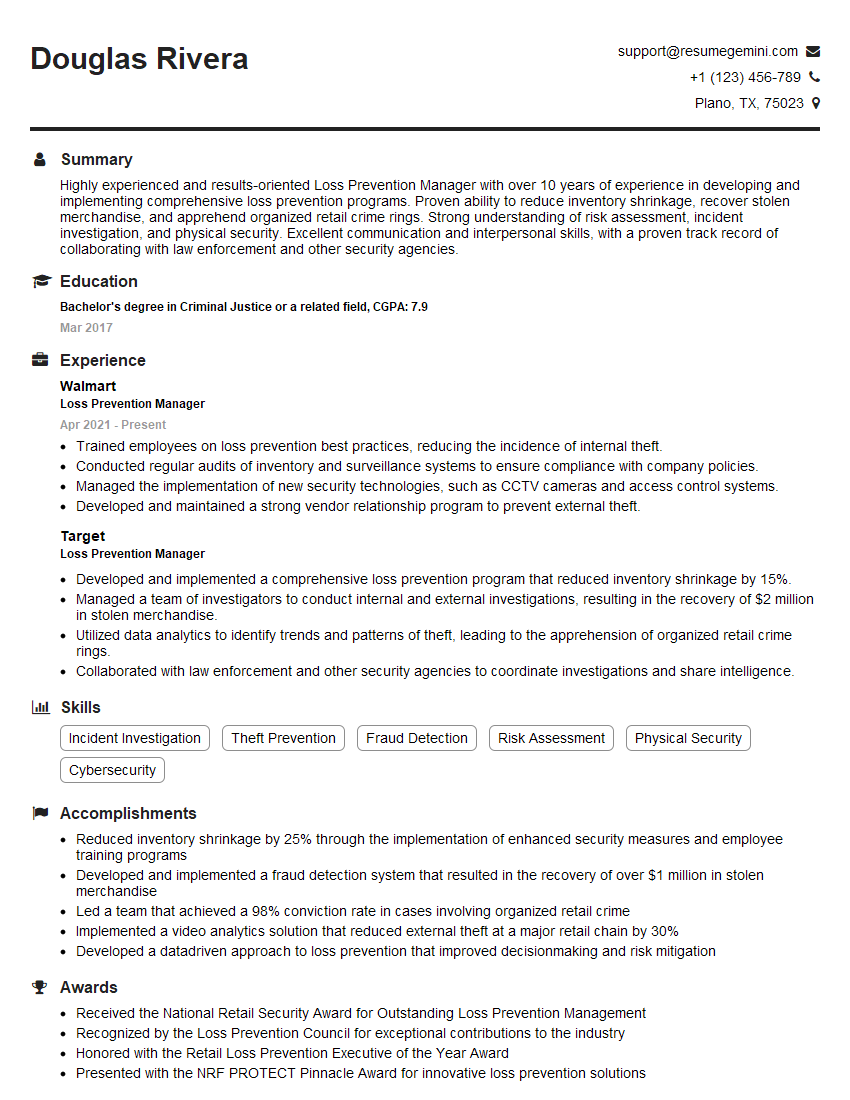
Loss Prevention Manager Resume Sample
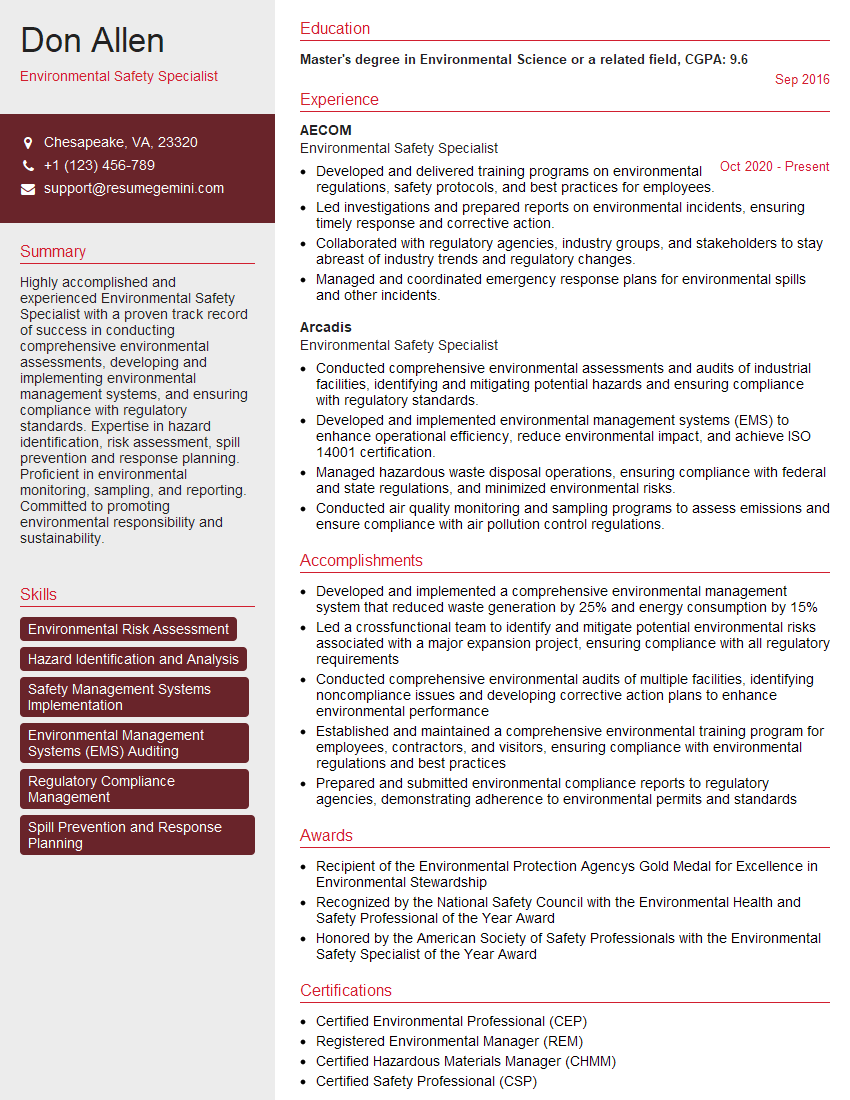
Environmental Safety Specialist Resume Sample
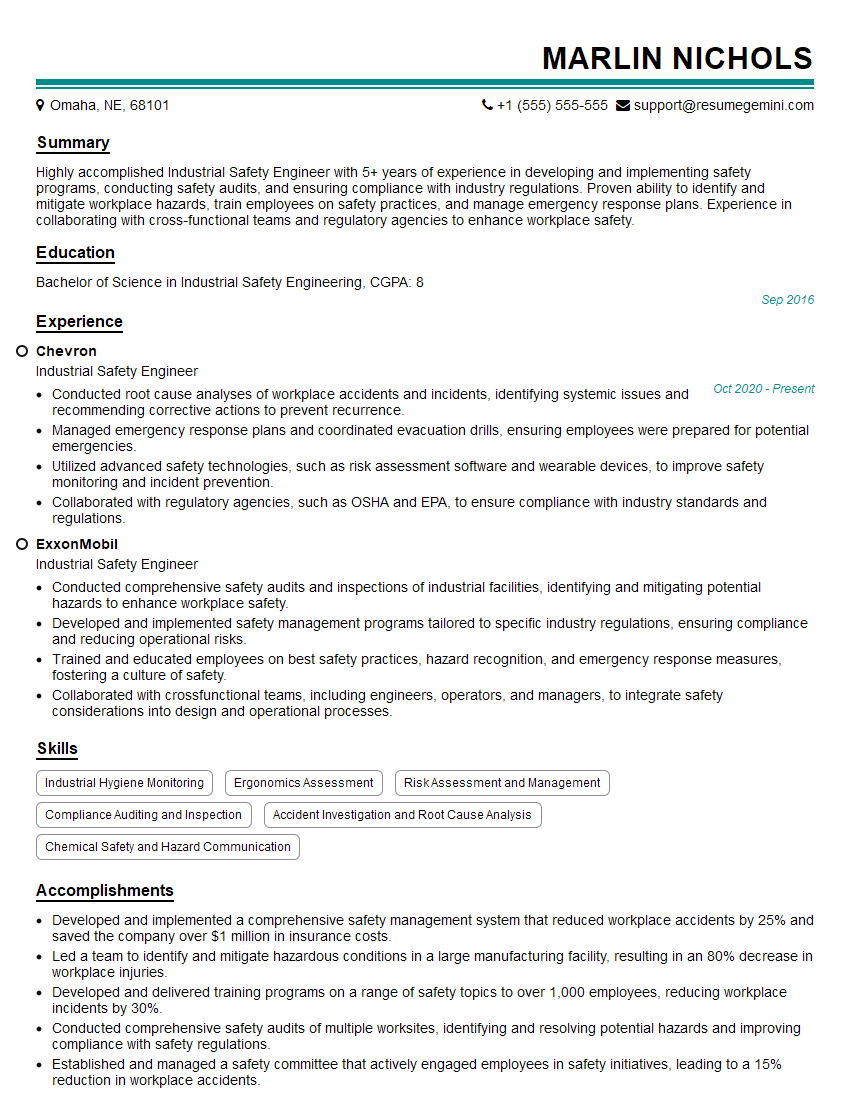
Industrial Safety Engineer Resume Sample
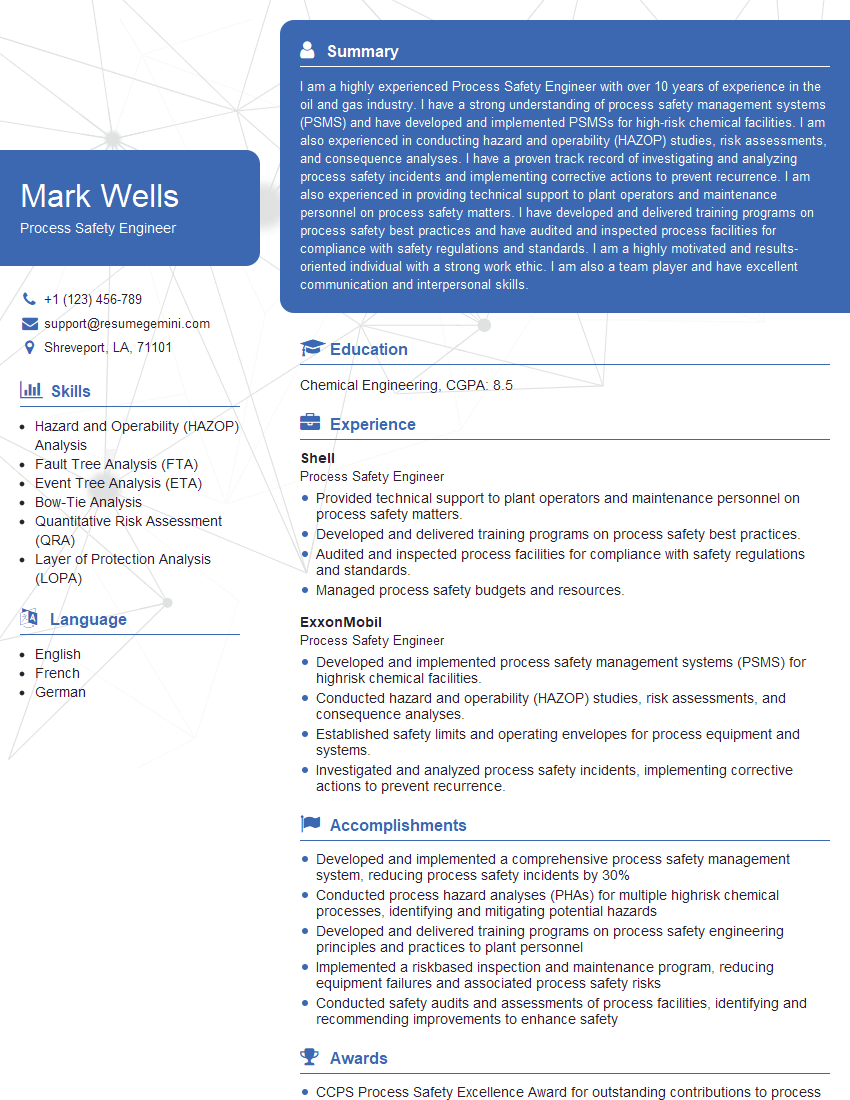
Process Safety Engineer Resume Sample
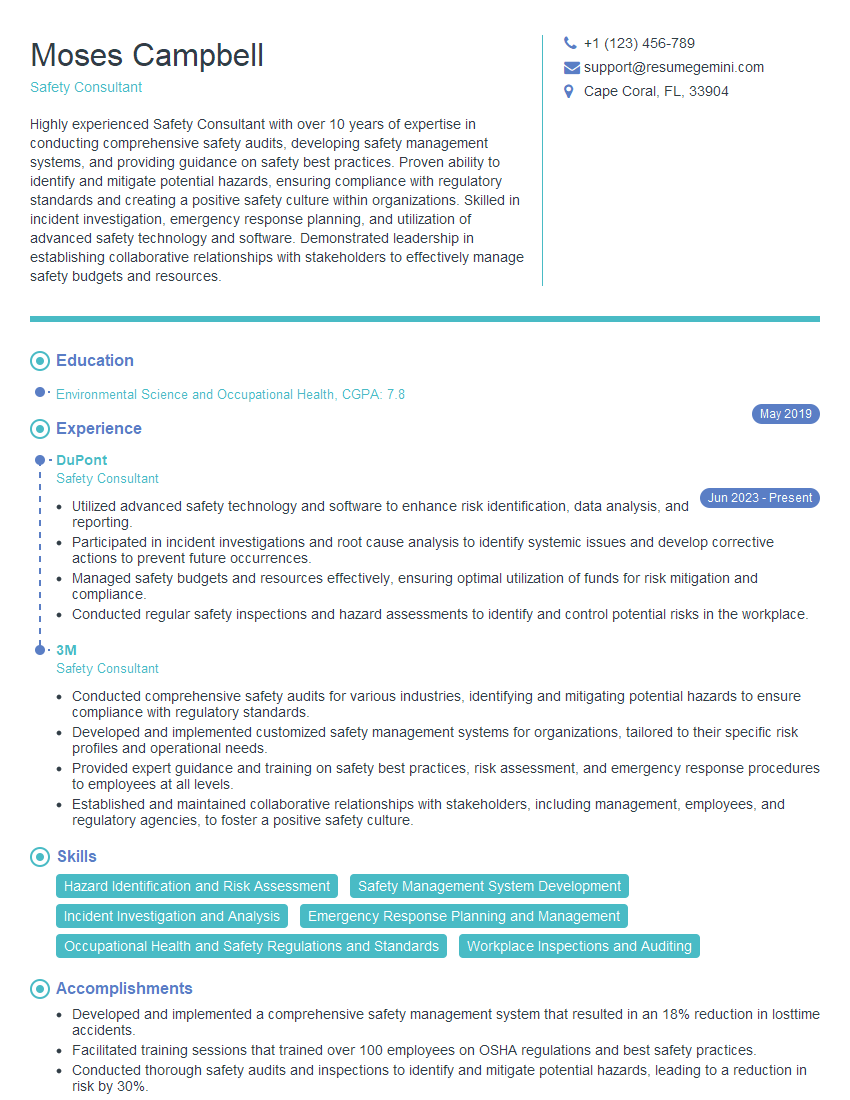
Safety Consultant Resume Sample
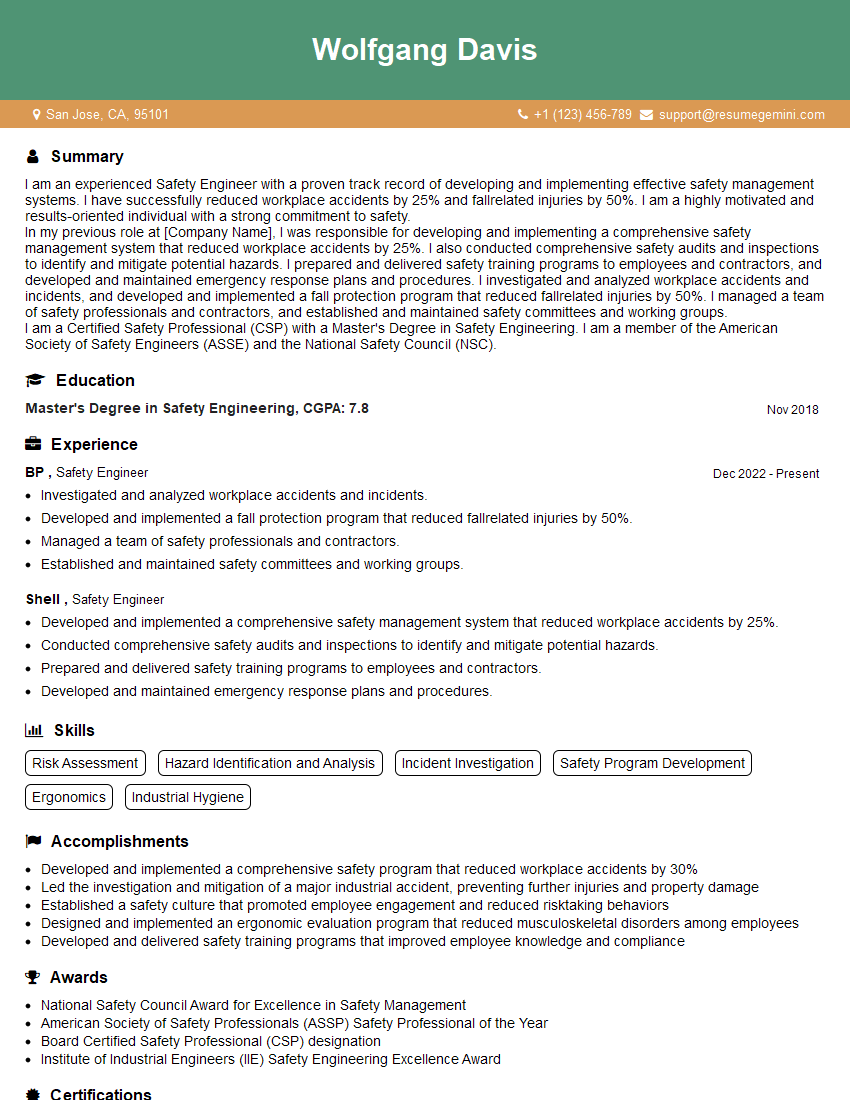
Safety Engineer Resume Sample
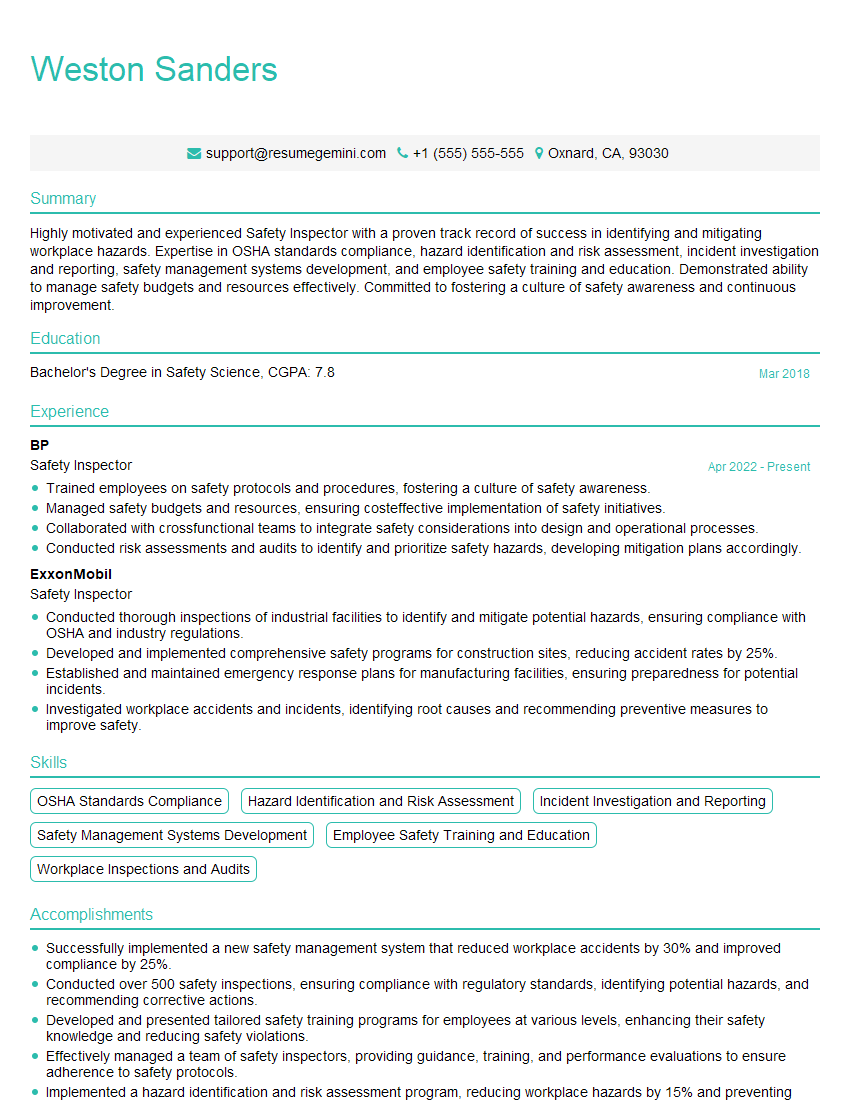
Safety Inspector Resume Sample
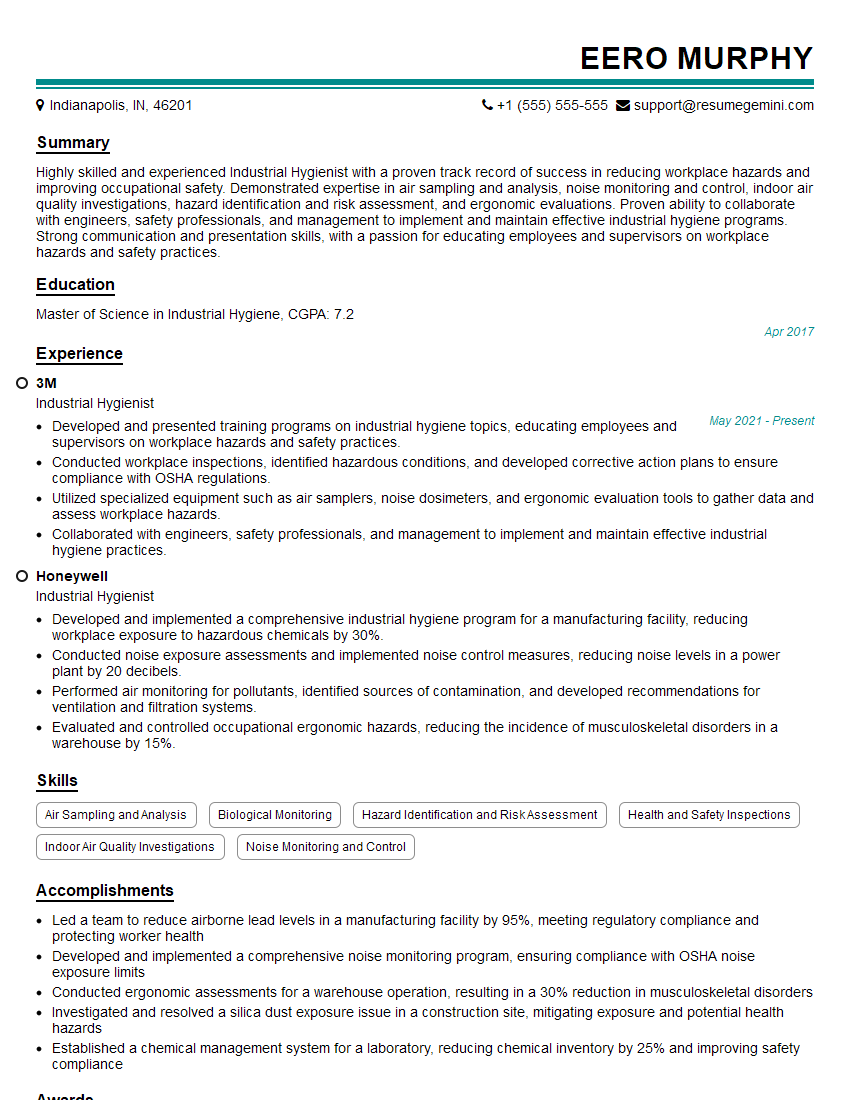
Industrial Hygienist Resume Sample
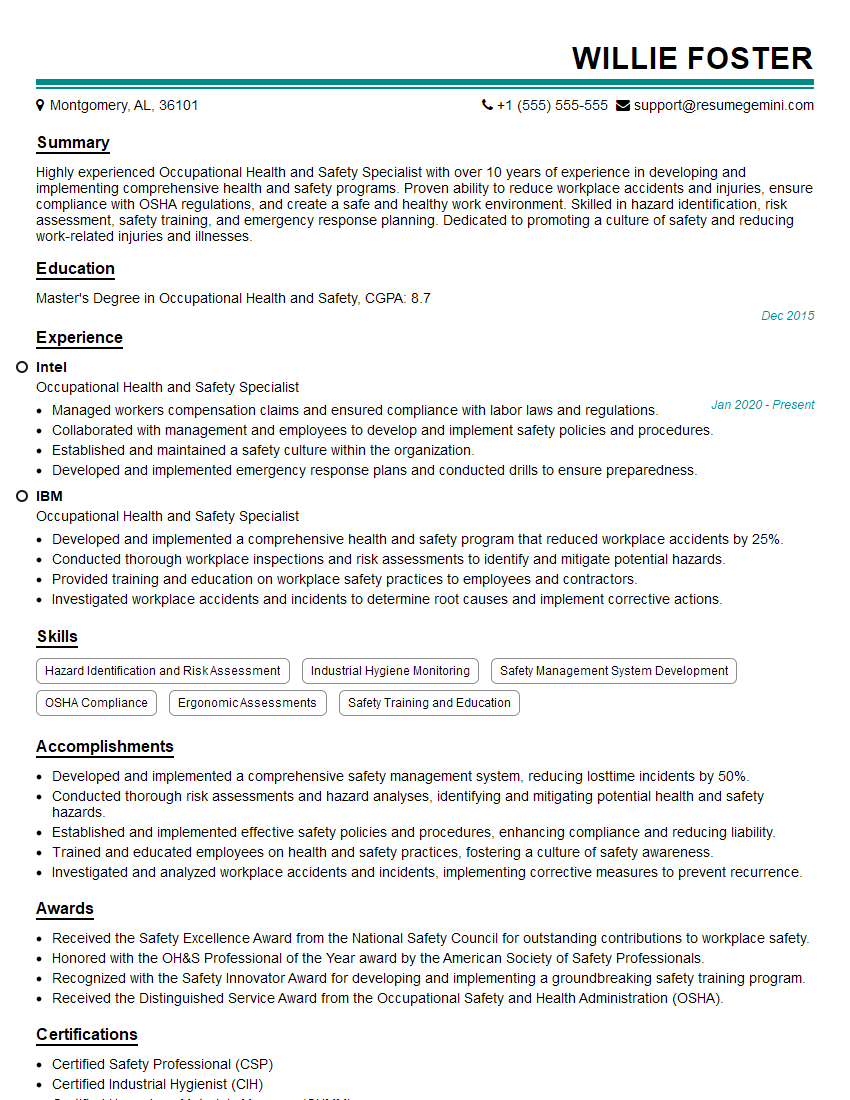
Occupational Health and Safety Specialist Resume Sample
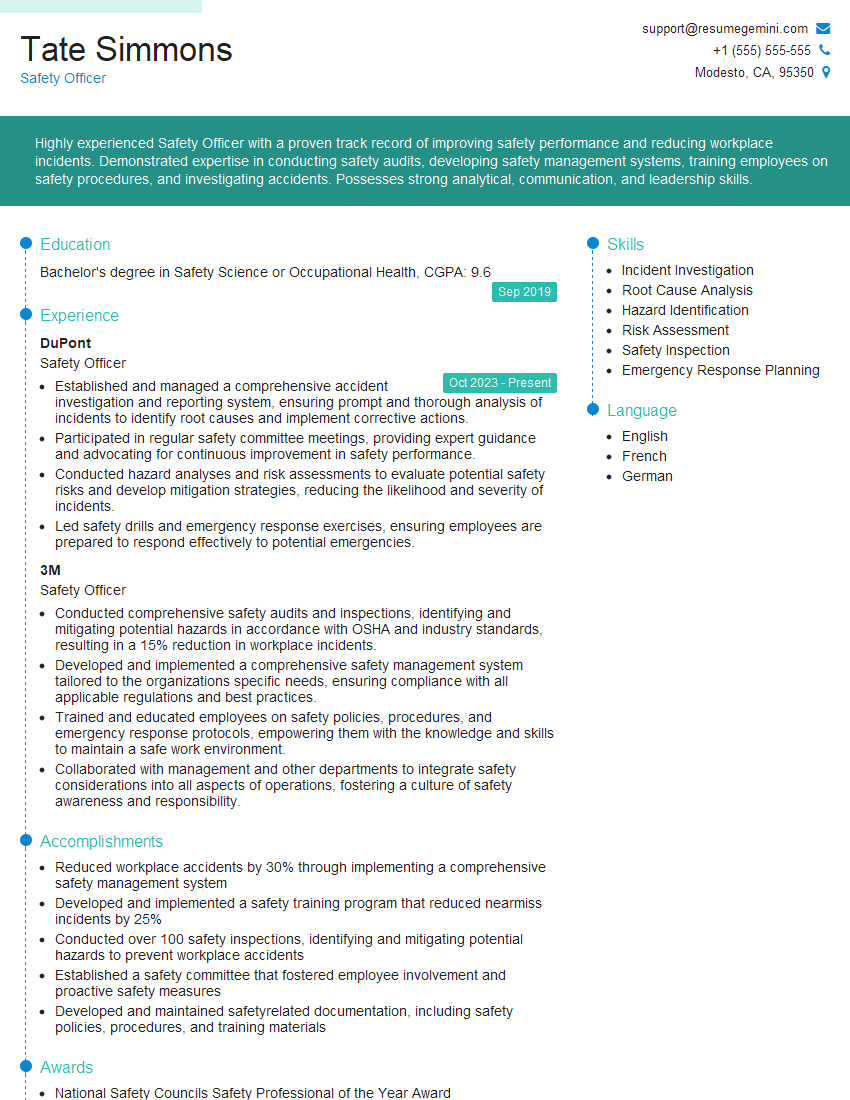
Safety Officer Resume Sample
- Safety Manager
- Safety Director
- Safety Coordinator
- Safety Supervisor
- Compliance Officer
- Regulatory Compliance Specialist
- Risk Manager
- Loss Prevention Manager
- Environmental Safety Specialist
- Industrial Safety Engineer
- Process Safety Engineer
- Safety Consultant
- Safety Engineer
- Safety Inspector
- Industrial Hygienist
- Occupational Health and Safety Specialist
- Safety Officer
Explore more articles
Users Rating of Our Blogs
Share Your Experience
We value your feedback! Please rate our content and share your thoughts (optional).
What Readers Say About Our Blog
Very informative content, great job.
good