The right preparation can turn an interview into an opportunity to showcase your expertise. This guide to Safety Protocols and Risk Management interview questions is your ultimate resource, providing key insights and tips to help you ace your responses and stand out as a top candidate.
Questions Asked in Safety Protocols and Risk Management Interview
Q 1. Describe your experience conducting risk assessments using established methodologies (e.g., HAZOP, FMEA).
My experience with risk assessment methodologies like HAZOP (Hazard and Operability Study) and FMEA (Failure Mode and Effects Analysis) is extensive. I’ve led numerous assessments across diverse industries, from manufacturing to healthcare. HAZOP, for instance, involves systematically examining a process’s flow diagram to identify potential hazards, using guide words like ‘no,’ ‘more,’ ‘less,’ and ‘part of’ to explore deviations from the intended operation. I’ve used this method to uncover critical safety issues in chemical processing plants, leading to significant improvements in emergency procedures and safety interlocks.
FMEA, on the other hand, is a more bottom-up approach, focusing on identifying potential failure modes within individual components or systems and assessing their impact. In a recent project involving medical device manufacturing, we used FMEA to pinpoint potential flaws in the assembly process, which allowed us to implement preventative measures and reduce the risk of product defects. Both methodologies require a collaborative approach, involving subject matter experts from various departments to ensure comprehensive identification and evaluation of risks.
In both HAZOP and FMEA, a crucial element is developing a thorough risk matrix, often using a combination of likelihood and severity to assign a risk priority number (RPN). This facilitates prioritization of mitigation efforts, focusing resources on the most critical hazards. I always ensure thorough documentation of the assessment process, including identified hazards, risk levels, recommendations, and implementation plans.
Q 2. Explain the hierarchy of controls in risk management.
The hierarchy of controls in risk management is a cornerstone of effective safety protocols. It prioritizes risk reduction strategies, starting with the most effective and progressing to less effective measures. Think of it like a pyramid, with the most effective controls at the base.
- Elimination: This is the most desirable method, removing the hazard completely. For example, replacing a hazardous chemical with a safer alternative.
- Substitution: Replacing a hazardous substance or process with a less hazardous one. Instead of using a solvent with high toxicity, substituting it with a water-based alternative.
- Engineering Controls: Implementing physical changes to the workplace or equipment to reduce exposure to hazards. Think safety guards on machinery, ventilation systems to remove fumes, or enclosed systems for handling hazardous materials. These are ‘hard’ controls and often the most effective.
- Administrative Controls: These involve changing work practices, procedures, or training to minimize risk. This includes implementing stricter work permits, providing thorough training on safe procedures, or implementing regular safety inspections.
- Personal Protective Equipment (PPE): This is the least effective control and should be used only as a last resort when other measures are not feasible. Examples include safety glasses, gloves, respirators, etc. This is a ‘soft’ control and relies on individual compliance.
It’s important to remember that these controls are not mutually exclusive and are often layered to maximize safety. For instance, a process might involve substituting a hazardous chemical, implementing engineering controls like an enclosed system, providing specific training on operating procedures (administrative control), and requiring workers to wear appropriate PPE.
Q 3. How do you develop and implement safety protocols for a specific workplace hazard?
Developing and implementing safety protocols for a specific workplace hazard is a systematic process. It begins with a thorough hazard identification, often through risk assessments like HAZOP or FMEA. Let’s say the hazard is exposure to airborne asbestos during demolition.
- Hazard Identification & Risk Assessment: Determine the nature and level of risk associated with asbestos exposure (e.g., through air monitoring).
- Control Measures Selection: Based on the hierarchy of controls, implement the most effective measures. This might involve using water spraying techniques during demolition (engineering control) to suppress airborne fibers, providing specialized respirators and protective clothing (PPE), and ensuring workers receive thorough training on asbestos safety procedures (administrative controls).
- Protocol Development: Develop detailed written protocols that outline the specific procedures, including steps for pre-demolition preparation, demolition work, waste disposal, and post-demolition cleaning. These protocols should be easy to understand and visually clear with diagrams and illustrations.
- Training & Communication: Provide comprehensive training to all personnel involved in the demolition, covering safe work practices, emergency procedures, and the use of PPE. This should include regular refresher training and clear communication channels for reporting safety concerns.
- Monitoring & Review: Regularly monitor compliance with safety protocols through site inspections, air monitoring, and review of incident reports. The protocols should be reviewed and updated periodically to reflect lessons learned and advancements in safety practices.
- Documentation: Maintain thorough records of the risk assessment, training, monitoring, and any incidents or near misses. This forms the basis for continuous improvement.
Effective communication is crucial throughout this entire process. Clear instructions, readily available information, and regular feedback loops are essential for ensuring safety protocol adherence.
Q 4. What are your methods for identifying and mitigating potential safety hazards in a workplace?
Identifying and mitigating potential safety hazards involves a proactive, multi-faceted approach. I use a combination of methods:
- Workplace Inspections & Audits: Regular, systematic inspections of the workplace identify potential hazards, focusing on areas where accidents are more likely to occur, examining equipment, processes, and work environments. Checklist-based inspections can enhance consistency.
- Incident Reporting & Investigation: A robust system for reporting near misses and incidents enables early detection of hazards and patterns that might otherwise go unnoticed. Thorough incident investigations help determine root causes and identify preventive measures.
- Job Hazard Analysis (JHA): A step-by-step analysis of a specific task to identify potential hazards and develop safe working procedures. This focuses attention on the fine details of each task and potential risks within that.
- Employee Feedback & Participation: Encouraging employees to report safety concerns and participate actively in safety discussions and improvements is crucial. This fosters a positive safety culture where everyone feels empowered to contribute.
- Leading Indicators: Tracking safety-related leading indicators – such as the number of near misses or safety observations – allows for proactive identification of potential problems before they escalate into accidents. These are a great early warning system for identifying potential future hazards.
Once hazards are identified, I apply the hierarchy of controls (as discussed earlier) to select appropriate mitigation strategies. This is a cyclical process, involving continuous monitoring and improvement. The goal is to achieve a proactive and continuously improving safety culture rather than one solely focused on reacting to incidents.
Q 5. Describe your experience investigating workplace accidents and incidents.
Investigating workplace accidents and incidents is a critical function for identifying root causes and preventing future occurrences. My approach is based on factual evidence, thorough analysis, and a commitment to learning from mistakes. I use a structured investigation methodology that typically involves:
- Securing the Scene: Preserving the accident site until a thorough investigation can be conducted, taking photos and videos as evidence.
- Gathering Information: Collecting information from various sources including witnesses, injured parties (if possible), supervisors, and reviewing documentation such as maintenance records and safety procedures.
- Analyzing the Evidence: Identifying contributing factors and root causes using techniques such as fault tree analysis or the 5 Whys. This helps us go beyond superficial understanding of the accident to the underlying reasons.
- Developing Corrective Actions: Based on the root cause analysis, developing practical and effective corrective actions to prevent similar incidents. This should involve addressing both immediate and long-term risks.
- Reporting and Documentation: Compiling a comprehensive report detailing the findings of the investigation, corrective actions, and recommendations for future prevention. This report is vital for improving safety procedures and informing training.
I have experience investigating various types of incidents, from slips and falls to more complex incidents involving machinery malfunctions. In each case, my focus is on objectivity, accuracy, and promoting a culture of learning from events, whether large or small, to improve workplace safety.
Q 6. How do you ensure compliance with relevant safety regulations and legislation?
Ensuring compliance with safety regulations and legislation is paramount. My approach involves several key steps:
- Staying Updated: Regularly reviewing and staying current with all relevant legislation, standards, and best practices. This includes subscribing to industry publications and participating in professional development opportunities to remain abreast of changes in the regulatory landscape.
- Implementing Compliance Programs: Developing and implementing comprehensive safety programs that align with all applicable regulations. This often includes developing and maintaining detailed safety manuals and ensuring proper record-keeping.
- Regular Audits & Inspections: Conducting regular internal audits and inspections to identify areas of non-compliance. These self-assessments help maintain continuous compliance and identify improvement areas before external audits.
- Training & Communication: Providing comprehensive training to all employees on relevant safety regulations, their responsibilities, and the company’s safety policies. Regular communication channels keep everyone informed of changes.
- Documentation & Record Keeping: Maintaining detailed records of compliance activities, including training records, inspection reports, and any corrective actions taken to address identified issues. This documentation helps demonstrate continuous compliance.
- Working with Regulatory Bodies: Maintaining open communication and collaborative relationships with relevant regulatory bodies to ensure timely updates and address any queries or concerns. Proactive engagement builds trust and aids in a smoothly-functioning relationship.
Proactive compliance minimizes risks and enhances a company’s reputation. It’s not just about avoiding penalties, but about creating a safe and healthy work environment for everyone.
Q 7. How do you communicate safety information effectively to various stakeholders?
Effective communication of safety information is crucial for building a strong safety culture. I use a multi-pronged approach to ensure safety information reaches all stakeholders effectively:
- Tailored Communication: Using different communication methods depending on the audience. For example, detailed technical information for engineers might be communicated through reports and training manuals, whereas general safety updates for all employees might be communicated through newsletters, posters, or safety talks.
- Multiple Channels: Utilizing various communication channels such as emails, meetings, intranet portals, safety boards, and toolbox talks to ensure widespread dissemination of information. Each channel reaches a different audience effectively.
- Visual Aids: Incorporating visual aids such as posters, diagrams, and videos to enhance understanding and engagement. Visual aids simplify complex information, ensuring understanding across various literacy levels.
- Interactive Training: Using interactive training methods, including hands-on activities and simulations, to enhance knowledge retention and skill development. Active learning is always more effective than passive learning.
- Feedback Mechanisms: Establishing feedback mechanisms to encourage two-way communication and ensure that safety information is being received and understood. This promotes a culture of participation and open dialogue.
- Language & Cultural Sensitivity: Ensuring that safety communication is accessible to all employees, regardless of language or cultural background. Translations and culturally sensitive approaches are key in diverse work environments.
Clear, concise, and engaging communication is essential for fostering a strong safety culture, ensuring that everyone understands their role in maintaining a safe workplace.
Q 8. Explain your experience with safety training programs and their development.
Developing effective safety training programs requires a deep understanding of the specific hazards and risks within a given work environment. My approach begins with a thorough hazard identification and risk assessment, identifying potential dangers and their likelihood and severity. This informs the content and structure of the training. For example, in a manufacturing setting, I’d incorporate training modules on machine operation safety, lockout/tagout procedures, and proper use of personal protective equipment (PPE). I’ve developed programs using various methods including classroom instruction, online modules, interactive simulations, and hands-on practical exercises to cater to different learning styles and organizational needs. I always ensure the training is engaging, relevant, and easy to understand, avoiding overwhelming participants with excessive technical jargon. Finally, I incorporate regular assessments and feedback mechanisms to measure the effectiveness of the training and make improvements.
For instance, in my previous role at a construction firm, we developed a comprehensive safety training program focusing on fall protection. This program included theoretical instruction, demonstrations of proper equipment use, and practical exercises in a controlled environment. This resulted in a significant reduction in fall-related incidents.
Q 9. How do you measure the effectiveness of your safety programs?
Measuring the effectiveness of safety programs requires a multi-faceted approach. We can’t rely solely on a single metric. Key indicators include:
- Incident/Accident Rates: This is a fundamental measure, tracking the number of incidents per employee or per hours worked. A decrease in these rates indicates program success.
- Near Miss Reporting: Encouraging near-miss reporting is crucial. Analyzing near misses helps identify latent hazards before they escalate into accidents.
- Employee Surveys & Feedback: Regular surveys gauge employee understanding and satisfaction with the safety program. This provides invaluable insights into areas for improvement.
- Observation Data: Direct observation of employees at work, checking for compliance with safety procedures, provides objective data.
- Training Effectiveness: Post-training assessments can measure knowledge retention and comprehension.
Combining these measures provides a comprehensive picture of program effectiveness. For example, a reduction in incident rates coupled with positive employee feedback confirms a program’s success. Conversely, a high number of near misses, despite low incident rates, might signal a need for enhanced training or preventative measures.
Q 10. Describe your experience with incident reporting and investigation systems.
I have extensive experience in implementing and managing incident reporting and investigation systems. A robust system is critical for learning from mistakes and preventing future incidents. My approach involves:
- Clear Reporting Procedures: Establishing a simple, straightforward process for employees to report incidents, ensuring anonymity when appropriate.
- Thorough Investigation Methodology: Using a structured investigative approach to determine root causes, not just immediate causes. This often involves interviewing witnesses, reviewing documentation, and analyzing physical evidence. Tools like fault tree analysis (FTA) and fishbone diagrams (Ishikawa diagrams) are invaluable here.
- Corrective Actions: Implementing corrective actions based on investigation findings, which include engineering controls, administrative controls, and employee training.
- Data Analysis and Reporting: Regularly analyzing incident data to identify trends and patterns. This allows for proactive risk management and improvement of safety protocols.
For example, in a previous role, we implemented a digital incident reporting system that streamlined the process and allowed for better data analysis. We discovered a recurring pattern of near misses related to a specific piece of machinery, leading us to implement engineering controls to mitigate the risk.
Q 11. How do you prioritize risks based on likelihood and severity?
Risk prioritization is a critical aspect of risk management. I typically use a risk matrix that considers both the likelihood and severity of a hazard. Likelihood is the probability of the hazard occurring, while severity refers to the potential consequences if the hazard does occur.
The matrix is usually a table with likelihood (e.g., low, medium, high) along one axis and severity (e.g., minor, moderate, major, catastrophic) along the other. Each cell represents a risk level. Risks in the high-likelihood, high-severity quadrant are prioritized first. This is often represented numerically, for example using a risk score calculated by multiplying likelihood and severity scores.
Example Risk Matrix:
Likelihood Minor Moderate Major Catastrophic Low Low Low Medium High Medium Low Medium High High High Medium High High High
Using this matrix, we can systematically prioritize risks, focusing our resources on the most critical hazards. Regular review of the matrix is vital as the likelihood and severity of risks can change over time.
Q 12. Explain your experience with emergency response planning and procedures.
Emergency response planning is crucial for minimizing the impact of unforeseen events. My experience involves creating comprehensive plans that encompass:
- Hazard Identification: Identifying potential emergencies, such as fires, chemical spills, natural disasters, or medical emergencies.
- Emergency Procedures: Developing clear, concise procedures for each identified hazard, including evacuation plans, emergency shutdown procedures, and communication protocols.
- Training and Drills: Regularly training employees on emergency procedures through drills and simulations. This ensures everyone knows their roles and responsibilities.
- Communication Systems: Implementing reliable communication systems to ensure timely and effective communication during emergencies. This may involve alarms, two-way radios, or emergency notification systems.
- Emergency Response Team: Establishing and training an emergency response team to handle specific types of emergencies.
For example, I helped develop an emergency response plan for a chemical plant that included detailed evacuation routes, emergency shutdown procedures for specific equipment, and a comprehensive communication system. Regular drills ensured the team’s preparedness and proficiency.
Q 13. How do you ensure the ongoing review and improvement of safety protocols?
Ensuring continuous improvement of safety protocols is an ongoing process. This requires a systematic approach involving:
- Regular Audits and Inspections: Conducting regular audits and inspections to identify any gaps or deficiencies in safety protocols.
- Incident Reviews: Thoroughly reviewing incidents to identify root causes and implement corrective actions. Lessons learned should be shared across the organization.
- Performance Monitoring: Regularly monitoring safety performance indicators to track progress and identify areas for improvement.
- Feedback Mechanisms: Creating mechanisms for employees to provide feedback and suggestions for improvements.
- Staying Up-to-Date: Keeping abreast of new regulations, best practices, and technological advancements in safety.
It’s also important to create a safety culture where reporting hazards and near misses is encouraged without fear of retribution. This proactive approach is key to continuous improvement. For instance, regular safety meetings where employees can voice concerns and participate in brainstorming sessions for improvement can greatly enhance the overall safety performance.
Q 14. What are your key performance indicators (KPIs) for safety performance?
Key Performance Indicators (KPIs) for safety performance are crucial for measuring effectiveness and driving improvement. My preferred KPIs include:
- Total Recordable Incident Rate (TRIR): The number of recordable incidents per 200,000 employee hours worked.
- Lost Time Incident Rate (LTIR): The number of lost-time incidents per 200,000 employee hours worked.
- Days Away, Restricted, or Transferred (DART) Rate: The number of days employees are away from work, restricted in their duties, or transferred to other jobs due to work-related injuries per 200,000 employee hours worked.
- Near Miss Reporting Rate: The number of near misses reported per employee or per hours worked.
- Safety Training Completion Rate: The percentage of employees who have completed required safety training.
- Employee Safety Survey Satisfaction Scores: Gauging employee perception of safety culture and effectiveness of safety initiatives.
These KPIs, when tracked over time, provide valuable insights into safety program effectiveness and areas for improvement. Comparing these figures against industry benchmarks allows for objective evaluation and identification of best practices. The ultimate goal is to consistently reduce these rates, indicating a safer work environment.
Q 15. Describe your experience with safety audits and inspections.
Safety audits and inspections are crucial for proactively identifying and mitigating risks within a workplace. My experience encompasses conducting both planned and reactive audits, using a systematic approach that includes reviewing documentation, observing workplace practices, and interviewing employees. I’ve led audits across diverse sectors, including manufacturing, construction, and healthcare, adapting my methodology to the specific hazards prevalent in each environment.
For example, during a recent audit of a manufacturing facility, I identified a deficiency in the lockout/tagout (LOTO) procedure for machinery maintenance. This involved a detailed review of their LOTO program documentation, observation of workers performing the procedure, and interviews with maintenance personnel. My findings led to the development of improved training materials and a revised LOTO procedure that significantly reduced the risk of accidental machine startup during maintenance.
I also utilize checklists and standardized templates to ensure consistency and thoroughness in my audits. My reports are detailed, highlighting both positive aspects and areas for improvement, including prioritized recommendations for corrective actions with timelines and assigned responsibilities.
Career Expert Tips:
- Ace those interviews! Prepare effectively by reviewing the Top 50 Most Common Interview Questions on ResumeGemini.
- Navigate your job search with confidence! Explore a wide range of Career Tips on ResumeGemini. Learn about common challenges and recommendations to overcome them.
- Craft the perfect resume! Master the Art of Resume Writing with ResumeGemini’s guide. Showcase your unique qualifications and achievements effectively.
- Don’t miss out on holiday savings! Build your dream resume with ResumeGemini’s ATS optimized templates.
Q 16. How do you manage conflicts between safety and productivity?
Balancing safety and productivity is a constant challenge, but it’s not an either/or situation. Instead, it’s about optimizing both. My approach involves fostering a safety-conscious culture where employees understand that safety isn’t a hindrance to productivity, but a prerequisite for it. This starts with clear communication, demonstrating that safety measures are designed to prevent accidents, injuries, and costly downtime, ultimately increasing efficiency in the long run.
I use a proactive risk management approach that involves identifying potential hazards, assessing their risk levels, and implementing cost-effective control measures. These controls are designed to minimize risk without unnecessarily impeding workflow. For example, rather than halting a production line completely, we might implement modifications to machinery or introduce new safety devices to reduce the risk of injury while maintaining production levels.
Conflict resolution often involves facilitating discussions between safety personnel and production teams, finding common ground and creative solutions. Using data to demonstrate the impact of safety improvements (e.g., reduced lost-time accidents) helps justify the implementation of safety measures and demonstrates the positive correlation between safety and productivity.
Q 17. What software or tools do you use for risk management and safety reporting?
I’m proficient in several software tools for risk management and safety reporting. These include dedicated EHS (Environmental, Health, and Safety) management systems such as Isos Technology and Enablon, which allow for hazard identification, risk assessment, incident reporting, and regulatory compliance tracking. I also utilize spreadsheet software like Microsoft Excel for data analysis and reporting, and project management tools such as Microsoft Project for scheduling audits and tracking corrective actions.
In addition, I leverage data visualization tools such as Tableau or Power BI to create reports that effectively communicate safety performance and trends to stakeholders. This visual representation allows for a clearer understanding of risks and the effectiveness of implemented controls, enabling data-driven decision making.
Q 18. How do you stay current with best practices and new developments in safety protocols?
Staying current with best practices and new developments is critical in the ever-evolving field of safety. I actively participate in professional organizations such as the American Society of Safety Professionals (ASSP) and attend industry conferences and webinars to stay abreast of new regulations, technologies, and methodologies.
I subscribe to industry publications and online resources, including OSHA’s website and relevant government agencies’ publications, to remain informed about changes in safety standards and best practices. I also actively seek out opportunities for continuing education and professional development, including certifications relevant to specific areas of safety expertise.
Moreover, I maintain a network of colleagues and professionals within the safety field, enabling collaboration and the exchange of knowledge and experiences.
Q 19. Describe your experience with developing safety procedures for specific processes or equipment.
I have extensive experience in developing safety procedures, tailoring them to the unique hazards associated with specific processes or equipment. This involves a thorough hazard identification and risk assessment process, followed by the development of detailed step-by-step procedures, incorporating engineering controls, administrative controls, and personal protective equipment (PPE) requirements.
For instance, I recently developed a safety procedure for operating a new piece of machinery in a manufacturing plant. This procedure involved a detailed hazard analysis, identifying risks such as pinch points, moving parts, and electrical hazards. The resulting procedure included detailed instructions on machine operation, lockout/tagout procedures, emergency shutdown protocols, and the required PPE. The procedure was then reviewed and approved by relevant stakeholders before implementation, including employee feedback.
The developed procedures are regularly reviewed and updated as needed to reflect changes in equipment, technology, or regulatory requirements. They are readily available to employees and are incorporated into training programs to ensure consistent and safe operation.
Q 20. How do you ensure the effectiveness of personal protective equipment (PPE)?
Ensuring the effectiveness of PPE relies on a multi-faceted approach. It begins with a proper hazard assessment to determine the appropriate type of PPE needed for each specific task. This includes selecting PPE that meets or exceeds relevant standards and regulations.
Next, proper training on the correct selection, use, and maintenance of PPE is crucial. Employees must understand how to correctly fit and use their PPE, and when it needs to be replaced. Regular inspections of PPE are also important to ensure that it remains in good condition and is fit for purpose. Damaged or worn PPE should be immediately replaced.
Finally, the effectiveness of PPE programs is also evaluated through metrics such as incident rates, lost-time accidents, and employee feedback. This data helps to identify areas for improvement and ensure the continuous improvement of the PPE program.
Q 21. Explain your understanding of different types of workplace hazards (e.g., physical, chemical, biological).
Workplace hazards can be categorized into several types, each requiring different control measures. Physical hazards encompass risks such as noise, vibration, radiation, extreme temperatures, and ergonomic stressors. These can lead to hearing loss, musculoskeletal disorders, burns, and other injuries.
Chemical hazards include exposure to hazardous substances like solvents, acids, and gases, which can cause skin irritation, respiratory problems, and even cancer. Biological hazards involve exposure to bacteria, viruses, fungi, and other biological agents, potentially causing infections and diseases. These can be found in healthcare settings, laboratories, and certain agricultural environments.
Beyond these, there are also ergonomic hazards, which arise from poor workplace design or work practices, leading to musculoskeletal disorders. Psychosocial hazards relate to workplace stress, violence, and harassment, affecting mental health and wellbeing. Finally, electrical hazards pose risks of electrocution and electric shock.
Understanding these hazard types is fundamental to conducting comprehensive risk assessments and implementing appropriate control measures, thus creating a safer and healthier work environment.
Q 22. How do you handle situations where employees are resistant to safety protocols?
Resistance to safety protocols is a common challenge, but addressing it effectively is crucial. My approach focuses on understanding the root cause of the resistance before implementing solutions. This often involves open communication and active listening.
- Understanding the Resistance: I begin by engaging employees in a non-confrontational dialogue. Are they unclear about the protocols? Do they feel the protocols are inconvenient or impractical? Are there underlying concerns about workload or perceived management expectations?
- Education and Training: Once the reasons are identified, tailored training can address knowledge gaps and demonstrate the rationale behind the protocols. I focus on showing how these protocols protect them and their colleagues, not just on compliance.
- Collaboration and Feedback: I encourage feedback and involve employees in the process of refining safety procedures. This collaborative approach helps foster ownership and buy-in. If modifications are possible, I actively work to implement them. This demonstrates respect for their concerns.
- Positive Reinforcement: Recognizing and rewarding safe work practices is key. This can range from verbal praise to formal recognition programs, fostering a culture where safety is valued.
- Addressing Underlying Issues: Sometimes resistance stems from deeper workplace issues such as workload imbalance, poor management practices, or inadequate equipment. Addressing these issues directly is essential to achieve long-term safety compliance.
For example, in a previous role, resistance to wearing safety glasses stemmed from discomfort. Through collaboration, we sourced alternative styles of safety glasses that were more comfortable, and resistance virtually disappeared.
Q 23. Describe a time you had to make a difficult decision regarding safety.
One of the most difficult safety decisions I had to make involved a project nearing completion where a significant shortcut could save considerable time and money, but would compromise safety standards.
The shortcut involved bypassing a safety inspection on a newly installed piece of equipment. My team was under pressure to meet the deadline, and the perceived risks seemed minimal based on initial assessments. However, my experience told me that a thorough inspection was crucial.
I chose to halt the project and enforce a full safety inspection despite the pressure. While it delayed completion and caused some initial tension, the inspection revealed a critical wiring fault that could have led to a serious electrical hazard. This near miss validated my decision and strengthened the team’s trust in my commitment to safety. This reinforced the importance of adhering to established protocols, even when facing external pressures.
Q 24. How do you work collaboratively with other departments to ensure safety compliance?
Effective safety compliance requires cross-departmental collaboration. I proactively engage with other departments using a multi-faceted approach:
- Joint Safety Meetings: Regular meetings with representatives from different departments are vital for sharing information, discussing potential hazards, and collaborating on preventative measures.
- Shared Safety Data: Establishing a system for sharing safety data, such as incident reports and near misses, allows for a holistic understanding of risks and helps identify trends across departments.
- Cross-Training: Cross-training employees on safety protocols across departments increases awareness and fosters a shared responsibility for safety.
- Joint Risk Assessments: When embarking on new projects or implementing changes, conducting joint risk assessments with relevant departments ensures that all potential safety hazards are considered from multiple perspectives.
- Open Communication Channels: Maintaining open communication channels is paramount for raising and addressing safety concerns promptly.
For instance, in a previous project involving construction and operations, I collaborated with both departments to ensure seamless integration of safety protocols during the transition phase. This involved a shared risk assessment to determine appropriate safety measures and joint training sessions for employees from both departments.
Q 25. What is your experience with safety management systems (SMS)?
Safety Management Systems (SMS) are crucial for proactive safety management. My experience encompasses implementing, maintaining, and auditing SMS across various industries.
I’m proficient in developing and implementing SMS based on internationally recognized standards like ISO 45001. This involves defining safety policies, developing procedures, conducting risk assessments, establishing reporting mechanisms, and continuously monitoring and improving the system.
My experience includes utilizing SMS software for hazard identification, risk assessment, incident reporting and investigation, and performance monitoring. I’m familiar with various SMS methodologies and have tailored systems to fit specific operational contexts and industry regulations. This includes regular audits and performance reviews to ensure the SMS’s ongoing effectiveness and compliance.
Q 26. Explain your experience with conducting safety inspections and audits.
Conducting safety inspections and audits is a critical part of my role. My approach involves a structured and systematic process.
- Planning: Thorough planning is essential. This includes defining the scope of the inspection, identifying key areas of focus, and developing a checklist based on relevant standards and regulations.
- Inspection: I conduct inspections systematically, documenting findings, observations, and any identified non-compliances. I use photos and videos where appropriate.
- Auditing: Audits go beyond simple inspections. They evaluate the effectiveness of the overall safety management system, including processes, procedures, documentation, and training. This includes reviewing safety records and interviewing personnel.
- Reporting: Clear and concise reports are crucial, detailing the findings, highlighting any non-compliances, and providing recommendations for corrective actions.
- Follow-up: Following up on corrective actions is essential to verify that the issues have been adequately addressed.
For example, during an audit of a manufacturing facility, I identified a lapse in the lockout/tagout procedure, resulting in a near-miss incident. This prompted the implementation of enhanced training and stricter enforcement of the procedure.
Q 27. How do you incorporate safety considerations into project planning and execution?
Integrating safety considerations into project planning is not an afterthought; it’s an integral part of every stage.
- Hazard Identification and Risk Assessment: Before the project begins, a thorough hazard identification and risk assessment is conducted. This involves identifying potential hazards, assessing their risks, and developing control measures to mitigate those risks.
- Safety Planning: The safety plan outlines the safety procedures, emergency response protocols, and training requirements for the project. It also includes responsibilities, communication plans and resource allocation for safety.
- Procurement and Selection: Safety considerations extend to the procurement of materials, equipment, and services. Ensuring that equipment is safe, well-maintained, and appropriately certified is crucial.
- Training and Communication: Comprehensive training is provided to all project personnel on relevant safety procedures and protocols.
- Monitoring and Evaluation: Throughout the project lifecycle, safety performance is monitored, and necessary adjustments are made. Regular inspections and safety meetings are conducted to maintain high safety standards.
For example, in a construction project, I ensured that a detailed safety plan was developed which addressed risks such as working at heights, confined space entry, and heavy machinery operation. This included specifying PPE requirements, providing appropriate training, and establishing clear communication channels.
Q 28. Describe your experience with implementing safety improvements based on data analysis.
Data-driven decision making is paramount in improving safety performance. I use data analysis to identify trends, pinpoint areas needing improvement, and evaluate the effectiveness of implemented safety interventions.
My approach typically involves:
- Data Collection: Gathering data from various sources such as incident reports, near-miss reports, safety inspections, and employee surveys.
- Data Analysis: Using statistical methods and data visualization tools to identify trends, patterns, and root causes of safety incidents.
- Identifying Areas for Improvement: Based on the analysis, pinpointing specific areas requiring improvement, such as specific tasks, equipment, or work processes.
- Implementing Improvements: Developing and implementing corrective actions based on the identified areas for improvement. This could involve revising procedures, providing additional training, upgrading equipment, or implementing engineering controls.
- Evaluation: Evaluating the effectiveness of the implemented improvements by monitoring safety performance indicators.
For instance, analyzing incident reports revealed a high frequency of slips and trips in a specific area. Data analysis identified inadequate lighting as a contributing factor. This prompted the installation of improved lighting and a reduction in slip and trip incidents.
Key Topics to Learn for Safety Protocols and Risk Management Interview
- Hazard Identification and Risk Assessment: Understanding methods like HAZOP, FMEA, and what-if analysis. Practical application: Conducting a risk assessment for a specific scenario (e.g., a construction site, a chemical plant).
- Safety Regulations and Compliance: Familiarity with relevant legislation (OSHA, ISO standards, etc.) and how to ensure adherence within an organization. Practical application: Explaining how to implement and maintain a safety management system.
- Incident Investigation and Reporting: Mastering root cause analysis techniques and effective reporting methods. Practical application: Describing your approach to investigating a workplace accident and preventing recurrence.
- Emergency Response Planning and Procedures: Developing and implementing emergency plans, including evacuation procedures, drills, and communication strategies. Practical application: Designing an emergency response plan for a specific facility.
- Personal Protective Equipment (PPE) Selection and Use: Understanding the selection criteria for PPE based on identified hazards and ensuring proper use and maintenance. Practical application: Choosing appropriate PPE for different work tasks.
- Safety Training and Communication: Designing and delivering effective safety training programs for employees at all levels. Practical application: Describing strategies for improving safety awareness and compliance within a team.
- Risk Mitigation Strategies: Implementing control measures (elimination, substitution, engineering controls, administrative controls, PPE) to reduce identified risks. Practical application: Proposing practical solutions to minimize risks in a given scenario.
- Safety Auditing and Inspections: Conducting regular safety inspections, identifying non-compliances, and recommending corrective actions. Practical application: Describing a safety audit process and the reporting procedure.
- Performance Measurement and Continuous Improvement: Tracking key safety metrics (e.g., incident rates, near misses), and implementing continuous improvement processes. Practical application: Explaining how to use safety data to drive improvements.
Next Steps
Mastering Safety Protocols and Risk Management is crucial for career advancement in many industries, showcasing your commitment to a safe and productive work environment. A well-crafted, ATS-friendly resume is key to highlighting your skills and experience to potential employers. To significantly boost your job prospects, we encourage you to utilize ResumeGemini, a trusted resource for creating professional and impactful resumes. ResumeGemini provides examples of resumes tailored to Safety Protocols and Risk Management, offering valuable guidance and templates to help you present your qualifications effectively.
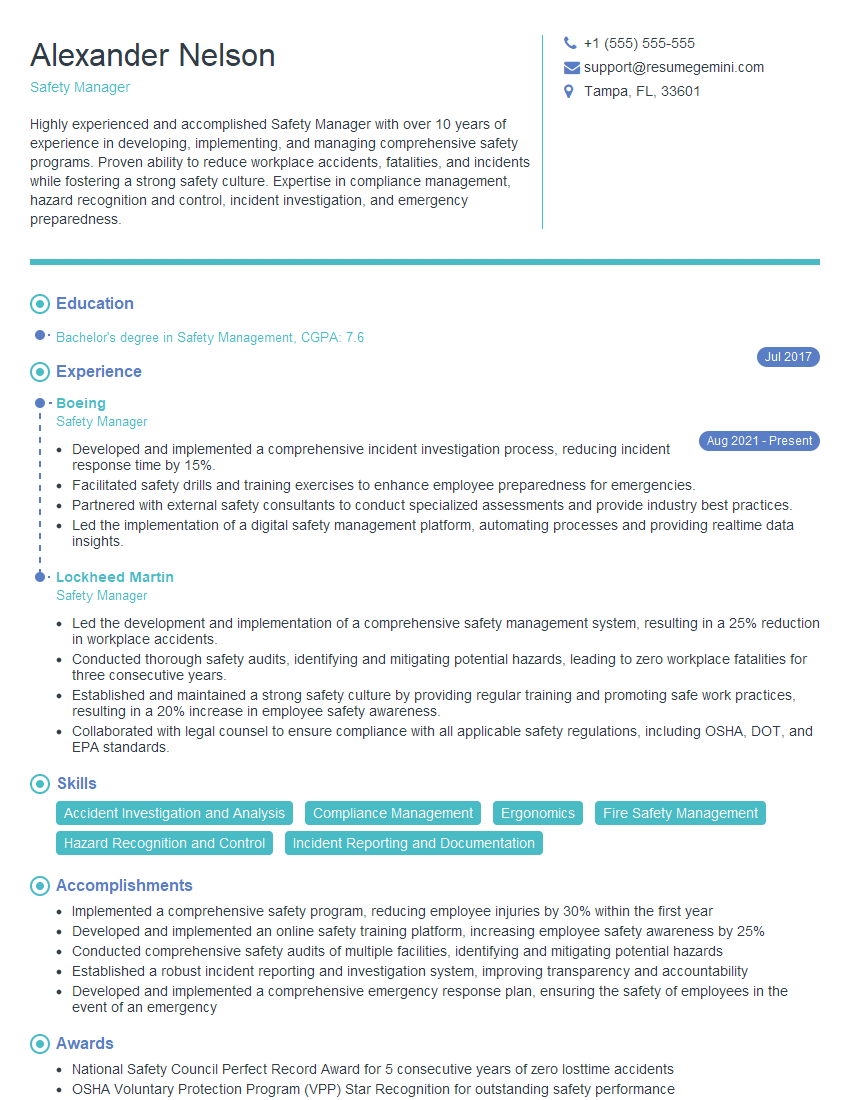
Safety Manager Resume Sample
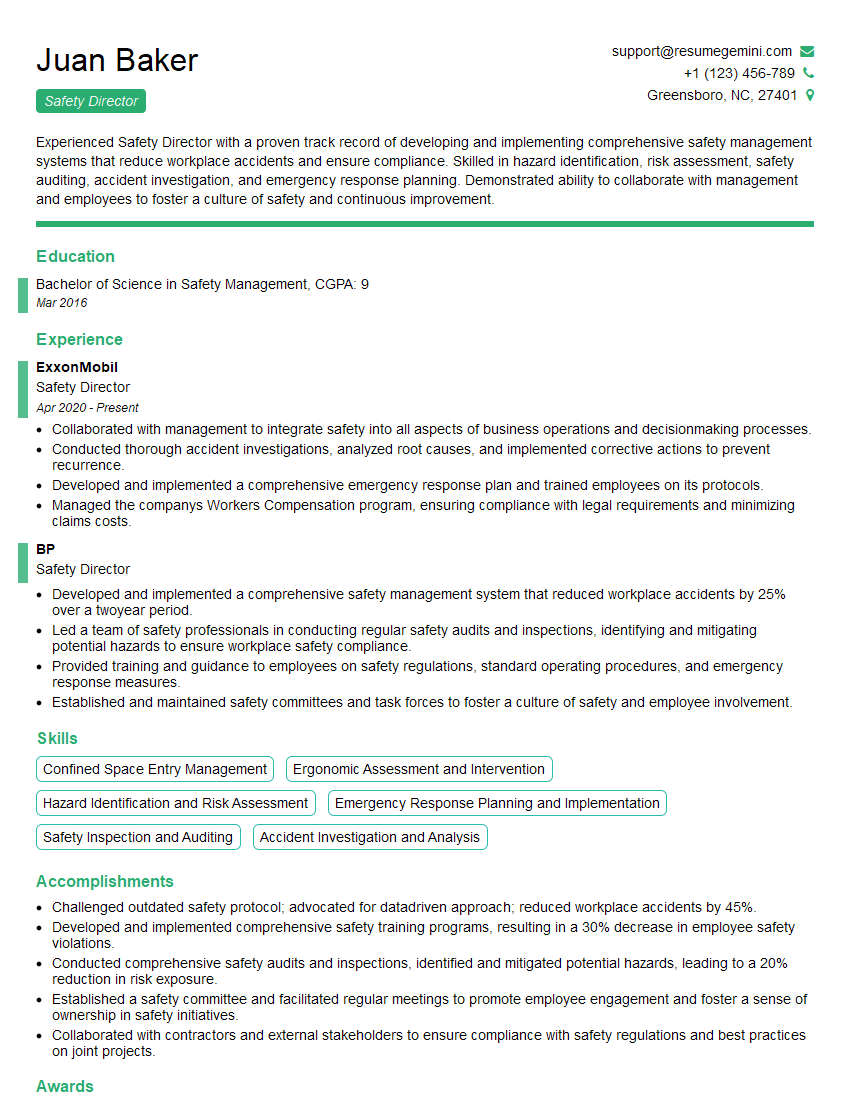
Safety Director Resume Sample
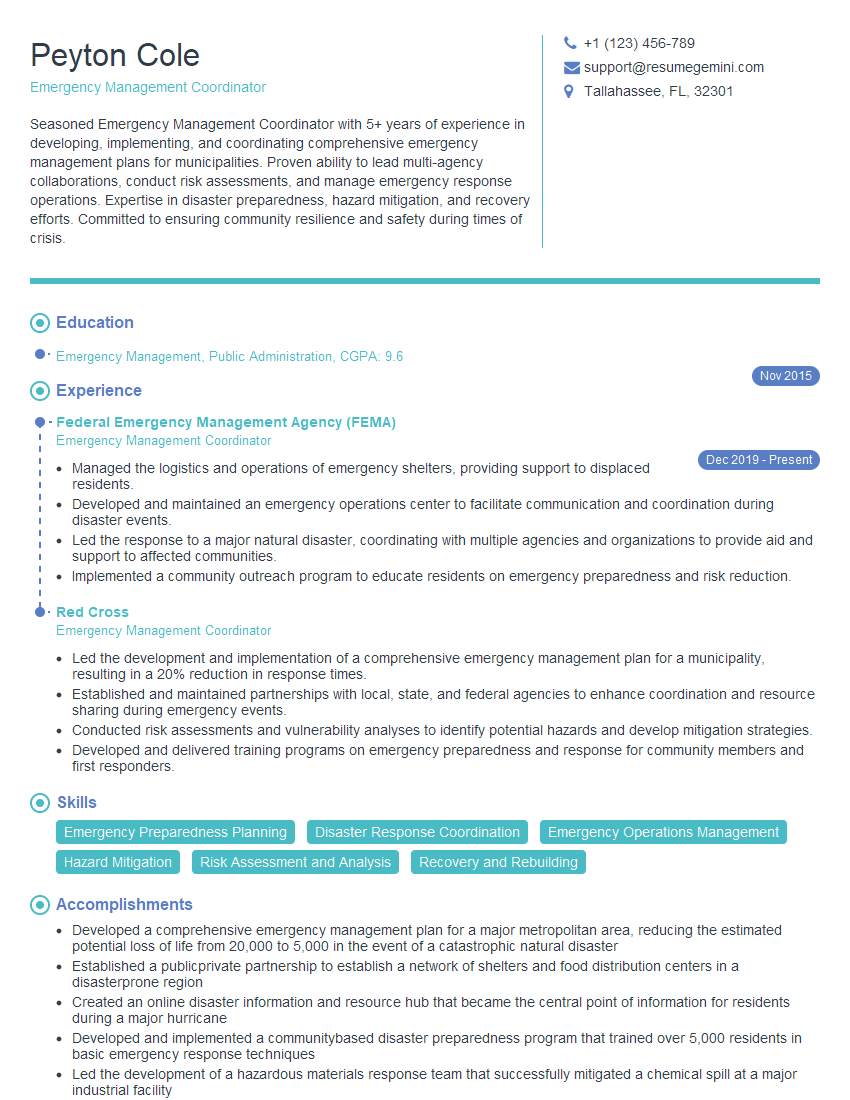
Emergency Management Coordinator Resume Sample
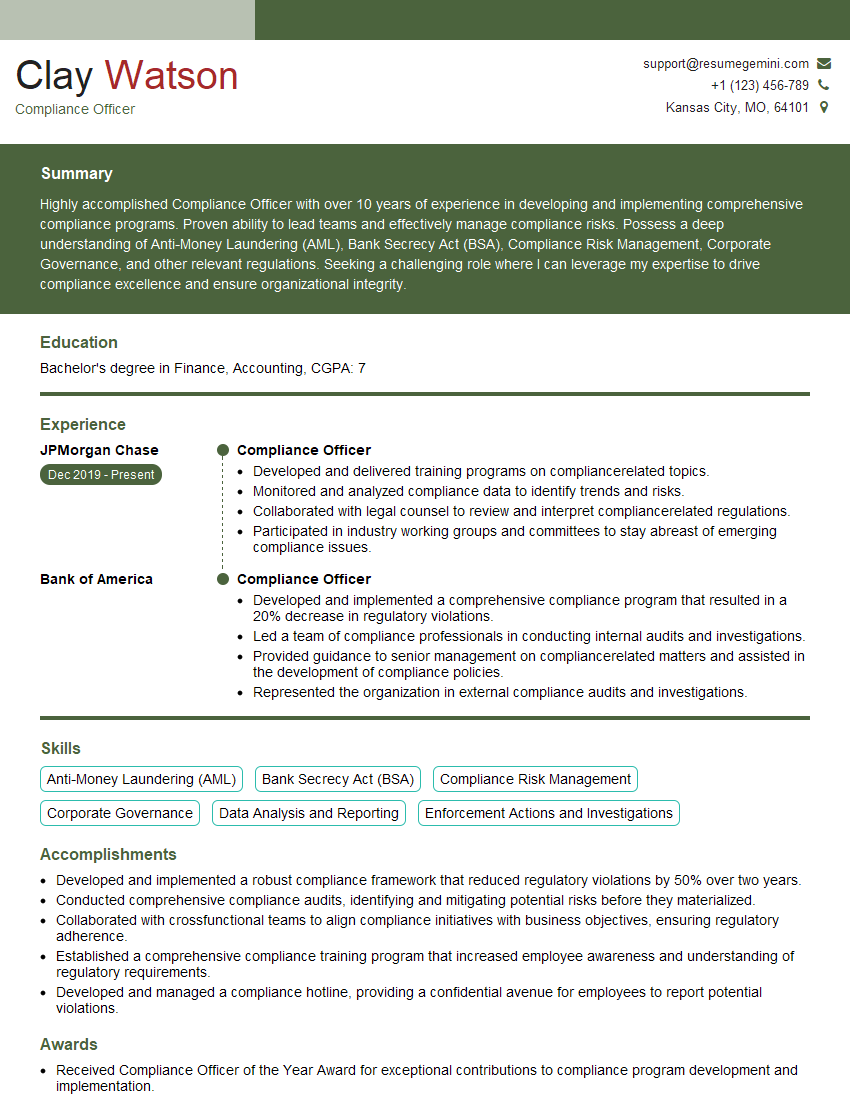
Compliance Officer Resume Sample
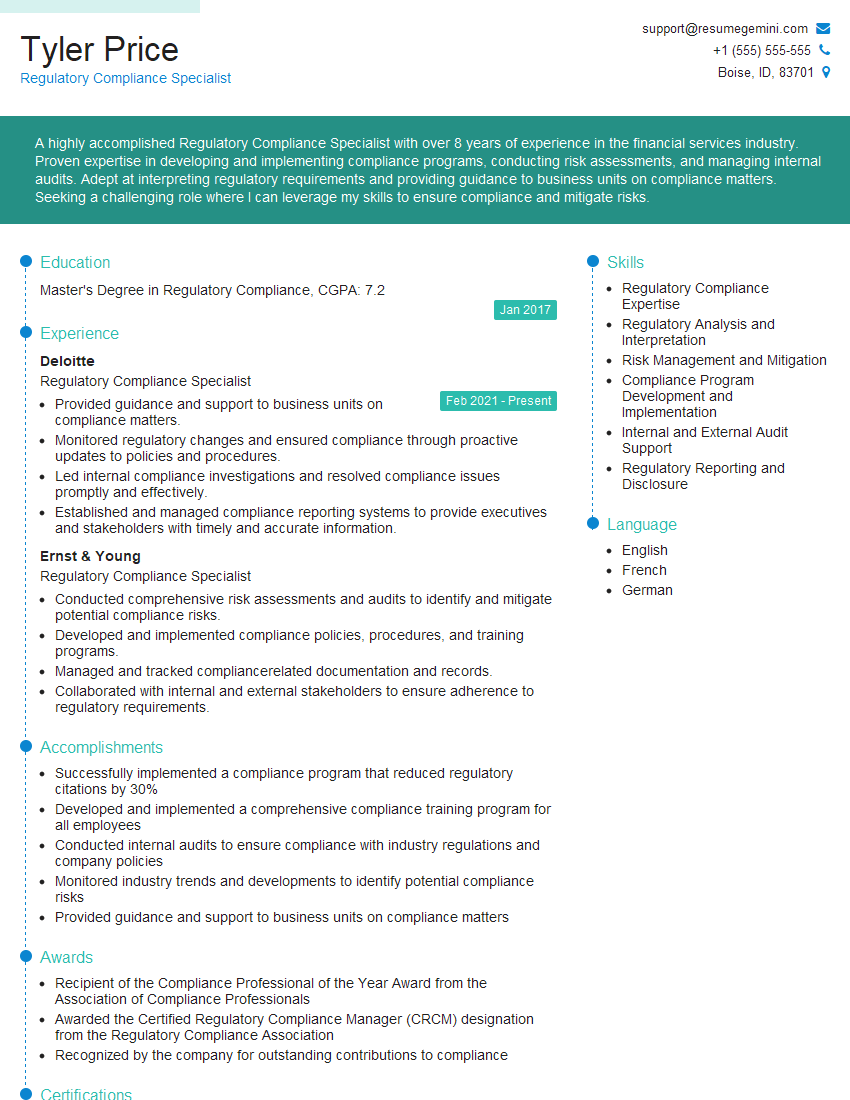
Regulatory Compliance Specialist Resume Sample
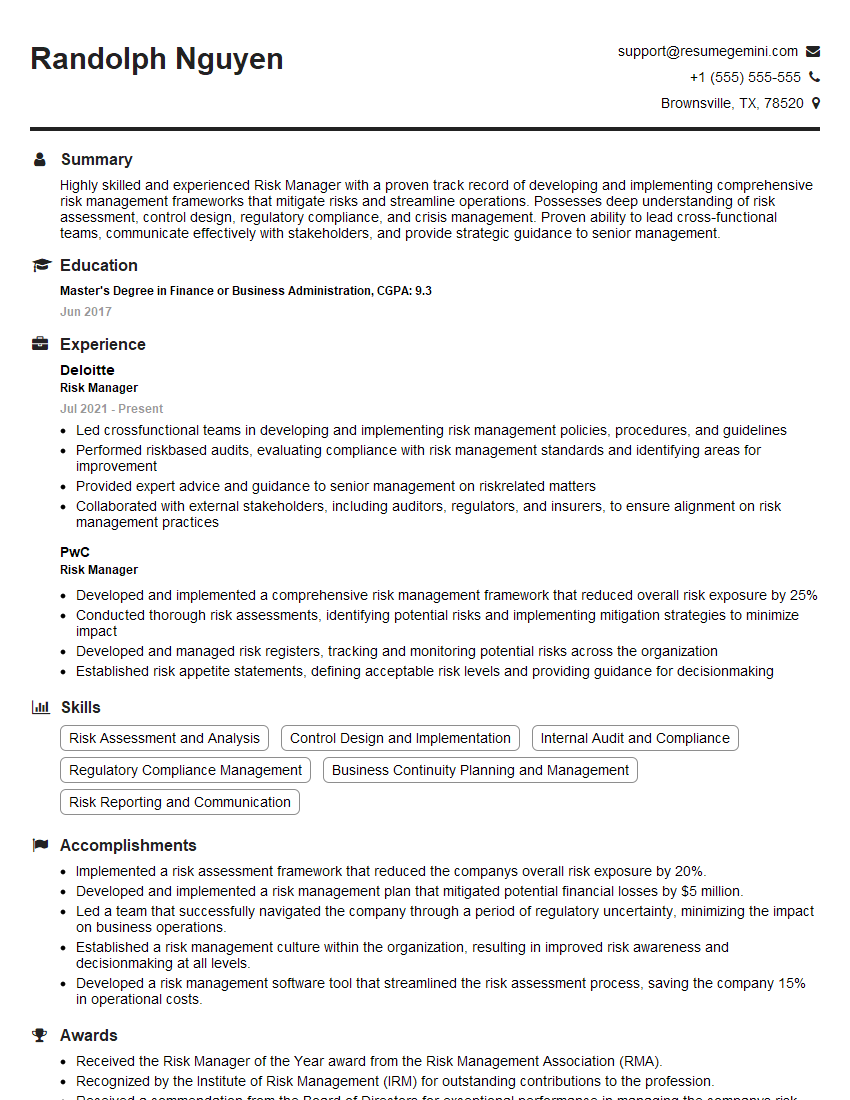
Risk Manager Resume Sample
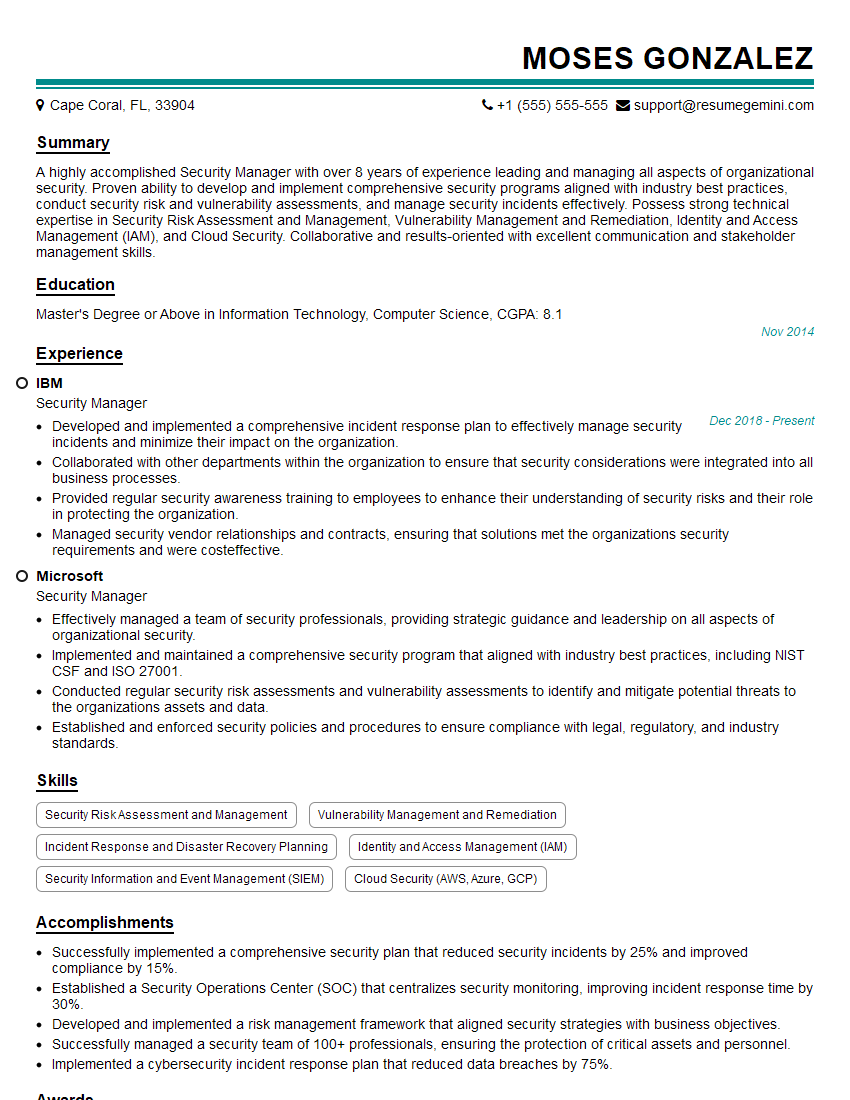
Security Manager Resume Sample
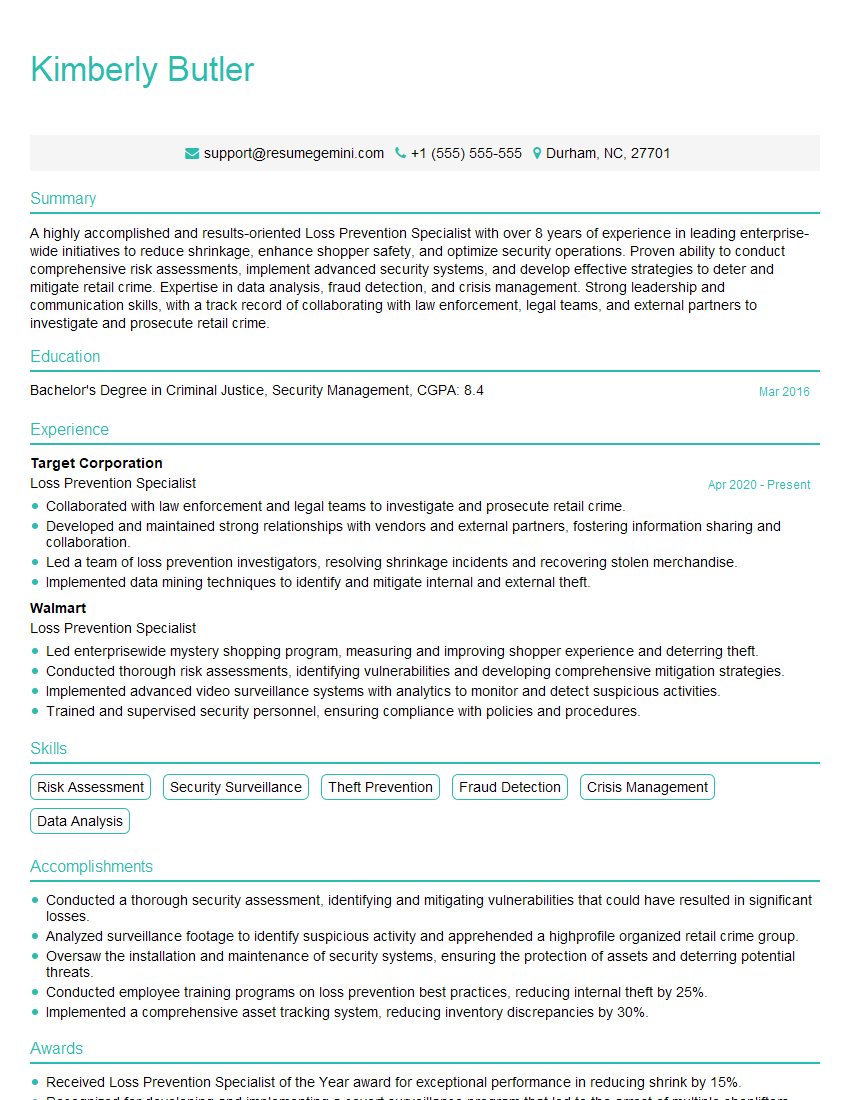
Loss Prevention Specialist Resume Sample
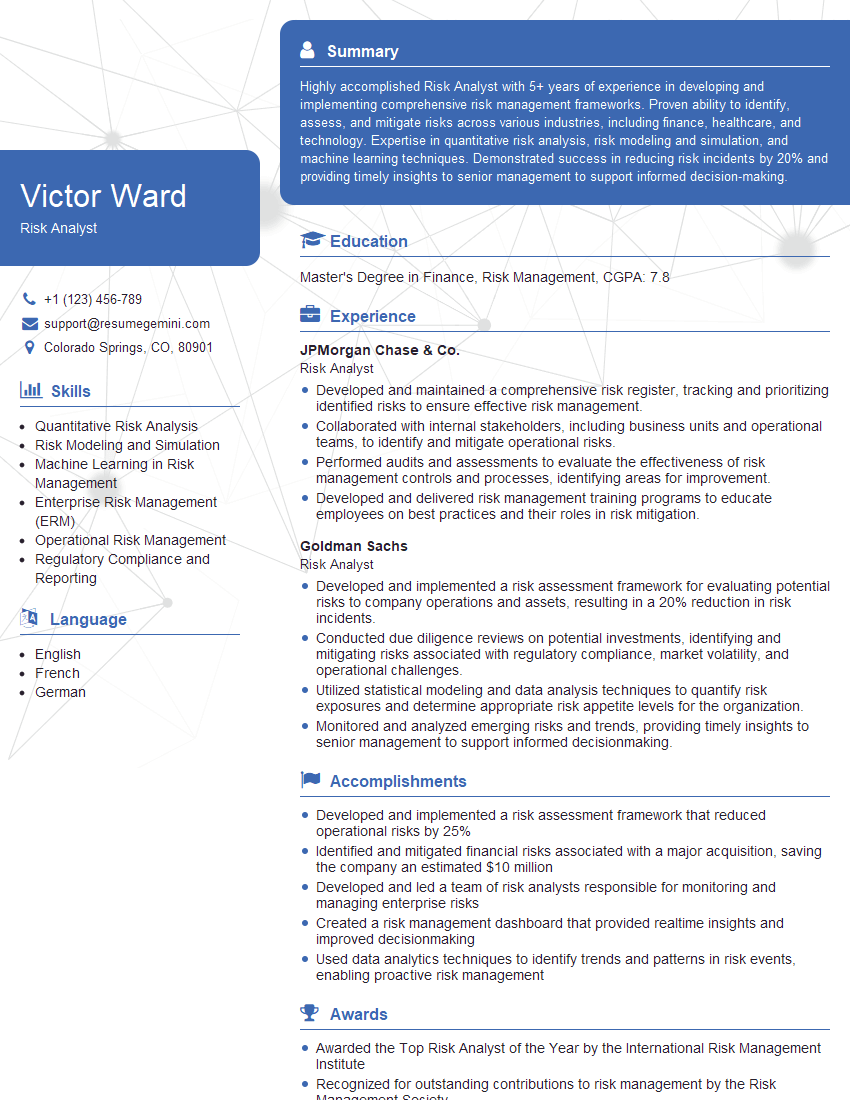
Risk Analyst Resume Sample
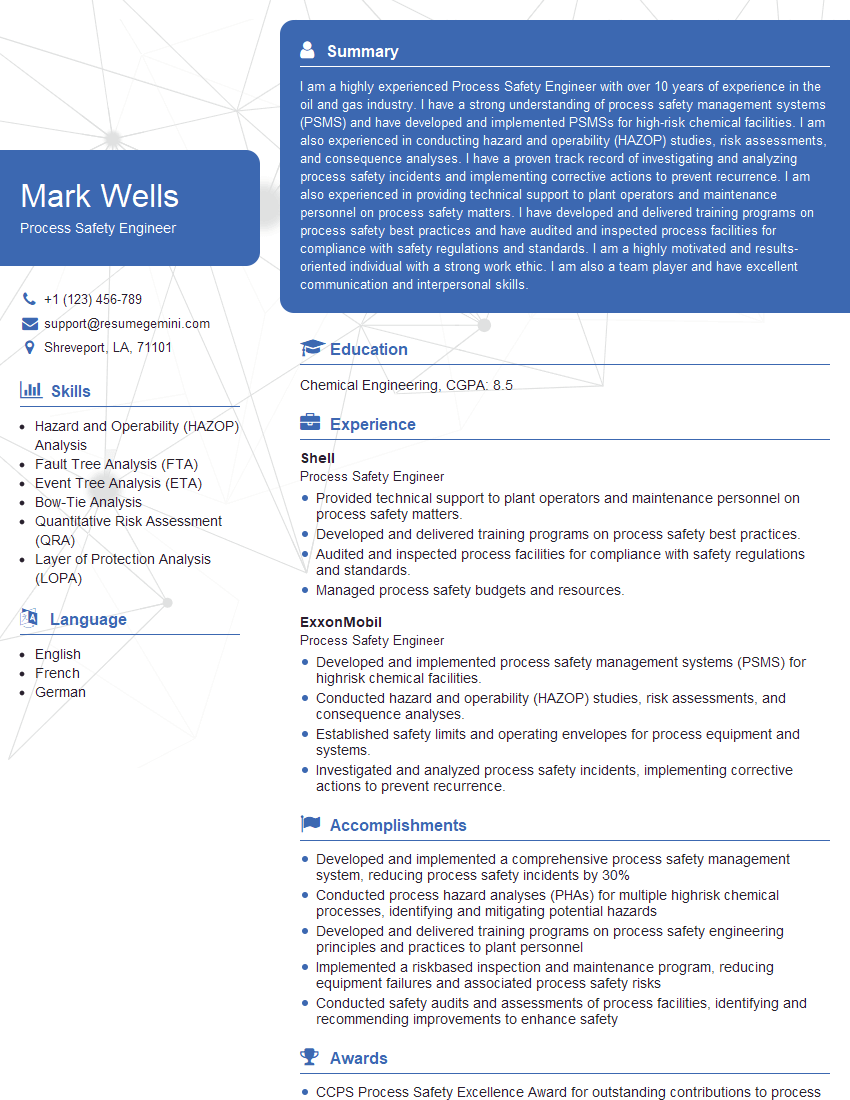
Process Safety Engineer Resume Sample
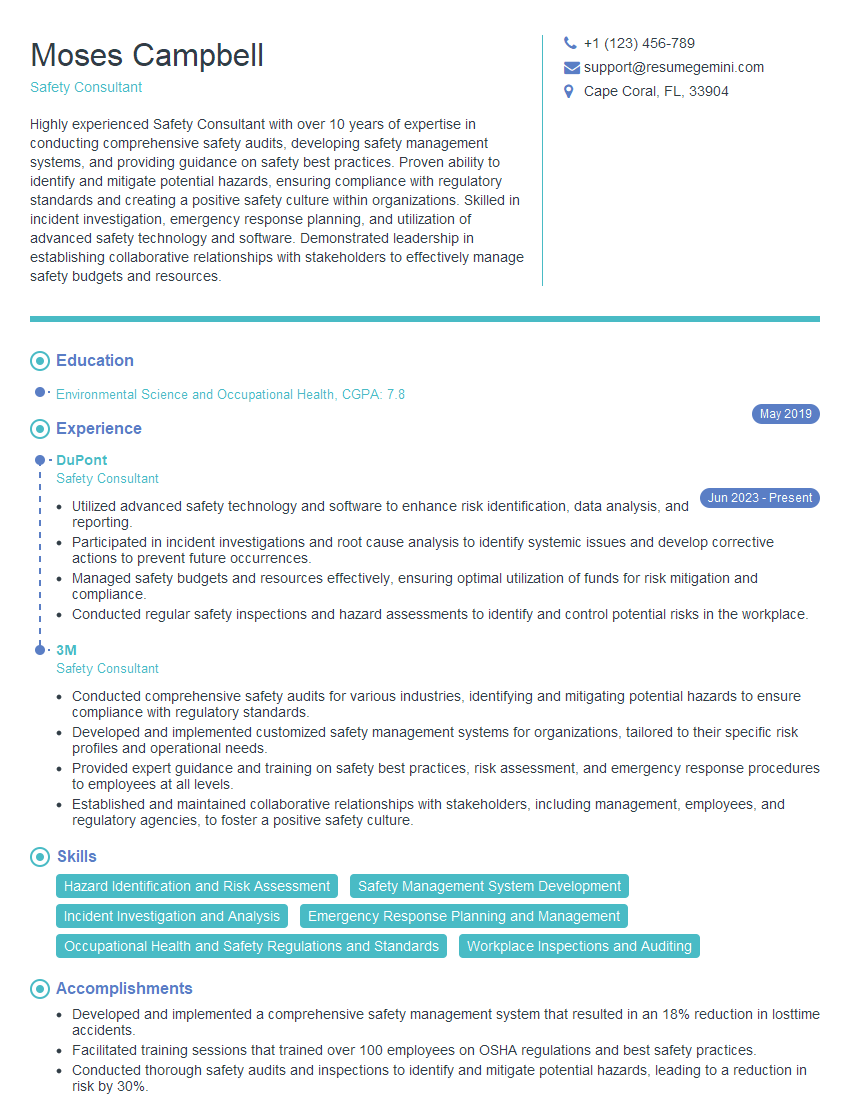
Safety Consultant Resume Sample
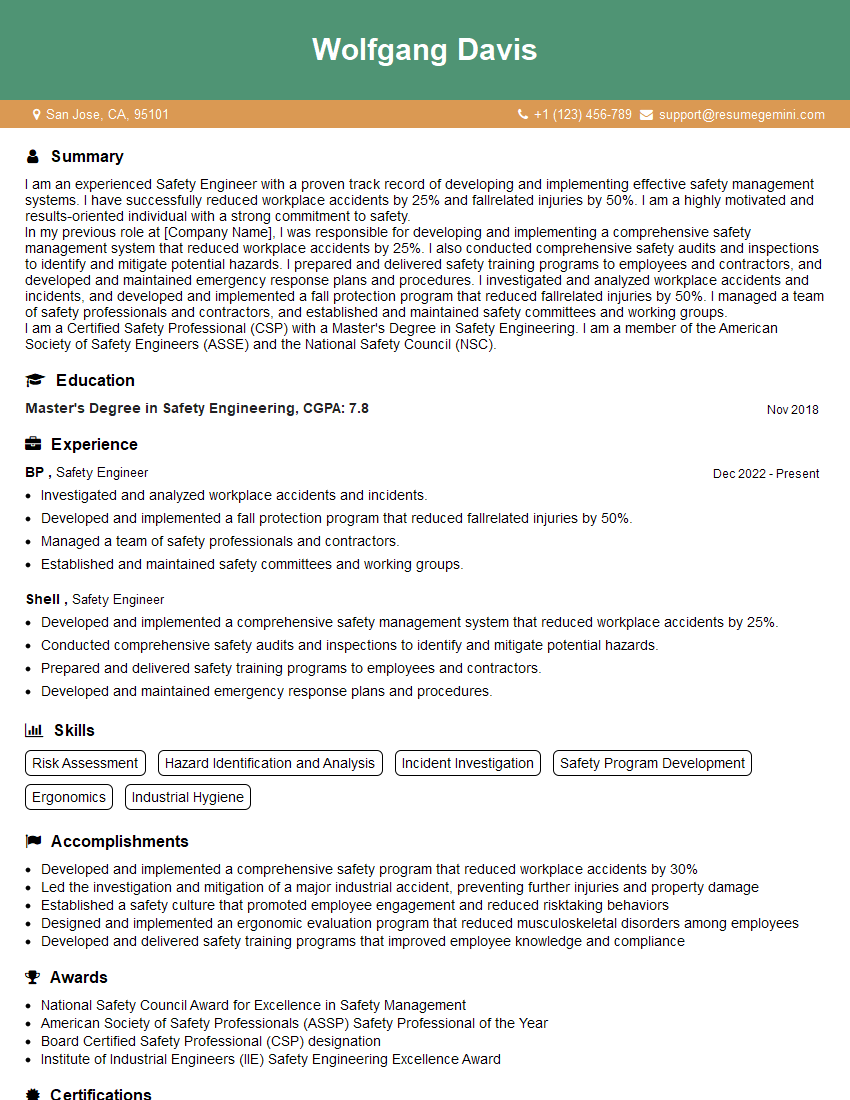
Safety Engineer Resume Sample
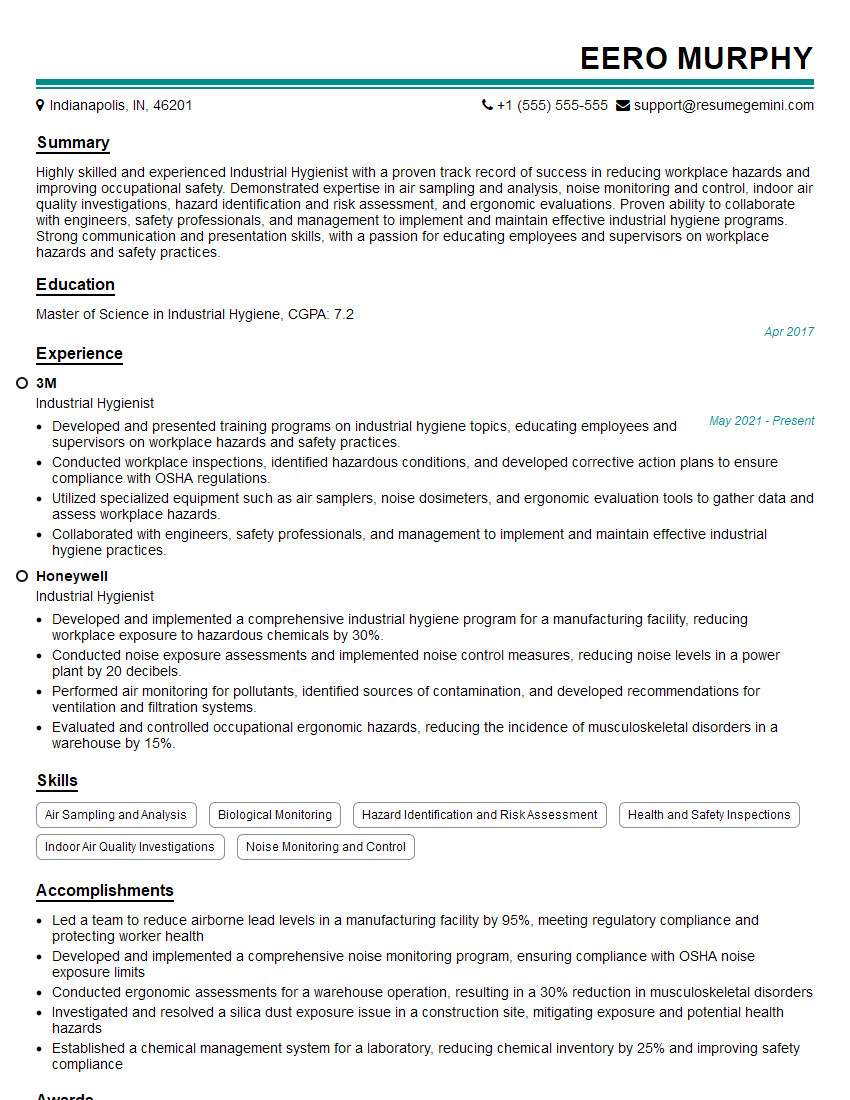
Industrial Hygienist Resume Sample
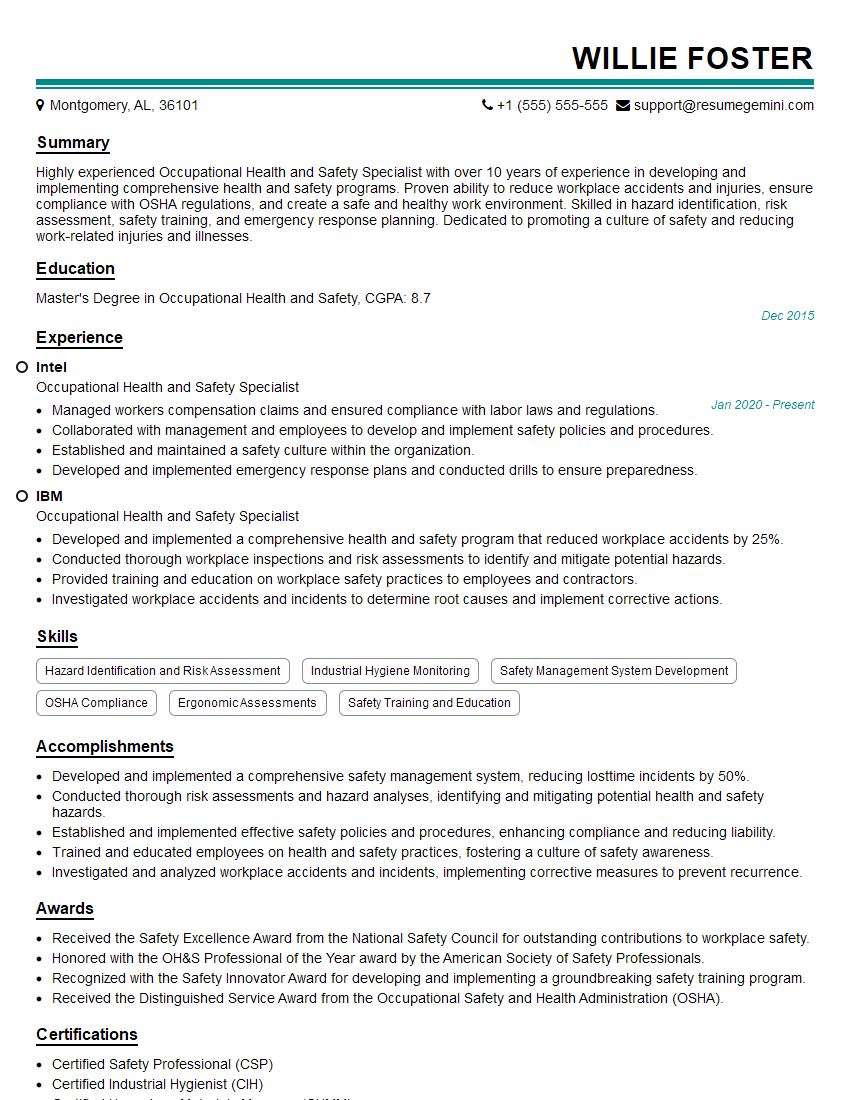
Occupational Health and Safety Specialist Resume Sample
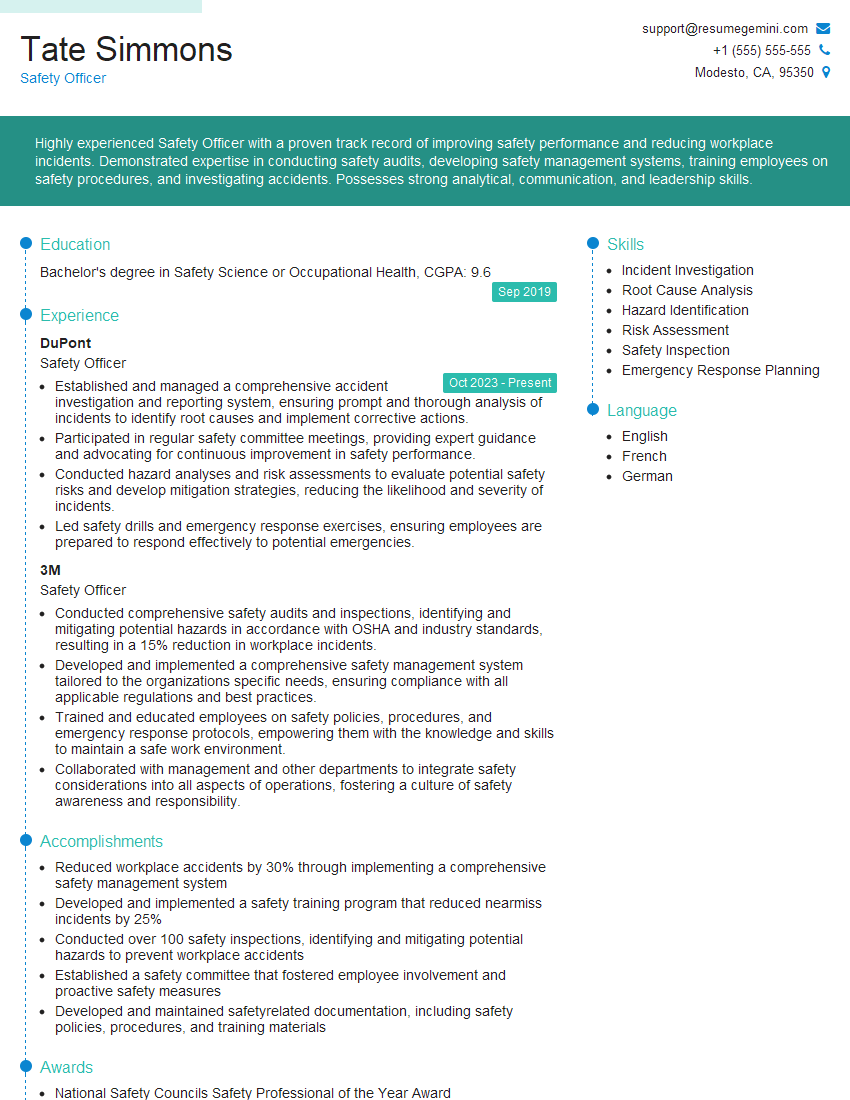
Safety Officer Resume Sample
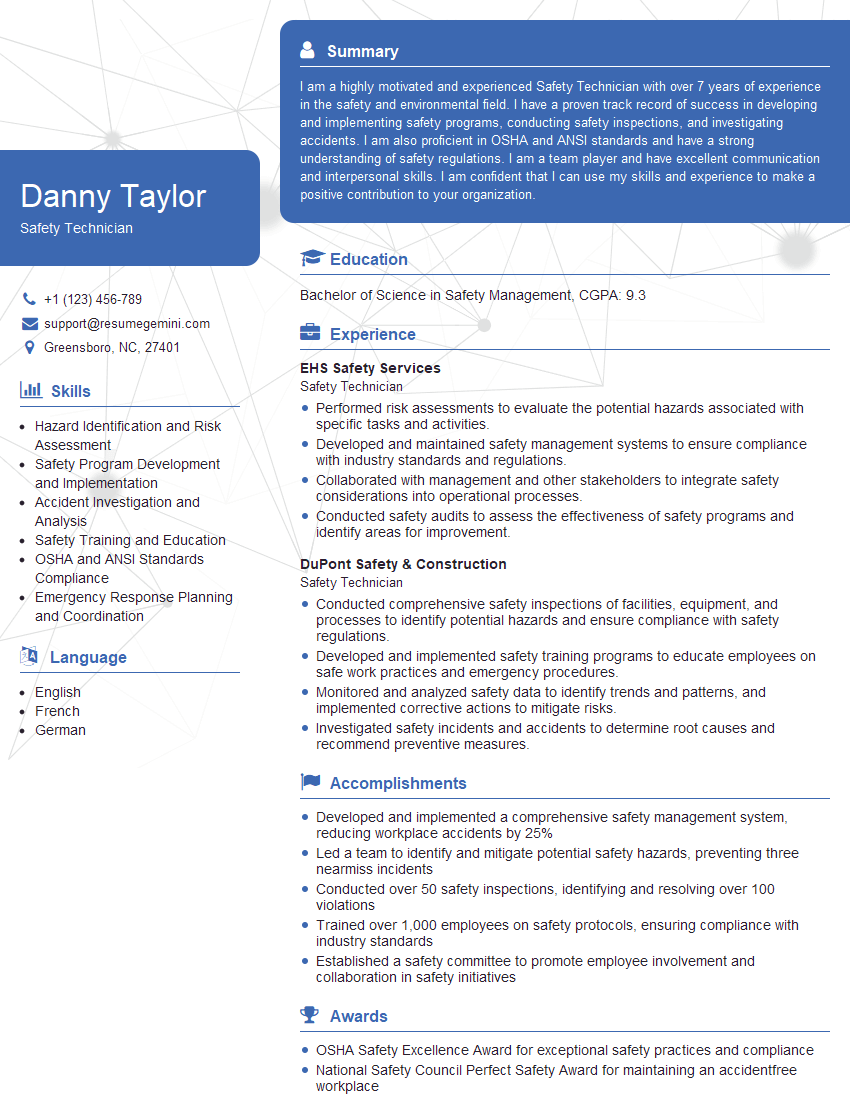
Safety Technician Resume Sample
- Safety Manager
- Safety Director
- Emergency Management Coordinator
- Compliance Officer
- Regulatory Compliance Specialist
- Risk Manager
- Security Manager
- Loss Prevention Specialist
- Risk Analyst
- Process Safety Engineer
- Safety Consultant
- Safety Engineer
- Industrial Hygienist
- Occupational Health and Safety Specialist
- Safety Officer
- Safety Technician
Explore more articles
Users Rating of Our Blogs
Share Your Experience
We value your feedback! Please rate our content and share your thoughts (optional).
What Readers Say About Our Blog
Very informative content, great job.
good