Cracking a skill-specific interview, like one for Ability to collaborate with other team members, requires understanding the nuances of the role. In this blog, we present the questions you’re most likely to encounter, along with insights into how to answer them effectively. Let’s ensure you’re ready to make a strong impression.
Questions Asked in Ability to collaborate with other team members Interview
Q 1. Describe a situation where you had to collaborate with a difficult team member. How did you handle it?
During a large-scale software development project, I worked with a senior developer who consistently missed deadlines and failed to communicate effectively. His approach to coding was also significantly different from the team’s established standards, leading to integration issues.
My approach was multifaceted. First, I scheduled a private meeting with him to understand his challenges. I listened empathetically and discovered he was overwhelmed by the project scope and felt his contributions weren’t valued. This was a crucial first step; understanding the root cause. Then, we collaborated on creating a manageable task breakdown for him, prioritizing tasks and setting realistic deadlines. We also agreed on coding style guidelines that combined his strengths with the team’s established best practices. I further facilitated open communication by scheduling regular check-ins, providing positive reinforcement for progress, and offering support when he encountered roadblocks. This proactive and empathetic approach transformed our working relationship, and he ultimately delivered quality work on time. The key takeaway was to move beyond the symptoms (missed deadlines) to address the underlying issue (feeling overwhelmed and undervalued).
Q 2. Explain your preferred method for conflict resolution within a team.
My preferred conflict resolution method is collaborative problem-solving, a style focusing on finding mutually beneficial solutions. It involves several key steps: 1. Identify the issue: Clearly define the conflict, avoiding personal attacks. 2. Understand perspectives: Actively listen to each party’s viewpoint and validate their feelings. 3. Brainstorm solutions: Encourage everyone to contribute ideas without judgment. 4. Evaluate and select a solution: Weigh the pros and cons of each proposed solution, considering feasibility and impact. 5. Implement and monitor: Put the chosen solution into action and monitor its effectiveness, making adjustments as needed. This approach ensures everyone feels heard, contributing to improved team cohesion and trust.
For example, during a disagreement over project priorities, I facilitated a collaborative problem-solving session. We identified the conflicting priorities, explored the reasons behind each, brainstormed compromises, and ultimately created a revised schedule that balanced competing demands. The result was a project delivered on time and to a high standard.
Q 3. How do you ensure everyone’s voice is heard during a group project?
Ensuring everyone’s voice is heard requires creating a safe and inclusive environment. I utilize several strategies: 1. Structured meeting formats: Using techniques like round-robin discussions, where each person takes a turn to speak, ensures everyone gets a chance to contribute. 2. Brainstorming sessions: These allow for a free flow of ideas, minimizing interruptions and encouraging participation. 3. Anonymous feedback mechanisms: Online surveys or suggestion boxes can help gather input from those who might be hesitant to speak up in group settings. 4. Active listening and facilitation: I pay close attention to body language and actively encourage participation from quieter members. 5. Rotating roles: Assigning different roles (like note-taker or facilitator) to various team members throughout the project distributes responsibilities and provides opportunities for leadership. The goal is not just to hear everyone’s voice, but to ensure every voice is valued and incorporated into the process.
Q 4. Describe a time you had to compromise to reach a team goal.
In a previous project involving the redesign of a company website, the design team strongly favored a visually bold approach, while the development team highlighted technical challenges and limitations with that design. Our goal was a website that was both visually appealing and technically feasible. To reach our team goal, I facilitated a compromise where we adapted the design slightly, using a toned-down version of the original concept. This involved some compromises on both sides but resulted in a website that met both aesthetic and technical requirements. The key was to identify the core elements essential to the design’s appeal and then find ways to adapt those elements to work within development constraints. This collaborative compromise avoided unnecessary friction and ensured a successful project outcome.
Q 5. How do you handle disagreements on project approaches?
Disagreements on project approaches are inevitable. My approach focuses on data-driven decision-making and respectful debate. 1. Data analysis: We gather data to assess the pros and cons of each approach. This could involve user research, market analysis, or feasibility studies. 2. Open discussion: We discuss the potential benefits and drawbacks of different approaches, allowing each team member to articulate their reasoning and concerns. 3. Cost-benefit analysis: We evaluate the costs and benefits associated with each approach, considering time, resources, and potential risks. 4. Decision-making framework: We agree on a clear process for making a final decision, such as majority vote, consensus, or delegation to a designated decision-maker. The emphasis is on reasoned argument and collaboration, not personal opinions.
Q 6. What strategies do you use to build trust and rapport with team members?
Building trust and rapport requires genuine effort and consistent actions. 1. Open and honest communication: I prioritize clear, transparent communication, sharing information openly and honestly. 2. Active listening: I actively listen to understand team members’ perspectives and concerns. 3. Empathy and understanding: I demonstrate empathy and understanding towards the challenges faced by my team members. 4. Mutual respect: I treat every team member with respect, valuing their contributions and perspectives. 5. Collaboration and support: I actively participate in collaborative efforts and offer support to my team members. Building trust is not a one-time event, but an ongoing process requiring consistent dedication and genuine effort. Small gestures like acknowledging contributions, offering help, and celebrating successes can collectively cultivate a strong sense of trust and camaraderie.
Q 7. How do you contribute to a positive and productive team environment?
Contributing to a positive and productive team environment involves several key actions: 1. Positive attitude: Maintaining a positive and supportive attitude encourages team morale and productivity. 2. Proactive problem-solving: Anticipating and proactively addressing potential challenges minimizes disruption and maintains momentum. 3. Effective communication: Clear and concise communication minimizes misunderstandings and keeps everyone informed. 4. Collaboration and teamwork: Actively collaborating with team members fosters a sense of unity and shared purpose. 5. Recognition and appreciation: Acknowledging and appreciating team members’ contributions boosts morale and motivation. I believe creating a collaborative, respectful, and fun environment enhances creativity and overall performance. Celebrating successes, both large and small, is vital for maintaining team cohesion and motivation.
Q 8. Give an example of a time you delegated tasks effectively.
Effective delegation isn’t about dumping tasks; it’s about strategically assigning responsibilities to maximize team potential. It involves choosing the right person for the right task, considering their skills and workload. I remember a project where we were developing a new software module with a tight deadline. We had three developers: Anya excelled at front-end design, Ben was a database guru, and Chloe was proficient in back-end logic. Instead of assigning all tasks equally, I delegated the front-end to Anya, the database design to Ben, and the back-end integration to Chloe.
This approach leveraged each team member’s strengths. Before delegating, I ensured I had clearly defined the task, provided necessary resources (relevant documentation, code samples), and established clear deadlines and communication channels. I also scheduled brief check-in meetings to monitor progress and address any roadblocks. This resulted in a far more efficient and effective development process, meeting the deadline while maintaining high quality.
Q 9. How do you manage your workload when collaborating on multiple projects?
Managing a workload across multiple projects requires a structured approach. I utilize a combination of techniques to stay organized and productive. Firstly, I prioritize tasks based on urgency and importance using methods like Eisenhower Matrix (urgent/important). This helps me focus my energy on the most critical tasks first. Secondly, I break down large projects into smaller, manageable tasks. This makes them less daunting and allows for better progress tracking.
I also use project management tools like Jira or Trello to visually manage my tasks and deadlines across all projects. These tools allow me to allocate time effectively and avoid overlaps. Finally, proactive communication is key; I openly communicate my workload and any potential bottlenecks to my team and manager, ensuring everyone’s aligned and we can collaboratively adjust priorities if needed.
Q 10. Describe your experience using collaborative tools (e.g., Slack, Microsoft Teams).
I’ve extensively used collaborative tools like Slack and Microsoft Teams for communication, file sharing, and project management. In previous roles, we utilized Slack for quick questions, announcements, and informal communication threads. The ability to create channels for specific projects or topics kept conversations organized and searchable. Microsoft Teams provided a more structured environment for formal meetings, document collaboration using shared workspaces (like SharePoint integration), and managing tasks with dedicated project channels.
For example, on a recent project, we used Teams to conduct daily stand-up meetings, share design documents using version control features, and track progress against milestones. These tools significantly improved our teamwork and communication efficiency.
Q 11. How do you ensure clear communication within a team?
Clear communication is foundational for successful teamwork. I emphasize several key aspects: active listening, clear articulation, and choosing the right communication channel. Active listening ensures I understand the team’s perspectives fully before responding. When conveying information, I use simple, concise language and avoid technical jargon unless everyone is familiar with it.
Furthermore, I make sure to choose the right medium for the message; quick questions might be best suited for instant messaging (Slack), while complex discussions require video conferencing or email for documentation. Regular check-in meetings (both formal and informal) offer opportunities to address concerns, clarify expectations, and ensure everyone stays on the same page.
Q 12. How do you provide constructive feedback to team members?
Constructive feedback should focus on behavior and its impact, not the person. I follow the SBI model: Situation, Behavior, Impact. I describe the specific situation, the team member’s behavior in that situation, and the impact of that behavior on the project or team. For instance, ‘During the client presentation (Situation), I noticed that you interrupted several times (Behavior). This resulted in a slightly disjointed presentation and created some confusion for the client (Impact).’
I avoid generalizations and focus on observable actions. The feedback is always framed positively, focusing on improvement rather than criticism. I offer suggestions for improvement, focusing on solutions and opportunities for growth rather than dwelling on mistakes. Finally, I ensure it’s a two-way conversation, allowing the team member to share their perspective and ask clarifying questions.
Q 13. How do you adapt your communication style to different team members?
Adapting communication style is crucial for effective collaboration. I recognize that different people have different communication preferences and learning styles. Some prefer concise, direct communication, while others thrive in more collaborative, conversational settings.
I assess each team member’s communication preferences through observation and interaction. For example, I might observe that one team member responds best to visual aids during meetings, while another prefers detailed written instructions. I then adjust my communication accordingly: using visual aids for one, providing written summaries for another. This personalized approach fosters better understanding and ensures everyone receives information in a way they can easily comprehend.
Q 14. How do you motivate team members to achieve shared goals?
Motivating a team towards shared goals requires a multifaceted approach. First, I ensure everyone understands the overarching goals and how their individual contributions fit into the bigger picture. This fosters a sense of ownership and purpose. Second, I celebrate successes, both big and small, to reinforce positive behavior and boost morale. Recognition, even a simple ‘thank you,’ can go a long way.
Third, I create an environment of trust and mutual respect, where team members feel comfortable sharing ideas, concerns, and challenges without fear of judgment. Open communication channels and regular feedback sessions are crucial here. Finally, I provide opportunities for growth and development, allowing team members to learn new skills and take on more challenging tasks. This shows investment in their professional journey and motivates them to strive for excellence.
Q 15. Describe a time you had to resolve a conflict between team members.
Conflict resolution is a crucial skill for effective teamwork. It involves identifying the root cause of the disagreement, facilitating open communication, and guiding the team towards a mutually acceptable solution. I once faced a conflict between two developers on a project with conflicting design approaches. One favoured a more streamlined user interface while the other advocated for a more feature-rich, potentially more complex design.
My approach involved first actively listening to each developer, ensuring both felt heard and understood. I then facilitated a structured discussion, focusing on the project goals and identifying the pros and cons of each approach. We created a decision matrix, weighing factors like development time, user experience, and maintainability. This visual aid helped both developers see the trade-offs involved and allowed them to collaborate on a hybrid approach that incorporated the best elements of both designs. The key was creating a safe space for open dialogue and focusing on finding a solution that benefited the project as a whole, not just individual preferences.
Career Expert Tips:
- Ace those interviews! Prepare effectively by reviewing the Top 50 Most Common Interview Questions on ResumeGemini.
- Navigate your job search with confidence! Explore a wide range of Career Tips on ResumeGemini. Learn about common challenges and recommendations to overcome them.
- Craft the perfect resume! Master the Art of Resume Writing with ResumeGemini’s guide. Showcase your unique qualifications and achievements effectively.
- Don’t miss out on holiday savings! Build your dream resume with ResumeGemini’s ATS optimized templates.
Q 16. How do you identify and leverage the strengths of individual team members?
Identifying and leveraging team strengths is essential for maximizing team productivity. I begin by conducting informal ‘strengths’ interviews – casual conversations where I encourage team members to discuss their skills, passions, and what they find most fulfilling in their work. I also observe their performance on tasks, noting areas where they excel. This might involve direct observation of their work, reviewing their outputs, or even asking for peer feedback.
Once I have a clear picture of individual strengths, I strategically delegate tasks based on these abilities. For example, if one team member excels at problem-solving, I’ll assign them more complex tasks or troubleshooting responsibilities. If another team member excels at communication, I’ll involve them in client interactions or presentations. This approach ensures that everyone feels valued for their unique contributions, boosting morale and increasing the efficiency of the overall project.
Q 17. How do you handle situations where team members are not meeting deadlines?
Missed deadlines are a challenge that requires proactive management. My approach involves first understanding the *why* behind the missed deadline. Is it due to unforeseen circumstances, lack of resources, underestimated complexity, or something else? Open communication is critical here. I’d schedule a meeting with the individual(s) involved, and ask open-ended questions to understand the root cause without judgment.
Once the cause is identified, we collaboratively develop a plan to get back on track. This might involve re-prioritizing tasks, allocating additional resources, or adjusting the timeline realistically. I would focus on solutions, offering support and guidance, but also hold the team member accountable for meeting the revised deadlines. Regular check-ins are vital to ensure the plan is working and to provide ongoing support. This approach addresses both the immediate problem and prevents future deadline issues by identifying systemic bottlenecks or skill gaps.
Q 18. How do you ensure that all team members are informed of project updates?
Keeping everyone informed is vital for transparency and team cohesion. I utilize a multi-pronged approach. First, regular team meetings are scheduled, providing a forum to discuss project updates, address concerns, and foster open communication. These meetings can be supplemented with progress reports, either email updates or shared documents such as project management software, providing a centralized repository of information.
For quick updates, I use instant messaging platforms, ensuring all team members are added to relevant communication channels. Visual dashboards (like Kanban boards) can also be beneficial, providing a real-time overview of the project’s status and progress. Finally, I tailor communication methods based on the recipient and type of information. For example, complex technical details might require a more detailed email, whereas a quick status update might be shared via instant messaging.
Q 19. Describe a time you had to overcome a significant challenge as part of a team.
One significant challenge involved launching a new software application under a very tight deadline. We faced unforeseen technical hurdles, and the initial launch date seemed increasingly unattainable. The team’s morale was low due to the pressure and the long hours.
To overcome this, I initiated daily stand-up meetings where we focused not just on technical problems but also on team morale. We openly discussed the challenges and celebrated even small wins. I also implemented a system of task breakdown and delegation, ensuring everyone had clear responsibilities and understood their contribution to the overall success. We also utilized agile methodologies, adapting our plan as we faced new challenges. Ultimately, we launched the application, albeit a few days behind schedule, but with a cohesive and proud team. The experience highlighted the importance of open communication, adaptability, and celebrating progress, even amidst significant adversity.
Q 20. How do you recognize and reward team achievements?
Recognizing and rewarding team achievements is vital for motivation and fostering a positive work environment. I believe in celebrating both big and small wins. Public acknowledgement is powerful; in team meetings, I highlight individual and team accomplishments, praising specific contributions and highlighting the positive impact they had on the project. This can be as simple as a verbal thank you or a more formal recognition in a company-wide email.
Beyond verbal praise, I also support more tangible rewards when appropriate. This could include extra time off, team lunches, gift cards, or nominations for company awards. The key is to make the rewards relevant and meaningful to the team, aligning with their values and preferences. Regular feedback, both positive and constructive, is equally important, creating a culture where achievements are not only acknowledged but also actively encouraged.
Q 21. How do you manage your own contributions while also supporting your team?
Balancing individual contributions with team support is a key leadership skill. I ensure my own work remains on track by prioritizing tasks effectively using tools like project management software and time-blocking techniques. However, I also proactively seek opportunities to assist team members. I don’t micromanage but offer guidance and support when needed. This might involve pairing with a team member on a challenging task, helping them troubleshoot a problem, or providing constructive feedback on their work.
I also create opportunities for team members to shine. For example, I might delegate a significant task to a team member who is ready to take on more responsibility, providing the necessary support and mentorship to help them succeed. This approach builds trust, empowers team members, and ultimately strengthens the team’s overall capabilities. It’s about creating a collaborative environment where everyone feels supported and empowered to contribute their best work.
Q 22. How do you handle pressure and maintain productivity in a collaborative setting?
Maintaining productivity under pressure in a collaborative setting requires a proactive approach combining individual resilience with effective team strategies. I find that prioritizing tasks, breaking down large projects into smaller, manageable steps, and utilizing time management techniques like the Pomodoro Technique are essential. This structured approach allows me to focus my energy and avoid feeling overwhelmed.
Furthermore, open communication is key. If I’m feeling stressed, I proactively communicate this to my team, explaining my current workload and seeking support or assistance where needed. This avoids bottlenecks and prevents individual pressure from impacting the entire team. For instance, during a particularly demanding project launch, I openly communicated my capacity constraints to my team lead, which led to a redistribution of tasks and ultimately a smoother launch. This is a simple yet effective method that promotes mutual support and efficient workflow.
Q 23. Describe your experience working in a virtual team environment.
My experience with virtual teams has been extensive and has taught me the importance of leveraging technology effectively. I’ve participated in several projects where team members were geographically dispersed. In these scenarios, we heavily relied on tools such as Slack for quick communication, Zoom for meetings, and Asana for task management and project tracking.
Successful virtual collaboration requires proactive communication to mitigate potential miscommunication due to the lack of face-to-face interaction. I’ve learned to schedule regular check-ins, utilize clear and concise written communication, and actively seek feedback to ensure everyone stays aligned. For example, in one project, we implemented daily stand-up meetings via video conferencing, which dramatically improved transparency and reduced ambiguity. These short, focused meetings ensured we were all on the same page regarding progress, challenges, and upcoming priorities.
Q 24. How do you stay organized and manage shared resources effectively?
Organization and effective management of shared resources are paramount for seamless team collaboration. I employ a multifaceted approach incorporating both digital and physical strategies. For digital resources, we utilize cloud-based storage solutions like Google Drive or Dropbox, ensuring version control and easy access for all team members. We establish clear naming conventions and folder structures to maintain order. This reduces confusion and makes locating specific files quick and easy.
For physical resources, like equipment or shared office space, we develop a booking system or a shared calendar to avoid conflicts. Transparency is key—we use a centralized system that everyone can access to track resource availability and prevent overbooking. For instance, in a previous role, we used a shared Google Sheet to schedule use of a 3D printer, ensuring fair and efficient access for every team member. Clear communication and a well-defined system for resource allocation prevent bottlenecks and misunderstandings.
Q 25. How do you deal with a team member who is consistently unproductive?
Addressing consistent unproductivity in a team member requires a sensitive yet direct approach. I believe in a two-step process that prioritizes understanding the root cause before implementing solutions. First, I’d initiate a private, one-on-one conversation. This conversation is about understanding their perspective, identifying any potential obstacles preventing them from contributing effectively, and listening empathetically to their concerns. Perhaps they are facing personal challenges, lack clarity on their roles, or require additional training or support.
Once I understand the situation, I collaborate with the team member to develop an action plan. This could include setting clear goals and deadlines, providing additional training or mentorship, adjusting their workload, or offering support to overcome personal challenges. It’s vital to maintain a supportive and collaborative environment while establishing clear expectations and accountability. If the situation persists despite these efforts, I’d escalate the matter to the team lead or manager for further guidance and support. The goal is not to isolate or punish but to help the team member succeed and contribute meaningfully to the team.
Q 26. How do you measure the success of a team collaboration?
Measuring the success of team collaboration isn’t solely about achieving the project’s objectives; it also encompasses assessing the effectiveness of the team’s process and the overall team dynamic. I employ a multi-faceted approach that combines quantitative and qualitative metrics.
Quantitative metrics include on-time and within-budget project completion, the quality of deliverables, and key performance indicators (KPIs) specific to the project. However, equally important are qualitative measures. This includes assessing team morale, evaluating communication effectiveness, measuring individual contribution, and analyzing the team’s ability to solve problems collaboratively. Feedback surveys, team retrospectives, and informal observation are invaluable tools for gathering this qualitative data. A successful collaboration isn’t just about completing a project, but about fostering a positive, productive, and efficient team environment.
Q 27. Explain your approach to brainstorming and idea generation within a team.
My approach to brainstorming and idea generation prioritizes inclusivity and structured creativity. I avoid hierarchical environments where dominant personalities might stifle less assertive members. I find that techniques such as mind mapping, brainwriting (writing ideas down individually before sharing), and the nominal group technique (silent idea generation followed by ranked voting) encourage diverse participation.
Prior to the brainstorming session, I ensure a clear understanding of the problem or opportunity. This allows everyone to approach the task with a shared focus. During the session, I actively facilitate by encouraging active listening, promoting respectful debate, and recording all ideas without judgment. Following the session, ideas are synthesized, evaluated, and prioritized based on feasibility, impact, and alignment with overall objectives. This structured approach maximizes creativity while minimizing unproductive tangents and ensures all voices are heard.
Q 28. How do you facilitate effective decision-making in a team setting?
Facilitating effective decision-making involves creating an inclusive and structured process that fosters transparency, collaboration, and accountability. I typically employ a combination of techniques tailored to the context of the decision. For less complex decisions, a quick consensus-building approach might suffice. This involves open discussion, weighing different perspectives, and aiming for a shared understanding.
However, for more complex or high-stakes decisions, a more structured approach like the ‘Decision Matrix’ is employed. This involves identifying key criteria, evaluating each option against these criteria, assigning weights to the criteria based on their importance, and calculating a score for each option. This systematic approach adds objectivity and transparency to the decision-making process. In all cases, I prioritize clear communication, ensuring all team members understand the decision-making process, have an opportunity to express their opinions, and feel heard. Post-decision, I ensure accountability by clearly assigning roles and responsibilities for implementation and monitoring progress.
Key Topics to Learn for Ability to Collaborate with Other Team Members Interview
- Understanding Collaborative Styles: Learn to identify and articulate different team working styles (e.g., individual contributors, delegators, collaborators) and how to adapt your approach for optimal teamwork.
- Effective Communication: Practice clear and concise communication, both verbal and written. Explore techniques for active listening, providing constructive feedback, and managing conflict constructively.
- Conflict Resolution Strategies: Develop strategies for addressing disagreements professionally and productively. This includes identifying the root cause of conflicts, finding common ground, and mediating disputes fairly.
- Teamwork & Contribution: Showcase your understanding of how to contribute effectively to a team, take initiative, and support colleagues. Highlight examples where you’ve proactively helped a team succeed.
- Shared Goals & Accountability: Discuss your experience working towards shared objectives and understanding the importance of individual and collective accountability.
- Leveraging Diverse Perspectives: Explain how you value diverse viewpoints and use them to enrich team discussions and problem-solving efforts. Highlight instances where you incorporated different perspectives successfully.
- Technological Collaboration Tools: Familiarize yourself with various collaboration tools (e.g., project management software, communication platforms) and how you have utilized them to enhance team productivity.
Next Steps
Mastering the ability to collaborate effectively is crucial for career advancement. It’s a highly sought-after skill that significantly enhances your value to any organization. To increase your job prospects, it’s vital to present your collaborative skills effectively on your resume. Crafting an ATS-friendly resume is key to getting your application noticed. ResumeGemini is a trusted resource that can help you build a professional, impactful resume that showcases your strengths. We provide examples of resumes tailored to highlight “Ability to collaborate with other team members,” helping you present yourself as the ideal candidate.
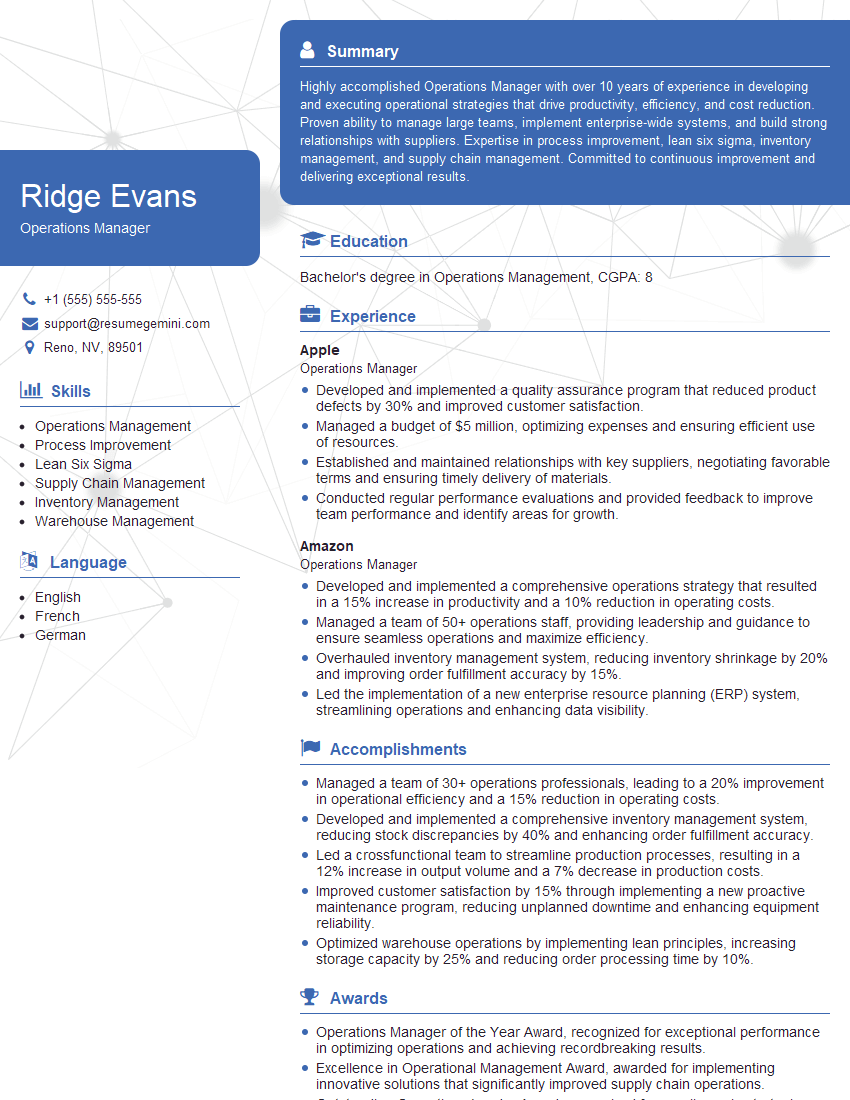
Operations Manager Resume Sample
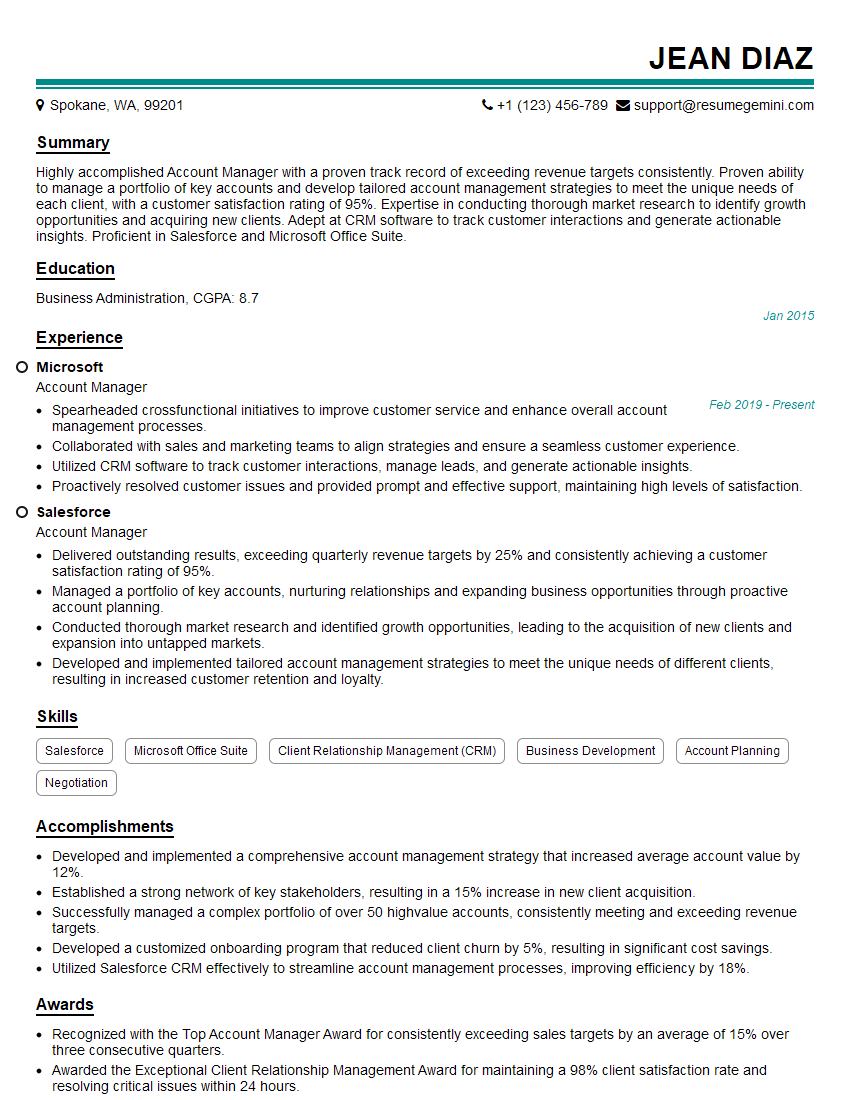
Account Manager Resume Sample
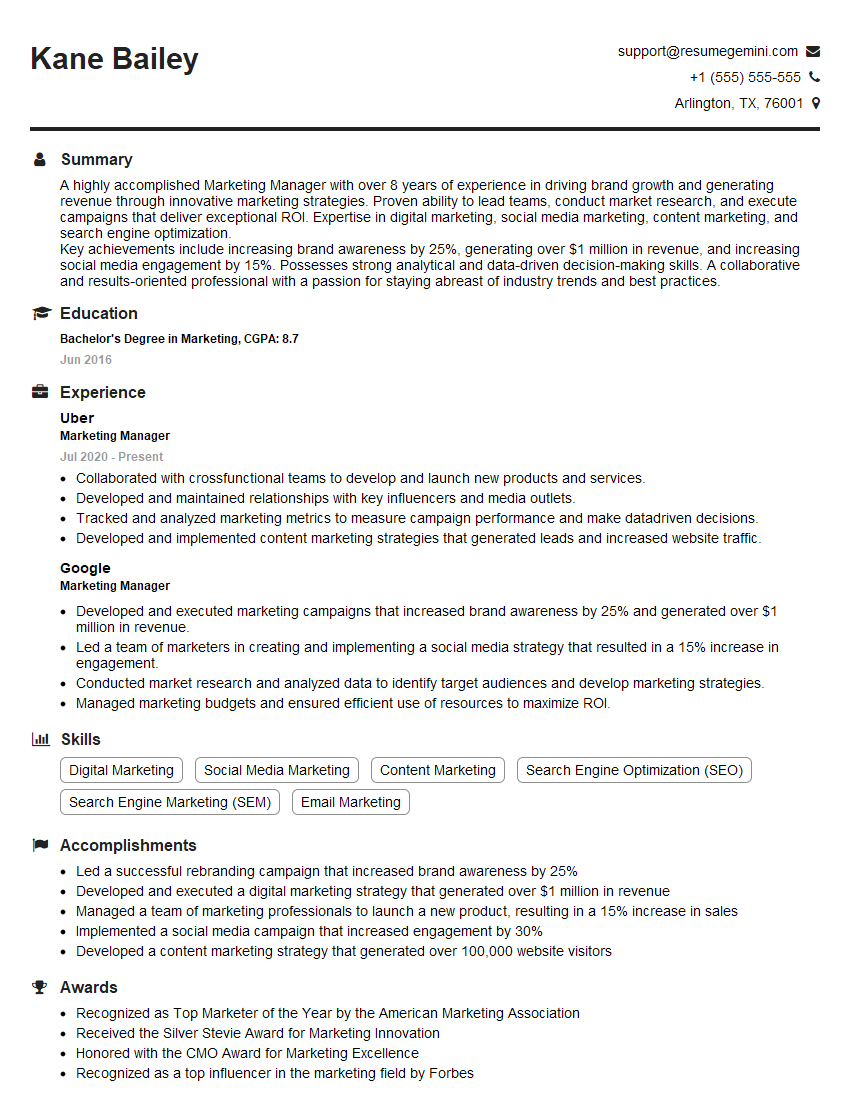
Marketing Manager Resume Sample
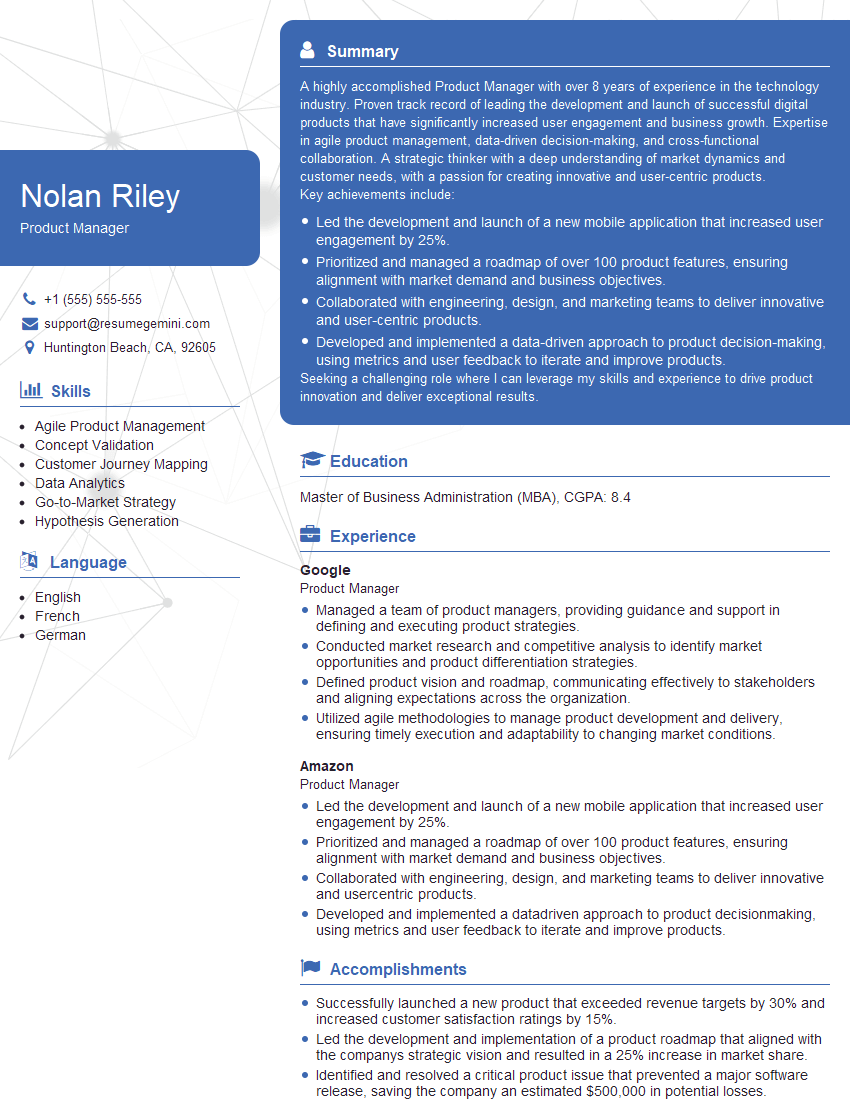
Product Manager Resume Sample
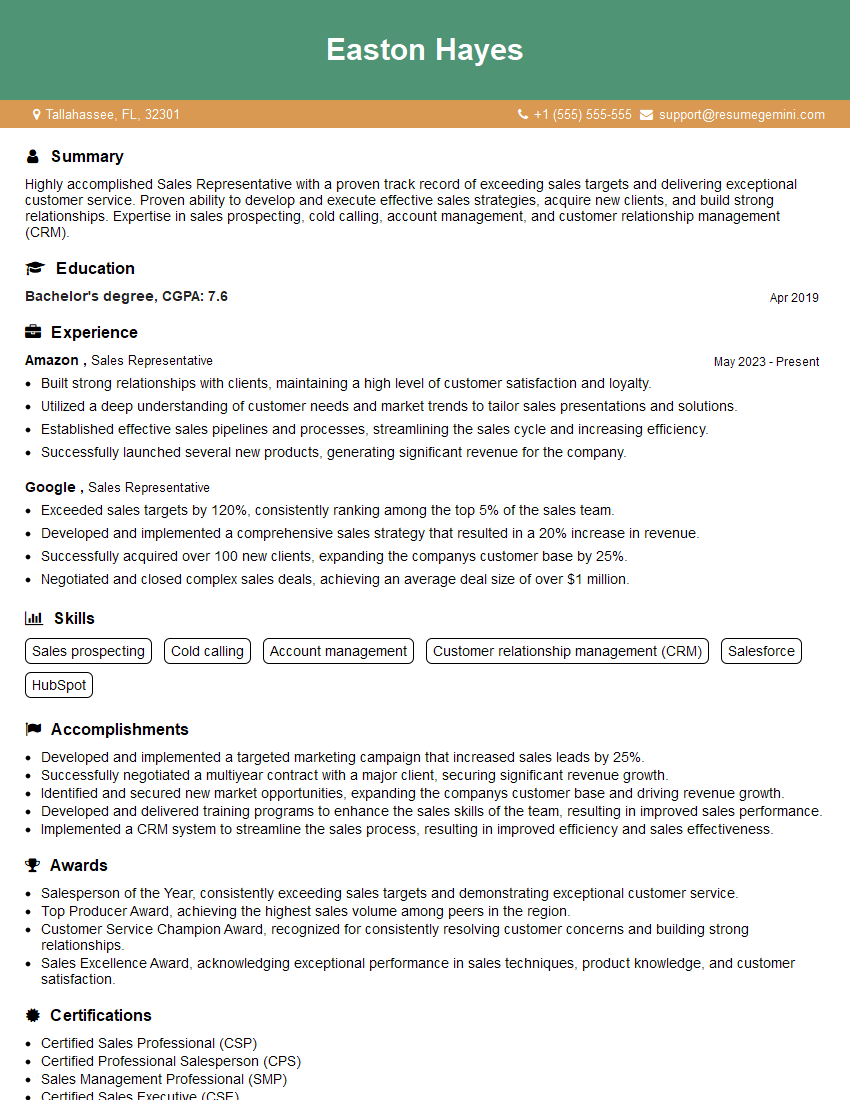
Sales Representative Resume Sample
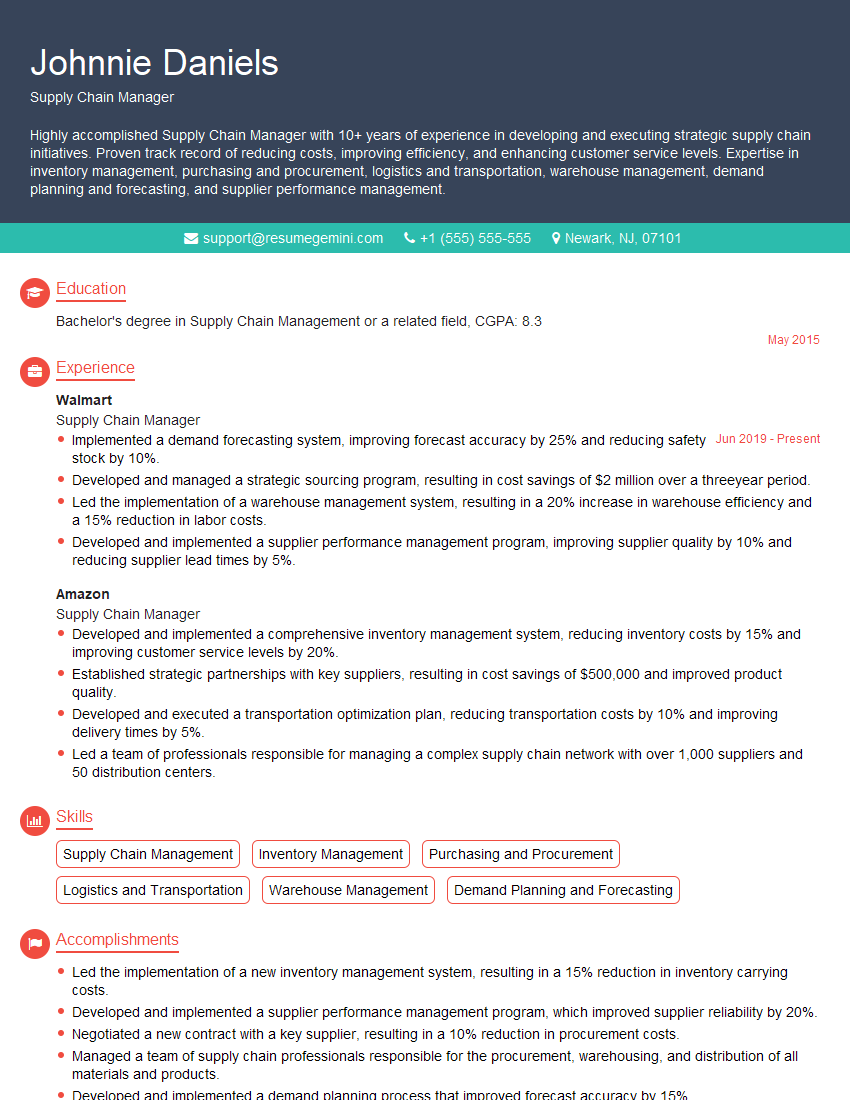
Supply Chain Manager Resume Sample
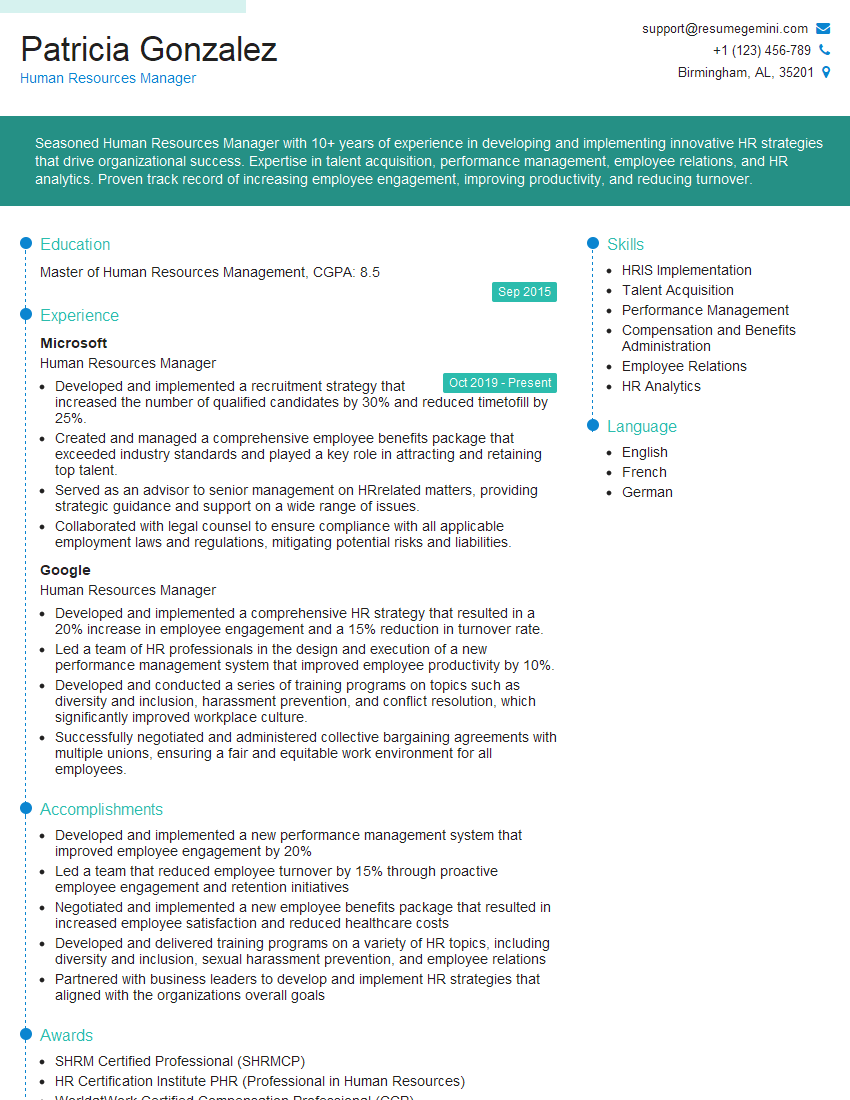
Human Resources Manager Resume Sample
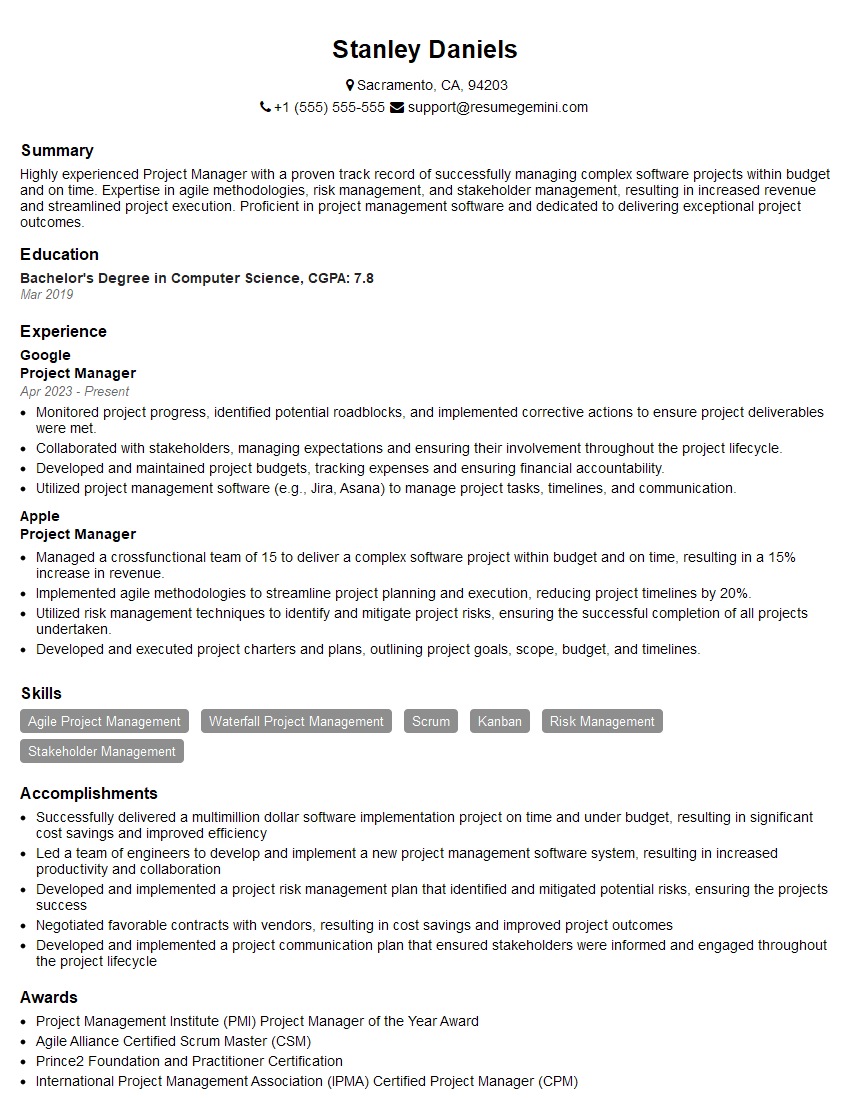
Project Manager Resume Sample
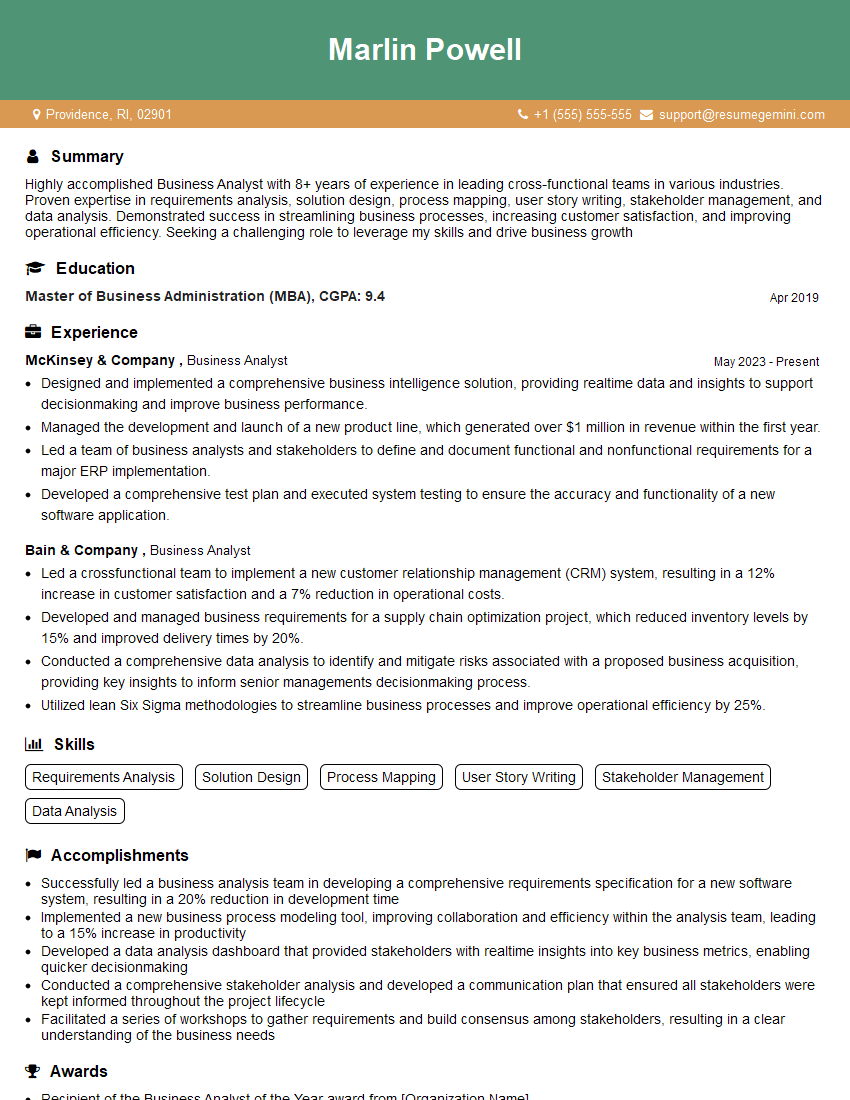
Business Analyst Resume Sample
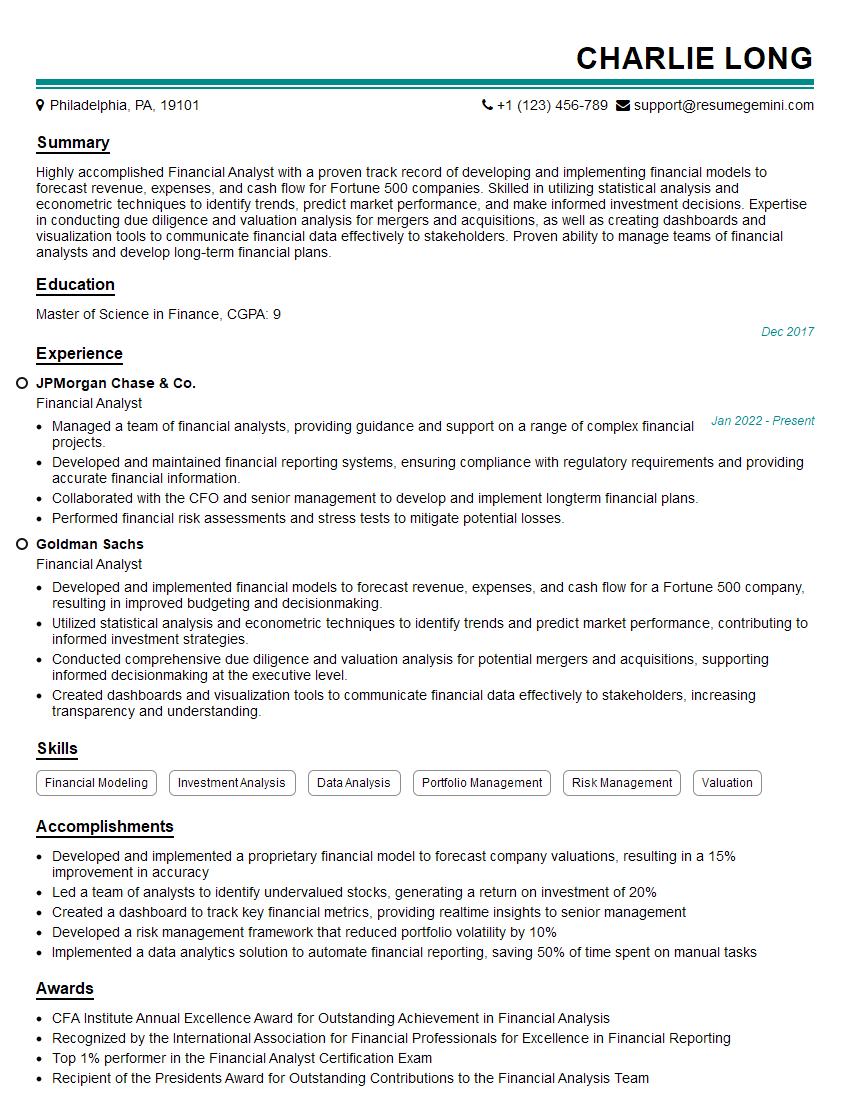
Financial Analyst Resume Sample
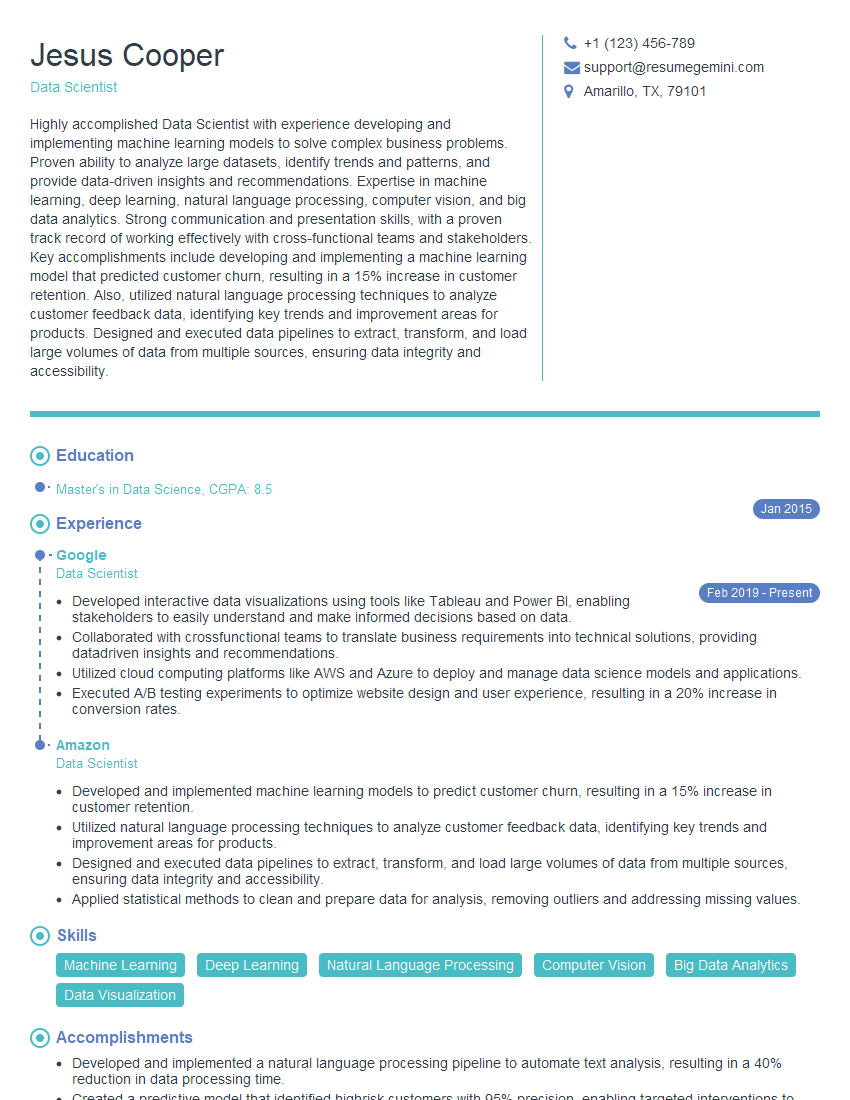
Data Scientist Resume Sample
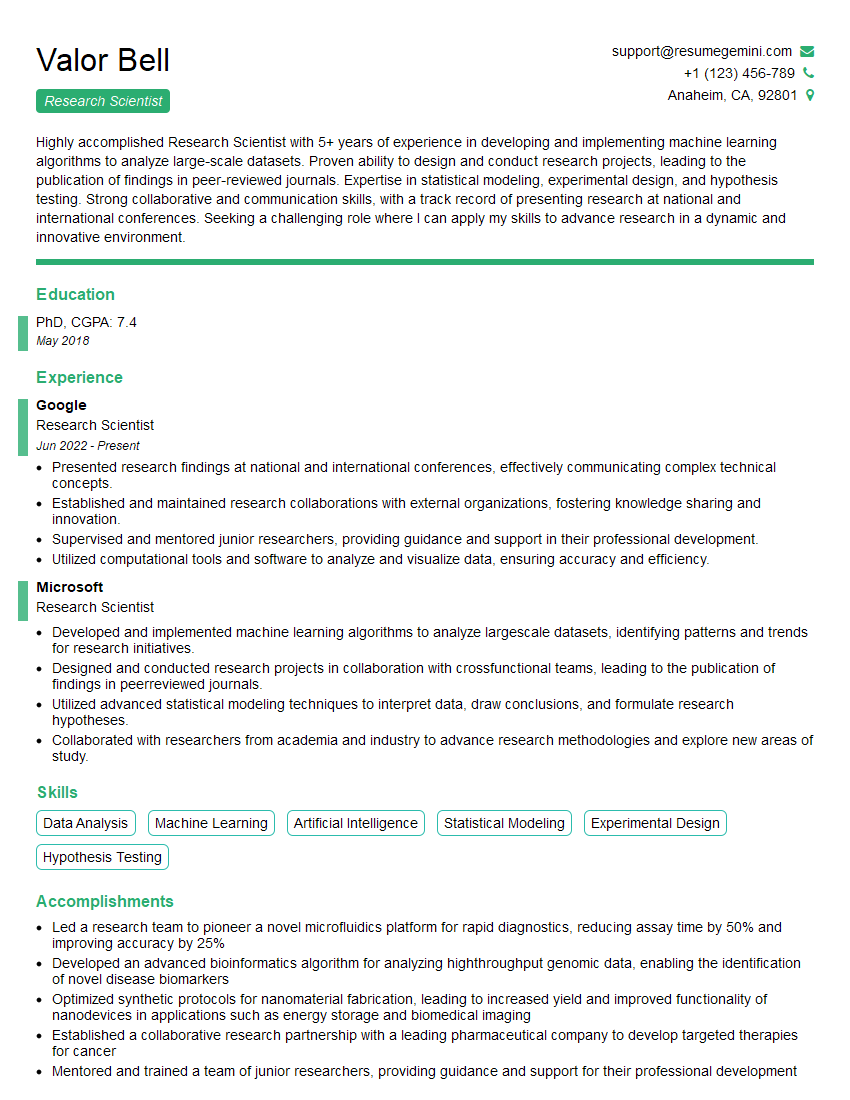
Research Scientist Resume Sample
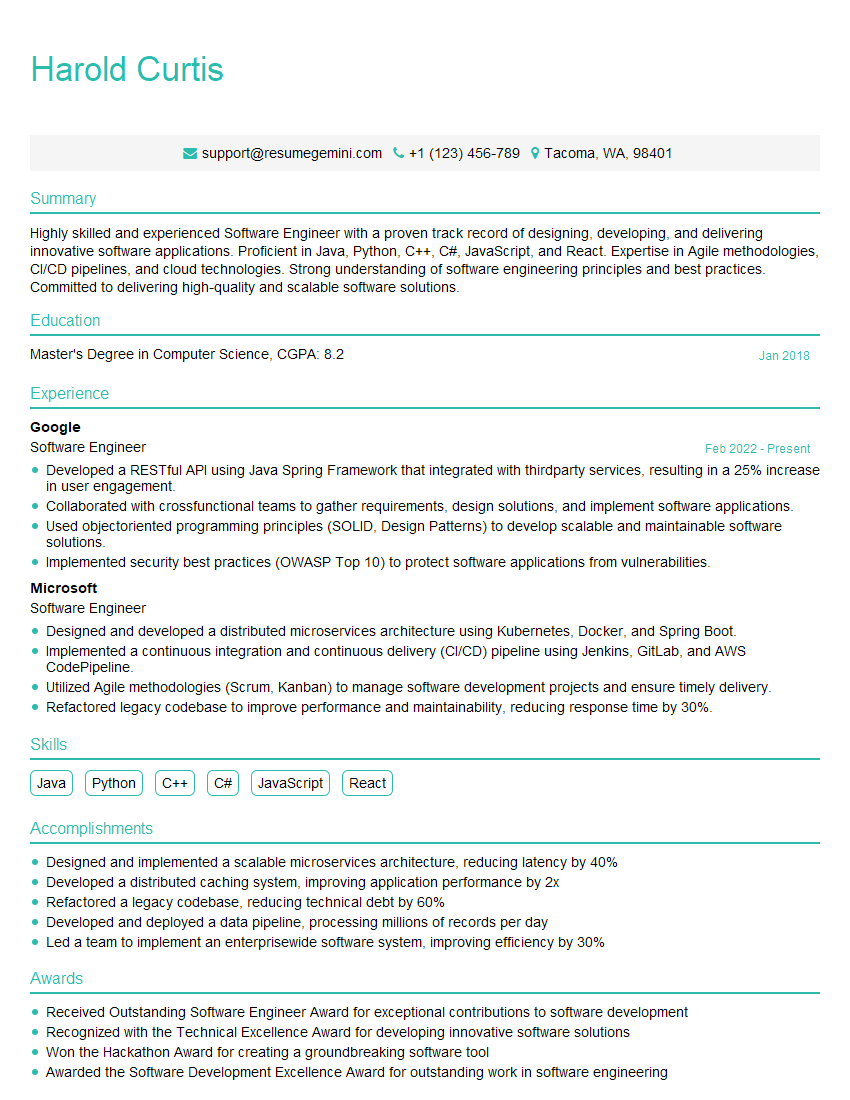
Software Engineer Resume Sample
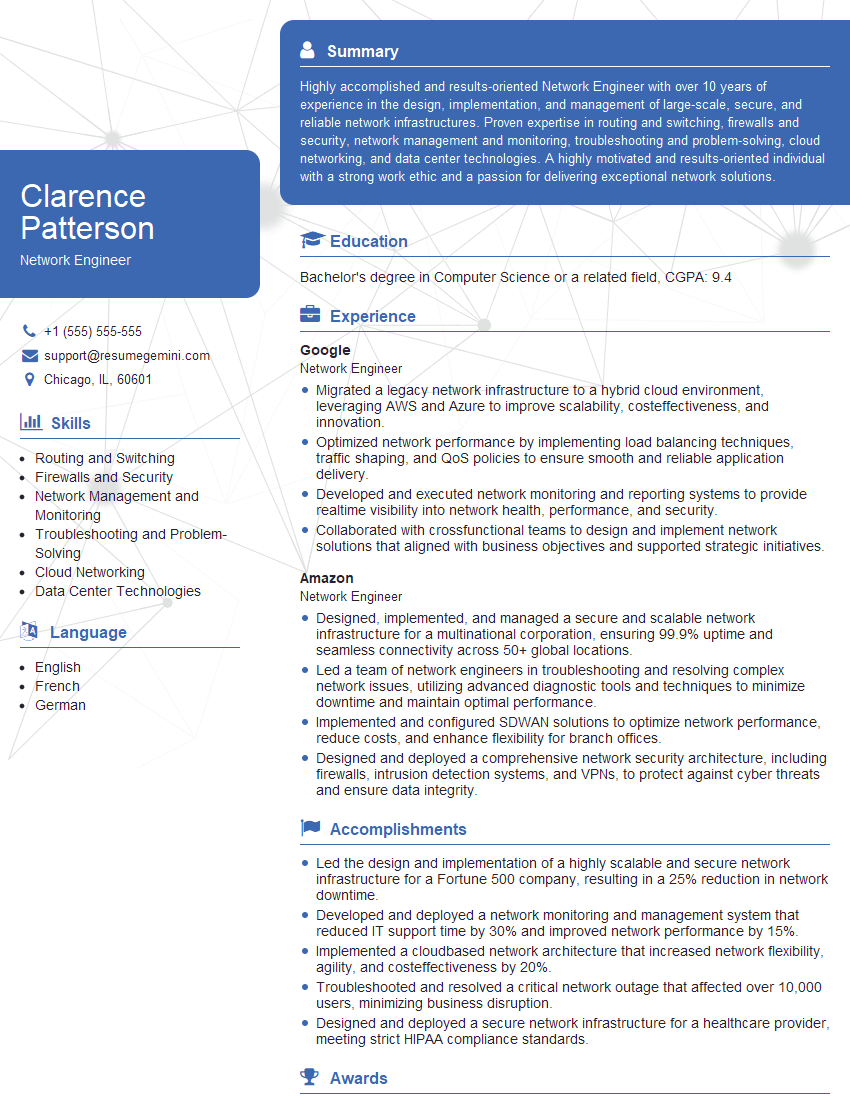
Network Engineer Resume Sample
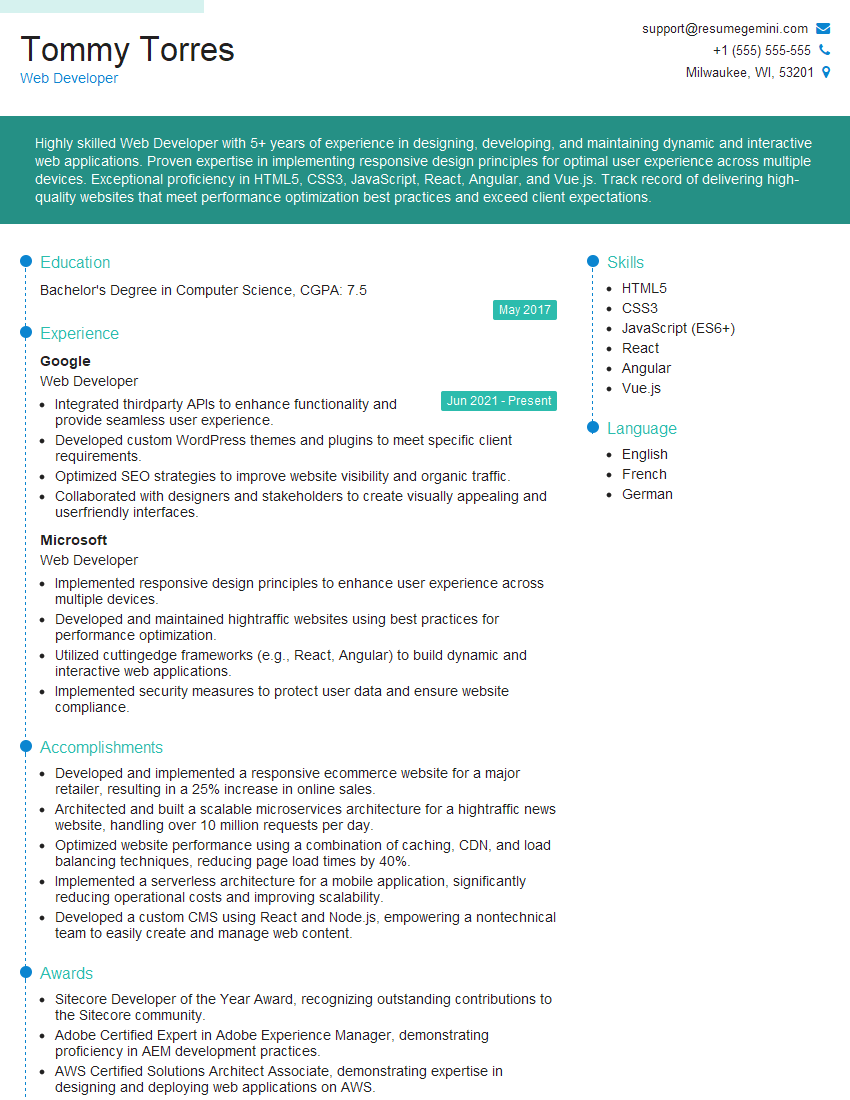
Web Developer Resume Sample
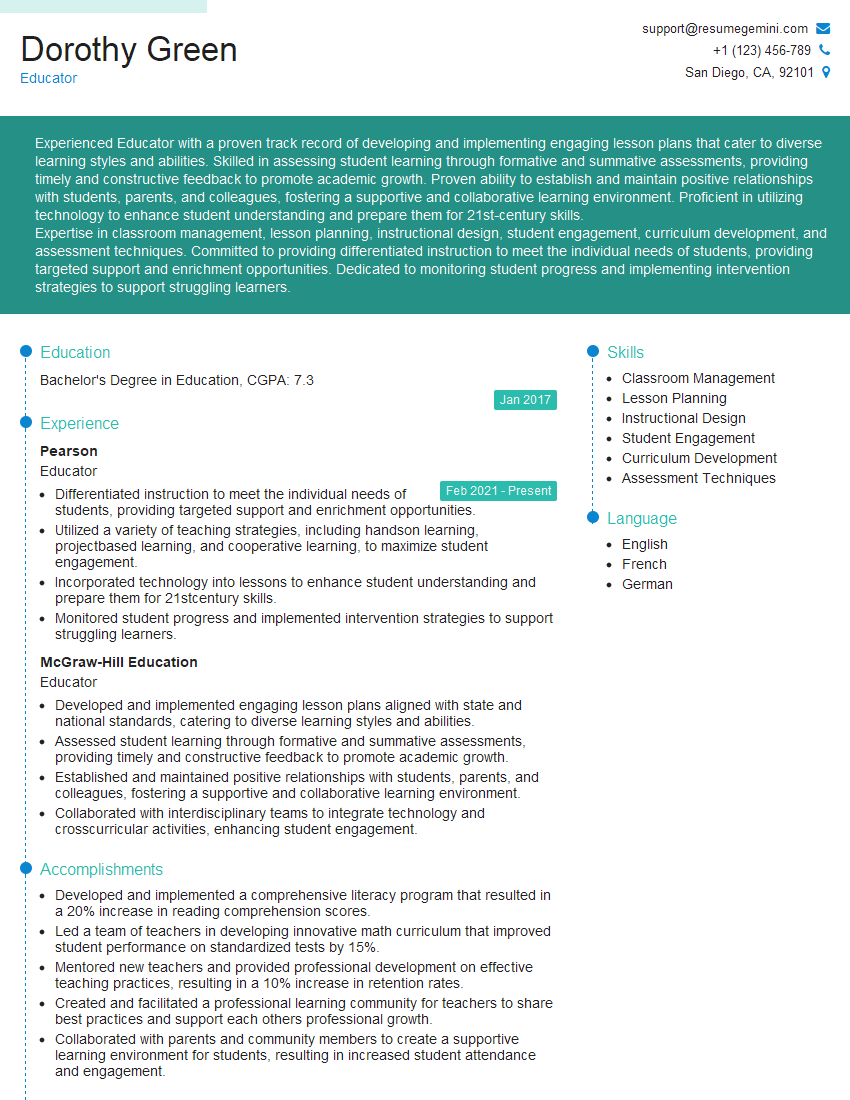
Educator Resume Sample

Technical Writer Resume Sample
Medical Doctor Resume Sample
Customer Success Manager Resume Sample
Database Administrator Resume Sample
UX Designer Resume Sample
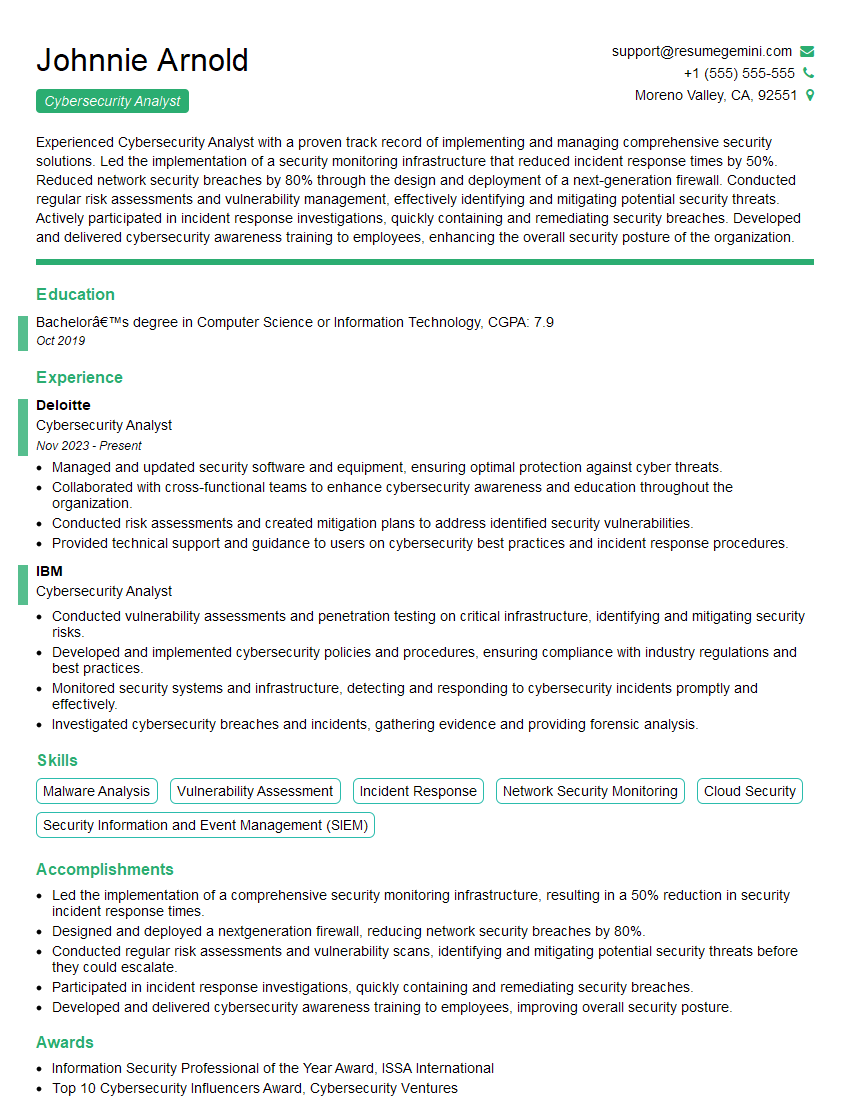
Cybersecurity Analyst Resume Sample
- Operations Manager
- Account Manager
- Marketing Manager
- Product Manager
- Sales Representative
- Supply Chain Manager
- Human Resources Manager
- Project Manager
- Business Analyst
- Financial Analyst
- Data Scientist
- Research Scientist
- Software Engineer
- Network Engineer
- Web Developer
- Educator
- Technical Writer
- Medical Doctor
- Customer Success Manager
- Database Administrator
- UX Designer
- Cybersecurity Analyst
Explore more articles
Users Rating of Our Blogs
Share Your Experience
We value your feedback! Please rate our content and share your thoughts (optional).
What Readers Say About Our Blog
Very informative content, great job.
good