Unlock your full potential by mastering the most common Safety Regulations (OSHA, DOT) interview questions. This blog offers a deep dive into the critical topics, ensuring you’re not only prepared to answer but to excel. With these insights, you’ll approach your interview with clarity and confidence.
Questions Asked in Safety Regulations (OSHA, DOT) Interview
Q 1. Explain the key differences between OSHA and DOT regulations.
OSHA (Occupational Safety and Health Administration) and DOT (Department of Transportation) regulations both aim to protect worker safety, but they focus on different aspects. OSHA focuses on workplace safety and health within the workplace itself, covering a broad range of hazards from slips and falls to chemical exposure and machinery dangers. DOT, on the other hand, focuses on the safe transportation of hazardous materials, covering everything from packaging requirements and driver qualifications to emergency response procedures. Think of it this way: OSHA protects workers at their job site, while DOT protects workers and the public from hazards during transportation of goods.
For example, OSHA would regulate the use of safety harnesses in a construction site, while DOT would regulate the proper labeling and transportation of those same harnesses if they were being shipped to the site.
Q 2. Describe the hierarchy of controls used to mitigate workplace hazards.
The hierarchy of controls is a prioritized approach to risk mitigation, aiming to eliminate hazards or reduce risk to the lowest possible level. It follows this order:
- Elimination: Completely removing the hazard. This is the most effective control. For example, replacing a hazardous chemical with a less hazardous alternative.
- Substitution: Replacing the hazard with a less hazardous substitute. For instance, using a less toxic cleaning agent.
- Engineering Controls: Implementing physical changes to the workplace to reduce exposure. Examples include installing ventilation systems to remove harmful fumes or using machine guards to prevent injuries.
- Administrative Controls: Changing work practices or procedures to minimize risk. This includes implementing safety training programs, rotating employees to reduce exposure, or establishing safe work procedures.
- Personal Protective Equipment (PPE): Providing workers with protective gear like gloves, respirators, or safety glasses as a last resort when other controls are not feasible. This is not a primary control method and should always be supplemented by other controls.
The hierarchy emphasizes proactive measures before relying on PPE, which only protects the individual and not the hazard itself.
Q 3. How would you conduct a workplace hazard assessment?
A workplace hazard assessment is a systematic process to identify potential hazards and assess the risks associated with them. It typically involves these steps:
- Walkthrough Survey: Conduct a physical inspection of the workplace, observing processes, equipment, and the work environment.
- Interviews: Talk to workers to understand their tasks, identify hazards they encounter, and gather their perspectives.
- Review of Records: Examine incident reports, near misses, and medical records to identify patterns and recurring hazards.
- Hazard Identification: List all identified hazards, including physical, chemical, biological, ergonomic, and psychosocial hazards.
- Risk Assessment: Evaluate the likelihood and severity of each hazard, considering factors like frequency of exposure and potential consequences.
- Control Measures: Develop and implement control measures based on the hierarchy of controls.
- Documentation: Thoroughly document the entire process, including findings, risk assessments, and control measures.
A thorough hazard assessment is crucial for proactive safety management, preventing injuries and illnesses.
Q 4. What are the requirements for implementing a lockout/tagout procedure?
Lockout/Tagout (LOTO) procedures are designed to prevent the unexpected release of stored energy during maintenance or servicing of equipment. Key requirements include:
- Energy Isolation: Completely de-energizing equipment by disconnecting power sources, releasing pressure, or draining fluids.
- Lockout Devices: Using individual locks to prevent re-energizing, with each authorized worker using their own lock.
- Tagout Devices: Using tags to warn others not to energize the equipment, which is supplemental to lockout.
- Energy Control Program: Establishing a written program outlining procedures, responsibilities, training requirements, and periodic inspections.
- Training and Communication: Providing comprehensive training to all authorized workers on proper LOTO procedures, including energy sources specific to the equipment and processes. Clear communication and authorization are vital.
- Periodic Inspections: Regular inspections of the LOTO program and devices to ensure they are effective and compliant.
Failure to follow LOTO procedures can lead to serious accidents, including fatalities. This process is critical in preventing accidental startups during maintenance.
Q 5. Explain the importance of proper Personal Protective Equipment (PPE).
Proper PPE is essential for protecting workers from workplace hazards. It acts as the last line of defense when other controls aren’t feasible. The importance stems from its ability to:
- Reduce Exposure: PPE minimizes contact between the worker and hazards, reducing the risk of injury or illness.
- Prevent Injuries: PPE can prevent injuries from various sources, such as impacts, cuts, burns, or chemical splashes.
- Improve Safety: By providing a barrier against hazards, PPE significantly improves overall workplace safety.
- Comply with Regulations: Using appropriate PPE is often a legal requirement under OSHA and other regulations.
However, it’s crucial to remember that PPE is not a replacement for engineering controls or administrative controls. It should be used as a final layer of protection, integrated into a comprehensive safety program.
Q 6. How do you ensure compliance with OSHA’s recordkeeping requirements?
OSHA recordkeeping requirements are designed to track workplace injuries and illnesses to identify trends, prevent future incidents, and ensure compliance. Key aspects include:
- Injury and Illness Logs: Maintaining a log of work-related injuries and illnesses, recording details like date, nature of injury, and employee information.
- Summary of Work-Related Injuries and Illnesses: Preparing an annual summary of the log’s data, which is often submitted to OSHA.
- OSHA Forms: Using designated OSHA forms (300, 300A, 301) to record and report incidents accurately.
- Recordkeeping Procedures: Establishing a clear system for documenting and maintaining records, including methods for data entry and retrieval.
- Data Accuracy: Ensuring accuracy and completeness of the recorded information.
- Record Retention: Maintaining records for a specified period as defined by OSHA regulations.
Accurate and consistent recordkeeping is crucial for identifying hazards and demonstrating a commitment to workplace safety. This also allows for a proper assessment of injury trends and effectiveness of preventive measures.
Q 7. Describe your experience with OSHA inspections.
I have extensive experience with OSHA inspections, both from the perspective of preparing for them and being present during them. My experience includes:
- Pre-Inspection Preparation: Proactively reviewing and updating safety programs, ensuring compliance with all applicable regulations, conducting self-inspections, and preparing relevant documentation.
- Inspection Procedures: Familiar with the typical steps involved, including opening conferences, walkthroughs, interviews with employees, and review of records.
- Responding to Citations: Addressing and resolving any citations issued by OSHA, including developing corrective action plans.
- Post-Inspection Follow-up: Implementing corrective actions, conducting follow-up inspections, and maintaining compliance.
One memorable experience involved assisting a client through an OSHA inspection resulting in minor citations. By demonstrating proactive safety measures and a commitment to correction, we were able to resolve the issues promptly, highlighting the importance of preparedness and transparency.
Q 8. What are the key elements of an effective safety training program?
An effective safety training program is the cornerstone of a safe workplace. It needs to be comprehensive, engaging, and tailored to the specific hazards present. Key elements include:
- Needs Assessment: Identifying all potential hazards and risks within the workplace. This involves reviewing past incidents, job safety analyses (JSAs), and considering the specific tasks employees perform.
- Training Content Development: Creating training materials that are clear, concise, and relevant to the identified hazards. This includes using various methods like lectures, videos, demonstrations, and hands-on activities.
- Delivery Method Selection: Choosing appropriate training methods based on the learners’ needs and learning styles. Consider classroom training, online modules, or on-the-job training, ensuring accessibility for all employees.
- Effective Communication: Using clear and simple language, visuals, and interactive elements to ensure that the training is easily understood and retained. Regular reinforcement is crucial.
- Practical Application & Competency Assessment: Giving employees opportunities to practice the learned skills and assess their competency through practical exercises, quizzes, or observations. This ensures understanding and application of safety procedures.
- Documentation and Record Keeping: Maintaining accurate records of training attendance, materials used, and employee competency assessments. This is crucial for compliance and demonstrating due diligence.
- Regular Updates: Reviewing and updating training materials regularly to reflect changes in regulations, technology, or workplace procedures. Staying current is essential for maintaining a safe work environment.
For example, a construction company might include detailed training on fall protection, while a chemical plant would focus on HAZWOPER and handling of specific chemicals. The key is to adapt the training to the specific needs of each workplace.
Q 9. How would you investigate and report a workplace accident?
Investigating and reporting a workplace accident requires a systematic approach to ensure a thorough understanding of the root cause and prevent future incidents. My process involves:
- Securing the Scene: Prioritizing the safety of injured individuals and preventing further harm. This includes calling emergency services if needed.
- Preserving Evidence: Documenting the accident scene thoroughly with photos, videos, and sketches. This includes preserving any damaged equipment or materials relevant to the incident.
- Witness Interviews: Gathering statements from all witnesses, ensuring they understand the confidentiality of their statements. The information should be factual and unbiased.
- Data Collection: Collecting relevant data, such as employee training records, equipment maintenance logs, and safety inspection reports. This helps to identify any contributing factors.
- Root Cause Analysis: Using methods such as the ‘5 Whys’ or fault tree analysis to identify the root causes of the accident. This goes beyond simply identifying the immediate cause.
- Report Preparation: Compiling a comprehensive report that details the circumstances of the accident, the root causes identified, and recommendations for corrective actions. This report often needs to be submitted to OSHA or other regulatory bodies.
- Corrective Actions Implementation: Implementing corrective actions to prevent similar accidents from occurring in the future. This could include changes to procedures, equipment modifications, or additional training.
For instance, if a worker fell from a ladder, the investigation wouldn’t just focus on the fall itself but also on the condition of the ladder, the employee’s training on ladder safety, and the overall worksite conditions that might have contributed to the incident.
Q 10. What is your familiarity with HAZWOPER regulations?
I possess extensive familiarity with HAZWOPER (Hazardous Waste Operations and Emergency Response) regulations, both 29 CFR 1910.120 (OSHA) and its relevant components within DOT regulations. I understand the various levels of HAZWOPER training, including the requirements for employee training, emergency response, and site-specific training. My knowledge encompasses:
- Hazard Communication: Proper labeling, Safety Data Sheets (SDS), and employee training on hazardous materials.
- Personal Protective Equipment (PPE): Selection, use, and maintenance of appropriate PPE for various hazardous materials.
- Emergency Response Plans: Developing and implementing effective emergency response plans for handling spills, leaks, and other hazardous material incidents.
- Site-Specific Safety Plans: Creating detailed site-specific safety plans that address potential hazards at a specific work location.
- Medical Surveillance: Understanding the requirements for medical surveillance and health monitoring for employees working with hazardous materials.
I’ve been involved in numerous projects involving HAZWOPER compliance, from initial site assessments to the development and implementation of comprehensive safety programs. I’m comfortable working with various hazardous waste types and understanding the specific regulations that govern their handling, storage, and disposal.
Q 11. Explain the different classes of hazardous materials according to DOT regulations.
The Department of Transportation (DOT) classifies hazardous materials into nine classes based on their inherent hazards. These classifications help in the safe transportation of these materials. They are:
- Class 1: Explosives: Materials capable of mass explosion or dangerous projection of fragments.
- Class 2: Gases: Materials that are gases under pressure. Further divided into flammable, non-flammable, and poisonous gases.
- Class 3: Flammable Liquids: Liquids that can easily ignite and burn.
- Class 4: Flammable Solids; Spontaneously Combustible Materials; Dangerous When Wet Materials: Solids that can easily ignite, burn spontaneously, or react dangerously with water.
- Class 5: Oxidizers and Organic Peroxides: Materials that can cause or enhance combustion.
- Class 6: Poisonous (Toxic) and Infectious Substances: Materials that are toxic or cause infectious diseases.
- Class 7: Radioactive Materials: Materials that emit ionizing radiation.
- Class 8: Corrosives: Materials that can cause corrosion or damage to skin or metal.
- Class 9: Miscellaneous Hazardous Materials: Materials that present hazards other than those in classes 1-8.
Each class has further divisions and subdivisions to provide a more precise hazard identification. Accurate classification is crucial for proper packaging, labeling, and transportation to ensure safety.
Q 12. How do you ensure compliance with DOT’s hours-of-service regulations?
Ensuring compliance with DOT’s Hours-of-Service (HOS) regulations is critical for safety. My approach involves:
- Driver Training: Thorough training for drivers on HOS regulations, including record-keeping requirements and the consequences of violations.
- Electronic Logging Devices (ELDs): Implementing and properly utilizing ELDs to automatically track and record driver duty status and hours of service. This minimizes manual error and ensures accuracy.
- Record Keeping: Maintaining accurate and complete driver logs, including any exceptions or circumstances that might affect HOS compliance. Records should be readily available for audits.
- Monitoring and Oversight: Regularly monitoring driver logs and ELD data to identify potential compliance issues and address them promptly. This includes regular reviews and reports.
- Policy Enforcement: Establishing clear policies and procedures for HOS compliance and enforcing these policies consistently to ensure all drivers follow regulations.
- Driver Support and Communication: Providing drivers with support and resources to ensure they understand and can comply with the regulations. Addressing concerns promptly is crucial.
Ignoring HOS regulations can lead to fatigue, accidents, and serious legal consequences. Proactive management is essential for maintaining compliance and ensuring driver safety and well-being.
Q 13. Describe your experience with DOT vehicle inspections.
I have extensive experience conducting and overseeing DOT vehicle inspections, both pre-trip and during operational checks. This involves a thorough examination of various vehicle components to ensure they meet DOT standards and are in safe operating condition. My experience includes:
- Pre-Trip Inspections: Conducting thorough pre-trip inspections of vehicles, ensuring that brakes, lights, tires, and other critical components are functioning correctly and within regulatory limits.
- Operational Inspections: Regularly inspecting vehicles during operation to identify any developing issues. This is important for preventing failures and accidents.
- Documentation: Maintaining accurate records of all inspections, including any identified defects or repairs. This documentation ensures accountability.
- Compliance with Regulations: Ensuring that all vehicles meet the relevant DOT regulations for safety and maintenance, including those related to brakes, lighting, tires, and cargo securement.
- Defect Reporting and Repair: Reporting any identified defects and ensuring that necessary repairs are carried out promptly to ensure continued compliance and safety.
I’m familiar with the various inspection forms and reporting procedures, and I can identify potential safety hazards and correct them appropriately. This includes understanding the consequences of operating a vehicle with unaddressed defects.
Q 14. How do you manage safety in a remote work environment?
Managing safety in a remote work environment presents unique challenges. My approach centers around proactive communication, clear policies, and employee empowerment:
- Risk Assessment: Conducting thorough risk assessments specific to the remote work environment, identifying potential hazards like home office ergonomics, cybersecurity threats, and isolation-related issues.
- Clear Safety Policies and Procedures: Developing and communicating clear safety policies and procedures relevant to remote work, addressing areas such as equipment usage, data security, and reporting procedures for incidents.
- Ergonomic Guidelines: Providing guidance on ergonomic setup and promoting the use of appropriate equipment for home offices to prevent musculoskeletal injuries.
- Cybersecurity Training: Ensuring employees receive training on cybersecurity best practices to protect against data breaches and other online threats.
- Regular Communication: Maintaining consistent communication with remote employees, providing regular updates, and addressing any safety concerns promptly. This includes utilizing various communication tools.
- Incident Reporting System: Implementing a system for reporting safety incidents or near misses, allowing for prompt investigation and corrective actions.
- Mental Health and Well-being: Recognizing the impact of isolation on mental health and providing resources and support for employees. This can involve promoting regular breaks, encouraging social interaction, and accessing mental health services.
For example, we might provide remote workers with ergonomic assessments and funding for appropriate chairs and monitors, and provide cybersecurity training to prevent phishing attacks. The key is to foster a culture of safety even when employees are physically dispersed.
Q 15. Explain your understanding of confined space entry procedures.
Confined space entry procedures are a critical aspect of workplace safety, designed to protect workers from potential hazards within enclosed spaces with limited entry and exit. These spaces often lack sufficient ventilation, contain hazardous atmospheres (like oxygen deficiency or the presence of toxic gases), or present other dangers such as engulfment hazards.
A typical confined space entry procedure involves several key steps:
- Permit-Required Confined Space Program: This program, mandated by OSHA, outlines the specific procedures for entry into permitted confined spaces, which are those that pose a serious threat.
- Atmospheric Testing: Before entry, the atmosphere must be tested for oxygen levels, flammable gases, and toxic substances. This ensures the air is breathable and safe for workers.
- Ventilation: If the atmosphere isn’t safe, adequate ventilation must be implemented before entry. This often involves using blowers to exhaust hazardous gases and introduce fresh air.
- Entry and Standby Personnel: At least two people are typically required: one entering the confined space and another acting as a standby person outside to monitor the entrant’s safety and provide assistance if needed.
- Rescue Plan: A detailed rescue plan needs to be developed and readily available in case of emergency. This plan should outline the steps for quickly and safely removing the entrant from the confined space.
- Personal Protective Equipment (PPE): Appropriate PPE, including respirators, harnesses, and other safety equipment, must be worn by entrants.
- Lockout/Tagout (LOTO): Energy sources must be properly locked out and tagged out to prevent accidental energization during entry.
- Post-Entry Monitoring: Continuous monitoring of the confined space’s atmosphere during entry is crucial.
- Emergency Procedures: Emergency procedures must be clearly defined, communicated, and practiced regularly.
For example, I once worked on a project involving tank cleaning. Before anyone entered, we conducted thorough atmospheric testing, ensured adequate ventilation, had a designated standby person with rescue equipment, and implemented strict LOTO procedures. This meticulous approach ensured the safety of our team.
Career Expert Tips:
- Ace those interviews! Prepare effectively by reviewing the Top 50 Most Common Interview Questions on ResumeGemini.
- Navigate your job search with confidence! Explore a wide range of Career Tips on ResumeGemini. Learn about common challenges and recommendations to overcome them.
- Craft the perfect resume! Master the Art of Resume Writing with ResumeGemini’s guide. Showcase your unique qualifications and achievements effectively.
- Don’t miss out on holiday savings! Build your dream resume with ResumeGemini’s ATS optimized templates.
Q 16. What is your experience with developing and implementing safety policies?
I have extensive experience in developing and implementing safety policies, encompassing various aspects of risk management and regulatory compliance. My approach involves a collaborative process, starting with a thorough hazard assessment tailored to specific workplace environments. This assessment identifies potential hazards, evaluates the risks, and determines appropriate control measures.
For instance, at my previous role, I led the development of a comprehensive safety manual for a construction company. This involved conducting regular safety audits, employee training, and implementing a system for reporting and investigating incidents. The policy included specific procedures for working at heights, handling hazardous materials, and using machinery, all in line with OSHA and other relevant regulations. The result was a significant reduction in workplace accidents and a marked improvement in safety awareness among employees.
I’m proficient in using various safety management software to document policies, track incidents, and facilitate training, ensuring easy access and updates for all employees. My approach emphasizes continuous improvement, regularly reviewing and updating policies based on industry best practices, incident investigations, and feedback from employees.
Q 17. How would you handle an employee refusal to comply with safety rules?
Handling employee refusal to comply with safety rules requires a structured approach emphasizing education, communication, and progressive discipline. I would first attempt to understand the reasons behind the refusal. Is it a lack of understanding, concern about the practicality of the rule, or something else? Open and respectful communication is key.
If the refusal stems from a lack of understanding, I would provide further training and clarification on the safety rule and its importance. If concerns about practicality exist, I’d be open to discussing them and exploring potential modifications to the rule if feasible and safe. However, if the refusal is blatant disregard for safety rules, I would follow company disciplinary procedures, which may involve warnings, suspensions, or termination depending on the severity and history of non-compliance. Documentation of every step in this process is crucial. It’s important to remember that worker safety is paramount, and consistent enforcement of safety rules is essential.
For example, if an employee consistently refuses to wear a hard hat in a designated hard hat area, I would first issue a verbal warning, followed by a written warning, and then potentially suspension or termination if the behavior continues. Each step would be carefully documented.
Q 18. What are the penalties for non-compliance with OSHA and DOT regulations?
Penalties for non-compliance with OSHA and DOT regulations can be severe and vary depending on the severity and nature of the violation. OSHA penalties can range from thousands to hundreds of thousands of dollars in fines, depending on factors like the size of the company, the severity of the violation, and whether it’s a repeat offense. They can also include citations and mandatory corrective actions, requiring companies to fix the issues causing the non-compliance. Serious violations may result in a complete workplace shutdown.
DOT violations, especially regarding commercial vehicles, can similarly result in significant fines, driver disqualification, vehicle impoundment, and even criminal charges in some cases. These penalties aim to deter unsafe practices and ensure compliance with safety regulations to protect workers, the public, and the environment. For example, a trucking company found to be operating vehicles with inadequate maintenance could face substantial fines and potential loss of operating authority. Consistent monitoring and training are crucial to avoid such penalties.
Q 19. Describe your experience with emergency response planning and execution.
My experience with emergency response planning and execution includes developing and implementing comprehensive plans for various scenarios, from chemical spills to fires and medical emergencies. This involves conducting thorough risk assessments, establishing clear communication protocols, designating emergency response teams, and conducting regular drills and training exercises. The plans should outline procedures for evacuation, first aid, and contacting emergency services. I’m familiar with various emergency response strategies, including using emergency response guides and implementing the appropriate emergency response procedures depending upon the situation.
For instance, in a previous role, I developed an emergency response plan for a manufacturing facility. This involved creating detailed maps indicating assembly points and escape routes, training personnel on the use of fire extinguishers and other safety equipment, and establishing clear communication channels with local emergency responders. Regular drills ensured everyone was familiar with the procedures, thereby enhancing readiness and responsiveness to any emergency.
Q 20. How do you measure the effectiveness of your safety program?
Measuring the effectiveness of a safety program requires a multi-faceted approach focusing on both leading and lagging indicators. Lagging indicators measure past performance and include metrics like the number and severity of accidents, lost-time injury rates, and workers’ compensation costs. A decrease in these metrics indicates improvement.
Leading indicators, on the other hand, predict future performance and include things like the number of safety training hours conducted, the completion rate of safety audits, and employee participation in safety programs. High scores in leading indicators show proactive engagement. I regularly analyze both leading and lagging indicators using various data analysis techniques and reporting tools to assess effectiveness and identify areas for improvement. Regular safety meetings and employee feedback are also integral parts of program review. This data-driven approach allows for continuous program refinement.
For example, tracking the number of near misses reported, along with employee participation in safety training, helps identify potential problems early on, before they result in accidents. This proactive approach is more effective than simply reacting to incidents that have already occurred.
Q 21. Explain your understanding of bloodborne pathogen exposure control.
Bloodborne pathogen exposure control focuses on protecting employees from infections caused by contact with infectious agents present in human blood or other bodily fluids. OSHA’s Bloodborne Pathogens Standard mandates specific control measures to minimize this risk.
Key elements include:
- Exposure Control Plan: Every employer with employees potentially exposed to bloodborne pathogens must have a written exposure control plan. This plan details methods to eliminate or minimize exposure risks.
- Engineering Controls: These are physical modifications that reduce or eliminate exposure, such as using safer medical devices, sharps containers, and splash guards.
- Work Practice Controls: These are changes in how work is done to minimize exposure, such as using needle recapping devices and proper hand hygiene.
- Personal Protective Equipment (PPE): Gloves, gowns, masks, and eye protection are examples of PPE used to reduce exposure.
- Housekeeping: Maintaining a clean workplace is vital, ensuring prompt cleanup of spills and contaminated surfaces.
- Hepatitis B Vaccination: Employers must provide free hepatitis B vaccinations to employees who have occupational exposure.
- Post-Exposure Follow-Up: Procedures for testing and treating employees after potential exposure are necessary.
- Training: Employees must be trained on the hazards of bloodborne pathogens and the methods to protect themselves.
For example, in a healthcare setting, proper handling and disposal of needles, the use of sharps containers, and consistent use of gloves are vital components of a comprehensive bloodborne pathogen control plan. Regular training and education reinforce safe practices and ensure the well-being of healthcare workers.
Q 22. How would you address a situation involving a near-miss incident?
Addressing a near-miss incident is crucial for preventing future accidents. It’s not just about avoiding injury; it’s about identifying systemic weaknesses. My approach involves a structured investigation to understand the contributing factors.
- Immediate Action: Secure the area and ensure no further risk exists.
- Investigation: I’d conduct a thorough investigation involving interviews with those involved, reviewing any relevant documentation, and examining the physical location. This helps establish a timeline and identify the root cause.
- Root Cause Analysis: I use techniques like the ‘5 Whys’ to delve deeper than the surface-level events. For instance, if a worker almost fell from a ladder, the initial cause might be a missing rung. The ‘5 Whys’ would explore reasons *why* the rung was missing—was it damaged? Was there a lack of inspection procedures? Was there inadequate training?
- Corrective Actions: Based on the root cause analysis, I’d implement corrective actions, which might include repairing equipment, improving procedures, providing additional training, or changing work practices. These actions need to be documented and verified as implemented.
- Follow-up: Regular follow-ups are critical to ensure the effectiveness of corrective actions and to prevent similar incidents from recurring.
For example, I once investigated a near-miss involving a forklift nearly striking a pedestrian. The investigation revealed inadequate signage and a lack of designated pedestrian walkways. Implementing clearer signage and designated walkways completely eliminated this hazard.
Q 23. What are the requirements for respirator fit testing?
Respirator fit testing is vital to ensure the respirator provides adequate protection against airborne hazards. OSHA mandates specific procedures. There are two primary types: qualitative and quantitative.
- Qualitative Fit Test (QLFT): This involves the worker performing specific maneuvers (e.g., head movements, talking, deep breathing) while wearing the respirator. The tester observes for leakage. It’s less precise but more accessible.
- Quantitative Fit Test (QNFT): This uses instruments to measure the amount of leakage. It’s more precise and provides a numerical value representing the fit factor, but requires specialized equipment and training.
Requirements include selecting the appropriate test based on respirator type and the workplace hazard. Detailed records of the test, including the date, type of test, respirator model, and the test results, must be maintained. Retesting is required at minimum annually, or more frequently if the employee’s weight changes significantly, facial injuries occur, or there’s a suspicion of a poor fit. For example, a worker who significantly gains or loses weight should be retested because the fit might be compromised.
Q 24. Explain your experience with fall protection and safety.
My experience with fall protection encompasses various aspects, from training and inspection to incident investigation and hazard mitigation. I’ve worked on projects involving heights ranging from construction sites to industrial facilities.
- Fall Protection Planning: I have extensive experience developing comprehensive fall protection plans, including hazard identification, risk assessment, and selection of appropriate fall protection systems (e.g., guardrails, safety nets, personal fall arrest systems).
- Inspections and Audits: I regularly conduct inspections to ensure that all fall protection equipment is properly installed, inspected, and maintained according to OSHA standards. This includes inspecting harnesses, lanyards, anchors, and other crucial components.
- Training: I’ve provided hands-on training to employees on proper use and inspection of fall protection equipment, emphasizing the importance of safe work practices. This includes both theoretical knowledge and practical application through mock drills.
- Incident Investigation: I’ve investigated several incidents involving falls, analyzing the causes and contributing factors to prevent recurrence. This often includes using root cause analysis techniques to identify systemic weaknesses.
In one instance, I identified a lack of proper anchor points on a construction site, which led to a redesign of the scaffolding system and additional anchor point installations, ultimately preventing potential falls.
Q 25. How do you ensure compliance with OSHA’s General Duty Clause?
OSHA’s General Duty Clause (Section 5(a)(1)) is a broad mandate requiring employers to provide a workplace free from recognized hazards likely to cause death or serious physical harm. It’s a catch-all provision for situations not explicitly covered by specific OSHA standards. Ensuring compliance requires a proactive and comprehensive approach.
- Hazard Identification: Regularly conduct workplace inspections and hazard assessments to identify potential hazards. This includes using methods such as job hazard analyses (JHAs) and safety audits.
- Risk Assessment: Evaluate the identified hazards to determine the level of risk. This considers the likelihood of occurrence and the severity of potential harm.
- Control Measures: Implement appropriate control measures, utilizing the hierarchy of controls (elimination, substitution, engineering controls, administrative controls, PPE) to mitigate identified risks.
- Documentation: Thoroughly document all hazard identification, risk assessment, control measures, and employee training. This documentation is crucial for demonstrating compliance.
- Employee Training: Train employees on the identified hazards and the control measures in place. Regular refresher training is important.
For instance, if a new piece of machinery is introduced without specific OSHA standards addressing it, the General Duty Clause mandates that the employer implement controls to mitigate potential hazards, like appropriate guarding, lockout/tagout procedures, and employee training on safe operation.
Q 26. Describe your experience with conducting safety audits.
I’ve conducted numerous safety audits, both internal and external, using a structured approach based on OSHA standards and industry best practices. My approach is thorough and objective.
- Planning: I begin by defining the scope of the audit, including the areas to be covered, the specific standards to be referenced, and the timeline.
- Inspection: I systematically inspect the work areas, reviewing documentation, observing work practices, and interviewing employees. I pay close attention to details and look for potential hazards or violations of safety standards.
- Documentation: I meticulously document all findings, including photographs, observations, and interview summaries. This ensures an accurate record of the audit results.
- Reporting: I prepare a comprehensive report summarizing the audit findings, including identified hazards, violations, and recommendations for corrective actions. The report includes prioritization of the findings based on severity and likelihood of occurrence.
- Follow-up: I’m involved in monitoring the implementation of corrective actions to ensure effectiveness and prevent recurrence of identified hazards.
For example, in a recent audit, I discovered a significant lack of proper lockout/tagout procedures in a manufacturing facility. The report resulted in the implementation of revised procedures and extensive employee retraining, improving overall safety.
Q 27. How would you handle a situation where an employee is injured on the job?
Responding to a workplace injury requires immediate action and adherence to established procedures. The priority is always the injured employee’s well-being.
- First Aid and Emergency Response: Administer first aid if qualified and call emergency medical services if necessary. Ensure the scene is secured to prevent further injury.
- Employee Assistance: Provide comfort and support to the injured employee.
- Incident Investigation: A thorough investigation is critical to determine the cause of the injury and identify contributing factors. This includes taking statements from witnesses, collecting evidence, and reviewing relevant documentation.
- Incident Reporting: Report the incident to the appropriate authorities, including OSHA, as required by regulations. Maintain accurate and detailed records.
- Workers’ Compensation: Assist the employee with the workers’ compensation process, ensuring they receive the necessary medical care and benefits.
- Corrective Actions: Based on the investigation, implement corrective actions to prevent similar incidents from occurring in the future.
For example, if an employee suffered a laceration from a piece of machinery, after providing first aid and notifying emergency services, the investigation would focus on the machine’s guarding, the employee’s training, and the overall safety procedures to prevent future incidents.
Q 28. Explain your understanding of the role of a safety committee.
A safety committee plays a vital role in promoting a safe and healthy work environment. It’s a collaborative body comprised of management and employees, working together to improve safety performance.
- Hazard Identification and Prevention: The committee proactively identifies hazards, assesses risks, and develops recommendations for improving safety practices.
- Incident Investigation: They participate in the investigation of workplace incidents, contributing diverse perspectives to root cause analysis.
- Policy Development: They contribute to the development and review of safety policies and procedures.
- Training and Education: They participate in the development and delivery of safety training programs.
- Communication: They act as a communication channel between management and employees on safety-related matters.
- Compliance: They monitor compliance with safety regulations and company policies.
An effective safety committee fosters a culture of safety by empowering employees to participate actively in the process of identifying and eliminating hazards, ultimately leading to a safer and more productive work environment. It’s vital that the committee has the authority to make recommendations and influence decisions, and that management actively supports its efforts.
Key Topics to Learn for Safety Regulations (OSHA, DOT) Interview
- OSHA General Industry Standards: Understand the core principles of OSHA’s general industry standards, including hazard communication, personal protective equipment (PPE), and emergency action plans. Consider practical application in various workplace scenarios.
- OSHA Construction Standards: Familiarize yourself with key construction-specific regulations, such as fall protection, scaffolding, and trenching and excavation safety. Practice applying these standards to hypothetical construction site situations.
- DOT Hazardous Materials Regulations: Master the fundamentals of transporting hazardous materials, including classification, packaging, labeling, and emergency response procedures. Explore case studies of incidents and their root causes.
- Recordkeeping and Reporting: Learn about OSHA’s recordkeeping requirements, including incident reporting, injury logs, and hazard assessments. Understand the importance of accurate and timely reporting.
- Inspections and Audits: Prepare for questions on conducting safety inspections, identifying hazards, and implementing corrective actions. Practice analyzing mock inspection scenarios.
- Employee Training and Education: Understand the importance of effective employee training programs related to safety regulations. Consider different training methods and their effectiveness.
- Safety Program Development and Implementation: Discuss your experience (or theoretical knowledge) in developing and implementing comprehensive safety programs that align with OSHA and DOT regulations.
- Incident Investigation and Root Cause Analysis: Be prepared to discuss your approach to investigating workplace incidents, identifying root causes, and implementing preventative measures.
Next Steps
Mastering OSHA and DOT regulations is crucial for career advancement in safety-sensitive industries. A strong understanding of these regulations demonstrates your commitment to workplace safety and significantly enhances your job prospects. To further strengthen your application, create an ATS-friendly resume that highlights your skills and experience effectively. ResumeGemini is a trusted resource that can help you build a professional resume tailored to the specific requirements of Safety Regulations (OSHA, DOT) roles. Examples of resumes tailored to this field are available on ResumeGemini to help guide your creation. Invest time in crafting a compelling resume – it’s your first impression to potential employers!
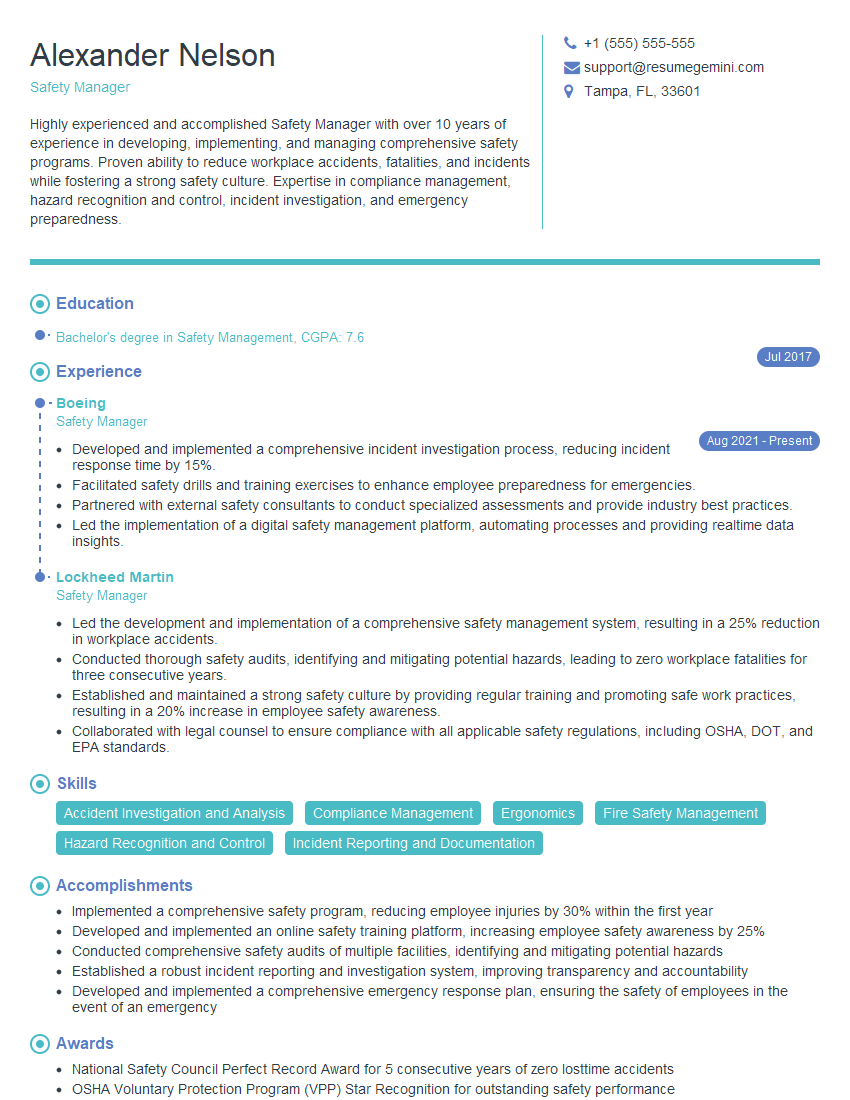
Safety Manager Resume Sample
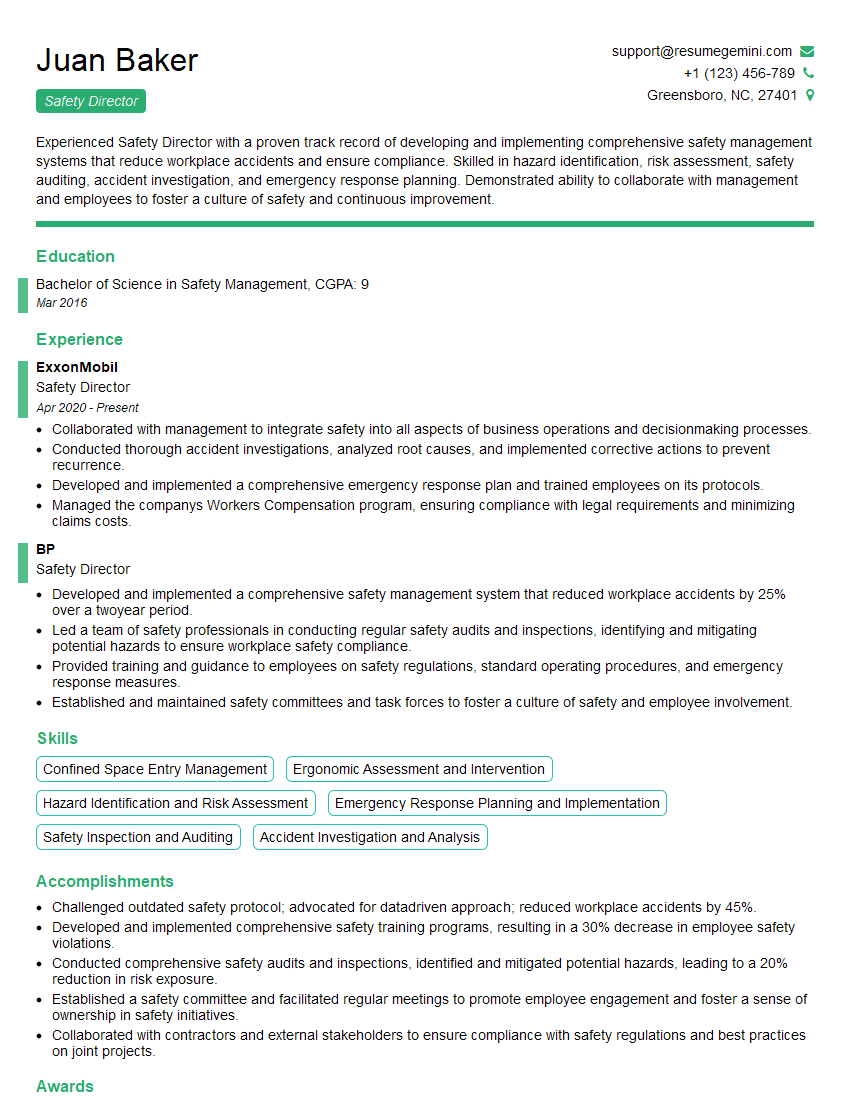
Safety Director Resume Sample
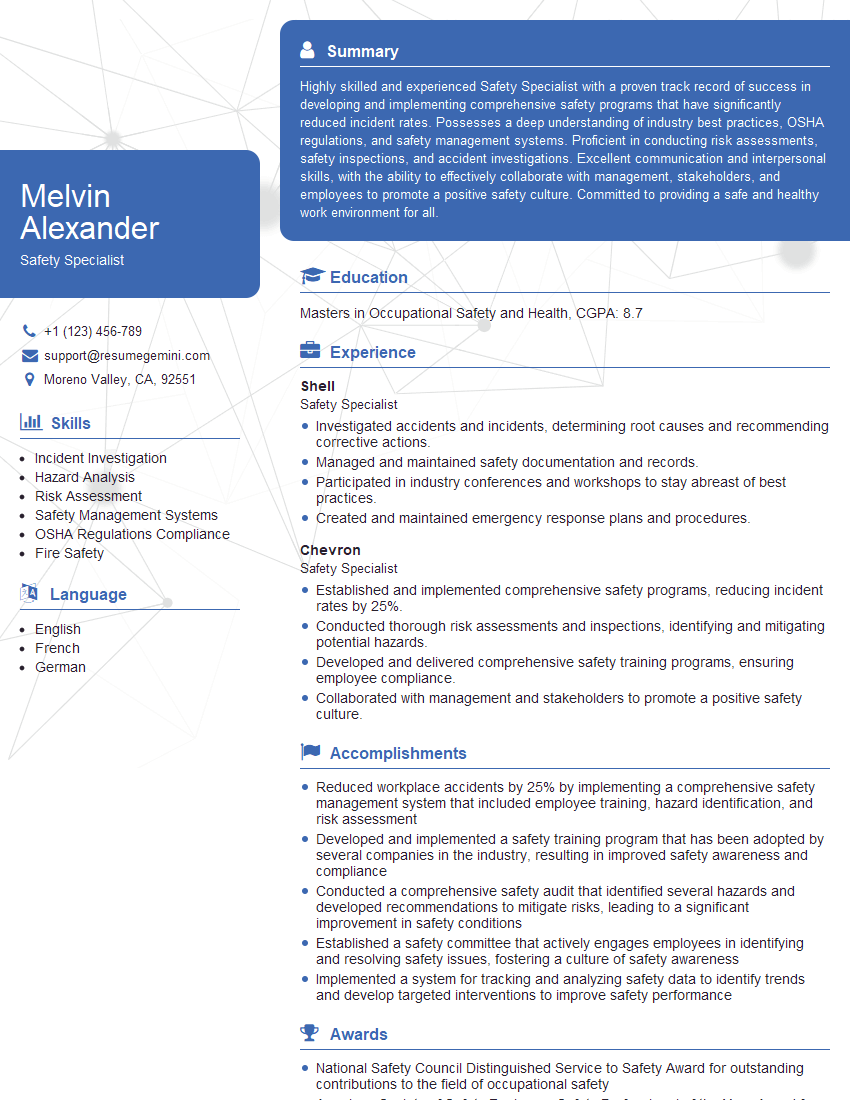
Safety Specialist Resume Sample
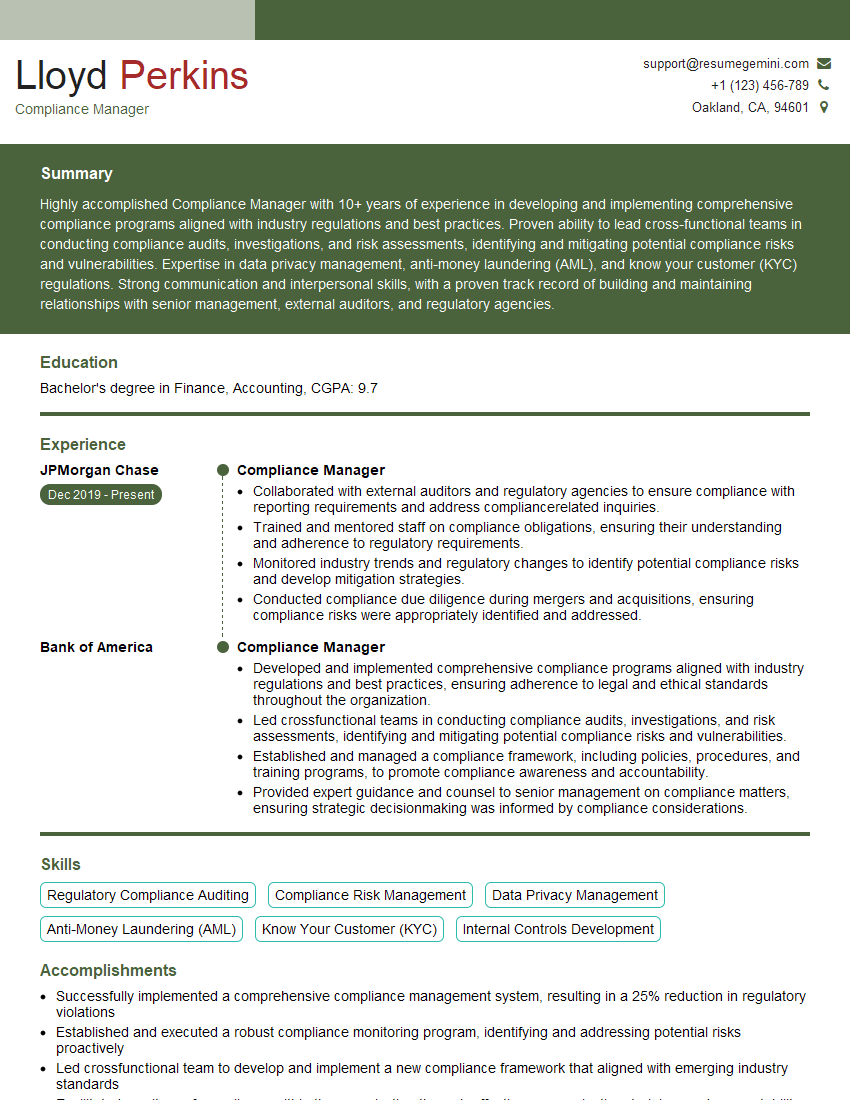
Compliance Manager Resume Sample
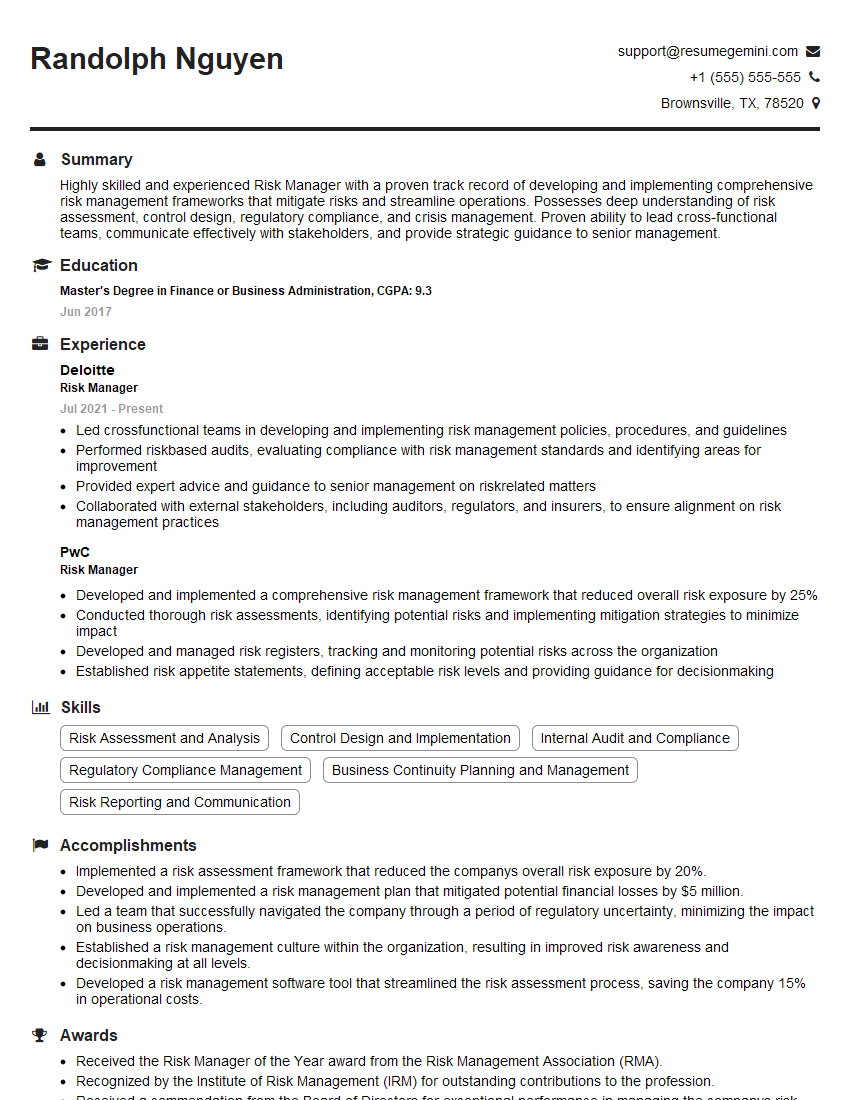
Risk Manager Resume Sample
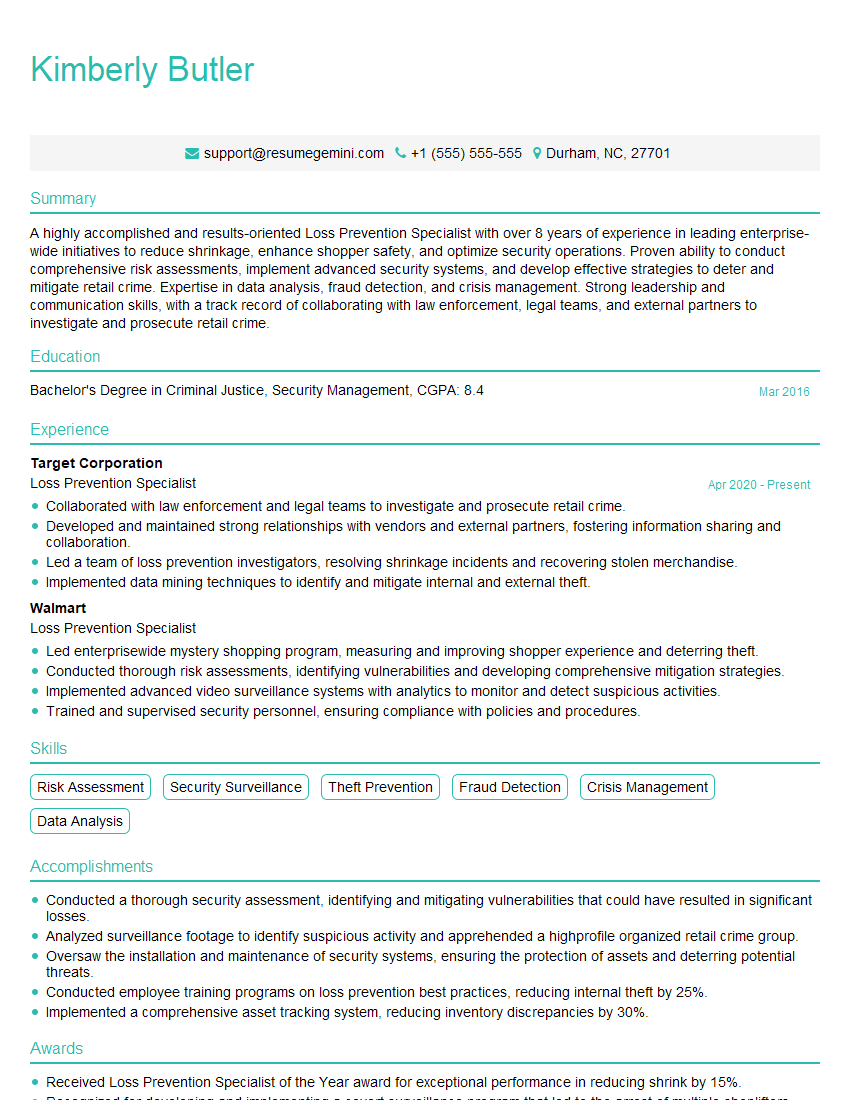
Loss Prevention Specialist Resume Sample
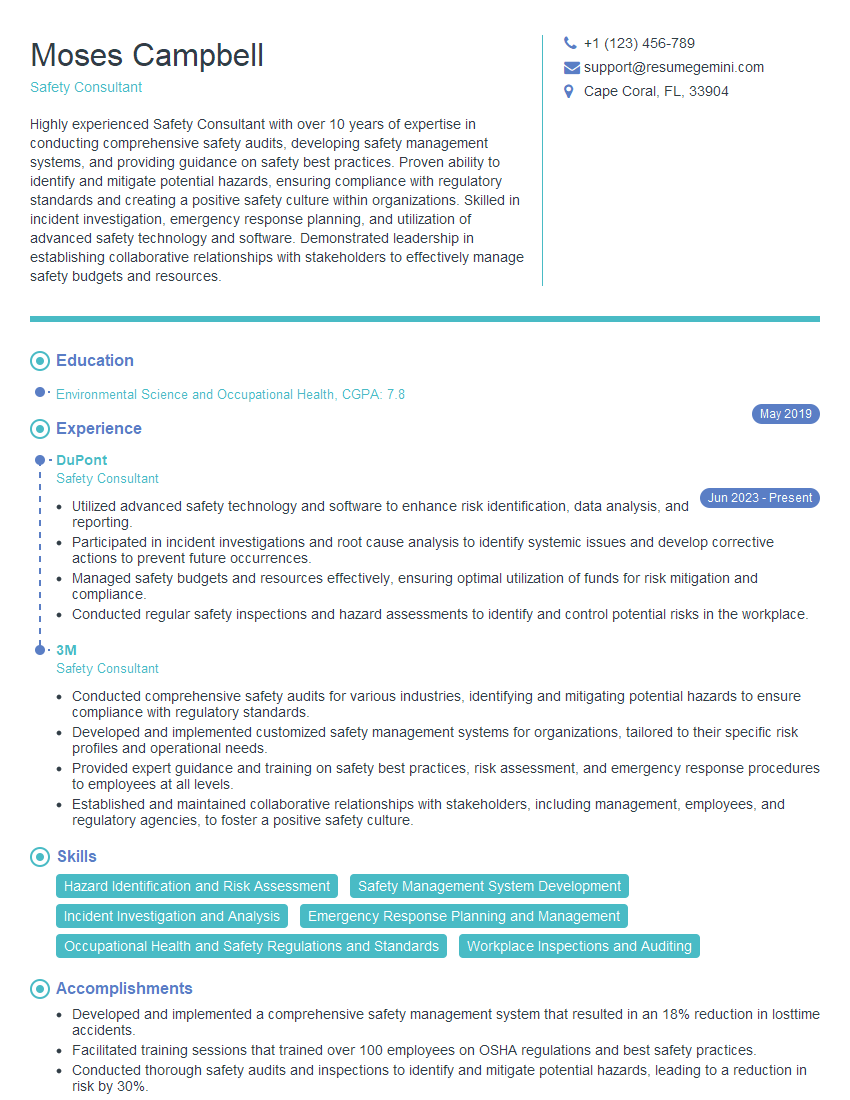
Safety Consultant Resume Sample

Safety Engineer Resume Sample

Safety Inspector Resume Sample
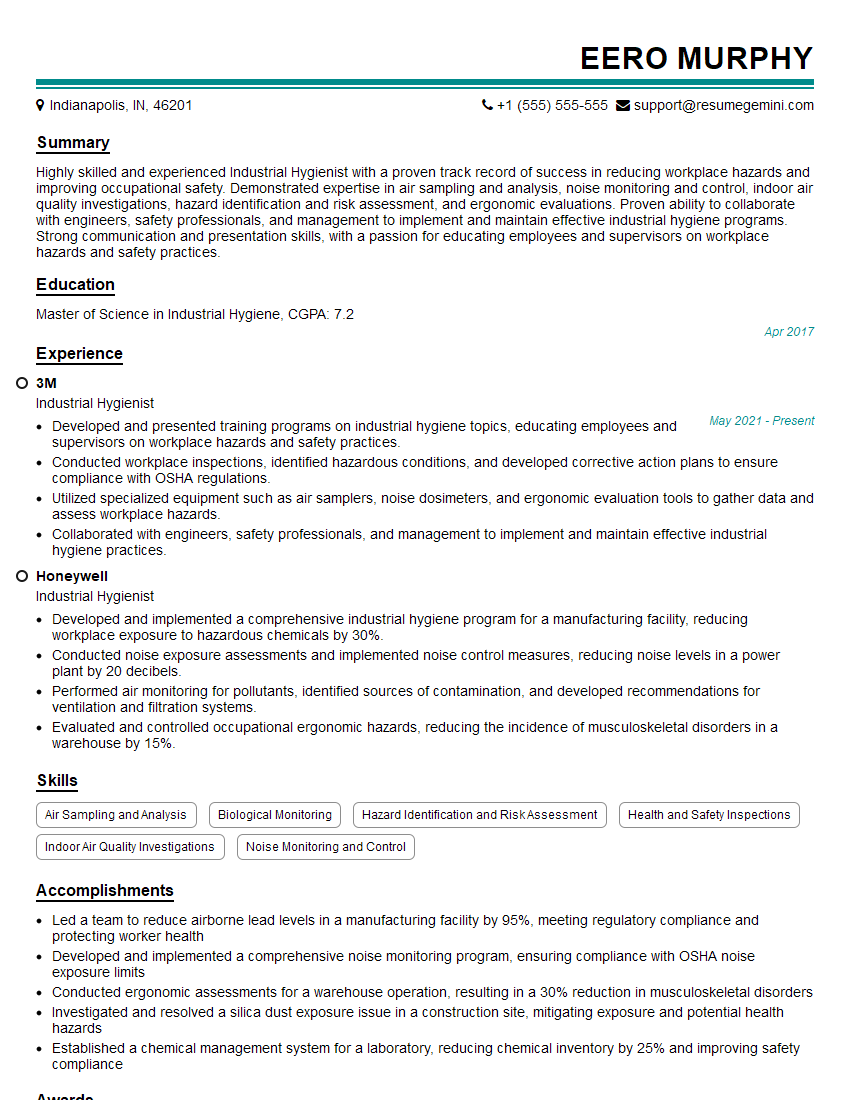
Industrial Hygienist Resume Sample
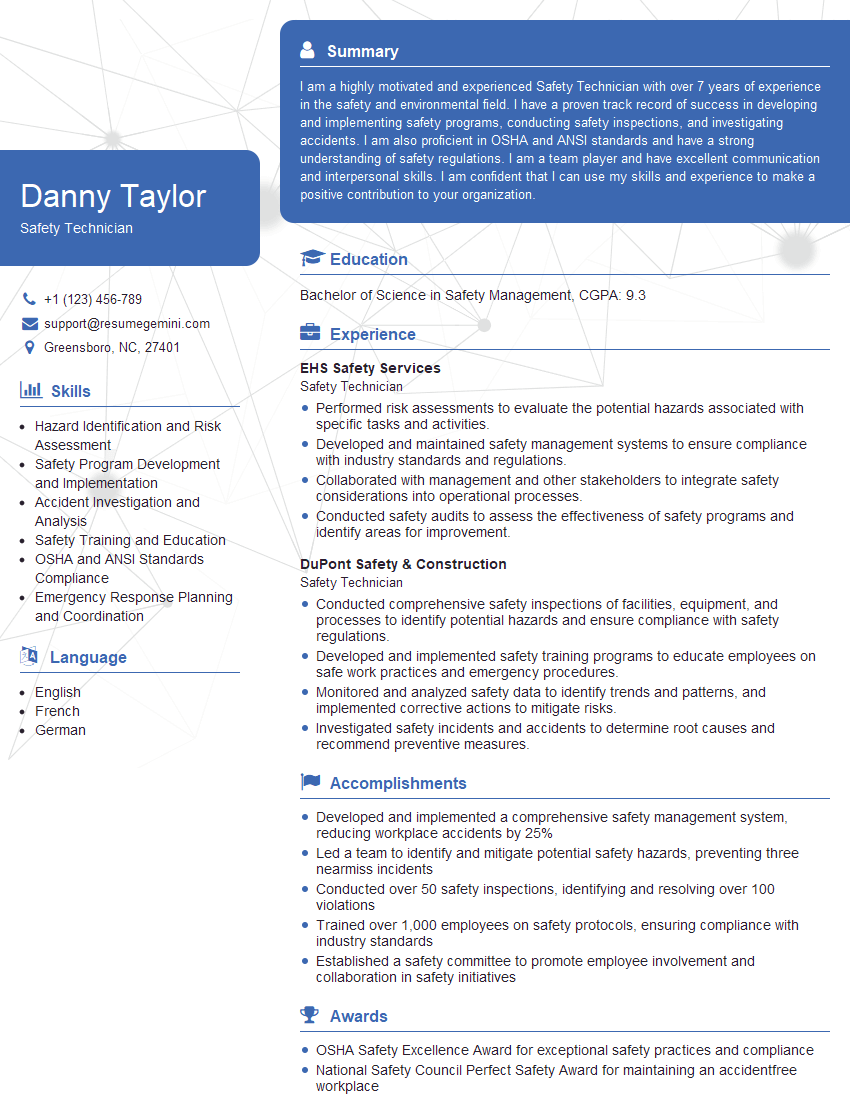
Safety Technician Resume Sample
Explore more articles
Users Rating of Our Blogs
Share Your Experience
We value your feedback! Please rate our content and share your thoughts (optional).
What Readers Say About Our Blog
Very informative content, great job.
good