Are you ready to stand out in your next interview? Understanding and preparing for ISO 10993-1 Biological Evaluation of Medical Devices interview questions is a game-changer. In this blog, we’ve compiled key questions and expert advice to help you showcase your skills with confidence and precision. Let’s get started on your journey to acing the interview.
Questions Asked in ISO 10993-1 Biological Evaluation of Medical Devices Interview
Q 1. Explain the purpose and scope of ISO 10093-1.
ISO 10993-1, “Evaluation and testing within the biological evaluation of medical devices,” is the cornerstone of the ISO 10993 series. Its purpose is to establish a framework for the biological evaluation of medical devices, ensuring they are biocompatible and safe for their intended use. It doesn’t detail specific test methods; instead, it guides the selection of appropriate tests from other parts of the ISO 10993 series based on the device’s intended use, duration of contact with the body, and material properties. The scope encompasses all medical devices, regardless of material, design, or intended use, emphasizing a risk-based approach to biocompatibility testing.
Think of it like this: ISO 10993-1 is the architect’s blueprint for a biocompatibility assessment. It lays out the overall plan, but the individual parts (specific tests) are detailed in other parts of the series. The final result is a safe, biocompatible device.
Q 2. Describe the different biological test methods used in ISO 10993 series.
The ISO 10993 series employs various biological test methods categorized by the type of biological response they evaluate. Some key examples include:
- Cytotoxicity: Assesses the direct toxic effects of a device or its extracts on cells in vitro. This involves exposing cells to the material and observing for cell death or damage.
- Sensitization: Evaluates the potential for a device to cause allergic reactions (hypersensitivity) in individuals. Tests typically involve exposing animal models or human skin cells to the material.
- Irritation: Determines the potential of a device to cause local inflammation or irritation at the site of contact. In vivo tests on animal models are often used.
- Genotoxicity: Investigates whether a device or its extracts can damage DNA, increasing the risk of mutations or cancer. This includes tests like the Ames test and chromosomal aberration assays.
- Systemic Toxicity: Assesses the harmful effects of device materials on the entire body after absorption or leaching. This often involves animal studies.
- Hemocompatibility: Specifically for devices that come into contact with blood, this evaluates interactions with blood components (clotting, platelet activation, hemolysis).
- Implantation studies: Long-term studies in animals to assess chronic toxicity and tissue response to implanted devices.
The specific tests chosen depend on the device’s characteristics and intended use, as per ISO 10993-1.
Q 3. What are the key considerations for selecting appropriate biological tests for a specific medical device?
Selecting the appropriate biological tests is critical for ensuring the safety of a medical device. The decision-making process is fundamentally risk-based and should consider several factors:
- Intended use and duration of contact: A temporary device requires fewer tests than a permanent implant.
- Device material(s) and its properties: Bioactive materials necessitate more comprehensive testing than inert materials.
- Route of administration: A device implanted directly into tissue requires more rigorous testing than a device used externally.
- Patient population: Consider vulnerable groups such as children or immunocompromised individuals.
- Existing data on similar devices: Prior knowledge on related materials or devices can guide test selection.
For instance, a simple, short-term contact device might only need cytotoxicity testing, while a permanent implant might require a broader range of tests, including genotoxicity, systemic toxicity, and implantation studies. A thorough risk analysis, following the principles outlined in ISO 14971, is essential.
Q 4. How do you determine the biocompatibility endpoints for a given medical device?
Determining biocompatibility endpoints is a crucial step. It involves defining what constitutes an acceptable level of biological response for a particular device. This isn’t a one-size-fits-all approach. Endpoints are established by carefully considering:
- The nature of the device: A heart valve requires different endpoints than a simple bandage.
- The intended use: Short-term contact will have different acceptable limits than long-term exposure.
- The relevant regulatory guidelines: FDA, CE, or other relevant regulatory authorities provide guidance and may specify acceptable levels of response.
- Scientific literature and expert opinion: Reviewing available data for similar materials can inform decisions about appropriate thresholds.
The process often involves setting acceptable limits for various biological responses based on a thorough risk assessment. For example, a specific percentage of cell viability after cytotoxicity testing might be deemed acceptable, or a particular level of inflammation in an irritation test could be considered within the acceptable range. These endpoints should be clearly defined in the biocompatibility assessment plan.
Q 5. Explain the difference between cytotoxicity and sensitization.
Cytotoxicity and sensitization are both adverse biological responses, but they differ significantly:
- Cytotoxicity refers to the direct toxic effects of a material on cells, causing cell death or damage. It’s an in vitro evaluation of a direct, local effect. Imagine it as the material directly harming cells upon contact. Think of it as a direct ‘poisoning’ effect.
- Sensitization refers to the development of an allergic reaction (hypersensitivity) to a material. It involves the immune system and is usually a delayed reaction, not immediate. This means the material first triggers a response from the immune system, and a second exposure leads to an allergic reaction. The body ‘learns’ to react. It’s a reaction due to the body’s immune system response.
For example, a material might show low cytotoxicity (not directly harming cells) but still exhibit a high potential for sensitization (causing allergic reactions in some individuals). Both aspects are important to evaluate.
Q 6. What are the requirements for device extraction prior to biocompatibility testing?
Device extraction is a critical step prior to many biocompatibility tests, as it simulates the release of leachable substances from the device. The process must be carefully controlled and documented to ensure the validity of subsequent test results. Key requirements include:
- Extraction medium: The choice depends on the device’s intended use and material. Common media include water, saline, phosphate-buffered saline (PBS), and organic solvents. The choice must be justified.
- Extraction conditions: Temperature, duration, surface area-to-volume ratio, and agitation should be carefully defined and controlled to simulate conditions of use.
- Extraction method: The extraction technique should be described in detail, including the apparatus used, and should be consistent with guidelines and relevant standards.
- Analysis of the extract: The extract should be analyzed for physicochemical properties (pH, etc.) to ensure consistency.
Improper extraction procedures can lead to inaccurate or misleading biocompatibility results. Imagine trying to determine toxicity without accurately reflecting the materials that might be released from the device in the body. The extraction simulates this release for testing.
Q 7. Describe the process for preparing a biocompatibility assessment report.
The biocompatibility assessment report is a critical document that summarizes the findings of all biological evaluations. It needs to be comprehensive and clearly communicates the conclusions to regulatory authorities. Key components typically include:
- Device description: Detailed information about the device’s intended use, materials of construction, and manufacturing process.
- Biocompatibility test plan: A detailed outline of all tests performed, including justifications based on risk analysis.
- Test methods and results: Clear presentation of all test methods used and the resulting data, including raw data and any statistical analysis.
- Interpretation of results: A thorough explanation of the meaning of the data, including any limitations of the study.
- Conclusion: A summary statement confirming the biocompatibility of the device within the intended use context.
- References: A complete listing of any relevant standards, guidelines, or scientific literature used.
The report should be written in a clear and concise manner, avoiding jargon where possible, and adhering to the requirements of relevant regulatory authorities. Poorly written reports can lead to delays or rejections during regulatory review.
Q 8. How do you interpret and evaluate biocompatibility test results?
Interpreting biocompatibility test results requires a thorough understanding of the test methods employed, the specific device being evaluated, and the intended clinical application. It’s not simply a matter of pass/fail; it’s a comprehensive evaluation of the data in context.
First, I’d carefully review the raw data, looking for any anomalies or outliers. Then, I’d compare the results to the established acceptance criteria, often specified in the relevant ISO 10993 part and/or regulatory guidelines. Statistical analysis is crucial here – understanding the significance of any observed effects is paramount.
For example, if a cytotoxicity test shows a slight decrease in cell viability, I’d need to determine if this reduction is statistically significant and biologically relevant within the context of the device’s intended use. A minor, insignificant decrease might be acceptable for a long-term implant, while the same decrease would be unacceptable for a short-term contact device.
Ultimately, the interpretation involves a qualitative judgment based on the totality of evidence. This requires considering the specific test results alongside the device’s intended use, duration of contact, and potential exposure routes. The final conclusion should be clearly documented, explaining the rationale behind the assessment and clearly stating the implications for the device’s biocompatibility.
Q 9. What are the regulatory requirements for biocompatibility testing?
Regulatory requirements for biocompatibility testing vary depending on the intended use of the medical device and the applicable regulations (e.g., FDA 21 CFR Part 820, EU MDR). However, ISO 10993 serves as a globally recognized standard that guides these tests. The specific tests required are determined through a risk assessment process, but generally include evaluating cytotoxicity, sensitization, irritation, genotoxicity, and systemic toxicity.
For example, a Class III implantable device will necessitate far more extensive and rigorous testing than a Class I non-invasive device. A crucial aspect is maintaining comprehensive documentation throughout the entire process – from initial test planning and material characterization to the final biocompatibility report. This documentation is key to demonstrating compliance and to facilitate audits by regulatory bodies.
Furthermore, regulations might stipulate specific test methods, acceptance criteria, and reporting formats. Keeping abreast of these ever-evolving requirements is a critical aspect of ensuring regulatory compliance.
Q 10. Explain the concept of risk-based biocompatibility assessment.
Risk-based biocompatibility assessment is a crucial principle in ISO 10993. Instead of a ‘one-size-fits-all’ approach, it tailors the biocompatibility testing strategy to the specific risks posed by the medical device.
The process begins with a thorough hazard analysis, identifying all potential hazards associated with the device. This includes considering the device’s material composition, intended use, duration of contact with the body, and the patient population. Based on this hazard analysis, a risk assessment is performed, weighing the likelihood and severity of each potential hazard.
For example, a device that has prolonged contact with the body and is made from a material with a history of eliciting adverse reactions would require more rigorous testing than a device with short-term contact and biocompatible materials. This approach ensures that resources are focused on the tests that are most critical and minimizes unnecessary testing. The risk assessment justifies the selection of specific ISO 10993 parts and tests.
Q 11. How do you manage the uncertainty associated with biocompatibility testing?
Uncertainty in biocompatibility testing is inherent due to factors like biological variability, the complexity of biological systems, and the limitations of analytical techniques. Managing this uncertainty involves a multi-faceted approach.
First, we use robust and validated testing methodologies, ensuring the reliability and reproducibility of our results. Second, we perform appropriate statistical analyses to quantify the uncertainty associated with our measurements. Third, we consider the entire dataset in its context. A single outlier might not invalidate a comprehensive body of evidence pointing to biocompatibility.
Moreover, utilizing sensitivity analyses can help assess how uncertainties in input parameters affect the overall conclusions. Transparency is also crucial; we should clearly document any limitations and uncertainties associated with the testing and the interpretation of the data. If uncertainties remain despite these efforts, it might necessitate additional testing or a reassessment of the risk profile.
Q 12. Discuss the role of extractables and leachables in biocompatibility evaluation.
Extractables and leachables are substances that can migrate from a medical device into the surrounding environment (body fluids, tissues). Extractables are chemicals that can be removed from the device under specific conditions (e.g., using solvents), while leachables represent the chemicals that actually leach out under the conditions of use.
Evaluating extractables and leachables is a crucial part of biocompatibility assessment because these substances can potentially cause adverse effects. The process often involves extracting chemicals from the device and identifying them using techniques like gas chromatography-mass spectrometry (GC-MS) or liquid chromatography-mass spectrometry (LC-MS).
The identified extractables are then compared to toxicological databases to assess their potential for harm. If substances of concern are identified, further analysis of leachables from the device under conditions simulating real-world use is necessary. This is crucial for assessing the actual risk posed by the device under its intended use.
Q 13. What is the importance of material characterization in biocompatibility testing?
Material characterization is the foundation of biocompatibility testing. Without a thorough understanding of the device’s composition, it’s impossible to predict its potential interactions with the body.
Material characterization involves identifying all the components of the medical device, including additives, polymers, monomers, and other substances. This involves using various techniques like spectroscopy (e.g., FTIR, NMR), chromatography, microscopy, and elemental analysis. The results of these analyses provide a complete chemical profile of the device.
This information is crucial for several reasons: it helps to select the appropriate biocompatibility tests (e.g., a device made primarily of silicone will require different tests than one made of titanium), it enables us to identify potential hazardous substances that need to be addressed, and it allows us to track changes in the device’s composition over time, ensuring consistent biocompatibility throughout the device’s lifespan. It is the bedrock upon which the entire biocompatibility assessment rests.
Q 14. Describe your experience with specific ISO 10993 parts (e.g., Part 5, Part 10, Part 17).
My experience encompasses a wide range of ISO 10993 parts. For instance, I have extensive experience with Part 5 (Tests for in vitro cytotoxicity), which involves assessing the toxicity of materials on cells in a laboratory setting. This includes using various cell lines and assays to determine the potential for cell death or other adverse effects. Understanding cell culture techniques and the interpretation of cytotoxicity data is critical here.
I’m also well-versed in Part 10 (Tests for irritation and delayed-type hypersensitivity), where the focus is on the skin’s response to the device’s materials. Conducting and interpreting animal studies following GLP (Good Laboratory Practice) guidelines is fundamental here.
Finally, my experience includes Part 17 (Evaluation and testing of interaction of medical devices with blood). This part focuses on the compatibility of the device with blood, particularly its potential to cause hemolysis, thrombogenicity, or complement activation. This work requires advanced expertise in hematology and the relevant testing techniques. Each part demands a nuanced understanding of its unique methodologies and regulatory expectations. I’ve worked extensively on many other parts, and my expertise is constantly updated to keep up with advances in testing techniques and regulatory changes.
Q 15. How do you handle deviations or unexpected results in biocompatibility testing?
Unexpected results in biocompatibility testing are a reality, not an exception. My approach centers on a systematic investigation, ensuring we don’t jump to conclusions. First, we meticulously review the testing methodology, ensuring adherence to the ISO 10993-1 standard and relevant parts. This includes verifying the accuracy of test samples, controls, and the equipment calibration. We examine the entire testing process, from sample preparation to data analysis, checking for any procedural deviations. If no procedural errors are found, we may repeat the testing. If the unexpected result persists, a thorough root cause analysis is performed, potentially involving expert consultation or further testing. We document all findings, including the deviation, our investigation, and any corrective actions implemented. The final report will transparently present all data and the conclusions drawn. This ensures regulatory compliance and the reliability of our findings.
For instance, if a material shows unexpected cytotoxicity in an in vitro test, we would first verify the sample preparation was correct, that the positive control worked as expected, and that the reagents and equipment were functioning properly. We might then repeat the test with a fresh batch of samples and reagents. If the result is still positive, we’d explore if there was a lot-to-lot variation in the material or if there are any interaction effects between the material and the test system.
Career Expert Tips:
- Ace those interviews! Prepare effectively by reviewing the Top 50 Most Common Interview Questions on ResumeGemini.
- Navigate your job search with confidence! Explore a wide range of Career Tips on ResumeGemini. Learn about common challenges and recommendations to overcome them.
- Craft the perfect resume! Master the Art of Resume Writing with ResumeGemini’s guide. Showcase your unique qualifications and achievements effectively.
- Don’t miss out on holiday savings! Build your dream resume with ResumeGemini’s ATS optimized templates.
Q 16. How do you ensure the quality and integrity of biocompatibility test data?
Maintaining the quality and integrity of biocompatibility test data is paramount. This involves rigorously adhering to GLP principles, which necessitates detailed documentation at every stage. We employ a robust quality management system (QMS) covering all aspects: from sample identification and handling to data analysis and reporting. This includes standardized operating procedures (SOPs) for all testing activities, use of calibrated instruments with regular maintenance records, and chain of custody documentation. We use appropriate statistical methods to analyze results and clearly report both the positive and negative findings, including any limitations of the study. Our team undergoes regular training to ensure proficiency in the testing techniques and GLP guidelines. Regular internal audits and external quality inspections help ensure ongoing compliance and continuous improvement. An example of this is maintaining an accurate and auditable chain of custody for every sample, ensuring there’s a clear record of who handled the sample at each step, and the location and conditions it was stored.
Q 17. What is your experience with GLP (Good Laboratory Practice) guidelines in biocompatibility testing?
My experience with GLP is extensive. It’s not just a set of guidelines; it’s an integral part of ensuring the reliability and acceptance of our biocompatibility data. GLP principles underpin every aspect of our work. I have personally been involved in numerous GLP-compliant studies, ensuring that every aspect of testing conforms to the regulations. This includes the proper management of test articles, reagents, standards, and equipment; maintaining detailed, accurate records of all study procedures; and conducting data analysis with meticulous care. We follow strict protocols for personnel training and quality assurance, ensuring consistent execution of tests and the integrity of the data produced. GLP compliance guarantees that our test results are credible and defensible, whether for regulatory submissions or internal decision-making.
Q 18. Explain the role of a biocompatibility expert in the design and development process of a medical device.
A biocompatibility expert plays a crucial role, ideally starting at the design phase. We guide the selection of materials, ensuring biocompatibility is considered from the outset, preventing costly redesigns later. We work collaboratively with engineers, designers, and clinicians to identify potential biological risks associated with the device. We determine the appropriate biocompatibility tests needed, based on the intended use of the device and its contact with the body. We also advise on the extraction of test materials to simulate the conditions of use. My experience shows that early involvement can substantially reduce development timelines and avoid unexpected failures down the line, saving time and resources.
For example, a new cardiac stent design could involve my expertise to select a material with good biocompatibility and low thrombogenicity. I would work closely with the engineering team to decide on the appropriate extraction methods and select the appropriate biocompatibility tests to ensure the safety and efficacy of the stent.
Q 19. How do you manage communication and collaboration with internal and external stakeholders regarding biocompatibility?
Effective communication and collaboration are vital. I establish a transparent communication plan from the start, ensuring all stakeholders understand the biocompatibility strategy. Regular meetings, reports, and updates keep everyone informed about the progress. I utilize various methods like presentations, written reports, and informal discussions to tailor my communication to the specific audience. My experience includes working with internal teams (engineering, regulatory affairs, quality) and external laboratories and regulatory bodies. Clear, concise communication, supported by robust data, fosters trust and efficient collaboration, which is especially important in complex projects where multiple teams and specialists are involved.
Q 20. How do you stay up-to-date with the latest changes and updates in ISO 10993 standards?
Staying current is crucial in this field. I actively monitor changes in ISO 10993 standards through several channels. I subscribe to industry publications, attend conferences and workshops, and participate in professional organizations like the AAMI (Association for the Advancement of Medical Instrumentation). I also actively engage with regulatory agencies and review their guidance documents. Maintaining a network with other experts in the field allows me to exchange information and stay updated on the latest advancements and interpretations of the standards. Continuous learning is integral to providing accurate and up-to-date biocompatibility assessments.
Q 21. What are the key differences between ISO 10993-1 and other relevant standards (e.g., USP <87>)?
ISO 10993-1 is the overarching standard for the biological evaluation of medical devices, providing a framework and guiding principles. Other standards, like USP <87> (Bacterial Endotoxins Test), address specific aspects of biocompatibility. ISO 10993-1 focuses on the overall biological safety of medical devices, outlining the strategy for biological evaluation. USP <87> specifically addresses pyrogenicity, which is only one aspect of the broader biocompatibility profile. ISO 10993-1 provides guidance on which tests to conduct based on the device’s characteristics and intended use, whereas USP <87> details the method for detecting bacterial endotoxins. While both are important for ensuring medical device safety, they serve different, but complementary, roles in the overall assessment.
Q 22. Describe your experience with specific biocompatibility testing methods (e.g., cytotoxicity, genotoxicity, sensitization).
My experience encompasses a wide range of biocompatibility testing methods as defined in ISO 10993-1. I’ve extensively worked with cytotoxicity assays, such as the direct contact method and extraction methods using various cell lines (e.g., L929 fibroblasts, 3T3 fibroblasts). This involves exposing cells to the medical device extract or direct contact with the device material and assessing cell viability through techniques like MTT assay or neutral red uptake. I’ve also conducted numerous genotoxicity tests, including the Ames test (detecting mutagenic potential) and the in vitro micronucleus assay (evaluating chromosomal damage). Finally, I possess significant experience in sensitization testing, utilizing the local lymph node assay (LLNA) in animal models to assess the potential for a material to induce an allergic response. In each case, I meticulously follow GLP (Good Laboratory Practice) guidelines to ensure data reliability and regulatory compliance.
For example, in one project involving a novel polymeric biomaterial for a cardiovascular stent, we employed both direct contact and elution cytotoxicity tests using L929 cells. The results guided modifications to the material’s surface treatment to optimize biocompatibility and minimize cytotoxicity.
Q 23. How do you assess the potential for systemic toxicity from a medical device?
Assessing systemic toxicity from a medical device requires a systematic approach, often involving a tiered testing strategy based on the device’s intended use and contact duration. We start by considering the device’s intended use and potential for leaching of substances into the body. For example, a short-term contact device like a surgical suture requires less extensive testing than an implantable device like a cardiac pacemaker.
The assessment often involves in vitro tests like cytotoxicity and genotoxicity, followed by in vivo studies depending on the risk assessment. In vivo studies can include acute toxicity tests (e.g., single dose or repeated dose toxicity studies in rodents) to evaluate immediate effects, and subchronic or chronic toxicity studies to assess long-term impacts. The choice of animal model, dose levels, and duration of the study depend on factors like the device material, its intended use and duration of contact, and the potential for systemic exposure. Furthermore, the collected data is carefully analyzed, considering systemic parameters like organ weight changes, hematological and clinical chemistry analyses, and histopathological examinations.
Q 24. What are the limitations and challenges in biocompatibility testing?
Biocompatibility testing presents several limitations and challenges. One significant challenge is the complexity of biological systems. In vitro tests may not accurately predict in vivo responses, as they lack the intricate interplay of various cells and tissues. Another challenge is the variability in test results due to factors like differences in cell lines, testing protocols, and lot-to-lot variations in materials.
Extrapolating results from animal models to humans is also a key limitation. The metabolic processes and immune responses can differ significantly between species, making it difficult to precisely predict human responses. The high cost and time involved in conducting comprehensive biocompatibility testing, particularly in vivo studies, is another substantial challenge. Finally, the ever-evolving landscape of medical devices and materials necessitates continuous refinement and adaptation of testing strategies.
Q 25. Describe a situation where you had to resolve a complex biocompatibility issue.
In one project involving a novel hydrogel material for drug delivery, initial cytotoxicity tests showed unexpectedly high toxicity. The initial hypothesis was that the material itself was toxic. However, we systematically investigated the manufacturing process, considering potential residues from the synthesis process or impurities in the solvents. Through meticulous analysis, we identified residual catalyst from the polymerization process as the culprit. We implemented a refined purification protocol, removing the residual catalyst, and subsequent cytotoxicity testing showed significantly improved biocompatibility. This experience highlighted the importance of thoroughly investigating all potential sources of toxicity, including the manufacturing process itself.
Q 26. How do you handle conflicting results from different biocompatibility tests?
Conflicting results from different biocompatibility tests are not uncommon and require a careful and thorough investigation. The first step is to review the methodology of each test to identify potential sources of variation, including different cell lines, extraction methods, or assay procedures. We meticulously scrutinize the data for any outliers or anomalies. If the conflict persists after reviewing the methodology, we may consider conducting additional tests to resolve the discrepancy. This might include using alternative test methods or conducting a more comprehensive battery of tests, which may involve in vivo studies in animal models. Ultimately, the decision on how to resolve conflicting data involves careful consideration of all available data, risk assessment, and a detailed scientific rationale that’s documented meticulously.
Q 27. Explain your experience with the implementation of a biocompatibility management system.
My experience with biocompatibility management systems includes developing and implementing comprehensive systems that meet ISO 10993-1 requirements. This involves establishing documented procedures for material selection, risk assessment, test planning, execution, and reporting. These procedures are designed to ensure that all aspects of the biocompatibility evaluation process are controlled, traceable, and compliant with regulatory standards. This also includes the tracking of materials and their associated biocompatibility data, ensuring that we maintain a full history of materials used in medical devices.
A key aspect is establishing a robust database for storing and managing biocompatibility data, which greatly facilitates reporting and future decision-making. I’ve employed both paper-based and electronic systems, and the latter offers significant advantages in terms of data accessibility, search capabilities, and data integrity. It also supports efficient reporting requirements and ensures easy traceability of materials and their testing history. The selection of the most appropriate system depends on the scale and complexity of operations.
Q 28. What are the ethical considerations associated with biocompatibility testing?
Ethical considerations in biocompatibility testing are paramount. The use of animals in in vivo studies necessitates adhering to strict ethical guidelines. This includes minimizing the number of animals used, ensuring their humane treatment, and employing appropriate pain management and anesthesia protocols. All animal studies must be reviewed and approved by an Institutional Animal Care and Use Committee (IACUC) to ensure the ethical conduct of research.
Moreover, data integrity and transparency are critical. Accurate and unbiased reporting of results is essential for ensuring the safety and efficacy of medical devices. Any potential conflicts of interest must be disclosed and managed to maintain the objectivity of the biocompatibility evaluation. Ultimately, the ethical conduct of biocompatibility testing is about safeguarding both animal welfare and public health by ensuring reliable and ethical scientific practices.
Key Topics to Learn for ISO 10993-1 Biological Evaluation of Medical Devices Interview
- Selection of appropriate biological tests: Understanding the rationale behind choosing specific tests based on device type, intended use, and contact duration.
- Toxicity testing: Familiarize yourself with in vitro and in vivo cytotoxicity assays, including interpretation of results and limitations.
- Sensitization and irritation testing: Grasp the methodologies and regulatory requirements for evaluating the potential for allergic reactions and skin irritation.
- Genotoxicity and carcinogenicity testing: Understand the principles behind these tests and their relevance in assessing long-term health risks.
- Hemocompatibility testing: Learn about the various tests used to evaluate the interaction of the device with blood components, such as thrombogenicity and hemolysis.
- Implant testing: Understand the specific challenges and considerations for evaluating the biocompatibility of implantable devices.
- Data interpretation and risk assessment: Develop your ability to critically analyze biological evaluation data and translate findings into risk assessments compliant with ISO 10993-1.
- Regulatory requirements and compliance: Familiarize yourself with the relevant regulatory guidelines and expectations for reporting and documentation.
- Practical application: Be prepared to discuss how you would approach the biological evaluation of a specific medical device, considering its unique characteristics and intended use.
- Problem-solving: Practice identifying and resolving potential challenges in the biological evaluation process, such as unexpected test results or conflicting data.
Next Steps
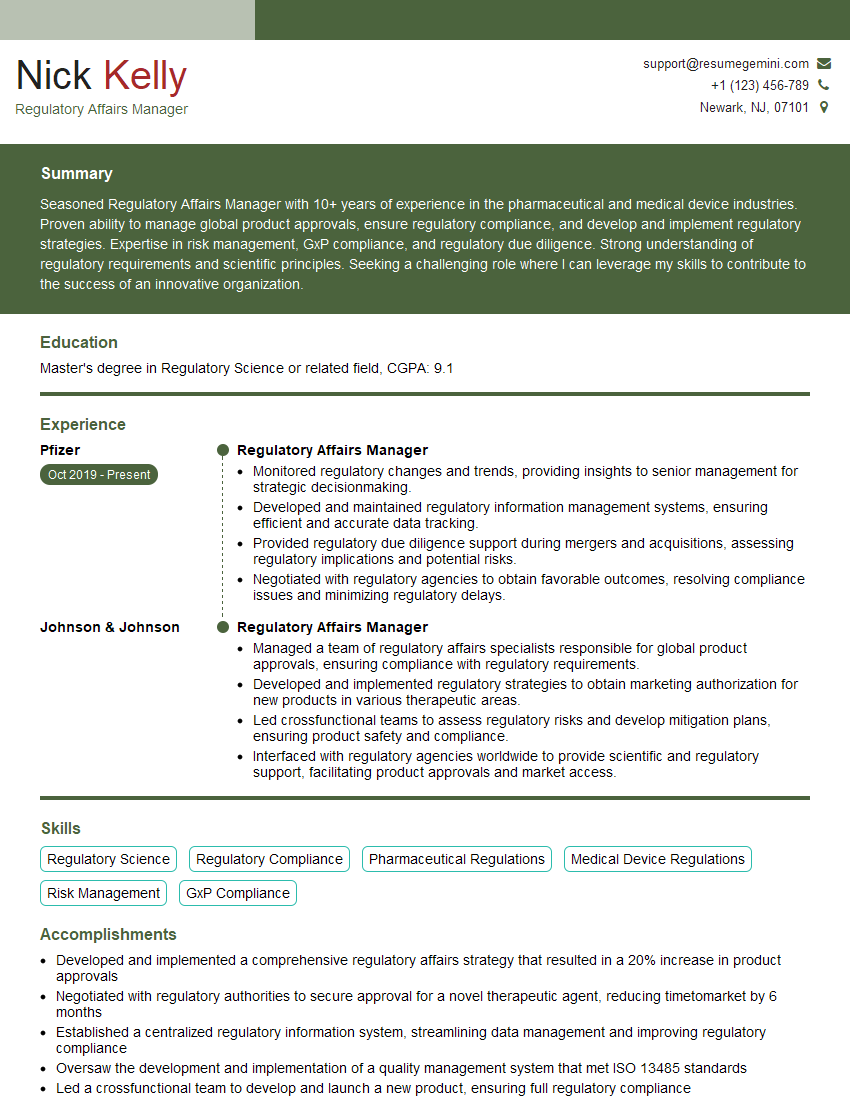
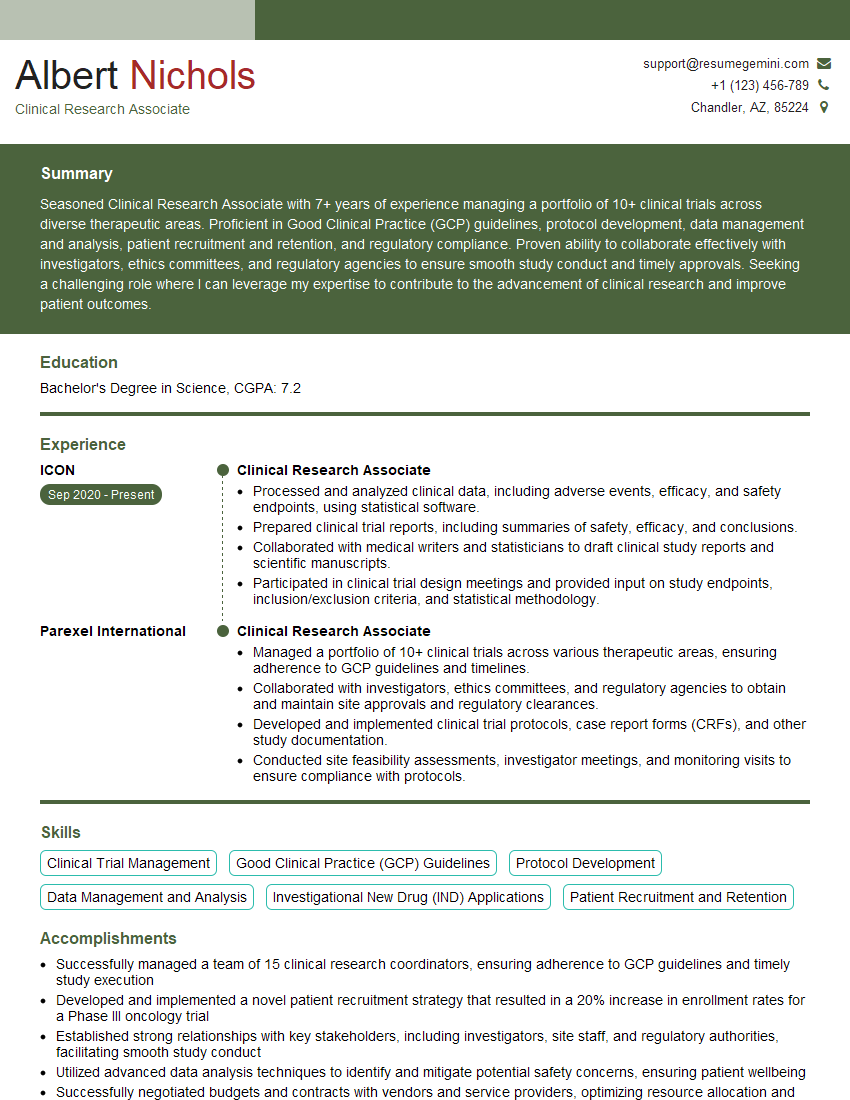
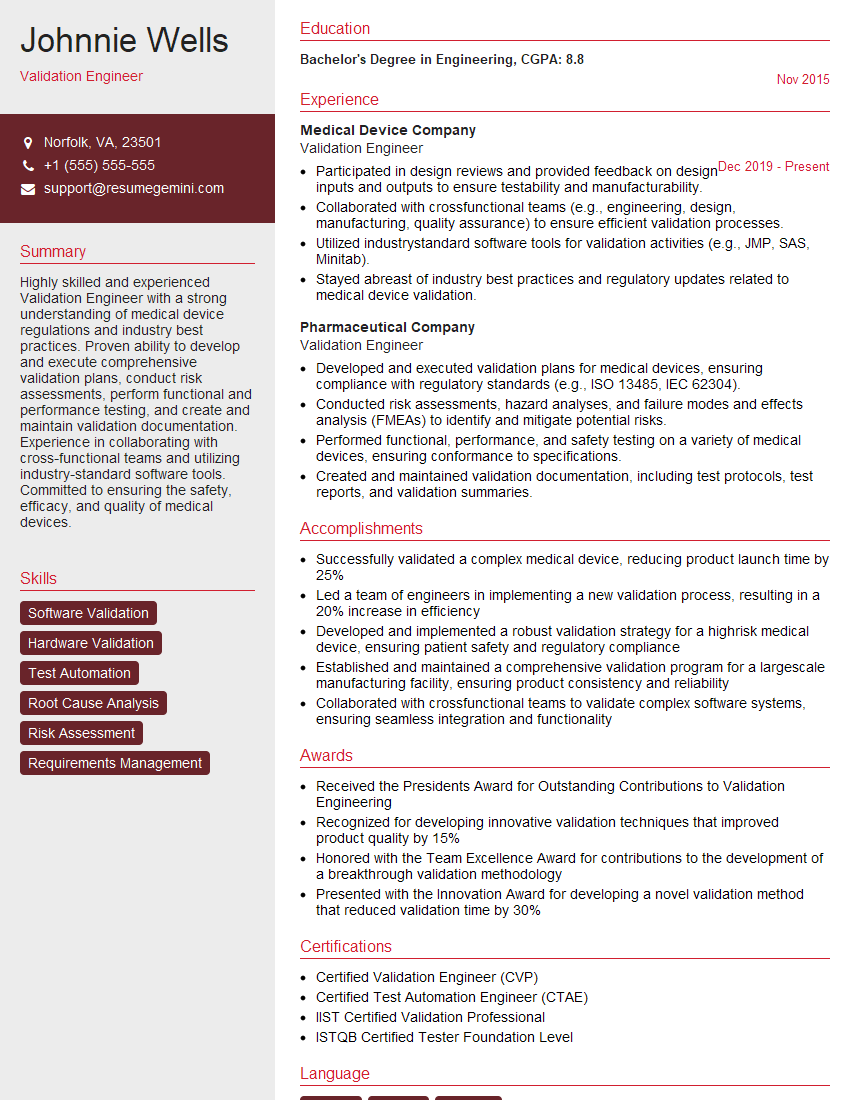
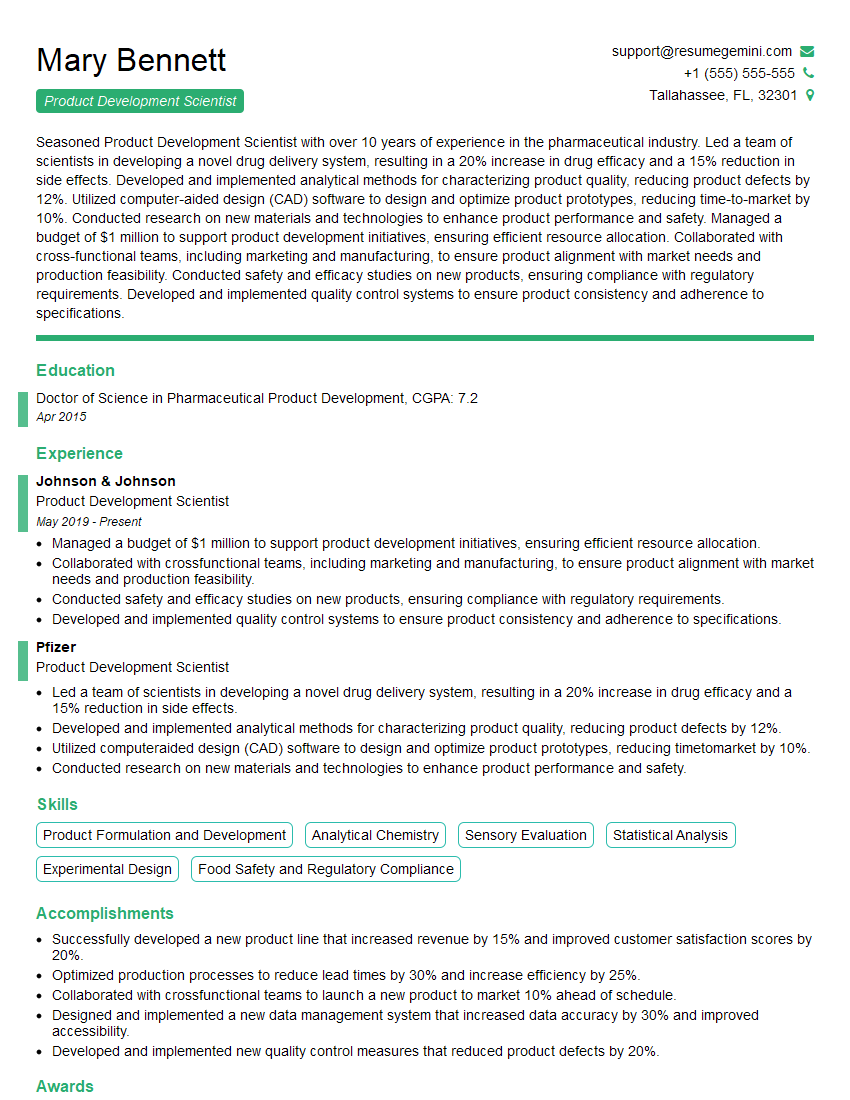
Mastering ISO 10993-1 Biological Evaluation of Medical Devices is crucial for career advancement in the medical device industry. A strong understanding of this standard opens doors to specialized roles and positions of greater responsibility. To maximize your job prospects, it’s essential to have a resume that effectively showcases your skills and experience. Creating an ATS-friendly resume is paramount for getting your application noticed. We recommend using ResumeGemini, a trusted resource for building professional resumes that stand out. ResumeGemini offers examples of resumes tailored to ISO 10993-1 Biological Evaluation of Medical Devices to help you create a compelling application.
Explore more articles
Users Rating of Our Blogs
Share Your Experience
We value your feedback! Please rate our content and share your thoughts (optional).
What Readers Say About Our Blog
Very informative content, great job.
good