Interviews are opportunities to demonstrate your expertise, and this guide is here to help you shine. Explore the essential SafetyProcedures interview questions that employers frequently ask, paired with strategies for crafting responses that set you apart from the competition.
Questions Asked in SafetyProcedures Interview
Q 1. Describe your experience developing and implementing safety procedures.
Developing and implementing safety procedures is a multi-step process that begins with a thorough hazard assessment and culminates in ongoing monitoring and improvement. My experience spans various industries, including manufacturing and construction. I’ve led teams in creating comprehensive safety manuals, incorporating elements like lockout/tagout procedures, personal protective equipment (PPE) requirements, and emergency response plans. For example, in a manufacturing setting, I developed a new procedure for operating a high-speed press that reduced near-miss incidents by 40% within six months. This involved a detailed risk assessment, implementation of machine guarding, and rigorous training on the new procedure. The process included regular reviews and updates based on feedback from workers and incident reports.
I’ve also implemented safety management systems (SMS) in several companies, fostering a safety-first culture. This involves creating clear lines of responsibility, regular safety meetings, and proactive identification of hazards. In one project, I implemented an SMS that resulted in a 60% reduction in lost-time accidents within a year. This wasn’t just about rules; it involved engaging employees and making them active participants in safety improvement.
Q 2. Explain your understanding of OSHA regulations.
My understanding of OSHA regulations is comprehensive, encompassing general industry standards, construction standards, and specific regulations relevant to various hazards. I’m familiar with OSHA’s recordkeeping requirements, including incident reporting, and the procedures for conducting inspections. I understand the importance of complying with OSHA’s requirements for hazard communication, including the proper labeling, storage, and handling of hazardous materials. I also stay updated on OSHA’s changes and interpretations, using resources like OSHA’s website and industry publications. For instance, I recently updated our company’s lockout/tagout procedures to align with the latest OSHA standards, ensuring employee safety and regulatory compliance.
Beyond simply knowing the regulations, I focus on how to practically apply them. This includes translating complex regulations into straightforward and practical workplace procedures that employees can easily understand and follow. I also understand the potential penalties for non-compliance and the importance of proactive measures to avoid them.
Q 3. How do you conduct a job safety analysis (JSA)?
A Job Safety Analysis (JSA) is a systematic process to identify and control hazards associated with a specific job task. It’s a proactive approach to safety, aiming to prevent accidents before they happen. I conduct JSAs using a structured approach. First, I select the job task to be analyzed. Next, I break the task down into individual steps. Then, I identify potential hazards for each step, considering things like slips, trips, falls, electrical hazards, or exposure to chemicals. For each hazard, I evaluate the risk level (likelihood and severity) and determine appropriate control measures. These controls can include engineering controls (e.g., machine guarding), administrative controls (e.g., work permits, training), and personal protective equipment (PPE).
For example, conducting a JSA for a task like ‘changing a lightbulb’ might reveal hazards such as falls from ladders and electrical shock. The JSA would then specify the use of a non-conductive ladder, proper lockout/tagout procedures, and the use of insulated gloves as control measures. Finally, the completed JSA is documented and used as a training tool and a reference guide for employees performing the task. It’s essential to review and update JSAs regularly, especially after incidents or changes in work processes.
Q 4. What methods do you use to identify and assess workplace hazards?
Identifying and assessing workplace hazards requires a multi-pronged approach. I utilize several methods, including:
- Walkthrough Inspections: Regularly walking through the workplace to visually identify hazards and potential risks.
- Incident Investigations: Thoroughly investigating incidents to understand their root causes and prevent recurrence.
- Employee Feedback: Actively soliciting feedback from employees through surveys, meetings, and suggestion boxes.
- Near Miss Reporting: Encouraging employees to report near-miss incidents to identify potential hazards before they result in accidents.
- Job Hazard Analysis (JHA): As described previously, this method is critical for analyzing specific jobs.
- Checklists: Using pre-designed checklists for specific areas or equipment to ensure consistent hazard identification.
For example, a walkthrough inspection might reveal a cluttered aisle, posing a trip hazard. Employee feedback might highlight a poorly lit area, increasing the risk of accidents. Analyzing near-miss reports could indicate a recurring problem with a particular machine, needing preventive maintenance. Combining these methods provides a comprehensive picture of workplace hazards.
Q 5. Describe your experience with incident investigation and reporting.
My experience with incident investigation and reporting is extensive. I follow a structured process that involves securing the scene, gathering evidence (photos, witness statements), and identifying contributing factors. I use root cause analysis techniques, such as the ‘5 Whys’ method, to delve beyond the surface and uncover the underlying causes of an incident. This approach helps to prevent similar incidents in the future. Once the investigation is complete, I prepare a comprehensive report that includes details of the incident, contributing factors, and recommendations for corrective actions. The report is shared with relevant personnel and used to update safety procedures and training programs.
For example, in investigating a fall from a ladder incident, I might discover the ladder was not properly secured, the employee was not wearing a safety harness, and there was inadequate training on proper ladder use. The resulting report would contain these findings, along with recommendations such as improved ladder securing methods, mandatory safety harness use, and refresher training on ladder safety. Accurate and timely reporting is crucial for compliance with OSHA regulations and for demonstrating a commitment to safety.
Q 6. How do you ensure compliance with safety regulations?
Ensuring compliance with safety regulations requires a proactive and multi-faceted approach. It starts with a comprehensive understanding of all applicable regulations. Then, I implement and maintain a robust safety management system (SMS) that covers all aspects of workplace safety. This includes developing and implementing clear safety procedures, providing regular safety training, conducting regular inspections, and maintaining accurate records. I use a combination of methods, including regular safety audits, internal inspections, and utilizing external safety consultants for specialized areas. By tracking key metrics like accident rates and near misses, I can identify areas needing improvement and make data-driven decisions to enhance safety performance.
Moreover, I foster a strong safety culture where employees feel empowered to report hazards and participate actively in safety improvement initiatives. Open communication and a positive attitude toward safety are paramount. This might involve regular safety meetings, employee suggestion boxes, and incentives for safe work practices. Ultimately, compliance isn’t just about avoiding penalties; it’s about creating a safe and healthy work environment for everyone.
Q 7. Explain your experience with safety training and education programs.
My experience with safety training and education programs includes developing and delivering training programs tailored to specific job roles and hazards. I use a variety of methods, including classroom instruction, hands-on demonstrations, and interactive simulations. I adapt my training approach to the learning styles of the participants and ensure the training is engaging and relevant. My training programs address topics such as hazard recognition, risk assessment, safe work practices, and emergency procedures. For example, I developed a training program for forklift operators that included both classroom instruction and hands-on training in a simulated environment. This program significantly reduced forklift-related incidents.
I also emphasize the importance of ongoing safety training and refresher courses. Keeping employees updated on new regulations, procedures, and best practices is crucial for maintaining a high standard of safety. I often incorporate real-life case studies and scenarios into the training to make it more relatable and impactful. The ultimate goal is to empower employees to take ownership of their safety and contribute to a culture of safety within the workplace.
Q 8. How do you communicate safety information effectively to diverse groups?
Effective communication of safety information across diverse groups requires a multi-faceted approach. It’s not enough to simply post a notice; you need to ensure the message is understood and acted upon by everyone, regardless of language, literacy level, or cultural background.
- Tailor your message: Use simple language, avoiding jargon. Visual aids like pictures, diagrams, and videos are incredibly effective. Consider different learning styles – some people are visual learners, others auditory, and some kinesthetic.
- Multilingual materials: Provide translations in all relevant languages spoken within your workforce or community.
- Multiple communication channels: Don’t rely on just one method. Combine safety meetings, posters, emails, training videos, and even interactive simulations to reinforce key messages.
- Interactive training: Engage your audience through interactive sessions, quizzes, and real-world case studies. This helps them actively participate and retain information better.
- Feedback and reinforcement: Regularly check for understanding through surveys or informal discussions. Positive reinforcement for safe behaviors helps to build a strong safety culture.
For example, when explaining lockout/tagout procedures (which I’ll discuss later), I’ve found using a hands-on demonstration, with clear visual aids and a translated checklist, to be significantly more effective than a simple lecture.
Q 9. Describe your experience with safety audits and inspections.
I have extensive experience conducting safety audits and inspections across various industries. My approach is systematic and thorough, following established safety standards and regulations. This typically involves:
- Pre-audit planning: Defining the scope, identifying key areas of concern, and assembling the audit team.
- On-site inspection: A detailed walkthrough, observing work practices, reviewing documentation (like permits and training records), and identifying potential hazards.
- Data collection and analysis: Documenting findings using checklists, photographs, and videos. Analyzing the data to pinpoint recurring issues and root causes.
- Report generation: Creating a comprehensive report that details findings, assigns severity levels (e.g., critical, high, medium, low), and proposes corrective actions.
- Follow-up: Verifying that corrective actions are implemented and effective.
In a recent audit of a manufacturing plant, I identified a lack of proper machine guarding, leading to a high risk of injury. My report detailed these deficiencies, including photographic evidence, and recommended specific upgrades and training programs. The plant implemented the recommendations, significantly reducing the risk of accidents.
Q 10. How do you manage safety risks and control measures?
Managing safety risks involves a proactive, multi-step process. It begins with hazard identification, followed by risk assessment, and culminates in implementing and monitoring control measures.
- Hazard identification: This involves systematically identifying potential hazards through observation, job safety analysis (JSA), and incident investigation.
- Risk assessment: This evaluates the likelihood and severity of each identified hazard, prioritizing those posing the greatest risks.
- Control measures: These are implemented to eliminate or mitigate identified risks. These can be:
- Elimination: Removing the hazard completely (e.g., replacing a dangerous chemical with a safer alternative).
- Substitution: Replacing a hazardous process or material with a less hazardous one.
- Engineering controls: Implementing physical changes (e.g., machine guarding, ventilation systems).
- Administrative controls: Implementing changes to work practices (e.g., job rotation, safety training).
- Personal protective equipment (PPE): Providing workers with appropriate PPE as a last resort (e.g., safety glasses, hard hats).
- Monitoring and review: Regularly monitoring the effectiveness of control measures and reviewing the risk assessment process.
For example, if we identify a high risk of slips and falls in a wet area, we might implement engineering controls like improved drainage and non-slip flooring. Administrative controls could include regular cleaning and safety signage. PPE, such as waterproof boots, would be a last resort.
Q 11. What is your experience with lockout/tagout procedures?
Lockout/Tagout (LOTO) procedures are critical for preventing accidental energy release during maintenance or repair of equipment. My experience with LOTO involves training, auditing, and ensuring compliance with OSHA standards.
- Training: I’ve conducted numerous LOTO training sessions, emphasizing the importance of proper procedures and the potential consequences of non-compliance. Training includes hands-on practice and scenario-based exercises.
- Auditing: I regularly audit LOTO procedures, observing workers, verifying the proper use of locks and tags, and ensuring that the procedures are followed consistently.
- Compliance: I ensure that the company’s LOTO program complies with all relevant regulations and industry best practices.
In one instance, I discovered a discrepancy in the plant’s LOTO procedure during an audit. A critical step was missing, creating a significant risk of accidental energy release. I immediately addressed the issue with management, resulting in a revised, more robust LOTO procedure.
Q 12. How do you handle emergency situations?
Handling emergency situations requires a calm, efficient, and decisive approach. My experience includes developing and implementing emergency response plans and conducting emergency drills.
- Emergency response plan: A well-defined plan is crucial, outlining procedures for various emergencies (e.g., fire, chemical spill, medical emergency). The plan should include clear communication channels, evacuation routes, and designated roles and responsibilities.
- Emergency drills: Regular drills are essential to ensure that everyone knows what to do in an emergency. These drills help identify weaknesses in the plan and improve response times.
- First aid and CPR: I’m certified in first aid and CPR, and I can provide immediate medical assistance until professional help arrives.
- Post-incident investigation: After an emergency, a thorough investigation should be conducted to determine the root cause, implement corrective actions, and prevent future incidents.
During a simulated chemical spill drill, we identified a communication breakdown between different teams. We revised the emergency response plan to address this issue, ensuring clear communication channels and a unified response during a real emergency.
Q 13. Explain your understanding of personal protective equipment (PPE).
Personal Protective Equipment (PPE) is crucial for protecting workers from hazards in the workplace. My understanding encompasses selecting, fitting, using, and maintaining appropriate PPE.
- Hazard assessment: The selection of appropriate PPE begins with a thorough hazard assessment to determine the specific risks faced by workers.
- Proper selection: Once the hazards are identified, the appropriate PPE must be selected, considering factors such as comfort, durability, and ease of use.
- Proper fit: PPE must fit correctly to provide effective protection. Incorrectly fitted PPE can be ineffective or even dangerous.
- Training and use: Workers must receive proper training on how to use and maintain their PPE. This includes understanding its limitations and how to replace damaged or worn-out equipment.
- Maintenance and inspection: Regular inspection and maintenance of PPE are vital to ensure its continued effectiveness.
For instance, workers operating machinery require safety glasses to protect their eyes from flying debris. Similarly, those working at heights need harnesses and appropriate fall protection equipment.
Q 14. Describe your experience with hazard communication programs.
Hazard Communication Programs, often referencing OSHA’s Hazard Communication Standard (HCS), are essential for informing workers about the hazards of chemicals they may encounter in the workplace. My experience encompasses developing and implementing these programs.
- Chemical inventory: A complete inventory of all hazardous chemicals used in the workplace needs to be created and maintained.
- Safety Data Sheets (SDS): SDSs, which provide detailed information on the hazards of each chemical, must be readily available to workers.
- Labeling: Containers of hazardous chemicals must be properly labeled with hazard warnings and pictograms.
- Training: Workers must receive training on how to identify and handle hazardous chemicals safely.
- Communication: Effective communication of chemical hazard information is crucial. This includes using clear and concise language, visual aids, and multiple communication methods.
In a previous role, I updated a company’s Hazard Communication Program to comply with the latest OSHA HCS changes. This involved providing updated SDSs, revising labels, and conducting refresher training for all employees handling hazardous materials.
Q 15. How do you prioritize safety issues based on risk levels?
Prioritizing safety issues based on risk levels is crucial for effective safety management. We use a risk assessment matrix that considers the likelihood of an incident occurring and the severity of its potential consequences. This is often represented visually as a matrix with likelihood on one axis (e.g., low, medium, high) and severity on the other (e.g., minor injury, major injury, fatality). Each cell in the matrix corresponds to a risk level, allowing for easy prioritization.
For example, a high likelihood of minor injuries might be categorized as ‘medium risk,’ while a low likelihood of fatality is still considered ‘high risk’ due to the severity. This allows us to focus resources on mitigating the highest-risk issues first. We use established methodologies like HAZOP (Hazard and Operability Study) or FMEA (Failure Mode and Effects Analysis) to systematically identify and assess these risks.
In a manufacturing setting, we might find that a particular machine has a high likelihood of minor cuts (medium risk). While important to address, this might be prioritized lower than a low-likelihood risk of a catastrophic equipment failure (high risk) that could lead to multiple fatalities.
Career Expert Tips:
- Ace those interviews! Prepare effectively by reviewing the Top 50 Most Common Interview Questions on ResumeGemini.
- Navigate your job search with confidence! Explore a wide range of Career Tips on ResumeGemini. Learn about common challenges and recommendations to overcome them.
- Craft the perfect resume! Master the Art of Resume Writing with ResumeGemini’s guide. Showcase your unique qualifications and achievements effectively.
- Don’t miss out on holiday savings! Build your dream resume with ResumeGemini’s ATS optimized templates.
Q 16. What is your experience with safety performance indicators (KPIs)?
My experience with Safety Performance Indicators (KPIs) is extensive. I’ve used various KPIs to track and improve safety performance across diverse organizational settings. These KPIs are not just numbers; they are leading and lagging indicators that tell a story about the effectiveness of our safety program. Effective KPIs should be SMART (Specific, Measurable, Achievable, Relevant, and Time-bound).
Examples of KPIs I’ve utilized include:
- Incident Rate (TRIR/LTIR): Total Recordable Incident Rate and Lost Time Incident Rate, showing the number of accidents per employee.
- Near Miss Reporting Rate: Measures the number of near misses reported, indicating the effectiveness of proactive safety reporting.
- Safety Training Completion Rate: Tracks the percentage of employees who have completed mandatory safety training.
- Number of Safety Observations Conducted: This KPI measures the proactive engagement in identifying potential hazards.
- Time Lost Due to Injuries: This shows the impact of injuries on productivity.
I utilize data visualization and reporting tools to communicate KPI performance to leadership and identify trends that necessitate corrective action.
Q 17. How do you promote a strong safety culture within an organization?
Promoting a strong safety culture is not just about implementing policies; it’s about fostering a mindset where safety is everyone’s responsibility. This requires a multi-faceted approach:
- Leadership Commitment: Visible and consistent commitment from top management is essential. Safety must be a core value, not just an afterthought.
- Employee Empowerment: Empowering employees to stop work when they see unsafe conditions is crucial. This requires clear procedures and a culture that supports this action without fear of reprisal.
- Open Communication: Creating a culture where safety concerns can be raised without fear of retribution is critical. Regular safety meetings, feedback mechanisms, and open dialogue are vital.
- Training and Education: Comprehensive and engaging safety training programs must be implemented and regularly reviewed. Training should be tailored to specific job roles and updated to reflect new risks or regulations.
- Recognition and Reward: Recognizing and rewarding safe behaviors reinforces positive safety attitudes. This could include awards, incentives, or public acknowledgment.
- Continuous Improvement: Regularly reviewing safety procedures, analyzing incidents, and implementing improvements are critical for maintaining a strong safety culture. This requires a commitment to data-driven decision-making.
Imagine a construction site where every worker feels empowered to halt operations if they spot a potential hazard, knowing their concerns will be heard and addressed without fear of consequences. That’s the kind of safety culture we strive for.
Q 18. What is your experience with safety management systems (SMS)?
My experience with Safety Management Systems (SMS) is extensive. I’ve been involved in implementing, auditing, and improving SMS in various industries. An effective SMS is a holistic approach to managing safety, incorporating hazard identification, risk assessment, control measures, and continuous improvement. It’s a cyclical process of planning, implementation, monitoring, and review.
Key components of an SMS include:
- Policy and Procedures: Clearly defined safety policies and procedures that are readily accessible to all employees.
- Hazard Identification and Risk Assessment: Systematic processes for identifying potential hazards and assessing their risks.
- Risk Control Measures: Implementing controls to mitigate identified risks, including engineering controls, administrative controls, and personal protective equipment (PPE).
- Training and Communication: Providing employees with the necessary training and communication to understand and follow safety procedures.
- Monitoring and Auditing: Regularly monitoring safety performance and conducting audits to ensure compliance with procedures and effectiveness of controls.
- Incident Investigation and Reporting: Thorough investigation of incidents to identify root causes and implement corrective actions to prevent recurrence.
- Continuous Improvement: Continuously reviewing and improving the SMS to address emerging hazards and improve safety performance.
In practice, an SMS might involve using software to track incidents, conducting regular safety inspections, and providing training on specific safety regulations. The goal is to proactively manage risks, prevent accidents, and create a safer working environment.
Q 19. Describe your experience with ergonomic assessments.
Ergonomic assessments are crucial for preventing musculoskeletal disorders (MSDs) in the workplace. My experience involves conducting these assessments using various methods, including observation, interviews, and using specialized tools to measure posture and workload. The goal is to identify and eliminate or reduce ergonomic risks.
The process typically involves:
- Workplace Observation: Observing employees performing their tasks to identify awkward postures, repetitive movements, and excessive force.
- Interviews: Talking to employees about their work tasks, pain points, and any discomfort they experience.
- Measurement Tools: Using tools like inclinometers, goniometers, and tape measures to quantify posture and movement.
- Risk Assessment: Using the collected data to assess the ergonomic risks associated with each task.
- Recommendations: Developing recommendations for improving the work environment, such as modifying workstations, providing ergonomic equipment, or changing work procedures.
For example, I once conducted an assessment of a call center where employees experienced significant neck and shoulder pain due to prolonged periods of sitting and using poorly designed headsets. My recommendations included adjusting workstation heights, providing adjustable chairs, and introducing frequent stretch breaks to reduce muscle strain.
Q 20. How do you handle conflicts related to safety procedures?
Conflicts related to safety procedures are inevitable, but they must be addressed promptly and effectively. My approach focuses on collaboration and open communication.
Here’s a step-by-step approach:
- Understanding the Conflict: The first step is to understand the nature of the conflict and the perspectives of all involved parties. Why is there disagreement? What are the concerns?
- Facilitation and Mediation: Create a safe space for open dialogue. Facilitate a discussion where everyone feels heard and respected. My role is to mediate and ensure the conversation remains focused on the safety issue.
- Objective Assessment: Use factual data and evidence-based reasoning to assess the situation. Does the safety procedure pose a legitimate risk? Are there alternative solutions?
- Collaborative Solutions: Work together to identify mutually acceptable solutions that address the concerns of all parties while maintaining safety standards. This may involve modifying the procedure, providing additional training, or improving communication.
- Documentation and Follow-up: Document the conflict, the resolution reached, and any necessary follow-up actions. Regular follow-up helps ensure the solution is effective and sustains a positive safety culture.
It’s essential to remember that safety is non-negotiable. While flexibility and understanding are important, compromises should never compromise safety standards.
Q 21. How do you stay current with the latest safety regulations and best practices?
Staying current with the latest safety regulations and best practices is a continuous process. I utilize several strategies:
- Professional Organizations: Active membership in professional organizations like the American Society of Safety Professionals (ASSP) provides access to publications, conferences, and networking opportunities.
- Regulatory Agencies: I regularly monitor websites and publications of relevant regulatory agencies (OSHA, etc.) to stay abreast of updates and changes in regulations.
- Industry Publications and Journals: Reading industry publications and journals provides valuable insights into emerging safety issues and best practices.
- Conferences and Workshops: Attending conferences and workshops provides opportunities to learn from experts and network with peers.
- Online Resources and Training: Utilizing reputable online resources and training programs keeps me updated on the latest safety technologies and techniques.
- Networking: Connecting with other safety professionals through professional organizations and online communities provides opportunities to share knowledge and learn from others’ experiences.
Continuous learning is critical in the safety field. Regulations change, new technologies emerge, and best practices evolve. Staying updated ensures we’re applying the most effective and current safety measures.
Q 22. Describe a time you had to enforce safety rules despite resistance.
Enforcing safety rules, even when met with resistance, requires a blend of firmness, diplomacy, and a deep understanding of the underlying concerns. One instance involved a team reluctant to use the newly implemented fall-arrest harness system on a construction site. They argued it was cumbersome and slowed down their work.
My approach was threefold: First, I held a mandatory safety briefing, explaining the life-saving potential of the harnesses with real-life statistics of fall-related injuries. Second, I demonstrated the harness’ proper use, addressing their concerns about its practicality. I even invited them to participate in a hands-on session, allowing them to experience its ease of use after some practice. Finally, I emphasized that the use of the harnesses wasn’t negotiable – it was a non-negotiable requirement for site access, underpinned by our commitment to zero-harm policies. This combination of education, demonstration and firm enforcement eventually gained their buy-in. The initial resistance transformed into an understanding of the importance of safety, and subsequently, a better safety record on the project.
Q 23. Explain your experience with creating and revising safety policies.
Creating and revising safety policies is a continuous process that involves collaboration, risk assessment, and legal compliance. My experience involves leading cross-functional teams to develop comprehensive policies, starting with thorough hazard identification and risk assessment. We use tools like Job Safety Analysis (JSA) and Failure Mode and Effects Analysis (FMEA) to pinpoint potential hazards and prioritize mitigation strategies. For example, when updating our policy on machinery operation, we conducted detailed JSAs for each machine to identify potential hazards and develop specific safe operating procedures.
The policies are then drafted, incorporating relevant legislation and industry best practices. Crucially, the policies are not written in isolation; they undergo multiple review cycles involving stakeholders at all levels, ensuring clarity, practicality, and widespread acceptance. Regular revisions are essential to adapt to changing technology, work processes, and regulatory requirements. These revisions include incorporating lessons learned from near misses, accidents and audits, ensuring that the policies remain effective and relevant. This iterative process has led to policies that are both effective and adaptable, fostering a strong safety culture within the organization.
Q 24. How do you measure the effectiveness of your safety programs?
Measuring the effectiveness of safety programs involves a multifaceted approach, going beyond simply counting incidents. We utilize key performance indicators (KPIs) that track leading and lagging indicators. Lagging indicators, such as the number of accidents, lost-time injuries, and medical treatment cases, reflect past performance. They are important for identifying trends, but are reactive. Leading indicators are proactive, focusing on factors that predict future safety performance.
Examples of leading indicators include the number of safety training hours delivered, the frequency of safety audits conducted, the rate of near-miss reporting, and the employee safety survey results. Analyzing trends in these leading indicators allows us to identify areas for improvement before they translate into accidents. We also regularly review safety performance data through dashboards that visually represent our KPIs, enabling quick identification of trends and areas requiring attention. This data-driven approach allows for continuous improvement and helps demonstrate the effectiveness of our safety programs to stakeholders.
Q 25. Describe your experience with root cause analysis for safety incidents.
Root cause analysis (RCA) is crucial for learning from safety incidents and preventing future occurrences. My experience involves using various RCA methodologies, such as the “5 Whys” technique, fault tree analysis, and Fishbone diagrams (Ishikawa diagrams). For instance, following a near-miss incident involving a forklift collision, we used the 5 Whys technique.
We started with the initial event: “Why did the forklift collide with the rack?” The answer: “The forklift driver was distracted.” We continued asking “Why?” five times, uncovering the root cause: Inadequate training on distraction awareness. This process allowed us to not only address the immediate issue but also to identify the deeper, systemic problem that needed rectification. The results of the RCA are then documented and incorporated into improved training programs, revised safety protocols, and strengthened communication channels to prevent similar events in the future. This systematic approach ensures that incidents are not just investigated but are used as opportunities for continuous improvement in safety practices.
Q 26. What is your experience with safety data sheets (SDS)?
Safety Data Sheets (SDS), previously known as Material Safety Data Sheets (MSDS), are crucial for workplace safety. My experience involves ensuring that SDSs are readily available for all hazardous materials used in the workplace. We maintain a central, easily accessible database of all SDSs, ensuring that every employee has access to the information they need. This database is regularly updated to reflect any changes in product formulations or regulatory requirements.
Furthermore, I’m involved in training employees on how to interpret SDSs and understand the hazards associated with specific chemicals. This training includes understanding hazard pictograms, signal words, and precautionary statements. We conduct regular audits to verify that SDSs are readily available at the point of use and that employees understand their importance. Proper management of SDSs helps prevent exposure to hazardous materials and ensures compliance with safety regulations. The information contained within is vital for maintaining a safe working environment.
Q 27. How do you ensure that safety procedures are regularly reviewed and updated?
Regular review and updating of safety procedures are essential for maintaining a safe and compliant workplace. We employ a scheduled review process, with all procedures reviewed at least annually or more frequently if significant changes occur in the workplace. This includes technological advancements, changes in legislation, or following a safety incident.
The review process involves a multi-disciplinary team that examines the effectiveness, clarity, and up-to-dateness of each procedure. We also solicit feedback from employees who work directly with the procedures to obtain valuable input on practical implementation and identify any areas for improvement. The updated procedures are then re-distributed, ensuring everyone is aware of the changes. This ensures our safety procedures remain relevant, effective, and aligned with the latest standards, protecting employees and preventing incidents.
Q 28. Describe your experience with working with contractors to ensure site safety.
Working with contractors to ensure site safety requires a proactive and collaborative approach. Before any contractor commences work, we require them to submit a comprehensive safety plan that outlines their risk assessment, control measures, and emergency procedures. This plan is thoroughly reviewed to ensure it aligns with our site-specific safety rules and regulations. We conduct pre-work meetings with contractors to clarify expectations and address any potential concerns.
During the course of the project, we maintain regular communication and conduct on-site inspections to monitor the contractor’s adherence to safety protocols. We use a system of joint safety inspections, where our safety personnel and the contractor’s safety representatives work together. This fosters a shared understanding of safety responsibilities and helps to identify and rectify any potential hazards quickly. This collaborative approach, emphasizing communication and oversight, not only ensures compliance but also cultivates a strong safety culture amongst all site personnel, contractors included.
Key Topics to Learn for SafetyProcedures Interview
- Hazard Identification & Risk Assessment: Understanding methods for identifying potential hazards in various work environments and conducting thorough risk assessments to mitigate those hazards. This includes practical application of different risk assessment methodologies.
- Emergency Response Planning & Procedures: Knowledge of developing and implementing emergency response plans, including evacuation procedures, first aid protocols, and communication strategies in crisis situations. This includes practical application of different emergency response plans and understanding the importance of regular drills and training.
- Safety Regulations & Compliance: Familiarity with relevant safety regulations, industry standards, and legal requirements. This includes understanding how to ensure compliance and the consequences of non-compliance.
- Personal Protective Equipment (PPE): Knowledge of selecting, using, and maintaining appropriate PPE for various tasks and hazards. This includes practical understanding of different PPE types and their limitations.
- Incident Investigation & Reporting: Understanding the process of investigating workplace incidents, identifying root causes, and implementing corrective actions to prevent recurrence. This involves analyzing incident reports and applying problem-solving techniques.
- Safety Training & Communication: Understanding the importance of effective safety training programs and communication strategies to ensure a safe work environment. This includes understanding different training methodologies and effective communication techniques.
- Safety Auditing & Inspections: Conducting regular safety audits and inspections to identify potential hazards and ensure compliance with safety regulations. This includes understanding different auditing techniques and developing corrective action plans.
Next Steps
Mastering SafetyProcedures is crucial for career advancement in any industry prioritizing safety. A strong understanding of these principles demonstrates your commitment to a safe and productive workplace, making you a highly valuable asset to any organization. To significantly enhance your job prospects, create an ATS-friendly resume that highlights your safety expertise. ResumeGemini is a trusted resource that can help you build a professional and impactful resume, ensuring your qualifications shine. Examples of resumes tailored to SafetyProcedures roles are available to guide you through the process.
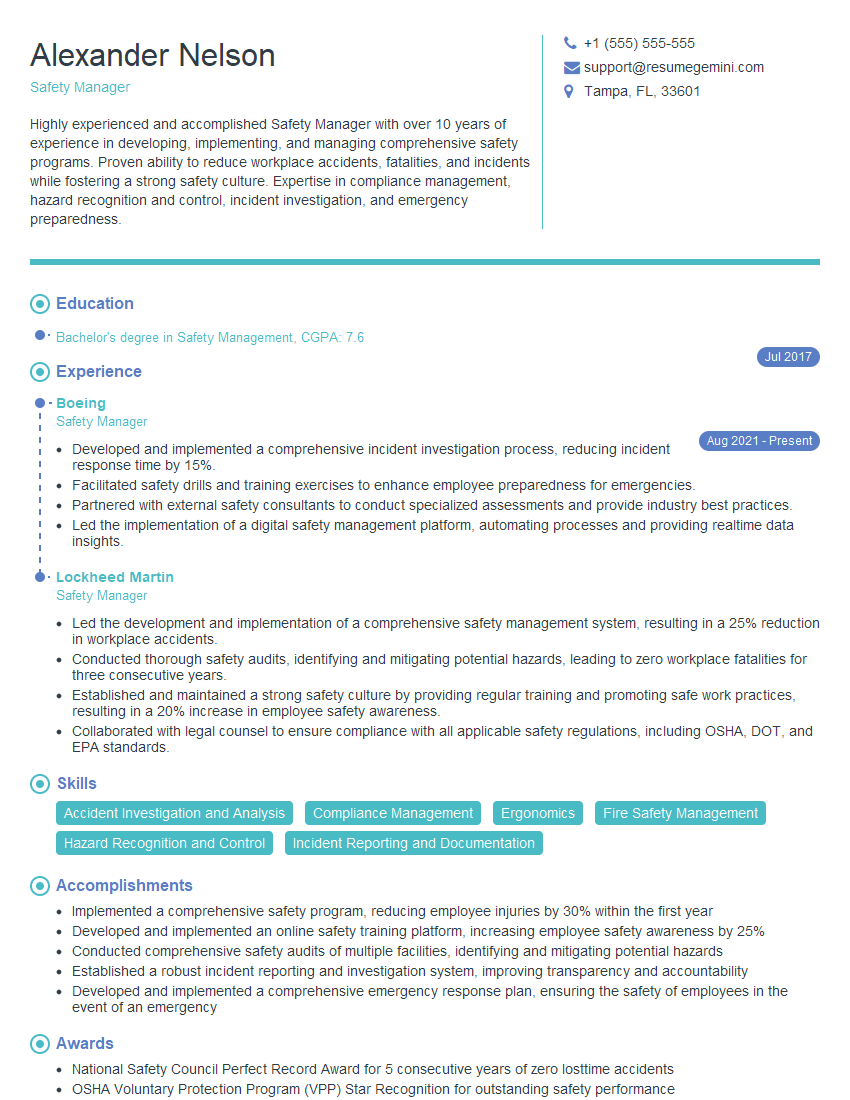
Safety Manager Resume Sample
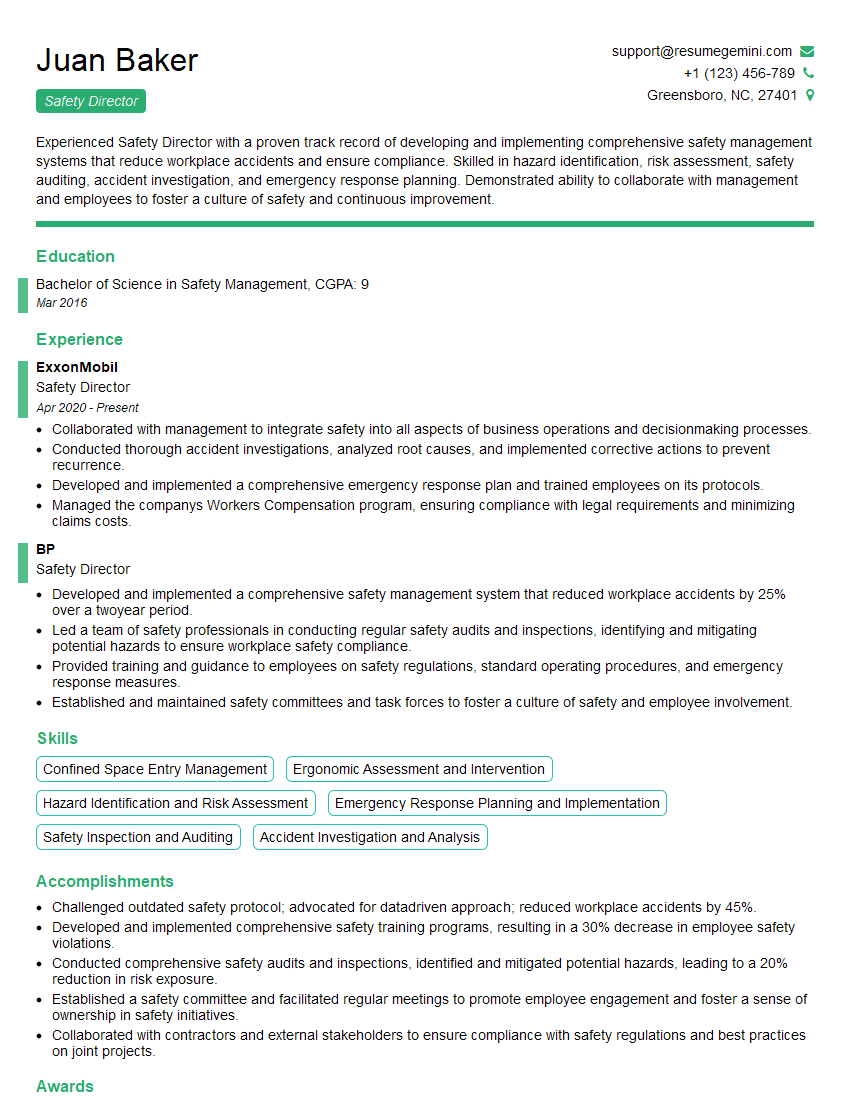
Safety Director Resume Sample
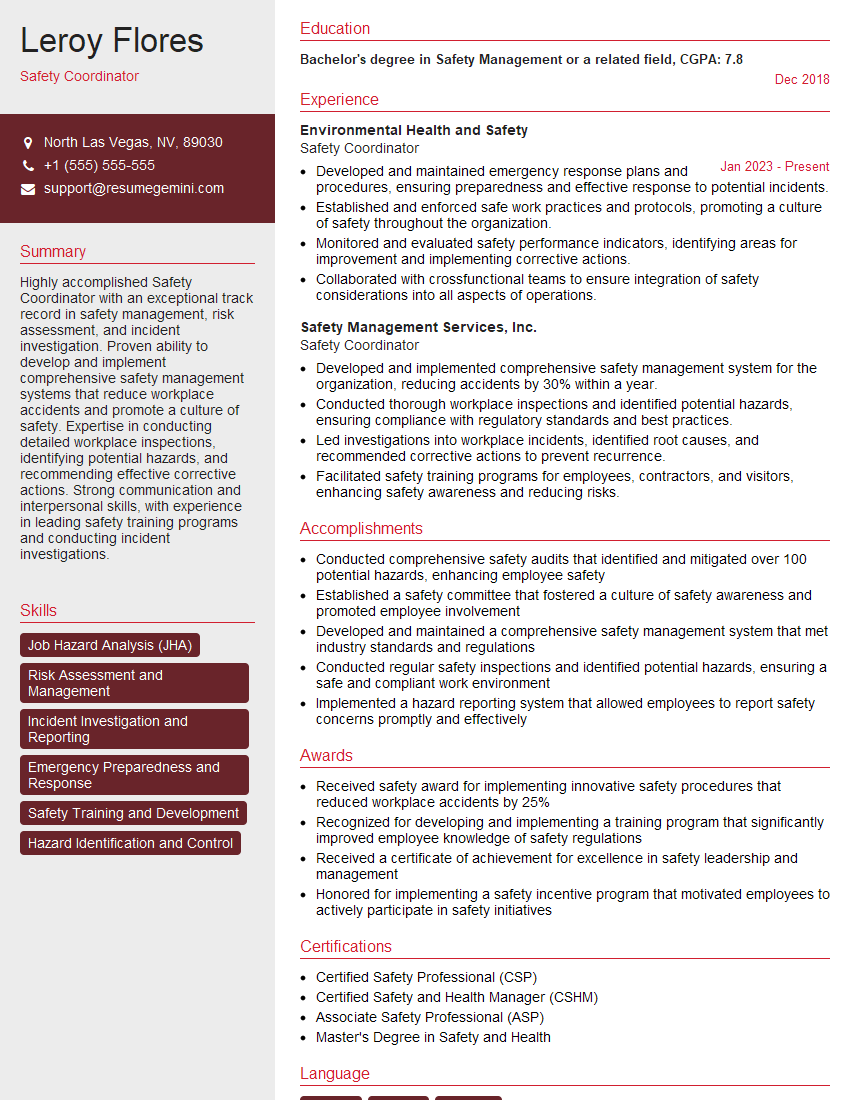
Safety Coordinator Resume Sample

Compliance Officer Resume Sample
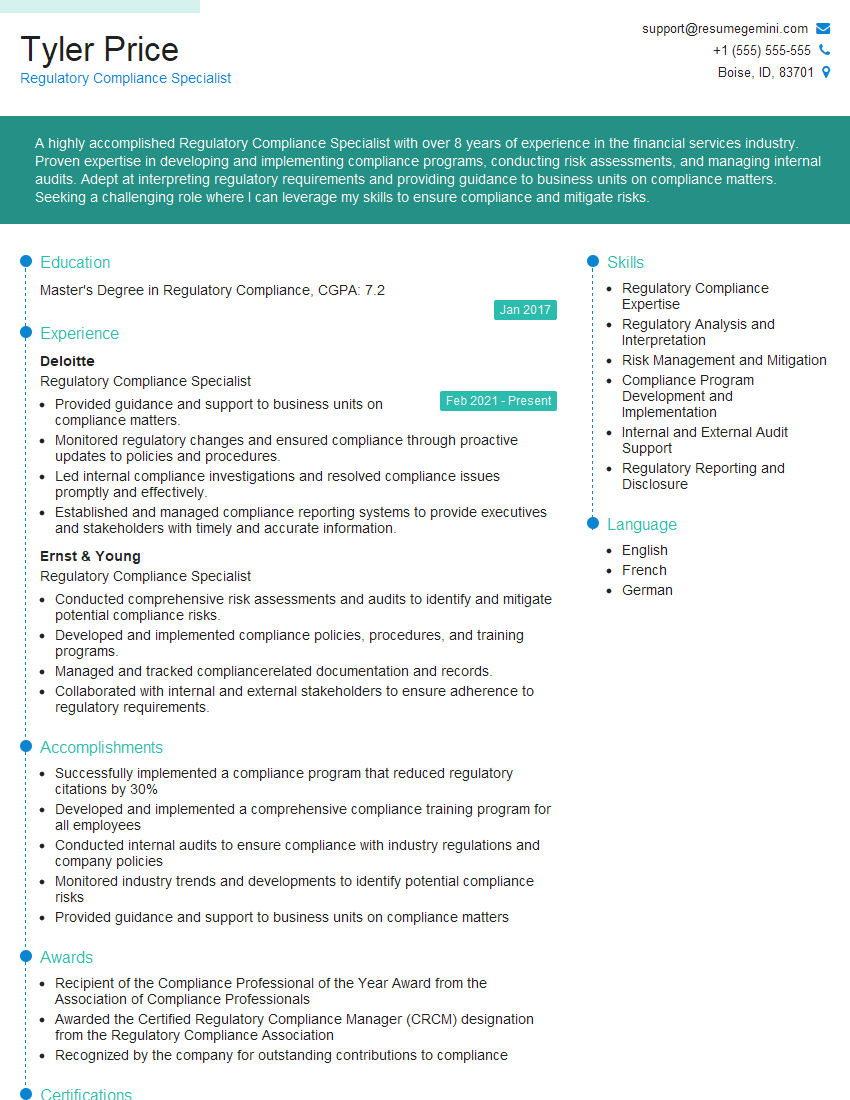
Regulatory Compliance Specialist Resume Sample
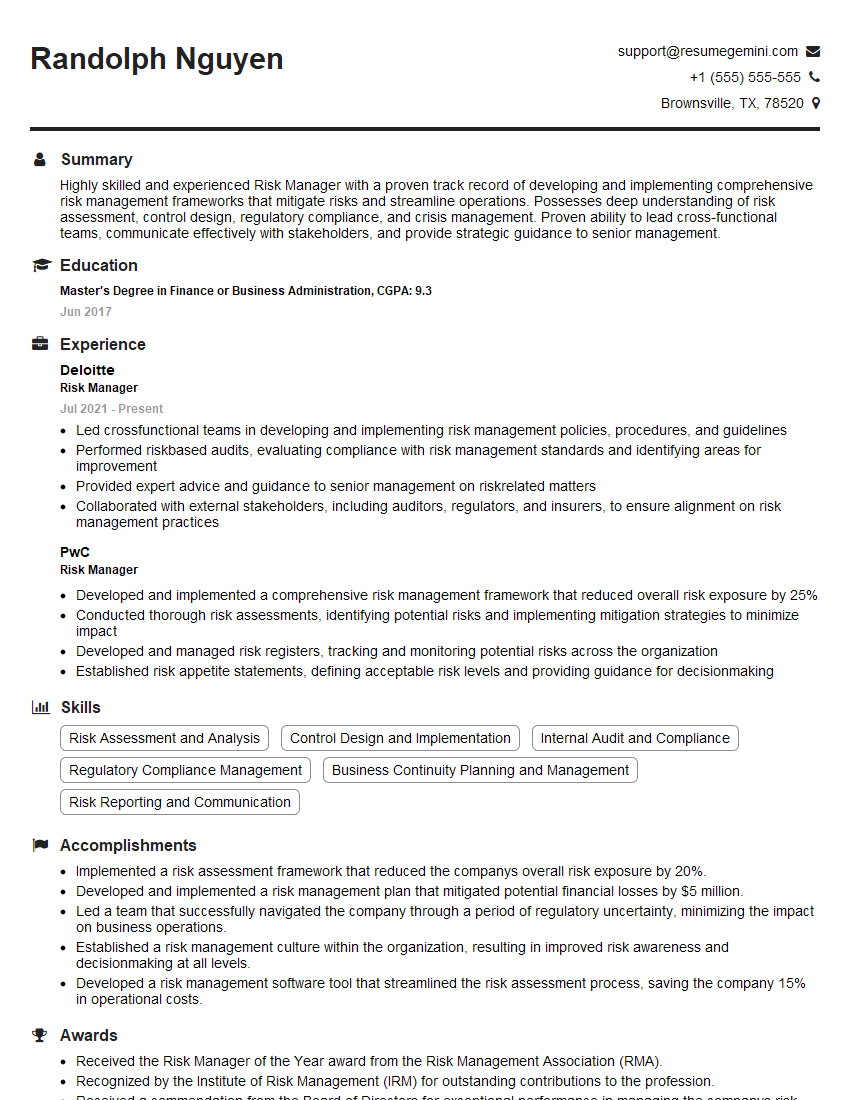
Risk Manager Resume Sample
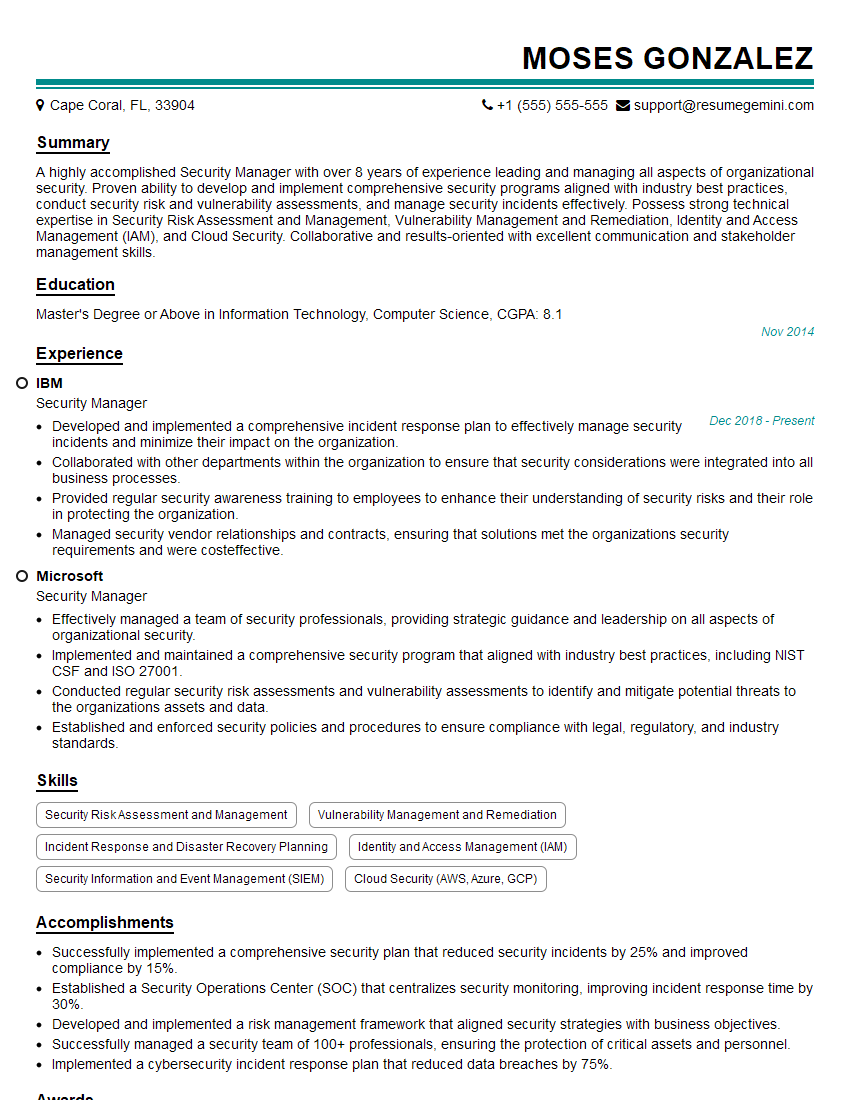
Security Manager Resume Sample
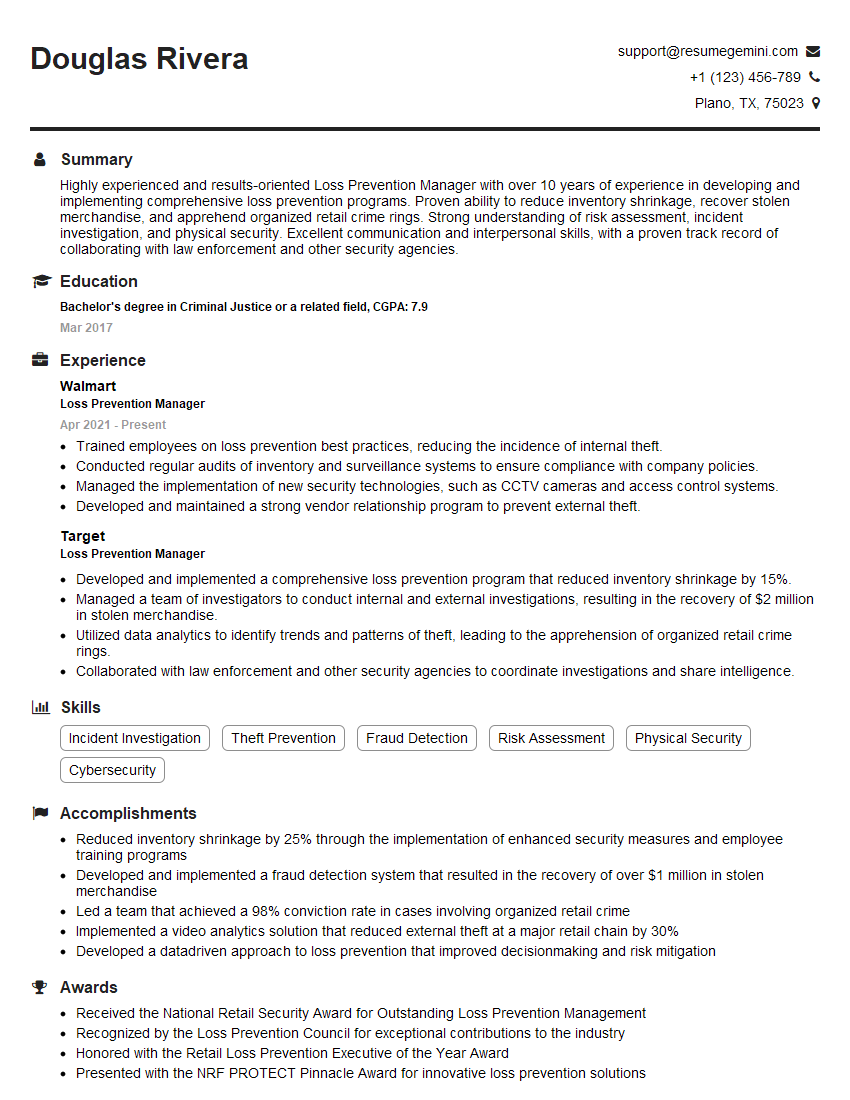
Loss Prevention Manager Resume Sample
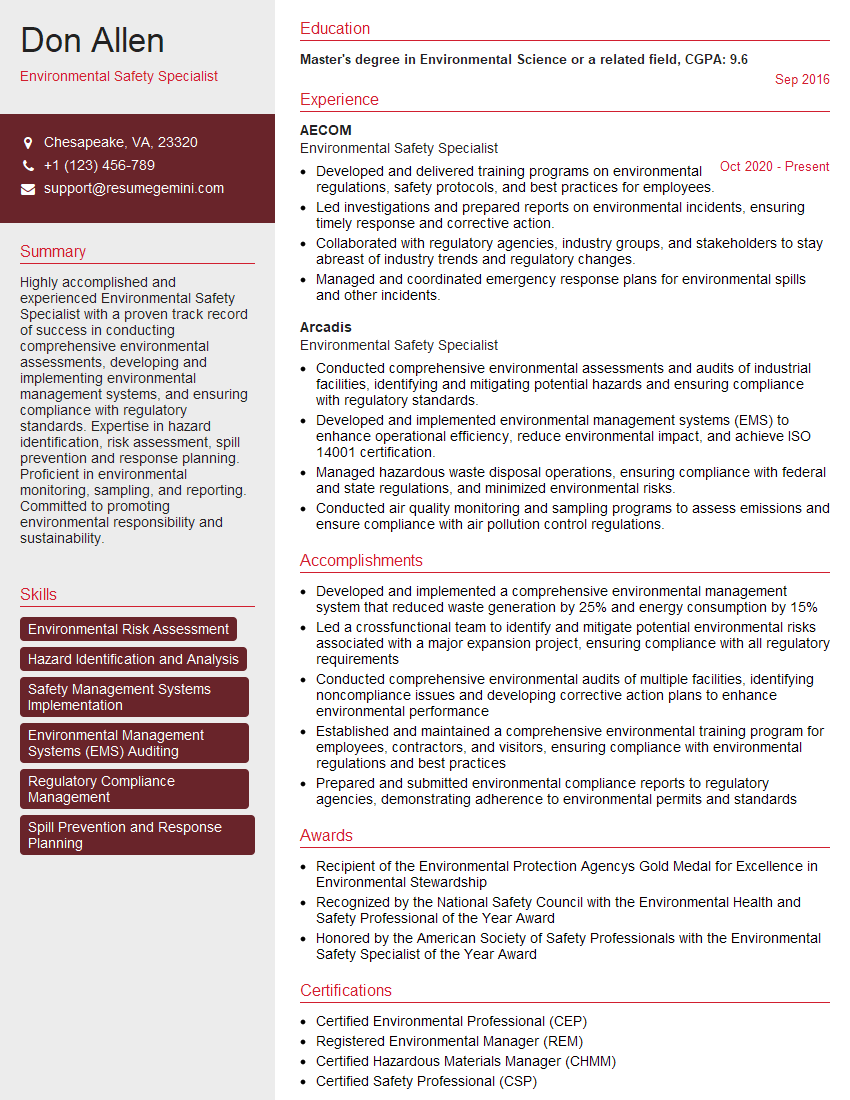
Environmental Safety Specialist Resume Sample
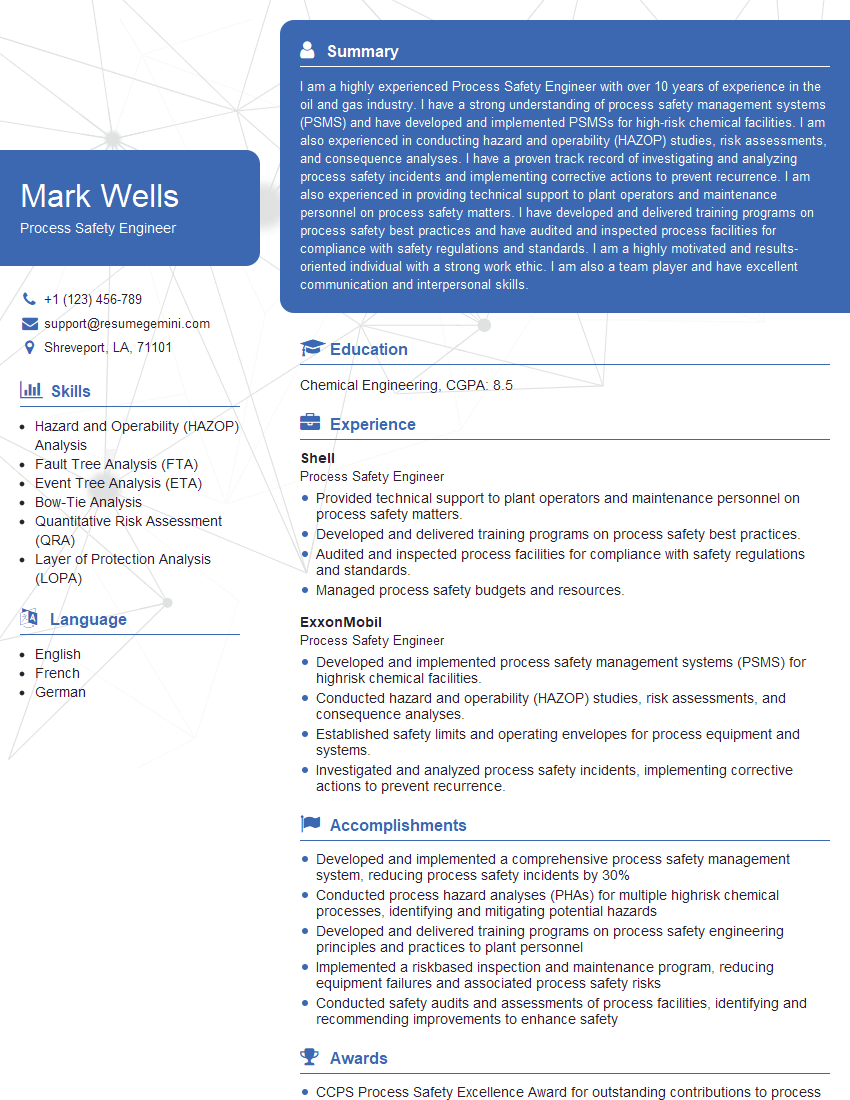
Process Safety Engineer Resume Sample
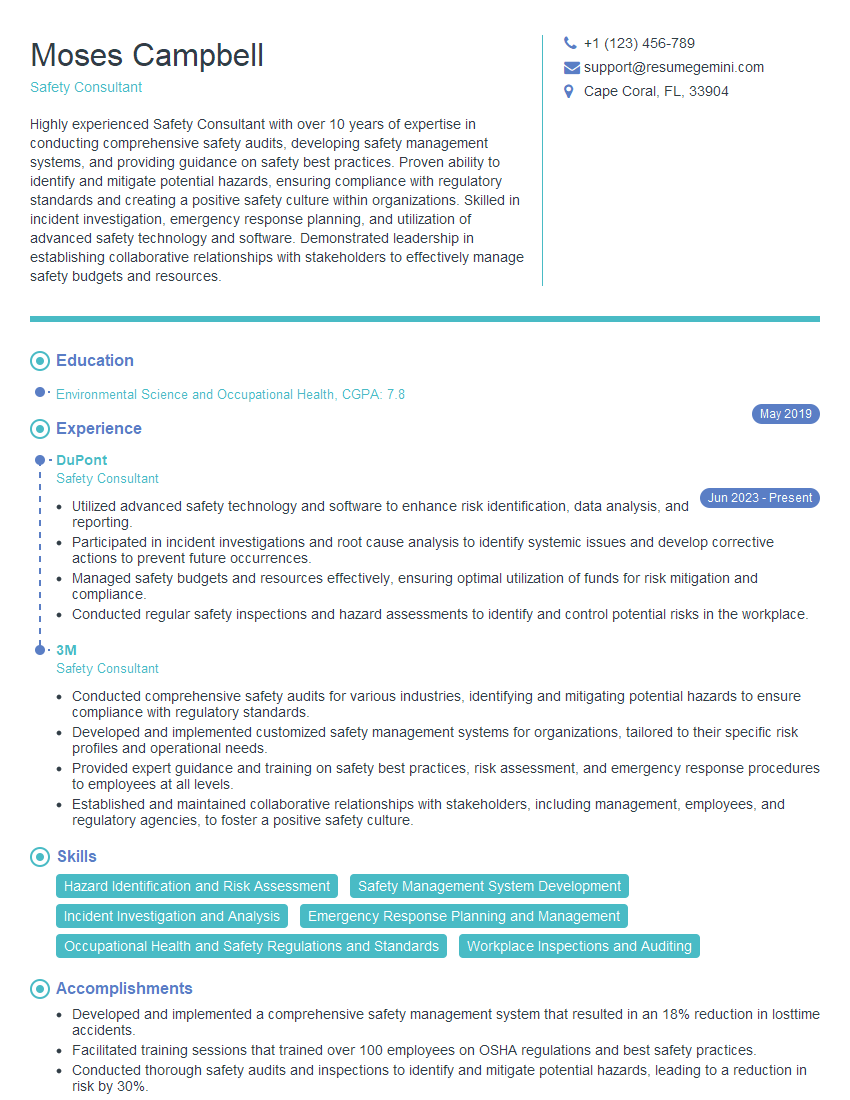
Safety Consultant Resume Sample
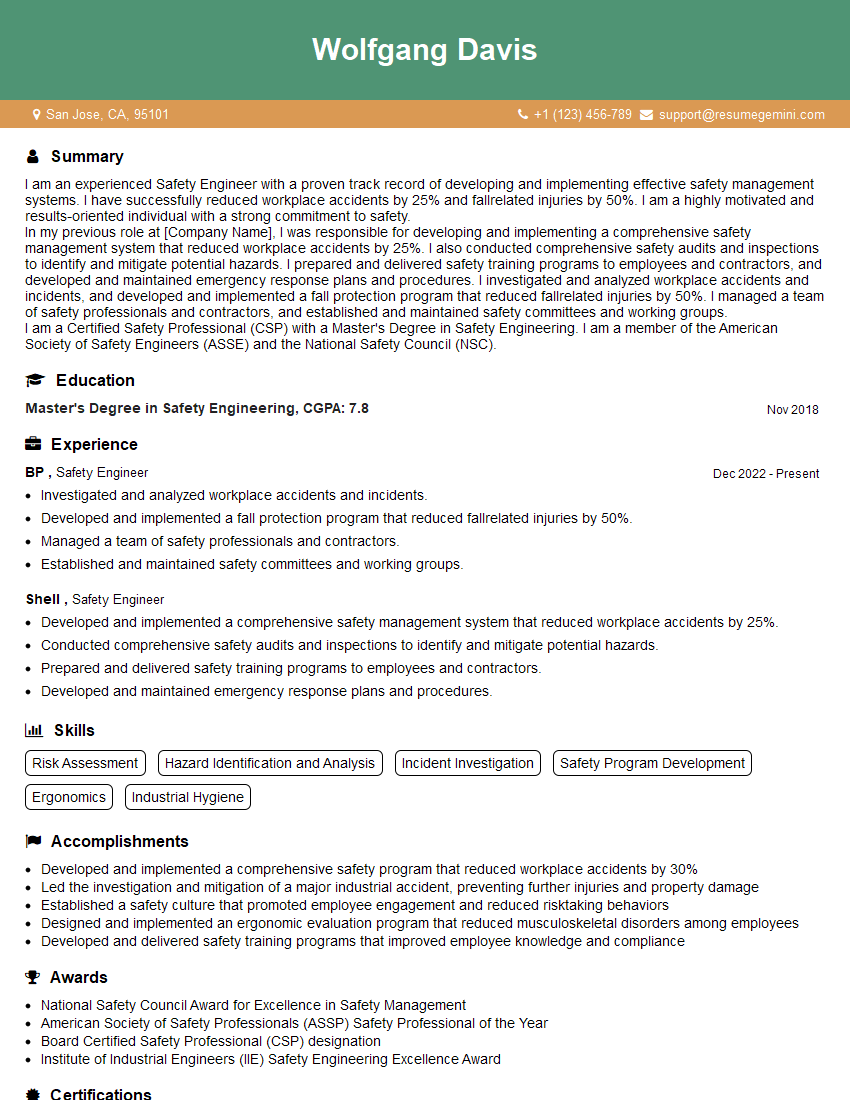
Safety Engineer Resume Sample
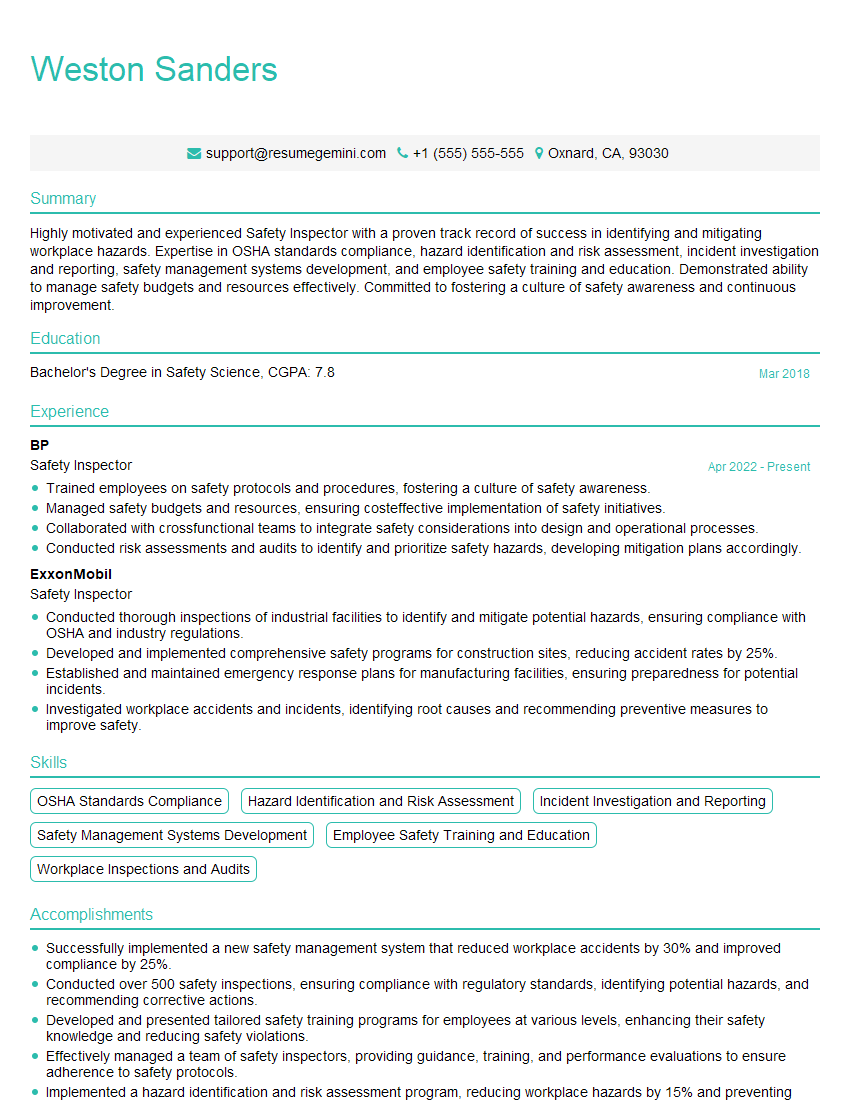
Safety Inspector Resume Sample
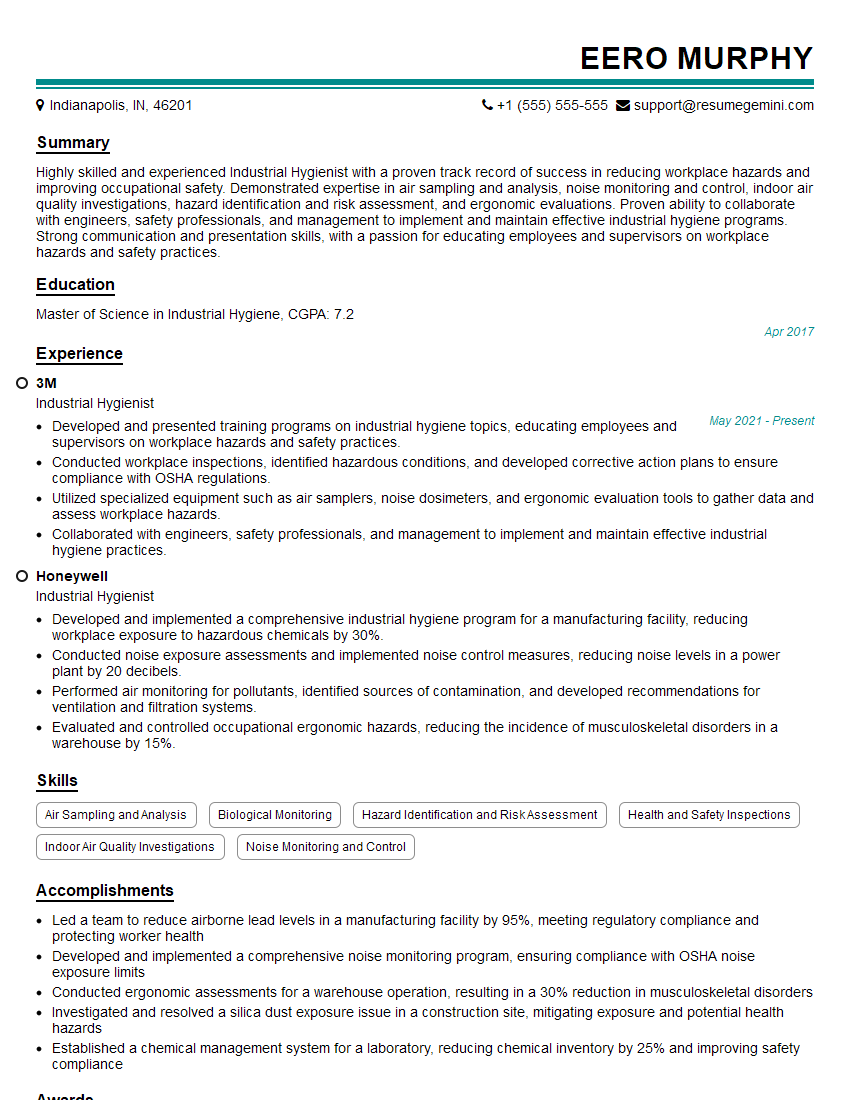
Industrial Hygienist Resume Sample
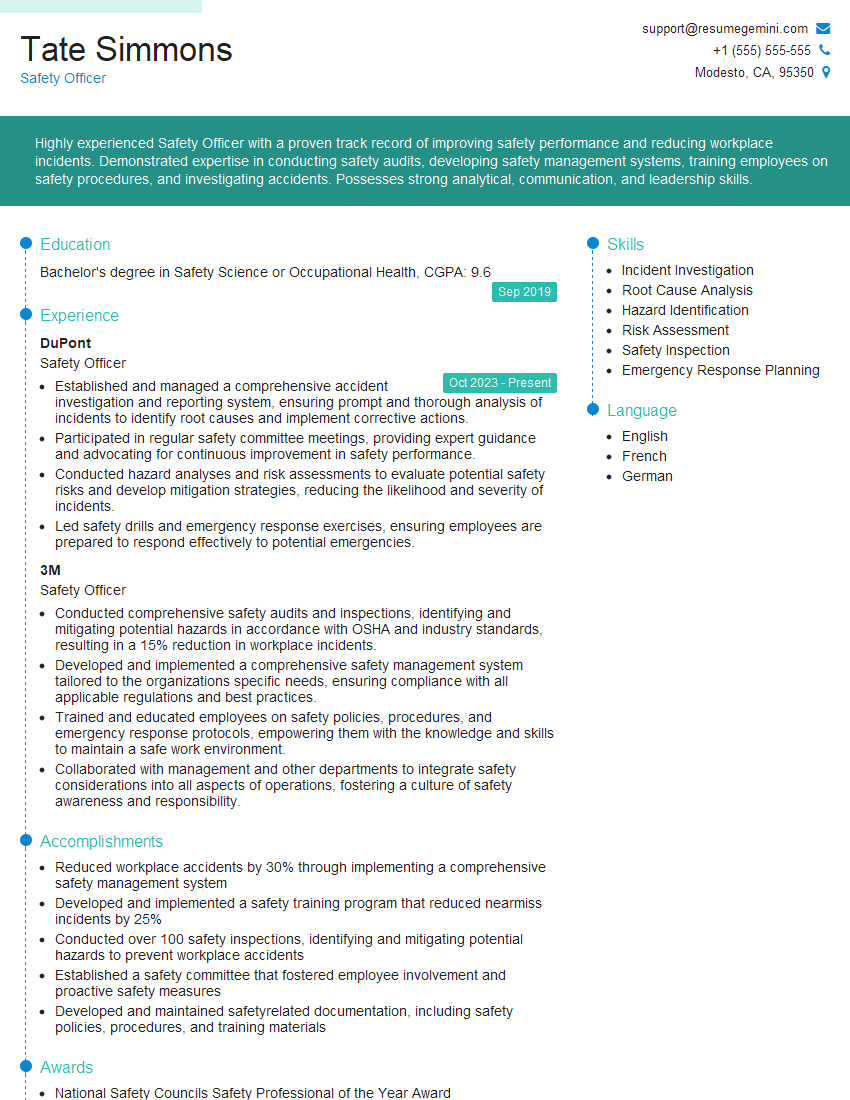
Safety Officer Resume Sample
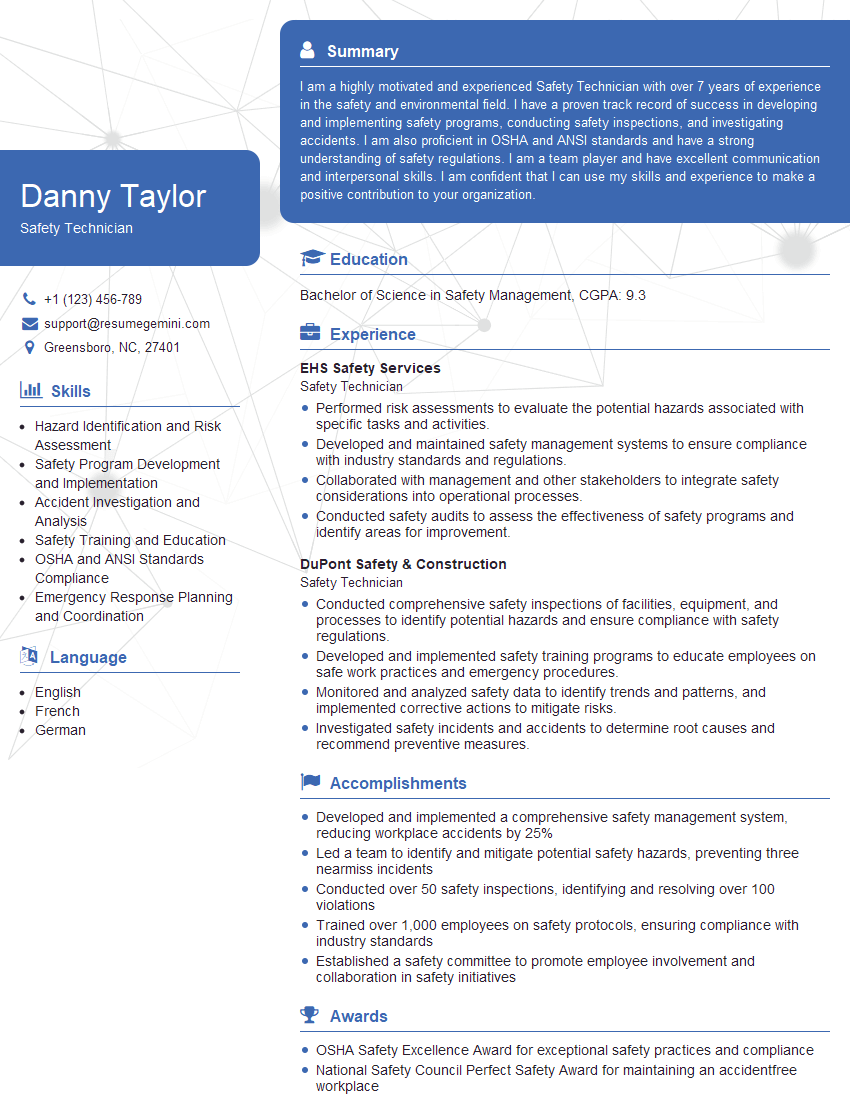
Safety Technician Resume Sample
- Safety Manager
- Safety Director
- Safety Coordinator
- Compliance Officer
- Regulatory Compliance Specialist
- Risk Manager
- Security Manager
- Loss Prevention Manager
- Environmental Safety Specialist
- Process Safety Engineer
- Safety Consultant
- Safety Engineer
- Safety Inspector
- Industrial Hygienist
- Safety Officer
- Safety Technician
Explore more articles
Users Rating of Our Blogs
Share Your Experience
We value your feedback! Please rate our content and share your thoughts (optional).
What Readers Say About Our Blog
Very informative content, great job.
good