Unlock your full potential by mastering the most common Scaffolding and Platforms interview questions. This blog offers a deep dive into the critical topics, ensuring you’re not only prepared to answer but to excel. With these insights, you’ll approach your interview with clarity and confidence.
Questions Asked in Scaffolding and Platforms Interview
Q 1. Explain the different types of scaffolding systems.
Scaffolding systems are broadly categorized by their design and materials. The most common types include:
- Tube and Clamp Scaffolding: Highly versatile, using standardized tubes and clamps for quick assembly and adjustment. Ideal for various shapes and sizes.
- System Scaffolding: Uses pre-fabricated components with integrated couplers, offering quicker and potentially safer erection than tube and clamp, but often more expensive.
- Cuplock Scaffolding: A type of system scaffolding characterized by its unique cup-shaped couplers that allow for rapid assembly and disassembly.
- Frame Scaffolding: Uses pre-assembled frames joined vertically and horizontally; it’s more rigid but less adaptable than tube and clamp. Good for simpler structures.
- Mobile Scaffold Towers (or Rolling Towers): Self-supporting, wheeled scaffolds providing access to relatively low heights. Excellent for interior work and smaller projects.
- Suspended Scaffolding: Hung from a structure above, using ropes, wires, or other support systems. Used for facade work on buildings.
- Facade Access Scaffolding: Designed specifically for working on building facades, incorporating features such as safety rails and access platforms.
The choice of scaffolding system depends heavily on the project’s requirements, including height, complexity, and access limitations.
Q 2. Describe the process of erecting a tube and clamp scaffold.
Erecting a tube and clamp scaffold is a multi-step process requiring careful planning and adherence to safety regulations. Here’s a breakdown:
- Planning and Design: Determine the scaffold’s dimensions, load capacity, and location, considering the work to be performed.
- Base Setup: Establish a stable base using base plates and adjusters, ensuring level ground and sufficient bearing capacity. Consider ground conditions and potential unevenness.
- Standard Upright Erection: Begin by erecting the vertical standards (uprights) using appropriate bracing and ensuring plumbness and stability at each level.
- Ledger and Transom Placement: Securely attach ledgers (horizontal beams) and transoms (horizontal beams connecting uprights) to form the scaffold’s platform support structure.
- Diagonal Bracing: Add diagonal bracing for added stability, ensuring proper alignment and tightness. This is critical for preventing collapse.
- Platform Construction: Lay the platform boards across the ledgers, ensuring even distribution and proper overlap. Use approved decking materials.
- Guardrail Installation: Install guardrails, toe boards, and mid-rails to provide fall protection, according to relevant safety standards. Ensure the guardrails are at the correct height and securely attached.
- Inspection and Adjustments: Conduct a thorough inspection before use, verifying all connections, stability, and compliance with safety standards.
Remember, each step requires adherence to the manufacturer’s instructions and relevant safety regulations.
Q 3. What are the key safety regulations and standards relevant to scaffolding?
Scaffolding safety is paramount. Key regulations and standards vary by location, but generally include:
- Compliance with national or regional codes: These codes specify minimum requirements for design, erection, use, and dismantling of scaffolds.
- Regular Inspections: Frequent inspections are mandated to identify any potential hazards before accidents occur. Inspections should be conducted by competent personnel.
- Competent Personnel: Only trained and qualified personnel should erect, alter, and dismantle scaffolds. Proper training is crucial.
- Safe Access and Egress: Safe access and egress points must be provided to and from the scaffold at all times.
- Fall Protection: Fall protection systems, including guardrails, toe boards, and safety nets, are essential for preventing falls from height.
- Load Capacity: Scaffolds must be designed and erected to support the intended load, including workers, materials, and equipment.
- Stability and Rigidity: Scaffolds must be stable and rigid to withstand anticipated loads and environmental conditions.
- Weather Conditions: Work on scaffolds should be stopped in adverse weather conditions such as strong winds or heavy rain, unless appropriate precautions are taken.
Failure to comply with these regulations can lead to severe penalties, including fines and even criminal charges.
Q 4. How do you inspect a scaffold for safety compliance?
A thorough scaffold inspection involves a visual check of every component, ensuring everything is in good condition and securely fastened. Here’s a structured approach:
- Base Inspection: Check the stability of the base, ensuring it’s level and capable of supporting the load.
- Upright and Brace Check: Verify that all uprights are plumb and that all braces are securely fastened. Look for any signs of damage or bending.
- Ledger and Transom Examination: Inspect all ledgers and transoms for damage, ensuring they are properly secured to the uprights.
- Platform Assessment: Check the platform decking for damage or deterioration and ensure it’s evenly distributed and securely fastened to the ledgers.
- Guardrail Verification: Inspect all guardrails, toe boards, and mid-rails, ensuring they meet the required height and are securely attached.
- Coupler and Fitting Check: Check all couplers and fittings for damage or looseness. Ensure all connections are tight and secure.
- Overall Stability: Assess the overall stability of the scaffold, looking for any signs of weakness or instability.
- Documentation: Record all findings and any necessary repairs. Take photographs of any damage or deficiencies.
If any defects are found, the scaffold must be repaired or taken down before work resumes.
Q 5. What are the common hazards associated with working at height on scaffolds?
Working at height on scaffolds presents numerous hazards:
- Falls from height: This is the most significant hazard, resulting in serious injuries or fatalities.
- Falling objects: Tools, materials, or debris falling from above can cause serious injuries to workers below.
- Electrocution: Contact with overhead power lines can be fatal.
- Scaffold collapse: Improperly erected or overloaded scaffolds can collapse, causing serious injuries or fatalities.
- Slips, trips, and falls: Uneven or slippery surfaces can lead to falls on the scaffold.
- Exposure to weather conditions: Exposure to extreme heat, cold, rain, or wind can create hazardous working conditions.
- Musculoskeletal injuries: Repetitive movements and awkward postures can lead to musculoskeletal injuries.
Implementing appropriate safety measures, such as proper fall protection, regular inspections, and risk assessments, is crucial in mitigating these hazards.
Q 6. Explain the importance of risk assessments in scaffolding work.
Risk assessments are fundamental to safe scaffolding work. They identify potential hazards, assess the likelihood and severity of risks, and determine appropriate control measures. A thorough risk assessment:
- Identifies Hazards: Lists all potential hazards associated with the scaffolding work, including those mentioned in the previous answer.
- Assesses Risks: Evaluates the likelihood and severity of each hazard, prioritizing high-risk situations.
- Implements Control Measures: Determines appropriate control measures to eliminate or mitigate the identified risks. These may include using appropriate personal protective equipment (PPE), implementing safe work procedures, or modifying the scaffold design.
- Records Findings: Documents the assessment, including identified hazards, risk levels, control measures, and responsibilities.
- Reviews Regularly: The assessment should be reviewed and updated as needed, especially if changes occur in the work environment or procedures.
A properly conducted risk assessment helps prevent accidents, protects workers, and ensures compliance with safety regulations. It’s a crucial step in proactive safety management.
Q 7. How do you calculate the safe working load of a scaffold?
Calculating the safe working load (SWL) of a scaffold is crucial for ensuring its stability and preventing collapse. This is not a simple calculation and often requires the expertise of a qualified engineer.
The SWL depends on several factors including:
- Scaffold Type and Design: Different scaffold types have different load-bearing capacities.
- Material Strength: The strength of the materials used (tubes, clamps, boards) is critical.
- Scaffold Dimensions: Height, width, and configuration affect the overall capacity.
- Bracing and Stability: Adequate bracing significantly influences load capacity.
- Environmental Conditions: Wind loads and other environmental factors can reduce the SWL.
Manufacturers typically provide SWL information for their specific scaffold systems. For complex scaffolds or those with unusual designs, professional engineering calculations are essential. Attempting to calculate the SWL without proper training and expertise is highly discouraged and could lead to catastrophic consequences.
Q 8. Describe the different types of scaffolding ties and their applications.
Scaffolding ties are crucial for connecting the scaffold structure to the building, ensuring stability and preventing collapse. Different types cater to various situations and building materials.
- Rope Ties/Wire Rope Ties: These are strong, flexible ties often used for temporary scaffolding applications. They’re relatively easy to install but require careful tensioning to avoid slippage. Imagine them as strong, adjustable ropes securing the scaffold to a building’s structural members.
- Clamp Ties: These robust metal clamps grip the building structure firmly, offering excellent support. They are particularly useful on steel or concrete structures where a secure and adjustable grip is needed. Think of a powerful clamp holding the scaffold snugly against a steel beam.
- Through Ties/Wall Ties: These ties pass through the building’s wall or structure, providing exceptional stability. They are often used in situations requiring significant load bearing and are favoured for more permanent scaffolding structures. Picture a bolt that passes completely through the wall, firmly securing the scaffold from both sides.
- Frame Ties: Specifically designed to connect scaffold frames to each other, ensuring overall structural integrity. They’re essential for larger and more complex scaffolding projects. They are like the internal connectors making sure each section of a building frame is securely joined.
The choice of tie depends on factors like the building material, scaffold configuration, load requirements, and the duration of the scaffolding’s use. For example, a brick building might use wall ties, while a steel structure would benefit from clamp ties.
Q 9. What are the requirements for scaffolding near electrical lines?
Working near electrical lines presents significant risks of electrocution. Safety regulations mandate strict adherence to minimum distances and specific safety procedures.
- Minimum Clearance: The required distance depends on the voltage of the power lines, with higher voltages demanding greater clearance. This distance must always be adhered to. Often this requires professional surveys to determine the safe working distance for the scaffolding’s position.
- Insulated Scaffolding: Using non-conductive materials is crucial. Fiberglass or other insulated components are often needed for scaffolding near electrical lines, reducing the risk of electrical shocks.
- Spotters & Communication: Designated spotters should constantly monitor proximity to the lines. Clear communication between the workers and spotters is essential to prevent accidental contact.
- Electrical Line Isolation (if possible): Ideally, the power lines should be de-energized if possible. This requires coordination with the local power authority and is often the safest option.
- Permit to Work: A permit-to-work system is typically required and includes risk assessments and clearly defined safety measures.
Failure to adhere to these requirements can result in serious injury or death. Always prioritize safety and follow all applicable regulations and best practices when working near energized lines.
Q 10. How do you handle changes in weather conditions during scaffolding erection?
Weather significantly impacts scaffolding stability and worker safety. Proactive measures are essential to mitigate these risks.
- Wind Speed Monitoring: Regularly check weather forecasts and monitor wind speeds. High winds necessitate securing the scaffold or temporarily halting operations.
- Rain Protection: Cover the scaffold with tarpaulins or other weather protection to prevent water damage and make the working area safer. This also protects the equipment and materials from getting damaged.
- Ground Conditions: Heavy rain can soften the ground making it unstable. Check ground stability regularly and employ measures like shoring or ground protection if needed.
- Freezing Temperatures: In freezing conditions, take extra precautions to avoid ice build-up and ensure scaffolding components are not compromised by frost. Appropriate materials and safety checks are vital in cold weather.
- Lightning: If lightning storms threaten, stop work and evacuate the scaffold immediately. This is a significant safety precaution in case of unpredictable electric shocks.
A thorough risk assessment considering the weather conditions is crucial before and during each stage of scaffold erection and use. Stopping work when necessary should never be compromised.
Q 11. Explain the process of dismantling a scaffold safely.
Dismantling a scaffold requires a systematic approach emphasizing safety. Improper dismantling can lead to serious accidents.
- Planning and Supervision: Develop a detailed dismantling plan, assigning specific roles and responsibilities. Experienced personnel should supervise the process.
- Safe Access & Egress: Ensure safe access and egress points throughout the dismantling process. This should be planned before work begins.
- Controlled Removal: Remove components methodically, starting from the top and working downwards. Never remove supporting members before properly removing the load from them.
- Secure Placement of Materials: Carefully stack and secure dismantled components to prevent falls or damage. This ensures the worksite remains organized and safe.
- Regular Inspection: Regularly inspect the scaffold during dismantling to ensure structural integrity and identify any potential hazards.
- Tool & Equipment Safety: Use appropriate tools and equipment in good condition and ensure workers are trained in their safe use.
- Waste Management: Dispose of waste materials responsibly.
Each step of the process should be executed with care and precision. It’s vital to maintain clear communication throughout the dismantling operation to ensure everyone is aware of the process and potential risks.
Q 12. What are the responsibilities of a scaffold inspector?
A scaffold inspector’s responsibilities are critical for ensuring worker safety and preventing accidents. They are responsible for ensuring that the scaffold conforms to regulations and is safe for use.
- Pre-Erection Inspection: Verify that materials are in good condition, meet specifications, and have the appropriate certifications. This ensures the scaffold is built to the required standard.
- During-Erection Inspection: Regularly check that the scaffold is being erected correctly, according to the plans, and that safety regulations are followed. This safeguards the progress of the work.
- Post-Erection Inspection: Conduct a thorough inspection of the completed scaffold to ensure it meets safety standards and is structurally sound before it’s used. This ensures the completed structure is safe for work.
- Regular Inspections: Carry out regular inspections throughout the scaffold’s operational life, checking for damage, wear and tear, and compliance with standards. This is crucial for ongoing safety.
- Reporting: Document all inspections, noting any defects or non-compliances and recommending corrective actions. This allows for continuous improvement and record keeping.
- Competence: Possess the necessary knowledge, skills, and experience to properly inspect scaffolding, and the authority to stop work if necessary.
The inspector acts as a critical safety gatekeeper, ensuring all work is conducted safely and within regulatory guidelines. Their vigilance helps prevent accidents and saves lives.
Q 13. Describe your experience with different types of access platforms.
My experience encompasses a wide range of access platforms, each suited to different tasks and environments.
- Mobile Elevated Work Platforms (MEWPs): I have extensive experience with various types of MEWPs, including scissor lifts, boom lifts (articulating and telescopic), and spider lifts. These are versatile and widely used for a multitude of tasks, such as painting, maintenance, and repairs at heights.
- Scaffold Towers: I’m proficient in the erection, use, and dismantling of various scaffold towers, including those with different base options for adaptability in diverse environments.
- Suspended Access Platforms: I’ve worked with suspended access platforms, including cradle systems and bosun’s chairs. These are crucial for facade work and other tasks where traditional scaffolding isn’t suitable or practical.
- Stair Towers: These provide stable access to elevated work areas and are particularly useful when internal access is limited.
Selecting the appropriate access platform is crucial and depends on factors such as the work height, working area, ground conditions, and the nature of the task. For example, a scissor lift might be suitable for low-level work, while a boom lift is necessary for reaching difficult-to-access areas.
Q 14. How do you ensure the stability of a scaffold on uneven ground?
Ensuring scaffold stability on uneven ground is crucial for safety. Several methods can be used.
- Base Plates: Using larger base plates distributes the weight of the scaffold more evenly across the uneven surface. This helps to increase stability.
- Adjustable Bases: Employing adjustable base plates or jacks allows for precise leveling of the scaffold, ensuring stability on uneven ground. These adjustable feet allow you to accommodate uneven terrain.
- Shoring: If the ground is significantly uneven, shoring can be used to provide additional support to the scaffold’s base. This creates a stable foundation for the structure.
- Ground Improvement: In some cases, improving the ground itself may be necessary. This might involve compacting the soil or using ground mats to create a more level and stable surface.
- Scaffold Design: Choosing an appropriate scaffold design is essential; some are better suited to uneven ground than others. Knowing this helps prevent instability.
A thorough site survey to assess ground conditions is always the first step. The chosen method will depend on the degree of unevenness and the scaffold’s height and load capacity. Safety should always be prioritized; a stable scaffold is crucial to prevent accidents and collapse.
Q 15. What are the different types of fall protection systems used with scaffolding?
Fall protection is paramount in scaffolding. Different systems are employed depending on the height and specific task. Common types include:
- Guardrails: These are the most basic form, consisting of top rails, mid-rails, and toeboards to prevent falls from edges. Think of them as a fence around your work area.
- Personal Fall Arrest Systems (PFAS): These involve harnesses, lanyards, and anchor points. The harness is worn by the worker, and the lanyard connects the harness to a secure anchor point on the scaffold. If a fall occurs, the lanyard arrests the fall. It’s like a safety net, but personal.
- Safety Nets: These are large nets installed beneath the scaffold to catch anyone who falls. They are a backup system, particularly useful for high-risk scenarios or when working over sensitive areas.
- Catch Platforms: These are intermediate platforms positioned at regular intervals to reduce the fall distance in case of an accident. Imagine smaller safety nets along the height of the scaffold.
The choice of system depends on risk assessment, project specifics, and regulatory compliance. Often, a combination of these systems provides the most comprehensive protection.
Career Expert Tips:
- Ace those interviews! Prepare effectively by reviewing the Top 50 Most Common Interview Questions on ResumeGemini.
- Navigate your job search with confidence! Explore a wide range of Career Tips on ResumeGemini. Learn about common challenges and recommendations to overcome them.
- Craft the perfect resume! Master the Art of Resume Writing with ResumeGemini’s guide. Showcase your unique qualifications and achievements effectively.
- Don’t miss out on holiday savings! Build your dream resume with ResumeGemini’s ATS optimized templates.
Q 16. How do you manage potential conflicts between different trades working on a scaffold?
Managing multiple trades on a scaffold requires meticulous planning and communication. Conflicts arise from space constraints, material storage, and differing work methods. I approach this using a phased approach:
- Detailed Scaffolding Plan: This includes designated work zones for each trade, clearly marked on the scaffold drawings. Think of it as a map of the scaffold, showing each trade’s ‘territory’.
- Trade Coordination Meetings: Regular meetings with trade supervisors help to anticipate and resolve potential clashes before they occur. This is crucial for problem prevention.
- Material Management System: A clear system for storage and handling of materials from each trade prevents congestion and accidental damage. Efficient material flow is like good traffic management on the scaffold.
- Permit-to-Work System: This formalizes access and work permissions for each area of the scaffold, ensuring that only authorized personnel are present. It’s like a keycard system, but for safe scaffold access.
- Clear Communication Channels: Open lines of communication are essential. This might involve daily briefings and a designated point of contact for resolving any emerging issues.
Effective conflict management reduces delays, improves safety, and increases productivity.
Q 17. Explain your experience with using scaffolding drawings and specifications.
I’m proficient in interpreting scaffolding drawings and specifications. My experience encompasses various types of scaffolding, including system scaffold, tube and fitting, and modular systems. I understand the importance of understanding:
- Load Calculations: The drawings will specify the maximum load each section of the scaffold can bear. Misinterpreting this can be catastrophic.
- Component Specifications: This includes dimensions, materials, and connection types for each component. It’s critical for ensuring proper assembly and stability.
- Bracing and Stability Requirements: Drawings indicate the required bracing and tie-offs, essential for ensuring the overall structural integrity. These elements are the scaffolding’s ‘bones’.
- Fall Protection Details: The drawings will show locations for guardrails, anchor points, and other fall protection elements. This is critical for worker safety.
I’ve used this knowledge extensively in numerous projects, ensuring compliance with the design, and flagging any discrepancies or potential issues before erection.
Q 18. Describe your experience with different types of scaffolding materials.
My experience includes working with various scaffolding materials, each with its own properties and applications:
- Steel Scaffolding: Robust and durable, commonly used for heavy-duty construction. It’s strong, but heavier.
- Aluminum Scaffolding: Lighter than steel, ideal for situations where weight is a factor, but potentially less robust for very heavy loads.
- System Scaffolding: Pre-engineered components for quick and efficient assembly, minimizing on-site construction time. It’s like using prefabricated building blocks.
- Composite Scaffolding: Combining materials like fiberglass and aluminum to create lightweight yet strong components. It has applications in specific scenarios like around electrical works.
The selection of material hinges on project demands, load requirements, and environmental conditions. Understanding material properties allows for optimal selection and assembly.
Q 19. What are the signs of a damaged or unsafe scaffold component?
Identifying damaged or unsafe scaffold components is crucial for preventing accidents. Key signs include:
- Bent or Damaged Tubes/Uprights: Significant bending or twisting indicates structural compromise. Think of it like a bent bicycle frame.
- Cracked or Broken Couplers/Fittings: These are the joints, and their failure compromises the entire structure. They are the critical connection points.
- Loose or Missing Components: Any missing or loose parts indicate instability and reduced load-bearing capacity.
- Corrosion or Deterioration: Rust or other signs of material degradation weaken the scaffold. This is like checking a house for rot.
- Overloaded Platforms: Exceeding the designated weight capacity is a major safety hazard. Always check the load limits.
Any suspicion of damage warrants immediate investigation and rectification or replacement of the affected components. Safety should never be compromised.
Q 20. How do you communicate effectively with your team during scaffold erection and dismantling?
Effective communication is vital during scaffold erection and dismantling. My approach includes:
- Pre-Task Briefings: These outline the day’s tasks, safety procedures, and potential hazards. It’s like a team huddle before a game.
- Clear Hand Signals: Standardized hand signals are used for communication in noisy environments, ensuring precise instructions are conveyed. They’re the scaffold’s language.
- Regular Check-ins: Frequent communication between team members is essential, particularly during complex maneuvers. This is about ongoing communication during play.
- Radio Communication: For larger projects, radios facilitate clear communication between different work areas. They’re the scaffold’s phones.
- Post-Task Debriefings: This opportunity to review the day’s work identifies areas for improvement and lessons learned. Think of it as a post-game analysis.
Open communication reduces misunderstandings, improves efficiency, and enhances safety throughout the entire scaffolding process.
Q 21. Describe your problem-solving approach when encountering unexpected issues during scaffolding work.
My problem-solving approach to unexpected issues during scaffolding involves a systematic process:
- Assessment: First, I thoroughly assess the situation, identifying the nature and scope of the problem. This is like diagnosing a medical issue.
- Safety First: Prioritize safety by immediately addressing any immediate hazards, securing the area, and ensuring worker safety. Safety is always the priority.
- Consultation: Consult with the team and relevant stakeholders, such as the project engineer or supervisor, for input and guidance. Getting a second opinion is crucial.
- Solution Development: Explore possible solutions, considering their practicality, safety implications, and time constraints. This includes developing a solution plan.
- Implementation: Implement the chosen solution, ensuring proper documentation and adhering to safety protocols. This is about putting the plan into action.
- Review: Following resolution, I review the incident, analyzing the cause and identifying preventive measures to avoid recurrence. This is the most critical step for preventing future problems.
A structured approach ensures timely, safe, and effective resolution of unexpected issues.
Q 22. What are your experience with different types of scaffolding bases?
Scaffolding bases are crucial for stability and load distribution. My experience encompasses various types, including:
- Base Plates: These are simple, flat plates used on firm, level ground to distribute the load of the scaffold. I’ve used these extensively on construction sites with solid foundations.
- Adjustable Base Plates: These offer height adjustment, vital for uneven ground. I’ve found them invaluable when working on sloped surfaces or where precise leveling is needed.
- Castor Wheels/Wheels with brakes: These provide mobility for the scaffold, useful for moving it across the site. Crucially, brakes ensure stability during operation. I always prioritize using locked brakes whenever the scaffold isn’t being moved.
- Mud Shoes/Screw Jacks: Used on soft or uneven ground, these provide excellent stability. I’ve relied heavily on mud shoes when working on muddy or sandy terrain, significantly improving safety.
- Crib Bases: Constructed from timber, these offer a large, stable base, ideal for heavier loads and potentially unstable ground. I’ve used crib bases on large-scale projects demanding exceptional stability.
Selecting the appropriate base is paramount to scaffold safety; the choice depends heavily on ground conditions and the overall weight of the structure and its contents. A thorough site assessment is always the first step.
Q 23. How do you ensure compliance with company safety procedures during scaffolding operations?
Compliance with company safety procedures is non-negotiable. My approach involves a multi-layered system:
- Pre-Task Planning: Before any work begins, a thorough risk assessment is conducted, identifying potential hazards and outlining mitigation strategies. This includes reviewing the site’s specific challenges and selecting appropriate scaffolding components.
- Regular Inspections: Daily inspections of the entire scaffold are mandatory, checking for any damage, looseness, or instability. I actively involve my team in these checks, fostering a culture of shared responsibility. Any issues are immediately addressed.
- Adherence to Safe Operating Procedures: My team receives comprehensive training on all relevant company SOPs, including correct erection, dismantling, and use of the scaffold. These procedures cover everything from using appropriate personal protective equipment (PPE) to safe lifting techniques.
- Documentation: All inspections, repairs, and modifications are meticulously documented, creating a transparent record of scaffold maintenance and usage. This assists in identifying trends and potential improvements to our safety practices.
- Reporting: Any accidents, near misses, or unsafe practices are immediately reported, enabling prompt investigation and corrective actions. This proactive approach helps prevent future incidents.
Safety isn’t just a set of rules; it’s a mindset. I constantly reinforce the importance of safety with my team, making it a priority above all other considerations.
Q 24. What is your understanding of load bearing capacity and its relevance to scaffolding?
Load-bearing capacity refers to the maximum weight a structure can safely support without failure. In scaffolding, this is absolutely critical. It dictates the type and quantity of components required, ensuring the scaffold can handle the anticipated load safely. Factors influencing load-bearing capacity include:
- Scaffold Type and Design: Different scaffold types (e.g., tube and clamp, system scaffold) have varying load capacities. Proper design, including correct bracing and tie-offs, directly affects the structure’s strength.
- Material Strength: The strength of individual components (tubes, couplers, boards) is paramount. Damaged or weakened materials drastically reduce the load-bearing capacity, potentially leading to collapse.
- Ground Conditions: As mentioned earlier, the type of base used significantly affects load distribution and overall stability. Poor ground conditions can reduce the effective load-bearing capacity of the entire scaffold.
- Environmental Factors: Weather conditions, such as strong winds or heavy rain, can impact the scaffold’s stability and load-bearing capacity.
Calculating the load-bearing capacity involves considering the weight of the scaffold itself, the materials and workers on the scaffold, and the potential for additional loads. Understanding this calculation is fundamental to safe scaffolding practices. I always use manufacturer specifications and relevant engineering guidelines to ensure the scaffold is appropriately rated for the task.
Q 25. How do you train your team on scaffolding safety procedures?
Training is the cornerstone of scaffolding safety. My training program includes:
- Classroom Instruction: This covers theoretical aspects, including scaffold types, components, load-bearing capacity, and relevant safety regulations. Interactive sessions and quizzes ensure knowledge retention.
- Hands-on Training: Practical demonstrations and supervised practice allow trainees to develop essential skills in erecting, dismantling, and inspecting scaffolds. I always emphasize correct techniques and the importance of double-checking work.
- Site-Specific Training: This addresses unique challenges and safety protocols relevant to the specific construction site. This could include specific hazards, emergency procedures, or the use of specialized equipment.
- Regular Refresher Courses: Ongoing training reinforces best practices and addresses any changes to regulations or procedures. This ensures the team remains up-to-date and proficient.
- Competency Assessments: Practical assessments evaluate trainees’ competency in all aspects of scaffolding work. Only those deemed competent are permitted to work independently.
I believe in a continuous learning environment. By fostering a culture of safety and ongoing training, I can ensure the team’s proficiency and minimize workplace accidents.
Q 26. What are your experience with different types of scaffold access?
Safe and efficient access to the scaffold is paramount. My experience includes various access methods:
- Stairs: Internal stairways provide convenient and safe access, particularly for smaller scaffolds or those requiring frequent access. I ensure the stairs are correctly installed and secured.
- Ladders: Ladders are used for smaller scaffolds or for accessing specific points. Correct ladder positioning and secure fixing are crucial to prevent accidents. I always inspect ladders for damage prior to use.
- Scaffold Access Platforms: These provide wider, more stable access, particularly for larger projects and multiple workers. I ensure these platforms are securely attached to the main structure.
- Ramps: Ramps facilitate material and equipment transport and can provide gentler access. The gradient must be appropriate for safe use.
- Access Gates and Planks: Secure access gates are vital to prevent falls from height. Planks must be correctly laid, secured, and suitable for the intended load. I ensure all these are checked regularly.
The choice of access method depends on factors like scaffold height, intended use, and the frequency of access. Prioritizing safe and appropriate access is critical for preventing accidents.
Q 27. Describe your experience with maintaining and repairing scaffolding components.
Maintaining and repairing scaffolding components is essential for safety and longevity. My process involves:
- Regular Inspections: Frequent inspections, as previously mentioned, identify damaged or worn components early, enabling timely repairs or replacements.
- Repair Procedures: Minor repairs, such as tightening loose connections or replacing damaged boards, are carried out according to manufacturer guidelines. I ensure only approved repair techniques are used.
- Component Replacement: Severely damaged or worn components are immediately replaced with identical, certified components. I never compromise on safety by attempting to repair beyond acceptable limits.
- Storage and Handling: Proper storage protects components from damage, corrosion, and theft. Careful handling minimizes the risk of damage during transportation and erection.
- Documentation: All repairs and replacements are meticulously documented, providing a complete history of the scaffold’s maintenance and condition.
I view scaffolding maintenance not as an afterthought but as an integral part of the overall safety plan. Proactive maintenance significantly reduces the risk of accidents and extends the lifespan of the scaffolding system.
Q 28. Explain your understanding of the legal requirements related to scaffolding in your region.
(Note: This answer will need to be tailored to your specific region. Replace the bracketed information with details relevant to your location.)
Scaffolding regulations in [Your Region] are stringent and enforced by [Relevant Regulatory Body]. Key legal requirements include:
- Compliance with [Specific Scaffolding Standard]: All scaffolding must comply with the [Specific Standard Number], ensuring it is erected, used, and dismantled according to best practices.
- Competent Personnel: Only trained and competent personnel are allowed to erect, alter, or dismantle scaffolding. This often includes possessing specific qualifications or certifications, such as [Relevant Certification Name].
- Risk Assessments and Method Statements: Before starting any scaffolding work, a detailed risk assessment must be conducted, outlining potential hazards and control measures. A method statement should clearly describe the planned work and safety procedures.
- Inspections and Maintenance: Regular inspections and maintenance are mandatory, with records kept to demonstrate compliance. Defective components must be promptly replaced.
- Permits and Notifications: Permits may be required for certain types of scaffolding work or locations, particularly in public areas. Notifications to relevant authorities may also be required.
- Accident Reporting: Any accidents or incidents involving scaffolding must be reported to [Relevant Authority] within a specific timeframe.
Ignorance of these legal requirements is not an excuse. Understanding and adhering to local regulations are fundamental to ensuring workplace safety and avoiding potential penalties.
Key Topics to Learn for Scaffolding and Platforms Interview
- Types of Scaffolding Systems: Understanding different scaffolding systems (e.g., tube and clamp, system scaffold, shoring) and their appropriate applications.
- Scaffolding Erection and Dismantling: Safe and efficient procedures, including planning, risk assessment, and adherence to safety regulations.
- Working at Heights Safety: Comprehensive knowledge of fall protection systems, harness usage, and relevant safety standards.
- Scaffold Inspection and Maintenance: Regular inspection techniques, identification of potential hazards, and necessary maintenance procedures.
- Load Calculations and Stability: Understanding load-bearing capacity, weight distribution, and ensuring structural stability of scaffolding structures.
- Material Handling and Storage: Safe practices for handling and storing scaffolding components, including proper lifting techniques and storage procedures.
- Regulations and Compliance: Familiarity with relevant building codes, safety regulations, and industry best practices related to scaffolding and platforms.
- Problem-solving and Troubleshooting: Ability to identify and resolve on-site issues related to scaffolding, ensuring safety and efficiency.
- Communication and Teamwork: Effective communication with colleagues, supervisors, and clients to ensure smooth and safe operations.
- Practical Application: Relate your experience to specific projects, highlighting successful problem-solving and safe work practices. Be prepared to discuss challenges overcome and lessons learned.
Next Steps
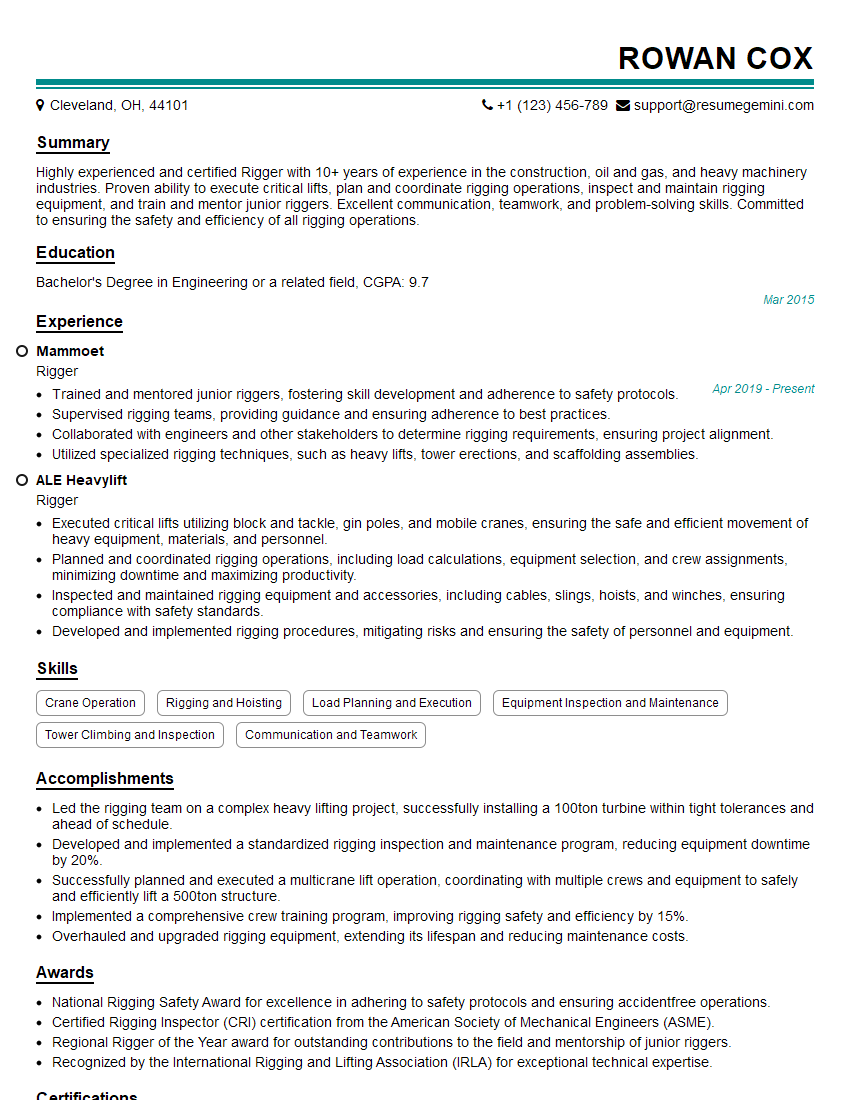
Mastering Scaffolding and Platforms knowledge opens doors to rewarding and highly skilled careers within the construction and infrastructure industries. Advancement opportunities are plentiful for those demonstrating expertise and a commitment to safety. To maximize your job prospects, creating an ATS-friendly resume is crucial. ResumeGemini is a trusted resource that can help you build a professional and effective resume, highlighting your skills and experience in the most compelling way. Examples of resumes tailored to the Scaffolding and Platforms industry are available through ResumeGemini, enabling you to present your qualifications effectively to potential employers.
Explore more articles
Users Rating of Our Blogs
Share Your Experience
We value your feedback! Please rate our content and share your thoughts (optional).
What Readers Say About Our Blog
Very informative content, great job.
good