The right preparation can turn an interview into an opportunity to showcase your expertise. This guide to Scouting and Recruitment interview questions is your ultimate resource, providing key insights and tips to help you ace your responses and stand out as a top candidate.
Questions Asked in Scouting and Recruitment Interview
Q 1. Describe your experience with various sourcing methods (e.g., LinkedIn Recruiter, Boolean search, job boards).
My sourcing strategy is multifaceted and leverages a blend of active and passive recruitment methods. I’m proficient in using LinkedIn Recruiter, not just for basic searches, but also for advanced features like Boolean searches and utilizing saved searches to track relevant candidates over time. For example, a Boolean search like "Project Manager" AND ("Agile" OR "Scrum") AND "Six Sigma" AND location:"San Francisco" allows me to pinpoint highly specific profiles. I also regularly utilize job boards like Indeed, Monster, and specialized industry-specific sites, tailoring my keywords and search parameters to each platform’s strengths. Beyond digital sourcing, I actively network at industry events and leverage referrals from existing employees, a strategy I’ve found incredibly effective for identifying top talent who might not be actively seeking new roles.
Q 2. How do you prioritize candidates when you have multiple qualified applicants?
Prioritizing candidates is a crucial step that involves a multi-stage process. It begins with a thorough review of resumes and initial phone screens to assess their qualifications against the job description’s essential and desired skills. I then use a scoring system, assigning points based on experience, skills, cultural fit, and overall impression. For example, a candidate with extensive relevant experience might receive a higher score even if they lack a specific skill that can be learned on the job. Beyond the scoring, I consider factors like salary expectations and candidate enthusiasm. This approach isn’t just about numbers; it’s about finding the best cultural fit and long-term potential within the candidate pool. I’ve often found the ‘perfect’ candidate on paper falters in the interview due to misalignment with company culture.
Q 3. Explain your process for screening resumes and conducting initial candidate phone screens.
My resume screening process is highly efficient and effective. I begin by quickly scanning for keywords and quantifiable achievements related to the job description. I use the ATS (Applicant Tracking System) filtering capabilities to narrow down the pool initially. Next, I meticulously review the selected resumes, paying close attention to career progression, accomplishments, and the consistency of the information. Initial phone screens are designed to confirm the information provided in the resume and gauge the candidate’s communication skills, enthusiasm, and overall cultural fit. I use a structured interview guide to ensure consistency and fairness across all candidates. For example, I’ll always ask about their biggest accomplishment and biggest challenge, allowing me to assess their problem-solving abilities and self-awareness.
Q 4. What metrics do you track to measure the success of your recruitment efforts?
I track several key metrics to evaluate the success of my recruitment efforts. Time-to-hire is a critical indicator of efficiency. Cost-per-hire helps me to optimize my budget. Offer acceptance rate reflects the attractiveness of our employer brand and compensation package. Perhaps most importantly, I track new hire performance, measured through 30/60/90 day reviews and annual performance evaluations. This allows me to assess whether my recruitment efforts are consistently attracting high-quality candidates who are successful in their roles. Using a combination of these metrics provides a comprehensive view of the recruitment pipeline’s effectiveness. A consistently low time-to-hire combined with high new hire performance demonstrates a highly successful strategy.
Q 5. How do you handle challenging candidates or those with gaps in their resume?
Handling challenging candidates requires tact and empathy. Candidates with gaps in their resume often have compelling stories. I carefully explore these gaps during the interview process, focusing on understanding the reasons behind them and the lessons learned. For example, a career break due to family responsibilities doesn’t necessarily disqualify a candidate. Instead, I assess their transferable skills and their overall motivation to return to the workforce. Similarly, addressing challenging candidates who might be overly assertive or passive involves creating a comfortable and safe space for open communication. By addressing concerns upfront and maintaining professionalism, I have been able to successfully navigate these complex scenarios and find highly talented individuals.
Q 6. Describe your experience with applicant tracking systems (ATS).
I have extensive experience using various Applicant Tracking Systems (ATS), including [mention specific ATS used, e.g., Taleo, Workday, Greenhouse]. My expertise encompasses not just data entry and candidate management but also leveraging the system’s advanced functionalities like reporting and analytics to optimize the recruitment process. For instance, I’ve used ATS dashboards to track time-to-fill and identify bottlenecks in the pipeline, leading to process improvements. Beyond basic functionalities, I understand the importance of configuring the system effectively to ensure candidate data is accurately captured and the system integrates seamlessly with other HR systems.
Q 7. How do you build rapport and trust with candidates throughout the recruitment process?
Building rapport and trust is fundamental to successful recruitment. It starts with clear, consistent, and timely communication. I always provide candidates with realistic expectations about the timeline and the next steps in the process. I actively listen to their questions and concerns and respond promptly. I personalize my communication, addressing them by name and making a genuine effort to understand their career goals and aspirations. For example, I often begin interviews with a brief, informal conversation to break the ice and create a relaxed atmosphere, allowing for more open and honest dialogue. This approach builds a positive experience for the candidates, enhancing the company’s employer brand, even for those who aren’t ultimately selected for the role.
Q 8. What is your approach to negotiating salary and benefits with candidates?
Salary and benefits negotiation is a delicate dance requiring tact and preparation. My approach is collaborative, aiming for a win-win outcome. I begin by thoroughly understanding the candidate’s expectations and the company’s budget and compensation structure. This involves researching industry benchmarks for similar roles and locations. I then present a comprehensive compensation package, explaining the rationale behind each component. This transparency is key to building trust. If there’s a discrepancy between the candidate’s expectations and our offer, I engage in open dialogue, listening to their concerns and presenting justifications or exploring alternative benefits, such as flexible work arrangements or professional development opportunities. The goal is to find a compromise that aligns with both parties’ needs and values. For instance, if a candidate prioritizes professional development, we might negotiate a higher training budget rather than a direct salary increase.
Example: Recently, a highly skilled candidate requested a salary above our initial offer. Instead of rejecting their request outright, I presented data showing their skills significantly exceeded the average for the role. I also proposed a tiered compensation plan with performance-based bonuses, aligning their potential earnings with company success. This approach secured a highly qualified individual and demonstrated our commitment to rewarding talent.
Q 9. How do you ensure diversity and inclusion in your recruitment strategies?
Diversity and inclusion are not just buzzwords; they are fundamental to building a thriving and innovative team. My approach involves a multi-pronged strategy. Firstly, I ensure our job descriptions are gender-neutral and avoid language that might inadvertently discourage certain demographics from applying. We use diverse sourcing channels, reaching out to organizations and networks dedicated to promoting underrepresented groups. Secondly, we actively blind-screen resumes during the initial stages of the recruitment process, focusing on skills and experience rather than potentially biased demographic information. Thirdly, our interview panels include diverse individuals from different backgrounds to ensure a wider range of perspectives and avoid unconscious bias. Finally, we regularly review our recruitment data to assess progress toward diversity goals, identifying areas for improvement and adapting our strategies accordingly. For example, if we find a disparity in applications from a certain demographic group, we might target specific outreach programs to reach them more effectively.
Q 10. Describe your experience with different interview techniques (e.g., behavioral, competency-based, technical).
I have extensive experience utilizing various interview techniques to gain a comprehensive understanding of candidates. Behavioral interviews, using the STAR method (Situation, Task, Action, Result), help assess past performance and predict future behavior. I ask questions like, “Tell me about a time you failed. What did you learn?” Competency-based interviews focus on skills and abilities relevant to the role. I might ask, “Describe a time you had to prioritize competing demands.” Technical interviews assess technical proficiency through practical coding challenges or knowledge-based questions, which are highly relevant in technical roles. I tailor my approach based on the specific role and requirements, often integrating elements from multiple techniques for a holistic assessment. I also believe in actively listening and adapting my questioning based on the candidate’s responses to ensure I gain a deep understanding.
Q 11. How do you manage expectations with hiring managers and candidates?
Managing expectations is crucial for a positive candidate experience and efficient recruitment. With hiring managers, I set clear expectations regarding timelines, candidate quality, and the overall recruitment process. I provide regular updates on the progress, addressing any concerns promptly and transparently. With candidates, I am upfront about the timeline, next steps, and any potential challenges. I emphasize clear communication, setting realistic expectations around the offer process, and responding promptly to inquiries. Over-promising and under-delivering can damage both candidate and manager relationships, so clear and consistent communication is paramount.
Example: If a hiring manager expects candidates within a week, I might explain that finding suitable candidates for a niche skillset will take longer. I’ll then provide a revised timeframe and strategy to address the potential delay, ensuring the manager remains informed and involved.
Q 12. How do you handle situations where a candidate is not a good fit for the role?
When a candidate is not a good fit, I handle the situation with professionalism and empathy. I deliver the news directly and respectfully, explaining the reasons for the decision in a non-judgmental manner. For example, instead of saying “You’re not qualified,” I might say, “While your skills are impressive, they don’t quite align with the specific requirements of this particular role.” I offer constructive feedback whenever possible, highlighting areas for improvement and suggesting alternative opportunities, where appropriate. Following up with a professional, polite email summarizing the feedback reiterates the candidate’s value and maintains a positive company image. This approach not only minimizes negative feedback but also helps maintain a strong employer brand.
Q 13. What strategies do you use to improve candidate experience?
Improving candidate experience is a top priority. This involves streamlining the application process, making it easy and user-friendly, and acknowledging each application. Prompt communication throughout the entire process—from initial contact to final decision—is critical. Providing feedback, regardless of the outcome, is also valuable, showing respect for the candidate’s time and investment. Offering a comfortable and welcoming interview environment, along with efficient scheduling and follow-ups, further enhances the experience. Regularly surveying candidates to gather feedback on their experience and proactively making improvements based on this information is crucial to continuous enhancement. A positive experience can turn a candidate into a brand ambassador, even if they weren’t hired.
Q 14. Describe your experience with background checks and reference checks.
Background and reference checks are critical for verifying information provided by candidates and mitigating risk. I utilize reputable third-party vendors to conduct background checks, ensuring compliance with all relevant legal and ethical guidelines. This often includes criminal record checks, employment verification, and education verification. For reference checks, I develop a structured approach, using a standardized list of questions to ensure consistency and objectivity across candidates. I focus on assessing the candidate’s skills, work ethic, and overall suitability for the role. My questions go beyond simple yes/no answers, delving into specific situations and behaviors. The results are then thoroughly reviewed and considered as part of the overall hiring decision. Transparency is vital in this process; I inform candidates about the background and reference checks as part of the recruitment process, obtaining their consent where necessary.
Q 15. How do you stay up-to-date with current recruitment trends and best practices?
Staying current in recruitment requires a multi-faceted approach. It’s not a one-time task, but an ongoing commitment to professional development. Think of it like being a scout – always looking for the best talent, and knowing where to find them.
- Industry Publications and Blogs: I regularly read publications like SHRM’s HR Magazine, LinkedIn’s Talent Solutions blog, and industry-specific publications relevant to the companies I recruit for. These provide insights into emerging trends, best practices, and new technologies.
- Conferences and Webinars: Attending recruitment conferences and webinars allows me to network with other professionals and learn about the latest tools and techniques. I actively participate in Q&A sessions to maximize learning.
- Professional Networks: I’m actively involved in online professional communities like LinkedIn groups focused on recruitment and talent acquisition. These are invaluable for sharing best practices and staying informed about new developments.
- Data and Analytics: I regularly analyze recruitment data (time-to-hire, cost-per-hire, source of hire) to identify areas for improvement and adjust my strategies accordingly. This data-driven approach keeps me focused on what works best.
For example, recently I learned about the growing importance of video interviewing through a webinar and successfully implemented it, reducing our initial screening time by 20%.
Career Expert Tips:
- Ace those interviews! Prepare effectively by reviewing the Top 50 Most Common Interview Questions on ResumeGemini.
- Navigate your job search with confidence! Explore a wide range of Career Tips on ResumeGemini. Learn about common challenges and recommendations to overcome them.
- Craft the perfect resume! Master the Art of Resume Writing with ResumeGemini’s guide. Showcase your unique qualifications and achievements effectively.
- Don’t miss out on holiday savings! Build your dream resume with ResumeGemini’s ATS optimized templates.
Q 16. Explain your approach to creating job descriptions that attract high-quality candidates.
Crafting effective job descriptions is crucial for attracting top talent. It’s about painting a compelling picture of the role and the company culture. Think of it as writing a compelling advertisement – you need to grab attention and highlight the benefits.
- Focus on Value Proposition: Instead of just listing duties, emphasize the impact the role will have. What problems will the candidate solve? How will their work contribute to the company’s success?
- Target Audience: Tailor the language and tone to resonate with the ideal candidate. Use keywords that candidates are likely to search for.
- Company Culture: Highlight aspects of your company culture that make it a desirable place to work. Are there opportunities for growth and development? What’s the work-life balance like?
- Clear and Concise Language: Use action verbs and avoid jargon. Keep the description to a reasonable length – no one wants to read a wall of text.
- Diversity and Inclusion: Ensure the language used is inclusive and avoids bias.
For example, when recruiting for a software engineer, instead of simply listing technical skills, I’d emphasize the impact of their work on building innovative products and solving challenging problems for our users. I’d also highlight opportunities for professional development and the collaborative team environment.
Q 17. How do you use data and analytics to inform your recruitment strategies?
Data and analytics are essential for optimizing recruitment strategies. It’s about measuring what matters and using that information to make data-driven decisions. Think of it as using a map to navigate your recruitment journey.
- Time-to-Hire: Tracking how long it takes to fill open positions helps identify bottlenecks in the process.
- Cost-per-Hire: Analyzing the cost of recruiting helps optimize resource allocation.
- Source of Hire: Understanding which channels are yielding the best candidates allows for efficient resource allocation to high-performing channels.
- Candidate Quality: Measuring the quality of hires (e.g., performance reviews, retention rates) helps assess the effectiveness of the recruitment process.
- Applicant Tracking Systems (ATS): Leveraging data from an ATS is crucial to gather insights into candidate experience, funnel drop-off points, and overall recruitment efficiency.
For instance, if my data shows that social media is yielding low-quality candidates, I would reduce my focus on that channel and concentrate on alternative sources like employee referrals or professional networking events.
Q 18. Describe your experience with employer branding and recruitment marketing.
Employer branding and recruitment marketing are intertwined and crucial for attracting top talent. Employer branding is about building a positive reputation; recruitment marketing is about promoting job openings to reach the right candidates. Think of it like building a strong brand reputation and then promoting that brand to attract customers (in this case, candidates).
- Employer Value Proposition (EVP): Clearly defining what makes your company a great place to work is the foundation of strong employer branding. This EVP should be communicated across all channels.
- Content Marketing: Creating engaging content (e.g., blog posts, videos, social media updates) that showcases company culture, values, and employee experiences helps build a positive brand image.
- Social Media Marketing: Utilizing platforms like LinkedIn, Twitter, and Instagram to promote job openings and engage with potential candidates is crucial.
- Employee Advocacy: Encouraging employees to act as brand ambassadors and share their positive experiences can significantly boost employer branding efforts.
- Recruitment Marketing Campaigns: Designing targeted campaigns to reach specific candidate pools through tailored messaging and channels is essential for maximizing reach and impact.
For example, we recently ran a successful LinkedIn campaign highlighting our company’s commitment to innovation and employee growth, resulting in a significant increase in applications from high-quality candidates.
Q 19. How do you handle confidential information and maintain data privacy?
Confidentiality and data privacy are paramount in recruitment. Handling sensitive information responsibly is crucial, both ethically and legally. Think of it like being a trusted guardian of sensitive information.
- Data Protection Policies: I strictly adhere to company data protection policies and relevant legislation (e.g., GDPR, CCPA).
- Secure Systems: I utilize secure systems and tools for storing and managing candidate data.
- Data Minimization: I collect only the necessary data from candidates and ensure its secure disposal when no longer required.
- Access Control: I ensure that only authorized personnel have access to sensitive information.
- Training and Awareness: I regularly participate in training on data privacy and security best practices.
For example, I never share candidate information with unauthorized individuals, I use encrypted email for communication, and I always ensure that sensitive data is stored securely and only accessed by authorized personnel.
Q 20. What is your experience with different recruitment channels (e.g., social media, networking events)?
Utilizing a variety of recruitment channels is key to reaching a diverse pool of talented candidates. It’s about casting a wide net while remaining targeted and efficient.
- Social Media: I actively use platforms like LinkedIn, Indeed, and niche job boards to post job openings and engage with candidates. LinkedIn is particularly useful for professional roles.
- Networking Events: I regularly attend industry events and conferences to build relationships with potential candidates and recruiters. This is an excellent opportunity to build passive pipelines.
- Employee Referrals: I leverage employee referral programs, which often yield high-quality candidates with a good cultural fit.
- Job Boards: I use job boards like Indeed, Monster, and specialized industry job boards to reach a wider audience.
- Direct Sourcing: I proactively identify and reach out to potential candidates on professional networking platforms. This is particularly effective for finding passive candidates.
For example, I recently filled a key role through a direct sourcing campaign on LinkedIn, where I identified a passive candidate who was a perfect fit for the position and the company culture.
Q 21. How do you handle pressure and tight deadlines in a fast-paced recruitment environment?
Recruitment can be fast-paced and demanding, with multiple roles to fill under tight deadlines. Effective time management and prioritization are essential. Think of it as conducting a well-orchestrated campaign – every move needs to be efficient and effective.
- Prioritization: I prioritize tasks based on urgency and importance, focusing on roles with the highest impact or tightest deadlines.
- Time Management: I utilize time management techniques, like time blocking and task lists, to stay organized and ensure I meet deadlines.
- Delegation: When possible, I delegate tasks to others to free up my time for high-priority activities.
- Communication: I maintain clear and consistent communication with hiring managers, candidates, and other stakeholders to manage expectations and avoid delays.
- Stress Management: I practice stress management techniques to maintain focus and well-being under pressure, recognizing that burnout impacts performance.
For instance, during a period of high volume, I used a Kanban board to visually track the progress of multiple candidates through each stage of the recruitment pipeline, enabling efficient management and reducing stress through improved organization.
Q 22. Describe a time you had to adapt your recruitment strategy due to unforeseen circumstances.
Adapting recruitment strategies is crucial for success. In one instance, I was leading a recruitment drive for a software engineering team during the onset of the COVID-19 pandemic. Our initial strategy heavily relied on in-person career fairs and networking events. However, with lockdowns imposed, we had to pivot quickly.
Our adaptation involved several key steps:
- Shifting to Virtual Platforms: We immediately transitioned our recruitment efforts to online platforms like LinkedIn Recruiter, Indeed, and specialized tech job boards. We also started hosting virtual career fairs and informational sessions.
- Optimizing Online Presence: We refined our job descriptions to emphasize remote work capabilities and highlighted the company’s commitment to employee well-being during the pandemic.
- Leveraging Video Conferencing: We replaced in-person interviews with video calls using platforms like Zoom, ensuring a smooth and professional interview process for both candidates and interviewers.
- Strengthening Employer Branding: We focused on communicating our company’s response to the pandemic, showcasing our commitment to employee safety and flexibility, which proved to be a strong selling point.
This strategic shift not only allowed us to continue our recruitment process but also demonstrated our adaptability and resilience, ultimately attracting top talent even amidst challenging circumstances. It highlighted the importance of remaining agile and resourceful in responding to unexpected events.
Q 23. What is your preferred method for providing feedback to candidates?
Providing constructive and timely feedback is essential for both candidates and the hiring process. My preferred method involves a combination of approaches tailored to the situation. For successful candidates, I offer enthusiastic congratulations, reiterate their strengths as highlighted during the interview process, and outline the next steps, including onboarding details. For unsuccessful candidates, I provide specific and actionable feedback, focusing on areas where they could improve their interview skills or application materials.
My approach prioritizes:
- Timeliness: Feedback is delivered promptly, typically within 1-2 business days of the interview or decision.
- Specificity: I avoid vague statements; instead, I use concrete examples from the interview or application materials to support my feedback. For example, instead of saying ‘your communication skills need improvement,’ I might say, ‘during the technical discussion, your responses were sometimes difficult to follow; consider practicing structuring your answers more concisely.’
- Constructive Criticism: The feedback is balanced, acknowledging strengths while focusing on areas for development. This avoids demoralizing the candidate while still offering valuable insights.
- Professionalism: Regardless of the outcome, I maintain a respectful and professional tone in all communication. This is essential for preserving the candidate’s experience and maintaining a positive employer brand.
For instance, I might send a personalized email including a detailed summary of their strengths and areas where they could improve. I find that written feedback is effective as candidates can review and reflect on it at their own pace. In some cases, a brief phone call might be necessary to clarify the feedback or answer questions.
Q 24. How do you handle difficult conversations with candidates or hiring managers?
Difficult conversations, whether with candidates or hiring managers, require a structured and empathetic approach. My strategy involves active listening, clear communication, and a focus on finding mutually agreeable solutions.
With Candidates:
- Empathy and Understanding: I start by acknowledging their perspective and validating their feelings. Rejection can be difficult, and I approach it with sensitivity.
- Clear and Honest Communication: I explain the reasons for the decision clearly and concisely, avoiding jargon or ambiguity.
- Constructive Feedback: I offer specific and actionable feedback, focusing on areas for improvement and framing it positively as an opportunity for growth.
With Hiring Managers:
- Data-Driven Approach: I present a well-reasoned argument based on data and the candidate’s qualifications. If there’s a disagreement on a candidate, I’ll show evidence to support my assessment.
- Collaborative Problem-Solving: I actively engage in discussions to find solutions that address everyone’s concerns. This might involve adjusting expectations, reviewing other candidates, or refining the job description.
- Professional Boundaries: I remain professional and respectful, even if there are disagreements. The focus is on finding the best outcome for the company.
For example, if a hiring manager rejects a candidate based on a seemingly minor detail, I’d gather data showing the candidate’s overall strong fit, and propose a second interview focusing on addressing that minor concern. Maintaining a collaborative and data-driven approach ensures that decisions are fair and objective.
Q 25. How do you measure the ROI of your recruitment efforts?
Measuring the ROI of recruitment efforts requires a multi-faceted approach, focusing on both quantitative and qualitative data.
Quantitative Metrics:
- Cost Per Hire (CPH): This metric tracks the total cost of recruiting and hiring a candidate, including advertising, agency fees, recruiter time, etc. A lower CPH indicates a more efficient recruitment process.
- Time to Hire (TTH): This measures the time it takes to fill a position, from the job posting to the candidate’s start date. A shorter TTH signifies a faster and more effective process.
- Source of Hire: Tracking where successful candidates were found (e.g., LinkedIn, job boards, referrals) helps optimize future recruitment strategies.
- Acceptance Rate: The percentage of candidates who accept an offer reflects the attractiveness of the role and employer brand.
- Employee Turnover Rate: Although not directly a recruitment metric, high turnover suggests problems with the hiring process, indicating areas for improvement.
Qualitative Metrics:
- Candidate Satisfaction: Gathering feedback from candidates helps improve the overall candidate experience.
- Hiring Manager Satisfaction: Getting feedback from hiring managers ensures alignment with their needs and expectations.
- Employee Performance: Tracking the performance of newly hired employees provides an indirect measure of recruitment effectiveness.
By combining these quantitative and qualitative metrics, we can obtain a comprehensive understanding of the ROI of our recruitment efforts, enabling us to refine and optimize our strategies for improved efficiency and effectiveness. For example, a high CPH alongside a low acceptance rate might point towards issues in our job postings or compensation packages.
Q 26. Describe your experience with diversity and inclusion in hiring.
Diversity and inclusion (D&I) are fundamental to building a high-performing and innovative workforce. My experience emphasizes proactive strategies for ensuring a diverse candidate pool and creating an inclusive hiring process. This involves actively seeking out candidates from underrepresented groups, reviewing job descriptions for unbiased language, and implementing blind resume screening techniques.
Specific actions I’ve taken include:
- Targeted Sourcing: Partnering with organizations that support diversity in tech or other relevant industries to access a wider range of qualified candidates.
- Bias Training: Participating in and/or facilitating unconscious bias training for hiring managers and recruiters to mitigate unintentional biases in the selection process.
- Inclusive Job Descriptions: Using inclusive language and removing gendered or culturally biased terms in job descriptions and advertisements.
- Structured Interviews: Employing structured interview techniques and standardized scoring rubrics to minimize bias and ensure fair evaluations.
- Diverse Interview Panels: Including individuals from different backgrounds and perspectives on interview panels to offer diverse viewpoints and perspectives.
- Data Tracking and Analysis: Regularly tracking diversity metrics at each stage of the recruitment process to identify and address potential biases.
For example, I helped implement a blind resume screening process that removed identifying information from resumes during the initial screening, reducing bias based on names or universities.
Building a diverse and inclusive workforce is an ongoing process that requires constant evaluation and improvement. The focus is not only on representation but also on fostering a culture of belonging where every employee feels valued and respected.
Q 27. How familiar are you with different types of employment contracts?
Understanding different employment contract types is crucial for legal compliance and effective recruitment. My knowledge encompasses various contract types including:
- Full-Time Employment Contracts: These contracts offer permanent employment with benefits and typically include details about salary, working hours, vacation time, and termination clauses.
- Part-Time Employment Contracts: Similar to full-time contracts but with fewer working hours and potentially prorated benefits.
- Contract-to-Hire Contracts: A temporary contract with the possibility of conversion to a permanent position upon satisfactory performance.
- Independent Contractor Agreements (1099): These contracts engage independent contractors who are not considered employees and are responsible for their own taxes and benefits. Careful consideration of legal definitions is critical to avoid misclassification.
- Temporary or Contract Staffing Agreements: Contracts with staffing agencies to provide temporary employees for specific projects or durations.
- Freelance Agreements: Contracts with freelancers, often project-based, with less structure than traditional employment contracts.
The key difference between these lies in the level of control an employer exercises over the individual, tax implications, and the provision of benefits. Understanding the nuances of each type ensures that we comply with labor laws and choose the appropriate contract structure for each role and situation. Improper classification can lead to significant legal and financial repercussions.
Q 28. What is your understanding of legal compliance in recruitment?
Legal compliance in recruitment is paramount. My understanding encompasses various aspects, including:
- Equal Employment Opportunity (EEO) Laws: Prohibiting discrimination based on race, color, religion, sex, national origin, age (40 and over), disability, or genetic information.
- Anti-Discrimination Laws: Enforcing compliance with EEO laws and providing mechanisms for redress against discriminatory practices.
- Data Privacy Regulations (e.g., GDPR, CCPA): Protecting the privacy of candidate data and adhering to relevant regulations for data collection, storage, and usage.
- Background Checks and Screening: Conducting background checks in compliance with Fair Credit Reporting Act (FCRA) and other relevant laws, ensuring fairness and avoiding discriminatory practices.
- Immigration Compliance (e.g., I-9 forms): Verifying the eligibility of foreign nationals to work in the country in accordance with relevant immigration laws.
- Wage and Hour Laws: Adhering to federal and state regulations regarding minimum wage, overtime pay, and other compensation-related issues.
My approach to legal compliance includes regular training updates on relevant legislation, using standardized processes for background checks and data handling, and consulting with legal counsel when necessary to ensure we maintain compliance. This not only avoids legal issues but also contributes to a fair and equitable recruitment process, essential for building a strong and positive company reputation.
Key Topics to Learn for Scouting and Recruitment Interview
- Understanding Candidate Needs: Learn to effectively identify and assess candidate qualifications, motivations, and career aspirations. This includes understanding different personality types and communication styles.
- Sourcing and Networking: Explore various recruitment channels (e.g., job boards, social media, networking events) and strategies for proactively identifying and engaging potential candidates. Practice developing compelling employer branding to attract top talent.
- Interviewing Techniques: Master behavioral, competency-based, and technical interviewing techniques. Develop your skills in asking effective questions, active listening, and evaluating candidate responses. Practice conducting both phone screens and in-person interviews.
- Assessment and Selection: Learn different methods for evaluating candidates, including analyzing resumes, conducting reference checks, and utilizing psychometric testing where appropriate. Understand best practices for ensuring fair and unbiased selection processes.
- Onboarding and Integration: Explore strategies for a smooth and effective onboarding process for new hires. This includes planning orientation programs, assigning mentors, and setting clear expectations.
- Recruitment Metrics and Reporting: Understand key performance indicators (KPIs) in recruitment, such as time-to-hire, cost-per-hire, and quality of hire. Practice tracking and reporting on recruitment metrics to demonstrate effectiveness.
- Legal and Compliance: Familiarize yourself with relevant employment laws and regulations to ensure ethical and compliant recruitment practices.
- Technological Proficiency: Demonstrate familiarity with Applicant Tracking Systems (ATS) and other recruitment technologies. Practice using these tools to streamline the recruitment process.
Next Steps
Mastering Scouting and Recruitment is crucial for career advancement in today’s competitive job market. A strong understanding of these principles demonstrates valuable skills applicable across various industries and roles, leading to increased opportunities and career progression. To maximize your job prospects, it’s vital to create an ATS-friendly resume that highlights your skills and experience effectively. ResumeGemini is a trusted resource to help you build a professional and impactful resume that grabs the attention of recruiters. Examples of resumes tailored to Scouting and Recruitment are available to further assist your preparation.
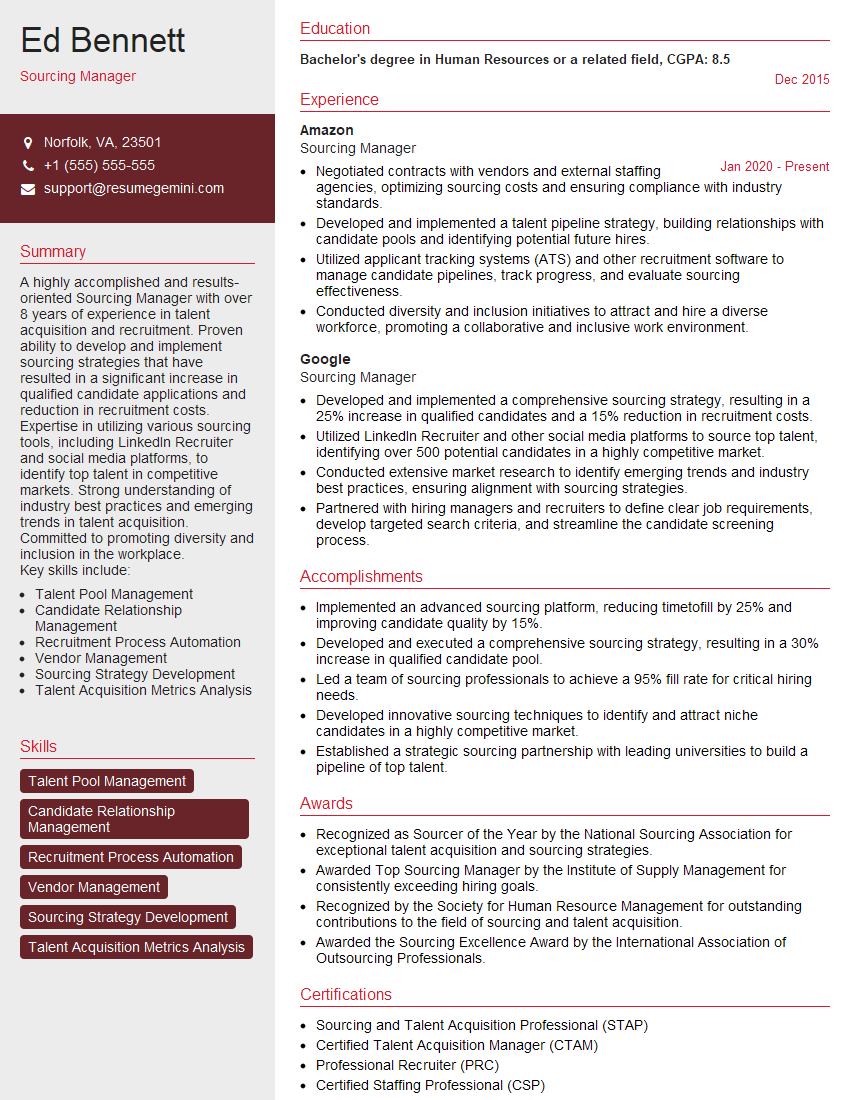
Sourcing Manager Resume Sample

Sourcing Specialist Resume Sample
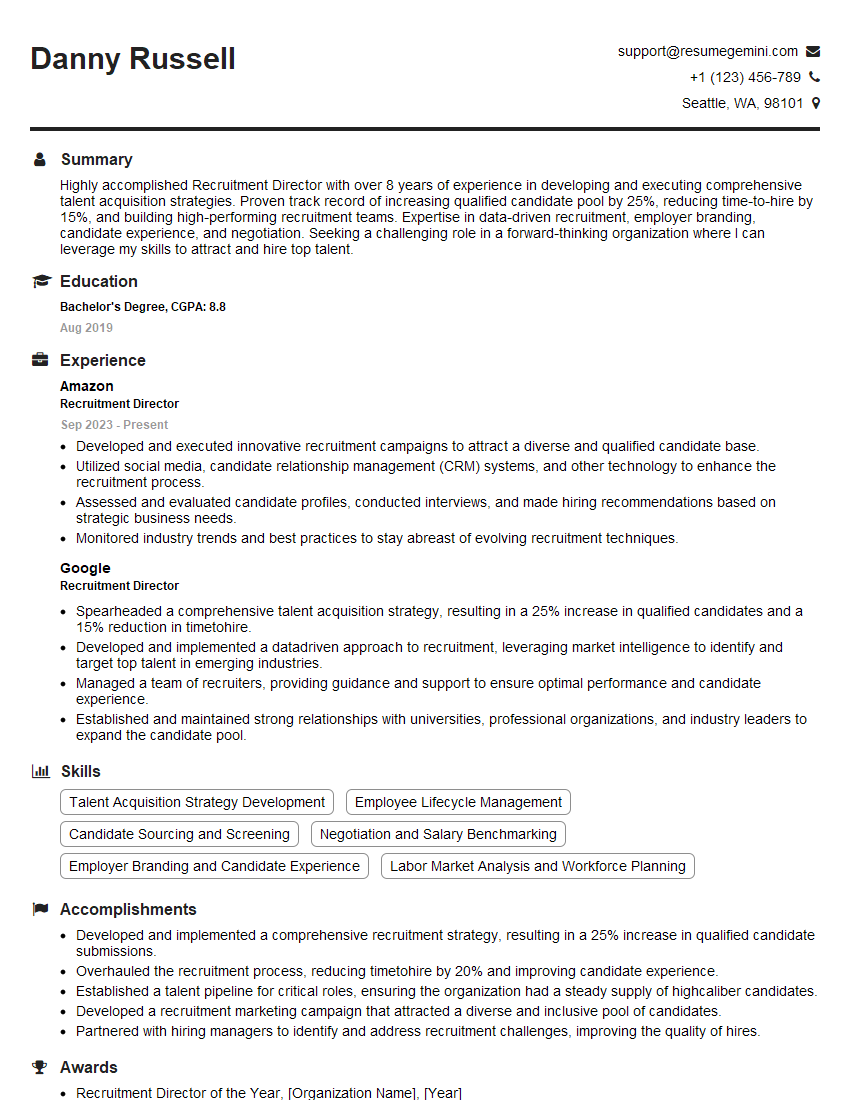
Recruitment Director Resume Sample
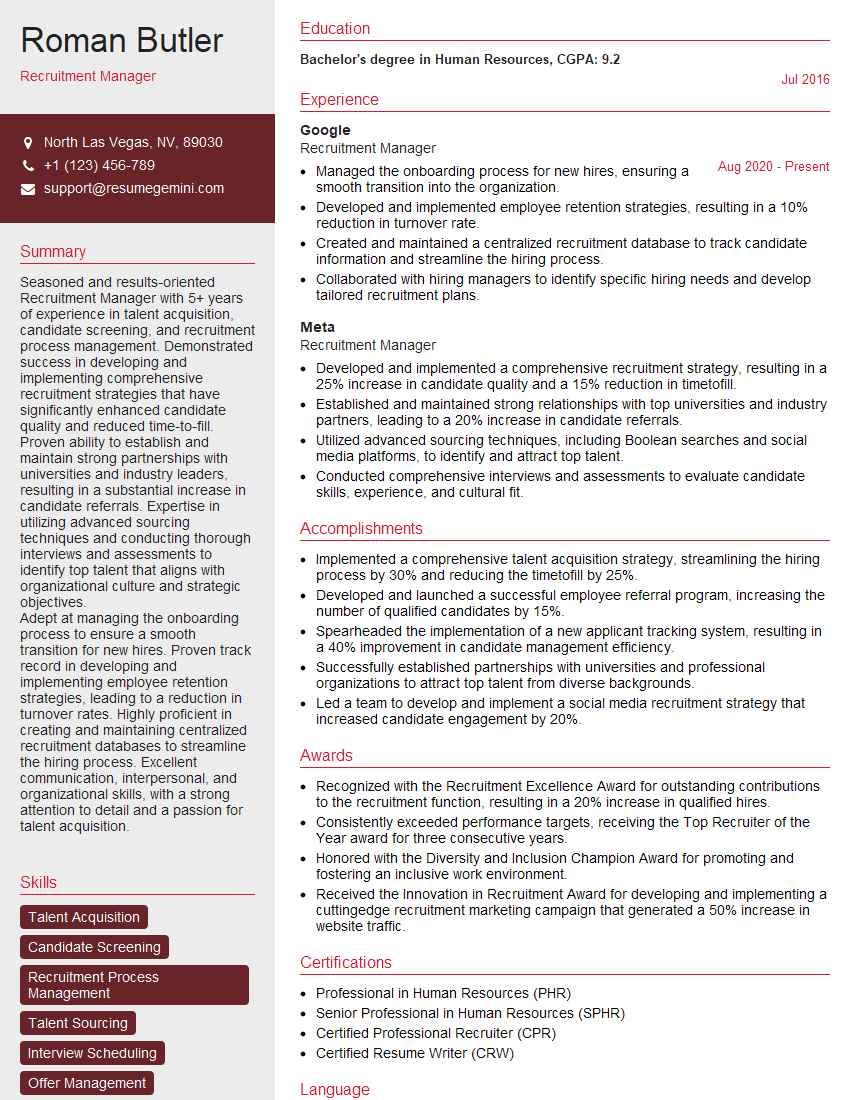
Recruitment Manager Resume Sample
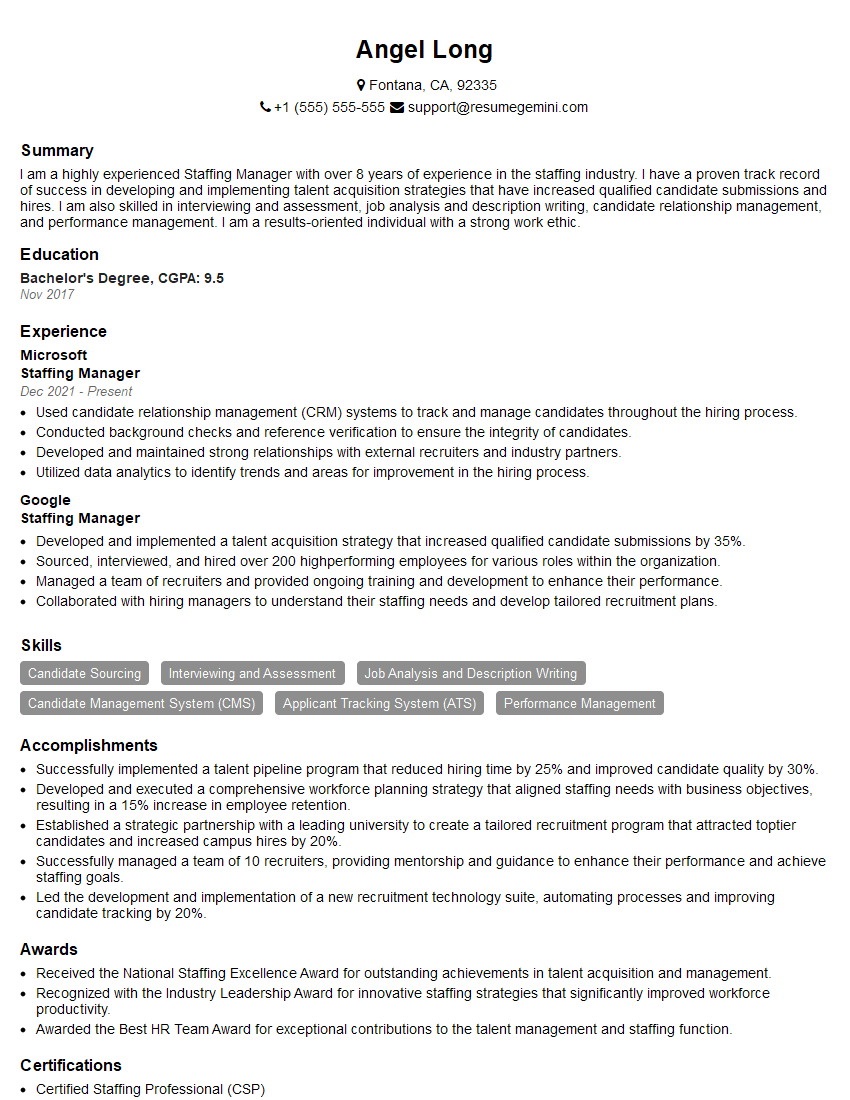
Staffing Manager Resume Sample
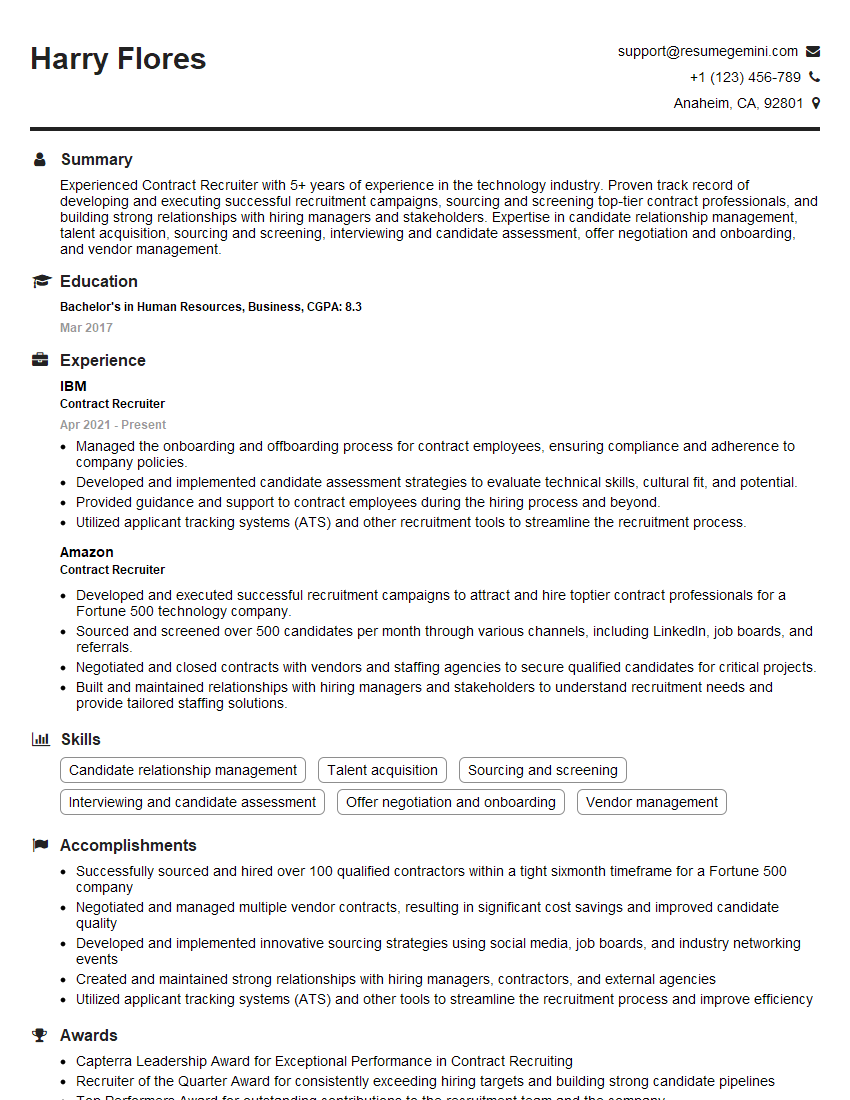
Contract Recruiter Resume Sample
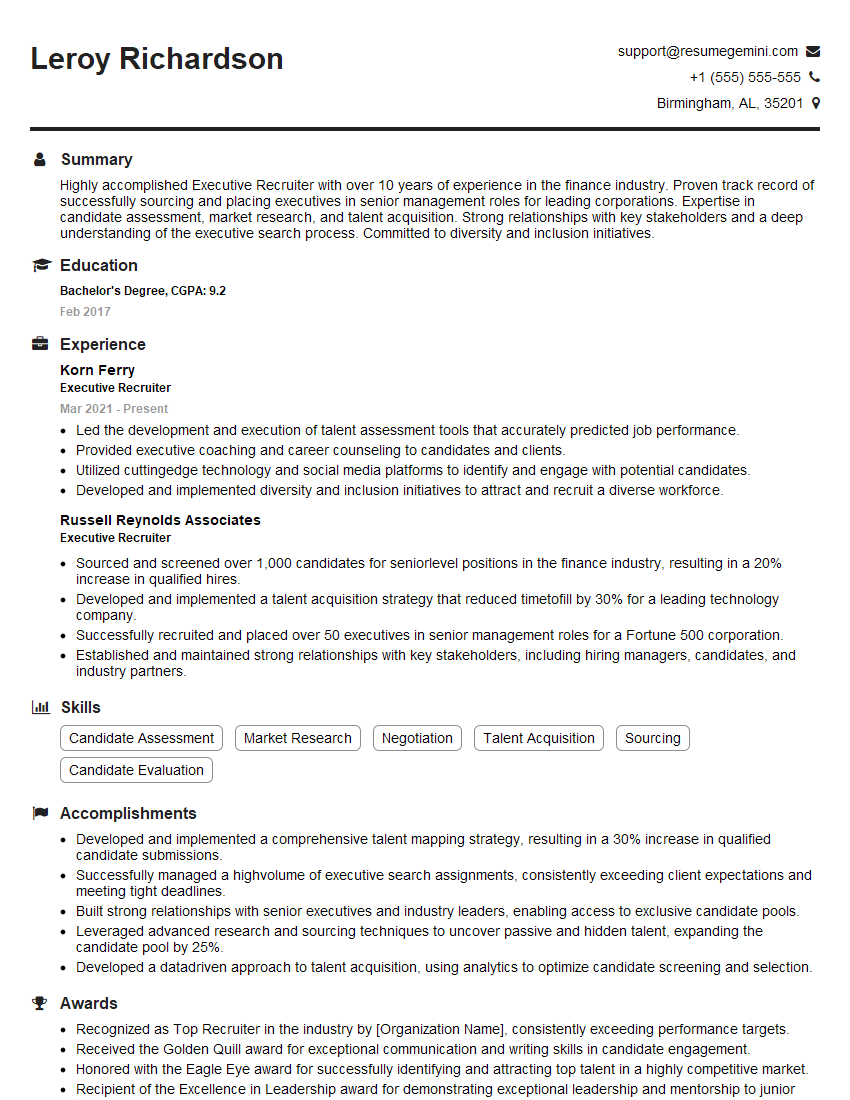
Executive Recruiter Resume Sample
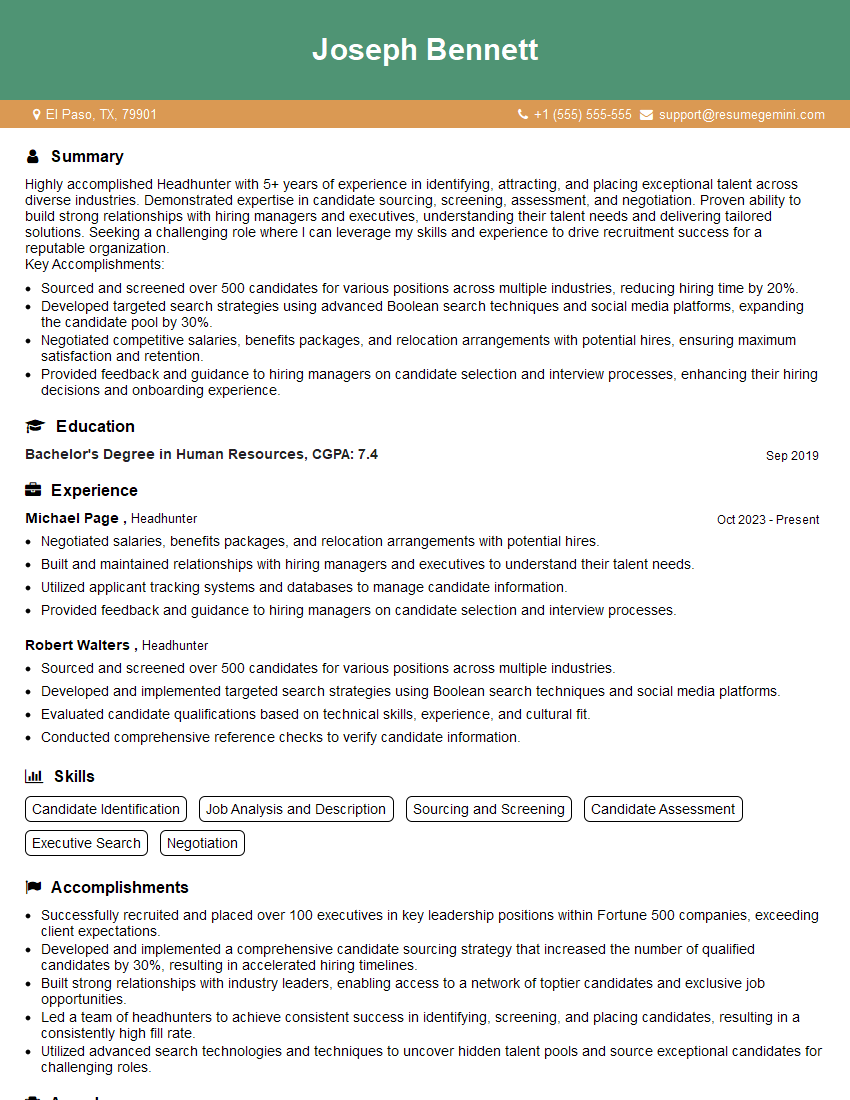
Headhunter Resume Sample
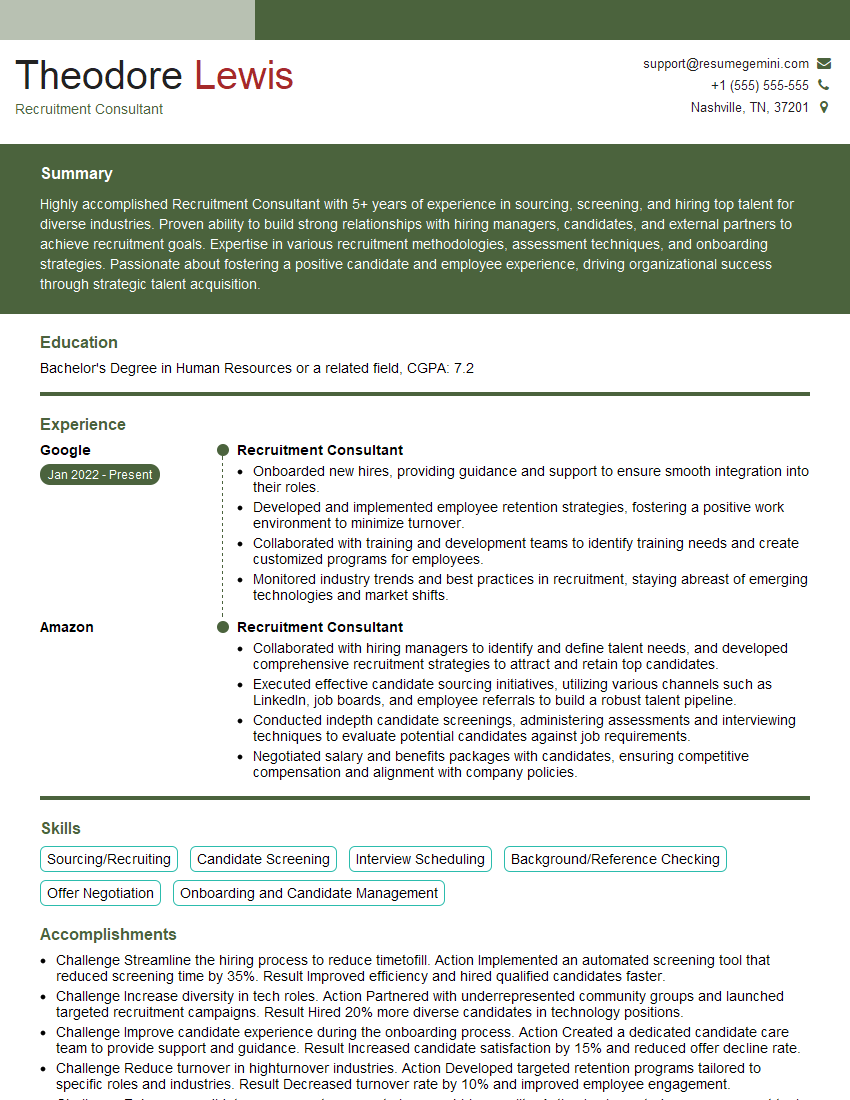
Recruitment Consultant Resume Sample
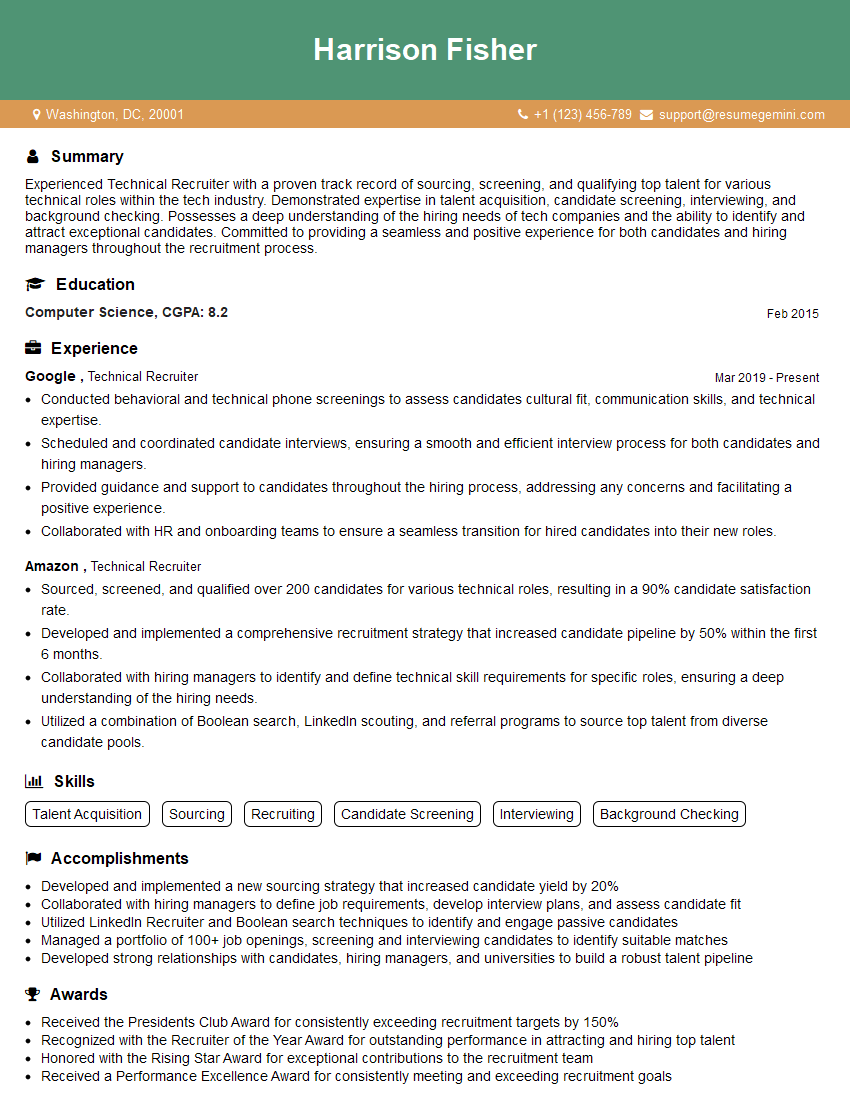
Technical Recruiter Resume Sample
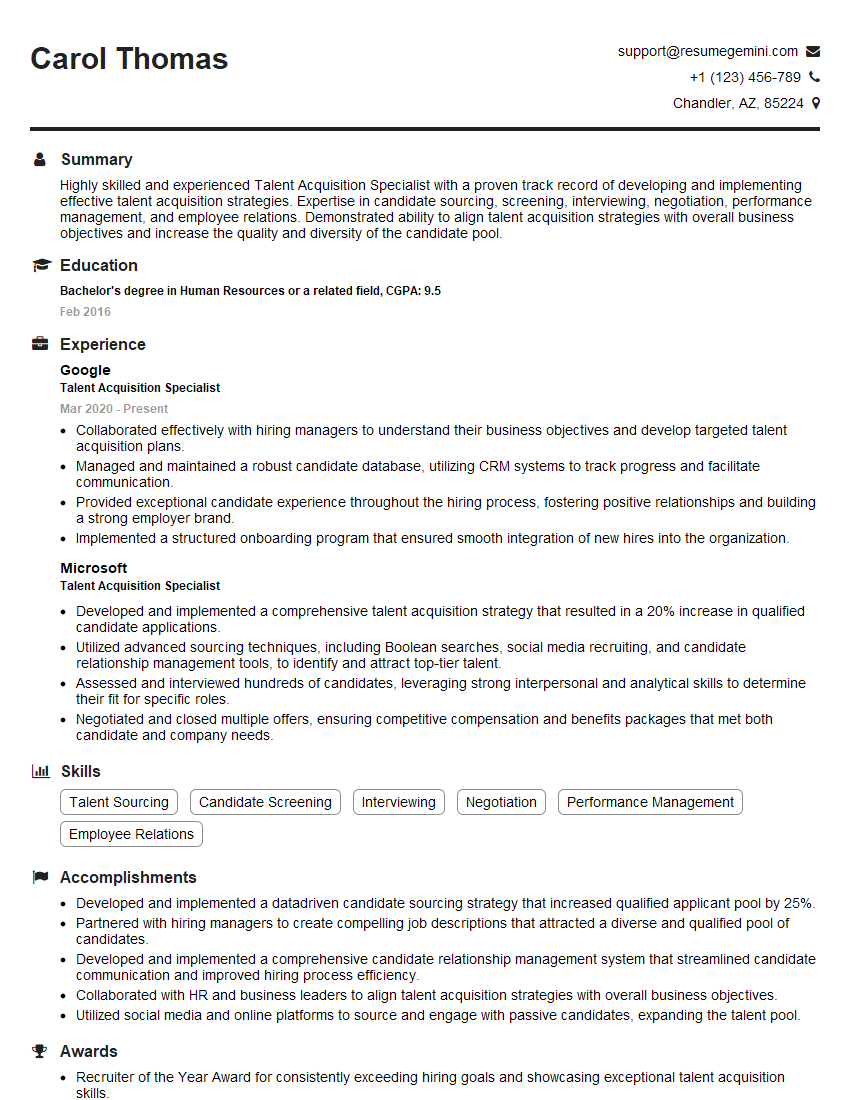
Talent Acquisition Specialist Resume Sample
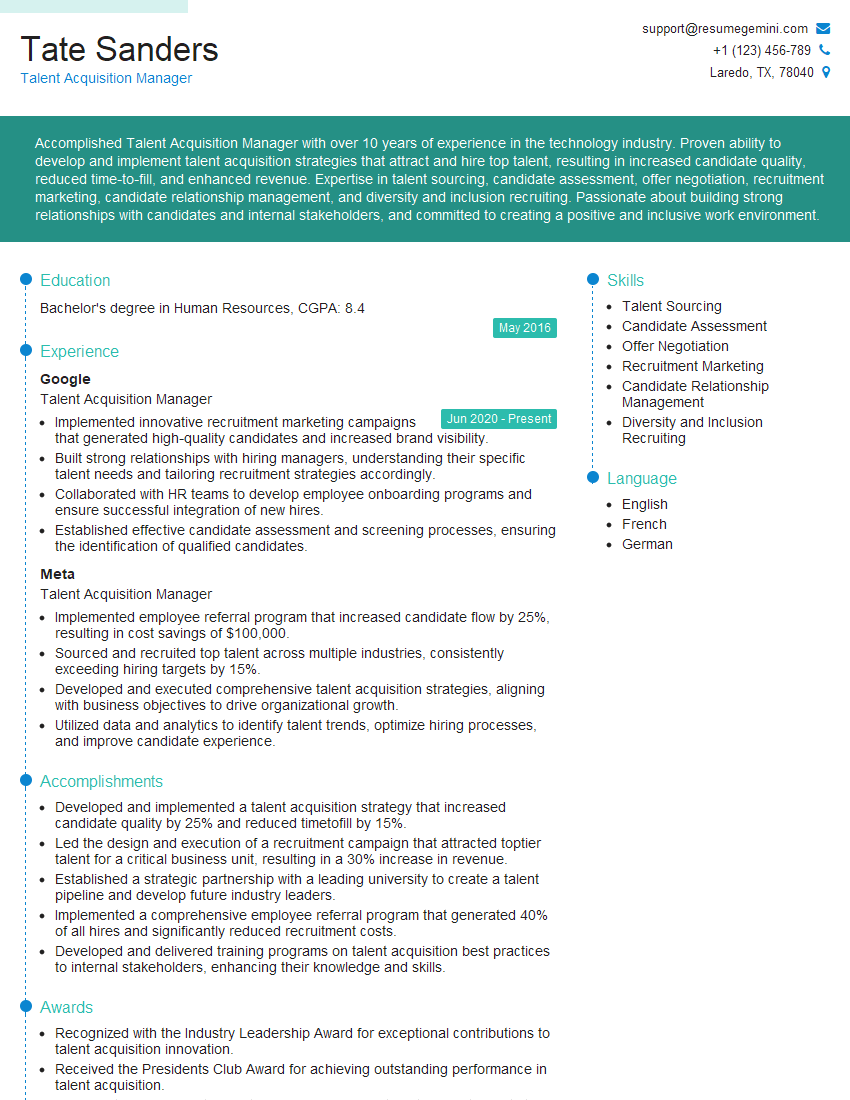
Talent Acquisition Manager Resume Sample
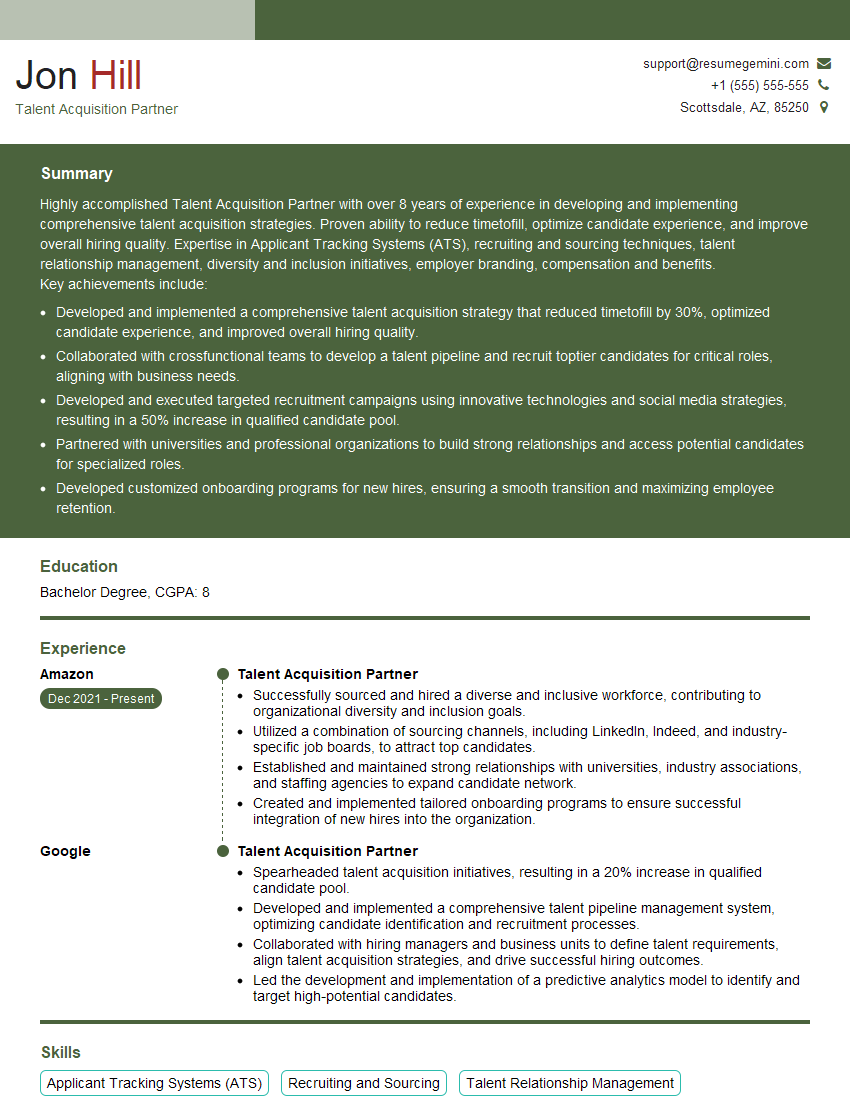
Talent Acquisition Partner Resume Sample
Explore more articles
Users Rating of Our Blogs
Share Your Experience
We value your feedback! Please rate our content and share your thoughts (optional).
What Readers Say About Our Blog
Very informative content, great job.
good