Unlock your full potential by mastering the most common Security Operations and Monitoring interview questions. This blog offers a deep dive into the critical topics, ensuring you’re not only prepared to answer but to excel. With these insights, you’ll approach your interview with clarity and confidence.
Questions Asked in Security Operations and Monitoring Interview
Q 1. Explain the difference between SIEM and SOAR.
SIEM (Security Information and Event Management) and SOAR (Security Orchestration, Automation, and Response) are both crucial for cybersecurity, but they serve different purposes. Think of SIEM as the detective and SOAR as the investigator and responder.
SIEM collects and analyzes security logs from various sources across your IT infrastructure. It identifies potential security incidents by correlating events and alerting security analysts to suspicious activity. For example, a SIEM might detect a surge of failed login attempts from a specific IP address, indicating a potential brute-force attack.
SOAR takes over once a security incident is identified. It automates incident response processes, such as enriching alerts with additional context, running threat intelligence checks, and triggering automated remediation actions. Imagine SOAR as a set of automated playbooks that guide the incident response team through predetermined steps to contain and remediate a threat efficiently. This can include automatically blocking malicious IP addresses or quarantining infected systems.
In short, SIEM detects, while SOAR responds. They work best together; SIEM provides the alerts, and SOAR orchestrates the response.
Q 2. Describe your experience with common security monitoring tools (e.g., Splunk, QRadar, ELK stack).
I have extensive experience with several leading security monitoring tools, including Splunk, QRadar, and the ELK stack (Elasticsearch, Logstash, Kibana). Each platform offers unique strengths.
Splunk is known for its powerful search capabilities and flexibility. I’ve used it to build custom dashboards visualizing security events in real-time, enabling proactive threat hunting. For example, I created a dashboard that tracked unusual user activity, such as access to sensitive data outside of normal working hours, leading to the timely detection of an insider threat.
QRadar is a robust SIEM platform I’ve used for its strong correlation engine and pre-built rules for identifying common threats. I’ve leveraged its compliance reporting capabilities to ensure our organization met regulatory requirements. Specifically, I configured QRadar to automatically generate reports demonstrating our compliance with PCI DSS standards.
The ELK stack provides a highly customizable and open-source alternative. I’ve utilized it for log aggregation and analysis, building custom visualizations and dashboards tailored to specific organizational needs. For instance, I built a custom dashboard to monitor network traffic and detect anomalous patterns, which aided in identifying a DDoS attack attempt.
My experience spans deploying, configuring, customizing, and maintaining these tools, including developing custom scripts and dashboards to enhance their capabilities.
Q 3. How do you prioritize security alerts in a high-volume environment?
Prioritizing security alerts in a high-volume environment requires a well-defined strategy. It’s not just about the number of alerts but the potential impact and criticality. I employ a multi-layered approach:
- Severity Levels and Scoring: Each alert is assigned a severity score based on factors like the criticality of the affected asset, the potential impact of the threat, and the confidence level of the alert.
- Threat Intelligence Integration: Integrating threat intelligence feeds helps filter out known false positives and prioritize alerts related to emerging threats.
- Rule Optimization and Tuning: Regularly reviewing and tuning alert rules is crucial to minimize false positives and ensure that the alerts are relevant. This often involves using machine learning techniques to refine alert thresholds.
- Contextual Analysis: Adding context to alerts by correlating them with other events allows for faster and more informed decision-making. For example, combining a failed login attempt with geolocation data might reveal a suspicious login from an unusual location.
- Automation: Automating tasks like enriching alerts and generating incident tickets helps prioritize alerts by automatically routing critical alerts to the appropriate teams.
Ultimately, the goal is to focus on the alerts most likely to indicate genuine threats, freeing up security analysts to focus on the most critical issues. This is akin to a triage system in a hospital emergency room, focusing on the most life-threatening cases first.
Q 4. What are the key components of an effective incident response plan?
An effective incident response plan (IRP) is crucial for minimizing the impact of security incidents. A robust IRP typically includes these key components:
- Preparation: Defining roles, responsibilities, communication protocols, and establishing a designated incident response team.
- Detection & Analysis: Procedures for identifying security events, analyzing alerts, and determining the scope and impact of the incident.
- Containment: Actions to isolate the affected systems or data to prevent further damage and spread of the threat. This might involve disconnecting infected machines from the network.
- Eradication: Removing the threat from the affected systems, such as deleting malware or patching vulnerabilities.
- Recovery: Restoring systems and data to a functional state, possibly from backups.
- Post-Incident Activity: Conducting a thorough post-incident review to identify weaknesses in the security posture and implement improvements to prevent similar incidents in the future. This includes updating security policies and procedures.
- Communication Plan: Outlines how to communicate with internal and external stakeholders, including affected users and regulatory bodies.
Regular testing and updates of the IRP are essential to ensure its effectiveness. Think of it as a fire drill – you need to practice regularly to respond effectively in an actual emergency.
Q 5. Explain your understanding of the MITRE ATT&CK framework.
The MITRE ATT&CK framework is a globally-accessible knowledge base of adversary tactics and techniques based on real-world observations. It provides a standardized language and framework for understanding and categorizing adversary behavior. It’s invaluable for threat hunting, incident response, and security awareness training.
Imagine it as a comprehensive playbook of attacker strategies. It details how attackers typically conduct attacks, broken down into tactics (e.g., reconnaissance, exploitation) and techniques (e.g., phishing, exploiting vulnerabilities). Understanding this framework enables security teams to better anticipate and defend against attacks by proactively identifying potential attack vectors and deploying appropriate defenses.
I use the MITRE ATT&CK framework to:
- Map detected threats: Determine the tactics and techniques used in a specific attack.
- Improve threat hunting: Identify gaps in our security defenses based on common attack techniques.
- Develop security controls: Implement controls to mitigate the identified attack techniques.
- Prioritize vulnerabilities: Focus on vulnerabilities that are commonly exploited by attackers.
Q 6. How do you identify and respond to a potential phishing attack?
Identifying and responding to a phishing attack requires a multi-pronged approach. First, we need to detect the potential phishing attempt. This could involve monitoring email gateways for suspicious emails, looking for unusual links or attachments. Also, user reporting is vital – encouraging employees to report suspicious emails is crucial.
Once a suspected phishing email is detected, the steps are:
- Isolate the Threat: Quarantine the email to prevent further dissemination.
- Analyze the Email: Examine the email for suspicious characteristics such as poor grammar, unusual sender addresses, or urgent requests for personal information.
- Verify the Sender: Contact the purported sender directly through known legitimate channels (e.g., phone number on their official website) to verify the authenticity of the email.
- Check for Malware: Scan any attachments using sandbox environments to verify the presence of malware.
- Investigate User Impact: If a user has clicked a malicious link or opened a malicious attachment, investigate their accounts for signs of compromise, change passwords, and run malware scans on their device.
- Educate Users: Conduct security awareness training to educate users on how to identify and avoid phishing attacks in the future.
- Monitor for Further Attacks: After a successful response, it’s crucial to maintain vigilance, monitoring for further attempts and improving defense mechanisms.
A strong security awareness training program is the best defense against phishing. Teaching users to be skeptical of unsolicited emails and to verify the authenticity of communications is crucial.
Q 7. Describe your experience with vulnerability scanning and penetration testing.
Vulnerability scanning and penetration testing are integral parts of a robust security posture. They both identify weaknesses but approach it differently.
Vulnerability scanning is an automated process of identifying known vulnerabilities in systems and applications. It uses tools to scan for known exploits and configurations flaws. Think of it as a comprehensive check-up, identifying potential issues.
Penetration testing, on the other hand, simulates real-world attacks to assess the effectiveness of security controls. Pen testers attempt to exploit vulnerabilities to assess the potential impact of a successful attack. This is a more hands-on approach, testing the actual defenses.
My experience includes using various vulnerability scanning tools (e.g., Nessus, OpenVAS) and performing penetration tests, utilizing both black-box and white-box testing methodologies. I’ve prepared comprehensive reports outlining findings, prioritizing vulnerabilities based on their severity and potential impact. For instance, I’ve uncovered critical vulnerabilities in web applications, leading to the timely patching and remediation of these security holes, preventing potential data breaches. This involved not just identifying the vulnerabilities but also providing detailed remediation advice to the development teams.
Q 8. What are your preferred methods for log analysis and correlation?
Effective log analysis and correlation are crucial for identifying security threats and understanding system behavior. My preferred methods involve a multi-layered approach combining automated tools with manual analysis.
Automated Log Aggregation and Parsing: I leverage SIEM systems (like Splunk, QRadar, or Azure Sentinel) to collect logs from diverse sources – servers, network devices, applications, and cloud platforms. These systems provide the capability to parse logs, normalize them into a consistent format, and perform basic correlation based on predefined rules. For instance, a rule could trigger an alert if a failed login attempt is followed by a suspicious file access from an unusual IP address.
Advanced Analytics and Machine Learning: To go beyond basic correlation, I utilize the advanced analytics features offered by SIEMs or dedicated security analytics platforms. These features employ machine learning algorithms to detect anomalies, identify patterns indicative of malicious activity, and prioritize alerts based on their risk score. For example, anomaly detection can highlight a sudden surge in database queries from a specific user account, hinting at potential data exfiltration.
Security Information and Event Management (SIEM) Query Language: I’m proficient in using SIEM query languages (like Splunk SPL or ELK’s Lucene query syntax) to craft complex searches for specific events and patterns. This allows me to drill down into specific areas of interest and uncover hidden relationships between seemingly unrelated events. For example, a query might combine network flow data with system logs to track the movement of malicious code within a network.
Manual Analysis and Threat Hunting: While automation is essential, human expertise is irreplaceable. I regularly perform manual analysis of security alerts and logs to validate automated findings, investigate false positives, and conduct proactive threat hunting. This might involve reviewing raw logs, examining network captures (pcap files), or analyzing malware samples.
This combined approach ensures comprehensive log analysis, enabling efficient threat detection and response.
Q 9. How do you ensure compliance with relevant security standards and regulations (e.g., ISO 27001, GDPR, HIPAA)?
Compliance with security standards and regulations is paramount. My approach centers on a holistic understanding of relevant frameworks and the implementation of robust security controls.
Risk Assessment and Gap Analysis: I begin by conducting a thorough risk assessment to identify potential vulnerabilities and compliance gaps. This involves analyzing existing security controls against the requirements of relevant standards (ISO 27001, GDPR, HIPAA, etc.).
Policy and Procedure Development and Implementation: Based on the risk assessment, I develop and implement policies and procedures that address identified risks and ensure compliance. This includes data protection policies, access control policies, incident response plans, and security awareness training programs.
Security Control Implementation and Monitoring: I oversee the implementation and ongoing monitoring of security controls, including access control measures (authentication, authorization, and accountability), data encryption, vulnerability management, and regular security audits. For example, to ensure GDPR compliance, we need to implement measures for data subject rights (like the right to access and the right to be forgotten).
Documentation and Reporting: Meticulous documentation is crucial. I ensure that all security policies, procedures, and audit findings are properly documented and readily available for internal and external audits. Regular compliance reports highlight our progress and any outstanding issues.
Continuous Improvement: Compliance is an ongoing process. I actively participate in regular reviews and updates to our security policies and controls to address evolving threats and regulatory changes.
By following these steps, I help organizations achieve and maintain a strong security posture that aligns with relevant standards and regulations.
Q 10. Explain your experience with security information and event management (SIEM) systems.
My experience with SIEM systems is extensive, spanning various platforms and deployments. I’m proficient in the entire lifecycle – from planning and implementation to ongoing management and optimization.
SIEM Implementation and Configuration: I’ve been involved in the design, implementation, and configuration of SIEM systems in diverse environments, including on-premise, cloud-based, and hybrid deployments. This includes defining data sources, creating custom dashboards and reports, and configuring alerts based on specific security events.
Log Management and Correlation: I have substantial experience in managing and analyzing large volumes of security logs using SIEM systems. This involves developing and refining correlation rules to identify potential threats, as well as troubleshooting and resolving any issues related to log collection or processing.
Security Monitoring and Alerting: I utilize SIEM capabilities to proactively monitor security events, generate alerts for critical threats, and provide actionable insights to incident response teams. This includes setting alert thresholds, prioritizing alerts based on severity, and developing playbooks for handling specific types of incidents. For example, a sophisticated phishing attack might trigger multiple alerts – suspicious login attempts, unusual network traffic patterns, and compromised user accounts – all of which can be correlated by the SIEM to paint a complete picture of the threat.
Reporting and Compliance: I generate regular reports from SIEM data to demonstrate compliance with relevant security standards and regulations. These reports may include details on security incidents, vulnerability assessments, and the effectiveness of implemented security controls.
Integration with Other Security Tools: I’ve integrated SIEM systems with other security tools such as vulnerability scanners, threat intelligence platforms, and incident response systems. This integrated approach provides a holistic view of security posture and facilitates more efficient threat detection and response.
My experience extends to different SIEM platforms, allowing me to adapt to various organizational needs and technological landscapes.
Q 11. Describe a situation where you had to troubleshoot a complex security issue. What was your approach?
During a recent incident, our organization experienced a significant surge in failed login attempts originating from various geographical locations. Initially, automated alerts from our SIEM indicated a brute-force attack. However, further investigation revealed a more sophisticated scenario.
Initial Investigation: I started by analyzing the SIEM alerts, paying close attention to the source IPs, user agents, and timestamps. This revealed that the attacks were targeted at specific user accounts, including high-privilege accounts. Basic correlation rules were already in place to detect unusual login activity, but further analysis was needed.
Deep Dive Analysis: I then used more advanced SIEM queries to correlate the login attempts with network traffic analysis. This helped to identify the attack vectors, showing that the attackers had compromised some of our external web servers, which were then used as launching points to target internal systems.
Malware Analysis: Upon investigating the compromised web servers, we discovered malicious code that was harvesting credentials and using them to attempt access to other systems.
Remediation and Prevention: Once the malware was identified and removed from the web servers, we implemented additional security measures, including a web application firewall (WAF) and stronger password policies. Crucially, we improved our security monitoring by adding new correlation rules in the SIEM to detect this type of targeted attack.
The key to resolving this complex issue was a methodical approach combining automated alerts with deeper manual investigation and threat hunting. It underscored the importance of having well-defined incident response plans and constantly improving our security monitoring capabilities.
Q 12. What are some common security threats and vulnerabilities you’ve encountered?
Throughout my career, I’ve encountered a wide range of security threats and vulnerabilities. Some of the most prevalent include:
Phishing and Social Engineering: These attacks exploit human psychology to trick users into divulging sensitive information or installing malware. I’ve seen numerous instances where employees have fallen victim to convincing phishing emails, leading to data breaches and account compromises.
Malware Infections: Ransomware, trojans, and other malicious software pose a significant risk. I’ve handled incidents involving ransomware attacks that encrypted critical systems and data, requiring a combination of incident response and data recovery techniques.
Vulnerabilities in Applications and Systems: Outdated software and unpatched systems create exploitable vulnerabilities. I’ve seen vulnerabilities exploited to gain unauthorized access, leading to data breaches, system compromises, and service disruptions.
Denial-of-Service (DoS) Attacks: These attacks overwhelm systems with traffic, rendering them unavailable to legitimate users. I’ve worked on mitigating DoS attacks by implementing traffic filtering and rate limiting techniques.
Insider Threats: Malicious or negligent insiders can cause significant harm. Implementing strong access controls, monitoring user activity, and conducting regular security awareness training are vital.
Cloud Security Misconfigurations: Misconfigured cloud services expose sensitive data and create opportunities for attackers to gain unauthorized access. Ensuring cloud security best practices are implemented and adhering to the principle of least privilege are key.
The nature and frequency of these threats highlight the need for a proactive and layered security approach.
Q 13. How do you stay up-to-date with the latest security threats and vulnerabilities?
Staying current with the ever-evolving threat landscape is critical. My approach involves a multi-faceted strategy:
Threat Intelligence Feeds: I subscribe to several reputable threat intelligence feeds that provide up-to-date information on emerging threats, vulnerabilities, and attack techniques. This proactive approach allows us to anticipate potential attacks and implement preventative measures.
Security Blogs and Publications: I regularly read security blogs, articles, and publications from leading experts and organizations. This keeps me abreast of current security trends and research findings.
Industry Conferences and Webinars: Attending industry conferences and webinars provides valuable opportunities to network with other security professionals, learn about new technologies, and hear about real-world security incidents.
Vulnerability Scanning and Penetration Testing: Regular vulnerability assessments and penetration testing help identify potential weaknesses in our systems and applications. Addressing these vulnerabilities proactively reduces our attack surface.
Professional Development: I actively pursue professional development opportunities, such as certifications and training courses, to enhance my knowledge and skills in areas such as threat modeling, incident response, and security architecture.
This combination of proactive measures keeps me well-informed and prepared to effectively address emerging security threats.
Q 14. Explain your understanding of different security architectures (e.g., zero trust).
My understanding of security architectures encompasses various models, each with its strengths and weaknesses.
Traditional Perimeter-Based Security: This model relies on a clearly defined perimeter, such as a firewall, to protect internal networks. It’s a relatively simple model but can be vulnerable to sophisticated attacks that bypass the perimeter.
Defense in Depth: This approach involves multiple layers of security controls, making it more difficult for attackers to breach the system. Each layer adds an additional hurdle, reducing the likelihood of a successful attack. For instance, a defense-in-depth strategy might include firewalls, intrusion detection systems, antivirus software, and access control lists.
Zero Trust Security: This model assumes no implicit trust, verifying every user and device before granting access to resources. It’s particularly relevant in modern cloud environments where the perimeter is less defined. Zero trust principles include micro-segmentation, least privilege access, and continuous authentication and authorization. For example, even users inside the network would need to re-authenticate before accessing critical systems, regardless of their location or device.
My experience includes implementing and managing various security architectures. I adapt my approach to the specific needs and context of each organization, considering factors such as budget, infrastructure, and regulatory requirements. The choice of architecture depends heavily on the organization’s risk tolerance and the sensitivity of their data.
Q 15. How do you handle false positives in security monitoring?
False positives are the bane of any security analyst’s existence! They’re alerts that indicate a potential security threat, but upon investigation, turn out to be benign. Handling them effectively is crucial for maintaining efficiency and preventing alert fatigue. My approach is multi-faceted:
Fine-tuning Alerting Rules: This is the most proactive step. I meticulously review and adjust alert thresholds and criteria based on historical data and observed behavior. For instance, if a specific network signature is consistently triggering false positives from a particular application, I’ll refine the rule to exclude that application or adjust the severity level.
Contextual Analysis: When an alert triggers, I don’t just look at the alert itself. I delve into the surrounding context. This involves examining related logs from different systems, correlating events, and looking at the overall system behavior. Imagine receiving an alert about unusual login attempts – a simple check of the source IP might reveal it’s from a known and trusted internal network.
Automation and Machine Learning: Employing security information and event management (SIEM) systems with machine learning capabilities helps significantly. These systems can learn from past alerts, identifying patterns and automatically suppressing known false positives. This frees up analysts to focus on truly suspicious events.
Regular Reporting and Review: I maintain detailed records of all alerts, including false positives, and their resolution. This data is invaluable for continuously improving the alerting system and identifying recurring issues. Regular review sessions with the security team allow for collective problem-solving and knowledge sharing.
Ultimately, the goal is to strike a balance between sensitivity (detecting actual threats) and specificity (minimizing false positives). It’s an iterative process that requires constant monitoring, adjustment, and improvement.
Career Expert Tips:
- Ace those interviews! Prepare effectively by reviewing the Top 50 Most Common Interview Questions on ResumeGemini.
- Navigate your job search with confidence! Explore a wide range of Career Tips on ResumeGemini. Learn about common challenges and recommendations to overcome them.
- Craft the perfect resume! Master the Art of Resume Writing with ResumeGemini’s guide. Showcase your unique qualifications and achievements effectively.
- Don’t miss out on holiday savings! Build your dream resume with ResumeGemini’s ATS optimized templates.
Q 16. What is your experience with security automation and orchestration?
Security automation and orchestration (SAO) are essential for effectively managing today’s complex security landscape. My experience spans several years and includes implementing and managing SAO solutions using platforms like Splunk SOAR, Palo Alto Networks Cortex XSOAR, and Microsoft Sentinel. I’ve been involved in:
Automating repetitive tasks: Such as incident response playbooks, vulnerability scanning, and patch management, freeing up security analysts to focus on more strategic initiatives.
Developing custom integrations: Connecting various security tools and systems to create a seamless workflow. For example, I’ve built an integration between our SIEM and our ticketing system to automatically create tickets upon the detection of critical security events.
Orchestrating security workflows: Designing and implementing automated processes that execute multiple security actions based on predefined rules or conditions. A good example is a playbook that automatically quarantines infected systems, performs forensics, and then initiates remediation actions.
Improving incident response times: SAO significantly accelerates incident response by automating threat detection, containment, and recovery processes.
I understand the importance of well-defined playbooks and workflows to ensure consistent and repeatable security actions. Furthermore, I emphasize robust monitoring and logging within the SAO environment to ensure its own security and maintainability.
Q 17. Describe your experience with cloud security monitoring.
Cloud security monitoring requires a different approach than on-premises security. My experience with cloud security monitoring encompasses various cloud providers, including AWS, Azure, and GCP. I’ve worked with various tools and techniques, including:
Cloud Security Posture Management (CSPM): Utilizing tools to continuously assess the security configurations of cloud resources and identify vulnerabilities. This includes reviewing IAM roles, network configurations, and storage access.
Cloud Workload Protection Platforms (CWPP): Deploying solutions to monitor and protect workloads running in the cloud, including containers and virtual machines.
Cloud Native Security: Leveraging cloud-native security tools and services offered by different cloud providers. This often involves integrating with services like AWS GuardDuty, Azure Security Center, or GCP Security Command Center.
Log Management and Analysis: Centralized logging and analysis from various cloud resources is paramount. This involves configuring and monitoring logs from virtual machines, databases, and other cloud services to detect and respond to security incidents.
Security Information and Event Management (SIEM) in the cloud: Implementing cloud-based SIEM solutions to aggregate and analyze security logs from various cloud sources, providing a comprehensive view of security events.
I understand the shared responsibility model of cloud security and the importance of collaborating with cloud providers to ensure optimal security. I prioritize proactive security measures, such as infrastructure-as-code security and automated security checks, to prevent incidents before they occur.
Q 18. How do you measure the effectiveness of your security monitoring efforts?
Measuring the effectiveness of security monitoring is critical to demonstrate ROI and continuously improve our security posture. I use a combination of quantitative and qualitative metrics:
Mean Time To Detect (MTTD): This measures how quickly we identify a security incident after it occurs. Lower MTTD indicates a more efficient monitoring system.
Mean Time To Respond (MTTR): This measures how quickly we resolve a security incident after detection. A lower MTTR shows our effectiveness in containing and remediating threats.
False Positive Rate: As discussed earlier, minimizing false positives is vital. A low false positive rate demonstrates the accuracy of our monitoring system.
Number of Security Incidents: Tracking the number of security incidents over time helps identify trends and measure the overall effectiveness of our security efforts.
Security Audits and Penetration Tests: Regularly scheduled audits and penetration tests provide independent assessments of our security posture, highlighting areas for improvement.
Qualitative Feedback: Gathering feedback from security analysts, incident responders, and other stakeholders provides valuable insights into the usability and effectiveness of our monitoring systems.
These metrics are regularly reviewed and analyzed to identify areas for improvement. The data helps us refine our monitoring strategies, improve our response procedures, and demonstrate the value of our security program.
Q 19. What are the key performance indicators (KPIs) you track in security operations?
The KPIs I track in security operations are aligned with the overall security goals of the organization. Key examples include:
MTTD and MTTR (as discussed above): Critical for measuring incident response efficiency.
Security Alert Volume and Resolution Time: Helps identify potential issues in alerting configurations and resource allocation.
Vulnerability Remediation Rate: Tracks the speed and effectiveness of patching and mitigating vulnerabilities.
Number of Security Incidents by Type: Provides insight into prevalent threat vectors and helps prioritize security initiatives.
Compliance Status: Monitors adherence to relevant security standards and regulations (e.g., PCI DSS, HIPAA, GDPR).
Security Awareness Training Completion Rates: Measures the effectiveness of employee security training programs.
I use dashboards and reporting tools to visualize these KPIs and track progress toward our security objectives. Regularly reviewing these KPIs allows us to adapt our strategies and resource allocation to address emerging threats and improve overall security effectiveness.
Q 20. Explain your understanding of different types of security logs (e.g., system logs, application logs).
Security logs are the lifeblood of security monitoring. Different types of logs provide different perspectives into system behavior. Here’s a breakdown:
System Logs: These logs record events related to the operating system itself. Examples include login/logout attempts, system errors, and file modifications. They offer a foundational view of system activity and can reveal suspicious behavior like unauthorized access or system tampering. Examples include Windows Event Logs and Linux syslog.
Application Logs: These logs record events specific to individual applications. The information captured varies greatly depending on the application, but can include user activity, error messages, and performance metrics. For example, a web application log might record user logins, page requests, and database queries. These logs are vital for detecting application vulnerabilities and performance bottlenecks.
Network Logs: These logs record network traffic, providing information about connections, bandwidth usage, and other network-related events. They are crucial for detecting intrusions, denial-of-service attacks, and other network-based threats. Examples include firewall logs and intrusion detection system (IDS) logs.
Database Logs: These logs track database activity, such as database queries, updates, and errors. They are crucial for ensuring data integrity and identifying unauthorized database access.
Security Logs (Specific): These logs are generated by security tools, such as firewalls, intrusion prevention systems (IPS), and SIEM systems. They provide a consolidated view of security events and can often be correlated to identify complex attack patterns.
Proper log management, including collection, storage, and analysis, is paramount for effective security monitoring. Efficient log analysis can quickly reveal malicious activities and accelerate incident response.
Q 21. Describe your experience with threat intelligence platforms.
Threat intelligence platforms are crucial for proactively identifying and mitigating emerging threats. My experience includes working with platforms like ThreatQuotient, Recorded Future, and Cisco Threat Grid. My experience with these platforms includes:
Threat Hunting: Using threat intelligence to proactively search for indicators of compromise (IOCs) within our environment. This is a proactive approach to security, moving beyond simply reacting to alerts.
Vulnerability Management: Leveraging threat intelligence to prioritize vulnerability remediation efforts, focusing on vulnerabilities actively exploited by threat actors.
Incident Response: Using threat intelligence to enrich incident response investigations, gaining deeper context into the nature and origin of security incidents.
Security Awareness Training: Sharing relevant threat intelligence with the organization to enhance employee security awareness and improve the overall security posture.
Customizing Threat Intelligence Feeds: Filtering and refining threat intelligence feeds to focus on threats relevant to our specific industry and organizational context. This helps reduce noise and improve the effectiveness of threat intelligence.
I understand the importance of integrating threat intelligence into all aspects of security operations, from proactive threat hunting to reactive incident response. It is a powerful tool for enhancing the overall effectiveness of our security program.
Q 22. How do you contribute to the improvement of security processes and procedures?
Improving security processes and procedures is an iterative process that requires a blend of proactive measures and reactive adjustments based on incident analysis. My approach focuses on three key areas: process optimization, technology integration, and continuous improvement.
Process Optimization: I analyze existing security procedures, identifying bottlenecks, redundancies, and areas for improvement. For example, I might streamline incident response procedures by creating clearer escalation paths or automating alert triage. This could involve developing standard operating procedures (SOPs) or updating existing ones based on best practices and industry standards (like NIST frameworks).
Technology Integration: I leverage technology to enhance security effectiveness. This could involve integrating Security Information and Event Management (SIEM) tools with vulnerability scanners for automated threat detection and response. Another example would be implementing a centralized logging system for easier monitoring and forensic analysis. The goal is to automate repetitive tasks and improve the efficiency of security personnel.
Continuous Improvement: I believe in a culture of continuous learning and adaptation. Regularly reviewing security incidents, analyzing trends, and participating in industry conferences and training programs helps identify emerging threats and best practices for improvement. I also utilize metrics to measure the effectiveness of implemented changes and continuously refine our security posture.
For instance, in a previous role, we were experiencing excessive false positives from our intrusion detection system. By analyzing the alerts, I identified a misconfiguration and subsequently implemented a rule-based filtering system, reducing false positives by 60% and freeing up security analysts to focus on more critical threats.
Q 23. What is your experience with security awareness training?
Security awareness training is crucial for building a strong security culture. My experience encompasses developing and delivering training programs tailored to different roles and technical skills within an organization. I focus on making the training engaging and relevant, avoiding lengthy, theoretical lectures.
Methods: I utilize various methods such as interactive workshops, phishing simulations, and gamified learning modules to create immersive and memorable experiences. I adapt my approach depending on the audience’s technical expertise and role within the company.
Content: The content of my training programs covers topics like phishing recognition, password security best practices, safe browsing habits, and the importance of reporting suspicious activity. I always emphasize the human element of security, highlighting how individual actions can significantly impact the overall security posture.
Measurement: I believe in measuring the effectiveness of training through pre and post-training assessments, phishing simulations, and tracking reported security incidents. This data allows me to refine the training materials and ensure they are achieving their objectives.
In a past role, I developed a phishing simulation program that increased employee awareness of phishing attacks by 35% within six months. This resulted in a significant decrease in successful phishing attempts.
Q 24. Describe your experience with different types of security monitoring tools (e.g., Network Intrusion Detection/Prevention Systems (NIDPS), Endpoint Detection and Response (EDR))
I have extensive experience with various security monitoring tools, including Network Intrusion Detection/Prevention Systems (NIDPS), Endpoint Detection and Response (EDR), and Security Information and Event Management (SIEM) systems. Understanding their strengths and limitations allows for effective threat detection and response.
NIDPS: These systems monitor network traffic for malicious activities. I have experience with both signature-based and anomaly-based NIDPS, understanding their respective strengths and weaknesses. Signature-based systems are effective against known threats, while anomaly-based systems can detect unknown threats but may generate more false positives. I’ve worked with tools like Snort and Suricata.
EDR: Endpoint Detection and Response solutions provide real-time monitoring and threat detection at the endpoint level. EDR tools offer valuable insights into endpoint behavior and allow for proactive threat hunting and incident response. Experience includes tools such as CrowdStrike and Carbon Black. I understand how to correlate EDR data with other security tools for comprehensive threat analysis.
SIEM: SIEM systems aggregate logs from various sources, providing a centralized view of security events. I’m proficient in using SIEM tools like Splunk and QRadar to analyze security logs, detect threats, and perform forensic investigations. I have experience configuring alerts, dashboards, and reports for effective threat monitoring and management.
For example, in one incident, our SIEM system detected unusual login attempts from an unknown IP address. By correlating this data with EDR alerts and network logs, we were able to identify and contain a sophisticated malware attack before significant damage occurred.
Q 25. Explain your understanding of different authentication methods and their strengths and weaknesses.
Authentication methods are crucial for controlling access to systems and data. I’m familiar with several methods, each with its own strengths and weaknesses:
Passwords: While widely used, passwords are susceptible to brute-force attacks, phishing, and weak password choices. Multi-factor authentication (MFA) significantly enhances their security.
Multi-Factor Authentication (MFA): MFA requires multiple forms of authentication, such as a password and a one-time code from a mobile app, making it significantly more resistant to unauthorized access.
Biometrics: Using fingerprints, facial recognition, or iris scans offers strong authentication, but may raise privacy concerns and can be vulnerable to spoofing.
Public Key Infrastructure (PKI): PKI utilizes digital certificates to authenticate users and devices. It’s widely used for secure communication and digital signatures, but requires careful certificate management.
Single Sign-On (SSO): SSO simplifies user authentication by allowing users to access multiple applications with a single set of credentials. However, the security of the SSO system becomes a critical single point of failure.
The optimal choice of authentication method depends on the sensitivity of the data and the risk tolerance. For high-security systems, a combination of methods is often recommended, employing a layered security approach.
Q 26. How do you handle a security incident involving sensitive data?
Handling a security incident involving sensitive data requires a swift, methodical, and documented response. My approach follows a structured incident response plan, typically based on the NIST Cybersecurity Framework:
Preparation: This involves having a well-defined incident response plan, established communication channels, and pre-identified escalation paths.
Identification: Quickly identify and confirm the incident, including its scope and impact.
Containment: Isolate affected systems to prevent further damage and data exfiltration. This might involve disconnecting affected machines from the network or implementing network segmentation.
Eradication: Remove the threat from the system, which may involve reinstalling software, deleting malware, or restoring from backups.
Recovery: Restore affected systems to operational status, ensuring data integrity and availability. This may involve patching vulnerabilities or implementing compensating controls.
Post-Incident Activity: Conduct a thorough post-incident analysis to identify root causes, improve security measures, and update incident response plans. This includes documenting lessons learned and communicating findings to stakeholders.
In cases involving sensitive data breaches, notification to affected individuals and relevant regulatory bodies is crucial, often guided by regulations like GDPR or CCPA. Collaboration with legal and PR teams is vital during this phase.
An example from my experience involved a ransomware attack. We followed our incident response plan, quickly contained the spread of malware using network segmentation, and successfully recovered data from backups. A thorough post-incident analysis revealed a vulnerability in our email filtering system, which we immediately addressed.
Q 27. What are your experience with creating and maintaining security documentation?
Creating and maintaining comprehensive security documentation is essential for effective security operations. I approach this with a focus on clarity, accuracy, and accessibility.
Types of Documentation: I’ve worked on various types of documentation, including security policies, incident response plans, standard operating procedures (SOPs), risk assessments, vulnerability management plans, and system architecture diagrams. The documentation should be tailored to the target audience, whether it’s technical staff or executive management.
Version Control: Using version control systems (e.g., Git) is crucial for managing changes to documentation, ensuring everyone is working with the most up-to-date version.
Regular Review and Updates: Documentation should be reviewed and updated regularly to reflect changes in technology, threats, and organizational policies. This includes updating incident response procedures based on lessons learned from past incidents and adjusting security policies to comply with evolving regulations.
Accessibility: The documentation should be easily accessible to all relevant personnel. This might involve using a central repository for documents and implementing a system for notifying users of updates.
In a previous role, I developed and maintained a comprehensive incident response plan that was used effectively during multiple security incidents. The plan was regularly updated based on lessons learned from past incidents, improving its effectiveness over time. The use of clear diagrams and flowcharts made it easily understandable by both technical and non-technical staff.
Key Topics to Learn for Security Operations and Monitoring Interview
- Security Information and Event Management (SIEM): Understand SIEM architecture, log collection methods, correlation rules, and alert management. Consider practical applications like investigating security incidents using SIEM data.
- Threat Detection and Response: Explore various threat detection techniques (signature-based, anomaly-based, behavioral), incident response methodologies (e.g., NIST Cybersecurity Framework), and the importance of threat intelligence integration.
- Vulnerability Management: Learn about vulnerability scanning, penetration testing, and risk assessment. Discuss practical applications like prioritizing vulnerabilities based on risk and implementing remediation strategies.
- Security Monitoring Tools and Technologies: Familiarize yourself with popular security monitoring tools (e.g., Splunk, QRadar, Elastic Stack) and their functionalities. Practice navigating and analyzing data within these platforms.
- Network Security Monitoring: Understand network traffic analysis, intrusion detection systems (IDS), and intrusion prevention systems (IPS). Explore practical applications such as identifying malicious network activity and implementing appropriate security controls.
- Cloud Security Monitoring: Gain knowledge of cloud security best practices, cloud-native security tools, and monitoring techniques specific to cloud environments (AWS, Azure, GCP). Discuss practical applications like securing cloud resources and responding to cloud-based security incidents.
- Security Automation and Orchestration (SAO): Understand the principles of automation in security operations, including scripting languages (e.g., Python) and orchestration platforms. Explore its role in improving efficiency and reducing response times.
- Compliance and Regulatory Frameworks: Familiarize yourself with relevant industry regulations and compliance frameworks (e.g., SOC 2, ISO 27001, HIPAA) and how they impact security monitoring and operations.
Next Steps
Mastering Security Operations and Monitoring is crucial for a successful and rewarding career in cybersecurity. It opens doors to high-demand roles with excellent growth potential. To significantly increase your chances of landing your dream job, focus on crafting an ATS-friendly resume that highlights your skills and experience effectively. ResumeGemini is a trusted resource to help you build a professional and impactful resume. We provide examples of resumes tailored to Security Operations and Monitoring roles to guide you through the process. Take the next step towards your cybersecurity career today!
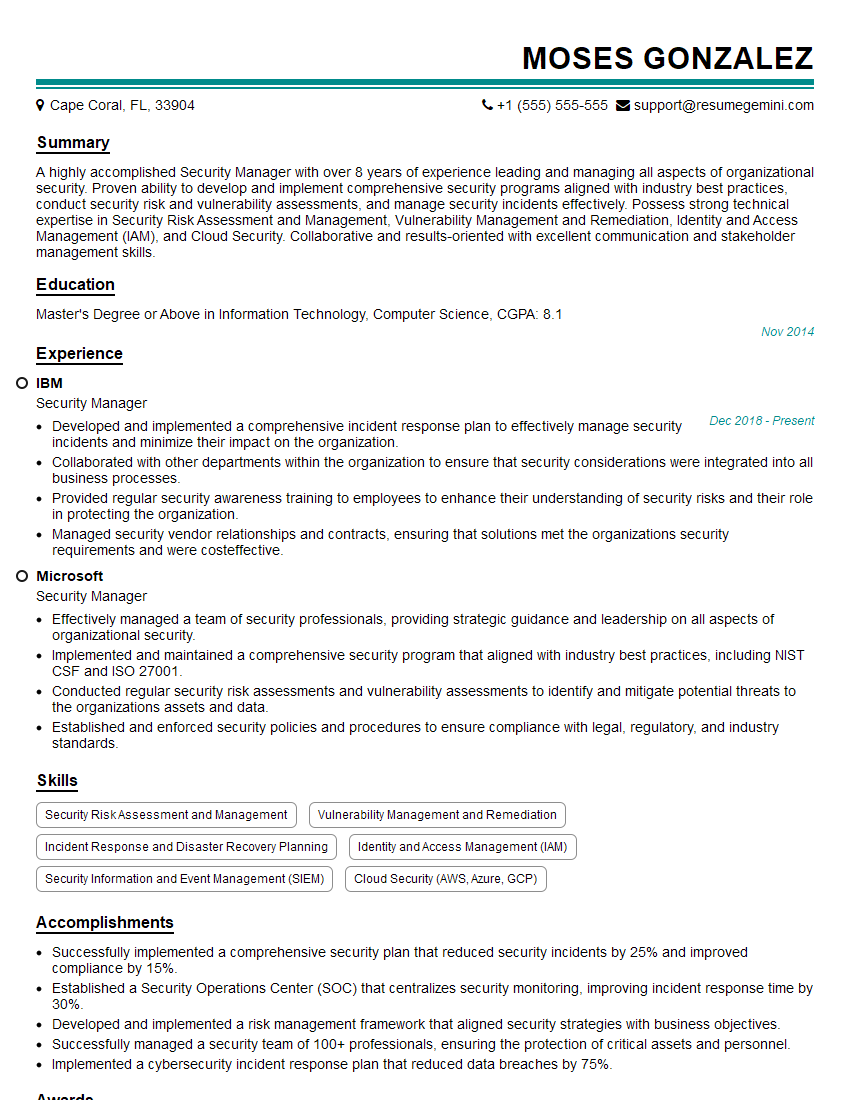
Security Manager Resume Sample
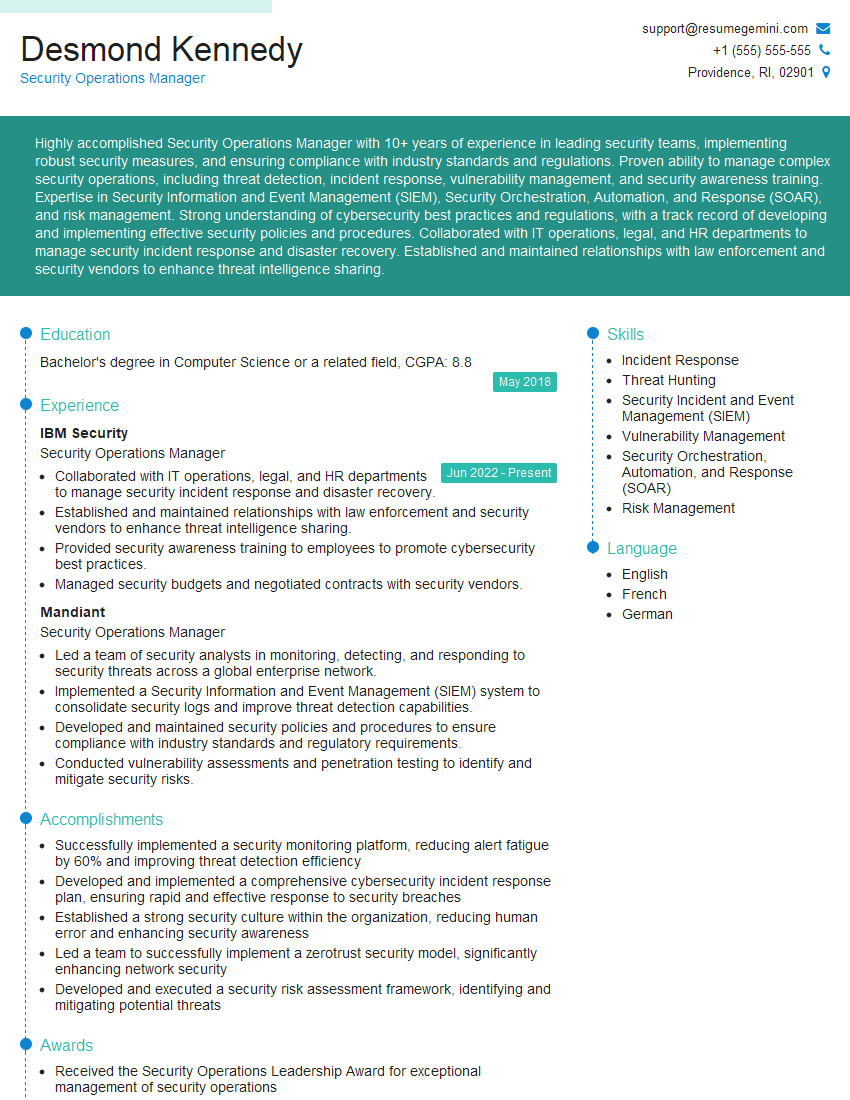
Security Operations Manager Resume Sample

Security Administrator Resume Sample
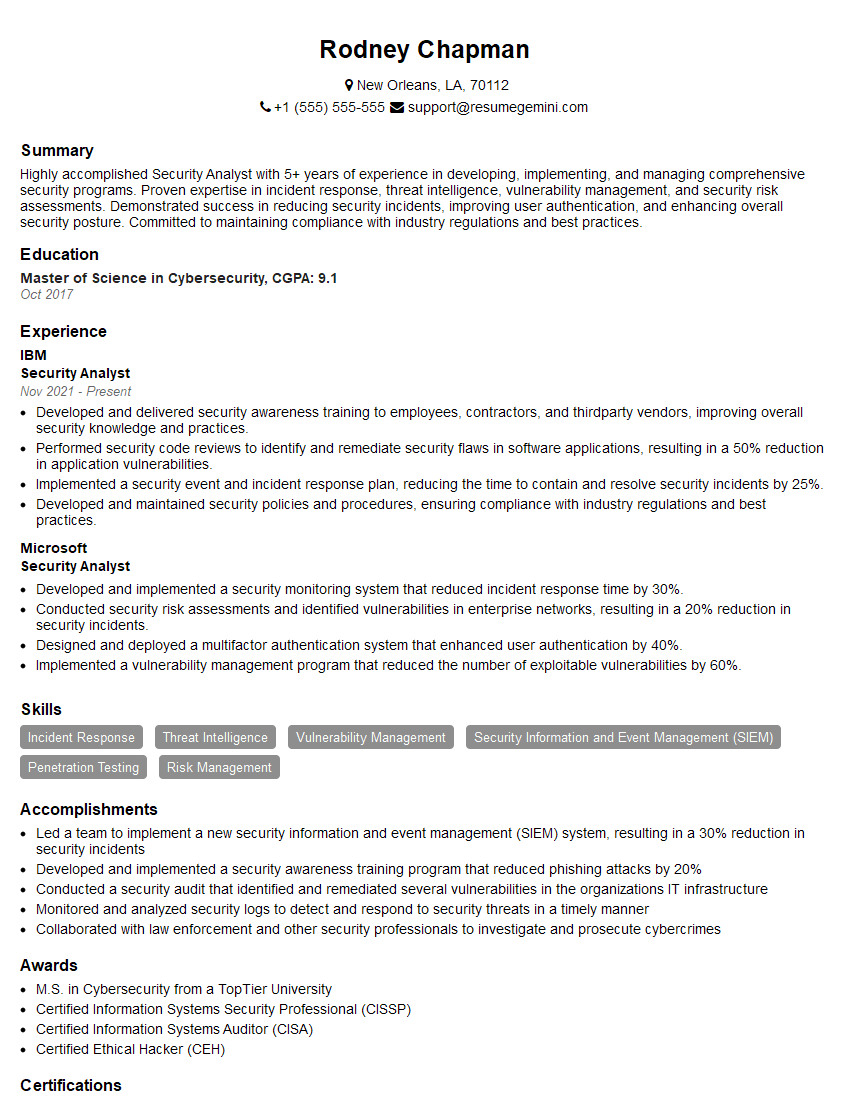
Security Analyst Resume Sample
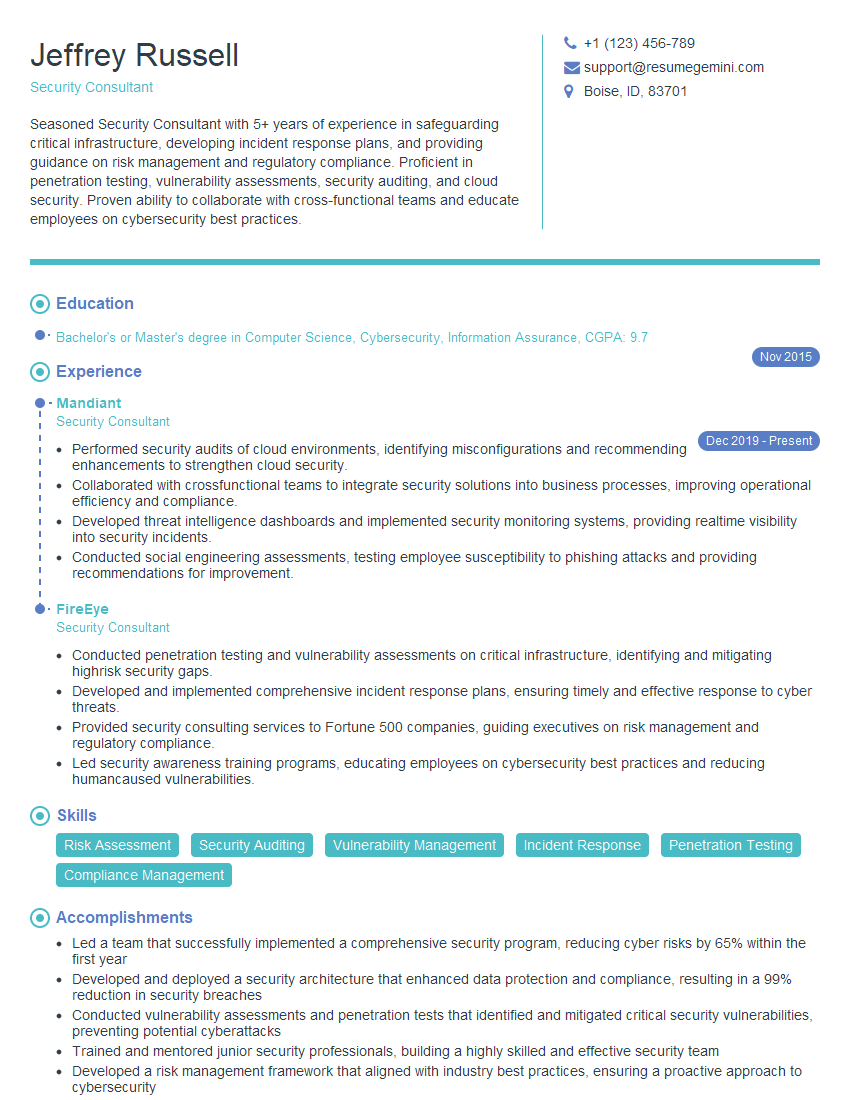
Security Consultant Resume Sample
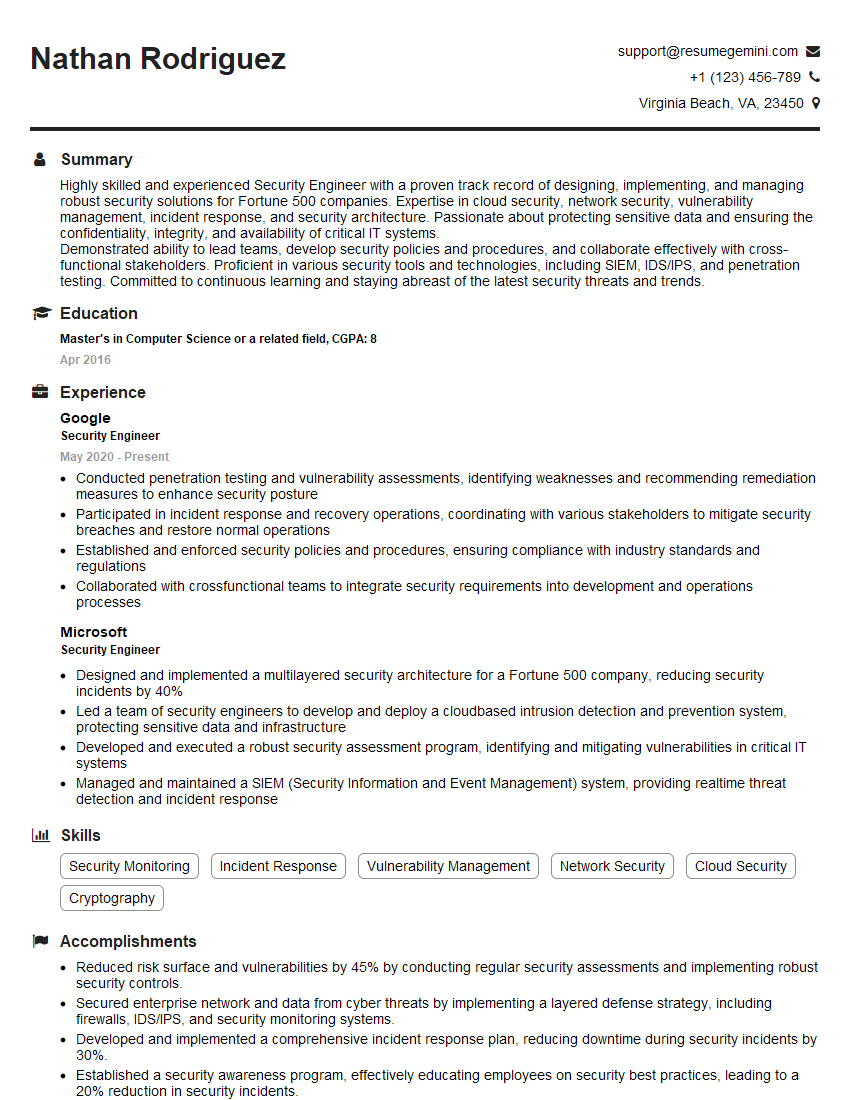
Security Engineer Resume Sample
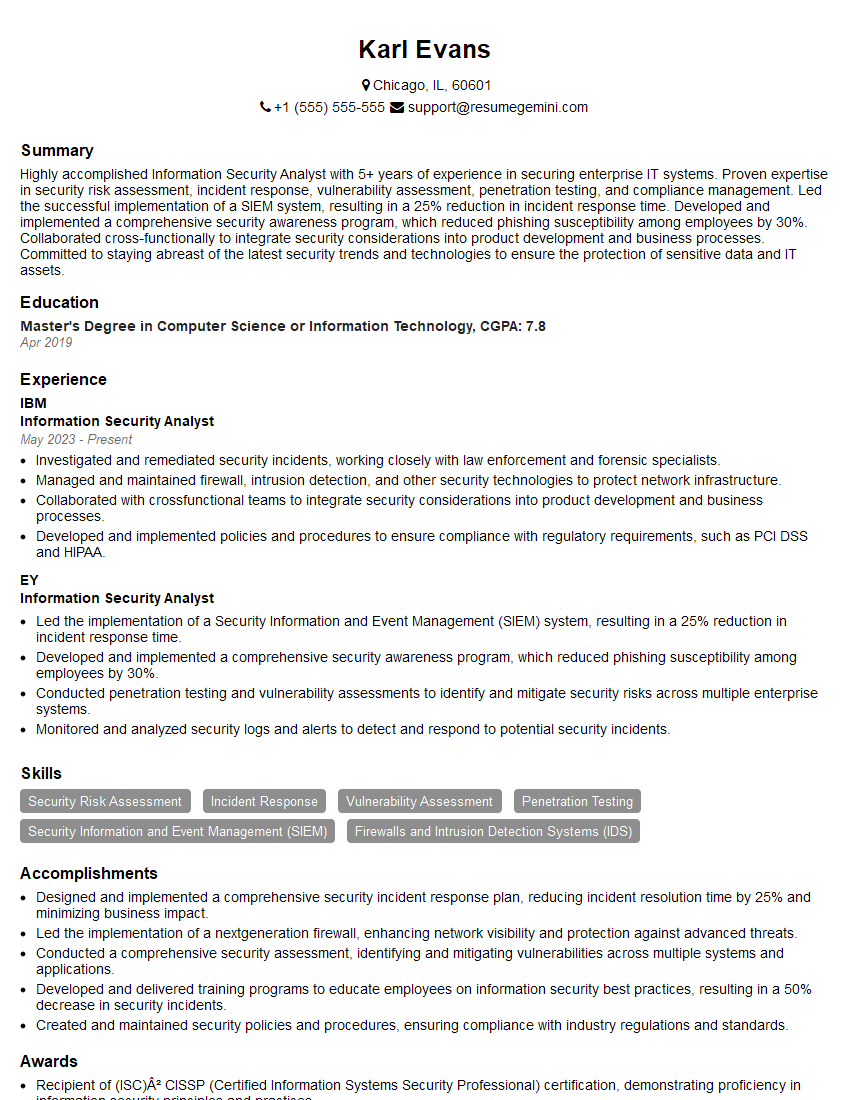
Information Security Analyst Resume Sample
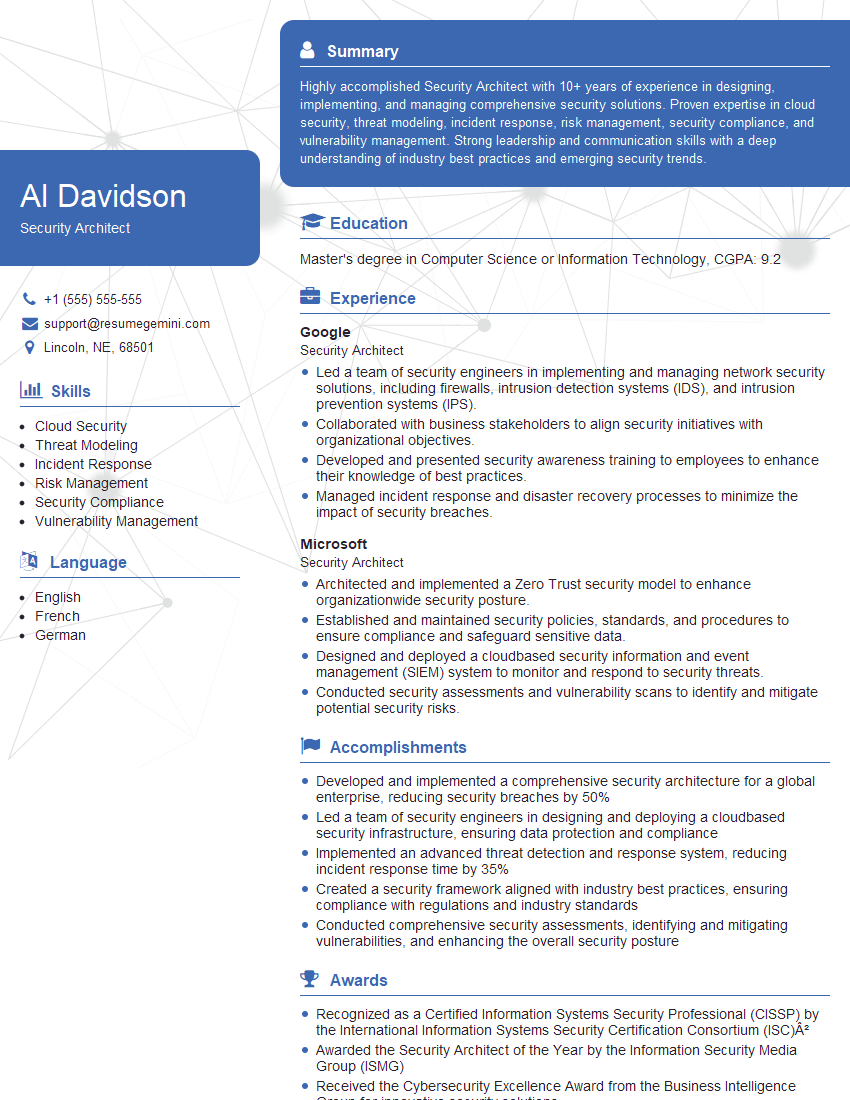
Security Architect Resume Sample
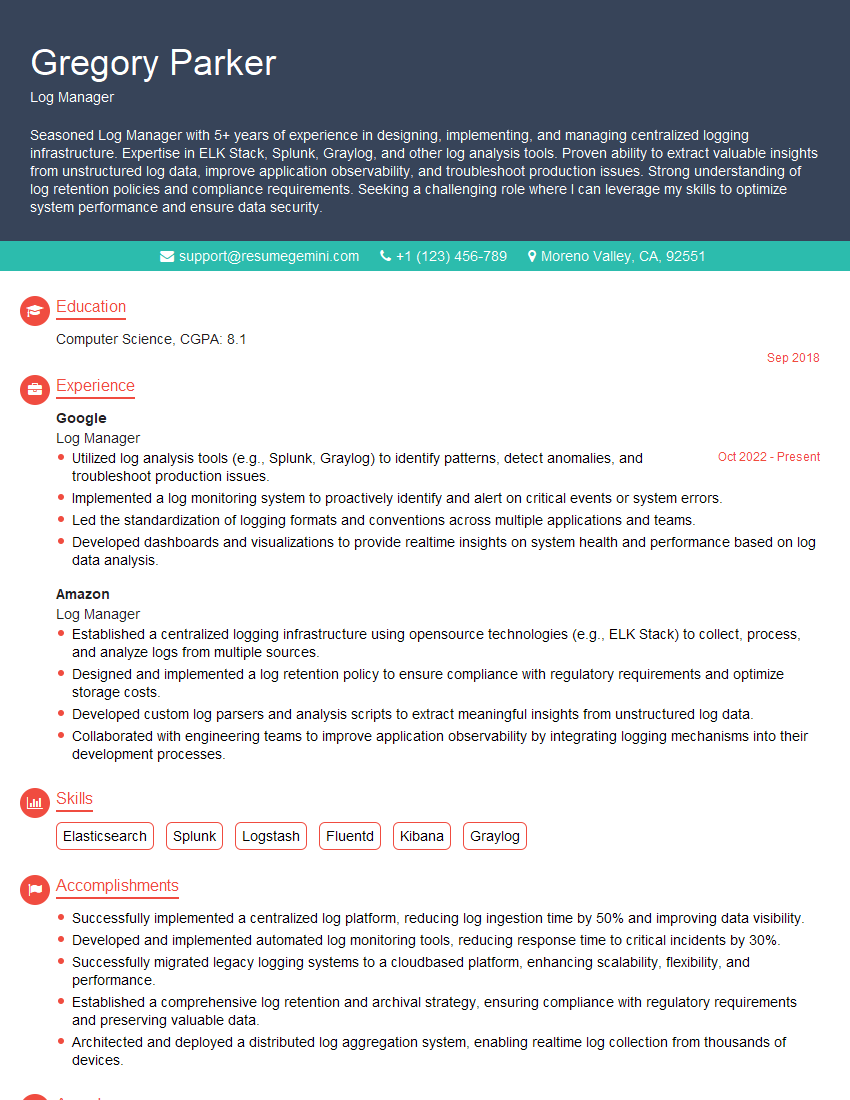
Log Manager Resume Sample
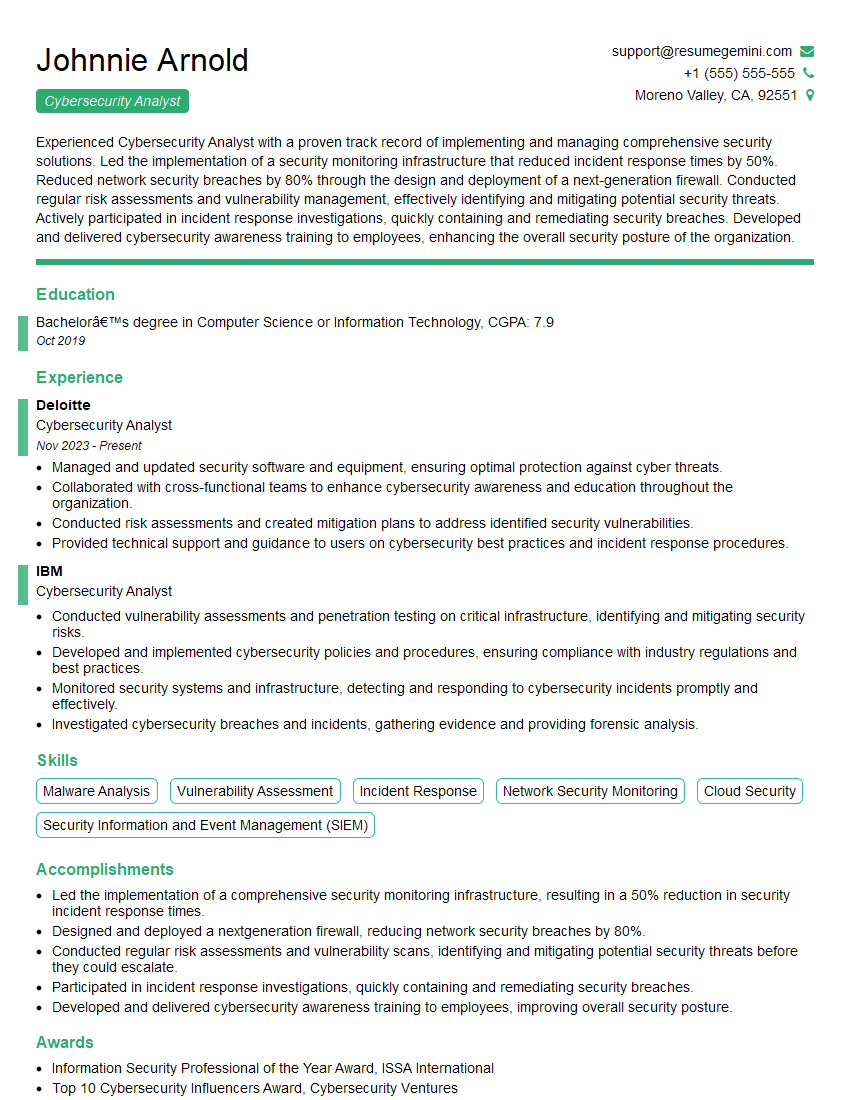
Cybersecurity Analyst Resume Sample
Explore more articles
Users Rating of Our Blogs
Share Your Experience
We value your feedback! Please rate our content and share your thoughts (optional).
What Readers Say About Our Blog
Attention music lovers!
Wow, All the best Sax Summer music !!!
Spotify: https://open.spotify.com/artist/6ShcdIT7rPVVaFEpgZQbUk
Apple Music: https://music.apple.com/fr/artist/jimmy-sax-black/1530501936
YouTube: https://music.youtube.com/browse/VLOLAK5uy_noClmC7abM6YpZsnySxRqt3LoalPf88No
Other Platforms and Free Downloads : https://fanlink.tv/jimmysaxblack
on google : https://www.google.com/search?q=22+AND+22+AND+22
on ChatGPT : https://chat.openai.com?q=who20jlJimmy20Black20Sax20Producer
Get back into the groove with Jimmy sax Black
Best regards,
Jimmy sax Black
www.jimmysaxblack.com
Hi I am a troller at The aquatic interview center and I suddenly went so fast in Roblox and it was gone when I reset.
Hi,
Business owners spend hours every week worrying about their website—or avoiding it because it feels overwhelming.
We’d like to take that off your plate:
$69/month. Everything handled.
Our team will:
Design a custom website—or completely overhaul your current one
Take care of hosting as an option
Handle edits and improvements—up to 60 minutes of work included every month
No setup fees, no annual commitments. Just a site that makes a strong first impression.
Find out if it’s right for you:
https://websolutionsgenius.com/awardwinningwebsites
Hello,
we currently offer a complimentary backlink and URL indexing test for search engine optimization professionals.
You can get complimentary indexing credits to test how link discovery works in practice.
No credit card is required and there is no recurring fee.
You can find details here:
https://wikipedia-backlinks.com/indexing/
Regards
NICE RESPONSE TO Q & A
hi
The aim of this message is regarding an unclaimed deposit of a deceased nationale that bears the same name as you. You are not relate to him as there are millions of people answering the names across around the world. But i will use my position to influence the release of the deposit to you for our mutual benefit.
Respond for full details and how to claim the deposit. This is 100% risk free. Send hello to my email id: lukachachibaialuka@gmail.com
Luka Chachibaialuka
Hey interviewgemini.com, just wanted to follow up on my last email.
We just launched Call the Monster, an parenting app that lets you summon friendly ‘monsters’ kids actually listen to.
We’re also running a giveaway for everyone who downloads the app. Since it’s brand new, there aren’t many users yet, which means you’ve got a much better chance of winning some great prizes.
You can check it out here: https://bit.ly/callamonsterapp
Or follow us on Instagram: https://www.instagram.com/callamonsterapp
Thanks,
Ryan
CEO – Call the Monster App
Hey interviewgemini.com, I saw your website and love your approach.
I just want this to look like spam email, but want to share something important to you. We just launched Call the Monster, a parenting app that lets you summon friendly ‘monsters’ kids actually listen to.
Parents are loving it for calming chaos before bedtime. Thought you might want to try it: https://bit.ly/callamonsterapp or just follow our fun monster lore on Instagram: https://www.instagram.com/callamonsterapp
Thanks,
Ryan
CEO – Call A Monster APP
To the interviewgemini.com Owner.
Dear interviewgemini.com Webmaster!
Hi interviewgemini.com Webmaster!
Dear interviewgemini.com Webmaster!
excellent
Hello,
We found issues with your domain’s email setup that may be sending your messages to spam or blocking them completely. InboxShield Mini shows you how to fix it in minutes — no tech skills required.
Scan your domain now for details: https://inboxshield-mini.com/
— Adam @ InboxShield Mini
support@inboxshield-mini.com
Reply STOP to unsubscribe
Hi, are you owner of interviewgemini.com? What if I told you I could help you find extra time in your schedule, reconnect with leads you didn’t even realize you missed, and bring in more “I want to work with you” conversations, without increasing your ad spend or hiring a full-time employee?
All with a flexible, budget-friendly service that could easily pay for itself. Sounds good?
Would it be nice to jump on a quick 10-minute call so I can show you exactly how we make this work?
Best,
Hapei
Marketing Director
Hey, I know you’re the owner of interviewgemini.com. I’ll be quick.
Fundraising for your business is tough and time-consuming. We make it easier by guaranteeing two private investor meetings each month, for six months. No demos, no pitch events – just direct introductions to active investors matched to your startup.
If youR17;re raising, this could help you build real momentum. Want me to send more info?
Hi, I represent an SEO company that specialises in getting you AI citations and higher rankings on Google. I’d like to offer you a 100% free SEO audit for your website. Would you be interested?
Hi, I represent an SEO company that specialises in getting you AI citations and higher rankings on Google. I’d like to offer you a 100% free SEO audit for your website. Would you be interested?