Cracking a skill-specific interview, like one for Self-Defense Training, requires understanding the nuances of the role. In this blog, we present the questions you’re most likely to encounter, along with insights into how to answer them effectively. Let’s ensure you’re ready to make a strong impression.
Questions Asked in Self-Defense Training Interview
Q 1. Explain the difference between a self-defense technique and a martial art.
While both self-defense techniques and martial arts involve physical skills, their core purposes differ significantly. Martial arts are comprehensive systems of combat, often with rich histories, philosophies, and competitive aspects. They encompass a wide range of techniques, strategies, and training methods, going far beyond just self-defense. Think of Karate, Judo, or Taekwondo – these are complex disciplines with years of training required to master.
Self-defense techniques, on the other hand, are focused solely on protecting oneself from immediate harm. They prioritize simple, effective methods that can be easily learned and applied in high-stress situations. These techniques often draw upon elements from various martial arts but are stripped down to their most essential and practical components for immediate use. Think of a simple, effective elbow strike to the face or a powerful block and escape maneuver. The emphasis is on practicality and immediate effectiveness, not years of dedicated training.
Q 2. Describe your experience teaching self-defense to diverse age groups.
I’ve had the privilege of teaching self-defense to a diverse range of individuals, from children as young as eight to adults in their sixties. Adapting my approach is crucial. With children, the focus is on building confidence, self-awareness, and basic safety skills through fun, engaging games and activities. We concentrate on verbal de-escalation, assertive body language, and simple escape techniques. For example, we use role-playing to practice saying “no” firmly and running away from unsafe situations.
Teaching adults often involves a more technical approach, incorporating more advanced techniques and self-defense strategies. I emphasize practical applications and realistic scenarios, incorporating discussions about situational awareness and risk assessment. I’ve found that adults appreciate a balance of physical drills and detailed explanations of the underlying principles. For instance, adults respond well to detailed explanations of the biomechanics of self-defense movements and the importance of leverage and proper body mechanics.
Regardless of age, I prioritize creating a safe and supportive learning environment. Clear communication, positive reinforcement, and individual attention are vital in helping everyone feel comfortable and confident in their ability to defend themselves.
Q 3. What are the legal limitations of self-defense?
The legal limitations of self-defense are complex and vary by jurisdiction, but some core principles generally apply. Proportionality is key; the force used in self-defense must be proportional to the threat faced. Using excessive force can lead to criminal charges, even if you were initially acting in self-defense. For example, using a deadly weapon to defend against a slap is disproportionate and potentially illegal.
Imminence is another critical aspect. Self-defense generally only applies to immediate threats. You cannot legally use force against someone who merely insulted you or threatened violence in the future. The threat must be immediate and credible.
Duty to retreat (where applicable) mandates that you attempt to retreat from a dangerous situation if it’s safe to do so before resorting to self-defense. This isn’t universally applicable, and certain jurisdictions have “stand your ground” laws. It’s crucial to be aware of the specific laws in your area.
Finally, the use of self-defense must be necessary. It should only be used as a last resort when other options, such as running away or calling for help, are not viable.
Disclaimer: This is not legal advice. Always consult with a legal professional to understand the specific self-defense laws in your area.
Q 4. How do you adapt your teaching style to different learning styles?
Different learning styles require different teaching approaches. I employ a multi-sensory approach, catering to visual, auditory, and kinesthetic learners. For visual learners, I use clear demonstrations, diagrams, and videos. Auditory learners benefit from detailed explanations and verbal instructions, while kinesthetic learners thrive through hands-on practice and repetition.
I break down complex techniques into smaller, manageable steps, providing frequent feedback and adapting my instruction based on individual needs. For example, for a student struggling with a specific grip, I might use a different analogy or physical cue until they find a comfortable method. I might also incorporate different training aids like resistance bands or focus mitts to provide tailored feedback and aid improvement.
Regular assessments and open communication ensure that I’m constantly adapting my style to meet the needs of each student. It’s about identifying what works best for each individual and tailoring the learning experience accordingly.
Q 5. What are the key principles of effective self-defense?
Effective self-defense relies on several key principles:
- Awareness: Maintaining situational awareness is crucial. Being aware of your surroundings and potential threats can help you avoid dangerous situations altogether.
- Prevention: Proactive strategies like avoiding risky areas and situations, and trusting your intuition, are vital. This is the most effective self-defense.
- De-escalation: Attempting to de-escalate a tense situation through calm communication and assertive body language is often the best approach.
- Escape: If confrontation is unavoidable, escaping is often the best option. Prioritizing your safety and distance from the threat is critical.
- Simple, Effective Techniques: Self-defense techniques should be easy to learn, remember, and apply under pressure. Focus on practicality and effectiveness over flashy moves.
- Physical Fitness: Maintaining a good level of fitness improves your ability to react quickly and effectively in a self-defense situation.
- Legal Considerations: Understanding the legal implications of self-defense is essential. Remember proportionality and the duty to retreat (if applicable).
Q 6. Describe your approach to risk assessment in a self-defense scenario.
My approach to risk assessment involves a systematic evaluation of the situation. I encourage students to consider several factors:
- The environment: Is the area well-lit? Are there potential escape routes? Are there other people around?
- The assailant: How many assailants are there? What are their physical characteristics and potential weapons? What is their behavior like?
- Your own capabilities: What are your own physical and mental capabilities? Are you carrying any self-defense tools?
Based on this assessment, I guide students to make informed decisions about whether to engage, escape, or seek help. A thorough risk assessment allows for a more measured response, increasing the chances of resolving the situation safely.
For example, if someone is confronted by a single, unarmed individual in a well-lit, public area with multiple escape routes, their risk assessment might be lower compared to someone confronted by multiple assailants at night in an isolated area.
Q 7. How do you handle a situation where a student is struggling to grasp a technique?
When a student struggles with a technique, my approach is patient, understanding, and multifaceted. First, I identify the specific area of difficulty. Is it a problem with grip, body mechanics, timing, or understanding the overall concept?
I might then break the technique down into even smaller, simpler components. I’ll use different teaching methods—verbal cues, physical adjustments, demonstrations from multiple angles, or even analogies to explain the movement. For instance, if the issue is with timing, I might use a visual cue like clapping to help the student synchronize their movements.
I also incorporate positive reinforcement and build the student’s confidence. Success builds confidence, so I focus on what they are doing well and celebrate small victories. If needed, I’ll suggest alternative techniques that might be easier to learn and achieve the same goal.
If the difficulty persists, I might adjust the training environment, use different training aids, or involve other instructors to provide a fresh perspective. The goal is to provide a customized learning experience that ultimately helps the student succeed.
Q 8. Explain the importance of de-escalation in self-defense situations.
De-escalation is paramount in self-defense. It’s about avoiding physical confrontation whenever possible by managing the situation strategically. It’s not about being passive, but about using assertive communication and awareness to diffuse potentially violent encounters.
For example, maintaining a calm demeanor, speaking clearly and respectfully (even if the other person isn’t), and avoiding aggressive body language can significantly reduce the risk of escalating a situation. If someone is aggressively approaching you, maintaining a non-threatening posture while verbally de-escalating may give you time to escape or get help. Understanding body language is crucial here; recognizing signs of aggression allows you to proactively de-escalate before things turn physical.
Consider this scenario: Imagine you’re walking home at night and someone starts shouting obscenities at you. Instead of reacting defensively, you could try saying something like, “I understand you’re upset, but I need to get home. I’m not going to engage.” This demonstrates assertive communication while avoiding a conflict.
Q 9. What safety precautions do you emphasize in your classes?
Safety is my top priority. My classes emphasize several key precautions:
- Proper warm-up and cool-down: This prevents injuries from sudden exertion.
- Controlled environments: Training takes place in spacious, well-lit areas to minimize risks.
- Appropriate protective gear: Depending on the training, this might include headgear, gloves, mouthguards, or protective cups.
- Partner drills with clear communication: Students are taught to communicate their capabilities and limitations during partner drills to prevent accidental injury.
- Respectful training etiquette: Students learn the importance of maintaining control, listening to instructors, and respecting their training partners’ physical and emotional boundaries.
- Emergency procedures: We regularly review emergency procedures, including how to handle injuries and contact emergency services.
These precautions create a safe and productive training environment where students can develop their skills without unnecessary risk.
Q 10. How do you ensure the safety of both instructors and students during training?
Ensuring safety for both instructors and students requires a multi-faceted approach. It starts with thorough instructor training, ensuring they’re proficient not only in self-defense techniques but also in risk management and injury prevention. This includes understanding how to spot potential hazards during training and how to react appropriately.
For example, instructors are trained to observe students closely during drills and provide immediate feedback and corrections to maintain correct technique and prevent accidents. We also incorporate regular safety briefings and open dialogue about concerns. Students are encouraged to speak up if they feel uncomfortable or unsafe at any point during training. A culture of mutual respect and open communication is critical.
Finally, maintaining a clean and well-maintained training space is essential to minimize the risk of slips, trips, and falls.
Q 11. Describe your experience developing and implementing a self-defense curriculum.
I’ve developed a self-defense curriculum that’s built on a foundation of realistic scenarios and practical techniques. It progresses from basic self-awareness and de-escalation strategies to more advanced defensive maneuvers. The curriculum emphasizes situational awareness, risk assessment, and effective escape strategies alongside physical techniques.
The curriculum includes:
- Awareness training: Identifying potential threats and avoiding dangerous situations.
- De-escalation techniques: Verbal and non-verbal strategies to diffuse confrontations.
- Basic self-defense moves: Simple yet effective techniques for escaping holds and delivering strikes.
- Ground defense: Strategies for escaping dangerous ground situations.
- Weapon defense (if applicable): Techniques for defending against common weapons.
- Legal considerations: Understanding the legal aspects of self-defense.
I continually refine this curriculum based on feedback from students, advancements in self-defense techniques, and evolving legal considerations.
Q 12. What are some common misconceptions about self-defense?
Several misconceptions surround self-defense. One is the belief that learning a few fancy moves will make you invincible. Self-defense is not about brute strength or martial arts prowess; it’s about awareness, avoidance, and using the most effective technique for a given situation. It also requires physical and mental preparedness.
Another misconception is the idea that self-defense is only about physical techniques. It’s equally about maintaining situational awareness, recognizing potential threats, and utilizing de-escalation strategies to avoid physical confrontation whenever possible. Verbal assertiveness, creating distance, and knowing when to flee are crucial aspects often overlooked. Finally, many believe self-defense is only for women. Self-defense training is beneficial for everyone, regardless of gender, age, or physical capabilities.
Q 13. How do you assess a student’s progress and adjust training accordingly?
I assess student progress through a combination of observation, practical drills, and regular feedback sessions. During training, I observe their technique, speed, power, and accuracy. We also conduct regular drills to assess their ability to apply techniques under pressure and in simulated real-world scenarios. Feedback sessions involve verbal and written evaluations, which allows both student and instructor to discuss strengths and areas for improvement.
Based on this assessment, I adjust training by focusing on specific weaknesses. For example, a student struggling with balance might receive extra drills focusing on footwork and stability. Students who show proficiency in basic techniques will move on to more advanced skills. This personalized approach ensures every student receives the training they need.
Q 14. How do you address fear and anxiety in students?
Fear and anxiety are common, especially during initial self-defense training. I address these emotions by fostering a supportive and encouraging environment. I emphasize that self-defense training is a journey, not a race. I also incorporate mindfulness and breathing exercises to help manage stress. We start with basic techniques and gradually increase the intensity of the training as students gain confidence.
Open communication is essential. I encourage students to share their concerns and anxieties, and I provide individualized support and strategies to overcome these feelings. Successes, however small, are celebrated to help boost confidence and motivation. By focusing on building self-efficacy through achievable steps and consistent practice, students gradually overcome their fear and anxiety and develop greater confidence in their ability to protect themselves.
Q 15. What are your preferred self-defense techniques and why?
My preferred self-defense techniques prioritize practicality and effectiveness, focusing on proven methods that are easily learned and adaptable to various situations. I favor a blended approach incorporating elements from several martial arts. For example, I strongly advocate for techniques based on Krav Maga’s emphasis on real-world self-defense, utilizing instinctive movements and incorporating both striking and grappling. Its focus on neutralizing threats quickly is crucial. I also integrate elements of Judo for ground defense and throws, offering control and the ability to create distance from an attacker. Finally, I incorporate aspects of Wing Chun for its close-quarters combat effectiveness and its focus on utilizing an attacker’s force against them. This blended approach provides a well-rounded skill set capable of addressing a wide range of threats. The key is not just learning the techniques but understanding the principles behind them – distance management, awareness, and de-escalation – which are equally, if not more important.
Career Expert Tips:
- Ace those interviews! Prepare effectively by reviewing the Top 50 Most Common Interview Questions on ResumeGemini.
- Navigate your job search with confidence! Explore a wide range of Career Tips on ResumeGemini. Learn about common challenges and recommendations to overcome them.
- Craft the perfect resume! Master the Art of Resume Writing with ResumeGemini’s guide. Showcase your unique qualifications and achievements effectively.
- Don’t miss out on holiday savings! Build your dream resume with ResumeGemini’s ATS optimized templates.
Q 16. How do you maintain your own skills and knowledge in self-defense?
Maintaining proficiency requires continuous effort. This involves regular personal training – I dedicate several hours a week to practicing techniques, sparring (with appropriate safety measures), and working on physical conditioning. Further, I actively engage in professional development by attending workshops, seminars, and conferences led by leading self-defense experts. This keeps my knowledge current with the latest research and best practices in self-defense techniques and methodologies. I also regularly review and refine my instructional materials, ensuring that what I teach remains both relevant and safe. Staying updated on legal aspects related to self-defense in my jurisdiction is also crucial. Finally, critical self-reflection on my own training and teaching helps me identify areas needing improvement and ensures I’m constantly evolving as an instructor.
Q 17. Describe a challenging situation you faced as a self-defense instructor and how you resolved it.
One challenging situation involved a student who experienced a significant trauma related to physical violence. This deeply affected their ability to participate fully in class and even triggered anxiety attacks. My initial approach was to create a safe and supportive environment, providing reassurance and understanding. I adjusted the class structure to allow more individual attention, focusing on techniques that were both effective and less physically demanding. I also worked closely with them to develop coping mechanisms for anxiety related to the training. Open communication was key; I actively listened to their concerns and tailored my approach to their specific needs and progress. Instead of pushing them beyond their comfort zone, we focused on building confidence and control, moving at their pace. Eventually, with patience and a strong student-instructor bond, they overcame their initial challenges and successfully completed the course. This experience reinforced the importance of empathy, adaptability, and a focus on individual needs in self-defense training.
Q 18. How do you promote a positive and supportive learning environment?
Building a positive and supportive learning environment is paramount. I achieve this through several strategies: First, I foster open communication – creating a space where students feel comfortable asking questions and sharing concerns without fear of judgment. Second, I emphasize respect and mutual support among students. Group work and partner exercises encourage collaboration and a sense of shared learning. Third, I maintain a balance between challenge and encouragement. While the training is demanding, I celebrate successes and acknowledge individual progress. Fourth, I incorporate elements of fun and engagement into the lessons. This helps to reduce anxiety and build confidence. This positive atmosphere builds trust and motivates students to persevere, even when facing difficulties.
Q 19. Explain the importance of physical fitness in self-defense training.
Physical fitness is fundamental to effective self-defense. It directly impacts your ability to perform techniques correctly, evade attacks, and endure stressful situations. Strength, endurance, flexibility, and agility are all essential components. Sufficient strength allows for powerful strikes and grappling, while endurance ensures you can sustain effort during a physical altercation. Flexibility and agility are crucial for avoiding attacks and maintaining balance. Proper physical fitness not only enhances your technique but also improves your reaction time, coordination, and overall confidence, which are vital aspects of self-defense. Ignoring physical fitness is neglecting a fundamental building block of self-defense competency.
Q 20. What are the ethical considerations involved in teaching self-defense?
Ethical considerations are central to teaching self-defense. Primarily, it’s crucial to emphasize that self-defense is about protecting oneself and others from imminent harm, not aggression or retaliation. I teach students to prioritize de-escalation, avoidance, and self-preservation. The focus is on proportionate responses – using only the necessary force to neutralize a threat. It is also essential to avoid promoting harmful stereotypes or biases in my teaching. Further, I maintain a strict code of conduct in my classes, ensuring safety for all students. This includes clear guidelines for appropriate behavior, respect for physical boundaries, and a zero-tolerance policy for harassment or discrimination. Maintaining professional boundaries and transparency about limitations is also important – acknowledging that self-defense is not a guarantee against injury.
Q 21. How do you handle difficult or disruptive students?
Handling disruptive students requires a calm, consistent, and professional approach. First, I attempt to understand the root cause of the disruption. Is it due to frustration, lack of understanding, personal issues, or something else? Open communication and empathetic listening are key. Addressing the issue directly and respectfully, but firmly, is crucial. If the behavior continues despite intervention, I may need to implement consequences, such as temporarily suspending participation or having a conversation with the student outside of class. In extreme cases, it may be necessary to recommend the student seek additional support or remove them from the class, prioritizing the safety and well-being of all students. This process should always be documented and in accordance with established policies and procedures.
Q 22. Describe your experience with different self-defense systems.
My journey in self-defense training spans over 15 years, encompassing a diverse range of systems. I began with traditional martial arts, specifically Kyokushin Karate, focusing on its powerful striking and conditioning aspects. This provided a strong foundation in body mechanics and discipline. I then broadened my expertise to include Krav Maga, appreciating its practical, self-defense-oriented approach, emphasizing realistic scenarios and efficient techniques. My training also includes elements of Brazilian Jiu-Jitsu, highlighting grappling and ground fighting techniques crucial for close-quarters combat. Finally, I’ve incorporated Filipino Martial Arts (FMA) techniques, learning stick fighting and blade work for advanced self-defense scenarios. Each system offers unique strengths, and my approach integrates the most effective elements from each to create a comprehensive and adaptable self-defense curriculum.
Q 23. How do you incorporate situational awareness into your teaching?
Situational awareness is the cornerstone of effective self-defense. It’s not just about physical techniques; it’s about proactive risk avoidance. I integrate it into my teaching through practical exercises and simulations. For instance, we practice walking through crowded areas, identifying potential threats and escape routes. Students learn to recognize body language cues that might signal aggression or danger – things like tense posture, sudden movements, or avoiding eye contact. We also discuss environmental awareness – understanding your surroundings, identifying potential weapons, and selecting safer paths. Role-playing scenarios help students practice making quick decisions under pressure, incorporating the ‘Observe, Orient, Decide, Act’ (OODA) loop methodology. This holistic approach ensures students are not only physically prepared but also mentally equipped to avoid conflict and stay safe.
Q 24. What are some common injuries associated with self-defense training and how do you prevent them?
Common injuries in self-defense training include sprains, strains, bruises, and even fractures. Prevention is paramount. We emphasize proper warm-up and cool-down routines, focusing on dynamic stretches to prepare the body for exertion and static stretches to improve flexibility and reduce muscle soreness. Correct technique is crucial; incorrect form increases the risk of injury. I meticulously teach each technique, correcting student form to ensure safety and efficiency. Progressive overload is key – gradually increasing intensity and difficulty to avoid sudden strains. We also prioritize proper conditioning, building strength and endurance to minimize injury risk. Crucially, we encourage students to listen to their bodies and rest when needed, preventing overtraining injuries.
Q 25. How do you measure the effectiveness of your self-defense training program?
Measuring the effectiveness of my self-defense program involves a multifaceted approach. First, we assess student progress through regular practical tests and evaluations, focusing on technique proficiency, reaction time, and decision-making under pressure. Secondly, I incorporate feedback mechanisms such as student surveys and interviews to gauge their confidence levels, understanding of concepts, and overall satisfaction. Thirdly, we track injury rates to assess the safety and effectiveness of our training methodologies. Finally, and most importantly, we aim to create a safe and supportive learning environment where students feel confident in their abilities to handle real-world self-defense scenarios. While quantifiable metrics are useful, the ultimate measure of success is whether my students feel empowered and prepared to protect themselves.
Q 26. What are your professional development goals related to self-defense instruction?
My professional development goals center on continuous learning and refinement of my teaching methods. I plan to pursue advanced certifications in specific areas like tactical medicine and firearms safety to enhance my students’ overall preparedness. I also aim to expand my knowledge of diverse self-defense systems, incorporating new techniques and strategies into my curriculum. Furthermore, I want to conduct research on effective teaching methodologies and create new training materials that cater to diverse learning styles. Finally, I aspire to contribute to the broader self-defense community by presenting at conferences and sharing my knowledge and experience through publications and workshops.
Q 27. Describe your experience working with law enforcement or security professionals.
I’ve had the privilege of working with several law enforcement and security professionals, conducting specialized self-defense training programs tailored to their specific needs. This has involved designing and delivering courses on defensive tactics, close-quarters combat, and weapon retention techniques. Collaborating with these professionals has provided invaluable insights into real-world scenarios and the challenges faced by those in high-risk environments. Their feedback has been instrumental in shaping my teaching methods and ensuring the relevance and practicality of my curriculum. The experience has also reinforced the importance of adapting training to diverse skill levels and ensuring that students develop a deep understanding of legal implications surrounding the use of force.
Q 28. What are your thoughts on the use of weapons in self-defense?
The use of weapons in self-defense is a complex issue requiring careful consideration. My approach emphasizes responsible gun ownership and safe handling practices for those who choose to carry a firearm. It’s crucial to understand the legal ramifications and ethical responsibilities associated with using lethal force. However, I also recognize that for many individuals, using a weapon might not be a viable or desirable option. Therefore, my program focuses on developing comprehensive self-defense skills, including unarmed techniques, so that individuals have a range of options available to them depending on the circumstances. The decision to use a weapon should be a last resort, made only when faced with an imminent threat of serious injury or death. Proper training, legal understanding, and responsible decision-making are paramount.
Key Topics to Learn for Self-Defense Training Interview
- Risk Assessment and Threat Identification: Understanding situational awareness, recognizing potential threats, and developing strategies for avoidance and de-escalation.
- Self-Defense Techniques: Mastering basic striking, grappling, and defensive movements. Practical application includes demonstrating proper form and explaining the rationale behind each technique.
- Legal and Ethical Considerations: Understanding the legal ramifications of self-defense, the use of force continuum, and the importance of proportionality in response.
- Physical Fitness and Conditioning: Explaining the importance of maintaining physical fitness for effective self-defense and demonstrating an understanding of relevant training regimes.
- Instructional Methods and Pedagogy: Articulating different teaching methodologies, adapting instruction to various learning styles, and creating safe and effective training environments.
- Safety Procedures and Risk Management: Demonstrating knowledge of safety protocols, injury prevention, and emergency response procedures within a training context.
- Curriculum Development and Lesson Planning: Outlining the process of developing a structured and progressive self-defense curriculum, including lesson planning and assessment strategies.
- Student Management and Communication: Describing effective strategies for managing diverse groups of students, fostering positive learning environments, and communicating effectively with students and parents (if applicable).
Next Steps
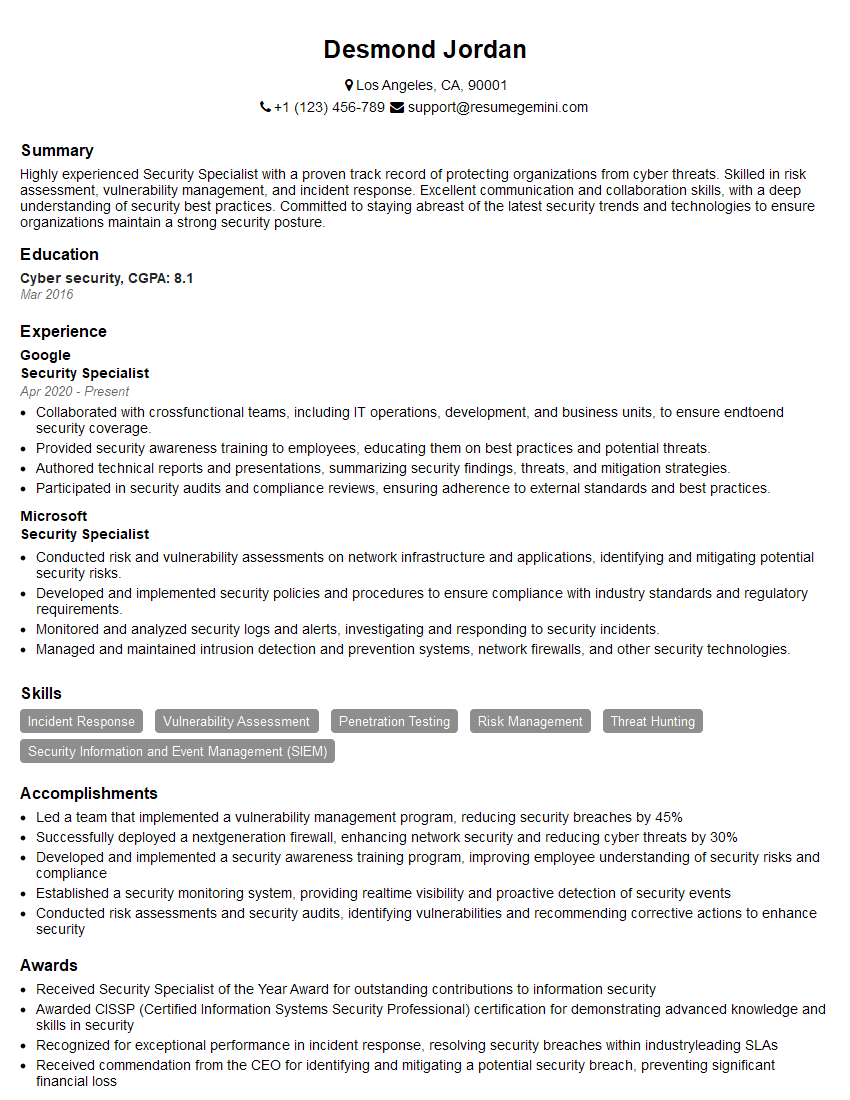
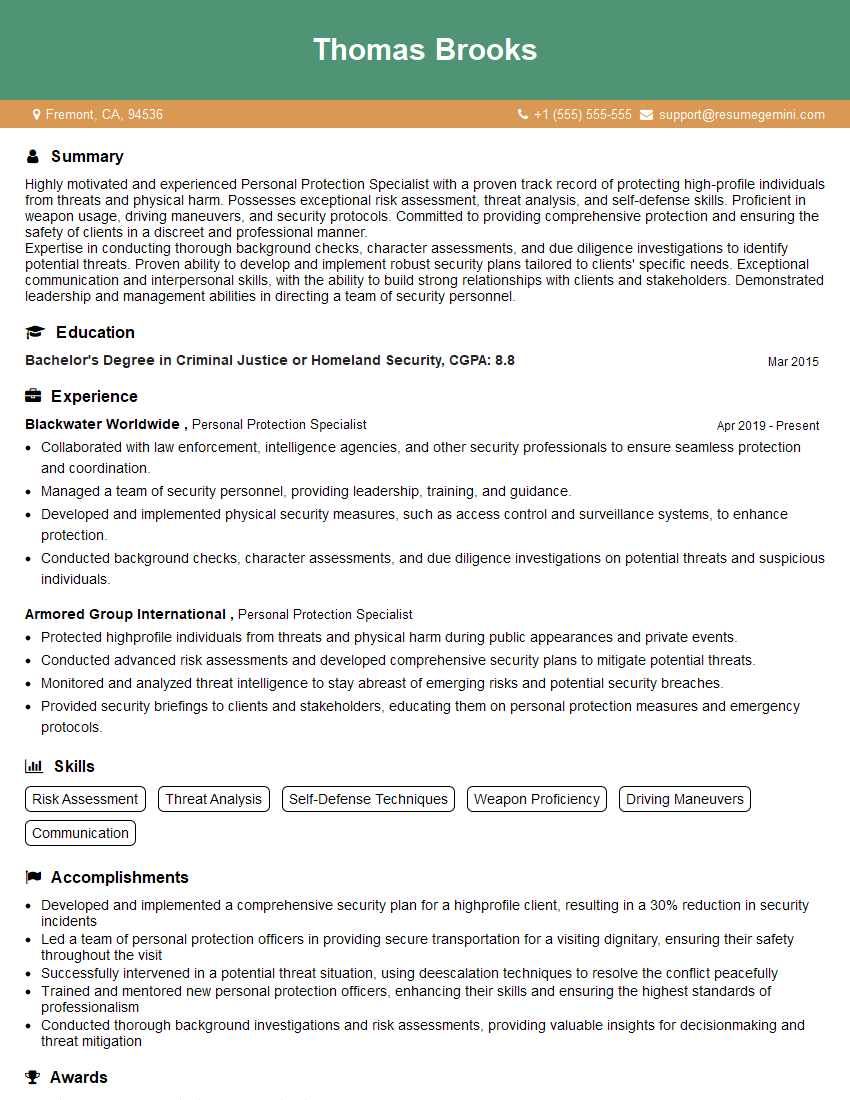
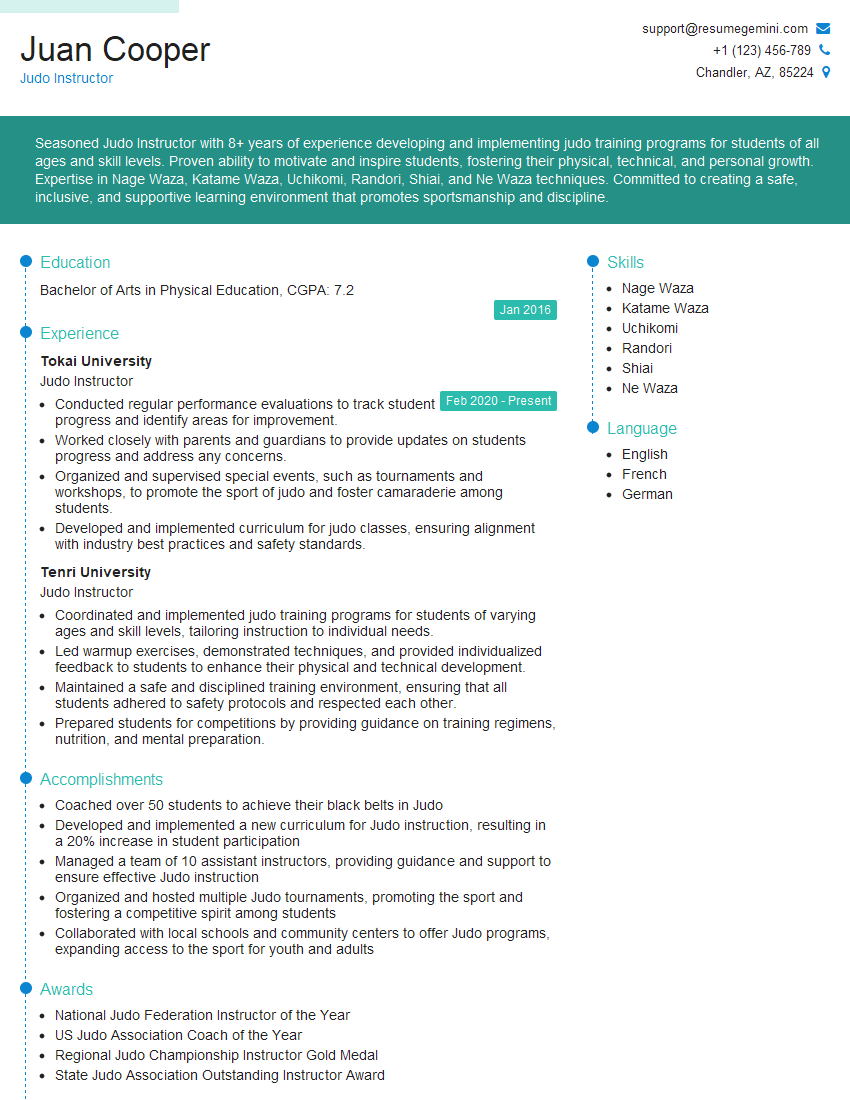
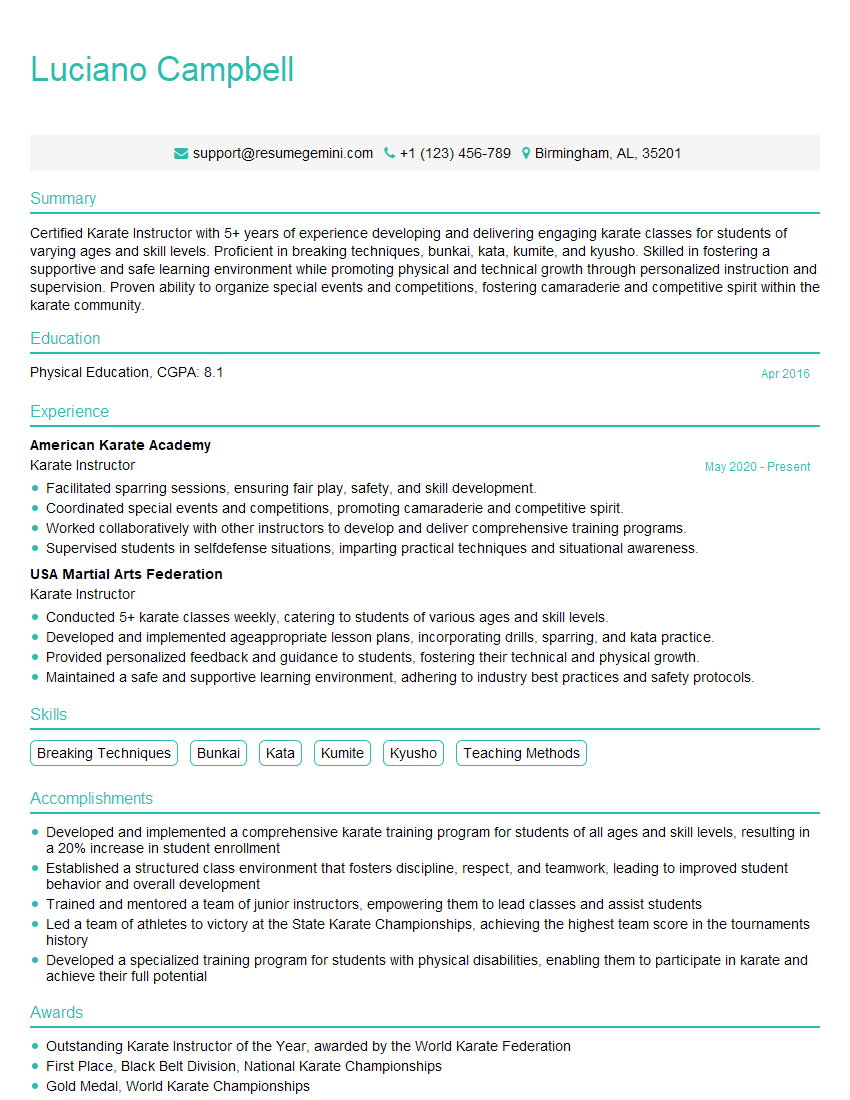
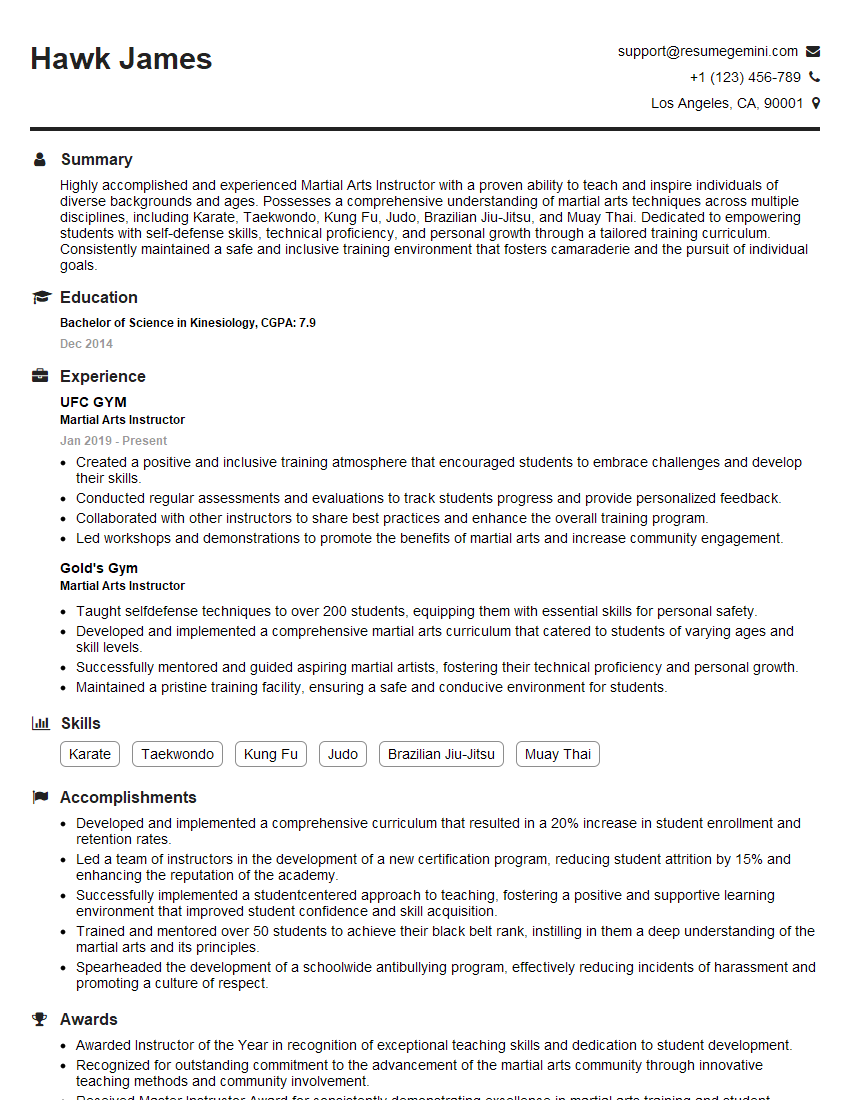
Mastering Self-Defense Training opens doors to rewarding careers emphasizing safety, empowerment, and community well-being. To maximize your job prospects, creating a strong, ATS-friendly resume is crucial. ResumeGemini is a trusted resource to help you build a professional resume that highlights your skills and experience effectively. We provide examples of resumes tailored to the Self-Defense Training field to help you showcase your unique qualifications and land your dream job. Take the next step towards your successful career today!
Explore more articles
Users Rating of Our Blogs
Share Your Experience
We value your feedback! Please rate our content and share your thoughts (optional).
What Readers Say About Our Blog
Very informative content, great job.
good