The right preparation can turn an interview into an opportunity to showcase your expertise. This guide to Servant Leadership interview questions is your ultimate resource, providing key insights and tips to help you ace your responses and stand out as a top candidate.
Questions Asked in Servant Leadership Interview
Q 1. Describe a situation where you prioritized the needs of your team over your own.
Servant leadership prioritizes the needs of others, especially those on your team. A situation where I prioritized my team’s needs over my own involved a critical project deadline looming. My team was exhausted from long hours and several setbacks, and I was personally feeling the pressure too. Instead of pushing them further, I recognized their burnout and took a step back.
I reshuffled tasks, delegating some of my responsibilities to capable team members and focusing on providing support and coaching. I also secured additional resources – like an extra pair of hands from another department – to alleviate their workload. While it meant I had less direct control and potentially longer personal hours, my team’s well-being and project success were paramount. The result was a successfully completed project, a boosted team morale, and a strengthening of our collaborative relationships. This showed the team that their well-being was a priority, ultimately leading to greater productivity and commitment in the long run.
Q 2. How do you empower team members to take ownership of their work?
Empowering team members involves fostering a sense of ownership and responsibility. It’s not just about delegating tasks; it’s about providing the autonomy, resources, and support they need to succeed.
- Clearly defined roles and responsibilities: Each team member understands their contributions and their impact on the larger goal. I use tools like RACI matrices (Responsible, Accountable, Consulted, Informed) to ensure clarity.
- Delegation with trust: I delegate tasks based on individual strengths and allow team members the space to execute their work without micromanagement. I provide guidance but resist the urge to take over.
- Providing resources and support: This includes access to training, tools, information, and mentorship. I create a safe environment where asking for help is encouraged.
- Celebrating successes and learning from failures: Openly acknowledging achievements boosts confidence and encourages risk-taking. Failures are viewed as learning opportunities, and I provide constructive feedback to help team members grow.
For example, when assigning a new project module, I wouldn’t just dictate the specifics. I would collaboratively brainstorm ideas, allow the team member to choose their approach, provide necessary training or resources, and check in regularly to provide support and address roadblocks. This approach cultivates ownership and self-reliance.
Q 3. Explain your approach to conflict resolution within a team.
Conflict is inevitable, but how it’s handled shapes team dynamics. My approach is collaborative and focuses on finding mutually beneficial solutions.
- Active listening: I ensure everyone feels heard and understood before attempting to resolve the conflict.
- Neutral facilitation: I act as a mediator, focusing on the issue at hand rather than taking sides.
- Identifying root causes: We work together to understand the underlying issues driving the conflict.
- Collaborative solutions: We brainstorm solutions that address everyone’s concerns and needs.
- Follow-up and accountability: We establish clear agreements and follow up to ensure the agreed upon solutions are implemented.
Imagine two team members disagreeing on the best approach to a design task. Instead of imposing a solution, I would facilitate a discussion, encouraging both to clearly explain their perspectives. We would then collaboratively evaluate the pros and cons of each approach, potentially finding a hybrid solution that incorporates the best aspects of both. Following this, I’d help them document the agreed-upon process and ensure both understand their roles.
Q 4. How do you identify and address the development needs of individual team members?
Identifying and addressing development needs is continuous. It involves regular check-ins, performance reviews, and observing team members in action.
- Regular one-on-ones: These provide opportunities for informal feedback and identifying skill gaps or areas for improvement.
- 360-degree feedback: Gathering feedback from peers, supervisors, and subordinates offers a holistic view of an individual’s performance and strengths/weaknesses.
- Performance reviews: Formal assessments provide a structured opportunity to discuss progress, identify training needs, and set goals.
- Observation and mentoring: Directly observing team members in their work provides valuable insights and opportunities for on-the-job coaching.
- Skill assessments and training: Identifying specific skill gaps allows for targeted training and development opportunities.
For example, if I notice a team member struggling with data analysis, I would arrange for them to participate in a relevant training course or pair them with a colleague who excels in this area for mentorship. This individualized approach ensures we address the specific needs of each team member.
Q 5. Give an example of a time you delegated effectively, ensuring accountability.
Effective delegation involves choosing the right person for the task, providing clear instructions and expectations, and establishing accountability mechanisms.
In a recent project, we needed to create a marketing presentation. Instead of doing it myself, I delegated it to a team member known for their strong presentation skills and creative thinking. I provided them with the key objectives, target audience, brand guidelines, and a clear deadline. I also scheduled regular check-in meetings to review progress and provide support if needed. Throughout, I empowered the individual to manage their time, determine the approach, and make decisions. This ensured not only was the presentation completed on time and to a high standard but also that the team member developed valuable experience and confidence. The final presentation was excellent, demonstrating successful delegation and accountability.
Q 6. How do you foster a culture of trust and open communication within your team?
Trust and open communication are fundamental for a high-performing team. I foster this by modeling transparency, active listening, and creating a psychologically safe environment.
- Open-door policy: I encourage team members to approach me with any concerns or questions, without fear of judgment.
- Regular team meetings: These provide opportunities for updates, discussions, and problem-solving.
- Transparent communication: I share information openly and honestly, even when it’s challenging.
- Feedback mechanisms: I encourage constructive feedback both up and down the hierarchy.
- Team-building activities: These opportunities for informal interaction build rapport and strengthen relationships.
For instance, during a challenging project phase, I initiated daily stand-up meetings to quickly address roadblocks and share updates. This transparent approach helped maintain team morale and trust, even under pressure.
Q 7. Describe your process for providing constructive feedback.
Constructive feedback focuses on behaviors and their impact, not on personal attributes. My process emphasizes a collaborative approach.
- Specific and timely feedback: I provide feedback as soon as possible after an event, focusing on specific behaviors and their impact.
- Balanced approach: I highlight both strengths and areas for improvement.
- Focus on behavior, not personality: I avoid personal attacks and instead focus on observable behaviors and their consequences.
- Collaborative discussion: I invite the team member to share their perspective and engage in a dialogue.
- Action planning: We work together to develop an action plan to address areas for improvement.
For example, instead of saying “You’re disorganized,” I might say, “I noticed that the project timeline wasn’t updated regularly. This made it difficult to track progress. Could we discuss strategies for keeping the timeline current?” This approach encourages improvement through collaboration, making feedback a learning opportunity rather than a critique.
Q 8. How do you build consensus and buy-in from team members on important decisions?
Building consensus isn’t about forcing agreement, it’s about fostering collaborative decision-making. As a servant leader, I prioritize inclusivity. My approach involves several key steps:
Active Listening: I ensure every team member feels heard by actively listening to their perspectives, concerns, and ideas. This creates a safe space for open communication.
Transparency and Information Sharing: I provide the team with all relevant information, context, and data needed to make informed decisions. Transparency builds trust and reduces uncertainty.
Collaborative Brainstorming: We engage in brainstorming sessions to explore diverse solutions. This process empowers team members and generates creative options.
Identifying Common Ground: I focus on finding common ground and shared goals, highlighting areas of agreement before addressing points of divergence.
Negotiation and Compromise: Where disagreements persist, I facilitate constructive negotiation and encourage compromise, focusing on win-win solutions.
Decision-Making Process: Depending on the situation, we might use voting, consensus-building, or a combination of methods to reach a final decision. The key is to establish a fair and transparent process from the outset.
For example, when deciding on a new project management software, I initiated a series of workshops where each team member presented their preferred tools and explained their rationale. This collaborative approach led to the selection of a tool everyone was comfortable with, improving overall adoption and efficiency.
Q 9. Explain how you measure the success of your team’s performance.
Measuring team success goes beyond simply hitting targets; it’s about evaluating the overall impact and growth of the team. I use a multi-faceted approach that includes:
Key Performance Indicators (KPIs): We establish clear, measurable KPIs aligned with organizational goals. These might include project completion rates, customer satisfaction scores, or innovation metrics.
Qualitative Feedback: We regularly gather qualitative feedback through team meetings, surveys, and one-on-one conversations to understand team morale, collaboration, and overall effectiveness.
Individual Growth: I track individual team member growth and development, including skill acquisition and leadership potential. A successful team involves individuals thriving in their roles.
Process Improvement: We constantly review our processes and workflows to identify areas for improvement and optimize efficiency. This shows commitment to continuous learning and adaptation.
Innovation and Creativity: We measure the team’s contribution to innovation and creative problem-solving. This might include the number of new ideas generated or the successful implementation of innovative solutions.
For instance, in a previous role, we tracked not only sales figures but also customer satisfaction, employee engagement, and the number of process improvement suggestions implemented. This holistic approach gave a much richer understanding of team performance than focusing on sales alone.
Q 10. How do you handle challenging or difficult team members?
Handling difficult team members requires empathy, patience, and a commitment to restorative justice. My approach focuses on understanding the root cause of the behavior rather than simply reacting to it:
Open Communication: I initiate a private conversation to understand their perspective and address their concerns. I listen actively and try to empathize with their situation.
Clear Expectations: I ensure the team member understands expectations for behavior and performance, providing clear examples and consequences of not meeting those expectations.
Coaching and Mentoring: I offer coaching and mentoring to help them improve their skills and performance. Sometimes, challenging behavior stems from a lack of skill or confidence.
Conflict Resolution: If necessary, I facilitate conflict resolution sessions with the team member and any affected colleagues. The goal is to find mutually acceptable solutions.
Performance Improvement Plan (PIP): In cases of persistent underperformance or unacceptable behavior, a formal PIP might be necessary. This plan outlines clear expectations, support, and consequences.
Seeking External Support: For extremely difficult situations, involving HR or other relevant resources might be required to ensure a fair and constructive outcome.
For example, I once worked with a team member who was consistently late to meetings and unresponsive to emails. After several private conversations, I discovered they were struggling with personal issues. By offering support and flexible working arrangements, their performance improved significantly.
Q 11. Describe your approach to mentoring and coaching team members.
Mentoring and coaching are integral to servant leadership. My approach is built on a foundation of trust, mutual respect, and individualized support. I believe in empowering team members to reach their full potential.
Needs Assessment: I start by understanding each team member’s individual needs, goals, and aspirations. This involves active listening and open communication.
Personalized Development Plans: I work with each team member to create a personalized development plan that outlines specific goals, strategies, and timelines. This plan is regularly reviewed and adjusted as needed.
Skill Development: I provide opportunities for skill development through training, workshops, mentorship, and job shadowing.
Feedback and Guidance: I regularly provide constructive feedback and guidance, focusing on strengths and areas for improvement.
Empowerment and Ownership: I empower team members to take ownership of their work and development. This fosters independence and a sense of responsibility.
Celebrating Successes: I celebrate their successes and recognize their contributions. This fosters motivation and encourages continued growth.
For instance, I mentored a junior team member who aspired to become a project manager. We worked together to develop a plan that included targeted training, project shadowing, and opportunities to lead smaller projects. Through this process, they successfully transitioned into a project management role.
Q 12. How do you ensure that your team understands and adheres to ethical standards?
Ensuring ethical conduct is paramount. My approach is multifaceted and proactive:
Clear Ethical Guidelines: We establish and communicate clear ethical guidelines and code of conduct for the team. This includes examples and scenarios to ensure clear understanding.
Training and Education: We provide regular training and education on ethical issues relevant to our work, including compliance requirements and potential conflicts of interest.
Open Communication and Reporting Mechanisms: We create a safe and open environment where team members feel comfortable raising ethical concerns without fear of reprisal. We implement clear reporting mechanisms for any ethical violations.
Leading by Example: As a servant leader, I model ethical behavior in all my actions and decisions. This sets the tone and culture for the entire team.
Regular Reviews and Audits: We conduct regular reviews and audits to ensure adherence to ethical standards and identify any potential risks.
Consequences for Violations: We have a clear process for addressing ethical violations, including appropriate disciplinary action.
For example, we implemented a mandatory annual ethics training program, supplemented by regular discussions in team meetings about ethical dilemmas and best practices.
Q 13. How do you balance the needs of individual team members with the overall goals of the organization?
Balancing individual needs with organizational goals is crucial for a high-performing and engaged team. It’s about creating synergy. I achieve this balance by:
Understanding Individual Needs: Through regular one-on-one meetings and open communication, I understand the strengths, weaknesses, aspirations, and challenges of each team member.
Personalized Goals: We work together to align individual goals with broader organizational objectives. This ensures individual growth contributes to overall success.
Flexible Work Arrangements: Where possible, I offer flexible work arrangements to accommodate individual circumstances. This enhances work-life balance and productivity.
Resource Allocation: I allocate resources effectively, ensuring team members have the support and tools needed to achieve both individual and organizational goals.
Open Communication and Feedback: Regular feedback and open communication are key to identifying and addressing any conflicts or challenges that arise between individual needs and organizational goals.
Prioritization and Delegation: I prioritize tasks effectively, delegating work based on team members’ skills and capacities, ensuring a balanced workload.
For instance, I recently adjusted a project timeline to accommodate a team member’s personal commitment, ensuring the project still met its overall deadlines while supporting the individual’s well-being. This improved team morale and demonstrated a commitment to both individual needs and organizational success.
Q 14. Describe a time you had to make a difficult decision that affected your team.
One of the most challenging decisions I faced involved a team member’s persistent underperformance despite coaching and mentoring. Their work quality was consistently below expectations, impacting project deadlines and team morale.
After exploring all other options, including additional training and support, I had to make the difficult decision to initiate a Performance Improvement Plan (PIP). This was a challenging decision because I valued this team member’s potential and contributions in other areas. However, the PIP outlined clear expectations, goals, and timelines for improvement, including consequences for continued underperformance.
The process involved open communication, regular check-ins, and constructive feedback. While the initial conversations were difficult, open dialogue helped maintain a respectful professional relationship. Ultimately, the team member either needed to improve their performance significantly or consider other employment opportunities. Thankfully, through focused effort, the team member improved and met the PIP objectives, demonstrating a commitment to improvement. The experience reinforced the importance of setting clear expectations, providing consistent support, and fairly addressing underperformance, even when it’s personally difficult.
Q 15. How do you stay informed about the needs and challenges facing your team?
Staying informed about my team’s needs and challenges is paramount to servant leadership. It’s not about simply gathering information; it’s about actively listening and understanding the perspectives of each individual. I employ a multi-faceted approach:
- Regular One-on-Ones: Scheduled individual meetings provide a safe space for team members to share their concerns, progress, and challenges without judgment. These sessions are focused on them, not me.
- Team Meetings: These are opportunities for open dialogue, brainstorming, and collaborative problem-solving. I encourage participation and feedback from everyone.
- Informal Check-ins: I make a point of regularly walking around, engaging in casual conversations, and informally checking in on team members’ well-being and progress. This builds rapport and allows for quick identification of potential issues.
- Surveys and Feedback Mechanisms: Anonymous surveys or feedback forms can gather valuable insights that might not be readily shared in face-to-face interactions. This is especially useful for assessing team morale or identifying systemic problems.
- Observing Team Dynamics: I pay close attention to team interactions, noting patterns of collaboration, communication, and conflict. This provides valuable context for understanding the underlying challenges.
By combining these methods, I create a culture of open communication where team members feel comfortable expressing their needs and concerns, enabling me to provide effective support and guidance.
Career Expert Tips:
- Ace those interviews! Prepare effectively by reviewing the Top 50 Most Common Interview Questions on ResumeGemini.
- Navigate your job search with confidence! Explore a wide range of Career Tips on ResumeGemini. Learn about common challenges and recommendations to overcome them.
- Craft the perfect resume! Master the Art of Resume Writing with ResumeGemini’s guide. Showcase your unique qualifications and achievements effectively.
- Don’t miss out on holiday savings! Build your dream resume with ResumeGemini’s ATS optimized templates.
Q 16. How do you encourage innovation and creativity within your team?
Fostering innovation and creativity requires creating a safe and supportive environment where experimentation is encouraged and failure is viewed as a learning opportunity. My approach involves:
- Brainstorming Sessions: Structured brainstorming sessions, using techniques like mind-mapping or lateral thinking, help generate a wide range of ideas.
- Hackathons or Innovation Challenges: Dedicated time and resources for focused innovation efforts can yield significant results. These events encourage collaboration and out-of-the-box thinking.
- Cross-functional Collaboration: Bringing together individuals from different departments or backgrounds can spark new perspectives and innovative solutions.
- Providing Resources and Training: Access to relevant tools, technologies, and training programs empowers team members to develop their innovative skills.
- Celebrating Successes (and Learning from Failures): Recognizing and rewarding innovative achievements, while openly analyzing failures to extract valuable lessons, fosters a growth mindset.
- Psychological Safety: Cultivating a culture where team members feel comfortable taking risks and sharing their ideas without fear of judgment is crucial. This is achieved by active listening, showing empathy, and promoting respect.
For example, in my previous role, we implemented a ‘suggestion box’ system where employees could submit their creative ideas for process improvements. This led to significant efficiency gains and improved team morale.
Q 17. Explain your approach to managing workload and deadlines.
Managing workload and deadlines effectively requires a combination of planning, prioritization, and communication. As a servant leader, I focus on empowering my team to manage their own workloads responsibly, while providing support and guidance when needed. My approach includes:
- Prioritization Frameworks: Using methods like the Eisenhower Matrix (urgent/important) to prioritize tasks and ensure focus on high-impact activities.
- Agile Methodologies: Employing agile principles (such as sprints and daily stand-ups) allows for flexible adaptation to changing priorities and improved transparency.
- Workload Allocation: Distributing tasks based on individual skills and capacities, ensuring no one is overloaded while fostering a sense of shared responsibility.
- Regular Progress Tracking: Monitoring progress regularly, using tools like project management software, allows for early identification of potential delays and proactive mitigation strategies.
- Open Communication: Maintaining open communication channels ensures that any issues or roadblocks are promptly addressed, and team members feel supported.
- Delegation and Empowerment: Trusting team members with responsibility and providing them with the autonomy to manage their own work fosters ownership and engagement.
I believe in proactive planning and addressing potential bottlenecks before they become significant problems. This reduces stress and fosters a more efficient and productive work environment.
Q 18. How do you build strong relationships with stakeholders outside your team?
Building strong relationships with external stakeholders is essential for effective team performance and organizational success. As a servant leader, I focus on building trust, mutual respect, and clear communication. My approach includes:
- Proactive Communication: Regularly updating stakeholders on progress, challenges, and anticipated outcomes.
- Transparency and Honesty: Openly sharing information and addressing concerns directly.
- Active Listening: Understanding stakeholders’ needs and perspectives is critical to building strong relationships.
- Relationship Building: Investing time in building personal connections with key stakeholders through informal interactions and networking opportunities.
- Collaboration and Partnership: Framing interactions as collaborative partnerships rather than transactional exchanges promotes mutual respect and understanding.
For instance, I regularly schedule meetings with key stakeholders to discuss ongoing projects and address any concerns. This proactive communication ensures alignment and prevents misunderstandings from escalating into larger problems.
Q 19. How do you use data to inform your decision-making regarding your team?
Data-driven decision-making is crucial for effective leadership. I use data to understand team performance, identify areas for improvement, and make informed choices about resource allocation and strategy. My approach involves:
- Key Performance Indicators (KPIs): Identifying and tracking relevant KPIs to measure team performance against established goals.
- Data Analysis: Utilizing data analysis techniques to identify trends, patterns, and potential issues.
- Data Visualization: Presenting data in clear and concise visualizations (charts, graphs) to facilitate understanding and communication.
- Regular Reporting: Providing regular reports to stakeholders, highlighting key performance metrics and areas for improvement.
- Feedback Loops: Using data to inform feedback and coaching, empowering team members to improve their performance.
For example, by tracking project completion rates and identifying bottlenecks, I can adjust resource allocation to improve efficiency and meet deadlines. This data-driven approach ensures that decisions are made based on objective evidence rather than assumptions.
Q 20. Describe a time you had to adapt your leadership style to meet the needs of a specific team or situation.
During a particularly challenging project with a team facing significant technical difficulties and tight deadlines, I realized my typical collaborative, consensus-building approach wasn’t entirely effective. The team needed more direction and a clearer sense of urgency. While maintaining open communication, I adapted my leadership style to become more directive in certain aspects.
I started by holding more frequent, focused meetings to address specific technical roadblocks. I also delegated more responsibility to individuals based on their particular skills, providing clear expectations and deadlines. Finally, I implemented a more structured progress tracking system to monitor performance and address issues promptly.
While my usual approach emphasizes empowerment and collaboration, this situation called for a more structured and directive approach to navigate the immediate crisis. Once the immediate challenges were addressed, I transitioned back to my more collaborative style, ensuring the team felt supported and valued throughout the process. This highlights the importance of adapting one’s leadership style based on the specific needs of the team and situation, emphasizing flexibility and situational awareness in servant leadership.
Q 21. How do you promote work-life balance within your team?
Promoting work-life balance is not just beneficial for employee well-being but also crucial for team productivity and morale. As a servant leader, I prioritize creating a culture that respects individual needs and boundaries. My approach includes:
- Flexible Work Arrangements: Where possible, I encourage flexible work schedules, remote work options, and compressed workweeks to allow for better work-life integration.
- Encouraging Time Off: I actively encourage team members to utilize their vacation time and disconnect from work during their time off. Leading by example is vital here.
- Setting Boundaries: I model healthy boundaries by setting clear expectations about working hours and communication outside of work hours. I discourage after-hours emails and calls unless absolutely necessary.
- Promoting Wellness Initiatives: I support initiatives that promote physical and mental well-being, such as team fitness activities, wellness workshops, or mindfulness practices.
- Open Communication: Creating a culture of open communication ensures team members feel comfortable discussing workload concerns and seeking support when needed.
By prioritizing employee well-being, we foster a more engaged, productive, and satisfied team. This is not just a matter of policy but a core value in my leadership approach.
Q 22. How do you handle situations where team members are experiencing burnout?
Burnout is a serious issue, and addressing it requires a multifaceted approach rooted in empathy and understanding. As a servant leader, my first step is to actively listen to the team member, creating a safe space for them to express their concerns without judgment. This involves understanding the root cause – is it workload, lack of recognition, lack of work-life balance, or something else entirely?
Next, I collaborate with the individual to create a personalized action plan. This might involve adjusting their workload, providing additional training or support, offering flexible work arrangements, or connecting them with resources like Employee Assistance Programs (EAPs). It’s crucial to remember that one size does not fit all. Some individuals may benefit from a temporary reduction in responsibilities, while others might thrive with a change in project assignments or a clearer definition of their role.
Prevention is key. I regularly check in with my team members, not just about their work, but also about their well-being. We discuss workload management techniques, encourage breaks and time off, and foster a culture of open communication where individuals feel comfortable expressing their needs without fear of reprisal. For example, I might implement a ‘no-email-after-hours’ policy or encourage team members to utilize their vacation time fully.
Q 23. Explain your process for identifying and addressing systemic issues within your team.
Identifying and addressing systemic issues requires a systematic approach. I begin by actively listening to my team, paying attention to recurring complaints, frustrations, or patterns of inefficiency. This includes both formal feedback mechanisms (e.g., surveys, performance reviews) and informal conversations.
Once a potential systemic issue is identified, I use data analysis to confirm the suspicion. This might involve reviewing project timelines, tracking productivity metrics, or analyzing employee feedback. This data-driven approach helps to objectively assess the problem’s scope and impact.
The next step involves collaborative problem-solving. I bring the team together to brainstorm solutions, ensuring everyone feels heard and valued. This might involve using techniques like root cause analysis (RCA) to identify the underlying causes of the problem. For instance, if consistent project delays are reported, we might use RCA to pinpoint whether the issue stems from inadequate resources, unclear processes, or skill gaps within the team.
Finally, I implement agreed-upon solutions and closely monitor their effectiveness. This iterative approach allows for adjustments and refinements as needed, ensuring the solutions are truly effective in addressing the systemic issue. Regular check-ins and ongoing feedback are vital throughout this entire process.
Q 24. How do you measure your own effectiveness as a servant leader?
Measuring my effectiveness as a servant leader is not about measuring individual achievements, but about the collective success and well-being of my team. I use a variety of methods to assess this.
Team Performance Metrics: I track key performance indicators (KPIs) related to team productivity, project success rates, and quality of work. Improvements in these areas suggest that my leadership style is contributing to a positive outcome.
Employee Feedback and Surveys: Regular feedback sessions and anonymous surveys provide valuable insights into team morale, job satisfaction, and perceptions of my leadership. Positive feedback regarding collaboration, support, and empowerment indicates I am effectively serving my team.
Team Member Growth and Development: I assess the professional growth of each team member. Have individuals developed new skills? Have they taken on more challenging responsibilities? Their progress reflects my success in empowering and supporting them.
Team Cohesion and Collaboration: A strong, collaborative team environment, characterized by open communication and mutual respect, is a key indicator of my effectiveness. This is something I observe directly and assess through informal team interactions.
Q 25. Describe a time you failed as a leader and what you learned from it.
In a previous role, I failed to adequately delegate tasks, believing I could handle everything myself. This led to burnout for myself and frustration within the team as they felt underutilized and undervalued. I was so focused on ensuring everything was done perfectly, that I neglected the empowerment and development opportunities for my team members.
The outcome was missed deadlines, decreased team morale, and a significant increase in my own stress levels. What I learned was the importance of trust and empowerment. I realized that my desire for control was hindering the team’s growth and ultimately my own effectiveness.
Moving forward, I actively focus on delegating tasks based on individual strengths and providing the necessary training and support to ensure success. I’ve also learned the value of setting clear expectations, providing regular feedback, and celebrating both individual and team accomplishments. This experience significantly shaped my leadership philosophy, emphasizing the importance of trust, collaboration, and the empowerment of others.
Q 26. How do you foster a culture of continuous learning and improvement within your team?
Fostering a culture of continuous learning and improvement is a core tenet of servant leadership. I achieve this through several strategies:
- Providing opportunities for professional development: This might include access to online courses, workshops, conferences, or mentorship programs tailored to individual needs and career aspirations.
- Encouraging knowledge sharing: We regularly hold team meetings dedicated to knowledge sharing, where team members can present on topics related to their expertise or recent learning experiences. We also utilize internal wikis and knowledge bases.
- Promoting a culture of experimentation and feedback: I encourage team members to take calculated risks, experiment with new approaches, and learn from both successes and failures. Regular feedback sessions, both formal and informal, allow for continuous improvement.
- Leading by example: I actively participate in learning and development activities, demonstrating the value I place on continuous improvement and setting a positive example for my team.
- Celebrating learning achievements: Recognizing and celebrating individual and team learning accomplishments reinforces the importance of continuous improvement.
Q 27. Describe your strategy for building a high-performing team.
Building a high-performing team requires a holistic approach that focuses on individual development, team dynamics, and clear objectives.
- Clear Goals and Expectations: Setting clear, shared goals and expectations is the foundation of any high-performing team. This ensures everyone understands their role and how their work contributes to the overall objectives.
- Selecting the Right People: Recruiting individuals with complementary skills, a strong work ethic, and a shared commitment to the team’s goals is crucial. This often involves focusing on cultural fit as well as technical skills.
- Empowerment and Delegation: Delegating responsibility and empowering team members to make decisions fosters ownership, accountability, and a sense of accomplishment.
- Open Communication and Collaboration: Establishing channels for open communication and fostering a collaborative environment encourages knowledge sharing, idea generation, and problem-solving.
- Recognition and Rewards: Regularly recognizing and rewarding individual and team achievements reinforces positive behavior and motivates team members to strive for excellence. This is crucial for maintaining engagement and preventing burnout.
- Continuous Feedback and Improvement: Regular feedback sessions and performance reviews provide opportunities to address challenges, celebrate successes, and promote continuous growth and improvement.
Key Topics to Learn for Your Servant Leadership Interview
- Defining Servant Leadership: Understanding the core principles and philosophies behind servant leadership. Explore the difference between leading and serving.
- Empathy and Active Listening: Mastering the art of understanding and responding to the needs of your team. Discuss practical applications of empathetic communication and conflict resolution.
- Building Trust and Collaboration: Explore strategies for fostering a collaborative environment where team members feel valued and empowered. Consider examples of how you’ve built trust in past roles.
- Developing Others: Discuss your approach to mentoring, coaching, and supporting the professional growth of your team members. Highlight examples of your success in this area.
- Ethical Decision-Making: Examine how servant leadership principles inform ethical choices in challenging situations. Prepare to discuss your approach to ethical dilemmas and decision-making processes.
- Commitment to the Greater Good: Understand the importance of aligning individual and team goals with a larger organizational vision. Reflect on how your actions contribute to the overall success of the organization.
- Self-Awareness and Humility: Explore the importance of self-reflection and recognizing your own limitations as a leader. Discuss how you leverage your strengths and seek support from others.
- Practical Application in Different Settings: Consider how servant leadership principles translate into various work environments and team dynamics. Be ready to discuss adaptability and flexibility in your leadership approach.
Next Steps: Elevate Your Career with Servant Leadership
Mastering servant leadership is key to unlocking your career potential. It demonstrates a commitment to your team’s success and your ability to build strong, collaborative relationships. To maximize your job prospects, create an ATS-friendly resume that highlights your servant leadership skills and accomplishments. We recommend using ResumeGemini, a trusted resource for building professional and impactful resumes. ResumeGemini provides examples of resumes tailored to showcase servant leadership competencies, helping you present yourself effectively to potential employers. Take the next step towards your dream career – start building your standout resume today!
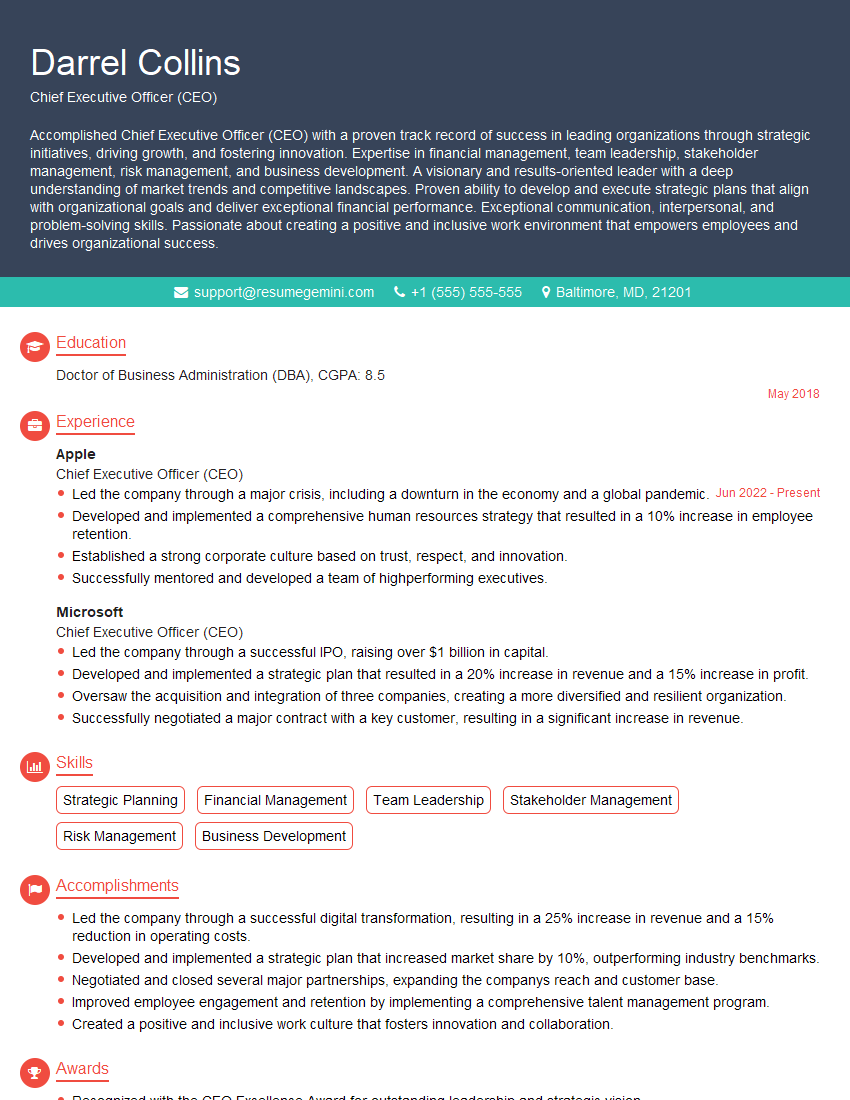
Chief Executive Officer (CEO) Resume Sample
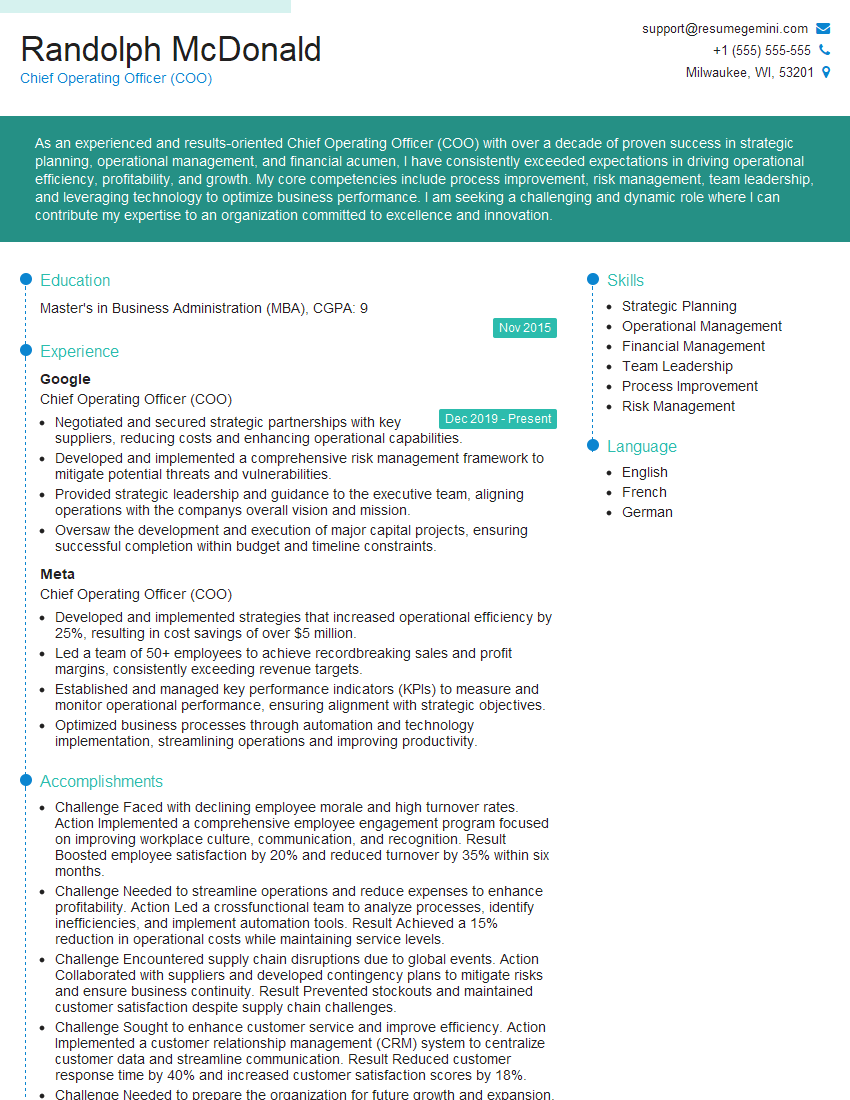
Chief Operating Officer (COO) Resume Sample
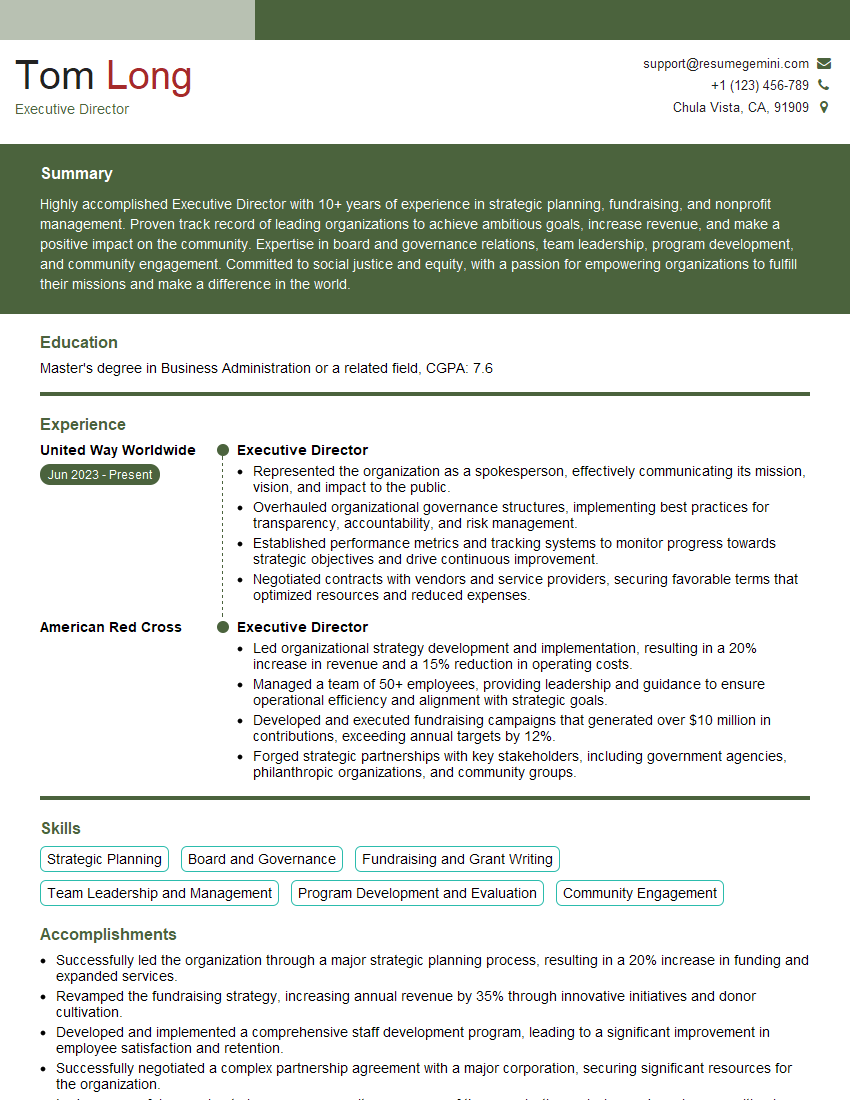
Executive Director Resume Sample
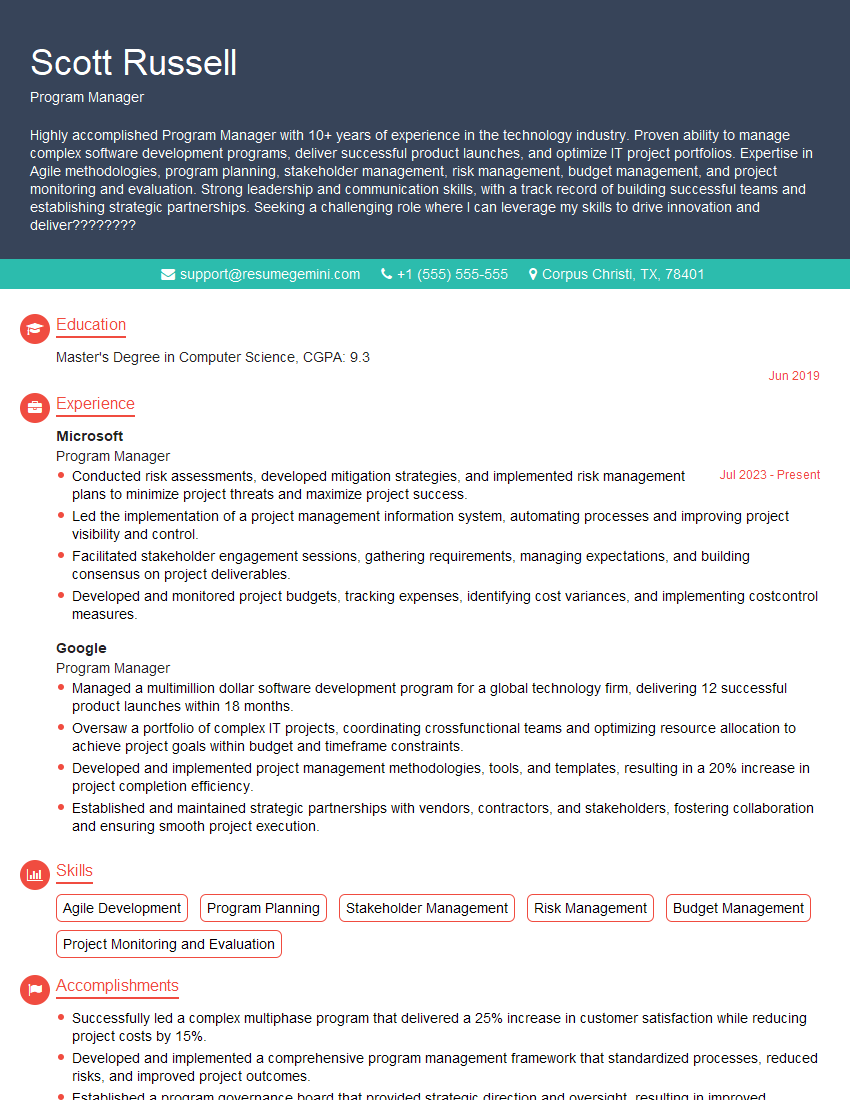
Program Manager Resume Sample
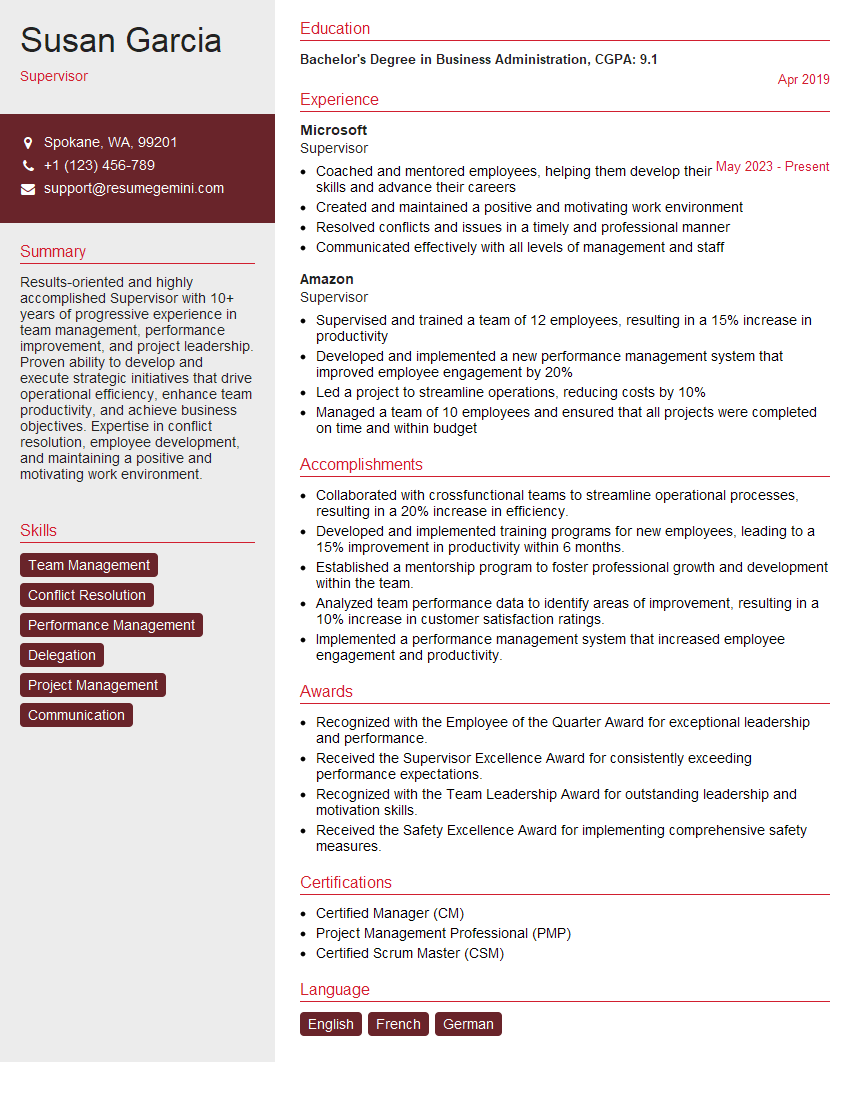
Supervisor Resume Sample
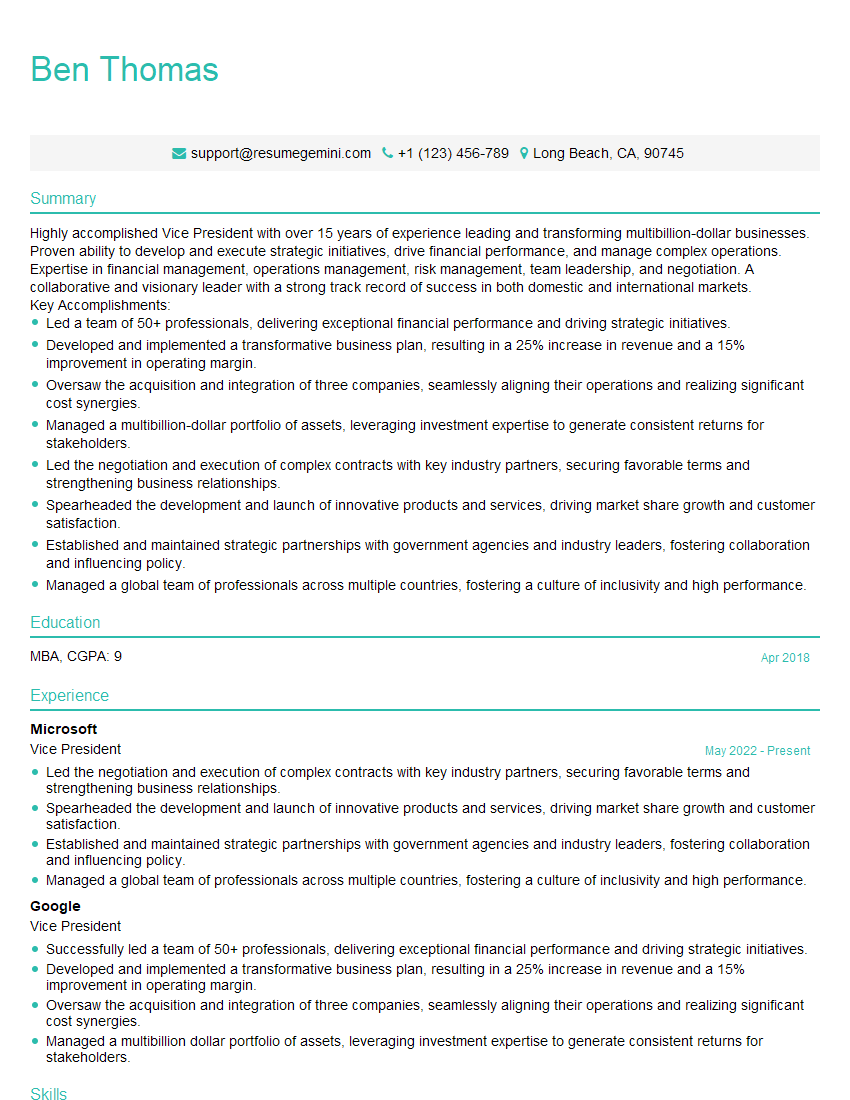
Vice President Resume Sample
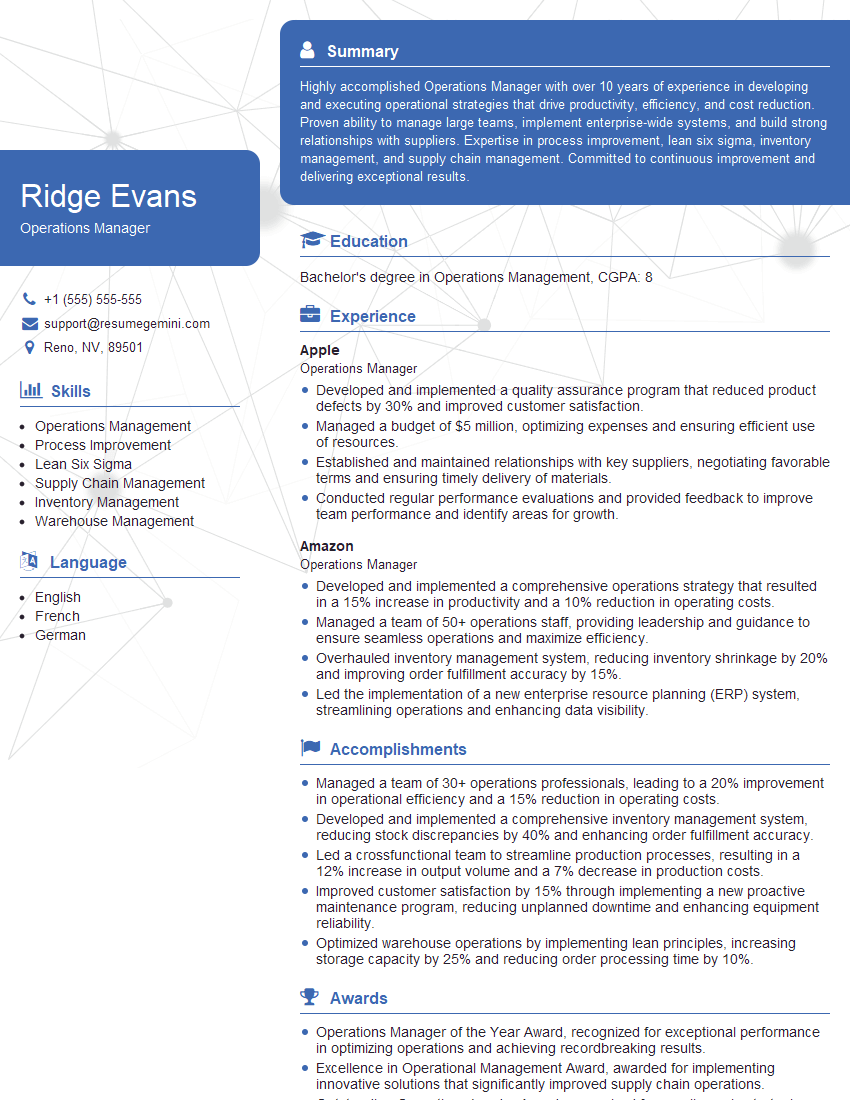
Operations Manager Resume Sample
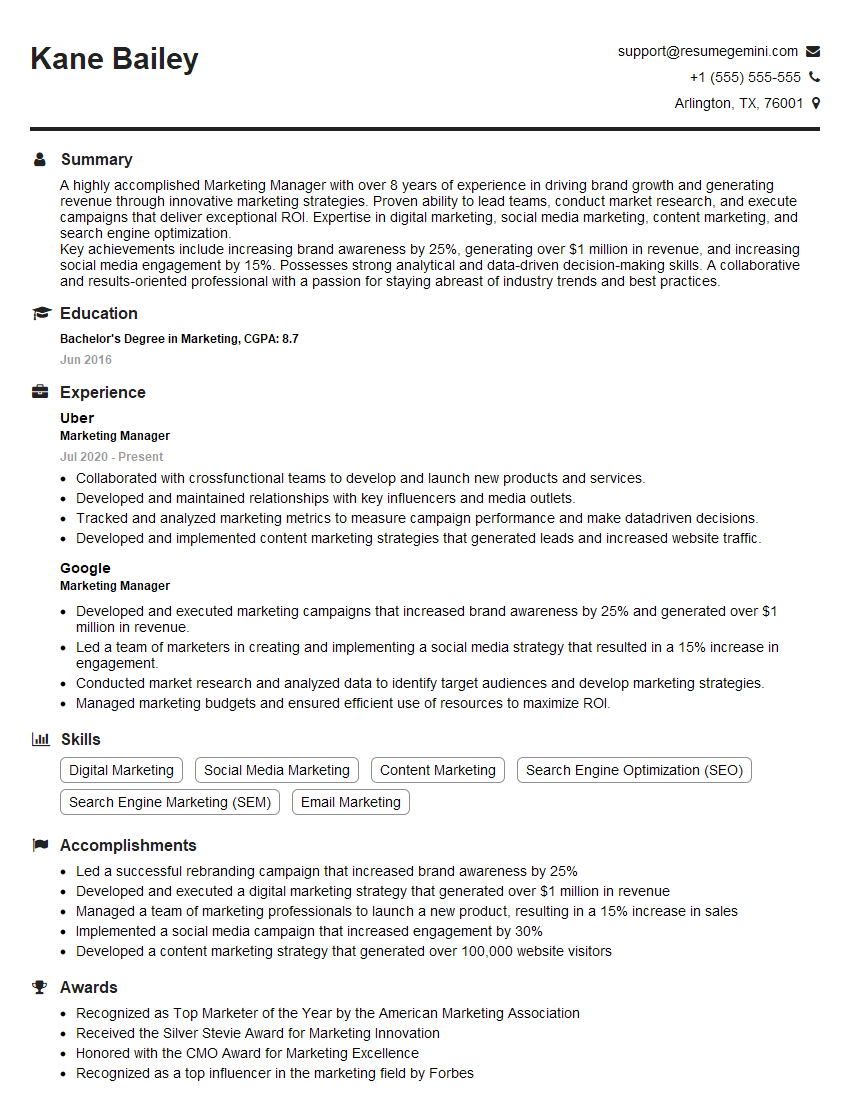
Marketing Manager Resume Sample
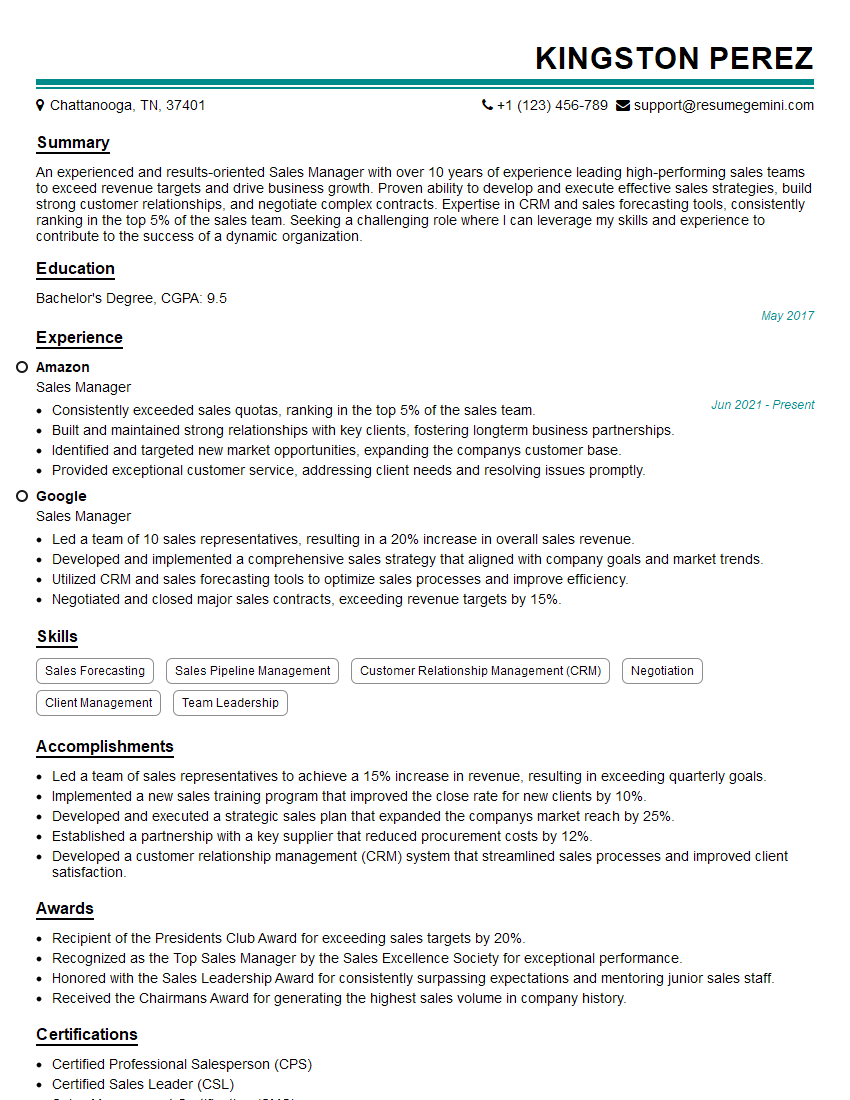
Sales Manager Resume Sample
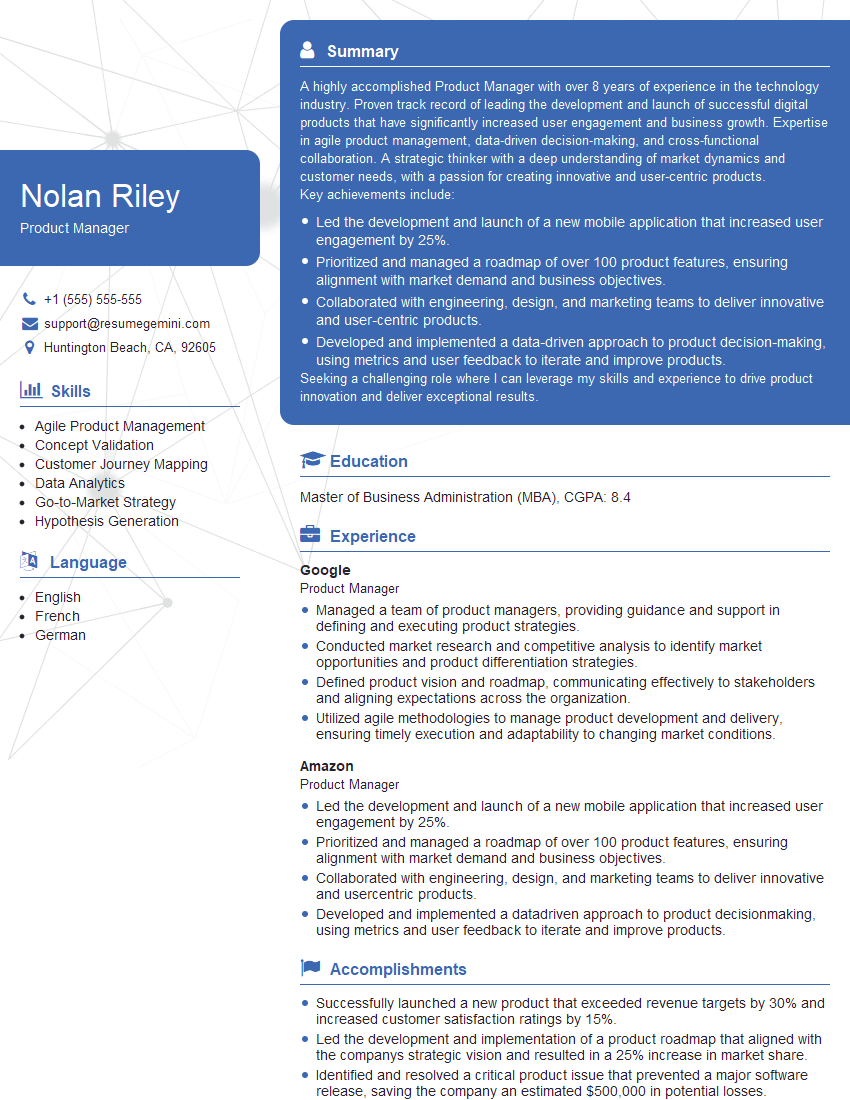
Product Manager Resume Sample
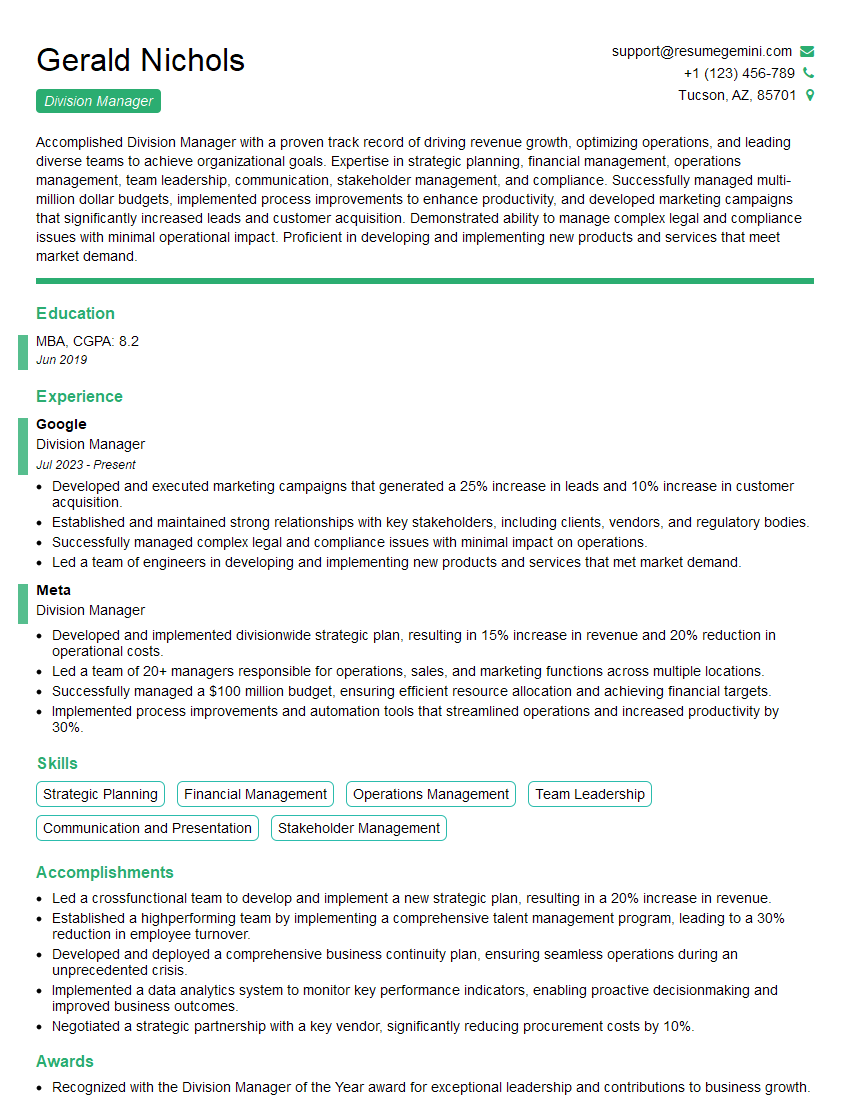
Division Manager Resume Sample
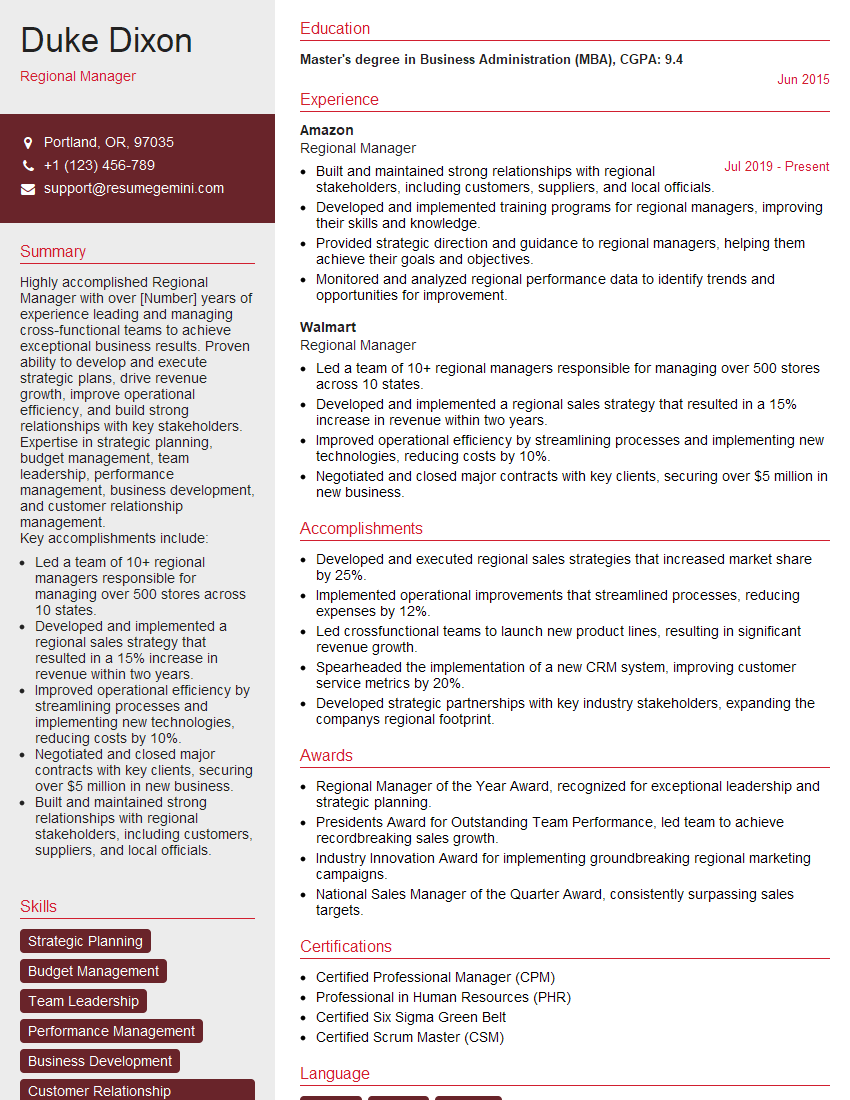
Regional Manager Resume Sample
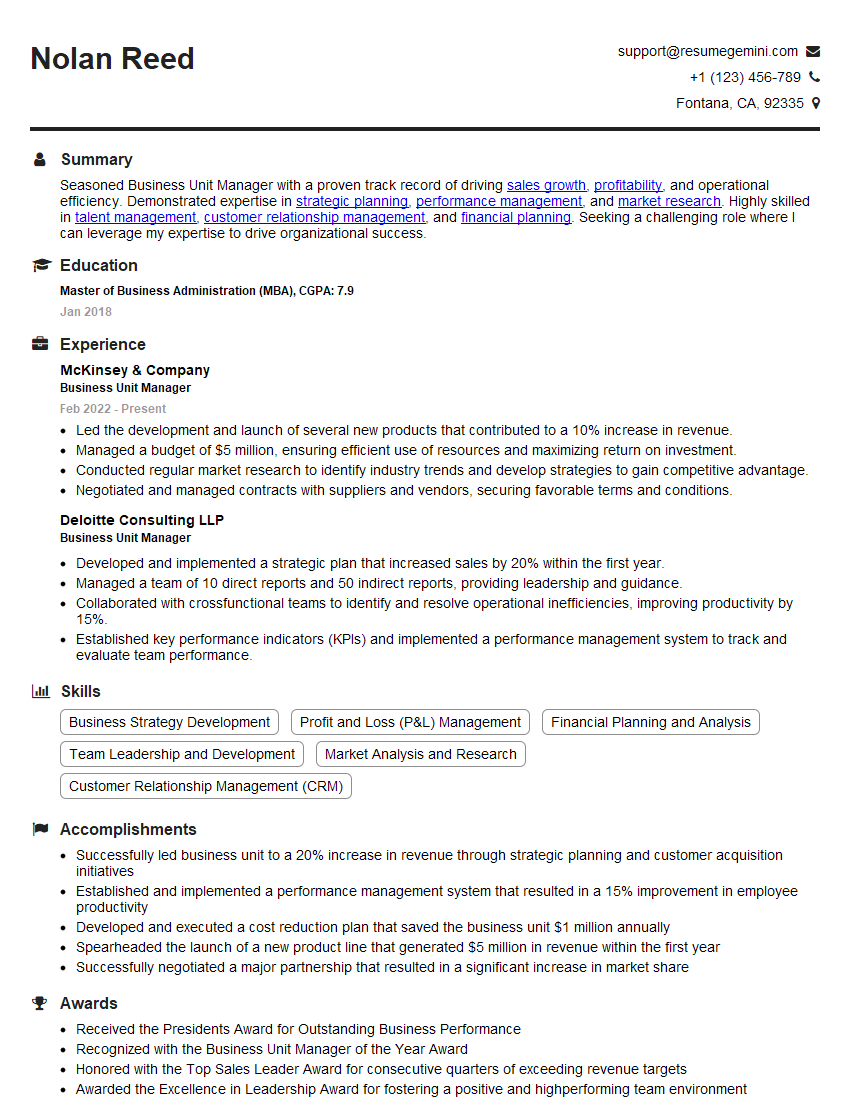
Business Unit Manager Resume Sample
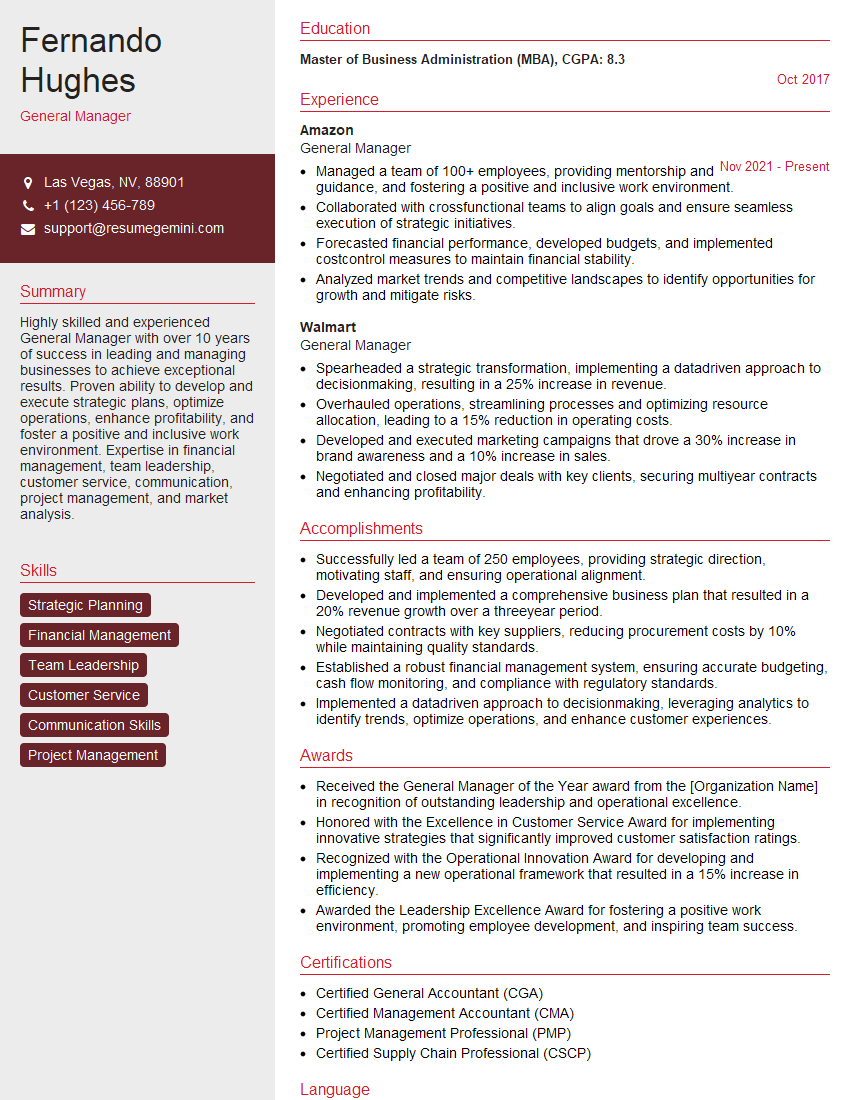
General Manager Resume Sample
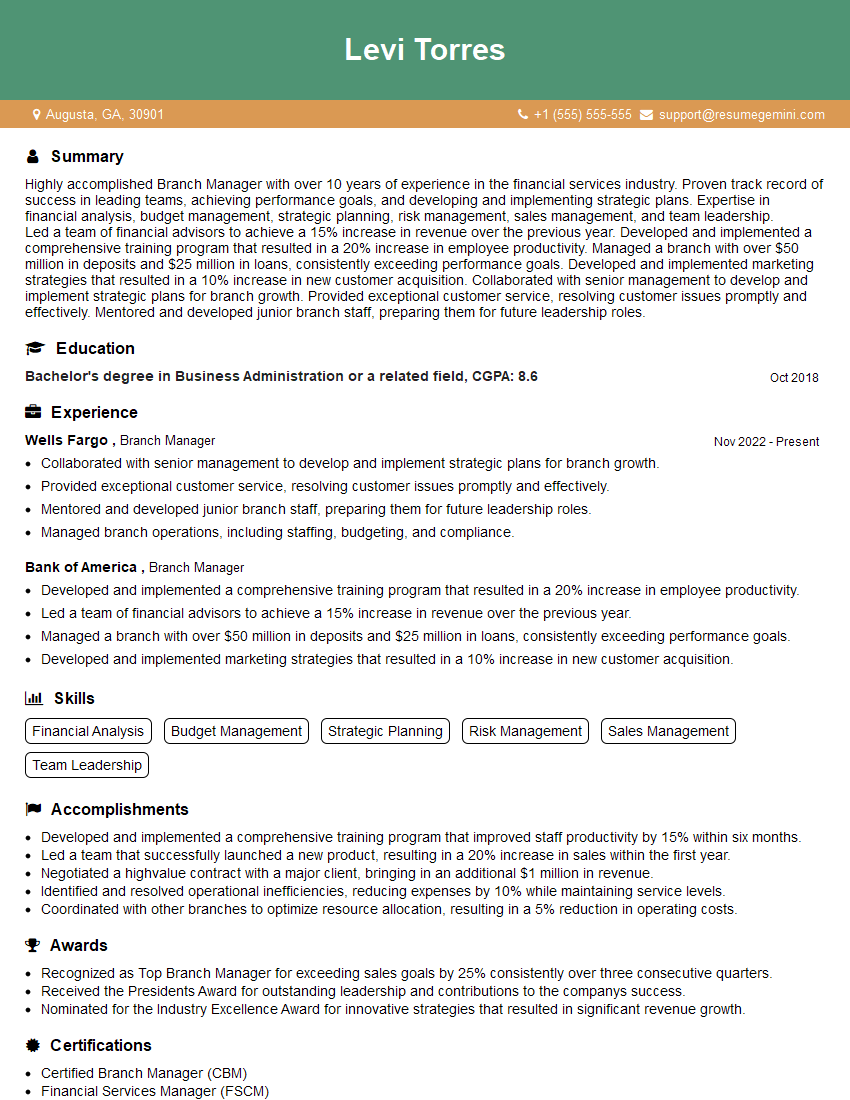
Branch Manager Resume Sample
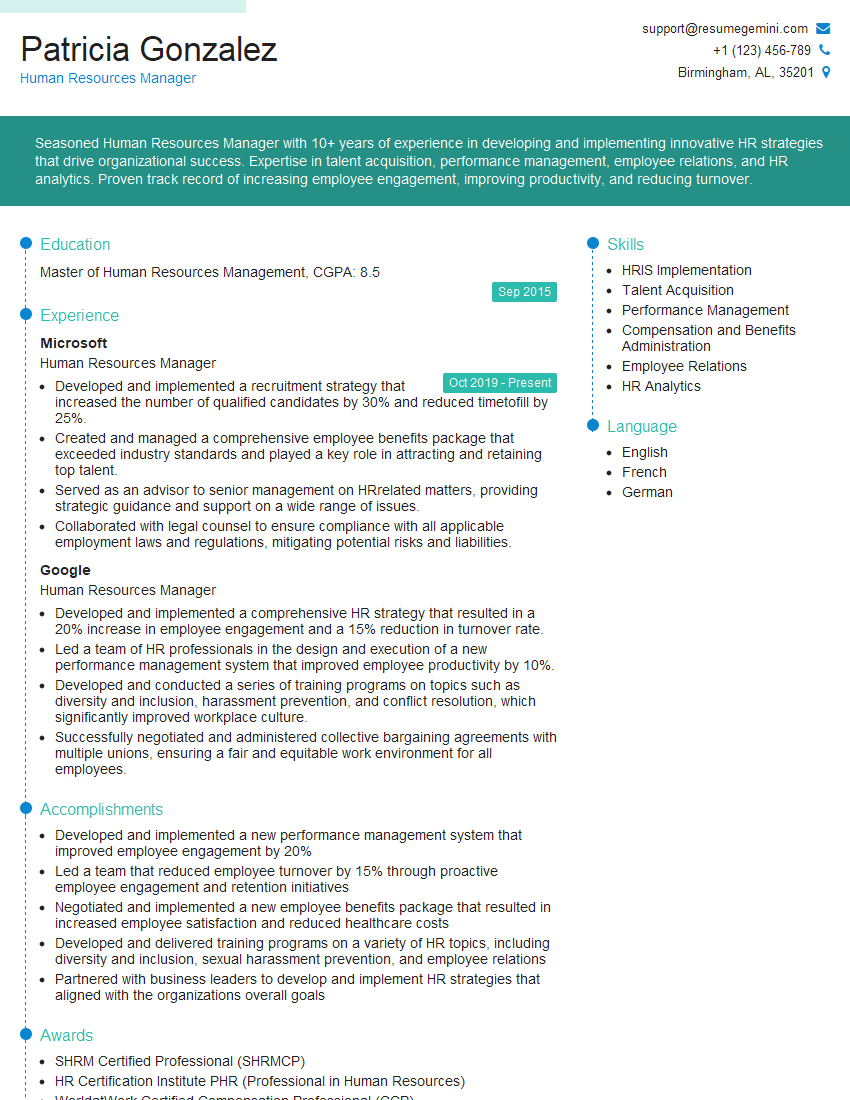
Human Resources Manager Resume Sample

Project Manager Resume Sample
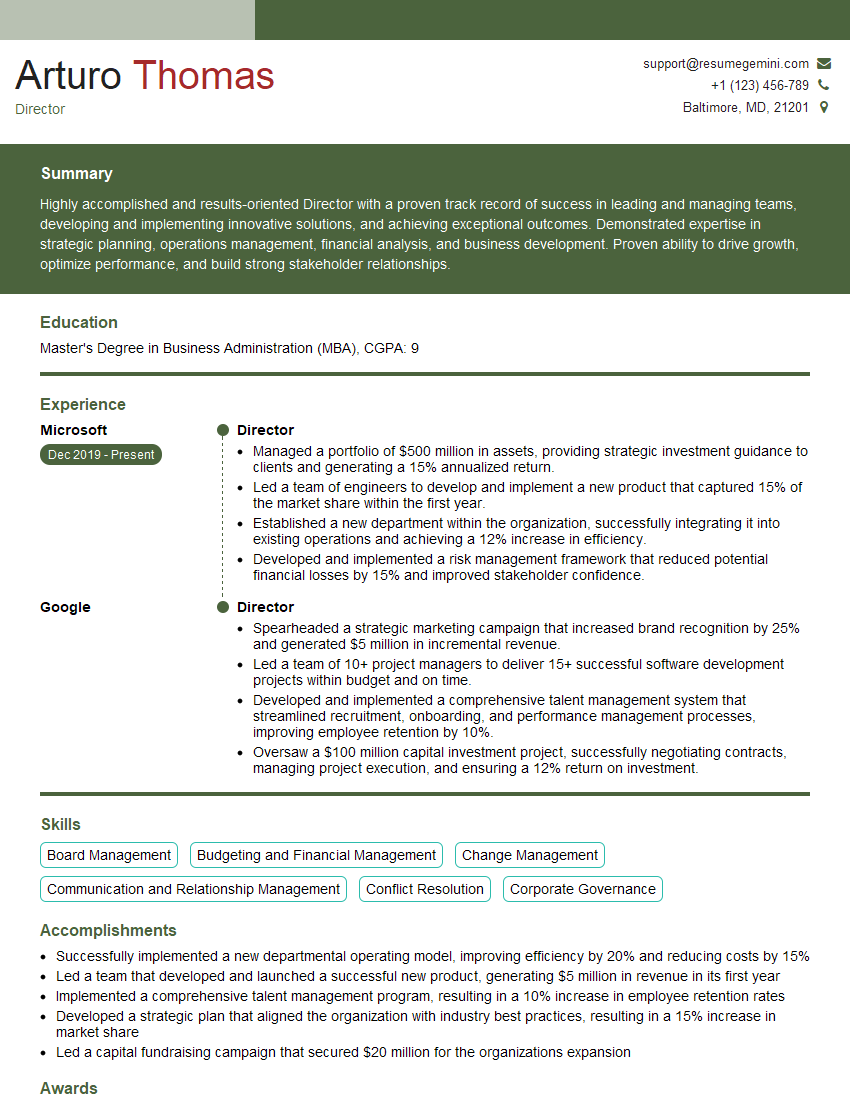
Director Resume Sample
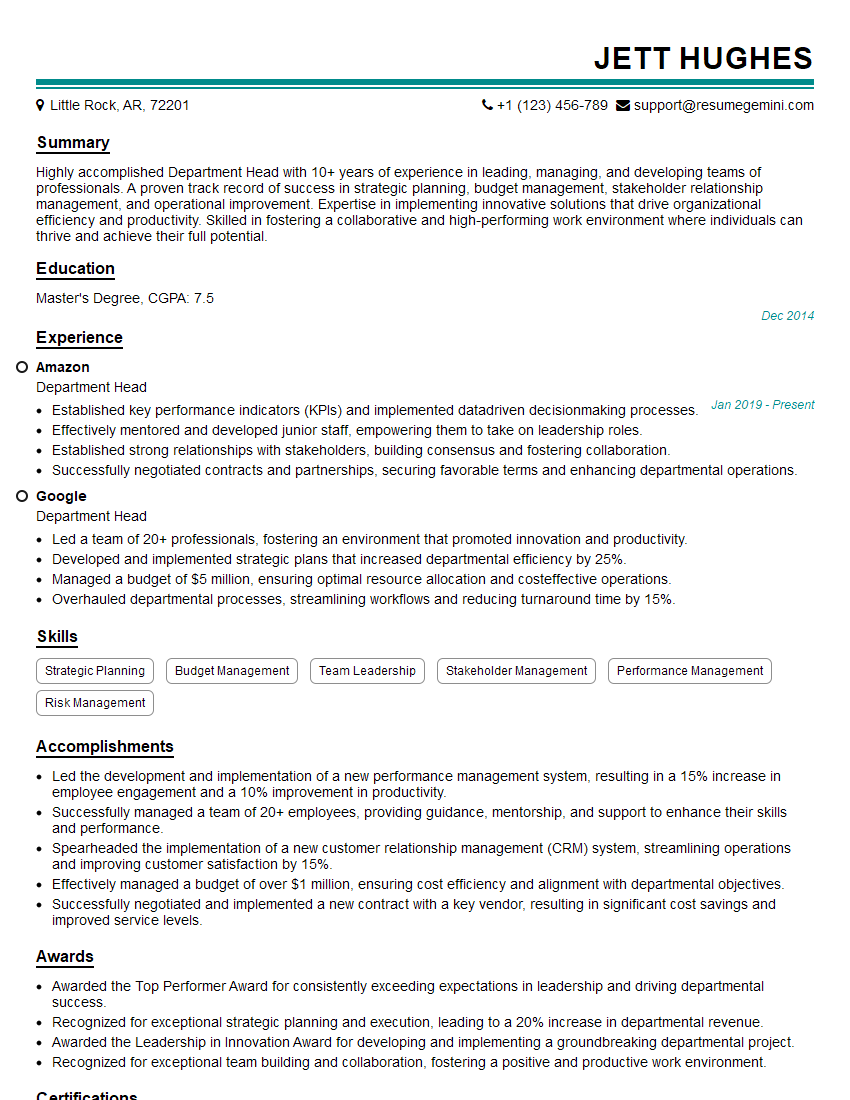
Department Head Resume Sample
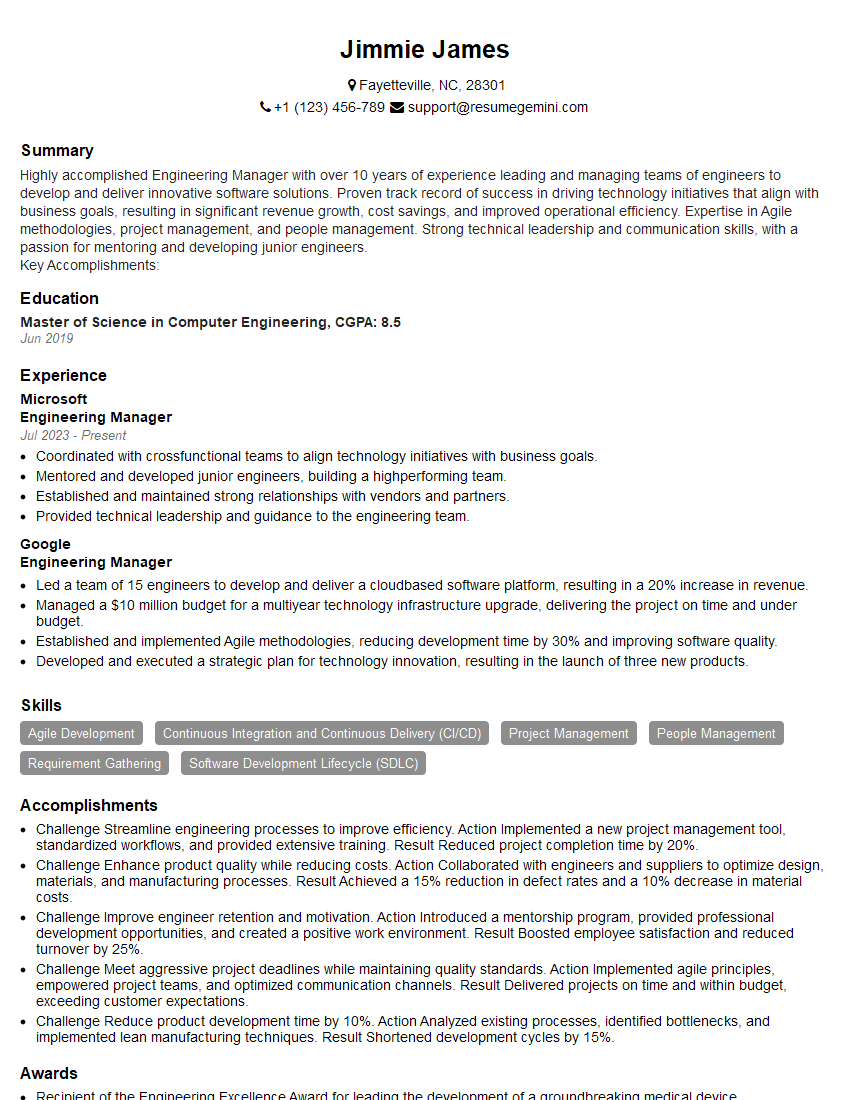
Engineering Manager Resume Sample
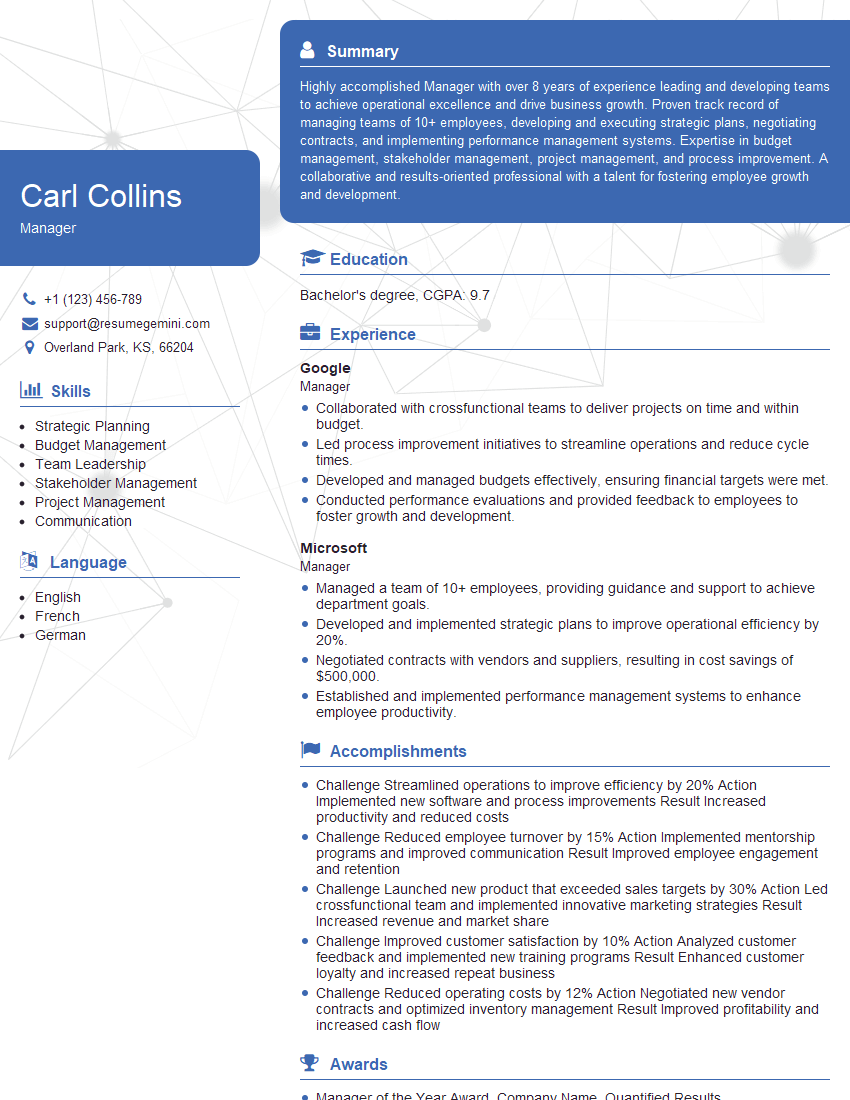
Manager Resume Sample
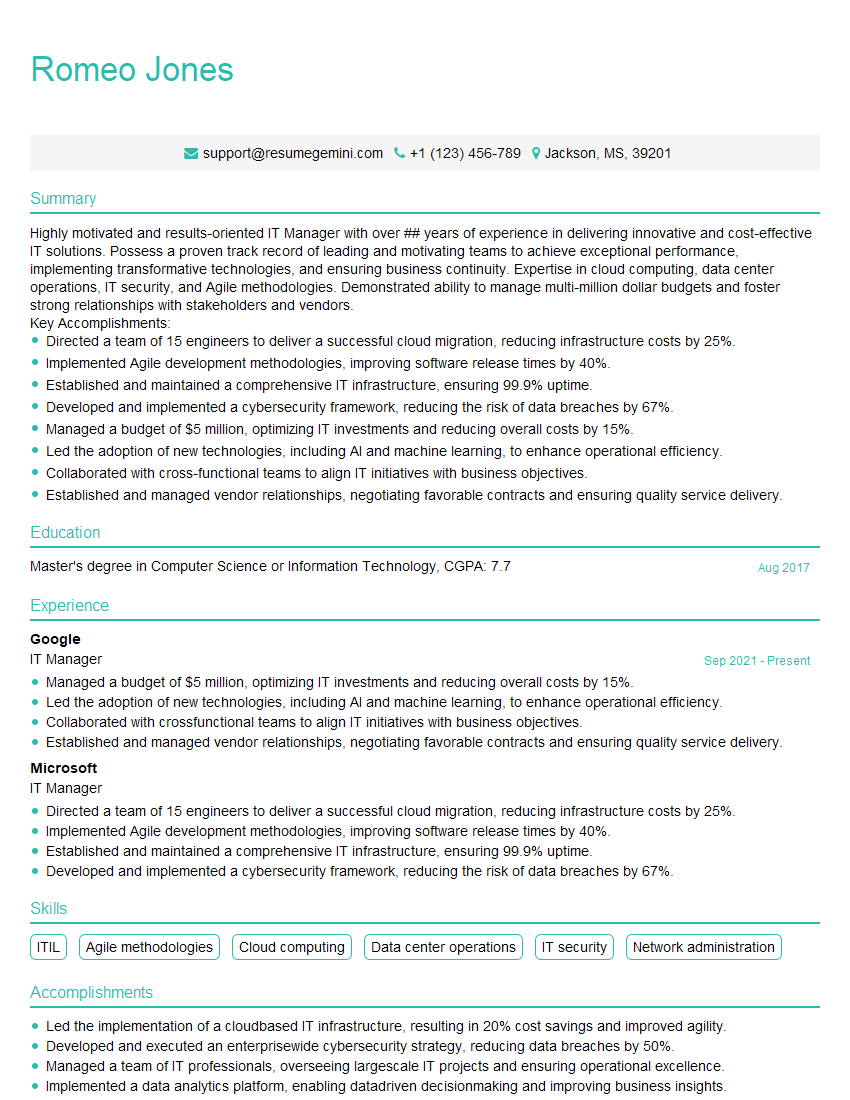
IT Manager Resume Sample
- Chief Executive Officer (CEO)
- Chief Operating Officer (COO)
- Executive Director
- Program Manager
- Supervisor
- Vice President
- Operations Manager
- Marketing Manager
- Sales Manager
- Product Manager
- Division Manager
- Regional Manager
- Business Unit Manager
- General Manager
- Branch Manager
- Human Resources Manager
- Project Manager
- Director
- Department Head
- Engineering Manager
- Manager
- IT Manager
Explore more articles
Users Rating of Our Blogs
Share Your Experience
We value your feedback! Please rate our content and share your thoughts (optional).
What Readers Say About Our Blog
Very informative content, great job.
good