The right preparation can turn an interview into an opportunity to showcase your expertise. This guide to Work Boat Seamanship interview questions is your ultimate resource, providing key insights and tips to help you ace your responses and stand out as a top candidate.
Questions Asked in Work Boat Seamanship Interview
Q 1. Describe your experience with various types of mooring techniques.
Mooring techniques are crucial for safely securing a workboat. My experience encompasses a wide range, from simple single-point mooring to complex multi-point systems, tailored to the specific conditions and vessel type.
- Single-point mooring: This involves using a single anchor or mooring buoy. It’s simple but less stable in changing weather. I’ve used this extensively in calm bays for smaller vessels.
- Two-point mooring: Using two anchors or moorings, this provides greater stability than single-point. I frequently used this method during offshore surveys, ensuring the boat remained stationary despite moderate currents or wind.
- Three-point mooring: This provides the most stability, distributing the load across three points. I’ve employed this in demanding situations, such as prolonged operations near offshore platforms, where holding position is critical.
- Spring mooring: This utilizes anchors or moorings positioned to resist forces from specific directions, particularly effective in areas with strong tidal currents. This is a common practice in tidal rivers and estuaries.
- Breasting and Stern lines: I have extensive experience using these lines in conjunction with anchoring to precisely control a vessel’s position alongside a dock or structure, vital during cargo operations or crew transfers.
Selecting the appropriate technique depends on factors like weather, tidal currents, seabed conditions, and the type of operation being conducted. Safety is always paramount; proper line handling, knot tying, and regular checks are essential.
Q 2. Explain the procedures for conducting a pre-departure safety check on a workboat.
A pre-departure safety check on a workboat is a critical step to ensure the safety of the crew and the vessel. It’s a systematic process that I always rigorously follow. It starts with a visual inspection of the vessel, engines, and equipment, followed by functional checks.
- Hull and Deck: I check for any damage, leaks, or loose fittings. I also inspect life rafts, life jackets, and other safety equipment, ensuring they are in place and readily accessible.
- Engine Room: I inspect oil and fuel levels, check the cooling system, examine belts and hoses for wear and tear, and verify the functioning of bilge pumps and fire suppression systems.
- Navigation Equipment: GPS, radar, compass, charts, and communication systems are checked for proper function and calibration. I always ensure we have sufficient chart coverage for the planned route.
- Safety Gear: This includes verifying the functionality of life rafts, EPIRB (Emergency Position Indicating Radio Beacon), and fire extinguishers. I also check the availability of appropriate PPE (Personal Protective Equipment) for the crew.
- Documentation: I ensure that all necessary certificates and permits are up-to-date and readily available.
- Weather briefing: I always obtain a current weather forecast before departure to anticipate potential hazards and make necessary adjustments.
This checklist isn’t exhaustive, but it highlights the key areas. The specific checks may vary slightly depending on the size and type of vessel and the planned operations. However, the underlying principle of thoroughness and safety is consistently applied.
Q 3. What are the different types of anchors and their applications?
Anchors are crucial for mooring and holding a vessel’s position. Different types are suited for different seabed conditions and applications.
- Danforth Anchor: Lightweight and easily stowed, ideal for sandy or muddy bottoms. It’s not suitable for rocky or weedy seabed. I often used these on smaller boats for temporary moorings in sheltered areas.
- Bruce Anchor: A more robust anchor, performing well in various seabed conditions including sand, mud, and even some rocky surfaces. Its relatively high holding power for its weight makes it a popular choice for workboats.
- Plow Anchor (CQR): Effective in a wide range of seabed types, this anchor is popular for its good holding power and relatively easy setting. This is a workhorse anchor used in many applications.
- Fluke Anchor (Hall): Another highly versatile anchor, performing well in various seabed types. I prefer it for holding in strong currents or difficult seabed conditions.
- Mushroom Anchor: Primarily used for permanent moorings in sheltered areas with soft bottoms. Not ideal for strong currents or rough seas.
The selection of an anchor depends on the type of vessel, seabed conditions, and intended usage. Factors like the weight of the vessel, the holding power required, and the ease of setting and retrieving all influence the anchor choice. A thorough understanding of each anchor type is crucial for safe and effective workboat operations.
Q 4. How would you handle a man overboard situation?
A man overboard (MOB) situation is a serious emergency requiring immediate and coordinated action. My training emphasizes a swift and effective response.
- Immediate Action: The first person to see the person falling overboard immediately yells “MAN OVERBOARD!” This triggers a pre-planned response.
- Throw a lifebuoy: A buoyant life ring or rescue throw bag with a line attached is immediately thrown to the person in the water.
- Activate the MOB button (if equipped): This automatically logs the position of the vessel and activates the emergency systems.
- Turn the vessel around: The helmsman makes a sharp turn, initiating a Williamson turn or other established MOB recovery procedure, this brings the boat as close as possible to the person in the water.
- Deploy rescue boat (if available): A smaller boat is launched to reach the individual quickly.
- Maintain visual contact: Crew members should continually monitor the location of the person in the water.
- Rescue and recovery: The person is recovered using appropriate techniques, and first aid is administered.
- Post-incident analysis: After the rescue, a detailed analysis is conducted to identify areas for improvement in procedures.
Practice drills are essential for effective MOB response. I’ve participated in numerous MOB drills, ensuring that the crew is familiar with procedures and capable of reacting promptly and efficiently under pressure.
Q 5. Explain your understanding of the International Regulations for Preventing Collisions at Sea (COLREGs).
The International Regulations for Preventing Collisions at Sea (COLREGs) are a set of rules designed to prevent collisions between vessels. My understanding is comprehensive, covering all aspects of navigation rules.
- Rules of the Road: I am familiar with the rules regarding right-of-way, sound signals, lights, and navigation in restricted visibility. I understand the difference between power-driven vessels, sailing vessels, and vessels not under command.
- Navigation lights: I can readily identify the meaning of different navigation lights displayed by various vessels and know how to interpret them in determining a vessel’s course and intentions.
- Sound Signals: I know how to use and interpret sound signals, such as fog signals, distress signals, and passing signals, to communicate with other vessels.
- Restricted Visibility: I understand the procedures for navigation in fog or reduced visibility conditions, utilizing radar, sound signals, and appropriate speed reductions.
- Narrow Channels: I know the rules for navigating narrow channels, keeping in mind the need to avoid obstructing other vessels.
- Crossing Situations: I have a firm grasp on the right-of-way rules in various crossing scenarios and know when to take avoiding action.
Adherence to COLREGs is non-negotiable for safe navigation. I prioritize safe navigation practices and ensure that all crew members are well-versed in these rules.
Q 6. Describe your experience with cargo handling and securing.
Cargo handling and securing are critical aspects of workboat operations, demanding careful planning and execution. My experience involves various cargo types and securing methods.
- Cargo Types: I have experience handling various cargoes, including construction materials, supplies, equipment, and even personnel transfers.
- Securing Methods: My experience includes using various securing techniques, such as lashing, shoring, blocking, and bracing. This ensures the cargo remains secure during transit, preventing shifting or damage. The choice depends on cargo type, size, and the sea conditions.
- Weight Distribution: I always consider weight distribution to maintain stability and prevent the vessel from becoming unstable or listing.
- Environmental Considerations: I am mindful of environmental considerations, ensuring that cargo is handled in a way that minimizes the risk of pollution.
- Safety Procedures: Safety procedures are followed strictly. Proper PPE, signaling, and communication protocols are always implemented during cargo operations.
I understand the importance of following proper procedures to ensure safety and prevent accidents. Thorough planning, diligent execution, and attention to detail are crucial for effective cargo handling and securing.
Q 7. What is your experience with different types of navigational equipment (GPS, Radar, Charts)?
Modern navigational equipment is essential for safe and efficient workboat operations. My experience includes proficient use of various systems.
- GPS (Global Positioning System): I am proficient in using GPS receivers for accurate position fixing, route planning, and monitoring vessel speed and course. I understand the limitations of GPS and how to account for potential errors.
- Radar: I have extensive experience using radar for navigation in poor visibility, detecting other vessels, and identifying potential hazards. I know how to interpret radar returns and understand its limitations.
- Electronic Charts (ECDIS): I am adept at using ECDIS systems for navigation, chart plotting, and route planning. I am familiar with its integration with other navigational systems.
- Paper Charts: I have significant experience using paper charts for navigation, particularly as a backup or in situations where electronic systems may fail. I am proficient in chart work, including taking bearings, plotting positions, and using other navigational tools.
- AIS (Automatic Identification System): I utilize AIS for tracking other vessels and enhancing situational awareness, particularly in busy shipping lanes.
I continually update my knowledge on navigational equipment advancements to maintain a high level of proficiency and ensure safe navigation.
Q 8. How do you maintain deck equipment and machinery?
Maintaining deck equipment and machinery on a workboat is crucial for safety and operational efficiency. It involves a proactive, preventative approach, rather than simply reacting to breakdowns. This includes regular inspections, lubrication, and cleaning, as well as scheduled maintenance based on manufacturer’s recommendations and operational hours.
- Daily Inspections: A thorough visual check of all equipment, including winches, cranes, davits, lifeboats, and other deck machinery, for any signs of wear, corrosion, damage, or leaks. I always check for proper functioning of safety mechanisms like emergency stops and brakes.
- Lubrication: Regular lubrication of moving parts is essential to prevent wear and tear. This involves using the correct type of grease or oil for each component and adhering to the manufacturer’s lubrication schedule. Improper lubrication can lead to premature failure and costly repairs.
- Cleaning: Keeping the deck and equipment clean is vital for preventing corrosion and ensuring safe working conditions. Saltwater and other environmental factors can rapidly degrade equipment if not properly cleaned and maintained. This includes pressure washing (where appropriate) and hand cleaning of components.
- Scheduled Maintenance: More comprehensive maintenance tasks, such as servicing hydraulic systems, replacing worn parts, and conducting thorough inspections by qualified personnel, are carried out according to a pre-determined schedule. This may include engine checks, generator maintenance, and inspections of safety equipment.
- Record Keeping: Meticulous record keeping is paramount. I document all maintenance activities, including dates, tasks performed, and any issues identified. This history aids in preventative maintenance and troubleshooting.
For example, during a recent offshore wind farm support operation, our daily checks identified a minor leak in a hydraulic line of the crane. Addressing this promptly prevented a major failure during a critical lift, ensuring both safety and project timelines.
Q 9. Explain your understanding of different types of knots and their uses.
A strong understanding of knots is fundamental for any workboat seaman. Different knots are suited for different tasks, and selecting the incorrect knot can have serious consequences.
- Bowline: A fundamental knot forming a closed loop that will not slip. Used for attaching a line to a ring, a post, or another line. Think of it as a reliable ‘eye’ at the end of a rope.
- Clove Hitch: A quick and easy knot used for temporarily securing a line around a post, bollard, or other object. It’s not a strong knot on its own but is excellent as a temporary or secondary securing knot.
- Figure Eight Knot: Used primarily to prevent a rope from running through a pulley or block. It creates a secure stopper, and is also a useful component of other knots.
- Sheet Bend: Used to join two ropes of different diameters securely. It is a robust and reliable join for heavy loads.
- Round Turn and Two Half Hitches: A very secure and commonly used method to secure a line to a post or ring.
During a recent towing operation, the ability to quickly and effectively tie a round turn and two half hitches to the tow bridle was crucial in ensuring the safe and secure towing of a disabled vessel. The wrong knot could have resulted in the loss of the tow or damage to both vessels.
Q 10. How would you respond to a fire onboard a workboat?
Responding to a fire onboard a workboat demands immediate and decisive action. Our training emphasizes the ‘RACE’ procedure:
- Rescue: Evacuate or assist anyone in immediate danger from the fire. Get people to a safe location as swiftly as possible.
- Alarm: Activate the fire alarm system and notify the appropriate authorities (Coast Guard, etc.).
- Confine: If possible, try to contain the fire to its point of origin. This might involve closing doors, hatches, and vents to restrict oxygen supply.
- Extinguish/Evacuate: Attempt to extinguish the fire using the appropriate fire extinguisher(s) – knowing which type of extinguisher to use for different types of fires (Class A, B, C, D) is crucial. If the fire cannot be safely controlled, immediately evacuate the vessel.
Furthermore, understanding the location of fire-fighting equipment, emergency exits, and muster stations is critical. Regular fire drills are essential to ensure everyone on board is prepared to react effectively in an emergency. For example, during a simulated fire drill, we identified a malfunction in a fire hose reel. This allowed for immediate repair and prevented a potential failure during an actual fire. We also use P.A.S.S. – Pull, Aim, Squeeze, Sweep for fire extinguisher use.
Q 11. What is your experience with emergency procedures (e.g., medical emergencies, flooding)?
Experience with emergency procedures is a core component of my skill set. I’ve participated in numerous drills and have firsthand experience with real-world scenarios.
- Medical Emergencies: I’m trained in basic first aid and CPR, capable of providing immediate assistance until professional medical help arrives. Maintaining a well-stocked first-aid kit and knowing how to use its contents is crucial.
- Flooding: Procedures for dealing with flooding involve identifying the source of the leak, attempting to contain the ingress of water (using available pumps and plugging leaks), and activating the vessel’s bilge pumping system. Understanding the vessel’s stability and the potential impact of flooding on its buoyancy is vital.
- Man Overboard (MOB): Our training equips us to quickly respond to a MOB, activating the emergency procedures and using the vessel’s MOB recovery systems (e.g., life raft, rescue boat). Knowing the best course of action, including maintaining communication and ensuring visibility of the person in the water is crucial.
In one instance, a sudden storm led to a rapid ingress of water into the engine room. Our swift reaction, combined with effective use of the bilge pumps and plugging potential leak points, prevented a serious flooding incident.
Q 12. Describe your experience with maintaining a clean and safe working environment.
Maintaining a clean and safe working environment is non-negotiable. A cluttered or unclean workspace increases the risk of accidents and injuries.
- Housekeeping: Regular cleaning of the deck and work areas ensures a tidy and hazard-free environment. This includes the proper disposal of waste, securing loose equipment, and regular sweeping and cleaning of walkways.
- Hazard Identification: Proactive hazard identification and risk assessment are key to a safe working environment. I’m trained to identify and address potential risks, such as slippery decks, exposed wiring, or unsafe working heights.
- Personal Protective Equipment (PPE): Ensuring all crew members use appropriate PPE, including safety helmets, life jackets, gloves, and safety footwear, is paramount. Regular inspection of PPE and prompt replacement of damaged equipment are essential.
- Communication: Open communication about safety concerns is critical. I encourage crew members to immediately report any hazards or unsafe practices to ensure prompt action is taken.
For instance, after identifying a potential tripping hazard near the gangway, I immediately reported it to the supervisor and secured the area until it was resolved, preventing a potential accident.
Q 13. How familiar are you with various types of workboat designs and their functionalities?
My familiarity with various workboat designs extends to a broad range, including:
- Crew Boats: Fast, shallow-draft vessels used for transporting personnel to offshore platforms.
- Supply Vessels (PSVs): Used for transporting supplies and equipment to offshore locations; equipped with cranes and cargo handling systems.
- Tugboats: Powerful vessels used for assisting and towing other ships.
- Anchor Handling Tugs (AHTS): Highly specialized vessels with advanced winches and dynamic positioning systems used in offshore oil and gas operations.
- Multi-Purpose Support Vessels (MPSVs): Versatile vessels with a wide range of capabilities, often including ROV operations and dynamic positioning.
Understanding the unique capabilities and limitations of each vessel type is essential for safe and efficient operations. The design of a crew boat is very different from that of an AHTS, each demanding specific operating procedures.
Q 14. What are your experiences with towing and assisting other vessels?
My experience in towing and assisting other vessels encompasses a wide range of scenarios, from routine harbor assists to emergency tows in challenging conditions.
- Towing Procedures: I’m proficient in preparing and carrying out towing operations, including establishing proper communication with the towed vessel, ensuring secure connections using appropriate bridles and tow lines, and maintaining a safe distance during the tow.
- Emergency Towing: I’m trained in responding to emergency towing situations, which often require quick decision-making and adaptability. This includes assessing the condition of the disabled vessel, establishing secure towing arrangements, and navigating safely in potentially hazardous conditions.
- Vessel Handling: Skillful vessel handling during towing operations is vital. This includes maintaining correct speed and heading to minimize strain on the tow line and ensure the safety of both vessels.
- Communication: Effective communication is essential, especially during emergency situations. Maintaining clear communication channels with the towed vessel, harbor authorities, and any other involved parties is critical.
During one challenging towing operation, a sudden change in weather conditions forced us to adapt our towing strategy to ensure the safe arrival of the disabled vessel despite adverse conditions. My experience in these situations has been extensive.
Q 15. Explain your knowledge of different types of marine engines and their maintenance.
Workboats utilize a variety of marine engines, primarily focusing on reliability and durability in demanding conditions. My experience encompasses main engines, auxiliary engines, and propulsion systems. Common types include:
- Diesel Engines: These are the workhorse of the industry, offering high torque at low RPMs, ideal for towing and heavy lifting. Maintenance involves regular oil changes, filter replacements, fuel system cleaning, and monitoring of engine parameters like temperature and pressure. I’m proficient in troubleshooting common diesel engine issues, from injector problems to turbocharger malfunctions.
- Gas Turbines: While less common in smaller workboats, gas turbines are used in high-speed vessels due to their power-to-weight ratio. Maintenance is more complex and involves specialized training and tools, focusing on hot-section inspection and component replacement. My experience includes preventative maintenance schedules and emergency repairs.
- Electric Motors: Increasingly popular for hybrid or electric propulsion systems, these offer cleaner operation and potential fuel savings. Maintenance focuses on motor windings, bearings, and power electronics, requiring expertise in electrical systems.
Regardless of the engine type, preventative maintenance is crucial. This involves following manufacturer’s recommendations for scheduled servicing, keeping meticulous logs, and proactively addressing any potential issues before they become major problems. Think of it like regularly servicing your car – neglecting it will lead to costly repairs down the line. I am adept at creating and adhering to detailed maintenance schedules and thoroughly documenting all work performed.
Career Expert Tips:
- Ace those interviews! Prepare effectively by reviewing the Top 50 Most Common Interview Questions on ResumeGemini.
- Navigate your job search with confidence! Explore a wide range of Career Tips on ResumeGemini. Learn about common challenges and recommendations to overcome them.
- Craft the perfect resume! Master the Art of Resume Writing with ResumeGemini’s guide. Showcase your unique qualifications and achievements effectively.
- Don’t miss out on holiday savings! Build your dream resume with ResumeGemini’s ATS optimized templates.
Q 16. Describe your experience working in challenging weather conditions.
Operating in challenging weather conditions is a fundamental aspect of workboat operations. I’ve experienced numerous storms, high seas, and reduced visibility situations. My experience includes navigating through heavy swells and strong winds, ensuring the safety of the crew and vessel. This involves:
- Seakeeping: Understanding how the vessel responds to various sea states and adjusting speed and course accordingly to minimize stress on the hull and crew. For example, during a storm, I would reduce speed, alter course to minimize wave impact, and ensure all loose equipment is secured.
- Emergency Procedures: Being prepared for various emergencies, including engine failure, flooding, and man overboard scenarios. I’ve participated in numerous drills and real-life situations, ensuring swift and effective responses. For example, during a sudden storm, I would immediately inform the crew, secure the vessel, and initiate emergency procedures as needed.
- Risk Assessment: Continuously assessing risks associated with weather conditions and making informed decisions based on current situation. This includes knowing when to delay operations or seek shelter. Before embarking on any operation in adverse weather, I’d meticulously assess the risks, taking into account wave height, wind speed, and visibility, and develop a plan accordingly.
Through these experiences, I’ve developed a strong sense of situational awareness and decision-making in challenging environments, always prioritizing the safety of the crew and vessel.
Q 17. How do you handle conflicts or disagreements within a crew?
Conflict resolution is a vital skill in a team environment. I approach disagreements by fostering open communication and a collaborative spirit. My approach involves:
- Active Listening: Hearing all perspectives before forming an opinion. This involves paying attention not only to what is being said but also the underlying emotions and concerns.
- Mediation: Facilitating discussions to identify the root cause of the conflict and find mutually acceptable solutions. I would encourage each party to explain their perspective clearly and calmly, and then help identify common ground.
- Fairness and Impartiality: Ensuring all voices are heard and that decisions are made objectively, taking into account the safety and efficiency of the operation. For example, if a disagreement arises about the best method for a certain task, I’d encourage discussion of both approaches, weighing their pros and cons based on experience and safety regulations.
- Respectful Communication: Maintaining a respectful tone and avoiding personal attacks, focusing on the issue at hand.
My goal is to resolve conflicts constructively, maintaining a positive working environment and ensuring that any disagreements are resolved efficiently without hindering operational effectiveness.
Q 18. What is your experience with using personal protective equipment (PPE)?
The use of personal protective equipment (PPE) is paramount in workboat operations. My experience encompasses the consistent and correct use of various PPE, including:
- Life Jackets: Always worn when on deck or in areas where there’s a risk of falling overboard.
- Helmets: Worn in areas with potential head injuries, such as working aloft or around machinery.
- Safety Glasses/Goggles: Worn to protect eyes from flying debris or chemicals.
- Gloves: Used when handling potentially hazardous materials or equipment.
- Hearing Protection: Worn around loud machinery.
- Flame-Resistant Clothing: Used when working near open flames or potentially flammable materials.
I am well-versed in the selection and maintenance of PPE, ensuring it is appropriate for the specific task and in good working order. I regularly inspect and replace worn or damaged equipment, ensuring the safety of myself and my crew. I actively promote a safety-conscious culture by leading by example and reinforcing the importance of PPE usage among team members.
Q 19. Explain your understanding of load capacity and stability calculations.
Understanding load capacity and stability calculations is critical for safe operations. I’m familiar with the principles of buoyancy, center of gravity, and metacentric height. This involves:
- Load Planning: Properly distributing cargo to maintain stability and avoid overloading. This requires using load calculation software or manual calculations to ensure the vessel’s stability and structural integrity aren’t compromised.
- Stability Calculations: Determining the vessel’s metacentric height (GM) to ensure sufficient stability margins. A lower GM indicates a less stable vessel, increasing the risk of capsizing. This calculation takes into account factors like cargo weight and distribution, vessel dimensions, and water density.
- Load Capacity Limits: Adhering to the vessel’s designated load limits to prevent overloading, which can lead to instability and structural damage. This includes understanding the different load lines and their implications.
My experience includes utilizing stability software and performing manual calculations to ensure the safe and stable operation of the vessel within its operational limits. I have a deep understanding of the implications of exceeding these limits, and I would never compromise safety for expediency.
Q 20. How do you ensure the safe transfer of personnel and cargo?
Safe transfer of personnel and cargo is paramount. My experience encompasses various methods, including:
- Gangways: Using properly secured and maintained gangways for personnel transfer between the vessel and shore or other vessels. This includes ensuring adequate lighting and handrails, and supervising personnel during transfers.
- Boatswain’s Chair: Using this equipment for transferring personnel to and from the vessel for tasks at heights, while ensuring the appropriate safety equipment is used and that the equipment is in a safe operating condition.
- Cargo Handling Gear: Using cranes, winches, and other cargo handling equipment in a safe and efficient manner. This includes regular inspections of equipment, adherence to safe working loads, and proper rigging techniques.
- Safety Procedures: Implementing and enforcing safety procedures for all transfer operations, including pre-transfer briefings, use of signaling systems, and emergency response plans. For instance, I would ensure that all personnel are aware of the transfer plan, the signal procedures, and the emergency communication channels before commencing any transfer.
I emphasize risk assessment and the use of appropriate safety equipment in every transfer operation, prioritizing the safety of both personnel and cargo.
Q 21. Describe your experience with maintaining communication with other vessels and shore.
Maintaining effective communication is critical in the maritime environment. I’m proficient in various communication methods, including:
- VHF Radio: Using VHF radio for short-range communication with other vessels and shore stations. This includes understanding proper radio procedures and etiquette, along with distress signaling procedures.
- AIS (Automatic Identification System): Utilizing AIS to track other vessels’ positions and avoid collisions. I am familiar with interpreting AIS data to ascertain vessel course, speed, and other crucial information for safe navigation.
- Satellite Communication: Employing satellite communication for long-range communication when VHF is unavailable, often crucial in remote areas. This includes experience with various satellite communication systems.
- Documented Communication Logs: Maintaining detailed logs of all communications, a vital component for tracking interactions and resolving potential issues.
Clear, concise, and timely communication is essential. I am comfortable communicating effectively in both routine and emergency situations, ensuring the safe and efficient operation of the vessel and the safety of all personnel onboard and in the vicinity.
Q 22. How familiar are you with various types of marine charts and publications?
My familiarity with marine charts and publications is extensive. I’m proficient in interpreting various chart types, including paper charts (ENCs and Raster Charts), electronic navigational charts (ENCs), and using electronic charting systems (ECS). I understand the different symbols, notations, and data presented on these charts, such as depth soundings, navigational hazards, aids to navigation (ATONs), and tidal information. Beyond charts, I’m well-versed in using publications like the Sailing Directions, Coast Pilots, Notices to Mariners, and tide and current tables. These publications provide crucial supplementary information for safe and efficient navigation, including details on local regulations, hazards, and recommended routes.
For example, during a recent offshore supply vessel operation, I used an ENC to plan a route avoiding known shallow areas and taking into account tidal currents. The Coast Pilot provided essential details about local currents and potential navigational hazards in the area. Using these tools together ensured a safe and efficient transit.
Q 23. What safety precautions do you take when working near water?
Safety near water is paramount. My approach is based on a layered risk mitigation strategy. Before any work begins, a thorough risk assessment is conducted. This considers potential hazards such as uneven surfaces, slippery decks, strong currents, and the presence of moving vessels. Then, appropriate personal protective equipment (PPE) is selected and worn, including life jackets, safety harnesses, and appropriate footwear. We always adhere to the buddy system and ensure designated safety personnel are present. Furthermore, we utilize emergency procedures such as man overboard drills, ensuring everyone understands their roles and responsibilities. Communication is key – using clear and concise radio communication to coordinate actions and ensuring everyone is aware of their surroundings.
For instance, while conducting a mooring operation, I always ensure I have a safety harness attached to a lifeline, wear appropriate footwear, and have another crew member acting as a safety observer.
Q 24. Describe your experience with vessel maintenance and repair.
I have extensive experience in vessel maintenance and repair, encompassing both preventative and corrective maintenance. My experience ranges from routine checks on engines and other vital systems to more complex repairs. I’m proficient in troubleshooting mechanical, electrical, and hydraulic issues. I’m familiar with the maintenance schedules for various types of workboats, and I regularly perform inspections to identify potential problems before they escalate. I’m also knowledgeable about using various tools and equipment for repair work, including welding, machining, and using specialized diagnostic tools. My experience includes working on a wide range of machinery including main engines, generators, pumps, winches, and deck equipment.
For example, I once successfully diagnosed and repaired a faulty fuel injector on a main engine during an offshore operation, preventing a major breakdown and potential delays. This required systematic troubleshooting using diagnostic tools and a solid understanding of diesel engine mechanics.
Q 25. How do you handle unexpected equipment malfunctions?
When unexpected equipment malfunctions occur, my response follows a structured process. First, I prioritize safety, ensuring that the immediate threat is mitigated and crew are safe. Then, I immediately conduct a thorough assessment to determine the nature and extent of the malfunction. I then refer to the vessel’s maintenance manuals and operational procedures to troubleshoot the problem. If I can’t solve it immediately, I’ll consult with senior crew members, engineers or shore-based support via radio or satellite communication. This systematic approach ensures timely resolution while minimizing any potential damage or disruption.
For example, when the hydraulic system of a crane failed mid-operation, we immediately lowered the load safely, alerted the crew and then systematically checked the hydraulic lines, pumps and reservoirs. It turned out to be a minor leak – promptly repaired – preventing further delays.
Q 26. Explain your understanding of ballast water management.
Ballast water management is crucial for preventing the spread of invasive aquatic species. I understand the regulations surrounding ballast water treatment and discharge. This includes the importance of ballast water exchange at sea, which minimizes the risk of transferring organisms between different geographical locations. I’m familiar with various ballast water treatment systems, including those utilizing filtration, UV disinfection, and chemical treatments. The proper documentation and record-keeping associated with ballast water management are also extremely important and I always ensure that these are maintained correctly.
In my experience, I have actively participated in implementing ballast water management practices on board, ensuring that all procedures are followed correctly and that accurate records are maintained, thereby complying with international regulations.
Q 27. What is your experience with complying with environmental regulations?
Compliance with environmental regulations is a top priority. I am familiar with MARPOL Annexes, including those related to oil pollution, garbage disposal, and sewage discharge. I understand the importance of maintaining oil records books, completing garbage management plans, and ensuring adherence to emission control areas (ECAs) regulations. I’m also well-versed in reporting any spills or environmental incidents to the appropriate authorities. Training on these aspects is essential and I always stay updated on any changes to environmental regulations.
For instance, I’ve ensured the proper disposal of oily waste following appropriate procedures, always carefully documenting all operations. This proactive approach demonstrates a commitment to environmental protection.
Q 28. Describe your experience with search and rescue procedures.
My experience with search and rescue (SAR) procedures is extensive. I am familiar with the International Maritime Organization (IMO) SAR guidelines and have participated in multiple SAR drills and real-life scenarios. I’m proficient in using various search patterns, such as expanding square search and sector search, and I know how to utilize onboard equipment like radar, GPS, and communication systems effectively during a rescue operation. My knowledge includes identifying distress signals, coordinating with emergency response agencies, and providing first aid and support to survivors.
I once participated in a SAR operation where a nearby vessel was experiencing engine failure and distress. Our swift response, aided by proper communication and coordinated search patterns, successfully located and assisted the distressed vessel, emphasizing the importance of preparedness and swift action in SAR operations.
Key Topics to Learn for Work Boat Seamanship Interview
- Deck Safety Procedures: Understanding and applying safety regulations, emergency procedures, and personal protective equipment (PPE) usage in various work boat environments. Practical application includes describing your experience with fire prevention, man overboard drills, and confined space entry protocols.
- Navigation and Chartwork: Knowledge of basic navigation principles, chart reading, compass usage, and GPS operation. Practical application focuses on describing your experience with plotting courses, identifying hazards, and understanding tidal influences on navigation.
- Boat Handling and Maneuvering: Understanding the principles of boat handling in various weather conditions and water depths. Practical application includes describing your experience with mooring, anchoring, and maneuvering a work boat in different environments (e.g., alongside a platform, in close quarters).
- Cargo Handling and Securing: Safe and efficient techniques for loading, securing, and unloading cargo on work boats. Practical application includes describing your experience with different cargo types, securing methods, and weight distribution considerations.
- Maintenance and Repair: Basic understanding of work boat maintenance, including engine operation, preventative maintenance schedules, and minor repairs. Practical application includes describing your experience with routine checks, troubleshooting minor mechanical issues, and reporting maintenance needs.
- Communication and Teamwork: Effective communication skills, teamwork, and adherence to hierarchical structures within a work boat crew. Practical application includes describing your experience working collaboratively in challenging situations and maintaining clear communication during operations.
- Emergency Response: Knowledge of emergency procedures and response protocols, including search and rescue techniques and use of emergency equipment. Practical application includes detailing your experience participating in drills and describing your role in real-world emergency scenarios.
Next Steps
Mastering Work Boat Seamanship is crucial for career advancement in the maritime industry, opening doors to higher-paying positions and greater responsibility. To maximize your job prospects, creating a strong, ATS-friendly resume is vital. ResumeGemini is a trusted resource to help you build a professional and impactful resume that highlights your skills and experience effectively. Examples of resumes tailored specifically to Work Boat Seamanship are available to help you showcase your qualifications. Invest the time to create a resume that reflects your expertise – it’s an investment in your future success.
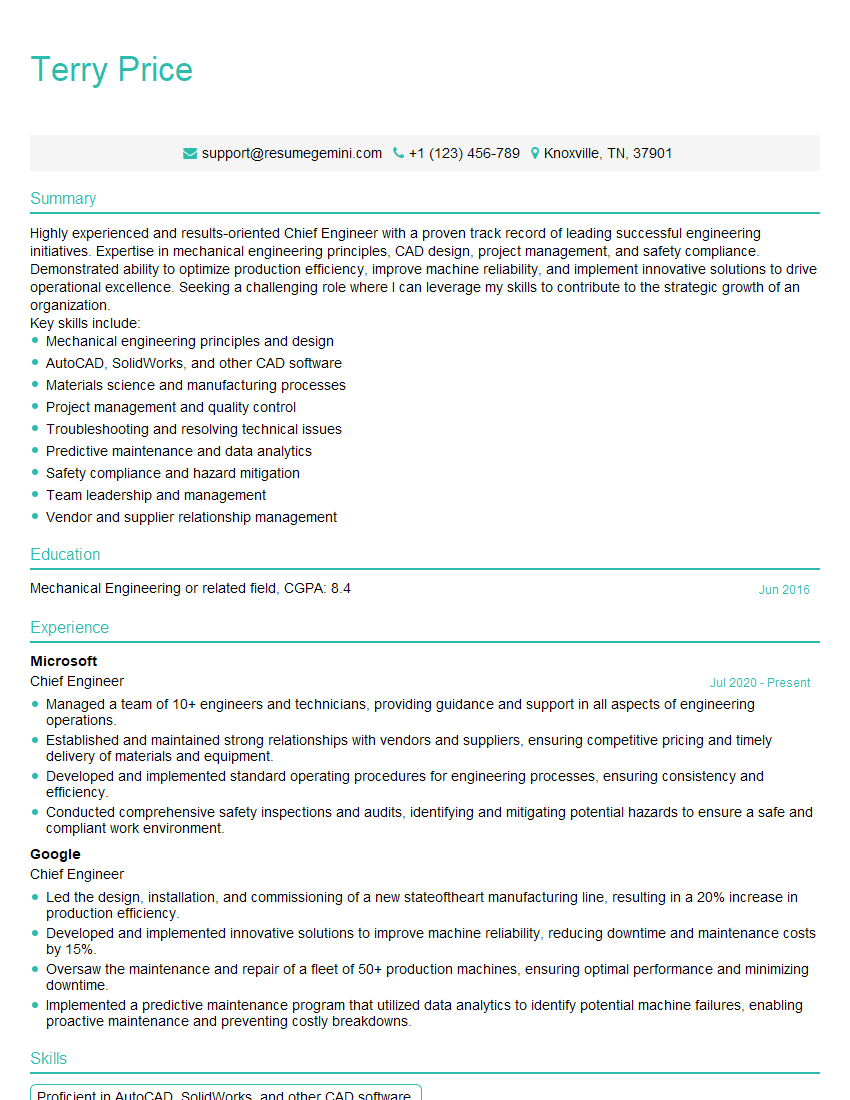
Chief Engineer Resume Sample
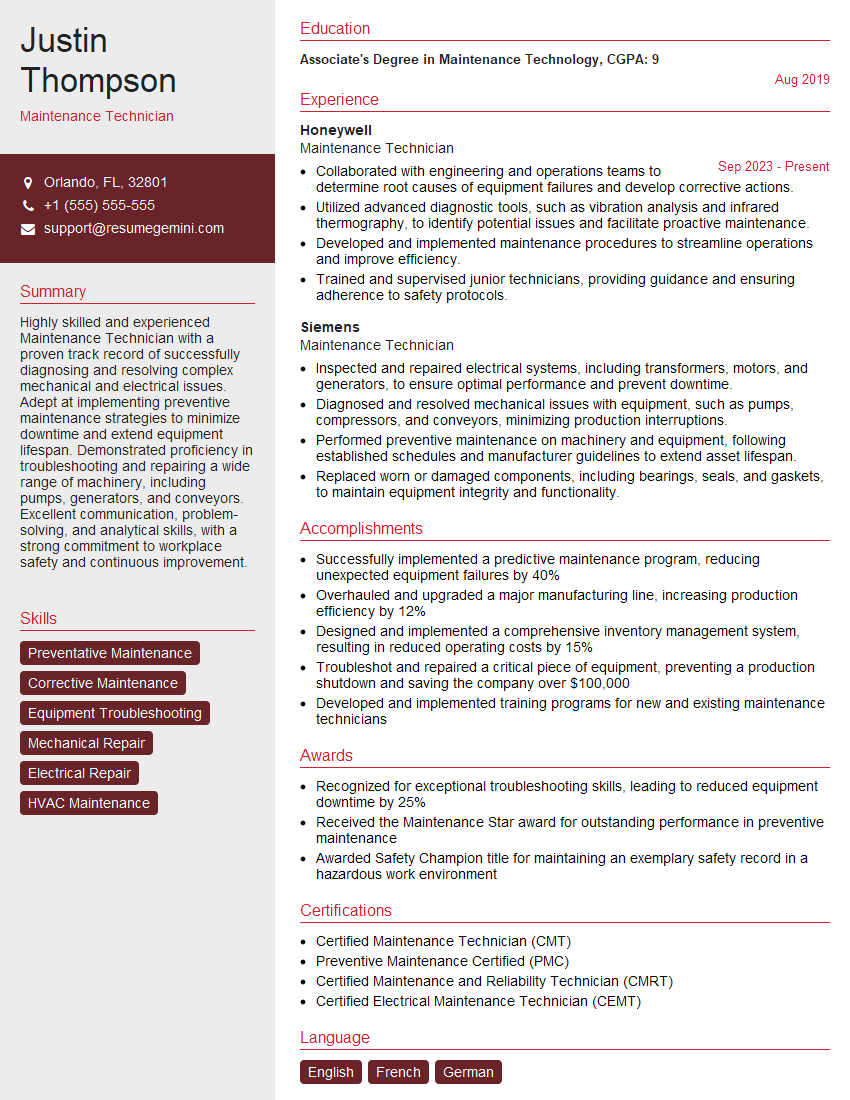
Maintenance Technician Resume Sample
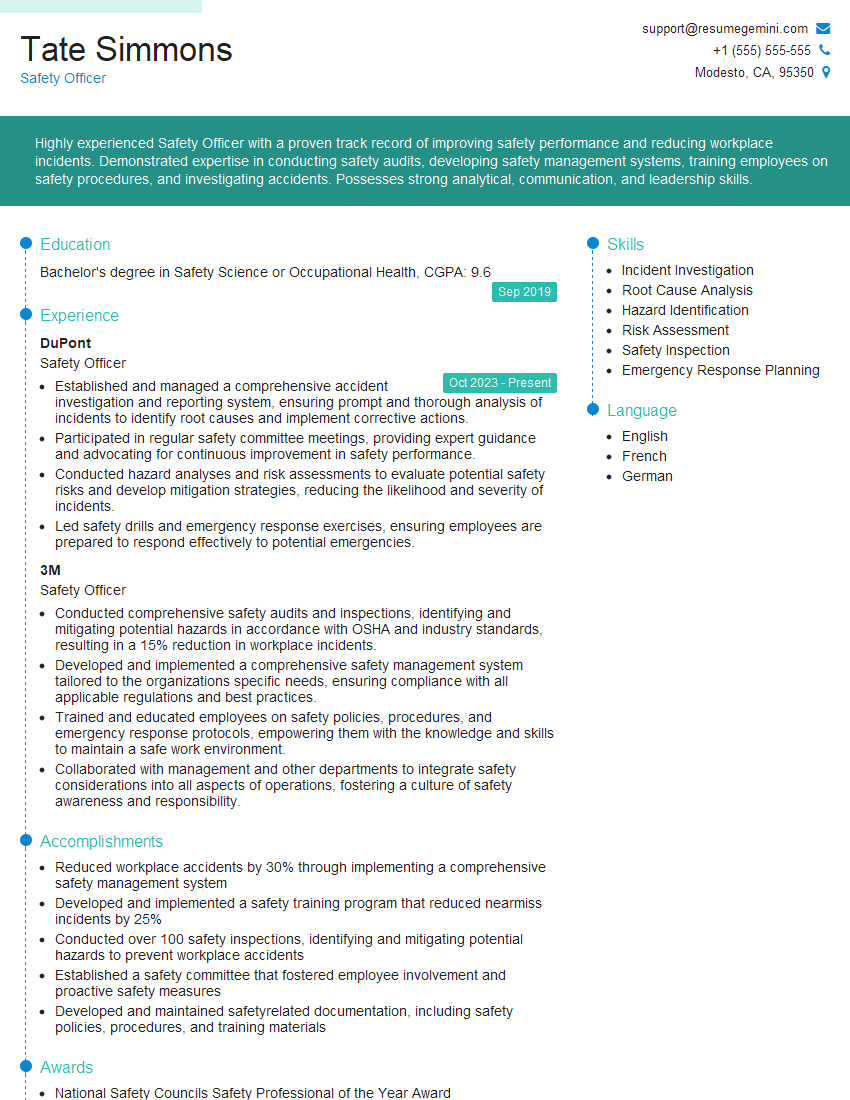
Safety Officer Resume Sample
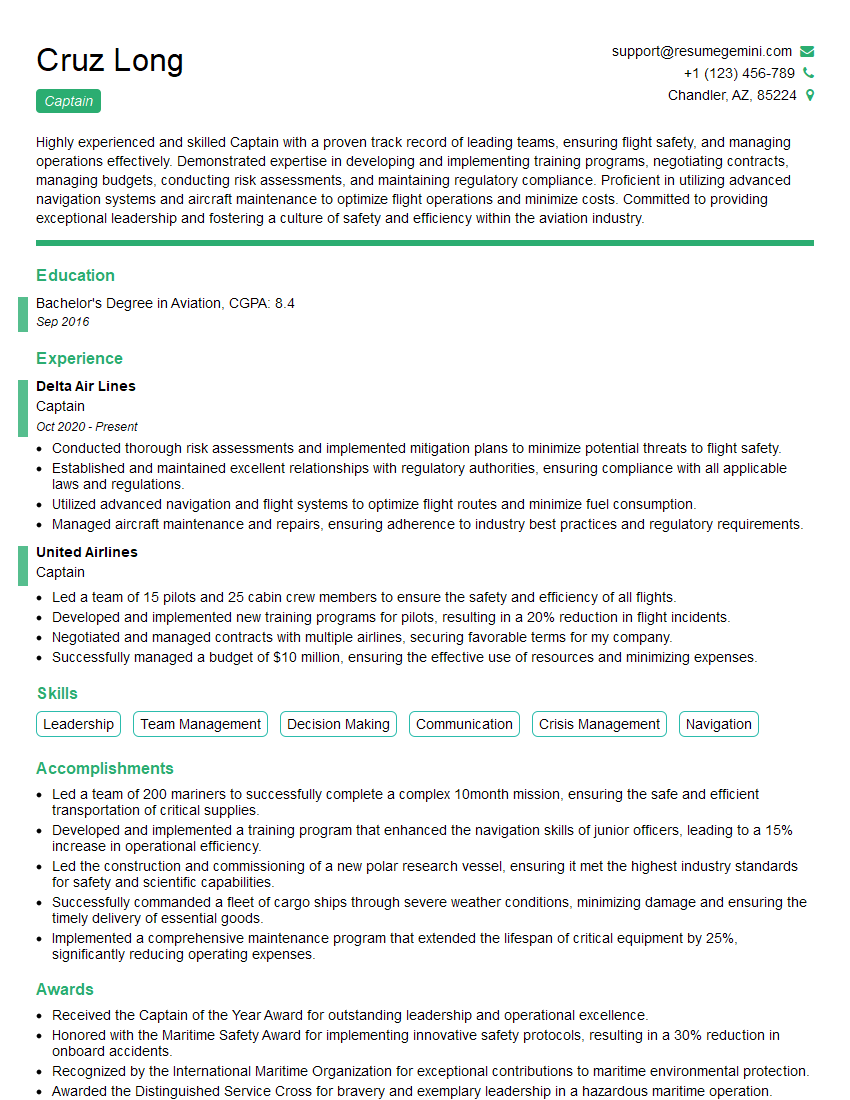
Captain Resume Sample

Crane Operator Resume Sample
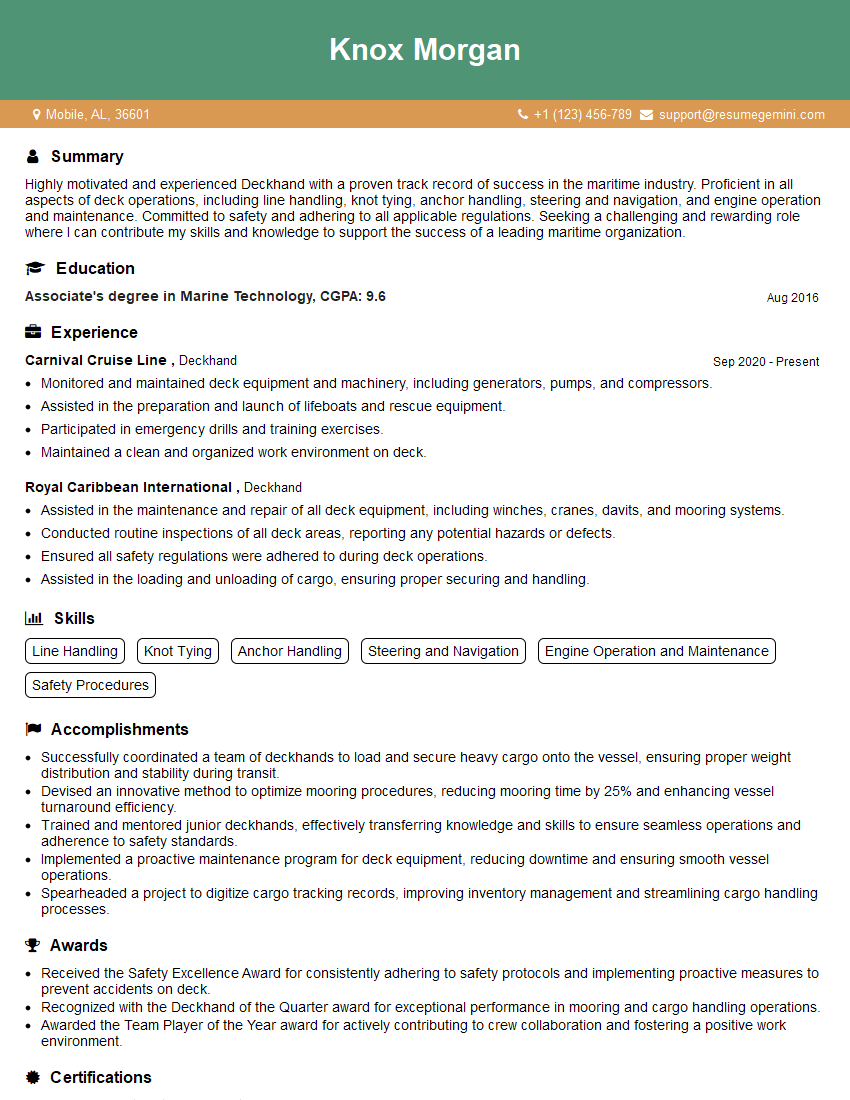
Deckhand Resume Sample
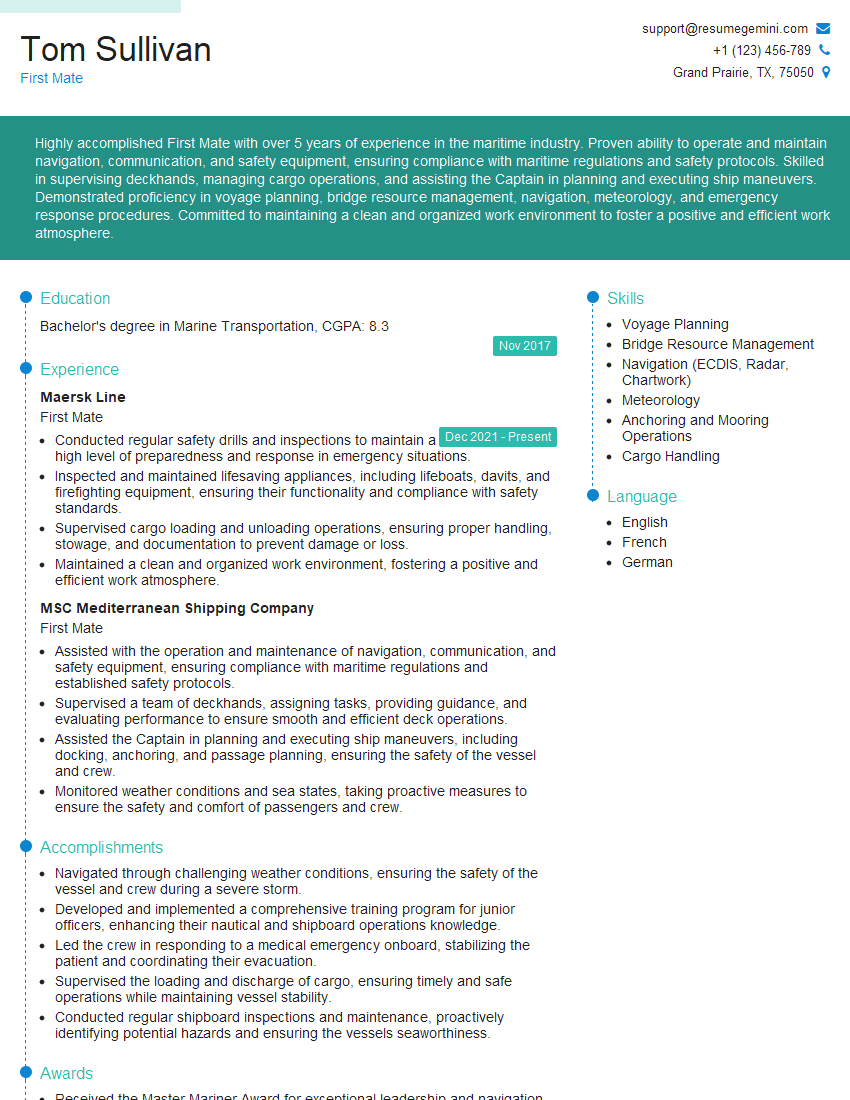
First Mate Resume Sample
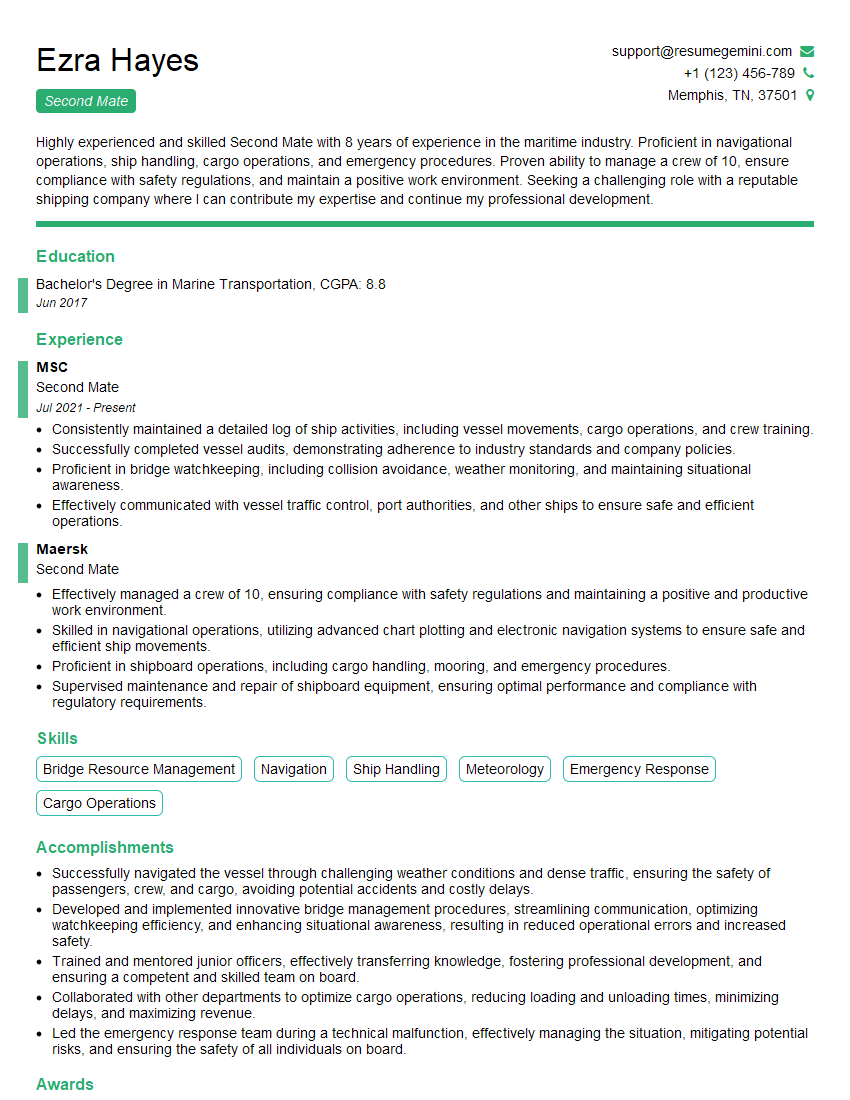
Second Mate Resume Sample
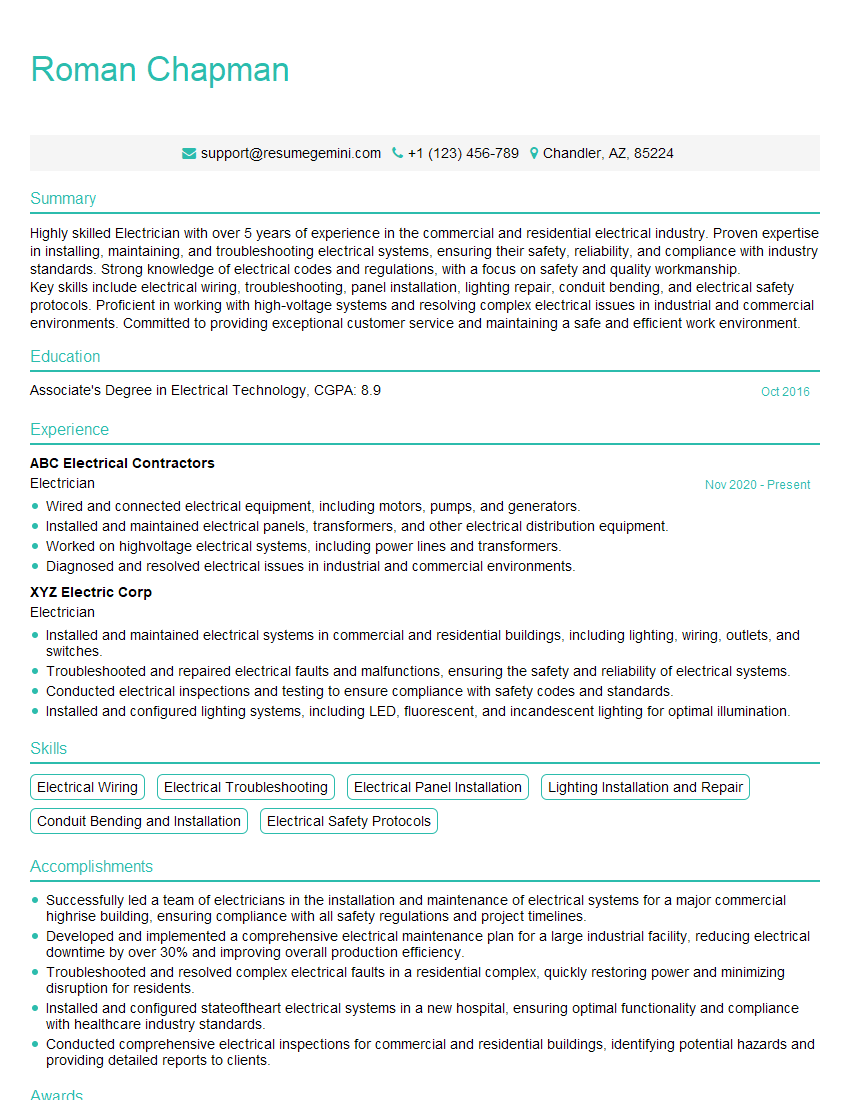
Electrician Resume Sample
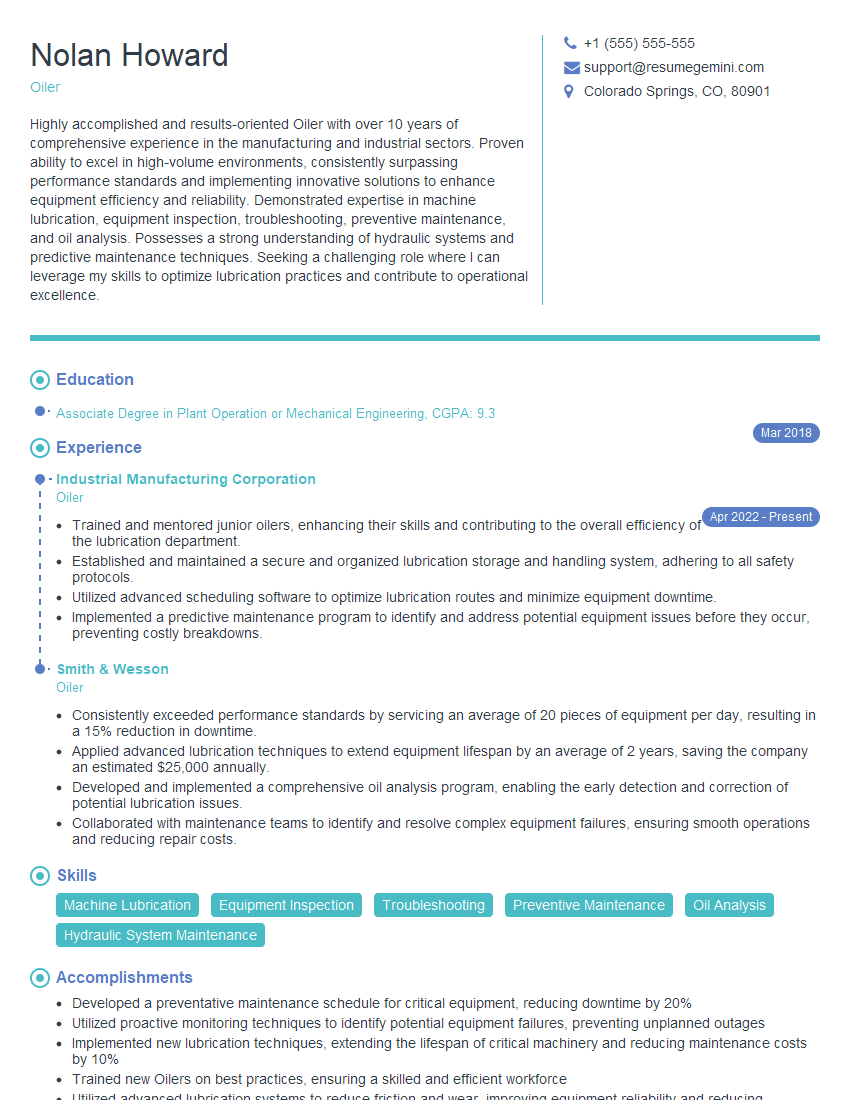
Oiler Resume Sample
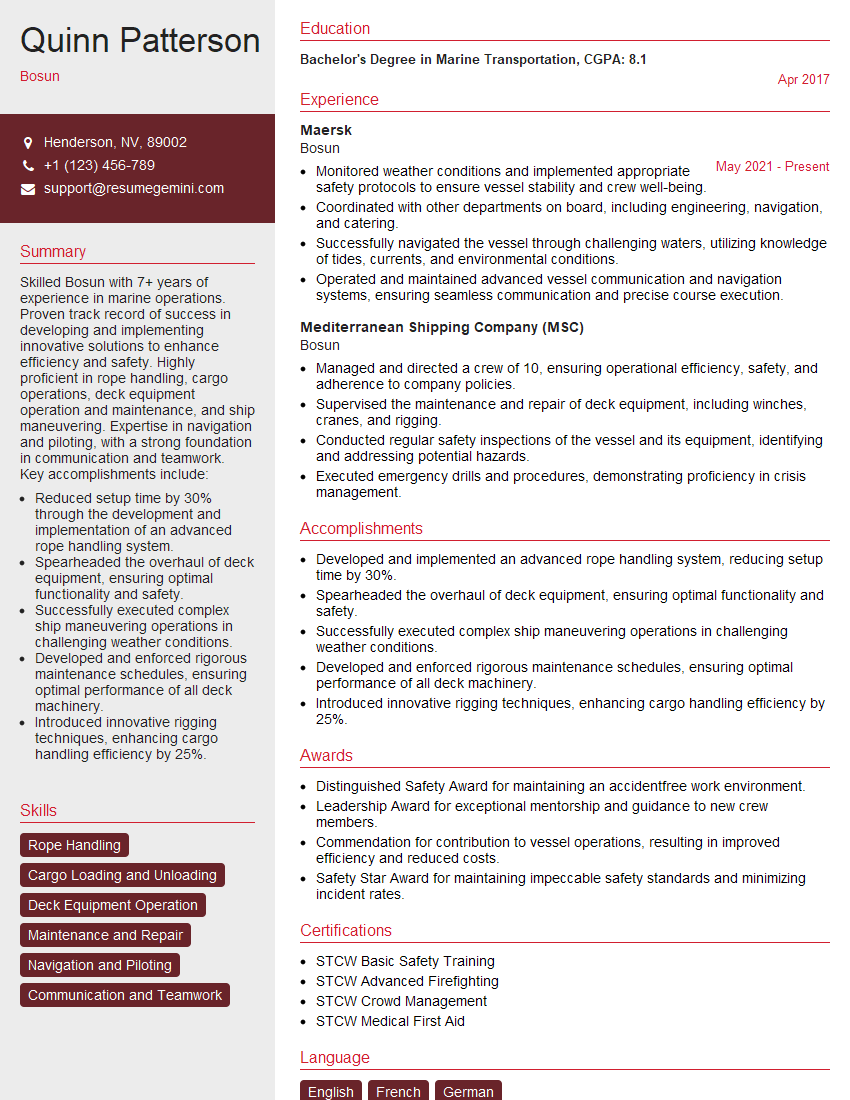
Bosun Resume Sample
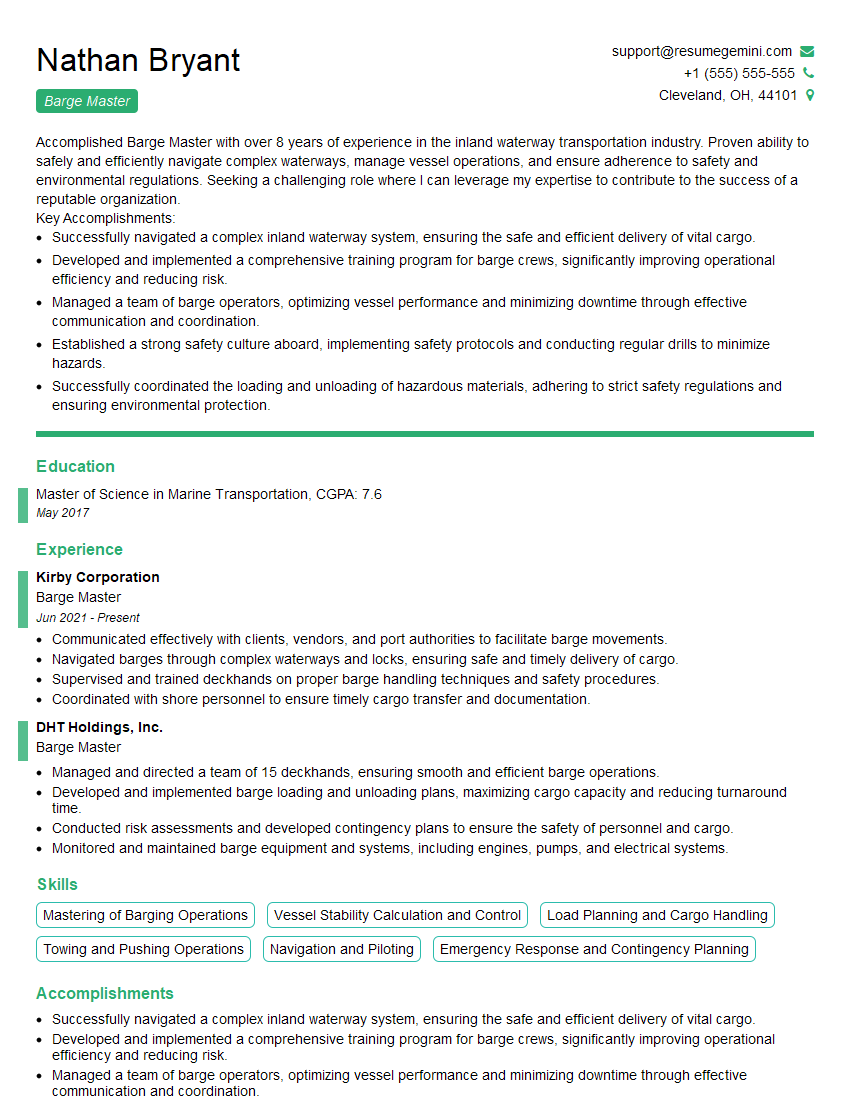
Barge Master Resume Sample
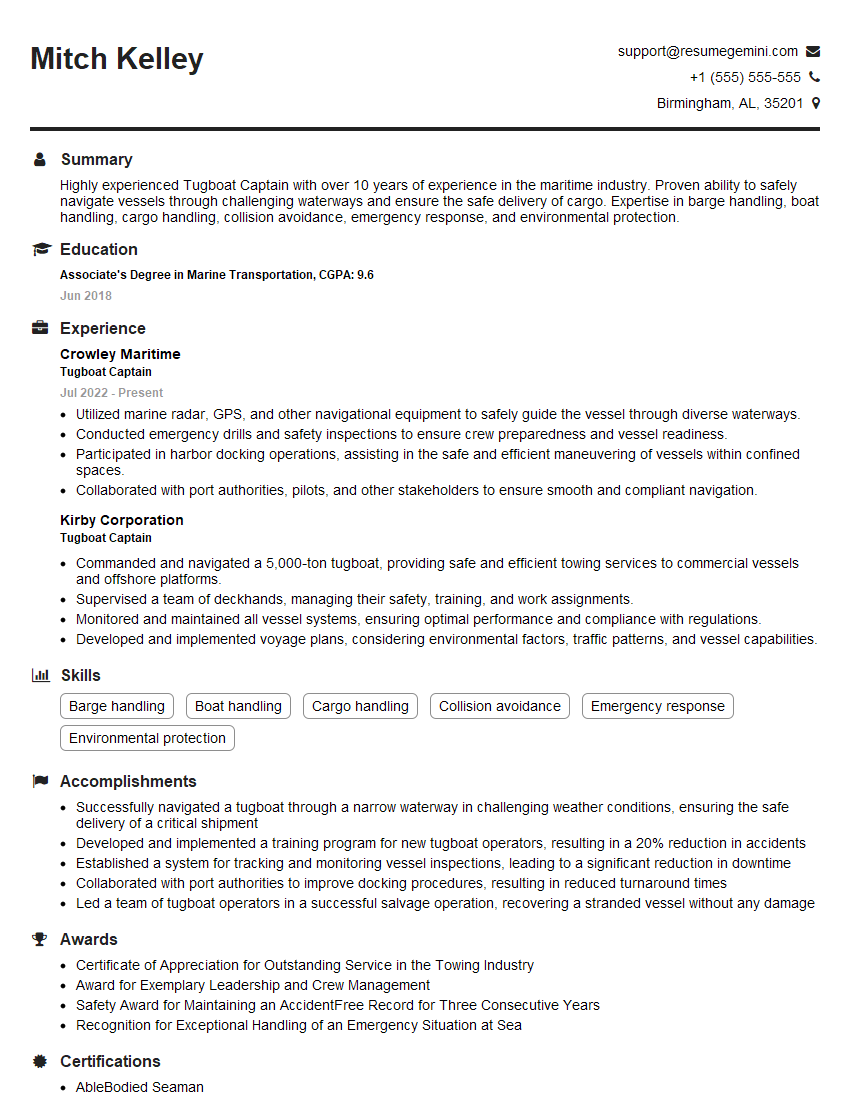
Tugboat Captain Resume Sample
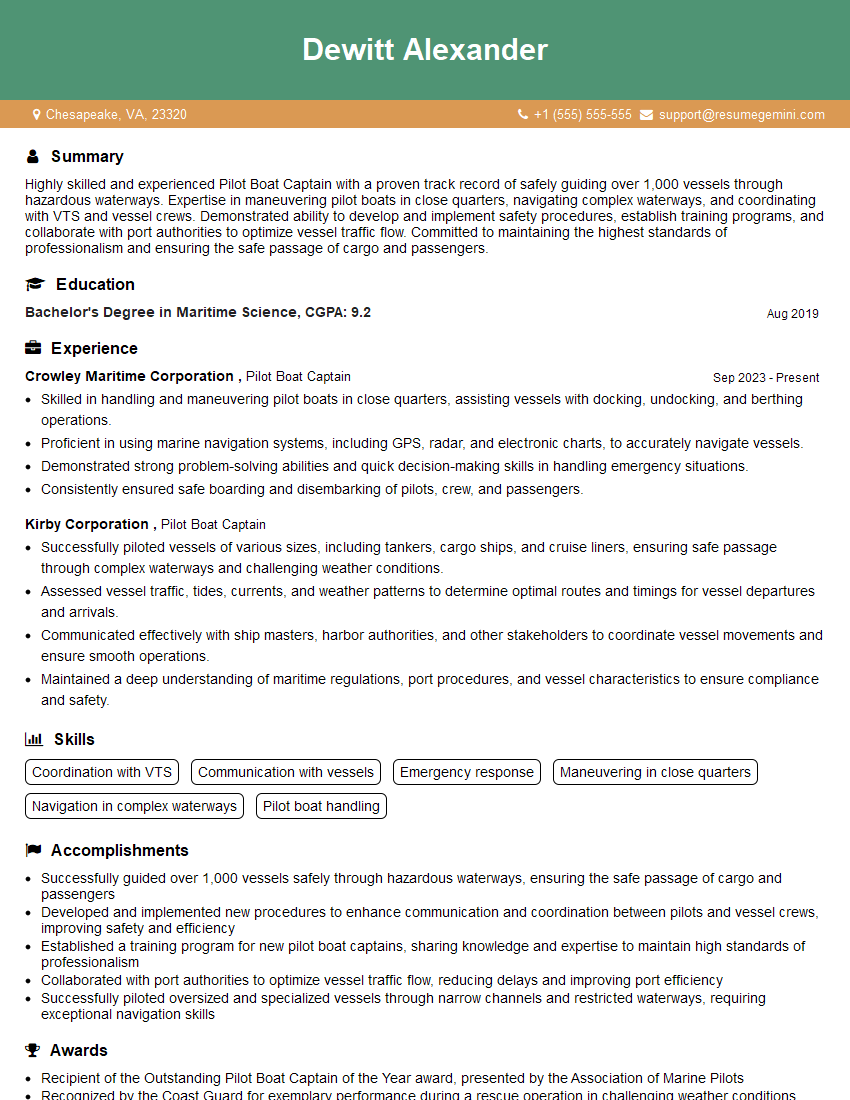
Pilot Boat Captain Resume Sample
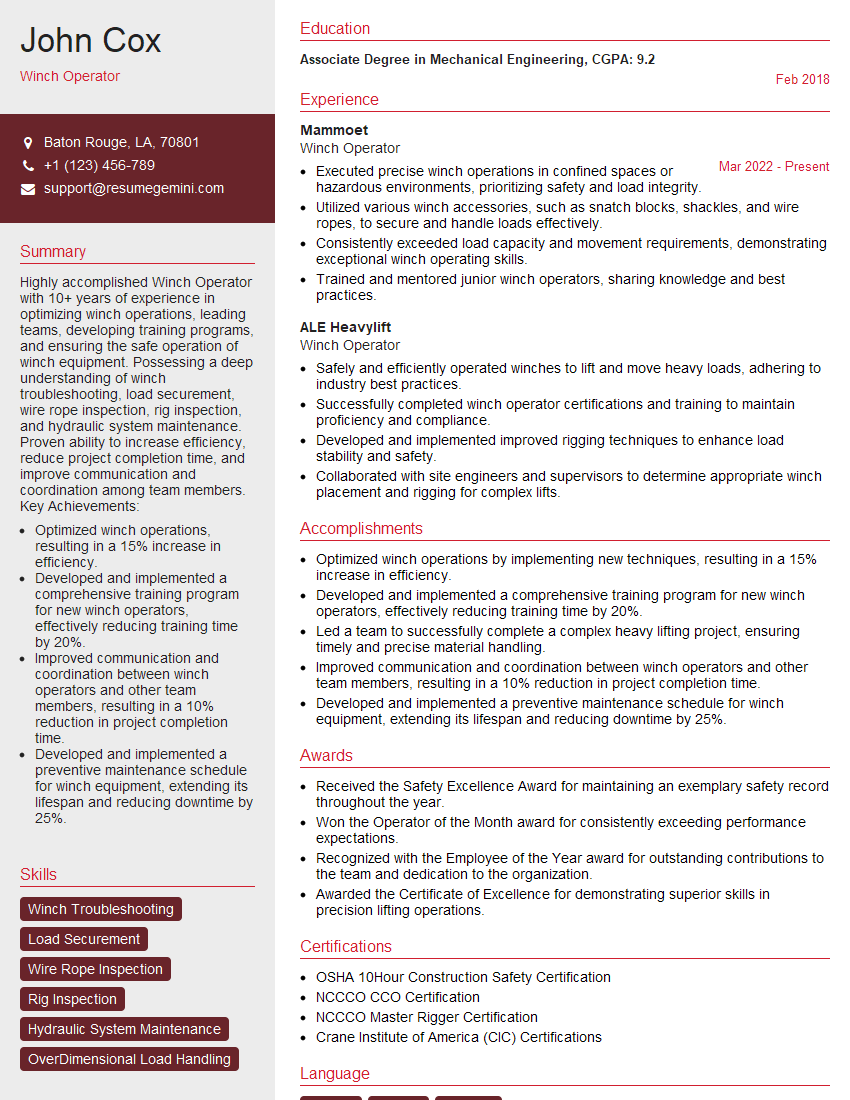
Winch Operator Resume Sample
Explore more articles
Users Rating of Our Blogs
Share Your Experience
We value your feedback! Please rate our content and share your thoughts (optional).
What Readers Say About Our Blog
Very informative content, great job.
good