Cracking a skill-specific interview, like one for Ship Chartering and Brokerage, requires understanding the nuances of the role. In this blog, we present the questions you’re most likely to encounter, along with insights into how to answer them effectively. Let’s ensure you’re ready to make a strong impression.
Questions Asked in Ship Chartering and Brokerage Interview
Q 1. Explain the difference between Time Charter and Voyage Charter.
The core difference between Time Charter and Voyage Charter lies in the duration of the vessel’s hire and the responsibilities of each party. Think of it like renting a car: a Voyage Charter is like renting a car for a specific trip, while a Time Charter is like leasing a car for a set period.
- Voyage Charter: The shipowner hires out their vessel for a single voyage, transporting cargo from a specific loading port to a discharge port. The shipowner is responsible for the vessel’s seaworthiness, while the charterer (the cargo owner) pays a fixed freight rate for the carriage of the goods. The charter period is short, typically lasting only the duration of the voyage.
- Time Charter: In this case, the charterer hires the vessel for a specific period of time (e.g., six months, one year). The charterer pays a daily or monthly rate for the use of the vessel, and is responsible for the vessel’s operational expenses (such as fuel and port charges) during the charter period. The shipowner remains responsible for the maintenance and seaworthiness of the vessel.
For example, imagine a company needing to ship a single cargo of grain from Argentina to Japan. They’d likely opt for a Voyage Charter. Conversely, a large container shipping company regularly moving goods globally might choose a Time Charter to secure consistent vessel availability for its operations.
Q 2. What are the key clauses in a standard charter party (e.g., GENCON, NYPE)?
Standard charter parties like GENCON and NYPE contain numerous clauses, but some key ones consistently appear. These clauses define the responsibilities and liabilities of both parties.
- Description of the Vessel: Details like vessel name, IMO number, deadweight tonnage, and carrying capacity are crucial for verification.
- Period of Charter: Specifies the charter period’s start and end dates (Voyage Charter) or duration (Time Charter).
- Laydays/Commencement: Indicates the number of days allowed for loading and discharging the cargo. Delays beyond laydays can lead to demurrage (charges paid by the charterer).
- Freight Rate: Specifies the price paid for the carriage of the cargo (Voyage Charter) or the daily/monthly hire rate (Time Charter).
- Cargo Details: Specifies the type, quantity, and handling requirements of the cargo.
- Delivery and Redelivery: Stipulates the port(s) where the vessel is delivered to and redelivered from the charterer.
- Exemption Clauses: These clauses outline circumstances beyond the control of either party that may excuse non-performance, such as force majeure (e.g., war, strikes).
- Arbitration Clause: Specifies the method of dispute resolution, typically through arbitration in a specified location.
Each clause is meticulously drafted to avoid ambiguities and ensure clarity, minimizing future disputes. Experienced charter brokers thoroughly review and negotiate these clauses to protect their clients’ interests.
Q 3. How do you assess market freight rates for various vessel types?
Assessing market freight rates involves analyzing various factors to determine a fair and competitive price. It’s not a simple equation, but a multifaceted process.
- Vessel Type and Size: Larger vessels often command higher rates due to higher capacity and economies of scale. Different vessel types (bulk carriers, tankers, containerships) have separate market dynamics.
- Supply and Demand: A surplus of available vessels will push rates down, while a high demand (e.g., during peak seasons) will drive rates up. This is a fundamental principle of market economics.
- Trade Route: Freight rates vary significantly based on the specific route. Routes with high demand or congestion will command higher rates.
- Market Indices: Indices like the Baltic Dry Index (BDI) and other specialized indices for various vessel types provide benchmarks for current market conditions. These are not perfect predictors, but helpful indicators.
- Fuel Prices: Fluctuations in bunker fuel prices directly impact operating costs and thus influence freight rates.
- Geopolitical Factors: Political instability, trade wars, and sanctions can disrupt shipping routes and affect supply chains, influencing rates.
To assess rates, I utilize a combination of market reports, indices, direct communication with shipowners and other brokers, and my own experience to build a comprehensive picture of market dynamics. It’s a blend of data analysis and market intuition.
Q 4. Describe your experience with cargo calculations and deadweight tonnage.
Accurate cargo calculations and understanding deadweight tonnage (DWT) are fundamental in ship chartering. DWT represents the maximum weight of cargo a vessel can carry. Inaccurate calculations can lead to significant financial losses.
My experience involves:
- Calculating Cargo Quantities: This requires converting different units of measurement (e.g., metric tons, cubic meters) for various cargo types and accounting for cargo density.
- Determining Stowability: Different cargoes have varying stowage factors, and ensuring efficient space utilization is crucial to maximize profitability.
- Calculating Deadweight Tonnage: This involves subtracting the vessel’s lightweight (hull, machinery, etc.) from the vessel’s displacement tonnage to arrive at the maximum cargo capacity. Variations in DWT can occur based on draft restrictions.
- Utilizing Cargo Planning Software: I’m proficient in using specialized software to optimize cargo loading plans and ensure stability and safety.
For instance, in one instance, I identified a potential over-loading situation identified by a difference between the charterer’s declared cargo weight and our own calculations based on the vessel’s characteristics and cargo density. Early detection prevented potential fines and safety hazards.
Q 5. Explain the process of negotiating charter rates with shipowners.
Negotiating charter rates with shipowners requires a blend of market knowledge, strong communication, and strategic negotiation tactics. It’s a collaborative, yet often competitive, process.
- Market Research: As mentioned previously, understanding market rates for the specific vessel type, route, and cargo is crucial. This establishes a baseline for negotiations.
- Initial Contact and Proposal: The negotiation starts with establishing contact with potential shipowners or their agents, presenting a clear charter proposal, including desired terms, dates, and proposed freight rates.
- Counter-Offers and Compromise: Expect counter-offers from shipowners, reflecting their own cost considerations and market expectations. Reaching a mutually agreeable rate often involves several rounds of compromise.
- Building Relationships: Strong relationships with shipowners are valuable. Trust and past experience can lead to more favorable terms in future negotiations.
- Documenting Agreement: The final negotiated terms are documented in a formal charter party agreement, defining all responsibilities and liabilities for both parties.
Negotiation involves not only the rate but also other crucial elements like lay days, demurrage clauses, and responsibilities. Flexibility and a good understanding of the counterparty’s needs are crucial. A successful negotiation results in a mutually beneficial agreement.
Q 6. How do you handle charter party disputes and claim resolutions?
Charter party disputes are unfortunately common in shipping. My approach to handling these disputes emphasizes proactive measures and efficient resolution.
- Thorough Review of the Charter Party: A careful review of the charter party itself, alongside all relevant communication, is crucial to identify the source of the dispute and what clauses apply.
- Communication and Negotiation: Attempting to resolve the issue through direct communication and negotiation is often the first step. A cooperative approach can save significant time and costs.
- Mediation: If direct negotiation fails, mediation by an experienced maritime mediator can be a valuable tool. Mediation allows parties to reach a mutually agreed solution outside of formal legal proceedings.
- Arbitration: Should mediation fail, arbitration is often specified in the charter party as the preferred method of dispute resolution. It’s a more formal process but typically avoids the costs and delays of court litigation.
- Litigation (as a last resort): Court litigation is usually the last resort. It is expensive, time-consuming and should only be pursued if other options fail.
In my experience, clear and thorough documentation, coupled with proactive communication and negotiation, significantly reduces the likelihood of disputes escalating into major legal battles.
Q 7. What are the major risks involved in ship chartering, and how do you mitigate them?
Ship chartering carries inherent risks, which can significantly impact profitability and even the survival of a business. Risk mitigation is crucial.
- Market Volatility: Freight rate fluctuations can greatly affect profitability. Hedging strategies (e.g., using futures contracts) can help mitigate this risk.
- Political and Geopolitical Risks: War, piracy, sanctions, and port congestion can disrupt voyages and cause significant delays and costs. Careful route planning, robust insurance coverage, and close monitoring of geopolitical events are necessary.
- Vessel Breakdown and Delays: Mechanical failures can lead to substantial delays and financial losses. Regular vessel inspections and maintenance, along with appropriate insurance coverage, are essential.
- Cargo Damage and Loss: Damage or loss of cargo can result in substantial claims. Proper cargo handling procedures, secure stowage, and comprehensive cargo insurance are crucial.
- Counterparty Risk: Default by the charterer or shipowner can lead to considerable financial repercussions. Thorough due diligence on counterparties and secured payment terms are essential safeguards.
Effective risk management requires a proactive approach, starting with careful due diligence, proper contract drafting, comprehensive insurance coverage, and close monitoring of all aspects of the charter throughout its duration. It’s about understanding the potential risks and taking steps to mitigate their impact.
Q 8. How familiar are you with different types of vessels (e.g., tankers, bulk carriers, containerships)?
My familiarity with vessel types is extensive. I possess a deep understanding of the nuances of each type, going beyond basic classifications. For instance, with tankers, I’m versed in the differences between crude oil tankers (VLCCs, Suezmaxes, Aframaxes), product tankers (LR1s, MRs, Handysize), and chemical tankers. This includes knowledge of their cargo carrying capacity, technical specifications, and operational characteristics, impacting charter rates and suitability for specific trades. Similarly, my expertise in bulk carriers encompasses Panamax, Capesize, and Supramax vessels, recognizing their size limitations concerning canal transits and port access, directly impacting voyage planning and cost efficiency. With containerships, I understand the distinctions between different vessel sizes (feeder vessels, Panamax, Post-Panamax, Ultra-Large Container Vessels – ULCS), their cellular configurations, and the impact of TEU (Twenty-foot Equivalent Unit) capacity on cargo handling and overall economics. This knowledge allows me to effectively match vessel types to specific cargo requirements and market conditions for optimal charter arrangements.
Q 9. Explain the concept of laytime and demurrage.
Laytime refers to the agreed period a charterer has to load and discharge cargo. It’s essentially the ‘free time’ allowed at the port. Demurrage is the penalty paid by the charterer to the shipowner for exceeding laytime. Think of it like renting a car – you have a certain number of days included in the rental fee (laytime). If you keep it longer, you pay extra (demurrage). For example, a charter party might stipulate 48 hours for loading and 72 hours for discharge. If loading takes 60 hours, the charterer will be liable for demurrage for the extra 12 hours. Accurate laytime calculation is crucial, frequently involving complex clauses, port regulations, and potential disputes. I have extensive experience in negotiating favorable laytime provisions and resolving demurrage disputes through effective communication and documentation.
Q 10. How do you manage vessel scheduling and optimize voyage planning?
Vessel scheduling and voyage planning involve a multifaceted approach combining market analysis, technical knowledge, and logistical expertise. I utilize advanced software and databases to optimize routes, considering factors like weather conditions, canal transits (Suez, Panama), port congestion levels, and estimated time of arrival (ETA). The process often starts with identifying suitable vessels based on cargo capacity and type, then selecting the optimal route based on fuel consumption, transit time, and potential delays. For example, if port congestion is anticipated at a major hub, alternative ports may be explored. Risk mitigation plays a critical role; for instance, including buffer time to account for potential delays caused by bad weather or unforeseen circumstances. This process necessitates continuous monitoring and adjustment based on real-time data to ensure timely delivery and cost-effectiveness. I have hands-on experience in managing complex vessel schedules, successfully navigating unforeseen challenges to ensure on-time delivery and minimize operational costs.
Q 11. What are your skills in using charter market databases and analytical tools?
I’m proficient in utilizing various charter market databases like Clarkson’s, VesselsValue, and IHS Markit. These databases provide crucial information on vessel availability, charter rates, and market trends. I also utilize analytical tools, including spreadsheets and specialized software for rate analysis, voyage costing, and risk assessment. For example, I can use historical data from these databases to forecast future charter rates, enabling informed decision-making regarding vessel chartering and contract negotiation. My analytical skills help me identify profitable opportunities and mitigate potential risks associated with market volatility.
Q 12. Describe your experience with different types of charter parties (e.g., bareboat, demise).
I have extensive experience with various charter party types, including bareboat charters (where the charterer takes responsibility for the vessel’s operation and maintenance, essentially renting the vessel itself) and demise charters (a more complex arrangement transferring nearly all responsibility for the vessel to the charterer for the duration of the charter). I also possess a comprehensive understanding of time charters (where the vessel is chartered for a fixed period), voyage charters (where the vessel is chartered for a single voyage), and trip charters (a special type of voyage charter, often involving round-trip voyages). Each charter type necessitates a different approach to contract negotiation and risk management, requiring a thorough understanding of the clauses and potential liabilities for both the shipowner and the charterer. My experience allows me to navigate the complexities of each charter type, tailoring them to the specific needs of each client and transaction.
Q 13. How do you handle unexpected events, such as port congestion or bad weather?
Handling unexpected events requires proactive planning and efficient communication. If port congestion occurs, I would immediately assess the situation, exploring alternative ports or scheduling adjustments, and communicating openly with all stakeholders – shipowners, charterers, and port authorities. For bad weather, I’d monitor weather forecasts, possibly adjusting the voyage plan to avoid severe conditions and ensuring the vessel’s safety. Effective risk management involves having contingency plans in place for various disruptions and maintaining open communication to minimize financial and operational losses. For example, having alternative vessel options ready or securing insurance coverage for potential delays significantly reduces the impact of unexpected events. This requires staying updated on global events that may impact shipping and proactively implementing preventative measures.
Q 14. Explain your understanding of Incoterms.
Incoterms (International Commercial Terms) are a set of standardized trade terms published by the International Chamber of Commerce (ICC). They define the responsibilities of the buyer and seller in an international trade transaction, particularly concerning the delivery of goods. Understanding Incoterms is crucial in ship chartering because they determine when the risk and cost of transporting goods transfer from seller to buyer. For instance, using CIF (Cost, Insurance, and Freight) implies the seller is responsible for the goods until they reach the named port of destination, while FOB (Free On Board) means the buyer takes responsibility once the goods are loaded onto the ship. Knowing the correct Incoterm to use is vital for clear contract terms, efficient cargo handling, and the avoidance of costly disputes. I have extensive practical experience integrating Incoterms into charter party agreements, guaranteeing clear responsibilities for both parties.
Q 15. How do you stay updated on current market trends and regulations in the shipping industry?
Staying abreast of market trends and regulations in the dynamic shipping industry is crucial. I employ a multi-pronged approach. This includes subscribing to reputable industry publications like Lloyd’s List and TradeWinds, which provide daily updates on market movements, freight rates, and geopolitical events impacting shipping. I also actively participate in industry conferences and webinars hosted by organizations such as BIMCO and the ICS, networking with peers and experts to gain firsthand insights.
Furthermore, I utilize online platforms and databases that offer real-time market data, including vessel tracking systems and freight rate indices. Regulatory updates are tracked through official government websites and specialized maritime law firms. Finally, maintaining strong relationships with charterers, shipowners, and other stakeholders allows for a continuous flow of information about emerging trends and challenges.
For example, the recent changes in the IMO’s sulfur cap regulations required significant adjustments to fuel procurement strategies and impacted operational costs. Staying informed allowed me to advise clients proactively on compliance and mitigation strategies.
Career Expert Tips:
- Ace those interviews! Prepare effectively by reviewing the Top 50 Most Common Interview Questions on ResumeGemini.
- Navigate your job search with confidence! Explore a wide range of Career Tips on ResumeGemini. Learn about common challenges and recommendations to overcome them.
- Craft the perfect resume! Master the Art of Resume Writing with ResumeGemini’s guide. Showcase your unique qualifications and achievements effectively.
- Don’t miss out on holiday savings! Build your dream resume with ResumeGemini’s ATS optimized templates.
Q 16. Describe your experience with cargo securing and handling.
Cargo securing and handling are paramount to safe and efficient shipping. My experience encompasses various cargo types, from containers and bulk goods to breakbulk and project cargo. I’m familiar with the intricacies of stowage planning, ensuring proper weight distribution and stability to prevent shifting during transit. This includes understanding the specific requirements for different cargo types and their sensitivity to environmental factors like temperature and humidity.
I’m proficient in using various securing methods, including lashing, bracing, and dunnage, adhering to international standards like the CTU Code (Cargo Transport Units) and ensuring compliance with the vessel’s stability criteria. I collaborate closely with stevedores and port authorities to ensure safe loading and discharge operations, minimizing the risk of damage or loss.
For instance, during the shipment of oversized wind turbine components, I worked with specialized rigging teams to ensure secure fastening, minimizing the risk of damage during transit and handling.
Q 17. How do you manage communication and collaboration with various stakeholders (e.g., shipowners, charterers, port agents)?
Effective communication and collaboration are the bedrock of successful chartering. I utilize a variety of communication tools, including email, instant messaging, and video conferencing, to maintain constant contact with all stakeholders. Transparency and clear, concise communication are key. I make sure all parties involved have a shared understanding of the contract terms, voyage details, and any potential challenges.
I’m skilled at managing expectations and resolving conflicts through open dialogue and collaborative problem-solving. For example, during a port congestion delay, I facilitated transparent communication between the charterer, the shipowner, and the port agents, ensuring everyone was informed and minimizing the impact on the shipment’s schedule.
Building trust and strong professional relationships is crucial. Regular updates, proactive problem-solving and a willingness to go the extra mile build confidence and create a smooth workflow across various parties.
Q 18. Explain your experience with vessel inspections and condition surveys.
Vessel inspections and condition surveys are critical to assessing a vessel’s seaworthiness and suitability for chartering. I’ve conducted numerous inspections both independently and with surveyors, examining various aspects of the vessel, including its hull, machinery, cargo holds, and onboard equipment. I’m familiar with various classification society standards and industry best practices.
My experience covers both pre-chartering inspections to identify any potential issues and post-voyage inspections to assess any damage or wear and tear. I’m adept at identifying potential problems, assessing their severity, and negotiating repairs or compensation with shipowners. I’m familiar with preparing reports detailing the vessel’s condition and any recommendations for maintenance or repairs.
For example, during a recent inspection, I identified a potential structural issue in a vessel’s ballast tank that could have led to serious problems. This early detection allowed for timely repairs, preventing costly delays and potential safety hazards.
Q 19. How do you ensure compliance with international maritime regulations (e.g., IMO, SOLAS)?
Compliance with international maritime regulations, such as those set by the IMO (International Maritime Organization) and SOLAS (Safety Of Life At Sea) convention, is non-negotiable. I have extensive experience ensuring that all chartering activities adhere to these regulations. This includes understanding the documentation required, such as certificates of registry, safety management certificates, and cargo manifests, and ensuring their validity.
My role involves reviewing charter party clauses to ensure they reflect the relevant legal and regulatory requirements. I stay updated on amendments to regulations and advise clients on their implications. I also conduct due diligence on vessels to ensure they meet the necessary standards for safety and environmental protection.
For instance, I played a key role in advising a client on the implications of the Ballast Water Management Convention, helping them select a vessel with compliant ballast water treatment systems and ensuring their adherence to reporting requirements.
Q 20. What is your experience with bunker fuel procurement and management?
Bunker fuel procurement and management is a significant aspect of chartering, influencing both operational costs and environmental impact. I possess experience in negotiating bunker fuel contracts with suppliers, considering factors like price, quality, and delivery schedules. I understand the importance of selecting appropriate fuel grades to meet the vessel’s requirements and environmental regulations.
I’m familiar with various bunker delivery methods and procedures, ensuring that fuel is delivered safely and efficiently. I also monitor bunker consumption to optimize fuel efficiency and manage costs. This involves analyzing fuel consumption data and identifying opportunities for improvement through operational adjustments or technical upgrades.
For example, by strategically procuring bunker fuel in specific ports and negotiating favorable contracts, I was able to significantly reduce the fuel costs for a client’s long-term charter, resulting in considerable savings.
Q 21. Describe your knowledge of P&I insurance and hull insurance.
P&I (Protection and Indemnity) insurance and hull insurance are crucial components of risk management in shipping. P&I insurance covers third-party liabilities, such as cargo damage, pollution, and personal injury claims. Hull insurance, on the other hand, covers damage to the vessel itself.
My experience involves working with insurers to secure adequate coverage for chartered vessels, ensuring that the policy terms adequately protect the interests of both owners and charterers. This includes reviewing policy documents, understanding the scope of coverage, and addressing any potential gaps or exclusions. I also advise clients on risk mitigation strategies to minimize the likelihood of claims.
For example, I helped a client navigate a complex P&I claim arising from a collision, working closely with the insurer and legal counsel to ensure a favorable outcome. Understanding the intricacies of these insurance policies is critical for minimizing financial risk in the often-unpredictable maritime industry.
Q 22. How do you analyze vessel performance data to identify areas for improvement?
Analyzing vessel performance data is crucial for optimizing operations and maximizing profitability. It involves a systematic review of various metrics to identify bottlenecks and areas for improvement. This process typically involves gathering data from various sources, such as the vessel’s onboard computer system (Voyage Data Recorder or VDR), operational logs, and performance reports from the crew.
- Fuel Consumption: We analyze fuel efficiency by comparing actual consumption against predicted values based on vessel type, speed, and weather conditions. Significant deviations highlight potential mechanical issues or inefficient routing strategies. For example, a consistently higher fuel burn than expected might point towards hull fouling, requiring cleaning.
- Speed and Cargo Handling: We assess the vessel’s speed performance against its design speed and analyze cargo loading and unloading times. Delays in these processes can significantly impact overall voyage profitability. Analyzing data might reveal issues with port infrastructure or loading/unloading equipment.
- Maintenance and Repairs: Tracking the frequency and duration of maintenance and repairs helps identify potential issues before they lead to significant downtime. Frequent repairs in a specific system suggest potential design flaws or a need for improved maintenance protocols.
- Crew Performance: While data analysis may not directly measure crew performance, it can indirectly highlight areas where training or improved procedures might improve overall efficiency. For instance, consistent delays in departure times might signal a need for better communication protocols between the crew and shore side operations.
By using data visualization tools and statistical analysis, we can identify trends and outliers that highlight areas needing attention. This data-driven approach allows for proactive problem-solving and continuous improvement, leading to increased efficiency and reduced operational costs.
Q 23. How familiar are you with different types of shipping documents (e.g., Bill of Lading, Charter Party)?
I’m very familiar with various shipping documents, their intricacies, and their importance in the chartering process. These documents form the legal framework for every transaction. Understanding their nuances is critical for mitigating risks and ensuring smooth operations. Key documents include:
- Bill of Lading (B/L): This is a crucial document acknowledging receipt of goods by the carrier and serves as a contract of carriage. It specifies details such as the goods, the shipper, the consignee, the port of loading, the port of discharge, and the freight rate. Different types of B/Ls exist (e.g., straight B/L, order B/L) with varying implications for ownership and transferability. Any inaccuracies can lead to disputes and delays.
- Charter Party (CP): This is the primary contract in ship chartering, outlining the terms and conditions agreed upon by the shipowner and the charterer. It details everything from the vessel’s specifications and the agreed charter period to the payment terms, liabilities, and responsibilities of each party. There are various types of charter parties (e.g., Voyage Charter, Time Charter, Bareboat Charter), each with its own set of clauses and implications.
- Seaworthiness Certificate: This certifies that the vessel is fit to carry cargo safely. A lack of this certificate can have serious consequences and impact insurance coverage.
- Cargo Manifest: A detailed list of the goods carried onboard. This is important for customs clearance and cargo tracking.
My experience allows me to expertly interpret and draft these documents, ensuring legal compliance and protecting the interests of all parties involved. I understand the implications of specific clauses and can identify potential areas of conflict before they arise.
Q 24. Explain your experience with vessel financing and leasing.
My experience in vessel financing and leasing involves understanding the complex financial mechanisms involved in securing funding for vessel acquisitions and operations. This includes working with banks, financial institutions, and leasing companies to structure favorable deals for both shipowners and charterers.
- Vessel Financing: I’ve been involved in structuring various financing arrangements, including loans, mortgages, and private equity investments. This requires detailed analysis of the vessel’s value, its projected earnings, and the market conditions. It is crucial to negotiate favorable interest rates, repayment terms, and security provisions.
- Vessel Leasing: I have experience in negotiating lease agreements, considering factors such as lease duration, payment schedules, options for purchase, and maintenance responsibilities. I understand the importance of risk allocation and ensuring that the agreement protects the interests of both the lessor and the lessee.
For example, I successfully negotiated a financing package for a new bulk carrier, securing a competitive interest rate with favorable repayment terms by leveraging market analysis and the shipowner’s strong credit history. Understanding both the technical aspects of vessels and the financial intricacies is paramount in this area.
Q 25. What are your skills in using relevant software for chartering operations?
I’m proficient in using various software applications essential for chartering operations. This includes:
- Charter rate platforms: I utilize online platforms to access real-time market data, track freight rates, and identify potential chartering opportunities. These platforms typically provide comprehensive information on vessel availability, cargo demands, and market trends.
- Vessel tracking systems: I utilize systems that provide real-time vessel location and status information. This helps in monitoring vessel performance and making informed decisions about schedules and routing.
- Cargo management systems: I’m familiar with systems used to manage and track cargo movements, ensuring efficient and secure cargo handling processes.
- Spreadsheets and Data Analysis Tools: I use spreadsheets (Excel, Google Sheets) and specialized data analysis software for financial modeling, market analysis, and performance reporting. This includes creating financial models to assess the profitability of charter deals and to develop projections based on anticipated market conditions.
Proficiency in these tools allows for efficient data management, accurate analysis, and effective decision-making, contributing to increased operational efficiency and profitability.
Q 26. How do you use market analysis to predict future freight rates?
Predicting future freight rates is a complex process, requiring a deep understanding of market dynamics and the ability to interpret various data points. My approach involves a multi-faceted analysis:
- Supply and Demand: I analyze the balance between vessel supply (newbuilding deliveries, vessel scrapping) and cargo demand (global trade volumes, seasonal variations). Increased demand relative to supply usually pushes rates upward, and vice-versa.
- Geopolitical Factors: I consider geopolitical events (e.g., political instability, trade wars, sanctions) that can significantly impact trade flows and freight rates. Unexpected events can cause sudden shifts in the market.
- Economic Indicators: I assess broader economic trends (e.g., global economic growth, inflation, fuel prices) that influence shipping demand. A strong global economy generally drives higher freight rates.
- Market Intelligence: I gather intelligence from industry publications, market reports, and network contacts to understand current market sentiment and anticipate future trends.
I use statistical modeling and forecasting techniques to incorporate these factors into my predictions. While precise prediction is impossible, a systematic analysis increases the accuracy of forecasting, allowing for better risk management and more informed chartering decisions. For example, anticipating a surge in grain exports from a specific region due to a predicted bumper harvest allows for securing vessels in advance at potentially favorable rates.
Q 27. Describe your experience in building and maintaining relationships with clients and suppliers.
Building and maintaining strong relationships with clients and suppliers is crucial in the chartering business. It’s about trust, transparency, and mutual benefit. My approach involves:
- Proactive Communication: I maintain regular communication with clients and suppliers, keeping them updated on market trends, vessel availability, and any relevant developments. This ensures that everyone is well-informed and prepared.
- Understanding Needs: I make an effort to understand the specific needs and priorities of each client and supplier, tailoring my approach to meet their requirements.
- Delivering Value: I consistently strive to deliver value by providing efficient and effective services that meet or exceed expectations. This builds trust and strengthens relationships.
- Networking: I actively participate in industry events and maintain a strong network of contacts. This helps in expanding my reach and building relationships with potential clients and suppliers.
For example, I’ve nurtured a long-term relationship with a major mining company by consistently providing them with reliable vessels at competitive rates. This trust has resulted in continued business and referrals, leading to long-term success for both parties.
Q 28. How would you handle a situation where a vessel is delayed due to unforeseen circumstances?
Vessel delays due to unforeseen circumstances are unfortunately a common occurrence in shipping. My approach to handling such situations involves a proactive and systematic response:
- Identify the Cause: The first step is to quickly determine the cause of the delay (e.g., bad weather, mechanical breakdown, port congestion). This helps in assessing the potential impact and formulating a response.
- Assess the Impact: We assess the impact on the charterer, the shipowner, and any other relevant parties. This includes potential cost implications, schedule disruptions, and contractual obligations.
- Communicate Proactively: We immediately communicate with all relevant parties to keep them informed of the situation and our proposed actions. Open and transparent communication is vital in mitigating potential disputes.
- Explore Solutions: We explore all possible solutions to minimize the disruption, which might include negotiating with port authorities, arranging for repairs, or finding alternative vessels.
- Document Everything: We maintain thorough documentation of all events, communications, and decisions. This is crucial for addressing potential claims or disputes.
For example, when a vessel was delayed due to a severe storm, I immediately contacted the charterer and the shipowner to discuss the situation. We negotiated an extension to the charter period, ensuring that the charterer did not incur significant costs, and provided documentation to the shipowner to support any insurance claims.
Key Topics to Learn for Ship Chartering and Brokerage Interview
- Charter Party Contracts: Understanding different charter types (Time Charter, Voyage Charter, Bareboat Charter), clauses, and their implications for risk allocation and profitability. Practical application: Analyze a sample charter party and identify key risk factors for both charterer and owner.
- Market Analysis & Forecasting: Analyzing freight rates, supply and demand dynamics, and geopolitical factors influencing the shipping market. Practical application: Interpret market reports and predict potential rate fluctuations for specific vessel types.
- Vessel Operations & Technical Knowledge: Basic understanding of vessel types, specifications (deadweight, draft, speed), and operational capabilities. Practical application: Assess the suitability of a vessel for a specific cargo and voyage.
- Cargo Handling & Documentation: Knowledge of cargo types, handling procedures, and associated documentation (Bill of Lading, Certificate of Seaworthiness). Practical application: Outline the steps involved in securing cargo space and ensuring smooth cargo transit.
- Commercial Negotiation & Communication: Effective negotiation skills, building rapport with clients, and clear communication of market information. Practical application: Develop strategies for negotiating optimal freight rates and charter terms.
- Risk Management & Dispute Resolution: Identifying and mitigating potential risks associated with chartering, and understanding dispute resolution mechanisms. Practical application: Outline a plan for handling potential delays or cargo damage.
- Legal & Regulatory Compliance: Familiarity with relevant international maritime regulations and legal frameworks. Practical application: Identify compliance issues within a given charter party scenario.
Next Steps
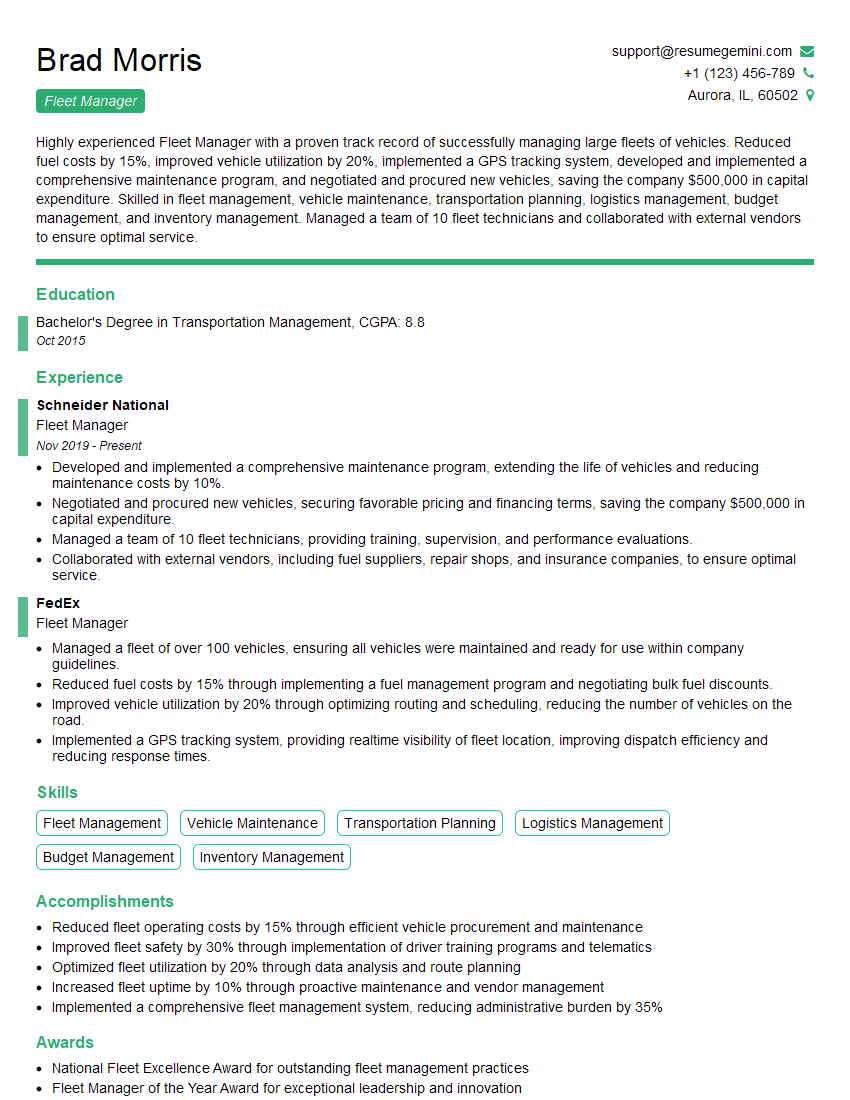
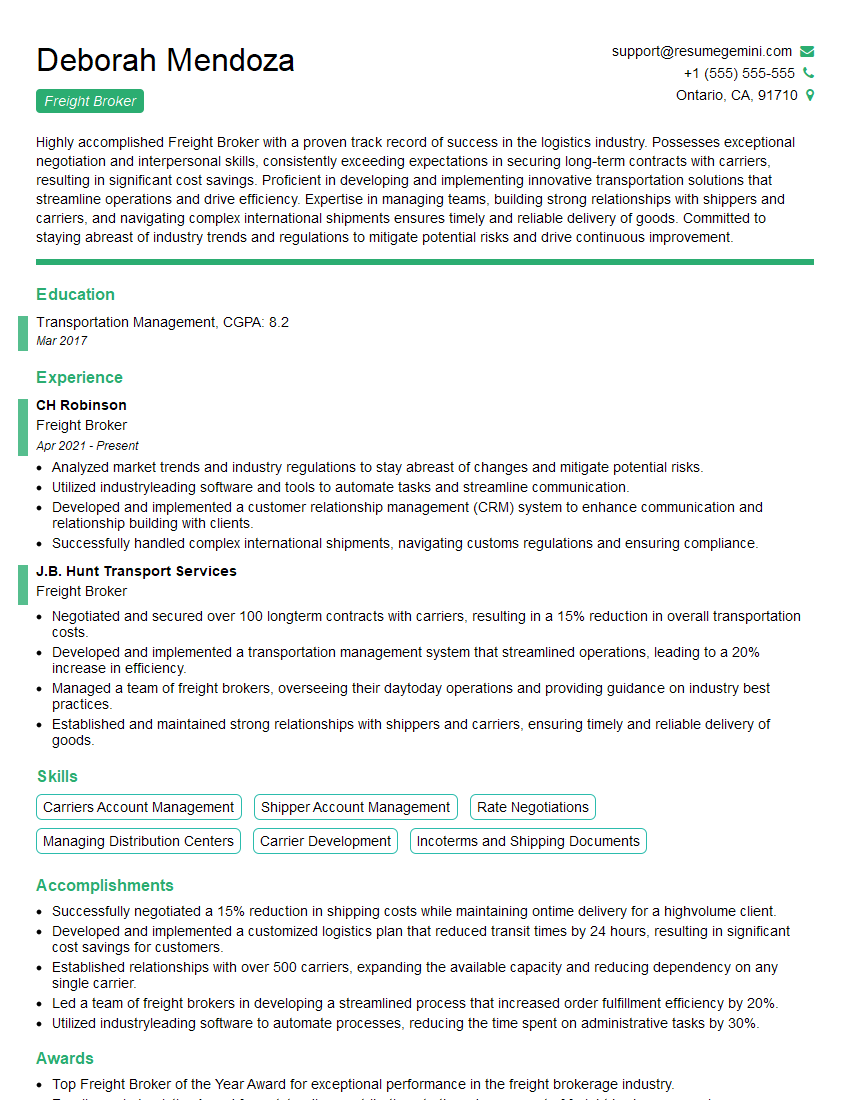
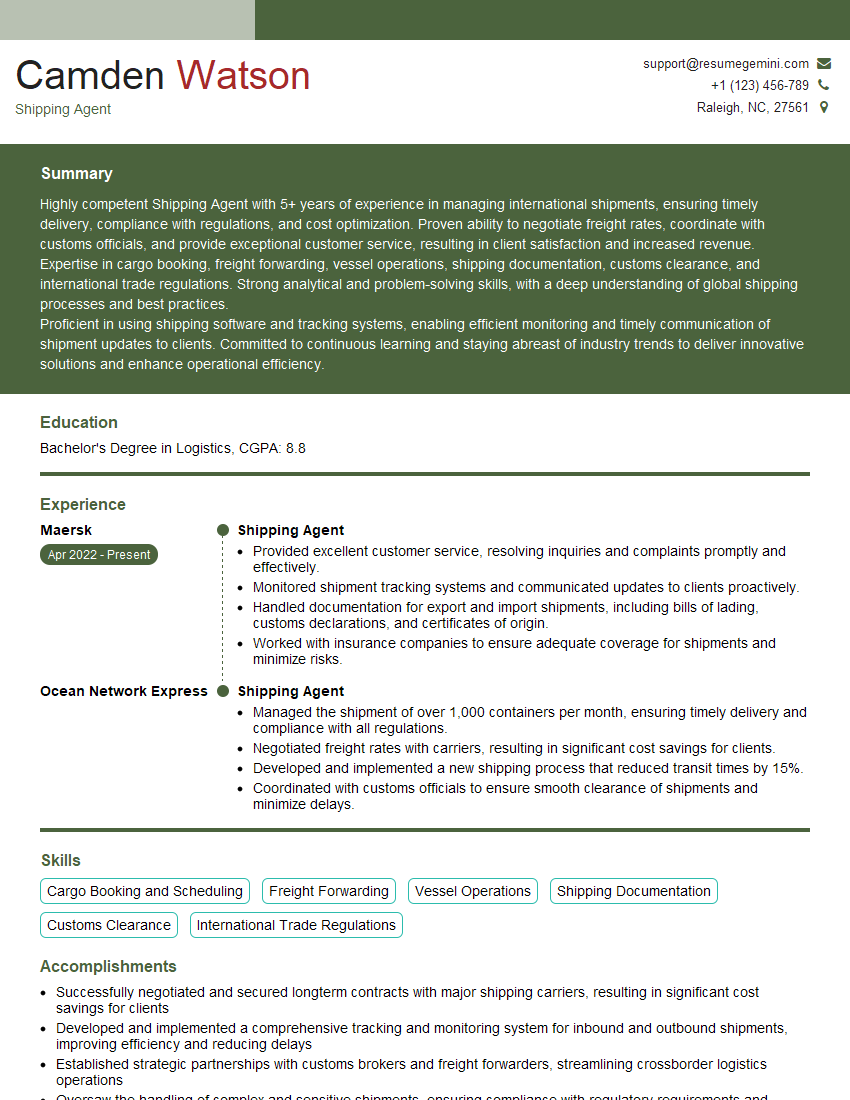
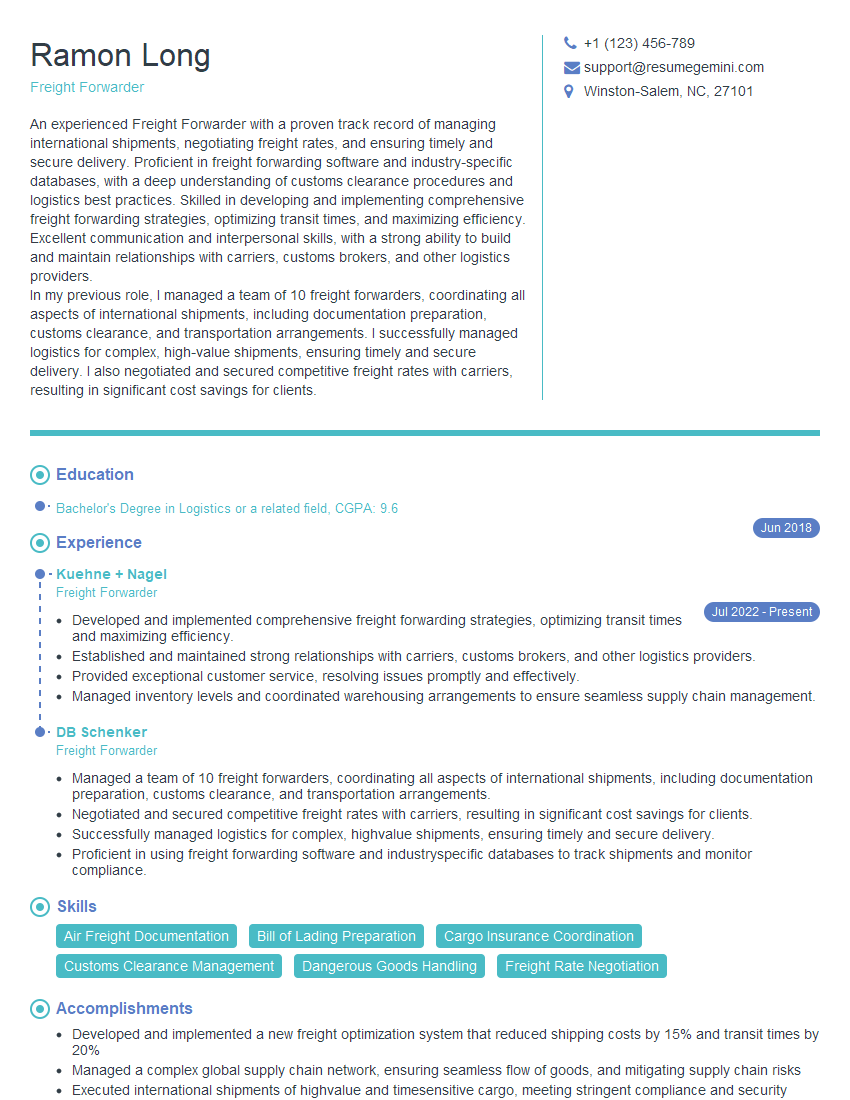
Mastering Ship Chartering and Brokerage opens doors to a dynamic and rewarding career in the maritime industry, offering opportunities for growth and specialization. To maximize your job prospects, creating a compelling and ATS-friendly resume is crucial. ResumeGemini is a trusted resource that can help you craft a professional resume tailored to the specific requirements of this competitive field. Examples of resumes tailored to Ship Chartering and Brokerage roles are available to help guide you. Invest time in building a strong resume – it’s your first impression to potential employers.
Explore more articles
Users Rating of Our Blogs
Share Your Experience
We value your feedback! Please rate our content and share your thoughts (optional).
What Readers Say About Our Blog
Very informative content, great job.
good