The thought of an interview can be nerve-wracking, but the right preparation can make all the difference. Explore this comprehensive guide to Shipboard Safety and Emergency Procedures interview questions and gain the confidence you need to showcase your abilities and secure the role.
Questions Asked in Shipboard Safety and Emergency Procedures Interview
Q 1. Describe your experience with implementing shipboard safety management systems (SMS).
Implementing a Shipboard Safety Management System (SMS) involves a structured approach to proactively identifying, assessing, and mitigating risks. It’s not just about ticking boxes; it’s about fostering a safety culture. My experience spans several years, working with diverse vessel types – from container ships to tankers. I’ve been directly involved in developing and implementing SMS documentation, conducting safety audits, and providing training to crew members. For instance, on a recent project involving a bulk carrier, I led the development of a comprehensive SMS that integrated risk assessments specific to cargo handling, navigation in confined waters, and preventative maintenance schedules for critical equipment. This involved close collaboration with the Master, Chief Engineer, and departmental heads to ensure buy-in and effective implementation. The success was measured by a noticeable reduction in near-miss incidents and a significant improvement in safety awareness among the crew, reflected in our safety performance indicators.
Q 2. Explain the International Safety Management (ISM) Code and its practical application.
The International Safety Management (ISM) Code is a mandatory international standard for the safe management and operation of ships and for pollution prevention. It’s like a safety rulebook for shipping companies, aiming to create a culture of safety from the top down. In practice, this involves establishing a Safety Management System (SMS) with clearly defined responsibilities, documented procedures, and regular audits. Key elements include a designated Safety Management Officer (SMO), a comprehensive safety policy approved by senior management, regular safety meetings, and a process for investigating accidents and near misses to prevent recurrences. For example, a company’s ISM Code implementation might include specific procedures for emergency response to oil spills, detailed checklists for pre-voyage inspections, and a system for reporting and analyzing safety-related incidents. Effective application involves continuous improvement, regular reviews, and adaptation to changing operational contexts and regulatory updates.
Q 3. What are the key elements of a comprehensive emergency response plan?
A comprehensive emergency response plan is the cornerstone of shipboard safety. It outlines procedures for handling various emergencies, ensuring crew and vessel safety. Key elements include:
- Emergency Contact List: Detailed contact information for relevant authorities, emergency services, and company representatives.
- Communication Plan: Procedures for internal and external communication during an emergency, specifying channels and responsibilities.
- Muster Stations & Assembly Points: Clearly defined locations for crew to gather after an alarm.
- Emergency Procedures: Detailed steps for handling specific emergencies, including fire, flooding, medical emergencies, and man overboard situations. These procedures must include diagrams and flowcharts for clarity.
- Life-Saving Appliances: A comprehensive inventory and maintenance schedule for all life-saving appliances (lifeboats, life rafts, life jackets).
- Emergency Equipment: A check list and procedure for the deployment of essential emergency equipment (fire extinguishers, fire hoses, first-aid kits).
- Abandon Ship Procedure: Step-by-step instructions for abandoning the vessel, including launching lifeboats and rafts.
- Post-Emergency Procedures: Steps for assessing damage, reporting the incident, and resuming operations safely.
Regular drills and training are critical for ensuring the plan’s effectiveness. Imagine a scenario: a fire breaks out in the engine room. The plan dictates immediate actions like raising the alarm, initiating fire-fighting, contacting emergency services, and evacuating non-essential personnel. The effectiveness of the plan depends on clear communication and crew familiarity with all procedures.
Q 4. How would you conduct a fire drill onboard a vessel?
Conducting a fire drill onboard follows a structured process. First, a general alarm is sounded, indicating the type of emergency (e.g., fire in the galley). Crew members proceed to their designated muster stations. The drill officer (usually the Master or a designated officer) verifies that everyone is accounted for and checks for the correct use of personal protective equipment (PPE). Next, fire-fighting teams simulate extinguishing the fire, practicing hose handling and using fire extinguishers correctly. It is also critical to practice the use of the vessel’s fire detection and alarm systems. Following this, a debriefing session reviews the drill, identifying areas for improvement. Regular drills, using different fire scenarios, are essential for maintaining crew proficiency and readiness. Each drill should be documented, including any findings and corrective actions. For example, a drill focusing on a fire in the engine room would allow the crew to practice using breathing apparatus and dealing with hazardous materials. Thorough documentation allows for continuous improvement and helps to prevent serious injuries.
Q 5. Detail your experience with man overboard procedures.
My experience with man overboard procedures includes both theoretical knowledge and practical application during several drills and near-miss scenarios. The procedure involves immediate actions – sounding the alarm, visually confirming the location of the person overboard, launching a lifeboat or deploying a life raft, and notifying the relevant authorities. The vessel needs to maneuver quickly to minimize the risk of the person drifting further, while maintaining a safe distance from the lifeboat or raft. The use of man overboard equipment, such as a MOB button on the GPS or dedicated searchlights, is crucial in coordinating the rescue. Post-rescue procedures include securing the person, providing first aid if needed, and investigating the incident to understand the contributing factors and prevent future occurrences. For example, during a night-time exercise, the effective use of searchlights and the speed at which the vessel was able to turn around proved crucial in rapidly retrieving the “person overboard.”
Q 6. Explain your understanding of SOLAS regulations regarding safety equipment.
SOLAS (Safety Of Life At Sea) regulations are incredibly comprehensive, covering a wide range of safety equipment. These regulations dictate the types, quantity, and maintenance requirements for essential life-saving appliances and equipment. This includes lifeboats, life rafts, life jackets, immersion suits, fire-fighting equipment, and distress signals (e.g., EPIRBs and SARTs). The regulations are incredibly detailed. For instance, there are specific standards for the capacity of lifeboats relative to the vessel’s passenger and crew numbers, as well as strict rules regarding the regular testing and maintenance of the launching and release mechanisms. Non-compliance can result in serious consequences, including detention of the vessel. Understanding and adhering to these regulations is paramount for ensuring the safety of everyone onboard.
Q 7. How do you ensure the proper maintenance and testing of life-saving appliances?
Ensuring the proper maintenance and testing of life-saving appliances is a crucial aspect of shipboard safety. This involves adherence to a strict schedule of inspections, testing, and servicing, as specified by the manufacturer’s instructions and SOLAS regulations. This includes regular visual inspections, functional testing (e.g., lifeboat launching drills), and periodic servicing by qualified technicians. All maintenance activities are meticulously documented, and any defects or deficiencies are addressed promptly. For example, lifeboats are subject to regular checks of their hull integrity, engine performance, and safety systems. The results of all inspections and tests are logged in the vessel’s maintenance records, providing a verifiable audit trail. This rigorous approach is not just about complying with regulations; it’s about ensuring that life-saving equipment performs effectively when needed, and thereby safeguarding lives at sea. Any failure to maintain the equipment properly could result in severe penalties and potential loss of life during emergencies.
Q 8. Describe your experience with conducting safety inspections and audits.
My experience with safety inspections and audits encompasses a comprehensive approach, adhering to international maritime regulations like the SOLAS Convention and ISM Code. I’ve conducted hundreds of inspections across various vessel types, from container ships to tankers. This involves a methodical review of documentation, including safety management systems (SMS), certificates, and maintenance records. The physical inspection verifies the condition of equipment, safety devices, and emergency systems, ensuring they are functioning correctly and properly maintained. I use checklists tailored to the specific vessel type and its operational profile, paying close attention to potential hazards specific to its cargo or route. For example, on a tanker, I’d meticulously check the integrity of cargo tanks, emergency shutdown systems, and gas detection equipment. On a container ship, I’d focus on securing procedures and the condition of cargo handling gear. Following the inspection, a detailed report is generated, highlighting any deficiencies and recommending corrective actions. These reports often include photographic evidence and prioritize findings based on risk level, allowing for effective prioritization of repairs and maintenance.
Q 9. What are your methods for identifying and mitigating safety hazards on a vessel?
Identifying and mitigating safety hazards requires a proactive and systematic approach. I utilize a combination of techniques, including regular safety inspections (as described above), hazard identification checklists, risk assessments (using methods like HAZOP – Hazard and Operability Study), and engaging crew members in reporting potential risks. A key component is understanding the specific operational context: the type of vessel, cargo being carried, the voyage route, and environmental factors all play a crucial role. For instance, navigating icy waters necessitates special attention to ice management procedures and crew training. Similarly, transporting hazardous materials necessitates strict adherence to their specific handling and safety protocols. Once hazards are identified, a risk assessment determines the likelihood and severity of potential incidents. Mitigation strategies are then developed, which may involve engineering controls (e.g., installing guardrails), administrative controls (e.g., implementing stricter work permits), or providing specialized training and personal protective equipment (PPE). Regular monitoring and review of implemented controls are essential to ensure effectiveness.
Q 10. How would you manage a medical emergency onboard a ship?
Managing a medical emergency onboard requires swift and decisive action. My approach follows a structured protocol: First, I would activate the ship’s medical emergency response plan, notifying the vessel’s master and medical personnel (if available). Then, I’d assess the patient’s condition, providing immediate first aid as necessary, while ensuring their safety and comfort. This includes maintaining a clear airway, controlling bleeding, and managing shock. The next step is to contact a medical expert ashore via satellite communication or VHF radio, relaying the patient’s symptoms and medical history. Following the doctor’s guidance, I’d administer any prescribed treatment. Depending on the severity and nature of the emergency and the proximity of medical assistance, the decision might be made to divert the vessel to the nearest port or arrange for medical evacuation by helicopter or a specialized rescue vessel. Detailed documentation of the entire event, including treatments, communication with medical professionals, and the patient’s progress, is critical for both legal and medical reasons.
Q 11. Explain the different types of fire extinguishers and their appropriate use.
Different fire extinguishers are designed for various types of fires, categorized by class: Class A (ordinary combustibles like wood and paper), Class B (flammable liquids like oil and gasoline), Class C (energized electrical equipment), Class D (combustible metals), and Class K (cooking oils and fats).
- Class A: Water or dry chemical extinguishers are typically effective.
- Class B: Carbon dioxide (CO2), dry chemical, or foam extinguishers are suitable.
- Class C: CO2 or dry chemical extinguishers are used because water is conductive.
- Class D: Special dry powder extinguishers are required for combustible metals.
- Class K: Wet chemical extinguishers are specifically designed for kitchen fires.
Q 12. Describe your experience with cargo securing procedures and their safety implications.
My experience with cargo securing procedures highlights the vital role of safe and efficient cargo handling in preventing accidents and losses at sea. I’m familiar with various securing methods depending on the type of cargo, including lashing, bracing, and dunnage. Proper securing techniques are essential to prevent cargo shifting during transit, which can cause damage, instability, or even a vessel capsize. I ensure that all crew members involved in cargo handling are well-trained and understand the risks associated with improper securing. This includes familiarity with relevant international standards and best practices. Regular inspections of cargo securing during loading and voyage are crucial to identify any potential issues. I utilize checklists and documentation to track the securing process and ensure compliance. Furthermore, understanding the specific challenges related to different cargo types (e.g., heavy lifts, hazardous materials) and adapting securing techniques accordingly is key. In case of any discrepancies, immediate corrective actions are implemented. Poor cargo securing can lead to significant financial losses, injuries, and even loss of life, emphasizing the importance of meticulous attention to detail in this critical area.
Q 13. How would you handle a collision or grounding incident?
Handling a collision or grounding incident requires a coordinated response based on the severity of the situation. First, immediate actions to ensure the safety of the crew are paramount. This includes conducting a headcount and assessing injuries. Next, damage control measures are initiated to prevent further damage or flooding. This may involve activating emergency bilge pumps and sealing breaches in the hull. Simultaneously, the master communicates the incident to relevant authorities, including the coast guard and company representatives. Depending on the circumstances, initiating distress signals (mayday) might be necessary. Environmental protection measures must also be implemented immediately to prevent pollution from spilled cargo or fuel. Investigation into the causes of the incident will then commence to learn from the experience and prevent future occurrences. The entire process requires effective communication, coordination between crew members and external parties, and rapid execution of pre-planned emergency procedures.
Q 14. What is your approach to promoting a strong safety culture within a crew?
Promoting a strong safety culture is about fostering a mindset where safety is prioritized above all else. This starts with leadership commitment, where senior officers actively demonstrate their dedication to safety and lead by example. I firmly believe in open communication, empowering crew members to report hazards and near misses without fear of reprisal. Regular safety meetings, training sessions, and toolbox talks encourage active participation and knowledge sharing. These discussions aren’t just about complying with regulations but about collectively identifying potential risks and developing innovative solutions. Incentivizing safe behavior through recognition and rewards helps further reinforce positive actions. Incident investigation is not about blame but about understanding root causes and implementing corrective measures to prevent future occurrences. Crucially, I emphasize continuous improvement through regular audits, reviews of safety procedures, and adapting to new challenges. Creating a collaborative environment where safety is everyone’s responsibility is the cornerstone of a successful safety culture.
Q 15. Explain your understanding of Personal Protective Equipment (PPE) and its proper use.
Personal Protective Equipment (PPE) refers to the clothing, helmets, goggles, or other garments or equipment designed to protect the wearer’s body from injury or infection. Proper PPE use is paramount to ensuring a safe working environment aboard a vessel. It’s not just about wearing the equipment; it’s about choosing the right equipment for the task and using it correctly.
- Selection: The type of PPE required depends entirely on the hazard. For example, working with chemicals necessitates chemical-resistant gloves and eye protection, while working at heights demands a safety harness and hard hat. Welding necessitates a welding helmet and flame-resistant clothing.
- Inspection: Before using any PPE, always inspect it for damage. A cracked hard hat, torn gloves, or malfunctioning respirator offers no protection and should be immediately replaced.
- Training: Proper training on the use and limitations of PPE is crucial. Knowing how to properly don and doff (put on and take off) equipment is just as important as understanding its protective capabilities. For example, respirators require proper fit testing to ensure effectiveness.
- Maintenance: PPE needs regular cleaning and maintenance. Gloves should be cleaned after each use, and helmets should be checked for cracks. Following manufacturer’s instructions for cleaning and storage is vital.
- Example: During a cargo operation involving hazardous materials, I would ensure all personnel involved wear appropriate PPE, including respirators, chemical-resistant suits, gloves, and eye protection. I’d also ensure the proper disposal procedures for contaminated PPE were followed.
Career Expert Tips:
- Ace those interviews! Prepare effectively by reviewing the Top 50 Most Common Interview Questions on ResumeGemini.
- Navigate your job search with confidence! Explore a wide range of Career Tips on ResumeGemini. Learn about common challenges and recommendations to overcome them.
- Craft the perfect resume! Master the Art of Resume Writing with ResumeGemini’s guide. Showcase your unique qualifications and achievements effectively.
- Don’t miss out on holiday savings! Build your dream resume with ResumeGemini’s ATS optimized templates.
Q 16. How would you respond to an oil spill or pollution incident?
Responding to an oil spill or pollution incident requires a swift, coordinated, and methodical approach. The immediate priorities are containment, cleanup, and minimizing environmental impact.
- Immediate Actions: The first step is to contain the spill. This might involve deploying booms to prevent further spread, using absorbent materials to soak up the oil, or shutting down the source of the leak if possible. We’d also report the incident to the appropriate authorities (e.g., Coast Guard, environmental agencies) immediately.
- Assessment: We need to assess the extent of the spill, the type of oil involved, and the potential environmental consequences. This often involves visual inspection, sampling, and potentially using specialized equipment to map the spill.
- Cleanup: Cleanup strategies vary depending on the size and location of the spill. This might involve mechanical methods (skimmers, vacuum trucks), biological methods (using microorganisms to break down oil), or chemical dispersants (under strict regulatory approval). We’d always prioritize minimizing damage to marine life and the surrounding ecosystem.
- Documentation: Thorough documentation is crucial. This includes photographs, video recordings, spill location data, and detailed records of all actions taken. This documentation is essential for reporting to authorities and for potential insurance claims.
- Post-Incident Review: Following the cleanup, a thorough post-incident review is necessary to identify the root cause of the spill, assess the effectiveness of the response, and implement preventive measures to avoid future occurrences.
Example: During a previous incident involving a minor engine oil leak, we immediately deployed absorbent pads, cleaned the affected area, and documented the event thoroughly. We then investigated the cause of the leak, repaired the damaged component and implemented a regular maintenance schedule to prevent future occurrences.
Q 17. Describe your experience with risk assessment and hazard identification.
Risk assessment and hazard identification are fundamental aspects of shipboard safety. It’s a proactive process aimed at identifying potential dangers, evaluating their likelihood and severity, and implementing controls to mitigate risk.
- Hazard Identification: This involves systematically identifying all potential hazards onboard the vessel. This might include physical hazards (e.g., slips, trips, falls, fire), chemical hazards (e.g., exposure to toxic substances), biological hazards (e.g., infectious diseases), and ergonomic hazards (e.g., repetitive strain injuries). Methods include checklists, safety audits, and observation of work practices.
- Risk Evaluation: Once hazards are identified, we evaluate their likelihood (probability of occurrence) and severity (potential consequences). This often involves using a matrix or scoring system to rank risks. A high likelihood and high severity combination warrants immediate attention.
- Risk Control: This step focuses on implementing measures to reduce the risk. These measures can be hierarchical, prioritizing elimination (removing the hazard altogether), substitution (replacing the hazard with a less dangerous alternative), engineering controls (e.g., safety guards), administrative controls (e.g., procedures, training), and finally, personal protective equipment (PPE).
- Documentation: All findings, evaluations, and control measures are documented in a risk assessment report, which is regularly reviewed and updated.
Example: In a recent risk assessment of cargo operations, we identified the risk of cargo shifting during rough weather as a significant hazard. We implemented risk controls including proper cargo securing methods, improved stowage plans, and additional training for crew members on securing cargo. This resulted in a reduction in the likelihood and severity of this hazard.
Q 18. How would you handle a security incident or piracy threat?
Responding to a security incident or piracy threat necessitates a structured, decisive, and coordinated response. The overarching goal is to protect the crew, vessel, and cargo.
- Immediate Actions: The immediate actions depend on the nature of the threat. If a piracy attack is imminent, the crew’s safety becomes the top priority. We’d follow the ship security plan, which includes securing the vessel, implementing defensive measures (e.g., using citadel, locking access points), and potentially using any onboard security systems (e.g., alarms, CCTV).
- Communication: Establish immediate communication with the ship’s company, relevant authorities (e.g., Coast Guard, naval forces), and the ship’s owner/manager. Reporting the incident accurately and promptly is critical.
- Cooperation: Cooperation with any responding authorities is crucial. Following their instructions precisely is essential to ensuring a safe resolution.
- Documentation: Thorough documentation of the event, including timelines, communications, and actions taken, is crucial for investigations and reporting.
- Post-Incident Review: Once the threat is neutralized, a post-incident review is necessary to identify any security vulnerabilities and implement improvements to prevent future occurrences. This may involve reviewing security procedures, enhancing training, or upgrading security systems.
Example: Our ship security plan includes detailed procedures for responding to piracy attacks. These include specific communication protocols, defensive maneuvers, and coordination with maritime security authorities. This plan has been regularly reviewed and updated to reflect evolving threats and best practices.
Q 19. What is your understanding of the STCW Convention and its relevance to safety?
The International Convention on Standards of Training, Certification and Watchkeeping for Seafarers (STCW) is an international maritime labor convention established by the International Maritime Organization (IMO). It sets minimum standards for the training, certification, and watchkeeping of seafarers internationally, to ensure a safe and efficient shipping industry.
Its relevance to safety is paramount, as it ensures that seafarers possess the necessary competence to perform their duties safely and effectively. This directly reduces the risk of accidents, pollution, and loss of life at sea. The convention covers a wide range of areas, including:
- Basic Safety Training: All seafarers must undergo basic safety training, encompassing topics like fire prevention and firefighting, personal survival techniques, and medical first aid.
- Specialized Training: Specialized training is required for various roles, such as officers in charge of navigational watch, engine room personnel, and those working with dangerous goods.
- Certification: Seafarers must hold valid certificates to demonstrate their competence, ensuring that only qualified personnel operate vessels.
- Watchkeeping: The STCW convention establishes standards for watchkeeping arrangements to prevent fatigue and ensure continuous safety monitoring.
Compliance with the STCW convention is mandatory for all ships operating internationally, ensuring a baseline level of competence across the global shipping industry. Non-compliance can result in serious consequences, including detention of the vessel.
Q 20. Explain your experience with investigating and reporting safety incidents.
Investigating and reporting safety incidents is a critical process to learn from past mistakes, prevent future occurrences, and improve overall safety performance. My approach involves a methodical and systematic process:
- Gathering Information: This involves collecting all relevant data from various sources, including witness statements, documentation (e.g., logbooks, maintenance records), photographs, and video footage.
- Analyzing Data: The collected data is carefully analyzed to identify the root cause of the incident, using tools such as fault tree analysis or fishbone diagrams. The analysis also involves determining contributing factors and identifying any systemic issues.
- Drawing Conclusions: Based on the analysis, conclusions are drawn regarding the cause(s) of the incident and any contributing factors.
- Developing Recommendations: Based on the findings, recommendations are developed to prevent similar incidents from occurring. These may include changes to procedures, equipment upgrades, or additional training.
- Reporting: The investigation findings and recommendations are documented in a comprehensive report, which is submitted to the relevant authorities (e.g., flag state, classification society).
Example: I once investigated an incident where a crew member suffered a minor injury due to a poorly maintained piece of equipment. My investigation identified the lack of routine maintenance as the root cause. I subsequently recommended improvements to the vessel’s maintenance program and additional training for the crew on equipment inspection.
Q 21. How do you ensure compliance with relevant international and national regulations?
Ensuring compliance with international and national regulations is an ongoing responsibility requiring vigilance and proactive measures. This involves a multi-faceted approach:
- Regular Audits and Inspections: We conduct regular internal audits to ensure compliance with all relevant regulations and our own safety management system. We also cooperate fully with external audits and inspections by port state control and classification societies.
- Staying Updated: The regulatory landscape is constantly evolving. We maintain a system for staying updated on changes to international (e.g., IMO) and national regulations, incorporating these changes into our safety management system.
- Documentation: Maintaining accurate and up-to-date records is essential. This includes certificates, permits, logbooks, and records of maintenance and inspections.
- Training: Crew training is crucial, covering not only safety procedures but also the relevant regulations. This ensures the crew understands and complies with the rules.
- Proactive Approach: Instead of a reactive approach, we proactively identify potential non-compliance issues and address them before they become problems. This includes regular risk assessments and safety meetings.
Example: We recently implemented a new system for tracking and managing certificates of compliance, ensuring that all relevant certificates are valid and readily available for inspection. This proactive approach helps us maintain compliance and avoids potential delays or penalties.
Q 22. Describe your experience with emergency communication systems and procedures.
Emergency communication systems are the lifeline of a vessel in distress. My experience encompasses a wide range of systems, from traditional VHF radios and GMDSS (Global Maritime Distress and Safety System) equipment, including EPIRBs (Emergency Position Indicating Radio Beacons) and Inmarsat-C, to more modern integrated bridge systems. I’m proficient in their operation, testing, and maintenance. For example, I’ve personally coordinated Mayday calls using VHF radio, ensuring clear and concise transmission of vital information, including our location, nature of the emergency, and the number of people onboard. I also have experience using Inmarsat-C for less urgent communications, such as reporting incidents to port authorities or requesting assistance from tugboats. Proper procedure involves utilizing the appropriate communication channel based on the urgency of the situation and following the established communication protocols to ensure efficient and effective response from relevant authorities.
A crucial aspect is regularly scheduled testing and drills. We conduct weekly checks of all equipment, monthly drills simulating various emergency scenarios, and annual comprehensive tests involving all crew members. This ensures everyone is familiar with the systems and their correct usage under pressure.
Q 23. What is your experience with the use of survival craft and lifeboats?
My experience with survival craft and lifeboats is extensive, covering both practical operation and theoretical understanding of their maintenance and safety regulations. I’ve participated in numerous lifeboat drills, encompassing launching, maneuvering, and deploying life rafts. I’m familiar with the SOLAS (Safety Of Life At Sea) conventions and regulations regarding the maintenance of life-saving appliances, which includes regular inspections, servicing, and drills. For instance, I’ve personally overseen the monthly checks of lifeboat davits, ensuring their proper functioning and the integrity of the launching mechanisms. This includes checking the condition of the winches, falls, and other critical components. Beyond the technical aspects, I understand the importance of crew training in emergency situations, ensuring everyone is proficient in launching, boarding, and maintaining order in a lifeboat, which is crucial for survival.
During my time at sea, I’ve witnessed the crucial role of survival craft during emergency situations such as engine failure and sudden storms. It was in these moments that the comprehensive training and practice proved its worth. In real-world scenarios, the ability to calmly and efficiently execute the deployment procedure reduces panic and improves the overall chance of survival significantly. This includes the importance of securing life jackets and ensuring adequate provisions are readily available within the lifeboat.
Q 24. How would you manage a crisis situation involving a serious injury or fatality?
Managing a crisis involving serious injury or fatality necessitates a calm and methodical approach. The immediate priority is to preserve life. This involves first aid administered by trained personnel, contacting medical assistance via the appropriate channels (e.g., medical evacuation helicopter), and securing the scene to prevent further harm. Simultaneously, a detailed incident report must be initiated, gathering evidence and witness accounts. This crucial information is vital for any investigation that will follow, ensuring that any contributing factors to the incident are identified. This includes accurately recording the time, location, and circumstances of the event. I would utilize the ship’s emergency response plan, a pre-designed and practiced protocol specifically for situations of this nature.
Following the immediate response, the next phase involves notifying the appropriate authorities. This includes family members of the deceased (if applicable), company representatives, and potentially the port authorities, depending on the regulations in place. Maintaining transparency and following established protocols are of utmost importance during this challenging time. In many cases, an internal investigation is launched to review processes and identify any areas for improvement to prevent similar incidents.
Q 25. Explain your understanding of stability and its relation to ship safety.
A ship’s stability is paramount to its safety. It refers to the ship’s ability to remain upright and resist capsizing. Several factors influence stability, including the ship’s shape (form stability), the distribution of weight (weight distribution), and the position of the center of gravity (CG) relative to the center of buoyancy (CB). A ship with a low center of gravity is generally more stable than one with a high center of gravity. The metacentric height (GM), the distance between the CG and the metacenter (M), is a key indicator of a ship’s initial stability. A larger GM indicates greater initial stability, making the vessel more resistant to small disturbances.
Understanding stability is crucial for safe operations. Improper cargo loading, for instance, can significantly alter the CG, potentially leading to instability. I have firsthand experience in cargo management, using loading plans and calculations to ensure that the weight distribution keeps the ship within safe stability limits. This prevents potential capsizing. Regular checks of the ship’s draft and trim are also essential in maintaining safe operating parameters. This knowledge is crucial in mitigating any risks arising from changes in environmental conditions such as high winds or rough seas.
Q 26. Describe your experience with the use of firefighting equipment and techniques.
My experience with firefighting equipment and techniques is comprehensive. I’m proficient in operating various types of fire extinguishers (CO2, dry powder, foam), fire hoses, and fixed fire-fighting systems. I’ve undergone extensive training in fire prevention and suppression, understanding the different classes of fires and the appropriate extinguishing agents to use. For instance, I’ve participated in practical exercises using fire-fighting simulators that faithfully recreate shipboard fire scenarios. This allows for real-time experience in using the equipment and tactics in a controlled environment. This includes the importance of wearing appropriate personal protective equipment (PPE) during fire fighting activities.
Beyond the practical application, I’m familiar with the SOLAS regulations pertaining to fire safety, encompassing fire detection systems, escape routes, and emergency procedures. Proper maintenance of fire-fighting equipment and regular drills are crucial aspects to ensuring readiness in case of an emergency. I’ve always emphasized preventative measures, ensuring that crewmembers are properly trained in detecting and reporting any potential hazards.
Q 27. How would you develop and implement a comprehensive training program for shipboard safety?
Developing a comprehensive shipboard safety training program requires a multi-faceted approach. It should be tailored to the specific needs of the vessel and its crew, addressing both theoretical knowledge and practical skills. I would start by conducting a thorough needs assessment, identifying gaps in existing training and the specific safety challenges faced by the crew. The program should then be structured around established maritime standards, adhering to SOLAS and other relevant regulations.
The training would encompass various modules, including emergency response procedures (abandon ship, fire fighting, man overboard), personal protective equipment usage, safety regulations, risk assessment, and hazard identification. A blend of classroom instruction, practical exercises, and simulation training is crucial. Regular drills and refresher courses are essential to maintaining competency. The program should incorporate interactive elements, such as case studies and real-life examples, to enhance learning and ensure retention of critical information. The program’s effectiveness would be evaluated through regular assessments, feedback mechanisms, and continuous improvement measures.
Q 28. How do you stay updated on the latest changes in maritime safety regulations and best practices?
Staying updated on maritime safety regulations and best practices is an ongoing process. I regularly consult the International Maritime Organization (IMO) website for the latest circulars, amendments to SOLAS, and other relevant publications. I also actively participate in industry conferences, seminars, and workshops to network with other professionals and gain insights into emerging trends and challenges. Subscription to relevant maritime journals and newsletters provides valuable insights into best practices and lessons learned from incidents reported in the maritime industry. Keeping abreast of these changes and updates is critical for maintaining the highest standards of safety and compliance.
Moreover, I actively engage with professional organizations and networks within the maritime sector to share knowledge and learn from colleagues’ experiences. Continuous professional development is key to ensuring that my knowledge and skills remain current and relevant in the ever-evolving landscape of maritime safety regulations.
Key Topics to Learn for Shipboard Safety and Emergency Procedures Interview
- Emergency Response Systems: Understanding the ship’s various alarm systems, communication protocols (e.g., GMDSS), and the roles and responsibilities of crew members during emergencies. Consider practical application through scenarios and drills.
- Fire Prevention and Control: Knowledge of fire detection methods, different types of fire extinguishers and their appropriate use, and the procedures for combating various classes of fire. Think about how to practically apply this knowledge in different shipboard locations.
- Personal Protective Equipment (PPE): Familiarity with the various types of PPE (e.g., life jackets, immersion suits, respirators), their proper use and limitations, and when they are required. Consider real-world scenarios to test your understanding of PPE selection.
- Abandon Ship Procedures: Thorough understanding of emergency procedures, including the use of lifeboats, life rafts, and other survival equipment, and the responsibilities of crew during an evacuation. Explore practical scenarios requiring quick decision-making.
- Search and Rescue (SAR): Knowledge of SAR procedures, including the use of EPIRBs and other distress signaling devices, and the responsibilities of crew during a search and rescue operation. Consider analyzing different SAR scenarios and their potential solutions.
- Safety Regulations and Compliance: Familiarity with relevant international maritime safety regulations (e.g., SOLAS, STCW) and their practical application on board. Analyze how these regulations impact daily operations and emergency procedures.
- Risk Assessment and Mitigation: Understanding how to identify and assess potential hazards on board a vessel and implementing effective control measures to mitigate those risks. Practice problem-solving scenarios involving risk identification and control.
Next Steps
Mastering Shipboard Safety and Emergency Procedures is crucial for a successful career at sea, demonstrating your commitment to a safe working environment and showcasing valuable skills to potential employers. To increase your job prospects, it’s vital to create an ATS-friendly resume that highlights your expertise effectively. ResumeGemini is a trusted resource that can help you build a professional and impactful resume, ensuring your skills and experience are presented in the best possible light. Examples of resumes tailored to Shipboard Safety and Emergency Procedures are available to help guide you.
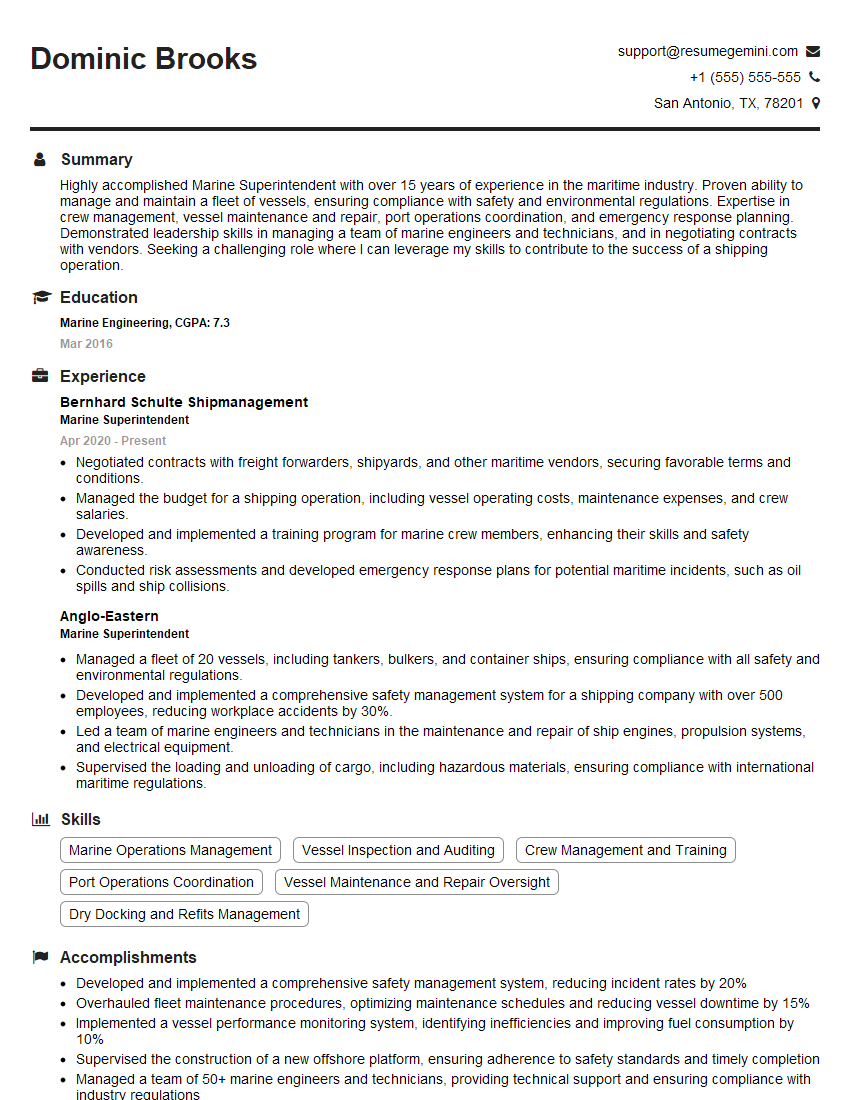
Marine Superintendent Resume Sample
Chief Engineer Resume Sample
Medical Officer Resume Sample
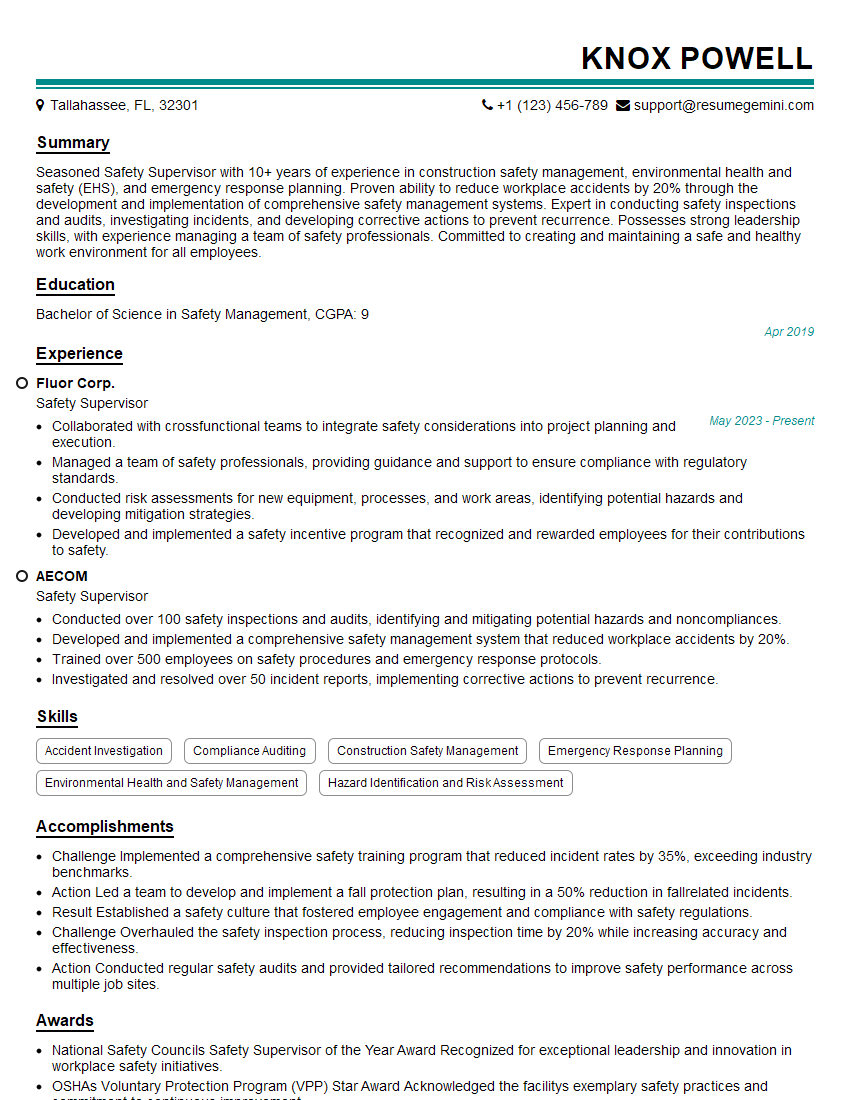
Safety Supervisor Resume Sample

Compliance Officer Resume Sample
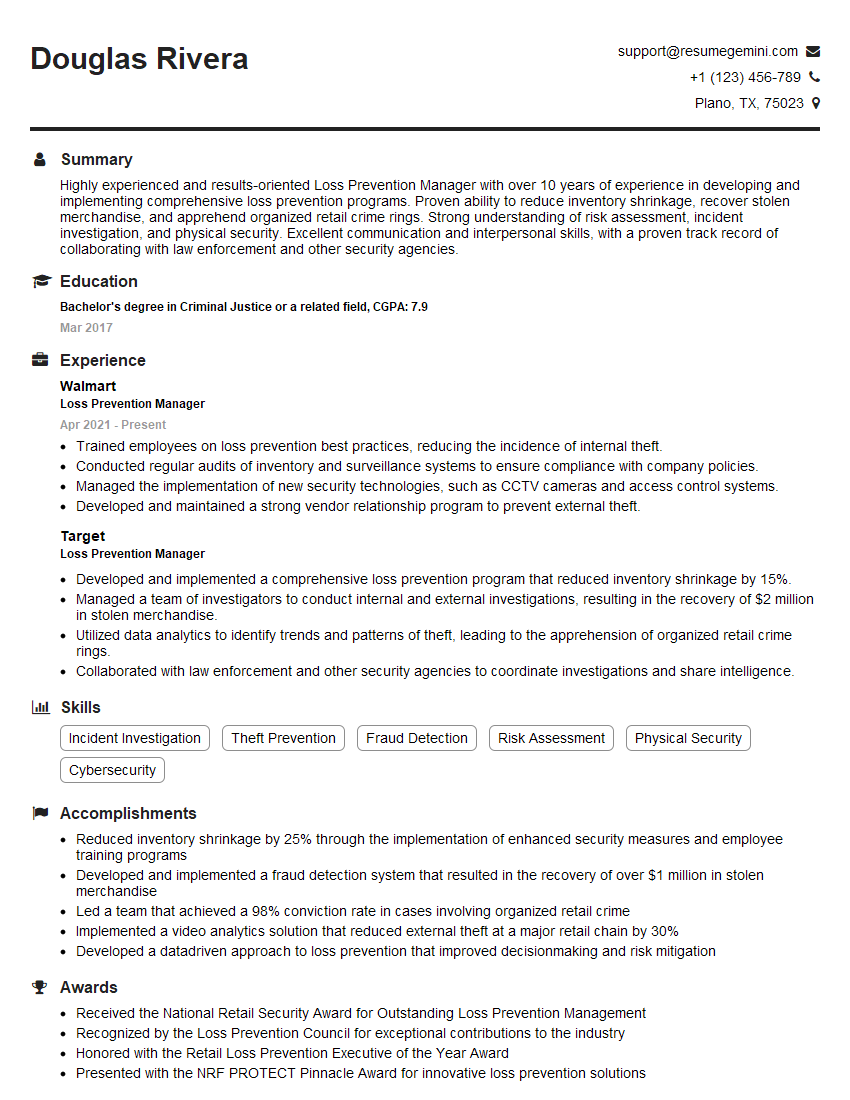
Loss Prevention Manager Resume Sample
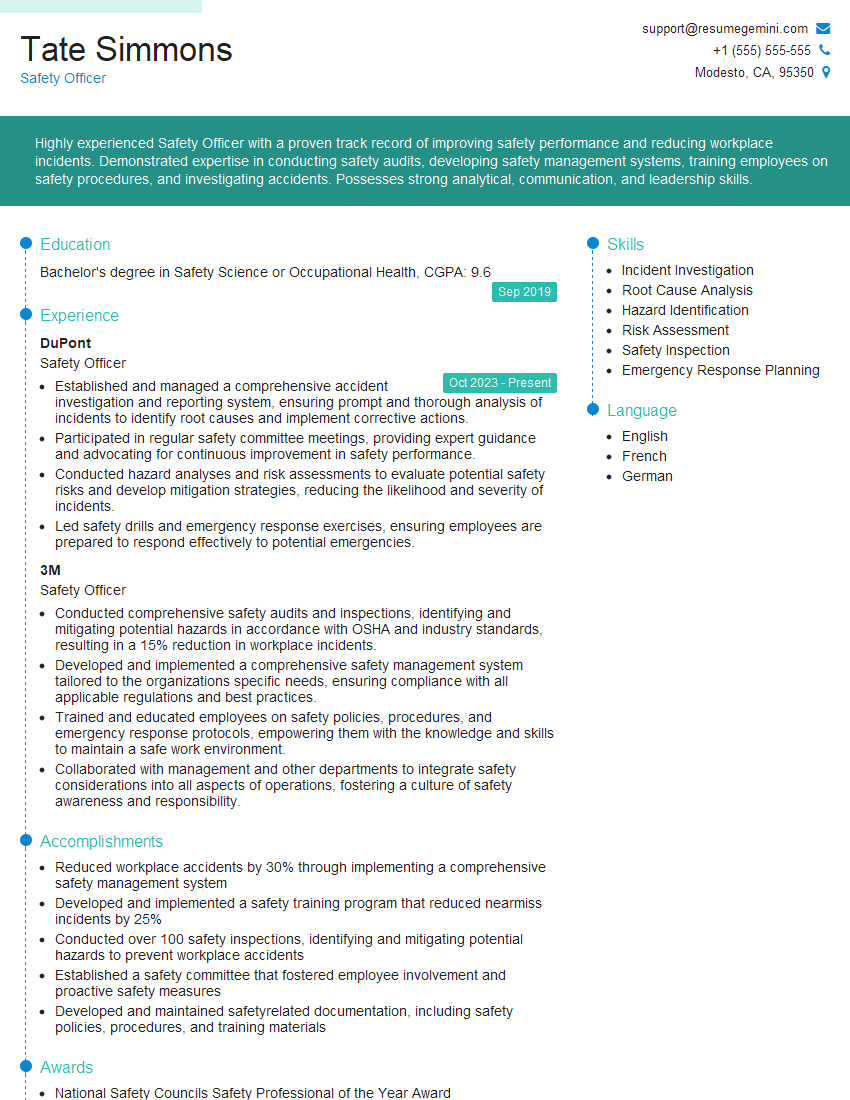
Safety Officer Resume Sample
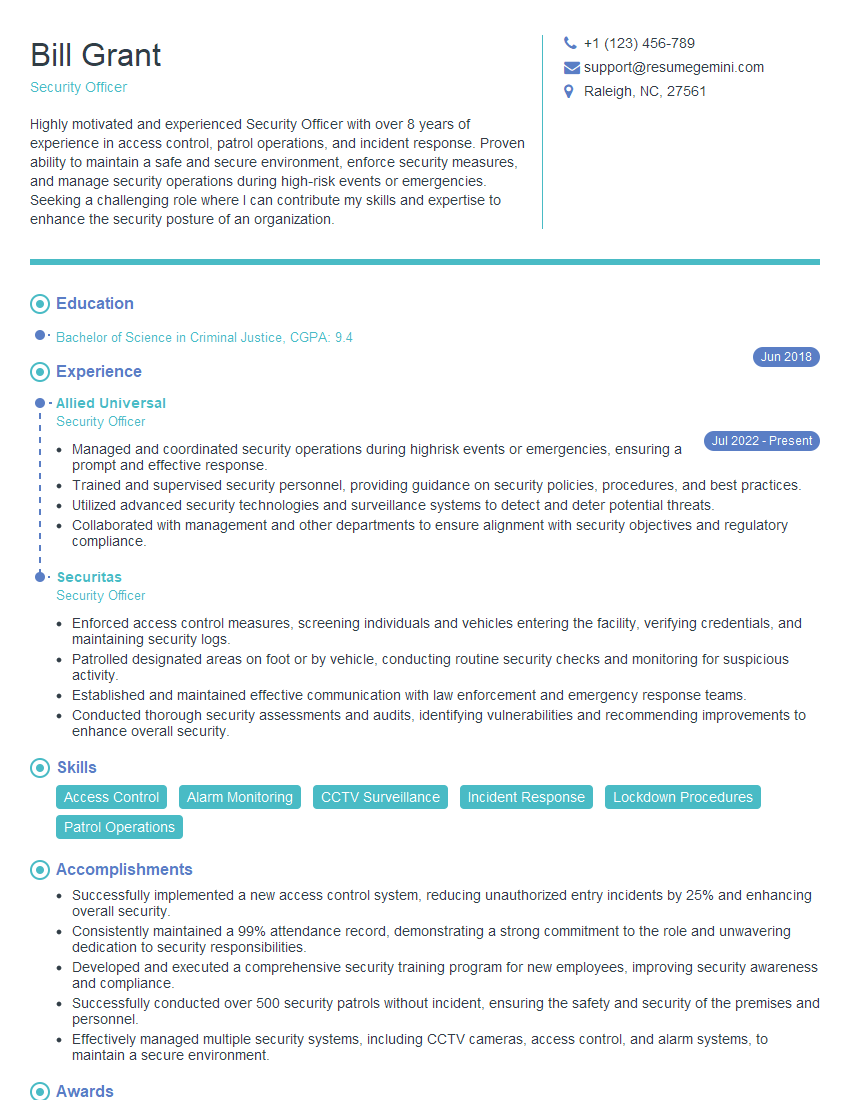
Security Officer Resume Sample
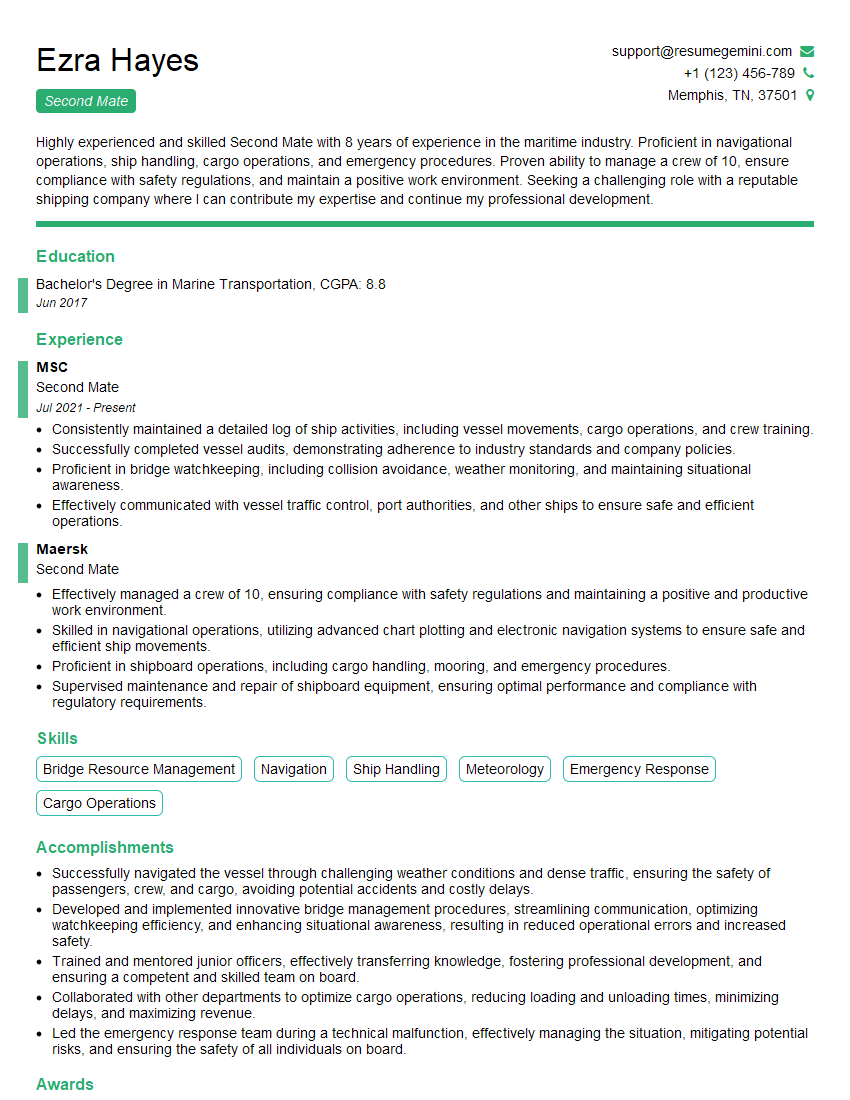
Second Mate Resume Sample
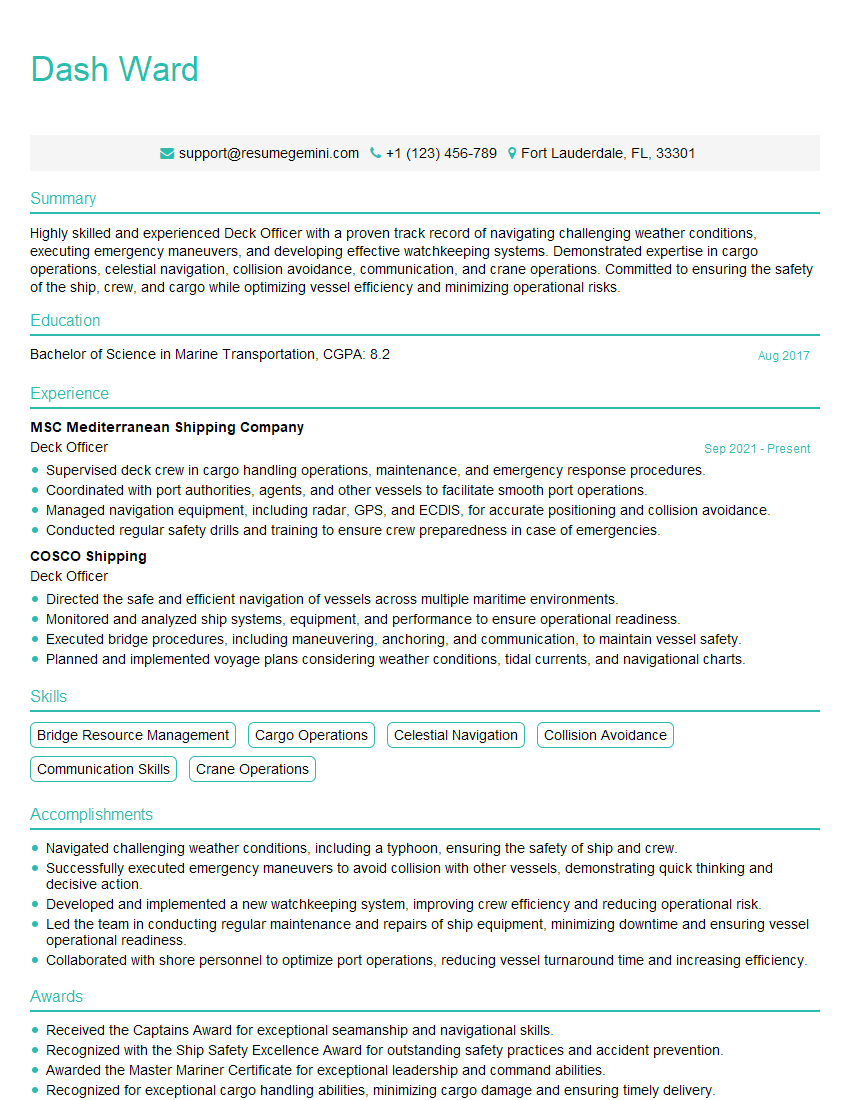
Deck Officer Resume Sample
Explore more articles
Users Rating of Our Blogs
Share Your Experience
We value your feedback! Please rate our content and share your thoughts (optional).
What Readers Say About Our Blog
Very informative content, great job.
good