Cracking a skill-specific interview, like one for Shop Maintenance, requires understanding the nuances of the role. In this blog, we present the questions you’re most likely to encounter, along with insights into how to answer them effectively. Let’s ensure you’re ready to make a strong impression.
Questions Asked in Shop Maintenance Interview
Q 1. Describe your experience with preventative maintenance (PM) programs.
Preventative maintenance (PM) is all about proactively addressing potential equipment failures before they occur. Think of it like regular check-ups for your car – much better than waiting for a breakdown on the highway! My experience involves developing and implementing PM programs across various shop environments, encompassing everything from scheduling routine inspections and lubrication to more complex tasks like calibrating measuring instruments and replacing worn components.
For example, in a previous role at a manufacturing plant, I developed a PM program for our CNC milling machines. This involved creating a detailed schedule specifying tasks like checking coolant levels, lubricating moving parts, and inspecting for wear and tear every week, more thorough inspections every month, and major overhauls every six months. This dramatically reduced downtime and extended the lifespan of the machines. The key is to tailor the program to the specific equipment and its usage, considering factors like operating hours, environmental conditions, and manufacturer recommendations.
- Developing a comprehensive schedule: This needs to be realistic, factoring in production demands and resource availability.
- Training personnel: Properly training technicians on PM procedures ensures accuracy and consistency.
- Tracking and documentation: Maintaining detailed records of completed PM tasks is essential for analysis and future planning.
Q 2. Explain your troubleshooting methodology for malfunctioning equipment.
My troubleshooting methodology is systematic and data-driven. I always start with a thorough visual inspection, looking for obvious signs of damage or malfunction. Then I move on to using diagnostic tools and checking sensor readings to identify the root cause. Imagine it like a detective solving a case: I gather evidence to build a clear picture. I work through a series of steps:
- Gather information: Identify the symptoms of the malfunction. What exactly is happening? When did it start?
- Visual inspection: Check for anything out of the ordinary – loose connections, damaged components, leaks, etc.
- Check sensor readings: Utilize diagnostic tools to measure key parameters like pressure, temperature, voltage, and current to identify deviations from normal operating ranges.
- Isolate the problem: Using the information gathered, try to pinpoint the specific component or system causing the issue.
- Implement repair or replacement: Once the problem is identified, proceed with the necessary repair or component replacement.
- Test and verification: After the repair, thoroughly test the system to ensure it’s functioning correctly.
For instance, if a hydraulic press is malfunctioning, I might start by checking the hydraulic fluid level, then the pressure gauges, and finally, inspect the hydraulic pump and valves using a pressure gauge and flow meter.
Q 3. What CMMS systems are you familiar with? Describe your experience.
I’m proficient in several CMMS (Computerized Maintenance Management System) platforms, including IBM Maximo, SAP PM, and UpKeep. My experience with these systems spans data entry, work order management, preventative maintenance scheduling, inventory control, and generating reports. I understand the importance of data integrity and efficient data utilization in maintaining smooth shop operations.
In a previous role, I used Maximo to manage the maintenance of over 100 pieces of equipment. I created and managed work orders, scheduled PM tasks, tracked parts inventory, and generated reports on equipment uptime and maintenance costs. The ability to access real-time data and generate reports was invaluable in identifying trends, predicting potential issues, and optimizing maintenance strategies. For example, I used Maximo to identify that a specific type of bearing had a higher-than-average failure rate, leading to a change in supplier and a reduction in downtime.
Q 4. How do you prioritize maintenance tasks in a high-pressure environment?
Prioritizing tasks in a high-pressure environment requires a structured approach. I typically use a combination of methods such as criticality analysis, urgency assessments, and resource availability. The goal is to ensure that the most critical and urgent tasks are addressed first, minimizing downtime and potential risks.
I use a matrix system that considers both the criticality (impact of failure) and urgency (time sensitivity) of each task. Critical tasks with high urgency are prioritized first (e.g., a broken press in a high-volume production line). Less critical tasks with low urgency can be scheduled for later (e.g., routine lubrication of a lightly used machine).
- Criticality analysis: Evaluate the impact of a failure on production, safety, or other key aspects.
- Urgency assessment: Determine how quickly a task needs to be completed.
- Resource availability: Consider the availability of technicians, parts, and other resources.
This approach ensures that resources are allocated efficiently, and the most impactful work is done first. It’s like triage in a hospital – attending to the most critical patients first.
Q 5. Describe your experience with safety protocols in a shop environment.
Safety is paramount in any shop environment. My experience encompasses a wide range of safety protocols, including lockout/tagout procedures (LOTO), personal protective equipment (PPE) usage, hazard identification and risk assessment, and emergency response procedures. I’m trained and experienced in following all relevant OSHA regulations and company safety policies.
In my previous roles, I’ve actively participated in safety audits, identified potential hazards, and implemented corrective actions. For instance, I noticed a lack of proper guarding on some machinery and initiated a project to install safety guards, significantly reducing the risk of workplace accidents. Regular safety training sessions for my team are essential. This ensures that everyone understands their responsibilities and knows how to react in case of an emergency.
- LOTO Procedures: Strict adherence to lockout/tagout procedures is crucial when working with energized equipment.
- PPE Usage: Ensuring all personnel use appropriate PPE (safety glasses, gloves, hearing protection, etc.) is essential.
- Hazard Identification and Risk Assessment: Regularly assessing potential hazards and implementing control measures to mitigate risks.
Q 6. What is your experience with hydraulic systems maintenance and repair?
I have extensive experience in the maintenance and repair of hydraulic systems. This includes troubleshooting leaks, diagnosing pump failures, repairing or replacing valves, cylinders, and actuators, and performing routine maintenance like fluid changes and filter replacements. I understand hydraulic schematics and can effectively diagnose problems by analyzing pressure, flow, and temperature readings. I am familiar with various hydraulic components, including pumps (gear, vane, piston), valves (directional control, pressure control, flow control), cylinders, accumulators, and filters.
For instance, I recently resolved a significant problem on a large injection molding machine where a leak in the hydraulic system was causing it to lose pressure. By carefully tracing the leak and using pressure testing equipment, I pinpointed the faulty hydraulic cylinder seal, replaced it, and restored the system to full functionality. The ability to systematically diagnose and repair these systems is critical to minimizing downtime and ensuring operational efficiency.
Q 7. What is your experience with pneumatic systems maintenance and repair?
My experience with pneumatic systems includes troubleshooting air leaks, repairing or replacing pneumatic actuators, valves, and cylinders, and performing routine maintenance like filter changes and lubrication. Pneumatic systems are often simpler than hydraulic systems, but proper maintenance is still critical. Understanding pneumatic schematics and being able to use compressed air testing equipment is vital.
For example, I once repaired a robotic arm on an assembly line that was experiencing intermittent movement. By systematically checking the air pressure at different points in the system and using a compressed air leak detector, I located a small leak in a pneumatic hose. Replacing the hose resolved the issue, restoring the robot’s functionality and preventing production delays. The key is a systematic and methodical approach to identifying the root cause of any malfunctions.
Q 8. How do you handle unexpected equipment failures?
Unexpected equipment failures are an inevitable part of shop maintenance. My approach is proactive and systematic, focusing on rapid response and minimizing downtime. First, I prioritize safety – ensuring the area is secure and the failed equipment is isolated to prevent further damage or injury. Then, I follow a structured troubleshooting process:
- Assessment: I carefully examine the equipment to identify the nature of the failure, looking for obvious signs of damage, loose connections, or unusual sounds.
- Diagnosis: I utilize diagnostic tools, such as multimeters, pressure gauges, and thermal imaging cameras, depending on the equipment type. For example, a faulty motor might be diagnosed by checking its voltage and current draw using a multimeter.
- Repair or Replacement: Based on the diagnosis, I either repair the equipment, utilizing my skills in welding, machining, or electrical repair, or I replace faulty components with spares from our inventory.
- Testing and Documentation: Once repaired, the equipment is thoroughly tested to ensure functionality and safety. The entire process, including the failure, diagnosis, repair, and testing, is meticulously documented.
For instance, during a recent incident with a failing CNC machine, I quickly isolated the power, identified a faulty control board using diagnostic software, ordered a replacement part, installed it, and had the machine operational within a few hours, minimizing production delays.
Q 9. Explain your experience with electrical troubleshooting and repair.
Electrical troubleshooting and repair are integral to my shop maintenance expertise. My experience spans various voltage levels and equipment types, from simple lighting circuits to complex industrial machinery control systems. I’m proficient in using multimeters to measure voltage, current, and resistance; understanding wiring diagrams (single-line, schematic) and interpreting electrical codes; and locating and replacing faulty components such as breakers, fuses, and capacitors.
For example, I once successfully diagnosed and repaired a short circuit in a three-phase motor drive, preventing a costly production halt. I meticulously traced the wiring, using a continuity tester to pinpoint the exact location of the fault, and then carefully replaced the damaged section of wire, ensuring proper insulation and grounding.
Safety is paramount. I always work with de-energized circuits, using lockout/tagout procedures and ensuring proper grounding before commencing any work.
Q 10. Describe your experience with welding and fabrication.
My welding and fabrication skills are critical in maintaining and repairing shop equipment. I’m proficient in various welding techniques, including MIG, TIG, and stick welding, and I can fabricate custom parts and fixtures as needed. I can accurately read and interpret blueprints and create functional, robust parts. I understand the importance of proper weld preparation, including cleaning and beveling, to ensure strong and reliable welds.
A recent example involved a broken support bracket on a large press. Using blueprints, I fabricated a replacement using steel, ensuring precise dimensions and strong welds. This avoided the significant cost and downtime of purchasing a replacement from an external vendor. My skills also extend to working with different metals (steel, aluminum, stainless steel), understanding their properties and appropriate welding techniques.
Q 11. How do you maintain accurate records of maintenance activities?
Maintaining accurate maintenance records is essential for effective shop management and ensuring compliance. I utilize a computerized maintenance management system (CMMS) to track all maintenance activities. This system allows for detailed logging of each repair or maintenance task. This includes the equipment involved, the date and time of the activity, the parts used, labor hours, and a description of the work performed.
The CMMS also enables preventive maintenance scheduling, generating alerts for upcoming tasks based on equipment usage or manufacturer recommendations. This proactive approach reduces the likelihood of unexpected breakdowns and extends the lifespan of equipment. Additionally, the system generates reports that provide insights into maintenance costs, equipment reliability, and areas for improvement.
Furthermore, I maintain a physical file system as a backup for critical records.
Q 12. What are your skills in reading and interpreting technical drawings?
Reading and interpreting technical drawings is fundamental to my role. I’m proficient in understanding various types of drawings, including orthographic projections, isometric views, and schematics. I can interpret dimensions, tolerances, material specifications, and manufacturing processes depicted in drawings.
My ability to understand these drawings allows me to accurately identify parts, perform repairs, and fabricate new components, ensuring a perfect fit and functionality. For example, recently, I used a detailed assembly drawing to diagnose and repair a complex hydraulic system. By carefully studying the schematic, I could trace the flow of hydraulic fluid and identify the source of a leak.
Q 13. Describe your experience with machining and metalworking.
My machining and metalworking skills complement my welding and fabrication abilities. I’m experienced in operating various machine tools, including lathes, milling machines, and drill presses. I can perform a wide range of machining operations, such as turning, milling, drilling, and tapping, creating precision parts to tight tolerances. This is critical for repairing or creating custom components that are not readily available.
For instance, I recently machined a custom bushing for a piece of equipment using a lathe. The existing bushing was worn beyond repair, and a replacement was unavailable. Using a blueprint and precise measurements, I created a new bushing, restoring the equipment to full functionality.
Q 14. How do you manage inventory of spare parts and supplies?
Effective inventory management of spare parts and supplies is crucial for minimizing downtime and ensuring efficient repairs. I utilize a combination of physical inventory tracking and a database system to maintain an accurate record of all parts. The database tracks part numbers, descriptions, quantities on hand, minimum stock levels, and reorder points.
Regular inventory checks are performed to verify physical quantities against the database records. This allows for the identification of discrepancies and ensures that we have sufficient stock of frequently used parts. When stock levels fall below the reorder point, the system automatically generates purchase orders, expediting the restocking process and minimizing stockouts.
A well-organized inventory system helps optimize storage space, reduces waste, and controls costs by preventing overstocking of obsolete or infrequently used items. This systematic approach ensures that we always have the necessary parts on hand to address equipment failures promptly.
Q 15. What is your experience with diagnosing and resolving mechanical issues?
Diagnosing and resolving mechanical issues requires a systematic approach. I begin by carefully observing the problem, listening for unusual noises, and noting any visible signs of damage or malfunction. This initial assessment helps me formulate a hypothesis about the root cause. Then, I utilize various diagnostic tools – multimeters, pressure gauges, vibration analyzers – to gather data and validate my hypothesis. For instance, if a machine is overheating, I might use a thermal imager to pinpoint the exact location of the heat buildup, allowing me to identify a faulty bearing or a clogged cooling system. Once the problem is identified, I leverage my experience with repair techniques, schematics, and parts manuals to implement the necessary repairs, always prioritizing safety and efficiency. A recent example involved a malfunctioning hydraulic press. By carefully analyzing the pressure readings and listening to the hydraulic pump, I identified a leak in a hose, which I quickly repaired, restoring the press to full functionality.
Career Expert Tips:
- Ace those interviews! Prepare effectively by reviewing the Top 50 Most Common Interview Questions on ResumeGemini.
- Navigate your job search with confidence! Explore a wide range of Career Tips on ResumeGemini. Learn about common challenges and recommendations to overcome them.
- Craft the perfect resume! Master the Art of Resume Writing with ResumeGemini’s guide. Showcase your unique qualifications and achievements effectively.
- Don’t miss out on holiday savings! Build your dream resume with ResumeGemini’s ATS optimized templates.
Q 16. Explain your knowledge of different types of lubricants and their applications.
Lubricants are essential for reducing friction, wear, and corrosion in machinery. My knowledge encompasses various types, including grease, oil, and specialized fluids. Grease is ideal for slow-moving parts requiring long-term lubrication, like bearings in a conveyor system. Oils, on the other hand, are better suited for high-speed applications and offer superior heat dissipation, such as in gearboxes or hydraulic systems. Specialized fluids, like synthetic oils or high-temperature greases, address specific operational needs, such as extreme temperatures or corrosive environments. Selecting the appropriate lubricant is crucial. An incorrect choice can lead to premature wear, equipment failure, and even safety hazards. For example, using a low-temperature grease in a high-temperature application will result in the grease breaking down, leading to increased friction and potential equipment damage. I always consult manufacturer specifications to ensure the correct lubricant is used for each component.
Q 17. How do you ensure compliance with safety regulations and standards?
Safety is paramount in shop maintenance. I meticulously follow all relevant OSHA regulations, company safety policies, and manufacturer’s guidelines. This includes using proper personal protective equipment (PPE) such as safety glasses, gloves, and hearing protection. Before starting any task, I perform a thorough risk assessment, identifying potential hazards and implementing appropriate control measures. Lockout/Tagout procedures are strictly followed when working on energized equipment to prevent accidental startup. Regular inspections of tools and equipment are conducted to ensure they are in safe working condition. I also emphasize a culture of safety by actively promoting safe work practices among colleagues and reporting any unsafe conditions immediately. For instance, if I identify worn electrical wiring, I immediately report it and ensure the area is cordoned off until it is repaired, preventing potential electric shock hazards.
Q 18. Describe your experience with troubleshooting and repairing conveyor systems.
I have extensive experience troubleshooting and repairing conveyor systems. My expertise covers various aspects, including belt alignment, roller adjustments, motor troubleshooting, and sensor diagnostics. A common problem is belt tracking issues. I diagnose these by checking for misaligned rollers, damaged belt components, or improper tension. Solutions involve adjusting rollers, replacing damaged sections, or tensioning the belt. Another frequent issue is motor failures. I use multimeters and motor analyzers to pinpoint issues, such as faulty windings or bearings. Sometimes, the problem lies in the control system. I’m proficient in reading electrical schematics to trace wiring and identify faulty components or programming errors in PLCs (Programmable Logic Controllers). Recently, I resolved a conveyor jam caused by a faulty proximity sensor. By using a multimeter to check the sensor output, I identified the malfunctioning sensor and replaced it quickly, restoring the conveyor’s operation and minimizing downtime.
Q 19. What is your experience with using diagnostic tools and equipment?
My proficiency extends to a range of diagnostic tools and equipment. This includes multimeters for electrical testing, oscilloscopes for analyzing waveforms, infrared thermometers for detecting overheating components, vibration analyzers for identifying mechanical issues, and pressure gauges for measuring hydraulic or pneumatic systems. I also have experience with specialized diagnostic software used to troubleshoot PLCs and other automated systems. For example, to diagnose a malfunctioning motor, I’d use a multimeter to check voltage and current readings, then use a vibration analyzer to detect bearing wear or imbalance. The data collected from these tools guides my repair strategy, ensuring I fix the root cause, not just the symptom.
Q 20. How familiar are you with various types of machinery and equipment commonly found in a shop environment?
I am familiar with a wide variety of machinery and equipment common in a shop environment. This includes lathes, milling machines, drills, presses, grinders, welding equipment, and various material handling systems such as conveyors and forklifts. Understanding the principles of operation, maintenance procedures, and potential hazards associated with each machine is crucial for effective shop maintenance. I understand the safety protocols, required lubrication schedules, and common points of failure for each type of equipment. This knowledge enables me to provide proactive maintenance and rapidly troubleshoot malfunctions.
Q 21. Describe a time you had to work overtime to complete a critical maintenance task. How did you manage your time and energy?
During a recent production run, a critical piece of equipment, a large CNC milling machine, malfunctioned unexpectedly. This threatened to halt production, resulting in significant financial losses. I volunteered to work overtime to diagnose and fix the problem. To manage my time and energy effectively, I first prioritized the task by systematically troubleshooting the system, checking power supply, control signals, and mechanical components. I maintained focus by breaking down the repair into smaller, manageable tasks. Regular breaks were vital to avoid burnout. I also ensured I had access to the necessary tools and resources before starting the repairs. This structured approach allowed me to identify a faulty circuit board and replace it, restoring the machine to full operation within a few hours. Though exhausting, the successful outcome and prevention of significant production delays were incredibly rewarding.
Q 22. How do you identify and address potential safety hazards in the shop?
Identifying and addressing safety hazards in a shop environment is paramount. It’s a proactive, multi-step process that begins with a thorough assessment and extends to ongoing monitoring and improvement.
Step 1: Regular Inspections: I conduct regular, scheduled walk-throughs of the shop floor, paying close attention to potential hazards. This includes checking for things like:
- Electrical hazards: frayed wires, overloaded circuits, exposed wiring, improperly grounded equipment.
- Mechanical hazards: unguarded moving parts on machinery, damaged tools, improperly secured equipment.
- Chemical hazards: improper storage of hazardous materials, lack of appropriate personal protective equipment (PPE), inadequate ventilation.
- Ergonomic hazards: improper lifting techniques, awkward postures, repetitive motions.
- Housekeeping hazards: cluttered walkways, spills, debris, inadequate lighting.
Step 2: Hazard Reporting System: I implement and encourage the use of a robust hazard reporting system where employees can safely report any potential hazards they encounter. This system ensures that issues are addressed promptly and efficiently.
Step 3: Corrective Actions: Once a hazard is identified, I immediately take steps to mitigate the risk. This may involve repairing damaged equipment, implementing proper safety guards, providing appropriate training, improving housekeeping, or implementing engineering controls.
Step 4: Ongoing Monitoring: Safety isn’t a one-time fix. I conduct regular follow-up inspections to ensure that corrective actions are effective and that new hazards haven’t emerged. This cyclical approach is key to maintaining a safe working environment. For instance, after fixing a leaking hydraulic line, I would schedule a follow-up inspection to ensure the repair held and to check for any resulting oil spills.
Q 23. Explain your understanding of root cause analysis in maintenance.
Root cause analysis (RCA) is a systematic approach to identifying the underlying causes of problems, rather than just addressing the symptoms. In maintenance, this is crucial for preventing recurring issues and improving overall system reliability. Think of it like a detective investigating a crime scene – we need to find the root cause, not just treat the immediate injury.
I commonly use the 5 Whys technique, which involves repeatedly asking ‘why’ to drill down to the root cause. For example, if a machine keeps breaking down:
- Problem: Machine constantly malfunctions.
- Why 1: Because the motor is overheating.
- Why 2: Because the cooling fan is broken.
- Why 3: Because the fan belt is worn out.
- Why 4: Because the belt hasn’t been replaced as per schedule.
- Why 5: Because the maintenance schedule wasn’t followed.
The root cause here is the failure to adhere to the preventative maintenance schedule. Addressing this through better scheduling, training, or accountability prevents future breakdowns stemming from worn-out fan belts. Other RCA methodologies include Fishbone diagrams and Fault Tree Analysis, each providing a structured approach to identify all contributing factors and interdependencies. The choice of method depends on the complexity of the problem.
Q 24. Describe your experience with lean manufacturing principles and their application to maintenance.
Lean manufacturing principles focus on eliminating waste and maximizing efficiency. In maintenance, this translates to reducing downtime, optimizing resource allocation, and improving overall productivity.
My experience with lean principles includes implementing:
- Preventive Maintenance (PM): Scheduling routine inspections and maintenance to prevent equipment failures, reducing unplanned downtime. This is a cornerstone of lean maintenance.
- Total Productive Maintenance (TPM): Engaging all employees in maintenance activities, fostering a culture of proactive problem-solving and continuous improvement. This collaborative approach significantly reduces downtime and improves quality.
- Just-in-Time (JIT) Maintenance: Ensuring that parts and resources are available when needed, minimizing delays in repairs. This requires accurate inventory management and effective supply chain integration.
- Value Stream Mapping (VSM): Visualizing the entire maintenance process to identify bottlenecks and areas for improvement. This helps in streamlining workflows and eliminating unnecessary steps.
For example, through VSM, I identified a bottleneck in our repair process due to slow procurement of parts. Implementing a JIT system for critical parts, coupled with better communication with suppliers, reduced repair times significantly.
Q 25. What are your skills in using hand tools and power tools?
I possess extensive experience with a wide range of hand and power tools. My proficiency encompasses both the safe and efficient use of these tools and their proper maintenance.
Hand Tools: I’m proficient in using various wrenches (open-end, box-end, socket), screwdrivers (Phillips, flathead, specialized), pliers (needle-nose, slip-joint, lineman’s), hammers, chisels, measuring tapes, levels, and other common hand tools. I understand torque specifications and the importance of using the right tool for the job.
Power Tools: My expertise extends to operating drills, impact wrenches, grinders, saws (circular, reciprocating, jigsaw), sanders, and other power equipment. I’m also well-versed in safety protocols for power tool usage, including proper safety gear (eye protection, hearing protection, gloves) and awareness of kickback hazards.
Beyond basic operation, I regularly maintain these tools by performing routine cleaning, lubrication, and minor repairs as needed, ensuring optimal performance and longevity.
Q 26. How do you communicate effectively with other maintenance personnel and management?
Effective communication is critical in a maintenance environment. I strive to communicate clearly and concisely, using multiple channels and adapting my style to the audience.
With Maintenance Personnel: I use clear, direct language, emphasizing safety protocols and providing concise instructions. I encourage open dialogue, fostering a collaborative environment where team members feel comfortable sharing information and raising concerns. Regular team meetings are a vital aspect of keeping everyone informed and addressing ongoing challenges.
With Management: I provide regular reports on maintenance activities, highlighting key performance indicators (KPIs) such as downtime, repair costs, and preventive maintenance adherence. I present data clearly, using charts and graphs to illustrate progress and identify areas needing attention. Proactive communication regarding potential issues or resource needs is essential for preventing major disruptions.
Regardless of the audience, I prioritize active listening, ensuring I understand the message before responding. I believe in transparent and honest communication, building trust and fostering strong working relationships.
Q 27. What is your experience with training junior maintenance staff?
I have extensive experience in training junior maintenance staff, employing a blend of hands-on instruction, classroom teaching, and mentorship. My approach focuses on building a solid foundation in safety, basic maintenance procedures, and problem-solving techniques.
Training Methods:
- On-the-job training (OJT): I pair junior staff with experienced technicians to allow them to learn by observing and assisting with various tasks under supervision.
- Classroom instruction: I conduct formal training sessions covering topics such as safety regulations, tool usage, basic electrical and mechanical principles, troubleshooting methods, and documentation procedures.
- Mentorship: I take on a mentoring role, providing ongoing support and guidance to new employees, helping them develop their skills and confidence.
- Simulated environments: To practice skills safely, I often use simulated environments to replicate real-world scenarios, allowing for controlled learning and reducing the risk of damage or injury.
I assess the progress of trainees regularly, providing feedback and adjusting the training plan as needed to ensure they gain competence and confidence. Regular evaluations and certifications help track progress and identify areas needing further attention. For example, after initial training, trainees may be required to successfully complete a series of practical exercises before handling more complex tasks independently.
Q 28. How do you stay updated on the latest maintenance technologies and best practices?
Staying current with the latest maintenance technologies and best practices is essential for optimizing efficiency and ensuring safety. I utilize several methods to achieve this:
- Industry publications and journals: I regularly read industry-specific publications and journals to keep up with the latest research and advancements in maintenance techniques and technologies.
- Professional organizations and conferences: I actively participate in professional organizations and attend conferences and workshops to network with other professionals and learn about new technologies and best practices.
- Online resources and training courses: I leverage online learning platforms and resources to access webinars, online courses, and tutorials on new technologies and maintenance procedures. This allows for convenient and self-paced learning.
- Vendor training and demonstrations: I take advantage of vendor-provided training and demonstrations to gain hands-on experience with new equipment and technologies.
- Networking with colleagues: I regularly interact with other maintenance professionals through various forums, conferences, and peer groups to exchange knowledge and share experiences. This peer-to-peer learning is extremely valuable.
Continuous learning ensures that I am always adapting my skills and knowledge to remain a valuable asset in the ever-evolving field of shop maintenance.
Key Topics to Learn for Shop Maintenance Interview
- Preventive Maintenance (PM): Understanding scheduling, procedures, and the importance of proactive maintenance to minimize downtime and extend equipment lifespan. Practical application: Explain your experience developing or implementing PM schedules.
- Corrective Maintenance: Troubleshooting malfunctioning equipment, identifying root causes of failures, and implementing effective repair strategies. Practical application: Describe a situation where you successfully diagnosed and repaired a complex equipment failure.
- Safety Regulations and Procedures: Knowledge of OSHA regulations, lockout/tagout procedures, and safe handling of tools and equipment. Practical application: Explain how you ensure a safe working environment for yourself and your colleagues.
- Inventory Management: Understanding the importance of maintaining accurate records of parts and supplies, managing inventory levels, and minimizing waste. Practical application: Describe your experience with inventory tracking systems or methods.
- Record Keeping and Reporting: Maintaining detailed maintenance logs, generating reports on equipment performance, and communicating effectively with supervisors and other teams. Practical application: Explain how you effectively communicate maintenance issues and solutions.
- Basic Electrical and Mechanical Systems: Fundamental understanding of electrical circuits, hydraulics, pneumatics, and mechanical components common in shop equipment. Practical application: Describe your experience working with specific types of equipment and their related systems.
- Problem-Solving and Analytical Skills: Demonstrate your ability to systematically troubleshoot problems, identify root causes, and implement effective solutions. Practical application: Describe a time you used critical thinking to resolve a challenging maintenance issue.
Next Steps
Mastering Shop Maintenance opens doors to rewarding career growth, offering opportunities for advancement and specialization. A strong, ATS-friendly resume is crucial for highlighting your skills and experience to potential employers. To maximize your job prospects, we highly recommend using ResumeGemini to craft a professional and impactful resume. ResumeGemini offers a user-friendly platform and provides examples of resumes tailored to Shop Maintenance positions, helping you present yourself effectively to recruiters. Invest time in crafting a compelling resume – it’s your first impression!

Maintenance Planner Resume Sample
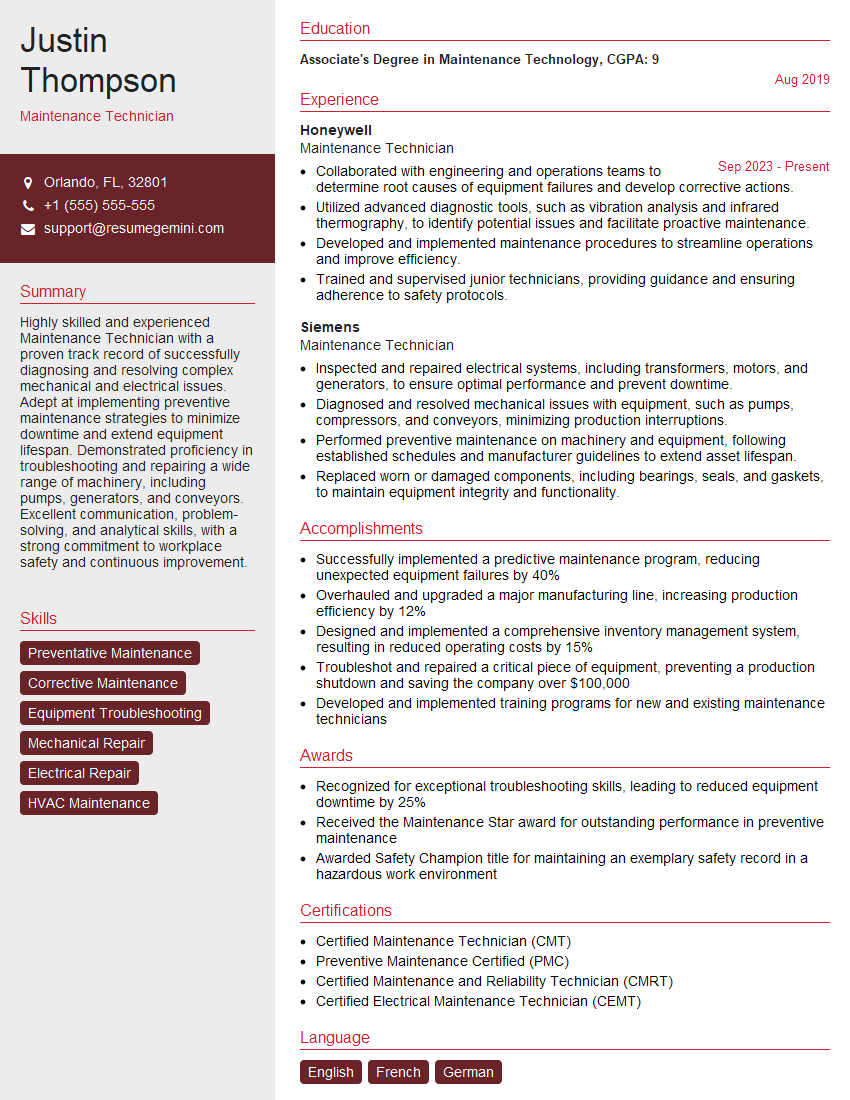
Maintenance Technician Resume Sample

Maintenance Engineer Resume Sample
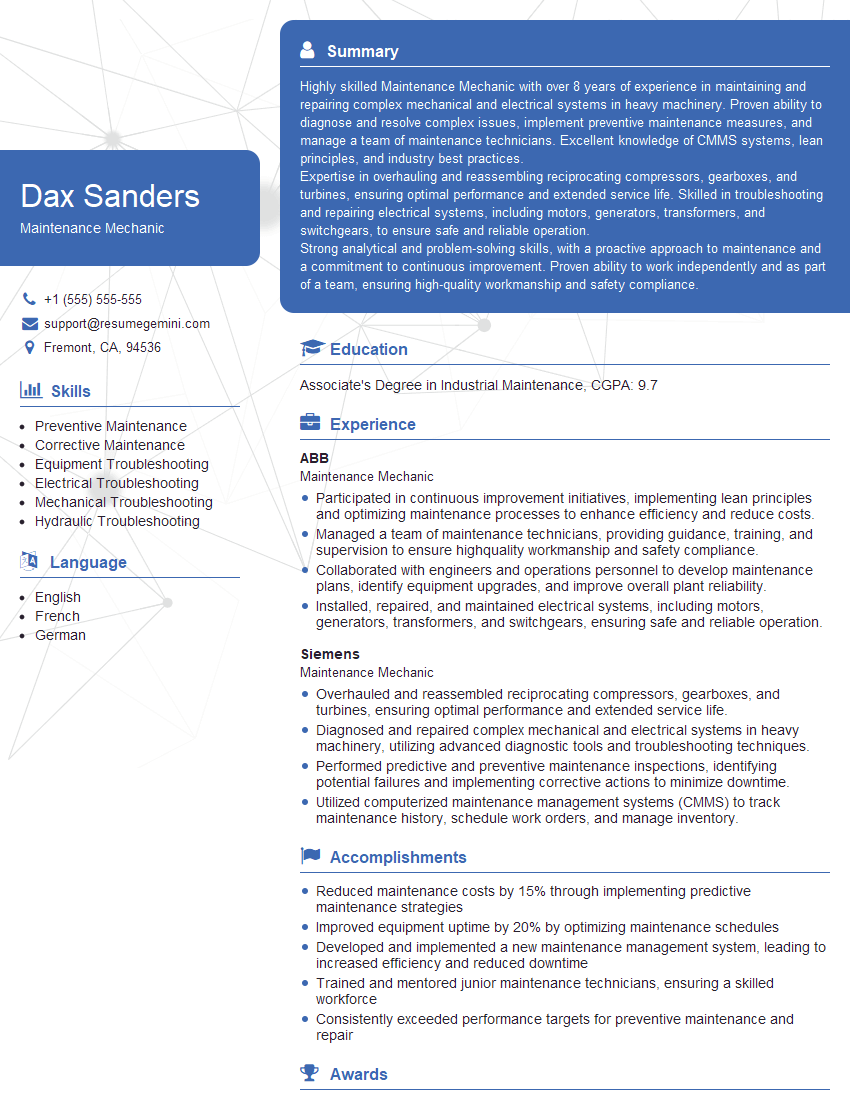
Maintenance Mechanic Resume Sample
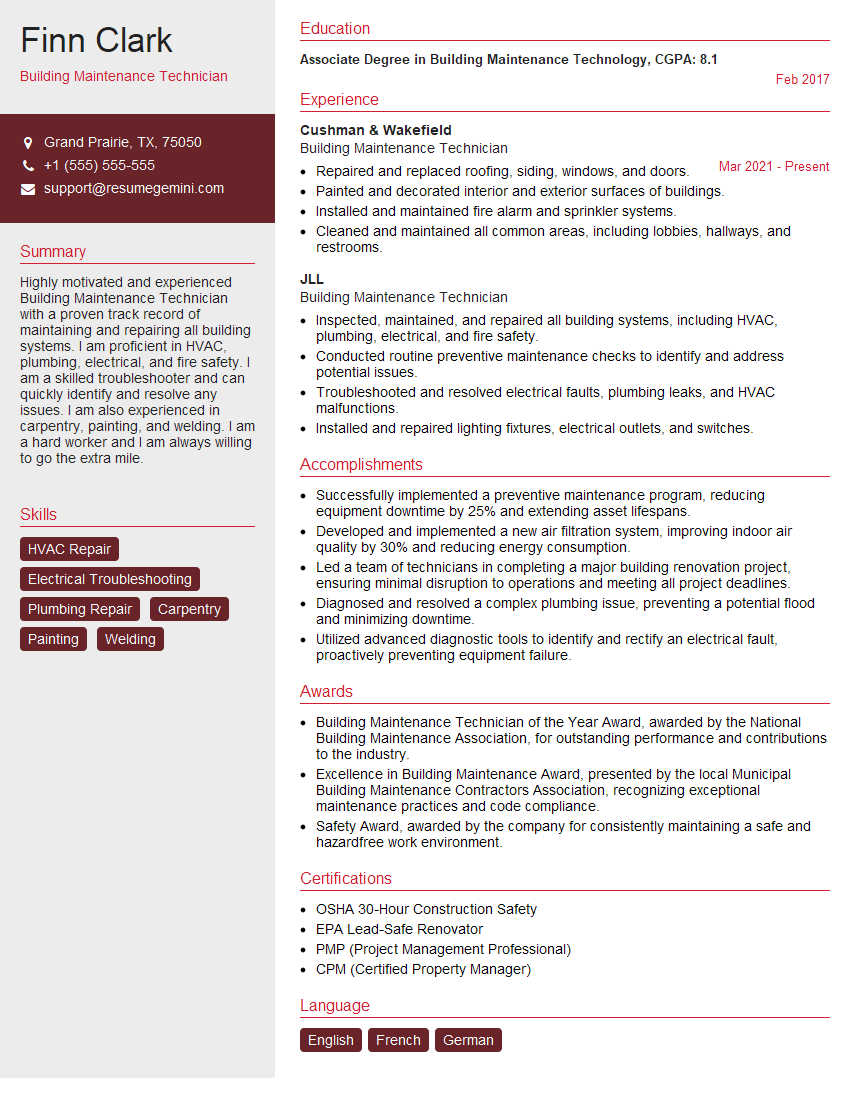
Building Maintenance Technician Resume Sample
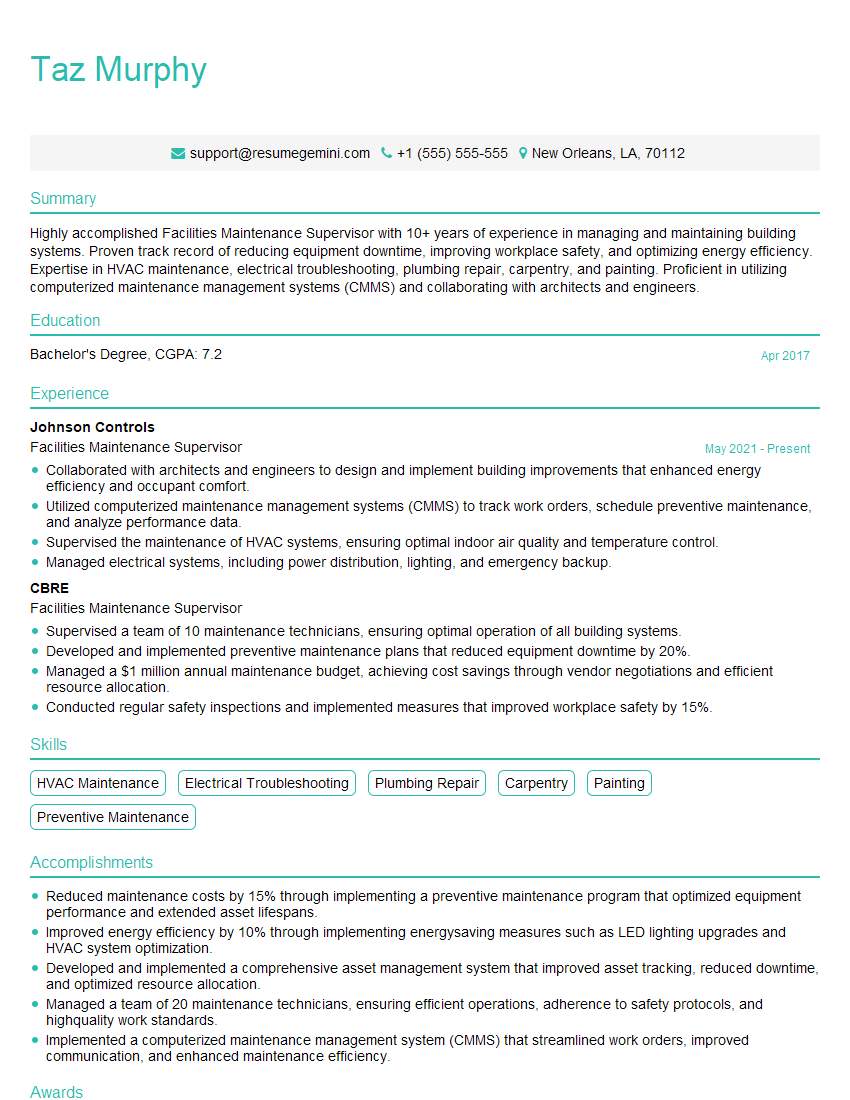
Facilities Maintenance Supervisor Resume Sample
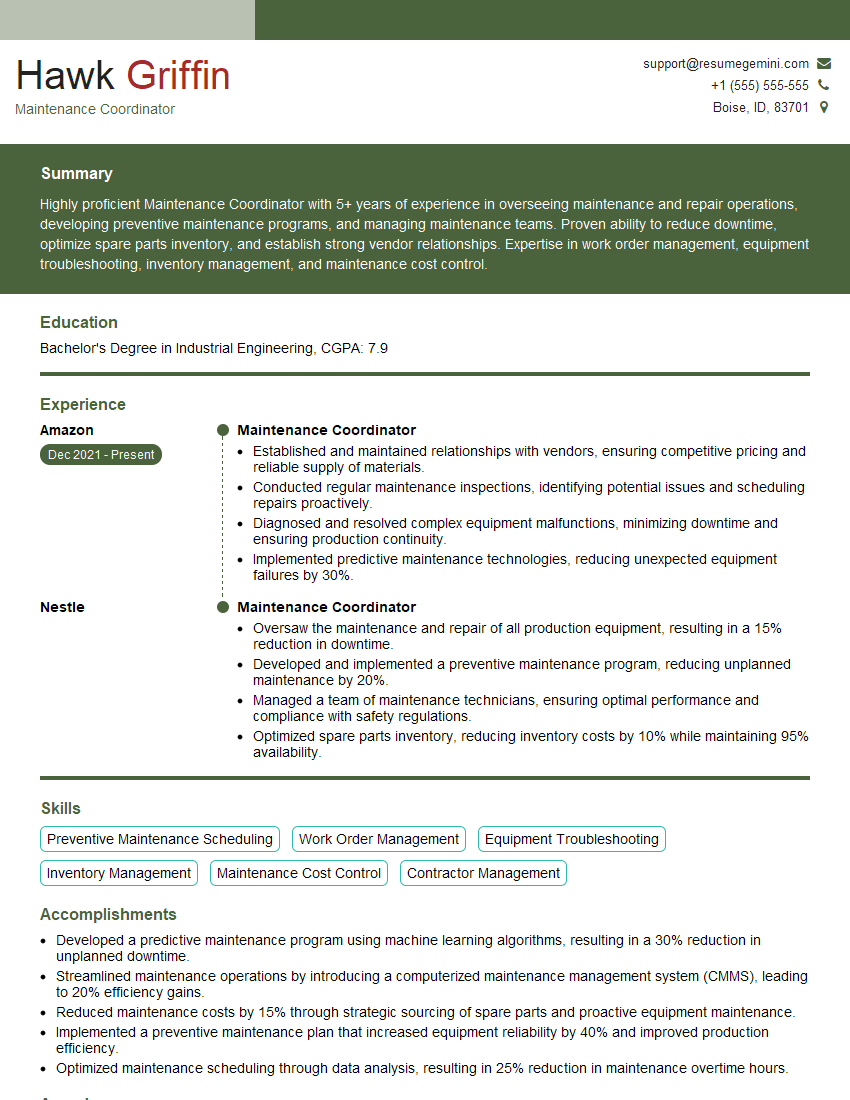
Maintenance Coordinator Resume Sample
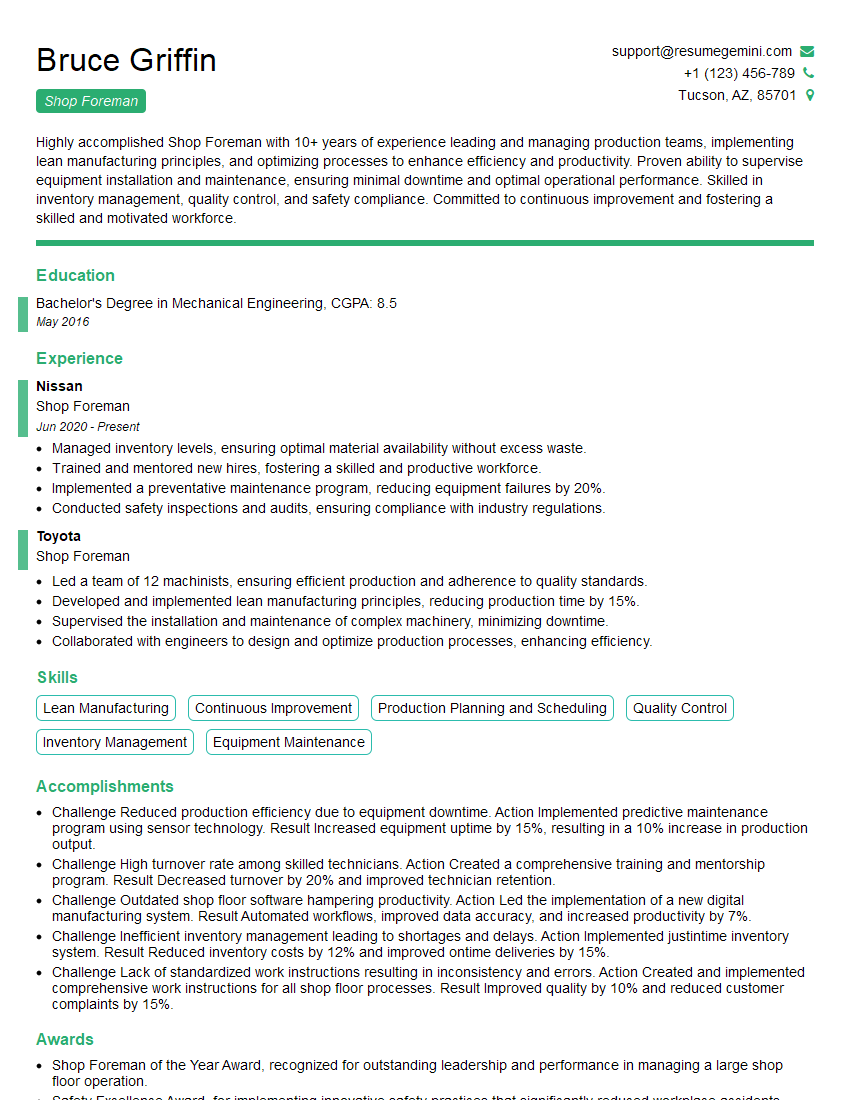
Shop Foreman Resume Sample

Electrical Maintenance Technician Resume Sample
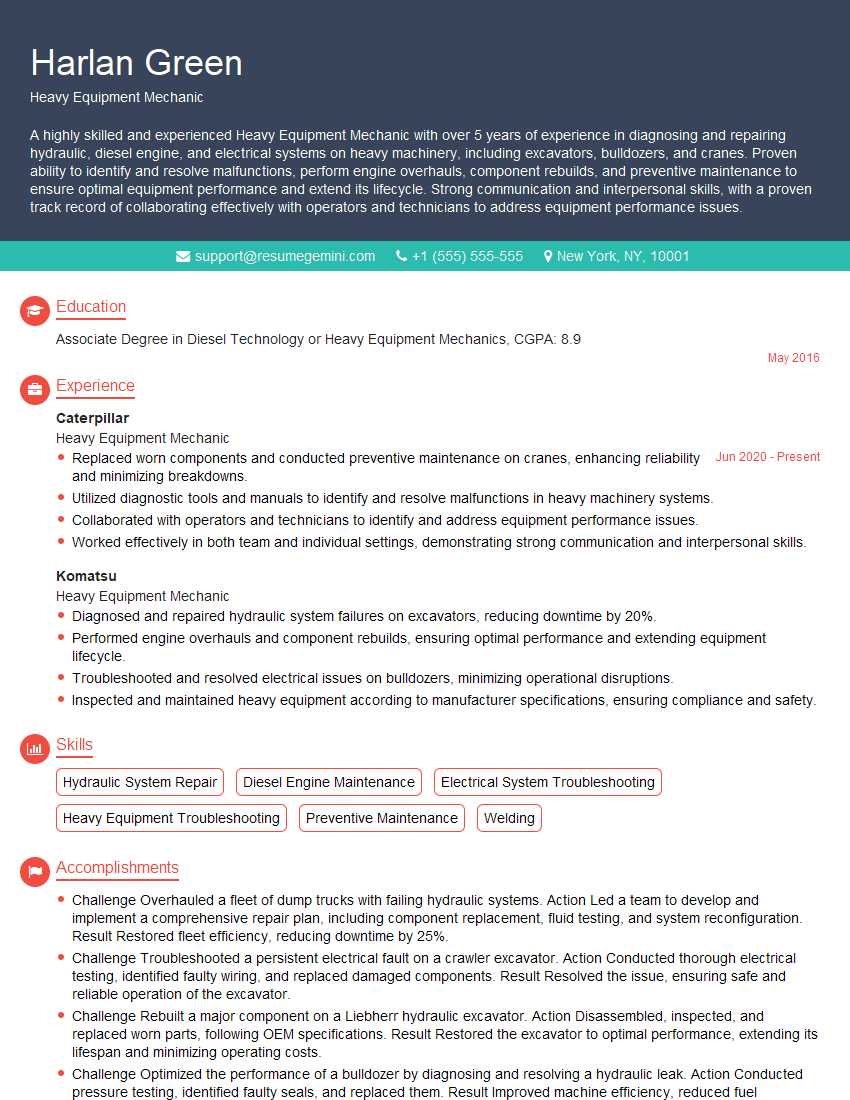
Heavy Equipment Mechanic Resume Sample
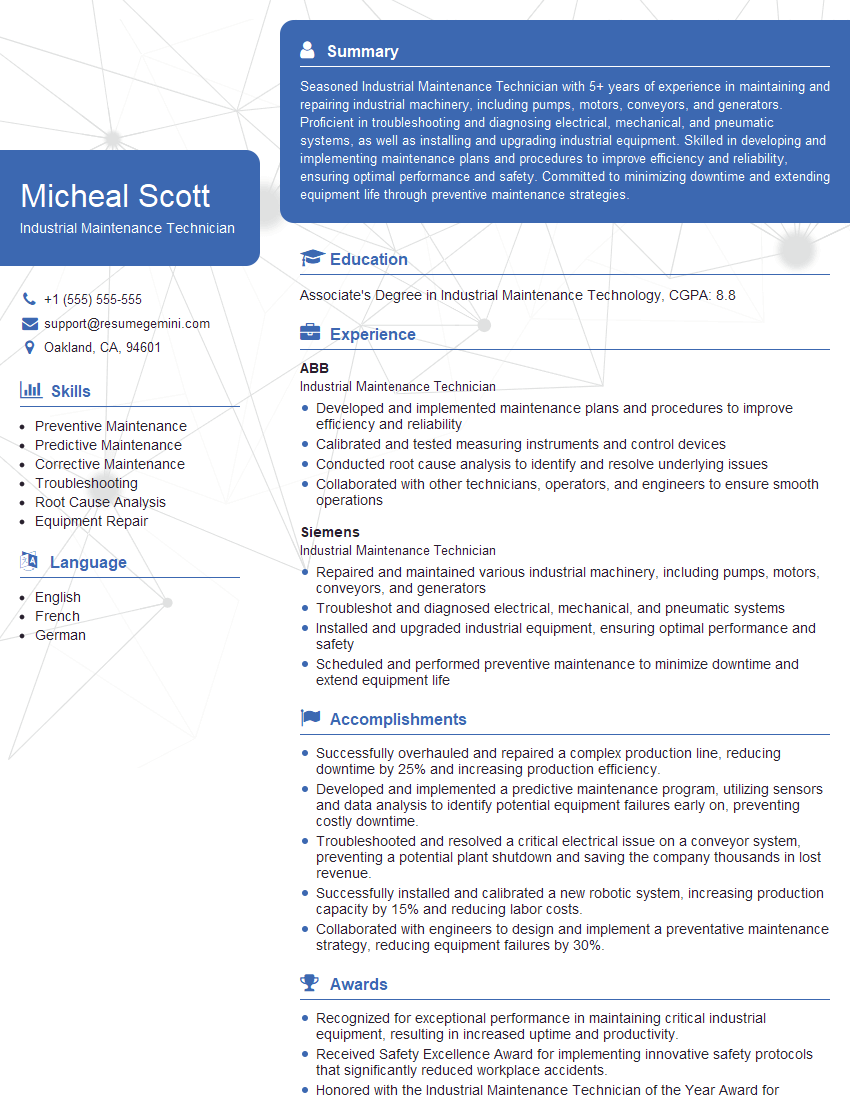
Industrial Maintenance Technician Resume Sample
Explore more articles
Users Rating of Our Blogs
Share Your Experience
We value your feedback! Please rate our content and share your thoughts (optional).
What Readers Say About Our Blog
Very informative content, great job.
good