Interviews are more than just a Q&A session—they’re a chance to prove your worth. This blog dives into essential Skill in Using Diagnostic Equipment interview questions and expert tips to help you align your answers with what hiring managers are looking for. Start preparing to shine!
Questions Asked in Skill in Using Diagnostic Equipment Interview
Q 1. Describe your experience troubleshooting malfunctioning diagnostic equipment.
Troubleshooting malfunctioning diagnostic equipment requires a systematic approach. I start by carefully observing the problem – what error messages are displayed? Are there any unusual sounds or smells? Is the equipment responding at all? Then, I consult the equipment’s manual and troubleshooting guides to identify potential issues. This often involves checking connections, power supply, and basic functionality. For example, if an X-ray machine isn’t producing an image, I’d first verify power, then check the tube filament current and high voltage settings. If the issue persists, I move to more advanced diagnostics, potentially involving component testing with a multimeter or oscilloscope, or checking for software errors.
I remember one instance where a blood analyzer was giving consistently erroneous results. After checking power and connections, I noticed a small crack in the reagent container. A simple visual inspection, often overlooked, solved the problem. The key is to be methodical, starting with the simplest checks and progressively moving to more complex solutions. Documenting every step is crucial for traceability and future reference.
Q 2. Explain the process of calibrating a specific diagnostic device (e.g., ECG machine).
Calibrating an ECG machine, like many diagnostic devices, is crucial for ensuring accurate readings. The process typically involves several steps. First, you need to power on the machine and allow it to perform a self-test. Next, you’ll use a calibration phantom or a known standard signal. This phantom mimics the electrical signals of a heart, allowing you to compare the machine’s readings to known values. The specific procedure will vary depending on the manufacturer and model of the ECG machine but generally involves adjusting internal settings to align the machine’s output with the pre-determined standard. This often involves adjusting gain, offset, and frequency response settings. Many modern machines have automated calibration routines, which simplifies the process but requires careful monitoring. After calibration, a quality control check is performed, typically using another standard signal, to ensure the calibration was successful. Detailed records of the calibration process, including date, time, and any adjustments made, are meticulously maintained.
Think of it like zeroing out a scale before weighing something – it’s essential for obtaining accurate measurements. Without proper calibration, an ECG machine could provide inaccurate readings, leading to misdiagnosis and potentially harmful treatment decisions.
Q 3. What safety protocols do you follow when using diagnostic equipment?
Safety is paramount when operating diagnostic equipment. My protocols always begin with ensuring I’m properly trained and authorized to use the specific device. I always adhere to the manufacturer’s instructions, which include proper handling, power connection, grounding, and radiation safety (if applicable). Personal protective equipment (PPE) such as lead aprons, gloves, and eye protection are used when necessary. Before operating any device, I carefully inspect the equipment for any visible damage or wear and tear, including frayed wires or loose connections. I also ensure the area is free from clutter and potential trip hazards. Patient safety is equally critical. I confirm patient identity and explain the procedure clearly. For equipment emitting ionizing radiation, I always minimize exposure time and maximize distance. Following these safety protocols is not just a set of rules, but a commitment to protecting both myself and my patients.
Q 4. How do you ensure the accuracy and reliability of diagnostic equipment readings?
Ensuring accuracy and reliability is a multifaceted process. Regular calibration and preventative maintenance are essential as described earlier. We also perform quality control tests, often using control samples or phantoms, to check the equipment’s performance against known standards. These tests should be documented and reviewed regularly. Comparing results to historical data helps identify trends and potential issues. Furthermore, using equipment from reputable manufacturers and keeping up-to-date with software updates and firmware revisions plays a crucial role. Finally, operator competency and proper technique are critical for accurate readings. A skilled technician will know how to minimize artifacts and interference, resulting in more reliable results. In essence, it’s a combination of technological safeguards and skilled human oversight.
Q 5. What are the common causes of errors in diagnostic equipment and how do you address them?
Errors in diagnostic equipment can stem from various sources. Malfunctioning components, such as faulty sensors or power supplies, are a common culprit. Improper calibration, as we’ve discussed, also leads to inaccurate results. Environmental factors, like temperature fluctuations or electromagnetic interference, can significantly affect readings. Software glitches or outdated firmware can also contribute to errors. Human error, such as incorrect settings or improper operation, also needs consideration. Addressing these issues requires a combination of technical expertise and problem-solving skills. When troubleshooting, I meticulously investigate each potential cause, using diagnostic tools and systematically eliminating possibilities. Replacing faulty parts, recalibrating the equipment, and updating software are common solutions, often requiring a multi-step process and sometimes external service support.
Q 6. Describe your experience with preventative maintenance on diagnostic equipment.
Preventative maintenance is crucial for extending the lifespan and maintaining the accuracy of diagnostic equipment. This involves a scheduled program of inspections, cleaning, and minor repairs. For example, for an ultrasound machine, this would include cleaning the transducer head regularly, inspecting cables for damage, and checking the functionality of all controls. For X-ray machines, this might involve regular checks of the high-voltage system and tube filament. The frequency and scope of preventative maintenance vary depending on the type and usage of the equipment. Detailed records are kept for each maintenance procedure. A well-maintained device not only functions optimally but also reduces the risk of unexpected breakdowns and costly repairs.
I have extensive experience in following manufacturer-recommended preventative maintenance schedules and have developed a keen eye for identifying potential issues before they become major problems. This proactive approach has saved my organization considerable time and money.
Q 7. Explain your understanding of quality control procedures for diagnostic equipment.
Quality control procedures for diagnostic equipment are designed to ensure consistent accuracy and reliability. These procedures typically involve regular testing using standardized samples or phantoms. The results are compared to pre-defined acceptance criteria, indicating whether the equipment is performing within acceptable limits. Any deviations from these limits trigger further investigation and corrective actions, which could include recalibration or repair. Regular quality control checks provide evidence that the equipment is producing reliable results, fostering confidence in its clinical use. A comprehensive quality control program minimizes the risk of errors and ensures patient safety.
The data generated from quality control checks is meticulously documented and reviewed regularly to identify trends and patterns. This data can be used to predict potential problems and schedule preventative maintenance, reducing downtime and increasing efficiency.
Q 8. How familiar are you with different types of diagnostic imaging modalities (e.g., X-ray, Ultrasound, MRI)?
My familiarity with diagnostic imaging modalities is extensive. I possess hands-on experience with X-ray, Ultrasound, MRI, CT, and Fluoroscopy systems. Understanding each modality goes beyond simply operating the equipment; it involves a deep knowledge of their underlying principles, image acquisition techniques, and limitations. For instance, X-rays are excellent for visualizing bone fractures, while ultrasounds are ideal for soft tissue imaging, like examining a pregnant uterus. MRI provides exceptional detail of soft tissues and the nervous system, offering superior contrast compared to CT scans, which are best for rapid imaging of trauma cases due to their speed. My experience encompasses not only the use of these modalities, but also the interpretation of the images they produce.
- X-ray: Excellent for bone visualization, detecting fractures and foreign bodies.
- Ultrasound: Uses sound waves to image soft tissues, organs, and blood flow; ideal for obstetrics and cardiology.
- MRI: Utilizes magnetic fields to generate detailed images of soft tissues, excellent for neuroimaging and musculoskeletal studies.
- CT: Employs X-rays to create cross-sectional images, useful for trauma assessment and cancer detection.
- Fluoroscopy: Provides real-time X-ray imaging, commonly used during procedures like angiograms.
Q 9. Describe a time you had to repair or replace a faulty component in a diagnostic device.
During my time at County General Hospital, our primary ultrasound machine experienced a significant malfunction. The transducer wasn’t receiving power, resulting in a complete loss of image display. My first step was a systematic troubleshooting approach. I checked the power cable, the wall outlet, and the internal fuses. After confirming these were all functional, I accessed the machine’s internal components (after following all safety protocols, of course!). I identified a loose connection on the transducer’s power supply board. Resecuring this connection restored functionality. This experience highlighted the importance of methodical troubleshooting and the need for thorough understanding of the machine’s internal architecture. It reinforced the value of having readily available schematics and manuals for equipment repairs.
Q 10. How do you interpret and analyze data from diagnostic equipment?
Interpreting data from diagnostic equipment requires a combination of technical knowledge, anatomical understanding, and clinical context. It’s not simply about looking at an image; it’s about recognizing patterns, identifying anomalies, and correlating findings with patient history and symptoms. For example, in an X-ray of the chest, I’d look for proper alignment of the ribs, clarity of lung fields, and the size and shape of the heart. Any deviations from normal – like a fracture, consolidation (lung infection), or cardiomegaly (enlarged heart) – are analyzed considering the patient’s medical history. This interpretative process is enhanced by the use of image processing software, which can highlight specific areas of interest and provide quantitative measurements.
A key element is understanding the limitations of each modality. For instance, an ultrasound might miss a small kidney stone, while an X-ray may not be sufficient to fully visualize a soft tissue injury. Therefore, often multiple imaging techniques are used to gain a complete clinical picture.
Q 11. What software or systems are you proficient in using for diagnostic equipment management?
My proficiency includes several software systems commonly used in diagnostic imaging. I’m experienced with Picture Archiving and Communication Systems (PACS) for storing and retrieving medical images. These systems often integrate with Hospital Information Systems (HIS) and Radiology Information Systems (RIS) for efficient patient record management. I’m also proficient in using vendor-specific software for equipment maintenance, calibration, and quality control. For example, I have experience with GE’s Centricity PACS and Siemens’ syngo.via. Furthermore, I’m comfortable working with various image processing and analysis software to enhance image quality and facilitate quantitative measurements. My expertise allows for seamless integration of these systems for effective equipment management and data analysis.
Q 12. How do you maintain accurate records of equipment maintenance and repairs?
Maintaining accurate records of equipment maintenance and repairs is critical for ensuring safety and compliance. I utilize a combination of electronic and paper-based systems to document all procedures. Electronic systems are vital for tracking preventative maintenance schedules, service records, and repair history. I’m familiar with Computerized Maintenance Management Systems (CMMS) which help in scheduling, tracking, and reporting maintenance activities. These systems generally allow the generation of automated reports that allow for preventative maintenance schedules to be clearly seen, reducing unexpected downtime. All documentation – including calibration certificates, service reports, and repair invoices – is meticulously maintained and securely stored, following the guidelines set forth by regulatory bodies.
Q 13. Explain your understanding of relevant regulations and safety standards for diagnostic equipment.
My understanding of regulations and safety standards for diagnostic equipment is comprehensive. I’m familiar with guidelines set by organizations such as the FDA (Food and Drug Administration) in the United States, Health Canada, and equivalent international bodies. These regulations cover aspects like equipment safety, radiation safety (especially for X-ray and CT), quality control procedures, and proper handling of patient data. Adherence to these standards is paramount to ensuring patient safety and maintaining operational compliance. This includes understanding and implementing procedures for radiation safety, proper equipment grounding, and ensuring regular calibration to maintain accuracy and reliability of diagnostic results. Continuous professional development keeps me abreast of the latest updates and changes in regulations.
Q 14. How do you handle a situation where diagnostic equipment malfunctions during a critical procedure?
Malfunctions during a critical procedure require immediate and decisive action. My first priority is patient safety. Depending on the nature of the equipment failure, I would immediately initiate the backup plan. This could involve switching to a redundant system if available or, if the procedure requires imaging, halting the procedure until the malfunction is resolved and the system is safely verified. If the malfunction involves radiation-emitting equipment, I’d prioritize minimizing radiation exposure to the patient and staff by following established emergency protocols. Following the procedure, a thorough investigation of the cause of the malfunction would be conducted, and any necessary repairs or replacements would be scheduled promptly. This would include detailed documentation of the event, and follow-up measures to prevent similar occurrences in the future, potentially encompassing additional training on emergency protocols.
Q 15. Describe your experience working with different manufacturers’ diagnostic equipment.
Throughout my career, I’ve worked extensively with diagnostic equipment from various manufacturers, including Siemens, GE Healthcare, Philips, and Fujifilm. This experience has provided me with a broad understanding of different platforms, functionalities, and troubleshooting techniques. For example, while Siemens’ systems might excel in their image processing algorithms, GE Healthcare’s user interface may be more intuitive for certain clinical applications. I’ve become adept at navigating the unique operating procedures and maintenance requirements of each system, recognizing that each manufacturer’s approach to technology and design differs significantly.
My experience spans various modalities, including X-ray systems, ultrasound machines, MRI scanners, and CT scanners. I’ve found that understanding the underlying principles of image acquisition and processing, regardless of the manufacturer, is key to effectively utilizing and maintaining these devices. For instance, while the specific software interface might change, the fundamental concepts of image reconstruction remain consistent.
Career Expert Tips:
- Ace those interviews! Prepare effectively by reviewing the Top 50 Most Common Interview Questions on ResumeGemini.
- Navigate your job search with confidence! Explore a wide range of Career Tips on ResumeGemini. Learn about common challenges and recommendations to overcome them.
- Craft the perfect resume! Master the Art of Resume Writing with ResumeGemini’s guide. Showcase your unique qualifications and achievements effectively.
- Don’t miss out on holiday savings! Build your dream resume with ResumeGemini’s ATS optimized templates.
Q 16. How do you stay updated on the latest advancements in diagnostic equipment technology?
Staying current with advancements in diagnostic equipment technology requires a multi-faceted approach. I regularly attend industry conferences and workshops, such as those hosted by the American College of Radiology (ACR) and the Radiological Society of North America (RSNA), where cutting-edge technologies are showcased and discussed. Professional journals, such as Radiology and the Journal of the American College of Radiology, are essential reading for keeping abreast of the latest research and clinical applications. Furthermore, I actively participate in online professional communities and forums where experts share insights and troubleshooting tips.
Manufacturer-specific training programs are another crucial component of my continued professional development. These programs often provide hands-on experience with new features and software updates, ensuring I am proficient in utilizing the latest capabilities of our equipment. Finally, I actively seek out opportunities to learn from colleagues who work with different types of diagnostic equipment and can share their expertise.
Q 17. What are the key performance indicators (KPIs) you use to evaluate the effectiveness of diagnostic equipment?
Evaluating the effectiveness of diagnostic equipment relies on several key performance indicators (KPIs). These KPIs can be broadly categorized into image quality metrics, system uptime, and maintenance costs. Image quality metrics include spatial resolution, contrast resolution, and noise levels, all crucial for accurate diagnoses. We assess these using standardized phantoms and image analysis software. System uptime, expressed as a percentage of operational time throughout a given period, reflects reliability and minimizes downtime. Finally, we monitor maintenance costs, aiming for preventative maintenance strategies to prevent costly repairs.
Another important KPI is the mean time between failures (MTBF), which indicates the average time a device operates before requiring repair. A higher MTBF demonstrates improved equipment reliability. We also track the mean time to repair (MTTR), aiming to minimize this metric through proactive maintenance and efficient repair processes. In addition to these quantitative metrics, qualitative feedback from clinicians regarding image quality and ease of use is also crucial in a holistic evaluation.
Q 18. How do you prioritize maintenance tasks for different diagnostic devices based on their criticality?
Prioritizing maintenance tasks requires a risk-based approach. We utilize a criticality matrix that considers the impact of equipment failure on patient care and operational efficiency. Equipment deemed critical, such as the primary CT scanner in a busy emergency department, receives higher priority for preventive maintenance and quicker response times in case of malfunctions. This is in contrast to less critical devices, which may have longer maintenance intervals.
This matrix typically includes factors like the frequency of use, the potential for serious consequences if the equipment malfunctions, and the availability of backup systems. For example, a portable ultrasound machine might have a lower priority than a crucial laboratory analyzer. We use a computerized maintenance management system (CMMS) to schedule and track maintenance tasks, ensuring that critical devices receive timely attention. This system generates alerts based on usage, scheduled maintenance, and potential wear and tear.
Q 19. Describe your experience with troubleshooting network connectivity issues related to diagnostic equipment.
Troubleshooting network connectivity issues related to diagnostic equipment involves a systematic approach. I start by identifying the specific device experiencing connectivity problems and the nature of the issue (e.g., no connection, slow speeds, intermittent outages). Then, I check the obvious: Is the device powered on? Are the network cables securely connected? Is the device properly configured on the network? These seemingly simple steps often resolve the issue.
If the issue persists, I move to more advanced troubleshooting techniques. This includes checking network connectivity using diagnostic tools like ping and tracert to identify network bottlenecks or points of failure. I examine the device’s network configuration settings, verifying the IP address, subnet mask, and gateway are correctly assigned and consistent with the network. I also check for firewall restrictions or network security policies that may be blocking communication. If the problem involves a specific network segment, I work with the IT department to investigate any network infrastructure issues.
Documenting each step of the troubleshooting process is critical for efficient problem resolution and future reference. This detailed log aids in identifying recurring issues and potential improvements in network infrastructure or device configuration.
Q 20. Explain your understanding of the principles of radiation safety related to diagnostic imaging.
Radiation safety is paramount in diagnostic imaging. My understanding of its principles is rooted in the ALARA principle – As Low As Reasonably Achievable. This guides all our practices to minimize radiation exposure to patients and staff. This involves optimizing imaging parameters, like using the lowest possible radiation dose while maintaining acceptable image quality. This optimization is achieved through careful selection of kilovoltage (kVp) and milliampere-seconds (mAs) in X-ray procedures, adjusting pulse sequences in MRI, and optimizing scan parameters in CT.
We employ various radiation protection measures, including using lead aprons and shielding, maintaining appropriate distances from radiation sources, and regularly calibrating and maintaining radiation-producing equipment. Regular quality control checks ensure the equipment operates within the acceptable safety parameters. Staff members receive regular training on radiation safety protocols and are required to wear dosimeters to monitor their radiation exposure. We strictly adhere to all relevant regulatory guidelines and maintain detailed records of radiation doses administered to patients. Furthermore, we continually seek opportunities to implement new technologies that reduce radiation exposure, such as iterative reconstruction techniques in CT.
Q 21. How do you communicate effectively with clinicians regarding the performance and limitations of diagnostic equipment?
Effective communication with clinicians is crucial for ensuring optimal use of diagnostic equipment. I strive to explain technical aspects in clear, non-technical language, focusing on how the equipment’s performance impacts their workflow and patient care. For example, when discussing image quality, instead of using jargon like ‘spatial resolution,’ I might explain it as the clarity and detail in the images, directly correlating to diagnostic accuracy.
I actively listen to clinicians’ feedback, understanding their specific needs and challenges. This includes providing training on new equipment or software features and offering troubleshooting support when issues arise. Regular meetings and informal discussions are valuable avenues for open communication. I also provide clinicians with reports on equipment performance and any limitations, emphasizing the importance of understanding these limitations to avoid misinterpretations of the results. Transparency and clear, concise communication build trust and foster a collaborative environment focused on providing optimal patient care.
Q 22. Describe your experience with performing quality control tests on various diagnostic equipment.
Quality control (QC) on diagnostic equipment is crucial for ensuring accurate and reliable results. My experience encompasses performing daily, weekly, and monthly QC checks across a range of modalities, including ultrasound, ECG, and X-ray machines. This involves using standardized phantoms – objects with known characteristics – to evaluate the equipment’s performance. For example, with ultrasound, I use tissue-mimicking phantoms to assess image resolution, depth penetration, and grayscale accuracy. For ECG machines, I perform QC tests using standardized ECG signals to verify the accuracy of the waveforms and measurements. Documentation of these QC checks is meticulously maintained, including any corrective actions taken if deviations from the acceptable range are detected. This process is vital for maintaining compliance with regulatory standards and ensuring patient safety.
- Ultrasound QC: Checking for accurate measurements using phantoms with known dimensions and comparing them to the machine’s readings.
- ECG QC: Verifying that the machine accurately detects and displays various ECG waveforms (P wave, QRS complex, T wave) using test signals and analyzing the calibration.
- X-Ray QC: Regularly assessing radiation output and image quality using quality control tools and maintaining accurate records of machine performance.
Q 23. What are some common problems encountered with specific diagnostic equipment (e.g., ultrasound transducers, ECG electrodes)?
Several common problems plague diagnostic equipment. With ultrasound transducers, we often encounter issues like degraded image quality due to worn-out crystals or cable damage. This manifests as poor resolution, blurring, or artifacts in the image. Similarly, air bubbles trapped in the coupling gel can create acoustic shadowing. For ECG electrodes, the most frequent problem is poor contact with the patient’s skin. This can lead to noisy signals, artifacts, and inaccurate measurements. Other issues include electrode peel-off, causing intermittent signal loss and incorrect readings. Furthermore, faulty cables, loose connections, and incorrect electrode placement commonly lead to issues.
- Ultrasound: Cracked transducers, poor cable connections, and air bubbles in the coupling gel.
- ECG: Poor skin contact, loose or damaged electrodes, faulty cables, and improper electrode placement.
Q 24. How do you ensure patient safety when using diagnostic equipment?
Patient safety is paramount. My approach involves several key steps. Firstly, I always ensure that the equipment is functioning correctly through rigorous QC checks before use. Secondly, I follow strict safety protocols outlined by the manufacturer and our institution. This includes proper grounding of equipment, correct positioning of patients, and minimizing radiation exposure where applicable (e.g., X-ray). I meticulously explain the procedure to the patient, addressing any concerns and answering questions, thus ensuring informed consent. Finally, I closely monitor the patient throughout the procedure, being alert for any adverse reactions or complications. Regular equipment maintenance is vital in preventing malfunctions that could compromise patient safety. For example, ensuring a properly functioning defibrillator is critical for patients with cardiac conditions. I always check for proper functioning of safety features, and report any safety concerns immediately.
Q 25. What is your experience with documenting maintenance and repair activities?
I maintain detailed records of all maintenance and repair activities, following the guidelines set by our institution. This includes documenting the date, type of maintenance performed (preventive or corrective), the specific equipment involved, parts replaced (if any), and the technician who performed the work. We utilize a computerized maintenance management system (CMMS), logging all information electronically. The CMMS provides a comprehensive audit trail, facilitating compliance and identifying trends in equipment failures for proactive maintenance strategies. For instance, if a particular component shows a pattern of failure, we can implement preventative maintenance to mitigate future issues.
Q 26. Explain your experience using specific diagnostic software or platforms.
My experience includes working with various diagnostic software platforms, such as those used for image analysis in ultrasound and those used to interpret ECG waveforms. I am proficient in using PACS (Picture Archiving and Communication Systems) for image storage and retrieval. In ultrasound, I regularly utilize software for measuring fetal biometric parameters, calculating gestational age, and assessing blood flow. In ECG interpretation, the software assists in identifying arrhythmias, and measuring intervals which speeds up and improves accuracy of diagnosis. My experience with these platforms goes beyond simply operating them; I understand the underlying algorithms and principles of image processing and signal analysis. This enables me to interpret the results effectively and address any anomalies observed.
Q 27. Describe a situation where you had to troubleshoot a complex diagnostic equipment problem.
During a routine ultrasound, the machine started displaying an unusual artifact – a consistent shadowing effect that obscured the intended area of the image. After initially checking for obvious causes like air bubbles in the gel (which were ruled out), I systematically investigated the transducer, cable connections, and finally, the machine’s internal settings. After carefully checking the machine’s manual and consulting online resources, I discovered that a specific software setting was incorrectly configured, causing this artifact. After correcting this setting, the image quality was restored to normal. This situation highlighted the importance of having a methodical approach to troubleshooting, and the need for thorough knowledge of the equipment’s technical specifications and operation.
Q 28. How would you handle a situation where a piece of equipment is consistently producing inaccurate results?
If a piece of equipment consistently produces inaccurate results, I’d follow a systematic approach. First, I’d review recent quality control test results to confirm the issue and identify any trends. Next, I’d inspect the equipment for any signs of physical damage or malfunction. I would then check the calibration and verify that the software is functioning correctly. If the problem persists, I would involve a qualified biomedical engineer to perform a more in-depth diagnostic analysis and initiate a repair or replacement process. The equipment would be taken out of service until it’s deemed fit for use to prevent inaccurate readings and patient safety issues. Throughout this entire process, meticulous documentation of each step is essential. This ensures complete transparency and allows for a systematic approach to resolving the problem.
Key Topics to Learn for Skill in Using Diagnostic Equipment Interview
- Equipment Operation & Maintenance: Understanding the functionality of various diagnostic equipment, including proper setup, calibration, and routine maintenance procedures. This includes preventative maintenance schedules and troubleshooting minor malfunctions.
- Data Interpretation & Analysis: Mastering the ability to accurately interpret data generated by diagnostic equipment. This includes recognizing normal vs. abnormal readings, identifying potential sources of error, and drawing meaningful conclusions from the data.
- Safety Protocols & Procedures: Demonstrating a thorough understanding of safety regulations and protocols associated with the operation and maintenance of diagnostic equipment. This covers radiation safety, electrical safety, and proper handling of biological samples.
- Troubleshooting & Problem Solving: Developing the skills to identify and resolve common issues encountered during equipment operation. This involves systematic troubleshooting, using diagnostic tools effectively, and escalating complex problems appropriately.
- Quality Control & Assurance: Understanding the importance of quality control procedures and how to maintain the accuracy and reliability of diagnostic equipment. This includes regular calibration checks, quality control tests, and adherence to established protocols.
- Regulatory Compliance: Familiarity with relevant industry regulations and standards pertaining to the use and maintenance of diagnostic equipment. This will vary depending on the specific field (e.g., medical, automotive).
- Emerging Technologies: Showcasing awareness of new and developing technologies in diagnostic equipment and their potential applications. This demonstrates a proactive and forward-thinking approach.
Next Steps
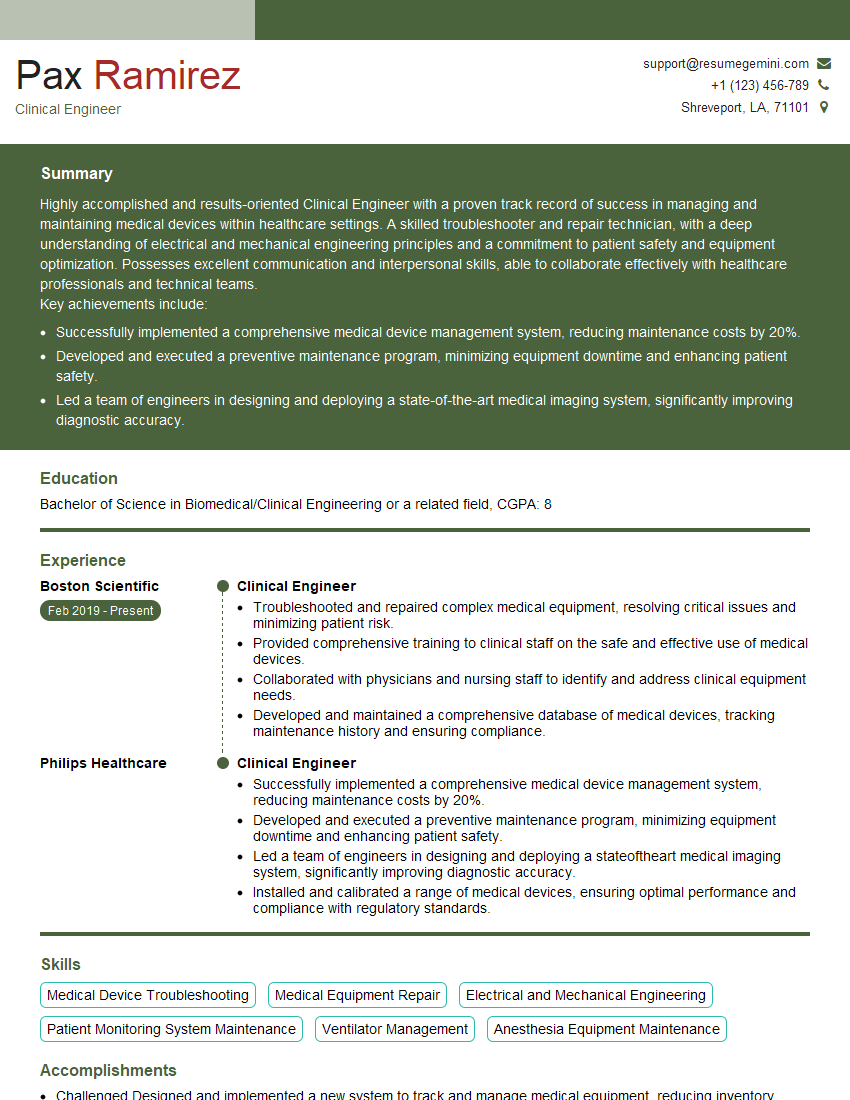
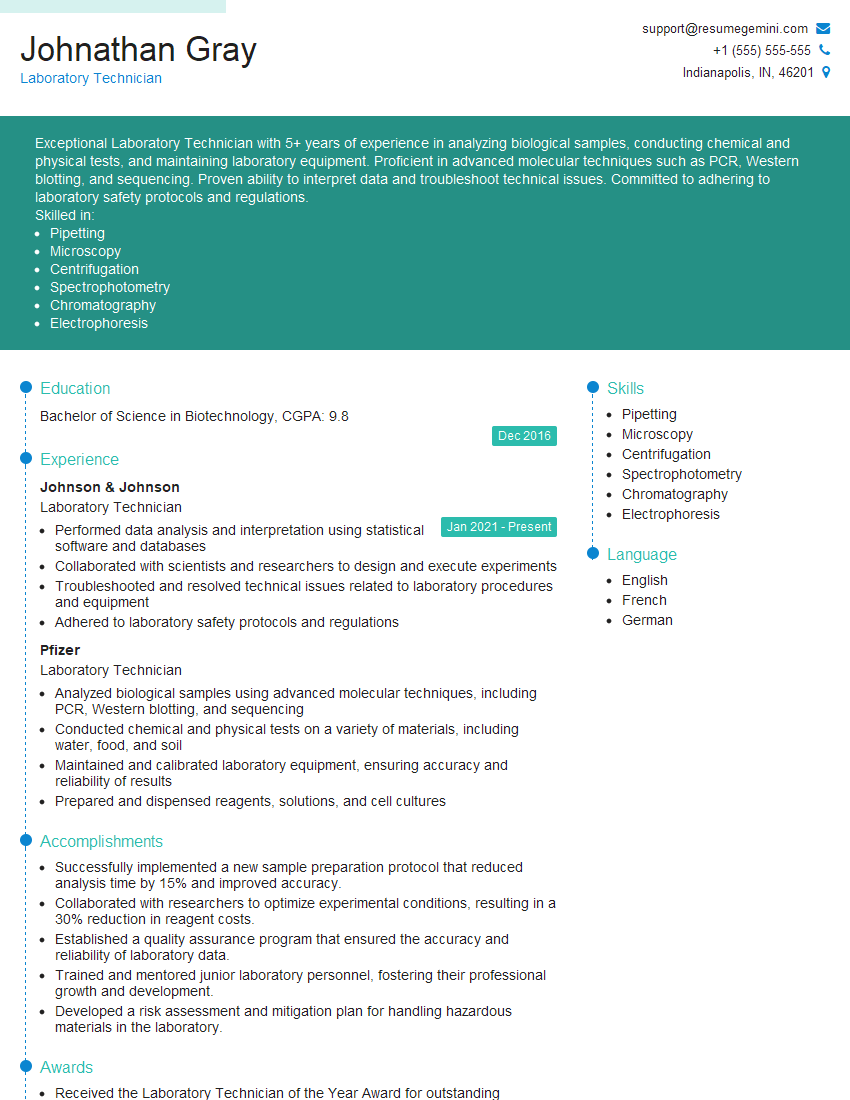
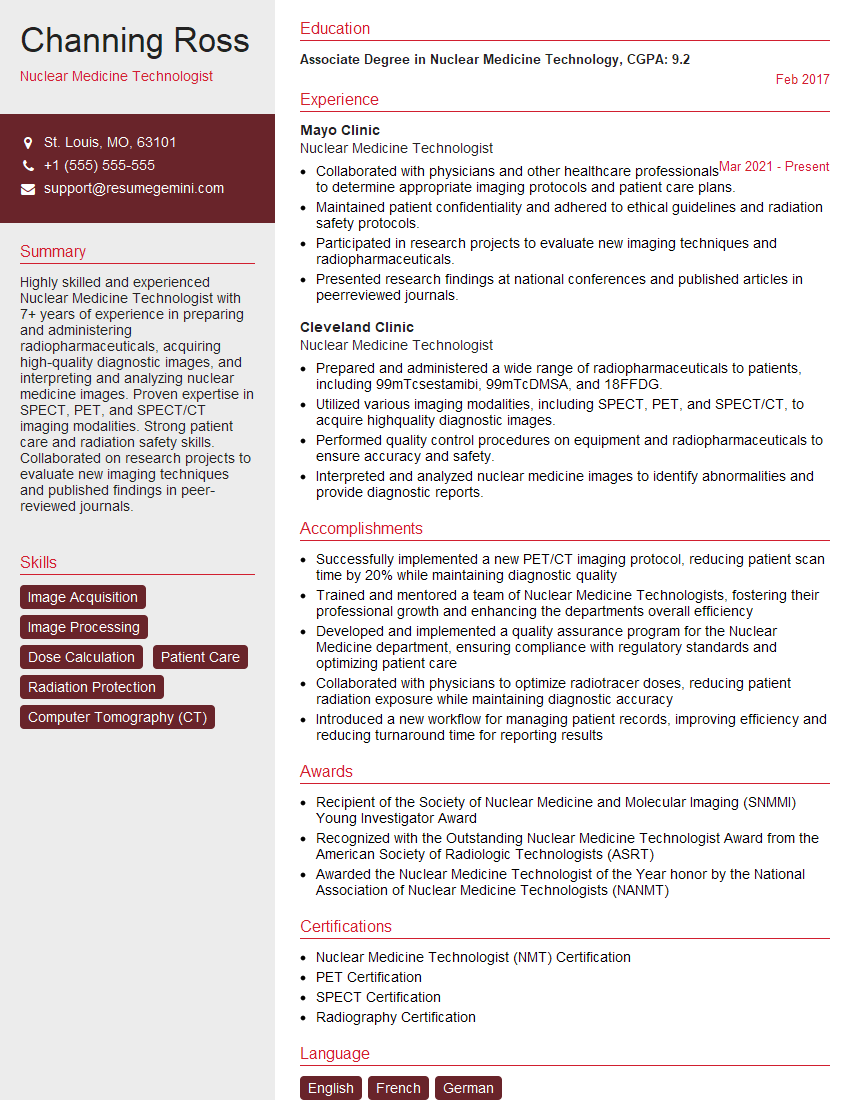
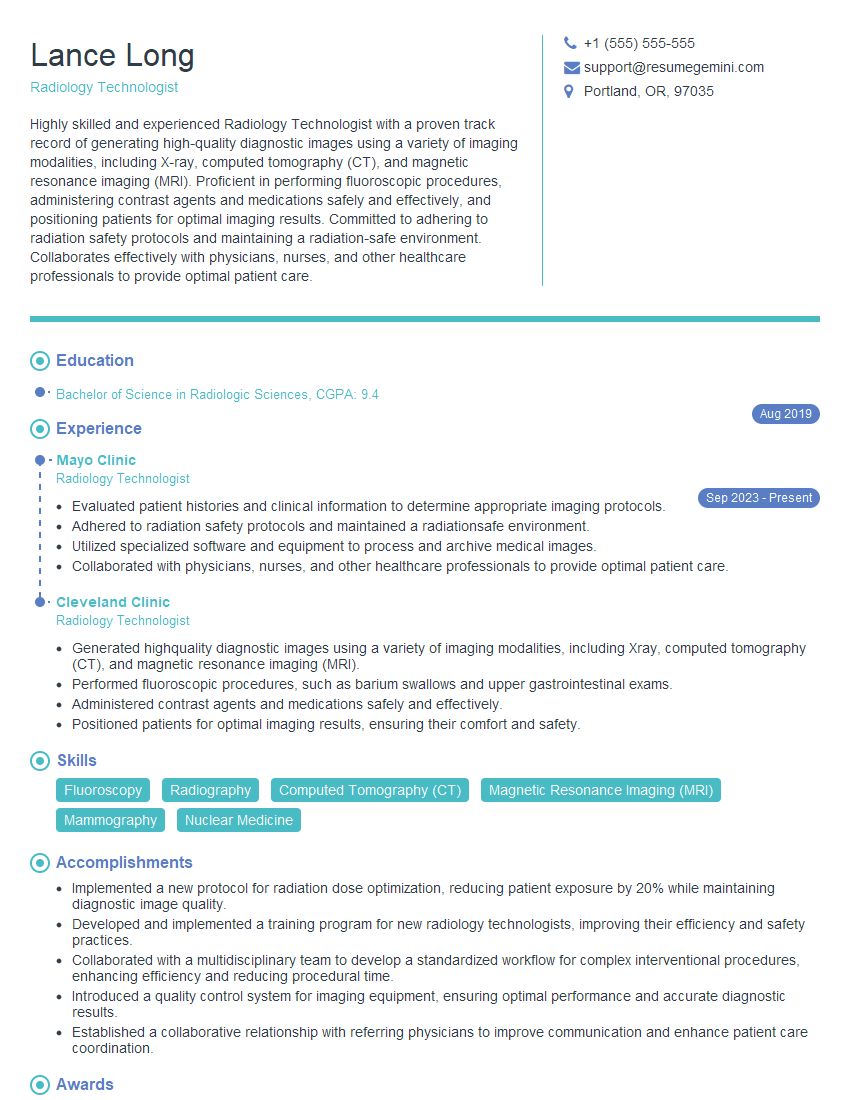
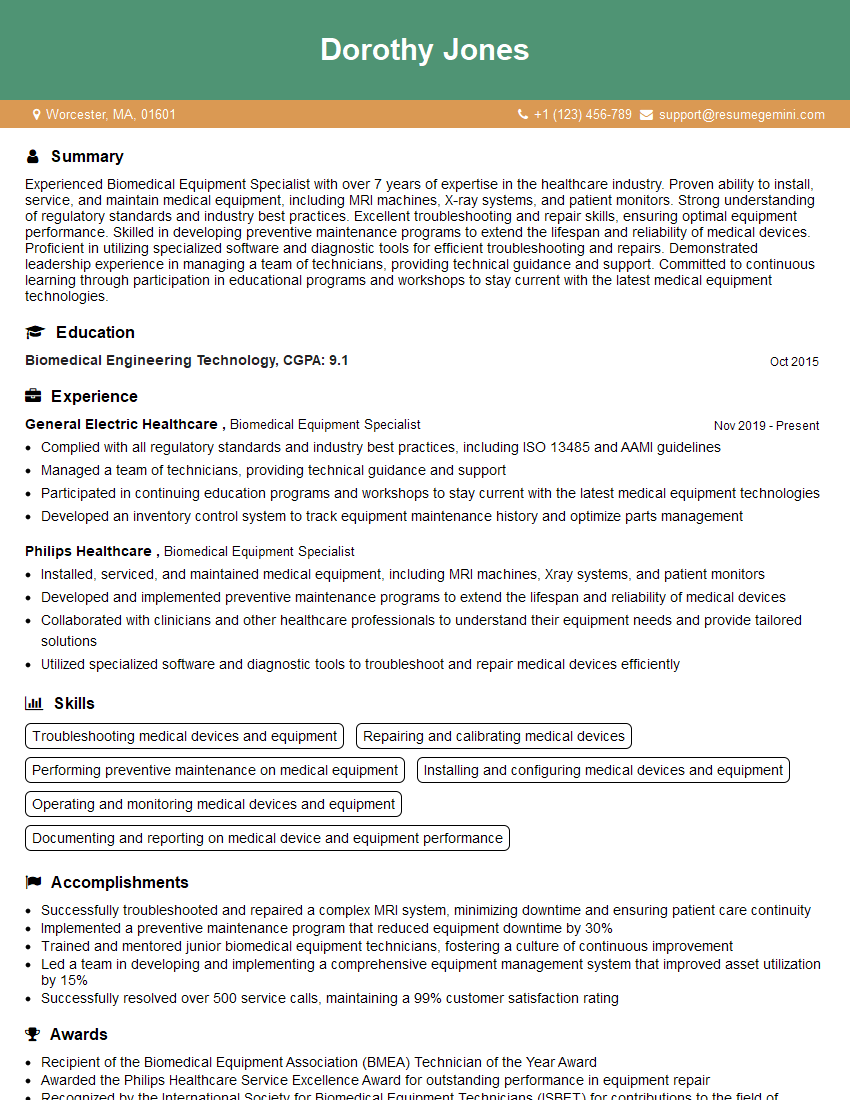
Mastering the skill in using diagnostic equipment is crucial for career advancement and opens doors to exciting opportunities in various fields. A strong understanding of these technologies will significantly enhance your professional capabilities and marketability. To maximize your chances of landing your dream job, it’s essential to present your skills effectively. Creating an ATS-friendly resume is key to getting noticed by recruiters. We highly recommend using ResumeGemini to craft a compelling resume that highlights your expertise in using diagnostic equipment. ResumeGemini provides a user-friendly platform and offers examples of resumes tailored to this specific skillset to help you stand out from the competition.
Explore more articles
Users Rating of Our Blogs
Share Your Experience
We value your feedback! Please rate our content and share your thoughts (optional).
What Readers Say About Our Blog
Very informative content, great job.
good