Every successful interview starts with knowing what to expect. In this blog, we’ll take you through the top Supplier Corrective Actions interview questions, breaking them down with expert tips to help you deliver impactful answers. Step into your next interview fully prepared and ready to succeed.
Questions Asked in Supplier Corrective Actions Interview
Q 1. Explain the 8D problem-solving methodology in the context of supplier corrective actions.
The 8D problem-solving methodology is a structured approach to identifying, analyzing, and resolving problems, particularly effective for supplier corrective actions. It’s a disciplined process ensuring a thorough investigation and robust preventative actions. Each ‘D’ represents a distinct step:
- D1: Define the problem: Clearly and concisely state the problem, including impacted parts, severity, and frequency. For example, “Supplier X consistently delivers part Y with a 5% defect rate exceeding the agreed-upon 1% AQL.”
- D2: Describe the problem: Gather detailed information including dates, quantities, affected systems, customer complaints, and any preliminary data analysis.
- D3: Contain the problem: Implement immediate actions to prevent further defects from reaching the customer. This might involve quarantining affected inventory or implementing a temporary workaround.
- D4: Develop corrective actions: Based on the root cause analysis, define specific, measurable, achievable, relevant, and time-bound (SMART) actions to prevent recurrence. This is where engineering changes, process improvements, or supplier training plans are developed.
- D5: Verify the effectiveness of corrective actions: Implement the corrective actions and carefully monitor the results. Track key metrics to determine their success.
- D6: Implement preventive actions: Establish permanent solutions to prevent the problem from recurring. This may include process improvements, design changes, or changes to supplier management practices.
- D7: Document all actions and results: Compile all findings, corrective actions, verification data, and preventive actions into a comprehensive report. This is crucial for continuous improvement.
- D8: Congratulate the team: Acknowledge and reward the team’s efforts in resolving the issue. This fosters a culture of problem-solving and continuous improvement.
Using 8D ensures a methodical approach, reducing the likelihood of overlooking crucial aspects and improving the chances of lasting solutions.
Q 2. Describe your experience with implementing and managing Supplier Corrective Action Requests (SCARs).
I have extensive experience in implementing and managing SCARs across diverse industries. My approach begins with a thorough understanding of the non-conformance. I ensure the SCAR clearly defines the problem, the affected parts, and the severity of the impact. I then work collaboratively with the supplier to investigate the root cause using tools like fishbone diagrams and 5 Whys. Once the root cause is identified, a corrective action plan is developed which includes specific actions, responsibilities, timelines, and verification methods. I regularly monitor progress, conducting follow-up reviews, and ensuring all corrective and preventive actions are effective. I’ve successfully managed multiple simultaneous SCARs by prioritizing based on risk assessment, considering factors like potential customer impact, safety concerns, and production schedule disruptions. My success is reflected in consistently reducing supplier defect rates and improving overall supply chain reliability.
For example, I once managed a situation where a critical component from a supplier had a high failure rate. I worked closely with the supplier’s engineering team, conducting on-site audits and collaborative root cause analysis. We implemented a series of corrective actions, including machine upgrades, process improvements, and operator training. Through rigorous follow-up, we achieved a significant reduction in the failure rate, restoring product quality and customer confidence.
Q 3. What are the key performance indicators (KPIs) you use to measure the effectiveness of supplier corrective actions?
Measuring the effectiveness of supplier corrective actions requires a set of key performance indicators (KPIs). These KPIs need to reflect both the immediate impact and the long-term prevention of recurrence. I typically use the following:
- Supplier Defect Rate (SDR): Tracks the percentage of defective parts received from a supplier. A significant reduction after a corrective action is a positive indicator.
- Time to Resolution: Measures the time taken to resolve a non-conformance, indicating the efficiency of the SCAR process. Shorter resolution times are preferred.
- Effectiveness of Corrective Actions: Assesses whether implemented actions have effectively addressed the root cause. This could be measured by tracking the recurrence rate of the same issue.
- Supplier Corrective Action Effectiveness Rate: Percentage of SCARs where the corrective actions fully prevented recurrence. Higher rates indicate successful problem solving and effective preventative measures.
- Number of Open SCARs: Tracks the number of unresolved non-conformances. A declining trend indicates better control of supplier quality.
These KPIs are used to monitor supplier performance and identify areas needing improvement. They provide valuable data for continuous improvement initiatives and to evaluate the effectiveness of supplier management strategies.
Q 4. How do you prioritize multiple simultaneous supplier corrective actions?
Prioritizing multiple simultaneous SCARs requires a systematic approach. I use a risk-based prioritization matrix that considers several factors:
- Severity of Impact: How significant is the impact of the defect on the product, customer, or safety?
- Urgency: How quickly does the issue need to be resolved to avoid major consequences?
- Probability of Recurrence: What is the likelihood of the defect happening again?
- Supplier Cooperation: How responsive and cooperative is the supplier in addressing the issue?
I assign a score to each SCAR based on these factors, allowing me to prioritize the most critical issues first. This ensures that resources are allocated effectively to address the highest-risk problems promptly while managing other SCARs efficiently. Regular review and updates of this matrix are essential to reflect changing situations and prioritize appropriately.
Q 5. Describe a time you had to negotiate a corrective action plan with a reluctant supplier.
In one instance, a key supplier was reluctant to accept responsibility for a recurring defect in their components. Initial attempts to negotiate a corrective action plan were met with resistance. I addressed this by:
- Presenting compelling evidence: I provided irrefutable data demonstrating the defect rate, its impact on our production, and ultimately our customer satisfaction.
- Focusing on mutual benefit: I emphasized the long-term benefits of collaboration, highlighting that addressing the root cause would benefit both our companies, not just ours. A strong partnership was more valuable than short-term gains.
- Offering support: I offered technical expertise and resources to assist the supplier in identifying the root cause and developing effective corrective actions. This demonstrated our commitment to their success.
- Escalation as a last resort: While I avoided this, I made it clear that if a mutually agreeable solution could not be reached, escalation to senior management on both sides would be necessary.
Through collaborative problem-solving, clear communication, and a focus on mutual benefit, we successfully negotiated a comprehensive corrective action plan that resolved the issue and strengthened our relationship with the supplier. The key was understanding their concerns and working towards a solution that worked for everyone.
Q 6. What tools and techniques do you use for root cause analysis in supplier corrective actions?
Root cause analysis is critical in supplier corrective actions. I employ several tools and techniques:
- 5 Whys: A simple yet effective method for drilling down to the root cause by repeatedly asking “Why?” until the fundamental reason is identified.
- Fishbone Diagram (Ishikawa Diagram): A visual tool that helps identify potential causes categorized by factors like materials, methods, manpower, machinery, environment, and measurement.
- Pareto Chart: Highlights the vital few causes contributing to the majority of defects, guiding efforts toward the most impactful areas.
- Data Analysis: Statistical methods like control charts and process capability analysis to identify trends and patterns in defect data.
- Failure Mode and Effects Analysis (FMEA): A proactive method to identify potential failure modes and their effects on the product, enabling preventative measures.
The choice of tools depends on the complexity of the problem and the available data. Often, I combine these methods for a comprehensive root cause analysis.
Q 7. How do you ensure that corrective actions are effective and prevent recurrence?
Ensuring the effectiveness of corrective actions and preventing recurrence requires a multi-faceted approach:
- Rigorous Verification: Thoroughly validate that the implemented corrective actions have effectively addressed the root cause. This may involve monitoring key performance indicators over time and conducting follow-up audits.
- Preventive Actions: Go beyond fixing the immediate problem; implement robust preventive actions to prevent recurrence. This might involve process improvements, design changes, or changes to supplier management practices.
- Closed-Loop System: Establish a system for tracking SCARs from initiation to closure, ensuring accountability and complete documentation of the process.
- Supplier Training and Development: Provide training and support to suppliers to improve their quality management systems and prevent future defects.
- Regular Audits and Reviews: Conduct periodic audits and reviews of the supplier’s processes to ensure continued compliance and identify potential issues early on.
- Continuous Improvement: Use the lessons learned from each SCAR to improve the overall supplier management process and prevent similar issues from occurring in the future.
By implementing these strategies, I ensure that corrective actions are not merely reactive measures, but rather part of a continuous improvement cycle aimed at enhancing product quality and supplier relationships.
Q 8. Explain your understanding of the different types of corrective actions (reactive vs. proactive).
Corrective actions can be broadly categorized into reactive and proactive measures. Reactive corrective actions address issues after a problem has occurred. Think of it like putting out a fire – you’re reacting to the existing flames. This involves investigating a nonconformity, identifying its root cause, and implementing actions to prevent its recurrence. Proactive corrective actions, on the other hand, aim to prevent problems before they arise. This is like installing a fire sprinkler system – anticipating potential issues and putting measures in place to mitigate risk. Proactive actions often come from preventative maintenance, process improvements identified through audits, or continuous improvement initiatives.
For example, a reactive action might involve replacing a batch of faulty components after customer complaints. A proactive action might involve implementing stricter quality control checks during the component manufacturing process to prevent such defects in the future. Effective supplier management requires a balance of both reactive and proactive approaches.
Q 9. How do you verify the effectiveness of a supplier’s corrective action plan?
Verifying the effectiveness of a supplier’s corrective action plan is crucial. It’s not enough to simply accept their proposed solution; we need concrete evidence that the problem is truly solved and won’t recur. My approach involves a multi-step verification process:
- Review of the Root Cause Analysis (RCA): I meticulously review the supplier’s RCA to ensure it accurately identifies the root cause and doesn’t just address symptoms. I look for evidence-based reasoning and avoid accepting vague explanations.
- Evaluation of the Corrective Action Plan (CAP): I assess the CAP for clarity, feasibility, and effectiveness. Are the proposed actions specific, measurable, achievable, relevant, and time-bound (SMART)? Do they directly address the root cause identified in the RCA?
- Verification of Implementation: I work closely with the supplier to monitor the implementation of the CAP. This might involve site visits, review of implementation reports, and data analysis. I ensure the supplier follows the planned actions diligently.
- Effectiveness Monitoring: After implementation, I closely monitor key performance indicators (KPIs) to measure the effectiveness of the CAP. This might include defect rates, customer complaints, or process capability indices. I look for sustained improvement and absence of recurrence.
- Documentation Review:Thorough documentation is key. I examine all documentation to ensure it supports the entire process from initial non-conformity reporting, to RCA, implementation, verification and effectiveness monitoring.
For instance, if a supplier experienced a high defect rate due to improper machine calibration, I’d verify the effectiveness by reviewing their recalibration procedures, monitoring the defect rate post-calibration, and potentially requesting statistical process control data to demonstrate sustained improvement.
Q 10. What is your experience with implementing corrective actions related to regulatory compliance?
I have extensive experience in implementing corrective actions related to regulatory compliance, particularly within the medical device and automotive industries. This often involves navigating complex regulations like FDA 21 CFR Part 820 and IATF 16949. When a nonconformity impacts regulatory compliance, the urgency and rigor of the corrective action process significantly increase.
For example, in one case involving a medical device supplier, a nonconformity related to sterilization procedures was identified. We not only addressed the immediate issue but also implemented a comprehensive CAP that included retraining staff, upgrading sterilization equipment, and revising the sterilization validation protocol to meet stringent regulatory requirements. This involved close collaboration with internal regulatory affairs and external regulatory bodies to ensure full compliance and prevent future violations.
Q 11. How do you document and track supplier corrective actions?
Documenting and tracking supplier corrective actions is critical for ensuring accountability and continuous improvement. My approach utilizes a structured system leveraging a combination of electronic and physical documentation. This typically involves:
- Centralized Database: We use a centralized database (often a specialized supplier quality management system) to record all nonconformities, corrective actions, and their status. This database allows for easy tracking, reporting, and analysis.
- Corrective Action Request (CAR) System: A formal CAR system ensures that all nonconformities are documented, investigated, and addressed systematically. This usually involves unique identification numbers, detailed descriptions, and clear timelines.
- Supplier Performance Scorecards: Supplier performance scorecards regularly track key metrics related to corrective actions, such as the number of nonconformities, time to resolution, and effectiveness of corrective actions. This allows us to identify trends and areas needing improvement.
- Regular Audits: Regular audits of the supplier’s quality management system, including their corrective action process, help to verify the effectiveness of their systems and identify any gaps or weaknesses.
The documentation includes detailed records of RCA, CAP, implementation steps, verification reports, and effectiveness monitoring data. All documentation is archived according to defined retention policies.
Q 12. Describe your experience working with different quality management systems (e.g., ISO 9001, IATF 16949).
I possess extensive experience working with various quality management systems, including ISO 9001 and IATF 16949. My understanding of these standards informs my approach to supplier corrective actions. Both standards emphasize the importance of a robust corrective action process, but their specific requirements differ slightly. IATF 16949, for example, places a stronger focus on risk management and prevention in the automotive industry.
Understanding these nuances allows me to tailor my approach to meet the specific requirements of each standard and to effectively communicate with suppliers who are certified under these systems. This ensures that corrective actions are implemented in accordance with the applicable standards and that our internal audits are successful. I regularly participate in internal and supplier audits, ensuring that the corrective actions taken align with both the specific standard and the requirements of our company.
Q 13. How do you communicate supplier corrective actions to stakeholders (internal and external)?
Communicating supplier corrective actions effectively is crucial for maintaining transparency and fostering collaboration. My approach involves a multi-faceted communication strategy:
- Formal Communication Channels: I utilize formal channels such as email, letters, and reports to provide updates on the status of corrective actions to relevant stakeholders, both internally and externally (e.g., customers). This ensures all parties have access to accurate and timely information.
- Regular Meetings: I schedule regular meetings with the supplier to discuss progress on corrective actions, address any challenges, and collaboratively determine solutions. This fosters a strong collaborative relationship built on mutual trust and understanding.
- Status Reports: I regularly generate status reports that summarize the progress of corrective actions and any relevant findings. These reports are shared with relevant stakeholders as needed.
- Management Review: Supplier corrective action data is included in management review meetings where overall performance is assessed, trends are identified, and improvement opportunities are discussed.
For instance, I might communicate a critical corrective action to a customer by providing a formal update letter outlining the root cause, the corrective actions taken, and the verification steps to ensure their confidence in our supply chain.
Q 14. What is your experience with using statistical process control (SPC) in supplier corrective actions?
Statistical Process Control (SPC) plays a vital role in verifying the effectiveness of supplier corrective actions, particularly in identifying and resolving recurring issues. I often utilize SPC charts, such as control charts (X-bar and R charts, p-charts, c-charts etc.), to monitor process capability and identify patterns. By analyzing data from SPC charts, we can identify trends, variations, and potential issues early on.
For example, if a supplier is implementing a new process to reduce defects, I’d work with them to establish appropriate SPC charts to monitor the process parameters. This would allow us to quantitatively assess the effectiveness of the corrective actions and identify any ongoing process issues that need attention before they escalate into significant problems. The use of SPC provides objective evidence to support claims of improved process capability and allows for data-driven decision-making in managing the supplier.
Q 15. Describe a time a supplier corrective action failed; what went wrong and what did you learn?
One time, a supplier of critical components for our medical devices failed to meet our stringent cleanliness standards. Their corrective action plan focused solely on enhanced cleaning procedures, without addressing the root cause: a poorly maintained HVAC system in their production facility that was introducing particulate matter. While they implemented the cleaning improvements, the underlying issue persisted, leading to recurring failures. We only discovered the HVAC problem after a thorough on-site audit, revealing a systematic oversight in their environmental controls. The lesson learned was the crucial importance of a robust root cause analysis. A superficial corrective action, even if seemingly effective on the surface, can mask deeper problems that will resurface, ultimately costing more in time, resources, and reputational damage. We now insist on a multi-faceted approach involving 5 Whys analysis, fault tree analysis, or other methods to delve into the true cause of supplier defects before accepting their corrective action plans.
Career Expert Tips:
- Ace those interviews! Prepare effectively by reviewing the Top 50 Most Common Interview Questions on ResumeGemini.
- Navigate your job search with confidence! Explore a wide range of Career Tips on ResumeGemini. Learn about common challenges and recommendations to overcome them.
- Craft the perfect resume! Master the Art of Resume Writing with ResumeGemini’s guide. Showcase your unique qualifications and achievements effectively.
- Don’t miss out on holiday savings! Build your dream resume with ResumeGemini’s ATS optimized templates.
Q 16. How do you handle supplier corrective actions that involve significant financial implications?
Handling supplier corrective actions with significant financial implications requires a structured and collaborative approach. Firstly, we clearly define the financial impact, including direct costs (rework, replacements) and indirect costs (lost production time, reputational damage). Then, we engage in detailed negotiations with the supplier, outlining the expected cost recovery mechanisms and potentially leveraging contractual agreements. This might involve shared responsibility for financial losses based on agreed-upon performance indicators. We document everything meticulously, including all communication, agreed-upon actions, and cost allocations. In some situations, depending on the severity and the supplier’s history, we might explore alternative suppliers or internal solutions in parallel to mitigate further risk. Transparency is key – keeping internal stakeholders informed about the progress and financial implications is essential for buy-in and avoiding misunderstandings. For example, in a case involving a large batch of defective parts, we negotiated a credit against future orders along with expedited delivery of replacement parts, ensuring minimal disruption to our operations.
Q 17. How do you manage expectations with internal and external stakeholders during a supplier corrective action process?
Managing expectations during a supplier corrective action involves proactive communication and realistic timelines. We establish a central communication point, using regular status updates (e.g., weekly reports) to keep both internal (engineering, quality, management) and external (supplier contact person, potentially their management) stakeholders informed. Transparency is key: we clearly articulate the problem, the proposed corrective actions, the timeline for implementation and verification, and potential risks. We address concerns openly and honestly. For example, if a delay is anticipated, we proactively inform stakeholders and explain the reasons. Regular meetings, involving representatives from all affected parties, provide opportunities for questions, feedback, and collaboration. This open communication builds trust and ensures everyone is on the same page, minimizing misunderstandings and anxieties.
Q 18. Explain your understanding of the concept of preventative actions in the context of supplier corrective actions.
Preventative actions, in the context of supplier corrective actions, are proactive steps taken to prevent the recurrence of a problem. They go beyond simply fixing the immediate issue; they aim to address the root cause and prevent similar problems from happening again. Think of it like this: a corrective action is like putting a bandage on a wound, while a preventative action is like getting vaccinated to prevent the disease entirely. For example, if a supplier had a problem with incorrect labeling, a corrective action would be to relabel the affected products. A preventative action would involve implementing new training procedures for staff, improving the labeling process design, and investing in automated labeling equipment. These preventative actions address the systemic issues leading to the labeling errors, preventing future occurrences. We rigorously evaluate preventative actions for their effectiveness and ensure that they are documented and implemented by the supplier.
Q 19. What are the potential risks of not properly addressing supplier corrective actions?
The risks of not properly addressing supplier corrective actions are numerous and significant. These include:
- Recurrence of defects: The same problem may reappear, leading to further production delays, financial losses, and potentially safety hazards.
- Reputational damage: Failure to address supplier issues can damage your company’s reputation, leading to loss of customer trust and potentially impacting future business.
- Legal and regulatory issues: If the defective products cause harm or violate safety standards, the company could face legal action and significant penalties.
- Increased costs: Ignoring the problem often leads to more expensive solutions later. Dealing with recurring issues is significantly more expensive than proactively preventing them.
- Supply chain disruptions: The inability to rely on suppliers for consistent quality can severely disrupt the entire supply chain, leading to production delays and impacting customer orders.
Q 20. How do you select the appropriate corrective action based on the severity and root cause of the problem?
Selecting the appropriate corrective action depends on the severity and root cause of the problem. We use a risk-based approach. A minor issue, with a clear and simple root cause, might require a simple corrective action, like improved training or a minor process adjustment. However, a major defect with a complex root cause requiring extensive changes to processes, equipment, or systems, would demand a more comprehensive and rigorous corrective action plan involving multiple departments and potentially external expertise. We utilize tools such as Failure Mode and Effects Analysis (FMEA) or root cause analysis techniques (e.g., 5 Whys, fishbone diagrams) to identify the root cause. Severity is assessed based on potential impact on product quality, safety, and regulatory compliance. The corrective action must then address both the immediate problem and the underlying root cause, preventing recurrence. This often requires the supplier to demonstrate effective implementation and verification of the corrective actions through audits and subsequent product testing.
Q 21. What are the key elements of a well-written corrective action plan?
A well-written corrective action plan includes the following key elements:
- Clear description of the problem: A concise, unambiguous statement of the defect or issue.
- Root cause analysis: A detailed investigation identifying the underlying reasons for the problem, typically involving evidence and data.
- Corrective actions: Specific, measurable, achievable, relevant, and time-bound (SMART) actions to resolve the problem.
- Preventive actions: Steps to prevent the recurrence of the problem.
- Responsibility and timelines: Clearly assigned responsibilities and realistic deadlines for completing each action.
- Verification and validation: Methods to verify that the corrective and preventative actions were effective and to validate the process has improved.
- Documentation: Complete and well-organized records of all actions, results, and communication.
- Management review: A process for management to review the effectiveness of the corrective action plan and identify areas for improvement.
Q 22. How do you measure the long-term effectiveness of implemented corrective actions?
Measuring the long-term effectiveness of corrective actions requires a multi-faceted approach that goes beyond simply verifying immediate problem resolution. We need to track recurrence rates, monitor key performance indicators (KPIs), and assess the overall impact on the quality of supplied goods or services.
Recurrence Rate Tracking: This is arguably the most important metric. We meticulously track whether the same issue arises from the same supplier again. A high recurrence rate suggests the root cause wasn’t adequately addressed, prompting a review of the corrective action plan. For instance, if a supplier had a recurring issue with defective components, a trend analysis of the recurrence rate would highlight the need for a more thorough root cause analysis or additional training.
KPI Monitoring: We establish relevant KPIs, such as defect rates, on-time delivery, and customer satisfaction metrics related to the supplied product or service. Post-corrective action, we continuously monitor these KPIs to observe improvements. A consistent improvement in these metrics indicates the corrective action’s effectiveness.
Supplier Performance Reviews: Regular reviews with the supplier, incorporating data on recurrence rates and KPIs, ensure continuous improvement. These reviews allow us to assess the sustained effectiveness of the corrective action and identify any ongoing challenges. For example, a quarterly performance review might include a detailed examination of the corrective action’s impact on defect rates and on-time delivery performance.
Audits and Inspections: Regular audits, both announced and unannounced, are crucial for verifying that the implemented corrective actions are being maintained and consistently followed. These audits help ensure the long-term success of the corrective actions.
Q 23. Describe your experience with different types of supplier audits (e.g., first-party, second-party, third-party).
My experience encompasses all three types of supplier audits – first-party, second-party, and third-party – each with its distinct purpose and focus.
First-party audits are conducted by the supplier themselves to assess their own processes and compliance. These audits demonstrate their commitment to quality and provide a baseline for improvement. I’ve often seen suppliers use these to identify areas for corrective action before they’re flagged by their customers.
Second-party audits are performed by the customer (our company) to verify the supplier’s claims and compliance with contract requirements. This is a critical aspect of our supplier management process. I’ve personally led numerous second-party audits, meticulously reviewing supplier documentation, observing production processes, and interviewing personnel to assess the effectiveness of their quality management systems and their response to prior corrective actions. A key focus is to confirm the resolution of past issues and the prevention of future ones.
Third-party audits involve an independent, external auditor evaluating the supplier’s quality management system. This offers an unbiased assessment and builds trust among all stakeholders. I’ve worked extensively with third-party auditors, reviewing their reports to understand the supplier’s overall quality and compliance, particularly for ensuring regulatory compliance.
Q 24. How do you integrate supplier corrective actions into your overall quality management system?
Supplier corrective actions are seamlessly integrated into our overall quality management system (QMS), following a closed-loop process. This means that every step, from initial problem identification to final verification, is documented and tracked.
Problem Reporting and Escalation: A robust system for reporting and escalating supplier quality issues is central to our QMS. This ensures timely identification and prompt response to problems.
Corrective Action Request (CAR) Process: We utilize a structured CAR process to formally document the issue, assign responsibility for resolution, establish timelines, and track progress. This process ensures clear communication and accountability throughout the corrective action process.
Root Cause Analysis: A thorough root cause analysis (RCA) is performed to understand the underlying reasons for the problem, preventing recurrence. Techniques like 5 Whys, fishbone diagrams, and fault tree analysis are commonly employed.
Corrective and Preventive Actions (CAPA): The CAR process culminates in the implementation of CAPA, addressing both the immediate issue and the underlying causes to prevent future occurrences. Effectiveness is verified through follow-up audits and monitoring of relevant KPIs.
Continuous Improvement: The entire process is continuously reviewed and improved. Lessons learned from past corrective actions are documented and shared to enhance our overall QMS and supplier management strategies.
Q 25. What is your experience with using data analytics to identify trends and prevent future supplier quality issues?
Data analytics plays a crucial role in proactive supplier quality management. By analyzing historical data on supplier performance, defect rates, and corrective actions, we identify trends, predict potential issues, and implement preventive measures.
Trend Analysis: We use statistical tools and data visualization techniques to identify patterns and trends in supplier performance data. This allows us to pinpoint suppliers with consistently higher defect rates or a history of quality issues. For example, a sudden spike in defect rates from a specific supplier could indicate a potential problem that requires immediate attention.
Predictive Modeling: We employ predictive modeling techniques to forecast potential future issues based on historical data and various influencing factors. This enables us to proactively address potential risks and prevent disruptions to our supply chain.
Root Cause Identification: Data analysis provides insights into the root causes of quality problems by correlating different data points. For instance, we may discover a correlation between specific environmental conditions at the supplier’s facility and a rise in defective parts.
Supplier Segmentation: Data analysis helps us segment our suppliers based on risk profiles, enabling us to allocate resources effectively and focus on high-risk suppliers.
Q 26. How do you balance the need for rapid corrective action with the need for thorough root cause analysis?
Balancing the need for rapid corrective action with thorough root cause analysis is a delicate act, but crucial for effective supplier management. A quick fix might resolve the immediate issue, but without understanding the root cause, the problem will likely recur.
Immediate Containment: First, we take immediate steps to contain the problem and minimize its impact. This could involve implementing temporary workarounds, quarantining defective products, or initiating expedited replacements. This is like putting out a fire before conducting a fire investigation.
Parallel RCA: Simultaneously, we initiate a thorough root cause analysis (RCA). This involves gathering data, interviewing stakeholders, and using appropriate analytical tools. We don’t wait for the RCA to finish before taking containment actions.
Iterative Approach: We might adopt an iterative approach, implementing interim corrective actions based on preliminary RCA findings, and adjusting them as the investigation progresses. This allows us to achieve quicker initial results while simultaneously pursuing a thorough root cause understanding.
Prioritization: We prioritize the investigation based on the severity and potential impact of the issue. Critical issues require more immediate and intensive RCA efforts.
Q 27. What is your experience with supplier performance management and its relationship to corrective actions?
Supplier performance management (SPM) and corrective actions are intrinsically linked. SPM is a continuous process of monitoring, evaluating, and improving supplier performance, while corrective actions are a crucial component of addressing specific performance deficiencies.
Performance Metrics: SPM uses key performance indicators (KPIs) to measure supplier performance across various aspects such as quality, delivery, cost, and compliance. Corrective actions address situations where these KPIs fall below acceptable levels.
Continuous Improvement: Corrective actions feed directly into the continuous improvement cycle within SPM. By analyzing the root causes of quality issues, we identify opportunities to enhance supplier processes and prevent future problems. Successful corrective actions lead to improved supplier performance metrics.
Risk Mitigation: SPM identifies potential risks associated with suppliers, while corrective actions mitigate these risks by addressing identified weaknesses. The corrective action process reinforces the effectiveness of the SPM strategy.
Supplier Relationships: Effective SPM and robust corrective action processes foster strong and collaborative supplier relationships. A culture of open communication and mutual improvement helps identify and resolve issues effectively.
Q 28. Describe your experience with utilizing a supplier corrective action system or software.
I have extensive experience with various supplier corrective action systems and software, both cloud-based and on-premise solutions. These systems significantly improve efficiency and transparency in managing corrective actions.
Centralized Database: These systems provide a centralized database for storing all corrective action requests (CARs), allowing easy tracking and monitoring of progress. This ensures that no issues fall through the cracks.
Workflow Automation: They automate many aspects of the CAR process, such as assigning tasks, setting deadlines, and sending notifications. This streamlines the workflow and reduces manual effort.
Reporting and Analytics: These systems provide comprehensive reporting and analytics capabilities, helping us track key metrics, identify trends, and measure the effectiveness of corrective actions. This data drives continuous improvement across the supply chain.
Document Management: They provide a secure repository for storing all relevant documents, ensuring easy access and auditability. This facilitates traceability and compliance efforts.
Communication and Collaboration: Many systems facilitate communication and collaboration among internal teams and suppliers, ensuring smooth and efficient resolution of issues. This is especially important in complex situations involving multiple parties.
In my previous role, we implemented a cloud-based CAR system which reduced our average corrective action resolution time by 30% and improved the accuracy of our root cause analysis significantly. The system’s reporting capabilities also helped us to identify recurring issues and prevent future problems.
Key Topics to Learn for Supplier Corrective Actions Interview
- Understanding the 8D Report Process: Learn the structure, purpose, and application of the 8D report in addressing supplier quality issues. Mastering this is crucial for effective corrective action implementation.
- Root Cause Analysis Techniques: Familiarize yourself with various methods like 5 Whys, Fishbone diagrams, and fault tree analysis to identify the underlying causes of supplier defects. Practice applying these techniques to real-world scenarios.
- Corrective Action Effectiveness Verification: Understand the importance of verifying that implemented corrective actions are truly effective in preventing recurrence. Learn how to measure and document this effectiveness.
- Supplier Communication and Collaboration: Develop your skills in effectively communicating with suppliers, building strong relationships, and collaboratively defining and implementing corrective actions. This is a critical soft skill.
- Preventive Action Implementation: Go beyond simply correcting current problems. Understand how to implement preventive actions to avoid similar issues in the future. This demonstrates proactive problem-solving.
- Metrics and Reporting: Learn how to track and report on key metrics related to supplier corrective actions, demonstrating your ability to measure performance and identify trends.
- Regulatory Compliance: Understand relevant industry regulations and standards related to supplier quality management and corrective actions. This shows you are aware of the legal and ethical implications.
- Risk Assessment and Mitigation: Develop your ability to assess the risks associated with supplier quality issues and implement effective mitigation strategies. This shows a proactive approach to quality management.
Next Steps
Mastering Supplier Corrective Actions significantly enhances your career prospects in quality management and supply chain roles. It showcases your problem-solving abilities, technical expertise, and communication skills – all highly valued attributes. To boost your job search, crafting an ATS-friendly resume is essential. ResumeGemini is a trusted resource to help you build a professional and effective resume that highlights your skills and experience. Examples of resumes tailored to Supplier Corrective Actions are available within ResumeGemini to help guide you.

Operations Manager Resume Sample
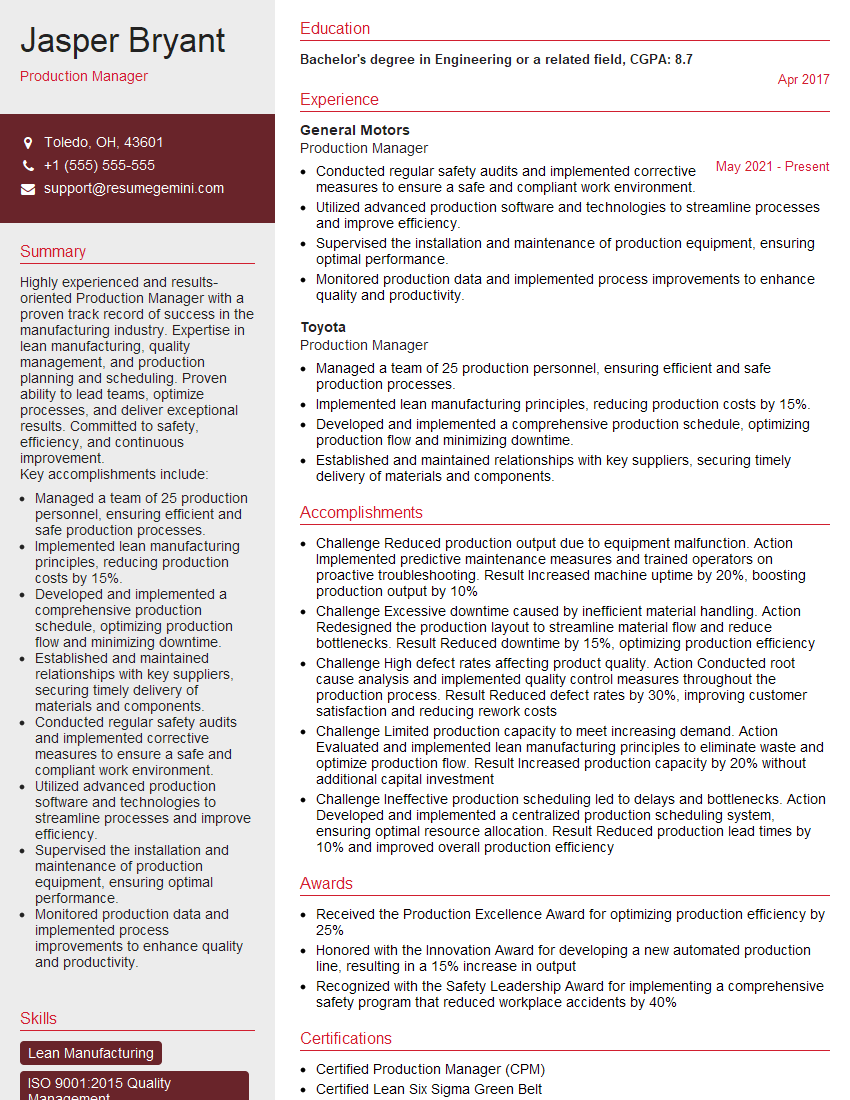
Production Manager Resume Sample
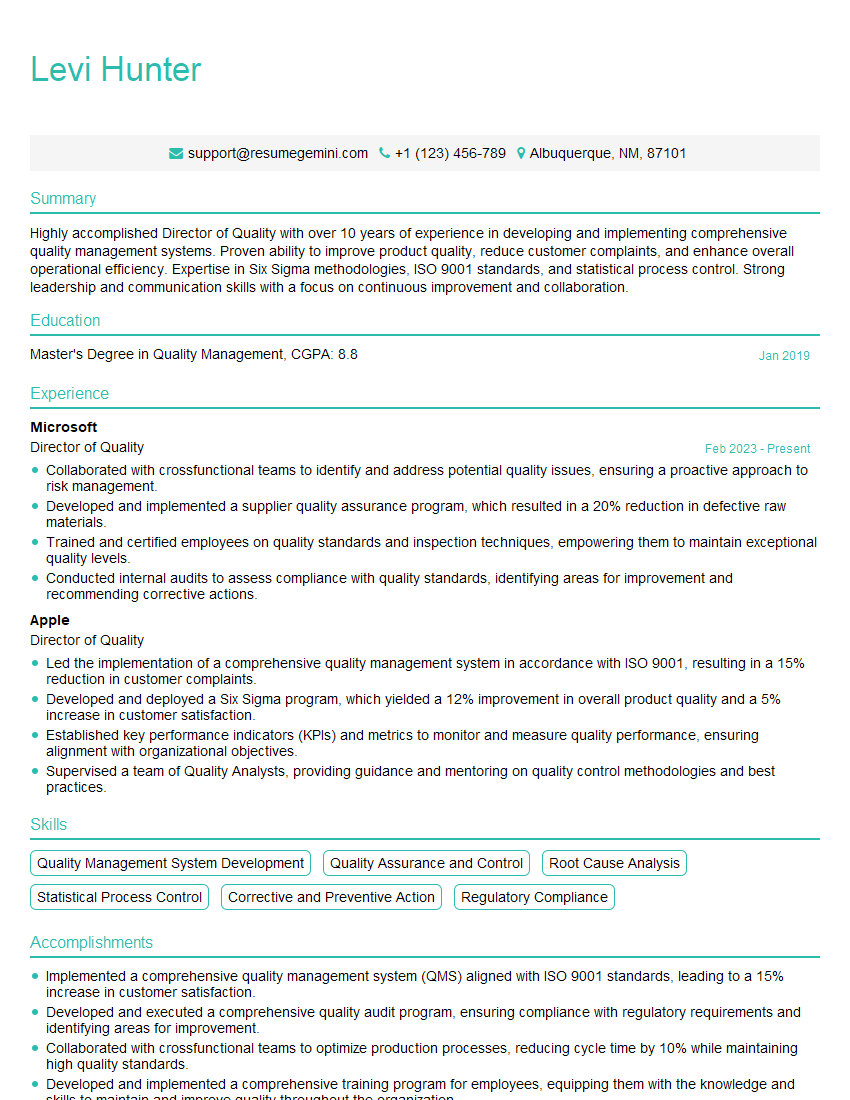
Director of Quality Resume Sample

Quality Assurance Manager Resume Sample
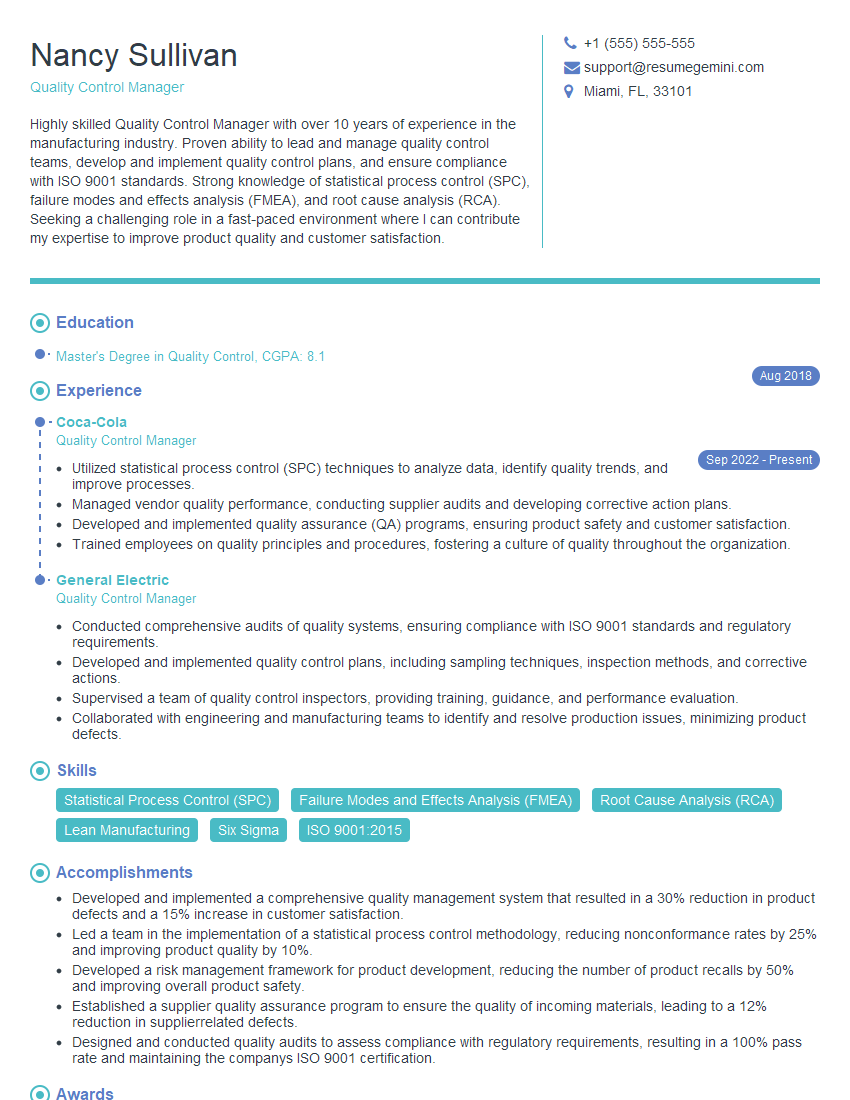
Quality Control Manager Resume Sample

Procurement Manager Resume Sample
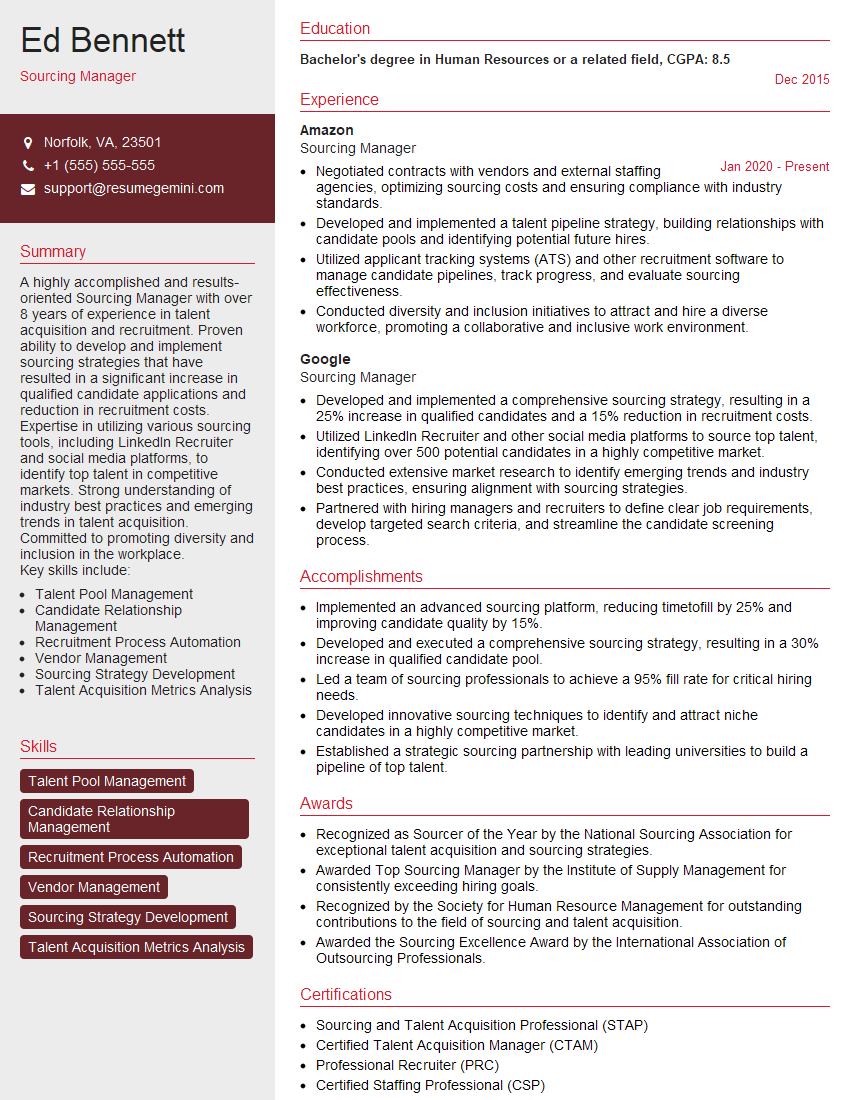
Sourcing Manager Resume Sample
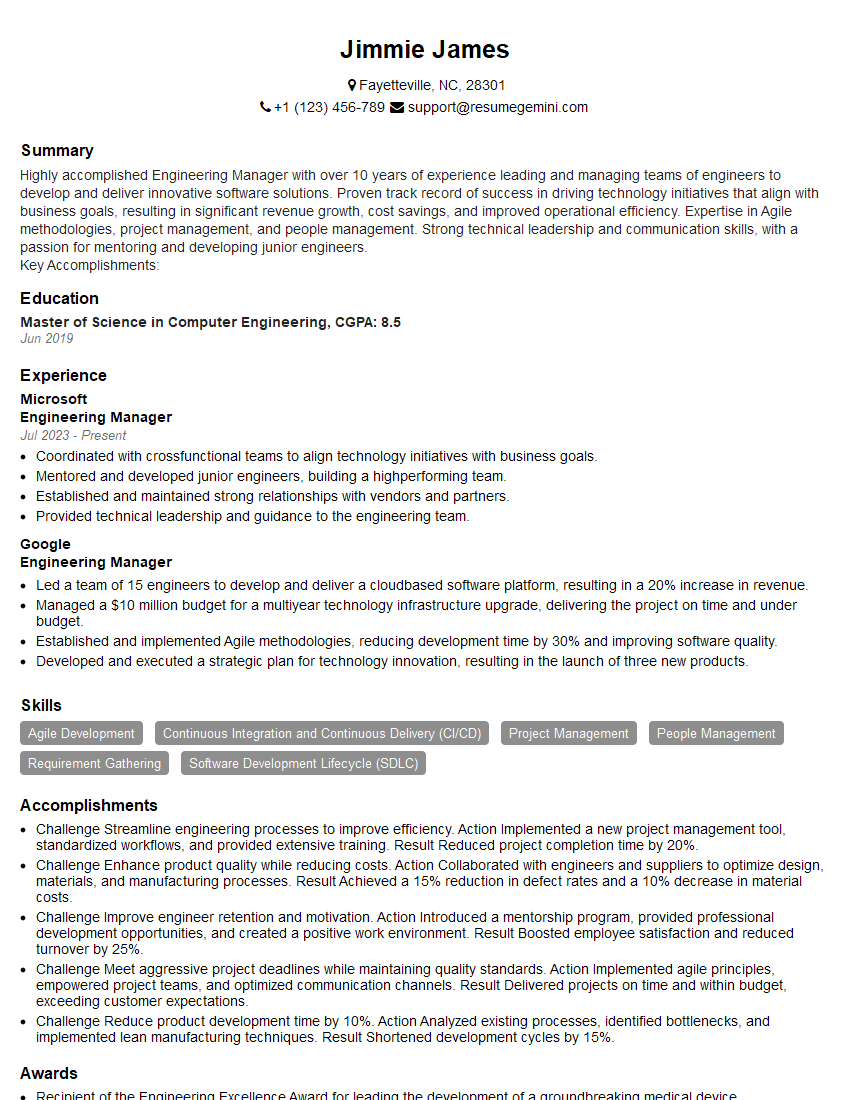
Engineering Manager Resume Sample
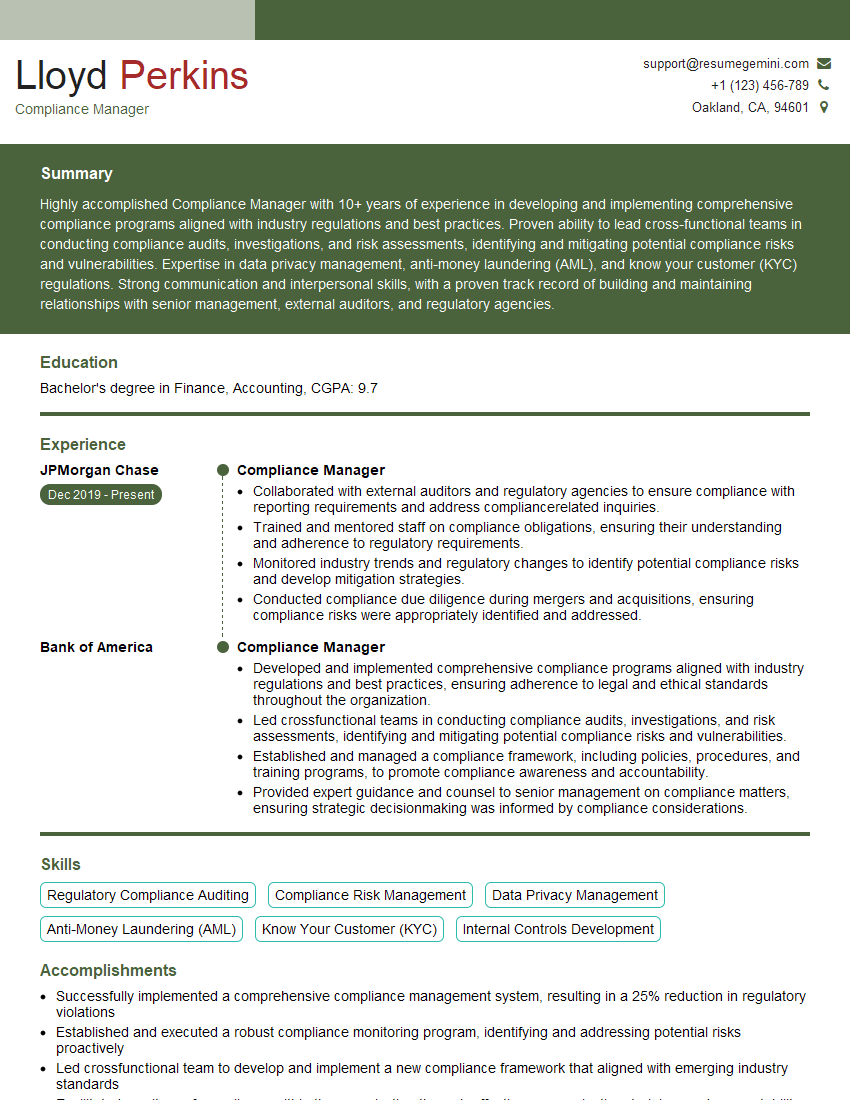
Compliance Manager Resume Sample
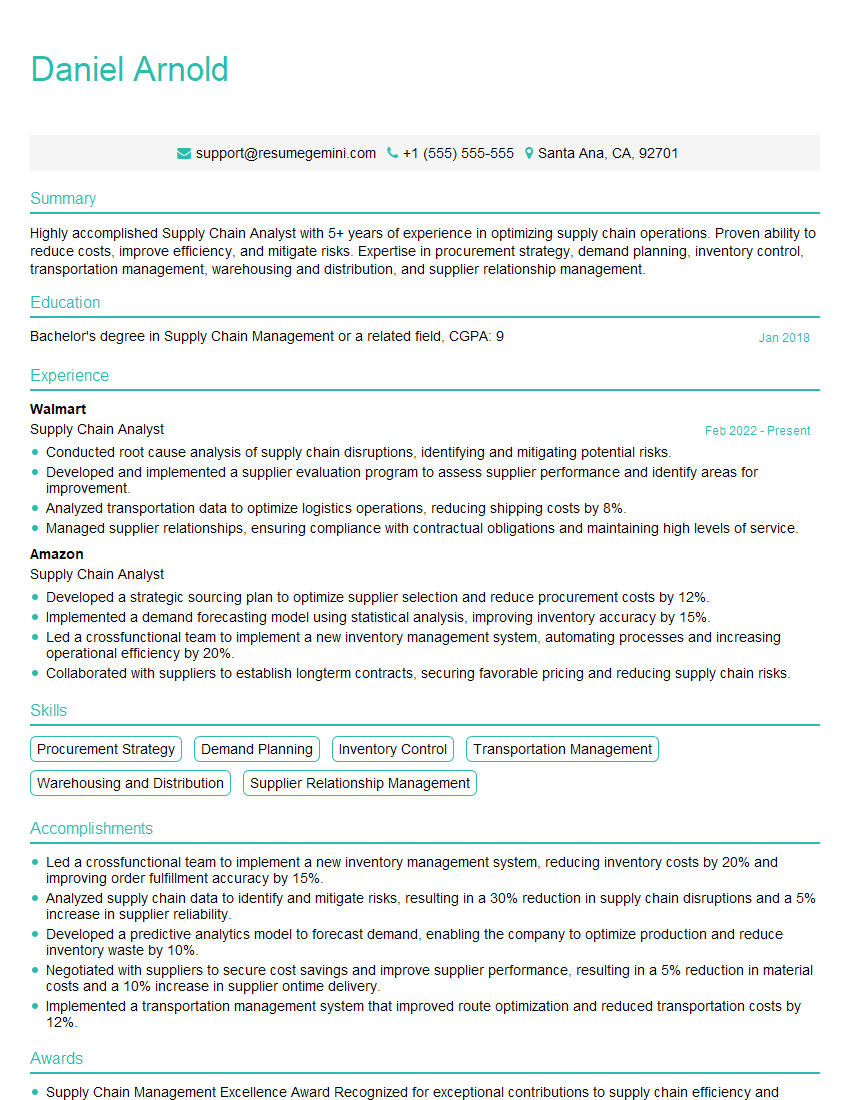
Supply Chain Analyst Resume Sample
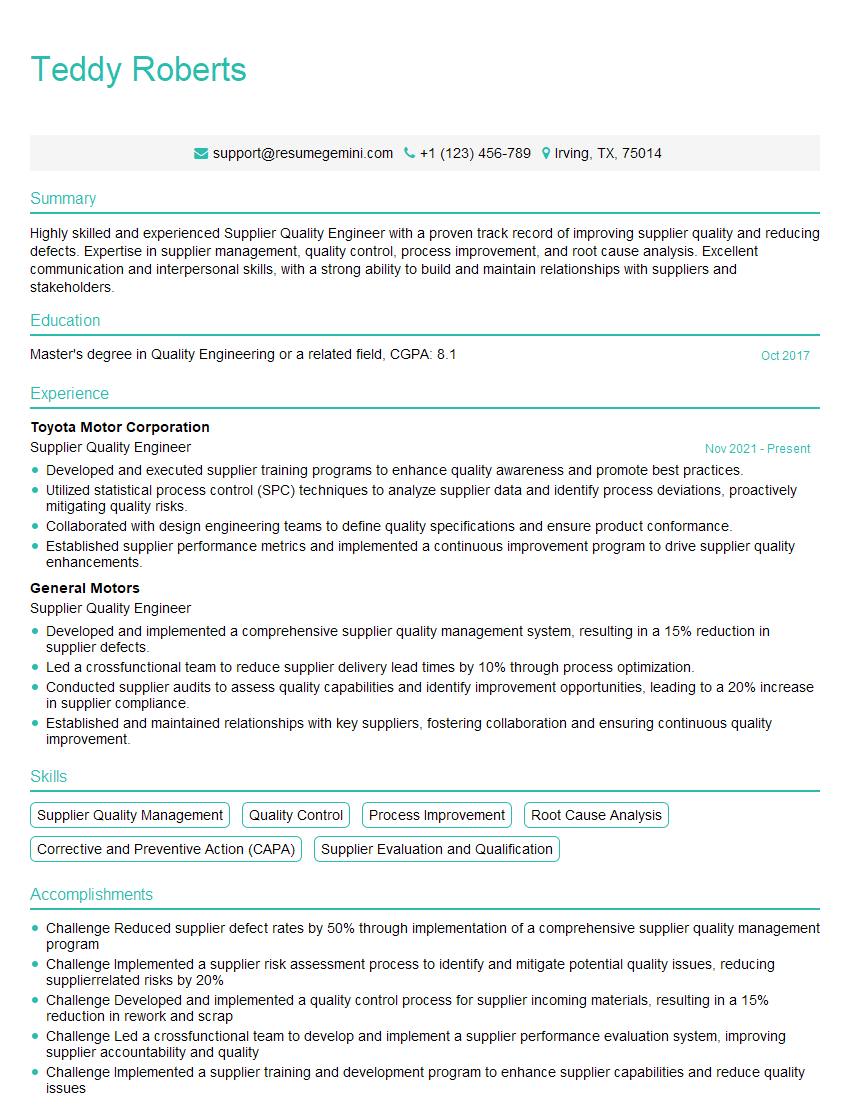
Supplier Quality Engineer Resume Sample
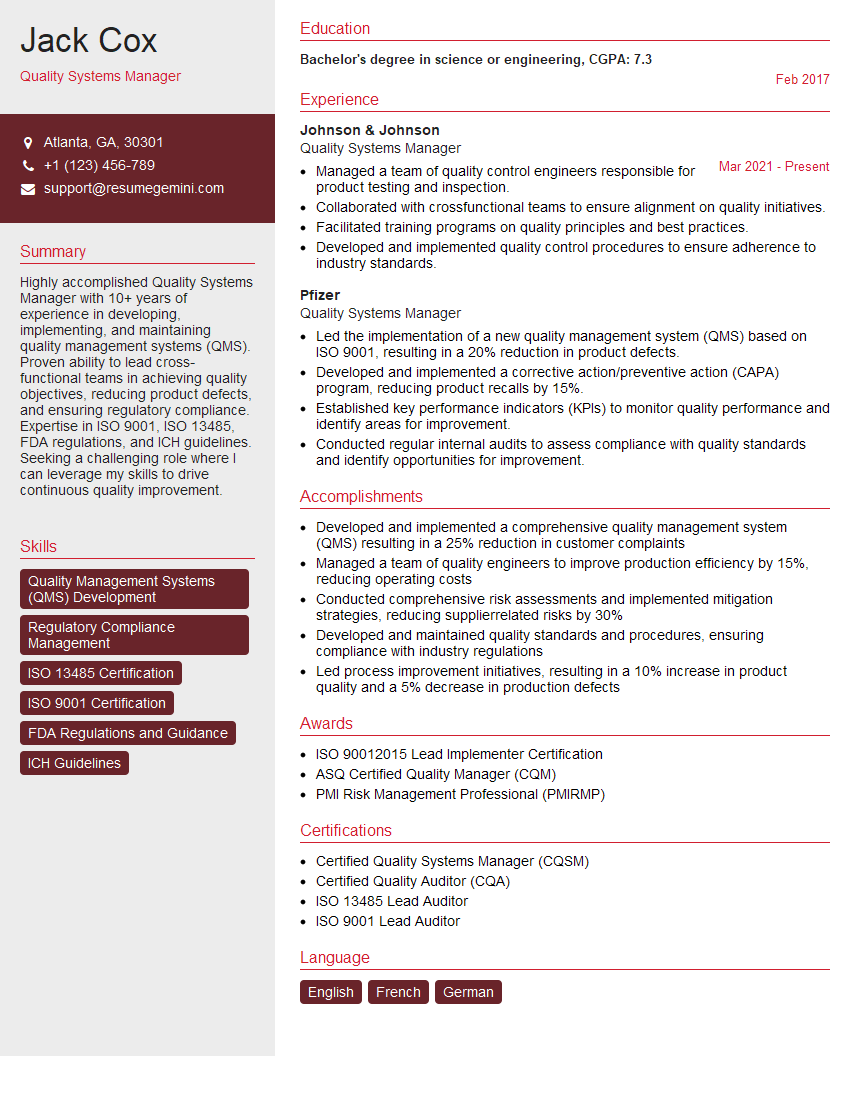
Quality Systems Manager Resume Sample
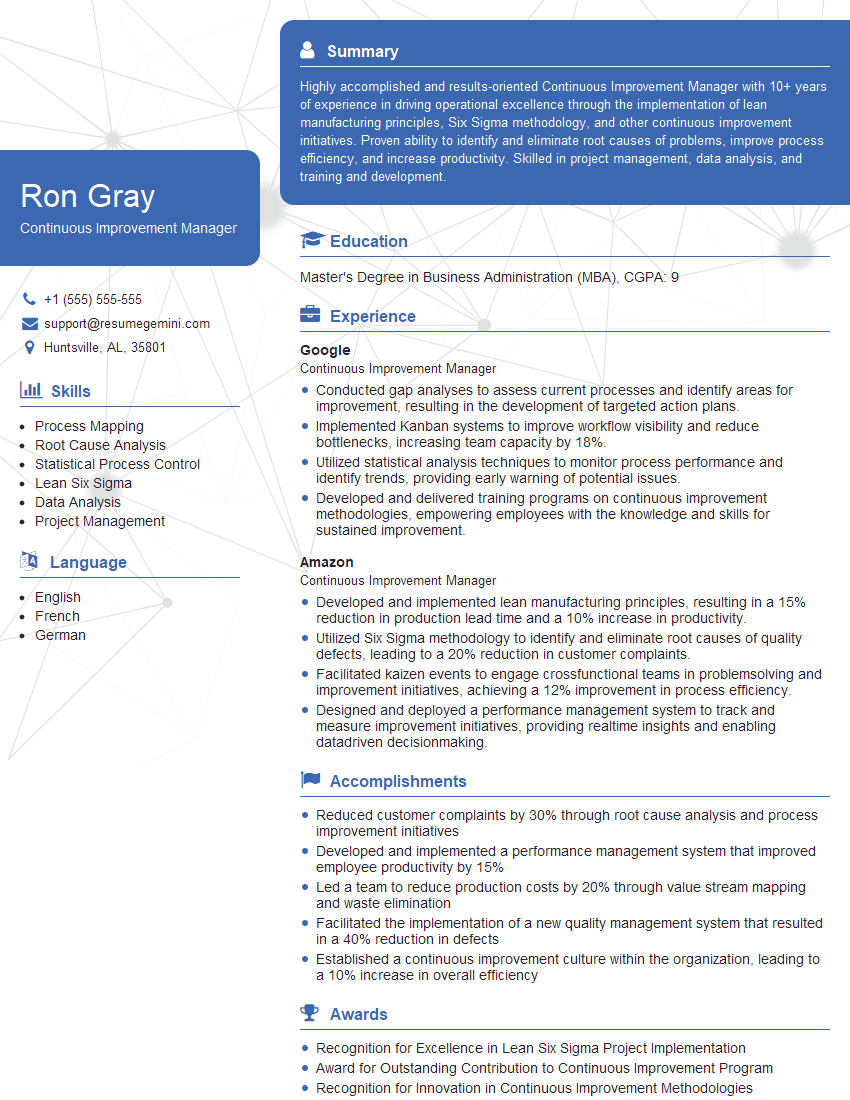
Continuous Improvement Manager Resume Sample
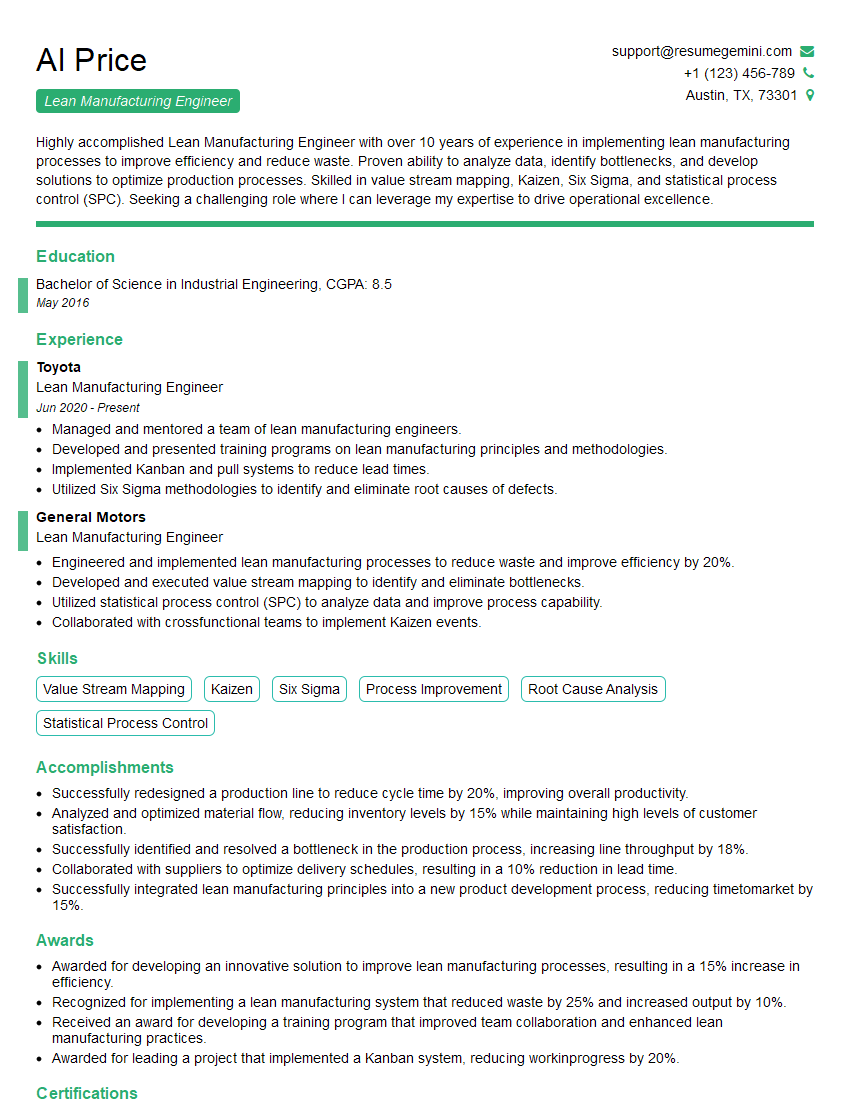
Lean Manufacturing Engineer Resume Sample
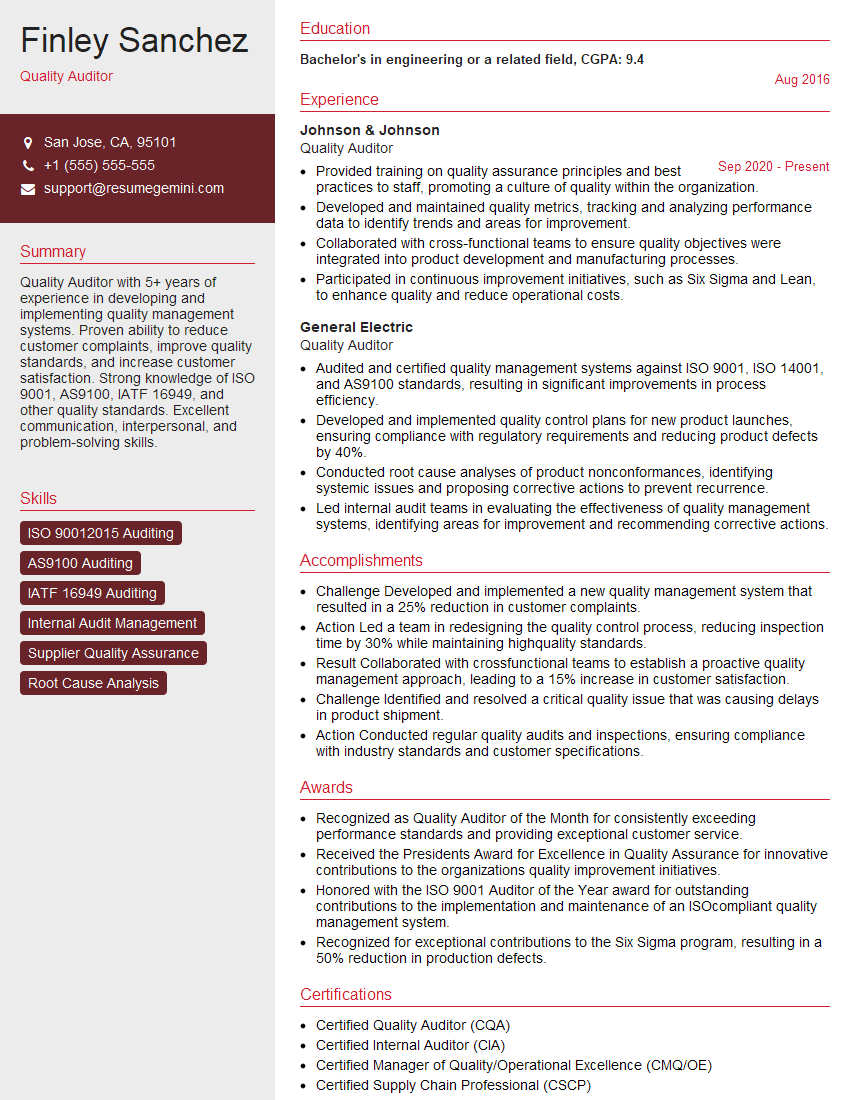
Quality Auditor Resume Sample
- Operations Manager
- Production Manager
- Director of Quality
- Quality Assurance Manager
- Quality Control Manager
- Procurement Manager
- Sourcing Manager
- Engineering Manager
- Compliance Manager
- Supply Chain Analyst
- Supplier Quality Engineer
- Quality Systems Manager
- Continuous Improvement Manager
- Lean Manufacturing Engineer
- Quality Auditor
Explore more articles
Users Rating of Our Blogs
Share Your Experience
We value your feedback! Please rate our content and share your thoughts (optional).
What Readers Say About Our Blog
Very informative content, great job.
good