Every successful interview starts with knowing what to expect. In this blog, we’ll take you through the top Skilled in troubleshooting technical issues and managing complex projects with tight deadlines. interview questions, breaking them down with expert tips to help you deliver impactful answers. Step into your next interview fully prepared and ready to succeed.
Questions Asked in Skilled in troubleshooting technical issues and managing complex projects with tight deadlines. Interview
Q 1. Describe your process for troubleshooting a complex technical issue.
My approach to troubleshooting complex technical issues is systematic and methodical. I don’t jump to conclusions; instead, I follow a structured process to pinpoint the root cause efficiently.
- Gather Information: I begin by collecting as much relevant data as possible. This includes error messages, logs, system configurations, and user reports. Think of it like a detective gathering clues at a crime scene – every detail counts.
- Reproduce the Issue: If possible, I try to reproduce the problem in a controlled environment. This helps isolate the issue and eliminates variables. Sometimes, it’s as simple as recreating the user’s steps.
- Isolate the Problem: Once the problem is reproducible, I systematically eliminate potential causes. This might involve checking network connectivity, testing individual components, or reviewing code changes. It’s a process of elimination, similar to playing a game of twenty questions.
- Implement a Solution: After identifying the root cause, I develop and implement a solution. This could range from a simple configuration change to a more involved code fix. Crucially, I always test the solution thoroughly to ensure it resolves the issue and doesn’t introduce new problems.
- Document Everything: Finally, I meticulously document the entire troubleshooting process, including the steps taken, the solution implemented, and any lessons learned. This is invaluable for future reference and team collaboration. This creates a knowledge base for others to benefit from.
For example, during a recent project involving a failing database connection, I followed this process to diagnose the issue. I started by examining database logs, checked network connectivity, and tested the database connection string. After systematically eliminating other potential causes, I discovered a misconfiguration in the firewall rules that was blocking access. Once I corrected that setting, the connection issue was resolved.
Q 2. How do you prioritize tasks when working on multiple projects with tight deadlines?
Prioritizing tasks across multiple projects with tight deadlines requires a strategic approach. I use a combination of methods to effectively manage my workload.
- Prioritization Matrix: I utilize a matrix (like Eisenhower’s Urgent/Important matrix) to categorize tasks based on urgency and importance. This helps me focus on high-impact tasks first. This prevents me from getting bogged down in less critical activities.
- Project Management Software: I rely on project management tools like Jira or Asana to track progress, deadlines, and dependencies across all projects. This provides a clear overview of my commitments and allows for efficient task allocation.
- Time Blocking: I allocate specific time blocks for dedicated work on each project. This focused approach minimizes context switching and increases productivity. This ensures focused effort on different tasks.
- Communication & Collaboration: Open communication with stakeholders is crucial for managing expectations and adjusting priorities as needed. Regular check-ins allow for flexibility and the prevention of conflicts.
For instance, if I have a high-priority bug fix for a production system alongside a lower-priority feature development, the bug fix takes precedence. I’ll allocate a significant portion of my time to resolving the bug first, before dedicating time to the feature development.
Q 3. Explain a time you had to manage competing priorities on a project.
During a recent website redesign project, we faced competing priorities. The client wanted new features implemented quickly, while simultaneously needing critical bug fixes in the existing system. The project’s launch date was approaching rapidly, adding pressure.
To address this, I implemented a phased approach. We prioritized bug fixes related to critical functionality and the most impactful user issues, addressing these first. This ensured the existing site remained stable while we gradually integrated new features. We used a Kanban board to visualize the workflow and ensure transparency with the client regarding our progress on both sets of tasks. This iterative approach allowed us to meet the client’s expectations while maintaining the integrity of the website.
Q 4. How do you handle pressure and tight deadlines?
Handling pressure and tight deadlines effectively involves a blend of planning, execution, and self-management.
- Proactive Planning: Detailed project planning, including realistic timelines and contingency plans, is essential for mitigating stress and avoiding last-minute rushes.
- Effective Time Management: Techniques such as time blocking, prioritization, and the Pomodoro Technique can help optimize productivity and manage time efficiently.
- Delegation: Where appropriate, I delegate tasks to others, leveraging the skills of my team members.
- Stress Management: I prioritize self-care, including regular breaks, sufficient sleep, and healthy eating habits. This helps maintain focus and prevent burnout.
- Communication: Open communication with stakeholders helps manage expectations, address roadblocks early, and ensures everyone is informed and aligned.
For example, during a particularly demanding project with a short deadline, I utilized time blocking, delegating non-critical tasks, and made sure to take short breaks to maintain focus and avoid feeling overwhelmed. Regular communication with the team ensured that everyone was informed of our progress and aware of any potential challenges.
Q 5. Describe your experience with risk management in project execution.
My experience with risk management encompasses identifying, assessing, and mitigating potential project threats throughout the project lifecycle. I use a structured approach and various methodologies to proactively manage risk.
- Risk Identification: I leverage brainstorming sessions, checklists, and historical data to identify potential risks. This includes technical challenges, resource constraints, schedule delays, and stakeholder conflicts.
- Risk Assessment: I evaluate each identified risk based on its likelihood and potential impact on the project’s objectives. This often involves quantifying the potential impact using a risk matrix.
- Risk Response Planning: For each risk, I develop a response strategy which can include avoidance, mitigation, transference, or acceptance. Each strategy must have documented mitigation actions.
- Risk Monitoring and Control: Throughout the project, I actively monitor risks, track mitigation efforts, and update the risk register as needed. This ensures that risks are addressed proactively and are not ignored.
In one instance, we identified the risk of a third-party API experiencing downtime during the launch of a new application. Our response was to develop a failover mechanism that allowed the application to function even if the API was unavailable. This proactive risk management ensured a smooth launch despite the potential API outage.
Q 6. How do you identify and mitigate potential risks in a project?
Identifying and mitigating potential risks is a continuous process throughout a project’s lifecycle. My approach involves several key steps:
- Proactive Risk Assessment: Early in the project, I conduct a thorough risk assessment involving stakeholders, identifying potential problems and assigning probabilities and impact levels to each.
- Regular Risk Reviews: These are crucial, conducted at regular intervals, to monitor the status of identified risks, reassess probabilities, and make adjustments to mitigation strategies as needed. Changes in circumstances may alter the risk profile.
- Communication and Collaboration: Open communication with the team is key. Identifying risks early allows for collaborative solutions. Discussions around the most effective mitigation strategies is vital.
- Contingency Planning: For high-impact risks, we develop detailed contingency plans to outline steps to take if the risk materializes. This proactive approach ensures we are prepared for worst-case scenarios.
- Tools and Techniques: Utilizing risk assessment matrices, SWOT analyses, and risk registers allows a methodical assessment of threats.
For example, on a recent software development project, we identified the risk of delays caused by unforeseen technical challenges. We mitigated this by building in buffer time into the schedule and establishing clear communication channels to address issues promptly. This allowed us to stay on track despite encountering some unexpected technical hurdles.
Q 7. Have you ever had to make a difficult decision under pressure? Explain.
In a past project, we faced a critical decision near the deadline. A significant bug was discovered that jeopardized the launch date. The choices were: (1) to release with the bug, causing potential reputational damage and user frustration; or (2) to delay the launch, potentially missing a crucial market window.
After careful consideration involving the development team, the project manager, and key stakeholders, we chose to delay the launch. We prioritized delivering a high-quality, bug-free product over adhering strictly to the original timeline. While this decision had consequences, we communicated transparently with stakeholders, managing expectations and presenting a clear justification for the delay. Ultimately, the decision to prioritize quality proved to be the right one, leading to a successful product launch and enhanced user satisfaction. Transparency and open communication were key to ensuring all parties understood the rationale behind our decision and the potential ramifications. The long-term benefits significantly outweighed the short-term challenges.
Q 8. How do you communicate technical information to non-technical stakeholders?
Communicating complex technical information to non-technical stakeholders requires a strategic approach focused on clarity and simplicity. My approach involves translating technical jargon into plain language, using analogies and real-world examples to illustrate concepts. Instead of focusing on intricate details, I emphasize the impact and benefits of the technology on the business goals.
For instance, when explaining a database migration to a marketing team, I wouldn’t delve into SQL queries or server specifications. Instead, I’d focus on the improvements it will bring: faster website loading times, improved customer experience, and enhanced data analysis capabilities, illustrating these with charts and graphs if appropriate. Visual aids are also incredibly effective; diagrams, flowcharts, and even short videos can help explain complex processes much more efficiently than lengthy technical explanations.
I also prioritize active listening and tailoring my communication style to the audience. Asking clarifying questions and summarizing key points ensures everyone understands and is on the same page. Finally, regular updates, even if there are no significant developments, ensure transparency and build trust.
Q 9. Describe a situation where you had to escalate a problem.
During the launch of a new e-commerce platform, we encountered a critical performance bottleneck. Initial troubleshooting by the development team revealed a database query that was significantly impacting response times. Despite numerous attempts to optimize the query, the performance issue persisted. This was impacting sales and customer satisfaction, representing a serious risk to our project’s success and the company’s reputation.
I escalated the issue to senior management, providing a detailed report outlining the problem, its impact, and the steps we had already taken. Crucially, I presented a clear plan of action, including bringing in a database specialist to assist, and a contingency plan to mitigate the impact if the issue wasn’t resolved quickly. The clear presentation of the problem, its severity, and our proactive approach helped to secure the necessary resources and support to resolve the problem efficiently, minimizing the negative consequences.
Q 10. How do you stay organized when managing multiple projects?
Managing multiple projects simultaneously requires a robust organizational system. I rely on a combination of tools and techniques. Firstly, I prioritize tasks using methods like the Eisenhower Matrix (urgent/important), ensuring I focus my energy on high-impact activities. Secondly, I break down large projects into smaller, manageable tasks with clearly defined deliverables and deadlines.
I use project management software like Asana or Jira to track progress, assign tasks, and monitor deadlines across all projects. Regularly reviewing these tools, I can identify potential bottlenecks or delays proactively. This allows for real-time adjustments to schedules and resource allocation. Finally, I schedule dedicated time blocks for each project, avoiding multitasking and ensuring focused attention on individual tasks. This structured approach promotes efficiency and prevents feeling overwhelmed.
Q 11. What tools or methodologies do you use for project management?
My project management toolkit includes a variety of tools and methodologies tailored to the specific project needs. I regularly utilize project management software such as Asana and Jira for task management, progress tracking, and collaboration. These tools offer features like Kanban boards for visualizing workflow, Gantt charts for scheduling, and time tracking capabilities for assessing efficiency.
For communication and collaboration, I leverage tools like Slack or Microsoft Teams to facilitate quick updates, file sharing, and instant messaging within the team. In addition to these tools, I also apply project management methodologies such as Agile (Scrum, Kanban) and Waterfall, adapting my approach based on the project’s complexity, scope, and client requirements. This ensures I select the most appropriate and efficient approach to each project.
Q 12. How do you measure the success of a project?
Measuring project success involves going beyond simply meeting deadlines and staying within budget. It requires a holistic approach that considers multiple factors. Key metrics include on-time and on-budget delivery, which are fundamental. However, equally important are measures of the project’s impact and value, such as:
- Client satisfaction: Feedback surveys and regular communication help gauge client happiness with the final product and the overall process.
- Key performance indicators (KPIs): These are project-specific metrics that directly align with the project goals. For example, improved conversion rates for a website redesign or increased efficiency for a process improvement project.
- Return on investment (ROI): This is a crucial measure for many projects, showing how effectively resources were used to generate value.
A comprehensive evaluation of these factors paints a complete picture of project success and provides valuable insights for future projects.
Q 13. Describe your experience with Agile or Waterfall methodologies.
I have extensive experience with both Agile and Waterfall methodologies, understanding their strengths and weaknesses and adapting my approach based on the specific project needs. Waterfall, with its sequential phases and well-defined requirements, is well-suited for projects with stable requirements and minimal expected changes. I’ve successfully used Waterfall for projects like building large-scale enterprise systems, where change management is a critical component.
However, for projects requiring flexibility and iterative development, Agile methodologies such as Scrum are more effective. I’ve utilized Scrum on projects involving software development, where regular sprints allow for incorporating user feedback, adapting to evolving requirements, and delivering value incrementally. I’m proficient in all aspects of the Scrum framework, including sprint planning, daily stand-ups, sprint reviews, and retrospectives. My experience allows me to seamlessly transition between these methodologies, picking the best strategy for the given situation.
Q 14. How do you handle conflicts within a project team?
Conflict is inevitable in any team environment, and addressing it constructively is essential for a positive and productive project. My approach focuses on open communication, active listening, and finding mutually acceptable solutions.
I typically start by facilitating a calm and respectful discussion, ensuring all parties feel heard and understood. I focus on understanding the root cause of the conflict rather than just addressing the symptoms. This might involve individual conversations to understand perspectives better before bringing everyone together. Once the issue is clear, we collaboratively brainstorm solutions, looking for options that satisfy everyone’s concerns as much as possible. If a resolution can’t be reached immediately, I establish a clear process for further discussion and decision-making. Documentation of the conflict and resolution is vital for future reference and preventing similar issues from arising.
Q 15. How do you ensure project deliverables meet quality standards?
Ensuring project deliverables meet quality standards is paramount. My approach involves a multi-layered strategy that begins even before the project starts. First, I work closely with stakeholders to clearly define success criteria and quality metrics upfront. This often involves creating a detailed Quality Assurance (QA) plan that outlines specific testing procedures, acceptance criteria, and the tools we’ll use to measure quality.
During the project lifecycle, I implement rigorous quality checks at each stage. This includes regular code reviews (if applicable), unit testing, integration testing, and ultimately, user acceptance testing (UAT). These checkpoints allow us to identify and correct defects early, minimizing costly rework later. I also advocate for the use of version control systems like Git to track changes and facilitate collaboration, making it easier to revert to previous versions if necessary.
Finally, post-project, I conduct a thorough post-mortem analysis to identify areas for improvement in our quality processes. This feedback loop helps us refine our methods and consistently deliver high-quality projects. For example, on a recent software development project, we incorporated automated testing early in the development cycle, which reduced the number of bugs found in the final stages by 40%, leading to significant time and cost savings.
Career Expert Tips:
- Ace those interviews! Prepare effectively by reviewing the Top 50 Most Common Interview Questions on ResumeGemini.
- Navigate your job search with confidence! Explore a wide range of Career Tips on ResumeGemini. Learn about common challenges and recommendations to overcome them.
- Craft the perfect resume! Master the Art of Resume Writing with ResumeGemini’s guide. Showcase your unique qualifications and achievements effectively.
- Don’t miss out on holiday savings! Build your dream resume with ResumeGemini’s ATS optimized templates.
Q 16. Explain a time you had to adapt to changing project requirements.
Adaptability is crucial in project management. In one instance, we were developing a mobile application with a fixed deadline and budget. Initially, the design focused on a native app development approach. However, halfway through the project, market research revealed a significant shift in user preference towards progressive web apps (PWAs). This presented a significant challenge, as we’d already invested considerable time and resources in the native app development.
To adapt, I immediately convened a meeting with the development team, stakeholders, and designers. We assessed the feasibility of switching to a PWA approach, considering the time remaining, budget constraints, and the impact on the app’s core functionalities. After careful evaluation, we decided to pivot, adapting the existing design elements to fit the PWA architecture. This required retraining some team members and reorganizing tasks, but the team’s collaborative spirit and dedication helped us overcome the challenge. While it meant working longer hours for a short period, the successful launch of a highly functional and cost-effective PWA ultimately demonstrated the benefits of quick adaptation to changing market demands.
Q 17. How do you utilize data to inform decision-making in your projects?
Data-driven decision-making is integral to my approach. I leverage data throughout the project lifecycle to gain insights, track progress, and make informed choices. Before a project begins, I use data analysis to identify potential risks and opportunities, such as analyzing market trends or historical project data to estimate timelines and resource allocation. During the project execution phase, I track key performance indicators (KPIs) such as task completion rates, bug counts, and budget expenditure. This data provides real-time visibility into the project’s health.
For instance, if we observe a significant increase in bug reports for a specific module, I would analyze the data to identify the root cause. This might involve examining code complexity, developer experience, or testing methodologies. The findings then inform decisions such as assigning additional resources to that module, enhancing testing procedures, or providing additional training to the developers. Ultimately, using data allows us to make objective, evidence-based decisions that improve project outcomes.
I often use tools like project management software (e.g., Jira, Asana) and data visualization platforms (e.g., Tableau, Power BI) to collect, analyze, and present this data effectively. This ensures everyone is on the same page and can contribute to data-driven decisions.
Q 18. How do you track and report on project progress?
Tracking and reporting project progress is a continuous process. I typically use a combination of methods to ensure accurate and timely reporting. This includes utilizing project management software to track tasks, milestones, and deadlines. These tools offer built-in reporting features, providing visual dashboards that show the project’s overall status, task progress, and potential roadblocks. I also schedule regular meetings with the project team to discuss progress, identify challenges, and brainstorm solutions. These meetings are documented, and the minutes serve as a valuable record of the project’s evolution.
In addition to internal tracking, I create regular progress reports for stakeholders, tailored to their needs and level of technical understanding. These reports typically include a high-level overview of the project status, key accomplishments, upcoming milestones, and any potential risks or issues. I leverage both quantitative data (e.g., percentages of tasks completed, budget spent) and qualitative data (e.g., team morale, stakeholder feedback) to provide a holistic view of the project’s progress. This ensures transparency and fosters open communication among team members and stakeholders. The specific reporting frequency depends on the project’s complexity and stakeholder expectations, but it’s usually weekly or bi-weekly for larger, more complex projects.
Q 19. Describe your experience with budget management in project settings.
Budget management is crucial for project success. My approach involves creating a detailed budget at the project’s outset, outlining all anticipated costs (labor, materials, software licenses, etc.). I use a bottom-up approach, starting with individual task estimates and aggregating them to determine the overall project cost. This budget is then reviewed and approved by stakeholders. Throughout the project, I meticulously track expenses against the budget, using tools and spreadsheets to monitor actual versus planned costs.
Regular budget reviews are conducted to identify any variances and address potential overruns. If deviations occur, I investigate the causes and propose corrective actions, which could include renegotiating contracts, re-allocating resources, or adjusting project scope. For example, on a previous project, we encountered unexpected cost increases due to a third-party vendor’s price hike. To mitigate this, I negotiated a revised contract, resulting in a 15% reduction in costs. Transparent communication with stakeholders is essential throughout the budgeting process, keeping them informed about financial performance and potential risks. This proactive approach ensures that the project stays on track financially and prevents costly surprises.
Q 20. How do you identify and address bottlenecks in a project?
Identifying and addressing bottlenecks is crucial for maintaining project momentum. My strategy starts with proactive monitoring. I use project management tools to track task dependencies and identify tasks that are consistently delayed. This often reveals bottlenecks. For example, a delayed task might be waiting on the completion of another task, or it might be hampered by a lack of resources (e.g., personnel, equipment).
Once a bottleneck is identified, I analyze its root cause. This could involve interviewing team members, reviewing project documentation, or analyzing performance data. Once the root cause is understood, I develop and implement a solution. This might involve reassigning resources, adjusting schedules, providing additional training, or seeking external expertise. For instance, if a bottleneck is caused by a lack of developer skills, I might arrange for training or bring in a consultant. Regular communication with the team and stakeholders is essential throughout this process, ensuring everyone is aware of the problem and the steps being taken to resolve it. Post-bottleneck analysis helps to prevent similar issues in the future.
Q 21. What is your approach to root cause analysis in troubleshooting?
My approach to root cause analysis is systematic and data-driven. I generally follow the “5 Whys” technique, repeatedly asking “why” to drill down to the underlying cause of a problem. This technique helps to move beyond superficial explanations and uncover the fundamental issues. In addition to the 5 Whys, I also use a fishbone diagram (Ishikawa diagram) to visually represent the potential causes of a problem and their relationships. This helps to identify contributing factors that might be overlooked using other methods.
For example, if a server is consistently crashing, the initial response might be “the server is crashing.” The 5 Whys would then proceed: Why is it crashing? (High CPU utilization.) Why is the CPU utilization high? (A specific application is consuming excessive resources.) Why is that application consuming excessive resources? (A bug in the application’s code.) Why was this bug not caught earlier? (Insufficient testing.) This final “why” helps pinpoint the root cause: inadequate testing procedures. Once the root cause is identified, I develop and implement a solution, which in this example, might be improved testing processes or enhanced monitoring of resource consumption.
Q 22. Describe your experience with different debugging techniques.
Debugging is like being a detective for software. My approach involves a systematic process, starting with reproducing the issue consistently. I then leverage several techniques:
- Print Statements/Logging: Adding strategically placed
console.log()statements (or their equivalents in other languages) to track variable values and program flow. For instance, if a function isn’t returning the expected value, I’d insert logs before and after key operations to pinpoint the exact location of the error. - Debuggers: I’m proficient with debuggers like Chrome DevTools, VS Code’s debugger, or GDB, allowing me to step through code line by line, inspect variables, and set breakpoints. This is incredibly useful for understanding complex program logic and identifying subtle errors.
- Rubber Duck Debugging: Sometimes, explaining the code to an inanimate object (like a rubber duck!) helps identify flaws in my own logic. It forces a methodical review of each step.
- Code Reviews: A fresh pair of eyes can often spot errors I’ve overlooked. I actively participate in code reviews and find them invaluable for catching bugs early.
- Binary Search (for larger problems): If the problem is within a large codebase, I’ll use a binary search approach. I’ll divide the code into sections and test each section to isolate the problem area. This drastically reduces the search space.
For example, I once debugged a memory leak in a large JavaScript application by using Chrome DevTools’ memory profiler, identifying a circular reference that was preventing garbage collection. Through this systematic process, I was able to pinpoint and correct the problem efficiently.
Q 23. How do you ensure effective collaboration among team members?
Effective team collaboration is essential. I believe in fostering open communication and a supportive environment. My approach involves:
- Clear Communication: Regular stand-up meetings, detailed documentation, and accessible communication channels (Slack, email, etc.) ensure everyone is on the same page.
- Defined Roles and Responsibilities: Clear task assignments prevent overlap and confusion, ensuring accountability.
- Collaborative Tools: I’m proficient with tools like Jira, Git, and Confluence for task management, version control, and documentation.
- Constructive Feedback: I actively encourage feedback, both giving and receiving, to identify potential issues and improve the overall process. I focus on solutions rather than blame.
- Pair Programming: Sometimes, pair programming helps to brainstorm solutions and catch errors early on. It also facilitates knowledge sharing within the team.
In a recent project, we used Agile methodologies and daily stand-ups to ensure everyone was aware of progress and any roadblocks. This approach fostered transparency and allowed for quick problem-solving.
Q 24. How do you document your troubleshooting process?
Thorough documentation is critical for troubleshooting. My documentation includes:
- Detailed descriptions of the issue: This includes steps to reproduce the error, expected vs. actual behavior, and any error messages.
- Troubleshooting steps taken: I document each step I take, including the results. This is vital for future reference and helps track the problem-solving process.
- Solutions implemented: This includes the code changes made and their impact. I include comments in the code itself.
- Root cause analysis: I attempt to identify the underlying cause of the issue, not just the symptoms. This helps prevent future occurrences.
- Use of a ticketing system: Where appropriate, I utilize a ticketing system (e.g., Jira, Zendesk) for tracking issues and their resolution.
I maintain a consistent formatting style for my documentation, making it easy to search and understand. Well-documented troubleshooting saves time and effort in the long run, particularly for complex issues that might resurface later.
Q 25. What are your strengths in handling technical challenges?
My strengths in handling technical challenges lie in my methodical approach, problem-solving skills, and ability to learn quickly. I’m adept at:
- Systematically breaking down complex problems: I can dissect large, intricate issues into smaller, manageable components, making them easier to solve.
- Leveraging available resources: I effectively utilize online documentation, forums, and community resources to find solutions and expand my knowledge base.
- Adapting to new technologies: I am a quick learner and readily adapt to new programming languages, frameworks, and tools. This enables me to tackle a wide range of challenges.
- Creative problem-solving: I am not afraid to think outside the box and explore unconventional solutions when necessary.
For example, I once faced a challenge integrating two disparate systems with incompatible data formats. By employing custom data transformation scripts and careful API design, I successfully bridged the gap and ensured seamless data flow.
Q 26. How do you balance speed and accuracy in your work?
Balancing speed and accuracy is crucial. My strategy involves:
- Prioritization: I focus on the most critical aspects first. This ensures that the most important parts of the project are completed accurately and on time.
- Planning and Estimation: I carefully plan each task, breaking it down into smaller, manageable steps and estimating the time required. This helps prevent rushed work.
- Testing and Quality Assurance: I rigorously test my work at every stage, ensuring accuracy before moving on. This might involve unit tests, integration tests, and user acceptance testing.
- Automation: Wherever possible, I automate repetitive tasks to save time and reduce the risk of human error. This frees up time to focus on more complex and critical parts of the project.
In a recent project, we had a tight deadline. By prioritizing core functionalities first and using automated tests, we were able to deliver a high-quality product on time.
Q 27. Describe your experience with using monitoring and logging tools.
Monitoring and logging tools are indispensable for understanding system behavior and troubleshooting issues. I have extensive experience with:
- Application Performance Monitoring (APM) tools: Tools like New Relic, Datadog, and Dynatrace provide insights into application performance, helping identify bottlenecks and performance issues.
- Log Management systems: I utilize tools like Elasticsearch, Logstash, and Kibana (ELK stack) for centralized log management, allowing for efficient searching, filtering, and analysis of logs.
- System Monitoring tools: Tools like Prometheus and Grafana are used for monitoring system metrics like CPU usage, memory usage, and disk I/O.
In a previous role, we used the ELK stack to analyze application logs, pinpoint a recurring error causing service outages, and develop a fix. The centralized logging system was essential for quickly identifying the root cause of the problem.
Q 28. How do you ensure the scalability and maintainability of your solutions?
Scalability and maintainability are key design considerations. My approach focuses on:
- Modular Design: Breaking down the system into independent, reusable modules enhances flexibility and simplifies maintenance. Changes in one module don’t necessarily impact others.
- Clean Code Practices: Adhering to coding standards and best practices (e.g., SOLID principles) ensures code readability and ease of maintenance.
- Automated Testing: Comprehensive unit and integration tests ensure that changes don’t introduce new bugs and maintain system functionality.
- Version Control: Using Git for version control allows for easy rollback and collaboration. This is essential for maintaining the system over time.
- Proper Documentation: Clear and concise documentation of the system’s architecture, functionality, and usage is critical for maintainability.
- Choosing appropriate technologies: Selecting scalable technologies like cloud services or distributed databases is crucial for supporting future growth.
For example, when designing a new microservice architecture, I ensure loose coupling between services using APIs and asynchronous communication. This facilitates independent scaling and simpler maintenance of individual components.
Key Topics to Learn for Skilled in troubleshooting technical issues and managing complex projects with tight deadlines Interview
- Troubleshooting Methodologies: Understand various debugging techniques (e.g., systematic elimination, root cause analysis, log analysis) and their application in different technical environments.
- Technical Problem Solving: Practice breaking down complex problems into smaller, manageable components. Develop your ability to articulate your thought process and solution strategies clearly.
- Project Management Fundamentals: Familiarize yourself with project planning, task delegation, risk assessment, and resource allocation strategies, especially in time-constrained scenarios.
- Prioritization and Time Management: Master techniques for prioritizing tasks based on urgency and importance, effectively managing competing deadlines, and utilizing time management tools.
- Communication and Collaboration: Develop your skills in effectively communicating technical information to both technical and non-technical audiences. Practice collaborative problem-solving.
- Using Monitoring Tools: Learn to effectively use monitoring tools (specific tools may vary depending on your field) to identify performance bottlenecks and potential issues proactively.
- Risk Mitigation Strategies: Understand how to identify potential project risks and develop strategies to mitigate their impact on project timelines and success.
- Adaptability and Resilience: Highlight your ability to adapt to changing priorities and remain productive under pressure.
Next Steps
Mastering troubleshooting and complex project management skills is crucial for career advancement in today’s dynamic technological landscape. These abilities demonstrate your value as a problem-solver and a reliable contributor capable of delivering results under pressure. To enhance your job prospects, creating an ATS-friendly resume is essential. ResumeGemini is a trusted resource that can help you build a professional resume showcasing these critical skills. Examples of resumes tailored to highlight expertise in troubleshooting technical issues and managing complex projects with tight deadlines are available through ResumeGemini. Take the next step towards your career goals today!
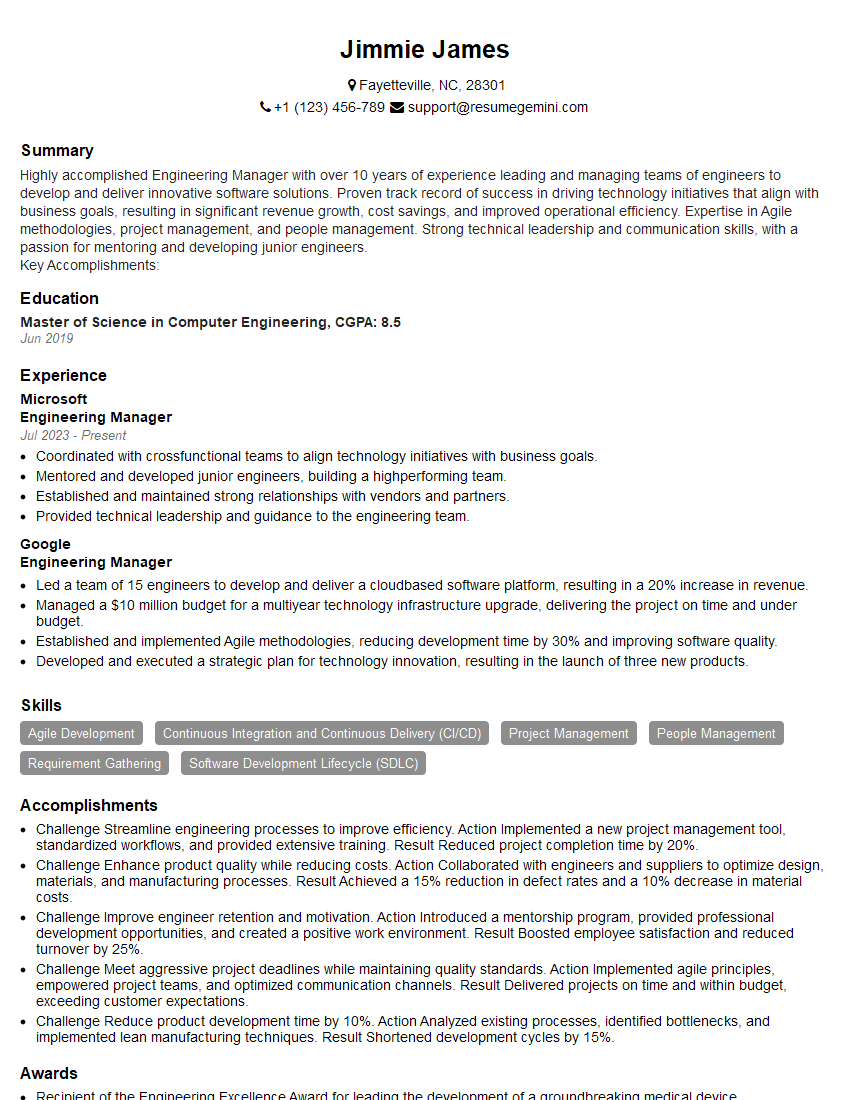
Engineering Manager Resume Sample
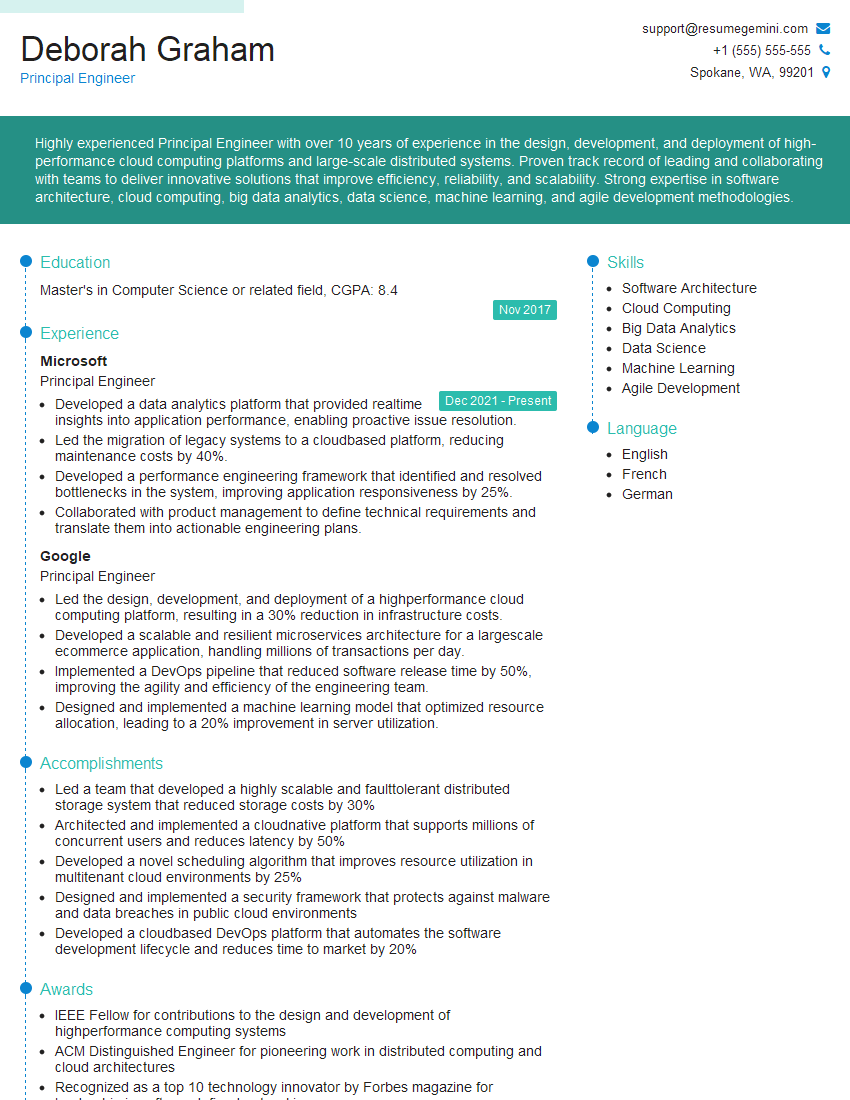
Principal Engineer Resume Sample

Project Engineer Resume Sample
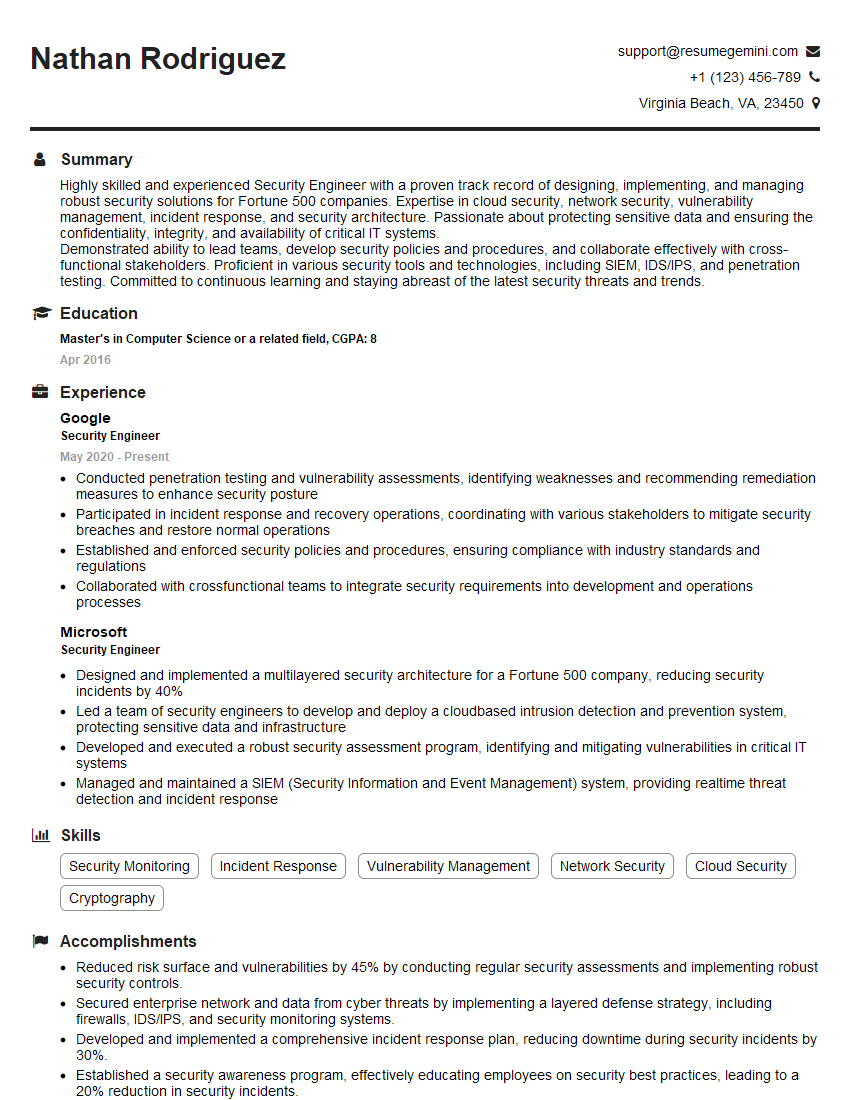
Security Engineer Resume Sample
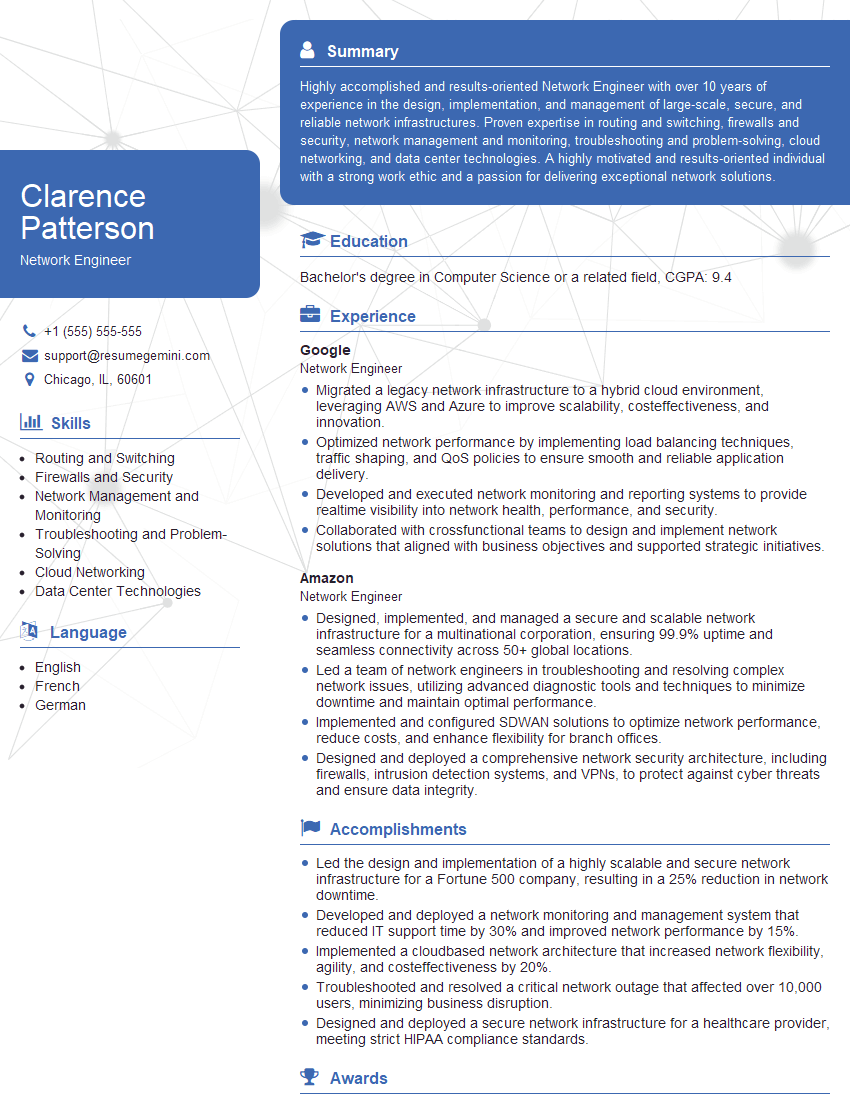
Network Engineer Resume Sample
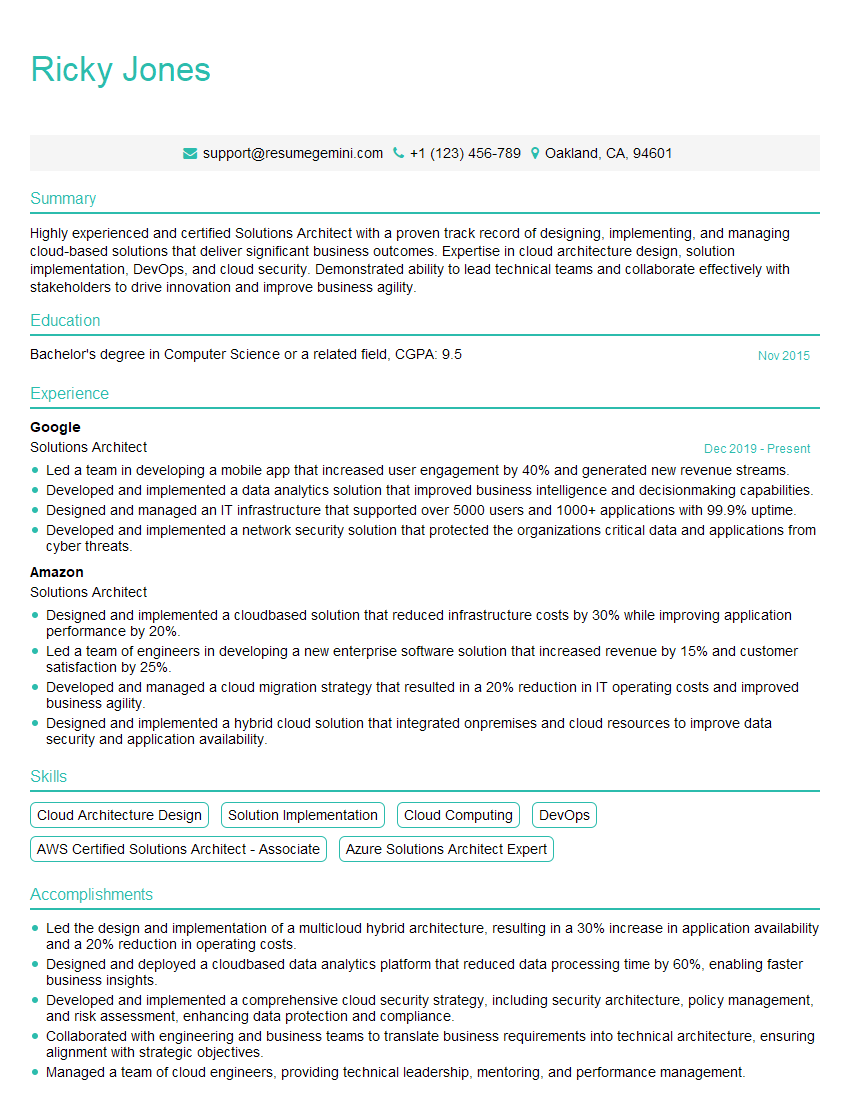
Solutions Architect Resume Sample
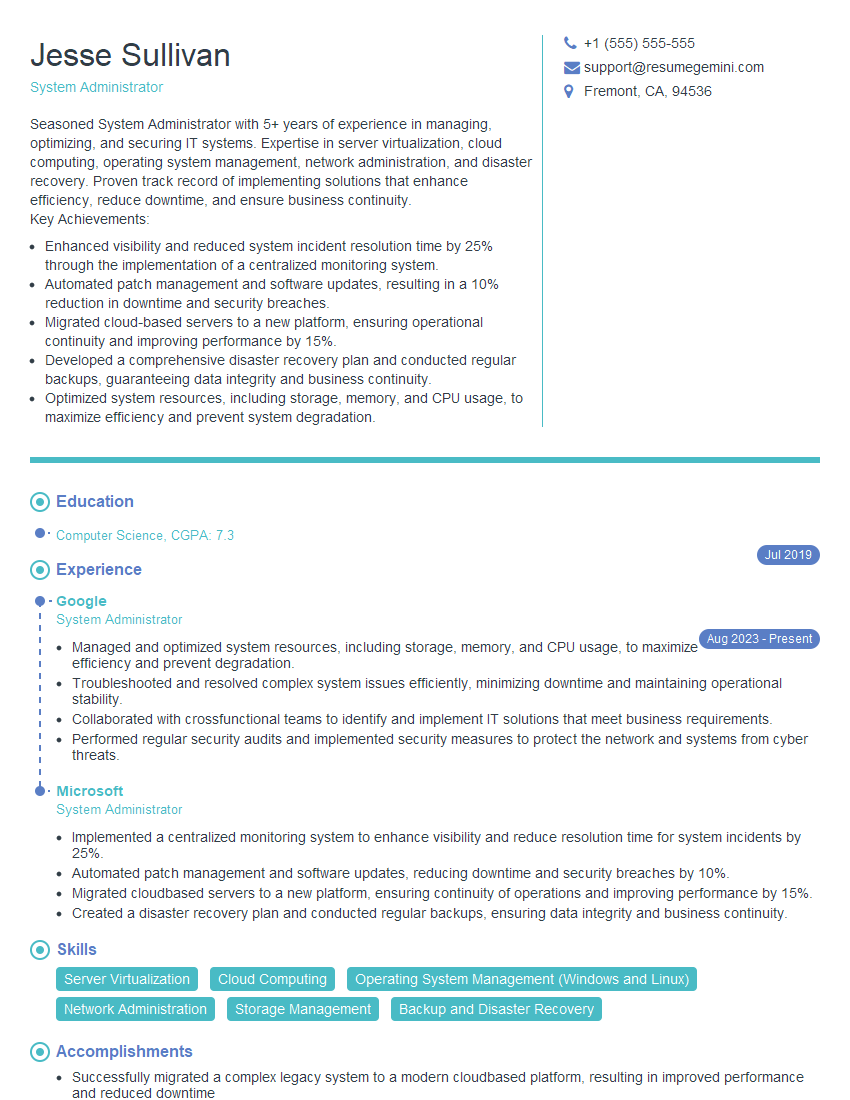
System Administrator Resume Sample
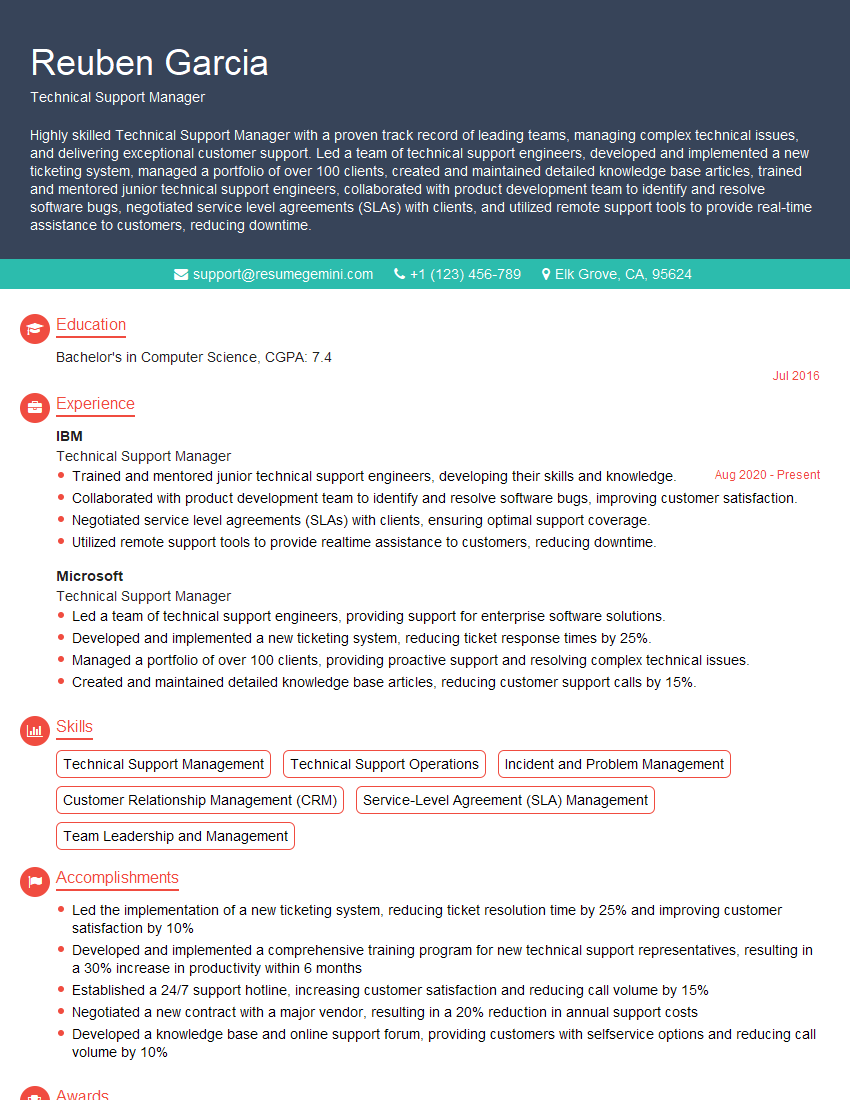
Technical Support Manager Resume Sample
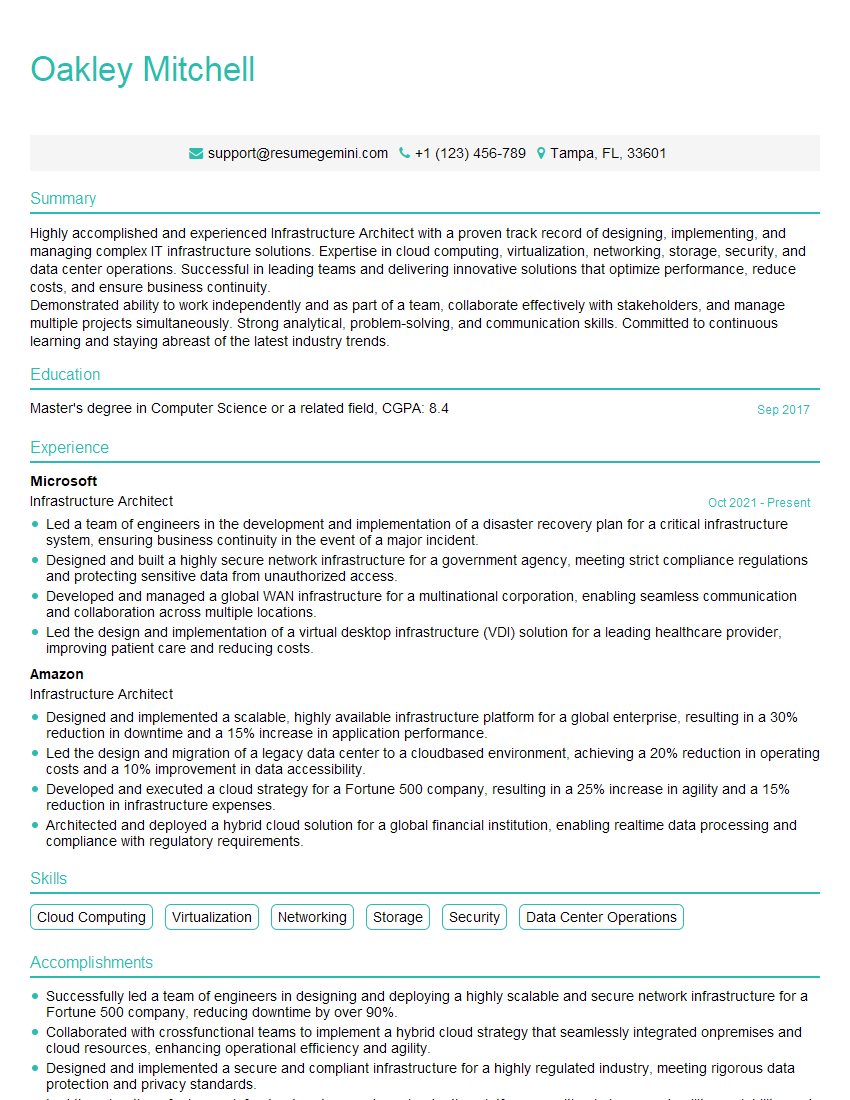
Infrastructure Architect Resume Sample
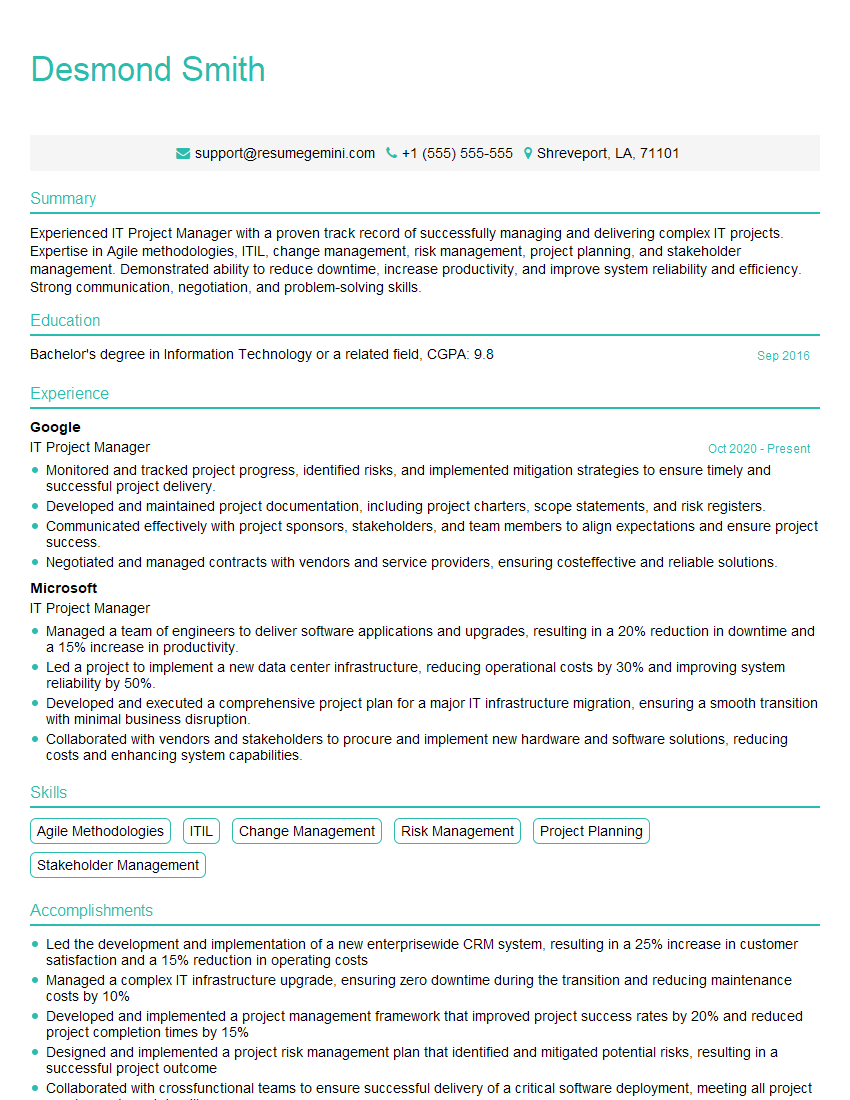
IT Project Manager Resume Sample
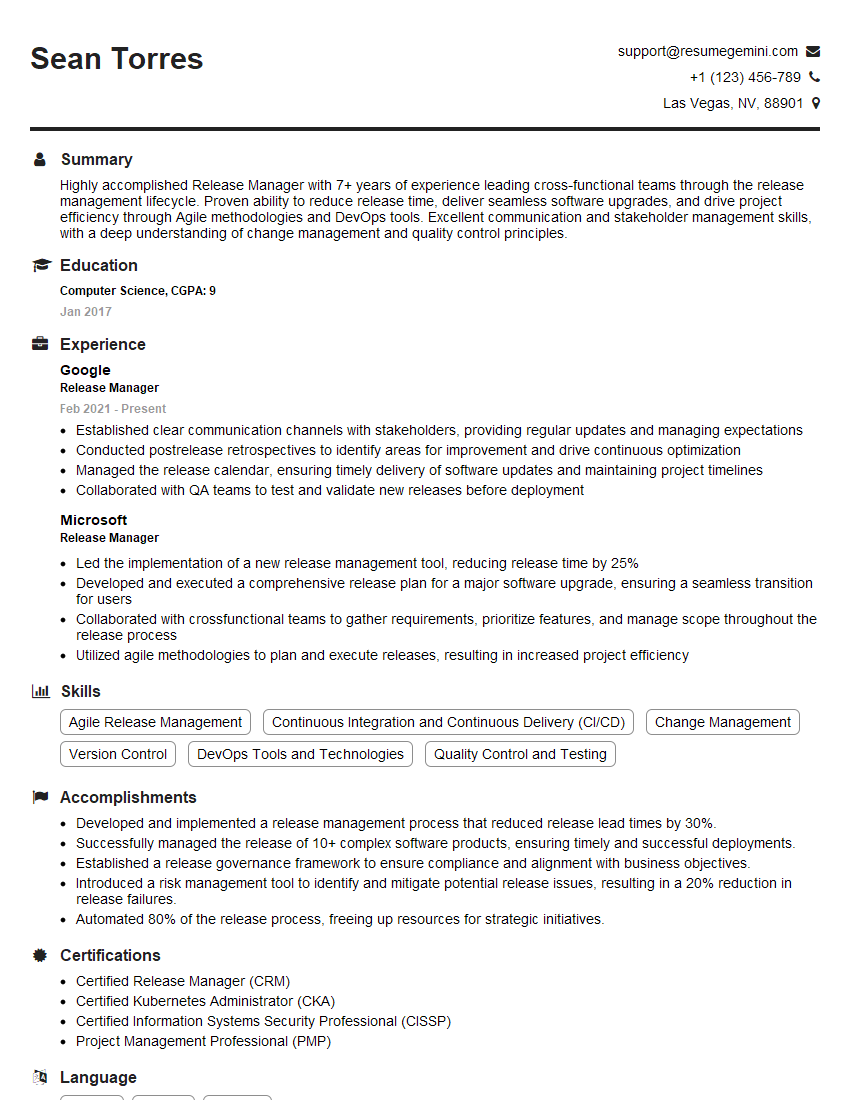
Release Manager Resume Sample
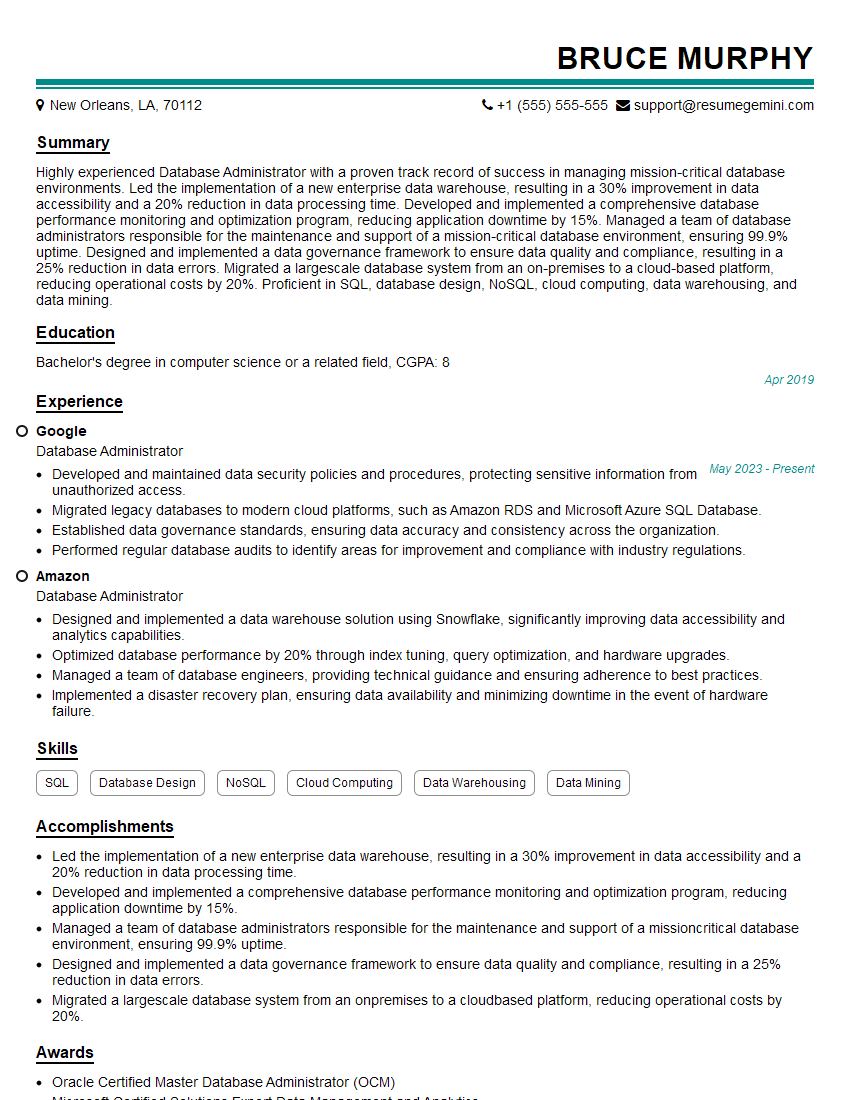
Database Administrator Resume Sample
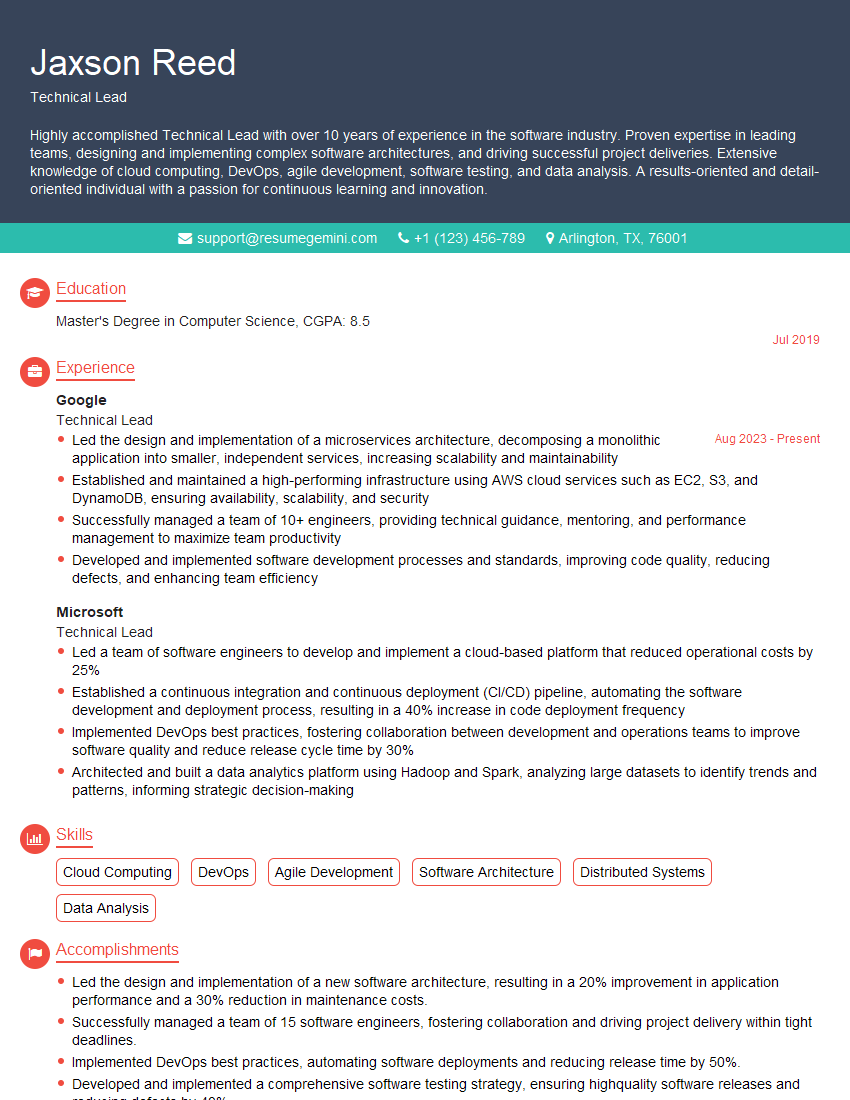
Technical Lead Resume Sample
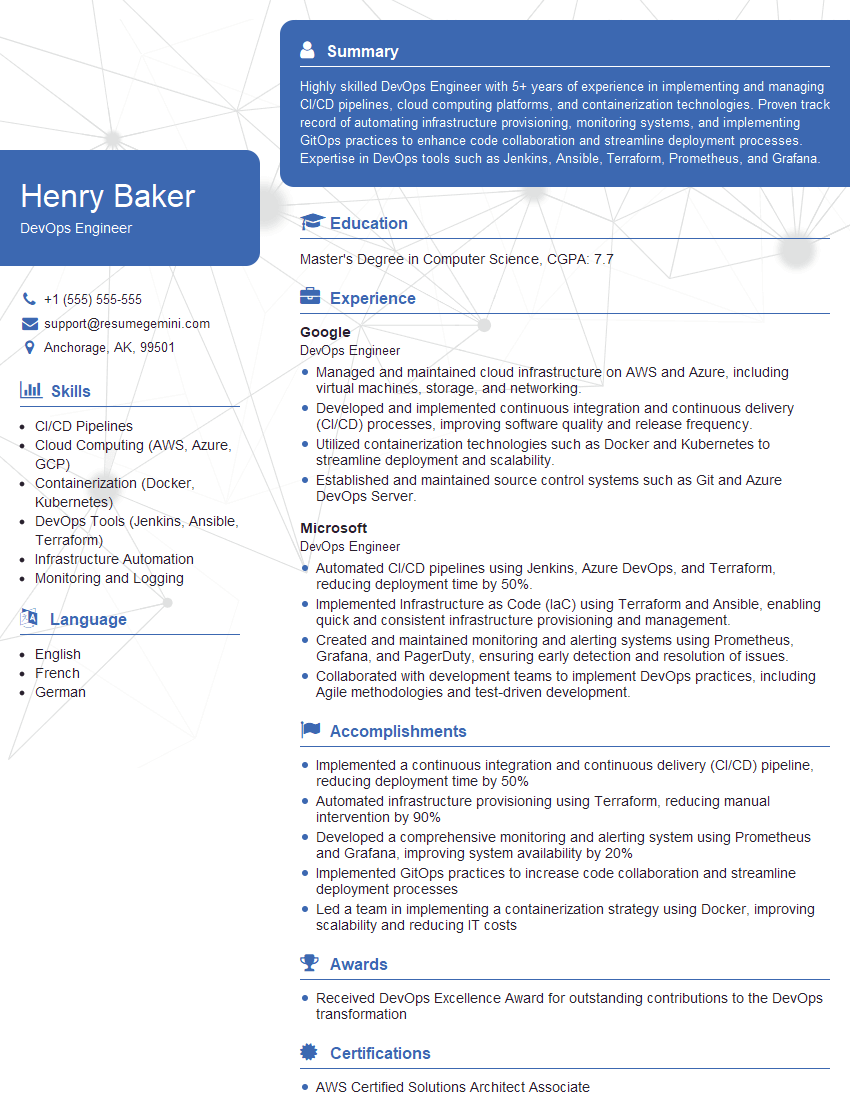
DevOps Engineer Resume Sample
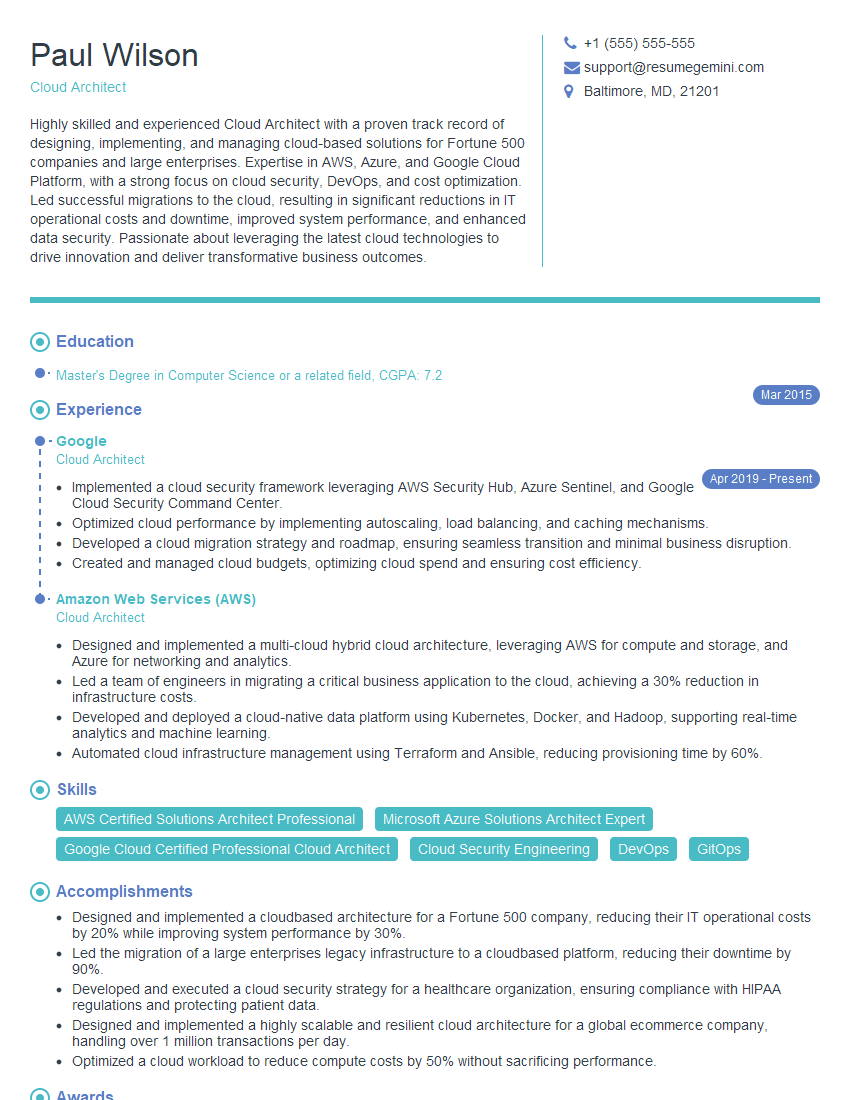
Cloud Architect Resume Sample
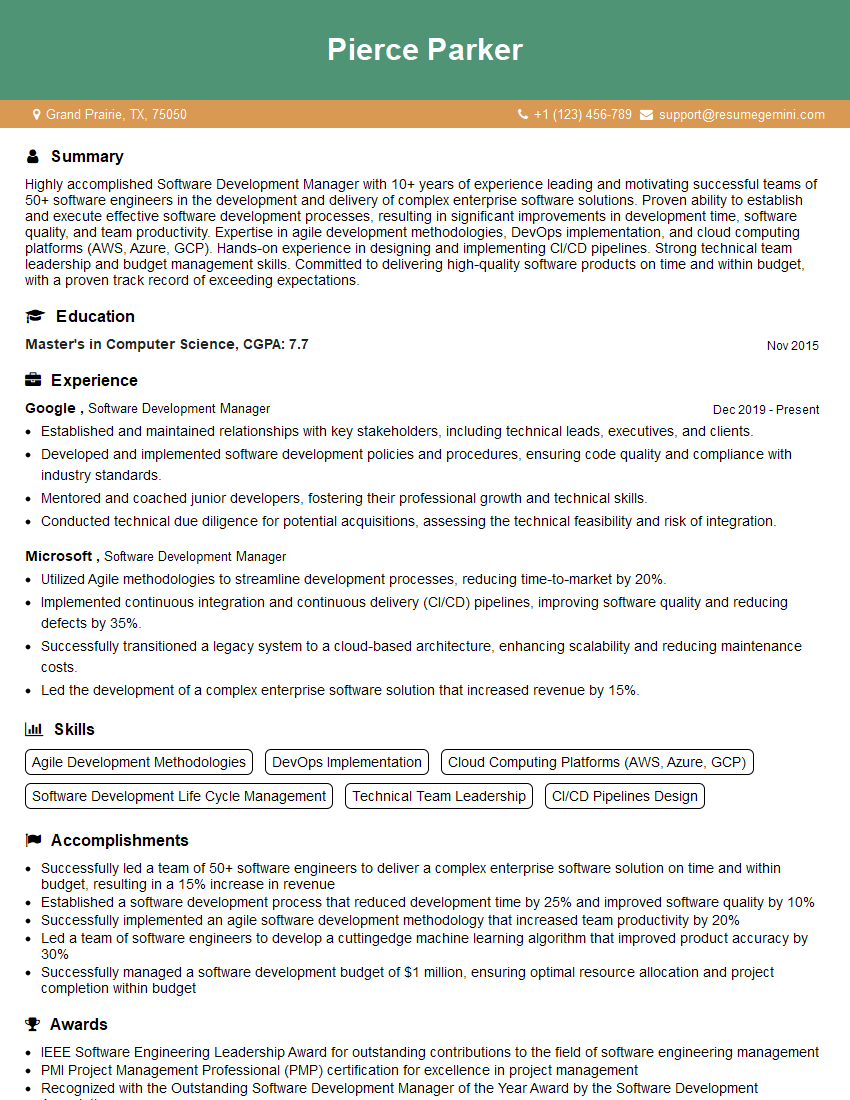
Software Development Manager Resume Sample
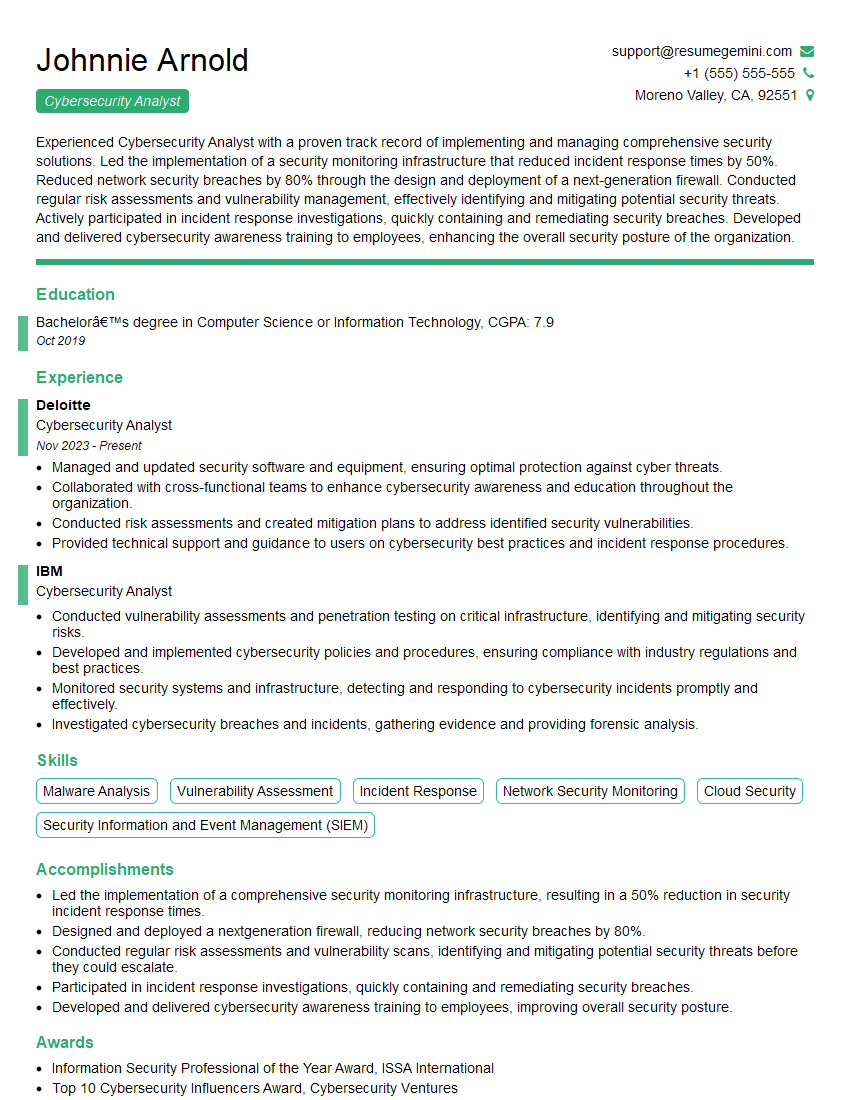
Cybersecurity Analyst Resume Sample
- Engineering Manager
- Principal Engineer
- Project Engineer
- Security Engineer
- Network Engineer
- Solutions Architect
- System Administrator
- Technical Support Manager
- Infrastructure Architect
- IT Project Manager
- Release Manager
- Database Administrator
- Technical Lead
- DevOps Engineer
- Cloud Architect
- Software Development Manager
- Cybersecurity Analyst
Explore more articles
Users Rating of Our Blogs
Share Your Experience
We value your feedback! Please rate our content and share your thoughts (optional).
What Readers Say About Our Blog
Very informative content, great job.
good