Interviews are more than just a Q&A session—they’re a chance to prove your worth. This blog dives into essential Slip Cases interview questions and expert tips to help you align your answers with what hiring managers are looking for. Start preparing to shine!
Questions Asked in Slip Cases Interview
Q 1. Explain the different types of slip cases available.
Slip cases, also known as slipcovers or book jackets, come in various types, each designed for specific needs and aesthetics. The main categories are based on construction and functionality:
- Rigid Slip Cases: These offer the most robust protection, typically made from sturdy materials like rigid board or corrugated cardboard. They provide excellent support and safeguard contents from damage. Think of the sturdy box a high-end art book might come in.
- Semi-Rigid Slip Cases: A compromise between rigidity and flexibility, these use materials like chipboard or thicker paperboard that offer a degree of protection without being overly stiff. They are suitable for items that don’t require extreme protection but need more than a simple paper wrapper.
- Flexible Slip Cases: These are often made from heavier-weight paper or thin cardboard, offering minimal protection but excellent for items that need only a dust cover or simple packaging. Think of the soft, flexible case sometimes used for DVDs.
- Custom-Shaped Slip Cases: These are designed to fit irregularly shaped items and are tailored to the specific product’s dimensions. This type is ideal for unique, oddly sized objects.
The choice depends on the item’s fragility, intended use, and desired level of protection.
Q 2. What are the advantages and disadvantages of using slip cases?
Slip cases offer several advantages and disadvantages:
Advantages:
- Protection: They shield contents from dust, scratches, moisture, and minor impacts.
- Enhanced Presentation: They significantly improve the visual appeal of a product, giving it a more premium look.
- Branding Opportunity: They provide ample space for printing logos, artwork, and other marketing information.
- Versatility: Available in various sizes, materials, and designs to suit a broad range of applications.
- Stackability: Rigid slip cases, in particular, allow for easy stacking and storage.
Disadvantages:
- Cost: Designing and manufacturing slip cases can be more expensive than simpler packaging options.
- Added Weight and Bulk: They increase the overall weight and size of the product.
- Environmental Impact: Depending on materials used, the manufacturing process may have a significant environmental footprint. Sustainable materials should be prioritized.
Q 3. Describe the materials commonly used in slip case construction.
The materials used in slip case construction vary greatly depending on the desired level of protection and aesthetic appeal. Common choices include:
- Paperboard: A cost-effective and widely used option, ranging in thickness and strength. It’s suitable for lighter items and simpler designs.
- Chipboard: A stronger and more rigid material than paperboard, offering better protection. Often used for semi-rigid slip cases.
- Rigid Board: The most robust option, providing excellent protection for fragile items. It’s typically used for high-end products or those requiring significant shielding.
- Corrugated Cardboard: Lightweight yet strong, suitable for shipping and protecting heavier contents. Often used for larger or more substantial items.
- Plastic: Used for situations demanding moisture resistance or extra durability. However, its environmental impact should be carefully considered.
- Foam board: Used for additional padding and cushioning to protect fragile items within the slip case.
Q 4. How do you choose the appropriate material for a specific slip case application?
Selecting the right material is crucial for a successful slip case. The process involves considering several factors:
- Product fragility: Fragile items require rigid board or robust materials. Less fragile items can tolerate thinner paperboard or chipboard.
- Environmental conditions: If the product will be exposed to moisture or harsh environments, a waterproof or resistant material is necessary.
- Budget: Paperboard is generally the most economical, while rigid board and plastic are more expensive.
- Branding and aesthetics: The material should complement the product’s overall design and branding. A high-end product might call for a luxurious material like textured paperboard.
- Shipping and handling: If the slip case needs to withstand shipping, corrugated cardboard or a reinforced construction is preferred.
For example, a delicate porcelain figurine would need a rigid slip case made from thick board, potentially with added foam padding, whereas a DVD might only require a flexible paperboard slip case.
Q 5. Explain the process of designing a slip case.
Designing a slip case involves a systematic approach:
- Determine the product dimensions: Precise measurements of the item are critical to ensure a perfect fit. Account for any additional padding or inserts.
- Choose the material: Select a material based on the factors discussed previously (fragility, budget, aesthetics).
- Design the layout: Consider the overall aesthetic and any printing or branding requirements. Software like Adobe Illustrator or similar programs are commonly used.
- Develop a prototype: A physical prototype allows for testing the fit, functionality, and overall design. Adjustments can be made based on this feedback.
- Final design and specifications: Once the prototype is approved, finalize the design and specifications for manufacturing.
- Source a manufacturer: Choose a reputable manufacturer with experience in slip case production.
Throughout this process, close collaboration with the manufacturer is essential to ensure a smooth production run.
Q 6. What are the key considerations for slip case printing?
Slip case printing requires careful consideration of several factors:
- Printing method: Offset printing provides high-quality results for large quantities, while digital printing is more suitable for smaller runs and customization. Other techniques include screen printing and embossing.
- Ink type: The choice of ink depends on the material and desired finish. UV inks provide durability and vibrancy.
- Color accuracy: Ensuring color consistency across the entire print run is critical. Color profiles and proofing are vital.
- Finishing: Consider adding finishing touches like lamination, embossing, or spot UV coating to enhance the slip case’s visual appeal and durability.
- Design elements: The design should be clear, concise, and visually appealing. It’s important to ensure readability and alignment of all text and images.
For example, a high-end product might benefit from foil stamping or embossing to add a premium touch, while a simple product might only need a clear and legible label.
Q 7. How do you ensure the structural integrity of a slip case?
Ensuring the structural integrity of a slip case is paramount. This is achieved through:
- Proper material selection: Choosing the right material for the intended purpose, ensuring sufficient strength and rigidity.
- Precise measurements and fitting: Accurate measurements of the product are crucial to prevent loose or overly tight fits. Proper allowances for padding should be considered.
- Reinforcement techniques: Adding inserts, foam padding, or other reinforcing elements can significantly improve structural strength, especially for fragile items.
- Quality control during production: Regular checks throughout the manufacturing process help to identify and rectify any potential structural flaws.
- Testing: Conducting drop tests or other stress tests before mass production helps to ensure the slip case can withstand expected handling and shipping conditions.
Ignoring these steps can lead to damaged products, dissatisfied customers, and wasted resources. A robust slip case design is a vital component of overall product protection and presentation.
Q 8. Describe the manufacturing process for slip cases.
Slip case manufacturing is a multi-stage process, varying slightly depending on the complexity and materials used. Generally, it begins with die-cutting, where the cardboard or paperboard is cut to the precise dimensions of the slip case using a specialized die. This die is a metal template that creates the shape and any necessary slots or perforations. Next comes printing. This can involve offset printing, digital printing, or screen printing, depending on the quantity, budget, and design complexity. The printed sheets are then creased and folded to form the slip case’s structure. This often involves specialized machinery to ensure sharp, consistent folds. Finally, the slip case is assembled. This might involve gluing, scoring, or other techniques depending on the design’s complexity and the type of closure mechanism. For example, a simple tuck-in style requires minimal assembly, while a more intricate box with a hinged lid will require more steps.
Think of it like baking a cake: die-cutting is preparing the ingredients, printing is decorating the cake, creasing and folding is shaping it, and assembly is putting the final touches on it.
Q 9. What quality control measures are implemented during slip case production?
Quality control in slip case production is crucial for ensuring a consistent, high-quality product. We implement checks at each stage. Incoming material inspection verifies the quality of the cardboard and inks. Die-cutting checks ensure accurate dimensions and clean cuts. We regularly inspect the dies themselves for wear and tear to maintain precision. Printing quality checks include color accuracy, sharpness, and proper registration. Folding and gluing checks are crucial for ensuring structural integrity and proper alignment. Finally, we conduct random sampling inspections of finished slip cases for defects. We’ll check for things like incorrect dimensions, misaligned prints, or damaged corners. Documentation is key; every step has a record to allow us to trace any issues and continually improve our process.
For instance, if we consistently find misaligned prints, we investigate the printing press settings or alignment of the printing plates. This data-driven approach allows for constant improvement.
Q 10. How do you address common slip case manufacturing challenges?
Common challenges include dimensional inconsistencies (due to fluctuating humidity or machinery wear), ink smudging (related to improper drying time or pressure), and difficult folding (caused by improperly creased cardboard). We address these by implementing stringent environmental controls (temperature and humidity regulation), regular machine maintenance, and adjusting the pressure and speed of machinery to optimize folding and printing processes. We also meticulously select materials, testing various types of cardboard for their suitability to our production methods. Finally, we maintain close communication with our suppliers to ensure consistent material quality. If a particular batch of cardboard proves problematic, we’ll investigate and potentially find an alternative supplier.
Q 11. What are the environmental considerations related to slip case production?
Environmental considerations are paramount. We prioritize using sustainable materials, such as recycled cardboard and responsibly sourced paperboard. We also strive to minimize waste by optimizing our die-cutting processes and recycling excess materials. Water-based inks are preferred to reduce VOC (volatile organic compound) emissions. Efficient energy usage in our manufacturing facility is also a critical factor. We continuously explore innovative solutions, such as implementing lean manufacturing techniques to reduce energy and material consumption and exploring biodegradable and compostable packaging alternatives where appropriate.
Q 12. How do you calculate the cost of producing a slip case?
Calculating the cost of producing a slip case involves several factors. The primary costs are materials (cardboard, inks, glue), labor (machine operators, quality control personnel), machinery and overhead (rent, utilities), and design and setup costs (die creation, printing plates). Each of these is calculated per unit and totaled. We also factor in potential waste and defects which can sometimes add significant costs if not managed properly. Finally, profit margin is added to determine the selling price. The cost calculation is often done using a spreadsheet or specialized software that factors in the cost of each component.
For example, we might calculate the cost of the cardboard per slip case, add the cost of printing, assembly labor, and a percentage for overhead and profit. This gives us a comprehensive cost analysis.
Q 13. Explain the importance of proper packaging and handling of slip cases.
Proper packaging and handling are vital to prevent damage during transit and storage. Slip cases are often delicate, and improper handling can lead to crushed corners, bent edges, or damaged prints. We use appropriate protective packaging, such as corrugated cardboard boxes or custom-fit inserts, depending on the slip case design and quantity. We clearly label packages with fragile handling instructions and avoid stacking excessively heavy items on top of slip case packages. Proper storage conditions, controlling temperature and humidity to avoid warping and damage, are also important.
Think about shipping a delicate vase: you wouldn’t just throw it in a box without any padding! The same principle applies to slip cases.
Q 14. Describe your experience with different slip case closure mechanisms.
I have extensive experience with various slip case closure mechanisms. Common types include tuck-in flaps (simple and cost-effective), glue-bound closures (strong and secure), hinged lids (elegant and functional, often requiring more complex construction), and magnetic closures (premium feel and security, but more costly). The choice of mechanism depends on the client’s needs, budget, and the product being housed. For instance, a tuck-in flap is perfect for a simple brochure, while a hinged lid might be more appropriate for a high-end product. We always consider factors such as ease of opening and closing, durability, and overall aesthetic appeal when selecting a closure mechanism.
Q 15. How do you ensure the slip case protects the enclosed product?
Ensuring a slip case effectively protects its contents relies on a multifaceted approach encompassing material selection, design, and manufacturing. The primary goal is to create a barrier against damage from impacts, moisture, and light.
Material Selection: The choice of board stock is crucial. Thicker, more rigid boards like 14-pt or 16-pt SBS (Solid Bleached Sulfate) board offer superior protection compared to thinner options. The type of lamination also plays a key role; matte lamination offers scratch resistance while gloss lamination provides a more luxurious feel. For added protection against moisture, a water-resistant coating can be added.
Design Considerations: The snug fit between the slip case and the product inside is paramount. Precise die-cutting ensures a close, secure fit without excessive pressure that could damage the product. The addition of internal inserts or partitions can further protect fragile items or prevent shifting during transport. Consideration should be given to the overall structure of the case; a well-designed spine can help withstand stacking and shelf wear.
Manufacturing Quality: Proper manufacturing is vital. Imperfect cuts, creases, or misaligned printing can compromise the slip case’s protective abilities. Quality control checks throughout the production process are necessary to ensure every slip case meets the required standards.
Example: For a delicate glass figurine, I would specify a thicker board stock, perhaps 18-pt, with a matte lamination for scratch resistance, and a custom-fit insert to cradle the figurine securely within the slip case.
Career Expert Tips:
- Ace those interviews! Prepare effectively by reviewing the Top 50 Most Common Interview Questions on ResumeGemini.
- Navigate your job search with confidence! Explore a wide range of Career Tips on ResumeGemini. Learn about common challenges and recommendations to overcome them.
- Craft the perfect resume! Master the Art of Resume Writing with ResumeGemini’s guide. Showcase your unique qualifications and achievements effectively.
- Don’t miss out on holiday savings! Build your dream resume with ResumeGemini’s ATS optimized templates.
Q 16. What are the common methods for branding and labeling slip cases?
Branding and labeling slip cases offer a prime opportunity to enhance the product’s aesthetic appeal and convey key information. Several methods are commonly employed:
- Printing: This is the most prevalent method, allowing for full-color designs, logos, and product information. Offset printing offers high-quality results for large print runs, while digital printing is ideal for shorter runs and personalized designs.
- Foil Stamping: This technique adds a luxurious touch, imprinting metallic foil (gold, silver, etc.) onto the slip case. It’s excellent for brand logos and enhances the perceived value of the product.
- Embossing/Debossing: Embossing creates a raised design, while debossing creates a recessed one. This adds a tactile dimension to the branding and creates a sophisticated look.
- Spot UV Coating: Applying a UV coating to specific areas of the design highlights those elements, providing a glossy contrast against the matte finish of the rest of the case. It’s perfect for accentuating logos or key information.
The placement of branding and labeling is equally important. The spine often features the title and author (for books), while the front panel showcases the product’s logo and artwork. Information like barcodes and product details are usually placed on the back panel or inside flaps.
Q 17. What are the legal and regulatory considerations for slip case packaging?
Legal and regulatory considerations for slip case packaging vary depending on the product enclosed and the geographic location. Key aspects include:
- Material Compliance: Packaging materials must adhere to local regulations regarding safety and environmental impact (e.g., recycling symbols, conformity to FDA standards for food packaging).
- Labelling Requirements: Labels must accurately reflect the product contents, and comply with regulations concerning allergens, country of origin, weight/volume, and other legally mandated information.
- Intellectual Property: Designs and branding must respect intellectual property rights, avoiding infringement of trademarks or copyrights.
- Safety Standards: The slip case itself should not pose a hazard, like sharp edges or small parts that could present a choking risk. This is particularly crucial when packaging items for children.
- Hazardous Materials: Special regulations apply if the enclosed product is classified as hazardous material, which will impact packaging requirements and labeling.
Staying updated on current regulations through resources like the FDA (Food and Drug Administration) or local regulatory bodies is crucial for compliance. Consultations with legal and regulatory experts can provide further guidance.
Q 18. How do you manage inventory for slip cases?
Effective inventory management for slip cases involves a combination of forecasting, tracking, and optimization strategies. Here’s a breakdown of key elements:
- Demand Forecasting: Accurately predicting future demand based on historical sales data, market trends, and anticipated promotions is crucial. Methods like moving averages or exponential smoothing can be utilized.
- Inventory Tracking: Implementing a robust inventory management system is essential, whether manual or through software. This system needs to track the number of slip cases in stock, on order, and in transit, providing real-time visibility of inventory levels.
- Safety Stock: Maintaining a safety stock of slip cases compensates for unexpected demand surges or supply chain disruptions. The amount of safety stock depends on factors such as lead time for replenishment and demand variability.
- Just-in-Time (JIT) Inventory: For predictable demand patterns, a JIT system can minimize inventory costs by aligning supply with actual demand. This requires a reliable and responsive supply chain.
- Regular Audits: Periodically auditing inventory levels helps identify discrepancies between physical stock and recorded inventory, helping prevent stockouts or overstocking.
Using an inventory management software solution significantly streamlines these processes, offering features like automated ordering, real-time tracking, and reporting capabilities.
Q 19. Describe your experience with different types of slip case printing techniques (e.g., offset, digital).
My experience encompasses both offset and digital printing techniques for slip cases, each with its strengths and weaknesses.
Offset Printing: Ideal for large print runs (typically 5,000+ units), offset printing delivers exceptional color accuracy and consistency. The higher initial setup costs are offset by lower per-unit costs for large volumes. The resulting print quality is generally superior, particularly for intricate designs with smooth color gradients. However, offset printing is less flexible for small, customized runs or changes in design.
Digital Printing: Digital printing excels in shorter runs and allows for personalized designs, making it versatile for smaller projects or customized orders. Setup costs are significantly lower, but the per-unit cost can be higher for large volumes. Digital printing is faster and provides greater flexibility for design alterations. Color accuracy can be very good, but might not match the consistency of offset printing, especially for complex color palettes.
Example: For a large-scale book publishing project requiring 10,000 slip cases, offset printing would be the cost-effective choice. However, for a limited edition artist’s book with 200 numbered slip cases, each with a unique design element, digital printing would be far more suitable.
Q 20. Explain your understanding of color management in slip case printing.
Color management in slip case printing is crucial for achieving consistent and accurate colors throughout the production process. It involves careful control of color from design to final print. This process typically involves:
- Color Profile Selection: Choosing appropriate color profiles for design software (e.g., Adobe RGB, sRGB) and the printing press ensures accurate color reproduction.
- Proofing: Creating color proofs – soft proofs on screen and hard proofs (printed samples) – allows for verification and adjustments before full-scale printing commences. Soft proofing verifies the output to the intended colour space. Hard proofing verifies the printer’s colour accuracy against the intended output.
- Color Calibration: Regular calibration of monitors and printing equipment is essential to maintain consistency and prevent color drift.
- Color Matching: Working with experienced printers who can accurately match colors across different printing runs is critical. This might involve using color-matching systems or Pantone color references to ensure consistency.
- Spot vs Process Colors: Understanding the difference between spot (premixed inks) and process (CMYK) colors is vital. Spot colors offer superior color accuracy but are more costly, while process colors provide greater flexibility in color range.
Effective color management avoids costly reprints and ensures the final product accurately reflects the client’s design vision.
Q 21. How do you handle customer complaints regarding slip case defects?
Handling customer complaints regarding slip case defects requires a professional and efficient approach. The goal is to resolve the issue quickly and maintain a positive customer relationship.
Step 1: Acknowledge and Investigate: Immediately acknowledge the complaint, expressing empathy and understanding. Then, thoroughly investigate the nature of the defect, gathering information such as photos of the defect, the order number, and the quantity affected. This information will help determine the root cause of the problem.
Step 2: Determine the Root Cause: Identify the source of the defect—was it a design flaw, a printing error, or a problem in the manufacturing process? This will inform the corrective actions needed.
Step 3: Implement Corrective Actions: This might include replacing the faulty slip cases, offering a partial or full refund, or improving quality control processes to prevent similar issues in the future.
Step 4: Communicate and Follow Up: Clearly communicate the solution to the customer and the steps taken to address the issue. Follow up to ensure the customer is satisfied with the resolution. A sincere apology and proactive steps to address the customer’s concerns can often turn a negative experience into a positive one. Documentation of the complaint, investigation, and resolution is essential.
Example: If a customer receives a batch of slip cases with misaligned printing, we would first apologize, then investigate the cause (perhaps a machine malfunction during printing). We would then offer replacements printed correctly, and update quality control procedures to prevent this issue in the future. We’d maintain open communication with the customer throughout the process.
Q 22. What software are you proficient in for slip case design and prototyping?
For slip case design and prototyping, my proficiency spans several software packages. I’m highly skilled in Adobe Illustrator, primarily for creating the initial artwork and ensuring precise dimensions for printing and cutting. This is crucial for achieving accurate fits and preventing wasted materials. I also utilize Adobe Photoshop for image manipulation and color correction, vital for achieving the desired aesthetic for the slip case. For 3D modeling and prototyping, I extensively use software like SolidWorks. This allows me to create virtual models, test the fit of the slip case around its contents, and identify potential design flaws before production begins. This digital prototyping significantly reduces errors and saves time and resources in the manufacturing process. Finally, I use dedicated packaging design software such as PackEdge to streamline the process of creating die-lines and generating accurate specifications for manufacturers. This ensures a smooth transition from design to production.
Q 23. Describe your experience with automation in slip case production.
My experience with automation in slip case production is extensive. I’ve worked with fully automated lines, from die-cutting and creasing to gluing and folding. This automation typically involves high-speed machinery controlled by Programmable Logic Controllers (PLCs). For instance, I’ve overseen the integration of robotic arms for precise gluing and placement of components, dramatically increasing both speed and consistency. Automation drastically reduces human error and improves efficiency in large-scale production runs. The use of automated cutting and creasing systems ensures consistent accuracy in the dimensions of the slip cases. However, it’s crucial to have skilled technicians for maintenance and troubleshooting of the automated equipment. One specific example was implementing a new automated gluing system in a project that reduced production time by 30% while simultaneously improving the consistency of the glue application, leading to fewer defective products.
Q 24. How do you improve efficiency in slip case manufacturing?
Improving efficiency in slip case manufacturing requires a multi-faceted approach. It starts with optimized design. Minimizing the number of pieces and simplifying the construction process can significantly reduce assembly time. This includes considering the material type and its properties for ease of processing. For example, using a material that requires less cutting or scoring will speed up the initial stages of production. Next, efficient workflow analysis is critical. Identifying bottlenecks in the production line – whether it’s material handling, machine setup time, or operator skill – is crucial. Implementing lean manufacturing principles, such as ‘5S’ (Sort, Set in Order, Shine, Standardize, Sustain), can help streamline the entire process. Investing in better technology such as automated equipment is also beneficial, but it needs to align with production volume and project needs. Proper training and skill development for operators can lead to faster and more accurate work. Finally, careful inventory management of materials to minimize waste and downtime is essential.
Q 25. How do you ensure the sustainability of your slip case designs and production?
Sustainability is a core consideration in my slip case designs and production methods. We start by sourcing materials from responsible suppliers who adhere to sustainable forestry practices (for paperboard) or recycled content policies (for other materials). Choosing materials with high recycled content lowers the environmental impact. We also focus on minimizing waste during the production process. This involves optimizing die-cutting patterns to reduce material scrap, implementing efficient waste-recycling programs, and utilizing water-based adhesives that are less harmful to the environment compared to solvent-based alternatives. Additionally, we promote designs that reduce overall material usage without compromising structural integrity or visual appeal. A recent project involved switching to a thinner, yet equally strong, board material which reduced the overall material consumption by 15% without compromising quality. We continuously explore and implement more eco-friendly packaging solutions.
Q 26. What is your experience with different types of adhesives used in slip case construction?
My experience with adhesives encompasses a wide range, each with its own properties and suitability for specific applications. Water-based adhesives are commonly used for their environmental friendliness and relatively low odor. They are suitable for many slip case applications, particularly those involving paperboard. However, their bonding strength might be lower compared to other options. Hot-melt adhesives offer fast bonding times and high strength, making them ideal for high-speed automated production lines. However, they require specialized equipment and can have a higher environmental impact. Solvent-based adhesives often provide strong bonds but are less environmentally friendly due to volatile organic compounds (VOCs) and should be minimized. Pressure-sensitive adhesives (PSAs), such as double-sided tapes, are also employed, especially for simpler slip case designs or attaching inserts. The selection of the appropriate adhesive depends on factors such as substrate materials, required bond strength, production speed, and environmental concerns. Each project requires a careful assessment to choose the most suitable adhesive.
Q 27. Explain your knowledge of various finishing techniques for slip cases.
Finishing techniques significantly enhance the visual appeal and durability of slip cases. Spot UV coating adds a glossy finish to specific areas, highlighting key design elements while leaving other parts with a matte look. This is excellent for creating a tactile experience. Embossing and debossing create raised or indented textures, enhancing the design’s three-dimensionality and sophistication. Foil stamping adds metallic accents, contributing to a premium feel. Lamination provides a protective layer, increasing the slip case’s resistance to scratches and wear. Finally, various printing techniques, such as offset lithography and digital printing, are used to achieve high-quality color reproduction and detailed designs. The choice of finishing techniques depends on the budget, desired aesthetic, and the product’s functionality. For instance, a high-end product might benefit from a combination of foil stamping and spot UV coating, while a more cost-effective option could utilize a simple matte lamination.
Key Topics to Learn for Slip Cases Interview
- Design and Construction: Understanding different slip case materials (e.g., cardboard, rigid board, plastic), construction methods (e.g., gluing, stitching, scoring), and their impact on product protection and aesthetics.
- Functionality and Protection: Analyzing how slip case designs protect the enclosed product from damage during shipping, handling, and storage. Consider factors like cushioning, shock absorption, and environmental protection.
- Manufacturing Processes: Familiarity with the various stages of slip case production, including die-cutting, printing, laminating, and assembly. Understanding potential challenges and solutions within each stage.
- Material Selection: Knowledge of the properties of various materials and how to select the optimal material based on factors like cost, durability, environmental impact, and aesthetic requirements.
- Cost Optimization: Exploring strategies to minimize production costs without compromising quality or functionality, including material selection, design efficiency, and manufacturing process optimization.
- Sustainability Considerations: Understanding environmentally friendly materials and manufacturing practices, and their role in creating sustainable slip case solutions.
- Quality Control and Testing: Knowledge of quality control procedures for slip cases, including testing for durability, strength, and dimensional accuracy.
- Packaging Design Principles: Applying broader packaging design principles (ergonomics, branding, visual appeal) to the specific context of slip cases.
Next Steps
Mastering slip case knowledge significantly enhances your prospects in the packaging industry, opening doors to diverse and challenging roles. A strong understanding of slip case design and production is highly valued by employers. To maximize your job search success, create an ATS-friendly resume that highlights your relevant skills and experience. We recommend using ResumeGemini to build a professional and impactful resume that showcases your capabilities effectively. Examples of resumes tailored to Slip Cases are available below.

Operations Manager Resume Sample

Print Production Manager Resume Sample
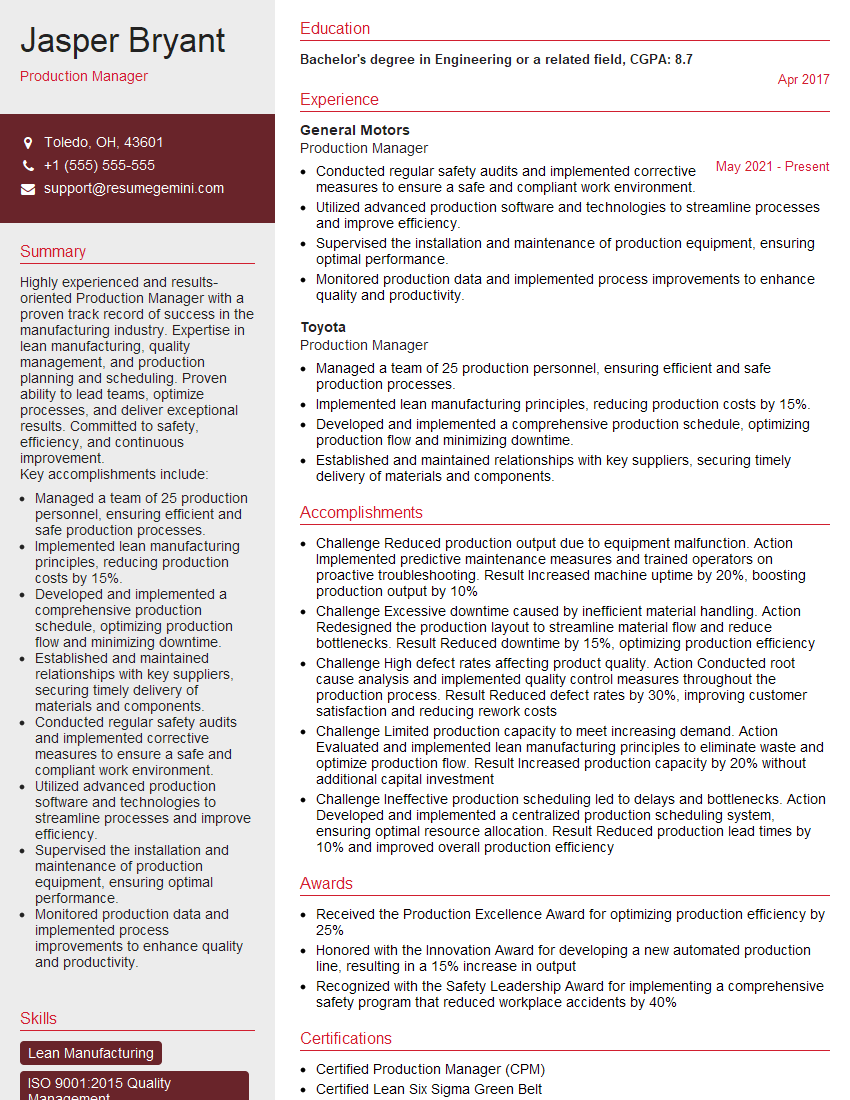
Production Manager Resume Sample
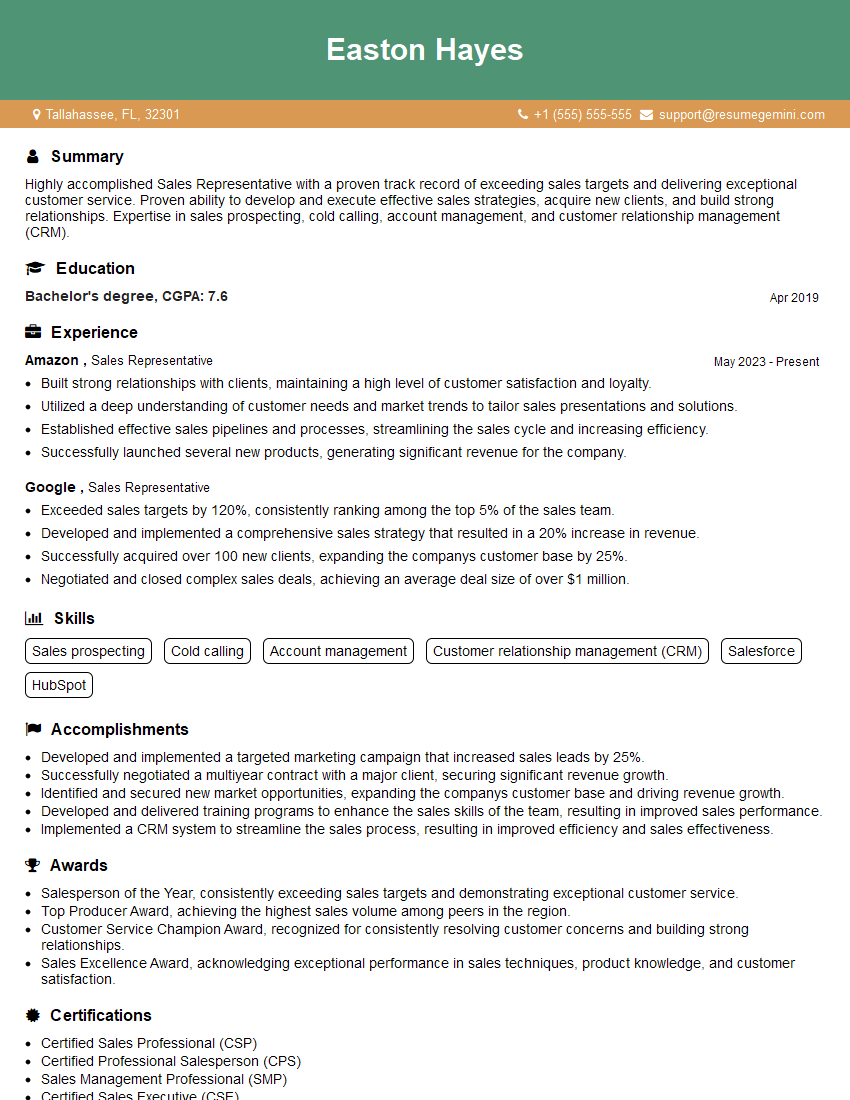
Sales Representative Resume Sample
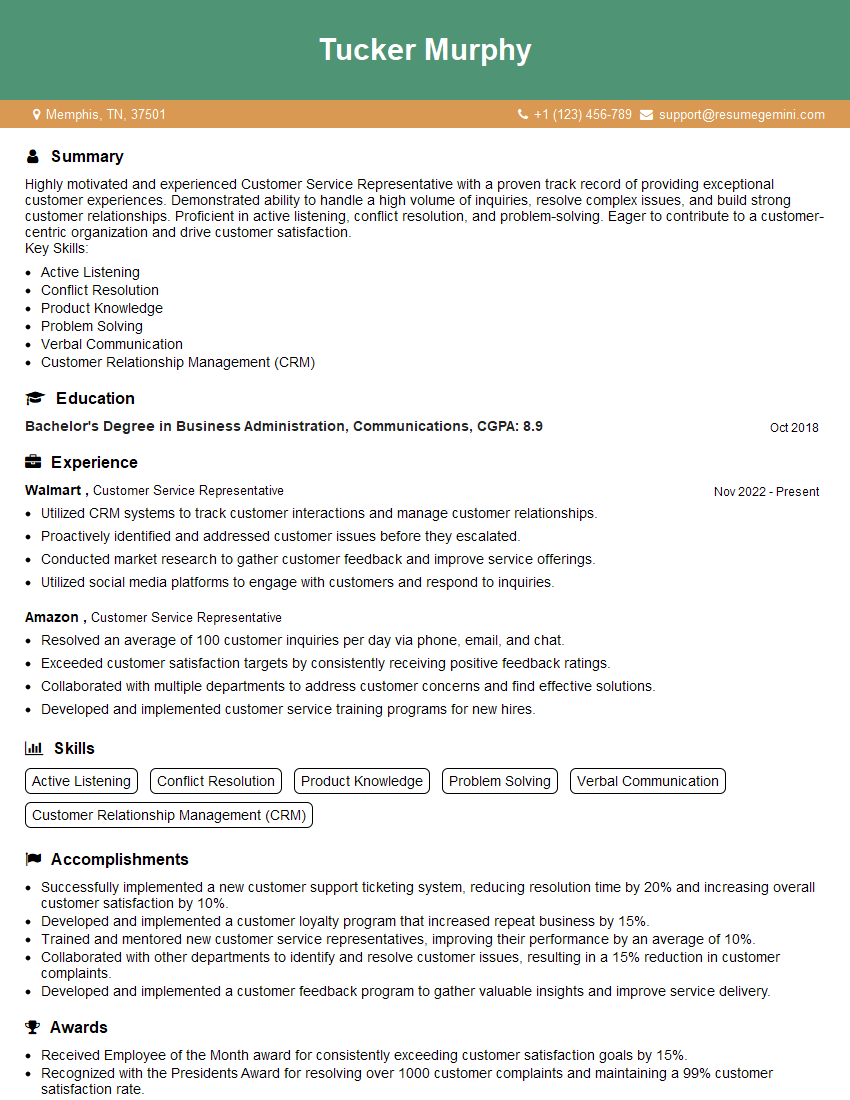
Customer Service Representative Resume Sample
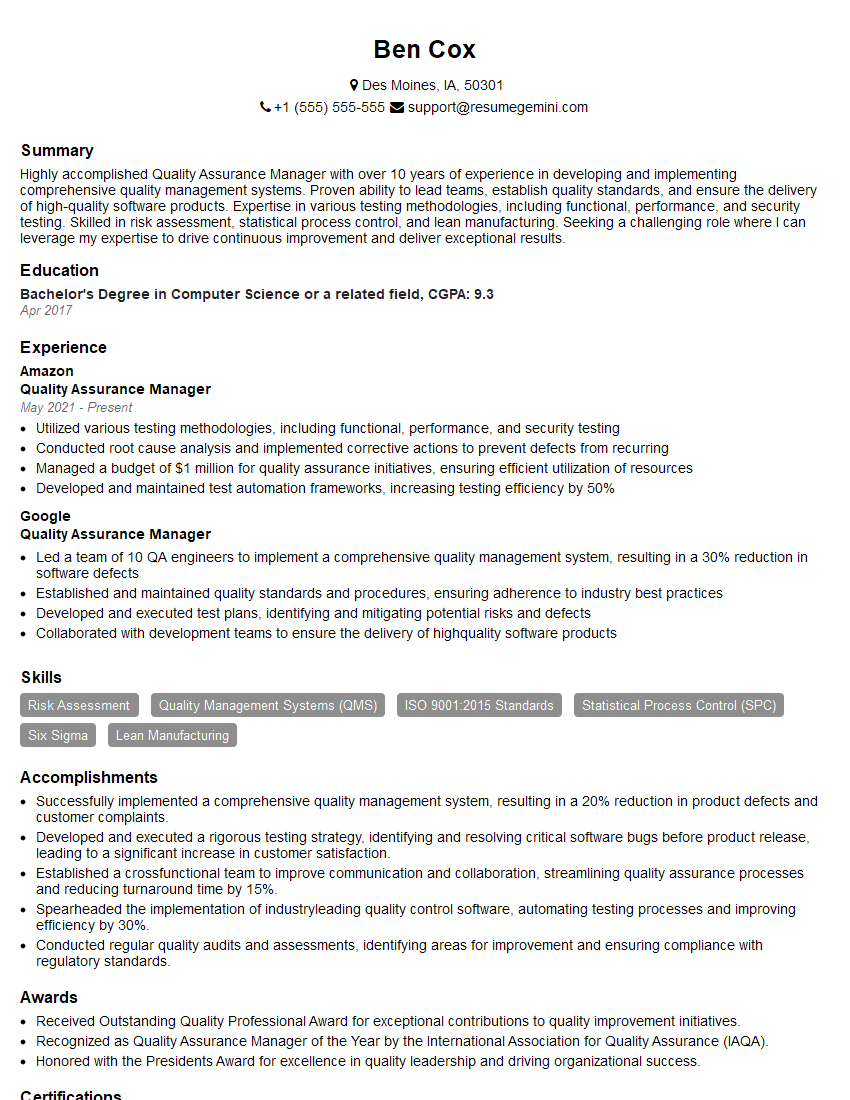
Quality Assurance Manager Resume Sample
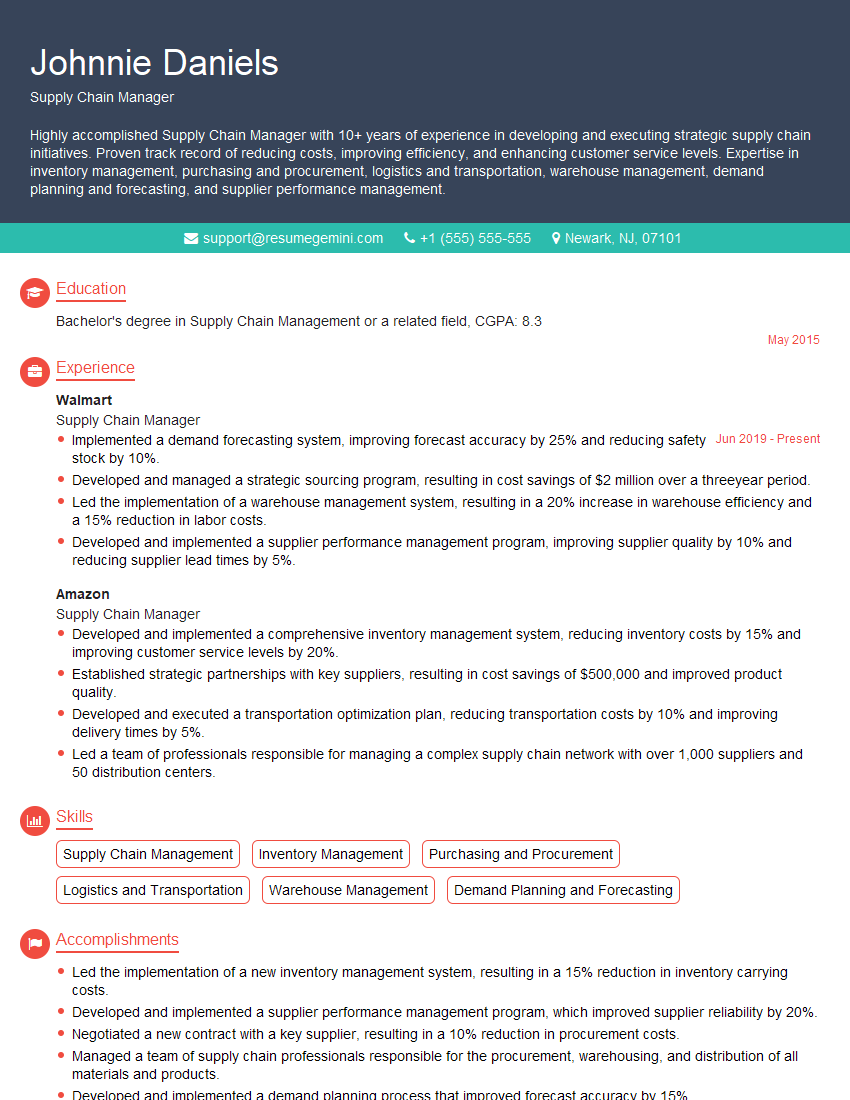
Supply Chain Manager Resume Sample
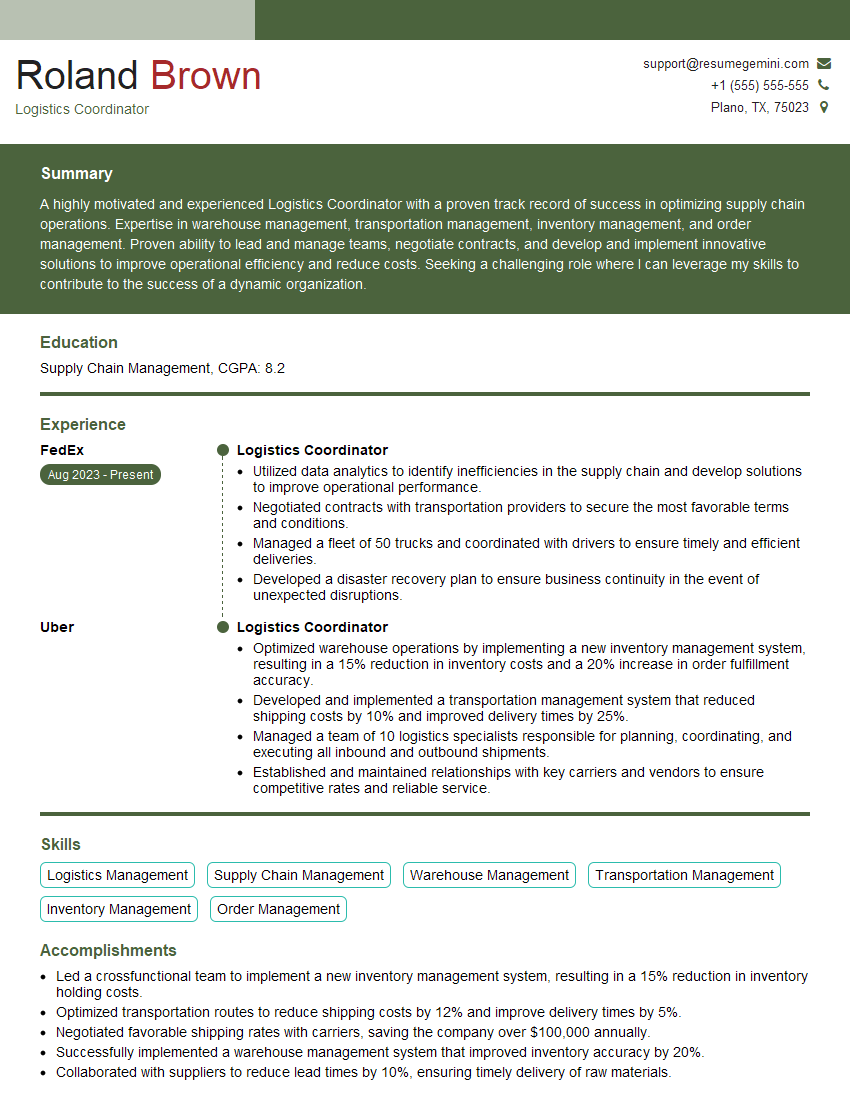
Logistics Coordinator Resume Sample
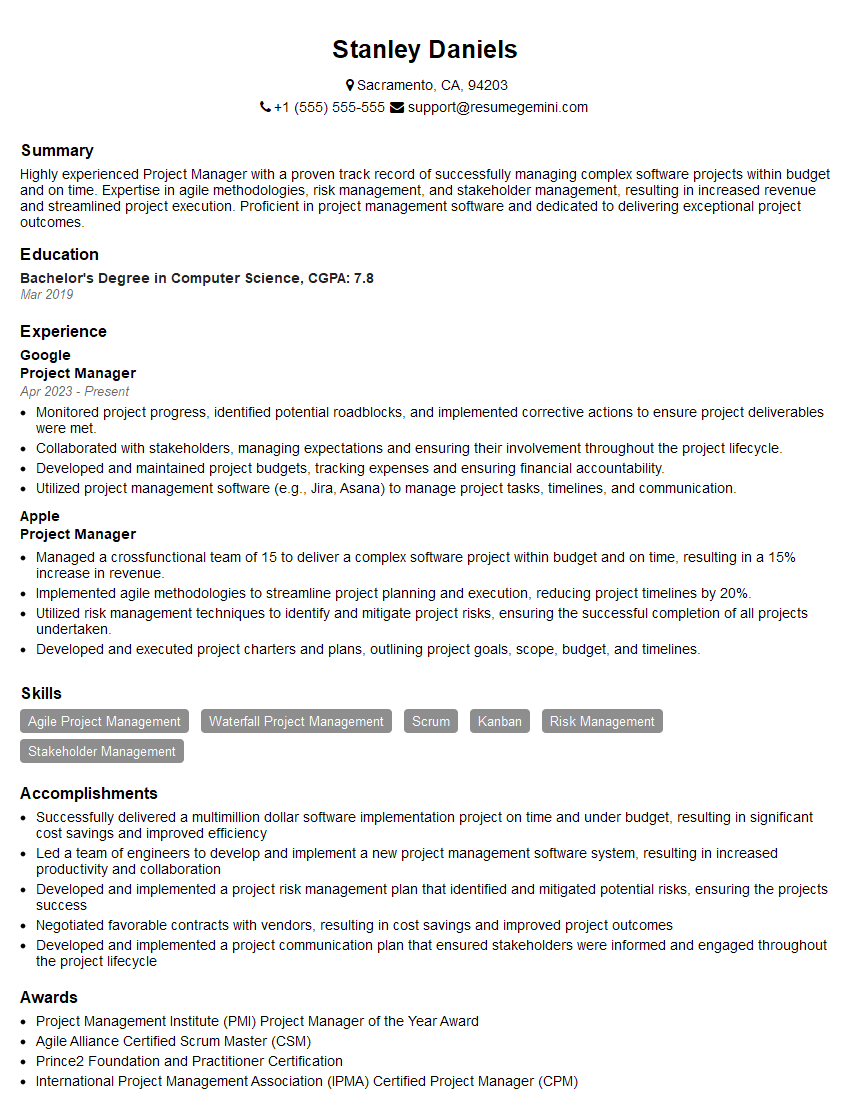
Project Manager Resume Sample
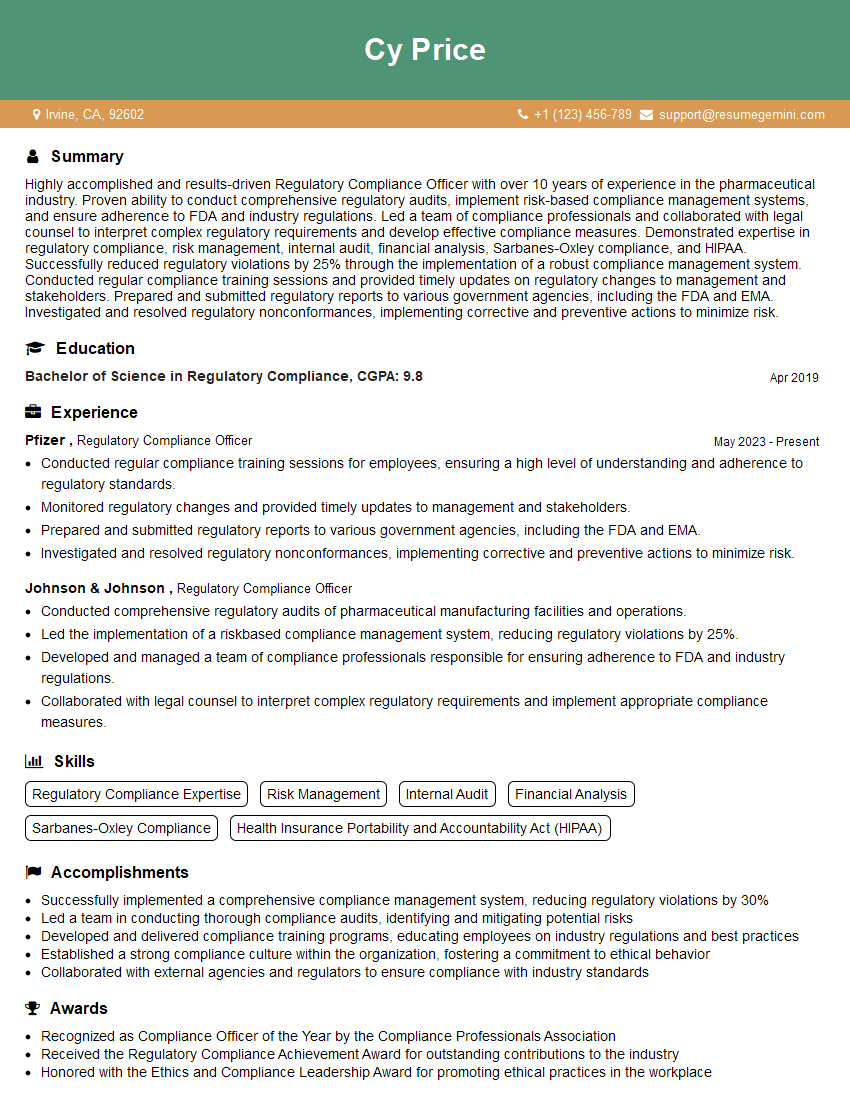
Regulatory Compliance Officer Resume Sample
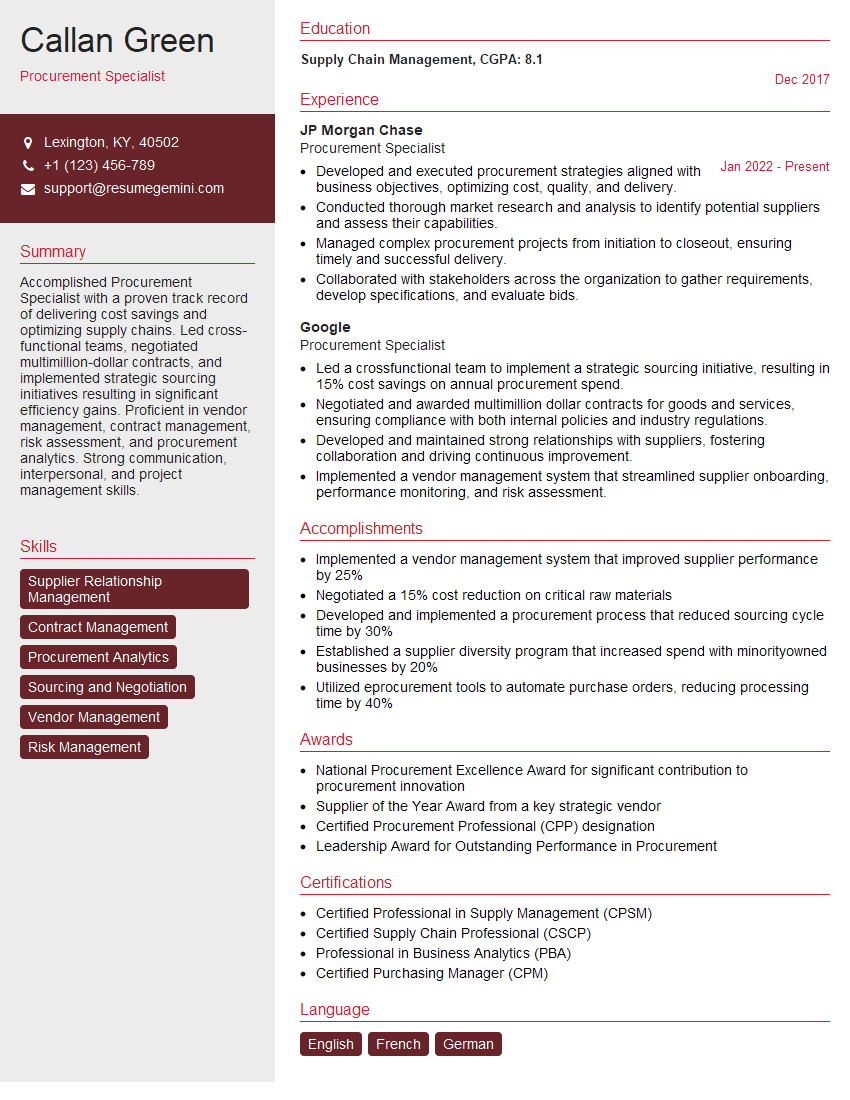
Procurement Specialist Resume Sample

Print Buyer Resume Sample
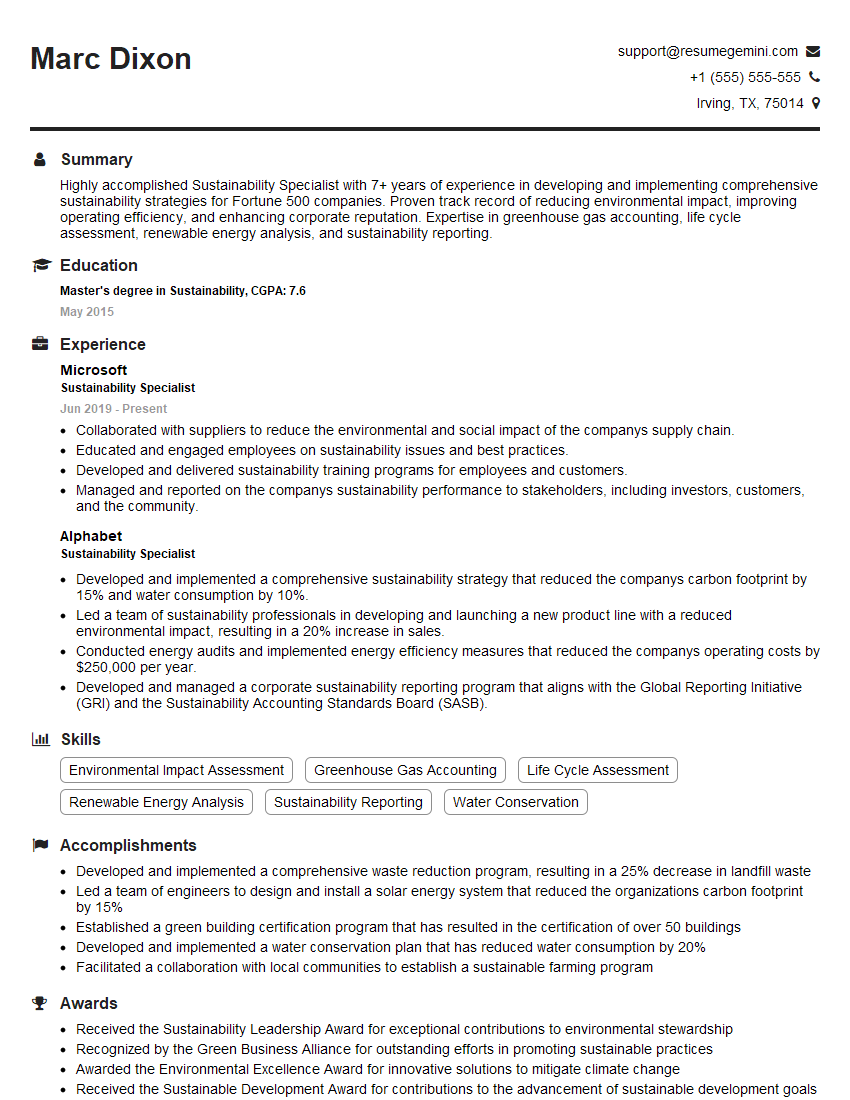
Sustainability Specialist Resume Sample
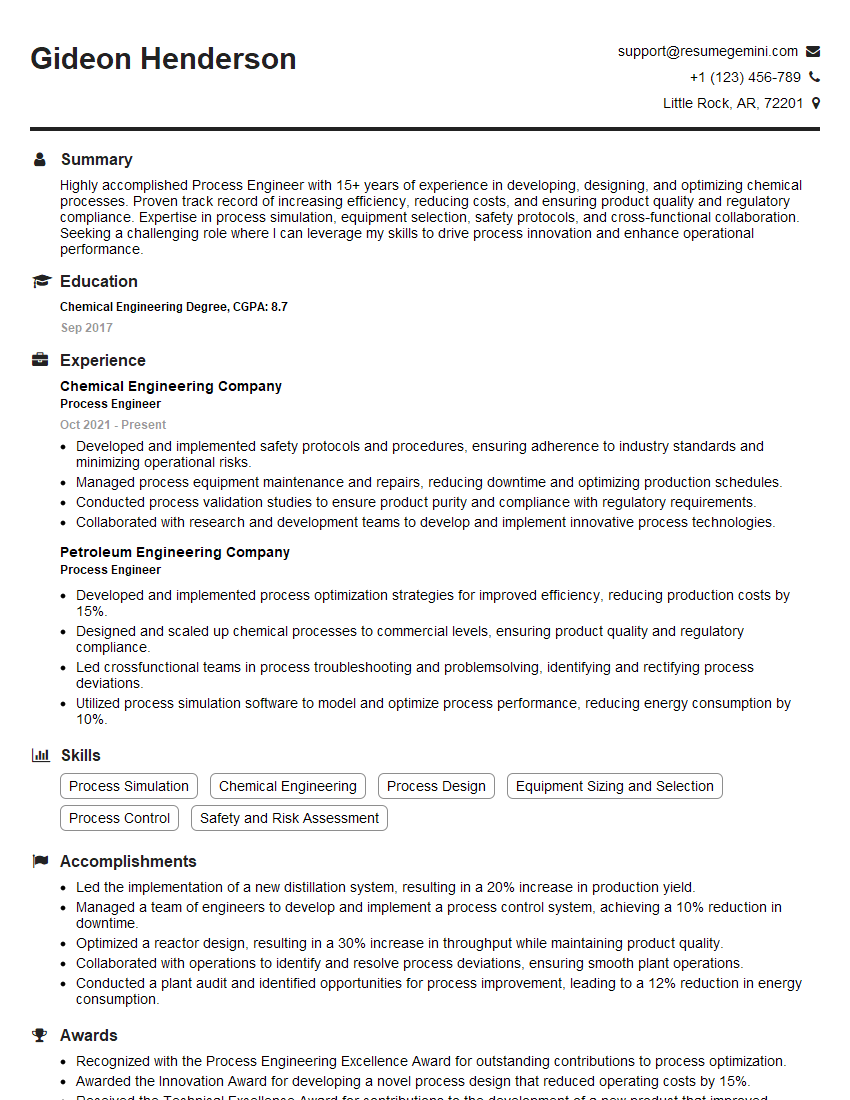
Process Engineer Resume Sample

Research and Development Engineer Resume Sample
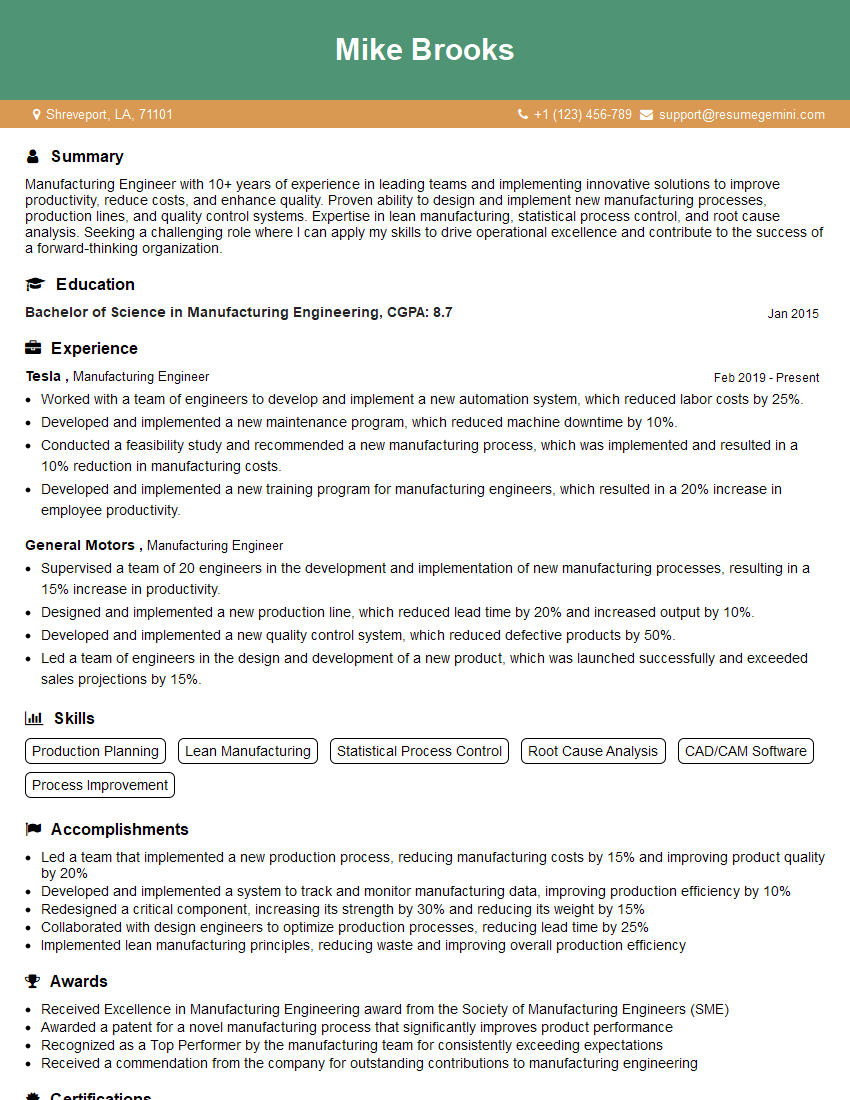
Manufacturing Engineer Resume Sample
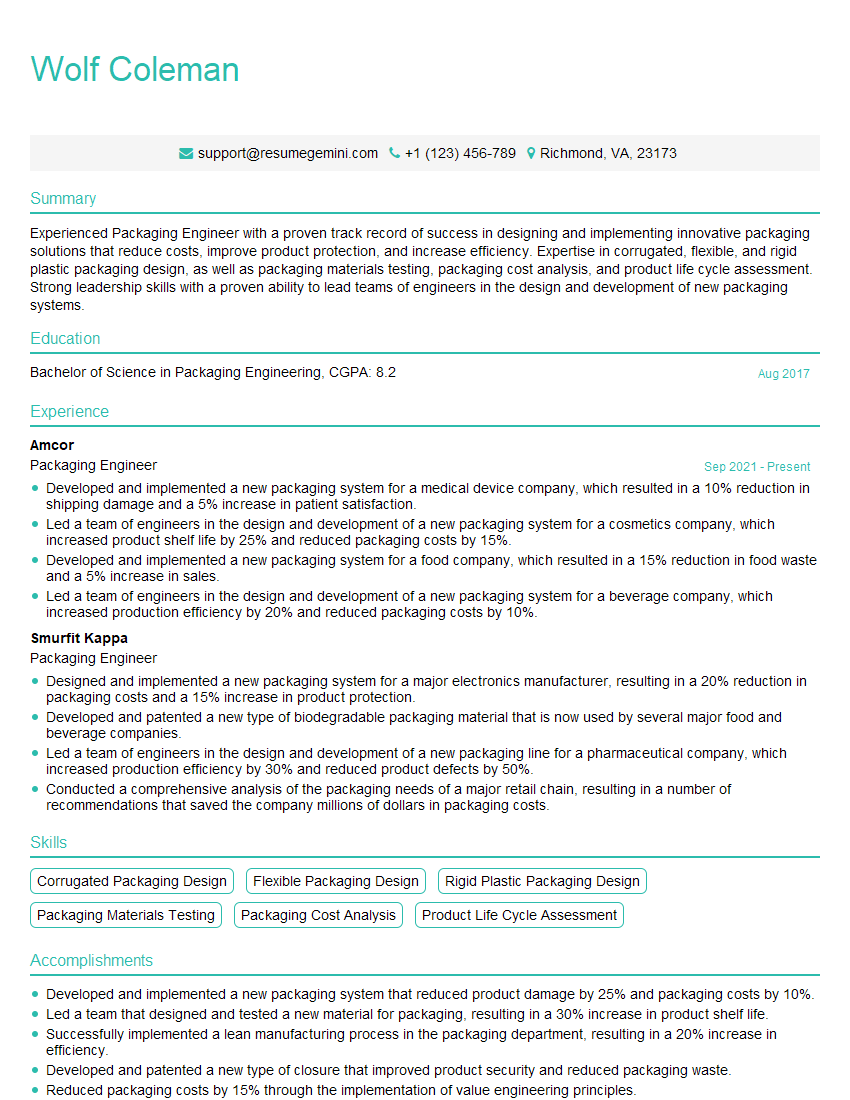
Packaging Engineer Resume Sample

Materials Scientist Resume Sample
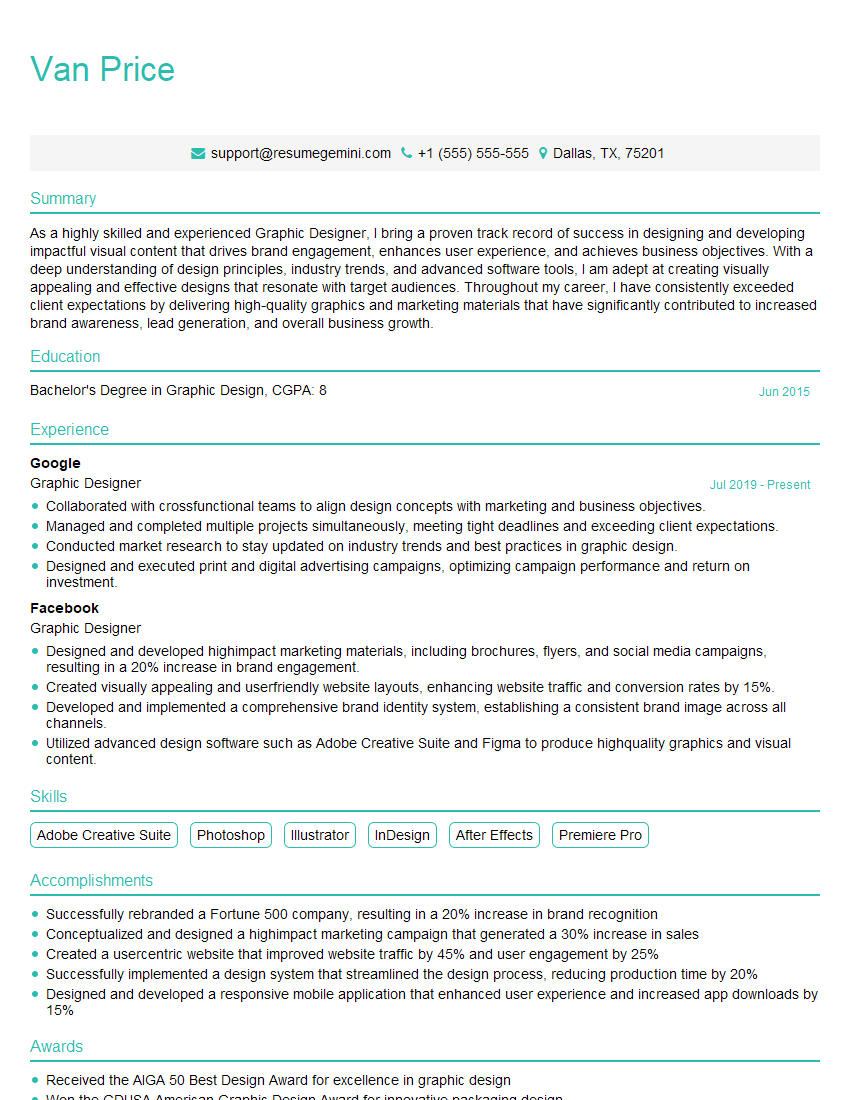
Graphic Designer Resume Sample
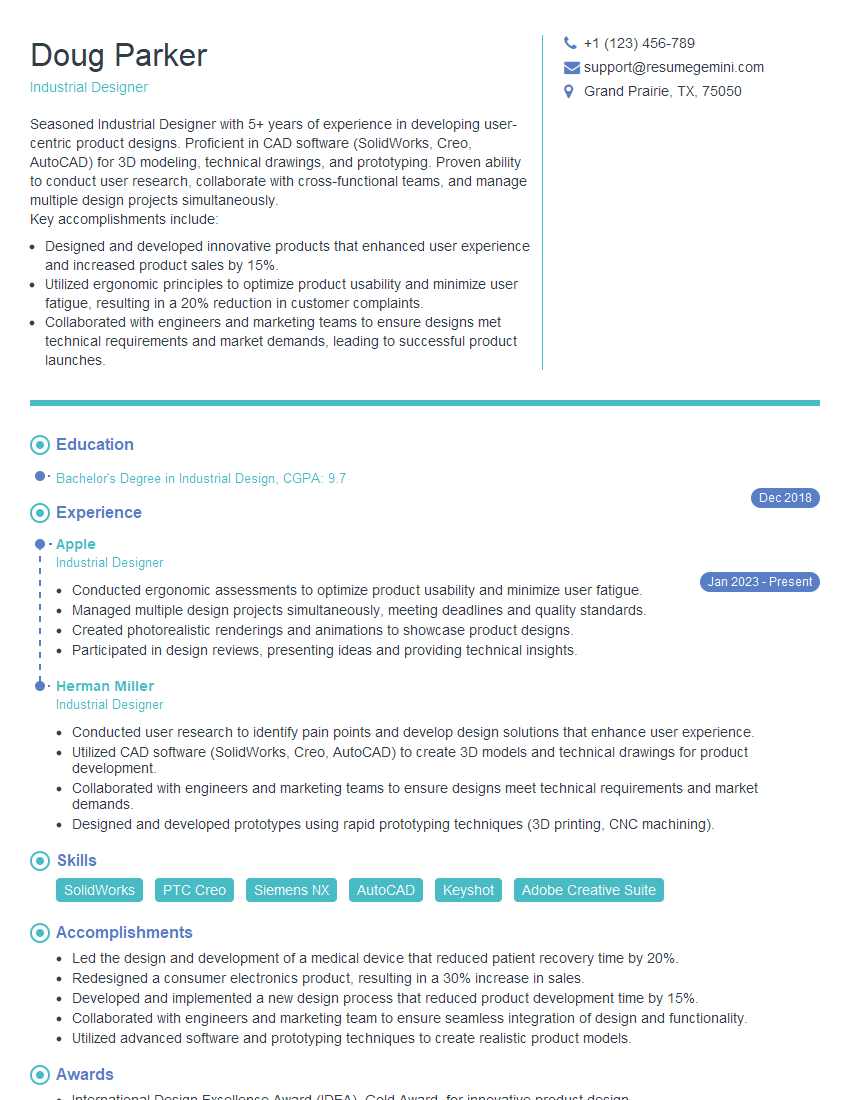
Industrial Designer Resume Sample
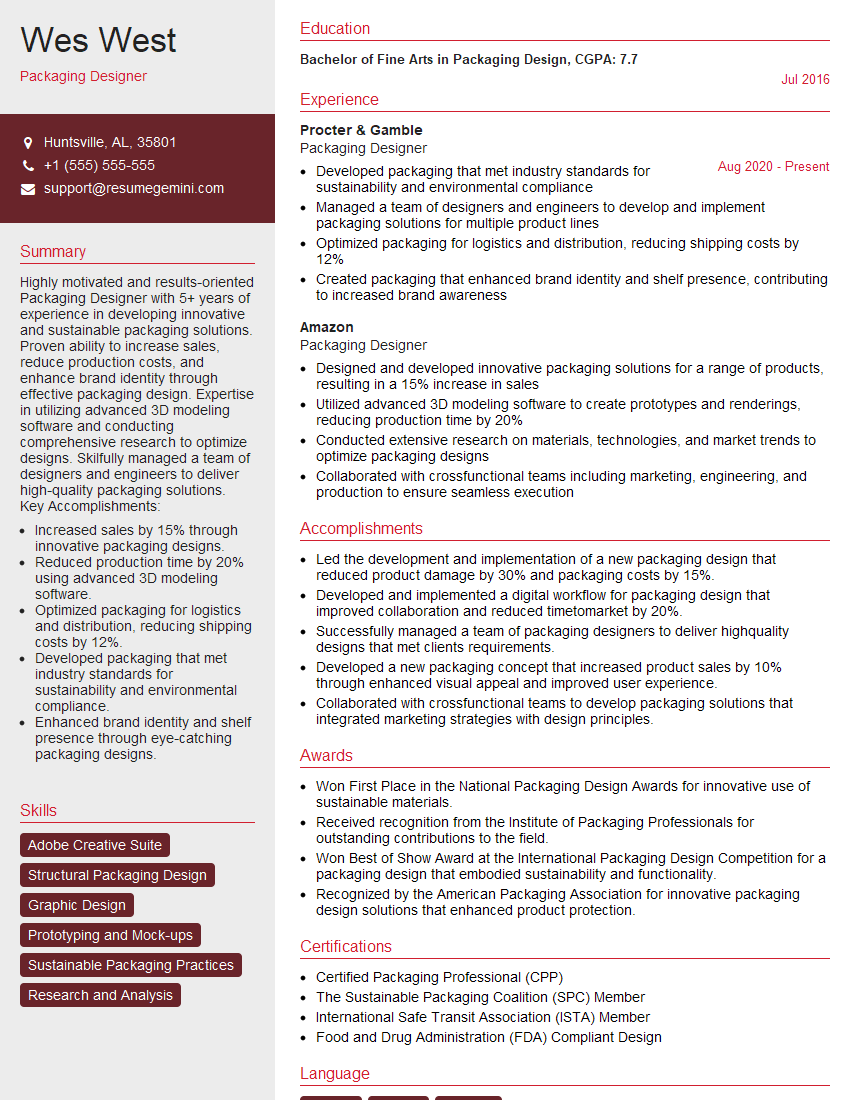
Packaging Designer Resume Sample

Technical Writer Resume Sample
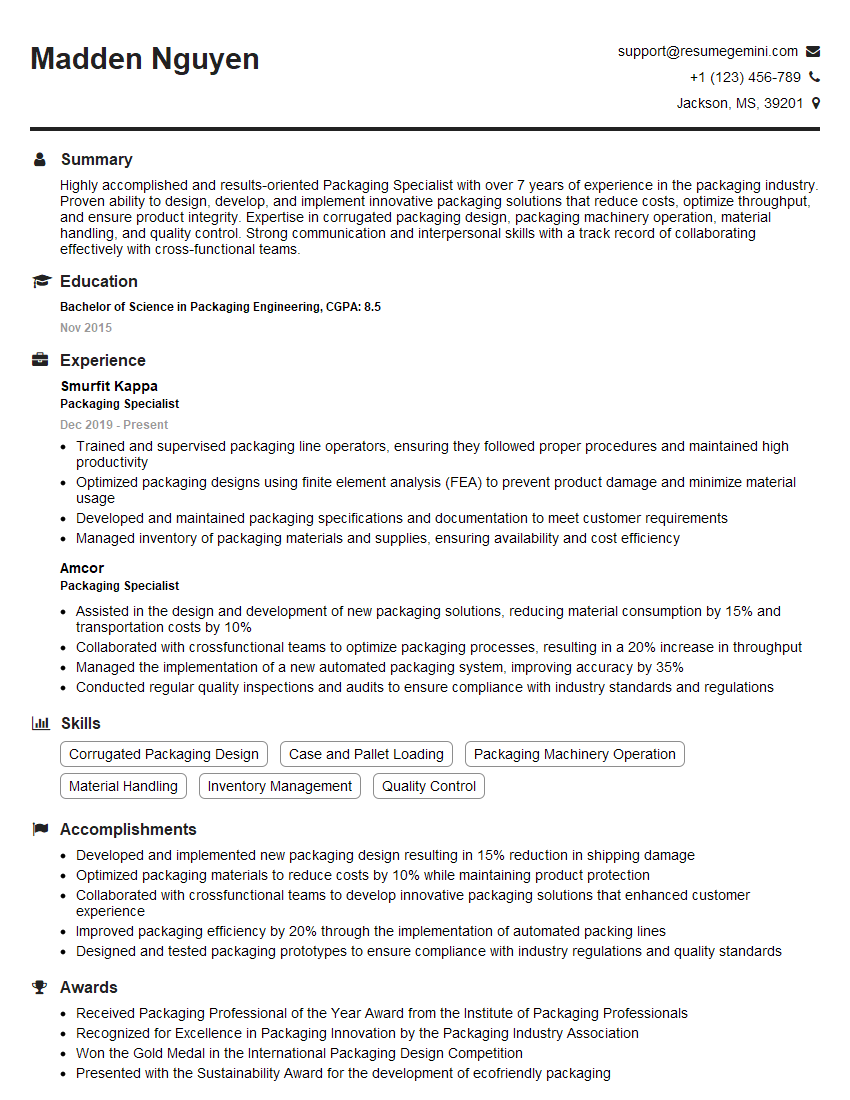
Packaging Specialist Resume Sample
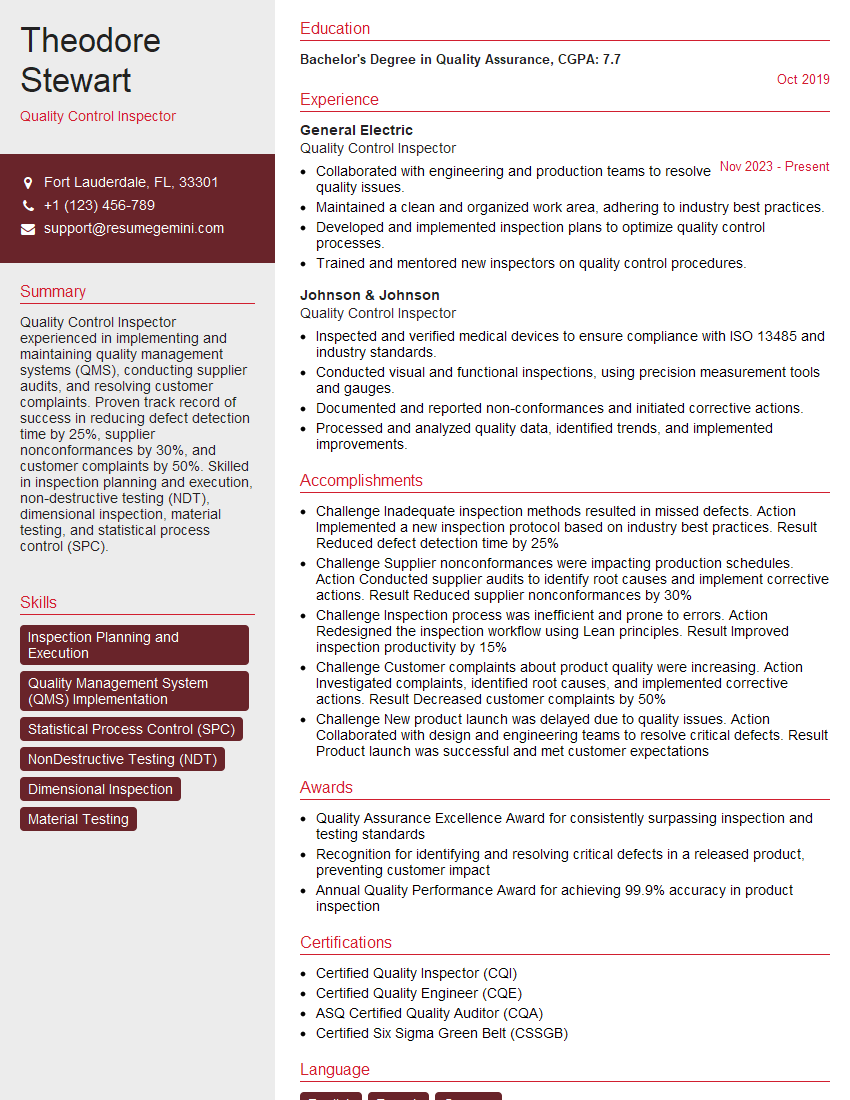
Quality Control Inspector Resume Sample
- Operations Manager
- Print Production Manager
- Production Manager
- Sales Representative
- Customer Service Representative
- Quality Assurance Manager
- Supply Chain Manager
- Logistics Coordinator
- Project Manager
- Regulatory Compliance Officer
- Procurement Specialist
- Print Buyer
- Sustainability Specialist
- Process Engineer
- Research and Development Engineer
- Manufacturing Engineer
- Packaging Engineer
- Materials Scientist
- Graphic Designer
- Industrial Designer
- Packaging Designer
- Technical Writer
- Packaging Specialist
- Quality Control Inspector
Explore more articles
Users Rating of Our Blogs
Share Your Experience
We value your feedback! Please rate our content and share your thoughts (optional).
What Readers Say About Our Blog
Very informative content, great job.
good