Unlock your full potential by mastering the most common Social Media and Online Presence for Cat Breeders interview questions. This blog offers a deep dive into the critical topics, ensuring you’re not only prepared to answer but to excel. With these insights, you’ll approach your interview with clarity and confidence.
Questions Asked in Social Media and Online Presence for Cat Breeders Interview
Q 1. Describe your experience managing social media accounts for a business.
My experience managing social media for businesses spans over seven years, encompassing diverse industries, including pet care and animal breeding. I’ve worked with both small, independent breeders and larger, established kennels. My approach is always data-driven, focusing on strategic content creation, community engagement, and performance analysis. I’ve successfully managed campaigns that have increased brand awareness, generated leads, and ultimately driven sales through targeted social media strategies. For example, I helped a small dog breeder increase their puppy reservations by 30% in six months by implementing a consistent content calendar focused on showcasing the puppies’ personalities and the breeder’s commitment to ethical breeding practices.
- Campaign Development and Execution: From initial strategy design to content scheduling and performance monitoring, I oversee all aspects of social media management.
- Community Building: I foster engagement by responding to comments, running contests, and initiating interactive conversations.
- Performance Reporting and Optimization: I regularly analyze campaign performance and use the data to refine strategies for greater impact.
Q 2. How familiar are you with Instagram, Facebook, and YouTube marketing strategies?
I’m highly proficient in utilizing Instagram, Facebook, and YouTube for marketing purposes. My understanding extends beyond basic posting; I’m skilled in developing tailored strategies for each platform, understanding their unique algorithms and audience demographics. I know how to leverage Instagram’s visual appeal through high-quality photography and video, Facebook’s targeted advertising options, and YouTube’s potential for engaging long-form content like breeder profiles or kitten care guides.
- Instagram: Focus on visually stunning photos and videos showcasing kittens’ personalities and breed characteristics. Utilize relevant hashtags and Instagram Stories for behind-the-scenes glimpses.
- Facebook: Target specific demographics (e.g., cat lovers, potential buyers) with paid advertisements. Create engaging posts and build a community through discussions and Q&A sessions.
- YouTube: Produce high-quality videos showcasing kittens’ playfulness or highlighting the breeding process. Use YouTube analytics to monitor performance and tailor future content.
Q 3. What metrics do you use to measure the success of a social media campaign?
Measuring the success of a social media campaign involves a multifaceted approach. I don’t rely on vanity metrics alone (like just likes and followers). Instead, I focus on key performance indicators (KPIs) that directly reflect the campaign’s objectives.
- Website Traffic: Tracking clicks from social media posts to the breeder’s website is crucial for measuring lead generation.
- Engagement Rate: This metric (likes, comments, shares) shows how well the content resonates with the audience.
- Conversion Rate: This indicates the percentage of users who take a desired action (e.g., contacting the breeder, making a purchase).
- Brand Mentions and Sentiment Analysis: Monitoring brand mentions across social media helps gauge brand awareness and overall sentiment toward the business.
- Reach and Impressions: How many unique users saw the content and how many times was the content displayed?
For example, if the goal is to increase inquiries about available kittens, the primary KPIs would be website traffic from social media and the number of direct messages received.
Q 4. Explain your understanding of SEO and its importance for cat breeders.
Search Engine Optimization (SEO) is crucial for cat breeders because it improves their online visibility. When potential buyers search online for a specific cat breed, SEO ensures the breeder’s website appears high in search results. This increases the likelihood of attracting prospective clients.
- Keyword Research: Identifying relevant keywords like ‘ragdoll kittens for sale,’ ‘Bengal cat breeder near me’ is vital. This helps the breeder optimize their website content to match what potential customers are searching for.
- On-Page Optimization: This involves optimizing website elements like title tags, meta descriptions, and image alt text with relevant keywords. It also includes ensuring the website is mobile-friendly and loads quickly.
- Off-Page Optimization: Building high-quality backlinks from reputable websites (e.g., pet-related blogs, cat enthusiast forums) helps improve the website’s authority and ranking in search results.
Think of SEO like a roadmap guiding potential customers to your website. The clearer the map, the easier it is for people to find you.
Q 5. How would you create a social media strategy for a specific cat breed?
Creating a social media strategy for a specific cat breed requires a deep understanding of the breed’s characteristics, target audience, and competitive landscape.
- Audience Research: Identify the ideal customer profile for that breed. For example, a Maine Coon breeder’s audience might differ from a Siamese breeder’s.
- Content Pillars: Define three to five key themes that will guide content creation. Examples: Breed history and standards, kitten care tips, showcasing kittens’ personalities, testimonials from previous owners, behind-the-scenes look at the cattery.
- Platform Selection: Choose the platforms most relevant to the target audience. Instagram might be ideal for visually appealing breed showcasing, while Facebook is good for community engagement and targeted ads.
- Content Calendar: Create a schedule for posting various content formats (images, videos, stories, etc.) to maintain a consistent online presence.
- Engagement Strategy: Plan how to interact with followers. Respond to comments, run contests, and encourage discussions.
- Analytics and Optimization: Continuously track key performance indicators (KPIs) to measure success and refine the strategy over time.
For example, a strategy for a Sphynx cat breeder might emphasize the breed’s unique appearance and hypoallergenic nature in visual content, while a strategy for a Persian cat breeder might highlight their calm temperament and luxurious coats.
Q 6. What content formats are most effective for engaging cat lovers online?
Engaging cat lovers online requires a mix of content formats that cater to different preferences and consumption habits.
- High-Quality Photos and Videos: Showcase adorable kittens in playful settings, highlighting their unique features and personalities.
- Behind-the-Scenes Content: Provide glimpses into the cattery, showing how kittens are cared for and raised.
- Educational Content: Offer tips on cat care, breed-specific information, or insights into responsible breeding practices.
- User-Generated Content: Encourage owners of your cats to share photos and videos of their pets.
- Live Videos: Host live Q&A sessions or kitten playtime sessions to increase engagement in real-time.
- Infographics and Stories: Use visually appealing formats to present interesting facts or tips.
- Time-lapses: Show kitten growth over time.
Variety keeps the content fresh and appealing to a broad audience. Think about what would make *you* want to follow a cat breeder’s page – that’s what you should aim to create.
Q 7. How would you handle negative comments or reviews on social media?
Handling negative comments or reviews requires a professional and empathetic approach. The goal is not to erase criticism but to address concerns constructively and show the community that you value their feedback.
- Respond Promptly: Acknowledge the comment or review publicly and thank the user for their feedback.
- Empathize and Validate: Show understanding for their concerns, even if you don’t agree with everything they said. Example: “I understand your frustration, and I’m sorry to hear about your experience.”
- Address the Issue: If the complaint is valid, offer a sincere apology and explain the steps being taken to address the issue. If the complaint is unfounded or inaccurate, provide a polite but factual response. Avoid getting defensive or argumentative.
- Take the Conversation Offline (If Necessary): If the situation requires a more private discussion, offer to contact the user directly to resolve the issue.
- Learn and Improve: Use negative feedback as an opportunity to improve your practices and prevent similar issues in the future.
Remember, even negative feedback can be a valuable learning opportunity. Handling it professionally can showcase your commitment to customer satisfaction and strengthen your reputation.
Q 8. Describe your experience with paid social media advertising.
Paid social media advertising is crucial for reaching a wider audience than organic efforts alone can achieve. My experience encompasses campaign management across platforms like Facebook, Instagram, and even TikTok, focusing on targeted advertising to reach potential kitten buyers and cat enthusiasts. I’ve worked with various budget levels, from small-scale campaigns focusing on local reach to larger campaigns aiming for national visibility. I’m proficient in A/B testing different ad creatives, targeting parameters (demographics, interests, behaviors), and bidding strategies to optimize campaign performance and return on investment (ROI). For example, I successfully ran a Facebook campaign for a cattery showcasing their champion bloodline kittens, using high-quality images and videos. By carefully targeting cat lovers within a specific geographic radius interested in specific breeds, we achieved a significantly higher click-through rate and a substantial increase in leads compared to untargeted campaigns.
I also have experience with retargeting campaigns, which allow us to re-engage users who have previously interacted with the cattery’s website or social media pages. This technique is especially effective in nurturing leads and reminding potential buyers about available kittens. My approach always involves detailed performance monitoring and regular adjustments based on data analysis to ensure optimal campaign results.
Q 9. How do you ensure your social media content is consistent with brand messaging?
Maintaining brand consistency across all social media platforms is paramount for building a recognizable and trustworthy brand. I achieve this through a carefully crafted brand style guide. This document outlines the cattery’s voice, tone, visual identity (logo usage, color palettes, fonts), and messaging guidelines. Every piece of content, from posts and captions to stories and ads, is reviewed against this style guide to ensure uniformity.
For example, if a cattery emphasizes its commitment to ethical breeding practices and the well-being of its cats, this message should be woven consistently into all social media content. This might involve showcasing pictures of happy, healthy kittens in enriching environments, highlighting the cattery’s breeding standards, and sharing educational content about responsible cat ownership. Inconsistent messaging can confuse potential clients and damage the brand’s credibility.
Furthermore, I use scheduling tools to plan content in advance, ensuring a steady stream of engaging posts that align with the overall brand narrative. This prevents sporadic posting and maintains a professional image.
Q 10. What strategies would you use to build a strong online community for a cattery?
Building a strong online community for a cattery involves engaging with potential clients and cat lovers on a personal level. This is accomplished through a multi-faceted approach:
- Interactive Content: Regularly posting engaging content such as kitten videos, behind-the-scenes glimpses of the cattery, and polls/quizzes about cat-related topics encourages interaction and fosters a sense of community.
- Live Q&A Sessions: Hosting live sessions on platforms like Instagram or Facebook allows potential clients to ask questions directly, building trust and transparency.
- User-Generated Content: Encouraging clients to share pictures and videos of their kittens from the cattery strengthens the brand’s reputation and generates authentic content.
- Community Challenges: Organizing contests or challenges related to cats and the cattery’s brand further engages users and builds a loyal following.
- Active Engagement: Responding promptly to comments and messages on all posts and maintaining a friendly and approachable online presence is critical.
By creating a space where cat lovers feel welcome and valued, a strong and loyal online community naturally develops, leading to increased brand awareness and customer loyalty.
Q 11. Explain your experience with email marketing and its integration with social media.
Email marketing, when integrated effectively with social media, can significantly boost lead generation and customer engagement. I utilize email marketing to nurture leads generated through social media campaigns. For example, someone who interacts with a Facebook ad might receive a follow-up email providing more information about available kittens or upcoming events at the cattery. This targeted approach is significantly more effective than generic email blasts.
I also use email to share exclusive content and offers that are not available elsewhere, incentivizing social media followers to subscribe to the email list. Social media posts can then be used to promote the sign-up, emphasizing the exclusive benefits of subscribing. This integrated approach works well because it creates a seamless and complementary relationship between the two channels. A simple call to action in social media posts, such as “Sign up for our newsletter to receive exclusive kitten updates!” with a direct link to the signup form, creates a streamlined conversion path.
Furthermore, email marketing can be used to announce important updates, special promotions, and events, effectively reinforcing the brand’s message and keeping subscribers actively engaged.
Q 12. How do you identify and track key performance indicators (KPIs) for social media?
Tracking Key Performance Indicators (KPIs) is essential for measuring the success of social media strategies. The specific KPIs depend on the overall goals, but generally include:
- Reach: The number of unique users who see your content.
- Engagement: Likes, comments, shares, saves, and other interactions with your posts.
- Website Traffic: The number of visitors directed to the cattery’s website from social media.
- Lead Generation: The number of inquiries or contact forms submitted through social media.
- Conversion Rate: The percentage of leads who become customers.
- Return on Investment (ROI): The net profit generated from social media campaigns.
I use platform-specific analytics (e.g., Facebook Insights, Instagram Insights) and website analytics tools like Google Analytics to track these KPIs. Regularly reviewing and analyzing this data is vital for making informed decisions about adjusting the social media strategy to maximize effectiveness.
Q 13. Describe a time you had to adapt a social media strategy due to unexpected circumstances.
During a recent campaign for a cattery, an unexpected outbreak of a minor feline illness occurred. This presented a challenge, as promoting kittens while addressing potential concerns about their health required a sensitive and transparent approach. Instead of halting the campaign altogether, we adapted the strategy. We proactively addressed the issue in our social media posts, emphasizing the cattery’s swift response, rigorous health protocols, and the kittens’ full recovery. We shared updates on their health, providing transparency and reinforcing the cattery’s commitment to animal welfare. This honest and open communication built trust and prevented potential negative impacts on the brand’s reputation. In fact, many clients commended the cattery for its transparency and responsible approach, demonstrating that honesty and proactive communication can positively impact brand perception even during unforeseen challenges.
Q 14. How familiar are you with website analytics tools (e.g., Google Analytics)?
I am highly familiar with website analytics tools, particularly Google Analytics. I use Google Analytics to track website traffic originating from social media campaigns. This helps me understand which social media platforms are driving the most valuable traffic to the cattery’s website, and which content or campaigns are generating the highest conversion rates. I can also use Google Analytics to analyze user behavior on the website once they arrive, providing valuable insights into how users navigate the site and what information they find most useful. This data-driven approach allows for continuous optimization of both the social media strategy and the website itself, ensuring a seamless user experience and maximizing the effectiveness of online marketing efforts.
Beyond Google Analytics, I have experience with other analytics tools depending on the specific client’s needs and website platform.
Q 15. What are your preferred social listening tools and how do you utilize them?
Social listening is crucial for understanding public perception of your cattery and the broader cat breeding community. My preferred tools include Brand24, Talkwalker, and Hootsuite Insights. These platforms allow for keyword tracking, sentiment analysis, and competitor monitoring.
For example, I might track keywords like “[Cattery Name] kittens,” “[Breed] cat breeders,” and even competitor cattery names. Brand24’s sentiment analysis helps gauge whether public opinion is positive, negative, or neutral. This allows for proactive crisis management. Hootsuite Insights provides a broader overview, comparing our performance to competitors and identifying trending topics in the cat breeding world. By analyzing this data, we can adjust our social media strategy to address concerns, capitalize on opportunities, and improve overall brand reputation.
Career Expert Tips:
- Ace those interviews! Prepare effectively by reviewing the Top 50 Most Common Interview Questions on ResumeGemini.
- Navigate your job search with confidence! Explore a wide range of Career Tips on ResumeGemini. Learn about common challenges and recommendations to overcome them.
- Craft the perfect resume! Master the Art of Resume Writing with ResumeGemini’s guide. Showcase your unique qualifications and achievements effectively.
- Don’t miss out on holiday savings! Build your dream resume with ResumeGemini’s ATS optimized templates.
Q 16. How would you measure the ROI of a social media campaign for a cattery?
Measuring ROI for a social media campaign requires a multi-faceted approach. We can’t solely rely on ‘likes’ and ‘shares.’ Instead, we need to define specific, measurable, achievable, relevant, and time-bound (SMART) goals.
For example, a goal might be ‘Generate 10 qualified leads (individuals expressing serious interest in purchasing a kitten) within three months.’ We track this by monitoring website traffic from social media links, noting inquiries through direct messages, and analyzing sales data linked to specific social media campaigns. We could also measure increased brand awareness by tracking hashtag usage and mentions.
Calculating ROI involves comparing the cost of the campaign (advertising spend, time investment, etc.) against the revenue generated from leads acquired through the campaign. A simple formula could be: (Revenue generated - Campaign cost) / Campaign cost = ROI. A positive ROI indicates a successful campaign.
Q 17. What are your thoughts on influencer marketing for cat breeders?
Influencer marketing can be effective, but it needs a strategic approach for cat breeders. The key is to find influencers who genuinely love cats and align with your cattery’s values. Micro-influencers (those with smaller but highly engaged followings) often offer a better ROI than macro-influencers because they foster a stronger sense of community and trust.
Instead of focusing solely on sales, consider collaborations that showcase the cats’ personalities and the cattery’s breeding practices. For example, a partnership with an animal welfare influencer could highlight responsible breeding practices. Always ensure transparency; clearly disclose any sponsored content to maintain ethical standards and build consumer trust.
Q 18. How can you use social media to generate leads and sales for a cattery?
Social media is a powerful lead generation tool for catteries. High-quality photos and videos of kittens are essential. Run targeted Facebook and Instagram ads to reach individuals interested in specific breeds or cat-related topics. Use engaging captions and calls-to-action (CTAs) like “Learn More” or “Contact Us.”
Consider running contests or giveaways to increase engagement and brand awareness. Utilize Instagram Stories and Reels to showcase the kittens’ personalities and daily life at the cattery. A well-designed website with clear contact information should always be linked in your social media profiles to seamlessly guide potential clients through the purchasing process. Building a strong email list through social media promotions can also nurture leads over time.
Q 19. How would you handle a crisis on social media related to a cat’s health?
A social media crisis regarding a cat’s health requires immediate and transparent action. First, remove any inflammatory posts if necessary. Then, issue a public statement acknowledging the situation. Be empathetic, honest, and provide updates on the cat’s condition without sharing overly personal details, respecting the cat’s and the owner’s privacy.
If a mistake was made, take responsibility and explain the steps taken to rectify the situation. Engage with concerned individuals respectfully and address their questions promptly. A proactive and transparent response demonstrates responsibility and helps mitigate damage to your cattery’s reputation. It’s helpful to have a pre-prepared crisis communication plan in place to ensure a timely and effective response.
Q 20. What are some ethical considerations in marketing purebred cats online?
Ethical considerations are paramount. Avoid misleading claims about the health or temperament of kittens. Don’t use manipulative marketing tactics. Be transparent about potential health issues associated with the breed. Never misrepresent the cat’s lineage or exaggerate its qualities.
Showcase the cats in a respectful manner and avoid portraying them in a way that could be harmful or exploitative. Always prioritize the well-being of the cats. Consider showcasing your commitment to ethical breeding practices and responsible pet ownership through your social media content. This builds trust and strengthens your brand’s positive reputation.
Q 21. How do you ensure compliance with advertising regulations on social media platforms?
Compliance with advertising regulations is essential. Always disclose any sponsored content or paid partnerships. Ensure your advertising complies with the terms and conditions of each social media platform. Avoid making false or misleading claims about your cats or your cattery.
Familiarize yourself with advertising standards authorities in your region. For example, in the US, the Federal Trade Commission (FTC) sets guidelines for advertising. Regularly review your content to ensure ongoing compliance. If uncertain about specific practices, seek legal advice to ensure adherence to all applicable regulations. This is critical to protect your cattery’s reputation and avoid potential legal repercussions.
Q 22. What is your experience with creating engaging video content for cats?
Creating engaging video content for cats requires understanding what captivates their audience – potential cat owners and cat lovers. It’s not just about cute kittens; it’s about showcasing personality, breed characteristics, and the cattery’s commitment to feline well-being.
- Short, high-quality videos: Think captivating snippets of kittens playing, interacting with humans, or exploring their environment. Keep videos under 60 seconds for optimal engagement on most platforms.
- Behind-the-scenes content: Offer a glimpse into the cattery’s daily life – feeding time, playtime, cleaning routines. This builds trust and transparency.
- Highlighting breed specifics: If you breed Persians, showcase their luxurious coats. For Bengals, highlight their playful energy. Tailor content to the breed’s unique traits.
- Using trending audio: Incorporate popular sounds or music to increase discoverability. Check trending audio on platforms like TikTok and Instagram Reels.
- Professional editing: Even simple videos benefit from good editing – clear visuals, appropriate music, and concise storytelling.
For example, a video showing a kitten playfully batting at a toy, set to upbeat music, with text overlay mentioning the kitten’s name and breed, is far more engaging than a static image.
Q 23. How do you use social media to build trust and credibility for a cattery?
Building trust and credibility on social media for a cattery requires a multi-faceted approach. It’s about showing, not just telling, potential clients about your commitment to ethical breeding practices and the well-being of your cats.
- High-quality photos and videos: Showcase healthy, happy cats in clean, well-maintained environments.
- Transparency about breeding practices: Explain your health testing protocols, breeding goals, and commitment to ethical breeding. This builds confidence.
- Client testimonials: Feature positive reviews and testimonials from previous buyers. This social proof is invaluable.
- Engage with your audience: Respond promptly to comments and messages, and foster a sense of community among cat lovers.
- Showcase your facilities: Offer virtual tours of your cattery (if appropriate), allowing potential clients to see the environment firsthand.
- Run contests or giveaways: This can increase engagement and attract new followers.
For instance, showcasing a video of your cattery’s spotless facilities alongside testimonials from happy cat owners creates a strong sense of trust and professionalism.
Q 24. Explain your experience using social media scheduling tools.
I have extensive experience using various social media scheduling tools, including Buffer, Hootsuite, and Later. These tools are essential for maintaining a consistent social media presence without needing to post manually throughout the day.
- Scheduling posts: I use these tools to schedule posts in advance, ensuring a consistent flow of content across different platforms.
- Analytics tracking: Many scheduling tools provide analytics, allowing me to monitor post performance and optimize content strategy accordingly.
- Team collaboration: Some tools facilitate collaboration, allowing multiple users to access and manage the social media calendar.
- Cross-posting: I leverage features to repurpose content across multiple platforms, saving time and effort.
For example, I might use Buffer to schedule a series of Instagram posts promoting upcoming kittens, while simultaneously using Hootsuite to manage responses and track engagement metrics across multiple platforms.
Q 25. How would you create a content calendar for a cat breeder’s social media accounts?
Creating a content calendar for a cat breeder requires a strategic approach focusing on consistent posting, diverse content types, and audience engagement.
- Identify your target audience: Understanding their interests and preferences is crucial for tailoring content.
- Content pillars: Establish key themes like kitten updates, breed information, cattery life, and client testimonials.
- Content mix: Include a variety of formats: photos, videos, stories, reels, and carousels.
- Posting schedule: Determine the optimal posting frequency based on platform algorithms and audience engagement.
- Promotional content: Include posts promoting available kittens or upcoming events.
- Engagement opportunities: Plan interactive content like polls, Q&A sessions, and contests.
A sample week might include: Monday – Kitten playtime video, Tuesday – Breed information infographic, Wednesday – Behind-the-scenes photo, Thursday – Client testimonial, Friday – Q&A session, Saturday – Weekend photo of happy cats, Sunday – Promotional post for available kittens.
Q 26. How do you stay up-to-date on the latest social media trends and best practices?
Staying current with social media trends and best practices is crucial for success. I actively utilize several methods to remain informed.
- Following industry influencers: I follow leading social media marketing experts and cat breeders to stay abreast of best practices and emerging trends.
- Utilizing social media analytics: Regularly analyzing platform-specific analytics helps me identify what resonates with my target audience.
- Attending webinars and conferences: Industry events offer valuable insights into the latest strategies and technologies.
- Reading industry publications: Staying updated through relevant blogs, articles, and reports keeps me well-informed.
- Experimenting with new features: Trying out new features on different platforms helps me understand their effectiveness firsthand.
For example, I recently learned about the effectiveness of using short-form video on TikTok for reaching a wider audience, and I’ve incorporated that into my strategy. I also regularly monitor changes in Instagram’s algorithm to optimize my posting schedule.
Q 27. Describe your understanding of different social media platforms’ algorithms.
Understanding social media algorithms is critical for effective content strategy. Each platform uses different algorithms to determine which content is shown to users.
- Instagram: Prioritizes engagement (likes, comments, shares) and relevance to user interests. High-quality visuals and engaging captions are crucial.
- Facebook: Similar to Instagram, but also considers factors like post frequency and page interactions.
- TikTok: Emphasizes video views, completion rates, and user interaction (likes, comments, shares). Trending sounds and hashtags are highly impactful.
- Twitter: Prioritizes recency and relevance to user interests. Using relevant hashtags and engaging in conversations are key.
Therefore, content strategy must be tailored to each platform’s unique algorithm. A successful Instagram post might not perform well on TikTok, and vice-versa. This requires a nuanced approach to content creation and scheduling.
Q 28. What are your salary expectations for this role?
My salary expectations for this role are in the range of [Insert Salary Range] annually. This is based on my extensive experience in social media management, specifically within the pet industry, coupled with my proven ability to generate engagement, build brand awareness, and drive business results. My compensation expectations also reflect the specific demands and responsibilities of this role, taking into account factors such as the size of the cattery and the scope of the social media management required.
Key Topics to Learn for Social Media and Online Presence for Cat Breeders Interview
- Building a Brand Identity: Defining a unique brand voice and aesthetic for a cattery, aligning with target audience preferences (e.g., luxury, family-oriented, show cats).
- Platform Selection & Strategy: Choosing the most effective social media platforms (Instagram, Facebook, TikTok) and developing a content calendar to maintain consistent engagement.
- Content Creation & Curation: Producing high-quality photos and videos showcasing kittens, cats, and cattery life; curating user-generated content to foster community.
- Community Management: Engaging with followers, responding to comments and messages promptly and professionally, handling negative feedback constructively.
- Advertising & Paid Promotion: Understanding the use of targeted advertising on social media to reach potential clients and increase brand awareness.
- Website Optimization: Creating an informative and visually appealing website with clear calls to action (e.g., contact form, adoption application). Understanding SEO principles for improved search engine ranking.
- Analytics & Reporting: Tracking key metrics (engagement, reach, website traffic) to measure campaign effectiveness and inform future strategies.
- Crisis Communication: Developing a plan to address negative online reviews or unexpected events that could damage the cattery’s reputation.
- Legal & Ethical Considerations: Understanding relevant regulations regarding animal welfare, advertising, and data privacy.
- Competitor Analysis: Researching competitors’ online presence to identify best practices and opportunities for differentiation.
Next Steps
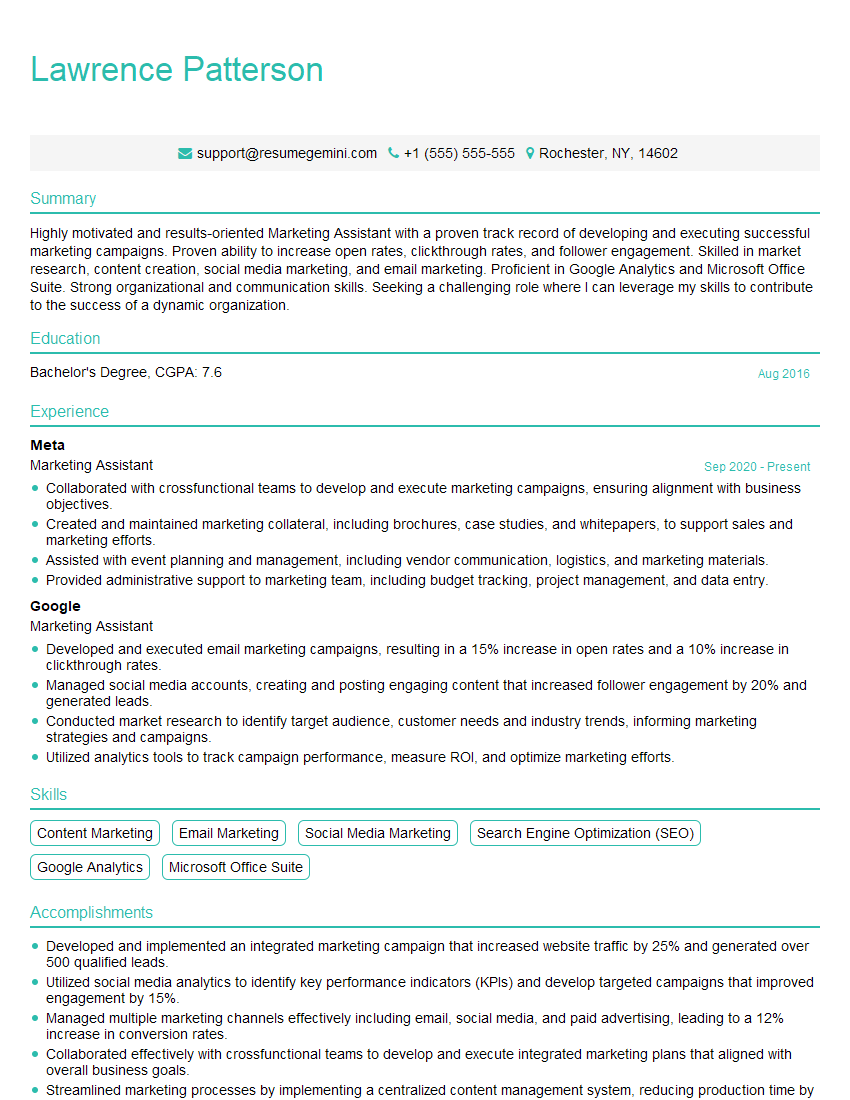
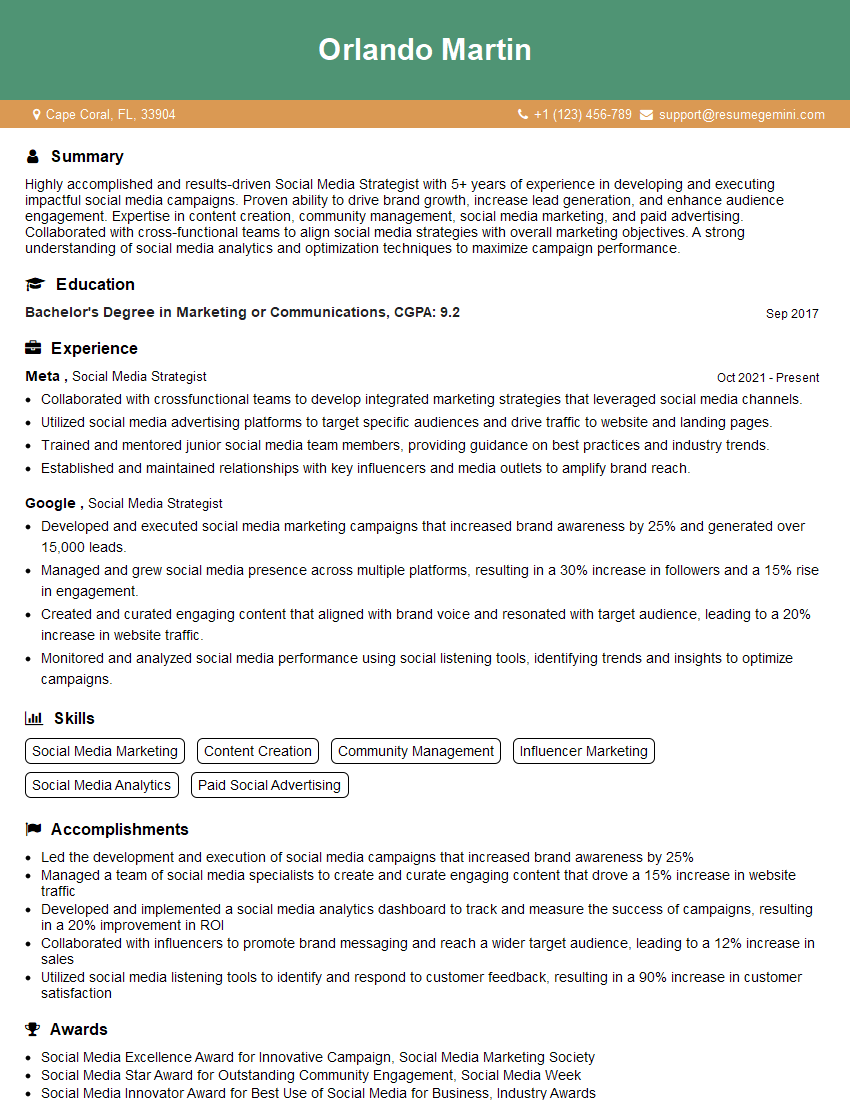
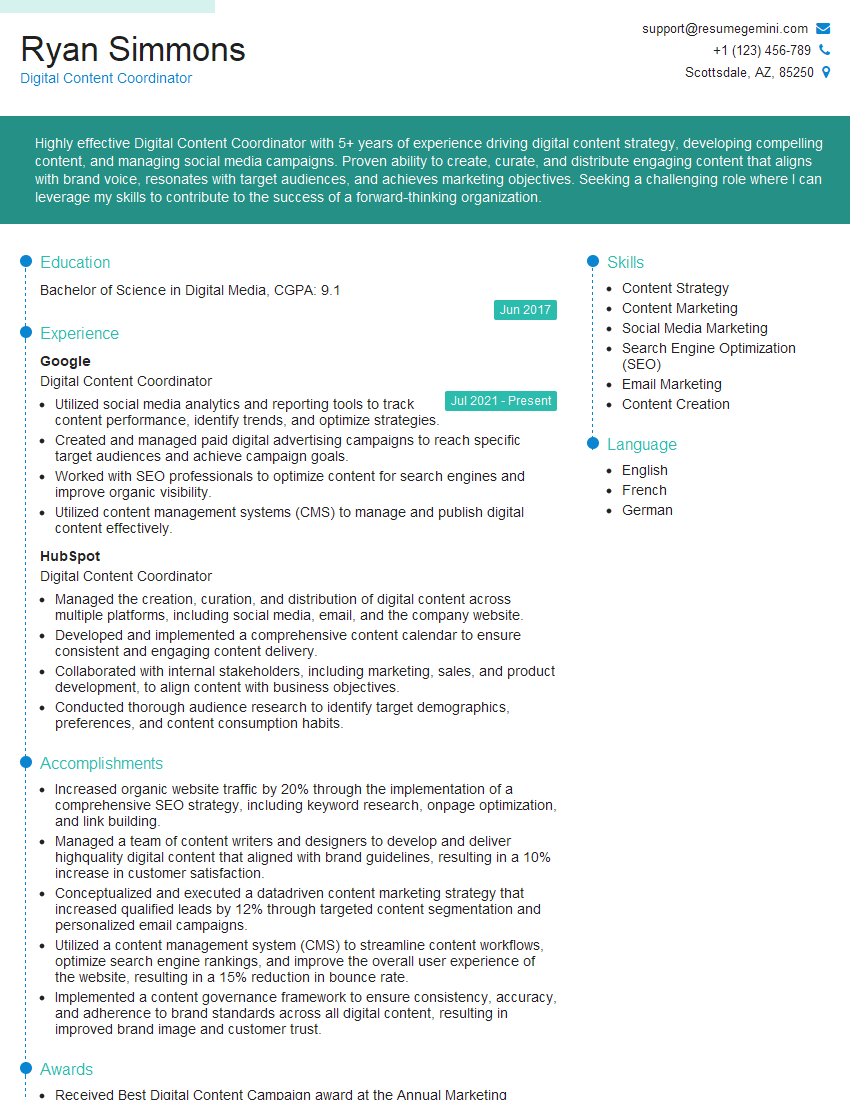
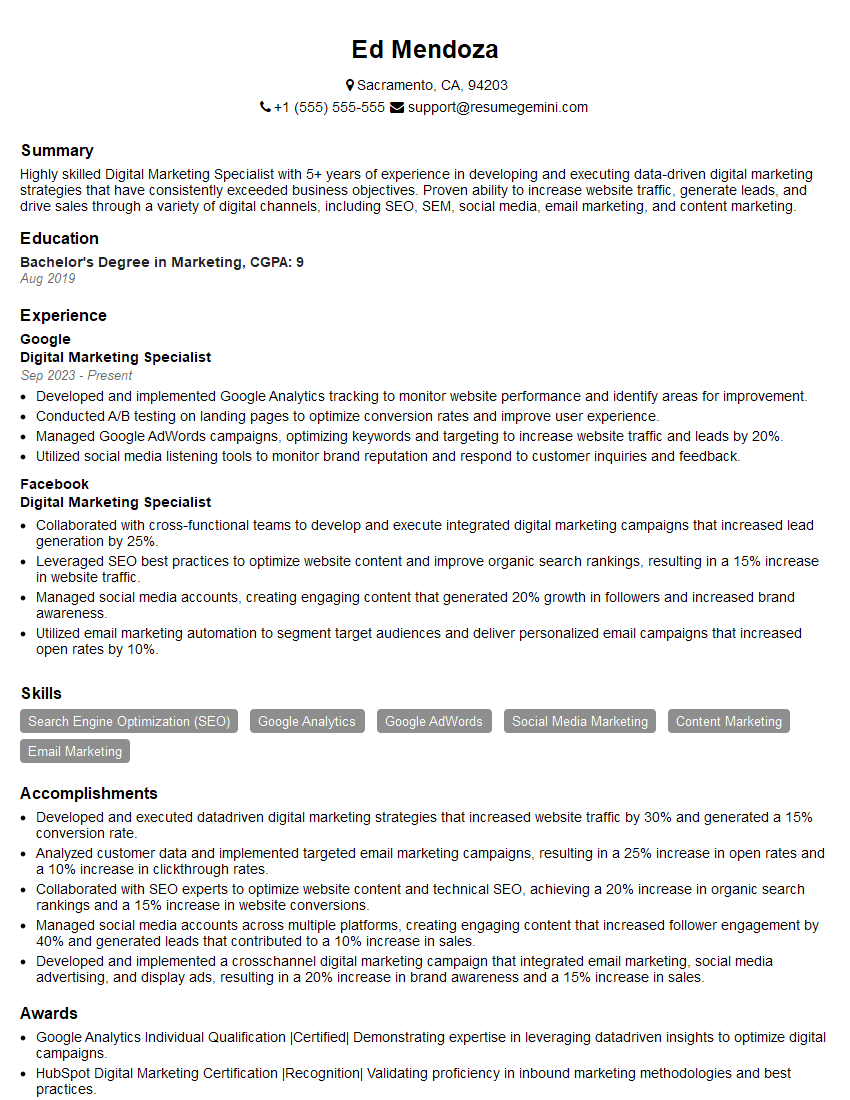
Mastering social media and online presence is crucial for any cat breeder seeking career growth. A strong online reputation translates directly to increased client acquisition, higher kitten sales, and a stronger brand. To maximize your job prospects, it’s essential to create an ATS-friendly resume that showcases your skills and experience effectively. ResumeGemini is a trusted resource that can help you build a professional and impactful resume, highlighting your expertise in this specific field. Examples of resumes tailored to Social Media and Online Presence for Cat Breeders are available to further aid your preparation.

Explore more articles
Users Rating of Our Blogs
Share Your Experience
We value your feedback! Please rate our content and share your thoughts (optional).
What Readers Say About Our Blog
Very informative content, great job.
good