Interviews are more than just a Q&A session—they’re a chance to prove your worth. This blog dives into essential Soil Management and Plant Nutrition interview questions and expert tips to help you align your answers with what hiring managers are looking for. Start preparing to shine!
Questions Asked in Soil Management and Plant Nutrition Interview
Q 1. Explain the importance of soil texture and structure in plant growth.
Soil texture and structure are fundamental to plant growth. Texture refers to the proportions of sand, silt, and clay particles in the soil, determining its water-holding capacity, drainage, and aeration. Structure refers to how these particles are arranged into aggregates, affecting root penetration, water infiltration, and overall soil health.
Imagine a sponge: A soil with good structure (like a well-structured sponge) has plenty of pores allowing for easy water infiltration and air circulation. Roots can easily penetrate and access nutrients. Conversely, a soil lacking structure (a compacted sponge) restricts water movement, restricts root growth, and limits nutrient availability, ultimately affecting plant growth and yield.
- Sandy soils drain quickly, offering good aeration but poor water retention. Plants grown in sandy soils might need more frequent watering.
- Clay soils retain water well but can become compacted, leading to poor drainage and aeration. Roots struggle to penetrate, and plants may suffer from oxygen deficiency.
- Loam soils, a balanced mix of sand, silt, and clay, generally provide optimal conditions for plant growth due to their good water retention, aeration, and drainage.
Q 2. Describe the role of macronutrients and micronutrients in plant nutrition.
Macronutrients and micronutrients are both essential for plant growth, but they differ in the amounts needed. Macronutrients are required in larger quantities, while micronutrients are needed in smaller but still vital amounts.
- Macronutrients (N, P, K, S, Ca, Mg): These are the building blocks of plant tissues. For example, Nitrogen (N) is crucial for chlorophyll production (essential for photosynthesis), Phosphorus (P) is vital for root development and energy transfer, and Potassium (K) aids in water regulation and disease resistance.
- Micronutrients (Fe, Mn, Zn, Cu, B, Mo, Cl): These nutrients play critical roles as enzyme activators or components of specific enzymes. Iron (Fe), for instance, is vital for chlorophyll formation, while Zinc (Zn) plays a critical role in plant growth hormones.
Deficiencies in either macronutrients or micronutrients can lead to stunted growth, chlorosis (yellowing of leaves), reduced yields, and increased susceptibility to diseases. A balanced nutrient supply is therefore crucial for healthy plant development.
Q 3. What are the key factors affecting soil pH and how can it be adjusted?
Soil pH, the measure of soil acidity or alkalinity, significantly impacts nutrient availability. Optimal pH ranges vary depending on the plant species, but most plants prefer a slightly acidic to neutral pH (6.0-7.0).
- Factors affecting soil pH: Parent material (the original rock from which the soil forms), rainfall (acid rain can lower pH), organic matter decomposition (can either increase or decrease pH depending on the type of organic matter), fertilization (some fertilizers can alter pH), and irrigation water (can be acidic or alkaline).
Adjusting soil pH:
- To raise pH (increase alkalinity): Apply lime (calcium carbonate). The amount depends on the initial pH and the soil’s buffering capacity.
- To lower pH (increase acidity): Apply elemental sulfur or aluminum sulfate. Again, the amount required depends on the soil’s characteristics and the desired pH change.
Regular soil testing is crucial to monitor pH levels and make appropriate adjustments to maintain optimal conditions for plant growth.
Q 4. Explain the process of nitrogen fixation in plants.
Nitrogen fixation is the process by which atmospheric nitrogen (N2), which is unusable by most plants, is converted into ammonia (NH3) or other nitrogenous compounds that plants can absorb and utilize. This conversion is primarily carried out by specialized bacteria.
Symbiotic Nitrogen Fixation: Leguminous plants (like beans, peas, and alfalfa) have a symbiotic relationship with nitrogen-fixing bacteria (Rhizobium) that live in root nodules. The bacteria convert atmospheric nitrogen into ammonia, which is then used by the plant. In return, the plant provides the bacteria with carbohydrates.
Free-living Nitrogen Fixation: Some bacteria (like Azotobacter and Cyanobacteria) can fix nitrogen independently without a plant host. These bacteria are particularly important in enhancing soil fertility.
Industrial Nitrogen Fixation: The Haber-Bosch process is an industrial method for synthesizing ammonia from atmospheric nitrogen and hydrogen. This ammonia is used to produce nitrogen-based fertilizers, which are essential for modern agriculture.
Q 5. Discuss different methods for soil sampling and analysis.
Soil sampling and analysis are critical for determining soil properties and nutrient levels. The methods employed depend on the scale (field-scale versus plot-scale) and the specific information needed.
- Composite Sampling: For large fields, several subsamples are collected from different locations and mixed to create a composite sample, representing the average soil conditions.
- Grid Sampling: A more detailed approach, using a grid pattern to collect samples, provides a more spatially precise assessment of soil variability within a field.
- Targeted Sampling: This method focuses on specific areas of interest, such as areas with visible differences in vegetation or soil conditions.
Analysis: After collection, samples are sent to a soil testing laboratory for analysis. Common tests include pH, nutrient levels (macronutrients and micronutrients), organic matter content, texture, and salinity.
Q 6. How do you interpret soil test results and recommend fertilizer application rates?
Interpreting soil test results requires expertise and understanding of plant nutrient requirements. The results provide information on the available nutrients and pH. This information is compared against the plant’s nutritional needs and crop removal estimates to determine the fertilizer requirements.
Example: Let’s say a soil test reveals low phosphorus levels. Based on the plant’s phosphorus requirement and the soil test results, a fertilizer recommendation will specify the amount of phosphorus fertilizer to apply per unit area (e.g., kg/ha or lb/acre) to meet the plant’s needs and optimize yield. The recommendation will also take into account the type of fertilizer to be used (e.g., single superphosphate or diammonium phosphate), its nutrient content, and its cost-effectiveness.
Important Considerations: Soil test results should be interpreted in conjunction with other factors like crop type, expected yield, and environmental conditions. Over-fertilization can lead to environmental pollution, while under-fertilization can limit crop production. Therefore, a balanced approach, guided by professional recommendations, is crucial.
Q 7. Describe various soil erosion control techniques.
Soil erosion is the detachment and movement of soil particles by wind or water. Effective control techniques aim to reduce the erosive forces or increase the soil’s resistance to erosion.
- Contour farming: Planting crops along the contours of slopes slows water runoff.
- Terracing: Creating level platforms on slopes reduces the slope length and water velocity.
- Strip cropping: Alternating rows of crops with different erosion resistance (e.g., a row of corn followed by a row of alfalfa) helps slow down water runoff and reduce wind erosion.
- Cover cropping: Planting crops specifically to protect the soil surface reduces erosion and improves soil health.
- No-till farming: Minimizing soil disturbance reduces soil erosion and improves soil structure.
- Windbreaks: Planting trees or shrubs to create barriers against wind reduces wind erosion.
- Conservation tillage: Practices that leave crop residue on the soil surface reduces erosion and improves soil health.
The best technique depends on the specific site conditions, climate, and cropping system. Often, a combination of methods is employed for optimal erosion control.
Q 8. Explain the concept of sustainable soil management practices.
Sustainable soil management focuses on maintaining and improving soil health over the long term, ensuring its productivity and resilience for future generations. It’s about balancing environmental, economic, and social needs. Instead of viewing soil as simply a substrate for plant growth, we recognize its vital role in the entire ecosystem.
- Reduced Tillage: Minimizing soil disturbance through no-till or reduced-till farming protects soil structure, reduces erosion, and enhances water infiltration. Imagine it like leaving a soft blanket of mulch on the ground to protect it from harsh weather.
- Crop Rotation: Rotating different crops helps maintain soil fertility, breaks pest and disease cycles, and improves soil structure. For example, a legume like clover can fix nitrogen, enriching the soil for the next crop.
- Cover Cropping: Planting crops like rye or clover to cover the soil between cash crops improves soil health, prevents erosion, and suppresses weeds. It’s like giving your soil a nutritious vitamin boost.
- Integrated Pest Management (IPM): Using a combination of biological, cultural, and chemical methods to control pests minimizes the need for harmful synthetic pesticides, preserving soil biodiversity. Think of it as working with nature to combat pests instead of fighting against it.
- Organic Matter Management: Adding organic matter, such as compost or manure, improves soil structure, water retention, and nutrient availability. It’s like adding healthy topsoil to your garden beds.
Sustainable soil management is not just about improving yields; it’s about creating resilient agricultural systems that can withstand environmental stresses and contribute to a healthier planet.
Q 9. What are the challenges of managing saline soils?
Managing saline soils presents several significant challenges due to the high salt concentration, which hinders plant growth. High salinity affects plant water uptake, causing osmotic stress and ion toxicity.
- Reduced Water Availability: Salts in the soil solution reduce the potential for water uptake by plant roots, leading to water stress even when water is present. It’s like trying to drink from a saltwater pool – you won’t get hydrated.
- Ion Toxicity: High concentrations of specific ions, such as sodium and chloride, can be toxic to plants, disrupting their metabolic processes and causing leaf burn or stunted growth.
- Soil Degradation: Salinity can lead to soil degradation, reducing soil structure, and increasing erosion. Imagine the soil becoming hard and crusty, making it difficult for plants to establish roots.
- Cost of Remediation: Reclamation of saline soils is often expensive and labor-intensive, requiring specialized techniques like leaching or the use of salt-tolerant crops.
Strategies for managing saline soils include leaching to remove excess salts, using salt-tolerant crop varieties, improving soil drainage, and employing soil amendments to increase water infiltration and cation exchange capacity. Each solution needs tailored approaches depending on the soil type and climate.
Q 10. How do you manage nutrient deficiencies in plants?
Nutrient deficiencies in plants are managed through a combination of soil testing, proper fertilization, and overall plant health management. Identifying the specific deficiency is the first crucial step.
- Soil Testing: A soil test reveals the levels of essential nutrients in the soil. This guides the type and amount of fertilizer needed. It’s like a blood test for your soil.
- Visual Symptoms: Observing the plant’s visual symptoms can also indicate nutrient deficiencies, such as yellowing leaves (chlorosis) for nitrogen deficiency or purple coloration for phosphorus deficiency. These symptoms act as indicators, like a car’s warning lights.
- Foliar Fertilization: Applying nutrients directly to the leaves is a quick way to address immediate deficiencies. It’s like a quick intravenous nutrient drip for your plant.
- Soil Amendments: Adding organic matter, like compost, improves the soil structure, increasing nutrient availability and cation exchange capacity, making it easier for plants to access nutrients.
- Balanced Fertilization: Applying fertilizers that contain a balanced mix of essential nutrients is crucial for optimal plant growth. Think of it as providing your plant with a complete and healthy diet.
For example, if a soil test reveals a significant nitrogen deficiency, applying nitrogen-rich fertilizers or using cover crops like legumes can address this problem.
Q 11. What are the benefits and drawbacks of using organic vs. synthetic fertilizers?
Both organic and synthetic fertilizers offer advantages and disadvantages in terms of soil health and plant nutrition. The choice depends on various factors, including the specific crop, soil conditions, environmental concerns, and economic considerations.
- Organic Fertilizers: These include compost, manure, and other organic materials.
- Benefits: Improve soil structure, enhance water retention, increase microbial activity, and provide slow-release nutrients. They’re like a slow-burn energy source.
- Drawbacks: Can be less concentrated in nutrients compared to synthetics, requiring larger applications. Nutrient availability can be less predictable, affected by factors like decomposition rate. Can introduce weed seeds and pathogens unless properly composted.
- Synthetic Fertilizers: These are manufactured fertilizers containing specific amounts of essential nutrients.
- Benefits: Provide a quick and readily available source of nutrients, are highly concentrated, and their application is precise. They are like a fast-acting energy drink.
- Drawbacks: Can damage soil structure with excessive use, potentially leading to nutrient runoff and water pollution. They don’t improve soil organic matter. They offer no contribution to soil biodiversity.
Many sustainable farming systems use a combination of organic and synthetic fertilizers, leveraging the benefits of each approach. For instance, using compost to enhance soil health and then supplementing with synthetic fertilizers to address specific nutrient deficiencies.
Q 12. Explain the role of mycorrhizae in plant nutrition.
Mycorrhizae are symbiotic fungi that form associations with plant roots. This mutually beneficial relationship significantly enhances plant nutrition and overall health.
- Increased Nutrient Uptake: Mycorrhizal fungi extend the reach of the plant’s root system, enabling them to access nutrients like phosphorus and micronutrients from a larger soil volume that would otherwise be inaccessible. Think of them as extending the plant’s root system.
- Improved Water Uptake: The extensive hyphal network of mycorrhizae improves water absorption, helping plants to better withstand drought conditions. This is like adding more absorbent material to a sponge.
- Enhanced Soil Structure: Mycorrhizal fungi contribute to improved soil structure, increasing aggregation and water infiltration. This is like adding glue to hold the soil particles together.
- Disease Resistance: Some mycorrhizae can enhance plant resistance to certain soilborne diseases by competing for space or resources with pathogens.
Promoting mycorrhizal fungi in agricultural systems is beneficial for sustainable crop production as it reduces the reliance on synthetic fertilizers and improves plant resilience to environmental stresses.
Q 13. Describe the impact of climate change on soil health.
Climate change poses significant threats to soil health, impacting its structure, fertility, and overall function. These changes affect everything from farming practices to overall ecosystem balance.
- Increased Erosion: More frequent and intense rainfall events can lead to increased soil erosion, reducing topsoil and diminishing soil fertility. It is like a strong windstorm destroying topsoil.
- Altered Water Availability: Changes in precipitation patterns, including more frequent droughts and floods, affect soil moisture and nutrient availability, impacting plant growth and soil microbial communities. This is like uneven watering, sometimes too much, sometimes too little.
- Changes in Soil Temperature: Increased temperatures can alter soil microbial communities and enzyme activity, affecting nutrient cycling and decomposition rates. This is like cooking or freezing your soil microbes.
- Carbon Sequestration: Soil is a crucial carbon sink. Climate change can influence soil organic carbon content, impacting its ability to store carbon and contributing to climate feedback loops.
- Increased Pest and Disease Pressure: Changing climate conditions can expand the range of pests and diseases, leading to increased crop losses and the need for increased pesticide use, negatively affecting soil health.
Addressing the impact of climate change on soil health requires proactive management strategies that promote soil resilience, such as reduced tillage, cover cropping, and improving soil organic matter. This is like strengthening your soil’s immune system.
Q 14. What are the different types of irrigation systems and their suitability?
Several irrigation systems are available, each with its own suitability depending on factors such as water availability, terrain, soil type, and crop requirements.
- Flood Irrigation: Water is applied to the entire field, allowing it to flood the area.
- Suitability: Flat, level lands with low water infiltration rates. Inefficient use of water and can lead to waterlogging.
- Furrow Irrigation: Water is directed through furrows or channels between crop rows.
- Suitability: Gently sloping lands. More water-efficient than flood irrigation but still susceptible to runoff and erosion.
- Drip Irrigation: Water is delivered directly to the plant roots through a network of tubes and emitters.
- Suitability: All terrains and soil types. Highly water-efficient, minimizes weed growth, and can deliver fertilizers directly to the plant roots.
- Sprinkler Irrigation: Water is sprayed over the field using sprinklers.
- Suitability: All terrains, but efficiency is reduced on sloping lands due to uneven water distribution. Requires more water than drip irrigation.
- Subsurface Irrigation: Water is applied beneath the soil surface.
- Suitability: Well-drained soils. Minimizes water loss due to evaporation and runoff, but the installation cost is high.
The choice of irrigation system should be based on a comprehensive evaluation of the specific site conditions and the specific needs of the crop to maximize water use efficiency and minimize environmental impact.
Q 15. How do you assess the water holding capacity of soil?
Assessing a soil’s water holding capacity (WHC) is crucial for effective irrigation management and preventing both drought stress and waterlogging. WHC refers to the amount of water the soil can retain against the force of gravity. We use a combination of methods to determine this.
Laboratory Methods: The most accurate method involves taking a soil sample, drying it completely, and then gradually adding water while measuring the weight increase. This determines the amount of water the soil can hold at different tensions (e.g., field capacity, wilting point). Specialized equipment like pressure plates or tensiometers can measure the soil water tension directly.
Field Methods: Simpler field methods estimate WHC. For example, we can dig a hole, fill it with water, and time how long it takes to drain. A slower drainage rate suggests higher WHC. Another method involves observing soil texture and structure; sandy soils have low WHC while clay soils have high WHC. However, these methods are less precise.
Empirical Equations: Several equations exist that relate WHC to soil properties like texture, organic matter content, and bulk density. These can provide a quick estimate, though their accuracy depends on the soil’s specific characteristics.
For instance, a farmer might use a simple field method to get a quick estimate for irrigation scheduling, while a researcher would likely employ more precise laboratory techniques for detailed soil characterization. Understanding the limitations of each method is essential for accurate interpretation.
Career Expert Tips:
- Ace those interviews! Prepare effectively by reviewing the Top 50 Most Common Interview Questions on ResumeGemini.
- Navigate your job search with confidence! Explore a wide range of Career Tips on ResumeGemini. Learn about common challenges and recommendations to overcome them.
- Craft the perfect resume! Master the Art of Resume Writing with ResumeGemini’s guide. Showcase your unique qualifications and achievements effectively.
- Don’t miss out on holiday savings! Build your dream resume with ResumeGemini’s ATS optimized templates.
Q 16. Explain the concept of nutrient cycling in the soil ecosystem.
Nutrient cycling is the continuous flow of nutrients through the soil ecosystem, involving their uptake by plants, decomposition of organic matter, and their eventual release back into the soil. It’s a complex process driven by a variety of organisms and influenced by physical and chemical factors.
Decomposition: Microbial communities like bacteria and fungi break down organic matter (dead plants, animals, and their waste) into simpler inorganic forms, releasing essential nutrients like nitrogen, phosphorus, and potassium back into the soil. Think of them as nature’s recyclers.
Mineralization: This is the process where organic forms of nutrients are converted into inorganic forms that are readily available to plants. For instance, organic nitrogen is converted into ammonium or nitrate.
Immobilization: Conversely, microbes can also temporarily “lock up” or immobilize nutrients in their biomass during decomposition, making them temporarily unavailable to plants. This is why adding fresh organic matter may initially reduce available nutrients before releasing them later.
Nutrient Uptake: Plants absorb these inorganic nutrients through their roots, using them for growth and development. The type and amount of nutrients taken up depend on the plant species and the soil’s nutrient supply.
Leaching and Erosion: Nutrients can be lost from the soil through leaching (dissolution and movement of nutrients downwards with water) and erosion (physical removal of soil particles containing nutrients). These are crucial factors to consider for sustainable soil management.
Understanding nutrient cycling helps us develop sustainable agricultural practices. For example, incorporating cover crops can improve nutrient cycling by adding organic matter, increasing microbial activity, and reducing nutrient losses.
Q 17. Discuss the importance of soil biodiversity.
Soil biodiversity, encompassing the vast array of organisms living in the soil—from bacteria and fungi to insects and earthworms—is fundamental to soil health and ecosystem functioning. A diverse soil community provides numerous benefits.
Nutrient Cycling Enhancement: A diverse community accelerates decomposition and nutrient mineralization, making nutrients more readily available to plants.
Improved Soil Structure: Organisms like earthworms create channels improving soil aeration, water infiltration, and root penetration. Their burrowing activities enhance soil structure and reduce compaction.
Disease Suppression: Certain soil microbes act as biocontrol agents, suppressing plant pathogens and reducing the need for chemical pesticides.
Enhanced Water Retention: Soil organic matter, partly derived from microbial activity, improves the soil’s water holding capacity.
Increased Resilience to Stress: A diverse soil community makes the soil more resistant to environmental stresses like drought and extreme temperatures.
Maintaining soil biodiversity involves minimizing tillage, promoting cover cropping, avoiding the overuse of chemical inputs (pesticides and fertilizers), and adopting sustainable agricultural practices. For example, no-till farming preserves soil structure and protects soil organisms.
Q 18. How do you identify and manage common soilborne plant diseases?
Identifying and managing soilborne plant diseases requires a multi-pronged approach. The first step is accurate diagnosis, followed by implementation of appropriate management strategies.
Diagnosis: Visual symptoms on plants (e.g., wilting, discoloration, lesions) provide initial clues. Laboratory analysis, including soil testing for pathogens and plant tissue analysis, is crucial for confirmation. This helps identify the specific pathogen and its severity.
Management Strategies: Strategies vary depending on the specific pathogen and its severity, but generally include:
Crop Rotation: Rotating crops can disrupt the pathogen’s life cycle and reduce its population.
Soil Solarization: Covering the soil with clear plastic during the hottest part of the year can kill many soilborne pathogens.
Biocontrol: Introducing beneficial microbes that compete with or suppress the pathogen.
Chemical Control: Soil fumigants or other chemical treatments can be used in severe cases, but they should be a last resort due to potential environmental impacts.
Resistant Varieties: Planting plant varieties resistant to the specific pathogen.
Sanitation: Removing infected plant debris to prevent pathogen spread.
For instance, a farmer experiencing damping-off (a seedling disease) might use a combination of soil solarization, resistant varieties, and proper sanitation to manage the problem. Precision agriculture techniques can help target treatments to specific areas with high disease incidence, optimizing resource use and minimizing environmental impact.
Q 19. Explain the principles of precision agriculture in soil management.
Precision agriculture applies technology to optimize soil management practices based on spatial variability within a field. It involves using sensors, GPS, GIS, and data analytics to collect information about soil properties and crop needs. This site-specific approach allows for targeted interventions, improving efficiency and sustainability.
Soil Mapping: Creating detailed maps of soil properties (e.g., texture, pH, nutrient levels, organic matter) using sensors and GPS.
Variable Rate Technology (VRT): Applying inputs (fertilizers, pesticides, water) at varying rates across the field based on the specific needs of each zone. This avoids over-application in areas with sufficient nutrients, reducing environmental impact and costs.
Remote Sensing: Using satellite or aerial imagery to monitor crop health and soil conditions. This helps identify areas experiencing stress or disease.
Data Analysis: Utilizing data collected from sensors and other sources to develop precise management plans tailored to specific field conditions.
Imagine a farmer using GPS-guided machinery to apply fertilizer only to those areas of a field identified as nutrient-deficient. This precision approach optimizes fertilizer use, reduces costs, and minimizes environmental damage from over-application.
Q 20. What are the best practices for managing soil compaction?
Soil compaction, the compression of soil particles, reduces pore space, hindering water infiltration, aeration, and root growth. Managing compaction requires a combination of preventive and remedial measures.
Preventive Measures:
Reduced Tillage: Minimizing or avoiding tillage operations helps preserve soil structure and reduce compaction.
Cover Cropping: Cover crops improve soil structure and reduce compaction by increasing organic matter and root biomass.
Appropriate Traffic Management: Minimizing heavy machinery traffic on wet soils and using wider tires to distribute weight.
Remedial Measures:
Subsoiling: Deep ripping to break up compacted layers, improving water infiltration and root penetration. This is best done when the soil is neither too wet nor too dry.
Aerification: Using specialized equipment to create holes in the soil, improving aeration.
Organic Matter Amendment: Adding organic matter (compost, manure) improves soil structure and reduces compaction over time.
For instance, a farmer dealing with compacted soil might use subsoiling to improve drainage and root growth in a specific area, while simultaneously implementing no-till farming and cover cropping to prevent future compaction.
Q 21. How do you determine the appropriate timing for fertilizer application?
Determining the appropriate timing for fertilizer application is critical for maximizing nutrient uptake by plants and minimizing nutrient losses. Several factors influence the optimal timing.
Crop Needs: Different crops have varying nutrient requirements at different growth stages. For example, nitrogen demand is typically highest during vegetative growth.
Nutrient Availability: Soil tests provide crucial information on the availability of nutrients. The timing of application should be coordinated with the period of highest nutrient uptake.
Weather Conditions: Heavy rainfall or irrigation immediately after fertilizer application can leach nutrients away. Optimal timing avoids significant rainfall or irrigation events.
Soil Temperature: Soil temperature affects the rate of nutrient mineralization and uptake. Warmer temperatures generally lead to faster nutrient availability.
Plant Growth Stage: Application timing should coincide with the period of greatest plant demand, often visualized through growth curves specific to the crop being cultivated.
For example, a farmer might apply nitrogen fertilizer in multiple smaller doses throughout the growing season rather than a single large application. This strategy provides a more consistent supply of nitrogen and minimizes losses due to leaching or volatilization. Using technology such as soil sensors and growth monitoring systems can enable more precise and timely fertilizer application.
Q 22. Describe methods for improving soil organic matter content.
Improving soil organic matter (SOM) is crucial for soil health, boosting fertility, water retention, and overall productivity. Think of SOM as the soil’s lifeblood – the more you have, the healthier and more vibrant the soil ecosystem becomes.
Adding Organic Amendments: This is the most direct approach. Incorporating materials like compost, manure, cover crop residues, and biochar significantly increases SOM. Compost, for instance, is like a nutrient-rich buffet for soil microbes, fueling their activity and boosting SOM. The type of amendment you choose depends on your soil type and available resources.
Reduced or No-Till Farming: Minimizing tillage protects existing SOM from oxidation and decomposition. Imagine turning over a compost heap – you lose valuable nutrients and reduce microbial activity. No-till farming leaves crop residues on the surface, acting as a protective layer and slowly increasing SOM over time.
Cover Cropping: Planting cover crops, such as legumes (e.g., clover, alfalfa) or grasses (e.g., rye, oats), between cash crops adds significant amounts of organic matter when they’re incorporated into the soil. Legumes are particularly beneficial as they fix nitrogen, enriching the soil with this essential nutrient.
Crop Rotation: Rotating crops with different nutrient requirements and root systems helps maintain soil health and prevents depletion of specific nutrients. A diverse range of crops also supports a wider range of soil organisms, promoting healthy SOM development.
Improving Soil Structure: Practices that improve soil structure, such as the addition of gypsum to clay soils, indirectly promote SOM accumulation by creating better conditions for microbial activity and water infiltration.
Q 23. Explain the principles of integrated pest management (IPM).
Integrated Pest Management (IPM) is a holistic approach to pest control that prioritizes prevention and minimizes reliance on synthetic pesticides. It’s a balanced system that considers economic, environmental, and social impacts. Imagine it as a multi-pronged attack, rather than relying on one heavy weapon.
Monitoring and Identification: Regular monitoring of pests and their populations is the foundation of IPM. Accurate identification allows for targeted interventions.
Prevention: This involves creating a less hospitable environment for pests through practices like crop rotation, sanitation, and maintaining healthy plants through proper fertilization and irrigation. Healthy plants are naturally more resistant.
Cultural Controls: These involve using farming practices to manage pests. For instance, selecting pest-resistant crop varieties, adjusting planting times, and using row covers can all reduce pest pressures.
Biological Control: Introducing natural enemies of pests, such as beneficial insects or nematodes, into the ecosystem. This helps regulate pest populations naturally.
Chemical Control: Using pesticides as a last resort, only when other methods have proved insufficient. If pesticides are used, they should be applied selectively and strategically to minimize environmental impact.
A successful IPM program requires careful observation, planning, and a willingness to adapt strategies based on the specific circumstances.
Q 24. How do you assess the effectiveness of soil management practices?
Assessing the effectiveness of soil management practices requires a multi-faceted approach combining various measurements and observations.
Soil Testing: Regular soil testing helps monitor changes in key properties like SOM content, nutrient levels, pH, and soil texture. It’s like a soil health checkup.
Yield Monitoring: Comparing crop yields over time indicates the impact of soil management practices on plant productivity. A significant increase suggests positive effects.
Visual Observation: Observing soil structure, plant health, and pest pressure provides valuable insights into the overall health of the soil ecosystem. Is the soil well-structured and aerated? Are plants thriving?
Biological Indicators: Assessing the abundance and diversity of soil organisms (earthworms, microbes) reflects the overall soil health. A healthy ecosystem indicates successful management.
Water Infiltration Tests: These tests measure the rate at which water penetrates the soil. Improved infiltration indicates better soil structure and reduced runoff.
By combining these methods, a comprehensive assessment of soil management effectiveness can be made, leading to informed adjustments in practices over time.
Q 25. Describe the impact of tillage practices on soil health.
Tillage practices, which involve the mechanical manipulation of soil, have profound effects on soil health. It’s a double-edged sword – providing short-term benefits but potentially causing long-term damage.
Negative Impacts: Frequent tillage disrupts soil structure, reducing water infiltration and aeration. It can also lead to increased erosion, loss of SOM, and reduced biodiversity. Imagine constantly churning up a garden – it would destroy the delicate balance of the ecosystem.
Positive Impacts (Limited): Tillage can provide short-term benefits such as weed control and improved seedbed preparation. However, these advantages are often outweighed by the long-term negative effects on soil health.
Impact on Soil Health Indicators: Reduced tillage is linked to improved SOM levels, better water retention, increased microbial activity, and enhanced overall soil health. Conversely, intensive tillage leads to deterioration in these key indicators.
The key is to minimize tillage or adopt conservation tillage techniques, which aim to protect the soil surface and minimize disturbance. No-till or reduced-till farming practices are increasingly adopted to preserve soil health and long-term productivity.
Q 26. What are the different methods for diagnosing plant nutrient deficiencies?
Diagnosing plant nutrient deficiencies requires a combination of visual observations and laboratory analyses.
Visual Symptoms: Observing the color, growth habit, and overall appearance of plants can provide clues about nutrient deficiencies. For instance, nitrogen deficiency often manifests as yellowing leaves, while phosphorus deficiency may cause stunted growth.
Tissue Analysis: Laboratory analysis of plant tissue samples can quantify the concentration of various nutrients within the plant. This provides a precise measure of nutrient status and helps pinpoint specific deficiencies.
Soil Testing: Analyzing soil samples can reveal the availability of different nutrients in the soil. However, soil tests alone are not always sufficient, as nutrient availability is influenced by various factors like pH and soil moisture.
Sap Analysis: Measuring the nutrient concentrations in plant sap (xylem or phloem) offers insight into the plant’s ability to uptake and translocate nutrients. This method is useful for identifying deficiencies that might not be immediately apparent in leaf tissue.
A combination of these methods offers the most comprehensive diagnosis, allowing for targeted nutrient management strategies.
Q 27. How do you manage weed pressure in a sustainable way?
Sustainable weed management emphasizes prevention and minimizing reliance on herbicides. It’s about finding a balance between crop production and protecting the environment.
Cultural Practices: Crop rotation, cover cropping, and proper tillage practices can help suppress weeds naturally. They create a less favorable environment for weed growth.
Mechanical Weed Control: Techniques like hand weeding, hoeing, and mowing are effective, particularly for small-scale operations. It’s labor-intensive but environmentally friendly.
Biological Control: Introducing natural enemies of weeds, such as specific insects or pathogens, can be an effective strategy for managing specific weed species. It’s a biological solution for a biological problem.
Herbicide Use (Minimized): Herbicides should be used sparingly, if at all, and only as a last resort. When used, they should be applied selectively to target specific weeds and minimize environmental impact.
Integrated Approach: Combining different strategies, creating an integrated weed management plan tailored to the specific situation, is the most effective and sustainable approach.
By using a combination of these methods, we can minimize weed pressure without relying heavily on synthetic herbicides, preserving soil health and reducing environmental impact.
Q 28. Explain the role of cover cropping in improving soil health.
Cover cropping plays a crucial role in improving soil health. Think of them as nature’s soil protectors and enhancers.
Increased Soil Organic Matter: Cover crops add significant amounts of organic matter to the soil when they are incorporated, improving soil structure, water retention, and nutrient cycling.
Improved Soil Structure: Their roots help improve soil structure by reducing compaction and creating channels for better water infiltration and aeration. It’s like creating a natural drainage system.
Nutrient Cycling: Cover crops can effectively scavenge nutrients left behind by previous crops, preventing nutrient loss and making them available for subsequent crops. They act as nutrient sponges.
Weed Suppression: Dense cover crops compete with weeds, reducing weed pressure and the need for herbicides.
Erosion Control: Cover crops provide a protective layer on the soil surface, reducing erosion from wind and water. They act as a natural shield.
Pest and Disease Control: Some cover crops can help suppress pests and diseases, contributing to a healthier ecosystem. They disrupt pest life cycles.
Choosing appropriate cover crops for specific conditions is essential for maximizing their benefits. Consider factors such as soil type, climate, and the following cash crop.
Key Topics to Learn for Soil Management and Plant Nutrition Interview
- Soil Physics: Understanding soil texture, structure, water holding capacity, and aeration; practical application in irrigation scheduling and drainage management.
- Soil Chemistry: Mastering soil pH, nutrient availability (macro and micronutrients), cation exchange capacity, and soil fertility assessments; practical application in fertilizer recommendations and soil amendment strategies.
- Soil Biology: Exploring the role of soil organisms (bacteria, fungi, etc.) in nutrient cycling and soil health; practical application in sustainable agriculture practices and organic farming techniques.
- Plant Nutrition: Understanding essential plant nutrients, their uptake mechanisms, and deficiency symptoms; practical application in diagnosing nutrient deficiencies and developing appropriate nutritional management plans.
- Sustainable Soil Management Practices: Exploring techniques like cover cropping, crop rotation, no-till farming, and integrated pest management; practical application in minimizing soil degradation and enhancing soil health.
- Soil Erosion and Conservation: Understanding the processes of soil erosion and the techniques for its prevention and control; practical application in designing erosion control measures and sustainable land management strategies.
- Precision Agriculture Technologies: Exploring the use of GPS, GIS, and remote sensing in soil management and plant nutrition; practical application in site-specific nutrient management and optimized resource utilization.
- Soil Sampling and Analysis: Understanding proper soil sampling techniques and laboratory analysis interpretation; practical application in accurate soil assessment and informed decision-making.
Next Steps
Mastering Soil Management and Plant Nutrition is crucial for a successful career in agriculture, horticulture, environmental science, and related fields. A strong understanding of these principles opens doors to exciting opportunities and allows you to contribute meaningfully to sustainable food production and environmental stewardship. To maximize your job prospects, it’s essential to present your skills and experience effectively. Creating an ATS-friendly resume is key to getting your application noticed. We highly recommend using ResumeGemini to build a professional and impactful resume. ResumeGemini provides tools and resources to craft a compelling narrative that showcases your expertise. Examples of resumes tailored to Soil Management and Plant Nutrition are available to help you get started.

Farm Manager Resume Sample

Greenhouse Manager Resume Sample

Horticulturist Resume Sample

Nursery Manager Resume Sample
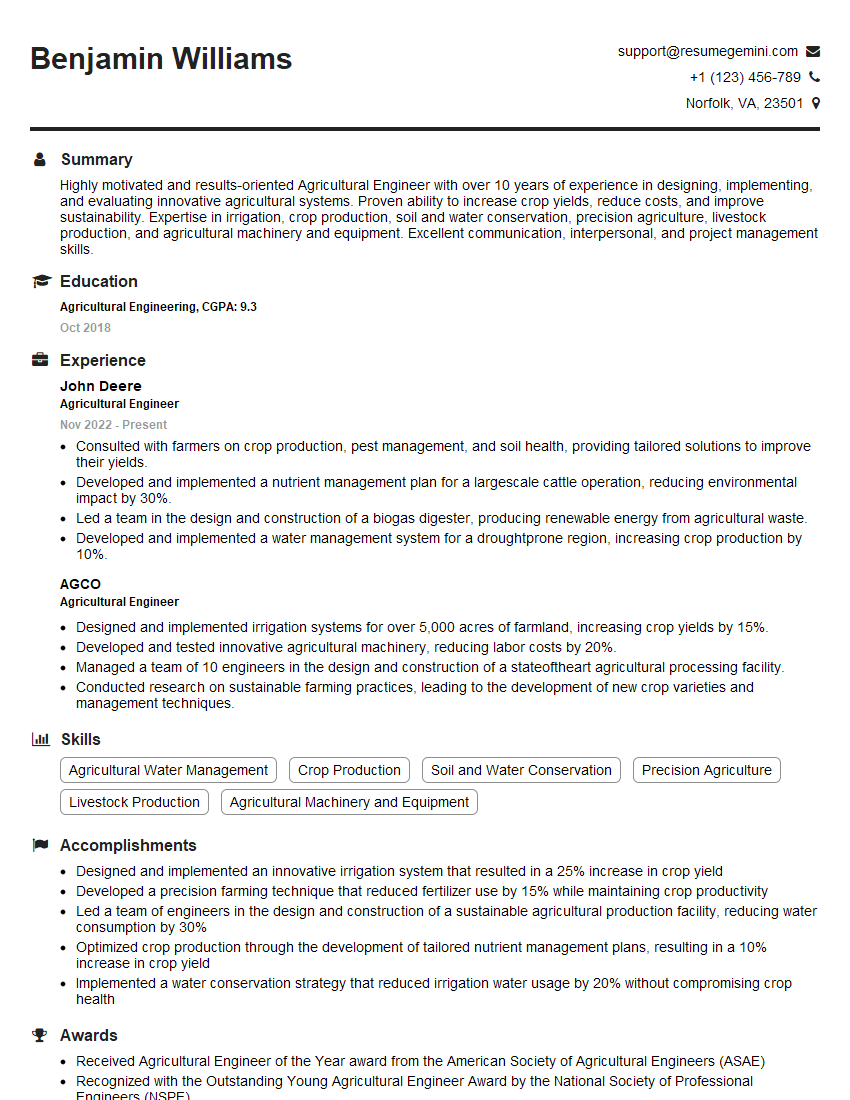
Agricultural Engineer Resume Sample

Agronomist Resume Sample

Plant Breeder Resume Sample

Plant Physiologist Resume Sample

Soil Scientist Resume Sample

Soil Conservationist Resume Sample

Soil Chemist Resume Sample

Precision Agriculture Specialist Resume Sample
Explore more articles
Users Rating of Our Blogs
Share Your Experience
We value your feedback! Please rate our content and share your thoughts (optional).
What Readers Say About Our Blog
Very informative content, great job.
good