Cracking a skill-specific interview, like one for Produce Disease Control, requires understanding the nuances of the role. In this blog, we present the questions you’re most likely to encounter, along with insights into how to answer them effectively. Let’s ensure you’re ready to make a strong impression.
Questions Asked in Produce Disease Control Interview
Q 1. Describe the life cycle of a common fungal pathogen affecting produce.
The life cycle of a common fungal pathogen, like Botrytis cinerea (gray mold), which affects many fruits and vegetables, typically involves several stages. Think of it like a movie with several acts:
- Stage 1: Spore Germination: The cycle begins with airborne spores landing on a susceptible host plant. These spores are like tiny seeds, and under favorable conditions (high humidity, moisture on the plant surface), they germinate, sending out germ tubes.
- Stage 2: Penetration and Colonization: The germ tubes penetrate the plant tissue, either through natural openings like stomata (tiny pores on leaves) or through wounds. Once inside, the fungus begins to grow and colonize the plant cells, extracting nutrients.
- Stage 3: Growth and Reproduction: The fungus spreads throughout the plant tissue, forming a network of hyphae (thread-like structures). As it grows, it produces more spores, often in masses visible as fuzzy gray mold.
- Stage 4: Spore Dispersal: Mature spores are released into the environment, carried by wind, water, or insects to infect new plants. This completes the cycle, ready to start anew.
Understanding this cycle is crucial for effective disease management. By targeting any of these stages, we can disrupt the pathogen’s ability to reproduce and spread.
Q 2. Explain the difference between preventative and curative disease control strategies.
Preventative and curative disease control strategies are two sides of the same coin in protecting produce. Think of it like preventing a fire (preventative) versus putting one out (curative):
- Preventative Strategies: These focus on preventing disease onset in the first place. Examples include selecting disease-resistant cultivars, practicing crop rotation, ensuring proper sanitation (cleaning equipment and removing infected plant debris), optimizing growing conditions (proper irrigation, good air circulation), and using prophylactic fungicides or bactericides (applied before disease appears).
- Curative Strategies: These aim to control disease after it has already begun. This usually involves the application of fungicides or bactericides once symptoms have appeared. However, curative measures are often less effective than preventative ones, and may not completely eradicate the disease. They’re better viewed as damage control.
Ideally, a successful disease management program integrates both strategies for optimal results. Preventative measures are the foundation, while curative steps provide a safety net.
Q 3. What are the key factors influencing the development of plant diseases?
Several factors interact to create the perfect storm for plant disease development. Imagine a triangle, where each side represents a crucial element:
- Susceptible Host: The plant itself must be vulnerable to the pathogen. This depends on the plant’s genetic makeup, its age, and its overall health.
- Pathogen: The presence of a disease-causing organism (fungus, bacterium, virus, nematode) is obviously essential. The virulence (severity) of the pathogen also plays a role.
- Favorable Environment: Environmental conditions like temperature, humidity, rainfall, and soil moisture significantly influence disease development. Many pathogens thrive in specific environmental niches.
If any of these three components is missing, disease won’t develop. Disease management strategies often target one or more of these factors to break the disease triangle.
Q 4. Describe common symptoms of bacterial wilt in tomatoes.
Bacterial wilt, caused by Ralstonia solanacearum, is a devastating disease in tomatoes. Symptoms typically start with wilting of lower leaves, progressing upwards. Imagine a plant slowly drooping and fading:
- Wilting: The most characteristic symptom is the wilting of leaves, often unilateral (affecting one side of the plant more than the other).
- Yellowing: Leaves may turn yellow and eventually brown and die.
- Vascular Discoloration: If you cut the stem of an infected plant, you’ll often see a brown discoloration in the vascular tissue (the plant’s ‘veins’), indicating the blockage of water and nutrient flow.
- Stunting: Infected plants are usually stunted in their growth.
Early detection is crucial for managing bacterial wilt. Once symptoms are advanced, control options are limited.
Q 5. Explain integrated pest management (IPM) strategies in controlling produce diseases.
Integrated Pest Management (IPM) takes a holistic approach to disease control, combining various strategies to minimize reliance on chemical pesticides. It’s like building a layered defense:
- Cultural Practices: These include crop rotation, sanitation, proper irrigation, and the use of disease-resistant varieties.
- Biological Control: Utilizing beneficial microorganisms or predators that suppress pathogens, like introducing beneficial bacteria that compete with the pathogen.
- Chemical Control: Using pesticides only when necessary and at the lowest effective rate, focusing on preventative applications rather than curative ones. This includes carefully choosing pesticides that target the specific pathogen and minimize environmental impact.
- Monitoring and Surveillance: Regularly monitoring crops for signs of disease allows for early detection and timely intervention, reducing the need for extensive chemical control.
IPM aims to find a balance between effective disease control and environmental sustainability. It requires a thorough understanding of the disease cycle, the pathogen, and the crop.
Q 6. How do you identify and diagnose plant diseases in the field?
Diagnosing plant diseases in the field requires a combination of observation and detective work. Think of it as solving a mystery:
- Visual Inspection: Carefully observe the affected plants for symptoms like wilting, discoloration, lesions, or unusual growths. Note the location and distribution of symptoms within the plant and the field.
- Sampling: Collect samples of affected plant tissue to be sent to a diagnostic laboratory for confirmation of the disease.
- Environmental Factors: Consider the environmental conditions, including temperature, humidity, rainfall, and soil type, as they provide clues about the potential pathogen.
- History: Gather information about the crop’s history, including previous diseases, planting practices, and cultural conditions.
Accurate diagnosis is crucial because different diseases require different management strategies. Proper sampling and laboratory testing provide definitive results.
Q 7. What are the best practices for post-harvest disease management?
Post-harvest disease management focuses on preventing disease development after the produce has been harvested. It’s about maintaining quality and extending shelf life:
- Rapid Cooling: Quickly reducing the temperature of harvested produce minimizes the growth of many pathogens.
- Proper Handling and Storage: Avoiding physical damage during harvesting, transportation, and storage is crucial. Wounds provide entry points for pathogens.
- Sanitation: Maintaining cleanliness of equipment, containers, and storage facilities is critical to preventing the spread of pathogens.
- Modified Atmosphere Packaging (MAP): Packaging produce in controlled atmospheres (reduced oxygen, increased carbon dioxide) can inhibit pathogen growth.
- Post-harvest Treatments: Applying specific fungicides or other treatments (e.g., UV light) can further reduce pathogen load.
By implementing appropriate post-harvest practices, we can significantly extend the shelf life of produce and reduce losses due to disease.
Q 8. Explain the importance of sanitation in preventing disease outbreaks.
Sanitation is paramount in preventing disease outbreaks in produce because it minimizes the presence of pathogens – bacteria, fungi, viruses, and nematodes – that cause diseases. Think of it like this: a clean environment is less hospitable to disease-causing organisms. Poor sanitation provides ideal conditions for these pathogens to thrive and spread.
- Cleaning equipment and tools: Regularly cleaning harvesting tools, packing equipment, and storage facilities removes pathogen residues, preventing contamination.
- Proper waste management: Infected plant debris should be promptly removed and destroyed to prevent the spread of pathogens. Composting can be effective if done correctly at high temperatures to kill pathogens.
- Worker hygiene: Handwashing, protective clothing, and avoiding cross-contamination between fields or crops are essential. Imagine a worker unknowingly carrying a pathogen from an infected plant to a healthy one – proper hygiene prevents this.
- Soil sanitation: Soilborne pathogens can persist in the soil for extended periods. Techniques like solarization (covering soil with clear plastic to heat it) can help reduce populations of these pathogens.
In essence, a comprehensive sanitation program acts as a preventative measure, dramatically reducing the risk of disease outbreaks and promoting healthy crop yields.
Q 9. Describe various methods of disease control, including chemical, biological and cultural.
Disease control in produce employs a multi-pronged approach combining chemical, biological, and cultural methods. These strategies often work synergistically for optimal effectiveness.
- Chemical Control: This involves using pesticides, fungicides, and bactericides to directly kill or inhibit the growth of pathogens. This is a reactive strategy, typically used after disease detection. However, overuse can lead to resistance and environmental concerns. Careful selection and application are crucial.
- Biological Control: This leverages natural enemies of pathogens, like beneficial microorganisms (bacteria, fungi) or insects, to suppress disease development. For instance, introducing a fungus that parasitizes a harmful fungus on apple trees. It’s a more environmentally friendly approach, promoting long-term sustainability.
- Cultural Control: These are preventative practices that modify the growing environment to make it less favorable for disease development. This includes crop rotation, proper planting density to improve air circulation, irrigation management to avoid water stress and excess moisture, and resistant cultivar selection.
A successful disease management plan often integrates these three approaches. For example, using resistant varieties (cultural), supplemented with biocontrol agents (biological) and only resorting to chemical controls when absolutely necessary and employing integrated pest management (IPM) principles.
Q 10. What are the common chemical control options for fungal diseases in apples?
Common chemical control options for fungal diseases in apples include fungicides belonging to different chemical classes, each targeting specific fungal pathogens and having varying modes of action. It’s crucial to consult local regulations and follow label instructions carefully, as fungicide use can impact human health and the environment.
- Strobilurins: These inhibit fungal respiration and are effective against many apple diseases like apple scab and powdery mildew.
- Benzimidazoles: These disrupt fungal cell division, but resistance development is a concern.
- DMI fungicides (demethylation inhibitors): Interfere with ergosterol biosynthesis, an essential component of fungal cell membranes.
- Multi-site contact fungicides: These fungicides have multiple modes of action and are less prone to resistance development. Examples include sulfur and copper-based fungicides.
The choice of fungicide depends on the specific pathogen, the severity of the infection, and the environmental conditions. Rotation of fungicide classes is vital to delay the development of resistance.
Q 11. How do you assess the severity of a disease outbreak in a field?
Assessing disease severity in a field involves a combination of visual observation and quantitative measurements. A simple analogy would be like a doctor performing a diagnosis: a thorough examination is required.
- Visual assessment: Observe the extent of disease symptoms (leaf spots, lesions, wilting) on a representative sample of plants. Note the percentage of affected plants and the severity of infection on individual plants (e.g., percentage of leaf area affected).
- Quantitative assessment: This involves using standardized scales or indices to quantify disease severity. For example, a disease severity scale from 1 (no symptoms) to 5 (severe infection) or using disease incidence (percentage of infected plants) and severity rating on a scale.
- Sampling techniques: Random or stratified sampling ensures representative data collection. Sample size needs to be large enough to get reliable results.
Data collected through these methods can be used to determine the economic threshold – the level of disease infestation where control measures become economically justifiable.
Q 12. Discuss the role of resistant varieties in disease management.
Resistant varieties play a crucial role in integrated disease management strategies by reducing the reliance on chemical interventions. These varieties possess genetic traits that make them less susceptible to specific diseases. Imagine a fortress with strong walls protecting against invaders – the resistant variety is that fortress.
- Reduced pesticide use: Resistant cultivars reduce the need for frequent fungicide or pesticide applications, minimizing environmental impact and production costs.
- Sustainable agriculture: They contribute to more sustainable agricultural practices, promoting environmentally friendly and economical approaches.
- Improved yields and quality: By mitigating disease pressure, resistant varieties often result in healthier plants with higher yields and improved fruit quality.
However, it’s important to remember that resistance is usually specific to particular pathogens and that new pathogens or races of existing pathogens may still overcome the resistance mechanism. Therefore, diversifying approaches, including cultural practices, is vital for comprehensive disease management.
Q 13. Explain the importance of proper irrigation in preventing diseases.
Proper irrigation is essential for preventing many plant diseases because it influences the plant’s overall health and its susceptibility to pathogens. Think of it like this: consistent, well-balanced hydration boosts a plant’s immune system.
- Avoiding water stress: Water-stressed plants are more vulnerable to disease. Consistent and adequate irrigation keeps plants vigorous and less susceptible.
- Preventing excessive moisture: Conversely, overly wet conditions can create environments ideal for pathogen proliferation. Well-drained soils and efficient irrigation methods (drip or micro-sprinklers) avoid this problem.
- Reduced leaf wetness duration: Many pathogens require prolonged leaf wetness for infection. Effective irrigation techniques minimize the time leaves remain wet, thus reducing infection opportunities.
In summary, optimizing irrigation practices helps create a healthy growing environment less prone to disease, thus reducing the need for chemical interventions.
Q 14. What are the regulatory requirements for managing produce diseases?
Regulatory requirements for managing produce diseases vary depending on the country, region, and specific crop, but generally include aspects of pesticide use, disease monitoring, and trade regulations.
- Pesticide registration and use: Most jurisdictions have strict regulations governing the registration, use, and application rates of pesticides. Farmers must adhere to these regulations to ensure safe and effective pest management, protecting both human health and the environment.
- Disease monitoring and reporting: Mandatory reporting of significant disease outbreaks may be required to enable timely interventions and prevent widespread epidemics.
- Quarantine and trade restrictions: Movement of produce across borders is often subject to phytosanitary regulations and quarantine measures to prevent the spread of diseases. This helps safeguard the health of crops in importing regions.
- Good Agricultural Practices (GAPs): Many countries or regions have implemented Good Agricultural Practices guidelines to ensure food safety and quality. These often include specific protocols for disease management.
Staying abreast of these evolving regulations is crucial for all stakeholders in the produce industry, ensuring compliance and contributing to food safety and sustainability.
Q 15. Describe the impact of climate change on produce disease prevalence.
Climate change significantly impacts produce disease prevalence. Warmer temperatures and altered precipitation patterns create ideal conditions for many pathogens to thrive and expand their geographic range. For example, increased humidity favors fungal diseases like late blight in potatoes and tomatoes, while warmer winters allow for increased pest and disease survival, leading to higher initial inoculum levels in the following growing season. Changes in rainfall can lead to waterlogged soils, which promote soilborne diseases, or prolonged dry periods which can stress plants, making them more susceptible to infection. The altered timing of seasons also impacts disease cycles, potentially leading to unexpected outbreaks. Imagine a fungal disease that typically overwinters only in mild climates; climate change might allow it to survive in previously unsuitable regions, leading to devastating epidemics in previously unaffected areas.
The impact isn’t just about increased frequency; it’s also about the emergence of new diseases and the shifting distribution of existing ones. We’re seeing pathogens previously limited to tropical climates moving northward, introducing entirely new challenges for growers in temperate zones.
Career Expert Tips:
- Ace those interviews! Prepare effectively by reviewing the Top 50 Most Common Interview Questions on ResumeGemini.
- Navigate your job search with confidence! Explore a wide range of Career Tips on ResumeGemini. Learn about common challenges and recommendations to overcome them.
- Craft the perfect resume! Master the Art of Resume Writing with ResumeGemini’s guide. Showcase your unique qualifications and achievements effectively.
- Don’t miss out on holiday savings! Build your dream resume with ResumeGemini’s ATS optimized templates.
Q 16. How do you interpret disease diagnostic laboratory results?
Interpreting disease diagnostic laboratory results requires a systematic approach. First, we look at the identification of the pathogen – this is crucial for selecting appropriate control strategies. A positive identification might involve microscopic examination, molecular techniques (like PCR), or serological tests. The results will often specify the specific species or strain of the pathogen, which is important because different strains can vary in their virulence and response to treatments.
Next, we assess the level of pathogen presence. This could be expressed quantitatively (e.g., number of fungal spores per gram of tissue) or qualitatively (e.g., light, moderate, or heavy infection). Knowing the extent of infection helps determine the severity of the disease and guides decision-making on intervention strategies. For instance, a low level of infection might be managed through cultural practices alone, while a severe infection might necessitate the use of chemical treatments.
Finally, we consider any associated information, such as the sample origin, plant growth stage, and environmental conditions. This context is vital for understanding the disease dynamics. For example, a high level of a particular soilborne pathogen might indicate a need for soil amendment strategies, such as crop rotation or soil fumigation. Taken together, these pieces of information provide a holistic picture, allowing for informed and effective disease management.
Q 17. Explain the role of soil health in preventing plant diseases.
Soil health plays a fundamental role in preventing plant diseases. Healthy soil harbors a diverse microbial community, including beneficial microorganisms that compete with pathogens for resources, produce antibiotics, and enhance plant immunity. A well-structured soil with good drainage reduces the risk of waterlogged conditions that favor many fungal and bacterial pathogens. Furthermore, high organic matter content improves soil structure, nutrient availability, and water retention, promoting robust plant growth that is less susceptible to disease. Think of it as a strong immune system for your plants – a healthy soil supports healthy plants, which are naturally more resistant to disease.
Specific practices that improve soil health and disease suppression include crop rotation, cover cropping, the use of compost and organic matter, avoiding excessive tillage, and maintaining optimal soil pH. These practices build soil resilience, making it less hospitable to pathogens and more supportive of beneficial microbes.
Q 18. What are some common diseases affecting lettuce and their control measures?
Lettuce is susceptible to a range of diseases, including:
- Downy mildew (Bremia lactucae): This fungal disease causes yellow or brown lesions on leaves, often with a fuzzy white growth on the undersides. Control measures include resistant varieties, fungicide applications (following label instructions carefully), and good sanitation practices.
- Sclerotinia drop (Sclerotinia sclerotiorum): This fungal disease causes a soft rot that can affect the entire plant. Control relies on crop rotation, sanitation (removing infected plants), and possibly the use of fungicides in severe cases.
- Lettuce mosaic virus: This virus causes stunted growth, leaf distortion, and discoloration. Control focuses on using certified virus-free seeds, managing aphids (which transmit the virus), and rogueing (removing infected plants) to limit spread.
- Bacterial leaf spot (Pseudomonas spp.): These bacteria cause small, water-soaked spots on leaves that can expand and coalesce. Control measures include using disease-free seed, practicing good sanitation, and avoiding overhead irrigation which can spread the bacteria.
Integrated disease management approaches, combining several of these methods, are typically most effective.
Q 19. Describe methods for monitoring disease incidence and severity.
Monitoring disease incidence (the number of diseased plants) and severity (the extent of disease on each plant) is crucial for effective disease management. This involves regular field scouting, where you visually assess plants for symptoms. A structured approach is essential: Establish a systematic sampling plan, specifying the number and location of sampling points in the field. Then, assess a representative sample of plants at each point, noting disease symptoms. For quantitative data, you could record the percentage of plants showing symptoms or the severity of disease on a scale (e.g., 1-5, where 1 is no symptoms and 5 is severe disease).
Data can be recorded on field maps or in spreadsheets, and can be complemented by laboratory tests to confirm disease identity. This information is used to track disease progress over time, identify disease hotspots, and evaluate the effectiveness of control measures. For example, if disease incidence increases despite intervention, it might indicate a need to adjust your strategy, perhaps by changing fungicides or implementing stricter sanitation practices.
Q 20. How do you develop a disease management plan for a specific crop?
Developing a disease management plan involves a multi-step process:
- Identify the target crop and potential diseases: Research common diseases affecting the chosen crop in your specific region.
- Assess risk factors: Consider environmental conditions (climate, soil type, etc.), previous cropping history, and the presence of disease vectors (e.g., insects, nematodes).
- Select appropriate control strategies: This might include cultural practices (crop rotation, sanitation, irrigation management), biological control (using beneficial microorganisms), resistant varieties, and chemical control (fungicides, bactericides).
- Develop a monitoring plan: Establish a system for regular field scouting and data recording to track disease development and the effectiveness of control measures.
- Implement and adjust: Put the plan into action and adapt it based on your observations and data analysis. This is an iterative process; ongoing monitoring and evaluation are critical.
For example, a disease management plan for tomato crops in a humid region might include resistant varieties, good sanitation practices, and a planned fungicide application program to combat late blight, a devastating fungal disease.
Q 21. What are the key considerations in selecting a fungicide for a given disease?
Selecting a fungicide requires careful consideration of several factors:
- Target pathogen: The fungicide must be effective against the specific pathogen causing the disease. Some fungicides are broad-spectrum, while others are specific to certain groups of fungi.
- Crop compatibility: Ensure the fungicide is safe for the target crop and will not cause phytotoxicity (damage to the plant). Always check the label for specific crop recommendations.
- Environmental impact: Consider the fungicide’s potential impact on non-target organisms (beneficial insects, pollinators, etc.) and the environment. Look for products with lower environmental risk.
- Resistance management: Fungicide resistance is a major concern. To prevent the development of resistance, use fungicides rotation strategies, alternating different chemical classes to prevent the selection of resistant pathogen strains.
- Cost-effectiveness: Compare the cost of the fungicide with its efficacy and potential benefits.
Selecting the ‘right’ fungicide involves balancing efficacy, safety, and environmental considerations. Often, there’s no single ‘best’ option, and the ideal choice will depend on the specific circumstances.
Q 22. Explain the use of biological control agents in managing produce diseases.
Biological control agents are naturally occurring organisms used to suppress plant diseases. Instead of relying on chemical pesticides, we leverage the power of nature to fight disease. This approach is environmentally friendly and reduces the risk of pesticide resistance.
For example, we might introduce beneficial fungi, like Trichoderma species, into the soil. These fungi compete with harmful pathogens for resources, preventing them from establishing an infection. Another example is the use of bacteriophages – viruses that specifically target and kill bacterial plant pathogens, such as those causing bacterial blight in tomatoes. The application method varies; it can involve direct application to the plant, incorporation into the soil, or even using the biocontrol agent as a seed treatment.
- Improved soil health: Many biocontrol agents improve soil structure and nutrient cycling.
- Reduced chemical use: This minimizes environmental impact and health risks.
- Disease-specific targeting: Biocontrol agents are often more targeted than broad-spectrum pesticides, reducing harm to beneficial organisms.
Q 23. How do you maintain accurate records of disease incidence and control measures?
Maintaining accurate records is crucial for effective disease management. I utilize a combination of field observations, laboratory testing, and digital databases. In the field, I meticulously document disease incidence, severity, and location using GPS coordinates and detailed descriptions, including photographs. For instance, if I observe early blight on a tomato plant, I note its location in the field (using GPS), the number of infected leaves, and estimate the percentage of leaf area affected.
Laboratory analysis helps confirm disease diagnoses and quantify pathogen levels. This data is then entered into a database, often a GIS (Geographic Information System) software. This allows for spatial analysis to identify disease hotspots and track the effectiveness of control measures over time. Finally, a detailed record of all implemented control measures – be it biological control application, chemical treatments (if applicable), or cultural practices – are meticulously recorded, linked to the location and date. This systematic approach facilitates trend analysis and the development of better control strategies.
Q 24. Describe the challenges in managing diseases in organic production systems.
Managing diseases in organic production presents unique challenges. The absence of synthetic pesticides limits our options, increasing the reliance on preventative strategies and biologically-based disease control.
For example, maintaining robust plant health through proper nutrition and water management is critical. However, a disease outbreak in an organic system can be more devastating due to the limited treatment options. We face stricter regulations and certification requirements, necessitating thorough documentation of all practices. The development and availability of effective organic alternatives to synthetic pesticides are also limited, demanding more creative and labor-intensive disease management strategies.
- Limited treatment options: This necessitates a strong preventative approach.
- Increased risk of disease outbreaks: Organic systems may be more vulnerable to disease if preventative measures fail.
- Stringent certification requirements: Maintaining organic certification adds complexity to disease management.
Q 25. Discuss the importance of proper storage and handling in preventing post-harvest losses due to diseases.
Proper storage and handling are paramount in preventing post-harvest disease losses. These losses can significantly impact the profitability of produce production. Many diseases develop or worsen during this phase, leading to spoilage and economic losses.
Post-harvest disease management starts in the field. Careful harvesting practices, avoiding injury to produce, is vital. Then, rapid cooling and proper storage conditions are critical. For instance, maintaining appropriate temperature and humidity levels can dramatically reduce the growth of many fungal pathogens. Appropriate packaging can also help in preventing contamination and slowing down respiration rate, which extends the shelf life. Furthermore, sanitation of storage facilities and equipment is crucial to prevent the spread of pathogens from one batch to the next.
Example: Keeping harvested apples at a temperature below 0°C (32°F) slows the development of storage rots.
Q 26. What are the potential economic impacts of a major produce disease outbreak?
A major produce disease outbreak can have devastating economic consequences. The direct impact includes significant crop losses, leading to reduced yields and increased production costs. This can result in higher prices for consumers and decreased profitability for farmers. Indirect effects can be equally significant. Market disruptions can occur, with reduced availability impacting food security. Export restrictions or bans can further exacerbate the situation. The impact extends beyond farmers, affecting processors, distributors, and retailers throughout the supply chain.
Example: The Irish potato famine, caused by potato blight, illustrates the catastrophic impact a disease outbreak can have on both the economy and human lives.
Q 27. Describe your experience with disease forecasting and early warning systems.
Disease forecasting and early warning systems are essential for proactive disease management. I utilize various methods for disease forecasting, incorporating weather data (temperature, humidity, rainfall), information on pathogen prevalence, and host susceptibility. This data is often integrated into predictive models that assess the risk of disease outbreaks.
For instance, we might use a model that integrates temperature and humidity data to predict the risk of late blight in tomatoes. Early warning systems often involve monitoring techniques, such as scouting fields for disease symptoms, and deploying rapid diagnostic tests to detect pathogens early. This allows for timely implementation of control measures, minimizing the impact of an outbreak. Sharing of information through networks and collaborations with other professionals is crucial for effective early warning dissemination.
Q 28. How do you stay current with the latest research and advancements in plant pathology?
Keeping abreast of the latest advancements in plant pathology is crucial for my role. I achieve this through several avenues: I regularly read scientific journals, attending conferences and workshops, and actively participating in professional networks. These networks include participation in online forums, subscribing to relevant newsletters, and attending webinars hosted by universities and research institutions. I also collaborate with researchers and extension specialists to stay informed about new disease threats and control methods.
Furthermore, I actively monitor governmental and international databases dedicated to plant health to stay informed about emerging diseases and their management strategies. This continuous learning process is essential for adapting my strategies and staying at the forefront of disease control practices.
Key Topics to Learn for Produce Disease Control Interview
- Pathogen Identification and Diagnostics: Understanding common fungal, bacterial, and viral diseases affecting produce, including accurate identification techniques (e.g., microscopy, molecular diagnostics) and disease diagnosis.
- Disease Epidemiology and Management: Analyzing disease cycles, identifying risk factors (environmental, cultural practices), and applying integrated pest management (IPM) strategies for effective control.
- Pre- and Post-Harvest Disease Control: Implementing strategies to minimize disease incidence before and after harvest, including sanitation protocols, proper handling, storage, and transportation techniques.
- Chemical and Biological Control Methods: Evaluating the efficacy and safety of various chemical pesticides and exploring environmentally friendly biological control agents (e.g., biopesticides, biocontrol agents).
- Resistance Management: Understanding the development of pathogen resistance to control measures and strategies to mitigate resistance build-up.
- Food Safety and Regulatory Compliance: Adhering to food safety regulations and standards related to produce disease control, including traceability and record-keeping.
- Data Analysis and Interpretation: Analyzing disease incidence data, interpreting results, and making informed decisions regarding disease management strategies.
- Economic Impacts of Produce Diseases: Understanding the economic consequences of diseases on produce production, quality, and marketability.
Next Steps
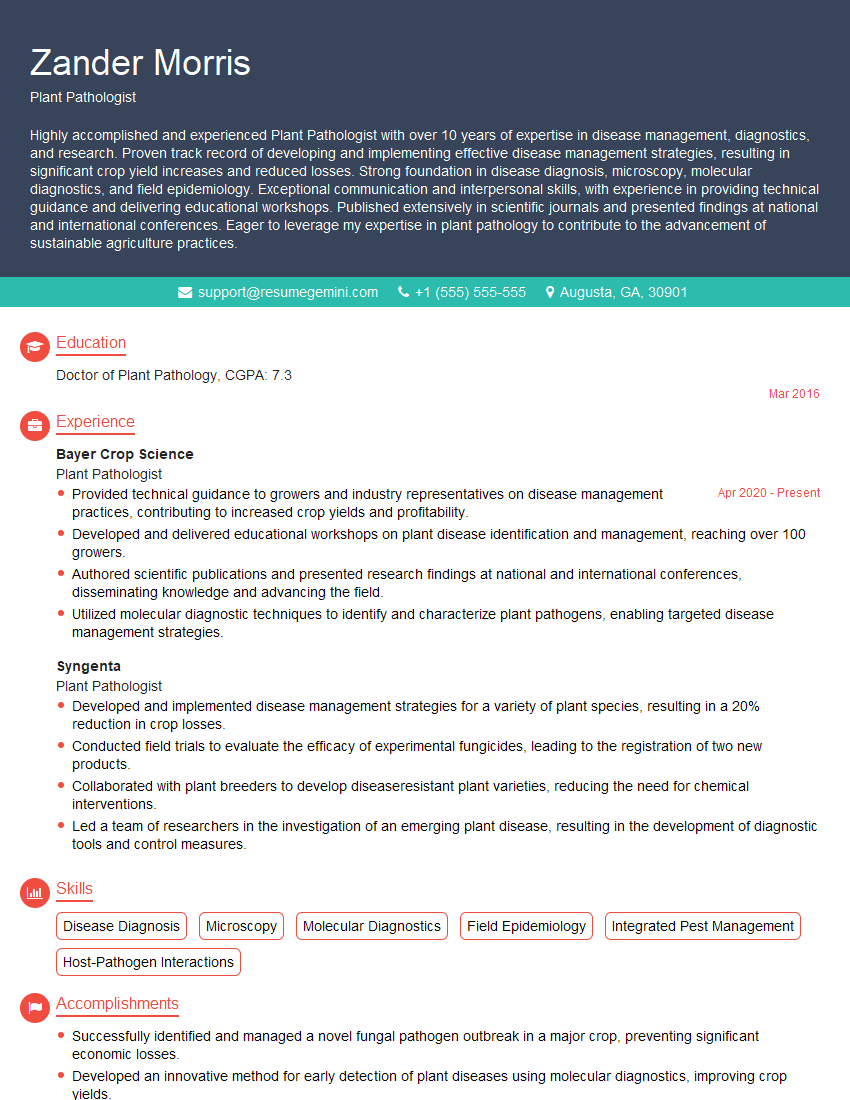
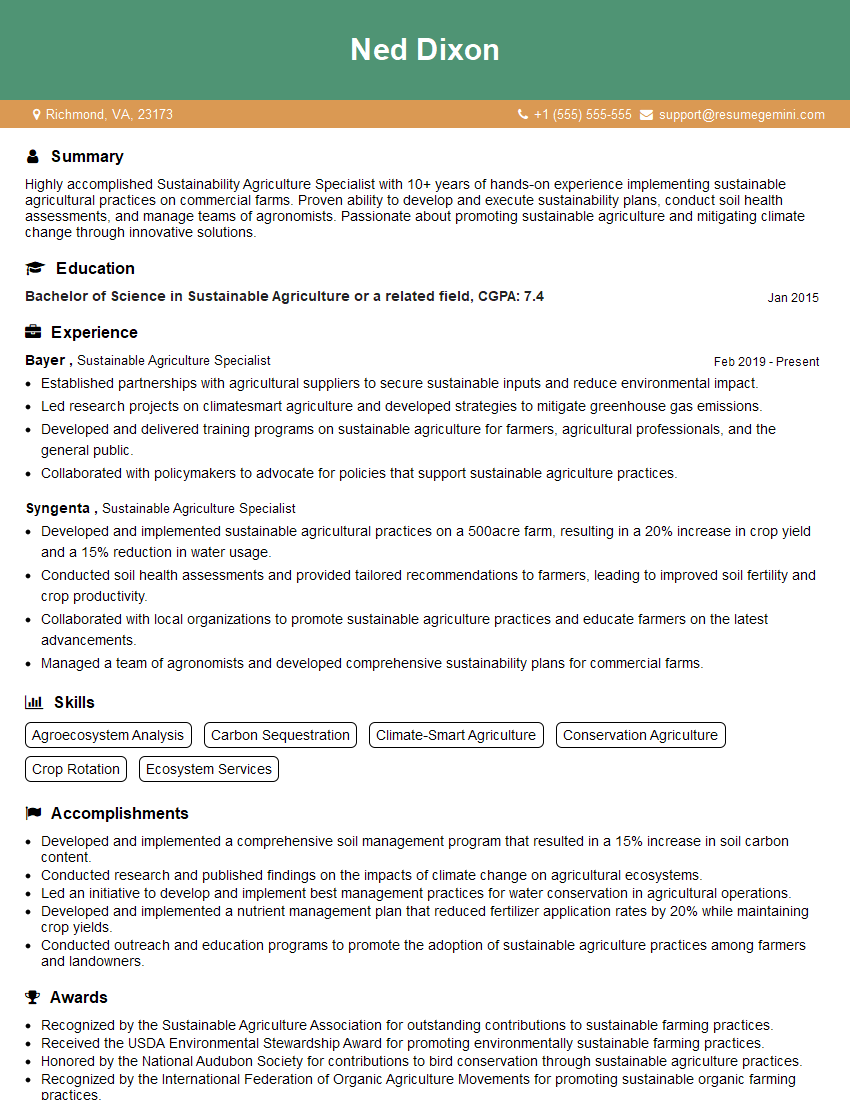
Mastering Produce Disease Control is crucial for advancing your career in the agricultural and food industries. A strong understanding of disease management principles opens doors to leadership roles, specialized research, and consulting opportunities. To significantly increase your chances of landing your dream job, creating an ATS-friendly resume is essential. ResumeGemini is a trusted resource to help you build a professional and impactful resume that highlights your skills and experience effectively. Examples of resumes tailored to Produce Disease Control are available to guide you through the process.
Explore more articles
Users Rating of Our Blogs
Share Your Experience
We value your feedback! Please rate our content and share your thoughts (optional).
What Readers Say About Our Blog
Very informative content, great job.
good