Are you ready to stand out in your next interview? Understanding and preparing for Sow Farrowing Management interview questions is a game-changer. In this blog, we’ve compiled key questions and expert advice to help you showcase your skills with confidence and precision. Let’s get started on your journey to acing the interview.
Questions Asked in Sow Farrowing Management Interview
Q 1. Describe your experience in managing sow farrowing operations.
My experience in sow farrowing management spans over 15 years, encompassing various roles from farm assistant to herd manager. I’ve worked with diverse sow breeds and production systems, including both conventional and group farrowing setups. My expertise includes all aspects of farrowing management, from optimizing breeding protocols and gestation management to implementing strategies for maximizing piglet survival and sow health. I’ve successfully overseen multiple farrowing operations, consistently exceeding industry benchmarks for litter size, piglet survival, and sow reproductive efficiency.
For instance, at my previous farm, we implemented a comprehensive sow health management program, resulting in a 15% reduction in pre-weaning mortality within a year. This involved meticulous record-keeping, proactive disease prevention, and timely intervention based on individual sow needs. I’m proficient in using technology for data analysis and farm management, employing software to track key performance indicators and optimize resource allocation.
Q 2. What are the key indicators of a successful farrowing program?
Key indicators of a successful farrowing program revolve around three core areas: sow reproductive performance, piglet survival, and overall farm efficiency. High-performing farms consistently demonstrate:
- High farrowing rate: The percentage of bred sows that successfully farrow a litter, ideally above 85%. This reflects efficient breeding management and minimal pregnancy loss.
- Large litter size: The average number of piglets born alive per litter, aiming for above 14 piglets.
- High piglet survival rate: The percentage of piglets born alive that survive to weaning (typically around 21 days), aiming for above 90%. This signifies effective farrowing and nursery management.
- Low pre-weaning mortality: The number of piglets that die before weaning, aiming for a rate below 10%.
- High weaning weight: Heavier piglets at weaning indicate optimal milk production and overall piglet health, which leads to faster growth in the nursery.
- Optimal sow health and longevity: Healthy sows have more productive lactations and longer productive lives, minimizing replacement costs.
Monitoring these indicators and regularly analyzing trends allows for proactive adjustments to farm practices and optimization of the entire production system.
Q 3. Explain your approach to optimizing sow reproductive performance.
Optimizing sow reproductive performance requires a holistic approach focusing on nutrition, health, and management. My strategy centers on:
- Optimized nutrition: Providing balanced diets tailored to each stage of the reproductive cycle, ensuring sufficient energy, protein, and essential nutrients for optimal growth and reproductive success.
- Proactive health management: Implementing vaccination protocols, deworming programs, and parasite control to minimize the risk of infectious diseases and maintain optimal sow health.
- Strategic breeding management: Employing techniques like artificial insemination or natural mating using proven boars to enhance genetic potential and litter size.
- Careful heat detection: Implementing efficient heat detection systems and using experienced staff to identify sows in heat and ensure timely insemination.
- Early pregnancy diagnosis: Utilizing ultrasound to confirm pregnancy early in gestation, allowing for early identification and management of potential problems.
- Gestation management: Providing comfortable housing, reducing stress factors and ensuring appropriate environmental conditions throughout gestation.
For example, we implemented a computerized breeding management system at one farm, which led to a 5% increase in farrowing rate within six months. This system automated data collection and analysis, enabling timely interventions and optimized breeding schedules.
Q 4. How do you monitor and manage sow health during gestation and lactation?
Monitoring and managing sow health during gestation and lactation involves regular observation, record-keeping, and proactive interventions. This includes:
- Daily observation: Visual checks for any signs of illness, lameness, or other abnormalities.
- Regular body condition scoring: Ensuring sows are maintaining optimal body condition throughout gestation and lactation.
- Blood tests and other diagnostics: Periodic blood tests to detect underlying health issues, such as anemia or infections.
- Vaccination and parasite control: Implementing a tailored vaccination program and deworming strategy to prevent common diseases.
- Clean and comfortable housing: Ensuring optimal hygiene in the farrowing facilities to minimize the risk of infection.
- Providing quality feed and water: Providing access to clean, fresh water and a well-balanced diet to support sow health and milk production.
- Individual sow monitoring: Careful attention to any individual sow showing signs of illness or stress, including timely veterinary consultation if necessary.
Utilizing data-driven decision-making, identifying trends in health issues, and promptly addressing problems minimizes losses and improves herd health significantly.
Q 5. Detail your strategies for minimizing pre-weaning mortality.
Minimizing pre-weaning mortality requires a multi-faceted approach focusing on both the sow and the piglets. My strategies include:
- Optimal farrowing management: Providing a clean, warm, and comfortable farrowing environment, ensuring appropriate nest building materials, and assisting sows during farrowing if necessary.
- Proper piglet handling: Handling piglets gently, immediately after birth, providing assistance to weak piglets, and ensuring early colostrum intake.
- Cross-fostering: Transferring piglets from large litters to smaller litters to equalize suckling opportunities.
- Iron supplementation: Administering iron injections to piglets within 24 hours of birth to prevent anemia.
- Disease prevention: Implementing a comprehensive disease prevention program, including vaccination and hygiene practices.
- Monitoring for piglet health issues: Regularly monitoring for signs of illness, such as diarrhea or respiratory problems, and providing prompt treatment.
- Providing a comfortable and functional farrowing crate: A crate designed to ensure the sow’s comfort and minimize the risk of crushing piglets is crucial.
In one instance, by implementing these strategies and improving farrowing crate design, we managed to reduce pre-weaning mortality by 8% within one year.
Q 6. What are your methods for optimizing milk production in sows?
Optimizing milk production in sows is vital for maximizing piglet growth and survival. This can be achieved through:
- Optimal nutrition: Ensuring sows receive a sufficient amount of high-quality feed during gestation and lactation, with proper energy, protein, and essential nutrients.
- Consistent and adequate feed intake: Regularly monitoring feed intake and providing feed frequently in smaller amounts to ensure optimal energy intake for the sow.
- Proper hydration: Ensuring sows have access to clean, fresh water at all times to support milk production.
- Maintaining appropriate body condition: Ensuring sows are not too thin or too fat, as this can negatively impact milk production.
- Minimizing stress: Reducing stressors like overcrowding or noise during lactation to improve sow welfare and milk production.
- Maintaining clean and hygienic conditions: Promoting hygiene in the farrowing crates to prevent udder infections and maintain milk quality.
For example, supplementing the sow’s diet with specific nutrients, such as essential fatty acids, has been shown to significantly enhance milk production and improve piglet growth rates.
Q 7. Describe your experience with different farrowing crate systems.
My experience encompasses various farrowing crate systems, including traditional individual crates, group farrowing systems, and more modern designs incorporating features to enhance sow comfort and piglet safety. Traditional individual crates offer precise control over sow and piglet interactions but can impact sow welfare. Group farrowing systems provide greater freedom for sows but require more rigorous management to ensure piglet safety and prevent competition for teats. Modern crates often include features like adjustable sides, improved nest areas, and electronic monitoring systems to maximize both efficiency and sow comfort.
Each system has its pros and cons; the best choice depends on various factors including farm size, labor availability, management philosophy, and available resources. For example, group housing systems often require more experienced staff and potentially higher labor costs, while individual crates may necessitate more monitoring to prevent piglet crushing. I prioritize the selection of a system that prioritizes sow welfare and ultimately maximizes piglet survival rates while also considering the farm’s economic aspects.
Q 8. How do you manage piglet processing procedures?
Piglet processing is crucial for ensuring piglet health and survival. It’s a series of procedures performed shortly after birth, typically within the first 24-48 hours. Our protocol focuses on efficiency and minimizing stress on both the sow and piglets.
- Iron Injection: Piglets are born iron deficient and require an intramuscular injection of iron dextran to prevent anemia. We use a standardized needle size and injection site to minimize trauma.
- Tail Docking: We perform tail docking to prevent tail biting, a common problem in group housing. However, this is done cautiously and only to the extent necessary to prevent the issue, opting for less invasive techniques when possible.
- Teeth Clipping: Sharp needle teeth can injure sow teats during suckling. We clip the needle teeth using specialized clippers to blunt them, not remove them entirely.
- Ear Notching: A critical component of identification, allowing us to track individual piglets throughout their lives for data analysis. We follow a consistent ear notching system to avoid confusion.
- Weighing: Each piglet is weighed to assess birth weight and monitor growth. This data helps us identify potential problems early on.
We train our staff extensively on proper processing techniques to ensure consistency and minimize pain and stress for the piglets. We emphasize gentle handling and quick procedures. For example, we use warming lamps and place piglets back with the sow as soon as possible post-processing.
Q 9. What are your strategies for preventing and managing mastitis in sows?
Mastitis, an inflammation of the mammary gland, is a significant concern in sow herds. Our prevention and management strategies are multifaceted, emphasizing proactive measures and quick intervention.
- Maintaining Hygiene: Cleanliness is paramount. We ensure a clean farrowing environment, routinely disinfecting stalls and equipment. This includes regular cleaning of the sow’s teats before and after farrowing.
- Proper Nutrition: Providing sows with a balanced diet rich in essential nutrients strengthens their immune system and enhances their resistance to mastitis. We focus on adequate Vitamin E and selenium intake.
- Teat Condition: We monitor the condition of the sow’s teats regularly, looking for any signs of damage or infection. Prompt treatment of any injuries is critical to prevent infection.
- Early Detection: We train staff to identify early signs of mastitis, such as swelling, redness, and heat in the udder, changes in milk consistency, and sow discomfort during suckling.
- Treatment: In case of mastitis, we administer appropriate antibiotics according to veterinary guidance, and often integrate supportive therapies such as cold compresses and udder massage.
We also regularly review our procedures to identify areas for improvement. Data tracking and analysis help us identify any trends or risk factors associated with mastitis within our herd, allowing for more targeted preventative strategies.
Q 10. Explain your understanding of sow nutrition during pregnancy and lactation.
Sow nutrition is critical during pregnancy and lactation, directly impacting both sow health and piglet survival and growth. Nutritional needs change significantly throughout these stages.
Pregnancy: During gestation, the sow’s nutrient requirements are moderate, increasing slowly as the pregnancy progresses. We focus on providing a balanced diet that supports fetal development without excessive weight gain in the sow, which can lead to farrowing difficulties. The diet is high in fiber for gut health and contains adequate levels of essential amino acids, minerals, and vitamins. We adjust the feed intake according to the sow’s body condition score (BCS), ensuring optimal weight gain without overfeeding.
Lactation: The lactation period demands a dramatic increase in nutrient requirements to support milk production. The sow’s energy needs skyrocket to meet the demands of nursing piglets. We increase the feed intake significantly during this phase, focusing on high-energy diets with increased protein and calcium to support milk production. We monitor feed intake closely and adjust as needed based on sow milk production and piglet weight gain.
We use sophisticated feeding programs, adjusting nutritional composition throughout the gestation and lactation cycles. For example, a common practice involves altering the protein-energy ratio to support efficient milk production without compromising the sow’s health.
Q 11. How do you identify and address sow behavioral problems?
Sow behavioral problems can significantly impact productivity and animal welfare. Early identification and appropriate intervention are crucial. We focus on environmental enrichment and behavioral observation as primary tools.
- Observation: Regular observation of sow behavior is paramount. We train staff to recognize signs of aggression, stereotypies (repetitive behaviors like bar biting), and other unusual behavior.
- Environmental Enrichment: Providing ample space, suitable substrates for rooting and nesting, and opportunities for exploration is key to reducing stress and preventing behavioral problems. We provide chew toys and manipulable objects to encourage natural behaviors.
- Group Housing Management: Careful selection and introduction of sows into group housing systems can reduce aggression. We manage group sizes and introduce sows slowly to minimize conflict.
- Individual Needs: Recognizing that each sow has unique behavioral characteristics, we address issues on an individual basis. For example, a sow that exhibits excessive aggression might benefit from individual housing, while a sow displaying signs of boredom might benefit from additional enrichment.
- Veterinary Consultation: For severe or persistent behavioral issues, we consult with our veterinarian to rule out any underlying medical conditions.
For example, a sow that continually bites the bars of her pen might be suffering from stress or a lack of appropriate enrichment. Providing her with more space, manipulable objects, and opportunities to explore can often alleviate this problem.
Q 12. What are the common diseases affecting sows and piglets, and how do you manage them?
Several diseases can affect sows and piglets, impacting productivity and animal welfare. Our management strategies emphasize prevention and early detection.
- Reproductive Diseases: Diseases like PRRS (Porcine Reproductive and Respiratory Syndrome) and Leptospirosis can cause reproductive failure, leading to reduced litter sizes and abortions. We implement strict biosecurity measures, vaccinate sows against PRRS and Leptospirosis, and routinely monitor for clinical signs.
- Respiratory Diseases: Mycoplasma and other respiratory pathogens can cause pneumonia in sows and piglets. We maintain good ventilation to prevent the spread of respiratory infections and vaccinate appropriately.
- Gastrointestinal Diseases: Scours (diarrhea) is a common problem in piglets, leading to dehydration and death. We focus on maintaining good hygiene and ensuring optimal sow nutrition to promote healthy gut development in piglets. Probiotics might be used to support gut health.
- Bacterial Infections: Metritis (uterine infection) in sows and bacterial infections in piglets can be life-threatening. We manage these by prompt identification, treatment with appropriate antibiotics, and supportive care.
A robust record-keeping system helps us track disease incidence and identify potential risk factors. This data is essential for implementing targeted prevention and control strategies.
Q 13. Describe your experience with record-keeping and data analysis in sow management.
Record-keeping and data analysis are integral to successful sow management. We use a comprehensive system to collect and analyze data related to various aspects of sow production. This includes individual sow records, litter records, and environmental data.
- Individual Sow Records: These track each sow’s reproductive performance, health status, feed intake, weight changes, and any behavioral observations.
- Litter Records: We meticulously record data on litter size, piglet birth weights, mortality rates, and weaning weights. This helps us identify sows with consistently poor reproductive performance.
- Environmental Data: We monitor environmental conditions, such as temperature, humidity, and air quality, within the farrowing units. Changes in environmental conditions can influence sow performance and disease incidence.
- Data Analysis: We utilize spreadsheets and farm management software to analyze the collected data, identifying trends, outliers, and areas for improvement. This data-driven approach allows us to fine-tune our management strategies to optimize sow productivity and animal welfare. For example, we can use data to identify risk factors for mastitis, leading to targeted preventative measures.
This detailed record-keeping allows for continuous improvement in our sow management practices. We use Key Performance Indicators (KPIs) such as farrowing rate, litter size, piglet mortality rate, and weaning weight to track our progress and identify areas needing attention.
Q 14. How do you manage labor and allocate tasks effectively in a farrowing unit?
Effective labor management in a farrowing unit requires careful planning and task allocation. Our approach centers on teamwork and clear responsibilities.
- Team Structure: We have a team of experienced personnel, each with clearly defined roles and responsibilities. This ensures consistency in care and reduces confusion.
- Task Allocation: Tasks are assigned based on staff expertise and workload. We schedule specific tasks, such as piglet processing and sow monitoring, at optimal times to ensure efficient workflow.
- Training: Our staff receives ongoing training on sow management best practices, including animal handling, disease recognition, and record-keeping. This ensures consistent quality of care and reduces errors.
- Workload Management: We monitor workload carefully to prevent burnout and ensure adequate staffing levels during peak periods, such as farrowing season.
- Communication: Clear and efficient communication is vital. We use regular meetings, checklists, and written protocols to ensure that information is shared effectively across the team.
For example, we might assign a senior technician to supervise piglet processing, ensuring that all procedures are performed correctly. Other team members would be responsible for monitoring sows, cleaning and disinfecting facilities, and recording data. This division of labor ensures that all critical tasks are handled efficiently and effectively.
Q 15. How do you ensure biosecurity measures are implemented and maintained?
Biosecurity is paramount in sow farrowing management. It’s like building a fortress to protect your herd from disease. We achieve this through a multi-layered approach, focusing on preventing the introduction and spread of pathogens.
Strict access control: Only authorized personnel with appropriate protective gear (e.g., coveralls, boots, gloves) are allowed in the farrowing unit. Visitors must adhere to a strict change-in/change-out protocol.
Vehicle sanitation: All vehicles entering the farm are thoroughly cleaned and disinfected using approved chemicals. We have designated cleaning stations with footbaths and wheel washes.
Rodent and pest control: Regular inspections and preventative measures are crucial to eliminate potential disease vectors.
Waste management: Proper disposal of manure, carcasses, and other waste materials prevents the spread of diseases. We use secure, covered containers and appropriate disposal methods.
Quarantine procedures: Any newly introduced animals undergo a strict quarantine period before integration into the main herd, allowing time for observation and disease detection.
Hygiene protocols: Handwashing stations are placed strategically throughout the unit, and personnel are trained to maintain strict hygiene practices.
Regular audits and training sessions reinforce these procedures. For example, we conduct weekly inspections of our biosecurity measures and monthly refresher courses for our staff. Failing to maintain rigorous biosecurity can lead to significant production losses due to outbreaks.
Career Expert Tips:
- Ace those interviews! Prepare effectively by reviewing the Top 50 Most Common Interview Questions on ResumeGemini.
- Navigate your job search with confidence! Explore a wide range of Career Tips on ResumeGemini. Learn about common challenges and recommendations to overcome them.
- Craft the perfect resume! Master the Art of Resume Writing with ResumeGemini’s guide. Showcase your unique qualifications and achievements effectively.
- Don’t miss out on holiday savings! Build your dream resume with ResumeGemini’s ATS optimized templates.
Q 16. What are your strategies for improving farrowing crate hygiene and sanitation?
Farrowing crate hygiene is crucial for piglet health and survival. Think of it as creating a sterile nursery for newborns. Our strategy involves a comprehensive cleaning and disinfection protocol after each farrowing event.
Thorough cleaning: We remove all manure, bedding, and other organic matter using high-pressure washers with hot water (at least 82°C/180°F).
Disinfection: Following cleaning, we apply a broad-spectrum disinfectant approved for use in animal facilities, ensuring complete coverage of all surfaces. We pay close attention to crevices and hard-to-reach areas.
Drying: Adequate drying time is crucial before introducing a new sow to prevent the regrowth of pathogens. Good ventilation and air circulation is vital.
Regular maintenance: We conduct routine maintenance on farrowing crates, checking for damage and repairing or replacing any worn-out parts.
We maintain meticulous records of cleaning and disinfection procedures, including the products used, the date, and the individuals responsible. This ensures traceability and helps to identify any potential gaps in our sanitation processes. For example, we had a recent case of increased E. coli in piglets, which led us to revise our disinfection protocol, paying more attention to the drying phase.
Q 17. Describe your experience with implementing and monitoring breeding protocols.
Implementing and monitoring breeding protocols is the foundation for a productive farrowing operation. It’s akin to meticulously planning a planting schedule for a successful harvest. Our protocols cover all aspects of the breeding process, from estrus detection to insemination and gestation management.
Estrus detection: We use a combination of methods, including visual observation, back pressure test and using heat detection aids to accurately identify sows in heat.
Artificial insemination (AI): We employ AI techniques, using semen from high-performing boars selected for genetic merit and disease resistance.
Gestation management: We monitor sows throughout gestation, paying close attention to their nutrition, health, and overall well-being. Regular checks include weight monitoring and ultrasound examinations.
Data recording: We maintain detailed records of each sow’s breeding history, including breeding dates, boar identification, and pregnancy confirmation.
We utilize herd management software to track and analyze breeding data, allowing us to identify trends, assess reproductive performance, and make informed decisions to improve breeding efficiency. For instance, we noticed a drop in conception rates in a particular group of sows, leading to an investigation that identified a nutritional deficiency which was addressed promptly.
Q 18. How do you manage stillbirths and mummified piglets?
Managing stillbirths and mummified piglets is a crucial aspect of sow farrowing management; it represents lost potential. Our approach involves prompt identification, proper disposal, and investigation to prevent future occurrences.
Immediate removal: We remove stillborn and mummified piglets immediately after farrowing to prevent the spread of pathogens and maintain hygiene.
Proper disposal: We dispose of these piglets according to biosecurity protocols, typically through incineration or rendering.
Post-mortem examination: In cases of high numbers of stillbirths, we conduct post-mortem examinations to identify underlying causes such as infections, nutritional deficiencies, or genetic factors.
Record keeping: We meticulously record the number and any observed characteristics of stillbirths and mummified piglets, noting any associated factors.
This information helps us identify patterns and implement corrective actions. For example, we once had a series of stillbirths attributed to a viral infection. This led to prompt vaccination and improved biosecurity measures, resulting in a significant reduction in subsequent stillbirths.
Q 19. What are your methods for early identification of sick or distressed sows?
Early identification of sick or distressed sows is crucial for preventing further complications and minimizing losses. It’s like performing regular health checks on your most valuable assets. Our methods include:
Regular visual observation: We perform regular visual checks of each sow, observing for signs of illness, such as lethargy, anorexia, fever, respiratory distress, or lameness.
Temperature monitoring: We regularly monitor sow body temperature using digital thermometers, identifying subtle changes that might indicate illness.
Behavioral assessment: We assess sow behavior, looking for changes such as decreased activity, reluctance to eat, or aggression.
Record keeping: We maintain detailed records of each sow’s health status, noting any observed abnormalities or treatments.
Early detection allows for prompt intervention, reducing mortality and morbidity. For instance, a sow exhibiting reduced appetite and lethargy might indicate an infection requiring immediate veterinary attention. The earlier we intervene, the better the chances of recovery.
Q 20. Explain your experience with the use of technology in sow farrowing management.
Technology plays a vital role in modern sow farrowing management. It’s like having a sophisticated control panel for your entire operation. We utilize several technological tools:
Automated feeding systems: These systems ensure precise feed delivery, optimizing sow nutrition and minimizing feed waste.
Environmental control systems: Automated climate control systems maintain optimal temperature and humidity levels in the farrowing unit, improving piglet survival.
Electronic sow feeding (ESF) systems: ESF systems provide accurate measurement of individual sow feed intake, allowing for precise nutritional management.
Herd management software: Sophisticated software systems track individual sow data, including breeding history, health records, and farrowing performance. This allows for better decision-making and efficient herd management.
Smart sensors and monitoring systems: Real-time monitoring of sow behavior and environmental factors can provide early warnings of potential problems.
Technology allows for improved data collection, analysis, and decision-making. This has helped us identify trends, improve efficiency, and reduce production costs. For example, our automated feeding system has reduced feed waste by 15%, and our real-time monitoring systems allow us to quickly address any issues before they escalate.
Q 21. How do you ensure the proper weaning weight of piglets?
Ensuring proper weaning weight is critical for piglet growth and overall productivity. It’s like establishing a strong foundation for future growth. We achieve this through a combination of factors:
Optimum sow nutrition: Providing sows with a balanced diet during gestation and lactation is crucial for milk production and piglet growth.
Early suckling and adequate milk supply: Ensuring piglets have access to sufficient milk is crucial, monitoring for issues like weak piglets or insufficient milk production.
Creep feeding: Introducing creep feed early, around 7 days of age, provides supplementary nutrition for piglets, promoting better growth.
Proper weaning management: Weaning piglets at the appropriate weight (typically around 7kg, but this varies slightly by breed and farm conditions) minimizes stress and ensures optimal growth.
Post-weaning management: We carefully monitor piglets post-weaning, providing appropriate nutrition and healthcare to support continued growth.
We regularly monitor average weaning weight and investigate any deviations from the target. This allows us to identify and address any underlying problems that may be affecting piglet growth. For example, a consistently low weaning weight may indicate a problem with sow nutrition or a parasitic infection.
Q 22. What are your strategies for reducing sow mortality?
Reducing sow mortality is paramount for efficient and profitable pig production. My strategies focus on proactive measures addressing common causes of death. This involves a multi-pronged approach encompassing preventative healthcare, meticulous record-keeping, and quick response to any signs of illness.
Preventative Healthcare: This starts with a robust vaccination program tailored to our specific farm location and disease prevalence. Regular health checks, including body condition scoring (BCS) and early detection of lameness, are crucial. We also prioritize good hygiene and biosecurity to minimize the risk of infectious diseases. For example, we strictly control access to the farrowing house and implement rigorous cleaning and disinfection protocols between batches.
Nutrition Management: Providing balanced, high-quality feed is vital. We carefully monitor feed intake and adjust rations based on individual sow needs throughout pregnancy and lactation. This ensures optimal body condition and reduces the risk of metabolic disorders which often contribute to mortality.
Early Detection and Intervention: We implement a comprehensive monitoring system that includes daily observation of sows for signs of illness, such as lethargy, anorexia, or respiratory distress. Quick action, involving veterinary consultation and appropriate treatment, is crucial in improving survival rates. This includes immediate isolation of sick animals to prevent the spread of infection.
Record Keeping: Detailed and accurate records are essential. We maintain comprehensive records of each sow’s health, reproductive performance, and treatment history. This allows us to identify trends, pinpoint potential problem areas, and make data-driven decisions to improve management practices.
Q 23. Describe your experience with different feeding strategies for sows.
My experience encompasses various feeding strategies for sows, each with its own advantages and disadvantages. The goal is always to optimize sow health, reproductive performance, and piglet viability.
Phase Feeding: This involves tailoring the feed formulation to the sow’s physiological needs at different stages of production – gestation, lactation, and post-weaning. For example, during lactation, the feed is formulated to meet the high energy and nutrient demands of milk production. This maximizes milk yield and piglet growth.
Individualized Feeding: This approach provides sows with precisely the amount of feed they need, based on their individual body condition score and other parameters. This method helps prevent obesity and reduces the risk of metabolic disorders, thereby contributing to better sow health and longevity.
Amino Acid Balancing: Ensuring a balanced supply of essential amino acids is critical, particularly during lactation. We carefully analyze feed composition and adjust accordingly to optimize protein utilization and minimize feed waste. This precise control of amino acid profiles can significantly improve sow productivity and reduce environmental impact.
Feed Additives: We strategically use feed additives like probiotics and prebiotics to enhance gut health, improve feed digestibility, and bolster the sow’s immune system. This makes them more resilient to disease and reduces the need for antibiotics.
Q 24. How do you manage piglet temperature regulation?
Maintaining optimal piglet temperature is critical for survival and growth. We utilize a combination of strategies to ensure a comfortable thermal environment in the farrowing crate.
Heat Lamps/Radiant Heaters: These provide a localized heat source for piglets, particularly those unable to compete for space under the sow. We ensure proper placement and adjust the intensity based on environmental temperature and piglet age.
Farrowing Crate Design: We utilize farrowing crates designed for optimal heat retention and piglet access to a warm zone. Proper ventilation is crucial to prevent ammonia build-up, but it should not create drafts that could chill the piglets.
Environmental Control: Maintaining a consistent farrowing room temperature within the optimal range for piglets (28-32°C) is crucial. We monitor temperature continuously and adjust heating or cooling systems as needed. This might include using temperature sensors that provide real-time data.
Piglet Bedding: Using clean, absorbent bedding like straw helps insulate the piglets and prevents chilling. We replenish bedding regularly to ensure it remains dry and comfortable.
Monitoring Piglet Behavior: We closely observe piglets for signs of hypothermia or hyperthermia, such as shivering, lethargy, or excessive panting. Intervention, such as repositioning piglets under the sow or adjusting the heat lamps, is undertaken immediately if needed.
Q 25. What are your methods for assessing and improving sow comfort?
Assessing and improving sow comfort is a cornerstone of our farrowing management. Discomfort leads to stress, negatively impacting reproductive performance and overall health. We use several methods to gauge and enhance their well-being.
Observation: Daily observation of sow behavior is crucial. We look for signs of restlessness, excessive vocalization, lameness, or difficulty accessing feed and water. These indicate potential comfort issues.
Body Condition Scoring (BCS): Regular BCS assessment helps identify sows that are either too thin or too fat. Both extremes can compromise comfort and reproductive performance. We adjust feeding strategies accordingly.
Farrowing Crate Design and Management: We ensure that farrowing crates are appropriately sized, clean, and provide adequate space for the sow to move comfortably. We also pay close attention to proper bedding and ventilation.
Lameness Prevention and Treatment: Lameness is a significant cause of sow discomfort. We proactively address this through regular hoof trimming, proper flooring, and prompt treatment of any foot injuries. We sometimes use specific flooring to provide better traction and reduce the risk of slips and falls.
Pain Management: We follow veterinary advice in the use of analgesics to control pain following farrowing or other procedures, such as teeth clipping or tail docking. This promotes comfort and faster recovery.
Q 26. Explain your understanding of different farrowing management systems.
Different farrowing management systems each have their own advantages and disadvantages. The best system depends on various factors, including farm size, labor availability, and resource constraints.
Individual Housing: This involves housing sows individually in farrowing crates throughout gestation and lactation. It enhances sow and piglet monitoring and allows for individualized attention. However, it can be more labor-intensive and may raise animal welfare concerns regarding sow movement restriction.
Group Housing: This system involves housing sows in groups during gestation and sometimes lactation. It offers opportunities for natural behaviors and social interactions, and can be less labor-intensive. However, it requires careful management to minimize aggression and ensure sufficient space for each sow and her piglets. This system necessitates more vigilance to prevent injuries among sows and piglets.
Loose Housing Systems: These involve a less restrictive environment, potentially with access to outdoor areas. These systems often align better with animal welfare concerns about providing more natural behaviors and reduced stress. However, management can be more challenging, and careful consideration of sow behavior and interactions is needed.
Ultimately, the choice of farrowing management system should prioritize the welfare of the sows and their piglets while ensuring efficient production.
Q 27. How do you ensure the safe handling and transportation of piglets?
Safe handling and transportation of piglets are crucial to minimize stress and injury. We adhere to strict protocols to ensure their well-being.
Gentle Handling: We train our staff to handle piglets gently, supporting their bodies and avoiding harsh movements. We emphasize proper gripping techniques to avoid causing injury to their limbs or bodies.
Hygiene: Maintaining high hygiene standards during handling and transportation prevents the spread of disease. We ensure that equipment is clean and disinfected regularly. Hand washing is mandatory before and after handling.
Transportation: When moving piglets, we use appropriate containers that are well-ventilated and provide adequate space to prevent overcrowding and suffocation. Transportation time is kept to a minimum, and piglets are monitored for signs of stress or illness throughout the process.
Temperature Control: Environmental temperature control during transportation is vital, particularly for younger piglets. We utilize climate-controlled vehicles to maintain a comfortable temperature range.
Processing and Identification: Procedures such as castration, ear notching, or tail docking are performed by trained personnel using appropriate anesthetic and pain-management techniques. These procedures are done in a way to minimize stress.
Q 28. Describe your experience with working collaboratively with veterinary staff.
Collaboration with veterinary staff is integral to successful sow farrowing management. We maintain a strong and proactive relationship with our veterinary team, utilizing their expertise to ensure optimal sow health and productivity.
Regular Consultations: We schedule regular consultations with our veterinarians to discuss health status, disease prevention, and treatment strategies. This is particularly important during periods of high disease risk.
Disease Surveillance and Outbreak Response: Our veterinarians play a vital role in disease surveillance and responding to any outbreaks. Their expertise ensures prompt diagnosis, treatment, and containment of infections to minimize losses.
Health Protocols: Working with our veterinary team, we develop and implement robust health protocols covering all aspects of farrowing management, from vaccination programs to biosecurity measures. This includes preventative measures such as strategic vaccination or nutritional adjustments.
Training and Education: Our veterinarians provide regular training for our staff on animal handling, disease recognition, and biosecurity practices, maintaining a consistent level of expertise among the team.
Data Analysis and Improvement: Our veterinarians help us interpret health data, identify trends, and implement improvements to our management practices. This data-driven approach continually enhances the effectiveness of our strategies and animal welfare.
Key Topics to Learn for Sow Farrowing Management Interview
- Reproductive Management: Understanding estrus detection, timing of insemination, and pregnancy diagnosis techniques. Practical application: Analyzing breeding records to identify areas for improvement in reproductive performance.
- Gestation Management: Maintaining optimal sow health and nutrition throughout pregnancy. Practical application: Developing and implementing a feeding program to meet the nutritional needs of sows at different stages of gestation.
- Farrowing Management: Preparing for farrowing, assisting with farrowing, and managing newborn piglets. Practical application: Implementing protocols to minimize pre-weaning mortality.
- Lactation Management: Optimizing milk production and piglet growth during lactation. Practical application: Managing sow comfort and ensuring adequate milk transfer to piglets.
- Weaning Management: Preparing sows and piglets for weaning, minimizing stress, and maintaining health. Practical application: Implementing a weaning strategy to reduce post-weaning mortality and optimize sow reproductive cycle.
- Biosecurity and Disease Prevention: Implementing biosecurity measures to prevent the introduction and spread of diseases. Practical application: Developing and implementing a comprehensive biosecurity plan for the farrowing unit.
- Record Keeping and Data Analysis: Maintaining accurate records and analyzing data to identify areas for improvement. Practical application: Using production data to track key performance indicators (KPIs) and make data-driven decisions.
- Animal Welfare: Understanding and implementing best practices for sow and piglet welfare. Practical application: Designing and implementing housing systems that meet the needs of the animals.
Next Steps
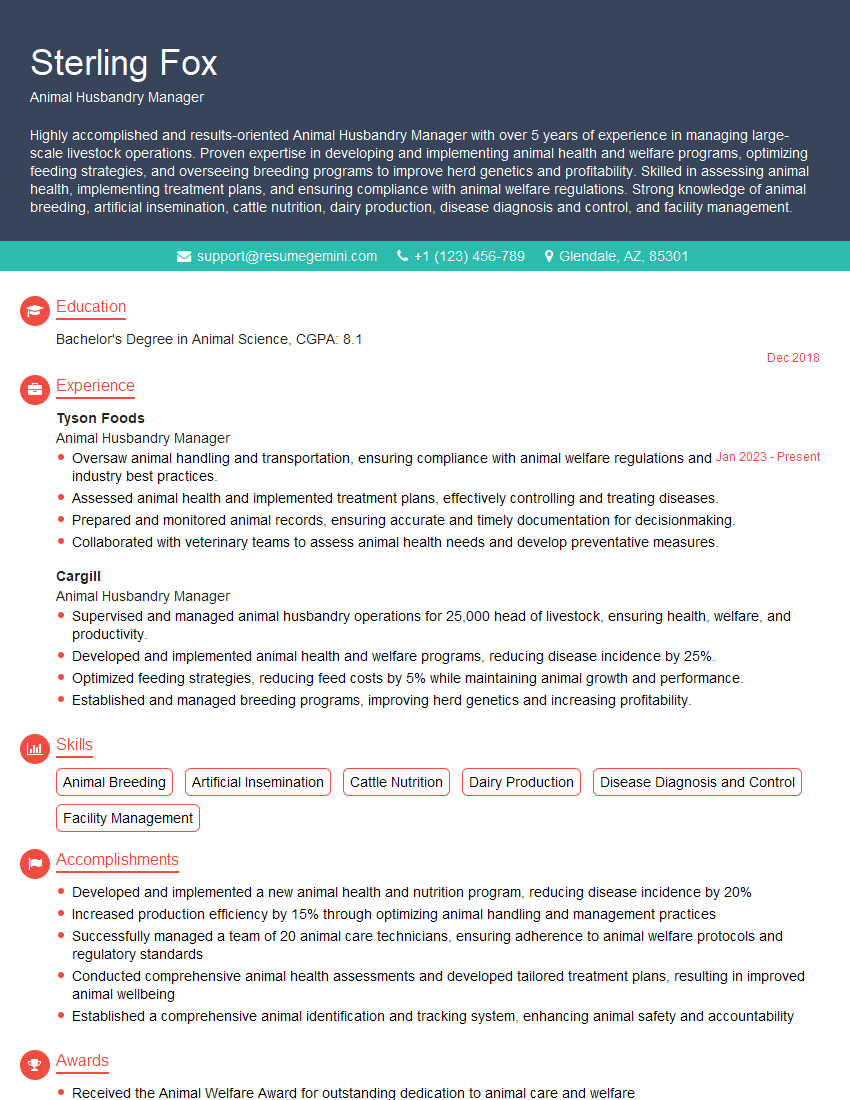
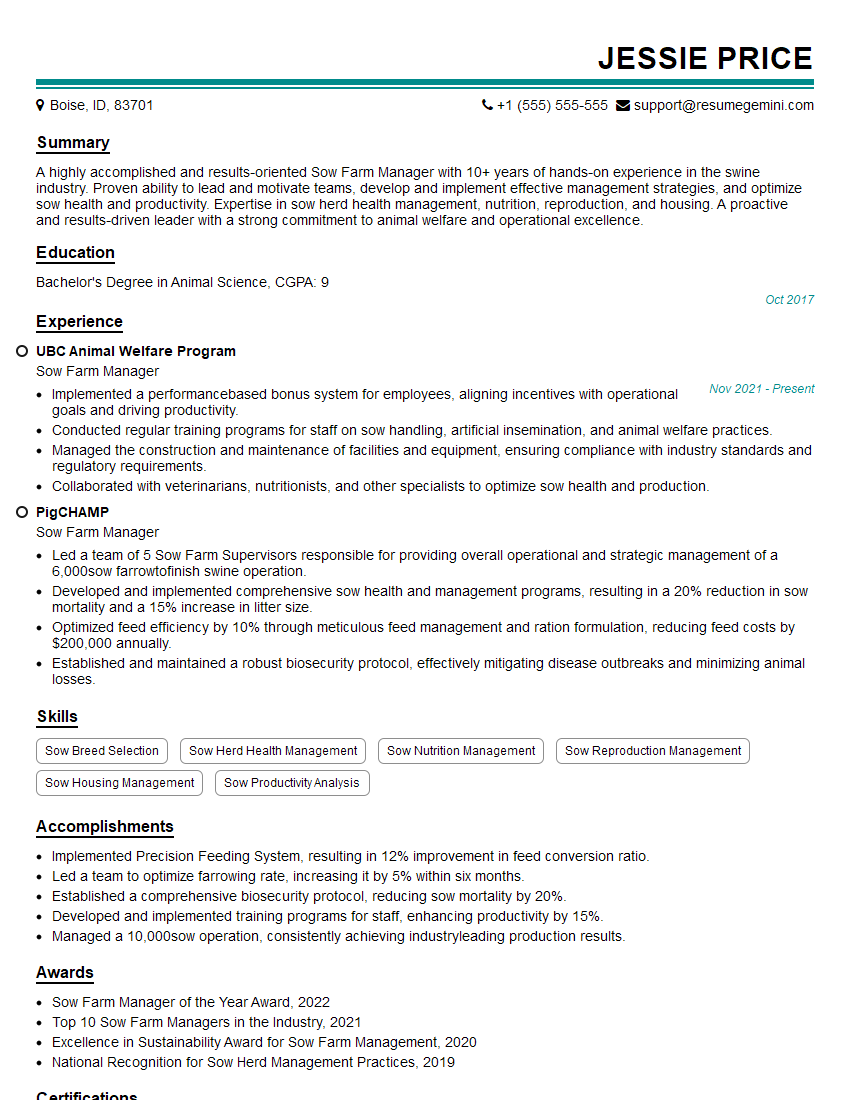
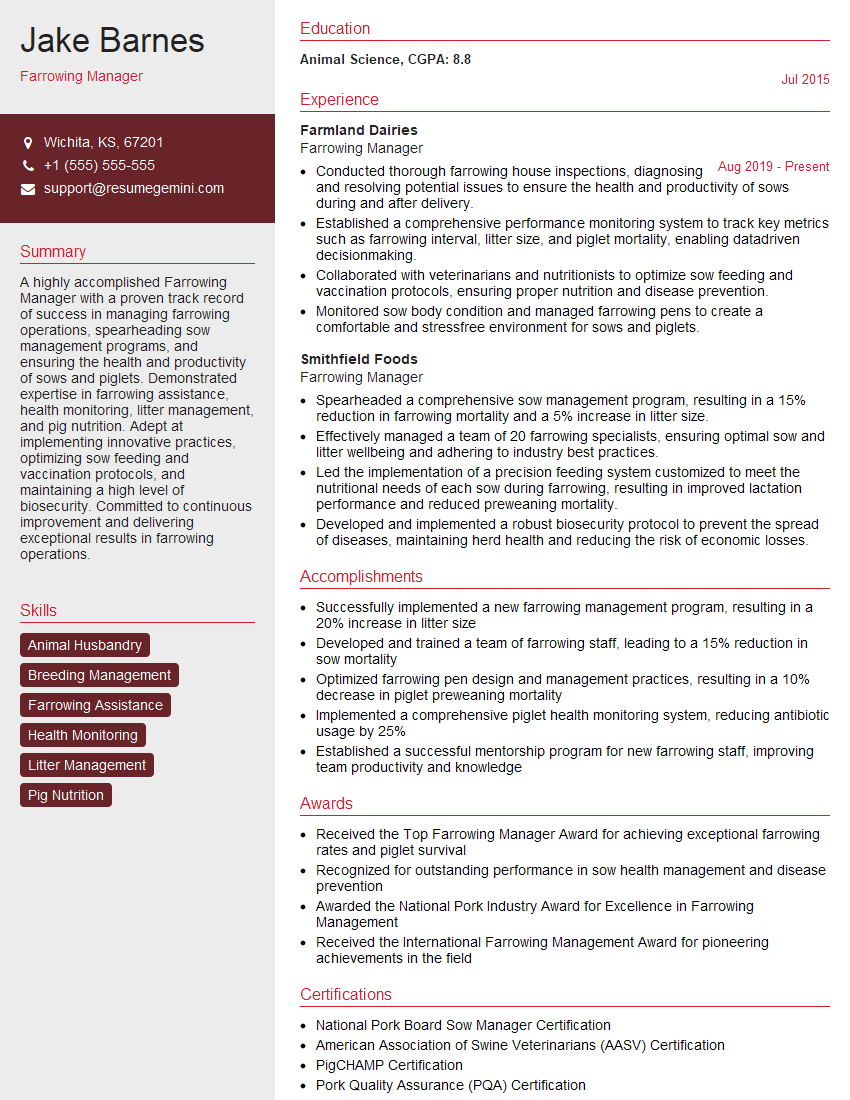
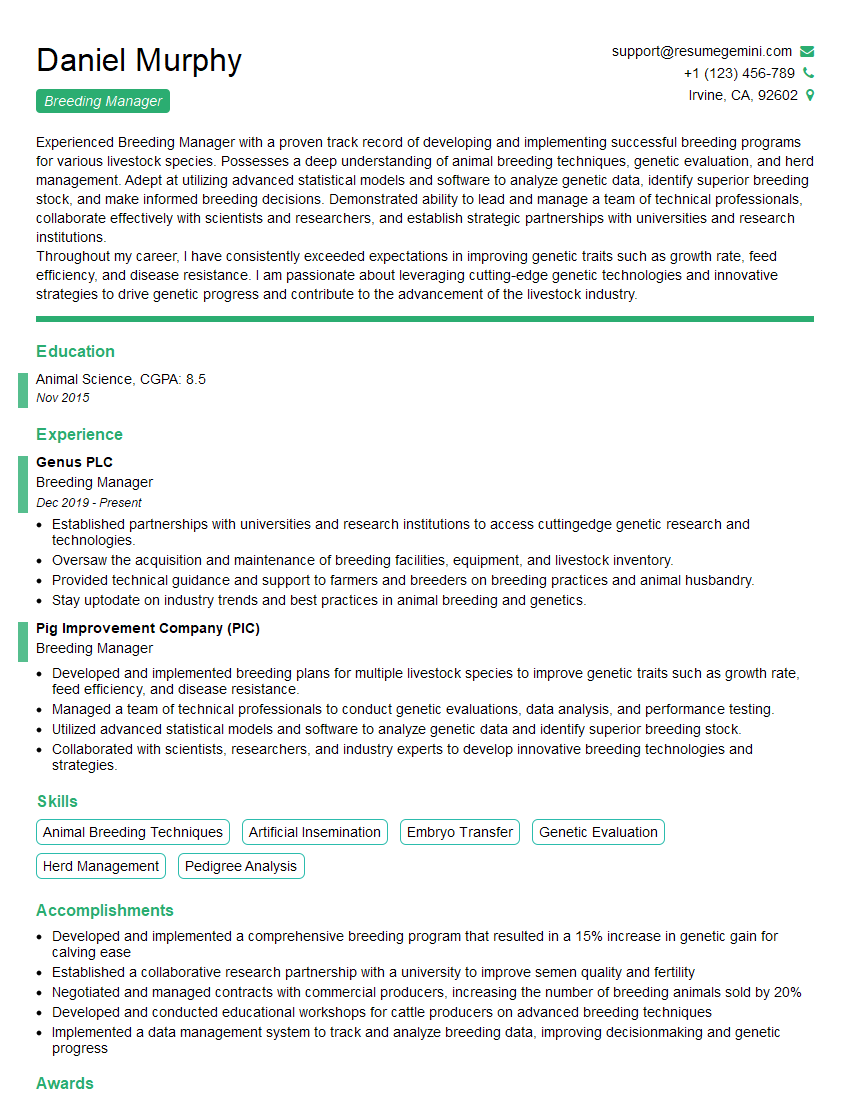
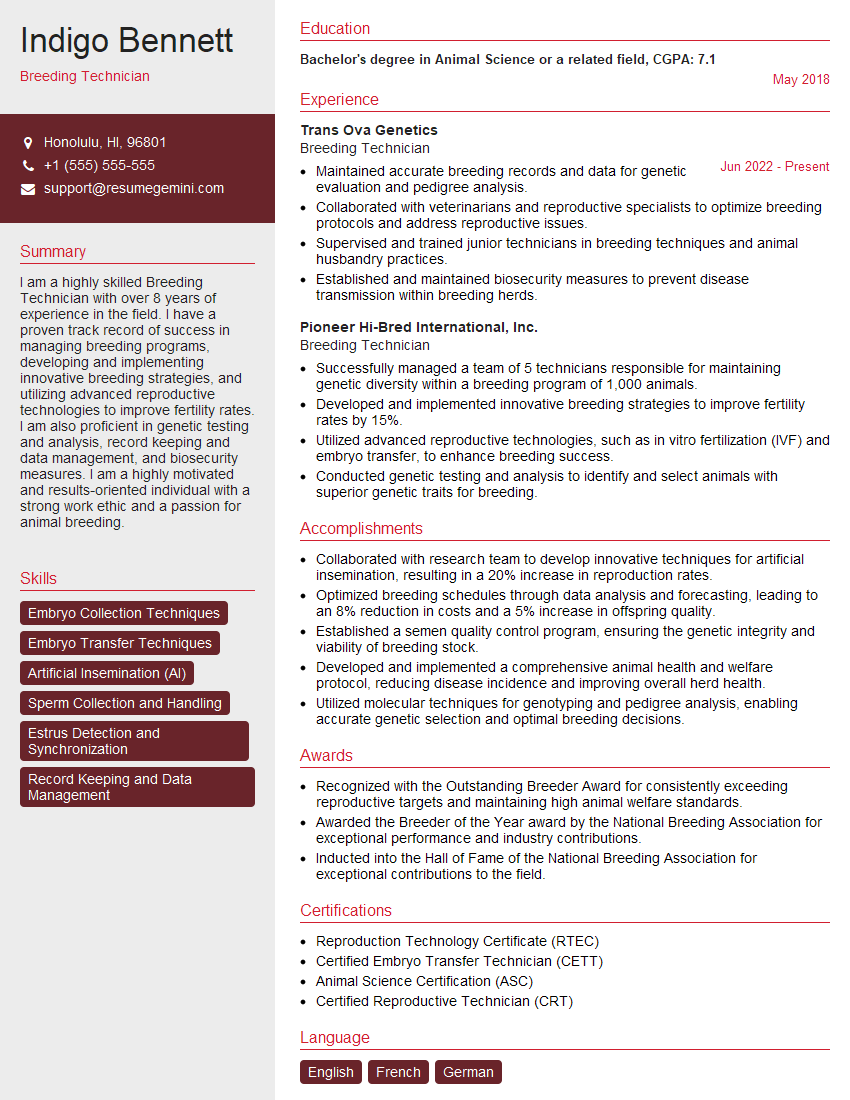
Mastering Sow Farrowing Management is crucial for career advancement in the swine industry. A strong understanding of these principles demonstrates your commitment to efficiency, animal welfare, and profitability. To significantly boost your job prospects, create an ATS-friendly resume that highlights your skills and experience effectively. ResumeGemini is a trusted resource that can help you build a professional and impactful resume tailored to the demands of this competitive field. Examples of resumes specifically designed for Sow Farrowing Management positions are available to guide you.

Explore more articles
Users Rating of Our Blogs
Share Your Experience
We value your feedback! Please rate our content and share your thoughts (optional).
What Readers Say About Our Blog
Very informative content, great job.
good