Interviews are opportunities to demonstrate your expertise, and this guide is here to help you shine. Explore the essential Team Communication interview questions that employers frequently ask, paired with strategies for crafting responses that set you apart from the competition.
Questions Asked in Team Communication Interview
Q 1. Describe your experience facilitating team meetings.
Facilitating effective team meetings requires a structured approach that balances collaboration and efficiency. My experience involves meticulously planning agendas beforehand, ensuring clear objectives are established and shared with participants. I utilize various techniques to keep the discussion focused, such as timeboxing specific topics and employing visual aids like whiteboards or shared online documents.
During the meeting, I actively encourage participation from all members, ensuring everyone has a chance to contribute. I manage potential disruptions proactively, addressing side conversations or tangents diplomatically but firmly. I also leverage techniques like brainstorming sessions or round-robin discussions to ensure inclusive participation. Finally, I always end with clear action items, assigned responsibilities, and deadlines, which are documented and distributed promptly afterwards. For example, in a recent project, using a Kanban board during the meeting allowed us to visually track progress and identify potential roadblocks in real-time, boosting efficiency and collaboration.
Q 2. How do you handle conflict within a team?
Conflict is inevitable in any team environment, but it’s how we manage it that determines success. My approach is rooted in active listening and empathy. I start by creating a safe space where team members feel comfortable expressing their concerns without fear of judgment. I help them identify the root cause of the conflict, focusing on the issue rather than personalities. I then facilitate a structured discussion, encouraging everyone to present their perspectives clearly and respectfully.
I often employ collaborative problem-solving techniques, such as brainstorming alternative solutions together. Compromise and mutual agreement are key, but I am prepared to mediate and make impartial decisions if necessary. For instance, in one case, two team members had differing views on project timelines. By actively listening to both sides and facilitating a discussion on the reasons behind their contrasting opinions, we were able to find a mutually agreeable timeline that accommodated both needs and avoided unnecessary delays.
Q 3. What strategies do you use to improve team collaboration?
Improving team collaboration is a multifaceted process. I utilize several strategies, including establishing clear roles and responsibilities from the outset to prevent confusion and overlap. I also foster open communication channels, encouraging regular check-ins and the use of collaborative tools like project management software (e.g., Asana, Trello) or instant messaging platforms (e.g., Slack).
Building trust and rapport within the team is crucial; I achieve this through team-building activities, both formal and informal, and by encouraging open dialogue and mutual respect. Regular feedback sessions, both individual and group, allow for continuous improvement and address any emerging issues promptly. In one instance, implementing a daily stand-up meeting significantly improved communication and helped us identify and resolve small problems before they escalated into larger issues. This created a more cohesive and productive work environment.
Q 4. Explain your approach to giving and receiving constructive feedback.
Giving and receiving constructive feedback is a crucial skill for team growth. When giving feedback, I focus on specific behaviors and their impact, using the ‘Situation-Behavior-Impact’ (SBI) model. This approach helps deliver feedback objectively and avoids personal attacks. I frame my comments positively, highlighting strengths and offering specific, actionable suggestions for improvement. I always ensure that the feedback is delivered privately and respectfully, and I actively encourage a two-way conversation.
When receiving feedback, I maintain an open and receptive attitude, actively listening without interrupting. I ask clarifying questions to fully understand the feedback given, and I reflect on it constructively, identifying areas where I can improve. I thank the person for their feedback, regardless of whether I agree with everything. This demonstrates respect and encourages future open communication. For example, I recently received feedback on my presentation style. The feedback highlighted my tendency to speak too quickly. By reflecting on this, and practicing pacing myself, I was able to improve my future presentations significantly.
Q 5. How do you ensure all team members are heard and understood?
Ensuring every team member’s voice is heard requires conscious effort and a variety of techniques. I utilize strategies like round-robin discussions in meetings, ensuring each person has a chance to speak before moving to the next. I also actively solicit input from quieter members, asking direct questions and creating opportunities for them to share their perspectives.
I create a psychologically safe environment where people feel comfortable sharing their ideas, even if they are unconventional or different from the majority view. Anonymous feedback mechanisms, like online surveys or suggestion boxes, can be used to gather input without pressure. Regular one-on-one check-ins also provide a private space for team members to discuss their concerns or challenges without feeling overwhelmed in a group setting. In a recent project, a quieter team member shared a valuable insight during a one-on-one meeting that significantly improved the project’s outcome.
Q 6. How do you manage communication across different time zones or locations?
Managing communication across different time zones and locations requires careful planning and the use of appropriate communication tools. I rely heavily on asynchronous communication methods, such as email, project management software, and collaborative document editing tools. This ensures that team members can access and share information at their convenience, regardless of their location or time zone.
I establish clear communication protocols, outlining response times and preferred methods of contact for different situations. Regular virtual meetings, using video conferencing tools, help maintain a sense of community and facilitate real-time interaction. Careful consideration of meeting times is also important to minimize disruption for team members in different zones. For example, I often schedule meetings during overlapping work hours, or use recorded sessions to enable on-demand access for members in different time zones. This ensures inclusivity and allows everyone to participate fully.
Q 7. Describe a time you had to resolve a communication breakdown within a team.
In a previous project, a communication breakdown occurred due to unclear roles and responsibilities. One team member believed they were solely responsible for a certain task, while another assumed someone else was handling it. This resulted in the task being overlooked entirely.
To resolve this, I first acknowledged the error, emphasizing that it wasn’t a reflection of anyone’s individual competence but rather a systemic issue. I then facilitated a meeting to clarify roles and responsibilities using a detailed task breakdown and visual representation. We implemented a project management tool to track progress and ensure accountability. Finally, we established a more robust communication system with regular check-ins to prevent similar breakdowns in the future. This experience highlighted the importance of clear communication channels, defined roles, and utilizing project management tools for enhanced collaboration.
Q 8. What tools or technologies do you use to facilitate team communication?
Facilitating effective team communication relies on a diverse toolkit. My approach is multifaceted and adapts to the project’s needs and team dynamics. I leverage a combination of tools for different communication purposes.
Project Management Software (e.g., Asana, Trello, Jira): For task assignment, progress tracking, and collaborative work on documents. This helps maintain transparency and ensures everyone is on the same page regarding deadlines and responsibilities. For example, using Asana’s Kanban boards allows us to visualize workflow and identify bottlenecks quickly.
Instant Messaging Platforms (e.g., Slack, Microsoft Teams): Essential for quick queries, informal discussions, and sharing updates throughout the day. Using channels within these platforms allows for organized conversations based on projects or topics, preventing message overload.
Video Conferencing (e.g., Zoom, Google Meet): Crucial for team meetings, brainstorming sessions, and fostering a more personal connection, especially in remote or hybrid teams. I often utilize screen sharing during meetings for collaborative problem-solving and presentations.
Email: While less real-time, email is still important for formal communication, sharing documents, and keeping records. I ensure emails are concise, clear, and have a clear subject line.
Internal Wikis or Knowledge Bases: These platforms help centralize information, documentation, and best practices, minimizing duplicated efforts and ensuring consistent information flow across the team.
Q 9. How do you tailor your communication style to different team members?
Adapting communication style is key to effective teamwork. I believe in understanding individual communication preferences and tailoring my approach accordingly. This is not about changing who I am, but about choosing the best method to convey my message clearly and ensure understanding.
Visual Learners: For these individuals, I use diagrams, charts, and presentations to illustrate concepts. I might also include visual cues in my emails or online messaging.
Auditory Learners: I incorporate verbal explanations and discussions, explaining things in detail. I might use voice notes or schedule short calls to discuss particular issues.
Kinesthetic Learners: These individuals benefit from hands-on activities and practical examples. I may engage them in interactive exercises or demonstrations during team meetings or workshops.
Direct vs. Indirect Communicators: I adjust my directness based on the individual’s style. For someone who is direct, I’ll use clear and concise language. For someone who is more indirect, I’ll frame my communication carefully and be more mindful of tone.
Regular feedback and open communication are crucial. By asking team members how they prefer to receive information and actively listening to their input, I continuously refine my communication approach to maximize understanding and collaboration.
Q 10. How do you measure the effectiveness of your team communication strategies?
Measuring the effectiveness of team communication is vital for continuous improvement. I use a multi-pronged approach:
Project Completion Time and Quality: Efficient communication directly impacts project timelines and output quality. Meeting deadlines and delivering high-quality work are key indicators of successful communication.
Team Morale and Satisfaction Surveys: Anonymous surveys help gauge team members’ perceptions of communication effectiveness, identifying areas needing improvement. Positive feedback reflects effective strategies.
Meeting Efficiency: Analyzing meeting duration, participation levels, and action item completion can highlight areas where communication could be more focused and productive. Short, focused meetings are usually a sign of efficient communication.
Error Rate and Issue Resolution Time: A decrease in errors and faster resolution of issues suggests clear and efficient communication between team members.
Qualitative Feedback: Regular check-ins with individual team members to discuss communication workflows and identify any roadblocks provide invaluable insights.
By analyzing these metrics and feedback, I can identify areas for improvement and refine our communication strategies to enhance team performance and satisfaction.
Q 11. Describe your experience with different communication styles (e.g., assertive, passive, aggressive).
Understanding different communication styles is essential for navigating team dynamics. I’ve encountered all three styles – assertive, passive, and aggressive – and have learned to adapt my approach accordingly.
Assertive: This style involves expressing one’s needs and opinions clearly and respectfully, while also considering the perspectives of others. It’s the most effective style for building trust and fostering collaboration. I strive to model this style in my communication.
Passive: This style is characterized by avoiding conflict and expressing needs indirectly, often leading to misunderstandings and resentment. When encountering a passive team member, I encourage open communication and create a safe space for them to express their concerns without fear of judgment. This often involves active listening and asking clarifying questions.
Aggressive: This style involves expressing needs in a demanding and disrespectful manner, often causing conflict and damaging relationships. When faced with aggressive communication, I maintain a calm and professional demeanor, focusing on de-escalation techniques and clearly stating expectations and boundaries.
My experience has taught me the importance of adapting my style to the situation and the individual, while always prioritizing respectful and productive communication.
Q 12. How do you ensure clear and concise communication within your team?
Ensuring clear and concise communication involves several strategies:
Active Listening: Paying close attention to what others are saying and asking clarifying questions demonstrates respect and ensures understanding. It helps to prevent misinterpretations and misunderstandings.
Structured Communication: Using outlines, bullet points, and numbered lists helps organize information and improve readability, particularly in emails or documents.
Plain Language: Avoiding jargon and technical terms unless absolutely necessary ensures everyone understands the message. When jargon is unavoidable, always define it clearly.
Visual Aids: Incorporating visuals, such as charts, graphs, and diagrams, can make complex information easier to understand.
Feedback Loops: Regularly checking for understanding by asking questions like, ‘Does that make sense?’ or ‘Do you have any questions?’ helps ensure clarity.
Proofreading: Carefully reviewing emails and documents before sending them reduces the chance of errors or miscommunications.
By consistently applying these practices, we create a culture of clear and efficient communication within the team.
Q 13. How do you keep team members informed of important updates and changes?
Keeping the team informed requires a proactive and multi-channel approach:
Regular Team Meetings: Scheduled meetings provide a platform for sharing updates, discussing progress, and addressing any concerns.
Project Management Software Updates: Using project management tools to update tasks, timelines, and deliverables keeps everyone informed about the project’s status.
Email Announcements: For important updates, emails serve as a formal record and ensure everyone receives the information.
Instant Messaging Notifications: For urgent or time-sensitive updates, instant messaging platforms enable quick dissemination of information.
Regular Newsletters or Summaries: For less urgent updates, creating a weekly or monthly newsletter can provide a concise summary of important events and developments.
The key is to choose the right channel for the message and to ensure consistency in communication methods. Regular communication builds trust and helps avoid misinformation.
Q 14. How do you handle situations where team members are not communicating effectively?
Addressing ineffective communication requires a systematic approach:
Identify the Problem: First, pinpoint the specific communication issues. Is it a lack of clarity, conflicting information, or a breakdown in communication channels? Careful observation and open discussions with team members are crucial for this step.
Direct and Private Conversation: When addressing individual communication issues, it’s best to have a private conversation. Use active listening to understand their perspective and jointly find solutions.
Mediation if Necessary: If the issue involves conflict between team members, acting as a mediator to facilitate constructive dialogue and conflict resolution can help.
Implement Communication Training: If broader communication issues persist, consider providing training on active listening, effective communication techniques, or conflict resolution.
Adjust Communication Strategies: Review existing communication methods and make adjustments as needed. Perhaps a different communication channel or a revised meeting structure would improve effectiveness.
Follow-Up: Ensure the strategies implemented are working effectively. Regularly check in to ensure team communication has improved and the issue is resolved.
Addressing communication challenges proactively fosters a collaborative and productive work environment.
Q 15. What are some common barriers to effective team communication, and how do you overcome them?
Effective team communication is crucial for success, yet several barriers often hinder it. These can be broadly categorized into communication channel issues, individual differences, and structural problems.
- Physical Barriers: Distance, noise, or poor meeting room setups can obstruct clear communication. Overcoming this requires choosing appropriate communication channels (video conferencing for remote teams, quiet spaces for sensitive discussions) and optimizing the physical environment for meetings.
- Technical Barriers: Ineffective technology (unreliable internet, outdated software) and a lack of technical proficiency can disrupt communication flow. Implementing reliable technology and providing training for team members solves this.
- Psychological Barriers: Personal biases, differing communication styles (e.g., direct vs. indirect), lack of trust, and emotional reactions can create misunderstandings. Addressing this requires building trust through open communication, active listening, and establishing clear communication norms. Training on intercultural communication can be beneficial in diverse teams.
- Semantic Barriers: Misunderstandings due to jargon, ambiguous language, or different interpretations of words. Using clear, concise language, avoiding jargon unless properly defined, and actively seeking clarification are key solutions.
- Structural Barriers: Poorly defined roles, lack of leadership clarity, or inadequate processes can hinder communication. A well-defined organizational structure, clear roles and responsibilities, and streamlined communication processes significantly improve team interaction.
For example, in a previous project, a lack of clear communication channels between our design and development teams led to significant delays. We implemented daily stand-up meetings using a video conferencing platform and a shared project management tool to address this, leading to drastically improved collaboration and on-time delivery.
Career Expert Tips:
- Ace those interviews! Prepare effectively by reviewing the Top 50 Most Common Interview Questions on ResumeGemini.
- Navigate your job search with confidence! Explore a wide range of Career Tips on ResumeGemini. Learn about common challenges and recommendations to overcome them.
- Craft the perfect resume! Master the Art of Resume Writing with ResumeGemini’s guide. Showcase your unique qualifications and achievements effectively.
- Don’t miss out on holiday savings! Build your dream resume with ResumeGemini’s ATS optimized templates.
Q 16. Describe your experience with using visual aids to enhance team communication.
Visual aids are invaluable for enhancing team communication, particularly when dealing with complex data or abstract concepts. I’ve used various visual aids extensively in my career, including:
- Charts and graphs: To present data clearly and concisely, making trends and patterns readily apparent. For example, using bar charts to compare project progress against targets or pie charts to show the allocation of resources.
- Flowcharts and diagrams: To illustrate processes, workflows, or systems, making them easier to understand and troubleshoot. These were essential when outlining complex software development processes.
- Infographics: To communicate complex information in a visually appealing and easily digestible format. I’ve found infographics helpful in summarizing project reports or presenting key findings to stakeholders.
- Whiteboards and digital whiteboards: For brainstorming sessions, facilitating collaborative problem-solving, and visualizing ideas during meetings. The ability to sketch, annotate, and share these visually enhances group understanding.
In one instance, I was explaining a complex algorithm to a team with varying technical backgrounds. Using a flowchart, I was able to break down the algorithm step-by-step, visually representing the data flow and decision points, which made the concept significantly easier to grasp for everyone involved.
Q 17. How do you foster a culture of open and honest communication within a team?
Fostering a culture of open and honest communication involves creating a safe and respectful environment where team members feel comfortable sharing their thoughts, ideas, and concerns without fear of judgment or reprisal. This requires a multifaceted approach:
- Lead by example: Demonstrate openness and vulnerability in your own communication style. Share your own challenges and openly solicit feedback.
- Establish clear communication norms: Set expectations for respectful dialogue, active listening, and constructive feedback. This might involve agreeing on communication channels and response times.
- Create psychological safety: Emphasize that mistakes are learning opportunities and that it’s acceptable to ask questions or express dissenting opinions. Celebrate diverse perspectives and encourage respectful debate.
- Regular check-ins and feedback sessions: Establish regular one-on-one meetings and team meetings to gauge individual and team morale, address concerns, and provide feedback. Anonymous feedback mechanisms can also be beneficial.
- Provide training: Training on communication skills, active listening, and conflict resolution can significantly enhance team dynamics and communication.
In a previous team, we introduced a ‘Feedback Friday’ initiative where team members could anonymously submit feedback. This allowed us to identify recurring issues and make targeted improvements in our communication practices.
Q 18. How do you encourage active listening within your team?
Encouraging active listening within a team is crucial for effective communication. Active listening goes beyond simply hearing; it involves fully engaging with the speaker’s message and demonstrating understanding. I encourage this through:
- Modeling active listening: Demonstrating active listening behaviors myself, such as maintaining eye contact, nodding, and summarizing key points to ensure understanding.
- Providing training: Conducting workshops or training sessions on active listening techniques, including paraphrasing, reflecting feelings, and asking clarifying questions.
- Facilitating focused conversations: Creating structured discussions that encourage active listening, for example, through the use of ‘think-pair-share’ activities.
- Providing feedback on listening skills: Giving constructive feedback to team members on their active listening skills, highlighting both strengths and areas for improvement.
- Creating a culture of empathy: Emphasizing the importance of understanding different perspectives and considering the emotions of the speaker.
For instance, I once noticed a team member struggling to actively listen during meetings. I provided them with personalized feedback, suggesting techniques like summarizing what they had heard. This, coupled with ongoing mentorship, significantly improved their listening skills.
Q 19. How do you deal with disagreements and differing opinions within a team?
Disagreements and differing opinions are inevitable in a team setting, but they can be valuable opportunities for innovation and growth if handled constructively. My approach involves:
- Creating a safe space for expressing dissent: Emphasizing that respectful disagreement is encouraged and that different perspectives are valuable.
- Focusing on the issue, not the person: Keeping discussions focused on the problem at hand, rather than making personal attacks or resorting to emotional responses.
- Encouraging active listening and empathy: Making sure each party feels heard and understood before seeking solutions.
- Facilitating structured discussions: Employing techniques like brainstorming, prioritization matrices, or decision-making frameworks to reach a consensus.
- Seeking compromise and win-win solutions: Exploring options that address the concerns of all parties involved.
- Mediating when necessary: Stepping in to facilitate communication and resolution if the disagreement escalates.
In one instance, a team was locked in a heated debate about the best approach to a project. I facilitated a structured discussion where each side presented their arguments, listened actively to the other’s perspective, and ultimately reached a compromise that incorporated elements from both approaches.
Q 20. Describe a time you had to communicate complex information to a non-technical audience.
I once had to explain a complex data migration project to a non-technical board of directors. To ensure understanding, I avoided technical jargon and used simple analogies and visual aids.
Instead of using technical terms like ‘database schema’ or ‘API integration’, I explained the process as moving furniture from one house to another. The database was the furniture, the schema was the furniture layout, and the migration was the moving process. I used a simple flowchart to visually represent the different stages involved, highlighting potential challenges and milestones.
This approach helped them grasp the project’s scope, timeline, and potential risks, allowing for a more informed discussion and ensuring everyone was on the same page.
Q 21. How do you build trust and rapport within a team?
Building trust and rapport within a team is essential for effective communication and collaboration. This involves a combination of actions focused on demonstrating competence, reliability, and empathy:
- Demonstrate competence: Consistently delivering on commitments and showcasing expertise builds confidence and respect.
- Be reliable and dependable: Following through on promises, being punctual, and providing support when needed fosters trust.
- Show empathy and understanding: Actively listening to team members’ concerns, acknowledging their contributions, and showing genuine interest in their well-being strengthens relationships.
- Encourage open communication and feedback: Creating a safe space for sharing ideas and concerns, and actively soliciting feedback, helps build transparency and trust.
- Celebrate successes and acknowledge contributions: Recognizing individual and team achievements promotes a positive and supportive team environment.
- Spend time getting to know your team members: Engaging in informal conversations to understand their backgrounds, interests, and work styles helps build personal connections.
In one team, I initiated weekly team lunches to foster informal interactions. These lunches, outside the formal work setting, helped build personal connections, leading to increased trust and stronger team cohesion.
Q 22. What is your experience with using communication platforms (e.g., Slack, Microsoft Teams)?
I have extensive experience using various communication platforms, including Slack, Microsoft Teams, and email. My proficiency goes beyond simply using the features; I understand how to leverage them strategically for different team needs. For example, in a fast-paced project, Slack’s threaded conversations allow for efficient, focused discussions on specific tasks, preventing email overload. Conversely, for formal announcements or sensitive information, Microsoft Teams’ dedicated channels and secure messaging capabilities are ideal. I also understand the importance of choosing the right tool for the right communication type – a quick question might be better suited to an instant message, whereas a complex problem requires a video conference.
I regularly utilize features like file sharing, task management tools integrated within these platforms, and direct messaging for quick clarifications. Furthermore, I actively participate in platform-specific training and stay updated on new features to maximize their use for team communication.
Q 23. How do you utilize nonverbal communication to enhance team interactions?
Nonverbal communication is crucial for building rapport and understanding within a team. In virtual settings, I pay close attention to my webcam positioning and lighting to ensure a professional appearance. Active listening is also key; I use visual cues like nodding and maintaining eye contact (as much as possible on video calls) to show engagement. When I’m speaking, I vary my tone and pace to keep the message engaging and prevent monotony. For in-person meetings, I’m mindful of my body language – maintaining an open posture, making appropriate eye contact, and using hand gestures to emphasize points.
For example, if a team member seems hesitant to speak, I might create a more inclusive environment by using encouraging nonverbal cues, like a subtle smile or a nod of invitation. Conversely, if a team member seems frustrated, I might recognize this through their body language and adjust my communication style accordingly, perhaps asking clarifying questions to address their concerns.
Q 24. How do you document and share team decisions and outcomes?
Documenting and sharing team decisions is a critical aspect of effective communication. I typically use a combination of methods. For quick decisions, I might jot down key points in the meeting notes section of our chosen platform (Slack, Teams, etc.). For more complex decisions, we create a shared document (using tools like Google Docs or Microsoft Word) that outlines the decision, rationale, action items, and assigned owners. This document is then shared with the team, and version control is maintained to track any revisions.
Meeting minutes, which include decisions made, action items with deadlines, and any relevant context, are meticulously documented and distributed to all team members. We maintain a central repository (such as a shared drive or project management software) for easy access to these documents and past meeting minutes, ensuring transparency and historical context.
Q 25. How do you ensure that communication remains consistent across all team members?
Maintaining consistent communication across a team involves establishing clear communication protocols and regularly reinforcing them. We start by defining preferred communication channels for different types of information (e.g., urgent updates via instant messaging, formal announcements via email, detailed discussions via project management tools). We also establish a communication style guide, outlining expectations for clarity, tone, and etiquette. Regular team check-ins help identify and address any inconsistencies.
For example, if some team members are relying heavily on informal communication channels while others primarily use formal methods, this can lead to miscommunication. Through clear guidelines and consistent reinforcement, we ensure everyone is on the same page and information dissemination remains clear and efficient.
Q 26. Describe your process for setting clear communication expectations with a team.
Setting clear communication expectations is paramount for team success. At the beginning of a project or when a new team member joins, I hold an introductory meeting to discuss our communication preferences and protocols. We cover preferred channels, response times, meeting etiquette, and the importance of clear and concise messaging. I emphasize the importance of active listening and respectful communication, ensuring everyone feels comfortable voicing their opinions and concerns.
I use a combination of written communication (e.g., a communication guideline document) and verbal discussions to ensure everyone understands and agrees to the expectations. Regular feedback and adjustments are integral to this process, allowing us to adapt our communication style as the project evolves.
Q 27. How do you handle situations where sensitive information needs to be communicated?
Communicating sensitive information requires a cautious and responsible approach. I always ensure the information is shared through the most secure channels available, which might involve encrypted email or secure messaging platforms. Before sharing, I verify the recipients’ need-to-know basis. Transparency about the sensitivity of the information is vital. I’d inform the recipients of the confidentiality requirements and the importance of discretion. For extremely sensitive information, I might schedule a confidential, in-person meeting or a secure video call.
For example, if confidential financial data needs to be shared, I wouldn’t use a general email chain. Instead, I’d use a secure platform or a private meeting.
Q 28. How do you adapt your communication style based on the urgency of the situation?
Adapting communication style to urgency is critical. In urgent situations, I prioritize clarity and conciseness. I might use instant messaging or a quick phone call to relay essential information swiftly. I would avoid overly formal language and focus on getting the key message across immediately. For less urgent matters, I can take a more thoughtful and detailed approach, perhaps using email or a formal meeting.
For example, if a critical system failure occurs, immediate communication via instant messaging or phone is paramount. But if it’s a routine project update, a less urgent communication method like an email would suffice.
Key Topics to Learn for Team Communication Interview
- Active Listening & Feedback: Understanding nonverbal cues, paraphrasing to confirm understanding, providing constructive criticism, and effectively receiving feedback.
- Collaboration & Teamwork Styles: Identifying different team roles (e.g., leader, contributor, facilitator), understanding conflict resolution strategies, and adapting communication styles to diverse team members.
- Clear & Concise Communication: Structuring messages for maximum impact, using appropriate language and tone for the audience, and tailoring communication methods (e.g., email, meetings, presentations) to the situation.
- Nonverbal Communication: Recognizing the importance of body language, tone of voice, and eye contact in conveying messages effectively and building rapport.
- Conflict Resolution & Negotiation: Approaches to addressing disagreements constructively, finding common ground, and achieving mutually beneficial outcomes through effective communication.
- Communication Technologies & Tools: Proficiency with various communication platforms (e.g., Slack, Microsoft Teams, email) and understanding their optimal use in team settings.
- Virtual Team Communication Best Practices: Strategies for effective communication in remote or hybrid work environments, including overcoming challenges posed by distance and technology.
- Presenting Information Effectively: Structuring presentations logically, using visuals effectively, and tailoring the message to the audience’s needs and level of understanding.
- Written Communication Skills: Writing professional emails, reports, and other documents that are clear, concise, and error-free.
Next Steps
Mastering team communication is crucial for career advancement. Strong communication skills are highly valued across all industries and contribute significantly to project success and team cohesion. To maximize your job prospects, create an ATS-friendly resume that highlights your communication abilities. ResumeGemini is a trusted resource for building professional resumes, helping you present your skills and experience effectively. Examples of resumes tailored to showcasing expertise in Team Communication are available to help guide you.
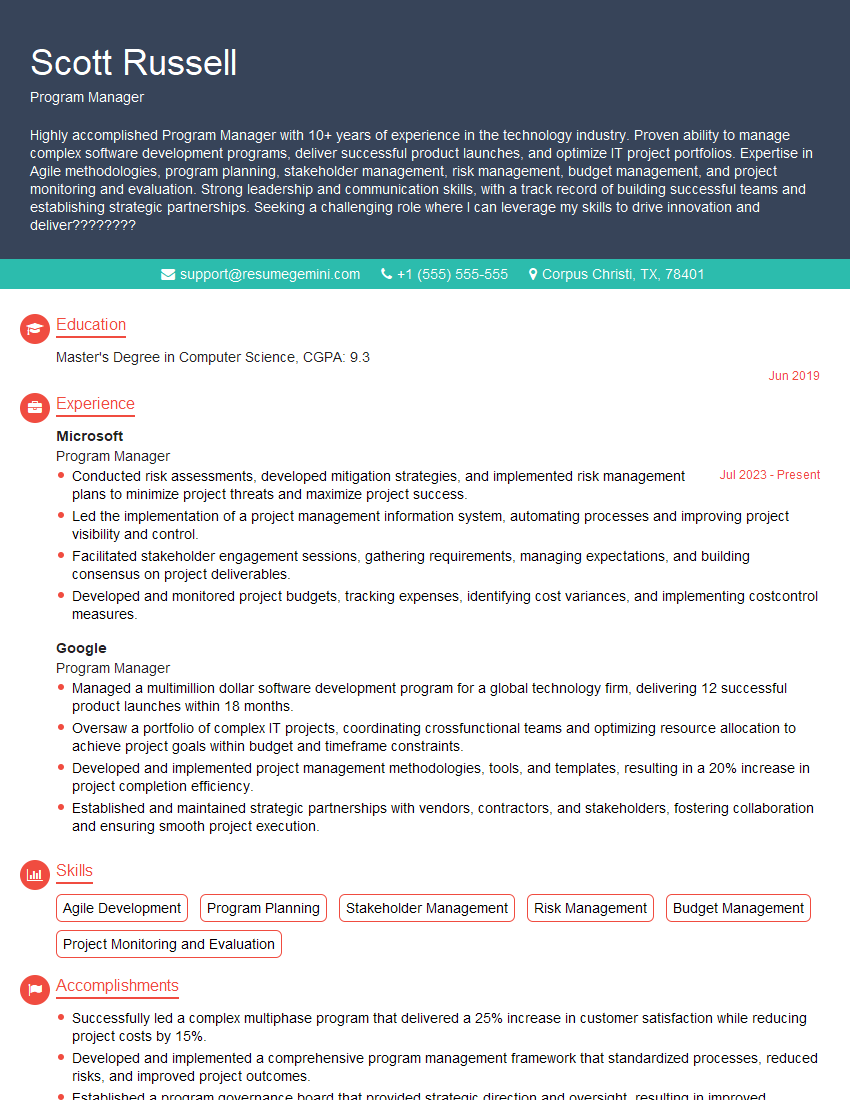
Program Manager Resume Sample

Operations Manager Resume Sample
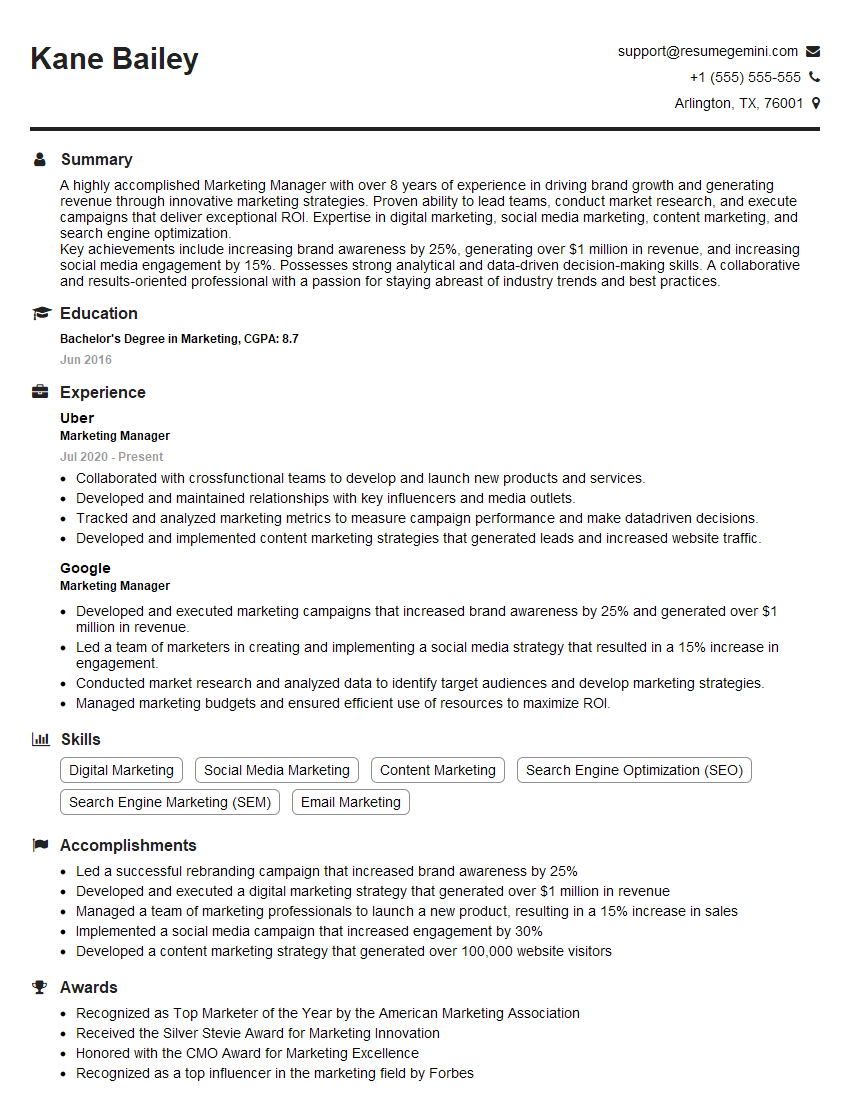
Marketing Manager Resume Sample
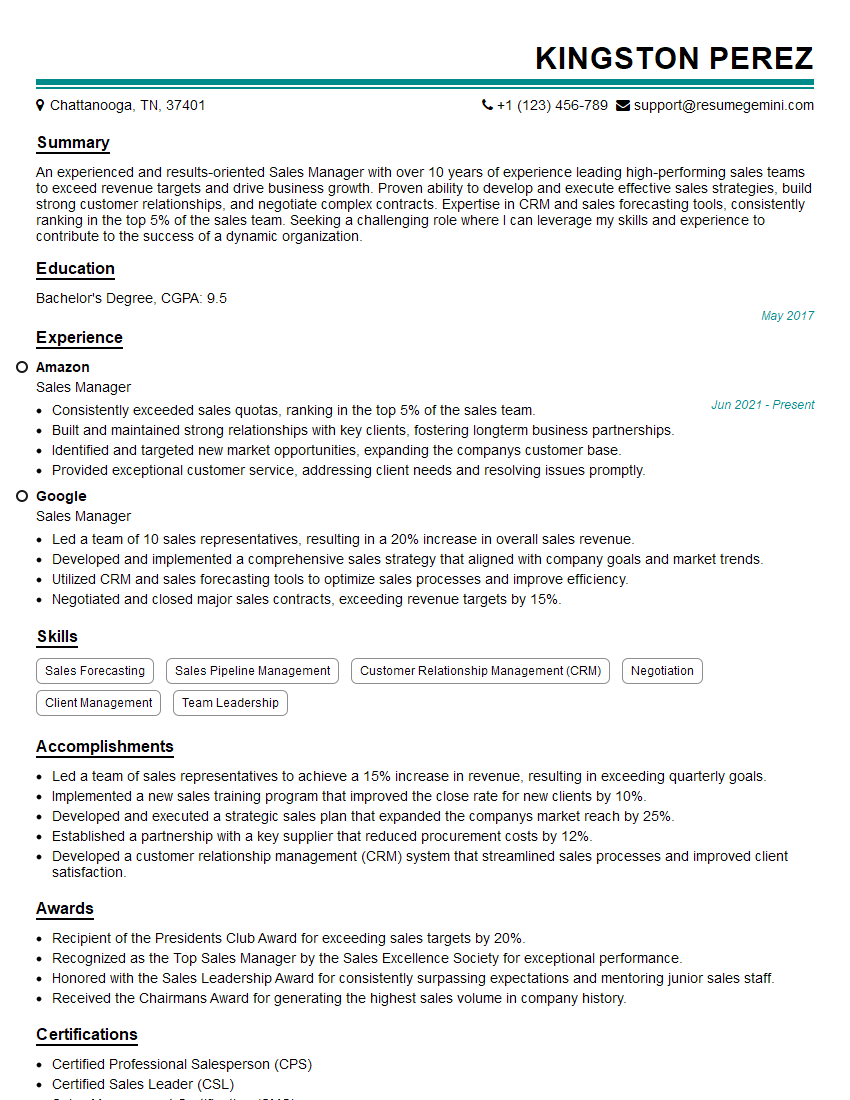
Sales Manager Resume Sample
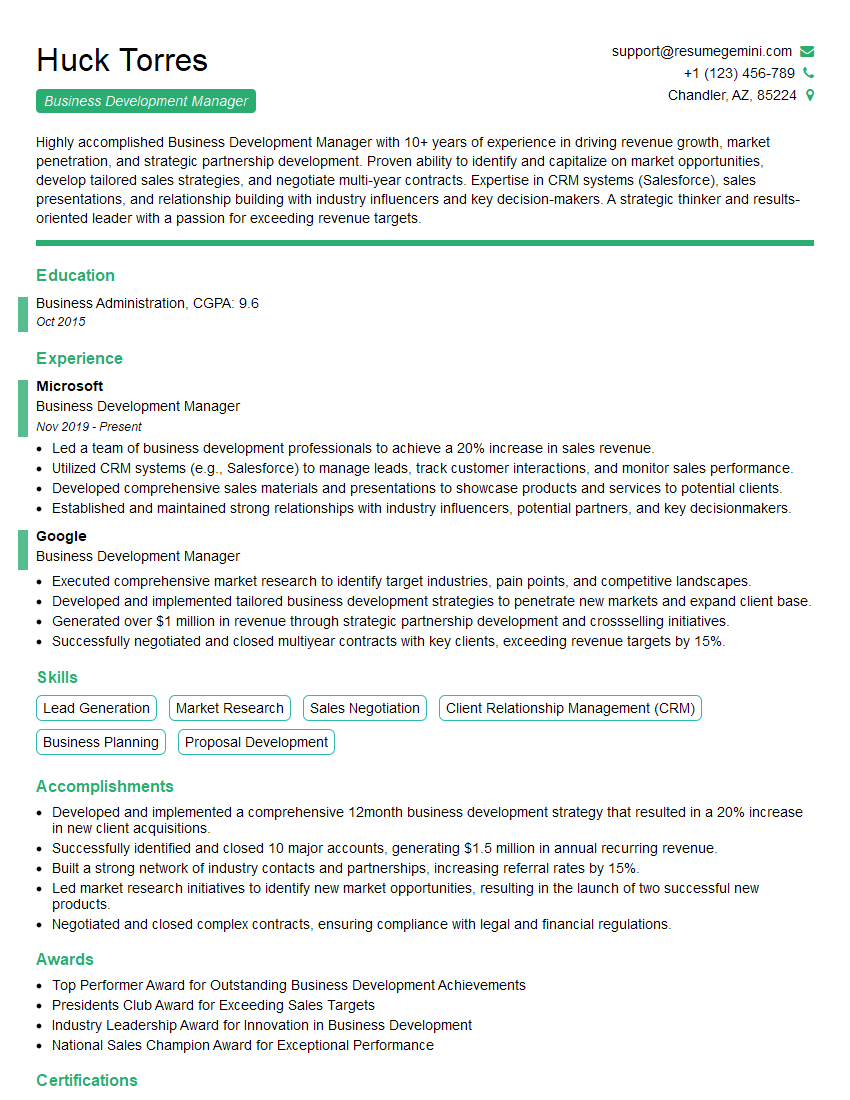
Business Development Manager Resume Sample
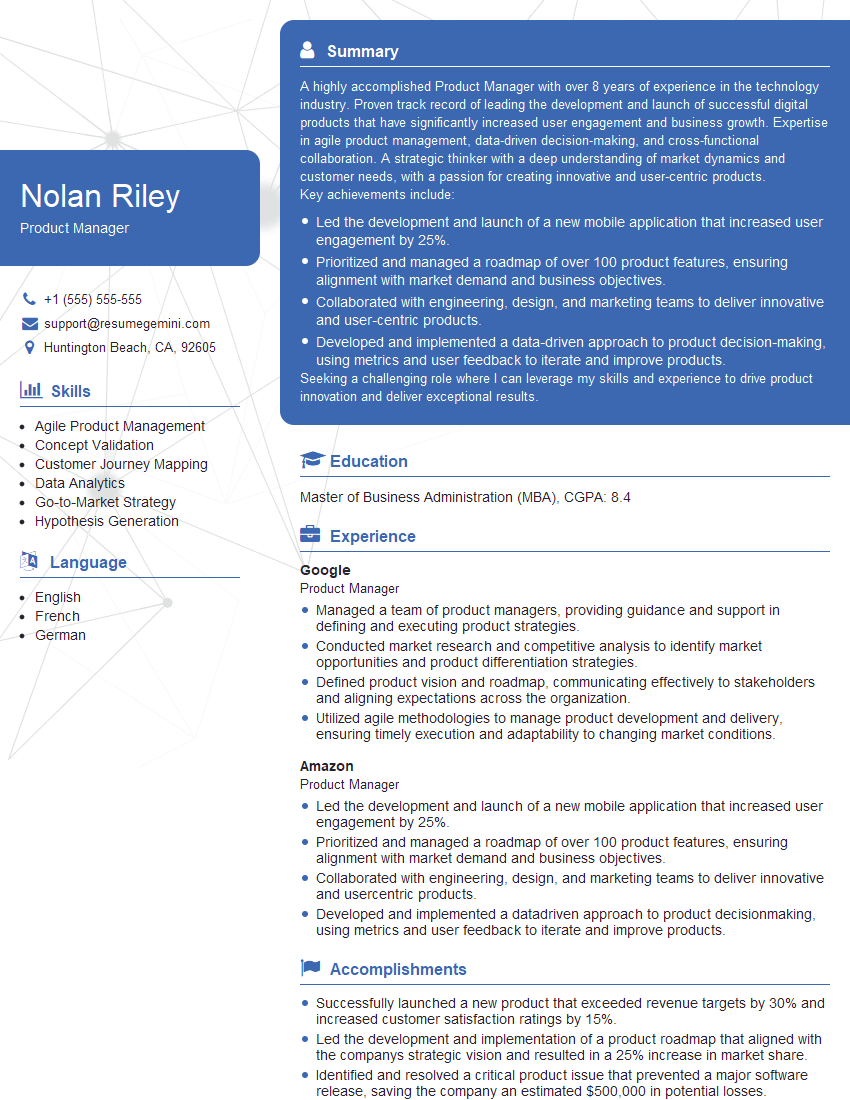
Product Manager Resume Sample

Communications Manager Resume Sample
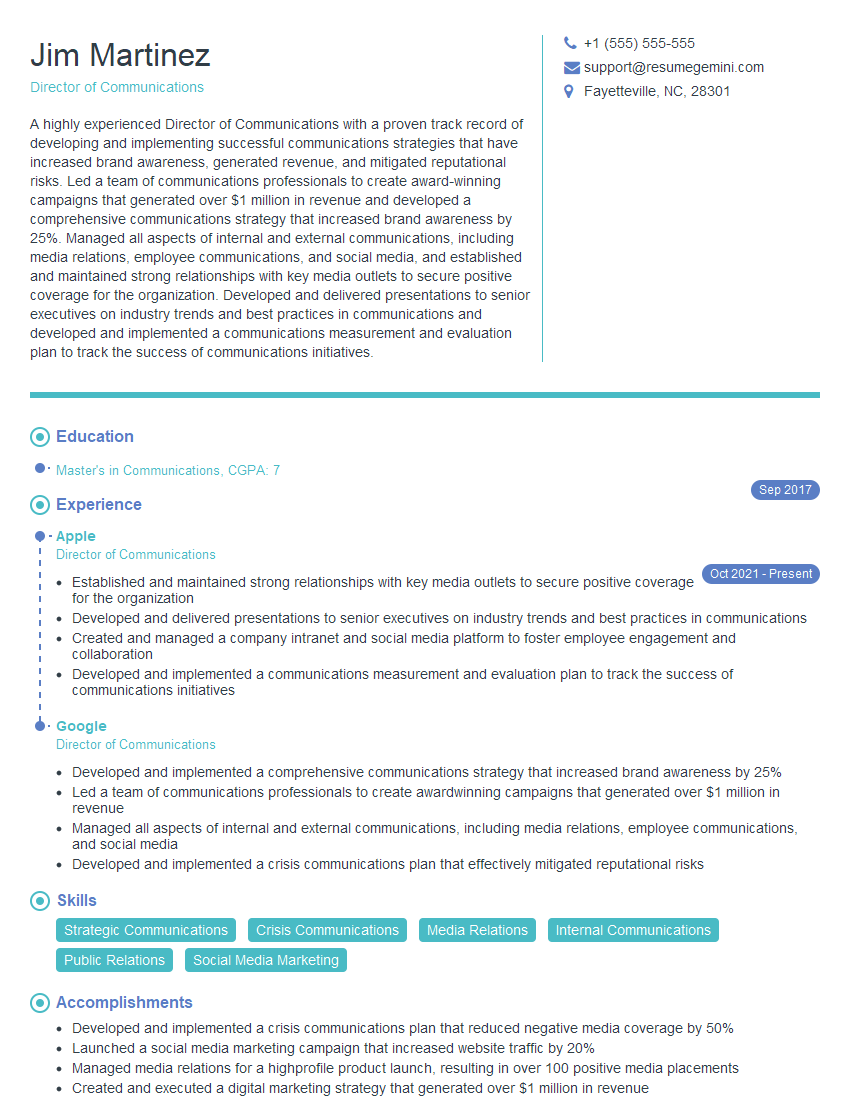
Director of Communications Resume Sample
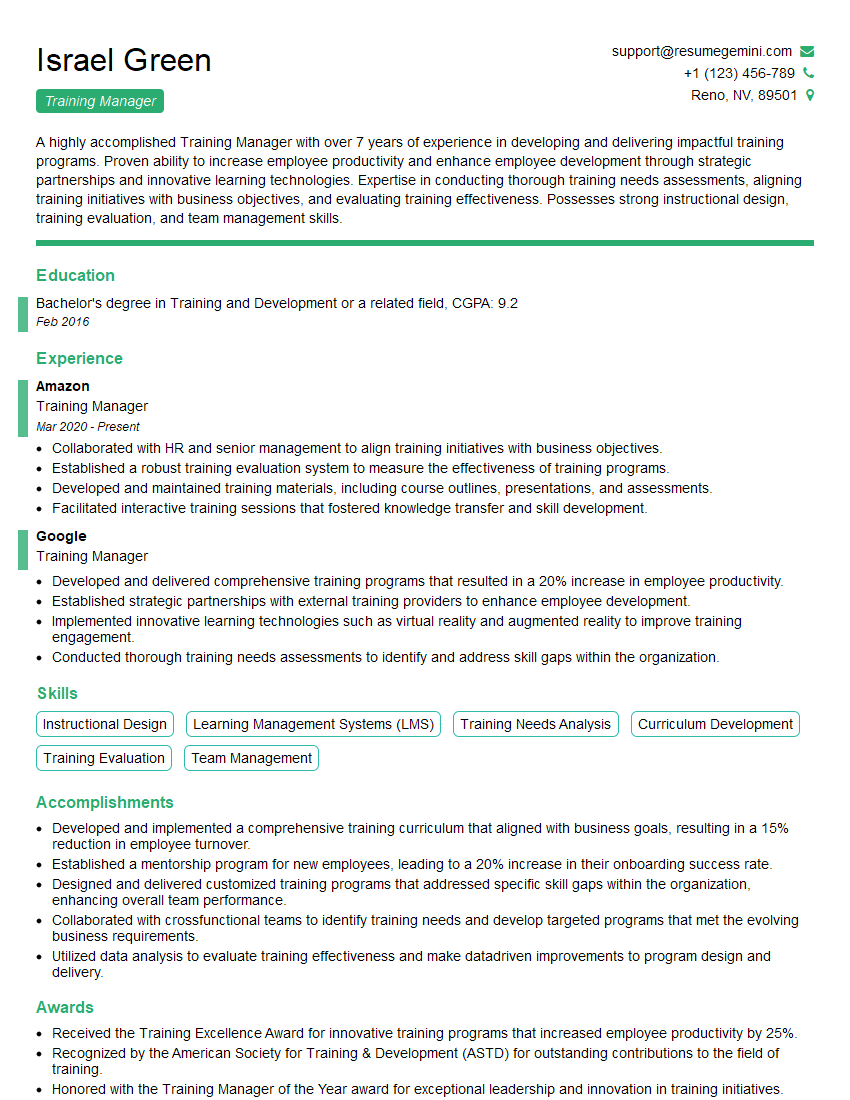
Training Manager Resume Sample

Project Manager Resume Sample
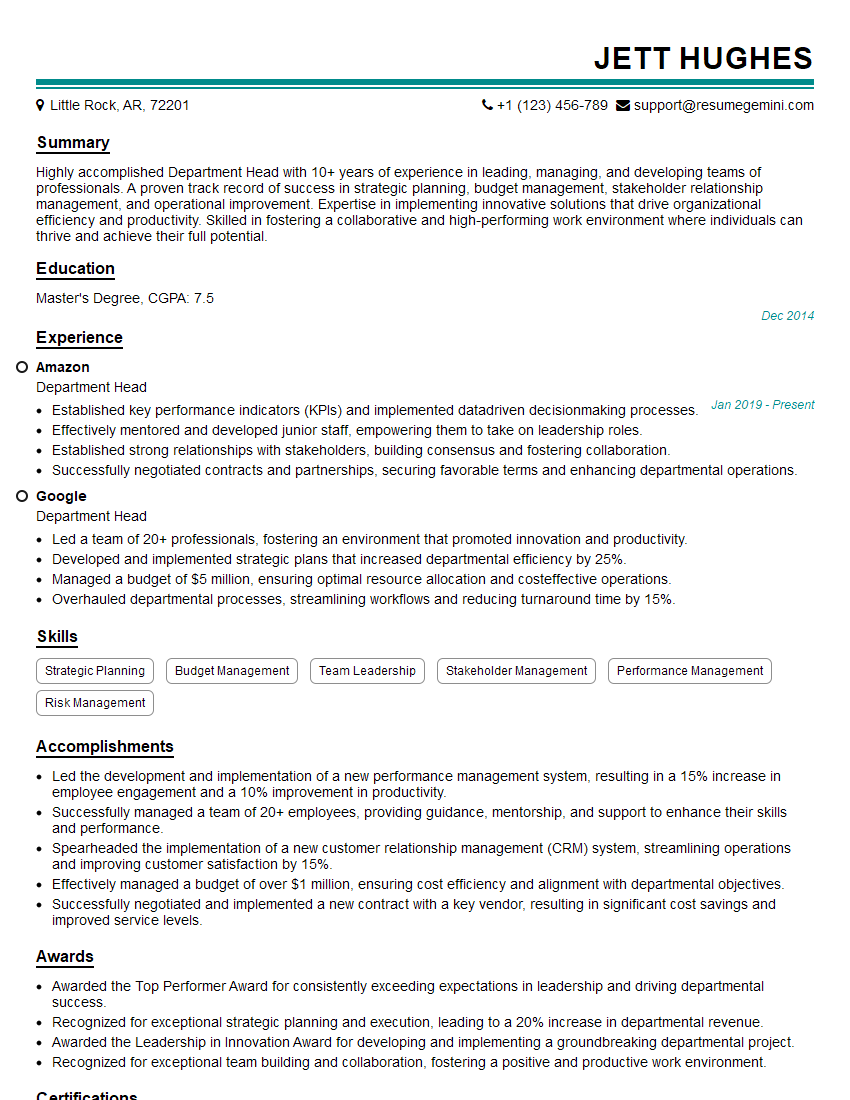
Department Head Resume Sample
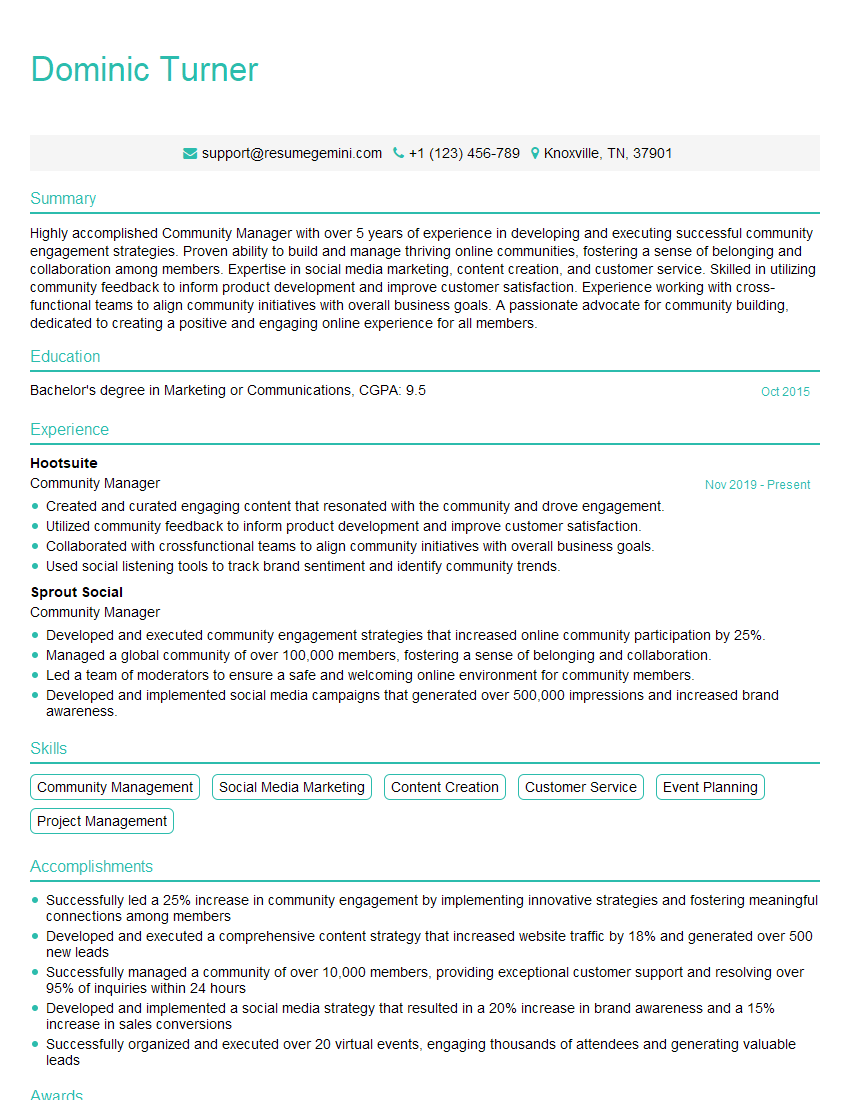
Community Manager Resume Sample
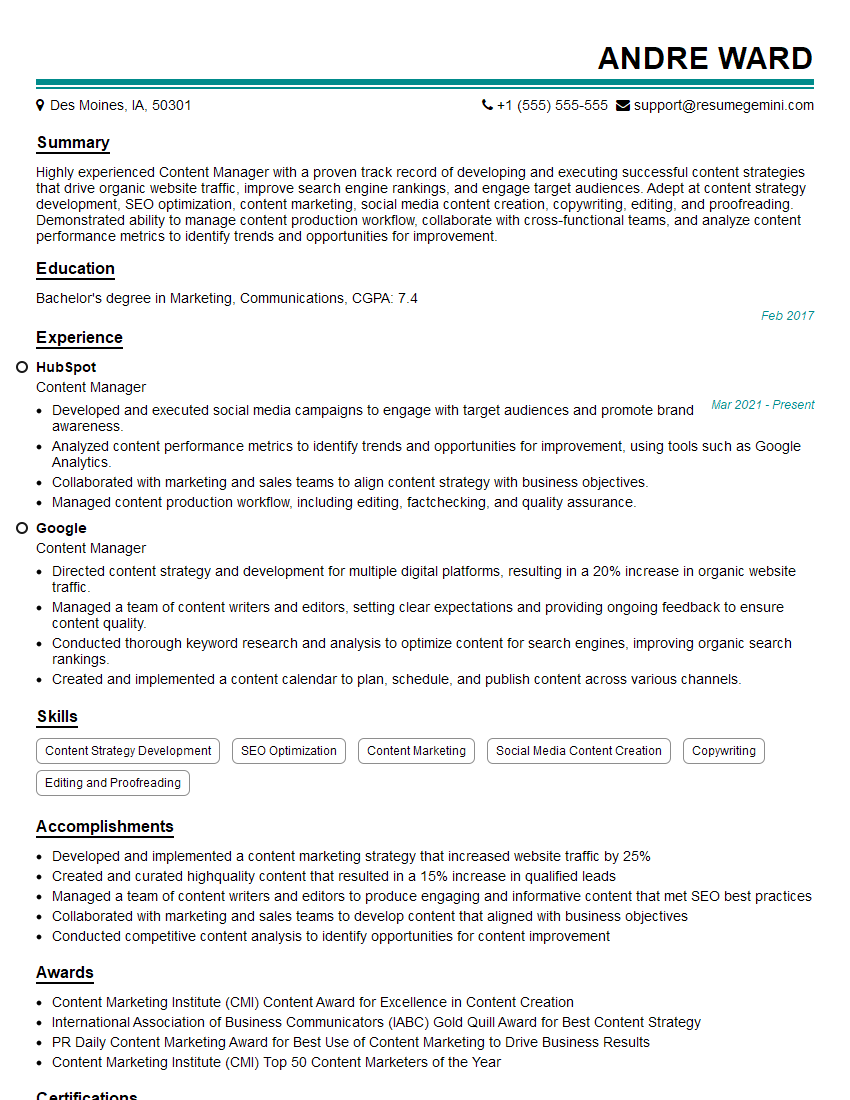
Content Manager Resume Sample
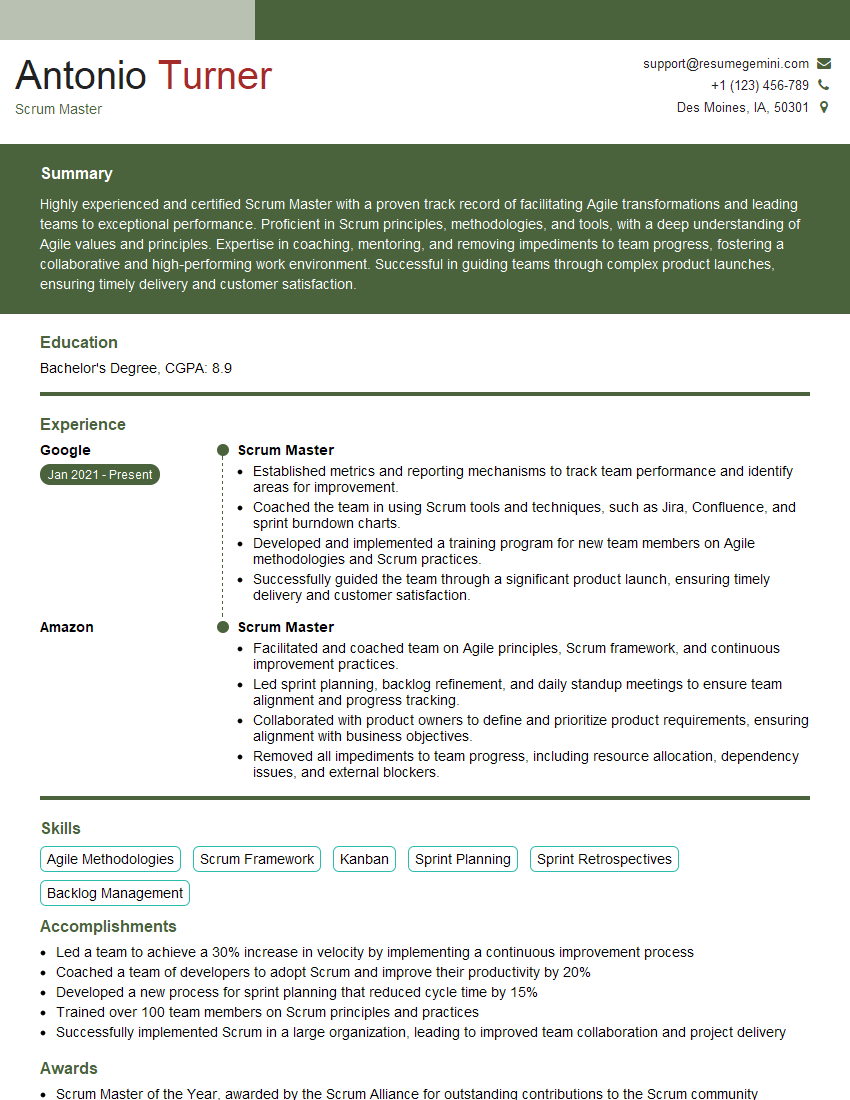
Scrum Master Resume Sample
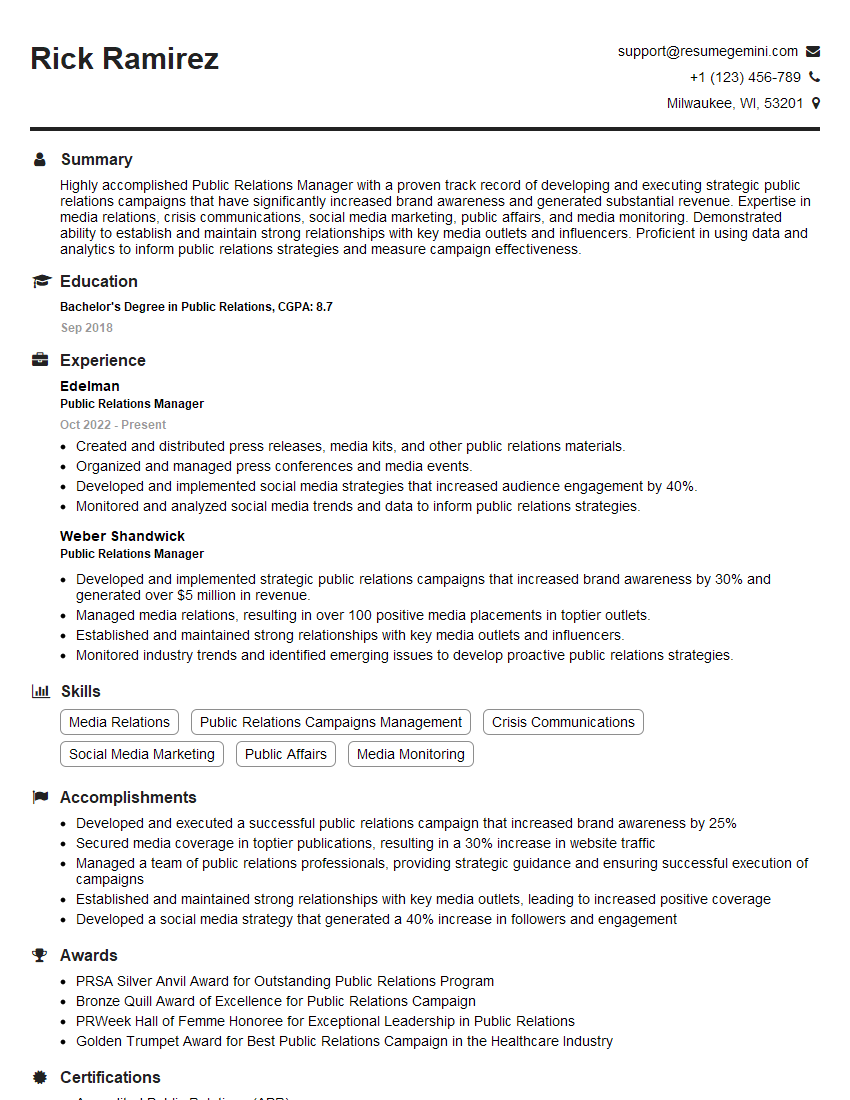
Public Relations Manager Resume Sample
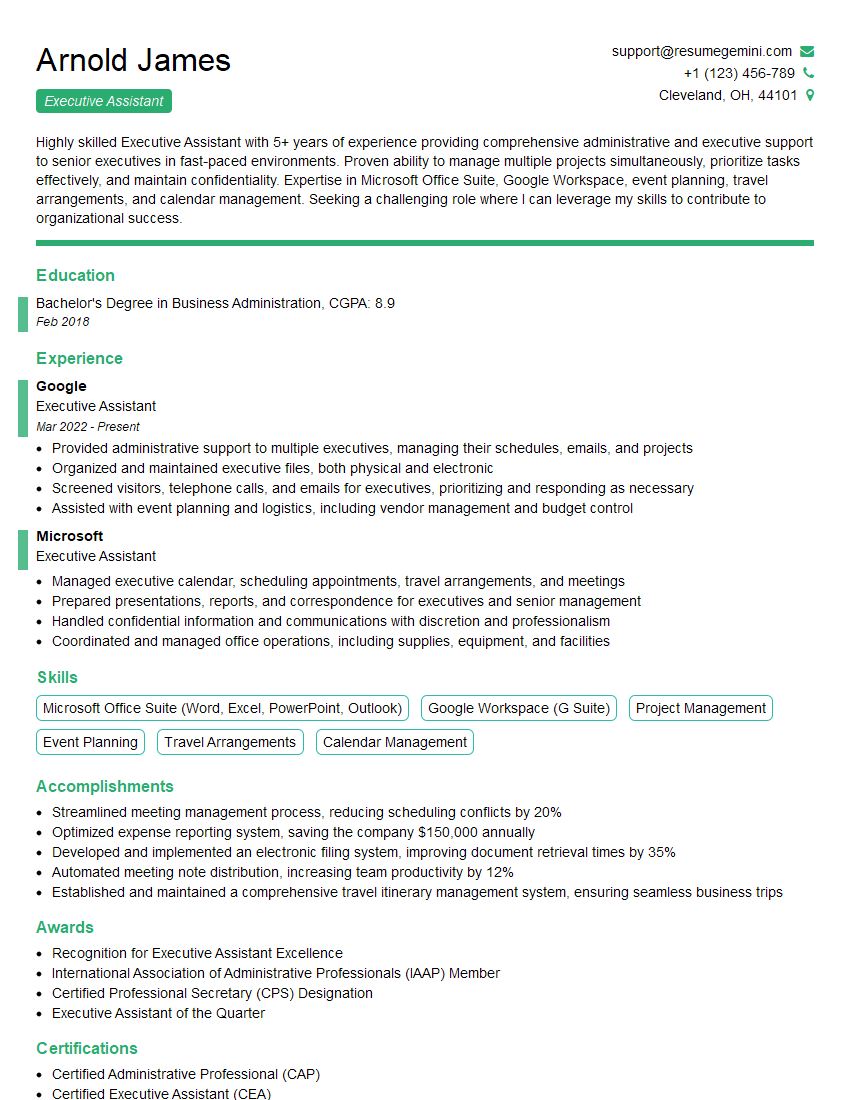
Executive Assistant Resume Sample
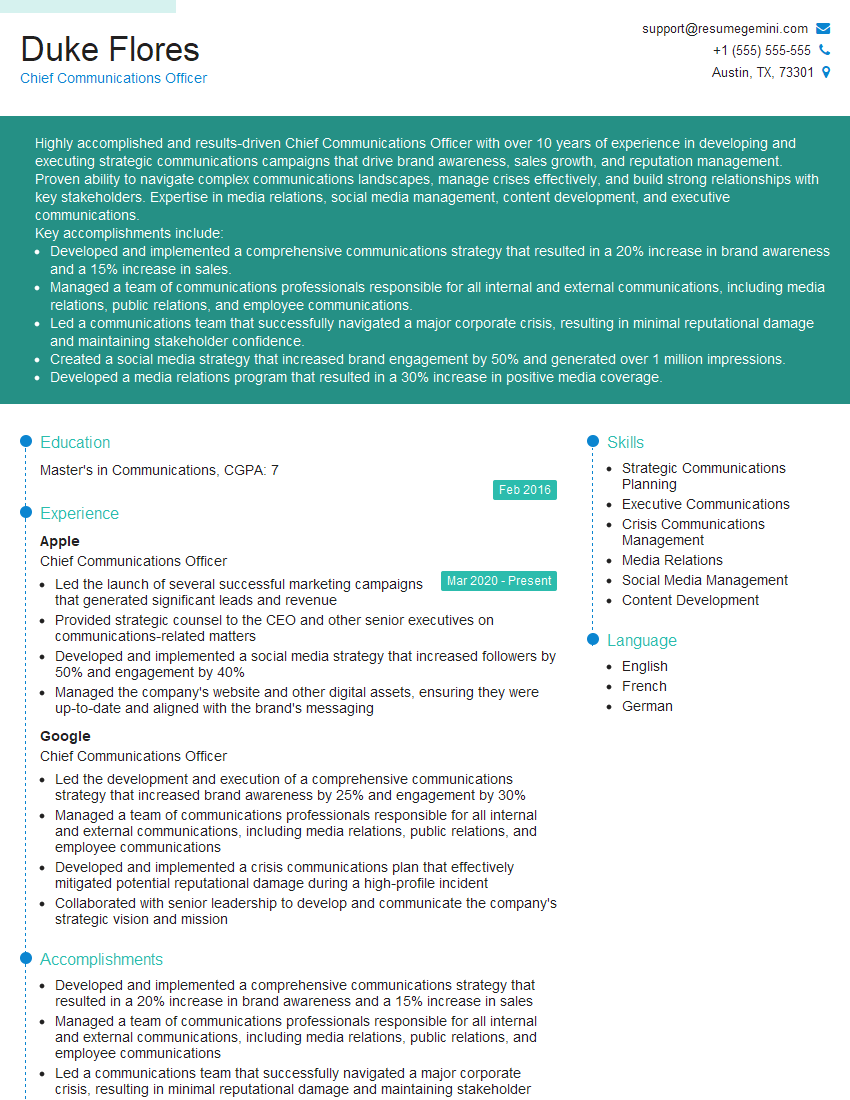
Chief Communications Officer Resume Sample
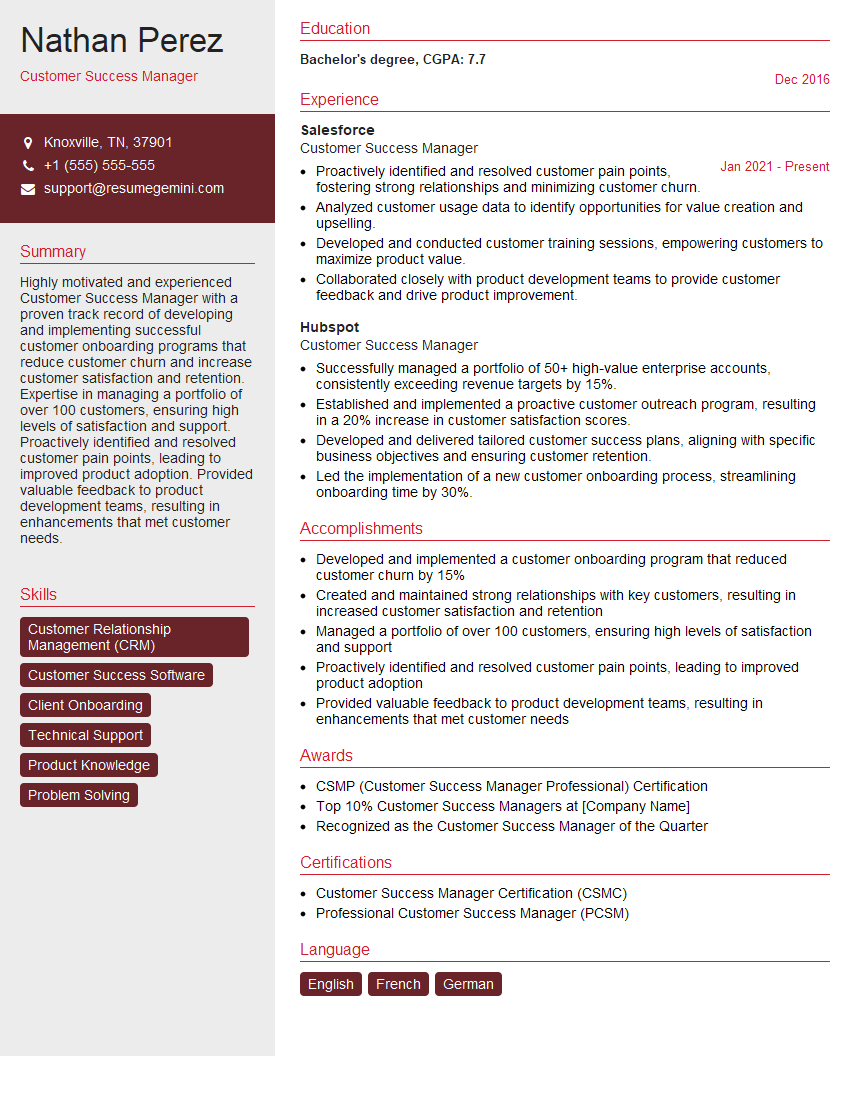
Customer Success Manager Resume Sample
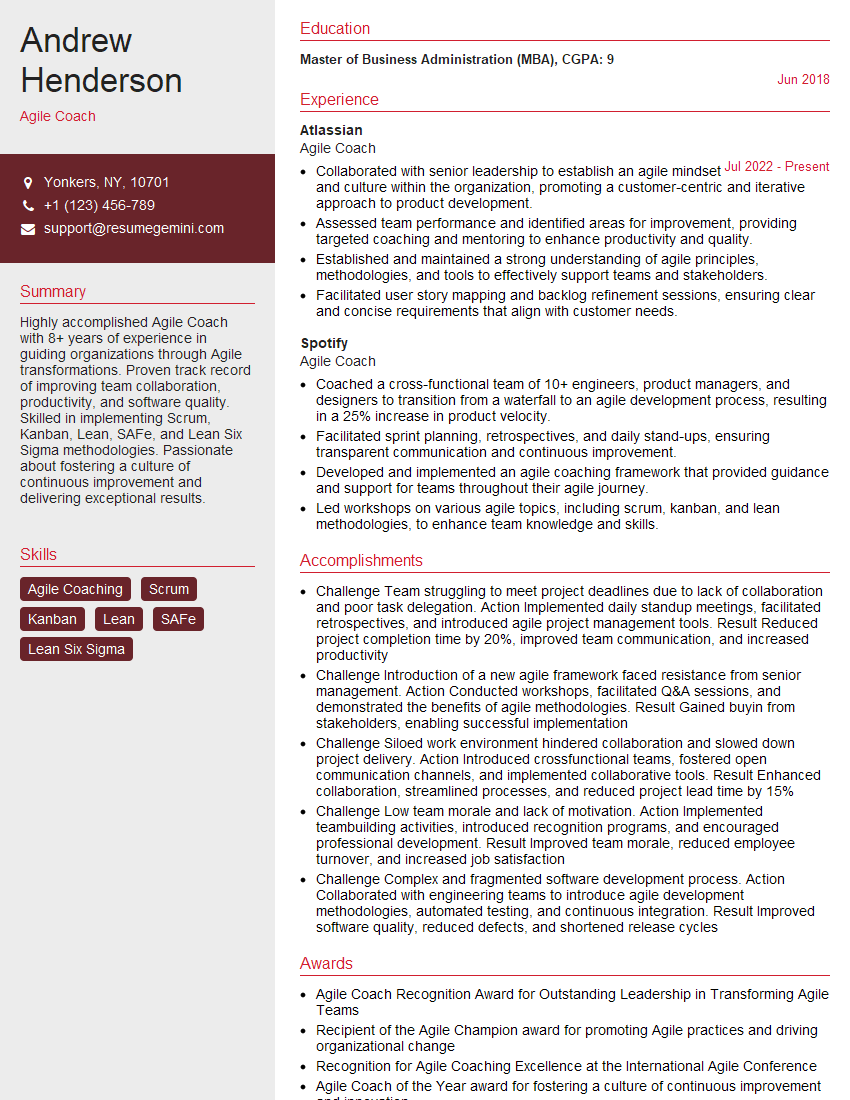
Agile Coach Resume Sample
- Program Manager
- Operations Manager
- Marketing Manager
- Sales Manager
- Business Development Manager
- Product Manager
- Communications Manager
- Director of Communications
- Training Manager
- Project Manager
- Department Head
- Community Manager
- Content Manager
- Scrum Master
- Public Relations Manager
- Executive Assistant
- Chief Communications Officer
- Customer Success Manager
- Agile Coach
Explore more articles
Users Rating of Our Blogs
Share Your Experience
We value your feedback! Please rate our content and share your thoughts (optional).
What Readers Say About Our Blog
Very informative content, great job.
good