Interviews are opportunities to demonstrate your expertise, and this guide is here to help you shine. Explore the essential Sow Feeding and Nutrition interview questions that employers frequently ask, paired with strategies for crafting responses that set you apart from the competition.
Questions Asked in Sow Feeding and Nutrition Interview
Q 1. Explain the nutritional requirements of a sow during gestation.
Gestation, the period a sow carries her piglets, demands a nutritional shift focused on fetal development. The sow’s energy requirements are moderate during early gestation, increasing significantly in the later stages as the fetuses grow rapidly. This increased need translates to a higher energy density in the feed.
Crucially, the sow needs sufficient protein to build the piglets’ tissues and organs. Amino acid balance, particularly lysine, methionine, and threonine, is vital. A deficiency in these essential amino acids can lead to smaller litter sizes and lighter piglets at birth. Vitamins and minerals are also crucial for healthy fetal development. For example, sufficient calcium and phosphorus are necessary for bone development in the fetuses, while vitamins like A, D, and E contribute to immune function and overall health.
Think of it like building a house: you need a solid foundation (energy), quality materials (protein and amino acids), and essential components (vitamins and minerals) to create a strong and healthy structure (the piglets).
Q 2. Describe the differences in nutritional needs between gestation and lactation.
The nutritional demands of a sow change dramatically from gestation to lactation. While gestation focuses on fetal development, lactation prioritizes milk production. Lactation requires a significantly higher energy intake, often double that of late gestation, to support milk synthesis. The protein requirement also increases substantially to meet the high protein demands of milk production.
The composition of the nutrient requirements also changes. During lactation, the sow needs increased levels of specific nutrients that are critical components of milk, such as calcium and phosphorus (for bone formation in the piglets), and essential fatty acids. Water intake also drastically increases during lactation to maintain milk production.
Imagine it as the difference between preparing for a marathon (gestation) and running it (lactation). You need to fuel up before the race, but during the race, you need a constant supply of energy and nutrients to maintain performance.
Q 3. What are the key components of a balanced sow feed?
A balanced sow feed is a precisely formulated mixture designed to meet all the sow’s nutritional needs throughout her reproductive cycle. Key components include:
- Energy source: This provides the calories needed for maintenance, gestation, and lactation. Common sources include cereals like corn, barley, and wheat.
- Protein: Essential for tissue growth and repair, milk production, and overall health. Soybean meal and other protein supplements are vital.
- Amino acids: Specifically balanced to meet the sow’s requirements, especially lysine, methionine, and threonine, as mentioned earlier. Often added in supplemental forms.
- Vitamins and minerals: Necessary for various bodily functions. These are usually included in premixes added to the feed.
- Fiber: Essential for gut health and digestion. Sources include beet pulp and wheat bran.
The precise ratios of these components vary depending on the stage of production (gestation or lactation), the sow’s body condition, and other factors.
Q 4. How do you calculate the daily feed intake for a sow?
Calculating daily feed intake for a sow isn’t a simple formula; it’s a dynamic process based on several factors. It isn’t just a matter of a fixed weight-based calculation.
Factors to consider:
- Stage of production: Gestation vs. lactation; requirements differ significantly as explained above.
- Sow’s body condition score (BCS): A visual assessment of the sow’s fat reserves. Thin sows need more feed than overweight sows.
- Parity (number of litters): Older sows often have higher nutrient requirements.
- Litter size: Larger litters demand greater energy and nutrient input.
- Feed composition: The nutrient density of the feed influences the amount needed to meet requirements.
Methods used:
- Feed tables and guidelines: Nutrient requirement tables provide estimated feed intake based on stage of production and other factors. These tables provide a starting point, but adjustments are frequently required based on the actual circumstances.
- Individual sow monitoring: Regular observation of the sow’s feed intake, body condition, and overall health allows for adjustments to maintain optimal performance. It’s a case of ‘fine-tuning’ the feed plan based on the individual response of the sow.
Many farms utilize specialized software that can estimate feed intake, considering all the factors mentioned above.
Q 5. What are the common feed ingredients used in sow diets?
Common feed ingredients used in sow diets vary based on regional availability and cost, but some staples include:
- Cereals: Corn, barley, wheat, sorghum – these are primary energy sources.
- Protein sources: Soybean meal (most common), canola meal, meat and bone meal, fishmeal – these provide essential amino acids.
- Oilseeds: Soybean oil, canola oil – for additional energy and essential fatty acids.
- Fiber sources: Beet pulp, wheat bran, soy hulls – improve gut function and digestibility.
- Mineral and vitamin premixes: Provide a complete and balanced supply of essential vitamins and minerals.
- Other ingredients: Some diets may include dried whey, dried distillers grains, or other by-products, depending on availability and cost.
The proportions of these ingredients are carefully balanced to provide the optimal nutritional profile for different stages of the sow’s reproductive cycle.
Q 6. Discuss the importance of amino acid balance in sow nutrition.
Amino acid balance is paramount in sow nutrition because it directly impacts the sow’s performance and the health of her piglets. Amino acids are the building blocks of protein, and sows have specific requirements for different amino acids, particularly the essential ones that they can’t synthesize themselves.
Lysine is often considered the first limiting amino acid in sow diets, meaning its availability limits the overall protein utilization. A deficiency in lysine can result in reduced growth, poor reproductive performance, and reduced milk production. Other critical amino acids include methionine and threonine, which play essential roles in various metabolic processes.
An unbalanced amino acid profile can lead to inefficient protein utilization, resulting in wasted feed and reduced performance. Optimizing amino acid ratios ensures that the sow can efficiently use the protein in her diet to maximize growth, reproduction, and milk production. This requires precise formulation of the feed using accurate analytical data of both the ingredients and the final feed product.
Q 7. Explain the role of fiber in sow diets.
Fiber plays a crucial, albeit often underestimated, role in sow nutrition. While not a direct source of energy, fiber significantly impacts gut health and overall digestive function. Adequate fiber promotes beneficial gut microbiota (the beneficial bacteria in the gut), improving nutrient digestibility and absorption.
Benefits of fiber:
- Improved gut motility: Fiber stimulates bowel movements, preventing constipation which is common in sows.
- Enhanced nutrient digestibility: A healthy gut microbiota improves the breakdown and absorption of nutrients from the feed.
- Reduced incidence of digestive disorders: Fiber can help prevent problems like diarrhea and constipation.
- Increased satiety: Fiber can increase the feeling of fullness, which can be beneficial in managing sow body condition.
The type and amount of fiber included in the diet should be carefully considered to balance its beneficial effects with potential negative impacts on nutrient digestibility if levels are excessive. It’s a matter of finding the ‘goldilocks’ amount – not too much, not too little.
Q 8. What are the signs of nutrient deficiencies in sows?
Nutrient deficiencies in sows manifest in various ways, impacting their reproductive performance, overall health, and the well-being of their offspring. Early detection is crucial for timely intervention.
- Reproductive Issues: Reduced litter size, increased stillbirths, weaker piglets, delayed return to estrus, and anestrus (absence of estrus) are common signs indicating deficiencies in essential minerals like calcium, phosphorus, and trace minerals such as zinc and manganese. These minerals are vital for bone development, hormone production, and overall reproductive function.
- Poor Body Condition: Weight loss, a loss of backfat, and a rough hair coat suggest deficiencies in energy, protein, or essential fatty acids. A sow’s body condition score (BCS) is a key indicator, with lower scores indicating undernutrition.
- Skin and Coat Problems: Dry, dull, or patchy skin, hair loss, and skin lesions might signify deficiencies in vitamins (like biotin, niacin, or vitamin A) or essential fatty acids. These nutrients are essential for healthy skin and coat maintenance.
- Behavioral Changes: Lethargy, reduced appetite, and increased aggression can be indirect indicators of nutrient imbalances. These subtle signs often accompany more overt clinical manifestations.
- Immunodeficiency: Nutrient deficiencies weaken the immune system, making sows more susceptible to infections. This can manifest as increased incidence of disease or slower recovery from illness. Vitamins A, E, and selenium are critical for a robust immune response.
For example, a sow lacking sufficient calcium might experience milk fever (hypocalcemia) post-farrowing, leading to weakness, paralysis, and potentially death. Careful observation and regular monitoring are essential for early detection and intervention.
Q 9. How do you monitor the feed intake and body condition of sows?
Monitoring feed intake and body condition is paramount for optimizing sow productivity and health. It’s a continuous process requiring both individual and group-level assessment.
- Feed Intake Monitoring: This can be done through several methods. Automated feeding systems provide precise data on individual sow intake, allowing for immediate identification of under- or over-eating. For systems without automation, visual inspection of feed troughs and regular weighing of feed offered and remaining can be used to estimate intake. Group-level monitoring involves tracking the total feed consumed by a group of sows over time and comparing it to expected intake based on their stage of production and weight.
- Body Condition Scoring (BCS): A BCS is a subjective assessment of the sow’s fat reserves, typically using a scale of 1 to 5 (1 being emaciated and 5 being obese). Experienced personnel visually assess the sow’s backfat thickness, ribs prominence, and overall body shape to assign a score. Regular BCS assessments, ideally weekly, help track changes in body condition and identify individuals at risk of nutritional deficiencies or excessive weight gain. Regular weighing can supplement BCS to provide a more objective assessment.
We use a combination of automated feeding systems and weekly visual BCS assessments on our farm. The data is then analyzed to identify trends and individual needs. For instance, if a sow consistently shows lower feed intake than average and a declining BCS, we investigate the potential causes, which may include illness, dental problems, or a need for diet adjustment.
Q 10. What are the common digestive issues faced by sows and how can they be addressed through nutrition?
Sows, like all animals, can experience digestive issues that impact their health and productivity. These problems can often be mitigated or prevented through strategic nutrition.
- Constipation: This is often caused by diets lacking sufficient fiber. Increased fiber intake, particularly from sources like beet pulp or wheat bran, increases fecal bulk and promotes regular bowel movements. Sufficient water intake is also vital.
- Diarrhea: This can be caused by various factors, including infectious agents, dietary imbalances, or mycotoxins in feed. Nutritional strategies include ensuring high-quality feed ingredients, minimizing mycotoxin contamination, and potentially incorporating prebiotics or probiotics to improve gut health and balance the gut microbiota.
- Gastric Ulcers: Stress, highly processed diets, and imbalances in rumen microflora can contribute to ulcers. Managing stress through good husbandry practices and providing a balanced diet with adequate buffering agents are crucial for prevention.
- Feed refusal or reduced feed intake: This can indicate palatability issues, illness, or dental problems. Using palatable feed ingredients, ensuring proper feed consistency, and addressing underlying health concerns are essential in improving feed intake.
For example, we recently experienced a case of widespread diarrhea in our breeding herd. After eliminating infectious disease as the cause, we analyzed the feed and found unusually high levels of mycotoxins. Switching to a new batch of feed with a lower mycotoxin content and adding a mycotoxin binder quickly resolved the issue.
Q 11. Explain the concept of phased feeding in sows.
Phased feeding is a nutritional management strategy that tailors the diet to the sow’s physiological needs at different stages of her reproductive cycle. It is based on the principle that nutrient requirements vary significantly depending on the stage of gestation and lactation.
- Gestation: During early gestation, the focus is on maintaining the sow’s body condition and supporting fetal development. The diet is formulated to provide adequate energy, protein, and essential nutrients to meet these requirements. In late gestation, energy intake is increased to support the rapid growth of the fetuses and prepare the sow for lactation.
- Lactation: This stage demands a significant increase in nutrient intake to support milk production. The diet is specifically formulated to be high in energy and protein to meet the high demands of milk synthesis. Additional supplementation of key nutrients such as calcium and phosphorus is crucial for preventing metabolic disorders.
- Post-Weaning: After weaning, the sow’s energy requirements decrease while her need for nutrients to recover body condition increases. The diet needs to support body weight regain and stimulate reproductive cyclicity.
A typical phased feeding program might involve three or four distinct diet phases: gestation (early and late), lactation, and post-weaning. This approach optimizes sow health and productivity by providing the right nutrients at the right time, thereby improving reproductive performance and minimizing health issues.
Q 12. How do you manage feed costs in a sow farm?
Managing feed costs effectively is a crucial aspect of profitable sow farming. This requires a multi-pronged approach focused on optimizing feed formulation, sourcing, and storage.
- Strategic Feed Formulation: Using cost-effective ingredients without compromising nutritional value is crucial. Feed formulation software (discussed further below) can help identify optimal ingredient combinations to meet nutrient requirements at the lowest cost. This might involve utilizing locally sourced ingredients or exploring alternative, less expensive feedstuffs while ensuring nutrient adequacy.
- Efficient Feed Sourcing: Negotiating favorable prices with reliable feed suppliers is essential. Building strong relationships with suppliers and purchasing in bulk can lead to significant cost savings. Careful evaluation of feed quality and consistency is also vital to avoid costly issues related to poor feed quality or reduced performance.
- Inventory Management and Storage: Proper feed storage minimizes spoilage and reduces waste. Maintaining an appropriate feed inventory, avoiding overstocking, and preventing pest infestations can safeguard the investment in feed.
- Precision Feeding: Utilizing technologies such as electronic feeders and body condition scoring allows for efficient allocation of feed resources. This technology ensures that sows receive the appropriate amount of feed based on their individual needs, reducing feed wastage and promoting optimal productivity.
For example, we regularly analyze market prices of different feed ingredients and adjust our feed formulations to use the most cost-effective combinations. We also maintain a strict FIFO (First-In, First-Out) inventory system to prevent feed spoilage and maximize the utilization of our feed resources.
Q 13. Describe your experience with feed formulation software.
I have extensive experience using various feed formulation software programs, including Alltech NutriOpt, CPM Nutrition, and Axius. These software packages provide powerful tools for optimizing feed formulations to meet specific nutritional requirements while considering cost constraints.
These programs allow for detailed nutrient analysis of ingredients, precise formulation based on target nutrient levels, and cost optimization through linear programming algorithms. For example, Alltech NutriOpt allows me to input detailed nutrient requirements for sows at different stages of production and then allows the program to identify the most cost-effective blend of available ingredients. It also assists in creating balanced formulations while considering ingredient limitations and cost-effectiveness.
The software incorporates databases of ingredient composition and nutrient values, minimizing the risk of formulation errors. The ability to readily adjust formulations based on changes in ingredient prices or availability enhances flexibility and cost management. My experience with these software programs has significantly improved our ability to produce high-quality, cost-effective feeds, ultimately enhancing the profitability of our sow operation.
Q 14. What are the common challenges in maintaining feed quality and consistency?
Maintaining consistent feed quality is a significant challenge in sow farming, requiring diligence throughout the entire process, from ingredient sourcing to feed delivery.
- Ingredient Quality Variation: Natural variations in raw materials (e.g., protein content of soybean meal, energy content of corn) can affect the consistency of the final feed product. Regular testing of incoming ingredients is crucial to ensure that they meet required specifications.
- Mycotoxin Contamination: Mycotoxins are fungal toxins that can contaminate feed grains and other ingredients. They can negatively impact sow health, reproduction, and overall performance. Implementing effective mycotoxin prevention and mitigation strategies (like using mycotoxin binders) is essential.
- Storage and Handling Issues: Improper storage or handling can lead to feed spoilage, nutrient degradation, and insect or rodent infestation. Proper storage facilities, pest control, and efficient feed distribution systems are crucial for maintaining feed quality.
- Feed Manufacturing Variability: The feed manufacturing process itself can contribute to inconsistencies. Ensuring consistent mixing, pelleting, and quality control measures during the production process is paramount.
- Feed Delivery and Distribution: Feed spoilage can occur during transport and delivery. Using appropriate transportation vehicles and maintaining appropriate storage conditions at the farm are vital.
We address these challenges through rigorous quality control procedures at every stage. This includes regular testing of ingredients, implementation of a comprehensive pest control program, strict adherence to FIFO inventory management, and regular audits of our feed manufacturing process. Proactive monitoring and rapid response to any detected inconsistencies are crucial for maintaining consistent feed quality and ensuring optimal sow performance.
Q 15. How do you address feed refusal in sows?
Feed refusal in sows is a serious issue impacting productivity and profitability. It’s often a symptom of underlying problems, not just a matter of picky eating. Addressing it requires a systematic approach, focusing on identifying and resolving the root cause.
Assess the feed: Is the feed palatable? Has the formulation changed recently? Are there any off-flavors or spoilage? A simple palatability test, involving offering a small amount of a different feed, can be revealing.
Check for health issues: Sows experiencing illness, dental problems, or digestive upsets may refuse feed. A veterinary examination is crucial to rule out these possibilities. Observe for signs like diarrhea, lethargy, or unusual vocalizations.
Evaluate the feeding environment: Is the feeding area clean and comfortable? Is there adequate space at the feeder? Are there any competing sows causing stress? Overcrowding and aggressive interactions can significantly impact feed intake.
Examine the feeding system: Malfunctioning equipment, such as a broken feeder or inconsistent feed delivery, can lead to refusal. Ensure the system is working correctly and providing consistent access to feed.
Consider gradual feed changes: Sudden changes in feed can cause refusal. Introduce new feeds slowly over several days to allow sows to adapt to the new taste and texture. This is especially important when transitioning between diets, for example, from gestation to lactation.
For example, in one farm I worked at, feed refusal was initially attributed to picky sows. However, a closer examination revealed a malfunctioning feeder causing inconsistent feed delivery. After repair, feed intake immediately improved.
Career Expert Tips:
- Ace those interviews! Prepare effectively by reviewing the Top 50 Most Common Interview Questions on ResumeGemini.
- Navigate your job search with confidence! Explore a wide range of Career Tips on ResumeGemini. Learn about common challenges and recommendations to overcome them.
- Craft the perfect resume! Master the Art of Resume Writing with ResumeGemini’s guide. Showcase your unique qualifications and achievements effectively.
- Don’t miss out on holiday savings! Build your dream resume with ResumeGemini’s ATS optimized templates.
Q 16. Explain the role of probiotics and prebiotics in sow nutrition.
Probiotics and prebiotics play a significant role in optimizing sow gut health and overall performance. They enhance nutrient absorption, modulate the gut microbiota, and strengthen the immune system, leading to improved productivity.
Probiotics are live microorganisms (like beneficial bacteria) that, when administered in adequate amounts, confer a health benefit to the host. They help maintain a balanced gut flora, competing with pathogenic bacteria and reducing the risk of digestive disorders. Examples include Lactobacillus and Bacillus species.
Prebiotics are non-digestible food ingredients that selectively stimulate the growth and activity of beneficial bacteria in the gut. They act as ‘food’ for the probiotics, fostering a thriving gut environment. Examples include inulin, fructooligosaccharides (FOS), and mannanoligosaccharides (MOS).
The combined use of probiotics and prebiotics (synbiotics) is often more effective than using either alone, creating a synergistic effect. In practice, I’ve seen significant improvements in sow reproductive performance and piglet health by incorporating well-researched synbiotic products into the feeding program.
For example, in a trial we conducted, sows fed a diet supplemented with a specific synbiotic combination showed a noticeable increase in milk production and a reduction in post-weaning diarrhea in their piglets.
Q 17. How do you incorporate new research findings into sow feeding programs?
Integrating new research findings into sow feeding programs is an ongoing process crucial for optimizing farm efficiency and animal welfare. It involves a critical evaluation of the research methodology, relevance, and potential impact on the specific sow population.
Scrutinize research publications: I carefully review peer-reviewed articles, conference proceedings, and industry reports to identify relevant research on nutrition, feed ingredients, and feeding strategies.
Assess the validity of research: It’s important to critically assess the study design, sample size, statistical analysis, and potential biases. Not all research is created equal, and some findings may not be directly applicable to all farming situations.
Conduct on-farm trials: Before widespread implementation, small-scale trials are often conducted to evaluate the effectiveness of new findings in the specific farm environment. This allows for adaptation to the local conditions and a controlled assessment of potential benefits and risks.
Collaborate with nutritionists and researchers: I actively engage with experts to discuss findings, share experiences, and stay updated on the latest advancements in sow nutrition. This collaborative approach ensures that the best practices are adopted.
Monitor and adjust: Regular monitoring of sow performance indicators, such as feed intake, reproductive rates, and piglet health, is essential to assess the impact of implemented changes and to make necessary adjustments to the feeding program.
For example, recent research highlighted the benefits of specific amino acid profiles in improving sow milk production. After careful review and on-farm trials, we modified our feeding program to incorporate these findings, resulting in a noticeable increase in piglet weaning weights.
Q 18. Describe your experience with different feed delivery systems.
My experience encompasses several feed delivery systems, each with its own advantages and disadvantages. The choice depends heavily on factors like farm size, sow housing system, and budget.
Dry feeding systems: These are the most common, utilizing feeders that dispense dry feed. They are relatively simple and cost-effective, but require careful monitoring to prevent feed wastage and ensure even distribution.
Wet feeding systems: These involve mixing dry feed with water to create a slurry, improving palatability for some sows. However, they require more complex equipment and increased hygiene protocols to prevent spoilage.
Automated feeding systems: These utilize computerized systems to control feed delivery, offering precise control over feed rations and reducing labor costs. However, they have higher initial investment costs and require specialized maintenance.
Individual feeding systems: These allow for precise feed allocation to each sow based on individual requirements (e.g., body condition, lactation stage). This approach can optimize feed efficiency but necessitates more sophisticated technology and monitoring.
I’ve worked with all these systems and found that the optimal choice often involves a combination of approaches tailored to the specific needs of the herd and available resources.
Q 19. What are the biosecurity measures you would implement to prevent feed contamination?
Biosecurity measures are paramount in preventing feed contamination, as it can lead to significant health issues and economic losses. A multi-faceted approach is essential.
Source control: Sourcing feed from reputable suppliers with robust quality control measures is fundamental. Regular testing of feed samples for pathogens and mycotoxins should be implemented.
Storage management: Proper feed storage is crucial. Feed should be stored in clean, dry, rodent-proof facilities, away from potential contaminants. FIFO (first-in, first-out) rotation should be practiced to minimize spoilage.
Transportation hygiene: Trucks and other equipment used for feed transport should be regularly cleaned and disinfected to prevent cross-contamination.
Feed mill sanitation: Maintaining high hygiene standards at the feed mill is critical to prevent contamination at the source. Regular cleaning and disinfection protocols should be strictly followed.
Pest control: Effective rodent and insect control measures are essential to prevent contamination of feed stores and feeding areas.
For instance, in one case, a significant outbreak of Salmonella was traced back to contaminated feed. Implementing stricter biosecurity measures, including improved storage practices and feed testing, successfully prevented future outbreaks.
Q 20. How do you monitor and evaluate the effectiveness of your feeding program?
Monitoring and evaluating the effectiveness of a feeding program is a continuous process that involves a combination of quantitative and qualitative data collection.
Performance indicators: Key performance indicators (KPIs) like feed conversion ratio (FCR), daily weight gain, reproductive performance (e.g., farrowing rate, litter size, piglet survival), and overall herd health are tracked regularly.
Data analysis: Statistical analysis of collected data helps identify trends, pinpoint areas for improvement, and measure the impact of changes made to the feeding program. Sophisticated software tools can be utilized for this purpose.
Visual observation: Regular visual checks of the sows’ body condition, feed intake patterns, and overall behavior provide crucial qualitative data that complements quantitative measurements.
Feed analysis: Regular analysis of feed samples to check nutrient content, ensure consistency, and detect potential contaminants is an integral part of monitoring.
Feedback mechanisms: Gathering feedback from farm staff and veterinarians is important, as they can provide valuable insights into the effectiveness of the program and identify potential problems.
For example, if FCR increases unexpectedly, we might investigate the feed composition, feeding system, or the overall herd health to identify the underlying cause and implement corrective actions.
Q 21. What are the environmental considerations related to sow feed management?
Environmental considerations related to sow feed management are increasingly important, focusing on minimizing the environmental footprint of pig production.
Feed production: The environmental impact of feed production, including land use, water consumption, and greenhouse gas emissions, should be considered when selecting feed ingredients. Sustainable and locally sourced ingredients are preferable whenever possible.
Feed waste management: Minimizing feed waste reduces environmental impact and improves farm efficiency. Strategies include proper feed storage, accurate feed dispensing, and effective cleaning procedures.
Manure management: Sow manure, which is rich in nutrients from feed, can be a significant source of pollution if not properly managed. Effective manure management systems, including anaerobic digestion, minimize the environmental impact of manure.
Water usage: Water consumption in feed production and processing should be monitored and optimized. Water recycling techniques can help conserve water resources.
Greenhouse gas emissions: Reducing greenhouse gas emissions associated with feed production and transportation is important for sustainability. Strategies include using low-emission transport and optimizing feed formulation to reduce enteric methane emissions from sows.
For example, we’ve implemented a program to optimize feed formulation, reducing reliance on soy imports and incorporating locally grown ingredients, thus reducing the carbon footprint of our sow feed.
Q 22. Explain the impact of mycotoxins on sow health and performance.
Mycotoxins are toxic secondary metabolites produced by various fungi that can contaminate feedstuffs. Their impact on sow health and performance is significant and multifaceted. Ingestion of mycotoxin-contaminated feed can lead to a range of issues, impacting productivity and profitability.
- Reduced Feed Intake: Mycotoxins can irritate the gastrointestinal tract, causing reduced feed intake and impacting overall nutrient absorption. This directly affects weight gain and milk production.
- Immune Suppression: Many mycotoxins suppress the immune system, leaving sows more vulnerable to diseases. This increased susceptibility to infections can lead to higher morbidity and mortality rates, and increased treatment costs.
- Reproductive Issues: Mycotoxins can disrupt the endocrine system, negatively affecting reproductive performance. This manifests as reduced fertility, increased embryonic mortality, smaller litter sizes, and lower weaning weights.
- Liver Damage: Some mycotoxins are hepatotoxic, causing liver damage. This can lead to decreased nutrient metabolism, impaired detoxification, and general health deterioration.
- Other Problems: Mycotoxins can also cause skin lesions, neurological issues, and reduced growth rates.
For example, a farm experiencing a high rate of reproductive failure might find the root cause in mycotoxin contamination of their feed. Regular testing of feed for mycotoxins and implementing mitigation strategies such as using mycotoxin binders are crucial preventative measures.
Q 23. How do you manage sows with specific health conditions through nutrition?
Managing sows with specific health conditions through nutrition requires a tailored approach. It’s not a one-size-fits-all solution. The dietary adjustments depend on the specific health condition, its severity, and the stage of production (gestation, lactation).
- Lactation Issues (Mastitis): Providing a high-energy diet with increased protein and readily available carbohydrates is crucial for maintaining milk production and supporting the sow’s immune response. We may also incorporate specific nutrients known to enhance immune function, such as Vitamin E and selenium.
- Gestational Issues (Pregnancy Toxemia): This condition requires careful monitoring of energy intake. Increasing the energy density of the diet with high-quality carbohydrates and fats can prevent or mitigate pregnancy toxemia.
- Gastrointestinal Issues (Diarrhea): In such cases, a highly digestible diet with easily fermentable fibers and potentially prebiotics and probiotics can be employed to improve gut health and minimize digestive upset. We might also reduce dietary fat in the case of severe diarrhea.
- Metabolic Disorders (Obesity): Restricting feed intake, while ensuring adequate nutrient intake, is essential in managing obese sows. It may also require a diet reformulation to reduce energy density.
The key is to work closely with veterinarians and nutritionists to diagnose the problem accurately and create a precise nutritional management plan. Regular monitoring of sow health parameters and performance indicators are needed to make sure the strategy is effective.
Q 24. What are the regulations concerning feed additives in your region?
Regulations concerning feed additives vary widely by region. In my region [Insert your region here], we adhere to strict guidelines set by [Insert relevant regulatory body here]. These regulations cover aspects such as:
- Maximum permitted levels: For each additive, there are maximum allowed inclusion rates in the feed, based on safety and efficacy data.
- Approval process: New feed additives require rigorous testing and approval before they can be legally included in animal feed. This process involves demonstrating safety and efficacy for the target animal species.
- Labeling requirements: Feed manufacturers must clearly label the feed to indicate the presence and amount of any added substances. This allows for traceability and ensures transparency to consumers and regulators.
- Withdrawal periods: For additives that might leave residues in animal products, withdrawal periods are defined before the animals can be slaughtered for human consumption. This is essential to ensure food safety.
- Monitoring and enforcement: The regulatory bodies conduct regular inspections and enforce regulations through sanctions for non-compliance.
These regulations are essential to ensure animal welfare, food safety, and fair trading practices within the feed industry. Failure to comply can result in significant penalties.
Q 25. How do you interpret feed analysis reports?
Interpreting feed analysis reports is a critical skill for effective sow nutrition management. The reports provide valuable information about the nutrient composition of the feed, which helps in formulating balanced diets. I typically look for the following key parameters:
- Dry Matter (DM): This indicates the percentage of dry material in the feed, excluding moisture. It’s crucial for accurate nutrient calculations.
- Crude Protein (CP): This represents the total amount of protein in the feed, which is essential for growth and lactation. This is expressed as a percentage of DM.
- Crude Fat (CF): This indicates the energy content of the feed and its digestibility. Again, expressed as a percentage of DM.
- Fiber (NDF, ADF): These values indicate the fibre content and digestibility. These values are very important especially in lactation diets.
- Minerals (Calcium, Phosphorus, etc.): Crucial for bone health and other physiological functions. Deficiencies in these minerals can lead to reproductive and metabolic problems in sows.
- Vitamins (A, D, E, etc.): Essential for immune function, reproduction, and overall health. Analysis allows for identification of vitamin deficiencies.
- Mycotoxins: The report should include tests for mycotoxins, as detailed previously. The presence of mycotoxins can significantly impact sow health and performance.
By carefully analyzing these parameters and comparing them to the requirements for different stages of production, I can fine-tune the feed formulation and make adjustments as needed. Any significant deviations from the expected values can indicate problems with the feed quality, storage, or processing. This analysis needs to be done routinely, allowing us to correct deviations promptly.
Q 26. Describe your experience with different sow feeding strategies (e.g., ad-libitum, restricted feeding).
My experience encompasses both ad-libitum and restricted feeding strategies for sows. Each has its advantages and disadvantages, and the optimal choice depends on various factors like the sow’s physiological status, genetic makeup, and management systems.
- Ad-libitum Feeding: This involves providing sows with unrestricted access to feed. This approach is common in lactation to maximize milk production. However, it can lead to obesity, increased feed costs, and potential problems with feed wastage.
- Restricted Feeding: This strategy involves controlling feed intake, often during gestation, to prevent excessive weight gain, manage body condition score, and improve reproductive performance. It requires careful calculation of daily feed allowance to ensure adequate nutrient supply without overfeeding.
I’ve found that a combination of both strategies – ad-libitum feeding during lactation and a strategic restriction during gestation – often yields the best results. However, the specific details must be tailored to the individual farm, breed, and climate conditions. Regular monitoring of body condition scores, reproductive performance, and feed efficiency is crucial to optimize any feeding strategy.
Q 27. Explain your understanding of the relationship between sow nutrition and reproductive performance.
The relationship between sow nutrition and reproductive performance is undeniably strong. Optimal nutrition is paramount for successful reproduction. Nutrient deficiencies or imbalances can significantly compromise reproductive health and productivity.
- Body Condition Score (BCS): Sows need to maintain a healthy BCS throughout their reproductive cycle. Excessive fat accumulation can lead to problems like infertility, while underweight sows have reduced milk production and impaired reproductive performance.
- Energy Balance: Sufficient energy intake is critical for maintaining pregnancy, supporting fetal development, and sustaining lactation. Energy deficiency, especially during late gestation and early lactation, can lead to pregnancy toxemia or reduced milk yield.
- Protein Requirements: Adequate protein is essential for tissue growth, milk production, and fetal development. Protein deficiencies can result in smaller litters, reduced milk production, and slower growth of piglets.
- Mineral and Vitamin Requirements: Deficiencies in minerals (calcium, phosphorus, etc.) and vitamins (A, D, E, etc.) can compromise reproductive health by affecting ovarian function, embryonic development, or the immune system.
For example, ensuring adequate calcium intake before farrowing is crucial to prevent milk fever, while providing sufficient energy during lactation is vital for maintaining milk production throughout the lactation period. A well-designed feeding program, based on the sow’s physiological stage, is essential for maximizing reproductive efficiency and productivity.
Q 28. What are your strategies for managing feed waste?
Managing feed waste is crucial for economic and environmental sustainability in swine production. My strategies focus on prevention and mitigation:
- Proper Feed Delivery Systems: Investing in efficient and reliable feed delivery systems, such as automatic feeders with precise dispensing mechanisms, minimizes wastage. This is very important in ad-libitum systems.
- Feed Quality and Palatability: Ensuring high-quality feed with good palatability encourages complete feed consumption. Mouldy or spoiled feed reduces feed intake and increases wastage.
- Clean and Functional Feeders: Regular cleaning and maintenance of feed troughs prevent mold growth and ensure easy access to feed for sows.
- Regular Monitoring and Adjustments: Continuous monitoring of feed intake and wastage allows for prompt identification of potential problems and timely adjustments to feeding strategies. This might include altering feed formulation or adjusting the amount of feed offered.
- Sow Management: Proper sow grouping and management can reduce competition for feed, minimizing wastage due to aggressive behavior within the group.
Quantifying feed waste regularly and analyzing the causes allows for iterative improvement in management practices and reduction in economic losses.
Key Topics to Learn for Sow Feeding and Nutrition Interview
- Nutritional Requirements of Sows: Understanding the varying nutritional needs of sows throughout their reproductive cycle (gestation, lactation, etc.), including energy, protein, vitamins, and minerals.
- Feed Formulation and Ingredient Selection: Practical application of nutritional knowledge to formulate balanced diets using available feedstuffs, considering cost-effectiveness and palatability.
- Feed Management and Delivery Systems: Understanding different feeding systems (e.g., dry sow feeding, liquid feeding), their advantages and disadvantages, and best practices for efficient feed delivery and minimizing waste.
- Reproductive Performance and Nutrition: The critical link between sow nutrition and reproductive efficiency, including factors affecting litter size, piglet birth weight, and overall reproductive health.
- Sow Health and Nutrition: Identifying nutritional factors contributing to common sow health problems (e.g., obesity, lameness, metabolic disorders) and implementing strategies for prevention and management.
- Data Analysis and Interpretation: Utilizing performance data (e.g., feed intake, weight gain, reproductive parameters) to assess the effectiveness of feeding programs and make necessary adjustments.
- Economic Considerations in Sow Feeding: Analyzing the cost of feed ingredients, feed efficiency, and the overall economic impact of different feeding strategies.
- Sustainability and Environmental Impact: Exploring sustainable feeding practices to minimize the environmental footprint of sow production, such as reducing feed waste and optimizing nutrient utilization.
- Biosecurity and Feed Hygiene: Understanding the importance of maintaining feed hygiene and biosecurity to prevent the spread of diseases through contaminated feed.
Next Steps
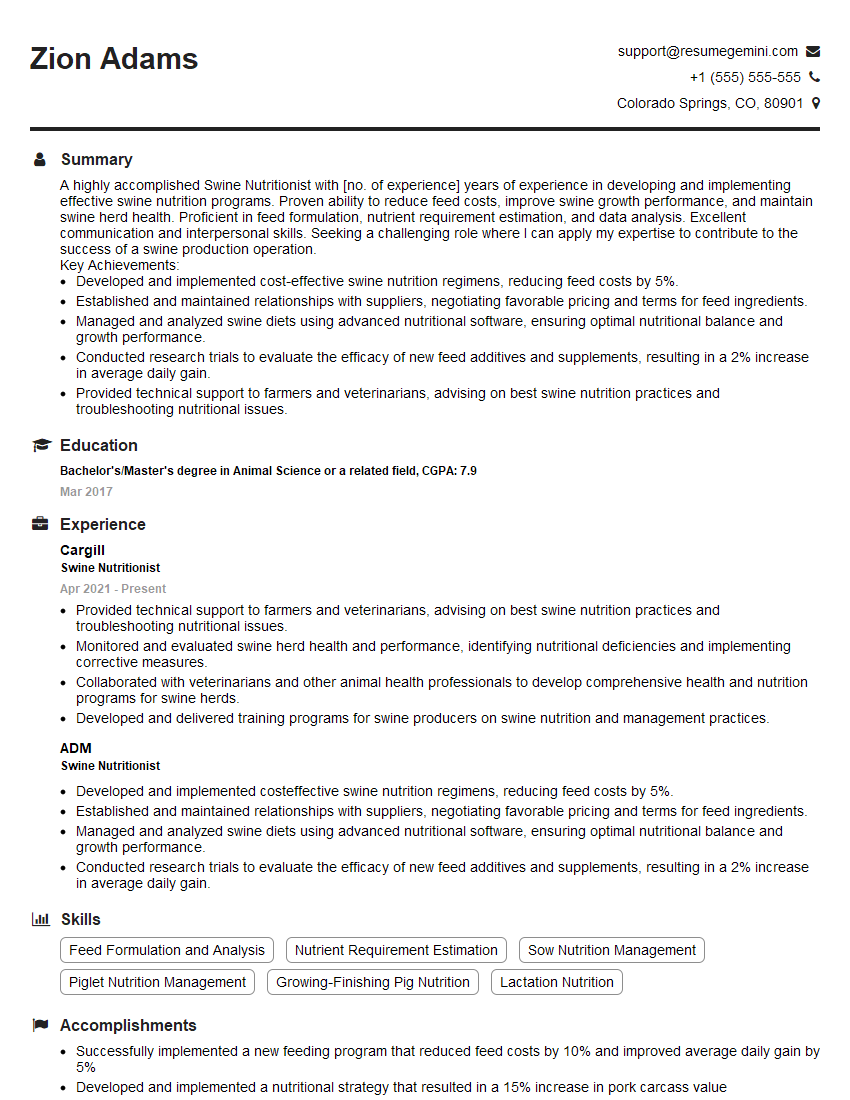
Mastering Sow Feeding and Nutrition is crucial for career advancement in the swine industry. A strong understanding of these principles demonstrates expertise and opens doors to specialized roles and leadership opportunities. To maximize your job prospects, create an ATS-friendly resume that effectively highlights your skills and experience. ResumeGemini is a trusted resource to help you build a professional and impactful resume. They offer examples of resumes tailored specifically to Sow Feeding and Nutrition to help guide you in crafting the perfect application.
Explore more articles
Users Rating of Our Blogs
Share Your Experience
We value your feedback! Please rate our content and share your thoughts (optional).
What Readers Say About Our Blog
Very informative content, great job.
good