Are you ready to stand out in your next interview? Understanding and preparing for Special Abilities and Talents interview questions is a game-changer. In this blog, we’ve compiled key questions and expert advice to help you showcase your skills with confidence and precision. Let’s get started on your journey to acing the interview.
Questions Asked in Special Abilities and Talents Interview
Q 1. Describe your experience identifying and assessing special abilities in individuals.
Identifying and assessing special abilities requires a multi-faceted approach combining observation, standardized testing, and in-depth interviews. It’s not just about spotting extraordinary talent; it’s about understanding its nuances and potential.
My process begins with observing the individual in various settings – formal assessments, informal interactions, and even observing them in their natural environment. This helps identify strengths, weaknesses, and learning styles. Standardized tests, tailored to the suspected area of talent, provide objective data. For instance, if I suspect exceptional musical ability, I’d utilize tests assessing pitch perception, rhythm discrimination, and musical memory. Finally, in-depth interviews with the individual, family, and teachers help provide crucial contextual information. It’s vital to understand the individual’s developmental history, motivations, and potential challenges. For example, a child might demonstrate exceptional mathematical skills but struggles with social interaction; understanding this holistic picture is crucial for effective intervention.
This holistic approach allows me to create a comprehensive profile of the individual’s abilities, highlighting not only their strengths but also areas for improvement. This profile then guides the design of tailored interventions and training programs.
Q 2. Explain your approach to developing tailored training programs for individuals with unique talents.
Developing tailored training programs for individuals with unique talents hinges on personalization and progressive challenge. A ‘one-size-fits-all’ approach simply won’t work. My approach starts with a thorough understanding of the individual’s unique profile, as detailed earlier. This understanding dictates the content, pacing, and methodology of the training program.
For example, a highly gifted visual artist might benefit from advanced workshops focusing on specific techniques like mastering perspective or exploring new mediums. However, the same approach would not be suitable for someone with exceptional musical aptitude. They might require a rigorous training regime emphasizing technical skill development, music theory, and performance practice.
The program should incorporate regular assessments to track progress, allowing for adjustments to ensure the individual remains challenged and engaged. It’s vital to prevent stagnation by constantly introducing new challenges that push them beyond their comfort zone. This iterative approach, involving regular feedback and adaptation, is key to the success of a tailored training program.
Q 3. How would you measure the effectiveness of an intervention designed to enhance special abilities?
Measuring the effectiveness of an intervention designed to enhance special abilities necessitates both qualitative and quantitative data. Simply measuring improvement in one area might not be enough.
Quantitative measures might include standardized test scores, performance metrics (e.g., speed, accuracy, creativity scores in artistic endeavors), or objective observations of skill improvement. For a gifted athlete, we might track improvement in speed, strength, or endurance using objective measurements.
Qualitative measures, however, are equally crucial. These include observations of increased self-confidence, enhanced motivation, improved problem-solving skills, or increased creative output. For instance, interviews, feedback from teachers and peers, and self-reports offer valuable insights into the overall impact of the intervention. A comprehensive approach combining quantitative and qualitative data provides a complete picture of the intervention’s success.
Q 4. What are some common challenges in identifying and nurturing exceptional talents?
Identifying and nurturing exceptional talents presents several challenges.
- Early identification: Recognizing talent early is crucial, but it can be difficult, especially in less obvious areas. A child’s unique talents might not surface until later stages of development, and societal biases can sometimes overshadow exceptional abilities.
- Appropriate resources: Access to specialized training and support is often limited. Many gifted individuals lack access to programs tailored to their specific needs.
- Burnout and pressure: The pressure to perform and achieve can lead to burnout and mental health issues. Balancing the demands of nurturing talent with the individual’s overall well-being is paramount.
- Social and emotional development: Gifted individuals may face social and emotional challenges due to being different from their peers. Nurturing their social and emotional development alongside their exceptional abilities is critical for their overall success.
- Maintaining motivation: Sustaining motivation over the long term can be a significant challenge. Ensuring the individual remains engaged and feels a sense of accomplishment is essential.
Q 5. How do you differentiate between innate abilities and learned skills?
Differentiating between innate abilities and learned skills requires careful observation and assessment. Innate abilities, often referred to as talents, are inherent predispositions or capabilities present from birth or early development. Learned skills, on the other hand, are acquired through practice, training, and experience.
Consider a child demonstrating exceptional musical talent. The innate ability might be perfect pitch or an extraordinary capacity for rhythm. However, their proficiency in playing a specific instrument is a learned skill developed through dedicated practice.
Identifying innate abilities often involves observing early manifestations of talent, consistent performance across various contexts, and a rapid rate of learning compared to peers. It’s important to note that innate abilities alone are not enough; consistent effort and dedicated training are necessary to refine these abilities into exceptional skills. A combination of careful observation, longitudinal data, and a nuanced understanding of the development process is key to making this differentiation.
Q 6. Discuss the ethical considerations involved in working with individuals possessing special abilities.
Ethical considerations in working with individuals possessing special abilities are paramount.
- Confidentiality: Maintaining the confidentiality of the individual’s abilities and personal information is crucial. Any information shared must be handled with utmost care and discretion.
- Informed consent: Individuals, or their guardians, must provide informed consent for any assessments or interventions. This includes explaining the process, potential benefits and risks, and ensuring they understand their rights.
- Avoiding exploitation: It’s essential to protect the individual from exploitation or undue pressure. Their well-being should always be prioritized, and their abilities should not be used for others’ gain without their consent.
- Promoting well-rounded development: Focus should not solely be on enhancing their special abilities but also on promoting their overall well-being, including social, emotional, and intellectual development.
- Fairness and equity: Equal opportunities for development should be ensured. Resources and support should be available to everyone, regardless of their background or circumstances.
Q 7. Describe a situation where you had to adapt your approach to meet the specific needs of an individual with exceptional talents.
I once worked with a young chess prodigy who displayed exceptional strategic thinking but struggled with intense anxiety during competitions. My initial approach, focusing solely on enhancing his chess skills, was proving ineffective. He was performing brilliantly in practice but faltering under pressure.
I realized I needed to adapt my approach. I incorporated mindfulness techniques and cognitive behavioral therapy (CBT) into his training regimen. This helped him manage his anxiety and develop strategies to cope with the pressure of competition. The result was a significant improvement not only in his competitive performance but also in his overall well-being. This experience highlighted the importance of considering the individual’s holistic needs – emotional, psychological, and social – in addition to their specific abilities. A tailored approach requires flexibility and the ability to adapt based on the individual’s unique circumstances and challenges.
Q 8. Explain the role of assessment in identifying and developing special abilities.
Assessment plays a crucial role in identifying and developing special abilities. It’s not just about testing; it’s about gaining a comprehensive understanding of an individual’s strengths, weaknesses, learning styles, and motivations. Think of it as a roadmap, guiding the development process.
Effective assessments utilize a multi-faceted approach. This includes standardized tests to measure cognitive abilities, aptitude tests to identify potential in specific areas like music or mathematics, portfolio reviews showcasing past work, and observational assessments in real-world settings to see how skills translate into action. For example, a child showing exceptional artistic talent might be assessed through their drawings, their response to prompts, and observations of their creative process during an art class.
The results inform personalized development plans. A child excelling in math but struggling with social skills might receive focused instruction in both areas, ensuring holistic growth. The key is to use assessment data to identify not only existing abilities but also the potential for future growth.
Q 9. What are the key elements of a successful talent development program?
A successful talent development program is built on several key pillars. First, it needs a strong foundation of individualized learning plans, tailored to each person’s unique needs and aspirations. Generic approaches won’t work; each talent needs nurturing in its own way.
- Mentorship: Pairing individuals with experienced professionals or peers provides guidance, support, and motivation. A young programmer, for example, might benefit immensely from working alongside a seasoned software developer.
- Challenging opportunities: Providing stimulating tasks and projects that push individuals beyond their comfort zones fosters growth and accelerates skill development. This could involve participating in competitions, undertaking advanced projects, or leading initiatives.
- Continuous feedback and evaluation: Regular monitoring and feedback are vital to track progress, identify areas for improvement, and make necessary adjustments to the plan. This ensures the program remains relevant and effective.
- Resource allocation: Providing adequate resources, including access to specialized training, technology, and materials, is crucial to support development. This could involve access to advanced software, specialized equipment, or workshops with industry experts.
- Supportive environment: A culture of encouragement, collaboration, and mutual respect is essential for fostering growth and well-being. This could include creating opportunities for collaboration, providing positive feedback and recognition, and fostering a sense of community.
Q 10. How do you create a supportive and stimulating environment for individuals with special abilities?
Creating a supportive and stimulating environment is critical. Imagine a greenhouse—it provides the optimal conditions for plants to thrive. Similarly, we need to cultivate an environment that nurtures talent.
- Encouragement and positive reinforcement: Celebrate successes, acknowledge effort, and provide constructive criticism. Avoid comparisons; focus on individual progress.
- Opportunities for collaboration and peer learning: Encourage teamwork and knowledge sharing, creating a sense of community where everyone can learn from each other. Think of it as a collaborative orchestra, where each musician contributes to a harmonious whole.
- Access to resources and support: Provide access to specialized equipment, training, mentorship, and other resources that can aid in skill development. This could include providing access to specialized software or arranging for sessions with an expert in the field.
- Flexibility and autonomy: Allow individuals to pursue their interests and work in ways that suit their learning styles and preferences. For example, a visual learner might benefit more from diagrams and demonstrations than from lectures.
- Addressing challenges proactively: Identify and address potential challenges (such as perfectionism or social anxiety) early on, providing appropriate support and strategies.
Q 11. How would you address a situation where an individual’s exceptional talent is not being utilized effectively?
When exceptional talent is underutilized, it’s crucial to investigate the root cause. This could stem from a mismatch between the individual’s abilities and their current role, lack of opportunities, or even systemic barriers. A systematic approach is vital.
- Identify the problem: Conduct thorough interviews with the individual, their supervisors, and colleagues to understand the situation fully. Gather data on their skills, interests, current tasks, and performance reviews.
- Explore options: Explore possibilities such as assigning more challenging tasks, providing additional training, offering opportunities for leadership, or facilitating a transition to a more suitable role. Could they mentor others? Could their skills be used in a cross-functional project?
- Develop an action plan: Based on the findings, create a detailed plan with specific goals, timelines, and strategies for addressing the issue. This plan should include measures for monitoring progress and making adjustments as needed.
- Implement and monitor: Put the plan into action, providing regular feedback and support. Track progress and make necessary adjustments to ensure effectiveness.
- Evaluate the outcome: After a period of time, evaluate the effectiveness of the interventions and make any further adjustments as necessary. The goal is continuous improvement and better utilization of the individual’s talent.
Q 12. Describe your experience in collaborating with other professionals to support individuals with special abilities.
Collaboration is essential. I’ve worked extensively with psychologists, educators, therapists, and other professionals to support individuals with special abilities. In one case, I collaborated with a psychologist to help a gifted child manage their anxiety, which was hindering their academic performance. The psychologist helped create coping mechanisms, while I worked on designing customized learning activities that engaged them and minimized stress.
In another instance, I partnered with a special education teacher to develop an individualized education program (IEP) for a student with exceptional artistic talent. We integrated their talent into their overall curriculum, creating projects that blended art with other subjects. This strengthened their self-confidence and showcased their abilities. Effective collaboration requires open communication, shared goals, and a respect for each professional’s expertise.
Q 13. What are some strategies for identifying and mitigating potential challenges related to special abilities?
Individuals with special abilities can face unique challenges. Perfectionism can lead to burnout; intense focus in one area might mean neglecting others; exceptional abilities can create social isolation or pressure. Proactive strategies are crucial.
- Early identification and intervention: Identify potential challenges early and provide support and resources. For example, a child showing signs of perfectionism might benefit from coaching on self-compassion and time management.
- Holistic development: Focus on developing a wide range of skills, not just the exceptional one. This ensures a balanced development and reduces the risk of burnout. For instance, a musically gifted child should also participate in team sports to develop social skills and balance.
- Social and emotional support: Provide social and emotional support to help individuals navigate the challenges that may come with their abilities. This could involve therapy, mentoring, or support groups.
- Adaptive strategies: Develop strategies to address specific challenges. For example, a student with ADHD might benefit from strategies to improve focus and organization.
Q 14. Explain the importance of individualized learning plans for individuals with exceptional talents.
Individualized learning plans (ILPs) are paramount for individuals with exceptional talents. A one-size-fits-all approach simply doesn’t work. ILPs recognize that each individual is unique, with different learning styles, strengths, weaknesses, and aspirations. Think of it as a tailored suit, perfectly fitted to the individual’s needs.
An ILP should go beyond simply identifying the talent; it should address all aspects of the individual’s development, including academic, social, emotional, and physical well-being. It might involve accelerated learning in specific areas, opportunities for advanced study or research, mentorship, and access to specialized resources. Regular reviews and adjustments are crucial to ensure the plan remains relevant and effective. This allows for flexibility and responsiveness to the individual’s evolving needs and aspirations.
Q 15. How do you ensure inclusivity and equity in your approach to working with individuals with special abilities?
Inclusivity and equity in working with individuals with special abilities are paramount. My approach centers around person-first language, recognizing each individual’s unique strengths and needs, and avoiding generalizations. This means actively seeking diverse perspectives and ensuring that support systems are tailored to individual requirements, not a one-size-fits-all model.
For example, when designing a program, I’d involve individuals with special abilities and their families in the planning process. This ensures the program’s relevance and accessibility. I also actively seek out and incorporate assistive technologies and adaptive strategies to support diverse learning styles and communication preferences. Equitable access to resources and opportunities is essential; this includes advocating for fair compensation and equal opportunities for advancement in the workplace.
- Person-centered planning: Collaborating with individuals and their families to develop individualized plans.
- Universal design principles: Incorporating accessibility features into all programs and materials from the outset.
- Accessible communication: Using various methods such as sign language interpreters, visual aids, and adapted communication tools.
Career Expert Tips:
- Ace those interviews! Prepare effectively by reviewing the Top 50 Most Common Interview Questions on ResumeGemini.
- Navigate your job search with confidence! Explore a wide range of Career Tips on ResumeGemini. Learn about common challenges and recommendations to overcome them.
- Craft the perfect resume! Master the Art of Resume Writing with ResumeGemini’s guide. Showcase your unique qualifications and achievements effectively.
- Don’t miss out on holiday savings! Build your dream resume with ResumeGemini’s ATS optimized templates.
Q 16. Describe your experience with different assessment tools used to identify special abilities.
My experience encompasses a wide range of assessment tools, each suited to different abilities and needs. These tools aren’t used in isolation but are part of a comprehensive evaluation process. Standardized tests like the Wechsler Intelligence Scale for Children (WISC) provide a baseline understanding of cognitive abilities, while developmental assessments, like the Bayley Scales of Infant and Toddler Development, help track progress in younger individuals. Beyond standardized tests, I utilize observation, portfolio reviews, and interviews to gain a holistic picture.
For example, I’ve worked with individuals exhibiting exceptional musical talent. While standardized tests might not fully capture their abilities, observing their performance, analyzing their compositions, and interviewing them about their creative process offered valuable insights into their unique strengths. Similarly, for individuals with specific learning differences, assessments like the Woodcock-Johnson Tests of Achievement help pinpoint areas of strength and weakness, informing tailored interventions.
Q 17. What are some effective methods for fostering creativity and innovation in individuals with unique talents?
Fostering creativity and innovation requires creating a supportive and stimulating environment. This involves providing opportunities for exploration, experimentation, and risk-taking, without the fear of judgment. Open-ended projects, collaborative activities, and access to diverse resources are crucial. It’s also important to recognize and celebrate individual styles and approaches.
For instance, I’ve seen remarkable innovation in individuals with autism who possess exceptional pattern recognition skills. Providing them with complex puzzles or coding challenges, where they can apply their skills, has led to surprising breakthroughs. Similarly, encouraging individuals with artistic talents to experiment with different mediums and techniques can unlock new forms of expression. The key is to create a safe space where their unique perspectives are valued and their creativity can flourish.
Q 18. Explain how you would manage conflicts or disagreements arising from the unique talents or abilities of individuals.
Managing conflicts arising from unique talents or abilities requires a sensitive and structured approach. The first step is active listening—understanding each individual’s perspective and the root cause of the conflict. This often involves considering the impact of neurodiversity or differences in communication styles. Mediation, facilitated discussions, and role-playing can help individuals find mutually acceptable solutions.
For example, in a group project, one individual with a strong preference for detail might clash with another who prioritizes broader concepts. Through facilitated discussions, we could help them understand each other’s approaches and find a way to integrate both perspectives. Setting clear expectations, establishing collaborative guidelines, and focusing on shared goals are essential preventative measures. Ultimately, the goal is to foster understanding and cooperation, not to suppress individuality.
Q 19. Describe your experience in designing and implementing programs to promote social and emotional development for individuals with special abilities.
Designing and implementing programs for social and emotional development involves a multi-faceted approach that addresses the unique needs of each individual. This includes incorporating social skills training, emotional regulation techniques, and self-advocacy strategies. Utilizing evidence-based interventions like social stories or cognitive behavioral therapy (CBT) can be highly effective.
For example, a program might incorporate role-playing scenarios to practice social interactions, mindfulness exercises to manage anxiety, and workshops on self-advocacy to empower individuals to communicate their needs effectively. Collaboration with therapists, educators, and families is crucial for developing holistic and personalized support plans. Regular evaluation and adaptation are essential to ensure the program’s effectiveness and responsiveness to individual progress.
Q 20. How do you ensure the confidentiality and privacy of individuals with special abilities?
Confidentiality and privacy are fundamental ethical considerations. This means adhering strictly to data protection regulations, using secure storage for sensitive information, and obtaining informed consent before sharing any personal data. All interactions should be conducted with respect and discretion. Individuals should be fully informed about how their information is being used and have control over their data.
For instance, all assessment results and personal information are stored securely, with access limited to authorized personnel. Informed consent forms are always obtained before assessments and any data sharing. Furthermore, I make a point of explicitly discussing confidentiality with individuals and their families to build trust and transparency.
Q 21. What are some common misconceptions about special abilities and talents?
Common misconceptions about special abilities and talents often stem from a lack of understanding and awareness. One misconception is that special abilities are always easily identifiable. In reality, talents can manifest in diverse ways and may go unrecognized without proper assessment and support. Another misconception is the assumption that individuals with special abilities are uniformly gifted in all areas. Many possess unique strengths alongside specific challenges.
Another prevalent misconception is that individuals with special abilities need to be ‘fixed’ or ‘cured.’ This undermines their unique strengths and perspectives. Instead of focusing on deficits, we should celebrate their abilities and provide support that helps them thrive. Finally, the idea that all individuals with special abilities require the same kind of support is also inaccurate. Individual needs vary significantly, and a personalized approach is always necessary.
Q 22. Describe your understanding of the different types of learning styles and how they relate to special abilities.
Understanding learning styles is crucial when working with individuals possessing special abilities. Different learning styles, such as visual, auditory, kinesthetic, and reading/writing, impact how individuals process and retain information. For instance, a visually gifted individual might excel with diagrams and charts, while a kinesthetic learner might need hands-on activities to grasp concepts. These preferences directly impact how we teach and support individuals with special abilities. A child with exceptional mathematical talent might struggle with traditional classroom lectures but thrive using interactive software or manipulatives. Recognizing and adapting to these styles ensures that individuals can reach their full potential. Ignoring learning styles can lead to frustration and underachievement, even for those with significant talent.
- Visual Learners: Respond well to visual aids like charts, diagrams, and videos.
- Auditory Learners: Learn best through lectures, discussions, and audio recordings.
- Kinesthetic Learners: Thrive through hands-on activities, experiments, and movement.
- Reading/Writing Learners: Prefer reading and writing to process information.
By understanding these styles, we can create tailored learning experiences that optimize the development of special abilities. For example, a musically gifted student who is a kinesthetic learner might benefit from a hands-on approach to music theory, incorporating physical movement into lessons.
Q 23. How do you adapt your communication style to effectively interact with individuals possessing diverse abilities?
Adapting communication is key. It involves considering the individual’s communication style, cognitive abilities, and sensory sensitivities. For instance, someone with autism might benefit from clear, direct communication avoiding figurative language. Someone with a visual impairment would require alternative communication methods, such as Braille or audio descriptions. Others with ADHD might benefit from shorter, more frequent interactions and visual aids to stay focused. I always begin by observing the individual’s communication preferences and adapting my own style accordingly. This might involve using simpler language, visual supports, or providing written instructions. Active listening is essential to ensure understanding and build rapport. It’s important to be patient and flexible, as communication styles can vary significantly, and not assume understanding based on perceived abilities.
For example, when working with a highly gifted but socially anxious child, I would use a calm and reassuring tone, offering clear and concise instructions. I would also provide opportunities for them to express themselves in ways that feel comfortable, such as through writing or drawing.
Q 24. Explain how you would handle a situation where an individual’s exceptional talent poses a safety risk.
Safety is paramount. If an exceptional talent poses a risk, a multi-faceted approach is necessary. This involves collaboration with parents, guardians, therapists, and potentially other specialists. The first step is to identify the specific risk factors. For example, a child with exceptional strength might accidentally injure themselves or others. A highly intelligent individual might engage in risky behaviors due to impulsive decision-making. The next step involves creating strategies to mitigate the risks. This could include supervision, behavior modification techniques, environmental adjustments (e.g., removing potentially hazardous objects), or specialized training. Regular assessments of the situation are crucial, and the plan should be flexible enough to adapt to changes.
For instance, a student with exceptional speed and agility might need to be supervised closely during physical activities. We might develop a system of visual cues or signals to redirect them to safe behavior. Open communication is crucial, involving the individual in creating and understanding the safety plan.
Q 25. Describe your experience working with individuals who have both strengths and challenges related to their abilities.
My experience shows that individuals often present with both strengths and challenges. A student might have extraordinary artistic talent but struggle with social interaction. Another might possess exceptional mathematical abilities yet have difficulty with fine motor skills. I approach each case holistically, recognizing that challenges do not negate strengths. My approach focuses on supporting their strengths while developing strategies to manage challenges. This includes utilizing their strengths to compensate for weaknesses or finding alternative approaches to tasks. For instance, a student struggling with writing might use assistive technology to express their ideas. A student with exceptional memory and pattern recognition might utilize this to compensate for challenges in other cognitive domains. Effective communication and understanding of the individual’s learning profile are key factors in this process.
Q 26. What are some strategies for promoting self-advocacy and independence among individuals with special abilities?
Promoting self-advocacy and independence is essential for long-term success. This involves empowering individuals to understand their abilities, advocate for their needs, and make informed choices. Strategies include teaching them effective communication skills, problem-solving techniques, and decision-making processes. Role-playing scenarios, where they practice expressing their needs, are invaluable. Building their self-esteem and confidence through positive reinforcement and celebrating their successes is crucial. Collaborating with parents and educators to create a supportive environment that encourages self-expression and independence is equally vital. We need to gradually increase the level of independence, providing support as needed, but empowering them to handle challenges themselves.
For example, we might teach a student to articulate their learning needs to their teacher or advocate for assistive technologies they need to access education. We would also teach them techniques for problem-solving, conflict resolution and decision-making. This will help them make independent choices.
Q 27. How do you stay current with the latest research and best practices in the field of special abilities and talents?
Staying current in this field requires continuous learning. I regularly attend professional development workshops and conferences, subscribe to relevant journals and online resources, and participate in online learning communities. This allows me to stay abreast of new research, evidence-based practices, and emerging technologies that impact individuals with special abilities. I also actively seek out opportunities for mentorship and collaboration with other professionals in the field, enriching my understanding and sharing best practices. Engaging with the latest research ensures that the strategies I employ are the most effective and ethical.
Q 28. Describe your experience with providing career guidance and support to individuals with exceptional talents.
I’ve had the privilege of guiding individuals with exceptional talents toward fulfilling careers. This involves assessing their strengths, interests, and learning styles to identify suitable career paths. It often requires overcoming barriers that might prevent their full participation in the workforce, such as social communication challenges or misconceptions about their abilities. I work closely with individuals and employers to create supportive work environments and job accommodations when necessary. It’s about identifying their unique talents and matching them with opportunities that allow them to flourish. For example, I have supported a student with Asperger’s Syndrome who had exceptional programming skills to find a successful career as a software developer by working with employers to implement accommodations, including a quieter workspace and flexible work schedule.
Key Topics to Learn for Special Abilities and Talents Interview
- Self-Assessment and Articulation: Identifying and clearly communicating your unique skills and talents. This includes understanding your strengths, weaknesses, and how they contribute to a team environment.
- Practical Application of Skills: Providing concrete examples of how you’ve utilized your special abilities in past projects, roles, or personal endeavors. Focus on quantifiable results and demonstrating impact.
- Problem-Solving and Adaptability: Showcasing your ability to leverage your talents to solve complex problems, adapt to changing situations, and overcome challenges. Highlight creative problem-solving approaches.
- Teamwork and Collaboration: Demonstrating how your unique skills enhance teamwork and contribute to a collaborative environment. Explain how you integrate with others and share your expertise.
- Continuous Learning and Development: Highlighting your proactive approach to skill enhancement and your commitment to lifelong learning within your field of expertise.
- Transferable Skills: Identifying and showcasing the transferable skills embedded within your special abilities; how these skills can be applied across various roles and industries.
- Passion and Dedication: Communicating your genuine enthusiasm and commitment to your chosen field and how your special abilities fuel your drive for excellence.
Next Steps
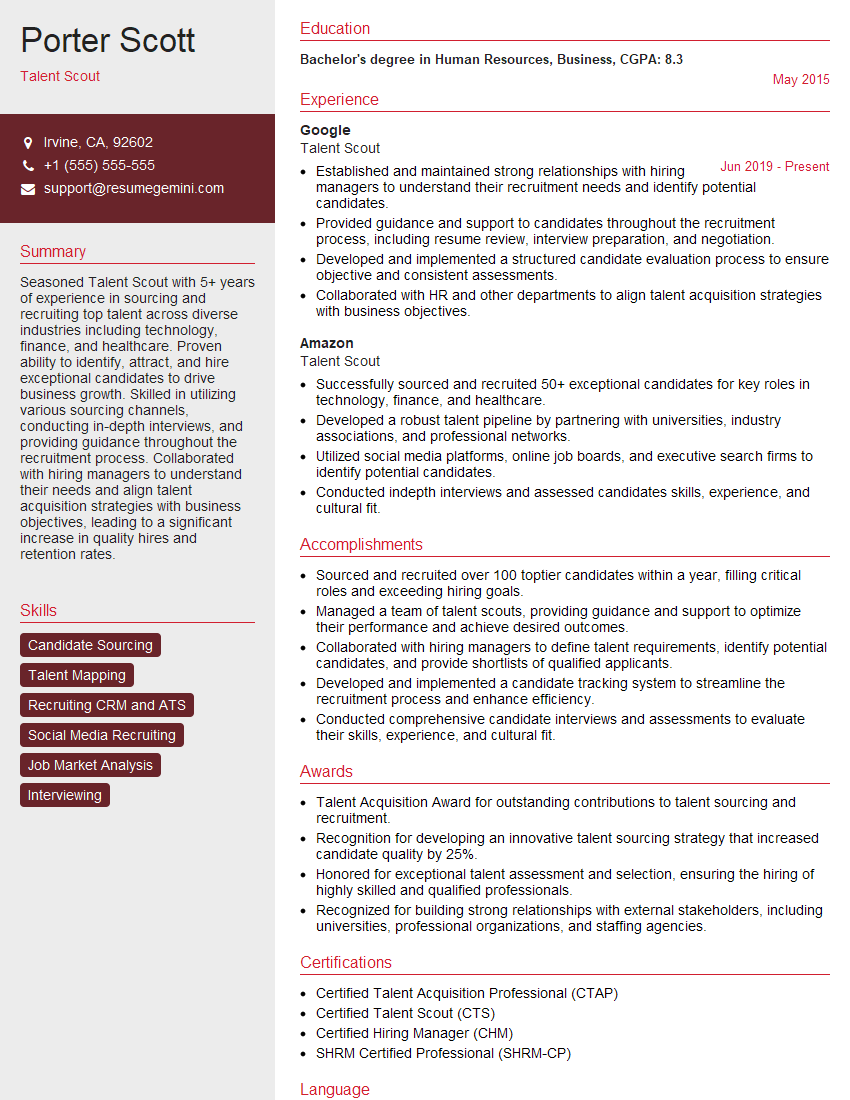
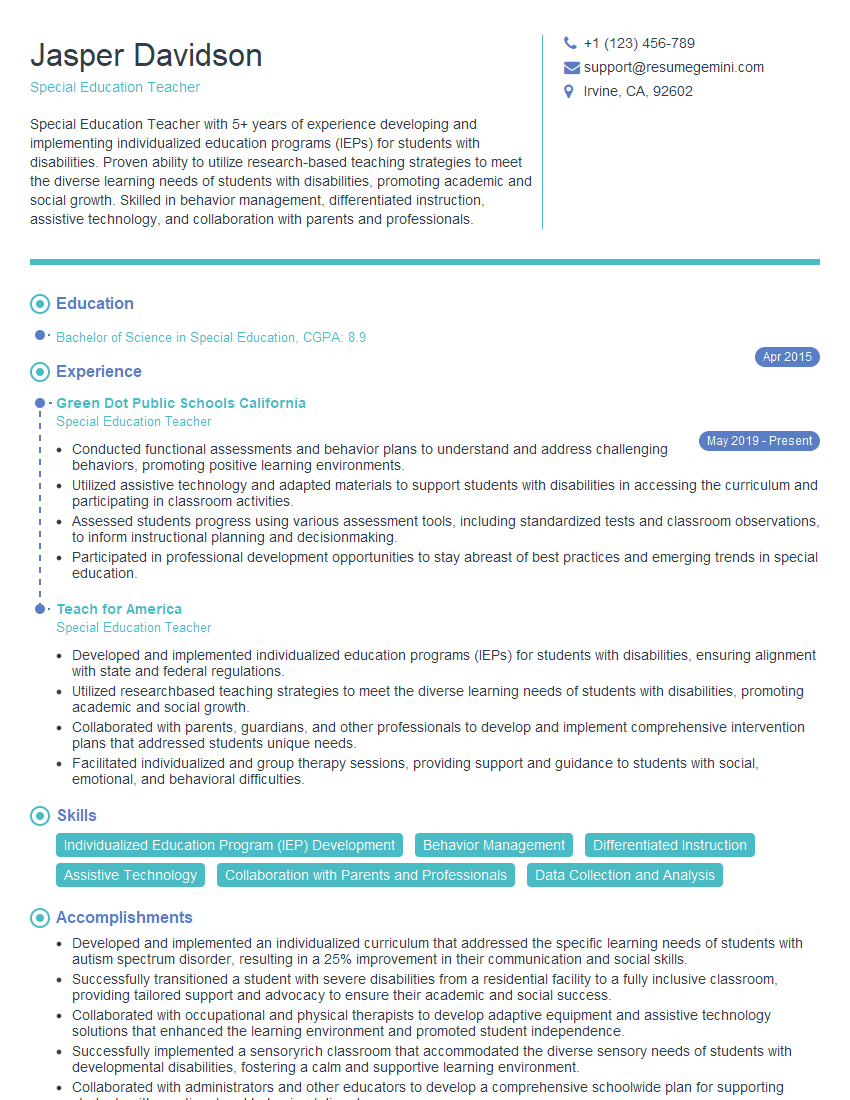
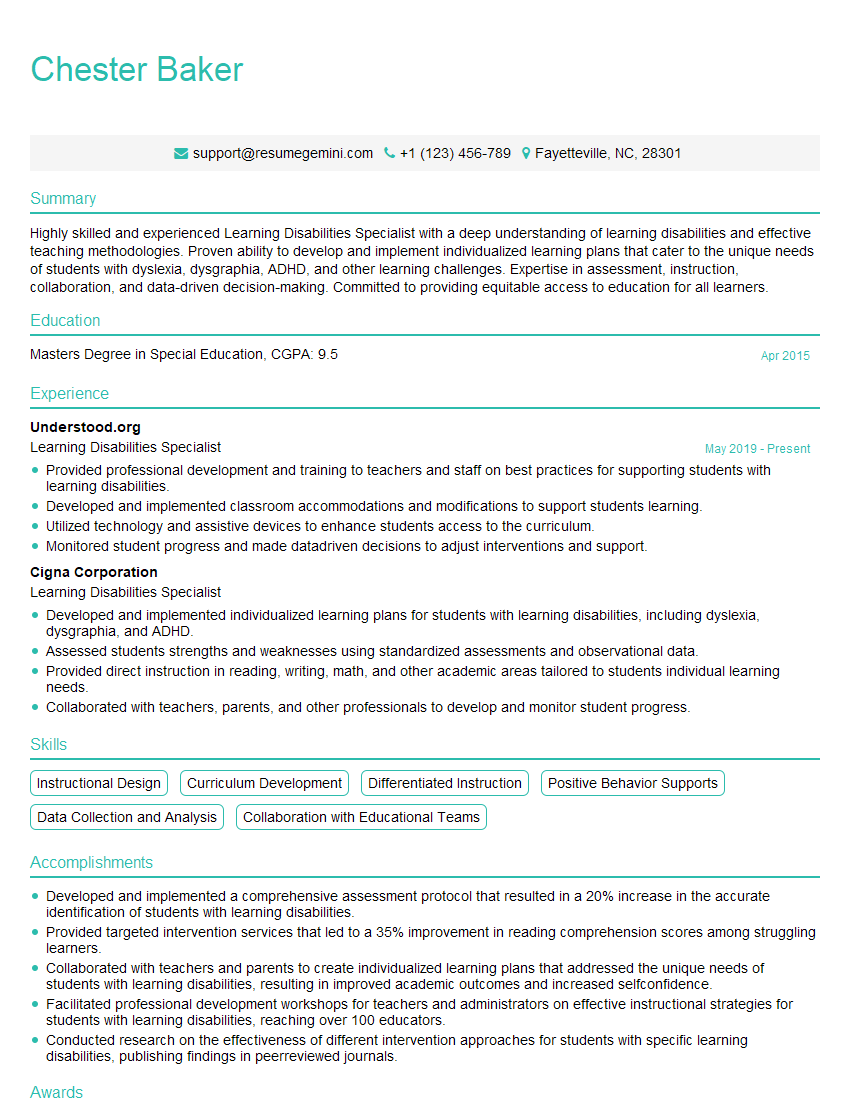
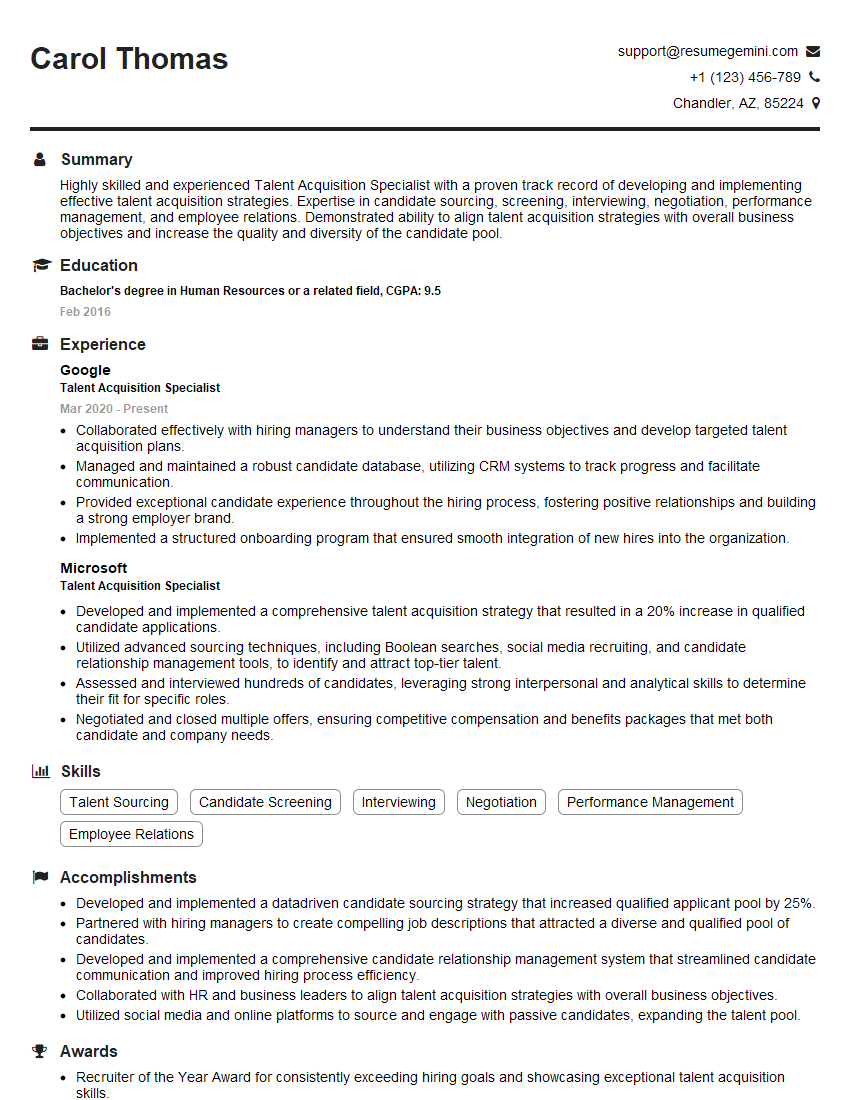
Mastering the art of showcasing your Special Abilities and Talents is crucial for career advancement. A well-crafted resume is your first impression – make it count! Building an ATS-friendly resume significantly increases your chances of getting noticed by recruiters. ResumeGemini is a trusted resource to help you create a professional and impactful resume that highlights your unique skills effectively. Examples of resumes tailored to showcasing Special Abilities and Talents are available to guide you. Take the time to craft a compelling narrative that reflects your expertise and ambition – your dream job awaits!
Explore more articles
Users Rating of Our Blogs
Share Your Experience
We value your feedback! Please rate our content and share your thoughts (optional).
What Readers Say About Our Blog
Very informative content, great job.
good