Every successful interview starts with knowing what to expect. In this blog, we’ll take you through the top Sports Industry Knowledge interview questions, breaking them down with expert tips to help you deliver impactful answers. Step into your next interview fully prepared and ready to succeed.
Questions Asked in Sports Industry Knowledge Interview
Q 1. Explain the current landscape of sports media rights and their impact on team revenue.
The sports media rights landscape is a fiercely competitive and lucrative market. Teams and leagues sell the rights to broadcast their games to television networks, streaming services, and other media platforms. These rights deals are incredibly valuable, forming a cornerstone of team revenue. The value is driven by factors like the popularity of the league (e.g., NFL vs. minor league baseball), the specific team’s performance and market appeal (e.g., a major market team like the Yankees vs. a smaller market team), and the length and scope of the contract (e.g., a multi-year deal vs. a single-season agreement).
The impact on team revenue is substantial. Media rights fees represent a significant portion of a team’s income, often exceeding revenue from ticket sales, merchandise, and even sponsorships in some cases. For example, the NFL’s lucrative television contracts generate billions of dollars annually, significantly enriching teams and the league overall. The increasing demand for live sports content from streaming services has further inflated the value of these rights, creating a bidding war that benefits rights holders.
However, the concentration of media rights in the hands of a few major players raises concerns about fair competition and access for fans. The cost of accessing games can become prohibitive, leading to discussions regarding affordability and accessibility for viewers.
Q 2. Describe different sponsorship models used in professional sports.
Professional sports utilize a variety of sponsorship models, each tailored to the sponsor’s objectives and the team’s branding strategy. These can be broadly categorized as follows:
- Title Sponsorships: A company’s name becomes directly associated with the team, stadium, or event (e.g., naming rights to a stadium like ‘SoFi Stadium’). This offers maximum brand exposure but typically involves substantial investment.
- Jersey Sponsorships: A company’s logo is prominently displayed on team jerseys, offering significant visibility during games and beyond. This model has gained immense popularity globally.
- In-Arena/Stadium Sponsorships: Companies sponsor elements within the venue, such as signage, scoreboards, or specific areas like concession stands. This offers targeted reach to fans attending games.
- Official Supplier Sponsorships: A company becomes the official provider of a particular product or service to the team or league (e.g., the official beverage or apparel supplier). This provides exclusivity and reinforces the brand’s association with the sport.
- Experiential Sponsorships: These focus on creating engaging experiences for fans, such as interactive activations or VIP access. This enhances brand affinity and fosters deeper connections with consumers.
The selection of a suitable model depends on the sponsor’s marketing goals, budget, and target audience, as well as the team’s brand image and overall marketing strategy. Negotiations involve a careful balance of maximizing exposure for the sponsor while ensuring the team maintains its brand integrity.
Q 3. How has social media impacted the sports industry?
Social media has fundamentally reshaped the sports industry, impacting everything from fan engagement to player recruitment and marketing campaigns. Its influence can be seen in several key areas:
- Enhanced Fan Engagement: Teams can directly connect with fans, sharing behind-the-scenes content, fostering community, and responding to feedback in real-time. This improves brand loyalty and provides valuable insights into fan preferences.
- Increased Brand Awareness and Reach: Social media platforms offer unparalleled reach, enabling teams to target specific demographics and expand their global fan base. Strategic use of hashtags and trending topics can amplify exposure significantly.
- Real-Time Content and Marketing: Teams can share live updates, game highlights, and engaging content during and after events, extending the impact of games beyond the actual broadcast.
- Player Branding and Influence: Athletes have built substantial personal brands on social media, leveraging their platforms for endorsements and influencing consumer behavior. This adds another layer to the marketing mix for teams and sponsors.
- Improved Data Collection: Social media analytics provide valuable data regarding fan sentiment, engagement levels, and overall campaign performance. This enables data-driven decision-making in marketing and fan management.
However, social media also presents challenges, including managing negative feedback, dealing with misinformation, and ensuring responsible content creation. Effective management of social media requires a well-defined strategy, consistent effort, and a robust crisis communication plan.
Q 4. Analyze the effectiveness of a specific recent sports marketing campaign.
The recent ‘Impossible Burger’ campaign by a Major League Baseball team (e.g., let’s say the fictional ‘San Francisco Giants’) provides a good example. The campaign focused on promoting a plant-based burger option at the stadium, aligning with growing consumer interest in sustainable and healthier food choices. It employed a multi-faceted approach:
- Social Media Engagement: The Giants utilized their social media channels to showcase the burger, highlighting its taste and sustainability credentials. They ran contests, giveaways, and influencer collaborations to generate buzz.
- In-Stadium Activation: Promotional materials were strategically placed throughout the stadium, and the burger was prominently featured on menus and jumbotron displays.
- Partnerships: The campaign involved a collaboration with the Impossible Foods brand, leveraging their existing marketing and branding power.
- Data Measurement: The campaign’s success was tracked through sales data, social media engagement metrics (likes, shares, comments), and website traffic to the Giants’ food and beverage page.
The effectiveness can be evaluated based on these data points. A significant increase in sales of the Impossible Burger compared to other menu items, along with positive social media sentiment and increased website traffic, would indicate a successful campaign. Conversely, weak sales and negative feedback would point towards needing adjustments in future campaigns. The campaign’s success also hinged on aligning brand values with the target audience’s growing concern for environmental sustainability and healthy eating habits.
Q 5. Discuss the key performance indicators (KPIs) used to measure success in a sports organization.
Key Performance Indicators (KPIs) in sports organizations vary based on the specific area of focus (e.g., team performance, marketing, finance), but some common examples include:
- Team Performance KPIs: Wins/losses, points scored, goals allowed, win percentage, playoff appearances, championships won.
- Financial KPIs: Revenue generated, operating income, net profit margin, return on investment (ROI) on sponsorships, ticket sales, merchandise sales.
- Marketing KPIs: Brand awareness, social media engagement (likes, shares, comments), website traffic, attendance figures, merchandise sales driven by marketing campaigns.
- Fan Engagement KPIs: Ticket sales, social media interactions, attendance rates, merchandise sales, survey results measuring fan satisfaction.
- Player Performance KPIs: Statistics relevant to the sport (e.g., batting average in baseball, points per game in basketball), injury rates, player development progress.
These KPIs are used to track progress towards organizational goals, identify areas needing improvement, and make data-driven decisions. Regular monitoring and analysis of these metrics are crucial for effective management and strategic planning.
Q 6. Explain the role of data analytics in optimizing player performance and team strategy.
Data analytics plays a transformative role in optimizing player performance and team strategy in modern sports. Teams utilize vast amounts of data to gain a competitive edge. This involves collecting, analyzing, and interpreting data from various sources:
- Player Tracking Data: Sensors embedded in uniforms or equipment capture data on player movement, speed, acceleration, and other performance metrics. This data provides insights into player fatigue, efficiency of movements and areas for improvement.
- Game Film Analysis: Advanced video analysis tools allow coaches to meticulously review game footage, identifying strengths and weaknesses in both individual players and team tactics. This helps develop targeted training plans and refine game strategies.
- Opponent Scouting Data: Teams collect extensive data on opposing players and teams, analyzing their strengths, weaknesses, and tendencies to formulate effective game plans.
- Biometric Data: Data on players’ heart rate, sleep patterns, nutrition, and other physiological parameters helps in optimizing training programs and preventing injuries.
By analyzing this data using advanced statistical models and machine learning algorithms, teams can identify patterns, predict outcomes, and make data-driven decisions regarding player selection, training strategies, and in-game tactics. This leads to improved player performance, reduced injuries, and ultimately, enhanced team success.
Q 7. What are some emerging trends in sports technology?
The sports technology landscape is constantly evolving, with several emerging trends shaping the future of the industry:
- Wearable Technology and Biometric Monitoring: More sophisticated wearable sensors are being developed to collect ever more detailed data on player performance and health, allowing for even more personalized training programs and injury prevention strategies.
- Artificial Intelligence (AI) and Machine Learning: AI is increasingly being used for scouting, player evaluation, game strategy optimization, and fan engagement enhancement.
- Virtual Reality (VR) and Augmented Reality (AR): VR and AR technologies are being used for training purposes, allowing players to practice in simulated environments and improve their skills. AR applications can enhance fan experiences during games.
- Immersive Fan Experiences: Technologies like VR and AR are being integrated to provide fans with richer, more immersive viewing experiences, both remotely and in-stadium. This involves interactive elements and personalized content.
- Blockchain Technology: Blockchain could revolutionize areas like ticketing, player contracts, and intellectual property management, increasing transparency and security.
These technological advancements are not only enhancing athletic performance and team strategy but also revolutionizing the way fans consume and experience sports, creating new revenue streams and improving fan engagement.
Q 8. Describe the legal and regulatory environment surrounding player contracts in professional sports.
The legal and regulatory environment surrounding player contracts in professional sports is complex and varies by league and country. It’s a blend of federal and state laws, collective bargaining agreements (CBAs), and league-specific rules. Think of it as a multi-layered cake. At the base are general contract laws, ensuring fairness and enforceability. Above that are CBAs, negotiated between the league and the players’ union, dictating salary caps, minimum salaries, free agency rules, and dispute resolution processes. For example, the NBA’s CBA sets strict parameters on player salaries and team spending, while the NFL’s CBA allows for a more flexible salary cap system with different rules regarding veteran players. Finally, individual league rules further refine the process, addressing specific situations like player trades, waivers, and contract extensions. These rules often involve anti-trust considerations to prevent monopolies and ensure fair competition.
Beyond these formal frameworks, significant aspects involve agents’ roles in contract negotiations, player rights, and the potential for legal challenges related to contract breaches, arbitration, or disputes over contract terms. For instance, a dispute regarding a player’s injury clause in their contract may require legal intervention and arbitration under the CBA’s specified rules. Ultimately, the interplay of these legal frameworks ensures a structured and regulated system for player employment in professional sports.
Q 9. How do sports organizations manage their brand reputation in crisis situations?
Managing brand reputation during a crisis in sports is crucial for long-term success. Think of it like damage control after a car accident; swift and decisive action is key. A well-defined crisis communication plan is essential. This plan should include designated spokespersons, pre-approved messaging, and established channels for disseminating information. Transparency is paramount; sports organizations should acknowledge mistakes, show empathy towards affected parties, and provide updates promptly. Consider the example of a player’s controversial public statement. A proactive and apologetic response from the team, demonstrating accountability and addressing the concerns directly, is often more effective than trying to ignore or downplay the situation.
Furthermore, a thorough investigation of the incident is essential to understand the root causes and prevent future occurrences. The organization should actively engage with stakeholders, including fans, sponsors, and the media, to address their concerns and rebuild trust. Effective crisis communication is not just about damage control; it’s about demonstrating integrity and commitment to values. Ultimately, a strong reputation can withstand challenges, while mishandled crises can severely damage an organization’s image and revenue streams.
Q 10. Explain the different revenue streams for a professional sports team.
Professional sports teams have diverse revenue streams, forming a complex financial ecosystem. Think of it as a multi-pronged approach to financial sustainability. The most significant revenue sources typically include broadcasting rights (TV deals, streaming services), gate receipts (ticket sales, concessions), sponsorship revenue (naming rights, jersey sponsorships, in-stadium advertising), merchandise sales, and licensing agreements (use of team logos, player imagery).
Beyond these primary sources, some teams generate revenue from luxury suites, premium seating, fan experiences, and other ancillary business ventures, such as youth sports academies. The relative importance of each revenue stream varies significantly depending on the team, league, and market size. For instance, a team in a large media market like New York City will likely garner significantly more revenue from broadcasting rights than a team in a smaller market. Furthermore, a team with a strong merchandise brand might derive more revenue from merchandising compared to a team with a less established brand. Effective financial management requires a strategic balance across these multiple revenue streams to maximize profitability and long-term stability.
Q 11. What strategies are used to attract and retain sponsors in sports?
Attracting and retaining sponsors in sports requires a multifaceted approach focusing on mutual benefit and value creation. It’s like a business partnership; both parties must see value in the relationship. A strong brand reputation is a crucial foundation; sponsors want to align with winning teams and positive social impact. Providing sponsors with quantifiable results – audience reach, brand visibility, and sales uplift – is essential. This might involve data-driven reports demonstrating the impact of sponsorship activations, including social media engagement and website traffic metrics.
Tailored sponsorship packages are vital; different sponsors have different objectives and budgets. This could involve branded content creation, exclusive access to events, and opportunities for player endorsements. Moreover, building strong relationships with sponsors is crucial for long-term engagement and loyalty. Regular communication, consistent reporting, and a willingness to adapt to evolving sponsor needs are all key elements. Think of the long-standing partnerships between major sporting events and brands; these collaborations are built on trust, mutual respect, and a shared vision.
Q 12. How does the sports industry leverage social media for engagement and marketing?
Social media has revolutionized the sports industry, transforming fan engagement and marketing strategies. Think of it as a direct line to fans, enabling real-time interaction and personalized experiences. Platforms like Twitter, Instagram, Facebook, and TikTok offer unique opportunities for content creation, fan interaction, and targeted advertising. Teams use these platforms to share game highlights, behind-the-scenes content, and player updates, fostering a sense of community and loyalty.
Live streaming of events and interactive features like Q&A sessions with players enhance fan engagement. Targeted advertising campaigns on social media allow teams to reach specific demographics and build brand awareness amongst desired customer segments. Data analytics provide insights into fan preferences and behaviour, enabling teams to personalize their content and marketing efforts for greater effectiveness. For example, a team could use data to understand which types of social media content resonate best with their fans and tailor their strategy accordingly. Overall, a well-crafted social media strategy can significantly enhance brand loyalty, broaden reach, and ultimately drive revenue growth for sports teams.
Q 13. Describe the role of a sports agent in negotiating player contracts.
Sports agents play a pivotal role in negotiating player contracts, acting as intermediaries between players and teams. They’re like skilled negotiators, advocating for their clients’ best interests. Their responsibilities include contract negotiation (salary, bonuses, endorsements), marketing and branding of players, managing player finances, and providing legal and career advice. A successful agent needs a deep understanding of the market, the CBA rules, and the legal landscape.
The negotiation process typically involves researching comparable contracts, assessing player value, presenting proposals to teams, and negotiating favorable terms. They also deal with endorsement deals and sponsorships, maximizing their client’s earning potential beyond just their base salary. A skilled agent can navigate complex negotiations, secure lucrative contracts, and protect their client’s long-term career interests. Effective agents build strong relationships with teams and maintain a reputation for integrity and professionalism in the often high-stakes world of sports contract negotiation.
Q 14. Discuss the impact of fan engagement on team success.
Fan engagement significantly impacts team success, extending beyond simple ticket sales. Think of fans as essential stakeholders; their support fuels team morale, creates a vibrant atmosphere, and contributes directly to revenue generation. High levels of fan engagement translate to better attendance, increased merchandise sales, and stronger sponsorship deals. A passionate fan base creates a competitive advantage; a strong home-field advantage boosts team performance.
Teams invest in improving the fan experience through interactive events, social media engagement, and community outreach programs. This fosters a strong sense of team identity and loyalty. Data-driven approaches to understanding fan preferences and tailoring services help enhance the overall experience and engagement. Ultimately, a team with a highly engaged and loyal fan base is better positioned for long-term success both on and off the field. This translates into increased revenue, improved team performance due to a supportive environment, and a stronger overall brand identity.
Q 15. Explain the importance of ethical considerations in sports management.
Ethical considerations are paramount in sports management, shaping the integrity of the industry and fostering trust among athletes, fans, and stakeholders. Without strong ethical foundations, the entire system risks crumbling under scandals and losing public confidence.
Key ethical areas include:
- Fair Play and Competition: Ensuring rules are followed, combating doping, and preventing match-fixing are crucial. The Lance Armstrong doping scandal exemplifies the devastating consequences of ethical breaches in this area. A fair playing field relies heavily on integrity.
- Athlete Welfare: Protecting athletes’ physical and mental health, including fair compensation and preventing exploitation, is vital. This involves addressing issues such as concussion protocols in contact sports and burnout prevention in high-pressure environments.
- Financial Transparency and Governance: Open and accountable financial practices, avoiding conflicts of interest, and ensuring good governance structures are essential for building public trust and long-term sustainability. The importance of transparency became starkly apparent in several high-profile cases of financial mismanagement within professional sports organizations.
- Inclusivity and Diversity: Creating an environment that welcomes athletes and staff from diverse backgrounds, regardless of race, gender, sexual orientation, or disability, is both ethically sound and strategically advantageous. A diverse workforce brings a wider range of perspectives and innovation.
Ethical lapses can lead to significant financial losses, reputational damage, and legal repercussions. Therefore, embedding ethical principles into organizational culture, establishing clear codes of conduct, and providing regular ethics training are crucial for sports organizations.
Career Expert Tips:
- Ace those interviews! Prepare effectively by reviewing the Top 50 Most Common Interview Questions on ResumeGemini.
- Navigate your job search with confidence! Explore a wide range of Career Tips on ResumeGemini. Learn about common challenges and recommendations to overcome them.
- Craft the perfect resume! Master the Art of Resume Writing with ResumeGemini’s guide. Showcase your unique qualifications and achievements effectively.
- Don’t miss out on holiday savings! Build your dream resume with ResumeGemini’s ATS optimized templates.
Q 16. How does globalization affect the sports industry?
Globalization has profoundly reshaped the sports industry, creating a more interconnected and competitive landscape. It’s led to increased international collaboration, the expansion of global fan bases, and the rise of international leagues and competitions.
- Increased Competition: Globalization has introduced competition from various countries, pushing organizations to enhance their performance and strategies to remain competitive on a global stage.
- Global Fan Base: Teams and leagues now cultivate global fan bases through international broadcasting rights, digital media, and merchandise sales. The popularity of the NBA globally is a prime example of this phenomenon.
- Movement of Athletes: The free movement of athletes across international borders is a defining characteristic. This is seen in many sports, with star players often switching leagues and countries.
- Sponsorship and Broadcasting Deals: Global brands seek sponsorship opportunities in international sports, leading to lucrative deals and wider exposure.
- Cultural Exchange: Globalization facilitates cultural exchange and understanding, creating opportunities for athletes and fans to interact and share experiences across cultures.
However, globalization also presents challenges such as navigating differing cultural norms, managing international regulations, and addressing potential ethical issues that arise from a globalized market.
Q 17. What are the financial implications of athlete endorsements?
Athlete endorsements are a significant source of revenue for both athletes and brands. The financial implications are multifaceted and substantial.
- Athlete Income: Endorsement deals can generate massive income for athletes, significantly supplementing their salaries. High-profile athletes like LeBron James and Serena Williams have earned hundreds of millions from endorsements.
- Brand Value: Brands use athlete endorsements to enhance their image, reach new markets, and increase sales. Associating with a successful athlete can create strong brand loyalty.
- Marketing Costs: Companies incur significant costs for endorsement deals, including fees, marketing campaigns, and legal expenses. There is a risk associated with choosing the wrong athlete or experiencing a dip in an athlete’s performance.
- Return on Investment (ROI): The success of an endorsement deal is measured by the brand’s ROI, considering the cost of the deal and its impact on sales, brand awareness, and market share. The evaluation of this ROI is critical for the continued investment in athlete endorsements.
- Risk Management: Brands face risks associated with an athlete’s off-field behavior or performance issues, which can negatively impact the brand’s image.
Negotiating endorsement deals requires careful consideration of various factors, including athlete popularity, brand alignment, market analysis, and contract terms. A well-structured endorsement deal can be mutually beneficial for both the athlete and the brand, however, a poorly managed one can result in significant financial losses.
Q 18. Discuss the role of sustainability in the modern sports industry.
Sustainability is increasingly important in the modern sports industry, encompassing environmental, social, and economic considerations. It’s not just a trend; it’s becoming a necessity for long-term success and responsible operation.
- Environmental Sustainability: This involves reducing carbon footprint through sustainable venue construction, using renewable energy, managing waste effectively, and minimizing travel impact. Examples include installing solar panels in stadiums and prioritizing public transportation for event attendees.
- Social Sustainability: This focuses on promoting social equity and inclusion within the sports industry, including fair labor practices, community engagement, and accessibility for all fans. This can encompass initiatives promoting local communities through sports development.
- Economic Sustainability: This involves creating a financially viable and equitable sports ecosystem, supporting local businesses, and generating economic benefits for the community. It involves responsible financial practices and equitable revenue sharing models.
Implementing sustainability requires a comprehensive approach, encompassing strategic planning, operational changes, and stakeholder engagement. By embracing sustainability, sports organizations can enhance their brand image, attract environmentally and socially conscious fans, and contribute to a more sustainable future.
Q 19. How does a sports organization develop and implement a marketing strategy?
Developing and implementing a successful marketing strategy for a sports organization is a complex process that requires a deep understanding of the target audience, the competitive landscape, and the organization’s unique selling points.
- Market Research and Analysis: This involves identifying the target audience (e.g., demographics, interests, media consumption habits), analyzing the competitive landscape, and assessing market trends. Understanding the target audience’s preferences helps to tailor messaging and marketing channels accordingly.
- Setting Marketing Objectives: Clearly defining measurable marketing goals, such as increasing ticket sales, improving brand awareness, or attracting new sponsors, is crucial. This will then determine the effectiveness of the marketing campaign.
- Developing a Marketing Mix: This involves determining the optimal combination of marketing tools, including advertising (e.g., television, digital, print), public relations, social media marketing, content marketing, experiential marketing, and sponsorships. Each of these elements should have a clearly defined purpose.
- Budget Allocation: Allocating resources effectively across various marketing channels based on their ROI is critical. This often requires careful analysis and prioritization.
- Implementation and Monitoring: Executing the marketing plan involves coordinating activities across different departments and channels. Regular monitoring and evaluation are necessary to measure progress towards goals and make adjustments as needed. Key Performance Indicators (KPIs) play a crucial role here.
- Evaluation and Adjustment: Regularly evaluating the effectiveness of the marketing strategy and making adjustments based on performance data ensures the strategy remains relevant and effective. This is an iterative process.
A successful marketing strategy is data-driven, flexible, and adaptable to changing market conditions. It requires a deep understanding of the sporting environment and customer engagement practices.
Q 20. Describe the challenges in managing a diverse workforce in the sports industry.
Managing a diverse workforce in the sports industry presents unique challenges, but also significant opportunities. A diverse and inclusive workplace fosters creativity, innovation, and better understanding of diverse fan bases.
- Cultural Differences: Navigating different cultural norms, communication styles, and work ethics requires sensitivity and training. This involves developing culturally intelligent leadership and fostering open communication channels.
- Gender Inequality: Addressing gender pay gaps, promoting women into leadership roles, and creating a culture of respect and equality are crucial. This requires deliberate efforts to create equity and equal opportunity.
- Racial and Ethnic Diversity: Promoting diversity in hiring, leadership roles, and representation across teams requires proactive strategies to overcome systemic biases. This includes targeted recruitment and development initiatives.
- Inclusivity and Accessibility: Creating an inclusive and accessible workplace for employees with disabilities, LGBTQ+ employees, and employees from other minority groups requires sensitivity to their unique needs and challenges. Reasonable accommodations are important here.
- Bias and Discrimination: Addressing unconscious bias and implementing anti-discrimination policies and training programs is essential to fostering a respectful and inclusive workplace. This requires constant vigilance and a commitment to creating a safe working environment.
Effectively managing a diverse workforce requires leadership commitment, robust policies, regular training, and a commitment to creating a culture where everyone feels valued, respected, and included. The benefits of a diverse workplace far outweigh the challenges in terms of enhanced innovation and creativity.
Q 21. Explain the process of securing funding for a sports event.
Securing funding for a sports event is a crucial step in its success. It involves a multi-faceted approach, combining various funding streams.
- Developing a Comprehensive Budget: Creating a detailed budget that outlines all expected costs (venue rental, staffing, marketing, security, etc.) is the first step. This forms the basis for approaching potential funders.
- Identifying Funding Sources: This includes exploring various options, such as:
- Sponsorships: Seeking sponsorships from corporations aligned with the event’s values and target audience. This involves creating compelling sponsorship packages that highlight the benefits for sponsors.
- Grants: Applying for grants from government agencies, foundations, or sports organizations. This requires crafting a strong grant proposal that highlights the event’s social impact and aligns with the funder’s priorities.
- Ticket Sales: Projecting and securing ticket sales to generate revenue. Effective marketing and ticketing strategies are crucial here.
- Merchandise Sales: Selling event-branded merchandise to generate additional income.
- Media Rights: Selling broadcasting rights to television networks or streaming platforms.
- Private Investment: Seeking investment from angel investors or venture capital firms.
- Building Relationships with Potential Funders: Networking and building relationships with potential funders is crucial. This involves making personal connections and presenting the event in a compelling manner that highlights its value proposition.
- Developing a Compelling Proposal: Creating a comprehensive proposal that outlines the event’s goals, budget, marketing plan, and potential ROI for funders is essential. This proposal should be tailored to each individual funder.
- Monitoring and Reporting: After securing funding, regularly monitoring expenses and reporting progress to funders is vital to maintain transparency and build trust. This demonstrates accountability and responsible use of funds.
Securing funding requires a proactive, well-organized, and persuasive approach. Effective communication, a strong business plan, and a clear understanding of the funder’s priorities are essential elements of success.
Q 22. How is technology used to improve fan experience at sporting events?
Technology is revolutionizing the fan experience at sporting events, transforming it from a passive observation to an interactive and engaging spectacle. This is achieved through several key avenues.
- Enhanced Mobile Apps: Teams and venues are leveraging mobile apps to provide real-time scores, stats, replays, interactive maps, concessions ordering, and even personalized content tailored to individual fan preferences. Imagine ordering your food and drinks from your seat and having it delivered without missing a moment of the game!
- Interactive Displays and AR/VR: Large screens, augmented reality (AR) overlays, and virtual reality (VR) experiences offer immersive viewing angles, behind-the-scenes glimpses, and interactive games. Think about using AR on your phone to see stats superimposed on the field in real-time, or experiencing a virtual reality replay from the perspective of a player.
- Wearable Technology and Fan Data: Smartwatches and other wearable technology collect data on fan movement, engagement levels, and preferences, providing insights for optimizing venue design, concession strategies, and overall fan experience. This data allows for a more targeted approach to marketing and offers a more personalized experience to each fan.
- Improved Wi-Fi and Connectivity: Robust Wi-Fi infrastructure ensures seamless streaming of content, social media engagement, and a positive online experience for fans. This is critical for the success of all the other technologies listed above. A frustrating lack of connectivity can quickly ruin the fan experience.
- AI-Powered Personalization: Artificial Intelligence is used to analyze fan data and deliver personalized content, special offers, and even predict potential fan needs, such as informing them about potential traffic congestion leaving the venue.
These technological advancements are not only enhancing the in-stadium experience but are also extending the engagement beyond the venue, fostering a stronger connection between fans and their teams.
Q 23. Describe the different roles in sports broadcasting and production.
Sports broadcasting and production is a complex operation requiring a coordinated team with diverse roles. Here are some key positions:
- Executive Producer: Oversees the entire production, managing budgets, schedules, and personnel.
- Director: Controls the cameras and overall visual presentation of the broadcast, making real-time decisions on shot selection and pacing.
- Producer: Manages the flow of the broadcast, coordinating with commentators, reporters, and technical staff.
- Camera Operators: Capture the action from various angles and positions.
- Audio Technicians: Manage microphones, sound mixing, and overall audio quality.
- Graphics Operators: Create and display on-screen graphics, stats, and replays.
- Replay Operators: Manage instant replays and slow-motion footage.
- Commentators/Analysts: Provide color commentary and analysis of the game.
- Reporters/Sideline Reporters: Conduct interviews, provide updates, and report on events from the sidelines.
- Technical Director: Responsible for the technical aspects of the broadcast, ensuring everything runs smoothly.
Each role is vital, and their coordinated efforts result in the seamless broadcast we experience. For example, the director’s split-second decisions during a crucial moment in a game, guided by the producer’s cues, are paramount for capturing the excitement and conveying it effectively to the viewers.
Q 24. What are the key legal considerations involved in athlete image rights?
Athlete image rights are a crucial aspect of sports law, concerning the legal protection of an athlete’s name, likeness, and persona. Key legal considerations include:
- Ownership and Control: Athletes generally own their image rights, but leagues and teams often have contractual agreements granting them certain usage rights. Determining the scope of these rights is crucial.
- Licensing and Endorsements: Athletes can license their image rights to companies for endorsements and advertising. These agreements need to be carefully drafted to protect the athlete’s brand and ensure fair compensation.
- Right of Publicity: This legal right protects an athlete’s commercial interests against unauthorized use of their identity. Violation can lead to legal action for damages.
- Territorial Rights: Licensing agreements frequently define specific geographic territories for image usage, preventing conflicts and unauthorized use in different regions.
- Duration and Termination: Agreements specify the duration of the license and contain clauses outlining termination conditions and potential disputes.
- Moral Rights: In some jurisdictions, athletes may have moral rights over how their image is used, preventing distortion or misrepresentation that could harm their reputation.
Navigating these legal complexities requires careful legal counsel. For example, an athlete might need to balance the revenue potential of broad licensing agreements with the risk of diluting their brand or associating it with undesirable products or services.
Q 25. How is talent scouting and player development managed effectively?
Effective talent scouting and player development are critical for sustained success in any sport. A well-structured system integrates several key components:
- Extensive Scouting Network: Utilizing scouts across multiple levels and geographical locations to identify promising young talent. This might involve attending local matches, analyzing statistical data, and leveraging advanced analytics tools.
- Data-Driven Analysis: Employing advanced analytics to evaluate player performance, potential, and suitability for specific roles within the team. This goes beyond basic stats, incorporating metrics such as agility, speed, reaction time, and decision-making capabilities.
- Structured Player Development Programs: Implementing comprehensive training programs tailored to individual player needs and long-term development goals. This may include strength and conditioning programs, technical skill development, mental conditioning, and tactical training.
- Performance Monitoring and Feedback: Utilizing technology and coaching staff to track individual player progress, providing regular feedback, and making necessary adjustments to development plans.
- Mentorship and Coaching: Providing guidance and support through experienced coaches and mentors to help players navigate the challenges of professional sports, both on and off the field.
- Investing in Facilities and Resources: Ensuring access to state-of-the-art training facilities, equipment, and support staff that facilitate effective development.
For instance, a successful youth academy would invest in expert coaches and advanced technology such as motion capture systems, creating a holistic development environment.
Q 26. Discuss the challenges of implementing a new sports facility.
Implementing a new sports facility presents numerous challenges, ranging from financial constraints to logistical complexities. Key challenges include:
- Funding and Financing: Securing adequate funding from public and private sources, navigating financing options, and managing budgets effectively.
- Site Selection and Zoning: Identifying a suitable location that meets the needs of the facility and adheres to zoning regulations, considering factors such as accessibility, infrastructure, and environmental impact.
- Design and Construction: Designing a functional and aesthetically pleasing facility that meets the specific requirements of the sport, managing construction timelines, and mitigating construction risks.
- Regulatory Compliance: Meeting building codes, safety standards, accessibility requirements, and other relevant regulations.
- Community Engagement and Stakeholder Management: Engaging with the local community, addressing concerns, and managing relationships with stakeholders to ensure community support for the project.
- Technology Integration: Integrating advanced technology for ticketing, security, fan experience, and efficient operations.
- Sustainability and Environmental Impact: Designing and constructing an environmentally responsible facility that minimizes its carbon footprint and promotes sustainability.
For example, a new stadium project might encounter delays due to unexpected geological conditions during construction or face community opposition concerning its environmental impact. Careful planning and community consultation are essential to mitigate these challenges.
Q 27. Analyze the impact of player injuries on team performance and revenue.
Player injuries have a significant impact on team performance and revenue. The effects can be both immediate and long-term.
- Impact on Team Performance: Injuries disrupt team dynamics, impacting team cohesion and strategic planning. Losing key players can directly affect the team’s on-field performance, leading to losses, reduced standings, and missed playoff opportunities.
- Financial Implications: Injuries lead to increased medical expenses, potential loss of player salaries (if insured), and decreased gate revenue due to reduced fan interest in underperforming teams. Furthermore, the loss of a star player can significantly affect merchandise sales and sponsorship deals.
- Long-Term Effects: Chronic injuries can lead to career-ending situations, impacting team’s future performance and plans. The long-term impact on team morale and the ability to attract future talent can be substantial.
- Insurance and Risk Management: Teams need comprehensive insurance policies to cover player injuries, medical expenses, and potential revenue losses. Effective risk management strategies, such as preventative injury programs and robust medical staff, can mitigate these risks.
Consider the impact of a star quarterback’s season-ending injury on an NFL team: It affects not only the team’s win-loss record but also ticket sales, merchandise sales, and even the team’s overall brand value. Mitigation strategies like having a strong backup quarterback and injury prevention programs are crucial.
Q 28. Explain the process of negotiating media rights for a sporting event.
Negotiating media rights for a sporting event is a complex process involving multiple stakeholders and significant financial considerations. The process generally involves:
- Assessment of Value: Determining the potential value of the media rights based on factors such as the popularity of the event, its historical viewership, the target audience, and the current market landscape.
- Market Research: Conducting thorough market research to identify potential buyers (broadcasters, streaming platforms, etc.) and understanding their interest and bidding strategies.
- Request for Proposals (RFPs): Issuing RFPs to potential bidders, outlining the rights being offered and the terms and conditions of the agreement.
- Negotiations: Engaging in negotiations with interested bidders, discussing the financial terms, the scope of rights (e.g., exclusive rights, territorial rights, digital rights), and other key provisions of the contract.
- Contract Drafting and Review: Drafting a detailed contract that outlines the rights granted, payment schedules, obligations of both parties, and dispute resolution mechanisms.
- Closing the Deal: Finalizing the contract, securing necessary approvals, and completing the transaction.
The negotiation process can be highly competitive, particularly for high-profile events, with bidders often engaging in intense bidding wars. Factors such as the length of the contract, the exclusivity of rights, and the potential for revenue generation influence the value and outcomes of these negotiations. Consider the high-stakes negotiations for major sporting events like the Olympics or the FIFA World Cup, which involve billions of dollars and multiple international broadcasters.
Key Topics to Learn for Sports Industry Knowledge Interview
- Sports Marketing & Sponsorship: Understanding sponsorship activation, media rights, and the impact of social media marketing on fan engagement. Practical application: Developing a sponsorship proposal for a hypothetical sports event.
- Sports Management & Operations: Facility management, event planning, risk management, and budget allocation. Practical application: Analyzing a case study of a successful (or unsuccessful) sporting event and identifying key operational decisions.
- Legal & Ethical Considerations in Sports: Understanding contract law, player agents, anti-doping regulations, and intellectual property rights. Practical application: Analyzing a hypothetical legal dispute in the sports industry.
- Data Analytics in Sports: Utilizing data to improve player performance, optimize team strategies, and enhance fan experience. Practical application: Interpreting key performance indicators (KPIs) and drawing actionable insights from sports data.
- Financial Management in Sports: Revenue generation, cost control, budgeting, and financial forecasting. Practical application: Creating a simplified financial model for a sports team or organization.
- Fan Engagement & Experience: Strategies for enhancing the fan experience, including digital engagement, community building, and loyalty programs. Practical application: Developing a fan engagement strategy for a specific sport or team.
- Current Trends & Issues in the Sports Industry: Staying updated on the latest developments in sports technology, media landscape, globalization, and social responsibility. Practical application: Discussing the impact of emerging technologies on the future of sports.
Next Steps
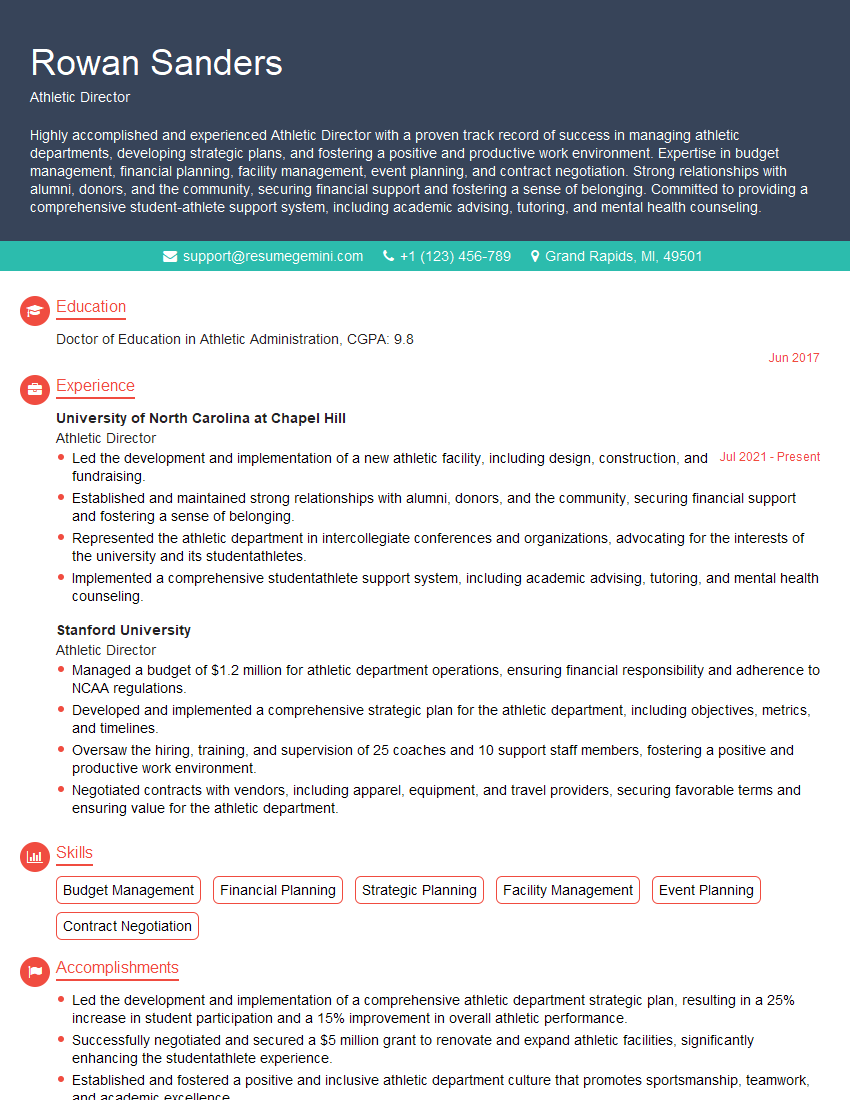
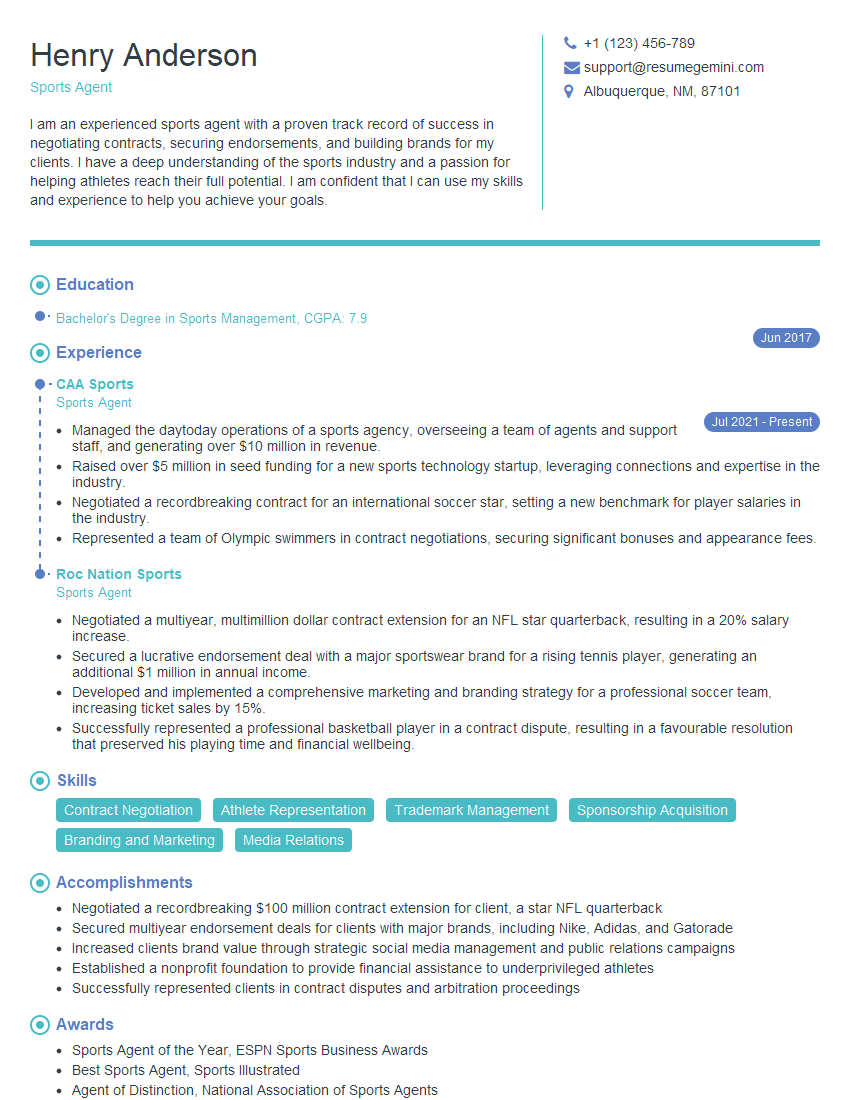
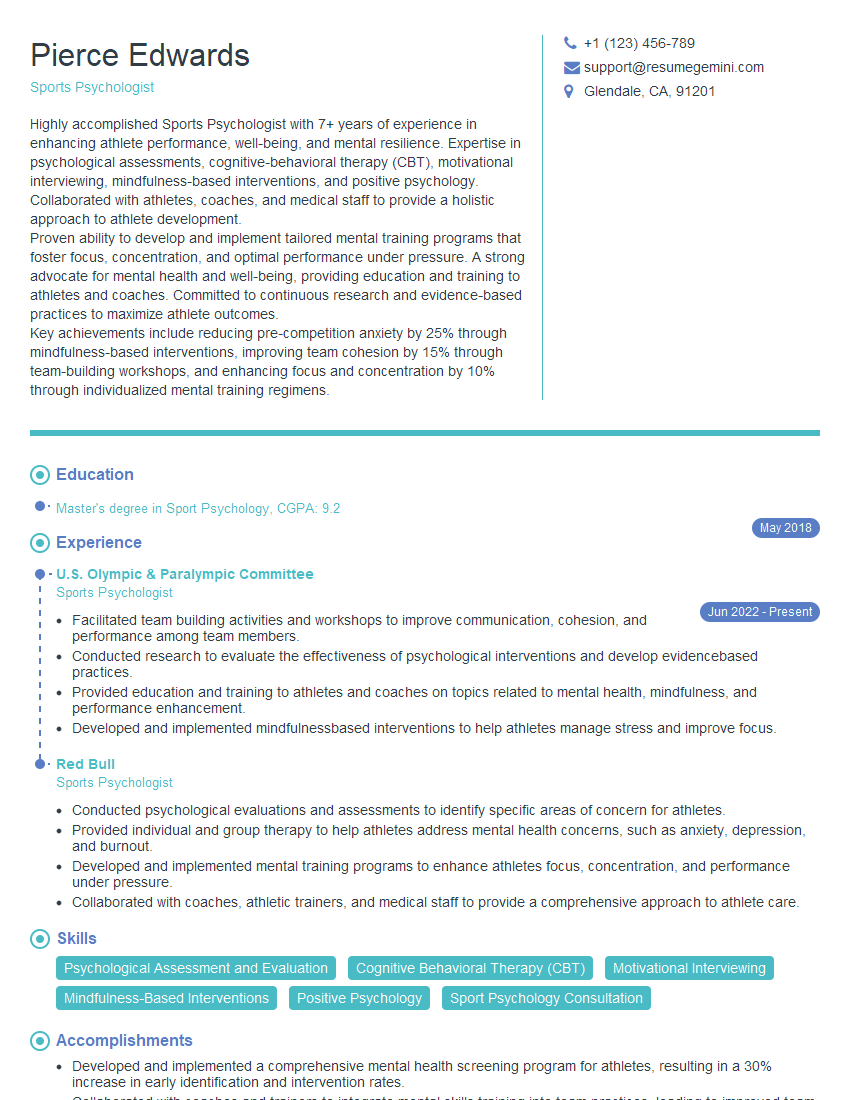
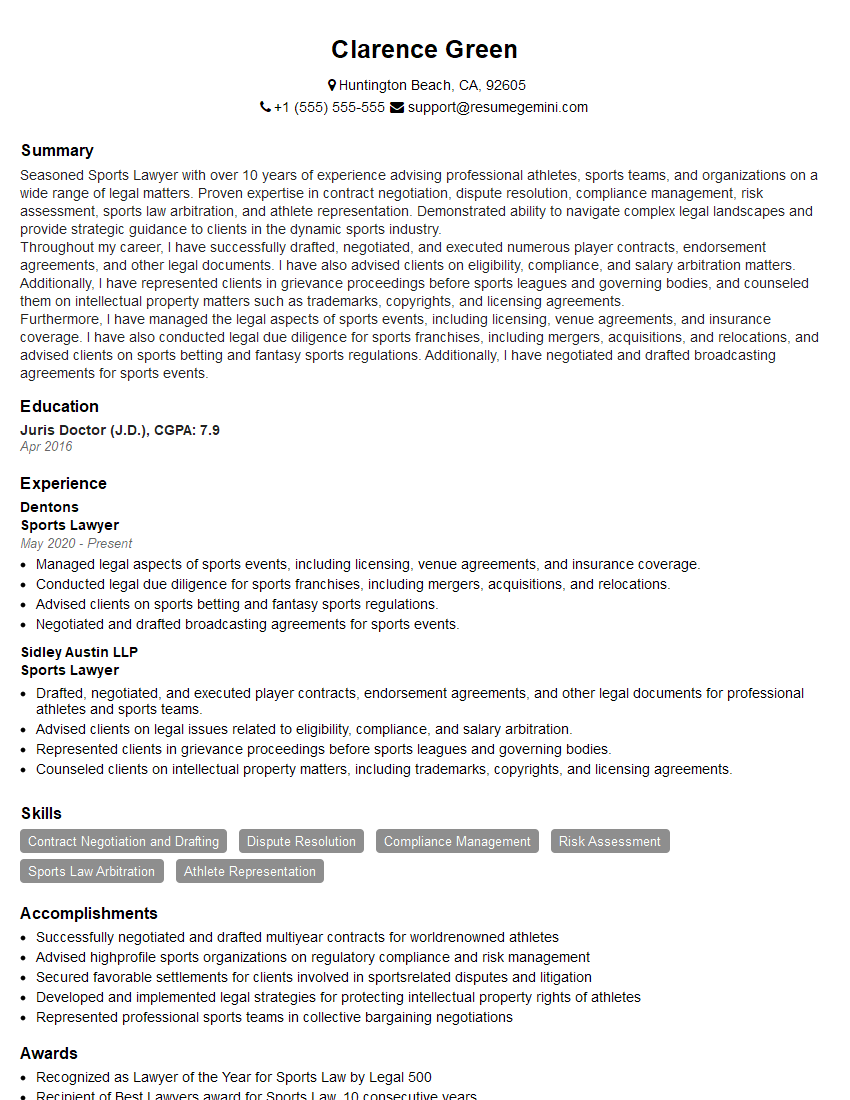
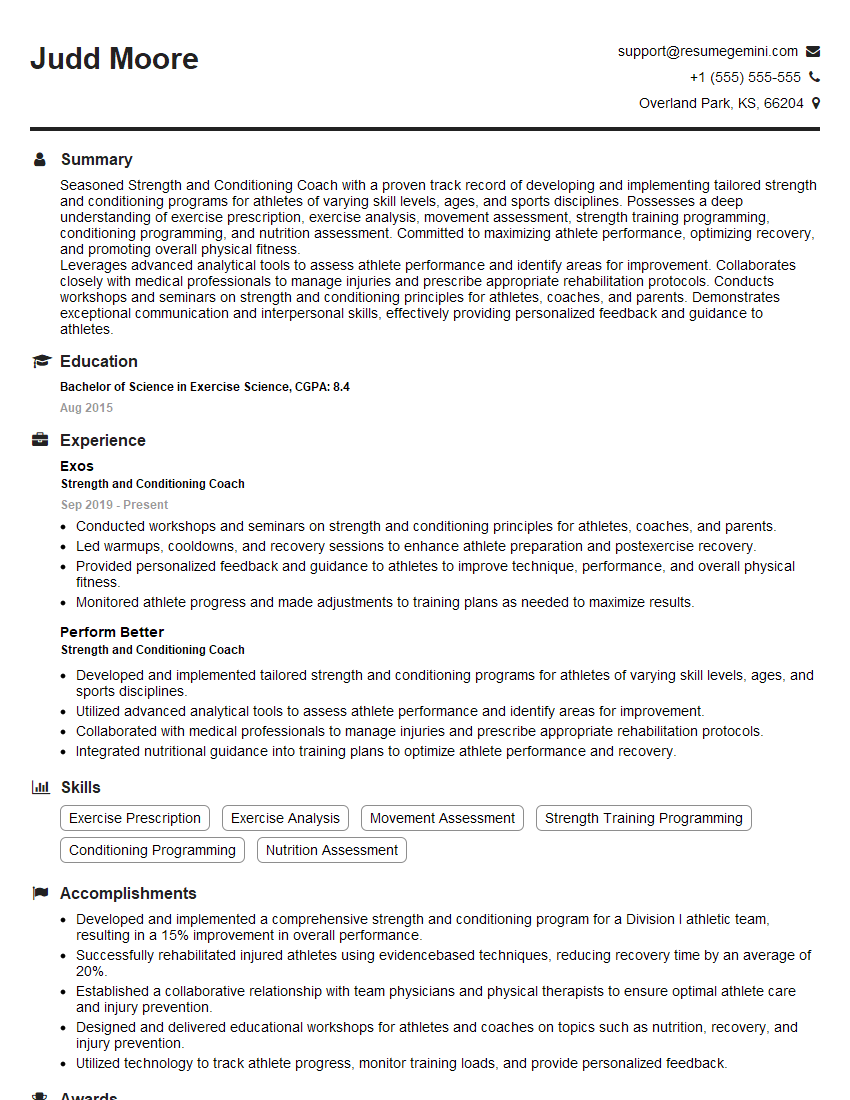
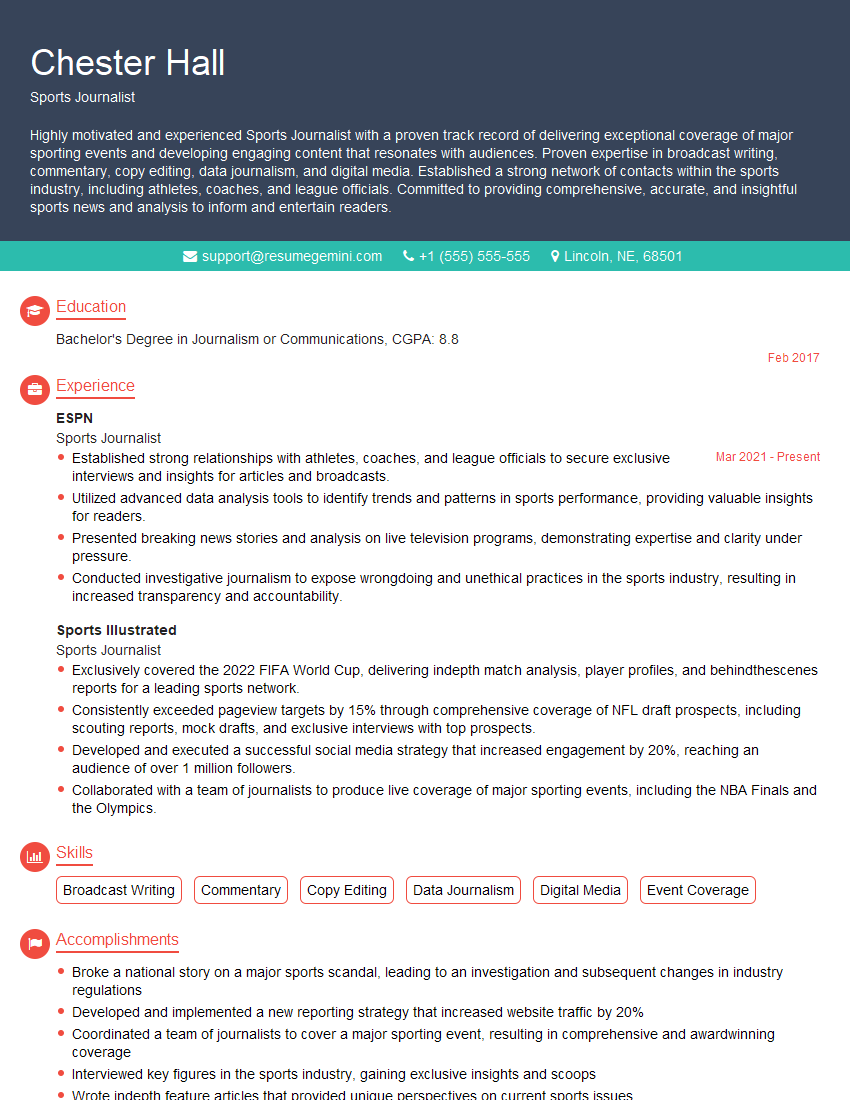
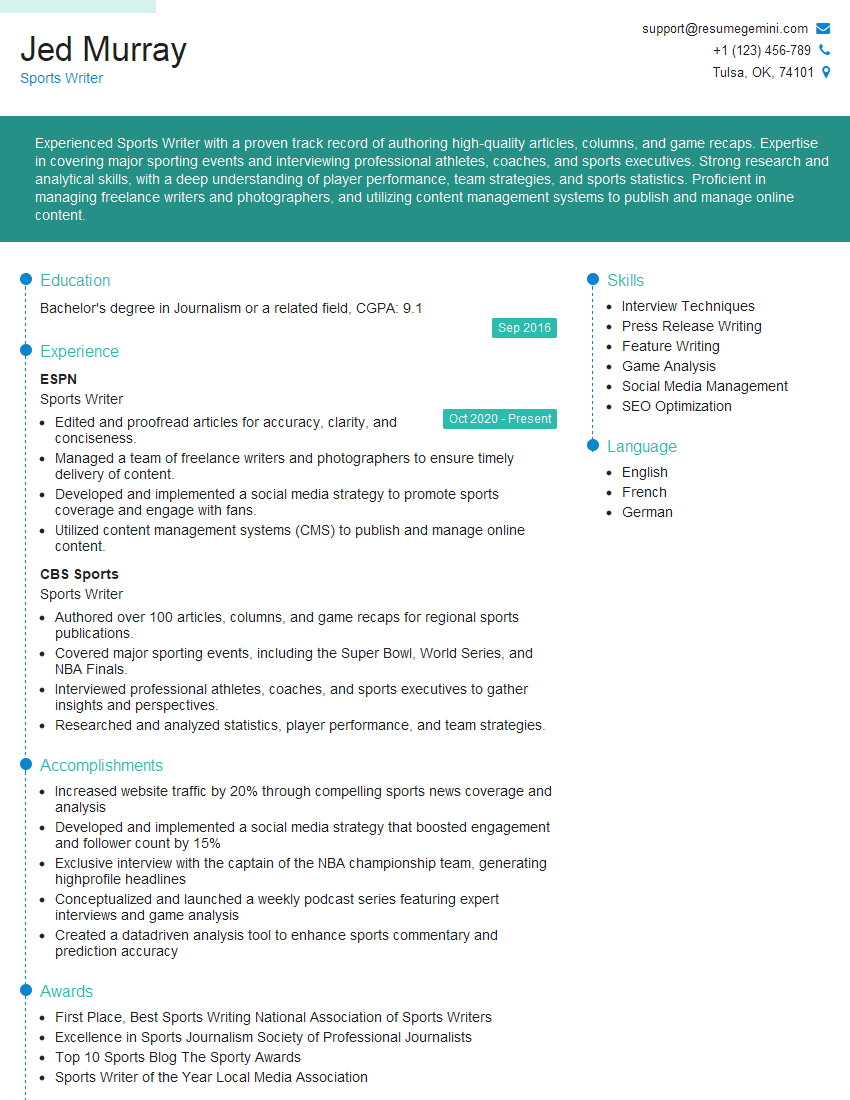
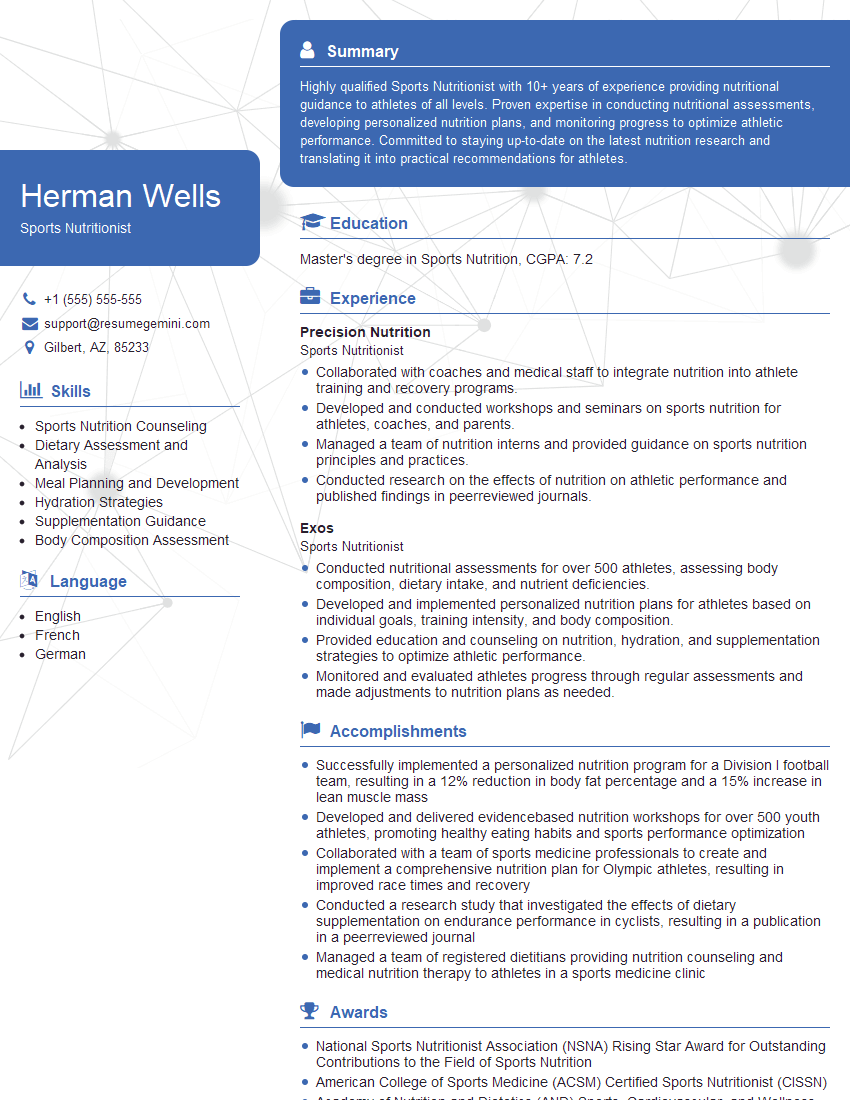
Mastering Sports Industry Knowledge is crucial for career advancement, opening doors to exciting opportunities and higher earning potential. A strong understanding of these key areas demonstrates your commitment and expertise to prospective employers. To significantly boost your job prospects, focus on creating an ATS-friendly resume that effectively highlights your skills and experience. ResumeGemini is a trusted resource to help you build a professional, impactful resume tailored to the sports industry. Examples of resumes specifically designed for showcasing Sports Industry Knowledge are available to guide you. Invest the time to craft a compelling resume – it’s your first impression and a key step in landing your dream job.
Explore more articles
Users Rating of Our Blogs
Share Your Experience
We value your feedback! Please rate our content and share your thoughts (optional).
What Readers Say About Our Blog
Very informative content, great job.
good