Feeling uncertain about what to expect in your upcoming interview? We’ve got you covered! This blog highlights the most important Following Work Instructions and Procedures interview questions and provides actionable advice to help you stand out as the ideal candidate. Let’s pave the way for your success.
Questions Asked in Following Work Instructions and Procedures Interview
Q 1. Describe your process for understanding complex work instructions.
Understanding complex work instructions is a multi-step process that requires careful attention to detail and a systematic approach. I begin by thoroughly reviewing the entire instruction set to gain a holistic understanding of the task. This overview helps me identify the key objectives and the overall workflow. Then, I break down the instructions into smaller, manageable steps. This often involves creating a checklist or flowchart to visualize the sequence of actions. I look for keywords, diagrams, and any visual aids that might clarify ambiguous points. Finally, I ask clarifying questions if needed, before beginning the task. Think of it like assembling a complex piece of furniture – you wouldn’t start attaching pieces without first studying the diagram and inventorying your parts!
- Step 1: Overview: Read the entire instruction set first to understand the overall goal.
- Step 2: Decomposition: Break down complex instructions into smaller, more manageable tasks.
- Step 3: Visual Aids: Utilize diagrams, flowcharts, or any visual aids provided.
- Step 4: Clarification: Seek clarification on any ambiguous points before proceeding.
Q 2. How do you handle ambiguous instructions?
Ambiguous instructions are a common challenge. My approach is to first attempt to interpret the instructions based on my existing knowledge and experience. If the meaning remains unclear, I actively seek clarification from the appropriate source – this might be a supervisor, colleague, or the document’s author. I document my interpretation and the clarification received, to ensure that future interpretations are consistent. It’s crucial to avoid making assumptions, as this can lead to errors. For instance, if an instruction says ‘adjust the setting,’ and doesn’t specify the range or method, I would ask for clarification on the acceptable range and the preferred method for adjustment before making any changes.
Q 3. Explain a time you had to follow a very detailed procedure.
During my time at [Previous Company Name], I was tasked with configuring a complex network system following a very detailed procedure outlined in a multi-page document. The procedure involved a series of precise steps, including configuring firewalls, establishing VPN connections, and setting up specific routing protocols. Each step had multiple sub-steps and required specific settings to be entered in the correct order. The process was critical, as any error could compromise the system’s security and functionality. To ensure accuracy, I meticulously followed the instructions, double-checking each step against the document. I created a checklist and meticulously marked off each completed step. This methodical approach, combined with regular self-checks, allowed me to complete the configuration successfully and without error. The thoroughness of the procedure was essential to ensure the successful and secure operation of the system.
Q 4. How do you ensure accuracy when following instructions?
Ensuring accuracy when following instructions is paramount. My approach incorporates several strategies. First, I read the instructions carefully, multiple times if necessary, to fully comprehend each step. Second, I use checklists and other organizational tools to track my progress and ensure I haven’t missed any steps. Third, I perform regular self-checks throughout the process, comparing my work to the instructions to identify and correct any errors immediately. Finally, I utilize any provided verification methods to confirm the accuracy of my work. Think of it like baking a cake – precise measurements and careful following of instructions are crucial for a successful outcome.
Q 5. What steps do you take to verify your work against provided instructions?
Verifying my work against provided instructions is a critical final step. I carefully review each completed step against the instructions, cross-referencing my actions with the specified requirements. If the instructions include any verification procedures, such as testing or quality checks, I perform those steps meticulously. Any discrepancies are documented and addressed immediately. This verification process helps to ensure that the work meets the required standards and that any errors are identified and corrected before proceeding to the next task.
Q 6. How do you handle conflicting instructions from different sources?
Conflicting instructions from different sources require careful analysis and resolution. My approach is to first identify the source of each instruction and determine the authority or relevance of each source. If the conflict is minor, I may use my judgment to choose the most appropriate course of action, documenting my reasoning. For significant conflicts, I escalate the issue to a supervisor or other relevant authority to resolve the discrepancy and receive clarification before proceeding. It’s crucial to maintain a record of the conflict and the resolution for future reference.
Q 7. Describe your experience with standard operating procedures (SOPs).
Standard Operating Procedures (SOPs) are fundamental to maintaining consistency and efficiency in any organization. I have extensive experience working with SOPs across various roles and industries. I understand that SOPs provide a standardized way of performing tasks, ensuring quality and reducing the risk of errors. I am adept at following SOPs, understanding their purpose and the importance of adhering to them precisely. My experience includes reviewing, updating, and even contributing to the creation of SOPs, demonstrating my commitment to maintaining and improving operational processes. In essence, I view SOPs as invaluable tools for ensuring that tasks are performed correctly, consistently, and safely.
Q 8. How do you adapt to changes in work instructions?
Adapting to changes in work instructions is crucial for maintaining efficiency and accuracy. My approach involves several key steps. First, I carefully review the revised instructions, noting all modifications. I then compare the new instructions to the previous version, identifying the specific changes and their implications. This helps me understand the rationale behind the updates. Next, I mentally rehearse the new procedure, visualizing each step to ensure complete understanding. If necessary, I might create a checklist or flowchart to aid in remembering the sequence of actions. Finally, I perform a test run, preferably on a non-critical task, to ensure proficiency with the updated procedure and identify any potential issues before proceeding with critical work. Think of it like updating a recipe – you carefully read the changes, understand why they were made, and then test the new version before serving it to guests.
Q 9. How do you prioritize tasks when following multiple sets of instructions?
Prioritizing tasks when juggling multiple instruction sets requires a structured approach. I use a combination of techniques, including task analysis and prioritization matrices. First, I identify all tasks and their associated instructions. Then, I assess each task based on urgency and importance, assigning each a priority level (e.g., high, medium, low). I might use a simple matrix where urgency is plotted against importance, which helps in visualizing which tasks to tackle first. For instance, a task that is both urgent and important takes precedence over a task that is neither. I often use tools like project management software to track progress and deadlines. Finally, I break down complex tasks into smaller, more manageable sub-tasks to improve focus and prevent feeling overwhelmed. This approach ensures that I address the most critical needs first while maintaining a steady workflow.
Q 10. Have you ever identified an error or inefficiency in a work instruction? How did you handle it?
In a previous role, I identified an inefficiency in a multi-step manufacturing process. The instructions involved manually inputting data from a physical log into a computer system. This was time-consuming and prone to errors. I proposed a solution – automating data entry using a barcode scanner and custom software. My approach was to first document the inefficiency, including time measurements and error rates, to build a strong case for change. Then, I researched potential solutions, and presented my findings, along with the proposed solution’s cost-benefit analysis, to my supervisor. The proposal was accepted, the new system was implemented, and we saw a significant reduction in data entry time and errors. This highlights the importance of proactive identification of inefficiencies and proposing data-driven solutions.
Q 11. How do you document your work when following instructions?
Documentation is paramount when following work instructions. My documentation strategy varies depending on the task’s complexity and nature, but it always includes clear and concise records. For simpler tasks, I might use a simple checklist to mark completed steps. For more complex procedures, I use a combination of methods. I may maintain a detailed log, noting timestamps, materials used, and any deviations from instructions. I meticulously record any observations or issues encountered, including solutions implemented. In many instances, the company uses a dedicated software platform for task documentation, which allows for better tracking, audits, and team collaboration. This comprehensive documentation ensures accountability, transparency, and provides valuable data for future process improvements.
Q 12. Explain your approach to seeking clarification on unclear instructions.
When encountering unclear instructions, my approach is straightforward and proactive. I first attempt to interpret the instructions using my existing knowledge and experience. If ambiguity persists, I seek clarification from the appropriate source, be it my supervisor, a colleague, or the documentation owner. I approach the clarification process by clearly stating the specific section or instruction causing confusion. I avoid making assumptions and instead ask direct questions focusing on the unclear aspects. I always ensure I fully understand the response before proceeding to avoid future misunderstandings. This approach ensures accurate execution and prevents errors caused by misinterpretations.
Q 13. How do you ensure consistency in your work when following instructions?
Consistency in following instructions is achieved through meticulous attention to detail and the use of standardized procedures. I begin by thoroughly understanding the instructions, emphasizing the importance of adhering to specified steps and sequences. I use checklists, flowcharts, or templates to guide my actions, ensuring consistency across different tasks. Regular self-checks throughout the process help identify and rectify any deviations early on. I also actively seek feedback from colleagues or supervisors to ensure my work aligns with established standards. This methodical and systematic approach minimizes variability and maintains a high level of quality and consistency in the final output.
Q 14. Describe a situation where you had to deviate from instructions. Why, and what was the outcome?
During a software testing project, the instructions called for testing a specific feature under ideal network conditions. However, during testing, I encountered a network outage. Following the instructions strictly would have resulted in incomplete testing. Instead of ignoring the outage, I documented the deviation, noting the unexpected network issue and its impact on the testing process. I then proceeded with testing under simulated outage conditions to gain a complete understanding of the software’s behavior under adverse circumstances. This approach resulted in the discovery of an unanticipated bug that wouldn’t have been uncovered had I adhered strictly to the original instructions. This situation highlighted the importance of adapting to unforeseen circumstances while maintaining meticulous documentation.
Q 15. How familiar are you with different types of work instructions (e.g., written, visual, verbal)?
I’m highly familiar with various types of work instructions. My experience encompasses written instructions, which are typically detailed step-by-step guides; visual instructions, such as diagrams, flowcharts, or videos, which offer a clear visual representation of the process; and verbal instructions, often used for quick, immediate tasks or in situations where a quick demonstration is more efficient than a written document.
For example, a written instruction might detail the steps for assembling a piece of equipment, while a visual instruction might show the correct wiring diagram. Verbal instructions might be used to guide a colleague through a minor troubleshooting step. I can adapt to and effectively utilize each type based on the complexity and nature of the task.
Understanding the strengths and weaknesses of each method is critical. Written instructions offer precision and a permanent record, but can be cumbersome for quick tasks. Visual instructions improve understanding for complex processes, but may lack the detailed specificity sometimes required. Verbal instructions are efficient for short, simple tasks but lack the permanence of written records. Selecting the right method is crucial for efficient and safe work practices.
Career Expert Tips:
- Ace those interviews! Prepare effectively by reviewing the Top 50 Most Common Interview Questions on ResumeGemini.
- Navigate your job search with confidence! Explore a wide range of Career Tips on ResumeGemini. Learn about common challenges and recommendations to overcome them.
- Craft the perfect resume! Master the Art of Resume Writing with ResumeGemini’s guide. Showcase your unique qualifications and achievements effectively.
- Don’t miss out on holiday savings! Build your dream resume with ResumeGemini’s ATS optimized templates.
Q 16. How do you manage your time effectively when following detailed procedures?
Effective time management when following detailed procedures is paramount. I employ several strategies to ensure I complete tasks efficiently and on schedule. This starts with a thorough review of the entire procedure beforehand to gain an overall understanding and identify potential time-consuming steps. I then break down the process into smaller, manageable chunks, creating mini-deadlines for each segment. This approach prevents feeling overwhelmed by the sheer volume of the instructions.
Using a timer for each segment helps me track progress and stay on target. I also prioritize tasks based on urgency and dependencies. For instance, if one step requires a specific drying time, I’ll plan other tasks around it to maximize efficiency. Regularly checking my progress against the overall timeline allows me to adjust my pacing as needed, ensuring I stay on track. I also avoid multitasking; focusing on one step at a time promotes accuracy and reduces the risk of errors.
Q 17. What strategies do you use to maintain focus when working with lengthy instructions?
Maintaining focus during lengthy instructions requires a proactive approach. First, I ensure I’m in a quiet, distraction-free environment. Then, I use techniques like active reading, where I actively engage with the information, highlighting key steps or taking notes in the margins. This helps reinforce understanding and combats monotony. Regular short breaks are crucial to prevent mental fatigue; a five-minute break every hour can significantly improve focus and concentration.
Chunking the information, as mentioned earlier, is also effective for maintaining focus. Tackling smaller, manageable sections creates a sense of accomplishment, motivating me to continue. I also find it helpful to visualize the end goal and how each step contributes to the overall objective. This keeps me motivated and engaged throughout the process. If I find myself losing focus, I take a moment to consciously refocus on the instructions and the next steps.
Q 18. How do you handle interruptions when following work instructions?
Interruptions are inevitable, but they can significantly disrupt workflow. My approach involves acknowledging the interruption without immediately switching tasks. I briefly address the interruption (politely, of course!), noting the point in the instructions I was at. I then utilize a system, such as a sticky note or digital marker, to clearly indicate my place in the procedure. This minimizes the time spent reorienting myself.
If the interruption is significant and requires immediate attention, I document the current step and return to the instructions later. The key here is to create a clear system for managing these interruptions to prevent errors and ensure that nothing is overlooked. After the interruption, I always double-check my work before proceeding to ensure I haven’t missed a crucial step or made a mistake due to the disruption.
Q 19. Describe your experience with using checklists and forms to follow procedures.
Checklists and forms are indispensable tools for following procedures accurately and consistently. I’ve extensively used them in various roles, from manufacturing to project management. Checklists provide a clear, step-by-step guide, reducing the risk of omissions. They ensure that all essential steps are completed in the correct order, improving accuracy and efficiency. I often annotate checklists to add personalized notes or observations.
Forms help collect crucial data throughout the process. This documented information is invaluable for tracking progress, troubleshooting, and quality control. For example, in a manufacturing setting, a form might track the quantity of components used, the time taken for each step, and any quality issues encountered. This documented evidence not only streamlines processes but also ensures compliance and provides insights for continuous improvement. My experience demonstrates proficiency in adapting and using checklists and forms to match the specific requirements of different procedures.
Q 20. How do you stay updated on changes to work instructions or procedures?
Staying updated on changes to work instructions and procedures is crucial for maintaining accuracy and compliance. I actively participate in any training sessions or informational meetings regarding updates. Furthermore, I regularly check the central repository where procedures are stored, usually a shared network drive or a dedicated software platform. Some companies use version control systems to track changes; I’m adept at using these.
Depending on the complexity and criticality of the changes, I might receive formal notifications via email or internal messaging systems. I always acknowledge receipt of these notifications and make sure I fully understand the implications of the updates before resuming work. Regularly reviewing the updated procedures, perhaps as part of a daily or weekly routine, ensures I’m always using the most current and accurate versions. Proactive checking for updates, coupled with attending relevant training, guarantees I am always working with the latest approved procedures.
Q 21. How do you ensure your work meets all compliance requirements?
Ensuring my work meets all compliance requirements is a top priority. This starts with a thorough understanding of the relevant regulations and standards applicable to my work. I regularly review these documents to stay informed about changes and updates. I also utilize checklists and forms specifically designed to ensure compliance with these regulations. These often include sections for documenting compliance checks and signatures for verification.
I also meticulously follow the documented procedures, paying close attention to steps related to safety and quality control. If any deviations or unexpected issues arise, I immediately report them to my supervisor or the appropriate authority. Proactive communication, careful documentation, and a commitment to adhering to all stated procedures are fundamental to ensuring compliance. By consistently following established practices and actively seeking clarity on any ambiguous points, I guarantee the highest standards of compliance.
Q 22. Describe a time you had to troubleshoot a problem while following a procedure.
Troubleshooting while following a procedure is a common occurrence, requiring a methodical approach. I once encountered an issue during a server migration process. The procedure detailed a specific command-line instruction, but upon execution, I received an unexpected error message: 'Permission denied'. Instead of blindly retrying, I systematically investigated the potential causes.
- Step 1: Verification: I double-checked the command syntax against the documentation, ensuring accuracy.
- Step 2: Permissions Check: I investigated the user permissions on the target directory, realizing the migration script was not running with sufficient privileges.
- Step 3: Solution Implementation: I escalated the issue to my supervisor, explaining the problem and proposing a solution – running the script using
sudoto grant administrator privileges. This resolved the issue, allowing the migration to complete successfully. - Step 4: Documentation Update: After resolving the issue, I proposed adding a note to the procedure regarding potential permission problems and the
sudoworkaround, enhancing future efficiency.
This experience highlighted the importance of meticulous attention to detail, effective problem-solving strategies, and proactive documentation updates for improving operational processes.
Q 23. How do you identify and report potential safety hazards related to work procedures?
Identifying and reporting safety hazards is paramount. My approach involves proactive observation, coupled with thorough understanding of the relevant safety procedures. I consistently scan my work environment for potential hazards, such as faulty equipment (e.g., frayed electrical cords), unsafe working conditions (e.g., obstructed walkways), or breaches of established safety protocols.
- Immediate Action: If I identify an immediate hazard, I immediately address it, if possible, or halt the process and notify my supervisor or safety officer.
- Formal Reporting: I use the company’s designated reporting system – usually an online form or direct communication to the safety team – to document the hazard, its location, potential consequences, and any corrective actions taken. This includes using precise descriptions and potentially photos or videos as evidence.
- Follow-up: I follow up on the reported hazard, ensuring that appropriate corrective actions are implemented and verifying that the hazard has been eliminated.
Think of it like a fire alarm system; identifying a potential fire early prevents a much larger disaster. Proactive safety reporting is not just a procedure, it’s a crucial element of a safe and efficient workplace.
Q 24. How do you contribute to improving work instructions or procedures?
Improving work instructions is a collaborative effort that enhances efficiency and safety. My contributions often stem from firsthand experience in following the procedures.
- Identifying Areas for Improvement: I carefully observe which steps are ambiguous, time-consuming, or prone to error. For instance, I might notice a step that requires multiple cross-references to different documents.
- Suggesting Streamlined Processes: I propose simpler or more efficient ways to perform tasks. This might involve suggesting a new tool, a different sequence of steps, or a clearer visual representation (e.g., flowchart).
- Providing Feedback on Existing Procedures: I provide constructive feedback on existing procedures through formal reviews or informal suggestions. This might involve suggesting clearer language, improved diagrams, or a more logical flow.
- Participating in Process Improvement Initiatives: I actively participate in process improvement meetings and brainstorming sessions, contributing my insights and collaborating with colleagues.
By actively identifying flaws and proposing solutions, I contribute to creating more user-friendly and effective work instructions, ultimately benefiting the entire team.
Q 25. How do you handle situations where you do not understand a part of the instructions?
When encountering unclear instructions, I prioritize understanding before proceeding. My approach is to systematically clarify the ambiguity.
- Review and Re-read: I carefully review the entire section for context, looking for definitions or clarifying information.
- Consult Resources: I utilize all available resources, such as training manuals, online documentation, or company wikis.
- Seek Clarification: If the ambiguity persists, I seek clarification from my supervisor, a senior colleague, or the author of the instructions. This is crucial for avoiding errors and ensuring compliance.
- Document the Issue: I document the unclear section along with my efforts to resolve the confusion. This helps track and resolve recurring ambiguity.
Think of it like assembling furniture – if the instructions are unclear, you need to look at the diagram and make sure you understand each step before proceeding. Failing to understand a step can lead to costly errors or rework.
Q 26. Describe your experience working under pressure while following detailed procedures.
Working under pressure while following detailed procedures requires a calm and organized approach. During a critical system upgrade, we had a tight deadline. The procedure was complex, involving multiple steps and potential points of failure.
- Prioritization and Time Management: I prioritized tasks based on criticality and urgency, allocating time efficiently. This involved using a checklist and breaking down the large procedure into smaller manageable steps.
- Focus and Concentration: I maintained my focus by minimizing distractions and adhering strictly to the documented process. This reduced the likelihood of making mistakes under pressure.
- Communication: I maintained clear communication with my team members to ensure everyone was on the same page and aware of any potential roadblocks.
- Flexibility: Although strict adherence is vital, maintaining flexibility allowed me to adapt to unforeseen challenges (e.g., a minor software glitch) without derailing the entire process.
The successful completion of the upgrade, despite the pressure, proved the effectiveness of my methodical approach and careful adherence to the instructions, combined with adaptability and clear communication.
Q 27. How do you use technology to aid in following instructions (e.g., software, databases)?
Technology significantly aids in following instructions. I frequently use various software and databases to enhance accuracy and efficiency.
- CMMS (Computerized Maintenance Management Systems): For maintenance procedures, CMMS software like SAP PM or Maximo provides step-by-step instructions, integrates with equipment databases, and tracks task completion. This ensures consistency and proper documentation.
- SOP Databases: Many companies maintain databases of Standard Operating Procedures (SOPs) that can be accessed electronically. These are often searchable and easily updated.
- Checklist Software: Apps and software provide digital checklists, ensuring all steps are followed. This reduces human error and improves accountability.
- Collaboration Platforms: Platforms like Microsoft Teams or Slack allow instant communication with colleagues, aiding in clarifying instructions or addressing unexpected issues in real-time.
Utilizing these technologies ensures accuracy, reduces errors, and enables efficient and effective task completion.
Q 28. How do you ensure the confidentiality of information when following instructions?
Confidentiality is a priority. I rigorously adhere to all company policies and procedures related to data security and privacy when following instructions.
- Access Control: I only access information relevant to my assigned tasks and strictly adhere to the principle of least privilege.
- Data Protection: I follow all security protocols for handling sensitive data, including password protection, encryption, and secure data storage.
- Data Disposal: I follow established procedures for securely disposing of sensitive information, whether physical or electronic.
- Reporting Breaches: If I suspect a data breach or unauthorized access, I immediately report it to the appropriate authorities, following company protocols.
Maintaining confidentiality is not just a procedure, it’s an ethical obligation and a legal requirement in many cases. Strict adherence ensures the protection of sensitive company and client information.
Key Topics to Learn for Following Work Instructions and Procedures Interview
- Understanding Written Instructions: Learn to interpret various formats, including diagrams, flowcharts, and standard operating procedures (SOPs). Practice identifying key steps, deadlines, and safety precautions.
- Practical Application and Execution: Focus on demonstrating your ability to translate instructions into action. Think about examples where you meticulously followed a complex process and achieved a successful outcome. Be ready to discuss any challenges encountered and how you overcame them.
- Troubleshooting and Problem-Solving: Prepare examples illustrating how you identified and resolved discrepancies between instructions and actual results. Highlight your ability to adapt to unforeseen circumstances while adhering to established procedures.
- Record Keeping and Documentation: Discuss your experience with maintaining accurate records, logs, and documentation as per established procedures. Emphasize your attention to detail and commitment to accuracy.
- Safety Procedures and Compliance: Showcase your understanding of safety protocols and your commitment to following them rigorously. Be ready to discuss examples where adhering to safety procedures prevented potential incidents.
- Communication and Collaboration: Explain how you effectively communicate with colleagues and supervisors when clarifying instructions or reporting progress. Highlight your teamwork skills and ability to contribute to a collaborative work environment.
- Continuous Improvement: Discuss your approach to identifying areas for improvement within established procedures and suggesting modifications to enhance efficiency and safety.
Next Steps
Mastering the skill of following work instructions and procedures is crucial for career advancement. It demonstrates reliability, attention to detail, and a commitment to safety and quality – all highly valued attributes in any workplace. To enhance your job prospects, creating an ATS-friendly resume is essential. ResumeGemini is a trusted resource to help you build a professional and impactful resume that highlights your skills and experience. Examples of resumes tailored to showcasing expertise in following work instructions and procedures are available to help you get started.

Operations Manager Resume Sample
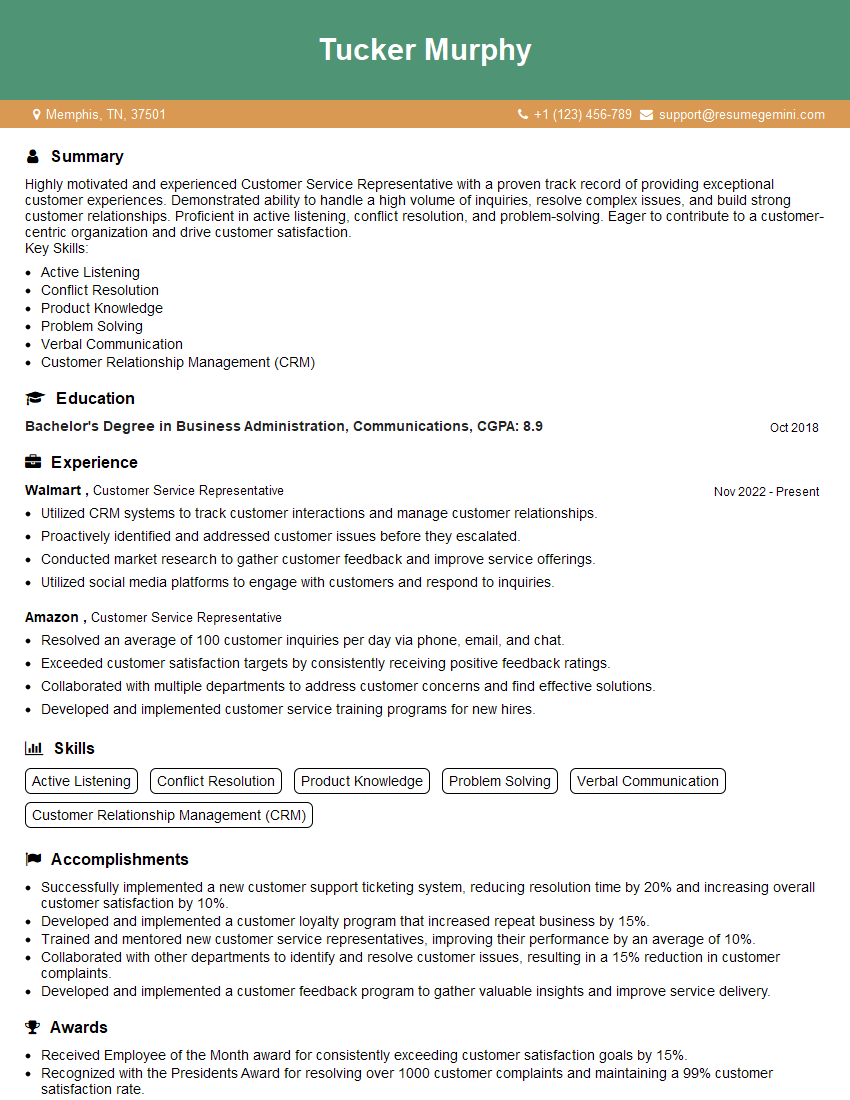
Customer Service Representative Resume Sample

Project Manager Resume Sample

Compliance Officer Resume Sample
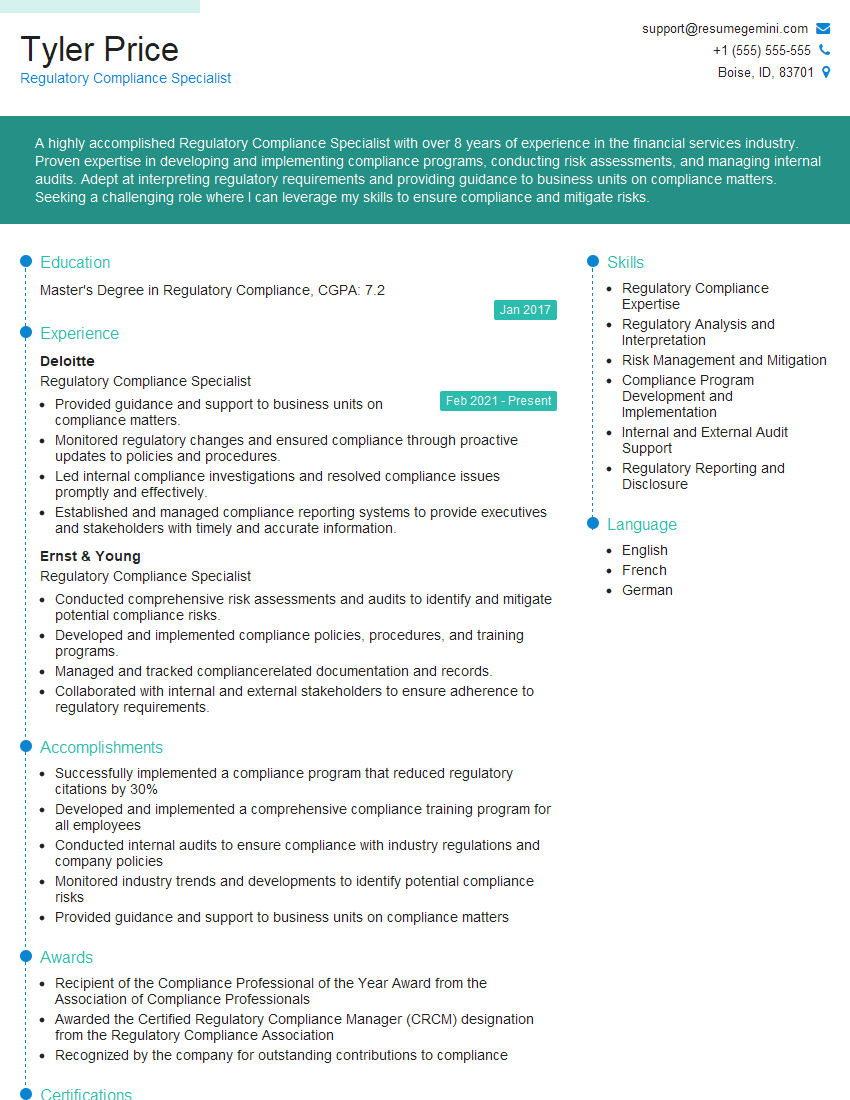
Regulatory Compliance Specialist Resume Sample
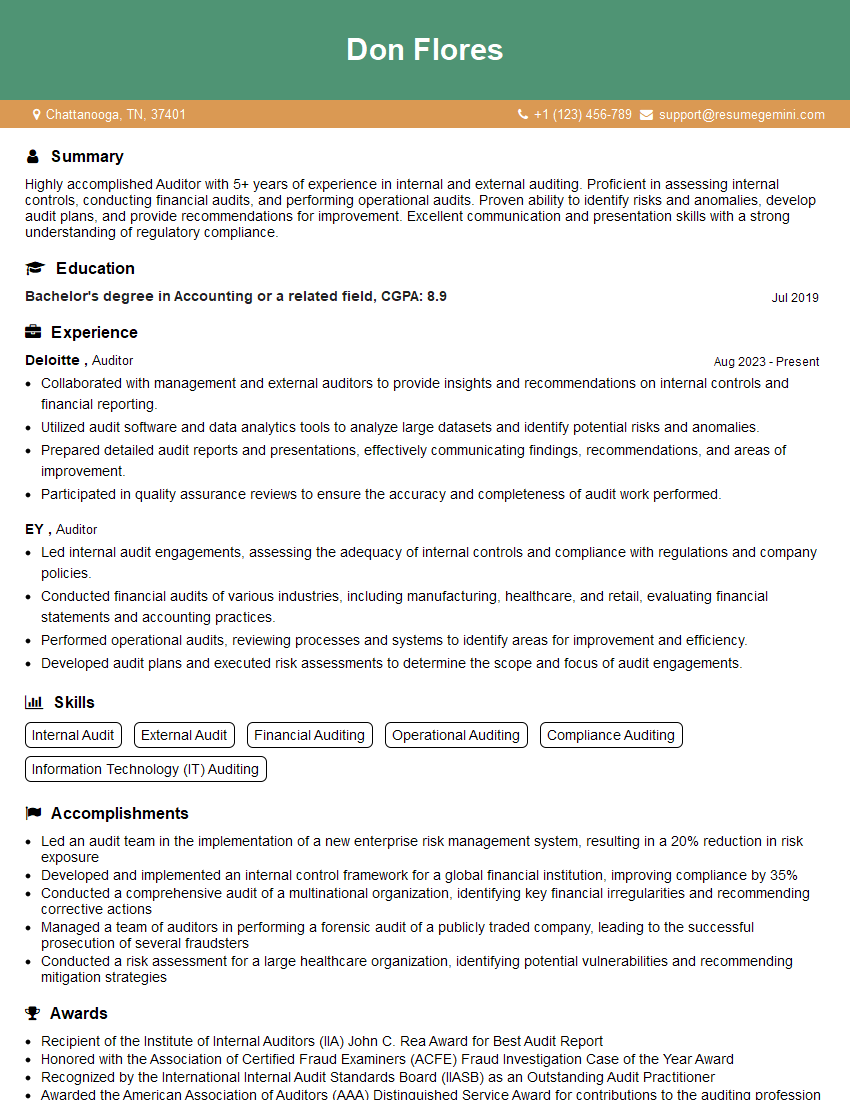
Auditor Resume Sample
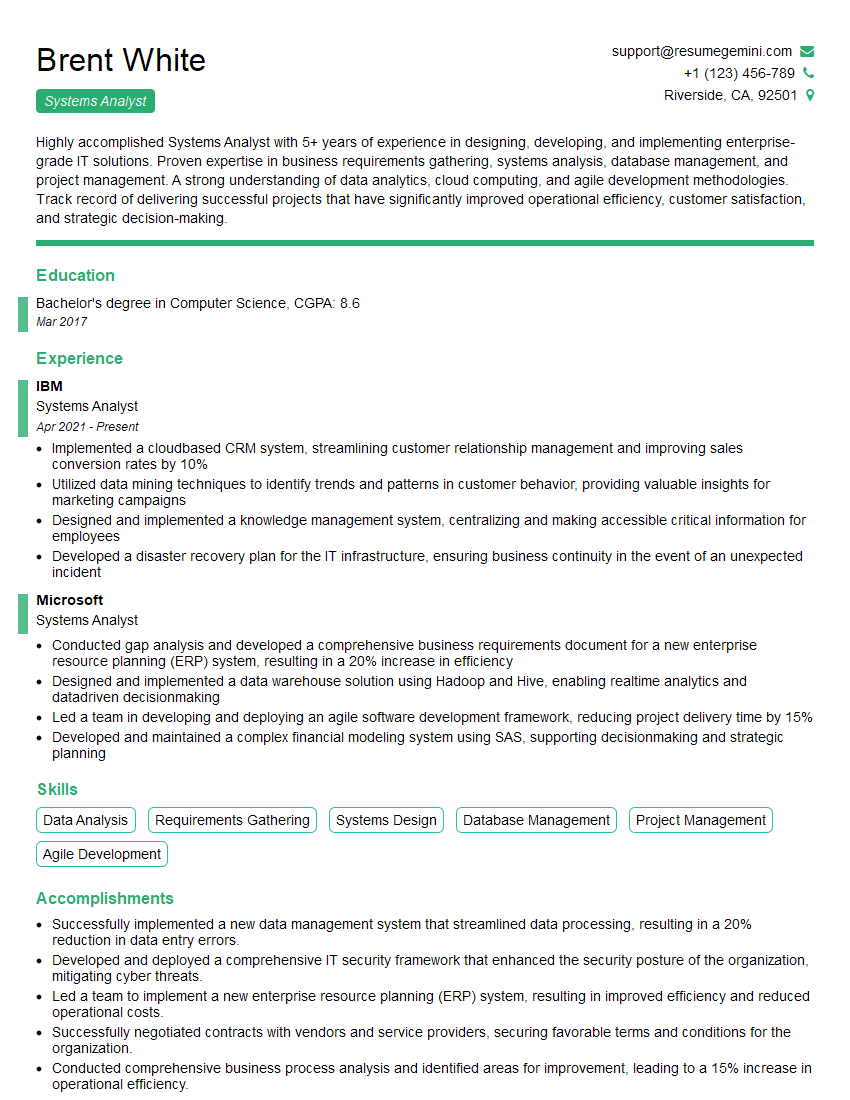
Systems Analyst Resume Sample
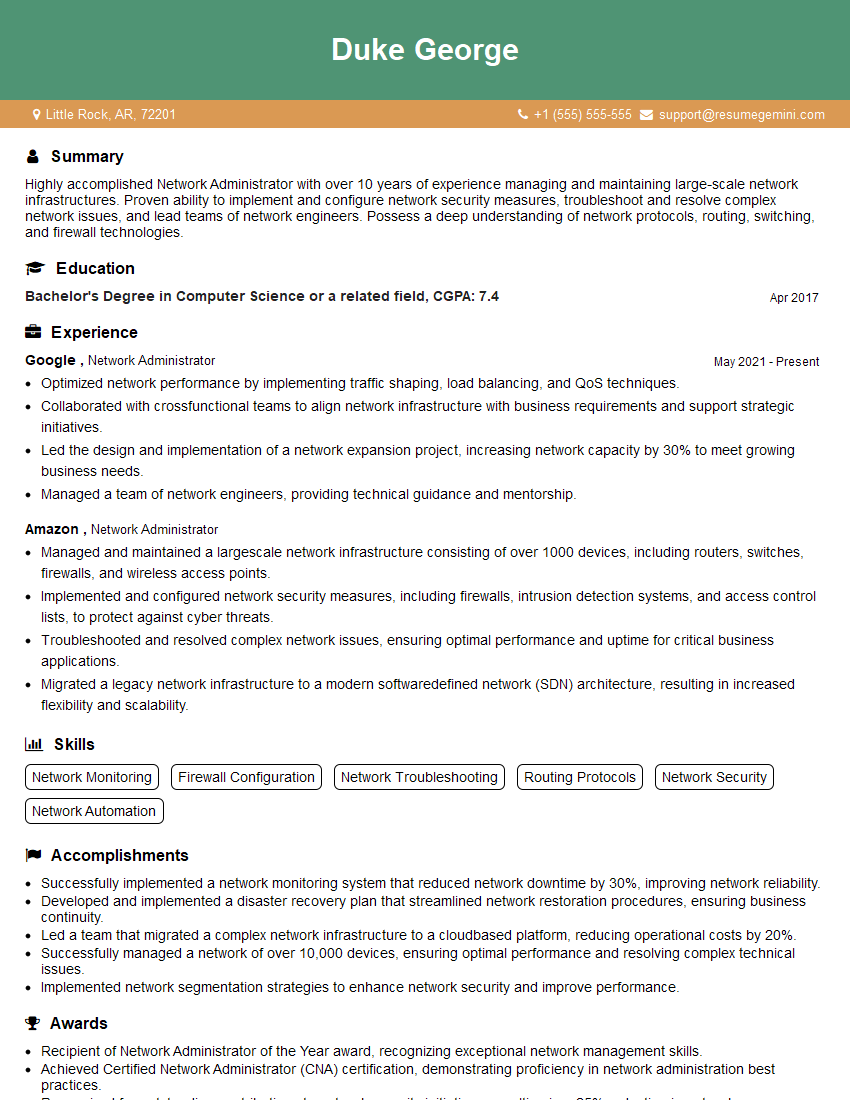
Network Administrator Resume Sample

Software Tester Resume Sample
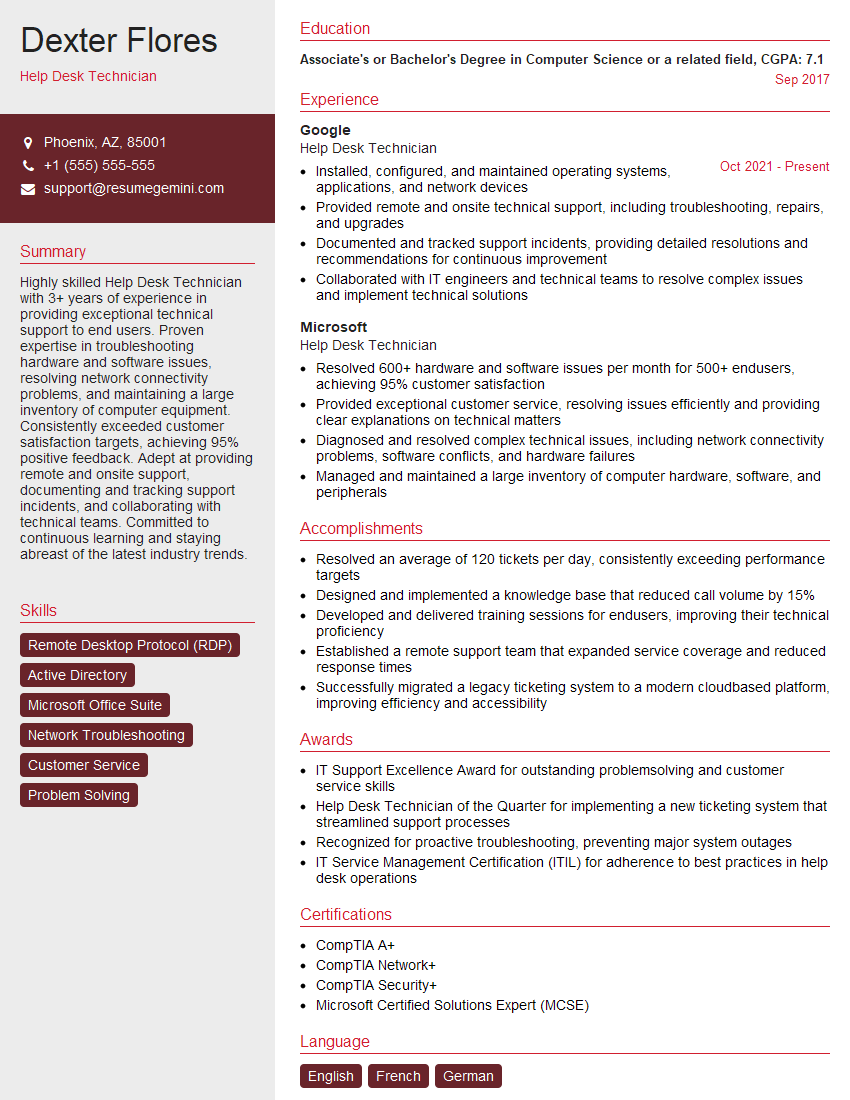
Help Desk Technician Resume Sample
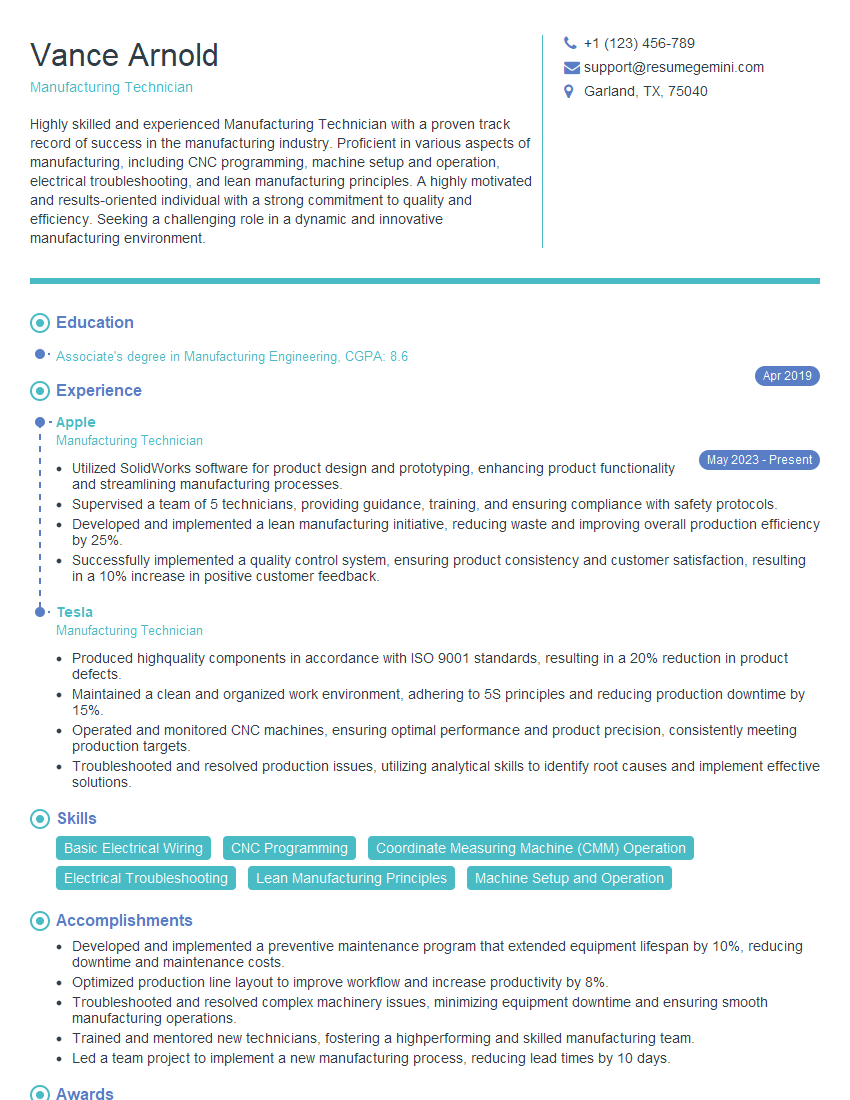
Manufacturing Technician Resume Sample

Technical Writer Resume Sample
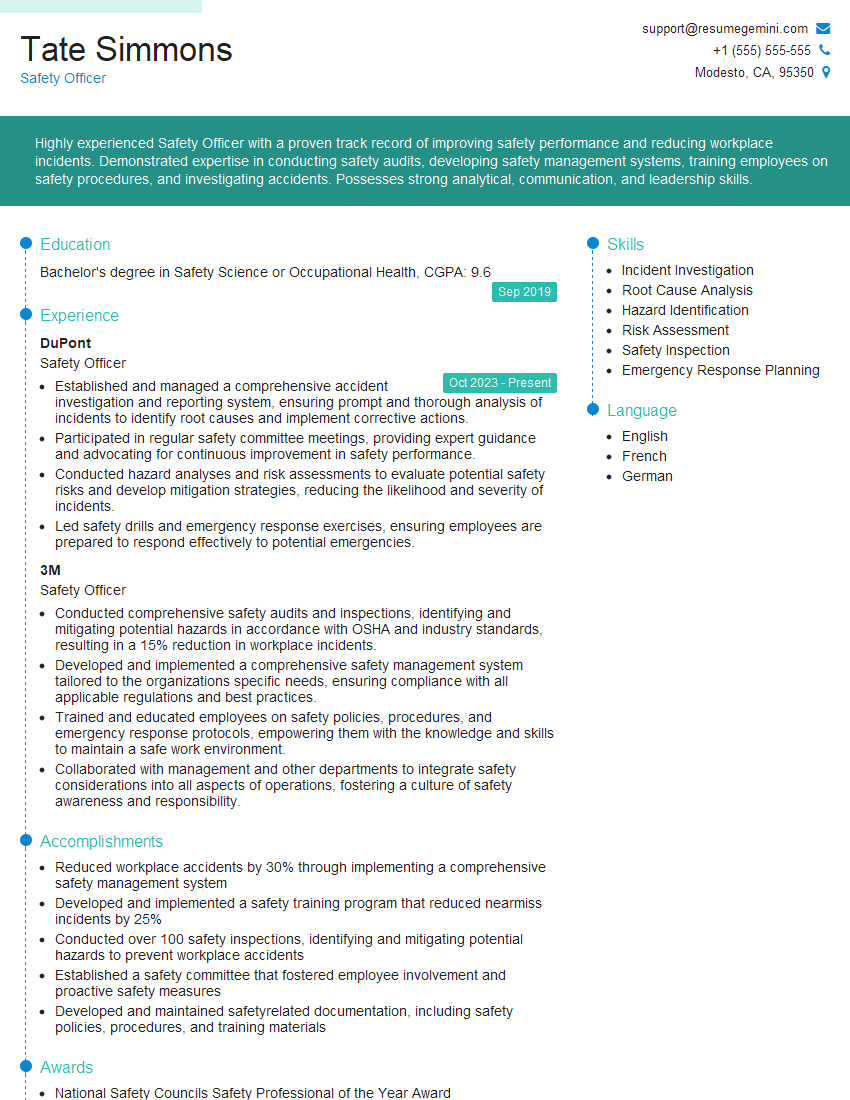
Safety Officer Resume Sample
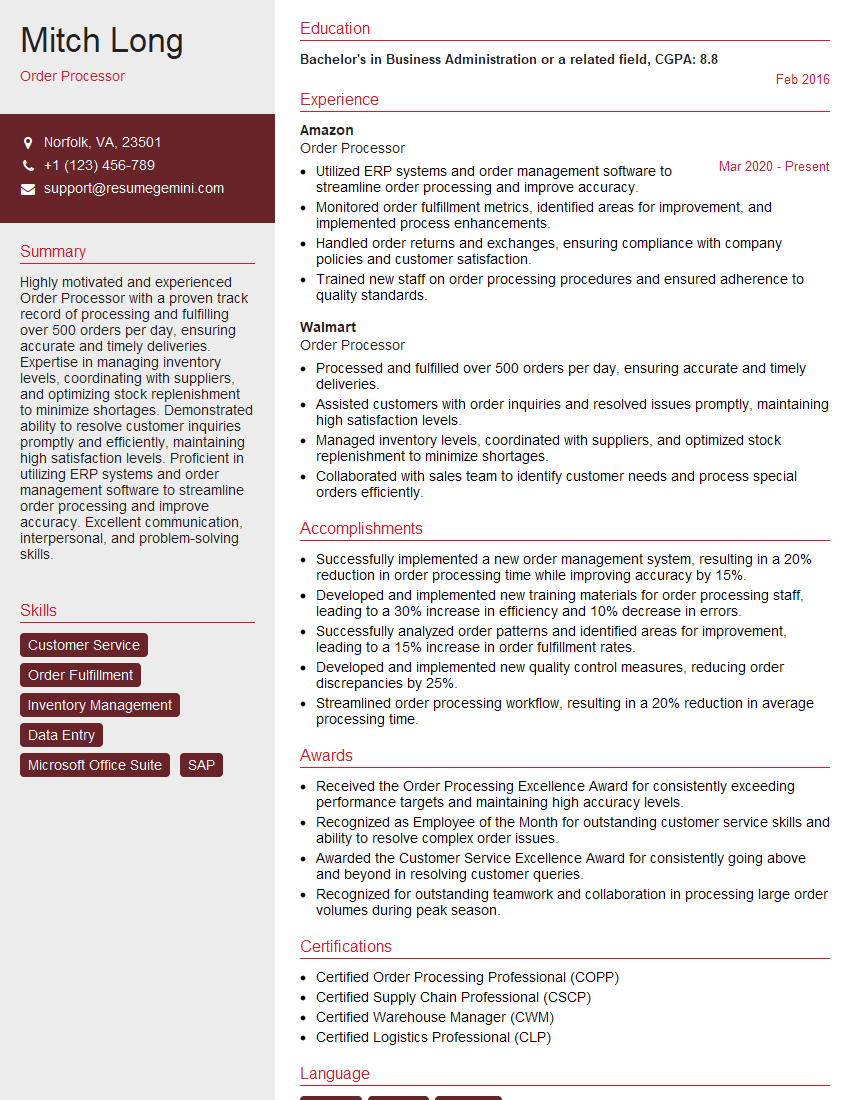
Order Processor Resume Sample
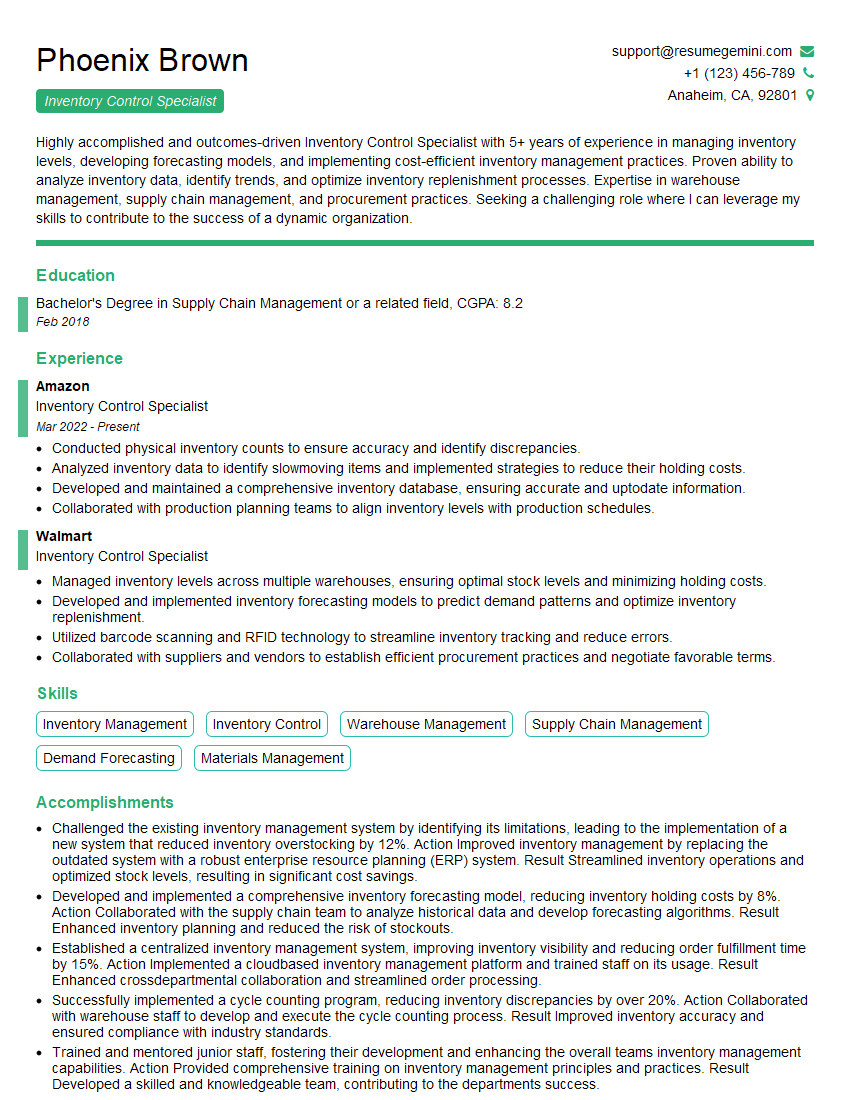
Inventory Control Specialist Resume Sample

Shipping and Receiving Clerk Resume Sample
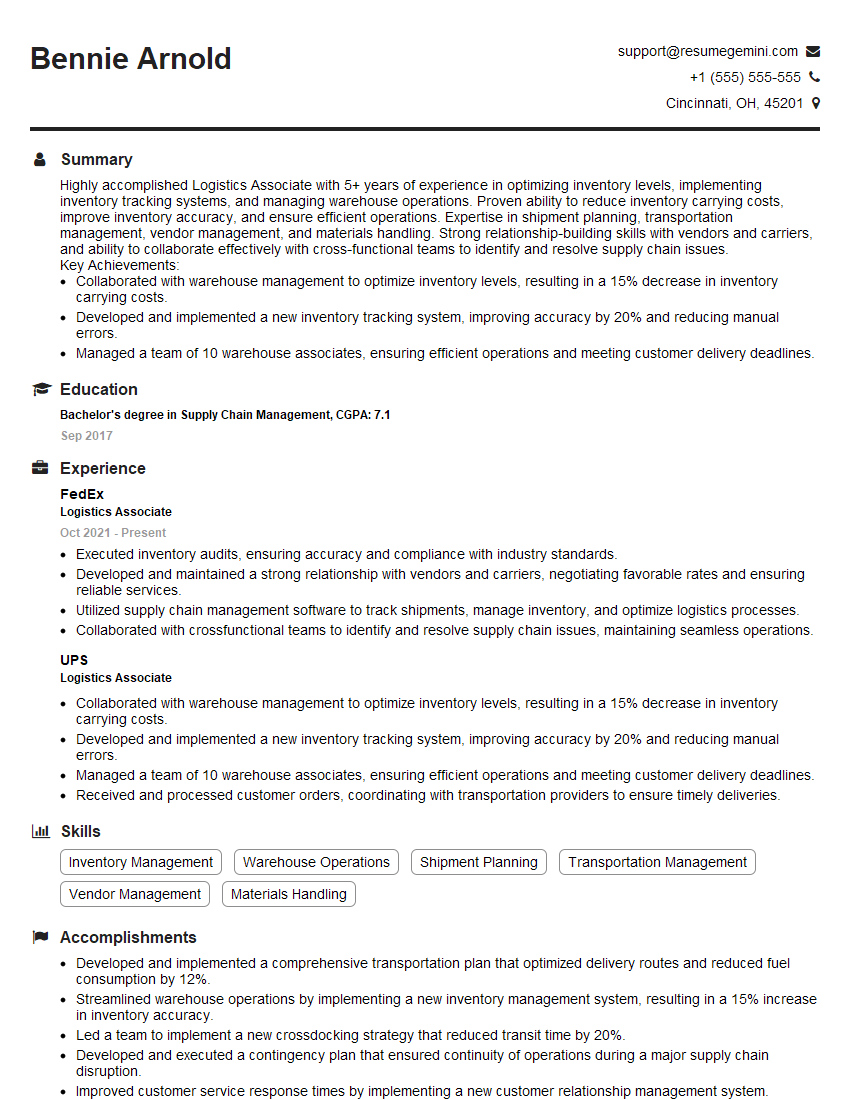
Logistics Associate Resume Sample
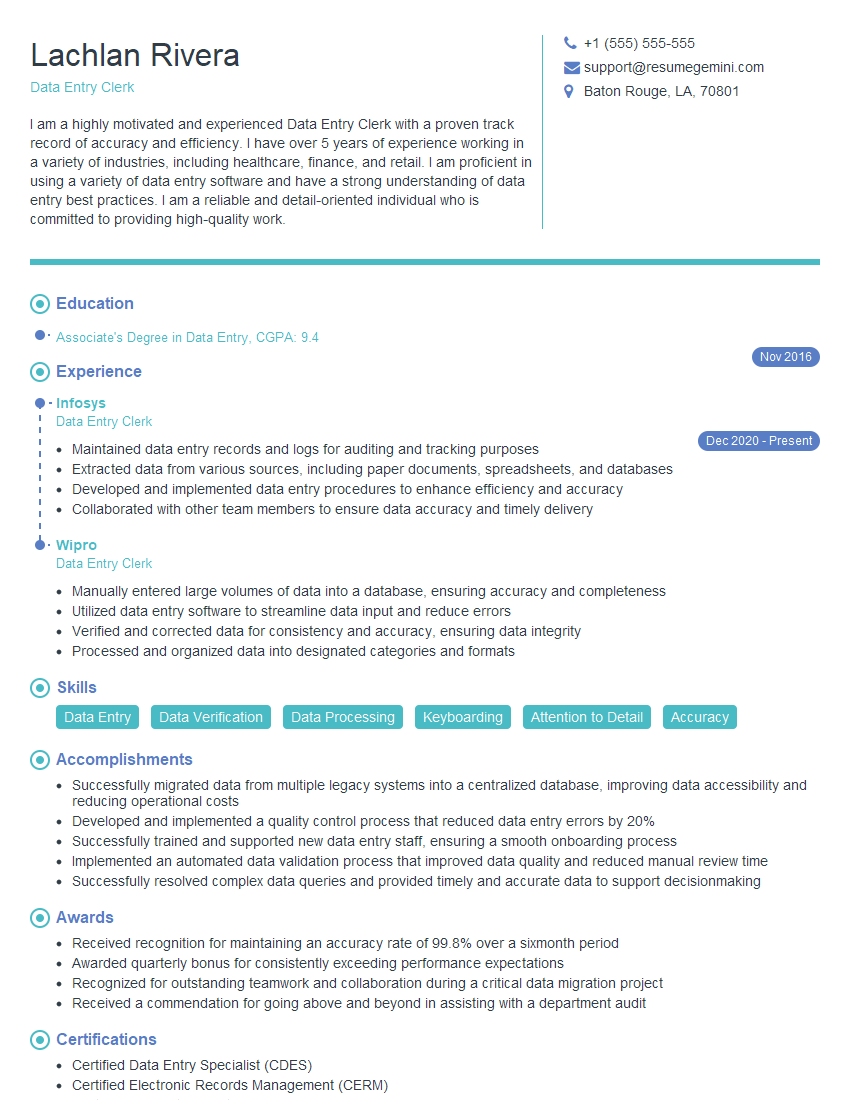
Data Entry Clerk Resume Sample
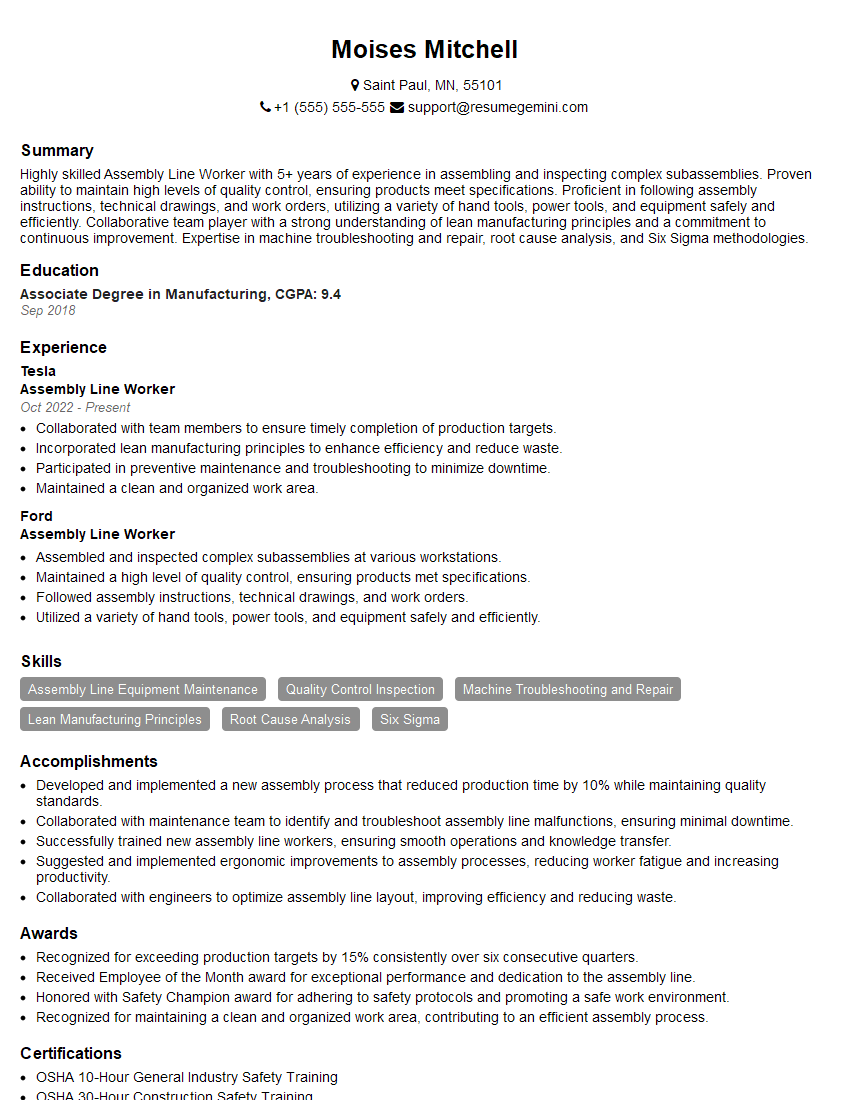
Assembly Line Worker Resume Sample
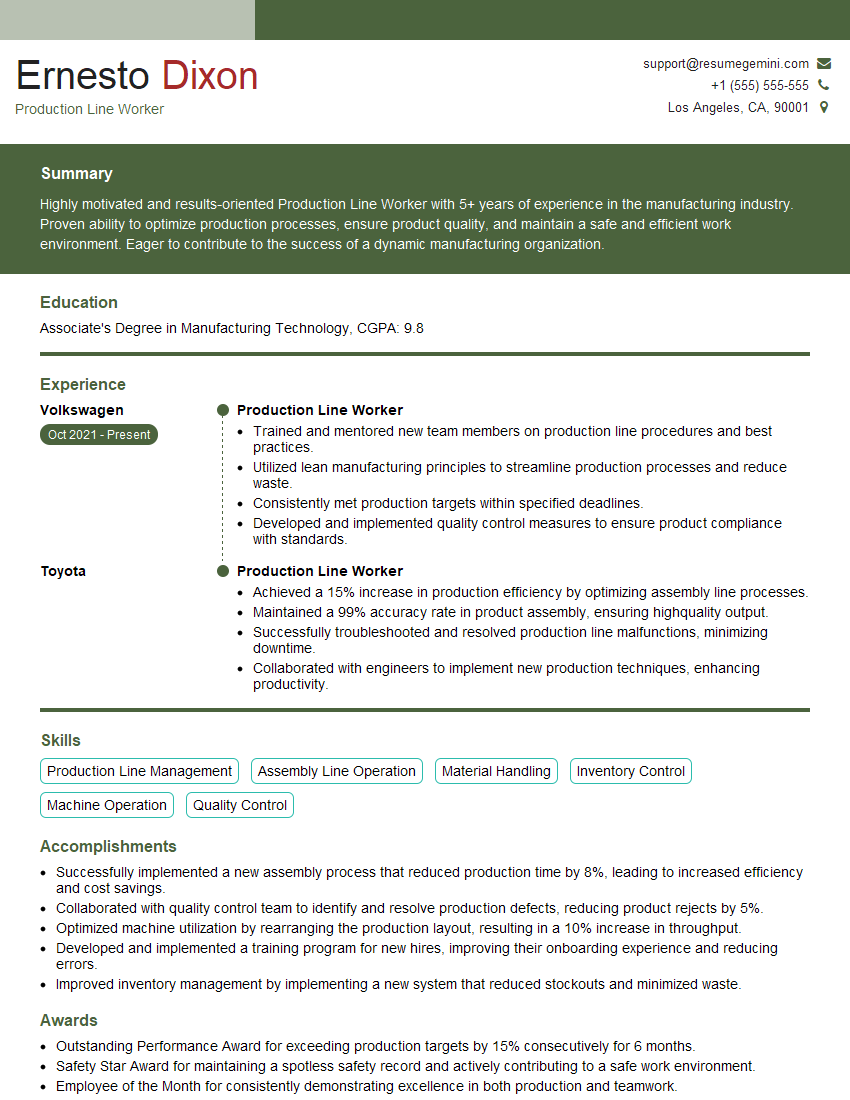
Production Line Worker Resume Sample
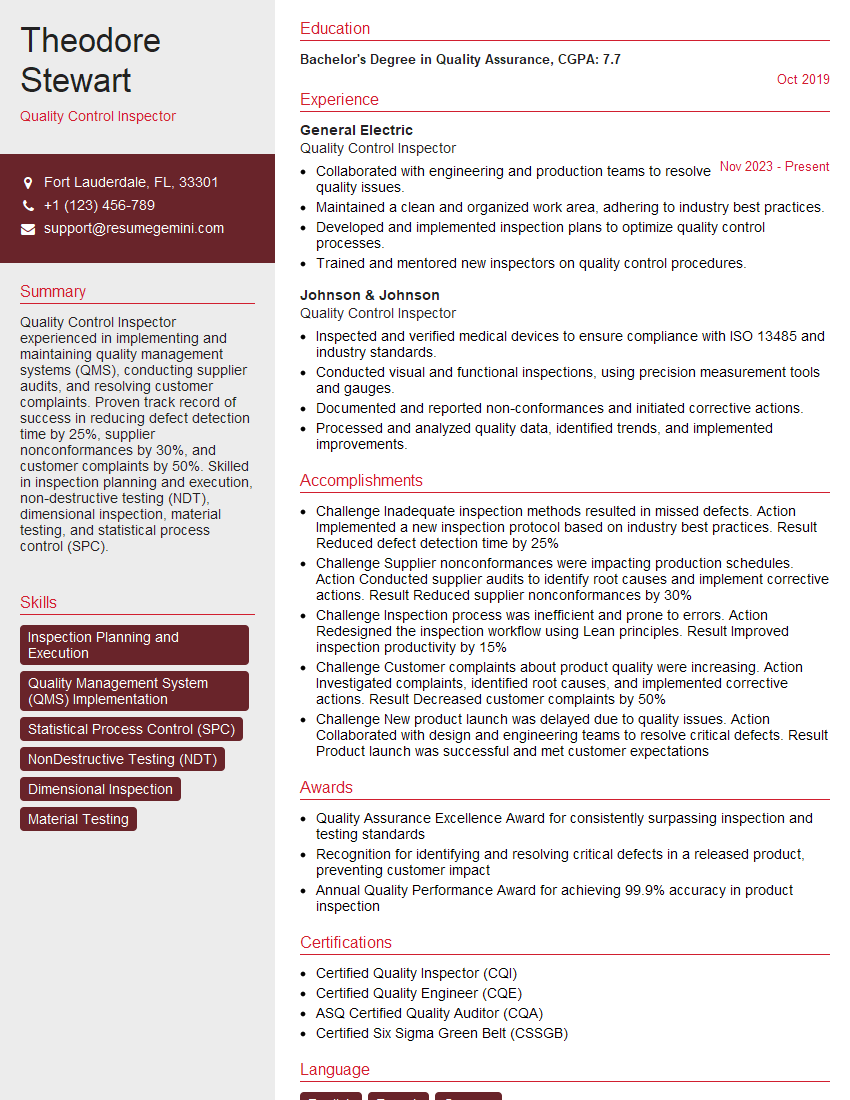
Quality Control Inspector Resume Sample
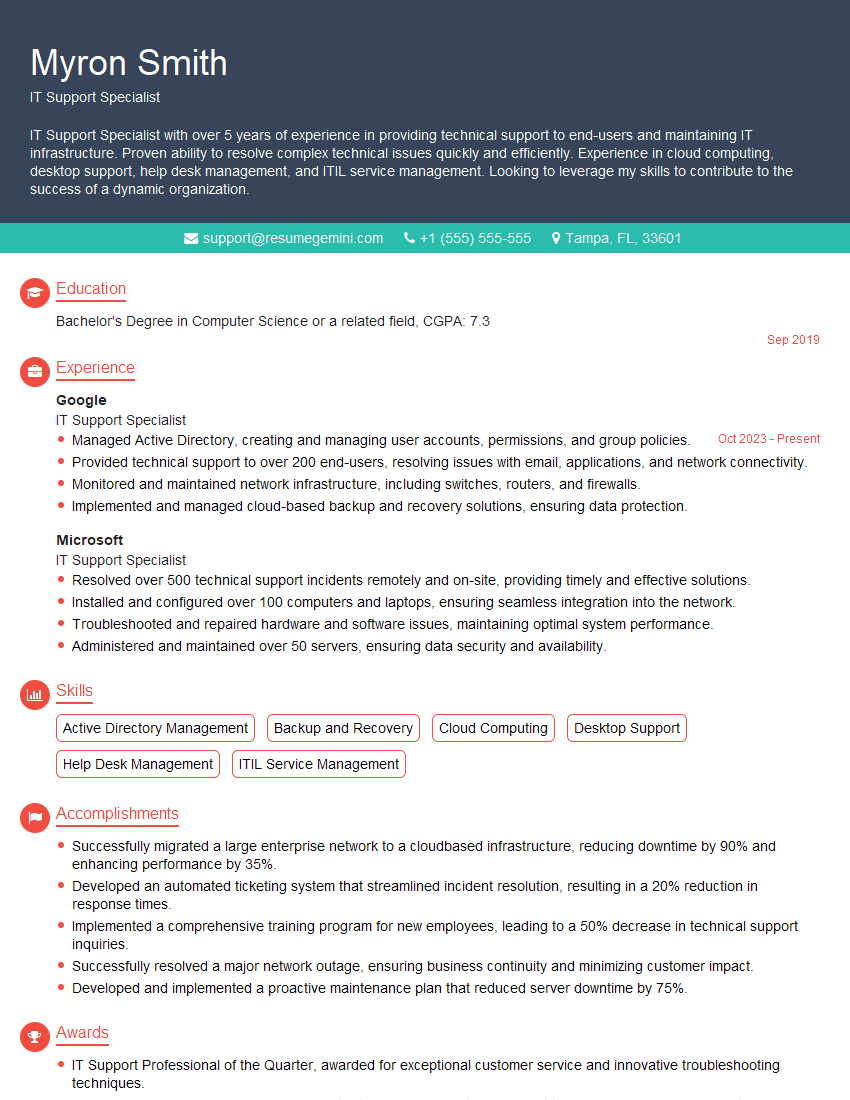
IT Support Specialist Resume Sample
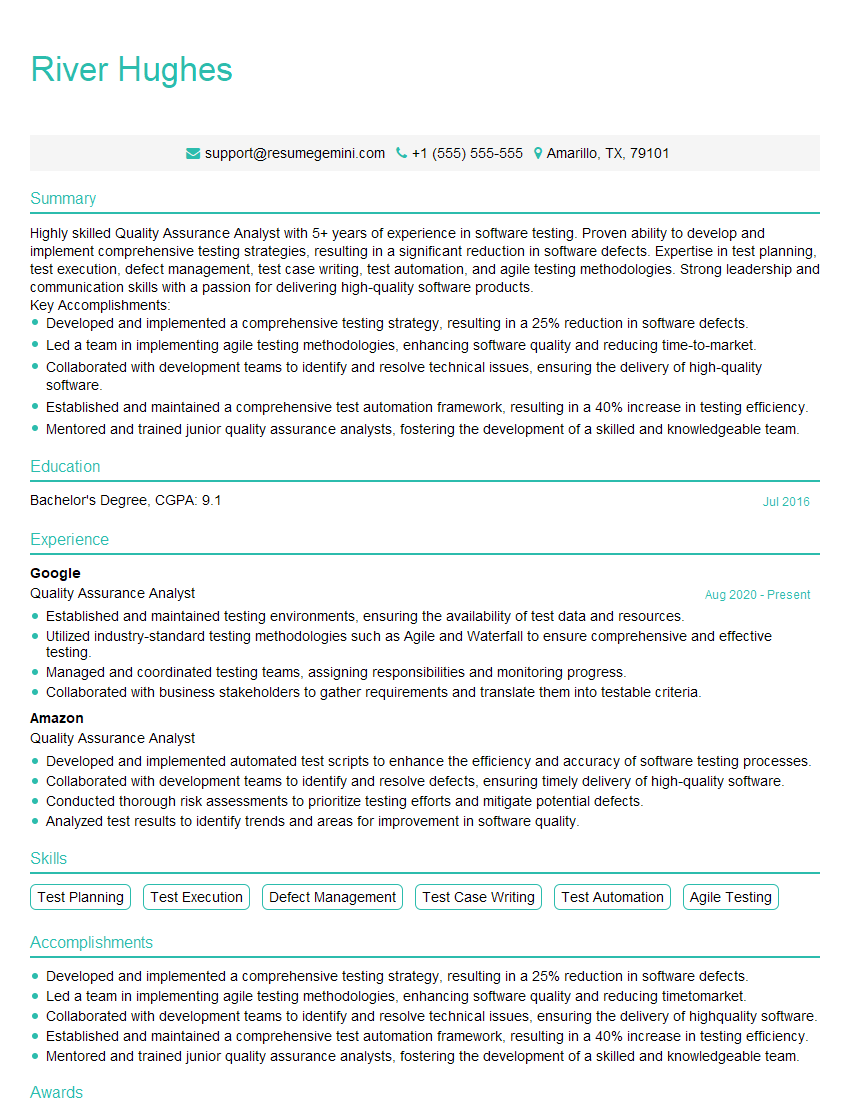
Quality Assurance Analyst Resume Sample
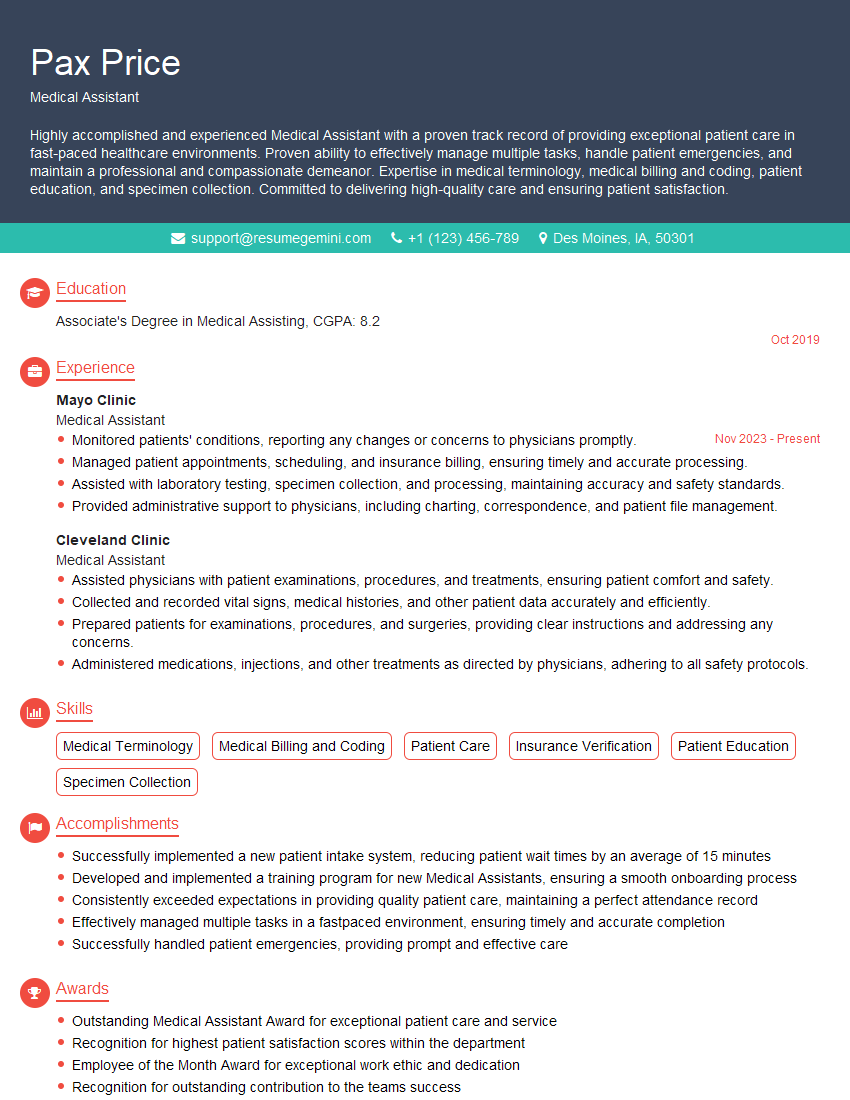
Medical Assistant Resume Sample
- Operations Manager
- Customer Service Representative
- Project Manager
- Compliance Officer
- Regulatory Compliance Specialist
- Auditor
- Systems Analyst
- Network Administrator
- Software Tester
- Help Desk Technician
- Manufacturing Technician
- Technical Writer
- Safety Officer
- Order Processor
- Inventory Control Specialist
- Shipping and Receiving Clerk
- Logistics Associate
- Data Entry Clerk
- Assembly Line Worker
- Production Line Worker
- Quality Control Inspector
- IT Support Specialist
- Quality Assurance Analyst
- Medical Assistant
Explore more articles
Users Rating of Our Blogs
Share Your Experience
We value your feedback! Please rate our content and share your thoughts (optional).
What Readers Say About Our Blog
Very informative content, great job.
good