Are you ready to stand out in your next interview? Understanding and preparing for Stacking interview questions is a game-changer. In this blog, we’ve compiled key questions and expert advice to help you showcase your skills with confidence and precision. Let’s get started on your journey to acing the interview.
Questions Asked in Stacking Interview
Q 1. Explain the concept of Stacking in machine learning.
Stacking, in machine learning, is an ensemble learning technique that combines multiple base learners (models) to create a more accurate and robust prediction model. Think of it like having a team of experts, each specializing in a different aspect of a problem. Instead of simply averaging their opinions, stacking uses a meta-learner to weigh and combine their predictions, resulting in a superior final prediction. Unlike bagging or boosting, which focus on creating diverse base learners, stacking leverages the strengths of individually trained models by strategically combining their outputs.
Q 2. What are the advantages of using Stacking compared to other ensemble methods?
Stacking offers several advantages over other ensemble methods:
- Improved Accuracy: By intelligently combining predictions from diverse base learners, stacking often achieves higher accuracy than individual models or simpler ensemble methods like bagging or boosting. The meta-learner learns the optimal way to weigh the predictions, capturing complex relationships that individual models might miss.
- Robustness: Stacking is less susceptible to overfitting compared to some other methods, especially if the base learners are diverse and the meta-learner is appropriately regularized. This increased robustness leads to better generalization to unseen data.
- Flexibility: Stacking can accommodate various base learners with different strengths and weaknesses. You can combine linear models, tree-based models, neural networks, or any other type of predictive model. This flexibility allows for tailored solutions to specific problems.
For instance, imagine predicting customer churn. One base learner could focus on demographic features, another on transaction history, and a third on website engagement. Stacking combines these perspectives for a more holistic and accurate prediction.
Q 3. What are the disadvantages of using Stacking?
Despite its advantages, stacking also has some disadvantages:
- Computational Cost: Training multiple base learners and a meta-learner is computationally expensive and time-consuming, especially with large datasets. This can be a significant drawback in resource-constrained environments.
- Complexity: Stacking models are more complex than single models or simple ensemble methods, making them harder to understand and interpret. Debugging and troubleshooting can be more challenging.
- Potential for Overfitting (if not handled properly): While less prone to overfitting than some methods, improper selection of base learners or meta-learner, or lack of regularization, can lead to overfitting. Careful model selection and hyperparameter tuning are crucial.
Q 4. Describe the process of building a Stacking model.
Building a stacking model involves these key steps:
- Data Splitting: Divide your dataset into training, validation, and test sets. The validation set is crucial for hyperparameter tuning and model selection.
- Base Learner Training: Train multiple base learners (e.g., a random forest, a gradient boosting machine, a support vector machine) on the training set. Each base learner should ideally have different strengths and weaknesses.
- Base Learner Prediction: Use the trained base learners to generate predictions on the validation set. These predictions become the input features for the meta-learner.
- Meta-Learner Training: Train a meta-learner (often a simpler model like logistic regression or a linear model) on the validation set. The input features for the meta-learner are the predictions from the base learners, and the target variable is the true outcome from the validation set.
- Final Model Evaluation: Evaluate the performance of the stacked model on the test set to get an unbiased estimate of its generalization ability.
Q 5. How do you choose the base learners for a Stacking model?
Choosing base learners involves considering diversity and performance. Ideally, you want base learners with low correlation and complementary strengths. For example, combining a tree-based model (like Random Forest) known for its ability to capture non-linear relationships with a linear model (like Logistic Regression) which excels at modeling linear relationships, will often yield a better stacked model than using two similar algorithms. Experimentation and cross-validation are essential to determine the best combination. You might start by selecting models with different strengths (e.g., handling high dimensionality, non-linearity, etc.) and evaluate their performance individually before combining them in a stacked ensemble.
Q 6. How do you choose the meta-learner for a Stacking model?
The meta-learner’s role is to combine the predictions of the base learners optimally. Simpler models like logistic regression or linear regression are frequently used as meta-learners because they are less prone to overfitting than more complex models. However, other models, even another ensemble method, could be used. The choice depends on factors such as the complexity of the data, computational constraints, and interpretability requirements. A simpler meta-learner often leads to better generalization and is less prone to overfitting. You should evaluate different meta-learners through cross-validation on the validation set.
Q 7. How do you handle overfitting in Stacking?
Overfitting in stacking can be mitigated through several techniques:
- Regularization: Apply regularization techniques (like L1 or L2 regularization) to the meta-learner to prevent it from overfitting to the base learner predictions.
- Cross-Validation: Use k-fold cross-validation during both base learner training and meta-learner training to obtain robust estimates of model performance and prevent overfitting to specific data folds.
- Model Selection: Carefully select base learners that are not overly complex, and avoid including too many base learners, to prevent overfitting.
- Early Stopping: For iterative meta-learners (e.g., neural networks), use early stopping to prevent overfitting.
- Data Augmentation: Increase the size and diversity of your training data to reduce overfitting.
The key is to balance model complexity with the need for sufficient model capacity to capture the underlying patterns in the data.
Q 8. How do you handle class imbalance in Stacking?
Class imbalance, where one class significantly outnumbers others in a dataset, is a major hurdle in machine learning, and Stacking is no exception. Ignoring it can lead to models that perform poorly on the minority class, which is often the most important class to predict accurately. We address this in Stacking through several strategies:
- Resampling Techniques: Before training the base learners in Stacking, we can apply techniques like oversampling the minority class (SMOTE) or undersampling the majority class. This balances the class distribution for each individual base learner, improving their individual performance and ultimately, the Stacked model’s performance.
- Cost-Sensitive Learning: We can assign different misclassification costs to the classes. For example, misclassifying a member of the minority class might be assigned a higher cost than misclassifying a member of the majority class. This penalizes the model more heavily for errors on the minority class, pushing it to learn better boundaries.
- Ensemble Methods Focused on Imbalance: Using base learners specifically designed for imbalanced datasets within the Stacking framework (like EasyEnsemble or BalancedBagging) can directly address the problem at the base learner level. This way, the meta-learner benefits from the already-balanced predictions.
- Choosing Appropriate Evaluation Metrics: Metrics like precision, recall, F1-score, and AUC-ROC are more informative than simple accuracy when dealing with imbalanced data. These metrics provide a more comprehensive view of performance across all classes.
For instance, imagine a fraud detection system. Fraudulent transactions (minority class) are far fewer than legitimate transactions. Employing cost-sensitive learning, where misclassifying a fraudulent transaction is penalized heavily, would be crucial for improving the Stacking model’s ability to identify fraudulent activities.
Q 9. How do you evaluate the performance of a Stacking model?
Evaluating a Stacking model involves a multi-step process. It’s not just about looking at a single metric; it’s about understanding the performance of both the individual base learners and the final meta-learner. Here’s a breakdown:
- Hold-out Validation: The most common approach is to split the data into training, validation, and test sets. The training set trains the base learners and the meta-learner. The validation set tunes hyperparameters and selects the best-performing Stacking configuration. The test set provides an unbiased estimate of the final model’s generalization performance.
- Cross-Validation: K-fold cross-validation is particularly useful for smaller datasets. It provides a more robust estimate of performance by training and validating on different subsets of the data. We typically use stratified K-fold to maintain class proportions across folds when dealing with imbalanced datasets.
- Performance Monitoring of Base Learners: Before evaluating the Stacked model, assess each base learner’s performance individually. This helps identify weak learners that might be dragging down the overall performance of the ensemble. We might even choose to remove poorly performing base learners.
- Analyzing the Meta-Learner’s Weights: Inspect the weights assigned by the meta-learner to the predictions of each base learner. This offers insights into which base learners contribute most significantly to the final prediction, revealing patterns and potential areas for improvement.
Imagine a scenario where we are predicting customer churn. We might use cross-validation to evaluate our Stacking model, and then analyze the weights to understand if certain base learners (e.g., a logistic regression model focusing on demographics and a gradient boosting model focused on usage patterns) are more influential in predicting churn.
Q 10. What are some common metrics used to evaluate Stacking models?
The choice of evaluation metrics depends on the specific problem and the nature of the data. Here are some common metrics:
- Accuracy: The proportion of correctly classified instances. Useful for balanced datasets, but less so for imbalanced ones.
- Precision: Out of all instances predicted as positive, what proportion is actually positive? High precision means fewer false positives.
- Recall (Sensitivity): Out of all actual positive instances, what proportion was correctly predicted? High recall means fewer false negatives.
- F1-score: The harmonic mean of precision and recall, providing a balance between the two. Useful when both precision and recall are important.
- AUC-ROC (Area Under the Receiver Operating Characteristic Curve): A measure of the model’s ability to distinguish between classes. Very useful for imbalanced datasets.
- Log Loss: Measures the uncertainty of the model’s predictions. Lower log loss indicates better performance.
In a medical diagnosis context, where correctly identifying a disease (positive class) is crucial even if it means more false positives, recall (sensitivity) would be a key metric. A high recall ensures that most patients with the disease are correctly diagnosed, even at the expense of possibly misdiagnosing some healthy individuals (false positives).
Q 11. Explain the difference between Stacking and Bagging.
Both Stacking and Bagging are ensemble methods that combine multiple base learners to improve prediction accuracy, but they differ significantly in their approach:
- Bagging (Bootstrap Aggregating): Trains multiple instances of the same base learner on different subsets of the training data (created through bootstrapping). These learners are then combined through averaging (for regression) or voting (for classification). Bagging reduces variance and improves stability, particularly effective with high-variance learners like decision trees.
- Stacking: Trains diverse base learners (different algorithms) on the entire training dataset. A meta-learner then learns to combine their predictions, weighing them based on their individual performance. Stacking leverages the strengths of different learners and can achieve higher accuracy than individual base learners.
Think of it like this: Bagging is like having a team of identical chefs each cooking the same dish using slightly different ingredients (different subsets of the data). Stacking is like having a team of chefs specializing in different cuisines (different algorithms), each preparing their own unique dish, and a head chef (meta-learner) combining them into a final, optimized meal.
Q 12. Explain the difference between Stacking and Boosting.
Both Stacking and Boosting are ensemble methods that aim to improve predictive performance by combining multiple learners, but they do so in fundamentally different ways:
- Boosting: Sequentially trains base learners, where each subsequent learner focuses on correcting the errors made by its predecessors. Learners are weighted based on their performance, with better-performing learners having a greater influence on the final prediction. Common boosting algorithms include AdaBoost and Gradient Boosting.
- Stacking: Trains base learners independently and simultaneously. A meta-learner then learns to combine their predictions based on their individual performance, without any sequential dependence or error correction.
Boosting is like having a team of workers building a house, with each worker focusing on fixing the imperfections left by the previous worker. Stacking is like having a team of workers independently constructing different parts of the house, and then a supervisor (meta-learner) assembling them into a complete structure.
Q 13. What are some common challenges encountered when implementing Stacking?
Implementing Stacking can present several challenges:
- Computational Cost: Training multiple base learners and a meta-learner can be computationally expensive, especially with large datasets.
- Overfitting: The meta-learner might overfit to the training data if not carefully regularized, leading to poor generalization performance.
- Base Learner Selection: Choosing appropriate and diverse base learners is crucial for Stacking’s success. Poorly chosen base learners can negatively impact overall performance.
- Data Leakage: Care must be taken to prevent data leakage between the training of base learners and the training of the meta-learner.
- Hyperparameter Tuning: Optimizing the hyperparameters of multiple base learners and the meta-learner simultaneously can be complex and time-consuming.
For instance, in a project predicting customer lifetime value, we might struggle with computational cost if we have a massive customer dataset and select computationally intensive base learners. To address this, we could consider using a smaller subset of the data for initial model development and hyperparameter tuning, followed by scaling up to the full dataset only after optimizing the model architecture.
Q 14. How do you tune the hyperparameters of a Stacking model?
Tuning hyperparameters in Stacking is a critical step, as it significantly impacts the final model’s performance. This involves optimizing the hyperparameters of each base learner and the meta-learner separately and then jointly optimizing them to work together effectively.
- Grid Search or Random Search: These methods systematically explore a range of hyperparameter combinations for each base learner and the meta-learner. The best combination is selected based on performance on a validation set.
- Bayesian Optimization: A more efficient approach that uses probabilistic models to guide the search for optimal hyperparameters, reducing the number of evaluations needed compared to grid or random search.
- Evolutionary Algorithms: These algorithms mimic natural selection to iteratively improve hyperparameter configurations.
- Nested Cross-Validation: This is especially important for Stacking. The inner loop performs hyperparameter tuning for each base learner, while the outer loop evaluates the performance of the complete Stacking model. This prevents data leakage during hyperparameter tuning.
Consider a scenario where we are building a Stacking model for image classification. We might use nested cross-validation, employing a grid search or Bayesian Optimization within the inner loop to optimize the hyperparameters of each base learner (e.g., CNN, SVM). The outer loop would then evaluate the overall performance of the Stacking model with the best hyperparameters identified in the inner loop.
Q 15. How do you select the optimal number of base learners in Stacking?
Determining the optimal number of base learners in stacking is crucial for performance. Too few, and you might not capture the underlying complexity of your data; too many, and you risk overfitting and increased computational cost. There’s no single magic number; it depends heavily on your dataset and the base learners you’ve chosen.
A common approach is to use techniques like cross-validation. You can train stacking models with varying numbers of base learners (e.g., 2, 5, 10, 20) and evaluate their performance using metrics like accuracy, AUC, or RMSE on a held-out validation set. Plotting these metrics against the number of base learners often reveals a point of diminishing returns—adding more learners doesn’t significantly improve performance. This point usually indicates a good number of base learners.
Another strategy involves using an early stopping criterion within the stacking process itself. You might monitor performance on a validation set during the training of the meta-learner. If the performance plateaus or starts to degrade, you can stop adding more base learners.
Think of it like building a house: You need enough bricks (base learners) to build a sturdy structure, but adding too many extra bricks might make it unnecessarily expensive and prone to collapse (overfitting). You need to find the ‘sweet spot’ through experimentation and evaluation.
Career Expert Tips:
- Ace those interviews! Prepare effectively by reviewing the Top 50 Most Common Interview Questions on ResumeGemini.
- Navigate your job search with confidence! Explore a wide range of Career Tips on ResumeGemini. Learn about common challenges and recommendations to overcome them.
- Craft the perfect resume! Master the Art of Resume Writing with ResumeGemini’s guide. Showcase your unique qualifications and achievements effectively.
- Don’t miss out on holiday savings! Build your dream resume with ResumeGemini’s ATS optimized templates.
Q 16. How does Stacking handle different types of data?
Stacking is remarkably flexible in handling diverse data types. The key is to ensure that your base learners are suitable for the specific data types in your dataset. For example, if you have a mix of numerical and categorical features, you can employ base learners that can handle both.
For numerical data, you might use regression models like linear regression, support vector regression (SVR), or gradient boosting machines (GBM). For categorical data, classification algorithms like logistic regression, decision trees, or random forests would be appropriate.
For mixed data, you might use algorithms like random forests or gradient boosting, which can handle both numerical and categorical features effectively. The crucial step is preprocessing your data appropriately – handling missing values, encoding categorical features, and potentially scaling numerical features to ensure that your base learners perform optimally.
The meta-learner in stacking typically works with the predictions (output) of the base learners, which are often numerical, regardless of the input data type. This abstraction simplifies the handling of diverse input data.
Q 17. What are some real-world applications of Stacking?
Stacking’s ability to combine diverse models makes it a powerful tool across various domains.
- Fraud Detection: Combining models like logistic regression, decision trees, and neural networks to detect fraudulent transactions, leveraging their individual strengths in identifying different patterns.
- Medical Diagnosis: Integrating insights from different imaging modalities (e.g., MRI, CT scans) and patient history data using stacking to improve diagnostic accuracy.
- Customer Churn Prediction: Predicting customer churn in telecommunications or e-commerce by blending models trained on demographic data, usage patterns, and customer service interactions.
- Financial Forecasting: Combining time series models with other predictive models to forecast stock prices or other financial indicators.
In each of these scenarios, stacking’s advantage lies in its ability to leverage the strengths of multiple models, resulting in a more robust and accurate prediction than any single model could achieve.
Q 18. Can Stacking be used with unsupervised learning algorithms?
While stacking is predominantly used with supervised learning algorithms (those that learn from labeled data), its application to unsupervised learning is less straightforward but possible. You could potentially use unsupervised learning algorithms as base learners to extract features, then use those features as input to a supervised meta-learner.
For instance, you could use k-means clustering or principal component analysis (PCA) as base learners to identify clusters or reduce dimensionality in your data. The outputs (cluster assignments or principal components) from these unsupervised methods could then be used as features for a supervised meta-learner (e.g., logistic regression or a support vector machine) to predict a target variable. The challenge lies in defining appropriate target variables or metrics to evaluate the success of the stacking approach in an unsupervised setting.
Q 19. How do you deal with high dimensionality in Stacking?
High dimensionality can significantly impact the performance and efficiency of stacking. Several strategies can mitigate this:
- Feature Selection: Employ feature selection techniques (e.g., recursive feature elimination, SelectKBest) before training the base learners. This reduces the number of features, simplifying the models and improving their generalization.
- Dimensionality Reduction: Techniques like PCA or t-SNE can reduce the number of features while retaining most of the important information. The reduced features can then be used to train the base learners.
- Regularization: Applying regularization techniques (L1 or L2 regularization) to the base learners can help prevent overfitting in high-dimensional spaces.
- Using appropriate base learners: Algorithms like Random Forests or gradient boosting machines naturally handle high dimensionality relatively well.
The choice of strategy will depend on the specific dataset and the characteristics of the high dimensionality (e.g., presence of irrelevant or redundant features).
Q 20. How do you handle missing data in Stacking?
Handling missing data is crucial for stacking’s success. Several approaches are possible:
- Imputation: Before training the base learners, impute missing values using techniques like mean/median imputation, k-Nearest Neighbors imputation, or more sophisticated methods like multiple imputation.
- Base learner selection: Choose base learners that can inherently handle missing data (e.g., some tree-based models).
- Indicator variables: Create indicator variables to represent missing values, adding extra information to the data that might help models learn patterns associated with missingness.
The optimal approach depends on the nature and extent of the missing data, the chosen base learners and the potential for the missing data to convey information.
Q 21. What are some common libraries used for implementing Stacking in Python?
Python offers several libraries well-suited for implementing stacking:
- Scikit-learn: While it doesn’t have a dedicated stacking function, scikit-learn’s rich collection of base learners and its straightforward API make it easy to build a stacking model manually. You can use its functions for model training, cross-validation, and performance evaluation.
- MLxtend: This library provides a `StackingCVClassifier` and `StackingRegressor` that simplify the process of creating stacked classifiers and regressors. It handles cross-validation and meta-learner training efficiently.
- XGBoost, LightGBM, CatBoost: These gradient boosting libraries are often used as base learners or even as meta-learners in stacking ensembles due to their superior predictive capabilities.
The choice of library depends on the complexity of your stacking setup and your comfort level with different APIs. Scikit-learn is excellent for a general-purpose implementation, while MLxtend simplifies the process, and the boosting libraries are powerful choices for base learners.
Q 22. Compare and contrast Stacking with blending.
Stacking and blending are both ensemble methods that combine predictions from multiple base learners to improve overall model performance. However, they differ significantly in how they combine these predictions.
Stacking trains a meta-learner on the predictions of the base learners. This means the base learners are trained independently, and their predictions become the input features for a higher-level model (the meta-learner). Think of it like a team of specialists (base learners) providing their individual diagnoses, and a doctor (meta-learner) using those diagnoses to make the final diagnosis.
Blending, on the other hand, typically uses the predictions of base learners trained on different folds of the training data. It averages or weighs these predictions. It’s more of a simple aggregation of the base learner outputs, unlike Stacking’s more sophisticated approach. Imagine blending as simply averaging the scores of individual judges instead of having a chief judge analyze their scores.
In short: Stacking learns a relationship between the base learner predictions, while blending simply combines them. Stacking is generally more powerful but also more computationally expensive.
Q 23. Explain the concept of a meta-learner and its role in Stacking.
A meta-learner in Stacking is a machine learning model trained to combine the predictions of multiple base learners. It acts as the ‘master’ model, learning the optimal way to weigh or combine the outputs of the individual base learners. This is crucial because different base learners might excel at different aspects of the problem.
For example, one base learner might be excellent at identifying subtle patterns, while another is better at generalizing. The meta-learner’s job is to learn which base learner to trust more under different circumstances, effectively leveraging the strengths of each. It could be any machine learning model, such as Logistic Regression, Support Vector Machine, or even another ensemble method.
Q 24. How do you prevent overfitting when selecting a meta-learner?
Overfitting in the meta-learner is a significant concern in Stacking, as it can negate the benefits of the ensemble approach. To prevent this:
- Use a simple meta-learner: Avoid complex models that have a high capacity to overfit. Linear models or simpler tree-based models are often preferred.
- Regularization techniques: Apply L1 or L2 regularization to the meta-learner to constrain its complexity and prevent it from learning noise in the base learner predictions.
- Cross-validation: Use techniques like k-fold cross-validation, not only for the base learners but also for the meta-learner itself, to get an unbiased estimate of its performance and identify potential overfitting.
- Early stopping: Monitor the performance of the meta-learner on a validation set during training and stop when it starts to overfit.
- Feature selection: Carefully select the base learner outputs used as input features for the meta-learner to avoid irrelevant or redundant information.
By carefully selecting and tuning the meta-learner and applying these techniques, one can significantly reduce the risk of overfitting.
Q 25. Discuss the importance of feature scaling in Stacking.
Feature scaling is very important in Stacking because the input features to the meta-learner are the predictions of the base learners. These predictions may have different scales and distributions, which can significantly impact the performance of the meta-learner.
For instance, one base learner might output probabilities between 0 and 1, while another might output scores ranging from -10 to +10. Without scaling, the meta-learner might give undue weight to the learner with the larger range, even if it’s not necessarily more accurate. Standard scaling (z-score normalization) or min-max scaling are common techniques to ensure all base learner outputs have a similar range and distribution, allowing the meta-learner to learn more effectively.
Q 26. How does the choice of base learners impact the performance of the Stacking model?
The choice of base learners significantly impacts Stacking’s performance. Ideally, you want base learners that are diverse and accurate, but not highly correlated. Diversity is key because the meta-learner benefits from learning to combine different perspectives on the data.
Using only similar base learners provides limited benefit, much like asking multiple people who all follow the same reasoning process for their opinion. A good strategy is to use a variety of algorithms (e.g., decision trees, support vector machines, neural networks) and potentially different hyperparameter settings within the same algorithm. If all base learners perform poorly, the meta-learner will be hampered, even if it’s perfect. Therefore, accurate base learners are a prerequisite for a good stacking model.
Q 27. Explain how cross-validation is used in Stacking.
Cross-validation plays a crucial role in Stacking in several ways.
- Training the base learners: Each base learner is typically trained using cross-validation (e.g., k-fold). This helps to obtain a robust estimate of their performance and avoids overfitting during the base model training stage.
- Generating predictions for the meta-learner: The predictions from each fold of the base learners’ cross-validation process are used as input features for training the meta-learner. This avoids overfitting and helps in creating a more generalized meta-learner.
- Evaluating the final Stacked model: The final Stacked model’s performance is also evaluated through cross-validation using unseen data, helping to provide a realistic estimate of performance on new, unseen data.
A common approach is to use a nested cross-validation process, where the outer loop evaluates the final stacked model and the inner loop trains the base learners and the meta-learner.
Q 28. Describe a scenario where Stacking would be a less suitable approach than other ensemble methods.
Stacking, while powerful, is not always the best choice. Its computational cost is significantly higher than simpler ensemble methods. If you have a large dataset and limited computational resources, a simpler approach like bagging or boosting might be more suitable.
Another scenario is when the base learners are already highly accurate and there is little room for improvement. The added complexity of Stacking might not provide a significant performance gain in such cases, making it an unnecessary overhead. Finally, if interpretability is critical, Stacking’s ‘black box’ nature—especially when complex meta-learners are used—might make it less attractive compared to more interpretable methods.
Key Topics to Learn for Stacking Interview
- Data Structures for Stack Implementation: Understanding arrays, linked lists, and their respective trade-offs in creating efficient stacks.
- Stack Operations: Mastering push, pop, peek, isEmpty, and isFull operations, and their time and space complexities.
- Applications of Stacks: Exploring practical uses such as function call stacks, expression evaluation (infix to postfix conversion), and undo/redo functionality in applications.
- Stack-based Algorithms: Familiarize yourself with algorithms that leverage stacks for problem-solving, such as depth-first search (DFS) and recursive function calls.
- Error Handling and Edge Cases: Understanding how to handle potential errors like stack overflow and underflow, and gracefully managing edge cases in your implementations.
- Time and Space Complexity Analysis: Analyzing the performance of stack operations and algorithms in terms of time and space efficiency.
- Choosing the Right Data Structure: Understanding when a stack is the appropriate data structure to use compared to other options like queues or heaps.
Next Steps
Mastering Stack data structures and their applications is crucial for demonstrating strong foundational knowledge in computer science and securing roles in software development, algorithm design, and related fields. A well-crafted resume is your first impression on potential employers. Building an ATS-friendly resume is vital to maximizing your job prospects. We recommend using ResumeGemini, a trusted resource for creating professional and impactful resumes. Examples of resumes tailored to highlight Stacking expertise are available to help you showcase your skills effectively.
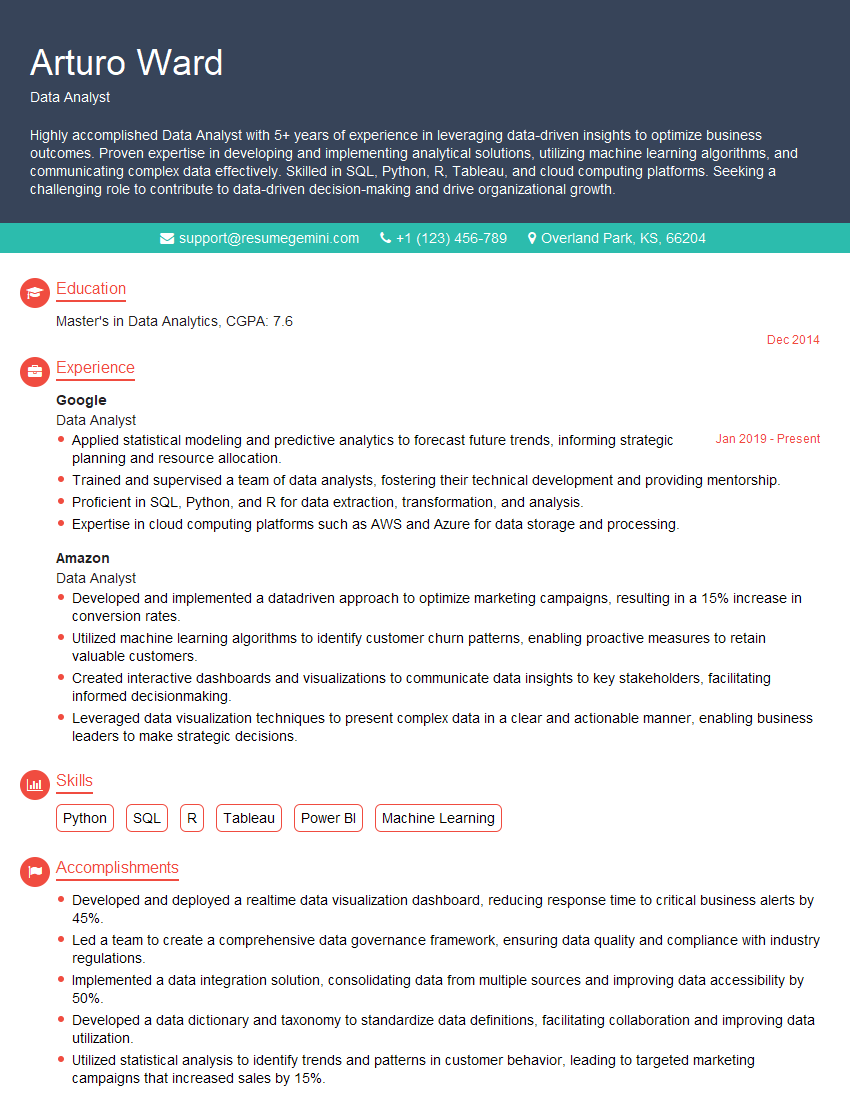
Data Analyst Resume Sample

Quantitative Analyst Resume Sample
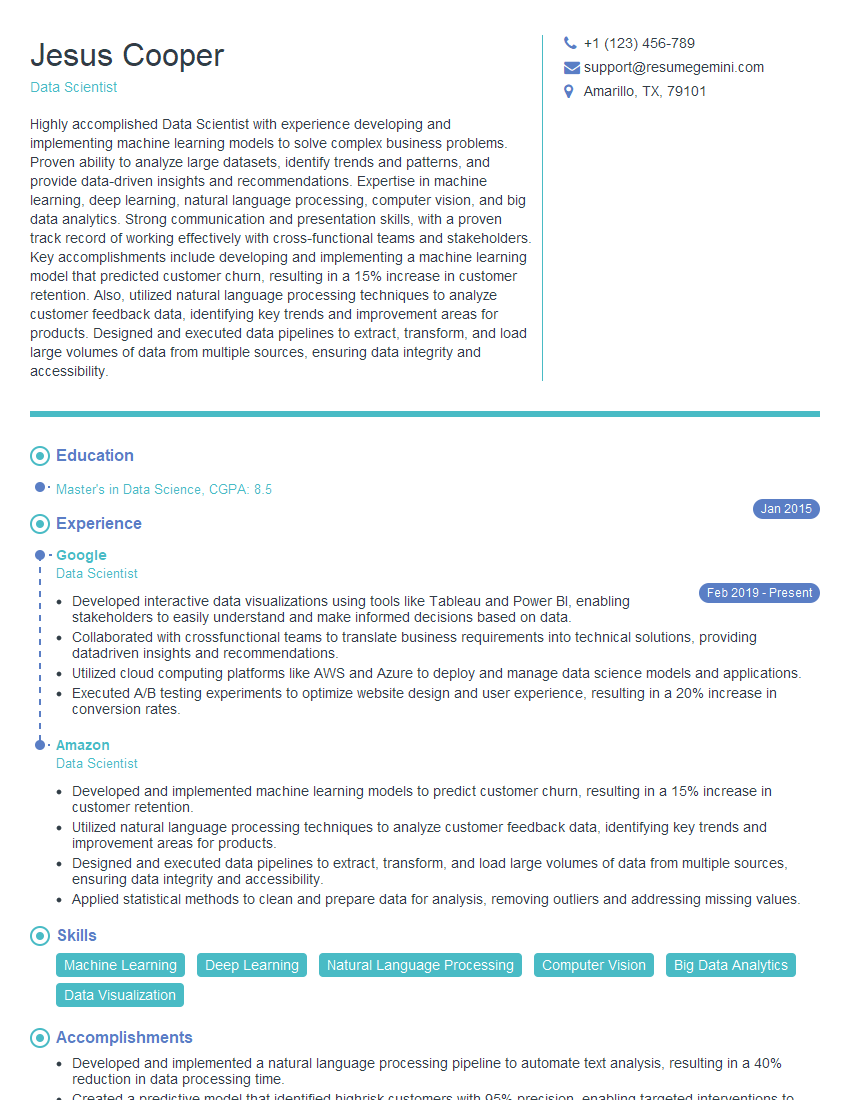
Data Scientist Resume Sample

Research Scientist Resume Sample
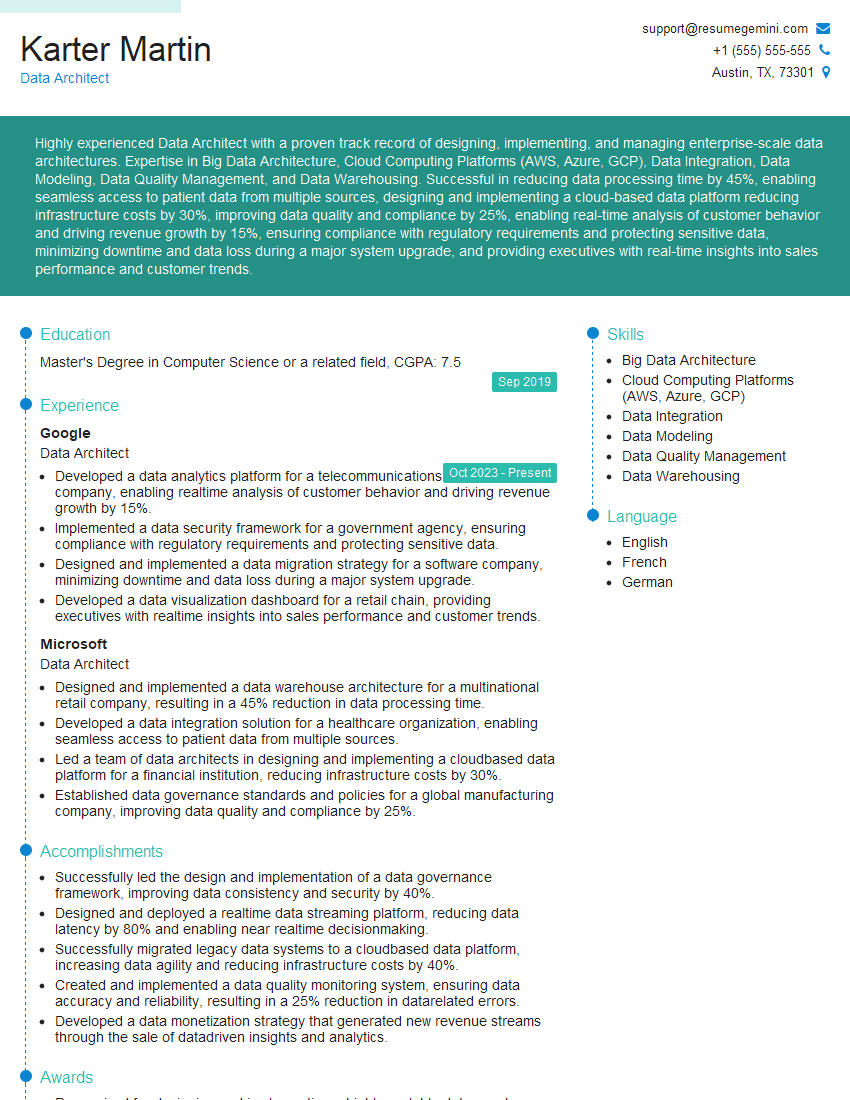
Data Architect Resume Sample
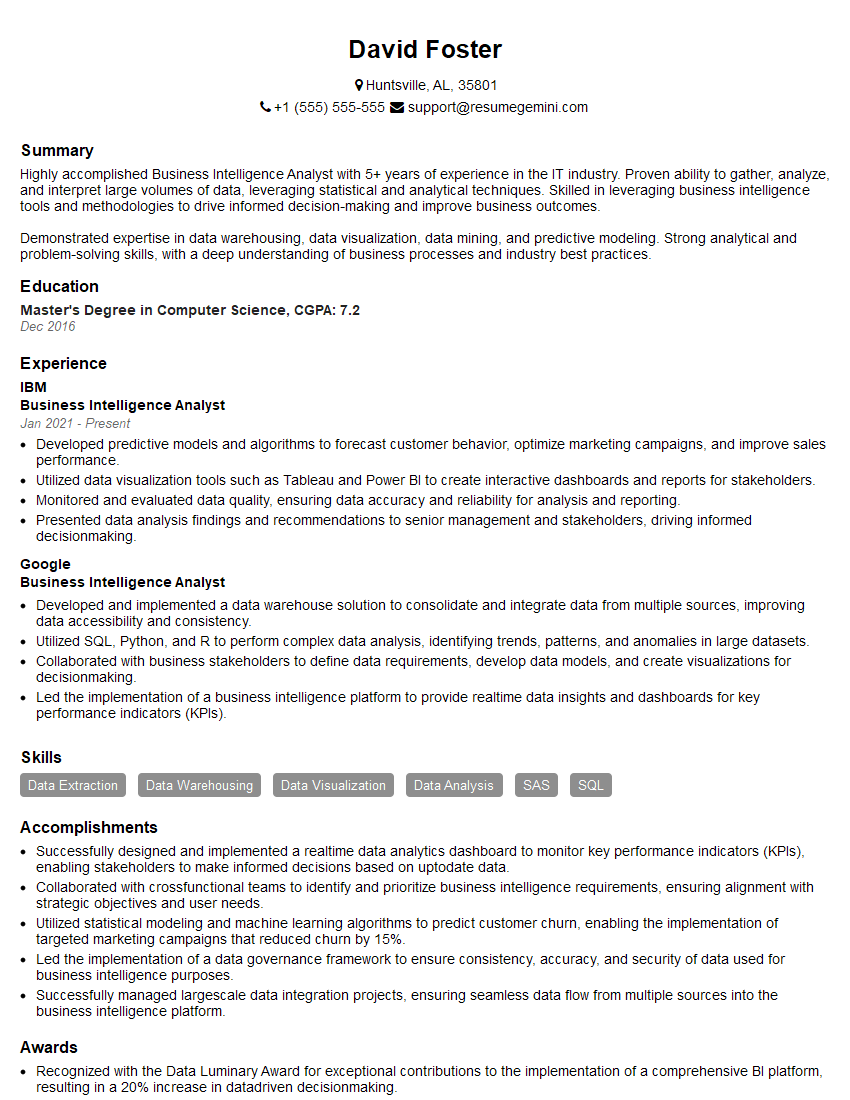
Business Intelligence Analyst Resume Sample
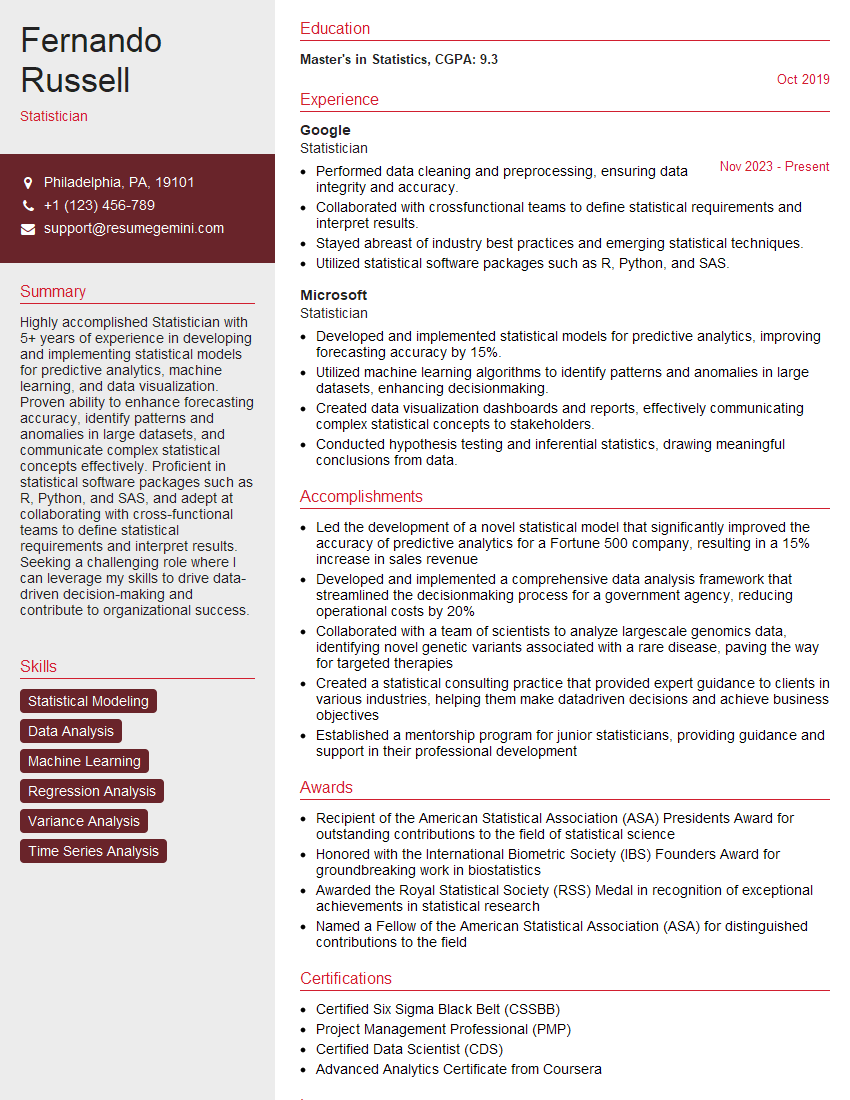
Statistician Resume Sample
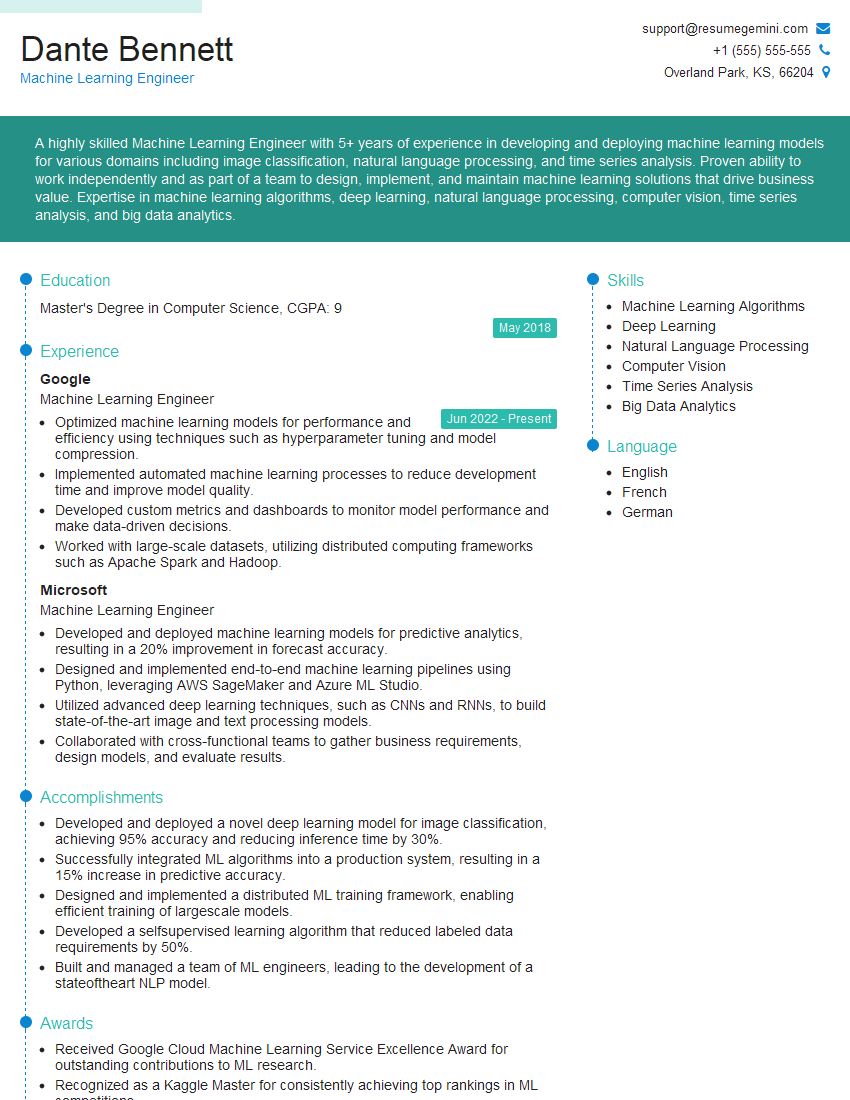
Machine Learning Engineer Resume Sample
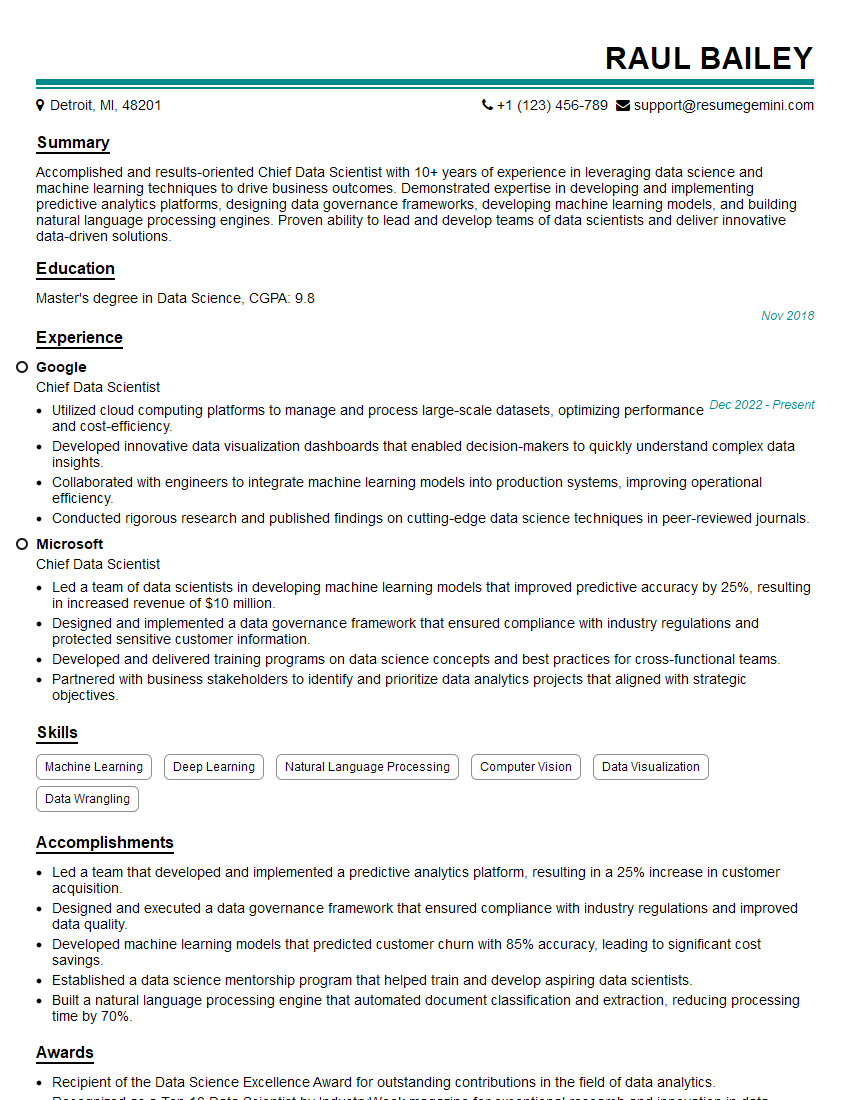
Chief Data Scientist Resume Sample
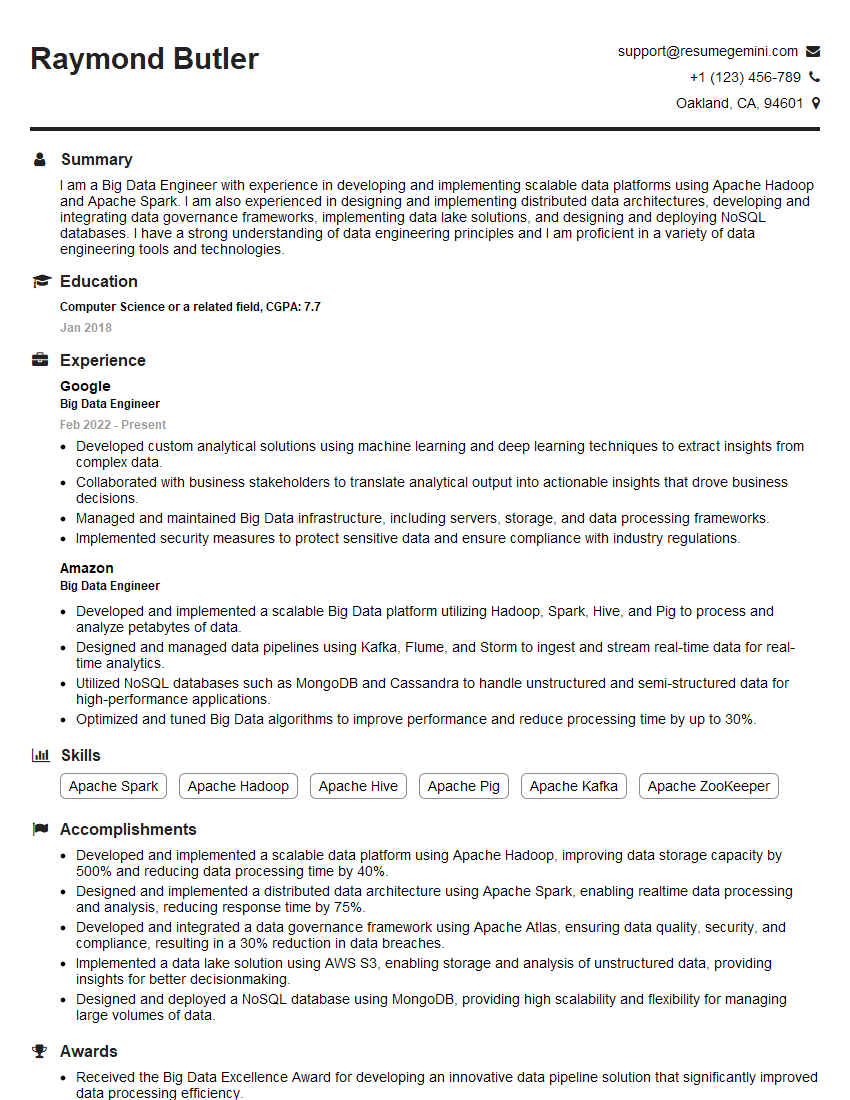
Big Data Engineer Resume Sample
Explore more articles
Users Rating of Our Blogs
Share Your Experience
We value your feedback! Please rate our content and share your thoughts (optional).
What Readers Say About Our Blog
Very informative content, great job.
good