The thought of an interview can be nerve-wracking, but the right preparation can make all the difference. Explore this comprehensive guide to Stakeholder Communication and Coordination interview questions and gain the confidence you need to showcase your abilities and secure the role.
Questions Asked in Stakeholder Communication and Coordination Interview
Q 1. Describe your experience developing and implementing a stakeholder communication plan.
Developing and implementing a stakeholder communication plan involves a structured approach that ensures consistent and effective engagement throughout a project’s lifecycle. It starts with identifying key stakeholders and understanding their information needs, communication preferences, and influence levels. Next, I define key messages and communication channels tailored to each stakeholder group. The plan outlines the timing of communications, responsibilities for delivery, and methods for gathering feedback. Finally, I establish mechanisms for monitoring and evaluating the plan’s effectiveness and making necessary adjustments along the way.
For example, in a recent software implementation project, I developed a plan that included regular email updates for the executive team, more detailed technical briefings for the IT department, and interactive workshops for end-users. This ensured that everyone received the information they needed, in the format they preferred, at the right time.
Q 2. How do you identify key stakeholders and their interests in a project?
Identifying key stakeholders and their interests requires a systematic process. I typically begin by creating a stakeholder register – a document that lists all individuals or groups who might be affected by or who can influence the project. This often involves brainstorming sessions, reviewing organizational charts, and conducting interviews with project leaders. For each stakeholder, I then assess their level of influence (power to affect outcomes) and their level of interest (how much they care about the project). This information helps prioritize communication efforts, focusing on those with high influence and high interest first.
Think of it like a Venn diagram. You’ve got those highly interested but with low influence (e.g., some end-users), those with high influence but low interest (e.g., upper management might only care about budget and deadlines), and then your key players – high interest and high influence (e.g., project sponsors, key decision-makers).
Q 3. Explain your approach to managing communication across diverse stakeholder groups.
Managing communication across diverse stakeholder groups requires a tailored approach. I segment stakeholders based on their interests, communication preferences, and information needs. I then choose communication channels that resonate with each group. For example, executive summaries and presentations might suffice for senior management, while detailed reports and technical documentation are needed for technical teams. Regular feedback mechanisms are crucial – surveys, focus groups, and one-on-one meetings – to ensure that communications are understood and that any concerns are addressed promptly.
Consistency is key. While the *content* might vary, the overall *tone* and *messaging* should remain consistent to maintain a unified project narrative and build trust across all stakeholder groups. This also involves actively listening and responding to feedback from different groups – adapting communication style where necessary.
Q 4. How do you handle conflicting stakeholder priorities or demands?
Conflicting stakeholder priorities require a proactive and diplomatic approach. Open communication and clear articulation of the project’s goals and constraints are paramount. I facilitate discussions to understand the root cause of the conflict, seeking common ground and exploring potential compromises. Prioritization based on influence, impact, and feasibility is often necessary. This might involve a decision-making framework like a weighted scoring system, considering factors like project scope and risk tolerance. Transparency and consistent updates help mitigate the risk of escalation and ensure that all stakeholders understand the reasoning behind decisions.
Sometimes, involving a neutral third-party facilitator can be very beneficial in mediating disputes and achieving consensus.
Q 5. What tools and techniques do you use for effective stakeholder communication?
Effective stakeholder communication relies on a range of tools and techniques. Project management software (e.g., Asana, Jira) enables centralizing information and tracking progress. Regular meetings, both formal and informal, facilitate dialogue and collaboration. Email is useful for disseminating information to large groups, while instant messaging (Slack, Microsoft Teams) is great for quick updates and informal discussions. Visual aids like dashboards, infographics, and presentations enhance understanding, while surveys and feedback forms gauge stakeholder satisfaction and identify areas for improvement. Ultimately, the optimal mix of tools depends on project complexity, stakeholder needs, and available resources.
Q 6. Describe a time you had to manage a communication crisis involving stakeholders.
In a previous project involving the launch of a new product, a critical bug was discovered shortly before the official release, creating a communication crisis. I immediately assembled a crisis communication team, identifying key messages and selecting appropriate channels to inform stakeholders. We prioritized transparency, acknowledging the problem and outlining the steps we were taking to resolve it. We established a dedicated communication hub – a website and social media channels – to provide updates and answer questions. We also engaged proactively with media outlets to control the narrative and prevent speculation. This quick, transparent, and controlled response minimized reputational damage and built confidence with stakeholders.
Q 7. How do you measure the effectiveness of your stakeholder communication efforts?
Measuring the effectiveness of stakeholder communication involves a multi-faceted approach. Key performance indicators (KPIs) can include stakeholder satisfaction scores (measured through surveys), the number of issues resolved proactively, the speed of response to stakeholder queries, and the overall project success rate. Analyzing feedback from various sources (e.g., surveys, informal conversations, social media mentions) provides qualitative insights. Tracking communication channel usage, engagement metrics (e.g., email open rates, website traffic), and attendance at communication events provides quantitative data. These metrics, taken together, offer a holistic view of communication effectiveness and identify areas for improvement.
Q 8. How do you build and maintain trust with stakeholders?
Building and maintaining trust with stakeholders is paramount for successful project outcomes. It’s about consistently demonstrating competence, integrity, and respect. I achieve this through several key strategies:
- Transparency and Open Communication: I proactively share information, even if it’s not entirely positive. Honesty builds credibility. For example, if a project faces a delay, I immediately communicate the reasons, potential impact, and mitigation plans to stakeholders, avoiding the appearance of hiding information.
- Active Listening and Empathy: I genuinely listen to stakeholder concerns, validate their feelings, and seek to understand their perspectives. This shows respect and builds rapport. In one project, a key stakeholder expressed frustration with a specific reporting method. By actively listening, I understood their underlying need for simpler, more actionable data, leading to a change that improved their experience and strengthened our relationship.
- Accountability and Follow-Through: I consistently meet commitments and deadlines. If something prevents me from doing so, I communicate this promptly and transparently, offering alternative solutions. Building trust is like building a brick wall: each fulfilled commitment is a brick adding to the overall structure.
- Consistent and Reliable Performance: Stakeholders trust individuals and teams who consistently deliver high-quality work. A history of successful projects and satisfied stakeholders speaks volumes.
Q 9. How do you adapt your communication style to different stakeholder audiences?
Adapting communication style to different stakeholders is crucial. I tailor my approach based on their communication preferences, technical expertise, and their role in the project. My approach involves:
- Understanding Audience Needs: Before communicating, I consider the stakeholder’s role, their level of technical expertise, and their preferred communication style (e.g., formal vs. informal). For instance, a highly technical report might be appropriate for engineers, but a concise executive summary would be more effective for senior management.
- Choosing the Right Channel: I select the most effective communication channel. Email is suitable for disseminating information to a wide audience, while a face-to-face meeting is best for complex discussions requiring immediate feedback. For quick updates, instant messaging could be used.
- Adjusting Communication Tone and Style: My language and tone are tailored to each audience. I use formal language for official reports and presentations, while a more conversational tone might be appropriate in informal meetings.
- Visual Aids: Using visual aids like charts and graphs can enhance understanding, especially for complex information. Data visualization makes information easier to consume and comprehend, regardless of the audience’s technical background.
Q 10. Explain your experience with stakeholder mapping and analysis.
Stakeholder mapping and analysis is fundamental to effective communication and project management. I utilize a matrix-based approach to identify and categorize stakeholders based on their level of influence and interest. This involves:
- Identifying Stakeholders: I begin by comprehensively identifying all individuals and groups who have a stake in the project. This may include clients, internal teams, regulatory bodies, and the community.
- Assessing Influence and Interest: I evaluate each stakeholder’s level of influence (their ability to impact the project) and their level of interest (how much they care about the project). This could be done through surveys, interviews or simply brainstorming.
- Categorization: Stakeholders are then categorized into groups based on their influence and interest (e.g., high influence/high interest, low influence/low interest). This allows me to prioritize communication strategies.
- Developing Communication Strategies: Based on the mapping, I develop targeted communication plans for each stakeholder group. High-influence, high-interest stakeholders receive frequent, detailed updates; low-influence, low-interest stakeholders may receive only summary updates.
For example, in a recent software development project, we mapped stakeholders ranging from the client’s executive team to the end-users. This allowed us to tailor our communication – providing technical reports to developers, executive summaries to management, and user-friendly updates to end-users.
Q 11. Describe your proficiency in using various communication channels (e.g., email, presentations, reports).
I am proficient in using various communication channels, tailoring my approach based on the context and audience. This includes:
- Email: I use email for disseminating information, providing updates, and requesting feedback. I always ensure emails are clear, concise, and professional, using subject lines that accurately reflect the content.
- Presentations: I am skilled in creating and delivering engaging presentations, using visuals to enhance understanding and reinforce key messages. I adapt the content and style to suit the audience.
- Reports: I prepare comprehensive reports to summarize progress, address issues, and present findings. I ensure reports are well-structured, easy to navigate, and visually appealing.
- Meetings: I facilitate effective meetings by setting clear agendas, managing time effectively, and encouraging participation from all stakeholders.
- Instant Messaging and Collaboration Tools: I utilize tools like Slack or Microsoft Teams for quick updates, informal discussions, and real-time collaboration.
My goal is always to choose the channel that best suits the message and the audience, ensuring clarity and effectiveness.
Q 12. How do you ensure consistent and accurate messaging across all stakeholders?
Ensuring consistent and accurate messaging across all stakeholders is critical for avoiding confusion and maintaining project credibility. I achieve this through:
- Centralized Communication Hub: A central repository for all project documents, updates, and communications (e.g., a shared drive or project management software) helps ensure everyone accesses the same information.
- Communication Templates: Using pre-approved templates for emails, reports, and presentations helps ensure consistent language, tone, and style.
- Regular Communication Check-Ins: Regular meetings with the communication team help identify and address any inconsistencies before they reach stakeholders.
- Key Message Document: Creating a key message document outlining core project information ensures that everyone involved uses the same terminology and framing.
- Review and Approval Process: Having a review and approval process for all communications ensures accuracy and consistency before dissemination.
For instance, in a recent project, we developed a communication style guide to ensure consistent messaging in all materials. This created a unified voice that resonated positively with our stakeholders.
Q 13. How do you handle stakeholder feedback and incorporate it into project plans?
Stakeholder feedback is invaluable for project success. I manage feedback proactively and systematically:
- Establish Feedback Channels: I set up multiple feedback channels such as surveys, questionnaires, meetings, and informal discussions, ensuring stakeholders have multiple ways to provide input.
- Promptly Acknowledge Feedback: I acknowledge all feedback received promptly, indicating that it’s being considered and reviewed. This demonstrates respect for stakeholders’ time and input.
- Analyze Feedback: I systematically analyze the feedback, identifying common themes, concerns, and suggestions. This analysis informs project adjustments.
- Incorporate Feedback into Project Plans: I integrate valid feedback into the project plan, updating schedules, tasks, or even the project scope, where appropriate. Changes are documented and communicated to affected parties.
- Communicate Decisions: Even if feedback cannot be fully accommodated, I clearly communicate decisions made and provide justifications. Transparency is key to maintaining trust.
For example, in a recent project, stakeholder feedback led us to revise the project timeline and prioritize certain features based on user needs, resulting in a more successful and well-received final product.
Q 14. Describe your experience with facilitating stakeholder meetings and workshops.
Facilitating stakeholder meetings and workshops requires strong organizational and interpersonal skills. My approach includes:
- Planning and Preparation: Before the meeting, I develop a clear agenda, identify objectives, and prepare any necessary materials. This ensures the meeting is productive and focused.
- Setting Ground Rules: At the start of the meeting, I clearly outline ground rules to ensure respectful and productive discussions. This could include time allocation for each topic and clear guidelines on participation.
- Active Participation and Engagement: I actively facilitate discussions, ensuring all stakeholders have an opportunity to contribute. I encourage open communication and manage conflict constructively.
- Summarizing Key Decisions: At the end of the meeting, I summarize key decisions made, assigning actions and deadlines. This ensures everyone is on the same page.
- Follow-up Actions: After the meeting, I send out minutes, action items, and any necessary follow-up information. This maintains momentum and keeps stakeholders informed.
By effectively facilitating these meetings, I ensure all voices are heard and stakeholders feel valued, ultimately leading to more collaborative and successful project outcomes. For example, a facilitated workshop on user requirements resulted in a much clearer understanding of the needs and priorities of our target audience, leading to better product design.
Q 15. How do you proactively identify and address potential communication challenges?
Proactively identifying and addressing potential communication challenges involves a multi-faceted approach that begins long before any communication actually occurs. It’s about anticipating potential roadblocks and developing mitigation strategies upfront. This involves a thorough stakeholder analysis, understanding their communication preferences, and anticipating potential conflicts or misunderstandings.
- Stakeholder Analysis: I begin by creating a detailed stakeholder register, mapping out each individual or group, their level of influence and interest (using a power/interest grid), and their preferred communication methods (email, phone calls, in-person meetings, etc.).
- Scenario Planning: I then develop various communication scenarios, considering potential issues. For example, what if a project milestone is missed? How will we communicate that to stakeholders? What if there’s conflicting information? What’s our plan for addressing inconsistencies?
- Communication Plan Development: Based on the analysis and scenario planning, I craft a detailed communication plan, outlining key messages, target audiences, channels, frequency, and responsible parties. This plan should be a living document, updated as the project evolves.
- Regular Monitoring and Feedback: Throughout the project, I actively monitor communication effectiveness. This includes collecting feedback through surveys, interviews, or informal check-ins to identify any emerging challenges and adjust the communication strategy accordingly.
For example, in a recent project involving the launch of a new software, I anticipated resistance from employees accustomed to the old system. By proactively engaging them early through training sessions and open forums, I mitigated much of the anticipated negativity, leading to a smoother transition.
Career Expert Tips:
- Ace those interviews! Prepare effectively by reviewing the Top 50 Most Common Interview Questions on ResumeGemini.
- Navigate your job search with confidence! Explore a wide range of Career Tips on ResumeGemini. Learn about common challenges and recommendations to overcome them.
- Craft the perfect resume! Master the Art of Resume Writing with ResumeGemini’s guide. Showcase your unique qualifications and achievements effectively.
- Don’t miss out on holiday savings! Build your dream resume with ResumeGemini’s ATS optimized templates.
Q 16. What strategies do you use to engage stakeholders throughout the project lifecycle?
Engaging stakeholders throughout the project lifecycle is crucial for success. My approach focuses on building relationships, providing consistent updates, and creating opportunities for two-way communication. This involves utilizing various engagement strategies tailored to each stakeholder group’s needs and preferences.
- Kick-off Meetings: Establishing a strong start by clearly outlining project goals, timelines, and roles. This sets the tone for open communication.
- Regular Updates: Employing a variety of formats (e.g., newsletters, progress reports, project dashboards) to provide transparent and consistent updates.
- Feedback Mechanisms: Establishing channels for feedback, including surveys, suggestion boxes, and regular feedback sessions, to ensure stakeholder input is actively solicited and incorporated.
- Workshops and Brainstorming Sessions: Facilitating collaborative sessions for brainstorming, problem-solving, and decision-making, fostering a sense of ownership and shared responsibility.
- One-on-One Communication: Building personal relationships with key stakeholders through regular one-on-one meetings to address their specific concerns and ensure their needs are met.
Imagine a construction project. Regular site visits for residents affected by the construction, coupled with email updates and town hall meetings, can keep them informed and address their concerns about noise, traffic, and project timelines. This proactive engagement minimizes disruption and fosters a positive relationship.
Q 17. How do you ensure transparency and accountability in your stakeholder communications?
Transparency and accountability are paramount in stakeholder communication. This involves openly sharing information, acknowledging challenges, and being held responsible for the commitments made.
- Open Communication Channels: Establishing clear and readily accessible communication channels, ensuring that information is disseminated promptly and consistently.
- Clear and Concise Reporting: Providing regular reports that accurately reflect project progress, risks, and issues. This includes both positive and negative updates to build trust.
- Data-Driven Reporting: Using data and metrics to substantiate claims and provide objective evidence of progress.
- Feedback Loops: Implementing systems for receiving and responding to stakeholder feedback, demonstrating a commitment to addressing concerns.
- Accountability Framework: Establishing a clear framework for accountability, specifying roles and responsibilities for communication and decision-making.
For instance, in a marketing campaign, providing regular reports on key performance indicators (KPIs) like website traffic, engagement rates, and conversions, demonstrates transparency and allows stakeholders to track the campaign’s effectiveness. Acknowledging any setbacks and outlining corrective actions further builds trust and accountability.
Q 18. How do you manage stakeholder expectations effectively?
Managing stakeholder expectations effectively is a continuous process that starts with clear communication and realistic goal setting. It involves proactively identifying and addressing potential misalignments to avoid disappointment and conflict.
- Setting Clear Expectations: Clearly defining project goals, timelines, and deliverables upfront, leaving no room for ambiguity.
- Realistic Goal Setting: Establishing achievable goals and managing stakeholder expectations regarding timelines and outcomes.
- Regular Communication: Maintaining consistent and open communication throughout the project lifecycle to provide regular updates and address any concerns.
- Proactive Problem-Solving: Identifying and addressing potential problems early on to mitigate negative impacts on stakeholder expectations.
- Addressing Concerns Promptly: Responding to stakeholder concerns and feedback in a timely and professional manner, demonstrating a commitment to addressing their needs.
For example, if a project is experiencing delays, proactively communicating this to stakeholders, explaining the reasons behind the delay, and outlining a revised timeline demonstrates transparency and helps manage their expectations. This proactive approach helps maintain trust and minimizes frustration.
Q 19. Describe your experience with using communication technologies to facilitate engagement.
I’m proficient in leveraging various communication technologies to enhance stakeholder engagement. My experience spans a range of platforms, each chosen strategically based on the audience and communication objective.
- Project Management Software (e.g., Asana, Jira): Used for task management, progress tracking, and collaborative work, providing transparency and real-time updates to stakeholders.
- Collaboration Platforms (e.g., Microsoft Teams, Slack): Facilitating instant communication, file sharing, and virtual meetings for quick responses and ongoing dialogue.
- Video Conferencing (e.g., Zoom, Google Meet): Enabling face-to-face interaction, fostering stronger relationships, and facilitating effective communication, especially across geographical locations.
- Email Marketing Platforms (e.g., Mailchimp, Constant Contact): Used for disseminating newsletters, project updates, and announcements to larger audiences efficiently.
- Social Media Platforms (where appropriate): Utilizing platforms like LinkedIn or Twitter (depending on the project and audience) to reach out to a wider audience and engage in conversations.
In a recent project, we used a combination of a project management tool to track progress, Slack for quick queries, and Zoom for regular team meetings and stakeholder presentations. This blended approach ensured optimal communication and engagement throughout the project.
Q 20. How do you use data and analytics to inform your stakeholder communication strategy?
Data and analytics play a crucial role in informing my stakeholder communication strategy. By analyzing data, I gain valuable insights into stakeholder engagement, communication effectiveness, and areas needing improvement.
- Website Analytics: Tracking website traffic, engagement metrics, and download statistics to understand how stakeholders are interacting with online communication materials.
- Social Media Analytics: Monitoring social media mentions, engagement levels, and sentiment analysis to assess public perception and identify potential issues.
- Survey Data: Analyzing survey responses to gauge stakeholder satisfaction, identify areas of concern, and understand their preferences.
- Communication Effectiveness Metrics: Tracking key metrics such as email open rates, click-through rates, and meeting attendance to evaluate communication effectiveness and identify opportunities for optimization.
- Feedback Analysis: Analyzing feedback data from various sources (surveys, meetings, etc.) to identify recurring themes, address concerns, and improve future communication strategies.
For example, low click-through rates on a project update email might indicate a need to revise the subject line or content to improve engagement. Similarly, negative sentiment on social media might prompt a proactive response and an adjustment to the communication plan.
Q 21. Explain your understanding of different stakeholder engagement approaches.
My understanding of stakeholder engagement approaches involves a range of methods, from passive to active, each chosen based on the context and stakeholder characteristics.
- Passive Engagement: This involves one-way communication, such as sending out newsletters or reports. It’s suitable for providing information to a large audience but lacks opportunities for two-way interaction.
- Active Engagement: This involves two-way communication, such as conducting focus groups, surveys, or workshops. It’s suitable for gaining feedback, building relationships, and fostering a sense of ownership.
- Collaborative Engagement: This approach fosters a partnership with stakeholders, empowering them to co-create solutions and actively participate in decision-making processes.
- Consultative Engagement: This involves seeking stakeholder input and feedback on specific decisions but ultimately maintaining decision-making authority.
- Informative Engagement: This approach focuses on providing stakeholders with the necessary information to understand the project and its implications.
The best approach is often a combination of these methods, tailored to the specific context and the nature of the relationship with different stakeholder groups. For example, a large-scale public project might involve a combination of informative engagement (public notices), consultative engagement (public forums), and active engagement (surveys) to ensure all stakeholders’ concerns are heard and addressed.
Q 22. Describe your experience working with diverse cultural backgrounds in stakeholder communication.
Working with diverse cultural backgrounds requires a deep understanding of intercultural communication. It’s not just about translating words, but understanding nuances in nonverbal communication, varying communication styles, and differing power dynamics. I approach this by first conducting thorough research into the cultural contexts of my stakeholders. This includes understanding their communication preferences – for instance, some cultures prefer direct communication, while others prioritize indirect approaches. I also focus on active listening and demonstrating genuine respect for their perspectives. For example, in a project involving stakeholders from Japan and Brazil, I ensured that our meeting formats and communication materials accommodated both cultures’ preferences. The Japanese team preferred formal presentations and written documentation, while the Brazilian team thrived in more interactive, informal discussions. By adapting my communication strategy to cater to these preferences, I fostered trust and ensured effective information exchange.
Further, I strive to use inclusive language that avoids cultural biases and stereotypes. I use interpreters when necessary and always ensure that communication materials are translated accurately and culturally appropriately. This sensitivity goes a long way in building rapport and establishing strong working relationships.
Q 23. How do you tailor your communication strategy to different communication styles?
Tailoring communication to different styles is crucial for effective stakeholder engagement. I use a flexible approach, identifying each stakeholder’s preferred communication style (e.g., visual, auditory, kinesthetic) and adapting my approach accordingly. For visual learners, I incorporate charts, graphs, and presentations; for auditory learners, I opt for discussions, phone calls, and meetings; and for kinesthetic learners, I might use hands-on demonstrations or role-playing. I also consider communication preferences like direct vs. indirect, formal vs. informal, and written vs. verbal communication. For instance, if I’m communicating with a senior executive who prefers concise, data-driven reports, my approach will differ greatly from how I communicate with a team of engineers who respond better to detailed technical explanations. I also observe their reactions during interactions to ensure my communication is well-received and adjust my style accordingly.
Q 24. How do you maintain confidentiality when dealing with sensitive stakeholder information?
Maintaining confidentiality is paramount when handling sensitive stakeholder information. I adhere strictly to established company policies and legal requirements regarding data privacy and protection. This includes using secure communication channels, limiting access to sensitive information to only authorized personnel, and employing encryption where necessary. I never discuss sensitive information in public spaces or informal settings. In addition, I always obtain informed consent from stakeholders before sharing their information with others, even within the organization. When dealing with highly sensitive data, I work with legal and compliance professionals to ensure that all actions are aligned with best practices and legal frameworks.
Furthermore, I utilize secure data storage and regularly update security protocols to protect against data breaches. Transparency and clear communication with stakeholders about data handling procedures help build trust and assure them that their information is being treated with the utmost care.
Q 25. Describe a time you had to negotiate a compromise between conflicting stakeholder interests.
In a recent project, two key stakeholders – the marketing team and the engineering team – had conflicting priorities. The marketing team wanted to launch a new product with a specific set of features, emphasizing speed to market, while the engineering team felt that the timeline was unrealistic and that compromises on quality would be needed. I facilitated a series of meetings where each team could present their perspectives and concerns openly. I used active listening techniques to understand their underlying needs and concerns, avoiding judgment and focusing on finding common ground. Through collaborative brainstorming, we identified compromises that satisfied both teams’ needs partially. We agreed on a phased launch, releasing a core set of features first to meet the initial market demands, followed by a subsequent release incorporating the remaining functionalities as soon as feasible. This approach ensured both speed to market and product quality without compromising either side’s key objectives. The success of this negotiation hinged on fostering a cooperative environment where both parties felt heard and valued.
Q 26. How do you ensure that stakeholder communication is aligned with organizational goals?
Aligning stakeholder communication with organizational goals involves a strategic approach that starts with a clear understanding of the organization’s overall objectives and key performance indicators (KPIs). I then develop a communication plan that ensures all stakeholder interactions are relevant to these goals. This includes defining target audiences, crafting messaging that reflects the organization’s vision, and using suitable channels to reach specific groups. For instance, if the organization’s goal is to increase market share, the communication strategy would focus on showcasing product benefits and highlighting customer successes, making sure the messages are consistent across all platforms. Regular monitoring and evaluation of the communication plan, against pre-defined KPIs, allow adjustments to ensure optimal alignment with organizational objectives. This iterative process ensures that stakeholder communication remains effective and contributes directly to achieving overall business goals.
Q 27. How would you handle a situation where a stakeholder is misinformed or spreading misinformation?
Addressing misinformation requires a calm, fact-based approach. First, I would privately verify the source and accuracy of the misinformation. Then, I would engage the stakeholder directly, acknowledging their concerns and respectfully correcting the inaccuracies using reliable sources and data. It’s crucial to avoid accusatory language or becoming defensive. Instead, I focus on providing accurate information in a clear, concise manner. Depending on the context and the stakeholder’s influence, I might also consider issuing a broader, more formal clarification to other stakeholders to correct any widespread misunderstandings. For example, if a rumor is circulating about a product recall, a carefully worded public statement addressing the issue promptly would prevent further damage to the company’s reputation. In severe situations, involving legal or public relations professionals could be necessary.
Q 28. What are your strategies for maintaining positive relationships with stakeholders over the long term?
Maintaining positive long-term relationships with stakeholders involves consistent, proactive engagement. This includes regular communication, not just during critical junctures, but also during routine operations. I employ a variety of strategies such as regular newsletters, feedback surveys, one-on-one meetings, and stakeholder forums to keep them informed and involved. I actively seek their input and feedback, demonstrating that their opinions are valued and considered. Open and honest communication is key, addressing concerns promptly and transparently. Furthermore, I prioritize building trust by following through on commitments and consistently delivering on promises. Building personal connections through informal interactions and actively listening to their perspectives fosters strong relationships that endure over time. This approach builds a foundation of trust and mutual respect, leading to stronger, more fruitful collaborations in the long run.
Key Topics to Learn for Stakeholder Communication and Coordination Interview
- Identifying and Analyzing Stakeholders: Understanding different stakeholder groups (internal, external, primary, secondary), their interests, influence, and potential impact on projects.
- Communication Strategies: Tailoring communication approaches based on stakeholder needs and preferences (e.g., formal reports, informal meetings, presentations, email updates). Practical application: Developing a communication plan for a complex project with diverse stakeholders.
- Conflict Resolution and Negotiation: Techniques for managing disagreements and finding mutually acceptable solutions among stakeholders with conflicting interests. Practical application: Role-playing a scenario where stakeholders have opposing viewpoints on a project’s direction.
- Active Listening and Empathetic Communication: Developing strong listening skills to understand stakeholder concerns and perspectives, and responding with empathy and understanding. Practical application: Analyzing communication breakdowns and suggesting improvements.
- Stakeholder Management Tools and Techniques: Utilizing tools like RACI matrices, stakeholder registers, and communication plans to effectively manage stakeholder engagement throughout a project lifecycle. Practical application: Designing a stakeholder register for a hypothetical project.
- Measuring Communication Effectiveness: Establishing metrics to assess the success of communication efforts and identify areas for improvement. Practical application: Developing key performance indicators (KPIs) for stakeholder satisfaction and communication effectiveness.
- Risk Management in Communication: Identifying and mitigating potential communication risks, such as misinformation, delays, and conflict escalation. Practical application: Developing a communication risk mitigation plan.
Next Steps
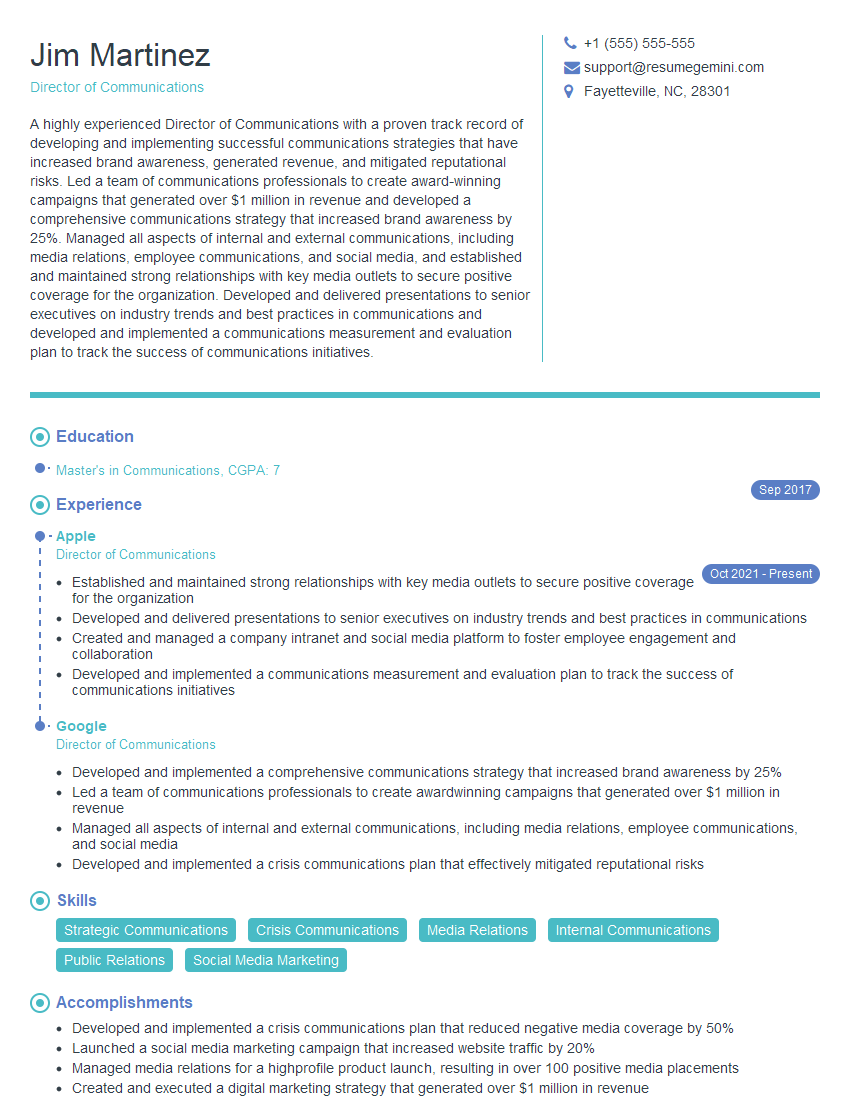
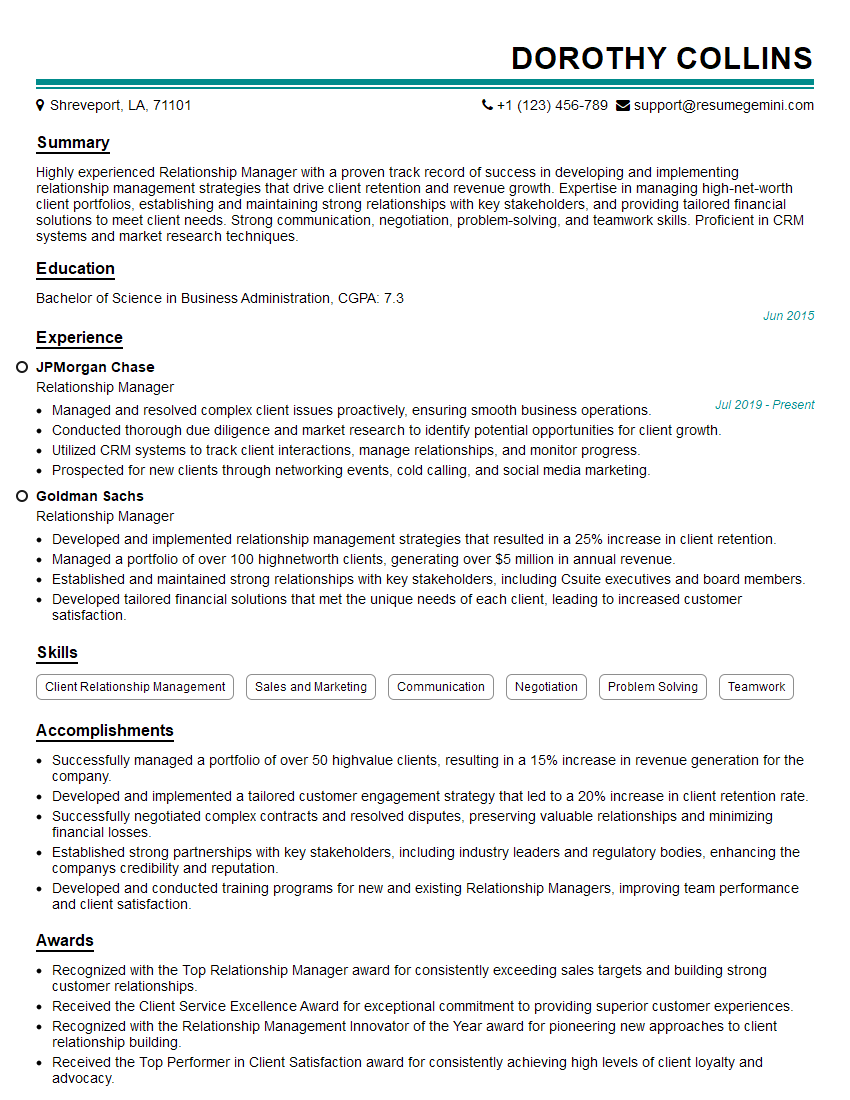
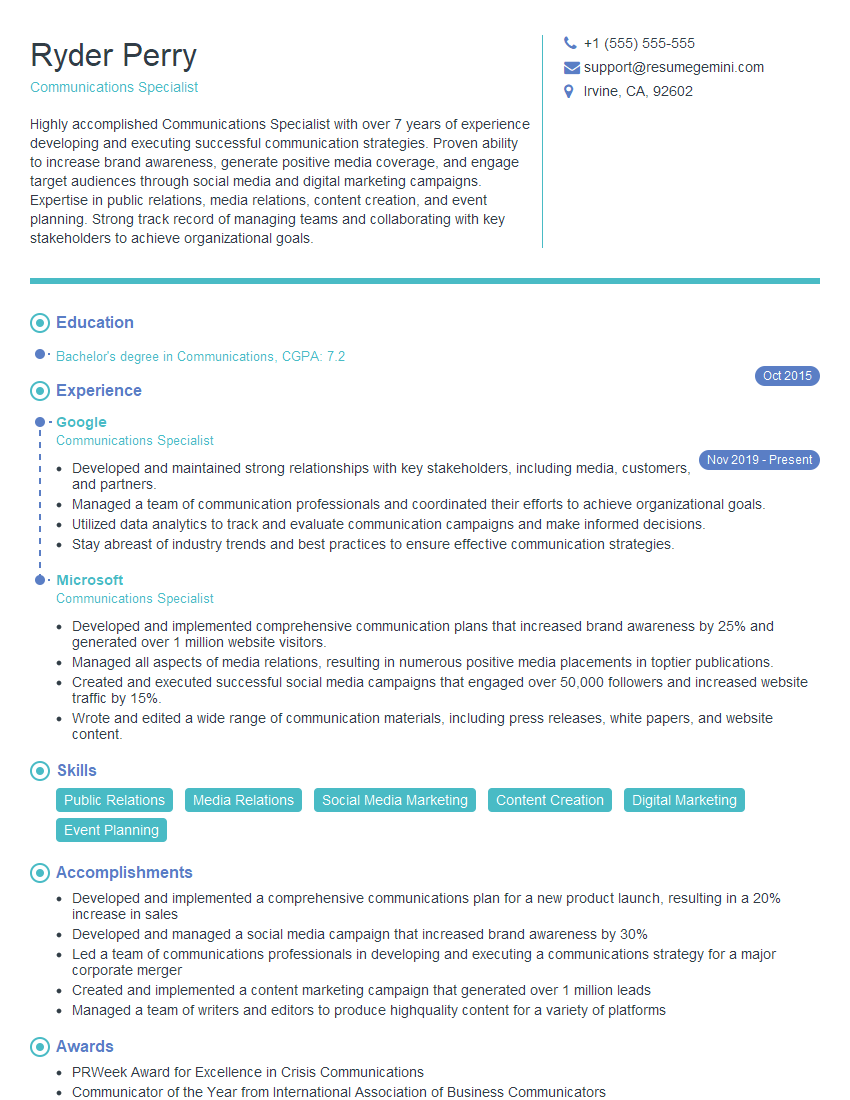
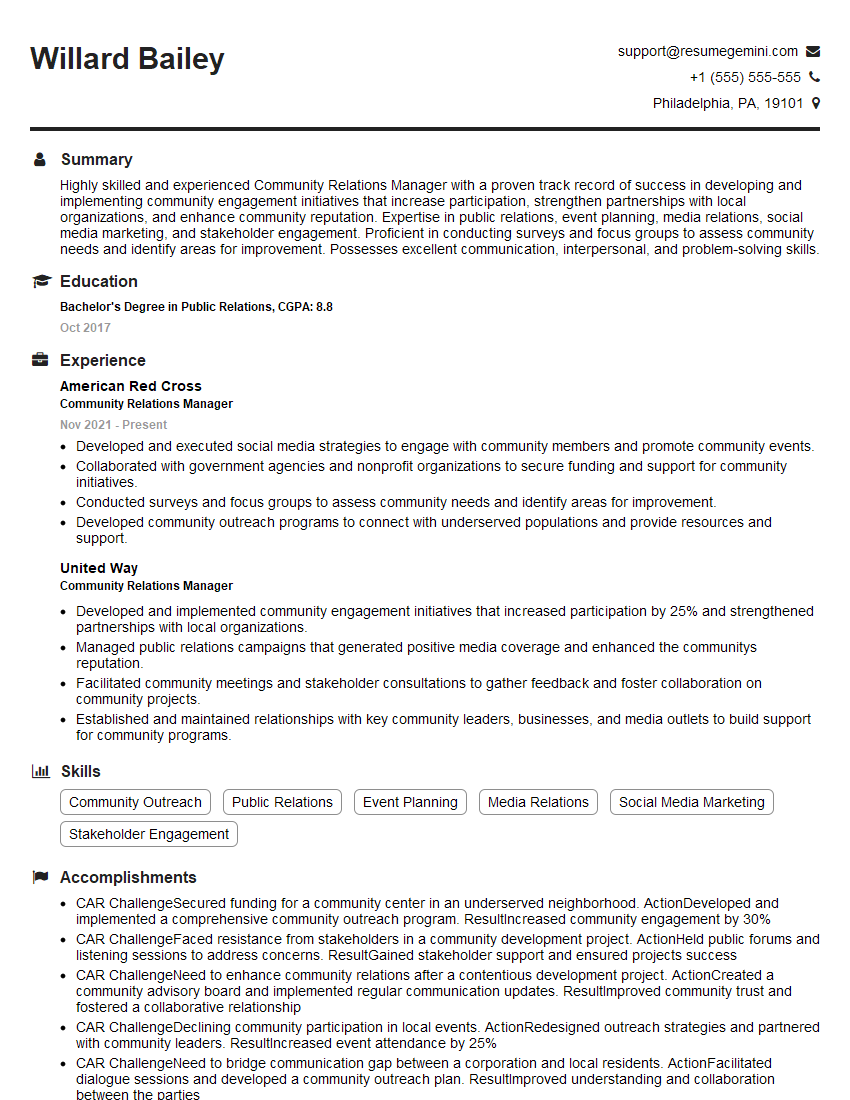
Mastering Stakeholder Communication and Coordination is crucial for career advancement, opening doors to leadership roles and influencing project success. A strong resume is your key to unlocking these opportunities. To ensure your skills shine through and catch the attention of Applicant Tracking Systems (ATS), invest time in crafting a compelling, ATS-friendly resume. ResumeGemini is a trusted resource to help you build a professional and impactful resume that highlights your achievements and experience in Stakeholder Communication and Coordination. Examples of resumes tailored to this field are available within ResumeGemini to guide you. Take the next step towards your dream career today!


Explore more articles
Users Rating of Our Blogs
Share Your Experience
We value your feedback! Please rate our content and share your thoughts (optional).
What Readers Say About Our Blog
Very informative content, great job.
good