Unlock your full potential by mastering the most common Stallion Management interview questions. This blog offers a deep dive into the critical topics, ensuring you’re not only prepared to answer but to excel. With these insights, you’ll approach your interview with clarity and confidence.
Questions Asked in Stallion Management Interview
Q 1. Describe the process of stallion semen collection.
Stallion semen collection is a crucial process in equine breeding, aiming to obtain high-quality semen for artificial insemination (AI). The most common method is using an artificial vagina (AV). This involves training the stallion to mount a dummy, directing his ejaculation into the AV. The AV mimics the mare’s vagina in terms of temperature, pressure, and texture, triggering natural ejaculation. The collected semen is then immediately evaluated for volume, concentration, motility, and morphology.
The process requires skilled personnel to ensure the stallion’s safety and comfort and to obtain a high-quality sample. For example, if the temperature of the AV is incorrect, it can negatively impact sperm motility. Similarly, improper handling can lead to injury to the stallion or collection of suboptimal semen.
In some cases, where a stallion is unable or unwilling to mount a dummy, electro-ejaculation can be used. This method uses mild electrical stimulation to trigger ejaculation. However, the semen quality obtained through electro-ejaculation is often slightly lower than that from AV collection.
Q 2. Explain the different methods of artificial insemination used in equine reproduction.
Artificial insemination (AI) in horses allows for broader genetic access and improved reproductive management. Several methods exist:
- Transcervical Insemination: This is the most common method, involving inserting a catheter through the cervix into the uterus. This requires a skilled technician to navigate the cervix skillfully, minimizing trauma and maximizing sperm deposition near the site of fertilization. Success rates depend heavily on the technician’s skill and experience.
- Vaginal Insemination: A simpler technique where semen is deposited into the vagina. This method is less precise than transcervical insemination and generally results in lower conception rates due to sperm loss during passage through the reproductive tract.
- Rectal Insemination: A less frequently used technique involving guiding a catheter through the rectum into the uterus, using rectal palpation as a guide. This is primarily used in situations where transcervical insemination is challenging or impossible.
The choice of method depends on factors such as stallion semen quality, mare’s reproductive status, and the available expertise.
Q 3. What are the key factors to consider when evaluating a stallion’s fertility?
Evaluating a stallion’s fertility is multifaceted and requires a holistic approach. Key factors include:
- Semen Quality: This involves assessing volume, concentration (number of sperm per milliliter), motility (percentage of progressively motile sperm), and morphology (percentage of normal sperm). Abnormal sperm morphology can negatively impact fertilization rates. A breeding soundness exam is crucial here.
- Libido and Breeding Behavior: A stallion’s willingness to mount and successfully serve a mare is essential. A stallion lacking libido will have poor breeding success, regardless of semen quality.
- Physical Examination: A thorough physical exam assesses the stallion’s overall health, identifying any conditions that might impact fertility, such as infections or systemic diseases. This includes checking for soundness and any issues with the reproductive organs.
- Past Breeding History: The stallion’s past breeding performance provides valuable insight into fertility trends. Information on pregnancy rates from previous breedings offers a crucial indication of his fertility.
Each of these factors contributes to an overall fertility assessment, leading to informed decisions on breeding strategies and management.
Q 4. How do you manage stallion libido and behavior?
Managing stallion libido and behavior is critical for their well-being and breeding success. This involves a combination of strategies:
- Regular Exercise and Turnout: Physical activity helps to regulate hormones and prevent aggression. A tired stallion is often a better-behaved stallion.
- Controlled Social Interactions: Appropriate introduction to mares, in a controlled setting, is essential to avoid aggression or injury. Careful management of social groups is critical.
- Consistent Training and Handling: Positive reinforcement training builds trust and reduces stress, improving the stallion’s willingness to cooperate during collection and breeding.
- Dietary Management: A balanced diet prevents hormonal imbalances and promotes overall health, influencing libido and behavior. Excessive protein may increase aggression in some individuals.
Poor management can lead to aggressive behaviors, making handling and breeding unsafe and impacting semen quality. Understanding individual stallion temperament and proactively addressing behavioral issues are crucial.
Q 5. Detail the process of stallion semen processing and storage.
Semen processing and storage are essential steps to maximize the usefulness of collected semen. After collection, the semen undergoes evaluation, extension, and processing:
- Evaluation: The initial assessment of semen quality (volume, concentration, motility, morphology) determines its suitability for AI and guides processing decisions.
- Extension: A suitable extender is added to the semen to increase the volume and extend its lifespan. The extender provides nutrients and protects the sperm from damage.
- Packaging: The extended semen is then packaged into straws or other containers for freezing or short-term storage.
- Storage: Semen can be stored short-term at 4°C (refrigerated) for a few days or long-term at -196°C (cryopreservation) for years using liquid nitrogen. Cryopreservation is a more complex process, requiring specialized equipment and expertise.
Proper processing and storage are crucial to maintain sperm viability and fertility. Improper handling can lead to reduced sperm motility and fertilization rates.
Q 6. How do you monitor a stallion’s health and well-being?
Monitoring a stallion’s health and well-being requires a proactive and comprehensive approach:
- Regular Veterinary Examinations: Routine physical exams, including dental checks, reproductive health assessments, and vaccinations, are crucial for early detection of potential problems.
- Semen Analysis: Regular semen analysis helps track fertility and identify potential problems before they severely impact breeding success.
- Behavioral Monitoring: Regular observation of the stallion’s behavior helps identify changes in temperament or attitude which could indicate underlying health concerns.
- Nutritional Management: Monitoring body condition and ensuring appropriate nutrition are critical for maintaining overall health and fertility.
This careful monitoring facilitates early intervention if problems arise, minimizing negative impacts on fertility and longevity.
Q 7. What are the common health challenges faced by stallions, and how do you address them?
Stallions face various health challenges that can affect fertility and overall well-being:
- Reproductive Tract Infections: These can reduce sperm quality and impair breeding ability. Treatment typically involves antibiotics tailored to the specific infection.
- Infertility due to structural issues or hormonal imbalances: Physical examinations and hormonal testing are crucial in diagnosis and treatment.
- Laminitis: This painful condition affecting the hooves can limit mobility and impact breeding capability. Management involves careful hoof care and pain management.
- Behavioral Issues: Aggression or reluctance to breed can be addressed through training, dietary management, and potentially medication if necessary.
Addressing these challenges requires a skilled veterinarian experienced in equine reproductive health. Early detection and appropriate treatment are key to minimizing the negative impact on the stallion’s health and breeding performance.
Q 8. Describe your experience with managing stallion breeding soundness exams.
Managing stallion breeding soundness exams is crucial for ensuring reproductive success. It involves a multi-step process that begins with a thorough physical examination, assessing the stallion’s overall health and conformation. This includes checking for any signs of injury, lameness, or other health issues that could impact fertility. Next, we conduct a complete reproductive exam. This involves evaluating the penis and prepuce for abnormalities, collecting a semen sample, and then performing a detailed semen analysis. The semen analysis quantifies sperm concentration, motility (the percentage of sperm moving progressively), morphology (the shape and structure of the sperm), and assesses for any abnormalities.
For example, I once managed a case where a stallion presented with a slight limp. Initial observation suggested a minor injury, but after a thorough physical exam, we discovered a subtle infection. Early intervention with medication prevented a more significant issue that could have severely impacted his breeding soundness. The semen analysis is interpreted according to strict guidelines, and a final report is generated, classifying the stallion’s breeding soundness as satisfactory, unsatisfactory, or questionable. This report is vital for determining the stallion’s suitability for natural or artificial breeding and provides valuable insight for managing breeding expectations.
Q 9. Explain the importance of accurate record-keeping in stallion management.
Accurate record-keeping is the backbone of successful stallion management. Think of it as the stallion’s medical history, breeding history, and performance log, all rolled into one. It’s essential for tracking everything from breeding dates and mare information to semen collection and cryopreservation details. Comprehensive records enable informed decision-making about breeding strategies, nutrition, and overall health management.
For instance, meticulously recording breeding dates allows us to predict foaling dates accurately, facilitating timely management of the mare and her foal. Similarly, tracking semen parameters over time helps us identify trends and potential issues early on, allowing for timely intervention. We use a robust database system to record this information—this system allows for easy data retrieval and analysis, aiding in long-term breeding management and maximizing reproductive efficiency. Missing or inaccurate data can lead to missed opportunities and potential complications in breeding programs.
Q 10. How do you manage the scheduling of stallion breeding services?
Scheduling stallion breeding services requires careful planning and consideration of various factors. It’s like orchestrating a complex ballet! We prioritize the mares’ estrous cycles (the period of heat when they’re receptive to breeding), the stallion’s breeding capacity, and the availability of our team and facilities. The process begins with communication with mare owners to understand their desired breeding dates and the mare’s reproductive status.
We then integrate this information into our breeding schedule, ensuring efficient utilization of the stallion’s time and minimizing waiting periods for mare owners. This often involves utilizing sophisticated scheduling software and coordinating transportation logistics, particularly when dealing with multiple stallions and a large number of mares. We may employ different breeding strategies, such as hand-breeding, artificial insemination (AI), or even embryo transfer, which would influence the scheduling process differently. Flexibility and open communication are key to managing potential scheduling conflicts and ensuring smooth operations.
Q 11. What is your experience with cryopreservation of stallion semen?
Cryopreservation, or freezing, of stallion semen is a vital technique in modern equine reproduction, extending the lifespan of valuable genetic material. My experience encompasses the entire process, from semen collection and evaluation to the freezing protocol and subsequent thawing and assessment. The procedure involves carefully diluting the semen with specialized cryoprotective agents that protect the sperm from damage during the freezing process. Then, the diluted semen is packaged into straws and gradually cooled before being plunged into liquid nitrogen for long-term storage.
For example, we must strictly adhere to precise temperature control throughout the process. Even minor deviations can significantly impact sperm viability after thawing. Following thawing, the post-thaw motility and morphology of the sperm are carefully evaluated to determine its suitability for artificial insemination. Proper cryopreservation techniques ensure that high-quality semen can be stored for extended periods, allowing for the use of valuable stallions even after their death or retirement from breeding, therefore maintaining genetic diversity.
Q 12. How do you ensure the safety of both stallions and handlers during breeding procedures?
Safety is paramount in all stallion handling procedures. We employ a multi-layered approach that prioritizes both the stallion’s and handlers’ well-being. This starts with selecting appropriate equipment and facilities. We ensure that the breeding area is adequately designed to prevent accidents, including using secure stalls, properly designed breeding slings and a safe breeding environment.
Experienced and well-trained personnel are absolutely crucial. Handlers are given comprehensive training on safe handling techniques including proper body language and the understanding of stallion behavior. We emphasize the importance of recognizing and responding to signs of aggression or stress in the stallion. Regular safety reviews and refresher training are essential to maintain high standards. This approach significantly reduces the risk of injuries to both the stallions and personnel involved in the breeding procedures, fostering a safer and more efficient working environment.
Q 13. Discuss the different breeding techniques you are proficient in.
I’m proficient in several breeding techniques, tailored to the specific needs of each situation. These include natural cover, where the stallion breeds the mare naturally; artificial insemination (AI), which involves collecting semen from the stallion and artificially inseminating the mare; and embryo transfer, a more advanced technique that involves collecting an embryo from a donor mare and implanting it into a recipient mare.
Each technique has its own advantages and disadvantages. Natural cover is the most natural method, but it presents more risks and may not be suitable for all situations. AI is a widely used and efficient method that avoids these risks, whilst embryo transfer offers the opportunity to use genetically superior mares even if they have fertility issues. The choice of technique depends on various factors such as the health of both stallion and mare, the availability of resources, and the overall goals of the breeding program. I adapt my approach based on the specific requirements of each case, ensuring the best possible outcome.
Q 14. Describe your experience in managing stallion nutrition for optimal reproductive performance.
Managing stallion nutrition for optimal reproductive performance is critical. Think of it like fueling a high-performance machine—the stallion needs the right nutrients to function at its peak. It requires a balanced diet that meets the stallion’s energy requirements, supports sperm production, and maintains overall health. Factors such as age, activity level, and season all influence nutritional needs.
For instance, stallions in heavy training will require a higher energy intake than those in lighter work. Their diet usually includes high-quality forage, such as grass hay or alfalfa, complemented with a carefully formulated concentrate that provides essential vitamins, minerals, and antioxidants. The nutritional plan needs to be adjusted seasonally as well, for example, in the breeding season, the diet should be optimized to support increased spermatogenesis (sperm production). Regular monitoring of body condition score and blood work is vital to assess the effectiveness of the nutritional plan and make timely adjustments to ensure the stallion maintains peak reproductive health.
Q 15. How do you handle stallion aggression or behavioral problems?
Managing stallion aggression requires a multifaceted approach prioritizing safety and understanding the root cause. Aggression can stem from various factors, including hormonal fluctuations, lack of proper training, inadequate socialization, or underlying medical conditions.
My approach begins with a thorough behavioral assessment, carefully observing the stallion’s interactions in different situations. This helps pinpoint triggers and the intensity of the aggression. For instance, a stallion might only display aggression during breeding attempts, or it could be a more generalized aggressive behavior.
- Environmental Modifications: Altering the environment to minimize stressors is crucial. This includes providing ample space, appropriate enrichment (like toys or social interaction with compatible horses if appropriate), and a predictable routine.
- Training and Handling: Consistent, positive reinforcement training is vital. This involves building trust and establishing clear communication using desensitization and counter-conditioning techniques. Experienced handlers are essential for this process, ensuring safety for both the horse and the handlers.
- Pharmacological Interventions: In cases of severe or intractable aggression, veterinary consultation may be necessary. Pharmacological intervention, under strict veterinary guidance, can help manage hormonal imbalances or underlying anxiety.
- Medical Evaluation: It is crucial to rule out underlying pain or medical conditions contributing to the aggressive behavior. A thorough veterinary examination should be conducted.
For example, I once worked with a stallion exhibiting aggressive mounting behavior towards humans. After a veterinary check-up ruled out pain, we implemented a training program focusing on desensitization to touch around the hindquarters and rewarding calm behavior. We also modified his environment to reduce opportunities for unwanted mounting. This combined approach significantly reduced his aggression.
Career Expert Tips:
- Ace those interviews! Prepare effectively by reviewing the Top 50 Most Common Interview Questions on ResumeGemini.
- Navigate your job search with confidence! Explore a wide range of Career Tips on ResumeGemini. Learn about common challenges and recommendations to overcome them.
- Craft the perfect resume! Master the Art of Resume Writing with ResumeGemini’s guide. Showcase your unique qualifications and achievements effectively.
- Don’t miss out on holiday savings! Build your dream resume with ResumeGemini’s ATS optimized templates.
Q 16. What are the ethical considerations involved in stallion management?
Ethical considerations in stallion management are paramount. They revolve around the welfare of the stallion and the integrity of the breeding program.
- Welfare: Prioritizing the stallion’s physical and psychological well-being is fundamental. This encompasses providing proper nutrition, healthcare, and a comfortable environment, free from undue stress or neglect. Overuse or inappropriate breeding practices should be avoided.
- Responsible Breeding: Ethical breeding practices consider the genetic health of the stallion and the potential impact on the breed. This involves avoiding breeding stallions with known genetic defects or those with traits that are detrimental to the breed. Genetic testing plays a significant role in this.
- Transparency and Honesty: Open communication about a stallion’s breeding soundness, temperament, and genetic profile is crucial. Buyers and breeders must have access to accurate information to make informed decisions. Withholding important information is unethical.
- Humane Euthanasia: When a stallion’s quality of life is irreversibly compromised due to age, injury, or illness, humane euthanasia should be considered ethically, ensuring a painless and respectful end.
For instance, if a stallion displays signs of significant lameness impacting his ability to perform optimally, continuing to use him for breeding would be unethical and could negatively affect his well-being. In such a case, veterinary advice should be sought and appropriate steps taken, possibly including retirement or humane euthanasia.
Q 17. How do you interpret stallion breeding soundness examination reports?
Interpreting stallion breeding soundness examination (BSE) reports requires careful attention to detail and understanding the various components. A comprehensive BSE includes a physical examination, semen collection and evaluation, and potentially additional tests.
Key aspects to interpret include:
- Semen Volume: Indicates the total amount of semen produced.
- Semen Concentration: The number of sperm cells per milliliter.
- Progressive Motility: The percentage of sperm cells moving forward in a coordinated manner.
- Morphology: The percentage of sperm cells with normal shape and structure.
- Physical Examination: Assessment of the stallion’s overall health, including soundness of the reproductive organs and any potential abnormalities.
A complete BSE report will assign a score or classification based on the different parameters. Stallions with good scores will display high progressive motility, high sperm concentration and normal morphology. Low scores often indicate subfertility and the stallion may require further investigation or might be unsuitable for breeding. Understanding the thresholds for acceptable values for each parameter is crucial to providing an accurate assessment of breeding potential. I always carefully review and correlate all findings to provide a holistic interpretation, always advising the owner on suitable management decisions based on the assessment.
Q 18. Explain your experience with evaluating stallion pedigrees and genetic merit.
Evaluating stallion pedigrees and genetic merit is a crucial aspect of stallion management. I have extensive experience in utilizing various tools and resources for this purpose. This involves understanding the performance and characteristics of the stallion’s ancestors to predict potential in the offspring.
My evaluation process involves:
- Pedigree Analysis: Careful examination of the family tree, identifying notable ancestors with superior performance records in specific disciplines (e.g., racing, dressage, jumping). I analyze the frequency of specific traits and identify any potential genetic weaknesses or strengths.
- Performance Data Analysis: Examining the stallion’s own performance records, including competition results, progeny records, and any genetic testing available. This provides crucial insight into his athletic potential, temperament, and any inherent limitations.
- Genetic Testing: Utilizing DNA tests to identify genetic predispositions to specific diseases or traits. This is increasingly important for responsible breeding programs. Information on coat color genetics, disease susceptibility, and other relevant traits can be obtained.
- Statistical Models: Employing various statistical models to assess and predict the stallion’s breeding value and the likelihood of passing desirable traits to his offspring. These models utilize performance and pedigree data to provide a quantitative estimate of genetic merit.
For example, when evaluating a stallion for a dressage program, I might prioritize pedigrees that emphasize traits like suppleness, gaits, and temperament. I would also look for data showing the stallion’s performance, his progeny’s performance and the results of any genetic testing that might indicate a predisposition for specific health issues.
Q 19. What are the key performance indicators you use to evaluate the success of a stallion breeding program?
Key performance indicators (KPIs) for evaluating the success of a stallion breeding program are essential for optimizing the program. These KPIs track various aspects of the program’s effectiveness and efficiency.
- Pregnancy Rate: The percentage of mares successfully conceived after breeding with the stallion. This reflects the stallion’s fertility and the effectiveness of the breeding process.
- Foaling Rate: The percentage of mares that successfully give birth to live foals after being bred to the stallion. This considers not only fertility but also the health of the mare and foetus.
- Progeny Performance: The performance of the stallion’s offspring in chosen disciplines, reflecting the stallion’s genetic contribution to athletic ability, temperament, and conformation.
- Progeny Health: Monitoring the health and longevity of the offspring to assess any genetic predisposition to certain diseases or health problems.
- Economic Return: The overall financial success of the program, considering breeding fees, offspring sales, and operating costs.
Regular monitoring of these KPIs and analyzing trends over time helps identify areas for improvement in the program and ultimately ensures that it is maximizing its effectiveness in producing high-quality offspring. It’s essential to set realistic goals and benchmarks, considering factors like breed standards and market demands.
Q 20. How do you manage the transportation of stallion semen?
Managing the transportation of stallion semen requires strict adherence to protocols that ensure the semen remains viable and free from contamination.
My approach involves:
- Proper Packaging: Semen is typically packaged in specialized straws or vials designed to maintain temperature and protect the sample. These are placed inside a container that maintains a stable temperature during transit.
- Temperature Control: Maintaining the appropriate temperature (usually around 5-10°C) is crucial. This is typically achieved through the use of liquid nitrogen or specialized shippers designed to maintain constant temperature for the duration of the shipment.
- Shipping Method: The choice of shipping method (e.g., courier service, overnight mail) depends on the distance and required delivery time. A reliable, time-sensitive delivery service is essential.
- Documentation: Thorough documentation is needed to track the shipment, including the stallion’s identification, the recipient’s details, the shipping date, and the temperature logging throughout transport.
- Recipient Notification: The recipient must be notified of the shipment’s arrival time and any specific instructions for handling the semen upon arrival.
Failure to maintain proper temperature or packaging can significantly compromise semen viability. The choice of shipping method and the implementation of efficient tracking mechanisms are crucial to ensure the semen reaches its destination in optimum condition.
Q 21. What is your experience with stallion training and handling?
My experience in stallion training and handling encompasses both basic handling techniques and specialized training for specific situations, such as breeding, transportation, and veterinary procedures.
My training philosophy focuses on building trust and establishing clear communication through positive reinforcement. This involves:
- Groundwork: Establishing a strong foundation in ground manners is paramount. This includes teaching the stallion to yield to pressure, accept handling, and respond to basic commands.
- Desensitization: Gradually exposing the stallion to various stimuli (e.g., sounds, sights, objects) to reduce fear and anxiety. This helps the stallion remain calm in a variety of situations.
- Positive Reinforcement: Rewarding desired behaviors and ignoring unwanted behaviors. This fosters a positive learning environment and encourages the stallion to cooperate.
- Specialized Training: Depending on the specific needs of the stallion, I might incorporate training for mounting, loading into trailers, or veterinary procedures. This often involves collaboration with experienced equine behaviorists or veterinarians.
- Safety Protocols: Safety is paramount throughout the entire training process. Appropriate equipment, such as halters, leads, and lunging equipment, is used and experienced handlers are employed to ensure the safety of both the stallion and the handlers.
For example, I successfully trained a stallion that was initially fearful of the artificial vagina used for semen collection. Through gradual desensitization and positive reinforcement, we were able to overcome his fear and make the process more efficient and less stressful for the stallion.
Q 22. Describe your experience working with various types of breeding equipment.
My experience encompasses a wide range of breeding equipment, from the sophisticated automated semen collection systems like the Missouri Equine Breeding Management System (MEBMS) to more traditional methods. I’m proficient in using various types of artificial vaginas (AVs), ensuring the correct temperature and pressure for optimal semen collection. I’m also skilled in handling and maintaining equipment for semen processing, including centrifuges for semen preparation, cryopreservation units for freezing semen, and microscopes for semen evaluation. For example, I’ve successfully transitioned a stud farm from a manual semen collection process to a MEBMS system, resulting in a significant increase in efficiency and improved semen quality. I also have extensive experience with different types of breeding soundness examinations equipment, including ultrasound machines for evaluating testicular size and semen quality.
Furthermore, I’m familiar with the use and maintenance of various instruments for insemination, such as insemination guns and catheters, ensuring proper technique to maximize pregnancy rates. Regular maintenance of all equipment, including cleaning, sterilization, and calibration, is paramount, and I strictly adhere to manufacturers’ guidelines to prevent malfunctions and ensure accuracy. Understanding the nuances of each piece of equipment is crucial for optimizing its performance and minimizing errors.
Q 23. How do you maintain accurate inventory of semen straws?
Maintaining an accurate inventory of semen straws is critical for efficient stallion management and client satisfaction. We employ a meticulously documented, dual-system approach. First, a physical inventory is maintained using clearly labelled cryoboxes stored in a liquid nitrogen tank, with a detailed log book recording the straw’s location, stallion ID, collection date, and number of straws per box. We conduct regular physical checks to ensure accuracy and identify any discrepancies. Secondly, a digital database is maintained using specialized veterinary software or a custom-built spreadsheet tracking the same information, along with details on semen quality assessments, sales records, and client information.
This dual-system approach allows for cross-referencing and error detection. For instance, if the physical count doesn’t match the digital record, we immediately investigate to identify and resolve the discrepancy. We also implement strict protocols for tracking straws from collection to shipment, using unique identification numbers throughout the process. This ensures traceability and prevents mix-ups. Regular auditing of the inventory system is key to maintaining its accuracy and reliability. Barcode scanners are used to minimize manual errors during inventory checks and when straws are moved between storage locations.
Q 24. How do you comply with regulatory requirements for equine breeding and reproduction?
Compliance with regulatory requirements is non-negotiable. We adhere to all relevant state and federal regulations regarding equine breeding and reproduction, including those pertaining to animal health, biosecurity, and transportation of biological materials. This involves maintaining accurate health records for all stallions, including vaccination and testing records. We also strictly follow protocols for biosecurity, implementing measures such as quarantine procedures for new arrivals, strict hygiene protocols in all breeding facilities and regular disinfection of equipment.
We work closely with regulatory bodies, such as the USDA (in the U.S.) or equivalent agencies in other countries, to ensure compliance with all reporting requirements. This includes the proper handling and transportation of semen straws, adhering to strict temperature control and labeling requirements. Furthermore, we are well-versed in the relevant legislation concerning the import and export of equine germplasm, ensuring that all procedures are aligned with international standards. We maintain detailed records of all our procedures and compliance activities to facilitate any audits or inspections. Regularly updating our knowledge of evolving regulations is paramount.
Q 25. How do you manage the financial aspects of a stallion breeding operation?
Managing the financial aspects of a stallion breeding operation requires meticulous record-keeping and strategic financial planning. We develop detailed annual budgets that project income based on anticipated breeding fees, semen sales, and other revenue streams, while factoring in operating expenses like staff salaries, veterinary care, feed, utilities, and maintenance of facilities and equipment. Regular monitoring of actual expenses against the budget allows for prompt identification and addressing of any variances.
We use accounting software to track income and expenses, generate financial reports, and manage accounts receivable and payable. Pricing strategies for breeding services and semen sales are carefully considered based on factors such as the stallion’s lineage, performance record, and market demand. Negotiating contracts with clients and managing payment terms are essential components of financial management. We also consider various financing options, such as leasing equipment to manage capital expenditures effectively. A thorough understanding of tax regulations applicable to agricultural businesses is essential.
Q 26. Describe your experience in troubleshooting issues related to breeding and reproductive problems.
Troubleshooting breeding and reproductive problems requires a systematic and multidisciplinary approach. It often begins with a thorough history of the mare and stallion, including their breeding records, health history, and management practices. We then conduct a comprehensive physical examination of both animals, paying close attention to reproductive organs. Ultrasound examinations are routinely performed to assess the reproductive tract and detect any abnormalities. Laboratory analysis of semen samples and blood tests are also used to identify potential issues such as low sperm count or motility, hormonal imbalances, or infections.
Based on the findings, we develop a tailored treatment plan that may involve hormonal therapy, medications to treat infections, surgical intervention, or assisted reproductive technologies (ARTs) like artificial insemination, embryo transfer, or in vitro fertilization (IVF). For instance, I successfully diagnosed and treated a case of recurrent endometritis in a mare, leading to a successful pregnancy, through a combination of uterine lavage and antibiotic therapy. Continuous monitoring of the mare’s health and progress is critical to ensuring a successful outcome. Regular communication and collaboration with the client is also crucial for keeping them informed and addressing their concerns.
Q 27. Explain your understanding of equine reproductive physiology.
My understanding of equine reproductive physiology encompasses all aspects of the reproductive cycle in both stallions and mares, from gamete production to fertilization and embryonic development. I’m knowledgeable about the hormonal regulation of the reproductive system, the intricacies of oogenesis and spermatogenesis, the processes involved in ovulation and sperm capacitation, and the crucial stages of embryonic development.
This understanding allows me to interpret reproductive data and identify potential problems. For example, I can identify hormonal imbalances that may be affecting the mare’s cyclicity, or assess semen quality parameters such as sperm morphology, motility, and concentration to determine the stallion’s fertility. This knowledge is essential for implementing appropriate management practices and applying ARTs where necessary. A deep understanding of the physiological factors impacting fertility, such as seasonal influences on reproduction and the effects of stress or disease on reproductive performance, is paramount for successful stallion management.
Q 28. Describe your experience with data analysis and reporting related to stallion breeding success.
Data analysis and reporting are vital for evaluating the success of a stallion breeding operation and identifying areas for improvement. We collect extensive data on various parameters, including the number of breedings, pregnancy rates, foaling rates, and the quality of semen produced. This data is meticulously recorded and analyzed using statistical software packages. We generate various reports summarizing key performance indicators (KPIs) such as pregnancy rates per stallion, seasonal breeding success, and the overall reproductive efficiency of the operation.
Data visualization techniques, such as graphs and charts, are used to present the findings clearly and concisely. For example, we might generate a graph showing the pregnancy rates over several years for different stallions, highlighting trends and identifying any potential areas for improvement. This data-driven approach enables us to make informed decisions about stallion management, breeding strategies, and resource allocation, ultimately optimizing the overall success and profitability of the operation. Regular analysis of this data enables us to identify potential problems proactively and implement strategies to minimize losses and maximize breeding success.
Key Topics to Learn for Stallion Management Interview
- Strategic Planning & Execution: Understanding how to develop and implement effective strategies within a dynamic environment. Consider case studies where strategic shifts were necessary.
- Risk Management & Mitigation: Analyzing potential risks and developing strategies to minimize their impact on projects and overall organizational goals. Think about practical examples of risk assessment and mitigation techniques.
- Performance Measurement & Improvement: Familiarize yourself with key performance indicators (KPIs) and methods for tracking, analyzing, and improving performance. Explore different performance management frameworks.
- Team Leadership & Collaboration: Demonstrate your understanding of effective team leadership, conflict resolution, and fostering collaboration within a team. Prepare examples showcasing your teamwork skills.
- Financial Acumen & Budgeting: Understanding basic financial principles, budgeting processes, and resource allocation is crucial. Practice analyzing financial statements and making informed decisions based on data.
- Communication & Stakeholder Management: Effective communication with diverse stakeholders is essential. Prepare examples illustrating your ability to clearly communicate complex information and manage expectations.
- Change Management & Adaptability: Discuss your experience with organizational change and your ability to adapt to new situations and challenges. Highlight instances where you successfully navigated change.
Next Steps
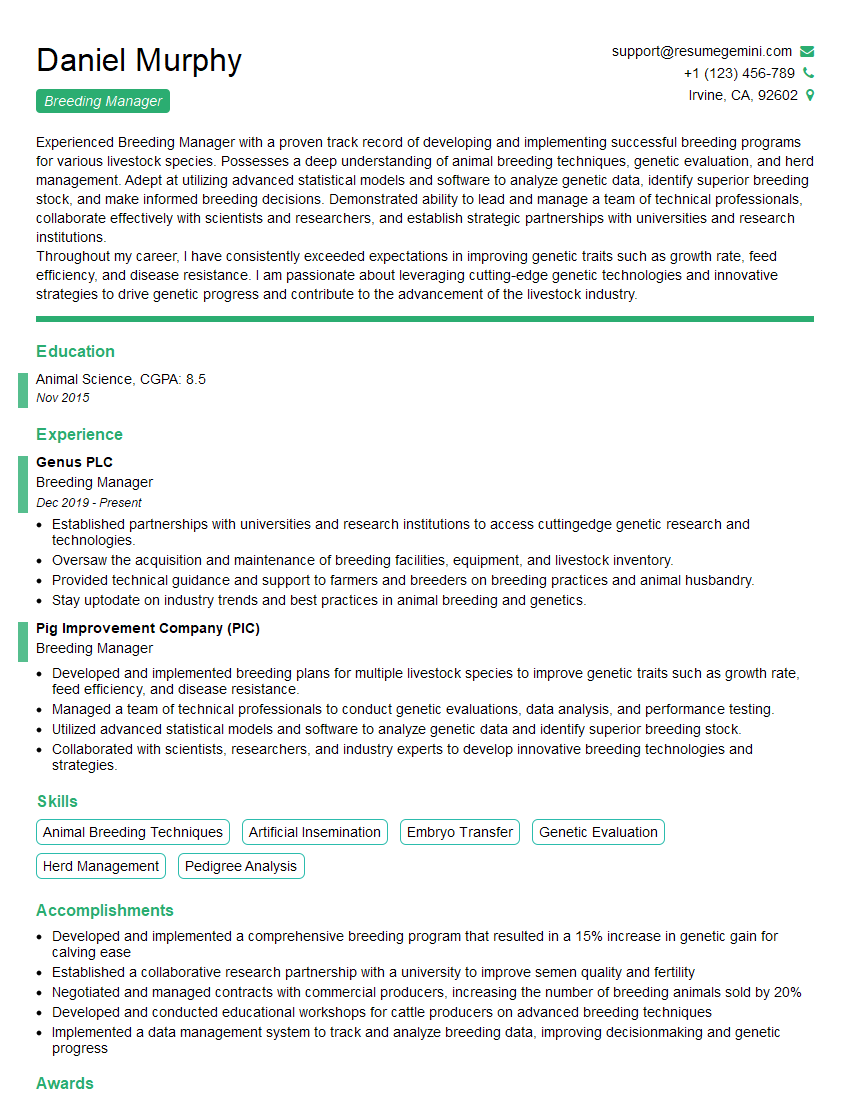
Mastering Stallion Management principles significantly enhances your career prospects, opening doors to leadership roles and higher earning potential. To maximize your chances of landing your dream job, it’s crucial to create an ATS-friendly resume that highlights your relevant skills and experience. We strongly recommend using ResumeGemini, a trusted resource for building professional and impactful resumes. Examples of resumes tailored to Stallion Management are available below to help guide your resume creation process. Take the time to craft a compelling narrative that showcases your capabilities and aligns perfectly with the requirements of the role.
Explore more articles
Users Rating of Our Blogs
Share Your Experience
We value your feedback! Please rate our content and share your thoughts (optional).
What Readers Say About Our Blog
Very informative content, great job.
good