Every successful interview starts with knowing what to expect. In this blog, we’ll take you through the top Staying abreast of industry trends and best practices interview questions, breaking them down with expert tips to help you deliver impactful answers. Step into your next interview fully prepared and ready to succeed.
Questions Asked in Staying abreast of industry trends and best practices Interview
Q 1. Name three significant industry trends impacting your target field in the last year.
Three significant trends impacting my field (let’s assume it’s software development) in the last year are the rise of AI-assisted development, the increasing adoption of cloud-native architectures, and the growing focus on developer experience (DX).
AI-assisted development: Tools using AI are transforming how code is written, debugged, and tested. This includes code completion, automated bug detection, and even AI-powered code generation. This trend is boosting developer productivity but also requires a shift in skillsets as developers learn to effectively collaborate with these tools.
Cloud-native architectures: More and more applications are designed from the ground up to run in cloud environments, utilizing microservices, serverless functions, and containerization technologies like Docker and Kubernetes. This allows for greater scalability, resilience, and cost-effectiveness but demands a different approach to software design and deployment.
Developer experience (DX): Companies are recognizing the importance of a positive developer experience in boosting productivity and attracting top talent. This translates into improved tooling, streamlined workflows, and a more supportive development culture. This trend highlights the increasing value placed on developer well-being and efficient development practices.
Q 2. Describe a time you identified a critical industry trend before it became mainstream.
Several years ago, I noticed a growing interest among developers in functional programming paradigms, particularly within the JavaScript community. While object-oriented programming still dominated, I observed a steady increase in blog posts, conference talks, and open-source projects focusing on functional concepts like immutability, pure functions, and higher-order functions. At the time, many dismissed it as a niche interest, but I recognized its potential to address scalability and maintainability challenges in large projects. My belief was validated as functional programming concepts, especially those applied through libraries like RxJS and Redux, became increasingly mainstream, significantly influencing modern front-end development.
Q 3. How do you prioritize which industry trends to focus on?
I prioritize industry trends based on a three-pronged approach: potential impact, relevance to my work, and feasibility of implementation.
Potential Impact: I assess how significantly a trend could affect my work, my team, or the broader industry. Trends with transformative potential take precedence.
Relevance: I focus on trends directly applicable to my current projects and long-term goals. Trends that solve immediate problems or enable future innovations are given higher priority.
Feasibility: I evaluate the practicality of adopting a trend. While a trend might be impactful and relevant, its adoption might be constrained by resource limitations, team expertise, or other factors. Trends that are realistically implementable within a reasonable timeframe get prioritized.
This framework helps me make informed decisions and avoid wasting time and resources on trends that lack practical value or feasibility within my context.
Q 4. What resources do you regularly utilize to stay updated on industry trends?
I use a combination of resources to stay informed. These include:
Industry publications and blogs: I regularly read reputable tech publications, blogs, and newsletters covering software development, cloud computing, and related areas.
Conferences and webinars: Attending industry conferences and online webinars allows me to hear directly from experts and learn about the latest advancements.
Open-source communities: I actively participate in open-source projects and follow relevant discussions on platforms like GitHub, which often offer early insights into emerging trends.
Professional networks: Engaging with colleagues and peers through online forums and professional networks provides valuable perspectives and insights.
Q 5. How do you differentiate between hype and genuine impactful trends?
Differentiating hype from genuine impact involves critical evaluation and a healthy dose of skepticism.
Evidence-based assessment: I look for concrete evidence, such as independent research, real-world case studies, and demonstrable results, rather than relying on marketing claims.
Long-term perspective: True impactful trends usually have staying power. Hype cycles tend to be short-lived, fueled by marketing and excitement, without substantial practical application.
Community validation: Genuine trends usually gain traction within the relevant community. Discussions, adoption rates, and contributions to open-source projects provide valuable indicators.
For example, many technologies are initially hyped but eventually fade away due to lack of adoption or practical value. By focusing on long-term trends with robust evidence and community support, I can avoid being misled by fleeting hype cycles.
Q 6. Explain how you apply industry best practices to your work.
I apply industry best practices by consistently incorporating them into my workflow and team processes. This includes adhering to established coding standards, employing version control effectively (like Git), using automated testing methodologies (like unit testing and integration testing), and following agile development principles. These practices ensure code quality, maintainability, and collaboration. For example, using a consistent coding style, whether it’s defined by a linter like ESLint or a team style guide, makes the codebase easier to understand and maintain by multiple developers. This minimizes ambiguity and makes collaboration smoother. The use of version control systems like Git helps track code changes, facilitates teamwork, and ensures we can easily revert to earlier versions if needed.
Q 7. Describe a situation where you adapted a best practice to a unique circumstance.
In a recent project, our team adopted the best practice of continuous integration and continuous delivery (CI/CD) for a microservices architecture. However, we faced a challenge: our deployment environment was not fully cloud-native, causing incompatibility issues with some CI/CD tools. Instead of abandoning the best practice, we adapted it by developing a custom deployment pipeline that integrated our existing on-premises infrastructure with cloud-based CI/CD tools. This involved writing custom scripts and using a hybrid approach to bridge the gap between our environments. The result was a successful implementation of CI/CD, albeit with a tailored approach specific to our unique circumstances, proving the effectiveness of adapting best practices to real-world constraints.
Q 8. How do you evaluate the effectiveness of implemented industry best practices?
Evaluating the effectiveness of implemented industry best practices requires a multifaceted approach that combines quantitative and qualitative methods. It’s not enough to simply adopt a practice; you need to measure its impact.
- Quantitative Measurement: This involves setting Key Performance Indicators (KPIs) before implementation. For example, if implementing a new customer relationship management (CRM) system, you might track metrics like customer satisfaction scores, lead conversion rates, and sales cycle length. After implementation, compare these KPIs to pre-implementation data to determine improvement. A significant positive change indicates effectiveness.
- Qualitative Assessment: Gather feedback from employees who use the best practice. Conduct surveys, interviews, or focus groups to understand their experience. Are they finding the new process efficient? Are there any unforeseen challenges? Qualitative data provides valuable insights into areas for improvement that quantitative data might miss.
- Benchmarking: Compare your results against industry benchmarks. How do your post-implementation KPIs compare to competitors or similar organizations? This provides context and shows whether the best practice is truly delivering above-average results.
- A/B Testing (where applicable): If feasible, conduct A/B tests to compare the performance of the new best practice against the previous method. This allows for a controlled comparison and isolates the impact of the change.
By combining quantitative and qualitative data and benchmarking, you get a comprehensive understanding of the true effectiveness of your implemented best practices. This allows for data-driven optimization and continuous improvement.
Q 9. What are the key performance indicators (KPIs) you monitor to assess industry trend impact?
The KPIs I monitor to assess industry trend impact vary depending on the specific trend and business context. However, some common and crucial indicators include:
- Market Share: Tracking changes in market share reveals the impact of trends on our competitive position. A decline might indicate a need to adapt our strategies.
- Customer Acquisition Cost (CAC): This metric reflects the efficiency of our marketing and sales efforts in the face of changing customer preferences and behaviors driven by new trends.
- Customer Lifetime Value (CLTV): CLTV helps us understand how effectively we are retaining customers and maximizing their value in a dynamic market landscape influenced by industry trends.
- Revenue Growth: Overall revenue growth is a top-level indicator reflecting the overall success of our strategies in response to industry trends.
- Website Traffic & Engagement: These metrics provide insights into consumer interest in our offerings and how well our marketing resonates with trending topics.
- Social Media Engagement: Monitoring social media sentiment and engagement helps understand the public perception of our brand and products in light of emerging trends.
I always carefully select KPIs relevant to the specific trend being analyzed. For instance, if a trend involves sustainability, I’d focus on metrics like environmental impact and the proportion of eco-friendly products in our portfolio. Regular monitoring of these KPIs provides actionable feedback on our success in responding to industry shifts.
Q 10. How do you translate industry trends into actionable strategies?
Translating industry trends into actionable strategies involves a systematic process:
- Trend Identification & Validation: Begin by identifying relevant trends through research (market reports, competitor analysis, social media monitoring etc.). It’s crucial to validate these trends to ensure they are not fleeting fads but reflect significant shifts.
- Impact Assessment: Analyze the potential impact of the trend on the business. Will it create new opportunities or pose threats? Consider both positive and negative implications.
- Strategy Development: Based on the impact assessment, formulate strategies to capitalize on opportunities and mitigate threats. This might involve new product development, improved processes, revised marketing campaigns, or even strategic partnerships.
- Resource Allocation: Allocate resources – financial, human, and technological – to support the chosen strategies. Prioritize initiatives based on their potential ROI and strategic importance.
- Implementation & Monitoring: Implement the strategies and continuously monitor their effectiveness using relevant KPIs. Adjust strategies as needed based on performance data and new insights.
For example, if the trend is toward personalized customer experiences, the actionable strategies might include investing in AI-powered recommendation engines, developing customized marketing campaigns, and training staff on personalized communication techniques.
Q 11. Give an example where you used trend analysis to inform a business decision.
During a period of increasing consumer demand for sustainable products, our trend analysis indicated a significant growth in the market for eco-friendly packaging. We used this insight to inform a critical business decision: Investing in biodegradable packaging alternatives for our products.
Our analysis showed that competitors were already adopting sustainable packaging, gaining a positive reputation and attracting environmentally conscious consumers. By making a similar investment, we not only reduced our environmental impact but also strengthened our brand image, attracting a new customer segment and enhancing our market position. This decision resulted in a substantial increase in sales and brand loyalty, directly attributable to our proactive response to this identified trend.
Q 12. Describe a time you had to adapt to a sudden shift in industry trends.
The sudden shift to remote work during the pandemic presented a significant challenge. We had to rapidly adapt to support our employees working from home while maintaining productivity and communication.
Our immediate response included providing employees with the necessary technology (laptops, software, etc.), implementing new communication protocols (regular virtual meetings, instant messaging tools), and offering training on remote collaboration tools. We also prioritized employee well-being by providing resources to address mental health concerns related to isolation and remote work challenges. This rapid adaptation minimized disruption to our operations and maintained team cohesion during a period of unprecedented change.
Q 13. How do you incorporate feedback to improve your understanding of industry trends?
Incorporating feedback is crucial for refining my understanding of industry trends. I actively seek feedback from various sources:
- Internal Feedback: Regular meetings with colleagues from different departments (sales, marketing, product development) provide insights into market trends and customer needs from the front lines.
- Customer Feedback: Direct feedback from customers through surveys, reviews, and support interactions provides invaluable insights into their preferences and pain points.
- Industry Events & Conferences: Attending industry events and conferences allows for networking and learning from experts and peers, gaining fresh perspectives and hearing about the latest trends firsthand.
- External Research: Staying up-to-date with industry publications, market reports, and competitor analysis provides objective data and broader context.
I actively analyze this feedback, looking for patterns and insights that might contradict my existing assumptions. This iterative process of data collection, analysis, and refinement ensures my understanding of industry trends remains accurate, current, and relevant to our business objectives.
Q 14. What tools or technologies do you use for industry trend monitoring and analysis?
My industry trend monitoring and analysis relies on a combination of tools and technologies:
- Market Research Databases: Subscription-based databases (like Statista, IBISWorld) provide access to comprehensive market data, reports, and industry analyses.
- Social Media Listening Tools: Platforms like Brandwatch or Sprout Social help monitor social media conversations and identify emerging trends and consumer sentiment.
- Web Analytics Tools: Google Analytics and similar tools provide insights into website traffic, user behavior, and the effectiveness of online marketing campaigns.
- Competitor Analysis Tools: SEMrush, Ahrefs, and similar tools help analyze competitor websites, marketing strategies, and overall online presence.
- Data Visualization Software: Tools like Tableau and Power BI help visualize and analyze large datasets, facilitating better understanding of trends and patterns.
The specific tools I use depend on the specific industry and the nature of the trend being analyzed. I strive to utilize a mix of quantitative and qualitative data sources, ensuring a comprehensive and nuanced understanding of the market dynamics.
Q 15. How do you collaborate with others to share and leverage industry knowledge?
Collaborating effectively on industry knowledge is crucial for staying ahead. My approach involves a multifaceted strategy encompassing active participation in professional networks, knowledge-sharing platforms, and internal team collaborations.
Professional Networks: I actively participate in industry conferences, webinars, and online forums, engaging in discussions and sharing insights with peers. For example, I recently presented my findings on the impact of AI on marketing strategies at a digital marketing summit, sparking valuable conversations and collaborations with other attendees.
Knowledge-Sharing Platforms: I leverage platforms like internal wikis, shared document repositories, and learning management systems to document and share valuable resources and research findings. I regularly contribute to our team’s knowledge base, ensuring everyone has access to the latest information.
Internal Team Collaboration: I foster a collaborative environment within my team by actively participating in brainstorming sessions, knowledge-sharing meetings, and peer reviews. For instance, I initiated a weekly ‘Trend Tuesday’ meeting where team members share and discuss interesting industry developments.
Career Expert Tips:
- Ace those interviews! Prepare effectively by reviewing the Top 50 Most Common Interview Questions on ResumeGemini.
- Navigate your job search with confidence! Explore a wide range of Career Tips on ResumeGemini. Learn about common challenges and recommendations to overcome them.
- Craft the perfect resume! Master the Art of Resume Writing with ResumeGemini’s guide. Showcase your unique qualifications and achievements effectively.
- Don’t miss out on holiday savings! Build your dream resume with ResumeGemini’s ATS optimized templates.
Q 16. Explain your process for evaluating the credibility of industry trend sources.
Evaluating the credibility of industry trend sources is paramount. My process involves a critical assessment of several factors:
Source Authority: I prioritize information from established research firms, reputable industry publications, thought leaders with proven track records, and government agencies. I carefully examine the author’s credentials and expertise before accepting their claims.
Data Validation: I look for sources that back up their claims with concrete data, statistics, and verifiable evidence. Anecdotal evidence alone isn’t sufficient; I need robust data to support any trend’s validity.
Bias Detection: I am aware that biases can influence information. I critically evaluate the source’s potential motivations and look for balanced reporting that acknowledges different perspectives. If a source presents an overly optimistic or pessimistic viewpoint without justification, I treat the information with caution.
Cross-Referencing: I never rely on a single source. I cross-reference information across multiple credible sources to ensure consistency and accuracy. This helps to filter out misinformation and identify recurring themes.
Q 17. How do you anticipate future industry trends and their potential impact?
Anticipating future trends involves a combination of data analysis, trend extrapolation, and creative foresight. My process includes:
Data Analysis: I analyze market data, consumer behavior patterns, technological advancements, and economic indicators to identify emerging patterns and potential shifts. For example, analyzing social media trends can reveal upcoming consumer preferences.
Trend Extrapolation: I extrapolate from current trends, identifying their potential evolution and impact. If a particular technology is rapidly gaining traction, I consider its long-term implications and potential disruptions.
Scenario Planning: I develop different scenarios based on various potential outcomes. This approach helps me prepare for a range of possibilities, mitigating risks and maximizing opportunities.
Expert Consultation: I engage with industry experts and thought leaders to gain diverse perspectives and insights, incorporating their forecasts into my own analysis.
For instance, by analyzing the increasing adoption of sustainable practices and government regulations, I can anticipate a growth in eco-friendly products and services in the future.
Q 18. Describe your approach to continuous learning and professional development in your field.
Continuous learning is an integral part of my professional development. I employ a structured approach:
Formal Education: I regularly participate in relevant online courses, workshops, and seminars to enhance my knowledge and skills. I recently completed a course on advanced data analytics to better interpret industry trends.
Industry Publications: I subscribe to leading industry journals, newsletters, and podcasts to stay informed about the latest breakthroughs and developments.
Networking: I actively network with peers, attending industry events and joining professional organizations to learn from others’ experiences and expand my professional network.
Self-Directed Learning: I dedicate time for independent research and exploration, delving into topics of particular interest to me.
Q 19. How do you stay motivated to learn about and implement new industry trends?
Staying motivated to learn and implement new trends requires intrinsic and extrinsic motivation.
Intrinsic Motivation: My genuine curiosity about industry developments and a desire to stay at the forefront of my field fuel my learning. The intellectual stimulation of discovering new insights is incredibly rewarding.
Extrinsic Motivation: The opportunity to enhance my professional capabilities, contribute meaningfully to my team’s success, and remain competitive in a dynamic market further motivates my pursuit of knowledge. Witnessing the positive impact of implemented trends keeps me energized.
Goal Setting: I set specific, measurable, achievable, relevant, and time-bound (SMART) goals for my continuous learning. This provides a clear roadmap and helps me track my progress.
Q 20. How do you handle conflicting information or viewpoints on industry trends?
Handling conflicting information requires a systematic approach:
Identify the Discrepancies: I meticulously compare and contrast the conflicting information, pinpointing the specific points of divergence.
Investigate the Sources: I delve deeper into the credibility and potential biases of each source, as described in my earlier answer.
Seek Additional Information: I consult additional, reliable sources to gather more evidence and gain a comprehensive understanding of the issue.
Synthesize the Information: I synthesize the information gathered, seeking common ground and acknowledging areas of uncertainty. Often, the truth lies somewhere in between.
Document the Analysis: I maintain meticulous records of my research and analysis, enabling me to justify my conclusions and track evolving perspectives.
Sometimes, I realize that the ‘conflict’ stems from different perspectives or methodologies. Understanding the underlying assumptions helps to reconcile seemingly contradictory viewpoints.
Q 21. What is your preferred method for communicating industry trends to colleagues?
My preferred method for communicating industry trends to colleagues is tailored to the audience and the information’s complexity:
Concise Summaries: For quick updates, I use concise summaries, bullet points, and infographics to highlight key takeaways.
Detailed Reports: For more complex trends, I prepare detailed reports with supporting data, analysis, and recommendations.
Presentations: For larger groups or formal settings, I deliver engaging presentations to effectively convey the information and facilitate discussions.
Informal Discussions: I encourage open dialogue and informal discussions to facilitate knowledge sharing and address colleagues’ questions.
Interactive Workshops: For in-depth exploration, I conduct interactive workshops, allowing participants to actively engage with the material and apply their knowledge.
The key is to choose a method that maximizes clarity, engagement, and knowledge retention among my colleagues.
Q 22. Describe a time you identified a gap in best practices and proposed a solution.
In my previous role at a marketing agency, we relied heavily on traditional email marketing campaigns. While effective, our open and click-through rates were plateauing. I noticed a significant gap in our best practices: we weren’t leveraging the power of personalized email marketing, segmented audiences, and A/B testing sufficiently.
My solution involved a three-pronged approach. First, I proposed implementing a robust customer relationship management (CRM) system to better segment our audience based on demographics, purchase history, and engagement levels. Second, I advocated for A/B testing different subject lines, email content, and call-to-actions to optimize campaign performance. Finally, I suggested training for the marketing team on best practices for personalized email content creation, including dynamic content insertion and personalized recommendations. The result? A 25% increase in open rates and a 15% boost in click-through rates within three months. This demonstrated the significant impact of closing the gap in our best practices.
Q 23. How do you balance the need to innovate with the adoption of proven best practices?
Balancing innovation with proven best practices is a delicate act, akin to navigating a tightrope. On one hand, embracing innovation drives growth and competitive advantage. On the other, relying solely on untested methods can be risky and resource-intensive. My approach involves a phased implementation.
- Assessment: First, I thoroughly analyze the current best practices and identify areas where innovation could yield significant improvements. This often involves reviewing industry benchmarks, competitor analysis, and internal performance data.
- Pilot Program: Next, I advocate for a pilot program to test innovative solutions on a smaller scale. This minimizes risk while providing valuable data to inform larger-scale adoption. For example, before fully implementing a new marketing automation platform, we might test it with a small segment of our customers.
- Data-Driven Decisions: Throughout the process, I rely heavily on data to guide my decisions. Key performance indicators (KPIs) are meticulously tracked to measure the effectiveness of both innovative and established methods. This ensures that we are making informed choices based on quantifiable results.
- Iterative Improvement: Finally, I embrace iterative improvement. Both innovative approaches and best practices should be continually refined and optimized based on ongoing performance data and feedback.
Q 24. How do you measure the ROI of implementing new industry trends or best practices?
Measuring the ROI of implementing new trends or best practices requires a structured approach. It’s not enough to simply say something is ‘better’; we need concrete numbers.
My strategy involves defining clear, measurable KPIs before implementation. For example, if we’re implementing a new project management software, our KPIs might include reduced project completion times, improved team collaboration scores, and a reduction in project overruns. These KPIs need to be quantifiable – meaning we can assign numerical values to track progress.
Once the new trend or best practice is implemented, we track the KPIs consistently. Then, we compare post-implementation results against pre-implementation baselines. This allows us to calculate the tangible financial benefits, such as cost savings or increased revenue, and determine the ROI accurately. For instance, if implementing the software reduces project completion time by 10% and saves us $5,000 per project, this can be easily quantified as a direct return on investment.
Q 25. How do you identify and mitigate potential risks associated with adopting new trends?
Adopting new trends inherently carries risks. My approach to risk mitigation involves a structured process that begins with a thorough risk assessment.
- Identify Potential Risks: This involves brainstorming potential negative consequences, such as compatibility issues, security vulnerabilities, or negative impact on employee morale. For example, a new software might not integrate well with existing systems, or employees might resist adopting a new workflow.
- Assess Risk Probability and Impact: We then assess the likelihood of each risk occurring and the potential severity of its impact. This helps prioritize which risks need the most attention.
- Develop Mitigation Strategies: For each identified risk, we develop a mitigation strategy. This might involve thorough testing, training programs, contingency plans, or phased implementation.
- Monitor and Adapt: Even with mitigation strategies in place, ongoing monitoring is essential. We track performance closely and adapt our strategies as needed to address unforeseen issues.
This proactive approach ensures that we are not blindly adopting trends, but rather doing so in a measured and responsible manner.
Q 26. What is your process for staying informed about regulatory changes and their impact on your field?
Staying abreast of regulatory changes is crucial. My process involves a multi-faceted approach.
- Subscription to Regulatory Updates: I subscribe to newsletters and alerts from relevant regulatory bodies and industry associations. This provides me with timely updates on new legislation and changes to existing regulations.
- Professional Networking: I actively participate in industry conferences and events, allowing me to network with peers and experts who can offer insights and share knowledge about regulatory changes.
- Regular Review of Legal Documentation: I regularly review relevant legal documents, including compliance manuals and industry-specific guidelines. This ensures that we are always operating within the bounds of the law.
- Internal Communication: I communicate any significant regulatory changes to my team and stakeholders promptly. This ensures that everyone is aware of the implications and can adapt accordingly.
This multi-pronged approach ensures that we are not only aware of regulatory changes but also prepared to respond effectively.
Q 27. Describe a time you had to convince stakeholders to adopt a new industry trend or best practice.
Persuading stakeholders to adopt new trends requires a compelling argument built on evidence and data. Once, I needed to convince my team to adopt Agile methodologies for project management. Many were resistant, accustomed to the traditional waterfall approach.
My strategy was to present a well-structured case that addressed their concerns directly. I started by outlining the limitations of the existing waterfall approach, highlighting specific instances where it had led to inefficiencies or delays. I then presented the benefits of Agile, such as increased flexibility, faster delivery cycles, and improved client collaboration. Crucially, I provided concrete data – from case studies and industry reports – demonstrating the success of Agile in similar contexts. I also emphasized the potential for improved team morale and professional development through increased autonomy and collaboration.
Finally, I proposed a pilot project to test the Agile methodology on a smaller scale before full-scale adoption. This minimized risk and allowed the team to experience the benefits firsthand, making them more receptive to the change. The success of the pilot project ultimately secured the buy-in I needed for full implementation.
Key Topics to Learn for Staying Abreast of Industry Trends and Best Practices Interview
- Identifying Relevant Trends: Learn how to identify key trends within your industry using reputable sources like industry publications, conferences, and online forums. Understand the difference between fleeting trends and significant shifts.
- Analyzing Trend Impact: Practice analyzing how emerging trends will impact your potential role and the company. Consider both opportunities and challenges presented by these changes.
- Best Practice Adoption: Explore methods for evaluating and adopting best practices. This includes understanding the rationale behind best practices and assessing their suitability for different contexts.
- Continuous Learning Strategies: Develop a personal strategy for continuous learning, encompassing methods like attending webinars, taking online courses, and networking with industry professionals. Discuss how you stay updated.
- Problem-Solving with Trends: Consider how you would use your knowledge of industry trends to solve real-world problems faced by companies. Develop case studies showcasing your analytical and problem-solving abilities in this area.
- Communication of Trends: Practice effectively communicating complex industry trends and best practices to both technical and non-technical audiences. This demonstrates strong communication and interpersonal skills.
- Adaptability and Innovation: Highlight your adaptability and ability to embrace change and innovation in response to evolving industry trends. Show how you leverage new technologies and methodologies.
Next Steps
Mastering the ability to stay current with industry trends and best practices is crucial for career advancement. It demonstrates your commitment to professional development and your ability to contribute effectively to a dynamic work environment. To significantly boost your job prospects, crafting an ATS-friendly resume that highlights these skills is essential. ResumeGemini is a trusted resource that can help you build a professional and impactful resume, showcasing your knowledge and experience in staying abreast of industry changes. Examples of resumes tailored to highlight expertise in staying abreast of industry trends and best practices are available to help guide your creation.
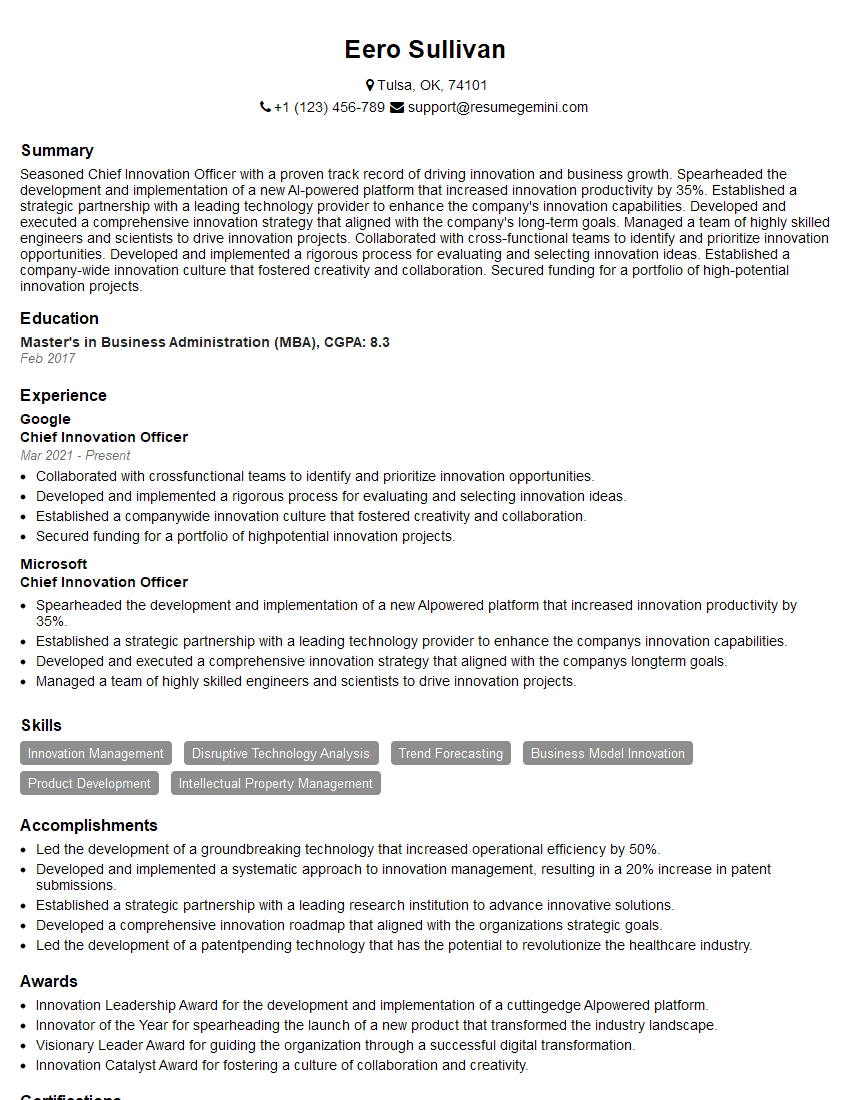
Chief Innovation Officer Resume Sample
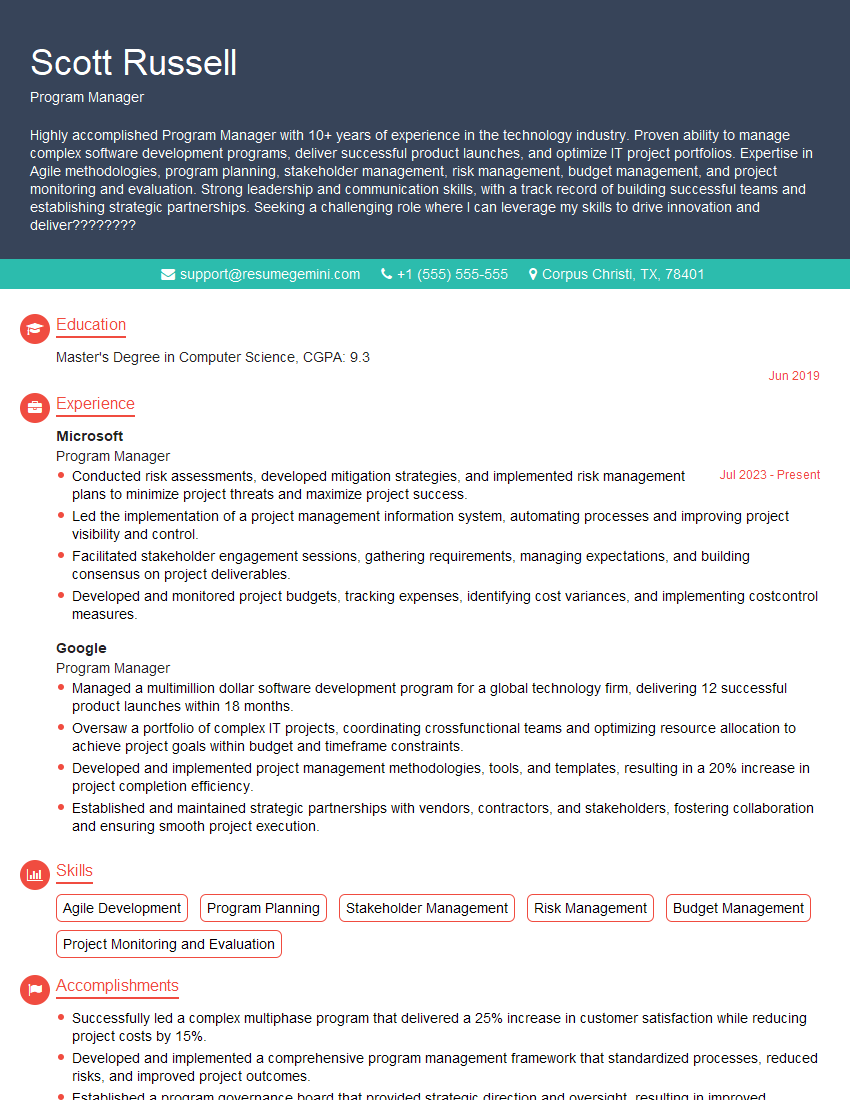
Program Manager Resume Sample
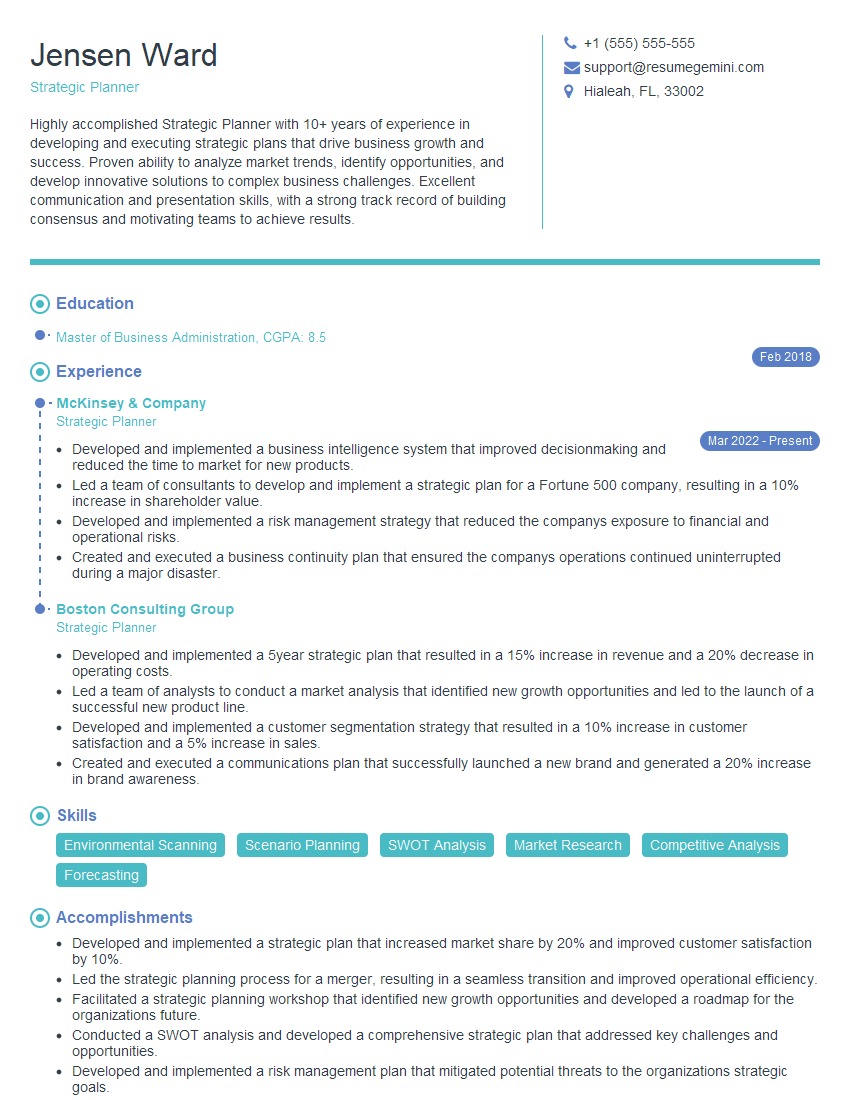
Strategic Planner Resume Sample

Operations Manager Resume Sample
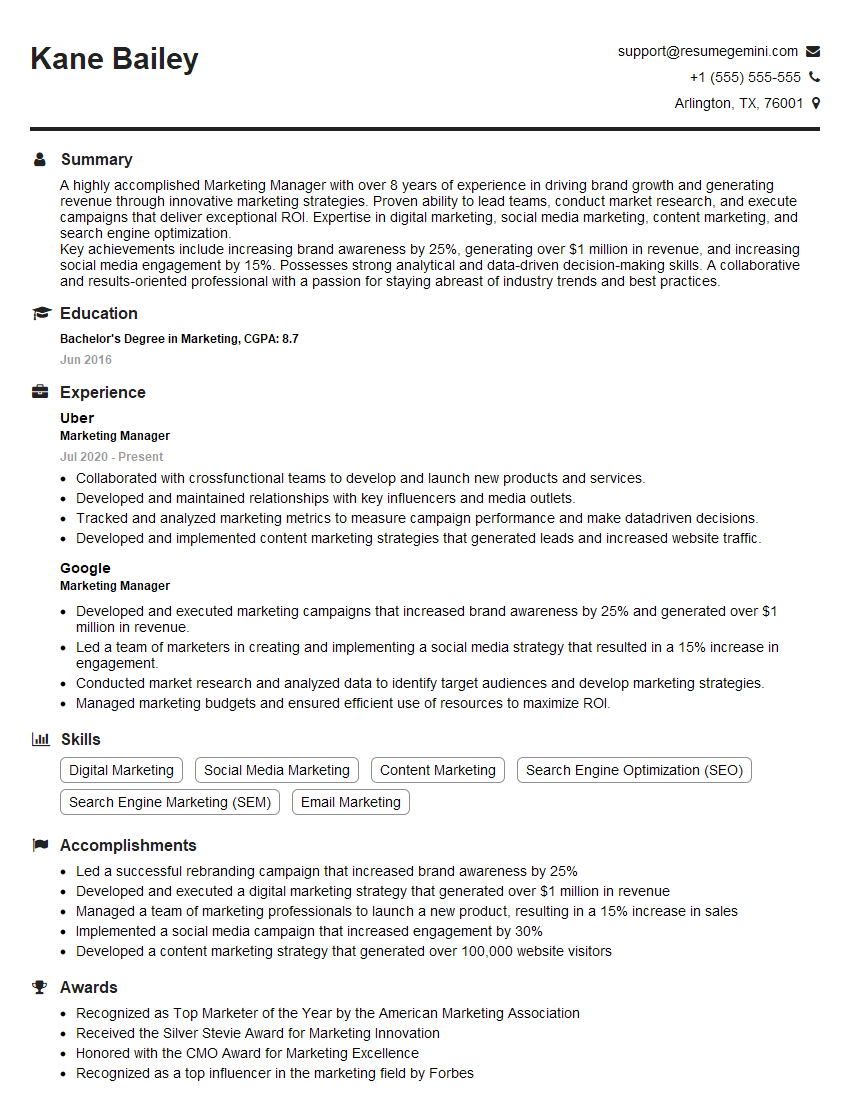
Marketing Manager Resume Sample
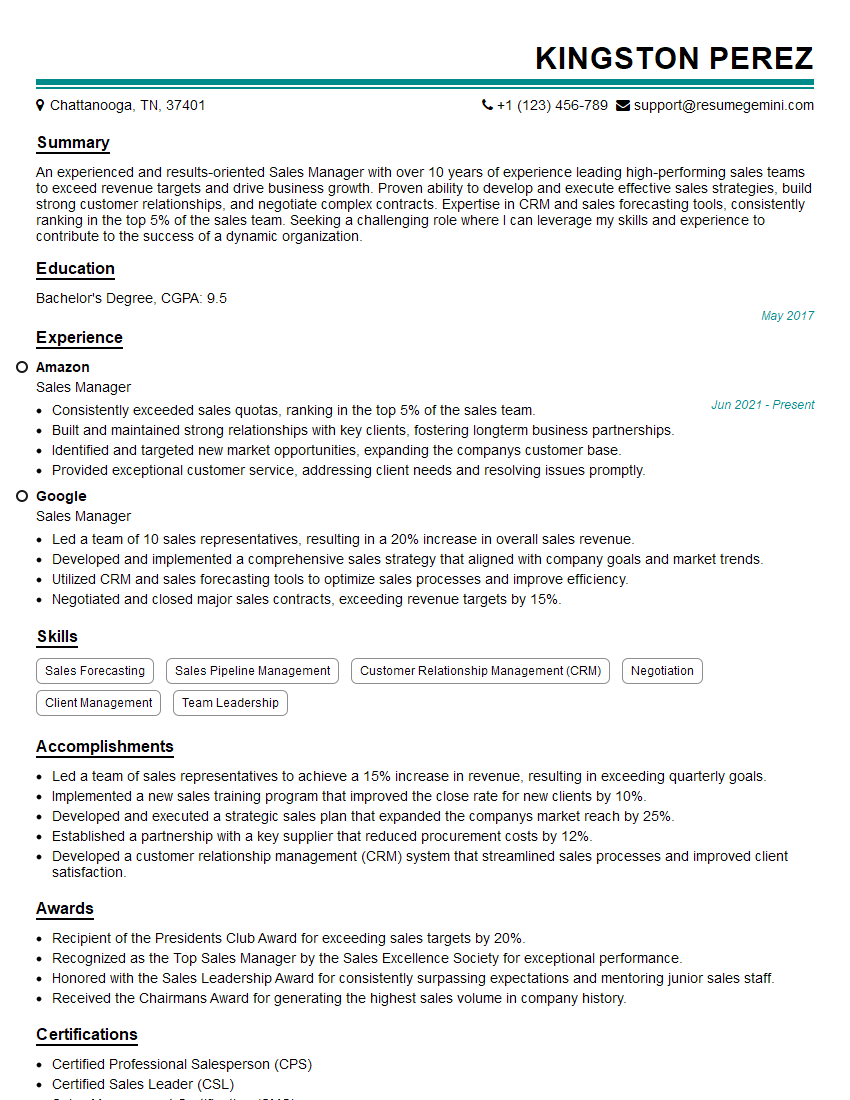
Sales Manager Resume Sample
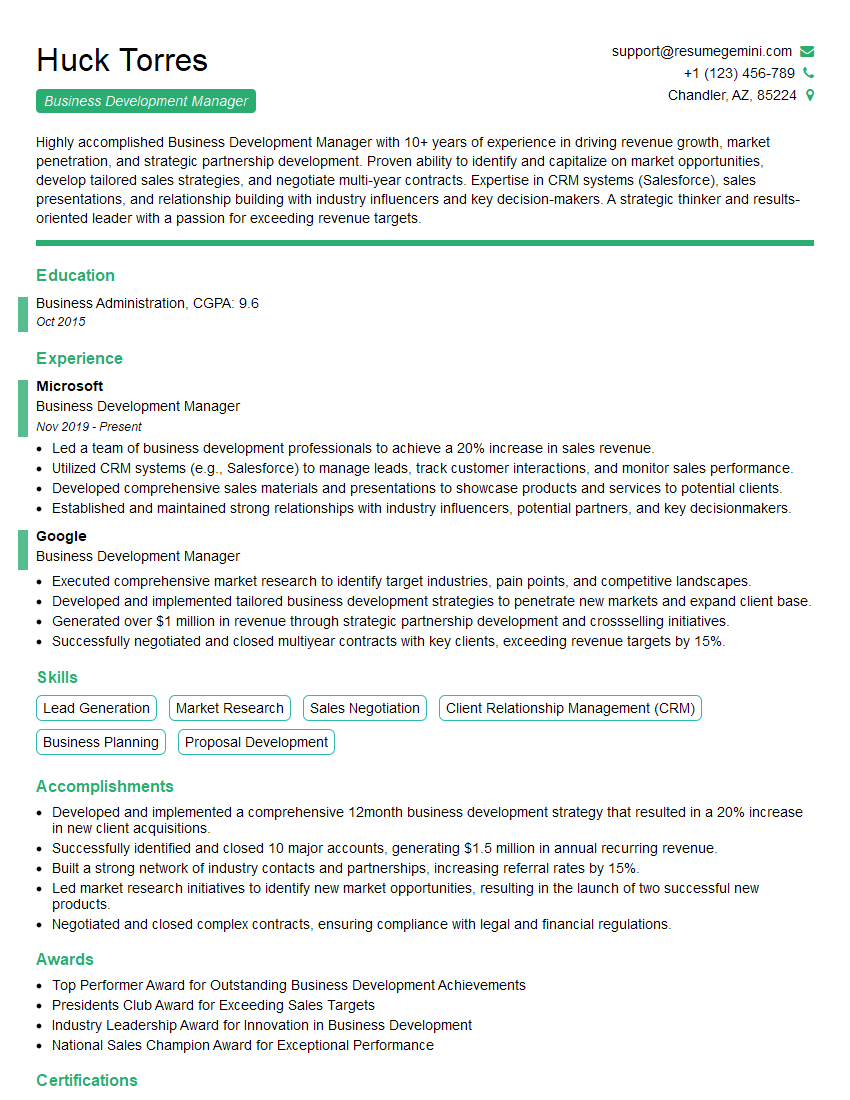
Business Development Manager Resume Sample
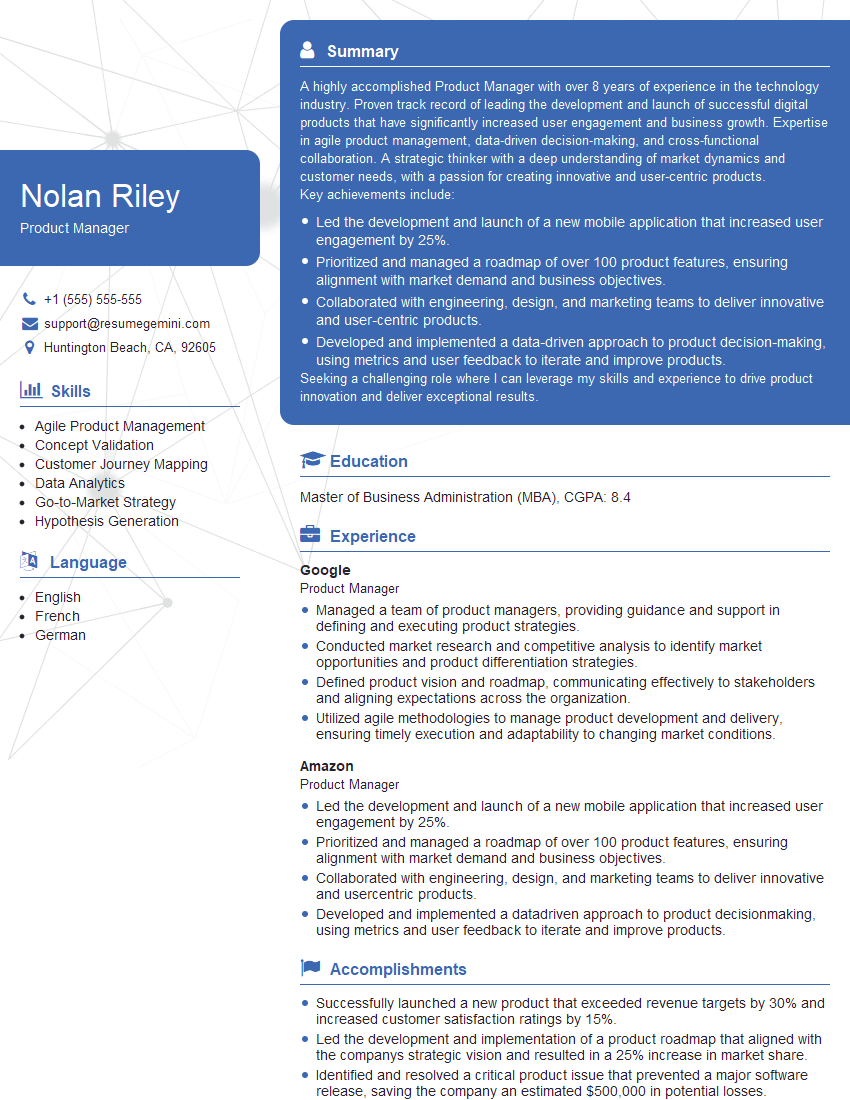
Product Manager Resume Sample
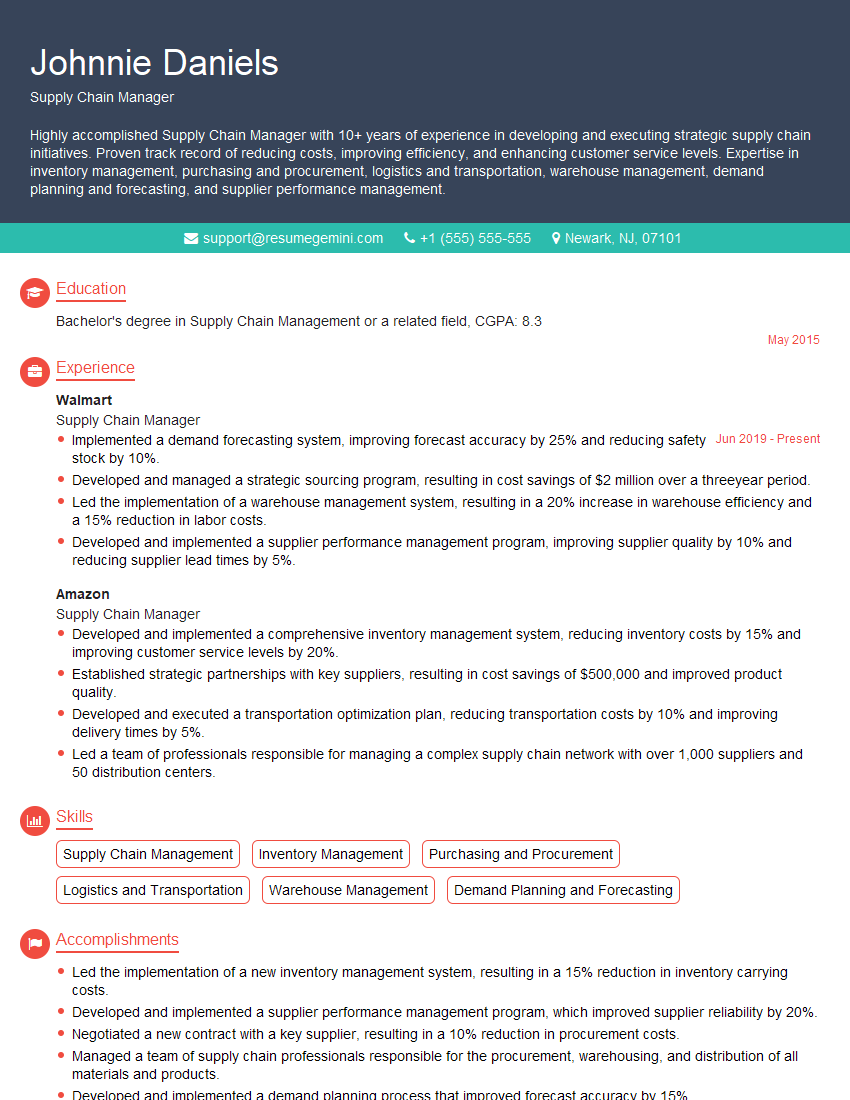
Supply Chain Manager Resume Sample

Project Manager Resume Sample
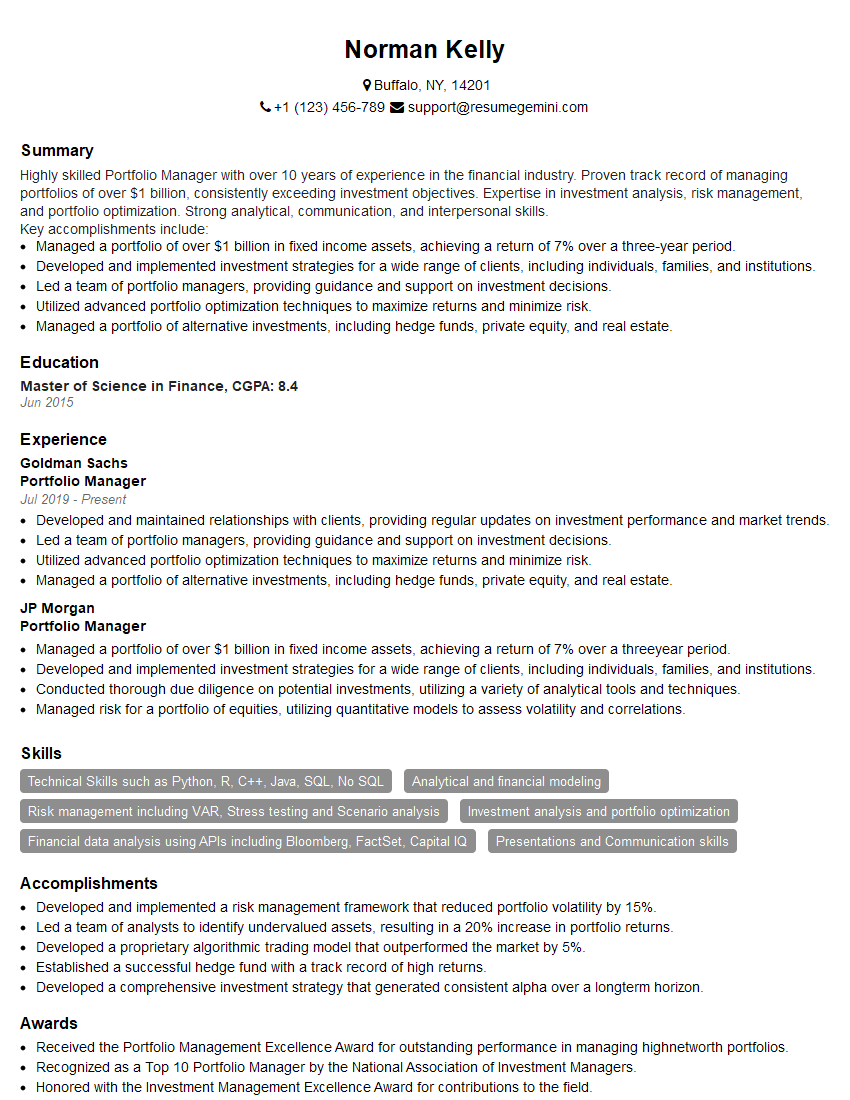
Portfolio Manager Resume Sample
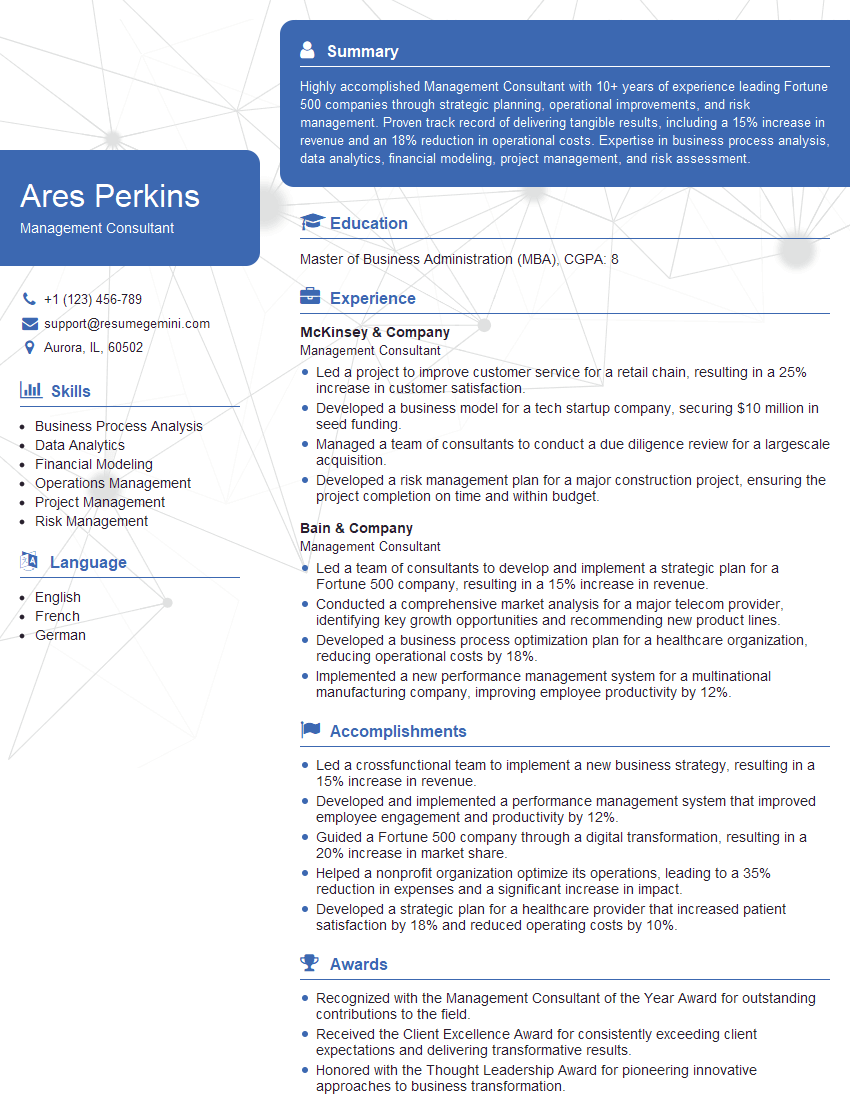
Management Consultant Resume Sample
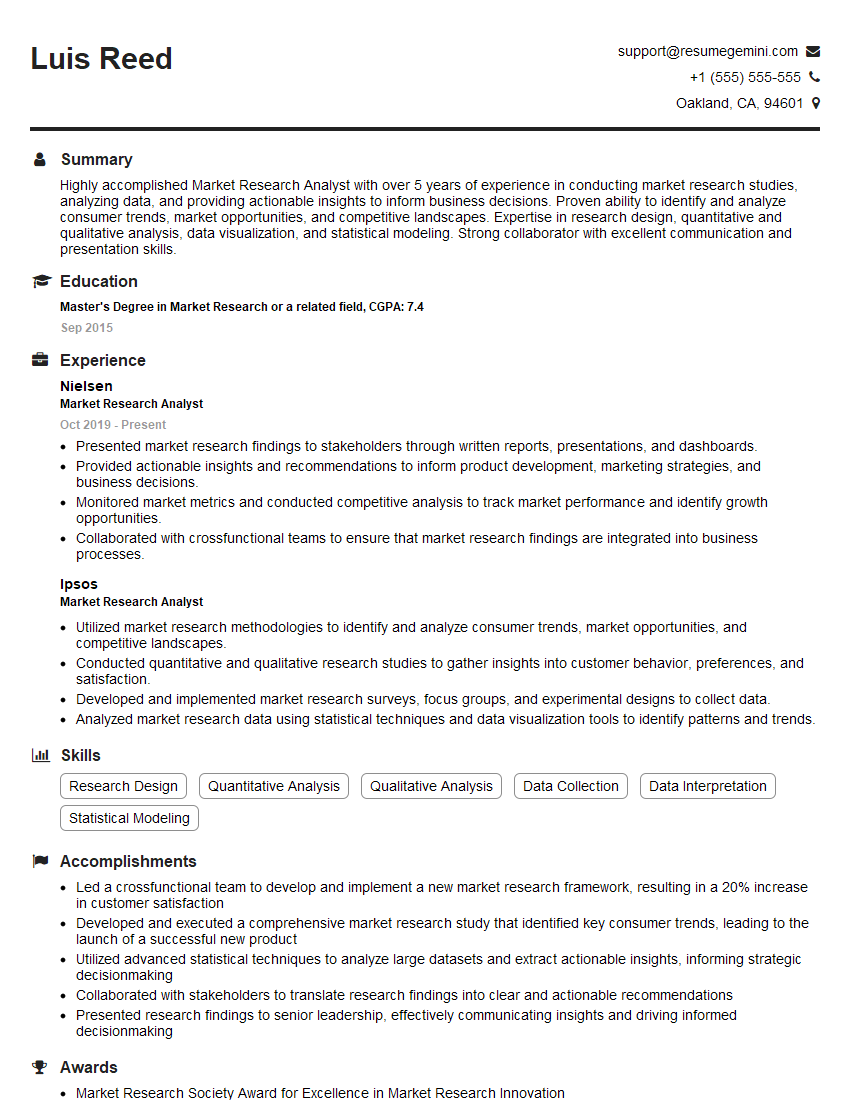
Market Research Analyst Resume Sample
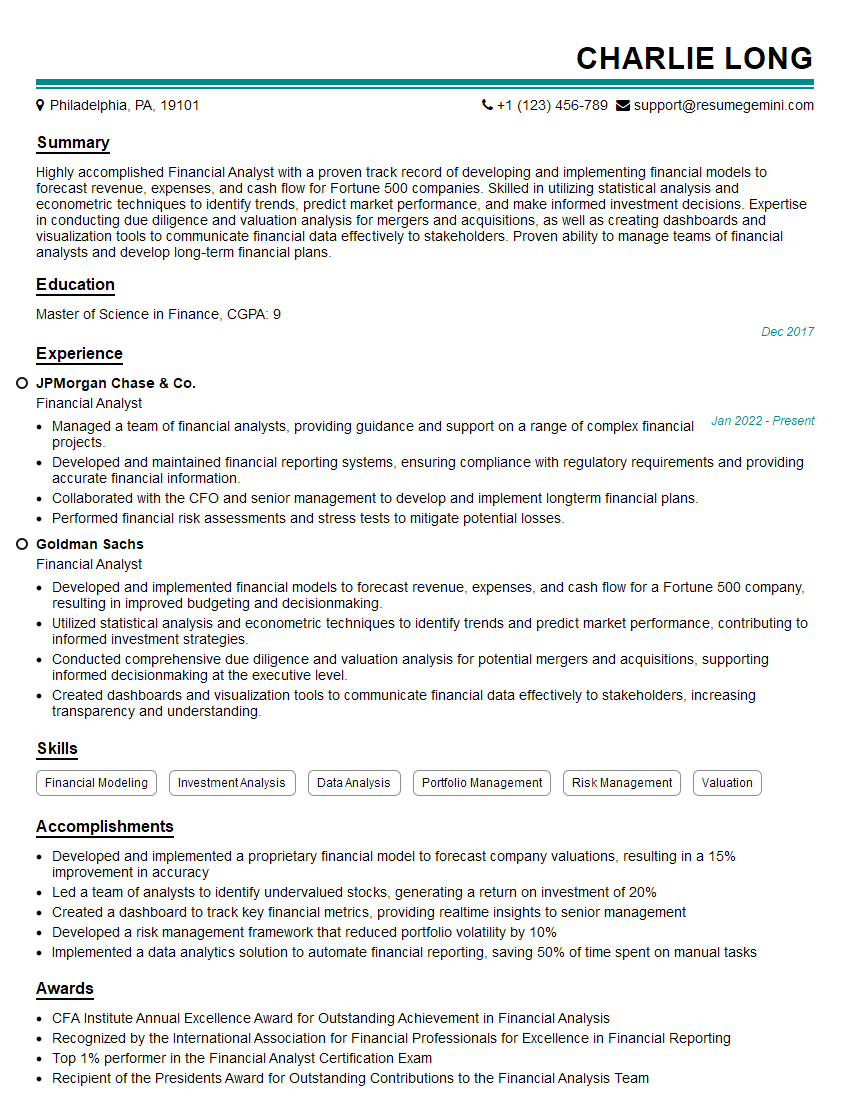
Financial Analyst Resume Sample
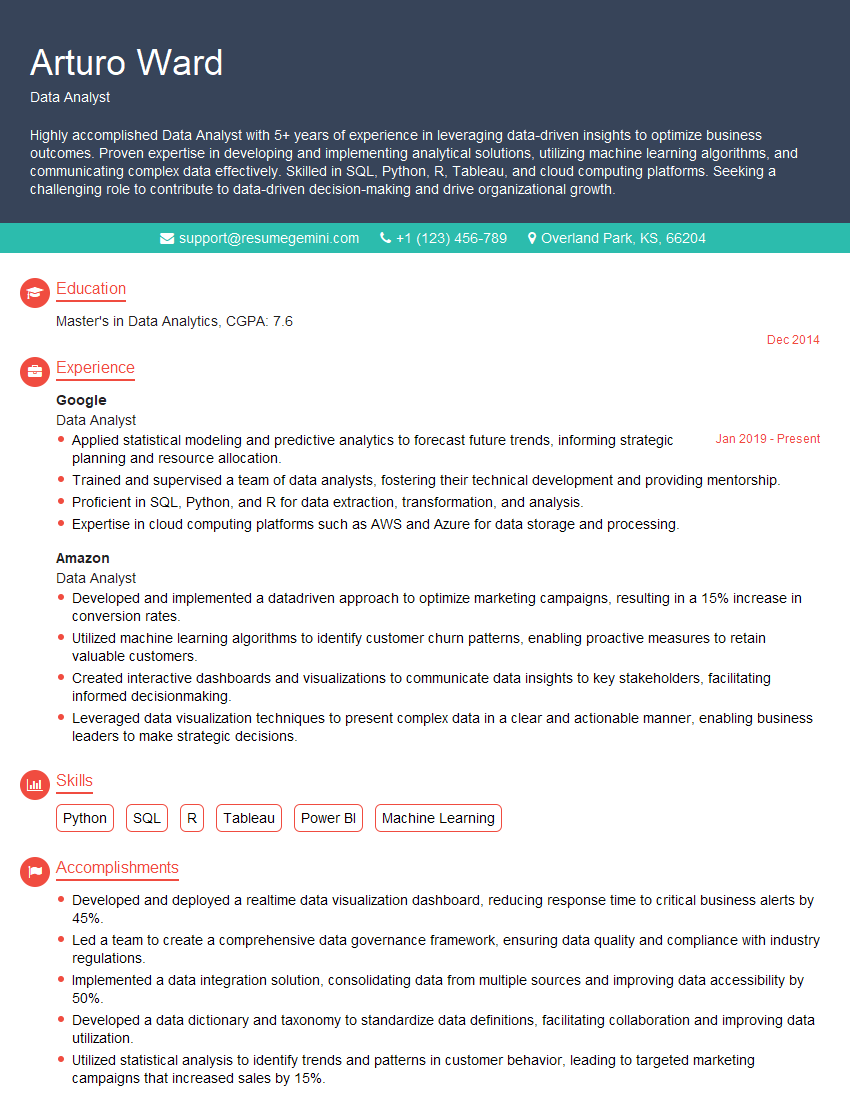
Data Analyst Resume Sample
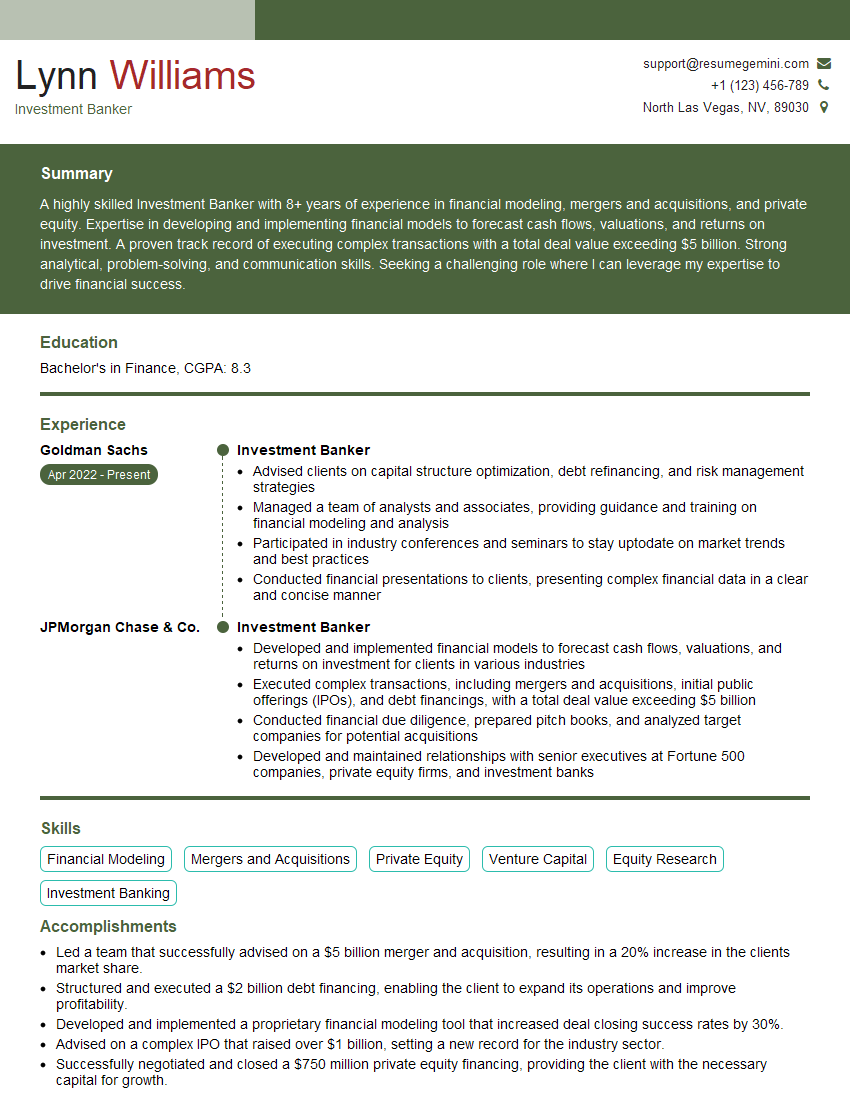
Investment Banker Resume Sample
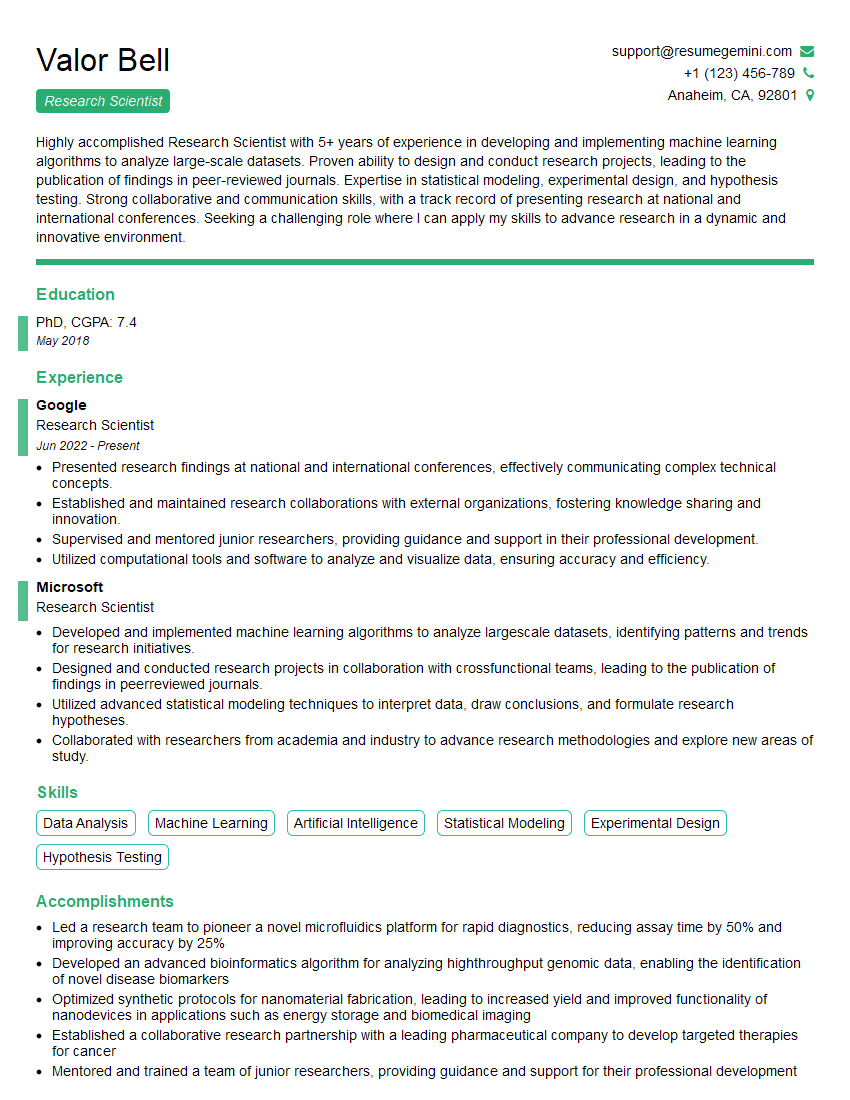
Research Scientist Resume Sample
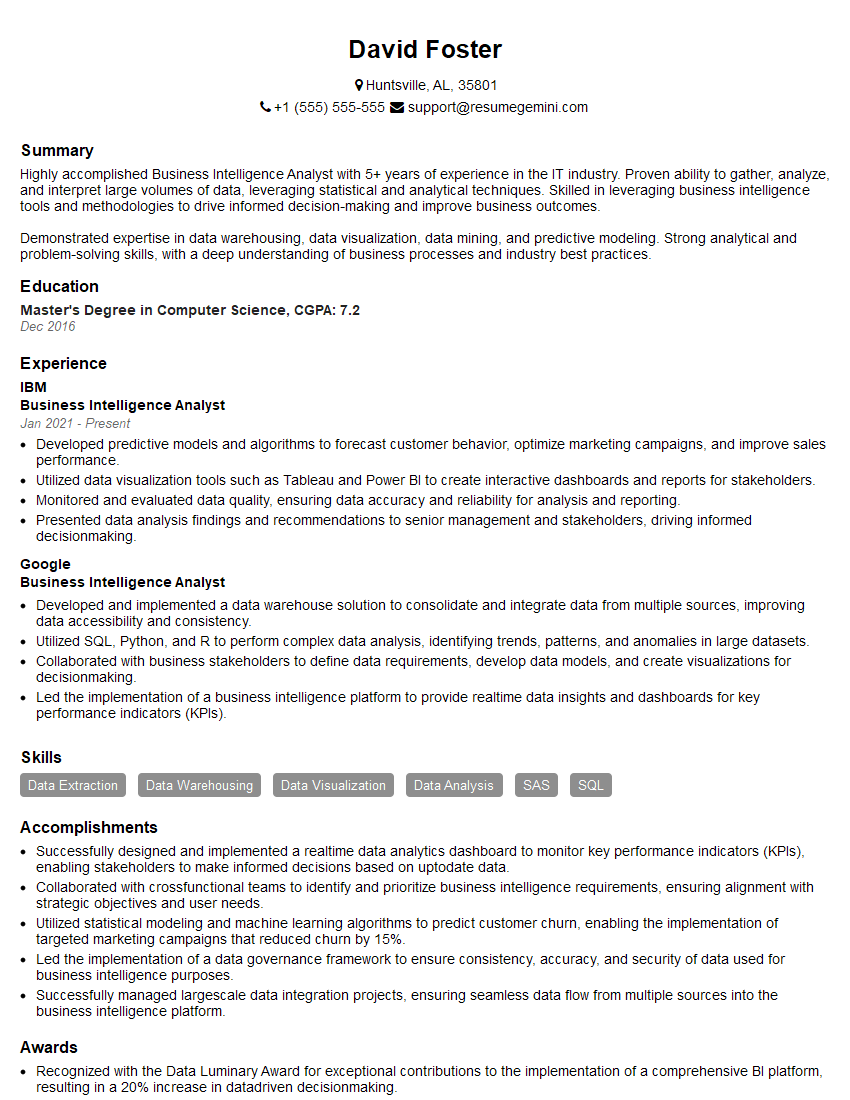
Business Intelligence Analyst Resume Sample
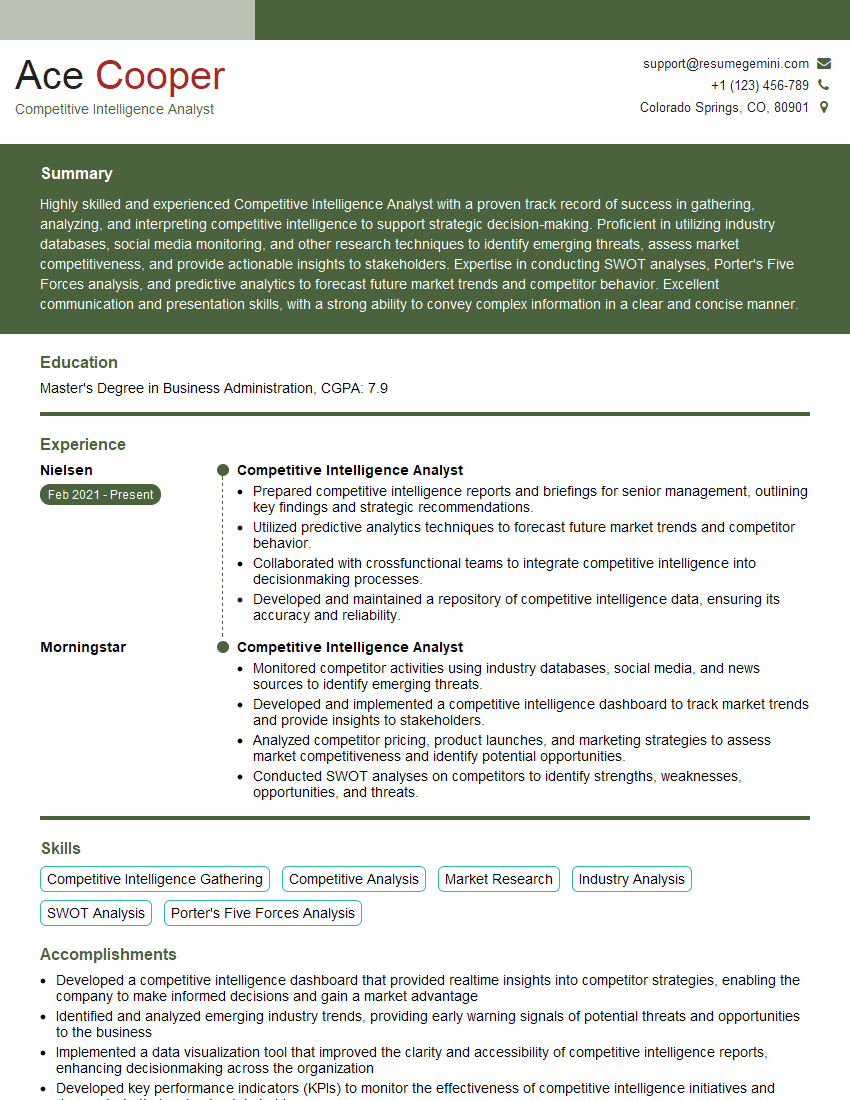
Competitive Intelligence Analyst Resume Sample
- Chief Innovation Officer
- Program Manager
- Strategic Planner
- Operations Manager
- Marketing Manager
- Sales Manager
- Business Development Manager
- Product Manager
- Supply Chain Manager
- Project Manager
- Portfolio Manager
- Management Consultant
- Market Research Analyst
- Financial Analyst
- Data Analyst
- Investment Banker
- Research Scientist
- Business Intelligence Analyst
- Competitive Intelligence Analyst
Explore more articles
Users Rating of Our Blogs
Share Your Experience
We value your feedback! Please rate our content and share your thoughts (optional).
What Readers Say About Our Blog
Very informative content, great job.
good