Preparation is the key to success in any interview. In this post, we’ll explore crucial Knowledge of lithographic printing processes interview questions and equip you with strategies to craft impactful answers. Whether you’re a beginner or a pro, these tips will elevate your preparation.
Questions Asked in Knowledge of lithographic printing processes Interview
Q 1. Explain the difference between offset lithography and other printing methods (e.g., screen printing, flexography).
Offset lithography stands apart from other printing methods primarily due to its reliance on the principle of “oil and water don’t mix.” Unlike screen printing, which uses stencils to apply ink, or flexography, which utilizes flexible relief plates, offset lithography employs a flat printing plate with image areas that are ink-receptive (hydrophilic) and non-image areas that repel ink (hydrophobic). This difference fundamentally changes how ink is transferred, leading to higher print quality and efficiency at scale.
- Offset Lithography: Uses a flat plate, indirect ink transfer (plate to blanket to paper), precise image reproduction, suitable for high-volume, high-quality prints.
- Screen Printing: Uses stencils, direct ink transfer, good for thick inks and unusual substrates, limited in fine detail and high volume.
- Flexography: Uses raised (relief) plates, direct ink transfer, flexible and versatile for various substrates, cost-effective for high-volume but generally lower print quality than offset.
Imagine baking a cake: Offset lithography is like using a precise mold for consistent results, screen printing is like using a stencil with potential for imperfections, and flexography is like using a textured rolling pin, offering less control over details.
Q 2. Describe the lithographic printing process step-by-step, from prepress to post-press.
The lithographic printing process flows seamlessly from pre-press preparations to post-press finishing touches. Here’s a step-by-step breakdown:
- Pre-press: This stage involves designing the artwork, creating digital files, and preparing the printing plates. Color management and proofing are crucial to ensure accurate color reproduction.
- Platemaking: The digital files are used to create printing plates, typically using computer-to-plate (CTP) technology. This process exposes a photosensitive plate to create the image, leaving ink-receptive areas and non-image areas. Different plate types (e.g., thermal, violet) exist depending on the CTP system.
- Press Operation: The prepared plate is mounted onto the printing press. The plate transfers the image to a rubber blanket, which in turn transfers the ink to the paper. Dampening rollers apply a water-based solution to the non-image areas, preventing ink from adhering.
- Inking and Dampening: A delicate balance between ink and water is crucial. Too much water leads to poor ink transfer, while too much ink results in blurred images and smudging. This is where the expertise of the press operator is vital. Inks are selected based on the desired application and substrate.
- Paper Handling: The press feeds paper accurately, ensuring smooth and uninterrupted printing. Register, or the precise alignment of multiple colors, is constantly monitored and adjusted.
- Post-press: Once the printing is complete, the printed sheets undergo finishing operations such as cutting, folding, binding, and coating. Quality checks ensure that the final product meets the required specifications.
Throughout the process, quality control checks are performed at each stage to identify and rectify any issues, thus ensuring a superior final print.
Q 3. What are the key components of a lithographic printing press?
A lithographic printing press is a complex machine with several key components working in harmony:
- Printing Cylinder: Holds the printing plate.
- Blanket Cylinder: A rubber cylinder that receives the image from the plate and transfers it to the paper.
- Impression Cylinder: Presses the paper against the blanket cylinder to transfer the ink.
- Inking System: Delivers ink to the plate, including rollers, fountains, and ducts.
- Dampening System: Applies the dampening solution to the plate to prevent ink from adhering to non-image areas.
- Paper Feed System: Accurately feeds paper into the press.
- Delivery System: Collects the printed sheets after they leave the press.
- Control System: Monitors and regulates various press functions, including speed, ink density, and water balance.
Modern presses often include features such as automated plate changing, color registration systems, and sophisticated monitoring technologies to optimize performance and ensure consistent output.
Q 4. How do you maintain consistent color accuracy throughout a print run?
Maintaining consistent color accuracy throughout a print run requires meticulous attention to detail at every stage, from pre-press to post-press. Here are key strategies:
- Color Management System (CMS): Employing a robust CMS ensures consistent color profiles are used throughout the workflow, from design to platemaking and printing. This involves using calibrated monitors, profiling the press, and establishing standardized color profiles (e.g., using Pantone or CMYK).
- Proofing: Soft proofs and hard proofs (printed samples) are essential to validate the colors before the full print run commences. This allows early detection and correction of any color discrepancies.
- Press Control: Regular monitoring of ink density and water balance on the press is critical. Devices like densitometers are used to measure ink coverage and adjust ink keys accordingly.
- Regular Calibrations: Routine calibrations of the press and color measuring instruments ensure accuracy and reduce variation.
- Experienced Press Operators: Skilled operators are vital for maintaining color consistency through their ability to identify and correct color issues in real-time.
Think of it like baking a cake again – a consistent recipe, accurate measurements, and a careful eye on the oven temperature guarantee that each cake will taste the same.
Q 5. Explain the importance of proper platemaking in lithographic printing.
Proper platemaking is absolutely paramount in lithographic printing. It’s the foundation upon which the entire printing process rests. A poorly made plate will directly impact print quality, leading to various problems.
- Image Fidelity: The plate must accurately reproduce the image from the digital file, ensuring sharp details and smooth gradients. Any flaws in the plate will be replicated in the print.
- Ink Transfer: The plate’s hydrophilic and hydrophobic properties must be perfectly balanced. Incorrect balance leads to poor ink transfer, resulting in light or heavy areas in the final print.
- Plate Durability: A durable plate can withstand multiple print runs without degrading or showing wear and tear, leading to consistent print quality across the entire run.
- Registration: Accurate plate registration is crucial for multi-color printing. If the plates are misaligned, even slightly, the colors will not align properly, producing blurry images.
A flawed plate is like a wobbly foundation for a house – even small issues will impact the final result significantly. Using high-quality materials and precise platemaking techniques are therefore non-negotiable.
Q 6. What are the common issues encountered during the press operation, and how do you troubleshoot them?
Several common issues can arise during press operation. Effective troubleshooting requires a systematic approach:
- Poor Ink Transfer: This can be caused by several factors such as incorrect ink/water balance, plate issues, or roller problems. Troubleshooting involves adjusting the ink and water balance, checking the plate for damage or debris, and examining the rollers for wear or cleaning issues.
- Color Variations: Inconsistent color throughout the run is often attributed to fluctuations in ink density or water balance, roller problems, or issues with the ink itself. Check ink viscosity, water level, and make adjustments based on densitometer readings.
- Smudging or Blurring: This can occur due to excessive ink, too much pressure on the impression cylinder, or poor paper quality. Adjust ink levels, check impression settings, and verify paper suitability.
- Paper Jams: These can result from misfed paper, paper that’s too damp or too dry, or issues with the paper feed mechanism. Troubleshooting involves cleaning paper guides and adjusting feed mechanisms, checking paper moisture content and using the correct paper grade for the press.
- Registration Problems: Incorrect color alignment is often caused by misaligned plates or issues with the press’s register system. Check plate alignment and make necessary adjustments to the press’s register settings.
Experienced press operators develop a keen eye and instinct for quickly identifying and resolving these issues. A methodical approach, combined with the right tools and knowledge, is crucial for efficient troubleshooting.
Q 7. Describe your experience with different types of printing inks and their application.
My experience encompasses a wide range of printing inks, each suited to specific applications and substrates:
- UV Inks: These inks cure instantly upon exposure to ultraviolet light, offering fast drying times and excellent adhesion. They’re commonly used for high-quality printing on various substrates including paper, plastic, and metal. The advantage is quick turnaround, the disadvantage can be the initial investment cost of UV equipment.
- Conventional Inks: These are oil-based inks that dry through oxidation and absorption into the substrate. They provide good color vibrancy but require longer drying times, making them less suitable for high-speed printing or substrates that don’t absorb ink well.
- Water-Based Inks: Environmentally friendly inks that dry through absorption and evaporation. They are ideal for food packaging and are compatible with numerous paper types. However, the color density is often not as striking as oil based inks.
- Metallic Inks: These specialized inks add a luxurious touch to the prints and are used for special effects and high-end packaging. They require careful handling and application to achieve the desired result.
Ink selection depends on many factors, including the type of substrate, the desired print quality, environmental considerations, and the printing process itself. For example, UV inks are ideal for high-speed commercial printing on coated papers, while water-based inks are better suited for ecologically conscious projects and food-safe applications.
Q 8. How do you ensure the quality of printed materials meets the client’s specifications?
Ensuring print quality that meets client specifications is paramount. It’s a multi-step process starting even before the printing begins. First, we meticulously review the client’s specifications, including color profiles (Pantone, CMYK), paper type, desired resolution, and any special finishing requirements. We then conduct thorough pre-flight checks of the digital files to identify potential issues like low resolution images or font problems. During the printing process itself, we use color management systems and regularly monitor the press for color consistency and registration. We employ standardized quality control measures, including regular ink and paper checks. Finally, we perform a rigorous quality check of the final printed sheets, inspecting for flaws like smudging, misregistration, or color variations. Any discrepancies are addressed immediately, and a final proof is sent to the client for their approval before mass production.
For example, if a client requires a specific Pantone color, we’ll meticulously match it using our spectrophotometer to ensure accuracy. If there’s a problem with registration – where the different colors aren’t aligning perfectly – we adjust the press settings until the alignment is precisely correct. This rigorous approach guarantees that the final product perfectly matches the client’s vision.
Q 9. Explain your understanding of color management systems (e.g., Pantone, CMYK).
Color management is crucial for consistent and accurate color reproduction. Pantone is a spot color system using pre-mixed inks that provide a specific, consistent color across different printing processes. It’s ideal when precise color matching is critical, such as with corporate logos or branding. CMYK, on the other hand, is a subtractive color model using Cyan, Magenta, Yellow, and Black inks to create a wider range of colors. It’s a process color system, meaning the final color is a result of the combination of these inks. Understanding the differences between these systems is key; Pantone guarantees specific color accuracy while CMYK offers a broader color gamut, though less precise. We use color management software to translate between these systems, ensuring the colors on screen match the printed output as closely as possible. This software helps us manage color profiles and maintain consistency across different printers and substrates.
In practice, we’ll often receive artwork designed using RGB (Red, Green, Blue) for screen display. We use the color management software to convert this RGB data into the CMYK profile required for the press, carefully adjusting the profiles to minimize color shifts. This conversion process is crucial for getting a faithful reproduction of the client’s design.
Q 10. What are the different types of paper commonly used in lithographic printing, and their suitability for various applications?
The choice of paper significantly impacts the final printed output. We use a wide range of paper, each with its own characteristics and suitability for different applications. Uncoated paper, for example, offers a natural, slightly textured finish, absorbing ink well, suitable for letterheads or invitations. Coated paper, with a smooth surface, provides vibrant, sharp images with excellent ink holdout – ideal for brochures, magazines, and high-quality prints. Other types include:
- Gloss coated: High-gloss finish, vibrant colors, often used for magazines.
- Matte coated: Smooth finish with less glare, suitable for brochures or catalogs.
- Recycled paper: Environmentally friendly, with a slightly rougher texture.
- Specialty papers: Including textured, metallic, or colored papers offer unique aesthetic qualities, perfect for specific projects.
Selecting the right paper requires understanding its weight (gsm), finish, and opacity. We help clients choose based on their budget, the intended use of the printed material, and the desired aesthetic.
Q 11. Describe your experience with different types of printing plates (e.g., aluminum, polyester).
I have extensive experience with various printing plates, including aluminum and polyester. Aluminum plates are the industry standard for their durability, excellent print quality, and compatibility with a wide range of presses. Polyester plates, while less commonly used, are lightweight and offer benefits in specific situations where flexibility or chemical resistance is paramount. The choice of plate depends on several factors: the length of the printing run, the complexity of the design, the type of press used, and budgetary considerations. We consider the print run length; for long runs, the superior durability of aluminum is preferred, minimizing plate changes. For shorter runs, the lower cost of polyester plates might be more economical.
With aluminum plates, we use computer-to-plate (CTP) technology, ensuring high precision and efficiency in creating the plates. This process minimizes errors and speeds up the entire printing workflow. Proper plate handling and storage are critical to maintaining quality and extending their lifespan, minimizing unnecessary waste and downtime.
Q 12. How do you handle press malfunctions and downtime?
Press malfunctions and downtime are unfortunately inevitable. Our approach involves a combination of preventive maintenance, proactive troubleshooting, and efficient problem-solving. Preventive maintenance includes regular inspections, cleaning, and lubrication of the press components to minimize the risk of breakdowns. When a malfunction occurs, our trained technicians follow a systematic troubleshooting procedure, starting with identifying the cause of the problem using the machine’s diagnostics. We then consult service manuals, and if the problem persists, contact the press manufacturer’s support team.
To minimize downtime, we keep a supply of spare parts on hand for common problems. If a major repair is required, we have a plan in place to either use a backup press or outsource the job to another printer to ensure the project stays on schedule. Detailed records are kept of all malfunctions and repairs to identify recurring issues and prevent future problems. This helps to build a solid history to guide preventive actions for maximum uptime.
Q 13. What are your methods for ensuring efficient press operation and maximum productivity?
Efficient press operation and maximizing productivity are achieved through several strategies. Firstly, we use advanced workflow systems that automate many tasks and reduce manual intervention. This automation minimizes errors and accelerates the printing process. We optimize the press setup for each job, making sure the correct inks, paper, and plates are ready beforehand. Proper training and cross-training of our press operators ensure efficient handling and quick responses to any unexpected situations. We meticulously track press performance metrics, such as speed, waste, and uptime, regularly analyzing the data to identify areas for improvement. Regular maintenance is key, to minimize disruptions and maintain optimal performance.
An example is using a pre-programmed setting for a recurring client’s job. This reduces setup time and increases overall throughput. We also implement lean principles, analyzing each step of the workflow and eliminating unnecessary steps or waste.
Q 14. Describe your experience with prepress software and workflow.
My experience with prepress software and workflow is extensive. I’m proficient in industry-standard software such as Adobe Creative Suite (Photoshop, Illustrator, InDesign), and prepress workflow tools like imposition software and color management systems. My workflow typically begins with receiving the client’s artwork. I then perform a thorough preflight check, ensuring all images are high-resolution, fonts are embedded, and the files are correctly structured for the press. I use imposition software to arrange pages for efficient printing, considering factors like paper size and folding requirements. Color management software is vital to ensure color consistency and accuracy across different devices and processes. Throughout this process, rigorous quality control is implemented to minimize errors and guarantee a smooth transition to the printing phase.
For example, using imposition software, I can efficiently create a four-page brochure, optimizing the layout to reduce paper waste and ensure proper folding. The use of preflight checks saves considerable time by catching potential errors before they become expensive problems later in the process.
Q 15. How familiar are you with different types of finishing techniques (e.g., cutting, folding, binding)?
My experience encompasses a wide range of finishing techniques crucial for delivering a high-quality finished product. These techniques are essential to transforming printed sheets into the final format required by the client.
- Cutting: This involves using various cutting devices, from guillotines for precise straight cuts to die-cutting machines for intricate shapes. I’m proficient in selecting the appropriate method based on the job specifications, ensuring accuracy and minimizing waste. For example, I’ve used die-cutting extensively for creating custom shapes for business cards and promotional materials.
- Folding: This ranges from simple parallel folds to complex multi-panel folds. I’m experienced with various folding machines, and my expertise includes understanding how paper grain orientation affects the final fold’s quality and durability. A recent project involved a six-panel brochure; careful folding ensured a smooth, professional result.
- Binding: This is the process of securing pages together. My experience covers several binding methods including saddle stitching (stapling), perfect binding (gluing), wire-o binding, and case binding (for hardcover books). The choice depends on the project’s needs and budget. I recently managed a large print run of a softcover book requiring perfect binding, optimizing the process to meet a tight deadline.
Understanding the interplay between these techniques is critical for efficient production and a high-quality end product. For instance, the chosen binding method dictates the required cuts and folds.
Career Expert Tips:
- Ace those interviews! Prepare effectively by reviewing the Top 50 Most Common Interview Questions on ResumeGemini.
- Navigate your job search with confidence! Explore a wide range of Career Tips on ResumeGemini. Learn about common challenges and recommendations to overcome them.
- Craft the perfect resume! Master the Art of Resume Writing with ResumeGemini’s guide. Showcase your unique qualifications and achievements effectively.
- Don’t miss out on holiday savings! Build your dream resume with ResumeGemini’s ATS optimized templates.
Q 16. Explain your understanding of print finishing equipment.
My familiarity with print finishing equipment is extensive. I’ve operated and maintained a variety of machines, understanding their capabilities and limitations is crucial for optimal job planning and execution.
- Cutting Machines: I’m proficient with guillotine cutters, ensuring accurate and safe operation, and with die-cutting machines for complex shapes, understanding die-making and setup procedures.
- Folding Machines: My experience ranges from simple single-fold machines to complex multi-fold machines, including those capable of various folding patterns.
- Binding Machines: I’m skilled in operating saddle stitchers, perfect binders, wire-o binding machines, and case-binding equipment. This includes understanding the nuances of each method and adjusting settings for different paper types and thicknesses.
- Other Equipment: My experience also includes working with creasing machines, perforating machines, and other specialized equipment, depending on job requirements.
Regular maintenance and safety protocols are ingrained in my practices for all equipment, ensuring consistent output and a safe working environment.
Q 17. How do you manage ink viscosity and maintain proper ink-water balance on the press?
Maintaining proper ink viscosity and ink-water balance is paramount for consistent print quality in lithography. Think of it like baking a cake: the right balance of ingredients is key to success.
Ink Viscosity: This refers to the thickness or thinness of the ink. Too thick, and it will clog the rollers; too thin, and it won’t lay down properly. I monitor viscosity using a viscometer and adjust it by adding reducers or thickeners as needed. The type of ink and the paper stock influence the ideal viscosity.
Ink-Water Balance: In offset lithography, a balance between ink and fountain solution (water) is critical. The fountain solution helps to control the ink’s transfer to the blanket and then to the paper. Too much water, and the ink will emulsify and become mottled; too little, and the ink will transfer unevenly. I use the ‘test sheets’ method, meticulously observing the print for signs of mottle, picking, or slurring to adjust the ink-water balance on the press. This requires careful observation and a keen eye for detail.
Experience has taught me that consistent monitoring and small, iterative adjustments are better than large, sudden changes. Regular cleaning of the rollers and dampening system also contributes to maintaining this balance.
Q 18. Describe your experience with different types of paper handling systems.
I’ve worked with various paper handling systems throughout my career, each with its own set of requirements and challenges. Understanding these systems is crucial for efficient and consistent printing.
- Sheet-fed Systems: These are common for smaller print runs and involve manually feeding sheets or using automated feeders. I’m experienced in setting up and troubleshooting these feeders to prevent jams and ensure consistent feeding.
- Roll-fed Systems: These handle large rolls of paper, ideal for high-volume printing. I have experience in setting up web presses and managing paper tension and registration to maintain consistent print quality across large runs.
- Automated Paper Handling: Modern presses often incorporate sophisticated automation for paper handling, including automatic registration and sheet-to-sheet control. I understand the setup and maintenance of these systems, optimizing the workflow for greater efficiency.
For instance, working with different paper weights and sizes requires adjusting the various settings in the paper handling system. It’s a continuous learning process, adapting to new technologies and resolving unforeseen challenges with a focused approach.
Q 19. What are the safety procedures you follow while operating a lithographic printing press?
Safety is paramount in a lithographic printing environment. I strictly adhere to a comprehensive set of safety procedures, including:
- Personal Protective Equipment (PPE): Always wearing safety glasses, gloves, and appropriate clothing, especially during cleaning or maintenance.
- Machine Lockout/Tagout: Following the lockout/tagout procedures before performing any maintenance or repair work, preventing accidental start-ups.
- Proper Lifting Techniques: Using proper techniques to avoid injuries when handling heavy paper rolls or ink containers.
- Emergency Procedures: Being familiar with emergency shutdown procedures and emergency exits, and knowing the location of safety equipment like fire extinguishers.
- Chemical Handling: Following strict safety protocols when handling chemicals, inks, and solvents, including proper ventilation and disposal practices.
Proactive safety is essential. Regular machine inspections, ensuring that guards are in place, and following all safety protocols are vital for preventing accidents and maintaining a safe working environment.
Q 20. How do you perform regular press maintenance and cleaning?
Regular press maintenance and cleaning are vital for maintaining print quality and extending the life of the equipment. It’s akin to regular servicing of a car.
Daily Maintenance: This includes cleaning rollers, dampening system components, and ink fountains. I also check ink viscosity and ink-water balance, adjusting as needed. This daily routine prevents build-up and ensures optimal performance.
Weekly Maintenance: This involves more thorough cleaning of the press, including a deeper cleaning of the blanket cylinder and impression cylinder. This step removes any accumulated ink, paper dust, or other debris.
Monthly Maintenance: This might include lubrication of moving parts, checking for wear and tear, and replacing worn components. This preventative maintenance keeps the equipment running efficiently and prevents costly breakdowns.
Preventative Maintenance Schedules: I work closely with a maintenance schedule, ensuring that all planned maintenance tasks are completed on time. Documentation of all maintenance activities is crucial for tracking performance and identifying potential issues early on.
Q 21. Explain your experience with quality control procedures and measuring tools.
Quality control is an integral part of my work. I utilize various procedures and tools to ensure the printed output meets the client’s specifications and maintains high standards.
- Visual Inspection: I perform a thorough visual inspection of each printed sheet, checking for color accuracy, registration, sharpness, and any defects like smudging or picking.
- Densitometer: This device measures the density of ink on the printed surface, ensuring consistency across the run and matching the pre-press specifications.
- Colorimeter/Spectrophotometer: These instruments provide precise color measurements, ensuring accurate color reproduction and matching client-supplied color standards.
- Microscope: A microscope can reveal microscopic defects that might be missed by the naked eye, providing valuable insight into the printing process.
- Test Prints: Regularly creating test prints at the beginning of each job allows for adjustments before beginning a large run, saving time and material costs.
Through meticulous attention to detail and use of these tools, I ensure consistent and high-quality output. For instance, in a recent project requiring precise color matching, the spectrophotometer was instrumental in ensuring the final product met the client’s stringent expectations.
Q 22. What are the environmental considerations related to lithographic printing?
Lithographic printing, while offering high-quality results, presents several environmental concerns. The primary issues revolve around chemical usage, waste generation, and energy consumption.
- Chemicals: The process involves various chemicals, including inks, solvents, and cleaning agents, many of which are volatile organic compounds (VOCs) contributing to air pollution. Improper disposal poses risks to water sources. We mitigate this by using low-VOC inks, implementing stringent waste management protocols, and employing closed-loop systems where possible.
- Waste: Paper waste is significant, particularly with misprints, press wash-ups, and plate production. Implementing efficient pre-press processes to minimize errors and utilizing recycled paper significantly reduce this impact. We also actively participate in paper recycling programs.
- Energy Consumption: Large printing presses consume substantial energy. This can be addressed through energy-efficient equipment selection, optimized press operation, and the use of renewable energy sources. We constantly monitor and improve our energy usage through process optimization and technology upgrades.
For example, in a recent project, by switching to a new type of soy-based ink, we reduced our VOC emissions by 25%, a substantial contribution to a cleaner production process.
Q 23. Describe your experience with managing print jobs, from scheduling to delivery.
Managing print jobs is a multi-stage process requiring meticulous planning and execution. It starts with job scheduling, which considers deadlines, machine availability, and material sourcing. We use a sophisticated scheduling software that optimizes job flow to minimize turnaround time and maximize efficiency. Once scheduled, I oversee the pre-press stage, including file preparation, proofing, and platemaking. This demands accurate color management and rigorous quality checks to avoid costly errors. During the press run, I monitor the printing process, ensuring color consistency and quality. Finally, post-press operations – including finishing, binding, and packaging – are managed to meet client specifications. Delivery is coordinated with logistics providers, guaranteeing timely and safe arrival. I’ve handled projects ranging from small-scale business cards to large-scale brochures and books, consistently delivering high-quality prints on time and within budget.
For instance, one particularly demanding project involved printing a 500-page book with tight deadlines. Through meticulous scheduling, efficient team collaboration, and proactive problem-solving, we not only met the deadline but also delivered exceptional print quality, earning high praise from the client.
Q 24. How do you handle customer complaints and resolve print-related issues?
Addressing customer complaints is paramount to maintaining client relationships. My approach involves active listening, empathetic understanding, and a systematic problem-solving process. I begin by carefully listening to the customer’s concerns, asking clarifying questions to fully grasp the issue. Then, I analyze the print job to pinpoint the source of the problem—was it a pre-press error, a press issue, or a post-press problem? Once the root cause is identified, I propose solutions, which might involve reprints, adjustments, or process improvements. I document the entire process and ensure the client is kept informed at every step. Transparency and clear communication are key. If a mistake was made on our end, I take full responsibility and work towards swift and satisfactory resolution.
In one instance, a client complained about inconsistent color across a large print run. By analyzing the press logs and color profiles, we identified a slight fluctuation in ink density. We reprinted the affected sheets and implemented adjustments to the press settings, preventing similar issues in future jobs. The client was highly appreciative of our prompt action and commitment to quality.
Q 25. What are your strategies for optimizing the efficiency of the printing process?
Optimizing the printing process involves a multi-faceted approach focusing on efficiency, quality, and cost reduction. This includes:
- Process automation: Automating tasks like platemaking and press setup reduces manual labor and minimizes errors.
- Lean manufacturing principles: Identifying and eliminating waste throughout the workflow, from material usage to time spent on non-value-added activities.
- Preventive maintenance: Regular maintenance of equipment prevents breakdowns and ensures optimal performance, reducing downtime.
- Data-driven decision making: Tracking key metrics, such as press speed, ink consumption, and waste generation, helps identify areas for improvement.
- Continuous improvement initiatives: Regularly reviewing processes, seeking feedback, and implementing changes to streamline operations and enhance productivity.
For example, by implementing a new workflow management system, we were able to reduce our pre-press turnaround time by 15%, leading to significant improvements in efficiency and client satisfaction.
Q 26. How do you stay updated with the latest technologies and trends in lithographic printing?
Staying current in the dynamic field of lithographic printing requires a proactive approach. I regularly attend industry conferences and workshops, such as those organized by organizations like [Mention relevant industry associations], to learn about the latest technologies and best practices. I also subscribe to trade publications, both print and online, and actively follow industry blogs and websites to remain abreast of new developments. I engage in online courses and training programs offered by equipment manufacturers and industry experts to deepen my understanding of specific technologies, such as UV printing or variable data printing. Networking with colleagues and peers through industry events and online communities also provides valuable insights and exposure to new ideas and trends. I constantly evaluate and adapt our processes to incorporate new technologies and improve our overall performance.
Q 27. Explain your understanding of different paper sizes and formats.
Understanding paper sizes and formats is crucial for efficient print production. Common sizes are defined by industry standards, like ISO 216 (A-series) which is prevalent in many parts of the world. These sizes are mathematically related, with each size being half the area of the preceding size. For example, A0 is the largest, and A1 is half of A0, followed by A2, A3, and so on. In North America, you’ll often find Letter (8.5 x 11 inches) and Legal (8.5 x 14 inches) sizes. Beyond these standard sizes, we also encounter custom sizes depending on client specifications. The choice of format impacts print costs, design layout, and the overall effectiveness of the print piece. Understanding bleed (extra area beyond the trim line) and margins is also critical in ensuring the correct final product.
Q 28. Describe your experience with different types of substrates used in lithographic printing.
Lithographic printing offers great flexibility in terms of substrates. My experience encompasses a wide range, including:
- Coated paper: Provides a smooth surface for high-quality image reproduction, often used for brochures, magazines, and catalogs. Different coatings—matte, gloss, silk—affect the final look and feel.
- Uncoated paper: Offers a more natural, textured feel, ideal for invitations, business cards, and letterheads.
- Cardboard: Used for packaging and displays, requiring inks that adhere well to the thicker material.
- Specialty papers: These include textured papers, metallic papers, and synthetic substrates, which can enhance the visual appeal and tactile experience of printed materials. The choice depends on the design, budget, and intended use.
For example, in one project, we used a textured paper to create a sophisticated feel for a high-end invitation, emphasizing the premium nature of the event. Proper ink selection and press settings are crucial for achieving optimal results on different substrates.
Key Topics to Learn for Knowledge of Lithographic Printing Processes Interview
- Platemaking: Understanding different plate types (PS, CTP), imaging technologies, and the process of creating printing plates. Consider the impact of different plate materials on print quality and press performance.
- Press Operation: Familiarize yourself with the mechanics of offset lithographic presses, including inking systems, dampening systems, and the paper path. Be prepared to discuss troubleshooting common press issues and optimizing print quality.
- Color Management: Grasp the concepts of color separation, color profiles (e.g., ICC profiles), and color correction techniques used in lithographic printing. Be ready to explain how to achieve accurate color reproduction.
- Ink and Chemistry: Understand the properties of different inks (e.g., UV, conventional), their interaction with the printing plates and substrates, and the role of various press chemicals (fountain solution, cleaning agents).
- Pre-press workflow: Explore the steps involved in preparing files for printing, including image resolution, color space conversion, trapping, and imposition. Discuss file formats and their suitability for lithographic printing.
- Quality Control: Understand the importance of quality control throughout the printing process, from pre-press to post-press. Be prepared to discuss common quality issues and their causes (e.g., dot gain, mottle, slur).
- Sustainability and Environmental Concerns: Discuss environmentally friendly printing practices, including the use of low-VOC inks and responsible waste management.
- Print Finishing Techniques: Have a basic understanding of common finishing techniques like cutting, folding, binding, and laminating, and how they relate to the overall print job.
Next Steps
Mastering knowledge of lithographic printing processes is crucial for career advancement in the printing industry, opening doors to specialized roles and higher earning potential. A well-crafted resume is your key to unlocking these opportunities. Creating an ATS-friendly resume is essential to ensure your application gets noticed by recruiters. ResumeGemini is a trusted resource to help you build a professional and effective resume that highlights your skills and experience in lithographic printing. Examples of resumes tailored to showcasing expertise in lithographic printing processes are available within ResumeGemini to guide your creation.

Print Production Manager Resume Sample

Prepress Manager Resume Sample
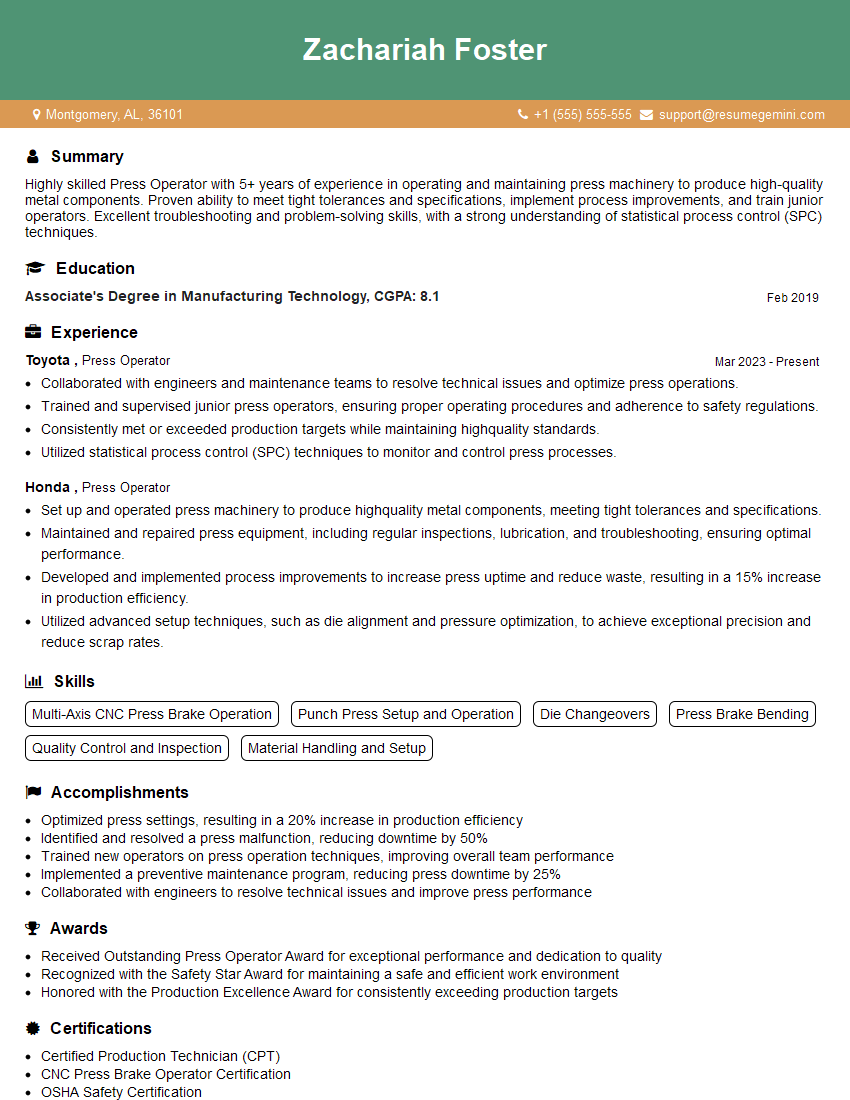
Press Operator Resume Sample

Pressroom Supervisor Resume Sample
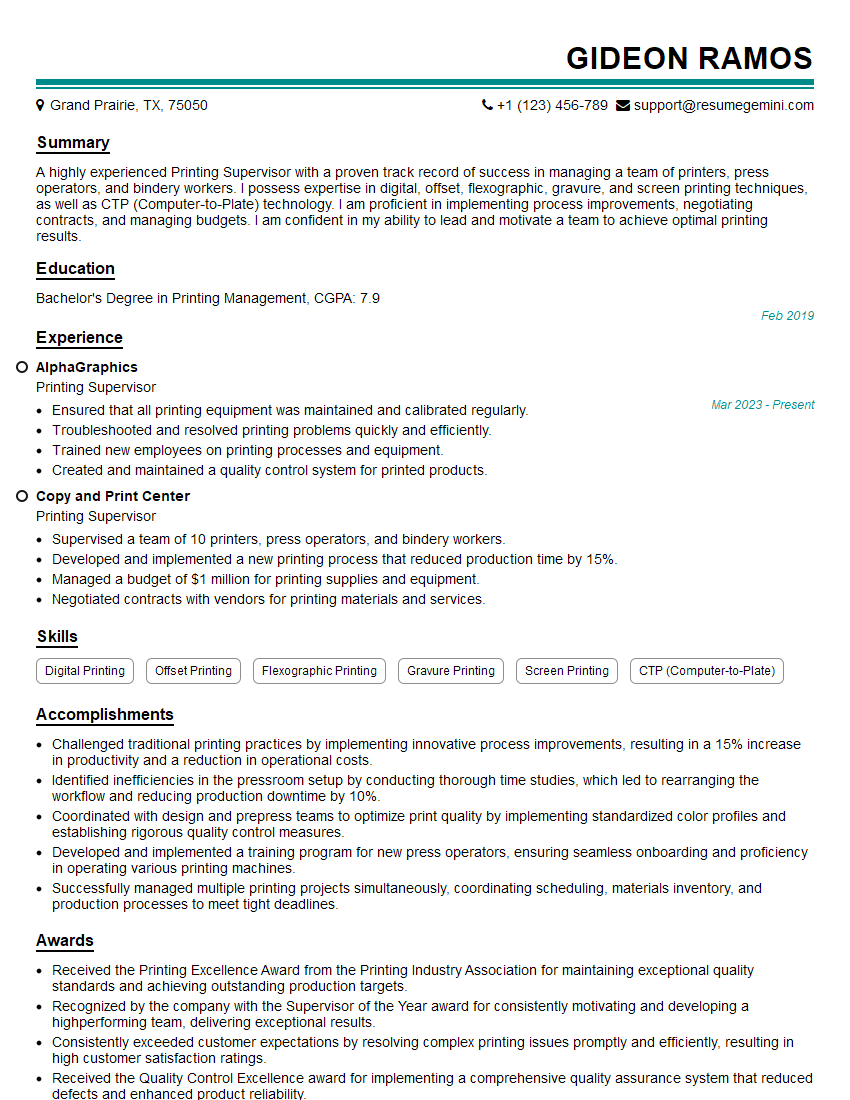
Printing Supervisor Resume Sample
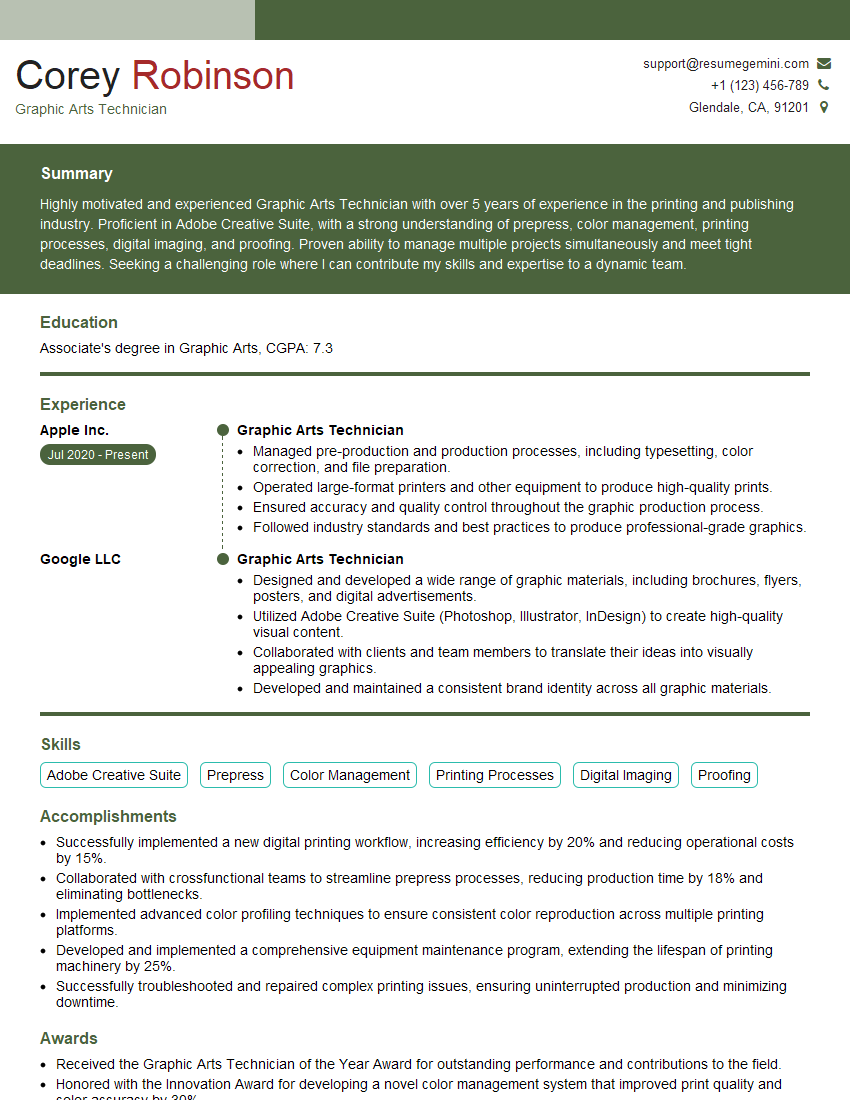
Graphic Arts Technician Resume Sample
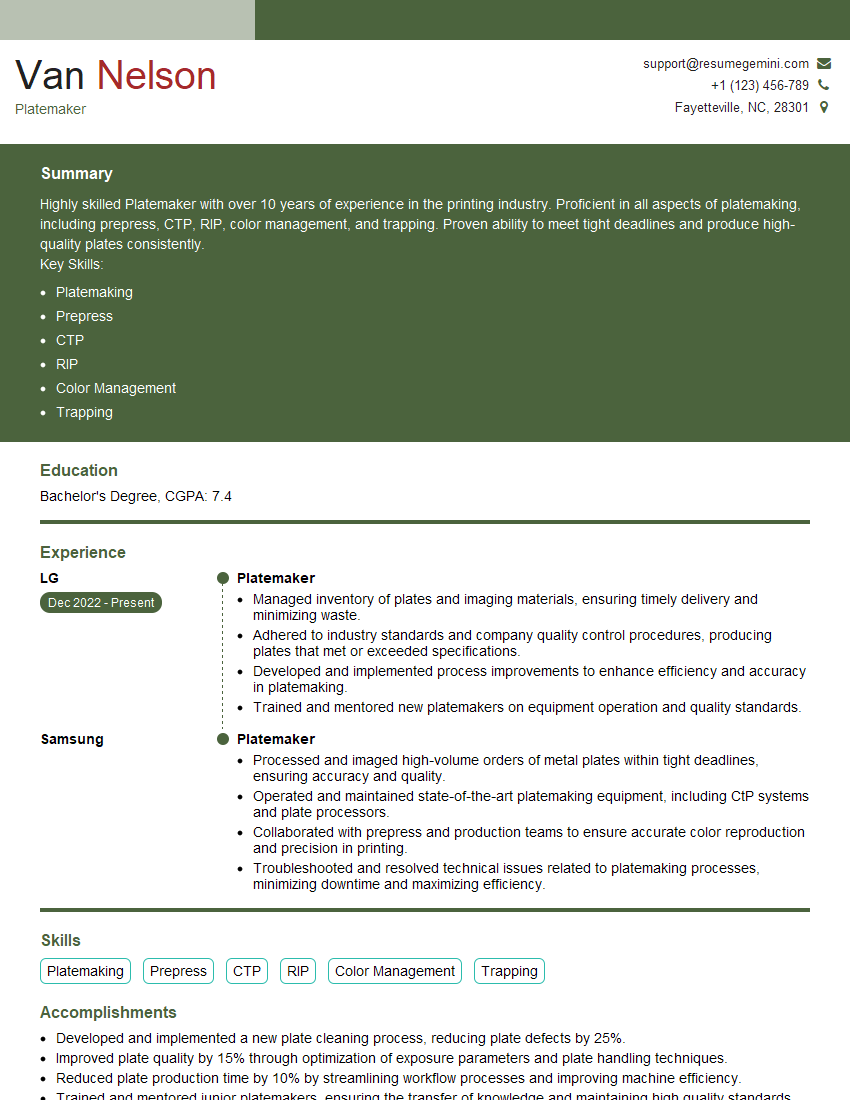
Platemaker Resume Sample

Prepress Technician Resume Sample
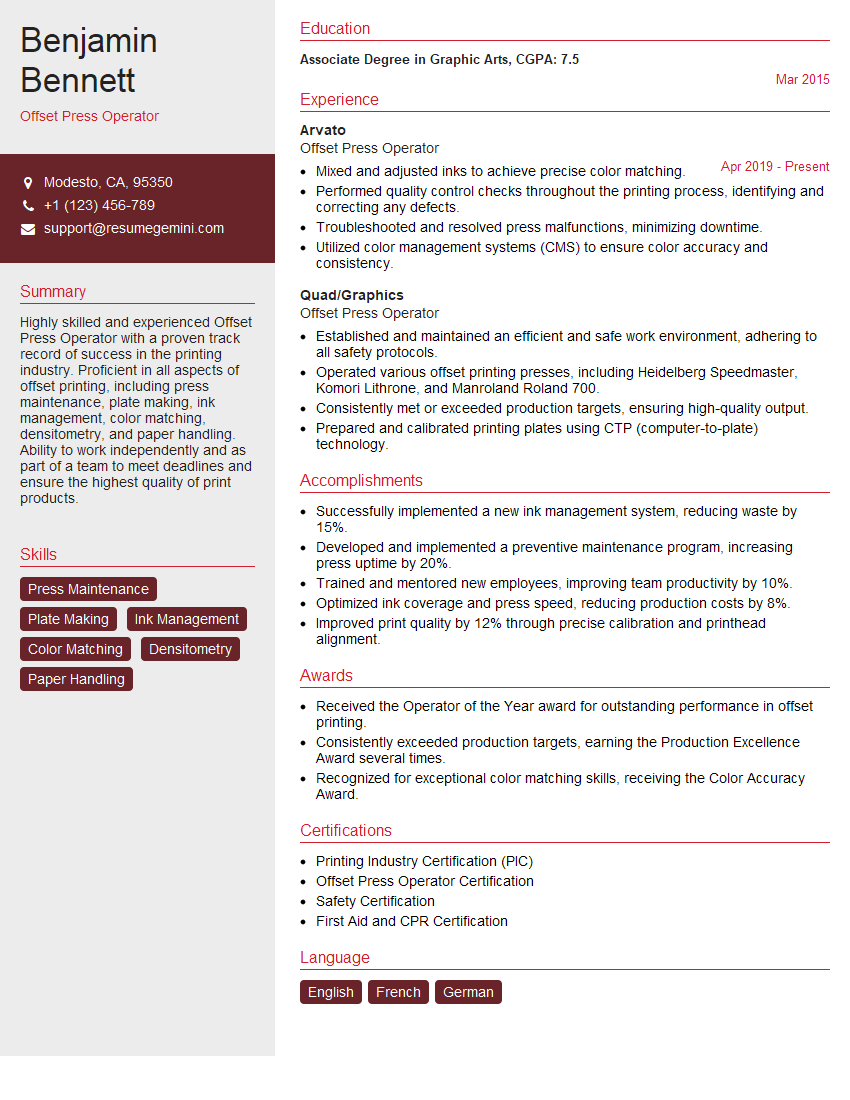
Offset Press Operator Resume Sample
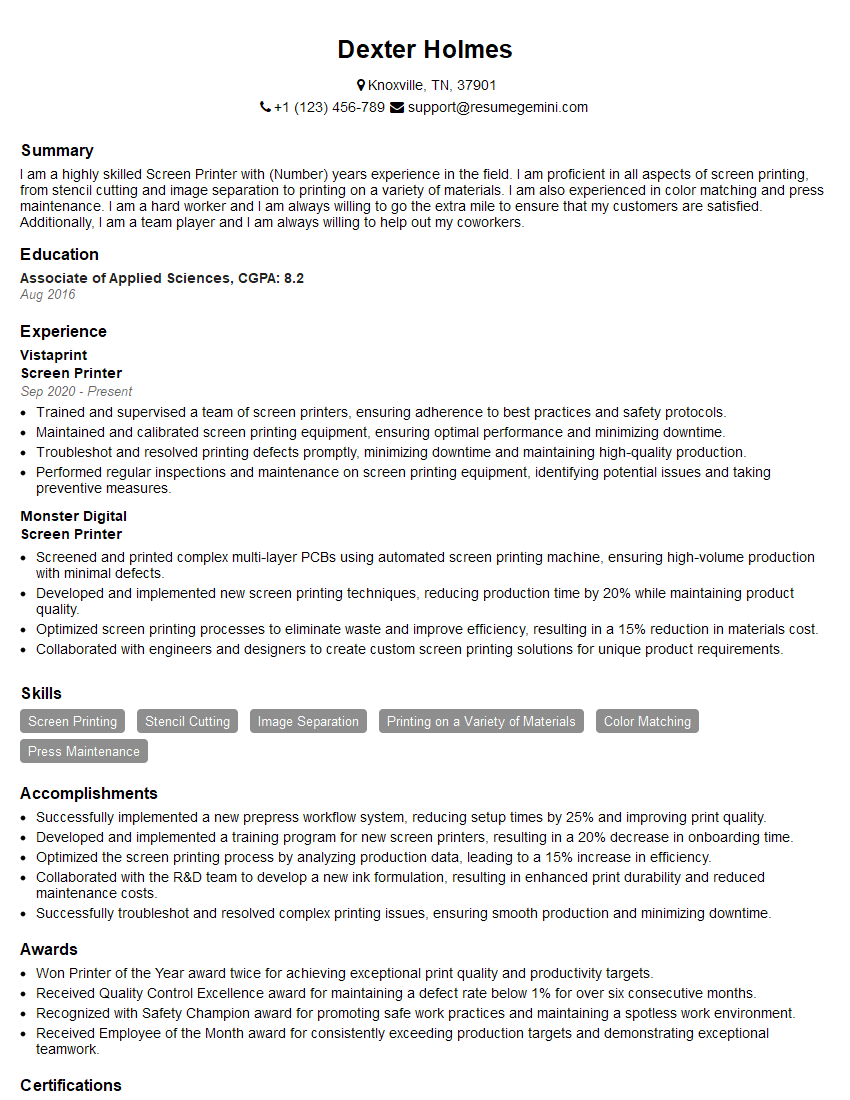
Screen Printer Resume Sample
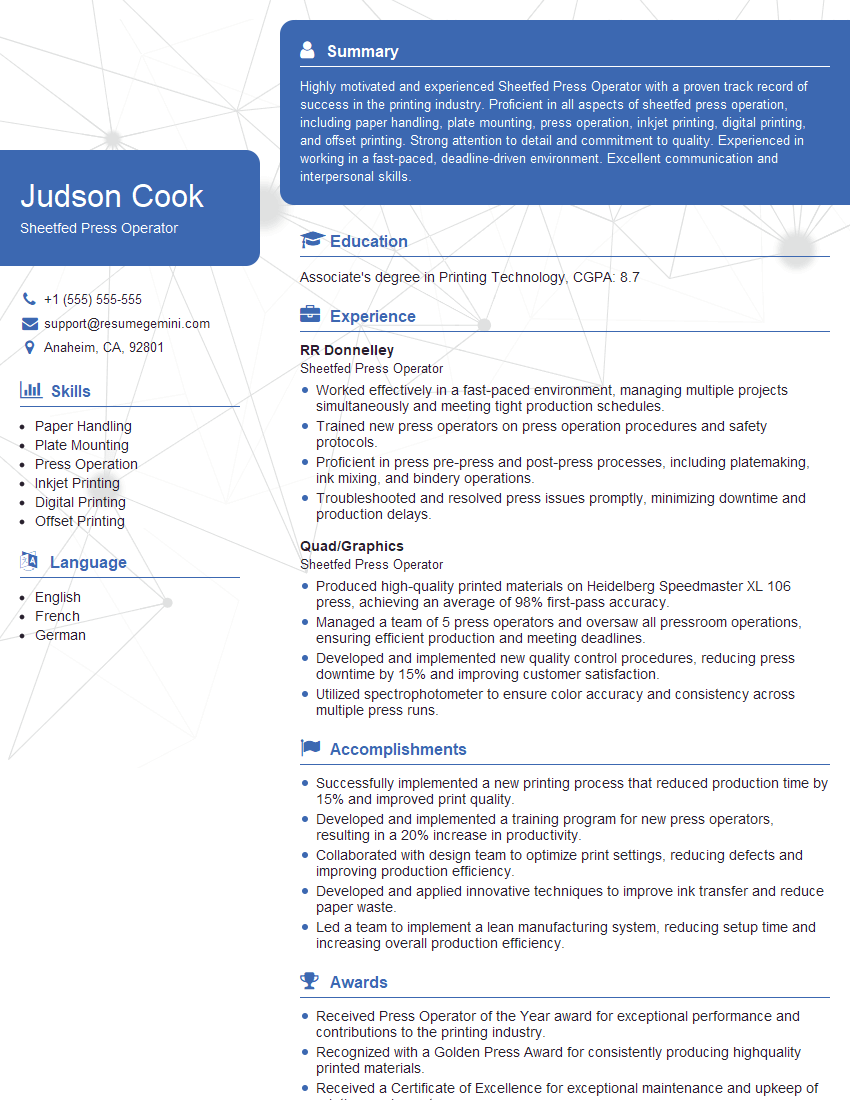
Sheetfed Press Operator Resume Sample
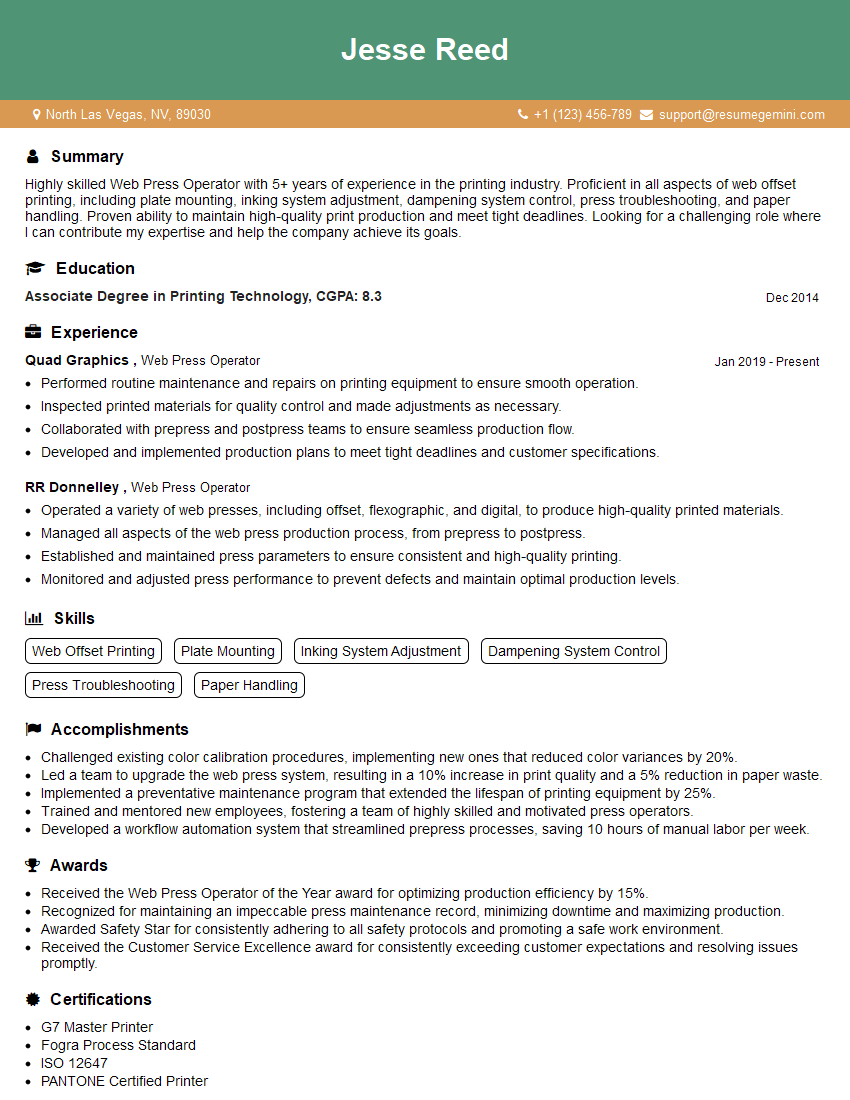
Web Press Operator Resume Sample
Explore more articles
Users Rating of Our Blogs
Share Your Experience
We value your feedback! Please rate our content and share your thoughts (optional).
What Readers Say About Our Blog
Very informative content, great job.
good