Unlock your full potential by mastering the most common Strapping and Securing interview questions. This blog offers a deep dive into the critical topics, ensuring you’re not only prepared to answer but to excel. With these insights, you’ll approach your interview with clarity and confidence.
Questions Asked in Strapping and Securing Interview
Q 1. What are the different types of strapping materials and their applications?
Strapping materials come in various types, each suited for different applications. The choice depends on factors like load weight, material fragility, environmental conditions, and budget.
- Steel Strapping: Known for its high tensile strength, steel strapping is ideal for heavy, dense loads requiring maximum security. Think pallets of bricks or heavy machinery components. It’s available in various gauges (thicknesses) and widths, allowing for customization. It’s reusable in some cases, promoting sustainability.
- Polyester Strapping: A popular choice due to its high tensile strength, resistance to stretching and moisture, and relative ease of use. Polyester is excellent for lighter-to-medium loads in various weather conditions. It’s often used in the food industry due to its cleanliness and lack of rust.
- Polypropylene Strapping: This plastic strapping is cost-effective and lightweight, suitable for lighter loads. It’s commonly used for packaging consumer goods. While less strong than steel or polyester, polypropylene is resistant to many chemicals, making it suitable for certain materials.
- Paper Strapping: An eco-friendly option, primarily used for lighter, less demanding applications, and often combined with other securing methods. Its biodegradability makes it a sustainable choice, especially for recyclable goods.
The selection process is crucial for ensuring the safety and integrity of the goods during transit and handling.
Q 2. Explain the process of selecting the appropriate strapping for a specific load.
Selecting the right strapping involves a careful assessment of the load’s characteristics. Consider these factors:
- Weight and dimensions of the load: Heavier loads require stronger, wider strapping. Think of a pallet of books versus a pallet of concrete blocks.
- Shape and stability of the load: Irregularly shaped loads may require additional securing measures or a different strapping technique.
- Fragility of the load: Delicate items need gentler strapping methods and possibly softer materials to avoid damage.
- Environmental conditions: Outdoor storage or transport requires strapping resistant to moisture, UV rays, and extreme temperatures.
- Handling and transportation methods: The amount of vibration and stress during transport influences the strength requirements of the strapping. Loads destined for long sea voyages will need stronger strapping than those transported locally by truck.
- Regulatory requirements: Certain industries have specific regulations concerning strapping materials and methods, which must be adhered to.
A comprehensive risk assessment, followed by a careful selection based on the factors mentioned above, ensures appropriate strapping and prevents damage or accidents.
Q 3. Describe the various strapping methods (e.g., hand-strapping, automatic strapping).
Strapping methods range from manual to fully automated, depending on volume and load requirements.
- Hand Strapping: This involves using a hand tool to tension, seal, and cut the strapping. It’s suitable for low-volume applications and requires manual dexterity and skill. Think of a small business packaging individual orders.
- Semi-Automatic Strapping: These machines partially automate the process, often assisting with tensioning and sealing, making it faster than hand strapping, ideal for medium-volume operations.
- Automatic Strapping: Fully automated systems integrate with conveyor systems, performing all strapping functions automatically at high speed and efficiency. This is suited to high-volume industrial applications in warehouses and manufacturing plants. They significantly reduce labor costs and improve consistency.
The choice of method depends on productivity requirements, budget, and the specific characteristics of the goods being strapped.
Q 4. How do you ensure proper tension and secure seals when strapping?
Proper tension and secure seals are critical for preventing load shifting and damage. Insufficient tension leads to slippage, while weak seals can compromise the entire package.
- Tension: The appropriate tension is determined by the strapping material and load characteristics. Too much tension can damage the load, while too little is ineffective. Many strapping machines have tension gauges to ensure consistent and appropriate tension is applied.
- Seals: Various sealing methods are available, including metal seals (for steel strapping), plastic seals, and heat seals (for plastic strappings). The seal must be strong and secure, ensuring it won’t easily come undone.
- Overlapping Straps: For added security, especially with heavy loads, overlapping straps are recommended. The number and placement of overlapping straps is determined by the specifics of the load.
Regular maintenance and calibration of strapping equipment are essential to maintain consistent tension and proper sealing.
Q 5. What are the safety precautions you take when using strapping equipment?
Safety is paramount when using strapping equipment. Precautions include:
- Personal Protective Equipment (PPE): Always wear appropriate PPE, including safety glasses, gloves, and steel-toe boots, to protect against potential injuries from moving parts or sharp edges.
- Proper Training: All operators must be thoroughly trained on the safe operation of strapping equipment. This is especially important for operating automatic machinery.
- Regular Inspections: Inspect all equipment regularly for any damage or wear, and ensure it’s in proper working order. Report any issues to a supervisor immediately.
- Machine Guards: Ensure all safety guards are in place and functioning correctly, particularly on automatic strapping machines. Never operate equipment with a guard missing or malfunctioning.
- Clear Workspace: Maintain a clean and organized workspace to avoid tripping hazards or accidental contact with the equipment.
Following safety protocols diligently prevents accidents and ensures a safe working environment.
Q 6. How do you identify and address potential hazards related to strapping?
Identifying and addressing potential hazards involves regular inspection, awareness, and proactive measures:
- Strapping Material Defects: Inspect strapping rolls for flaws such as tears, cracks, or inconsistencies before use. Reject faulty materials.
- Equipment Malfunction: Regular maintenance and checks are critical. Look for any signs of wear, damage, or irregular operation.
- Improper Strapping Techniques: Poorly applied tension, inadequate sealing, or incorrect strapping placement can lead to failures. Training and adherence to best practices are essential.
- Environmental Factors: Extreme temperatures, moisture, and UV exposure can degrade strapping materials. Choose appropriate materials and protect loads from environmental elements.
- Load Instability: Ensure that loads are properly balanced and secured before strapping. Unstable loads increase the risk of accidents.
A systematic risk assessment, coupled with proactive maintenance and training, minimizes hazards associated with strapping.
Q 7. What are the common causes of strapping failures and how can they be prevented?
Strapping failures often stem from preventable causes:
- Insufficient Tension: Inadequate tension leads to slippage and package failure. Use appropriate tension settings and verify them regularly.
- Damaged Strapping: Using damaged or faulty strapping material is a primary cause of failure. Inspect materials before use and promptly remove any defective straps.
- Poor Seal Integrity: Weak or incomplete seals allow straps to come undone under stress. Use the right sealing method and ensure proper pressure is applied.
- Incorrect Strapping Technique: Improper application of straps, lack of overlapping, or incorrect placement can lead to ineffective securing. Standardize procedures and train workers properly.
- Environmental Degradation: Exposure to harsh weather conditions can weaken strapping. Use weather-resistant materials and provide protection when necessary.
Preventing strapping failures requires thorough training, regular inspection, and the use of high-quality materials and equipment.
Q 8. Explain the importance of proper load securing techniques.
Proper load securing is paramount for safety and efficiency in transportation and logistics. Improperly secured loads can lead to catastrophic accidents, including cargo shifting during transit, causing damage to the goods, the vehicle, and potentially resulting in serious injury or even fatalities. It also impacts the efficiency of the supply chain, leading to delays, increased costs due to damage repairs, and potential legal repercussions.
Think of it like building a house – you wouldn’t skip crucial steps like laying a solid foundation or properly securing the roof. Similarly, neglecting proper load securing jeopardizes the entire operation.
Effective load securing techniques ensure the load remains stable and in place throughout transportation, regardless of road conditions or maneuvers. This protects the cargo, the vehicle, and everyone involved.
Q 9. Describe your experience with different types of load securing devices.
My experience encompasses a wide range of load securing devices, including:
- Strapping: Polyester, polypropylene, and steel strapping – I’m proficient in selecting the appropriate type based on load weight, dimensions, and fragility. I understand the importance of tensioning and securing buckles correctly to prevent slippage.
- Stretch Film: Excellent for palletized loads, particularly those with irregular shapes. I’m familiar with techniques for optimal film application to maintain load stability and prevent shifting.
- Corner Boards & Edge Protectors: These are crucial for protecting vulnerable corners and edges of goods. I’ve used them extensively to safeguard fragile items during transit.
- Dunnage: Using various types of dunnage like lumber, foam, or air bags to fill voids and prevent load shifting. Understanding load distribution is critical here.
- Load Bars & Restraints: I’ve experience using load bars in conjunction with straps and chains to secure heavier and more irregularly shaped loads.
For example, I recently worked on securing a load of glass panels using a combination of corner protectors, stretch film, and polyester strapping. The careful selection of these devices and their application ensured a safe and damage-free transit.
Q 10. How do you determine the appropriate number of straps needed for a specific load?
Determining the appropriate number of straps depends on several factors:
- Load Weight and Dimensions: Heavier and larger loads require more straps for proper support.
- Load Characteristics: The shape, size, and distribution of weight within the load significantly influence the number of straps needed. A load with an uneven weight distribution will require more strategic strapping.
- Type of Strapping: Different strapping materials have varying strengths. Steel strapping, for instance, is stronger than polyester and may require fewer straps than polyester for an equivalent load.
- Transportation Mode: The method of transportation (truck, rail, ship) and anticipated road conditions influence the number and placement of straps.
- Applicable Regulations: Regulatory standards often dictate minimum requirements for the number and placement of straps based on the load weight and type of transportation.
I typically utilize load securing guidelines and calculations, often provided by the manufacturer of the strapping material, or industry best practices to determine the correct number of straps. I would rather use too many than too few to ensure complete safety.
Q 11. What are the regulations and standards related to load securing in your industry?
Load securing regulations vary based on location and industry, but generally align with international standards such as those set by organizations like the International Safe Transit Association (ISTA). Regulations often focus on:
- Maximum Load Weights: Specific limits on the amount of weight a vehicle or container can carry safely.
- Securement Methods: Prescribed methods for securing loads, including the type and placement of straps, chains, and other devices.
- Documentation: Requirements for documenting load securing procedures and inspections.
- Training and Certification: Many jurisdictions mandate training and certification for personnel involved in load securing.
Non-compliance can lead to severe penalties, including fines, vehicle impoundment, and potential legal action. Staying updated on the latest regulations is crucial for maintaining compliance and ensuring safety.
Q 12. How do you handle damaged or compromised strapping material?
Damaged or compromised strapping material is absolutely unacceptable. Any sign of wear, tear, cuts, or excessive stretching renders the strapping unsafe. I never reuse damaged material.
My procedure involves:
- Immediate Removal: The damaged strapping is immediately removed from the load.
- Load Reassessment: I assess whether the load needs to be re-secured using new, undamaged strapping, adhering to all safety regulations and best practices.
- Disposal: Damaged strapping is disposed of properly according to local regulations.
- Documentation: I carefully document the incident, including details about the damage, actions taken, and the new securing method implemented.
Ignoring damaged strapping is akin to ignoring a cracked foundation in a building; it’s a major safety risk. Proactive replacement ensures safety and compliance.
Q 13. What is your experience with different types of strapping tools (manual, pneumatic, automatic)?
I possess extensive experience with various strapping tools:
- Manual Strapping Tools: These are suitable for lighter loads and offer a good understanding of the fundamentals of strapping. I’m comfortable with tensioning and sealing manually.
- Pneumatic Strapping Tools: These tools are much faster and more efficient for heavier loads. They require less physical effort, increasing productivity and reducing strain on the operator. I’m adept at using various pneumatic tools, understanding their maintenance needs and recognizing malfunctions.
- Automatic Strapping Machines: These automated systems are ideal for high-volume applications. They provide consistent tensioning and sealing, significantly improving efficiency. I’m familiar with programming and maintaining several models of automatic strapping equipment.
The choice of tool depends on the volume and weight of the load. For a small package, manual tools suffice; for high-volume pallets, automated systems are the most efficient.
Q 14. How do you maintain and troubleshoot strapping equipment?
Maintaining and troubleshooting strapping equipment is crucial for safety and efficiency. My approach involves:
- Regular Inspections: Daily checks for wear and tear, leaks (in pneumatic tools), and proper functionality.
- Lubrication: Regular lubrication of moving parts to prevent friction and prolong tool life.
- Calibration: Periodic calibration of tensioning mechanisms to ensure consistent and accurate strapping tension.
- Troubleshooting: I’m proficient at diagnosing and resolving common issues like jammed seals, low air pressure (in pneumatic tools), and malfunctioning tensioning mechanisms. I often refer to the manufacturer’s maintenance manuals for specific instructions.
- Preventative Maintenance: Scheduling preventative maintenance tasks according to manufacturer recommendations.
Neglecting maintenance can lead to equipment failure, potentially causing delays and safety hazards. A well-maintained strapping system ensures consistent performance and minimizes downtime.
Q 15. Explain the process of inspecting strapped goods for damage or defects.
Inspecting strapped goods is crucial for ensuring product integrity and preventing damage during transit. It’s a systematic process involving visual checks and, sometimes, physical tests.
Visual Inspection: I begin by visually assessing the entire strapped unit. I look for any obvious signs of damage like punctures, tears, or crushing to the packaging itself. Then, I carefully examine the strapping bands themselves. I check for:
- Proper tension: The bands should be taut and securely fastened, without any slack or looseness. Loose bands indicate insufficient securing and risk shifting of the load during transit.
- Damage to the strapping: I look for cuts, fraying, or any signs of wear and tear on the bands that could compromise their strength.
- Correct application: The strapping pattern should be consistent with the packaging and weight of the goods, adhering to best practices. Improper placement or overlapping can create weak points.
- Secure seals: All seals must be intact and undamaged. I check the integrity of the sealing mechanism – whether it’s a metal buckle, plastic seal, or other method – to ensure it’s firmly closed and won’t come undone.
Physical Check (If Necessary): In some cases, I might gently test the tension of the straps by attempting to slightly flex or move the packaged goods. This helps to ascertain whether the strapping is effectively holding the load. However, care must be taken to avoid damaging the goods during this process. Significant movement should be a clear indication of improper strapping.
Documentation: Any damage or defects detected during the inspection are meticulously documented, including photographs and descriptions, to facilitate efficient reporting and corrective actions.
Career Expert Tips:
- Ace those interviews! Prepare effectively by reviewing the Top 50 Most Common Interview Questions on ResumeGemini.
- Navigate your job search with confidence! Explore a wide range of Career Tips on ResumeGemini. Learn about common challenges and recommendations to overcome them.
- Craft the perfect resume! Master the Art of Resume Writing with ResumeGemini’s guide. Showcase your unique qualifications and achievements effectively.
- Don’t miss out on holiday savings! Build your dream resume with ResumeGemini’s ATS optimized templates.
Q 16. What are the environmental considerations related to strapping materials and disposal?
Environmental concerns are a significant factor in the selection and disposal of strapping materials. The industry is moving towards more sustainable practices.
Material Selection: Recycled or recyclable materials are preferred. For example, many companies are now using polypropylene (PP) strapping that can be recycled. The aim is to minimize the environmental impact from the production and use of the material. Biodegradable options are also gaining traction, offering a more eco-friendly alternative at the end of their life.
Disposal: Proper disposal is essential. Simply discarding strapping in landfills can have significant negative effects. Several responsible disposal methods exist, including:
- Recycling: Many companies offer recycling programs for PP and other types of strapping. This diverts waste from landfills and conserves resources.
- Waste-to-energy: Some strapping materials can be used in waste-to-energy facilities, producing energy instead of contributing to landfill accumulation.
- Composting (for biodegradable options): Biodegradable strapping can be composted, returning the material to the earth in an environmentally friendly way.
Reducing Consumption: Beyond material selection and disposal, reducing the overall amount of strapping used is key. Optimized strapping patterns and techniques can reduce consumption without compromising security. For example, understanding the load and using the right strapping width and tension can minimize material waste.
Q 17. Describe your experience working with different types of packaging materials.
My experience encompasses a wide range of packaging materials used in conjunction with strapping. Understanding material compatibility is crucial for effective securing.
I’ve worked extensively with:
- Cardboard boxes: These are widely used, and strapping techniques vary depending on box size, weight, and contents. The strapping needs to be applied to reinforce the box and prevent crushing or bursting.
- Wooden pallets: Strapping is essential for securing goods to pallets for stability during transportation and handling. I am familiar with different techniques for applying strapping to ensure load stability, including edge protection and corner boards.
- Plastic containers: Strapping can be used to secure stacks of plastic containers, providing extra reinforcement for vulnerable materials. The choice of strapping material should consider the potential chemical interactions with the plastic.
- Metal drums and containers: Securing these typically involves different strapping patterns to ensure stability and prevent shifting during transport. The application may be customized based on the shape, weight, and the materials that require securing.
In each case, my selection of strapping material (polyester, polypropylene, steel, etc.) and technique is influenced by the specific properties of the packaging material and the goods being secured. For instance, heavier loads or sharp objects require stronger strapping and potentially different placement.
Q 18. How do you ensure that strapped goods are properly labeled and identified?
Proper labeling and identification are essential for efficient tracking and handling. The method depends on the context.
Methods I use:
- Printed labels: I use labels with clear information like product ID, quantity, weight, destination, and any special handling instructions. These are affixed to the package itself or to the strapping using special label applicators.
- Handwritten labels: In less formal settings or for small shipments, I can use handwritten labels with essential information – again, ensuring the information is legible and durable enough to withstand handling.
- Barcodes and RFID tags: For larger-scale operations, barcodes or RFID tags are often used for automated tracking of shipments. These are integrated into the labeling system, providing automated data capture.
Placement: Labels are placed in a highly visible and accessible area, often on a prominent face of the package or on the strapping itself, avoiding placement where they might be easily damaged or obscured.
Durability: I use durable labels and inks resistant to weather conditions and rough handling, ensuring readability throughout the entire shipping process. This avoids any confusion and potential delays at any stage of the journey.
Q 19. What is your experience with inventory management and tracking related to strapped goods?
Inventory management and tracking of strapped goods are critical for maintaining efficient supply chains. My experience involves different techniques.
Methods:
- Manual tracking: For smaller operations, manual recording in spreadsheets or databases is sometimes sufficient. This approach usually involves noting shipment details, tracking numbers, and quantities.
- Barcode and RFID tracking systems: Larger-scale operations typically employ barcode or RFID systems that enable automated tracking of goods throughout the entire supply chain, from storage to shipping. These systems allow for real-time monitoring of inventory levels and movement.
- WMS (Warehouse Management Systems): Advanced systems like WMS integrate inventory management with other aspects of warehouse operations, providing a comprehensive view of inventory, location, and movement of goods. These systems often have modules that specifically address strapping information and ensure proper packing protocols are observed.
Data accuracy: I focus on accuracy in data entry to avoid discrepancies. This ensures that the inventory records reflect the actual stock levels at all times. Any discrepancies are promptly investigated and rectified.
Integration: I aim to ensure seamless integration between inventory tracking systems and other relevant systems (e.g., order management, shipping systems), streamlining workflows and improving efficiency.
Q 20. How do you handle unusual or non-standard packages that require unique strapping techniques?
Handling unusual packages requires creativity and adaptability. Standard procedures may need to be modified.
Strategies:
- Assess the package: I thoroughly analyze the shape, size, weight, and material of the package to understand its unique characteristics and potential vulnerabilities. This dictates the strapping strategy.
- Custom strapping patterns: I often need to design custom strapping patterns that accommodate the specific contours and dimensions of the package. This might involve using additional straps, different placements, or customized tension adjustments.
- Supplementary materials: In some cases, additional materials are used to augment the strapping and improve protection. This might involve using corner protectors, padding, or other types of reinforcement.
- Consultations: For very complex or unusually fragile items, I often consult with packaging engineers or specialists to develop a secure and efficient strapping plan.
Example: Securing a long, thin cylindrical object would require a different approach compared to a standard rectangular box. I might use multiple wraps of strapping and reinforce the end points to prevent the object from shifting or getting damaged during transportation.
Q 21. What are your preferred methods for documenting strapping procedures?
Documentation is critical for maintaining quality control and ensuring traceability.
Methods I use:
- Digital checklists: I often use digital checklists on tablets or smartphones to record the strapping procedures used for each shipment, including strapping type, quantity, tension levels, and any specific notes about the packaging and handling.
- Photography: Detailed photographs are taken to document the strapping process and the final secured package. This provides visual confirmation of the procedures and helps identify any potential issues.
- Written reports: For more complex or specialized jobs, I prepare written reports detailing the approach taken, challenges encountered, and any deviations from standard procedures. This is especially important for non-standard packages.
- Database tracking: In larger operations, a centralized database is used to record the strapping data for each shipment, enabling comprehensive tracking and analysis of strapping practices.
The goal is to create a clear and auditable record of the strapping processes, supporting quality control and providing valuable data for continuous improvement.
Q 22. Describe a time you had to troubleshoot a problem with strapping equipment. How did you resolve it?
During a particularly busy shipping period, our automatic strapping machine started producing inconsistent tension. The straps were either too loose, risking package damage during transit, or too tight, leading to strap breakage and wasted material. My first step was to systematically check the machine’s settings – ensuring the tension gauge was calibrated correctly and the strap feed mechanism was functioning properly. I found the issue to be a combination of factors. The tension gauge needed recalibration, and the strap feeding rollers were slightly misaligned. After recalibrating the gauge and adjusting the roller alignment (a fairly simple mechanical adjustment), the machine resumed producing consistently tensioned straps. This highlights the importance of regular preventative maintenance and troubleshooting expertise to quickly address issues that could significantly affect both productivity and product safety.
Q 23. How do you prioritize safety during high-volume strapping operations?
Prioritizing safety during high-volume strapping operations requires a multi-faceted approach. First and foremost, comprehensive training for all operators is essential. This includes proper machine operation, safe handling of straps and cutting tools, and understanding potential hazards. We also implement strict safety protocols. This involves clearly marked hazard zones around machinery, mandatory use of personal protective equipment (PPE) like safety glasses and cut-resistant gloves, and regular safety inspections. A crucial element is the implementation of lockout/tagout procedures for machine maintenance to prevent accidental start-ups. Finally, regular performance reviews and safety audits are conducted to identify areas needing improvement and to enforce consistent adherence to safety guidelines. Think of it like building a safety net – multiple layers of protection to ensure a safe working environment.
Q 24. Explain your understanding of different types of pallet securing methods.
Pallet securing methods vary depending on the goods being transported and their fragility. Common methods include:
- Strapping: Using plastic or steel straps to bind the pallet load. This is cost-effective and versatile but requires careful tensioning to prevent damage.
- Stretch Wrapping: Applying a continuous layer of plastic film to encase the entire pallet load. This provides good protection against dust and moisture, but is less effective for heavier or irregularly shaped loads.
- Corner Boards and Edge Protectors: These provide additional support and protection against crushing and damage, often used in conjunction with strapping or wrapping. Corner boards reinforce corners, while edge protectors safeguard load edges.
- Shrink Wrapping: Similar to stretch wrapping but using heat to shrink the film tightly around the load. Offers better containment than stretch wrap.
- Load Binding Systems: These can use various components like straps, chains or nets to provide extra support, particularly effective for heavy or bulky items. They are a complex systems and should only be deployed by trained professionals
The choice of method depends on factors such as load weight, dimensions, fragility of goods, transportation distance and environmental conditions.
Q 25. What is your experience with using load securement devices such as edge protectors or corner boards?
I have extensive experience using load securement devices like edge protectors and corner boards. These are particularly crucial for protecting vulnerable goods during transport. For instance, I’ve used edge protectors made from corrugated cardboard or foam to prevent damage to the edges of furniture or appliances. Corner boards, often made of wood or plastic, reinforce the pallet’s corners, preventing loads from shifting or toppling. The selection depends upon the product type and its susceptibility to damage, and always aims to minimize gaps and maximize stability.
My experience includes selecting appropriate materials based on load weight and environmental conditions, ensuring proper placement to maximize load protection, and integrating their use with other securing methods like strapping. For example, I may use edge protectors along with steel strapping to fully secure large and heavy boxes of electronics
Q 26. How do you ensure compliance with all relevant health and safety regulations when using strapping equipment?
Ensuring compliance with health and safety regulations is paramount. This starts with a thorough understanding of relevant OSHA (or equivalent local) standards regarding machine operation, personal protective equipment, and workplace safety. We maintain detailed records of equipment inspections, operator training certifications, and incident reports. We perform regular maintenance checks on all strapping equipment, ensuring everything is in proper working order and adheres to manufacturer specifications. Operators are thoroughly trained on safe practices including proper machine operation, correct use of PPE and emergency procedures. Any non-compliances are immediately addressed, and any accidents or near-misses are investigated thoroughly to prevent recurrence. A proactive approach, emphasizing continuous improvement and employee participation in safety discussions, is key to maintaining a compliant and safe working environment.
Q 27. Describe a situation where you had to adapt your strapping techniques to meet the requirements of a specific job.
We once had a job securing an unusually shaped and fragile load of large glass panels. Standard pallet strapping wasn’t suitable due to the risk of scratching or cracking the glass. We needed a method that minimized contact and evenly distributed pressure. The solution involved carefully using protective padding between the glass panels and the pallet, followed by customized foam corner protectors and edge protectors. We then used wide, soft polyester straps at low tension to gently secure the load. This required deviating from our typical strapping techniques, demonstrating adaptability and creative problem-solving to meet the specific requirements of the job while prioritising the product’s safety and integrity.
Q 28. What are your future career goals within the field of strapping and securing?
My future career goals involve furthering my expertise in advanced load securing techniques and technologies. I’m interested in gaining experience with automated strapping systems and exploring sustainable strapping material options. I aim to become a recognized expert in the field, potentially in a supervisory or training role, where I can share my knowledge and contribute to improving safety and efficiency in load securing practices across the industry.
Key Topics to Learn for Strapping and Securing Interviews
- Types of Strapping Materials: Understanding the properties and applications of various strapping materials (e.g., steel, polypropylene, polyester) and their suitability for different products and shipping environments.
- Strapping Equipment and Techniques: Familiarity with different strapping machines (manual, semi-automatic, automatic), tensioning methods, sealing techniques, and best practices for efficient and secure strapping.
- Load Securement Principles: Knowledge of principles of load securement, including load distribution, weight considerations, and appropriate securing techniques to prevent shifting or damage during transport.
- Safety Regulations and Compliance: Understanding relevant safety regulations and industry standards related to strapping and load securement to ensure compliance and prevent accidents.
- Packaging Optimization: Applying strapping techniques to optimize packaging for efficient space utilization and protection against damage during transit.
- Troubleshooting and Maintenance: Ability to identify and troubleshoot common problems with strapping equipment, perform basic maintenance, and understand when professional assistance is required.
- Cost Optimization Strategies: Exploring methods to reduce strapping costs while maintaining the integrity and security of packaged goods.
- Sustainable Strapping Practices: Familiarity with environmentally friendly strapping materials and practices to minimize waste and reduce environmental impact.
Next Steps
Mastering strapping and securing techniques opens doors to rewarding careers in logistics, warehousing, and manufacturing, offering opportunities for advancement and specialization. A strong resume is crucial for showcasing your skills and experience to potential employers. To maximize your job prospects, focus on building an ATS-friendly resume that highlights your relevant expertise. ResumeGemini is a trusted resource to help you create a professional and impactful resume, designed to get noticed. Examples of resumes tailored to the Strapping and Securing field are available to guide you through the process.
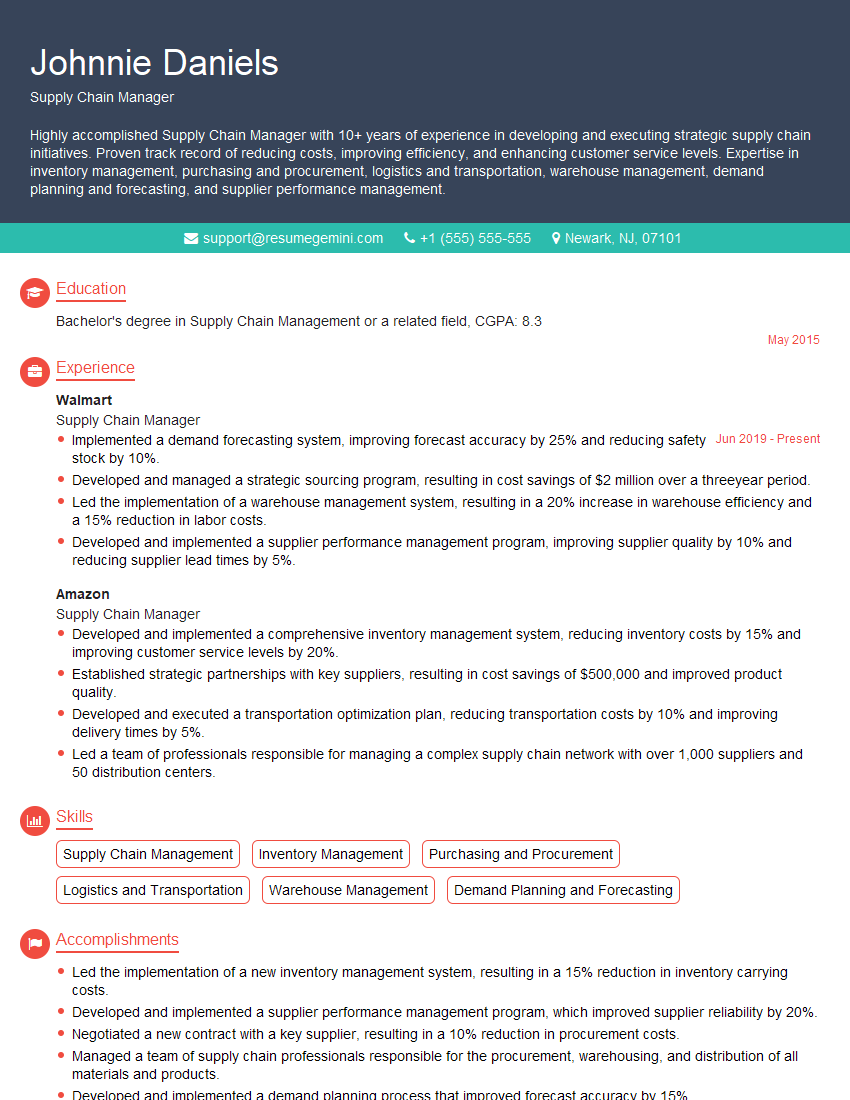
Supply Chain Manager Resume Sample

Distribution Manager Resume Sample

Warehouse Supervisor Resume Sample
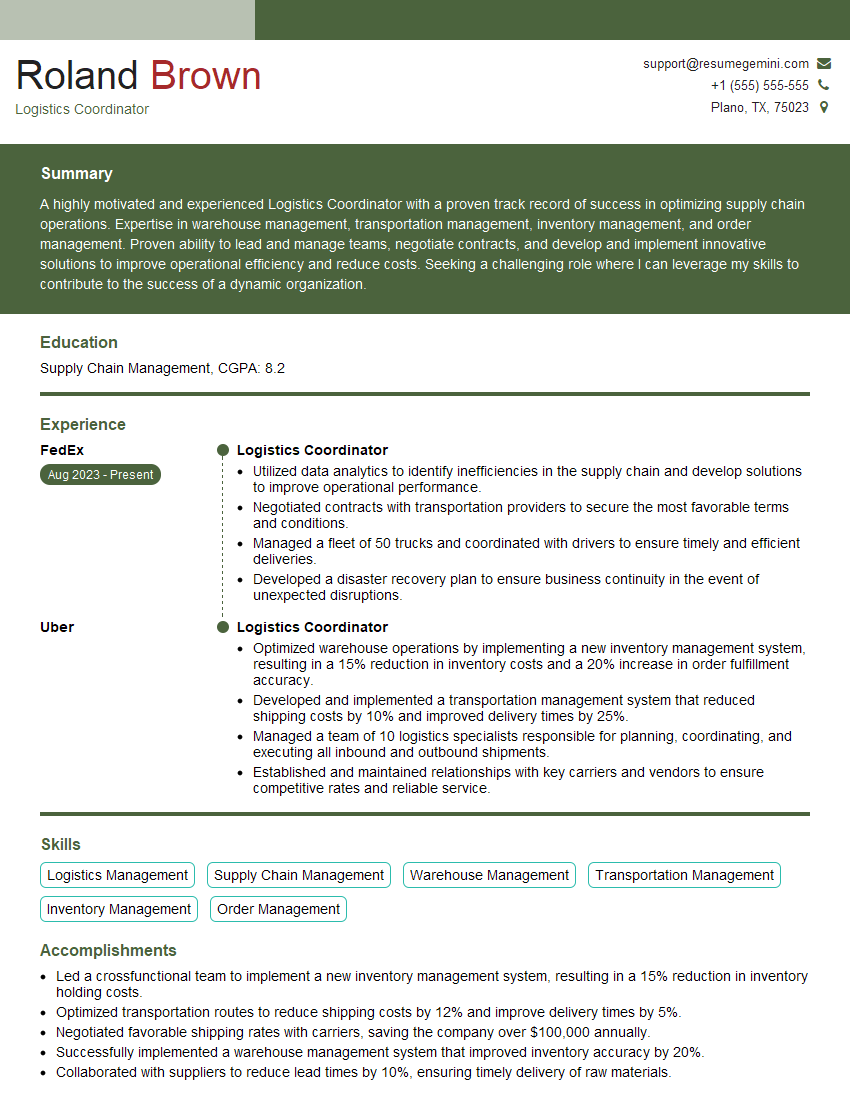
Logistics Coordinator Resume Sample

Packaging Engineer Resume Sample

Inventory Control Specialist Resume Sample

Order Fulfillment Specialist Resume Sample

Logistics Associate Resume Sample

Material Handler Resume Sample

Packaging Specialist Resume Sample

Warehouse Associate Resume Sample
Explore more articles
Users Rating of Our Blogs
Share Your Experience
We value your feedback! Please rate our content and share your thoughts (optional).
What Readers Say About Our Blog
Very informative content, great job.
good