The right preparation can turn an interview into an opportunity to showcase your expertise. This guide to Strong knowledge of air and space operations interview questions is your ultimate resource, providing key insights and tips to help you ace your responses and stand out as a top candidate.
Questions Asked in Strong knowledge of air and space operations Interview
Q 1. Explain the principles of air traffic control.
Air Traffic Control (ATC) is a system designed to ensure the safe, orderly, and efficient flow of air traffic. It’s like a highly organized dance where hundreds of aircraft move simultaneously, each needing its own space and time. The principles revolve around separation, communication, and navigation.
- Separation: Maintaining safe distances between aircraft, both horizontally and vertically, is paramount. This is achieved using radar, communication, and pre-determined flight plans.
- Communication: Constant communication between ATC controllers and pilots is crucial for coordinating movements, relaying weather information, and addressing any potential issues. This uses standardized phraseology for clarity and efficiency.
- Navigation: Pilots use navigation systems, guided by ATC instructions, to follow designated routes and altitudes. ATC monitors these movements to ensure separation is maintained.
For example, imagine a busy airport like Heathrow. ATC controllers meticulously manage the arrival and departure of dozens of aircraft, ensuring each lands and takes off safely without colliding with others or exceeding designated speed limits. They coordinate runway usage, taxiways, and approach paths, a complex task that requires high precision and rapid decision-making.
Q 2. Describe the different types of airspace classifications.
Airspace is divided into different classes to manage the complexity of air traffic and ensure safety. Think of it as zoning for the sky. Each class has its own regulations, equipment requirements, and level of ATC service.
- Uncontrolled Airspace (Class G): Pilots are responsible for their own separation. Imagine a vast, open sky with few regulations – a pilot’s freedom, but requiring higher self-reliance.
- Controlled Airspace (Classes A, B, C, D, E): Different levels of ATC service are provided, with increasing regulations and equipment requirements as the class increases. Class A, for instance, requires advanced equipment and has stringent separation standards, common at high altitudes where aircraft fly fast and close together. Class E and G cover a large portion of the airspace, with varied levels of ATC services depending on altitude and location.
The differences in airspace classes directly impact flight planning and operations. A flight plan filed for crossing Class B airspace, for example, will require more detailed information and approval than one solely within Class G airspace.
Q 3. What are the key challenges in satellite communication?
Satellite communication, while revolutionary, faces several challenges. The vast distances and the reliance on precise line-of-sight create inherent limitations.
- Signal Attenuation and Propagation Delays: Signals weaken over long distances, especially through atmospheric interference. The time delay in signal transmission adds complexity to real-time applications.
- Limited Bandwidth: The available bandwidth for satellite communication can be a bottleneck, especially for high-data-rate applications like video streaming or high-resolution imagery.
- Atmospheric Interference: Weather conditions like rain, snow, and clouds can significantly degrade signal quality and strength. This can lead to interruptions and data loss.
- Security and Interference: Protecting satellite communication signals from unauthorized access and interference is critical. Jamming or hacking attempts represent a constant threat.
Imagine trying to have a video conference from a remote location. Satellite internet is a common method, but the latency can result in choppy conversations, and heavy rain could cause a complete outage. These limitations highlight the ongoing efforts to improve satellite technology and find ways to address these challenges.
Q 4. How does GPS technology work?
GPS (Global Positioning System) relies on a constellation of satellites orbiting Earth to pinpoint location. It works through a process of trilateration.
- Satellite Signals: Each GPS satellite transmits signals containing precise time information and orbital data.
- Receiver Calculation: A GPS receiver on Earth picks up signals from multiple satellites. By measuring the time it takes for these signals to reach the receiver, it calculates the distance to each satellite.
- Trilateration: Knowing the distance to at least three satellites, the receiver uses trilateration – determining a location using the intersection of three circles – to calculate its latitude, longitude, and altitude.
Think of it like using three circles on a map: each satellite’s signal provides a circle representing all possible locations at a given distance. Where these circles intersect is your location. The fourth satellite improves accuracy and provides information about the clock error within the receiver. This technology is essential for navigation, surveying, and countless other applications.
Q 5. Explain the concept of orbital mechanics.
Orbital mechanics governs the motion of objects in orbit around a celestial body, primarily using principles of Newtonian physics and celestial mechanics. Imagine it as the intricate dance between gravity and velocity.
- Kepler’s Laws: These laws describe the elliptical nature of orbits, the relationship between orbital period and distance, and the constant sweeping of orbital area.
- Newton’s Law of Universal Gravitation: This defines the attractive force between two objects with mass, providing the fundamental basis for understanding orbital motion.
- Orbital Elements: These parameters (e.g., semi-major axis, eccentricity, inclination) precisely define an orbit’s shape and orientation.
Understanding orbital mechanics is crucial for launching and maintaining satellites. For instance, to achieve a geostationary orbit (appearing stationary above a point on Earth), a satellite must be placed at a precise altitude and speed. Orbital maneuvers, like adjusting altitude or changing inclination, require precise calculations based on orbital mechanics principles.
Q 6. Describe the different types of spacecraft propulsion systems.
Spacecraft propulsion systems are the engines that move spacecraft through space. Various methods exist, each with its strengths and weaknesses.
- Chemical Propulsion: This uses the energy released from chemical reactions to generate thrust. It’s like a very powerful rocket engine, effective for initial launch but limited by fuel capacity.
- Electric Propulsion: This uses electrical energy to accelerate ions or charged particles, generating thrust. It’s more fuel-efficient than chemical propulsion but produces lower thrust, suitable for long-duration missions but not for rapid acceleration.
- Nuclear Propulsion: This utilizes nuclear fission or fusion reactions to generate heat, which is then converted into thrust. This offers very high specific impulse but presents challenges related to safety and radiation.
- Solar Sails: These use the pressure of sunlight to propel the spacecraft, offering a truly sustainable method but very limited acceleration.
The choice of propulsion system depends heavily on the mission requirements. A mission to Mars might use chemical propulsion for the initial launch and electric propulsion for orbital maneuvers and course corrections, while a deep-space probe might rely on electric propulsion or even a solar sail for its longer duration.
Q 7. What are the safety protocols for air and space operations?
Safety protocols for air and space operations are paramount, involving multiple layers of redundancy and rigorous oversight.
- Redundancy: Critical systems are often duplicated or triplicated, ensuring the system can function even if one component fails. Think of the numerous backup systems in an aircraft or spacecraft.
- Regular Inspections and Maintenance: Equipment undergoes meticulous inspections and maintenance to prevent malfunctions. This involves rigorous checks and adherence to strict standards and schedules.
- Emergency Procedures: Comprehensive emergency procedures are developed and practiced to handle unforeseen events, ranging from engine failure in an aircraft to equipment malfunctions in a spacecraft.
- Communication Protocols: Standardized communication protocols are used to ensure clear and concise communication between crew members, ground control, and other aircraft. Clear, concise instructions are essential in crisis situations.
- Training and Certification: Pilots and astronauts undergo extensive training and certification programs, ensuring proficiency in handling various situations and operating safely under pressure.
Imagine a scenario where an aircraft experiences engine failure. Proper emergency procedures, pilot training, and backup systems are critical in ensuring a safe landing. Similarly, robust safety protocols on the International Space Station are critical for maintaining a safe environment for astronauts in a challenging and isolated environment. Safety is not just a priority; it’s the foundation upon which these complex operations are built.
Q 8. How do you ensure the integrity of satellite data?
Ensuring the integrity of satellite data is crucial for its reliable use. It involves a multi-layered approach focusing on data acquisition, transmission, processing, and validation. Think of it like sending a valuable package – you need to ensure it’s properly packed, shipped, and checked upon arrival.
- Data Acquisition: This begins with the satellite’s sensors and instruments. Regular calibration and testing are essential to ensure accuracy and minimize errors. For example, a weather satellite’s infrared sensors need regular checks to guarantee they’re accurately measuring temperature.
- Data Transmission: The data is then transmitted to ground stations via radio waves. Error detection and correction codes are incorporated during transmission to minimize data corruption. This is like adding a checksum to your package to ensure its contents haven’t been tampered with.
- Data Processing: Once received, data is processed to remove noise and artifacts, often involving complex algorithms. This stage also involves formatting and standardizing the data for various applications. Imagine cleaning and organizing the contents of your package before you use them.
- Data Validation: This critical step involves comparing the received data with known standards or previous measurements to detect anomalies. Cross-referencing data from multiple satellites or ground-based sensors can enhance validation. This final check ensures the package’s contents match the expected order.
Ultimately, a robust quality control system incorporating these steps is paramount to maintaining the integrity of satellite data, ensuring its reliability and usefulness for applications ranging from weather forecasting to navigation.
Q 9. Explain the concept of atmospheric re-entry.
Atmospheric re-entry is the process of a spacecraft descending from orbit and entering a planet’s atmosphere. It’s a fiery and challenging phase, as the spacecraft encounters extreme heat and forces. Think of it like a meteor shower – those are essentially objects re-entering the atmosphere.
As a spacecraft enters the atmosphere, it encounters increasingly dense air, creating friction. This friction converts kinetic energy (the energy of motion) into heat, causing the spacecraft’s surface to heat up dramatically. This heat needs to be carefully managed to prevent the spacecraft from burning up. To achieve this, several techniques are used:
- Heat Shields: These are specially designed ablative materials that absorb and dissipate heat, protecting the spacecraft’s structure. They often burn away during re-entry, sacrificing themselves to protect the payload.
- Aerodynamic Design: The spacecraft’s shape plays a vital role in managing the forces and heat during re-entry. A blunt shape helps slow down the spacecraft and distribute the heat more evenly.
- Maneuvering: Precise control of the spacecraft’s attitude (orientation) and trajectory is critical to ensure a safe and controlled descent. This involves using onboard thrusters or other control systems.
Successful re-entry requires precise calculations and meticulous engineering to ensure the spacecraft and its payload survive the extreme conditions and land safely. The Apollo missions and the Space Shuttle program are prime examples of sophisticated re-entry technologies.
Q 10. Describe the role of a ground control station.
A ground control station (GCS) is the vital link between spacecraft and personnel on Earth. It’s essentially the mission control center for satellites, providing the communication, monitoring, and command capabilities needed to operate a spacecraft successfully. Imagine it as the pilot’s control tower for a satellite.
Key roles of a GCS include:
- Telemetry Reception and Processing: Receiving and analyzing data from the spacecraft (telemetry) to monitor its health, status, and performance. This data might include things like battery voltage, temperature sensors, and scientific measurements.
- Command Uploading: Sending commands to the spacecraft to control its operations, such as adjusting its orientation, turning on/off instruments, and initiating maneuvers.
- Tracking: Monitoring the spacecraft’s position and trajectory using various tracking systems like radar and optical telescopes.
- Mission Planning and Control: Developing and executing mission plans, managing schedules, and resolving any issues or anomalies during the mission. Think of this as the flight plan and adjustments made during the flight.
- Communication: Maintaining reliable communication links with the spacecraft, which is crucial for all operations.
The complexity of a GCS varies greatly depending on the mission. For simple satellites, a relatively small team might be sufficient. However, complex missions, such as those involving human spaceflight, require large, highly specialized teams and advanced facilities.
Q 11. What are the challenges of maintaining a space station?
Maintaining a space station presents unique and formidable challenges due to its isolated and extreme environment. It’s like maintaining a complex city in the middle of space, with limited resources and a hostile environment.
- Life Support: Providing a safe and habitable environment for the crew, including oxygen generation, carbon dioxide removal, water recycling, and waste management, is paramount. A malfunction in any of these systems can have severe consequences.
- Orbital Decay: The space station gradually loses altitude due to atmospheric drag. Regular boosts using thrusters are needed to maintain its orbit. This is like constantly making minor course corrections during a long journey.
- Space Debris: The space environment is filled with debris, posing a constant collision risk. Monitoring and avoidance maneuvers are critical for safety.
- Power Generation: Reliable power generation is essential for all station operations. Solar panels are often used, but they require regular maintenance and have a limited lifespan.
- Repair and Maintenance: In the absence of readily available repair crews or parts, the crew must be highly trained to perform complex repairs and maintenance tasks in a challenging environment. Think of this as performing heart surgery in the middle of a desert.
- Psychological Factors: The isolation and confinement of spaceflight can take a toll on the crew’s mental and physical health. Providing psychological support and countermeasures is essential.
Successfully maintaining a space station requires meticulous planning, sophisticated engineering, and highly skilled personnel. The International Space Station (ISS) serves as a prime example of the complexity and scale of this undertaking.
Q 12. Explain the different types of aircraft navigation systems.
Aircraft navigation systems are essential for safe and efficient flight operations. They are categorized into ground-based and satellite-based systems, each with its strengths and limitations.
- Ground-Based Systems:
- VOR (Very High Frequency Omnidirectional Range): Provides bearing information (direction) to the aircraft from a ground-based VOR station. It’s relatively simple and widely used but is susceptible to signal interference.
- ILS (Instrument Landing System): A precision approach system guiding aircraft during landing in low visibility conditions. It provides vertical and horizontal guidance down to the runway.
- NDB (Non-Directional Beacon): A low-frequency radio beacon that transmits a signal in all directions. It provides only distance and bearing information but is generally unaffected by weather conditions.
- Satellite-Based Systems:
- GPS (Global Positioning System): A satellite-based system providing highly accurate three-dimensional position, velocity, and time information. It’s widely used for both en-route and approach navigation, but can be vulnerable to jamming or spoofing.
- GNSS (Global Navigation Satellite System): A broader term encompassing systems like GPS (US), GLONASS (Russia), Galileo (EU), and BeiDou (China). Using multiple GNSS constellations provides redundancy and enhanced accuracy.
Modern aircraft often use a combination of ground-based and satellite-based systems to provide redundant navigation capabilities and enhance safety and precision.
Q 13. How do you manage conflicts in air traffic control?
Managing conflicts in air traffic control (ATC) requires a combination of proactive planning, robust communication, and efficient conflict resolution techniques. It’s like a complex chess game, where the air traffic controller needs to anticipate and resolve potential collisions.
Strategies for conflict management include:
- Separation Standards: Maintaining minimum safe distances between aircraft based on established standards. These standards vary depending on aircraft type, altitude, and weather conditions.
- Traffic Flow Management: Controlling the flow of air traffic to prevent congestion and reduce the risk of conflicts. This often involves adjusting flight routes and altitudes.
- Vectoring: Directing aircraft to follow specific routes or headings using radar and communication to resolve conflicts and maintain separation.
- Coordination: Close collaboration between ATC sectors and neighboring facilities to share information and manage traffic flow effectively.
- Speed Adjustments: Directing pilots to adjust their airspeed to maintain separation.
- Holding Patterns: Directing aircraft to fly in a holding pattern to temporarily delay their arrival at a destination and resolve a conflict.
- Emergency Procedures: Having clearly defined procedures to handle emergencies, such as sudden changes in weather conditions or equipment malfunctions.
ATC systems utilize sophisticated radar and communication technologies to monitor aircraft positions and velocities, allowing controllers to anticipate and proactively resolve conflicts, ensuring safety and efficiency.
Q 14. Describe the various types of satellites and their applications.
Satellites come in various types, each designed for specific applications. Think of them as specialized tools in space, each performing a unique task.
- Communication Satellites: These relay communication signals across vast distances, enabling television broadcasts, telephone calls, and internet access. Geostationary satellites, which appear stationary above a specific point on Earth, are commonly used for this purpose.
- Navigation Satellites: These provide precise positioning, navigation, and timing information, forming the basis of systems like GPS. Their accurate signals allow for precise location determination on Earth.
- Earth Observation Satellites: These observe Earth’s surface and atmosphere, collecting data on weather patterns, land use, environmental changes, and natural resources. They can provide high-resolution imagery for various applications.
- Weather Satellites: A specialized type of Earth observation satellite that monitors weather patterns and provides crucial data for forecasting. They utilize various sensors to measure temperature, humidity, and cloud cover.
- Scientific Research Satellites: These are used to conduct scientific research in space, studying phenomena such as solar flares, cosmic rays, and the Earth’s magnetic field.
- Military Satellites: These are used for various military applications, including surveillance, reconnaissance, communication, and navigation. Their capabilities are often kept classified.
The diversity of satellite types reflects their widespread use across various sectors, underpinning critical technologies and applications worldwide. Each type’s design and capabilities are tailored to its specific mission objective.
Q 15. Explain the concept of space debris and its mitigation.
Space debris, also known as space junk, refers to any man-made object orbiting Earth that no longer serves a useful function. This includes defunct satellites, spent rocket stages, fragments from collisions, and even paint flakes. The accumulation of space debris poses a significant threat to operational spacecraft and future space missions. Imagine a busy highway – space is becoming increasingly congested with these objects, creating a risk of collisions that can generate even more debris in a cascading effect known as the Kessler syndrome.
Mitigation strategies involve a multi-pronged approach. Active debris removal involves developing and deploying technologies to capture and de-orbit defunct satellites or large pieces of debris. This is a challenging endeavor, requiring advanced robotics and maneuvering capabilities. Passive debris mitigation focuses on designing spacecraft and rockets with features that minimize the creation of debris. This can include using less explosive materials, designing satellites for easier de-orbiting at end-of-life, and developing strategies to prevent fragmentation during collisions.
Furthermore, improved orbital management is crucial. Careful planning of satellite lifetimes and orbits can reduce the risk of collisions. International cooperation is also essential, as space debris is a global challenge requiring coordinated efforts to track, monitor, and mitigate its effects. Organizations like the Inter-Agency Space Debris Coordination Committee (IADC) play a vital role in establishing international guidelines and best practices.
Career Expert Tips:
- Ace those interviews! Prepare effectively by reviewing the Top 50 Most Common Interview Questions on ResumeGemini.
- Navigate your job search with confidence! Explore a wide range of Career Tips on ResumeGemini. Learn about common challenges and recommendations to overcome them.
- Craft the perfect resume! Master the Art of Resume Writing with ResumeGemini’s guide. Showcase your unique qualifications and achievements effectively.
- Don’t miss out on holiday savings! Build your dream resume with ResumeGemini’s ATS optimized templates.
Q 16. What are the different types of aircraft engines and their working principles?
Aircraft engines are broadly classified into two main categories: piston engines and gas turbine engines. Piston engines, common in smaller aircraft, use reciprocating pistons to convert fuel combustion into mechanical power. Think of a car engine – the principle is similar, though adapted for aviation applications. They are relatively simple and cost-effective but less efficient and powerful than gas turbine engines.
Gas turbine engines, predominantly used in larger aircraft, are far more complex. They fall into several subtypes:
- Turbojet: A simple design where air is compressed, mixed with fuel, ignited, and the expanding gases are expelled through a nozzle, creating thrust. Think of early jet fighters.
- Turbofan: The most common type in modern airliners. A large fan at the front draws in air, part of which passes through the core engine (similar to a turbojet), while the rest bypasses the core and exits through a separate duct, increasing efficiency and reducing noise. Think of the engines on a Boeing 787.
- Turboprop: A gas turbine engine drives a propeller, converting the gas turbine’s power into rotational energy to drive the propeller, offering high efficiency at lower speeds. Think of smaller propeller-driven aircraft.
- Turboshaft: Similar to a turboprop, but the power output is used to drive a shaft for purposes other than propellers, such as helicopters.
The working principle of all gas turbine engines revolves around the Brayton cycle: air is compressed, fuel is added and ignited, causing expansion, and the resulting high-velocity gases propel the aircraft forward. The key differences lie in how the energy is harnessed and how the air is managed to optimize performance and efficiency.
Q 17. How do you handle emergencies in air traffic control?
Emergency handling in air traffic control (ATC) follows a strict protocol focused on rapid assessment, decisive action, and clear communication. The specific procedures vary depending on the nature of the emergency (e.g., engine failure, hijacking, loss of communication), but several key steps are common to all:
- Immediate Assessment: The controller quickly gathers information about the aircraft’s status, location, altitude, and the nature of the emergency.
- Prioritize Safety: The primary goal is to ensure the safety of the aircraft and those on board. This often involves issuing immediate instructions to the pilot, such as directing them to the nearest suitable airport or providing emergency services.
- Coordinate with Emergency Services: ATC immediately contacts emergency response teams on the ground – fire services, medical personnel, law enforcement – to prepare for the aircraft’s arrival.
- Clear Communication: Clear and concise communication is paramount. Controllers use standardized phraseology to ensure all instructions are understood. This includes relaying information to other controllers, ground staff, and emergency services.
- Post-Incident Review: After the emergency is resolved, a comprehensive review is conducted to analyze the events, identify any shortcomings, and implement improvements to prevent similar incidents in the future. This review might involve recorded communications, flight data recorders, and interviews with involved personnel.
A classic example is directing an aircraft with engine failure to a nearby suitable airport and coordinating with the airport’s emergency services in advance. Every second counts, and effective communication and efficient coordination are crucial to achieving a safe resolution.
Q 18. Describe the process of launching a rocket into space.
Launching a rocket into space is a complex multi-stage process. The precise steps vary depending on the rocket and mission objectives, but the general sequence involves:
- Pre-launch Checks: Extensive checks and inspections are performed on the rocket, payload, and launch infrastructure. This includes verifying fuel levels, systems functionality, weather conditions, and trajectory calculations.
- Ignition and Liftoff: The rocket engines ignite, producing immense thrust to overcome Earth’s gravity and propel the rocket upwards.
- Stage Separation: As the rocket ascends, spent fuel stages are jettisoned to reduce weight and improve efficiency. Each stage typically has its own engines, ignited at specific points in the flight. This staged approach is crucial for reaching orbital velocity.
- Trajectory Adjustment: During ascent, the rocket’s trajectory is constantly monitored and adjusted using onboard guidance systems to ensure it reaches the desired orbit.
- Orbital Insertion: Once the rocket reaches the target altitude and velocity, its engines are shut down, and it enters orbit around the Earth. This requires reaching a specific speed (approximately 17,500 mph for low Earth orbit).
- Payload Deployment: After reaching orbit, the payload (satellite, spacecraft, etc.) is deployed from the rocket.
Imagine a multi-stage catapult launching a projectile – each stage provides additional velocity until the target altitude and velocity are reached.
Q 19. Explain the concept of orbital rendezvous and docking.
Orbital rendezvous and docking (RVD) is a crucial maneuver in space operations, particularly for assembling space stations, servicing satellites, or transferring astronauts and cargo between spacecraft. Rendezvous is the process of approaching and matching another spacecraft’s orbit, while docking involves physically connecting two spacecraft to form a single unit.
The process involves several critical steps:
- Initial Orbit Determination: Precisely determining the target spacecraft’s position and velocity is essential.
- Approach and Station-Keeping: The approaching spacecraft maneuvers to approach the target at a safe distance, using thrusters for small course corrections. Maintaining a safe distance is crucial to avoid collisions.
- Docking Approach: Once close proximity is achieved, the approaching spacecraft uses its guidance, navigation, and control systems to align itself with the docking port of the target.
- Docking: Once aligned, the two spacecraft physically connect, sealing the hatch and establishing a pressure-tight seal between the two vehicles.
RVD is a complex and delicate operation requiring precise calculations and careful execution. Failures can have serious consequences, underlining the need for rigorous testing, redundant systems, and highly skilled personnel. Think of it as a high-stakes game of orbital chess, where any misstep can have dire consequences.
Q 20. How do you ensure the safety of astronauts during space missions?
Ensuring astronaut safety during space missions requires a multi-layered approach addressing various risks:
- Pre-flight Training: Astronauts undergo extensive training simulating various emergency scenarios, including equipment malfunctions, spacecraft failures, and extravehicular activity (EVA) hazards.
- Spacecraft Design: Spacecraft are designed with redundant systems, robust life support, and advanced safety features to mitigate risks. This includes emergency escape systems, radiation shielding, and environmental controls.
- Mission Planning and Control: Meticulous mission planning, including contingency plans for various emergencies, is essential. Ground control monitors the mission constantly, providing support and guidance to the crew.
- Health Monitoring: Astronauts are continuously monitored for any health issues during the mission using onboard medical equipment and remote consultations with specialists.
- Emergency Procedures: Clear emergency procedures and protocols are established for various situations, ensuring astronauts know how to respond to unexpected events. Regular drills and simulations ensure that these procedures are second nature.
- Space Suit Technology: For EVAs, advanced space suits provide life support, environmental protection, and mobility in the harsh space environment.
Safety is not just about technology but also about meticulous planning, rigorous training, and constant vigilance.
Q 21. What are the environmental factors affecting aircraft performance?
Several environmental factors significantly impact aircraft performance:
- Air Density: Air density varies with altitude, temperature, and humidity. Lower air density at higher altitudes reduces engine thrust and lift, requiring longer takeoff runs and higher speeds to maintain altitude. Hotter temperatures also reduce density, affecting performance.
- Temperature: High temperatures reduce engine efficiency and power output, while low temperatures can affect fuel performance and engine starting.
- Wind: Headwinds increase the ground speed needed for takeoff and landing, while tailwinds reduce it. Crosswinds can make landings more challenging and potentially dangerous.
- Humidity: High humidity can increase air density and reduce engine performance, while low humidity can affect engine lubrication and cause increased wear and tear.
- Precipitation: Rain, snow, and ice can reduce visibility, impair control surfaces, and negatively impact engine performance and create dangerous conditions. Ice accumulation on the wings and control surfaces, in particular, is a serious safety concern.
- Air Pressure: Air pressure decreases with altitude, affecting engine performance, lift, and the aerodynamic behavior of the aircraft.
Pilots and flight engineers must account for these factors when planning flights, determining the appropriate takeoff and landing speeds, and adjusting flight paths to ensure safety and optimal performance. This often involves using specialized charts and flight planning software that take into account the prevailing weather conditions.
Q 22. Explain the role of telemetry in space missions.
Telemetry is the science of measuring and transmitting data from remote locations, in this case, spacecraft. It’s the lifeline of a space mission, providing critical real-time information about the spacecraft’s health, performance, and the surrounding environment. Think of it as the spacecraft’s vital signs constantly being monitored from Earth.
Telemetry data encompasses a vast range of parameters, including:
- Orbital parameters: Altitude, velocity, position, attitude.
- Spacecraft systems: Power levels, temperature, fuel levels, communication system status.
- Payload data: Scientific data collected by instruments on the spacecraft (e.g., images from a camera, atmospheric readings from a sensor).
This data is transmitted back to Earth via radio waves, where ground control teams use it to monitor the mission’s progress, troubleshoot problems, and make informed decisions about mission operations. For example, if a spacecraft’s temperature starts rising unexpectedly, telemetry data will alert ground control, allowing them to take corrective action before a critical failure occurs. The Hubble Space Telescope, for example, relies heavily on telemetry to diagnose and correct instrumental issues, ensuring years of productive scientific observation.
Q 23. Describe the different types of sensors used in remote sensing.
Remote sensing employs various types of sensors to gather information about the Earth’s surface and atmosphere from a distance. These sensors operate across different parts of the electromagnetic spectrum, each providing unique insights.
- Optical Sensors: These are the most familiar, capturing visible light. They include cameras (both multispectral and hyperspectral) and scanners that produce images. Hyperspectral imaging, for example, captures many more bands of light than a typical camera, allowing for detailed analysis of materials.
- Infrared Sensors: These detect thermal radiation emitted by objects. They are crucial for monitoring temperature variations, identifying heat sources, and mapping land use. They can be used to identify forest fires, track volcanic activity or monitor changes in sea surface temperature, providing information not readily visible in visible wavelengths.
- Microwave Sensors: These sensors can penetrate clouds and vegetation, making them ideal for all-weather monitoring. They are used in radar systems for terrain mapping and weather forecasting. Synthetic Aperture Radar (SAR) is a prominent example, offering high-resolution imaging regardless of weather or daylight conditions.
- LiDAR (Light Detection and Ranging): LiDAR uses laser pulses to measure distances, creating highly accurate 3D models of the Earth’s surface. It’s frequently used for precise mapping and elevation modeling, useful in infrastructure planning or assessing geological features.
The choice of sensor depends on the specific application and the type of information needed. A mission studying deforestation might use optical and infrared sensors, while a mission monitoring weather patterns might rely heavily on microwave and radar systems. Each contributes essential pieces to the overall understanding of our planet.
Q 24. How do you handle communication failures during space missions?
Communication failures during space missions are a serious concern, requiring robust contingency plans. The strategies for handling these failures are multi-layered and depend on the nature and duration of the outage.
- Redundancy: Spacecraft are designed with redundant communication systems. If one system fails, another can take over. This could involve having multiple antennas, transmitters, or even different communication frequencies available.
- Stored Data: Spacecraft often store data onboard until communication is re-established. This prevents the loss of valuable scientific data or mission-critical information.
- Error Correction Codes: These sophisticated codes are used to detect and correct errors during data transmission, improving the reliability of communication even in noisy environments.
- Mission Replanning: In case of prolonged communication outages, ground teams may have to re-plan mission activities. This might involve adjusting the spacecraft’s trajectory or delaying certain operations until communication is restored.
- Deep Space Network (DSN): For deep-space missions, reliance on the DSN’s large antenna network is paramount. The DSN’s global coverage and powerful antennas help to maximize contact time and overcome signal attenuation.
The Voyager probes, for instance, operate at extreme distances from Earth with severely weakened signal strength. The DSN’s role in maintaining contact, despite the immense distance, is critical to their continued operation.
Q 25. What are the key performance indicators for air traffic control?
Key Performance Indicators (KPIs) for air traffic control focus on safety, efficiency, and capacity. These are crucial for maintaining a safe and smoothly flowing air transport system. Examples include:
- Safety: Number of safety incidents or accidents per flight hour, runway incursion rate, near-miss events, controller error rate.
- Efficiency: Average delay per flight, aircraft separation standards adherence, fuel consumption per flight (indirectly related to ATC efficiency), percentage of flights operating on time.
- Capacity: Number of flights handled per hour, aircraft throughput at airports, airspace utilization rate (measuring the effective use of available airspace).
These KPIs are monitored continuously, and any deviations from established targets trigger investigations and potential improvements to procedures or technologies. Data analysis and regular reporting on these KPIs allows for continuous optimization of ATC systems, enhancing the safety and efficiency of air traffic management. For example, a consistently high delay rate at a particular airport might point to a need for improved runway management or airspace allocation strategies.
Q 26. Explain the concept of airspace management.
Airspace management involves the controlled use and organization of airspace to ensure the safe and efficient flow of air traffic. This includes the planning, allocation, and regulation of airspace for various users, such as commercial airlines, general aviation, military aircraft, and even unmanned aerial vehicles (drones).
Key aspects of airspace management include:
- Airspace Classification: Airspace is divided into different classes based on the level of air traffic control and the types of operations permitted (e.g., controlled airspace, uncontrolled airspace).
- Flight Planning and Coordination: Pilots file flight plans that are reviewed and coordinated with air traffic controllers to ensure safe separation between aircraft.
- Air Traffic Control: Air traffic controllers guide aircraft throughout their flights, ensuring separation and providing information about weather and other hazards.
- Navigation and Surveillance Systems: Airspace management relies on advanced technologies such as radar, GPS, and ADS-B (Automatic Dependent Surveillance-Broadcast) for tracking aircraft and providing navigational assistance.
- Conflict Resolution: Air traffic controllers proactively manage potential conflicts between aircraft and take necessary actions to maintain safe separation.
Effective airspace management is essential for preventing accidents, optimizing the use of airspace resources, and reducing delays. This is a highly complex process requiring constant coordination between different stakeholders, including airlines, airports, and national aviation authorities.
Q 27. Describe the challenges in designing and building a spacecraft.
Designing and building a spacecraft presents immense engineering challenges, requiring expertise across numerous disciplines. These challenges can be broadly categorized as follows:
- Extreme Environments: Spacecraft must withstand harsh conditions including extreme temperatures, radiation, vacuum, and micrometeoroid impacts. Materials must be carefully selected for their durability and resistance to these factors.
- Miniaturization and Weight Constraints: Space launches are incredibly expensive, necessitating lightweight spacecraft. This often involves miniaturizing components while maintaining functionality and reliability.
- Power Generation and Management: Spacecraft need reliable power sources, often solar panels or radioisotope thermoelectric generators (RTGs). Careful energy management is critical for long-duration missions.
- Thermal Control: Maintaining the correct operating temperature for the spacecraft and its instruments is crucial. This involves sophisticated thermal design and insulation to manage heat dissipation.
- Communication Systems: Reliable communication with Earth is essential. The design of antennas, transmitters, and receivers must take into account the vast distances involved.
- Reliability and Redundancy: Spacecraft are typically designed with multiple backups for critical systems to mitigate the risk of failure. Extensive testing and simulations are performed to ensure reliability.
The James Webb Space Telescope, for example, is a prime illustration of these complexities. Its intricate design, deployment, and operation in deep space required groundbreaking engineering solutions to overcome various challenges, notably its extreme cold operational environment and precise optical alignment.
Q 28. What are the ethical considerations in space exploration?
Ethical considerations in space exploration are increasingly important as humanity’s reach extends beyond Earth. Key ethical questions include:
- Planetary Protection: Avoiding contamination of other celestial bodies with terrestrial life and vice versa. Strict protocols are in place to sterilize spacecraft and avoid introducing Earth-based organisms to potentially habitable environments.
- Resource Exploitation: Fair and sustainable use of space resources. Questions arise about who has the right to extract and utilize resources from asteroids, the Moon, or other planets.
- Space Debris: Mitigation of space debris to prevent collisions and maintain the long-term safety of space operations. Responsible design and de-orbiting strategies are crucial.
- Military Activities in Space: The potential for weaponization of space and the need for international agreements to prevent an arms race in space.
- Equity and Access: Ensuring fair and equitable access to space for all nations and individuals, rather than limiting it to a select few.
These ethical dilemmas require international collaboration and the development of clear guidelines and treaties to ensure the responsible and sustainable exploration and utilization of space. The Outer Space Treaty of 1967 is a foundational agreement, but its principles need constant re-evaluation and refinement in light of technological advancements and evolving perspectives.
Key Topics to Learn for Strong Knowledge of Air and Space Operations Interviews
- Air Traffic Management: Understand principles of air traffic control, airspace classifications, and conflict resolution strategies. Consider practical applications like optimizing flight paths for efficiency and safety.
- Space Situational Awareness (SSA): Explore the theoretical frameworks of SSA, including tracking and identification of space objects. Focus on practical applications like collision avoidance and debris mitigation strategies.
- Satellite Communication Systems: Learn about various satellite communication technologies, their applications (e.g., navigation, surveillance), and limitations. Consider problem-solving approaches to optimizing communication links in challenging environments.
- Air and Space Weapon Systems: Gain a foundational understanding of different weapon systems and their operational capabilities. Focus on the strategic and tactical implications of their deployment and the associated risks.
- Intelligence, Surveillance, and Reconnaissance (ISR): Explore the theoretical underpinnings of ISR, encompassing its various platforms and data analysis techniques. Consider practical applications in military and civilian contexts, focusing on information gathering and decision-making.
- Command and Control (C2) Systems: Understand the principles of effective C2 in air and space operations. Explore the integration of different platforms and communication systems for efficient command and control.
- Spacecraft Operations and Mission Planning: Develop a grasp of spacecraft design and operational considerations. Consider mission planning aspects such as trajectory optimization and resource management.
- Aerospace Law and Regulations: Understand the legal frameworks governing air and space activities, including international treaties and national regulations.
Next Steps
Mastering air and space operations knowledge is crucial for career advancement in this dynamic field. A strong understanding of these concepts will significantly enhance your interview performance and open doors to exciting opportunities. To maximize your chances, focus on building an ATS-friendly resume that showcases your skills and experience effectively. ResumeGemini is a trusted resource that can help you create a professional and impactful resume. They provide examples of resumes tailored specifically to air and space operations roles, giving you a head start in crafting a compelling application.
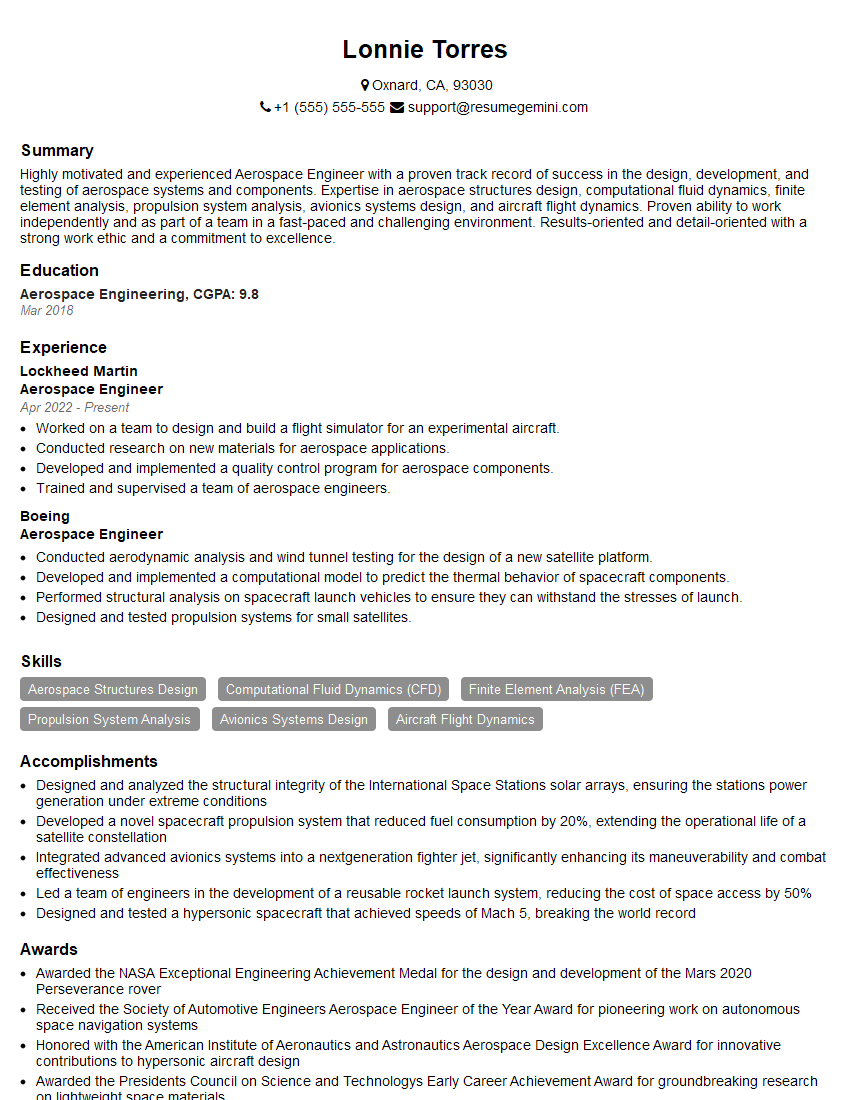
Aerospace Engineer Resume Sample
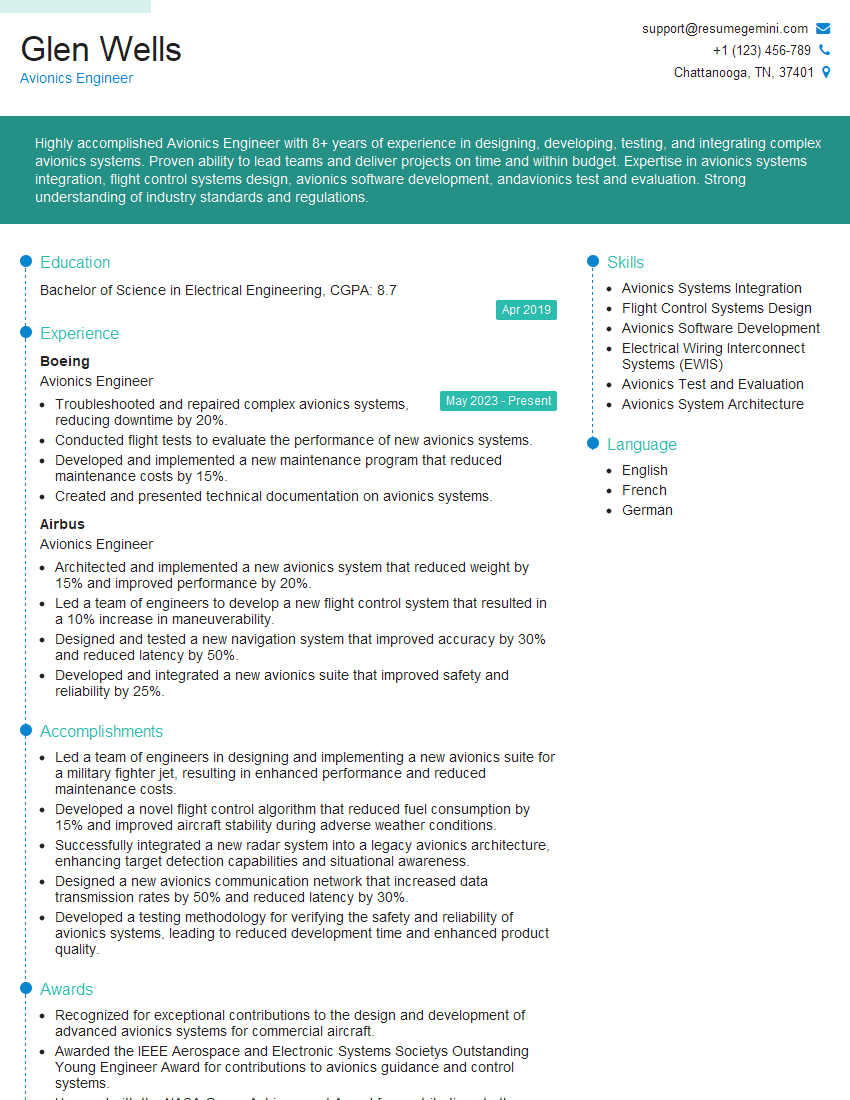
Avionics Engineer Resume Sample
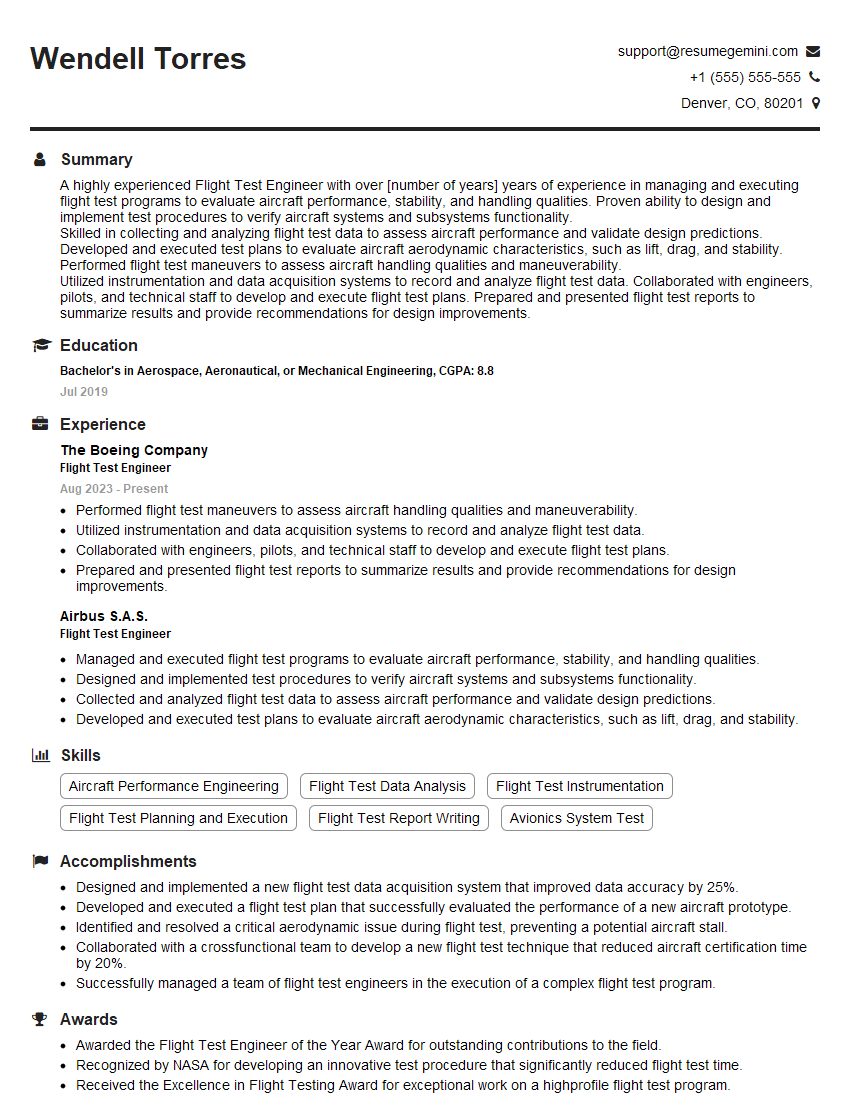
Flight Test Engineer Resume Sample
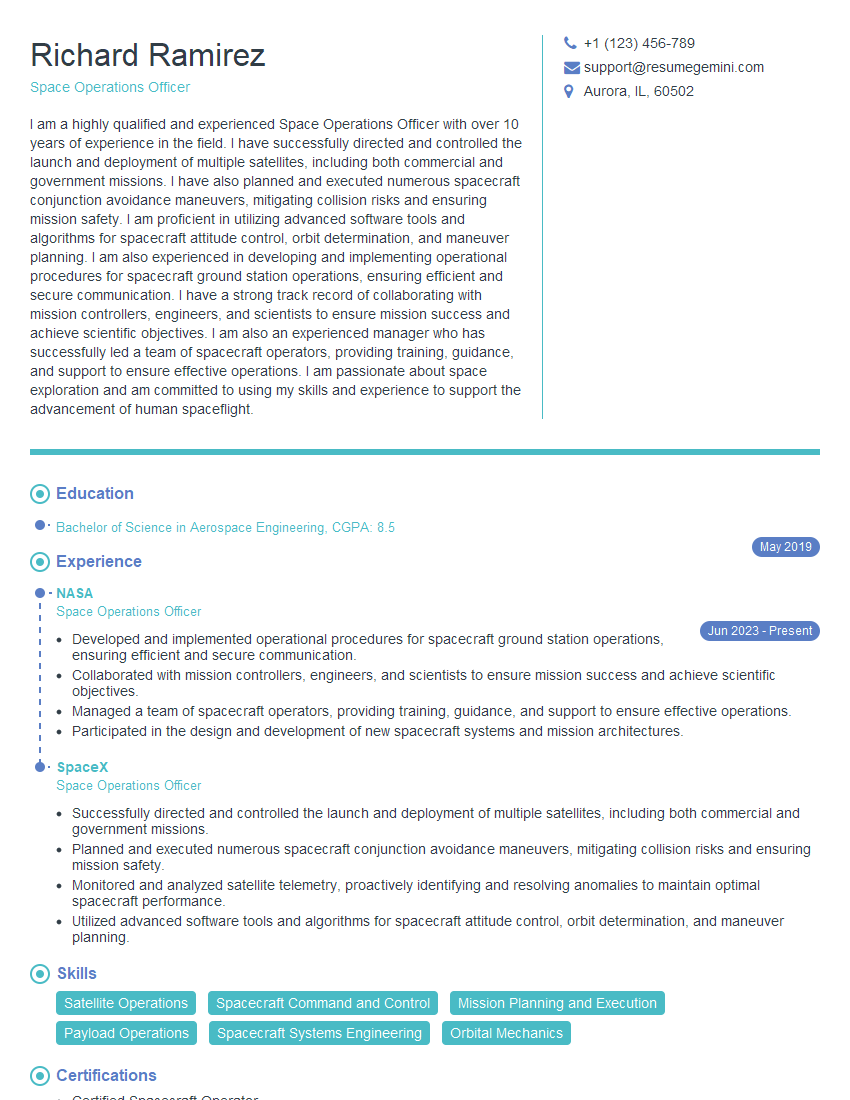
Space Operations Officer Resume Sample
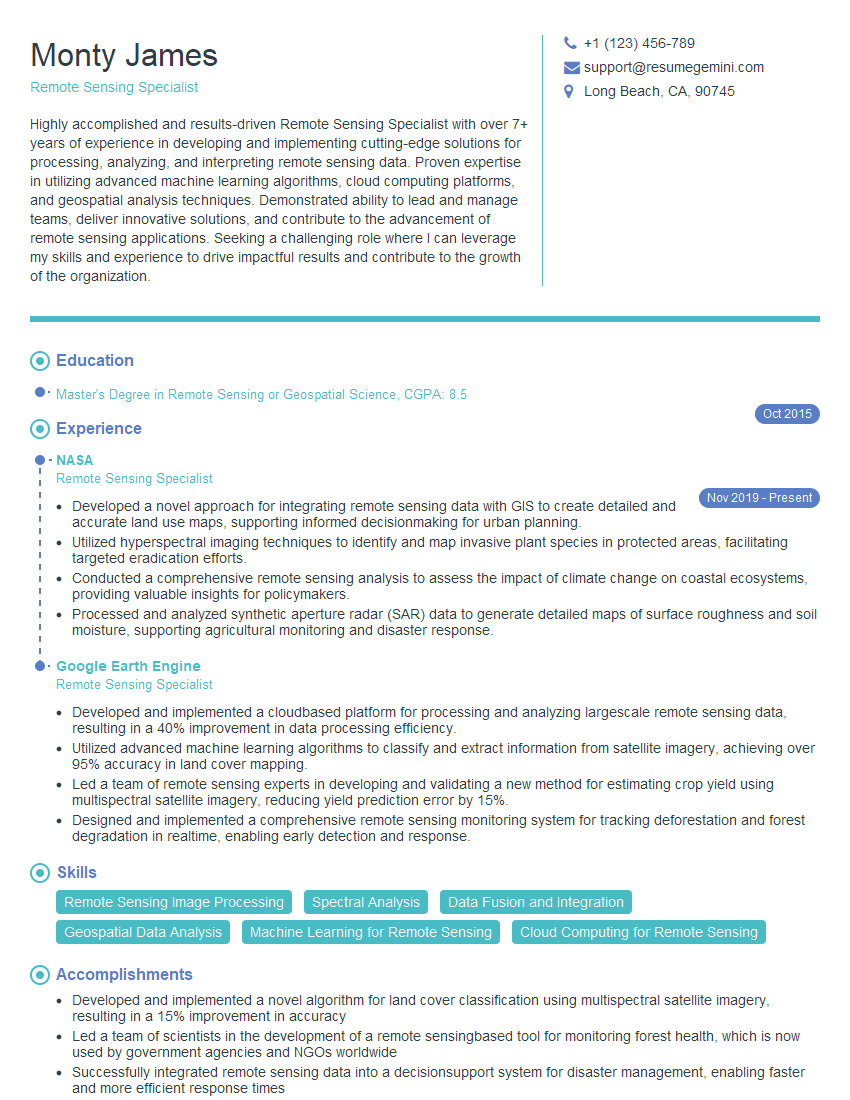
Remote Sensing Specialist Resume Sample
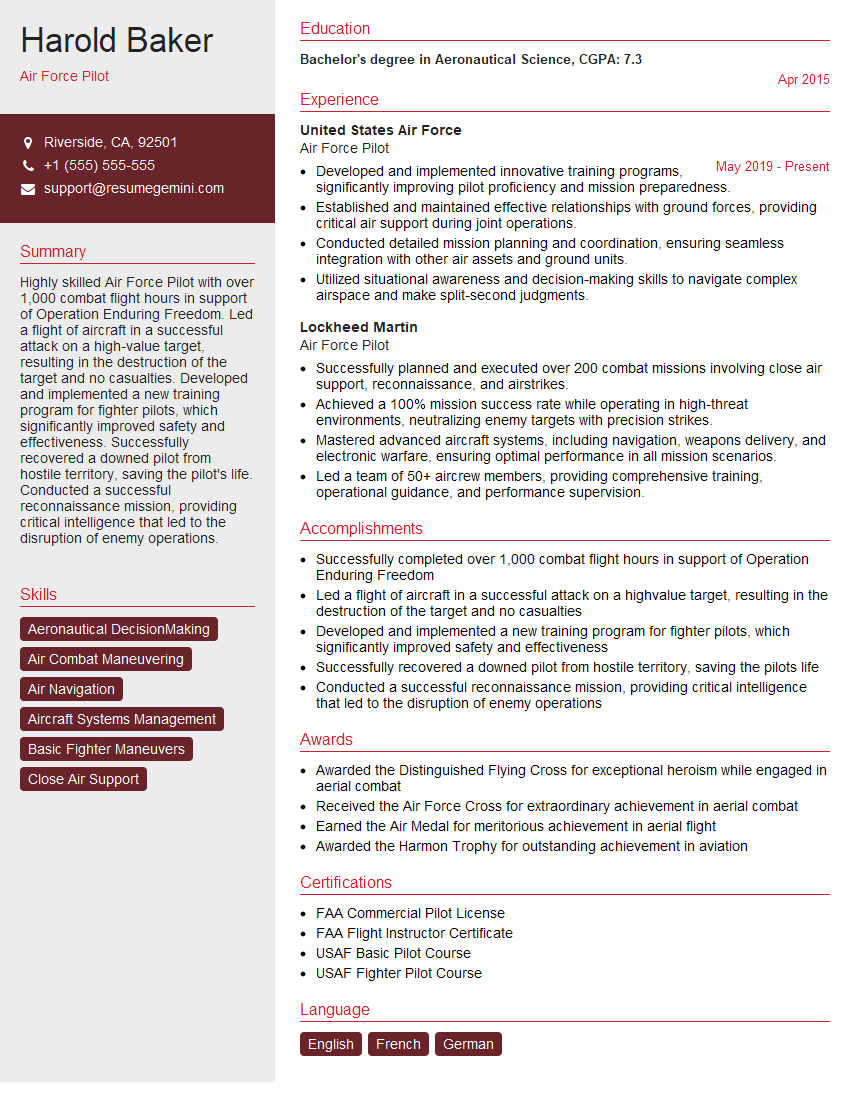
Air Force Pilot Resume Sample
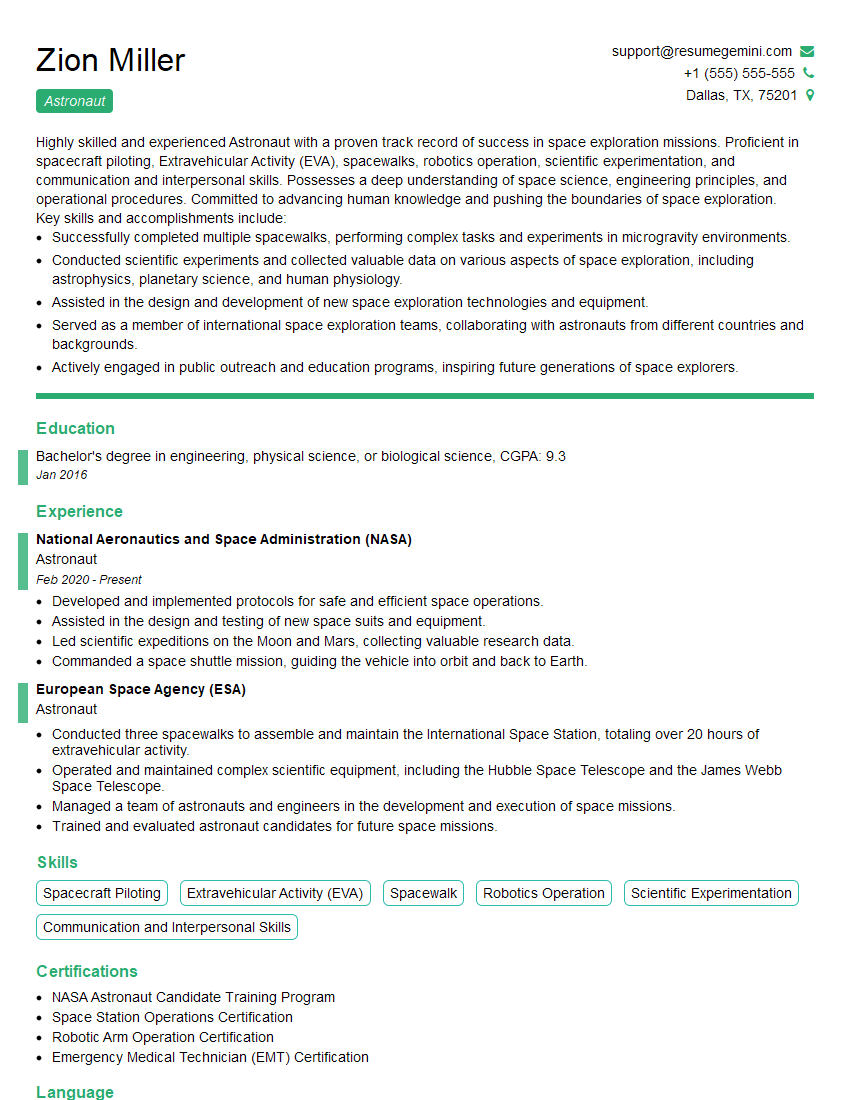
Astronaut Resume Sample
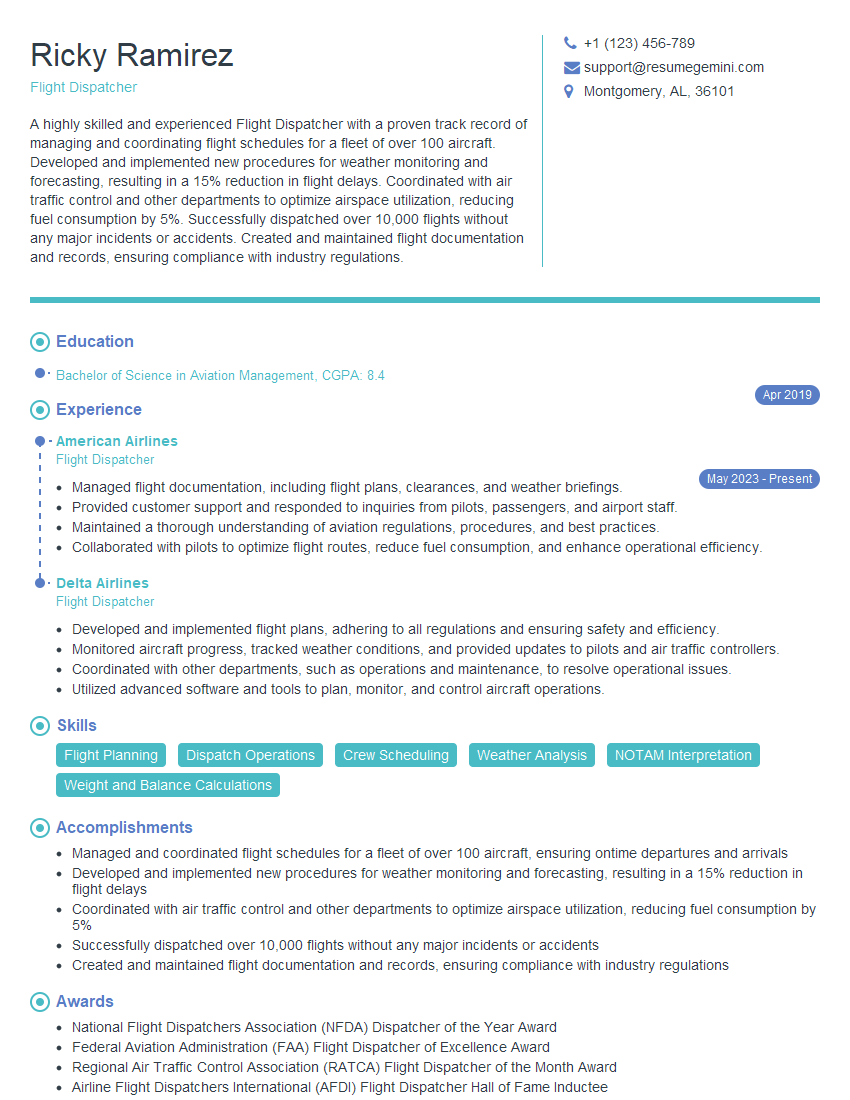
Flight Dispatcher Resume Sample
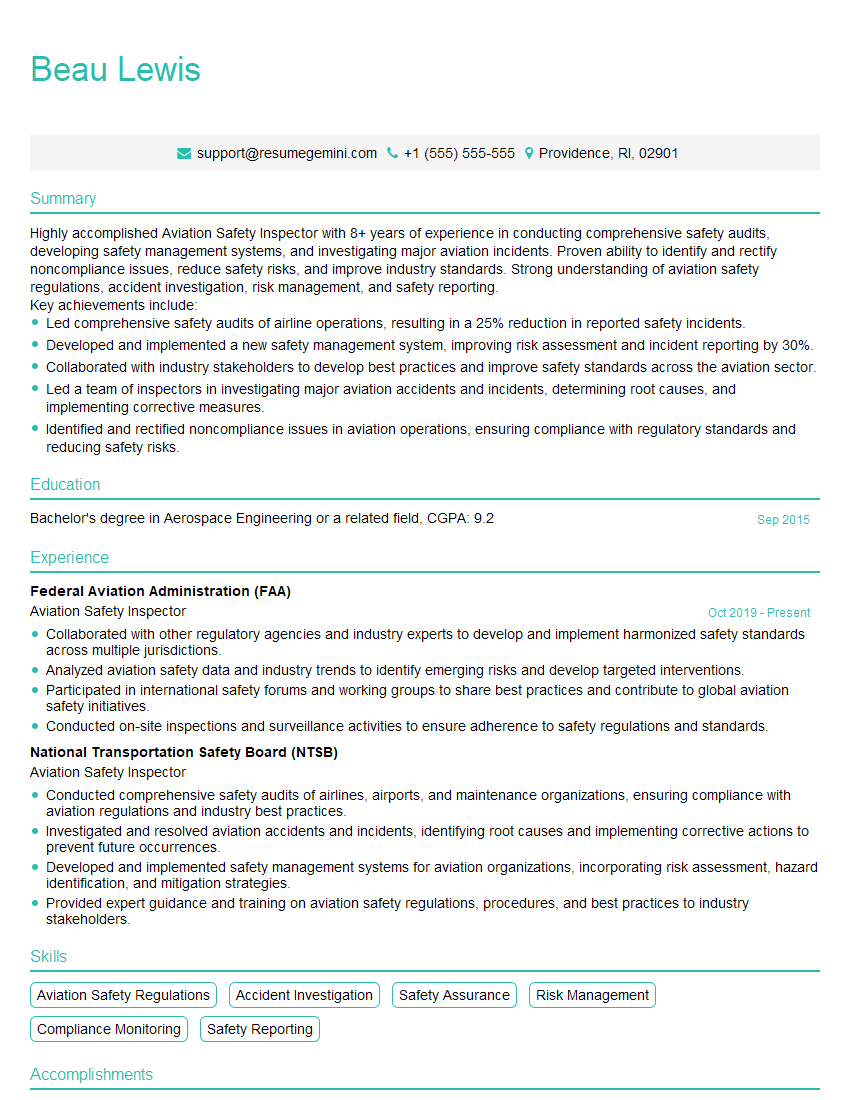
Aviation Safety Inspector Resume Sample
Explore more articles
Users Rating of Our Blogs
Share Your Experience
We value your feedback! Please rate our content and share your thoughts (optional).
What Readers Say About Our Blog
Very informative content, great job.
good