Are you ready to stand out in your next interview? Understanding and preparing for Strong moral character and integrity interview questions is a game-changer. In this blog, we’ve compiled key questions and expert advice to help you showcase your skills with confidence and precision. Let’s get started on your journey to acing the interview.
Questions Asked in Strong moral character and integrity Interview
Q 1. Describe a time you had to uphold ethical standards despite pressure to do otherwise.
Upholding ethical standards under pressure requires a strong moral compass and the courage to stand by one’s principles. It’s about prioritizing integrity even when facing potentially negative consequences.
In a previous role, my team was under immense pressure to meet a tight deadline for a software release. To achieve this, management suggested cutting corners on testing, a decision I believed would compromise the product’s quality and potentially harm our users. Despite the risk of jeopardizing my position and the project timeline, I voiced my concerns, citing potential safety hazards and reputational damage. I proposed alternative solutions, such as prioritizing critical features and extending the deadline slightly. While initially met with resistance, my persistent advocacy eventually led to a compromise that prioritized safety and quality without completely derailing the project. This situation reinforced my belief in the importance of advocating for ethical practices, even when it’s difficult.
Q 2. How do you handle conflicts of interest in your professional life?
Conflicts of interest arise when personal interests clash with professional obligations. Transparent and proactive management is crucial.
My approach involves identifying potential conflicts early. I always disclose any personal interests that could influence my decisions. For instance, if I’m evaluating a vendor where a close friend is employed, I’d immediately disclose this relationship to my supervisor and recuse myself from any decision-making process related to that vendor, ensuring objective and fair evaluation. Documentation of these disclosures is crucial to maintain transparency and accountability. If a conflict cannot be avoided, I would seek guidance from my ethical guidelines or seek advice from a supervisor or ethics committee.
Q 3. Explain your understanding of corporate social responsibility.
Corporate Social Responsibility (CSR) goes beyond maximizing profits; it’s about operating ethically and sustainably while considering the impact on all stakeholders – employees, customers, communities, and the environment. It’s a commitment to acting responsibly and contributing positively to society.
This includes a wide range of activities: environmentally friendly practices, ethical sourcing of materials, fair labor practices, community engagement (e.g., volunteering, charitable donations), and transparent business operations. For example, a company might implement a robust recycling program, partner with local charities, or invest in renewable energy. A strong CSR program builds trust and enhances a company’s reputation, demonstrating a commitment to values beyond profit.
Q 4. Have you ever witnessed unethical behavior? How did you respond?
Witnessing unethical behavior requires careful consideration and a responsible response. The specific action depends on the severity of the behavior and the organizational context.
In one instance, I observed a colleague falsifying data in a report. Initially, I considered discussing it privately with the colleague, but after careful consideration and reviewing my company’s ethical guidelines, I decided to report it through the proper channels – my supervisor and the ethics hotline. My goal wasn’t to punish the colleague, but to ensure ethical conduct within the organization. It was challenging, but my commitment to integrity guided my actions. This experience highlighted the importance of reporting mechanisms and the need to act promptly and responsibly when faced with such issues.
Q 5. Describe a situation where you had to make a difficult ethical decision. What was your process?
Making difficult ethical decisions requires a structured process.
In one case, I was responsible for a project that was significantly over budget. I could either submit a false report and hope to avoid repercussions or honestly disclose the financial situation. Choosing honesty could potentially jeopardize my standing with management. My decision-making process involved:
- Identifying the ethical dilemma: The conflict between honesty and potential job security.
- Gathering information: Reviewing all project documents and financials to ensure accuracy.
- Considering stakeholders: Evaluating the consequences for myself, the project team, and the company.
- Consulting ethical guidelines: Referring to my company’s code of conduct and any relevant legal frameworks.
- Seeking advice: Discussing the situation with a trusted mentor.
- Making a decision: I chose transparency, detailing the budget overruns and proposing solutions.
Q 6. What are the key components of a strong ethical framework for decision-making?
A robust ethical framework for decision-making needs several key components:
- Clearly defined values: Knowing your organization’s core values (honesty, fairness, respect, etc.) provides a compass for difficult decisions.
- Ethical guidelines: A documented code of conduct or similar document acts as a guide.
- Stakeholder analysis: Considering how decisions impact all affected parties.
- Transparency and accountability: Open communication and a willingness to take responsibility for one’s actions.
- Critical thinking and reasoning: Analyzing situations objectively, considering consequences and potential biases.
- Courage and conviction: The strength to make difficult choices even when facing pressure.
Q 7. How do you define integrity, and how does it influence your professional conduct?
Integrity, to me, is about consistently aligning one’s actions with one’s values and beliefs. It’s about being honest, trustworthy, and accountable, even when no one is watching.
In my professional life, integrity influences my conduct in many ways. It guides my interactions with colleagues, clients, and stakeholders. I strive for transparency in my work, ensuring accuracy and completeness. I’m accountable for my actions and take ownership of my mistakes. Furthermore, I am committed to fairness and equity in all my dealings. This means treating everyone with respect, regardless of their position or background. Maintaining integrity not only builds trust and respect but also contributes to a positive and productive work environment.
Q 8. How do you maintain confidentiality in a professional setting?
Maintaining confidentiality is paramount in any professional setting. It’s about safeguarding sensitive information entrusted to you, whether it’s client data, company strategies, or personal details of colleagues. This goes beyond simply not gossiping; it requires a proactive and structured approach.
Understanding Confidentiality Agreements: I always thoroughly review and understand any confidentiality agreements or non-disclosure agreements (NDAs) before accepting any role or undertaking a new project. This ensures I am fully aware of my obligations and the consequences of breaches.
Secure Data Handling: I employ best practices for handling sensitive information, including using secure passwords, encrypting data when necessary, and limiting access to information on a need-to-know basis. For example, I would never leave sensitive documents unattended or discuss confidential matters in public spaces.
Professional Boundaries: I maintain strict professional boundaries. Discussions about work-related matters are confined to appropriate channels and venues. I am cautious about what I share, even with trusted colleagues, ensuring that conversations remain within the scope of what’s necessary for work.
Reporting Violations: Should I become aware of a confidentiality breach, I would immediately report it to the appropriate authorities within my organization, following established procedures.
Q 9. Describe your experience with reporting unethical behaviour.
Reporting unethical behavior is a crucial aspect of maintaining integrity. It demonstrates a commitment to ethical principles and a willingness to challenge wrongdoing, even if it’s uncomfortable. My approach is based on careful consideration and a commitment to due process.
Documentation: In previous instances where I witnessed unethical conduct, I meticulously documented the facts, including dates, times, individuals involved, and any evidence supporting my observations. This was crucial in ensuring a fair and accurate representation of events.
Internal Channels: I always try to address the issue internally first, utilizing established reporting channels within my organization, such as a whistleblower hotline or a designated ethics officer. I carefully weigh the potential risks and benefits before escalating the matter.
Escalation: If internal channels prove ineffective or if the unethical behavior is serious or systemic, I would consider reporting the issue to external regulatory bodies, depending on the nature of the violation and applicable laws.
Protection: I understand the importance of protecting my own well-being when reporting unethical behavior and would seek guidance and support from trusted colleagues or mentors, if needed. I’ve also familiarized myself with whistleblower protection laws.
Q 10. What steps do you take to ensure fairness and impartiality in your work?
Ensuring fairness and impartiality is central to my work ethic. It involves making decisions and taking actions based on objective criteria, rather than personal biases or preferences. This requires constant self-reflection and a commitment to due diligence.
Objective Criteria: I establish clear, objective criteria for decision-making whenever possible. For instance, in performance reviews, I would use pre-defined metrics and documented evidence rather than relying on subjective impressions.
Awareness of Biases: I am aware of the potential for unconscious biases to influence my judgments and actively work to mitigate them. This includes seeking diverse perspectives, challenging my own assumptions, and seeking feedback from others.
Consistent Application of Rules: I ensure consistent application of rules and policies to all individuals, avoiding any special treatment or favoritism. This promotes a perception of fairness and helps build trust.
Transparency: Transparency is key. I make sure my decision-making processes are as transparent as possible, explaining the rationale behind decisions to those affected.
Q 11. How do you handle disagreements with colleagues regarding ethical issues?
Disagreements about ethical issues with colleagues are inevitable. Addressing these conflicts constructively requires respectful dialogue, a commitment to finding common ground, and a willingness to compromise where appropriate.
Open Communication: I begin by expressing my concerns clearly and respectfully, focusing on the ethical principles at stake rather than attacking the individual’s character.
Active Listening: I actively listen to my colleague’s perspective, seeking to understand their reasoning and concerns. This often helps identify common ground or areas of miscommunication.
Collaborative Problem-Solving: We work collaboratively to explore alternative solutions that address both the ethical concerns and the practical realities of the situation.
Escalation (If Necessary): If we cannot reach a resolution, I would escalate the matter to a supervisor or designated ethics officer, following established procedures within the organization.
Q 12. How do you balance ethical considerations with business objectives?
Balancing ethical considerations with business objectives is a constant challenge. It’s not about choosing one over the other; it’s about finding creative and ethical solutions that achieve both. I often think of it as finding the intersection of what’s right and what’s possible.
Ethical Frameworks: I use established ethical frameworks, such as utilitarianism (maximizing overall good) or deontology (following moral duties), to guide decision-making in complex situations. This helps structure my thinking and consider the consequences of different actions.
Stakeholder Analysis: I identify all stakeholders affected by a decision and consider their interests and potential consequences. This helps avoid unintended negative impacts while striving to benefit all stakeholders as much as possible.
Creative Solutions: Often, the perceived conflict between ethics and business objectives is false. Creative solutions can exist that address both concerns. For example, finding a more sustainable, ethical sourcing solution for materials may also reduce long-term costs.
Long-Term Perspective: I consider the long-term consequences of decisions, understanding that short-term gains that compromise ethical standards can have significant negative long-term repercussions.
Q 13. What is your approach to ensuring compliance with regulations and laws?
Compliance with regulations and laws is not just a legal requirement; it’s an ethical imperative. It demonstrates respect for societal rules and a commitment to fair practices. My approach is multifaceted.
Understanding Regulations: I actively seek to understand all relevant laws and regulations related to my work, staying updated on changes and developments. This involves attending relevant training sessions and keeping abreast of industry publications.
Internal Policies: I familiarize myself with my organization’s internal policies and procedures related to compliance, ensuring that my actions align with these guidelines.
Due Diligence: I conduct thorough due diligence to ensure compliance in all my activities. This might involve reviewing contracts, verifying data, and seeking clarification when uncertainty arises.
Reporting Non-Compliance: If I identify instances of non-compliance, I immediately report them through the appropriate channels within the organization.
Q 14. Explain a time you had to take a stand against something you believed was wrong.
In a previous role, I noticed a pattern of inaccurate reporting on project milestones. While the initial discrepancies seemed small, I suspected they could mask larger issues and potentially mislead stakeholders. Initially, I attempted to discuss my concerns with my direct supervisor, but my concerns weren’t fully addressed.
Ultimately, I documented my findings meticulously, outlining the inconsistencies and presenting them to the project management team. This led to a thorough investigation and ultimately, corrected reporting practices. While it was initially uncomfortable to challenge the existing system, the importance of maintaining accurate information and the potential for wider issues justified taking a stand. The experience reinforced the importance of speaking up even when it’s challenging and the significance of careful documentation to support my claims.
Q 15. How do you prioritize ethical considerations in a fast-paced environment?
Prioritizing ethical considerations in a fast-paced environment requires a proactive and structured approach. It’s not about reacting to ethical dilemmas as they arise, but rather building a framework to prevent them. Think of it like a fire safety plan – you don’t wait for a fire to start before you address it.
- Establish a clear ethical framework: Before a crisis hits, define your organization’s ethical guidelines, and ensure they align with your personal values. This provides a clear roadmap for decision-making under pressure.
- Pause and reflect: In the heat of the moment, it’s easy to make hasty decisions. Taking a few minutes to consider the ethical implications of your actions, even if it means delaying a project momentarily, is crucial. Imagine a surgeon pausing before a complex operation to double-check their equipment – this is the same principle.
- Seek counsel: Don’t be afraid to seek guidance from mentors, colleagues, or an ethics committee. A fresh perspective can help identify blind spots and potential ethical pitfalls.
- Prioritize long-term consequences: While speed is important, prioritizing long-term ethical consequences over short-term gains will lead to a more sustainable and reputable outcome. A quick win that compromises ethics could have devastating repercussions later on.
- Document decisions: Keeping a clear record of decisions made, the reasoning behind them, and any ethical considerations involved, can help protect you and your organization from future issues.
For example, if facing pressure to release a product with known bugs to meet a deadline, pausing to consider the potential harm to customers, assessing risk mitigation strategies, and documenting the decision-making process is vital. This proactive approach safeguards reputation and protects users.
Career Expert Tips:
- Ace those interviews! Prepare effectively by reviewing the Top 50 Most Common Interview Questions on ResumeGemini.
- Navigate your job search with confidence! Explore a wide range of Career Tips on ResumeGemini. Learn about common challenges and recommendations to overcome them.
- Craft the perfect resume! Master the Art of Resume Writing with ResumeGemini’s guide. Showcase your unique qualifications and achievements effectively.
- Don’t miss out on holiday savings! Build your dream resume with ResumeGemini’s ATS optimized templates.
Q 16. What personal values guide your professional conduct?
My professional conduct is guided by several core values: integrity, accountability, respect, fairness, and empathy. These are not just words; they are the principles that underpin my actions.
- Integrity: I believe in honesty and transparency in all my dealings. This includes being truthful, acting ethically, and keeping my promises.
- Accountability: I take ownership of my actions and their consequences, whether positive or negative. This means being responsible for my performance and addressing any mistakes I make.
- Respect: I treat everyone with dignity and courtesy, regardless of their position, background, or beliefs. This involves valuing diversity and actively listening to others’ perspectives.
- Fairness: I strive to be impartial and equitable in my actions and decisions. This means avoiding bias and considering all stakeholders’ interests.
- Empathy: I try to understand and share the feelings of others. This enables me to make decisions that consider the impact on people and build stronger working relationships.
These values aren’t static; they are constantly evolving and being refined through experience and reflection.
Q 17. How do you deal with pressure to compromise your ethical standards?
Pressure to compromise ethical standards is a common challenge in many professional environments. Addressing it requires strength of character and a commitment to your values.
- Assess the pressure: First, identify the source and nature of the pressure. Is it coming from a superior, a client, or internal deadlines? Understanding the source helps you formulate a response.
- Define your boundaries: Clearly articulate your ethical limits. What are you unwilling to compromise on? Having these boundaries defined beforehand makes it easier to stand firm.
- Seek support: If the pressure is overwhelming or involves potential illegal activity, seek help from mentors, HR, or a legal advisor. You’re not alone in this.
- Document the situation: Keep a record of the pressure, your responses, and any attempts to resolve the situation. This documentation protects you should the situation escalate.
- Consider your options: If the ethical compromise is unavoidable despite your efforts, consider the potential consequences carefully and decide on a course of action that aligns with your values, even if that means resigning.
For example, if pressured to falsify data to meet a sales target, I would refuse, explaining the unethical and potentially illegal implications. I would document the request and seek advice from my superior or HR department.
Q 18. Describe a time you demonstrated accountability for your actions.
In a previous project, I made an error in a critical calculation which resulted in a delay in the project timeline. Instead of trying to conceal the mistake, I immediately brought it to the attention of my team lead, explaining how it happened and outlining the steps required to rectify it. I worked extra hours to fix the error, and I proactively updated stakeholders on the situation. This transparency and accountability, although initially difficult, strengthened my team’s trust in me and fostered a more open and honest work environment.
Q 19. How do you define a strong work ethic, and how do you demonstrate it?
A strong work ethic goes beyond simply showing up on time. It’s about a deep commitment to excellence and a proactive approach to your responsibilities. It involves a combination of diligence, responsibility, and a commitment to continuous improvement.
- Diligence: This includes consistently applying effort and focus to your tasks, meeting deadlines, and producing high-quality work.
- Responsibility: This means taking ownership of your actions and responsibilities, being accountable for your outcomes, and proactively identifying and addressing potential problems.
- Continuous Improvement: A strong work ethic includes seeking opportunities to learn and grow, adopting best practices, and improving your skills and performance.
I demonstrate a strong work ethic by consistently going above and beyond my assigned duties, proactively seeking out challenging assignments, and consistently striving for excellence in my work. For instance, I regularly seek feedback to identify areas for improvement and invest time in learning new skills relevant to my role.
Q 20. Describe a time you demonstrated empathy and compassion in a professional setting.
During a challenging project, a colleague was experiencing significant personal difficulties affecting their work performance. Instead of simply focusing on the project deadlines, I took the time to listen to their concerns and offer support. I offered to take on some of their workload, helped them connect with resources within the company to address their personal issues, and ensured they felt valued and understood. This approach fostered a stronger team dynamic and ensured the colleague received the help they needed, ultimately contributing to a successful project completion. This demonstrated empathy and compassion, exceeding the usual professional boundaries to show genuine care.
Q 21. How do you handle a situation where a colleague’s actions are questionable?
If I observe questionable actions by a colleague, my approach depends on the severity of the issue.
- Minor Issues: For minor infractions, I would initially try to speak to the colleague directly in a private, constructive manner. I would express my concerns and attempt to understand their perspective.
- Serious Issues: If the actions are more serious (e.g., potentially unethical or illegal), I would document the incident and escalate the matter to the appropriate authority (e.g., manager, HR). Whistleblowing, while difficult, is sometimes necessary for protecting the integrity of the organization.
- Consistency and fairness: It’s crucial to approach all situations consistently and fairly, applying the same standards regardless of the individual’s position or seniority.
For example, if a colleague consistently takes credit for others’ work, I would initially attempt a private conversation. If the behavior continues, I would report it to my manager to ensure a fair and consistent application of workplace policies.
Q 22. Explain your approach to maintaining professional boundaries.
Maintaining professional boundaries is crucial for ethical conduct and productive work relationships. It involves setting clear limits on interactions with colleagues, clients, and superiors, preventing blurring of lines that can lead to conflicts of interest or compromised objectivity. My approach is multifaceted:
- Clear Communication: I openly and respectfully communicate my professional role and limitations. For example, I might politely decline social invitations outside of work hours if I feel it could compromise my professional objectivity.
- Respectful Interaction: I maintain a respectful and professional demeanor at all times, avoiding overly familiar or personal conversations in the workplace. This fosters a climate of trust and professionalism.
- Time Management: I prioritize tasks and manage my time effectively to prevent over-commitment and burnout, which can erode boundaries. This includes setting clear boundaries between work and personal life.
- Documentation: I meticulously document all professional interactions and agreements, ensuring transparency and accountability. This provides a clear record to refer to if any boundary issues arise.
- Seeking Guidance: When unsure about a boundary, I seek guidance from my supervisor or HR department to ensure compliance with company policies and ethical guidelines.
For instance, if a colleague repeatedly shares personal problems that significantly impact their work performance, I would offer support within professional limits, suggesting they speak with HR or a counsellor for more in-depth assistance. I would avoid becoming overly involved in their personal life, maintaining a focus on professional concerns.
Q 23. How do you handle confidential information entrusted to you?
Confidentiality is paramount in maintaining professional integrity. Handling confidential information responsibly requires diligence and adherence to established protocols. My approach involves:
- Strict Adherence to Policies: I meticulously follow all company policies and legal regulations regarding the handling of confidential data, such as client information, financial records, or intellectual property.
- Secure Storage: I ensure confidential information is stored securely, using appropriate methods like password-protected files, encrypted drives, and secure servers. I am always mindful of physical security, locking documents and using secure disposal methods.
- Limited Access: I only share confidential information with individuals who have a legitimate need to know, ensuring they too understand the importance of confidentiality. I never share information outside of the necessary professional context.
- Data Protection: I regularly update my knowledge on data protection best practices and am aware of the consequences of data breaches.
- Discreet Communication: I avoid discussing confidential matters in public spaces or informal settings. Any communication concerning sensitive data is done via secure channels.
For example, if I receive a sensitive client email, I would immediately save it in a secure, password-protected location, only accessing it when needed. I would never forward it to anyone without authorization, and I’d report any potential security breaches immediately.
Q 24. How would you handle a situation where you witness unethical conduct by a superior?
Witnessing unethical conduct by a superior is a challenging situation requiring careful consideration and action. My approach focuses on ethical responsibility and organizational compliance. I would:
- Document the Incident: I would meticulously document the unethical conduct, including the date, time, location, individuals involved, and specific details of the event. I would strive to record all events objectively, recording the facts and only facts observed.
- Consider Internal Channels: I would first attempt to address the issue internally, if possible and safe. This may involve speaking directly to the superior, if appropriate, or reporting the incident through the appropriate internal channels, such as HR or an ethics committee.
- Seek Advice: I would seek advice from a trusted mentor or colleague to gain different perspectives and guidance on the best course of action. A second opinion is always invaluable.
- External Reporting: If internal channels fail to address the situation adequately or if there is a threat to safety, I would consider reporting the conduct to external authorities such as regulatory bodies or legal counsel, always while considering the possible repercussions.
- Protection of Self: My highest priority would be to protect myself from retaliation, while still maintaining my ethical integrity. This might involve carefully documenting all communications related to the situation.
For example, if I witnessed a manager falsifying expense reports, I would first document the event meticulously. Then I would confidentially consult with HR, providing them with my documented evidence, and following their guidance on how to proceed. If the issue remained unaddressed, I may consult an attorney to explore further action.
Q 25. Describe a time you had to make a tough decision with limited information.
Making tough decisions with limited information is a common challenge. In one instance, my team was tasked with launching a new product with a tight deadline, but crucial market research data was incomplete. My approach involved:
- Data Gathering: I prioritized gathering the available data, however incomplete, and identifying the key knowledge gaps.
- Risk Assessment: I conducted a thorough risk assessment, weighing potential consequences of different actions, acknowledging the uncertainties involved.
- Collaboration: I engaged in open discussions with my team, soliciting their insights and perspectives to compensate for the missing information.
- Contingency Planning: We developed several contingency plans to address potential downsides of the decisions made with the partial information.
- Iterative Approach: We opted for a phased rollout, allowing us to gather feedback and make adjustments as more information became available. This allowed us to respond to challenges as they emerged.
While the final product wasn’t perfect due to limited initial information, the iterative approach and contingency planning minimized significant risks and allowed for successful adaptation.
Q 26. How do you assess the ethical implications of your decisions?
Assessing the ethical implications of my decisions involves a systematic process. I utilize a framework that considers several key aspects:
- Identify Stakeholders: I first identify all stakeholders affected by the decision, including employees, clients, shareholders, and the wider community.
- Consider Values: I weigh the decision against relevant ethical principles, such as fairness, honesty, transparency, accountability, and respect for persons.
- Legal Compliance: I ensure the decision complies with all relevant laws and regulations.
- Potential Consequences: I carefully analyze the potential short-term and long-term consequences of each option, considering both positive and negative impacts on all stakeholders.
- Transparency and Accountability: I aim to make decisions transparently and accept accountability for their outcomes.
This framework helps me make decisions that align with both organizational values and my personal ethical compass. Using this process often reveals unforeseen aspects and helps me navigate complex moral dilemmas.
Q 27. Describe a time when you faced a conflict between personal values and professional obligations.
Conflicts between personal values and professional obligations are inevitable. In one instance, I was asked to promote a product I felt had questionable environmental implications, despite my strong commitment to sustainability. I addressed this conflict by:
- Open Communication: I initiated a discussion with my supervisor, expressing my concerns about the product’s environmental impact and outlining my personal values.
- Alternative Solutions: I suggested alternative marketing strategies that minimized focus on the questionable aspects of the product while still meeting sales objectives.
- Compromise and Negotiation: Through open communication, we found a compromise: a revised marketing campaign that emphasized the product’s positive attributes while acknowledging potential environmental concerns and highlighting efforts towards future improvements.
- Documenting the Discussion: I documented the discussion and agreed-upon changes, ensuring clarity and accountability.
While I didn’t completely avoid promoting the product, I managed to mitigate its negative environmental aspects to the extent possible, achieving a balance between my personal values and my professional responsibilities.
Q 28. How do you ensure your actions align with the organization’s ethical guidelines?
Ensuring my actions align with an organization’s ethical guidelines is a continuous process. I approach this by:
- Thorough Review: I carefully review the organization’s code of conduct, ethical guidelines, and related policies to understand its expectations clearly. This includes staying updated on any changes.
- Seeking Clarification: When unsure about the ethical implications of a situation, I seek clarification from relevant individuals, such as supervisors or HR.
- Ethical Decision-Making Framework: I employ my ethical decision-making framework, outlined in a previous answer, ensuring decisions align with both organizational and personal ethical principles. This framework acts as a guide.
- Reporting Violations: I report any observed violations of ethical guidelines through appropriate channels. This is crucial for a healthy ethical culture.
- Continuous Learning: I participate in relevant training and professional development programs focused on ethics and compliance to improve my understanding and continuously enhance my ethical behavior.
By actively engaging in this process, I strive to become a positive influence within the organization, promoting a culture of integrity and ethical responsibility.
Key Topics to Learn for Strong Moral Character and Integrity Interview
- Defining your values: Identifying your core principles and how they guide your decisions in professional settings. Consider reflecting on situations where your values were tested and how you responded.
- Ethical decision-making frameworks: Understanding different approaches to ethical dilemmas (e.g., utilitarianism, deontology) and applying them to hypothetical work scenarios. Practice articulating your reasoning process clearly and concisely.
- Transparency and accountability: Demonstrating a commitment to honesty and taking responsibility for your actions, both successes and failures. Prepare examples showcasing how you’ve addressed mistakes and learned from them.
- Respect and fairness: Highlighting your ability to treat colleagues and clients with respect, regardless of their background or position. Consider how you foster inclusivity and a positive work environment.
- Confidentiality and discretion: Understanding the importance of protecting sensitive information and maintaining professional boundaries. Prepare examples showcasing your ability to handle confidential matters appropriately.
- Conflict resolution and integrity: Demonstrating your ability to navigate difficult situations ethically and fairly. Prepare examples of times you resolved conflicts professionally and maintained your integrity.
- Professional conduct and code of ethics: Familiarizing yourself with relevant professional codes of conduct and demonstrating your understanding of ethical standards within your field.
Next Steps
Mastering strong moral character and integrity is crucial for career advancement. Employers highly value individuals who demonstrate ethical conduct and trustworthiness. Building an ATS-friendly resume that effectively showcases these qualities is essential for increasing your job prospects. To create a compelling and impactful resume highlighting your strong moral character and integrity, we recommend using ResumeGemini. ResumeGemini provides tools and resources to build a professional resume, and we offer examples of resumes tailored to showcase strong moral character and integrity. This will help you present yourself effectively to potential employers and significantly improve your chances of landing your dream job.
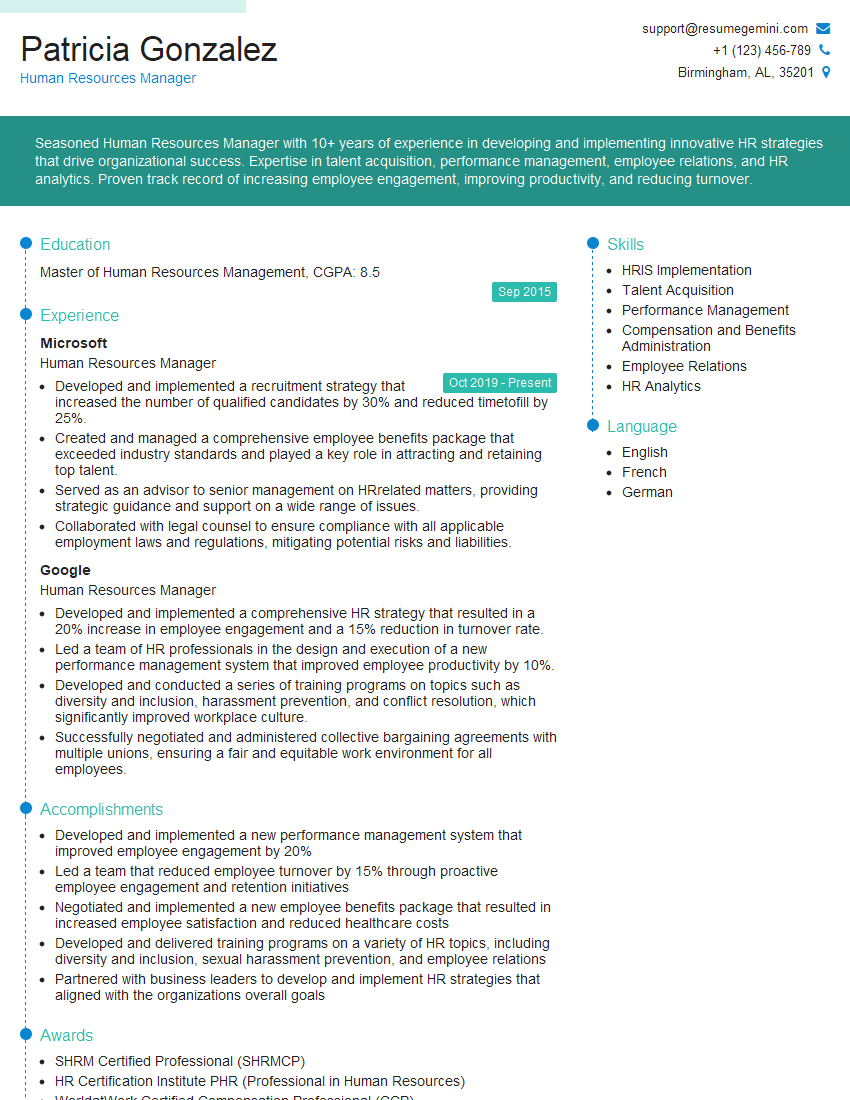
Human Resources Manager Resume Sample
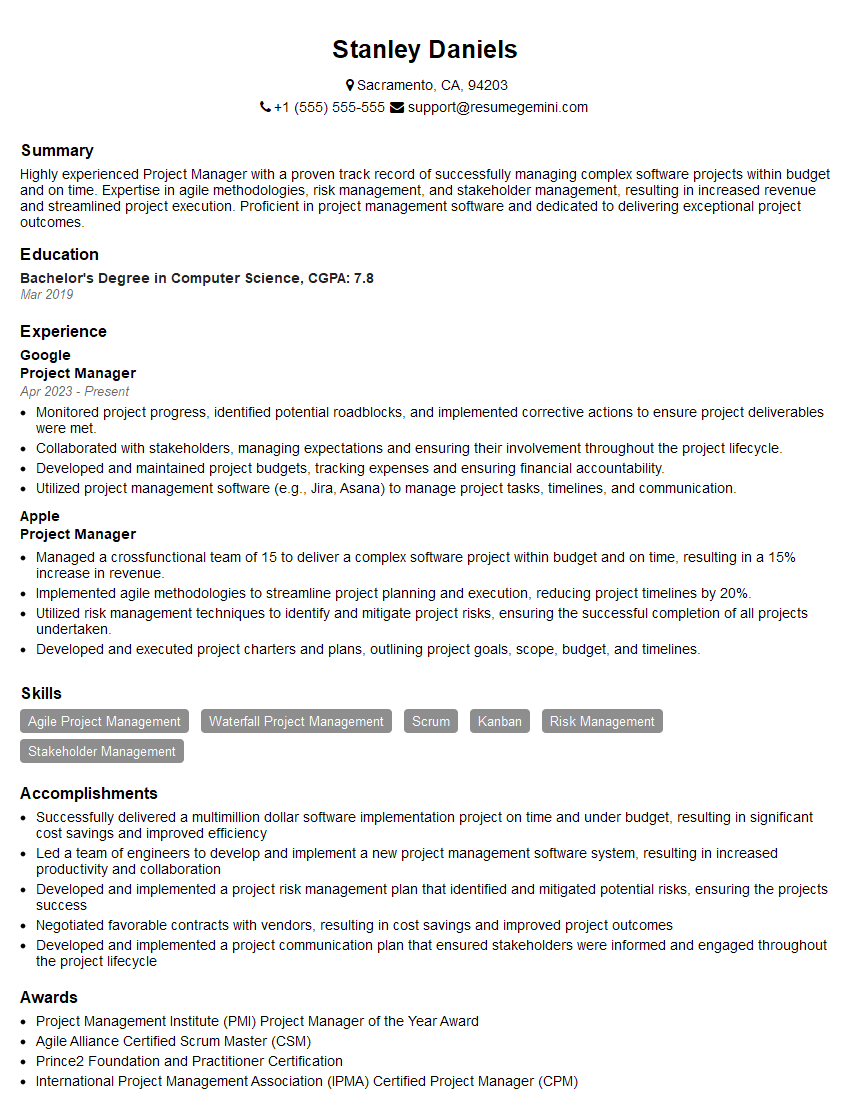
Project Manager Resume Sample
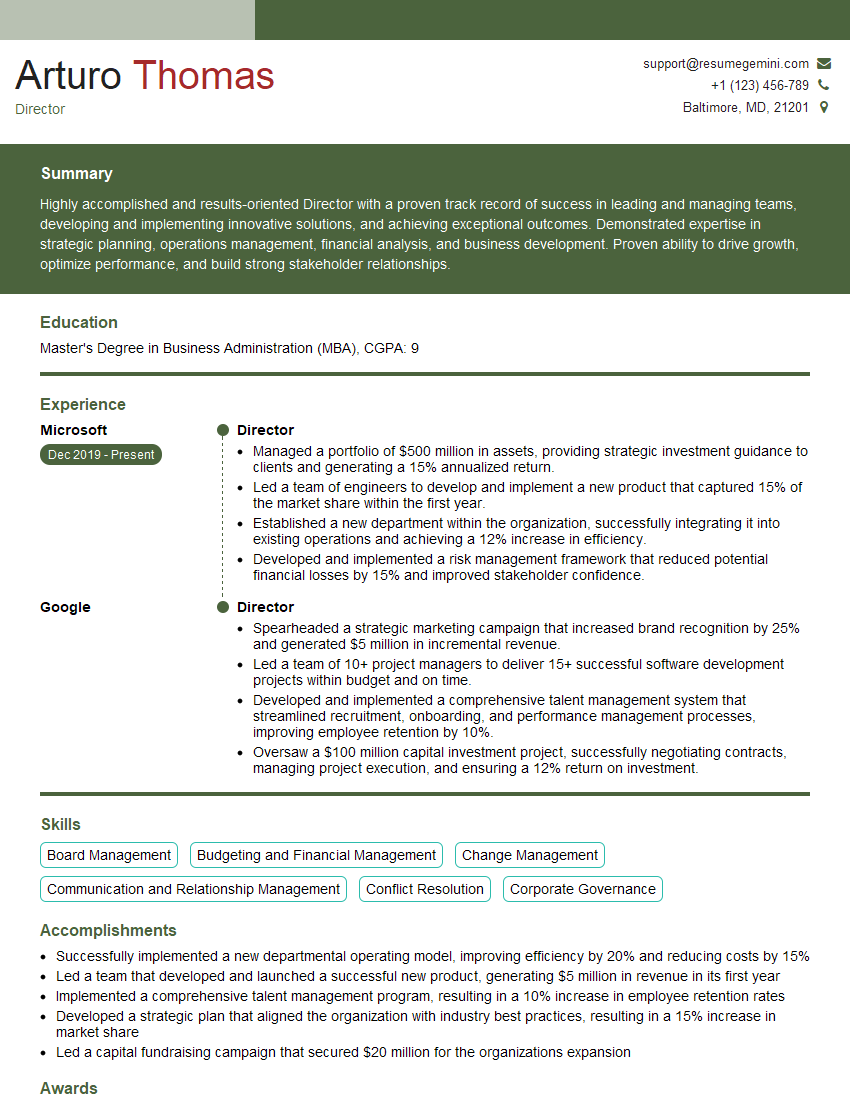
Director Resume Sample
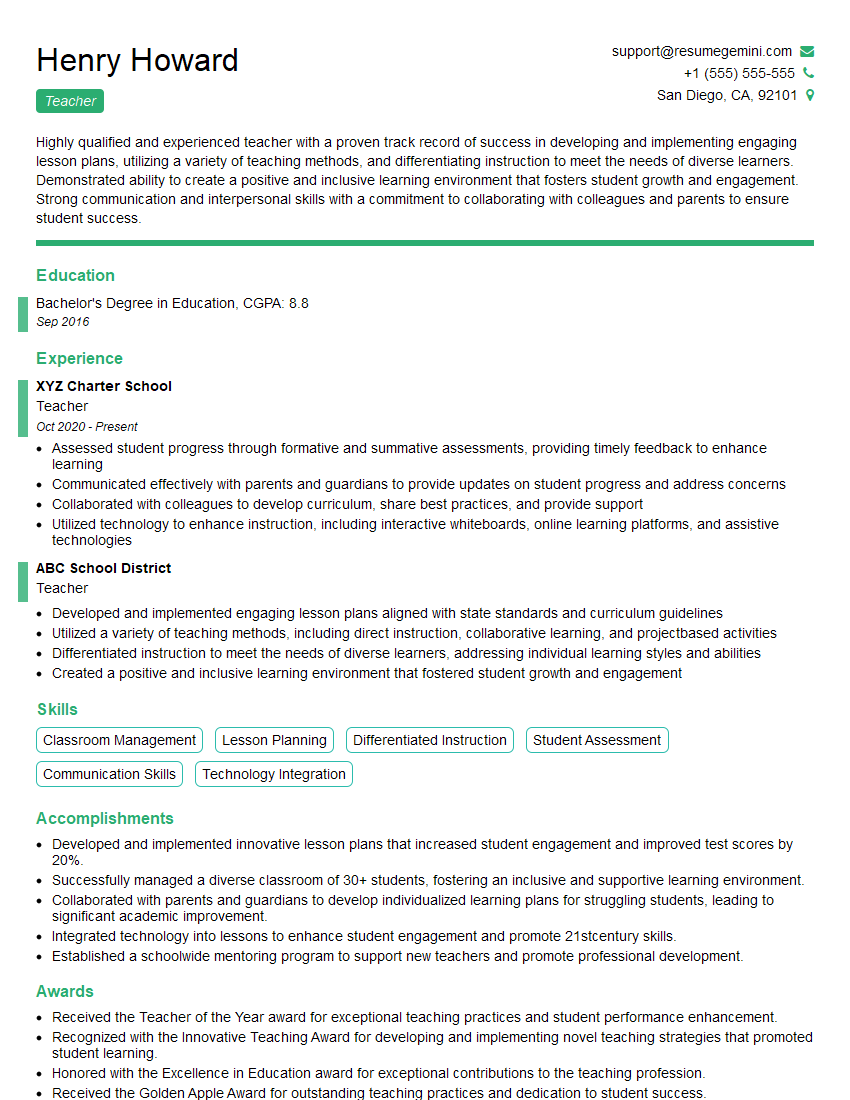
Teacher Resume Sample

Professor Resume Sample
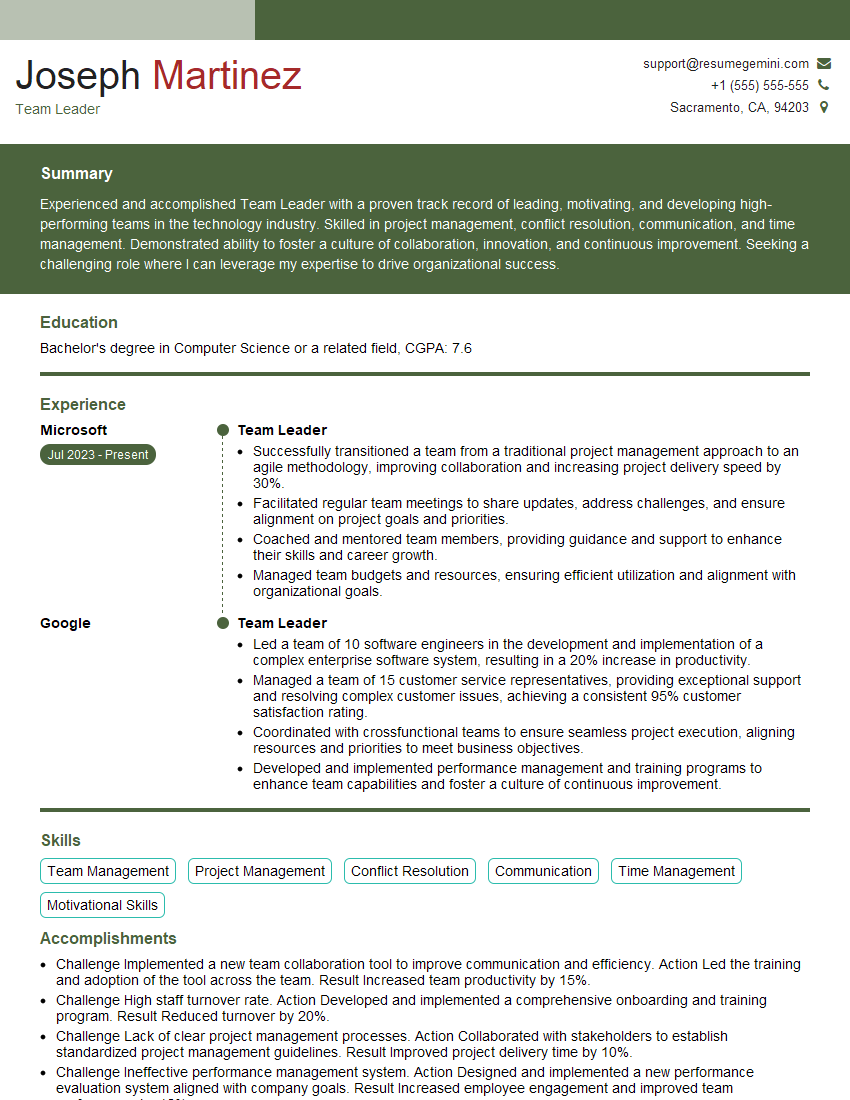
Team Leader Resume Sample

Compliance Officer Resume Sample
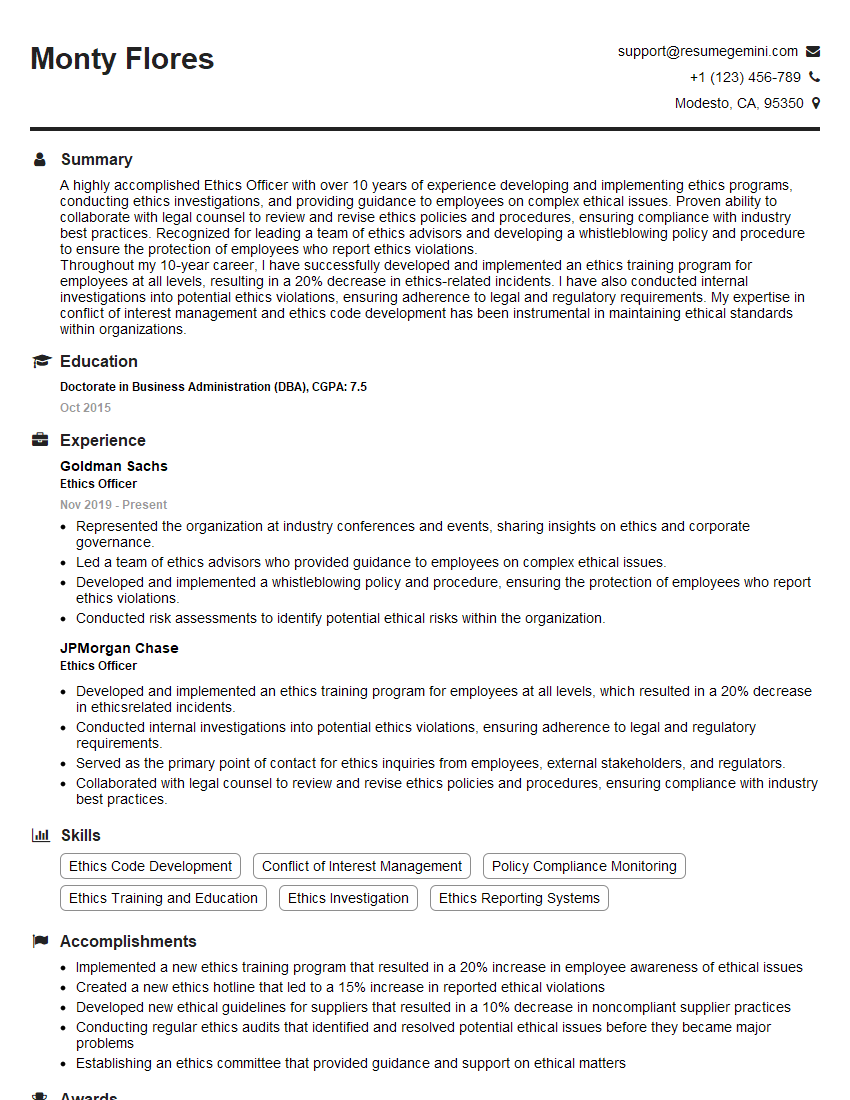
Ethics Officer Resume Sample
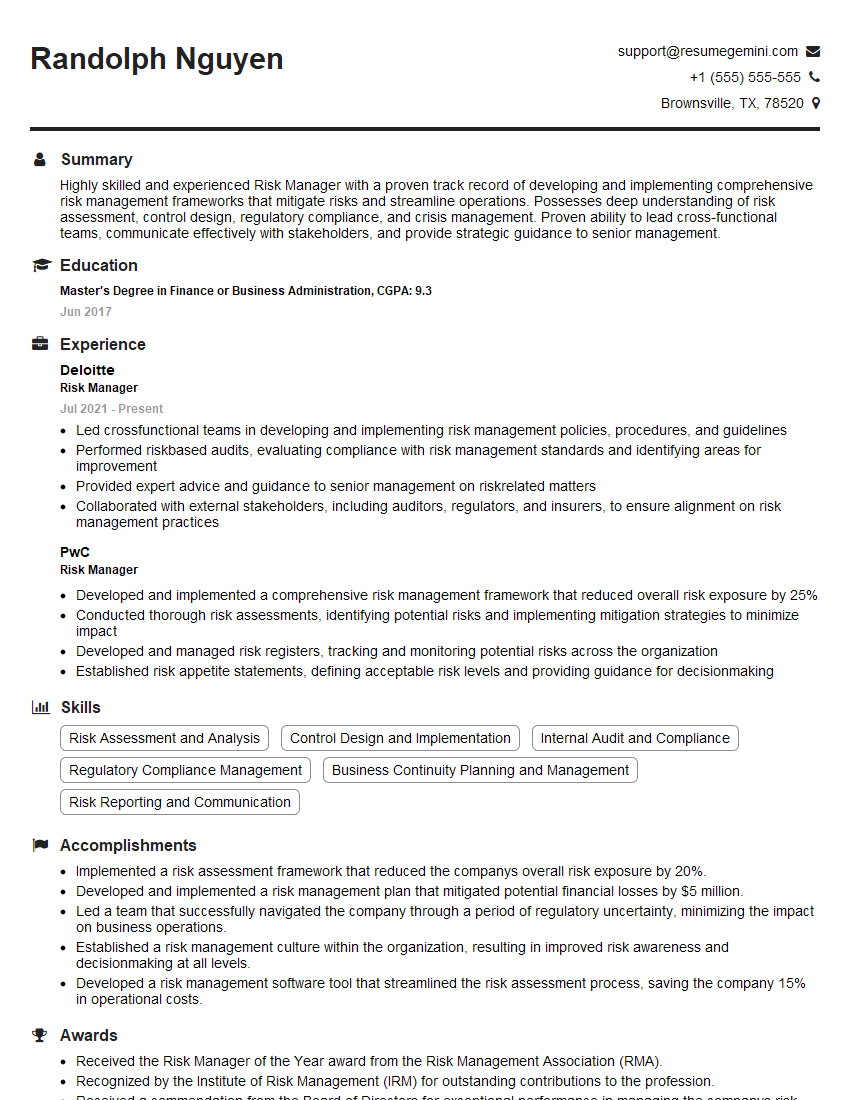
Risk Manager Resume Sample
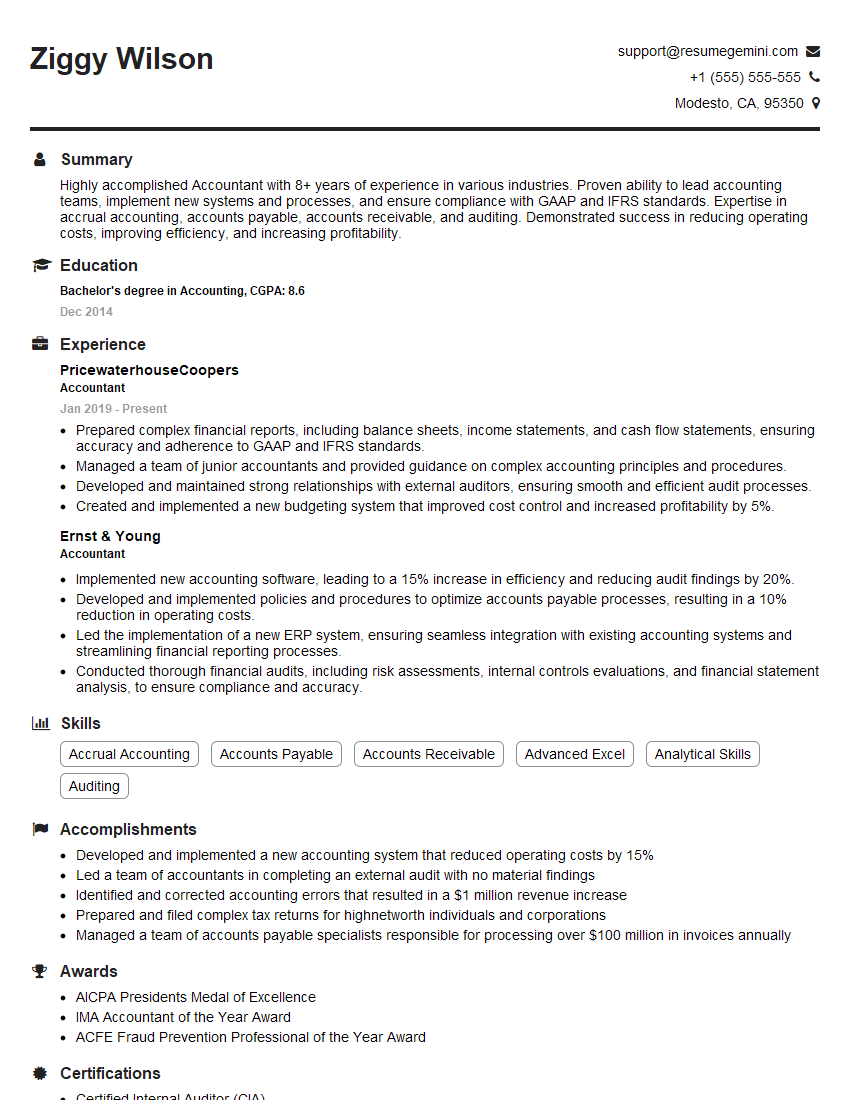
Accountant Resume Sample
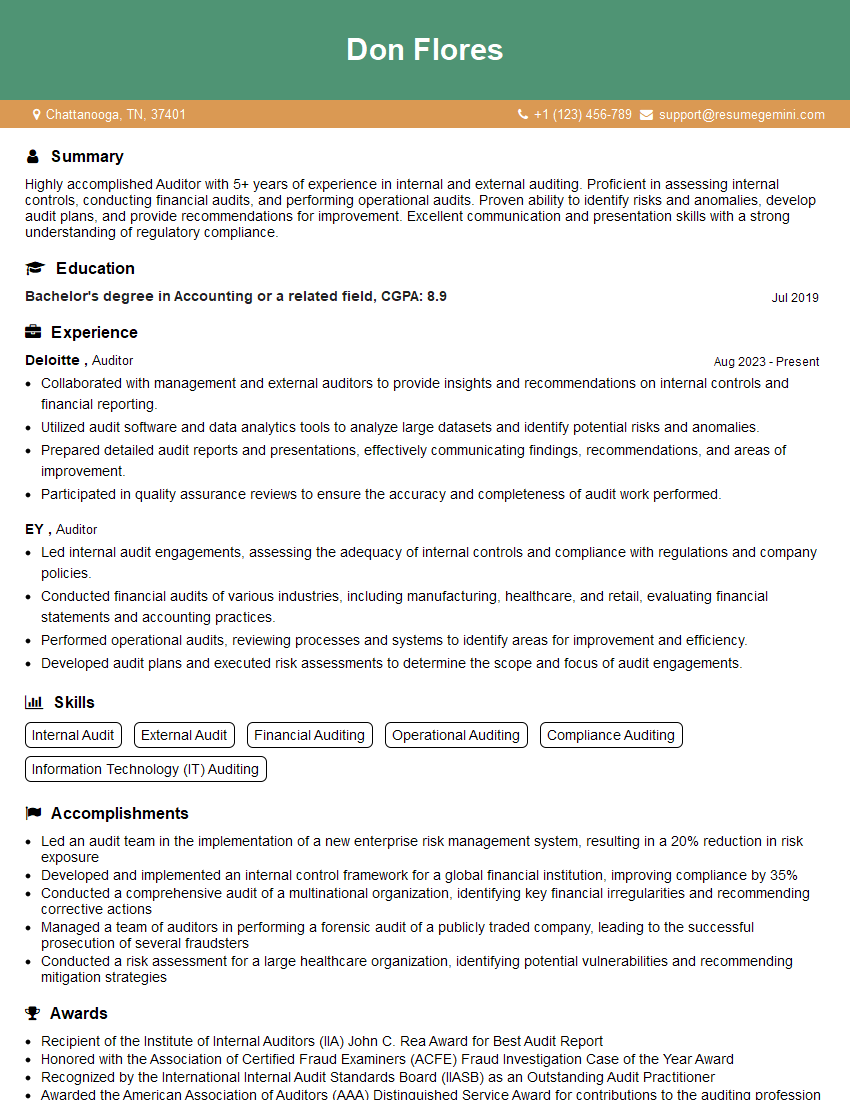
Auditor Resume Sample
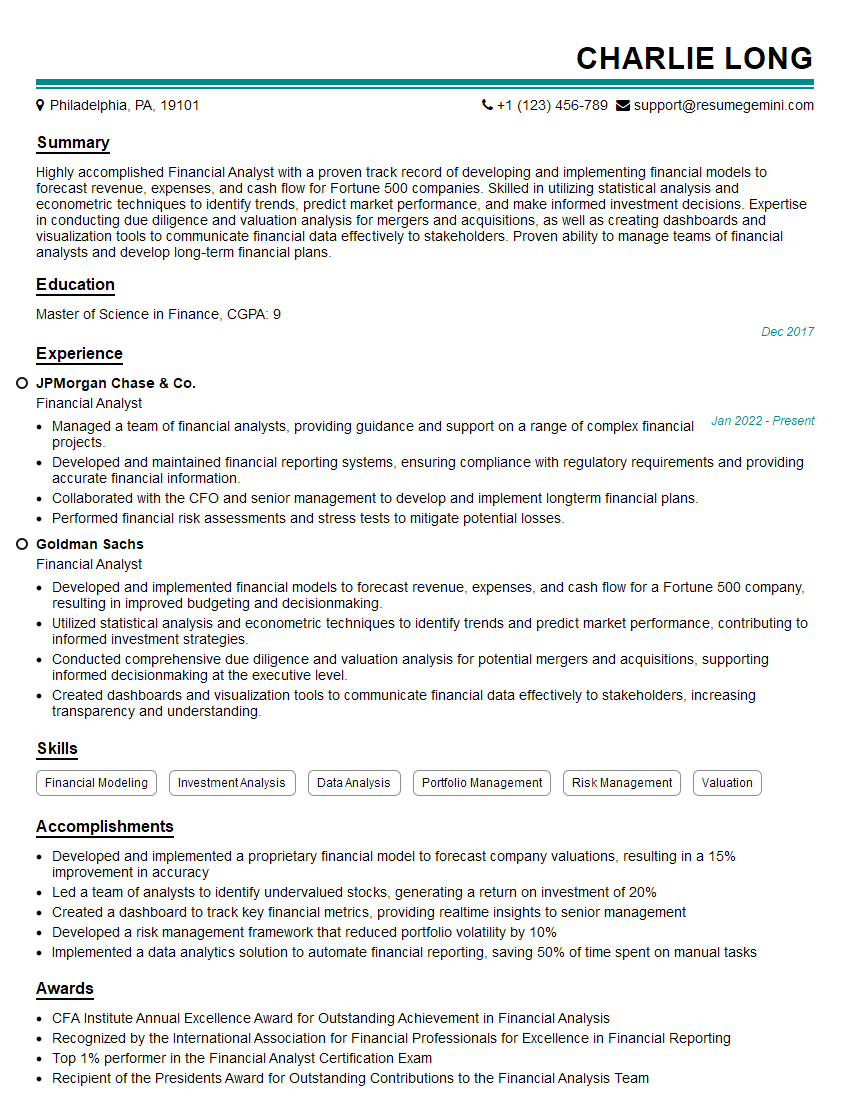
Financial Analyst Resume Sample
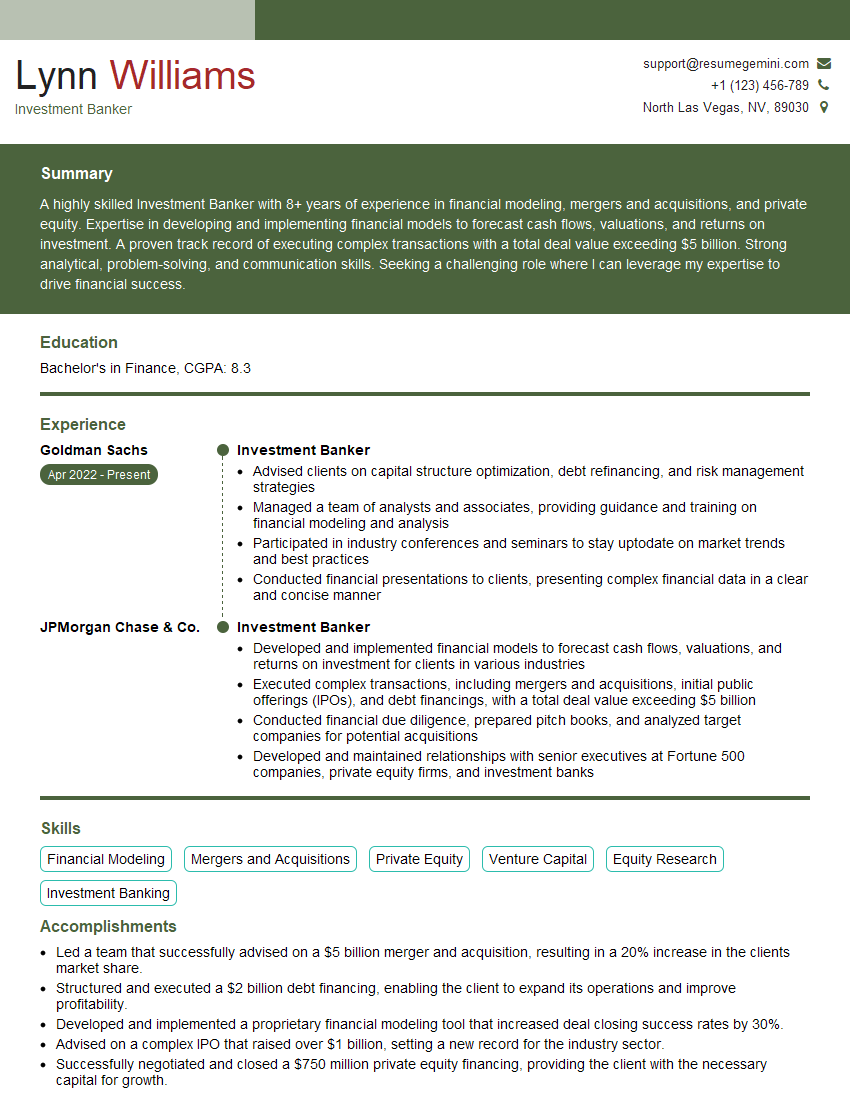
Investment Banker Resume Sample
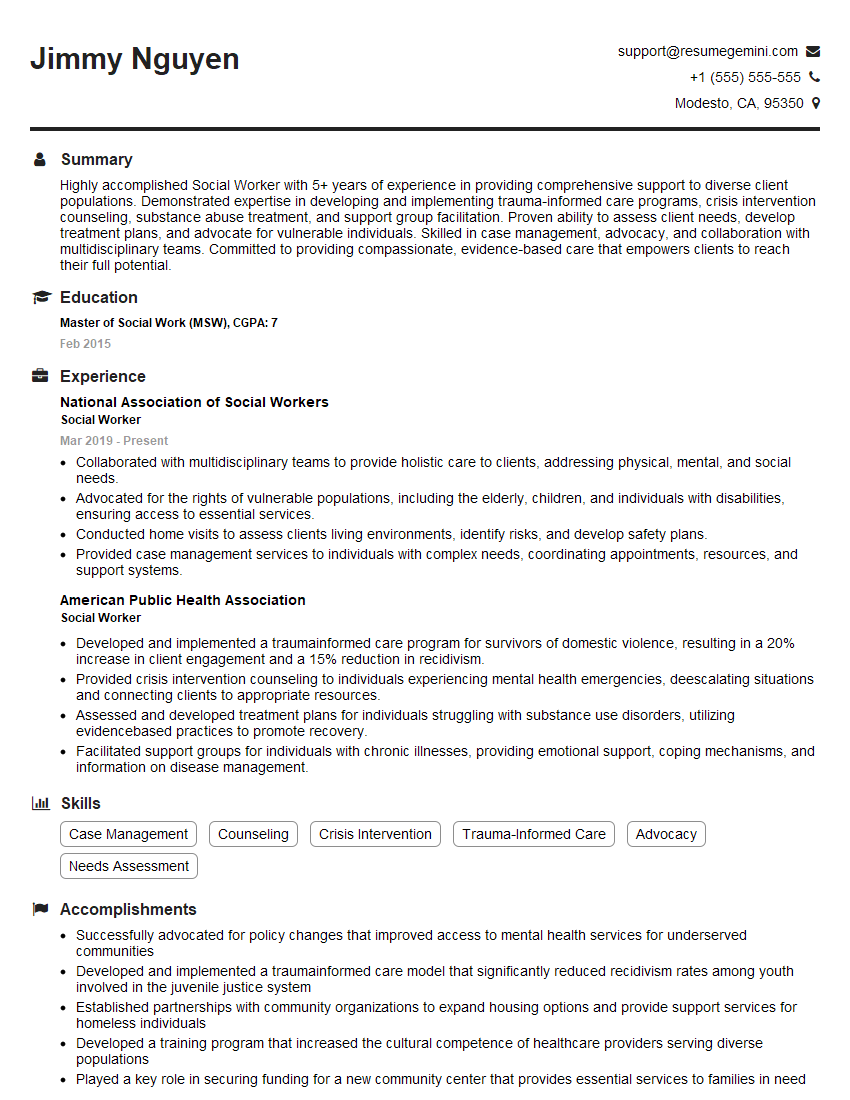
Social Worker Resume Sample
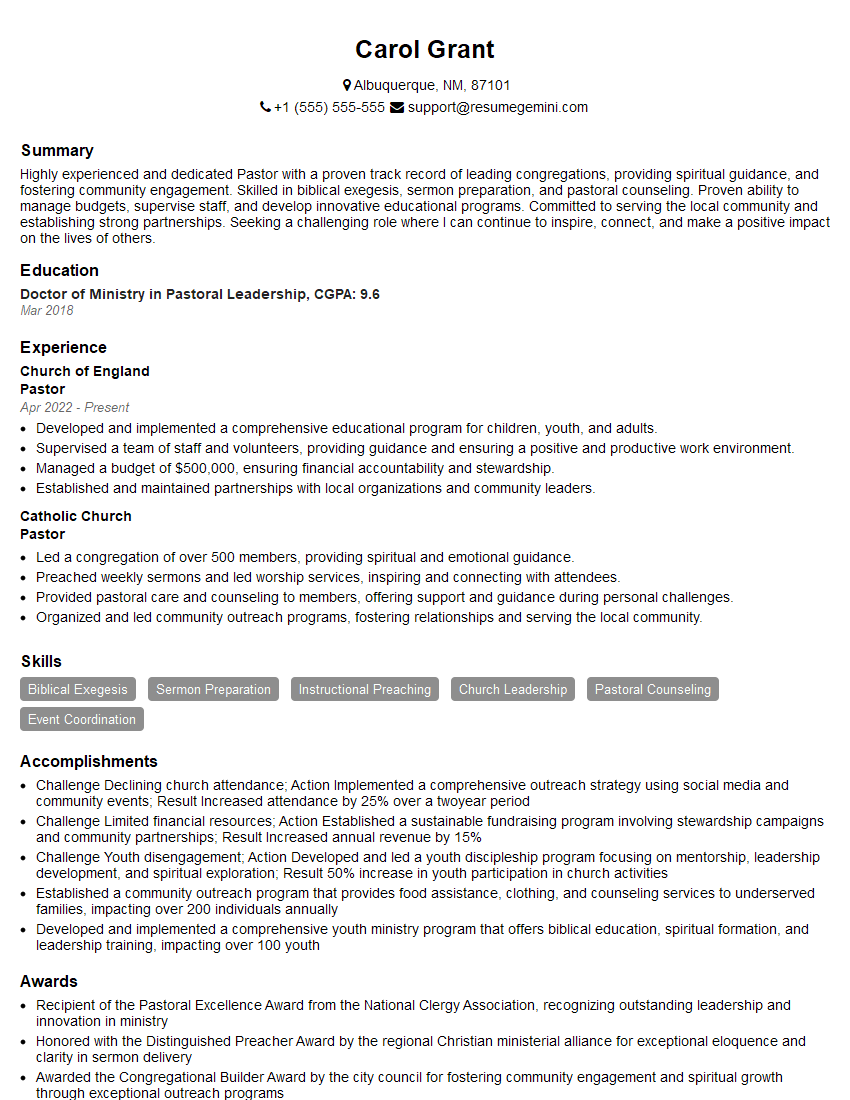
Pastor Resume Sample
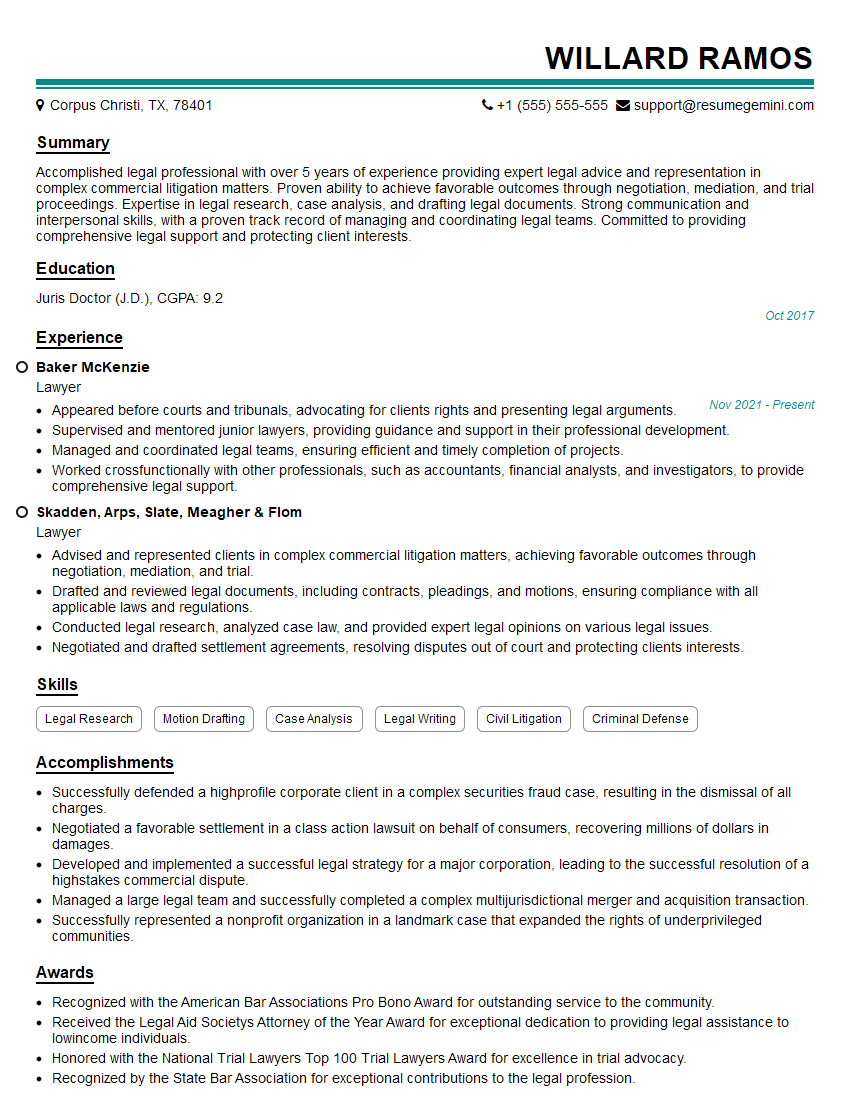
Lawyer Resume Sample
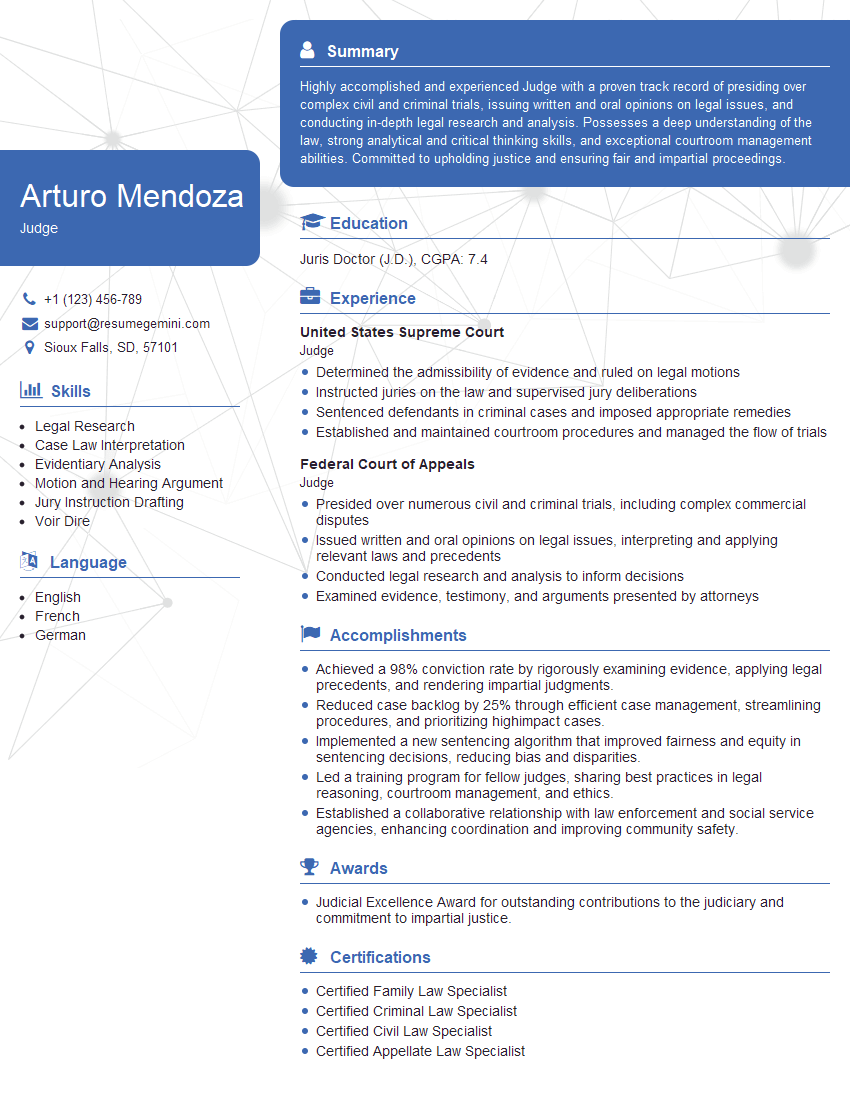
Judge Resume Sample
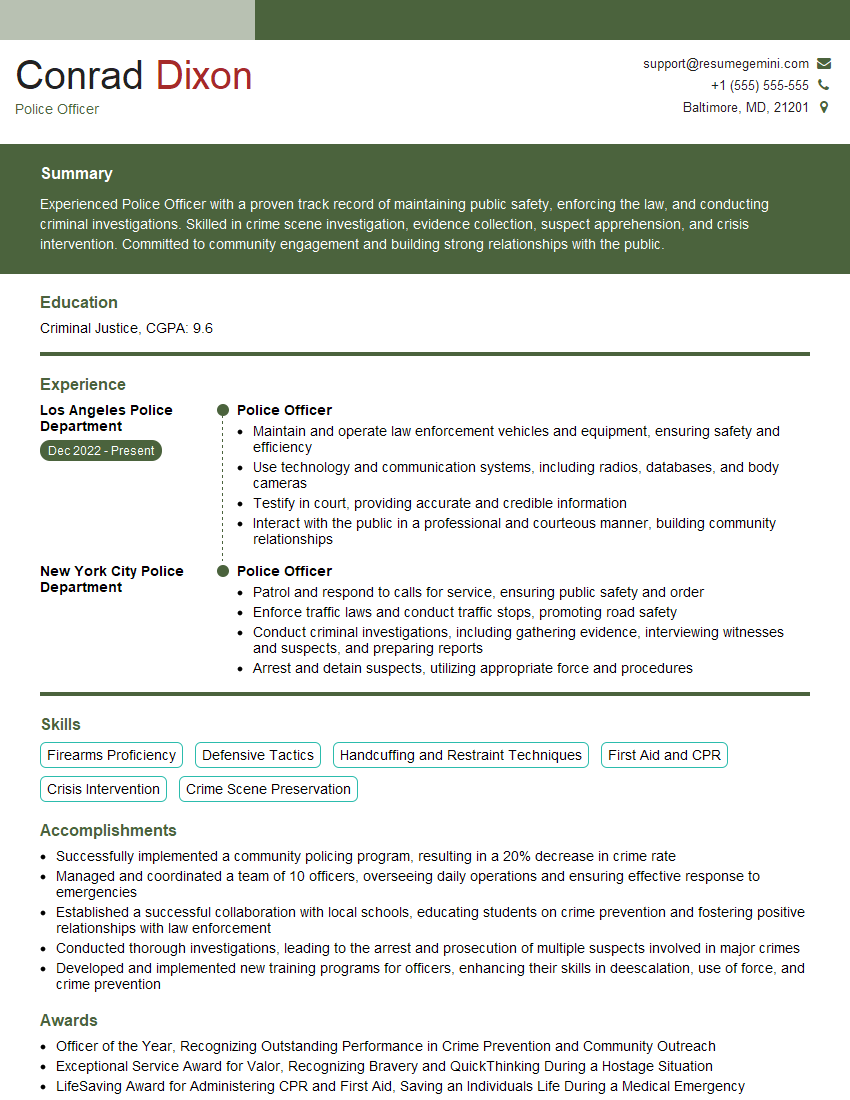
Police Officer Resume Sample
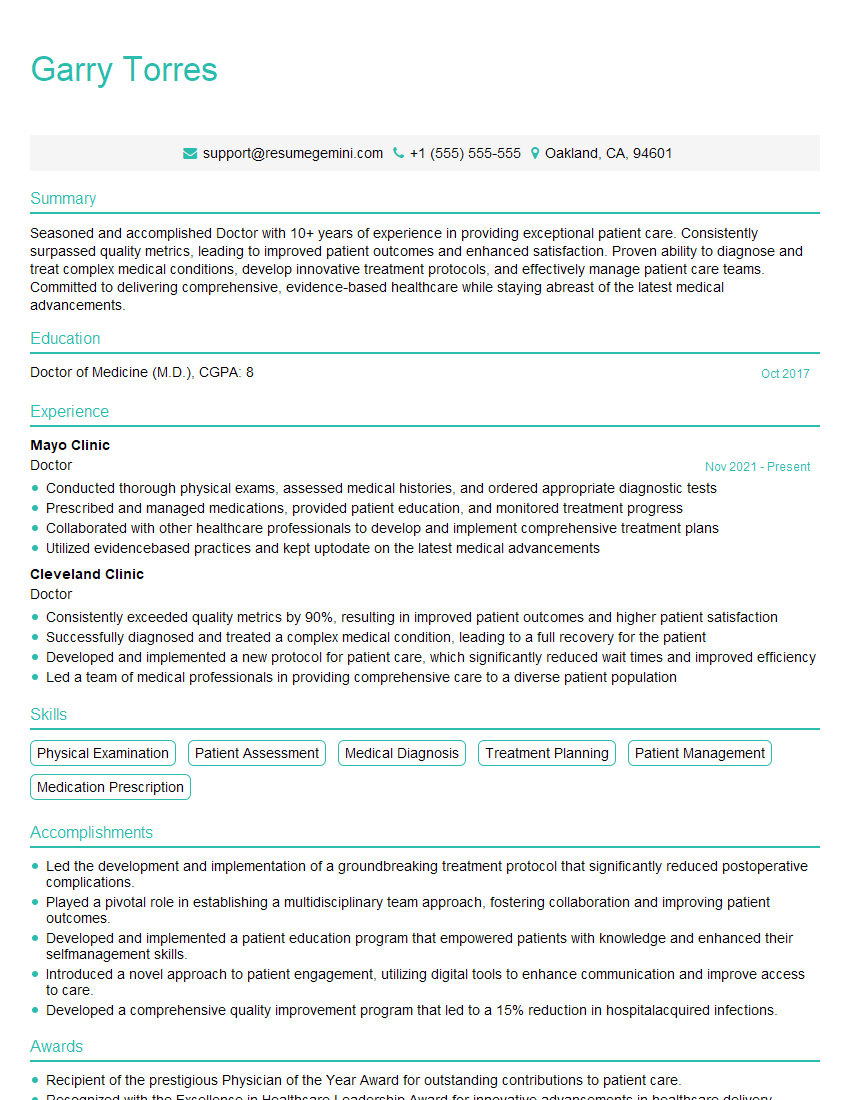
Doctor Resume Sample
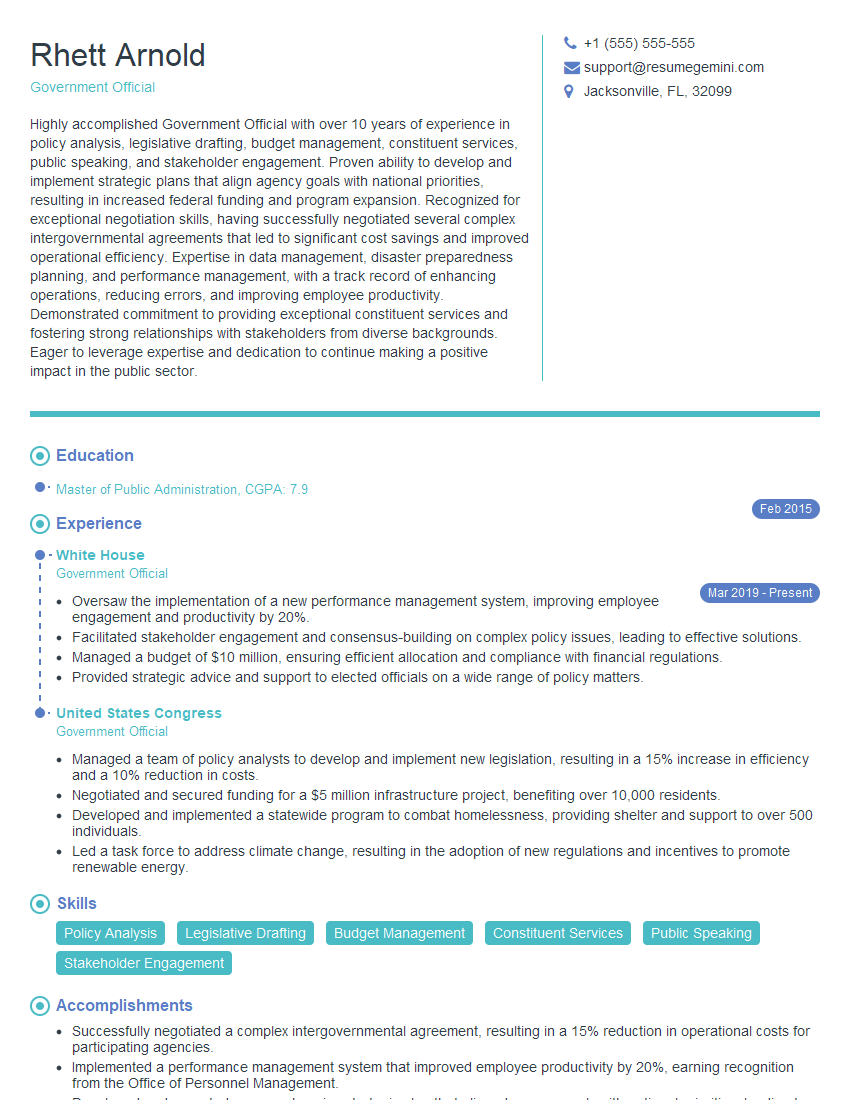
Government Official Resume Sample
Explore more articles
Users Rating of Our Blogs
Share Your Experience
We value your feedback! Please rate our content and share your thoughts (optional).
What Readers Say About Our Blog
Very informative content, great job.
good