Interviews are opportunities to demonstrate your expertise, and this guide is here to help you shine. Explore the essential TimeManagement interview questions that employers frequently ask, paired with strategies for crafting responses that set you apart from the competition.
Questions Asked in TimeManagement Interview
Q 1. Describe your process for prioritizing tasks.
Prioritizing tasks is crucial for effective time management. My process involves a combination of methods, starting with a clear understanding of my goals. I use a system that blends urgency and importance, often visualized using an Eisenhower Matrix (Urgent/Important).
- Urgent and Important: These tasks demand immediate attention, such as a looming deadline or a critical client issue. I tackle these first.
- Important but Not Urgent: These are long-term goals or proactive tasks that contribute to overall success, like strategic planning or professional development. I schedule specific times for these, preventing them from becoming urgent crises.
- Urgent but Not Important: These are often distractions that can steal time and energy. I delegate them whenever possible or batch them for efficient processing. Example: Responding to less critical emails.
- Neither Urgent nor Important: These are often time-wasters. I eliminate or significantly minimize these activities to create more space for higher-priority tasks. Example: aimless social media scrolling.
Beyond the matrix, I also consider the value and impact of each task. A task with high value and potential impact will usually take precedence, even if it’s not immediately urgent. I use tools like to-do lists to keep track, often color-coding them based on priority levels.
Q 2. How do you handle competing deadlines?
Handling competing deadlines requires a structured approach. My strategy involves breaking down large projects into smaller, manageable tasks with mini-deadlines. This allows for more focused work and better progress tracking. I utilize project management tools to visualize the timelines and dependencies between tasks, helping me identify potential bottlenecks.
For example, if I have two major projects with overlapping deadlines, I create a detailed timeline for each, highlighting key milestones. Then, I prioritize tasks based on their impact and the closest deadlines, using techniques like timeboxing (allocating a specific amount of time to each task). If necessary, I proactively communicate with stakeholders to adjust expectations or request extensions if realistic and justifiable.
Q 3. What strategies do you use to avoid procrastination?
Procrastination is a common challenge, but I’ve developed several strategies to overcome it. The key is understanding the root cause. Sometimes it’s fear of failure, other times it’s simply feeling overwhelmed.
- Break down tasks: Large projects can feel daunting. I break them into smaller, more manageable steps. This makes the overall goal less intimidating and provides a sense of accomplishment as I complete each step.
- The ‘Two-Minute Rule’: If a task takes less than two minutes, I do it immediately. This prevents small tasks from piling up and becoming overwhelming.
- Time Blocking: Scheduling specific time slots for specific tasks helps me stay focused and reduces the temptation to procrastinate. I even block time for dealing with potential interruptions.
- Pomodoro Technique: This technique involves working in focused bursts (e.g., 25 minutes) followed by short breaks. This prevents burnout and helps maintain concentration.
- Reward System: I reward myself after completing tasks, reinforcing positive behavior. This could be anything from a short break to a favorite activity.
It’s important to be kind to myself. Procrastination happens; the key is to recognize it, understand the reason, and apply the appropriate strategy to get back on track.
Q 4. How do you delegate tasks effectively?
Effective delegation involves more than just assigning tasks. It’s about empowering others to succeed. My approach focuses on choosing the right person for the job, providing clear instructions and support, and setting realistic expectations.
- Assess skills and capabilities: I carefully consider the individual’s skills and experience before delegating a task. The goal is to match the task to the person’s strengths.
- Provide clear instructions and resources: Ambiguity is the enemy of effective delegation. I provide clear instructions, including deadlines, desired outcomes, and any necessary resources.
- Establish accountability and communication: Regular check-ins and open communication are crucial. This ensures that the task is progressing as planned and allows for timely adjustments if needed.
- Offer support and guidance: Delegation isn’t about dumping tasks; it’s about collaboration. I offer support and guidance throughout the process, acting as a mentor rather than a micromanager.
For example, when delegating a technical task, I’ll ensure the team member has access to the necessary documentation and training. I’ll also schedule regular meetings to discuss progress and address any roadblocks.
Q 5. Explain your approach to time blocking.
Time blocking is a powerful technique that involves scheduling specific blocks of time for specific tasks or activities in your day. It’s not just about creating a to-do list; it’s about strategically allocating time to ensure you focus on the most important things.
My approach involves planning my day the night before, prioritizing tasks, and allocating specific time blocks for them. For instance, I might allocate two hours in the morning for focused work on a critical project, an hour for responding to emails, and half an hour for meetings. I build in buffer time between blocks to account for unexpected delays or interruptions.
I use a digital calendar to implement time blocking. This allows for easy visualization of my schedule and helps me track my progress. It’s also helpful to integrate time blocking with other time management techniques like the Pomodoro Technique for focused bursts of work.
Q 6. How do you manage your time when facing unexpected interruptions?
Unexpected interruptions are inevitable. My approach is to minimize their impact through proactive planning and flexible adaptation. I build buffer time into my schedule to absorb minor disruptions.
When a significant interruption arises, I assess its priority and urgency. If it’s crucial, I address it immediately, adjusting my schedule as needed. If it’s less urgent, I either delegate it, postpone it, or quickly address it during a scheduled buffer period. For example, if a pressing client issue arises during a less critical task, I will swiftly switch focus, then make a note to resume the original task later.
Utilizing tools like task management software allows me to quickly reschedule tasks and maintain an overview of my commitments. Open communication with colleagues and stakeholders is key; informing them about unavoidable delays keeps everyone informed and minimizes potential misunderstandings.
Q 7. What tools or techniques do you use to track your time?
I use a combination of tools and techniques to track my time effectively. The goal isn’t simply to monitor time spent but to understand where my time goes and identify areas for improvement.
- Digital Calendar: I use a digital calendar (like Google Calendar or Outlook Calendar) for scheduling and tracking appointments, meetings, and dedicated work blocks.
- Time Tracking Software: Tools like Toggl Track or RescueTime provide detailed insights into how I spend my time, highlighting productive vs. unproductive activities. This data is invaluable for identifying time-wasting habits.
- Project Management Software: Tools like Asana or Trello enable me to track progress on projects, assign tasks, and monitor deadlines, providing a holistic view of my workload.
- Simple Time Logs: For smaller tasks or personal projects, a simple spreadsheet or notebook can suffice for manual time tracking.
The key is to choose tools that fit my workflow and provide the level of detail I need. Regularly reviewing the tracked data helps me refine my time management strategies and make informed decisions about how I allocate my time.
Q 8. How do you measure your productivity?
Measuring productivity isn’t about simply working longer hours; it’s about effectively achieving meaningful results. I use a multi-faceted approach. First, I track key performance indicators (KPIs) relevant to my goals. This could involve things like the number of projects completed, client satisfaction scores, or the number of bugs fixed in software development. Secondly, I use time tracking tools to understand where my time is actually going. This helps identify time sinks and areas for improvement. Finally, I regularly conduct self-reflection, evaluating whether my efforts aligned with my priorities and what I could do differently next time. For example, if my KPI is client satisfaction, I’d track the number of positive client reviews or feedback surveys. If I find this number is low, I can analyze my time tracking data to see where improvements can be made in my workflow.
Q 9. How do you stay organized and manage your workload?
Staying organized and managing workload is crucial. I rely heavily on a combination of digital and analog tools. My digital toolkit includes a project management software (like Asana or Trello) for task assignments, deadlines, and progress tracking. I break down large projects into smaller, manageable tasks, assigning priorities using methods like the Eisenhower Matrix (urgent/important). My calendar is meticulously managed, blocking out specific time slots for focused work and incorporating buffer time between tasks. Analogically, I use a physical notebook for brainstorming and capturing quick notes. This combination ensures that I have a clear overview of my workload, enabling proactive planning and efficient task management. For instance, I’d assign a high priority to completing a critical client presentation before a less urgent internal report.
Q 10. Describe a time you had to manage a complex project with tight deadlines.
Once, I managed the launch of a new software product with a very tight deadline – just six weeks. It involved coordinating a team of developers, designers, and marketers. To succeed, I employed several strategies. First, I created a detailed project plan with clearly defined milestones and responsibilities. We used Agile methodologies, breaking the project into sprints and having daily stand-up meetings to track progress and address roadblocks promptly. We utilized a project management tool to ensure transparency and accountability. Regular communication was key, and we held weekly progress review meetings to identify and mitigate potential risks. Despite the tight timeframe, we successfully launched the product on time and to high quality, proving the efficacy of structured planning and collaborative teamwork. The experience highlighted the importance of proactive risk management and open communication in handling complex projects under pressure.
Q 11. What’s your preferred method for scheduling meetings?
My preferred method for scheduling meetings is to leverage calendar tools that allow for easy scheduling and integration with colleagues’ calendars. I clearly define the meeting’s purpose, agenda, and expected outcomes beforehand, sending this information to attendees in advance. I always propose specific times and durations, offering a few alternatives to increase the chance of finding a mutually agreeable time. I limit meeting lengths to what’s absolutely necessary and encourage using asynchronous communication for simpler discussions whenever possible. This approach ensures that meetings are productive and respect everyone’s time.
Q 12. How do you ensure you’re meeting all your deadlines?
Meeting deadlines requires proactive planning and consistent monitoring. I use a combination of techniques. Firstly, I incorporate buffer time into my schedule, accounting for unexpected delays or interruptions. Secondly, I regularly review my project plans and adjust timelines as needed, ensuring realistic expectations. I also prioritize tasks strategically, tackling the most important and time-sensitive items first. Proactive communication is crucial; if I foresee potential delays, I inform relevant stakeholders immediately to explore potential solutions together. This ensures accountability and prevents last-minute surprises.
Q 13. What’s your approach to managing emails effectively?
Effective email management is essential for avoiding inbox overload. I employ a strategy known as the “Zero Inbox” method, aiming to process each email only once. My process involves: 1. Deleting irrelevant emails immediately. 2. Archiving emails that require no action. 3. Responding to emails requiring immediate action promptly. 4. Scheduling specific times in my day for email processing to avoid constant interruptions. 5. Unsubscribing from unnecessary mailing lists. This approach keeps my inbox clutter-free and allows me to focus on important tasks without constant distractions.
Q 14. How do you handle multiple projects simultaneously?
Handling multiple projects simultaneously requires skillful prioritization and organization. I utilize project management software to maintain a clear overview of all active projects, their deadlines, and associated tasks. I allocate specific time blocks for working on each project, ensuring focused attention during those periods. I regularly review progress against deadlines and adjust my schedule accordingly to avoid bottlenecks. Prioritization is key; I focus on high-impact tasks and delegate less critical tasks where possible. Clear communication with all stakeholders is paramount, ensuring everyone is aware of my commitments and potential scheduling conflicts.
Q 15. How do you stay focused on tasks and avoid distractions?
Staying focused requires a multi-pronged approach. It’s not about eliminating distractions entirely, but rather managing them effectively. I employ a combination of techniques, starting with prioritization. I use methods like the Eisenhower Matrix (urgent/important) to identify tasks that demand immediate attention. This prevents me from getting bogged down in less crucial activities.
Secondly, I utilize time blocking. I schedule specific times for focused work on particular tasks, minimizing context switching. During these blocks, I create a distraction-free environment. This might mean turning off notifications, using website blockers, or even working in a quiet location.
Finally, I incorporate mindfulness and short breaks into my routine. Regular short breaks, say 5-10 minutes every hour, can actually boost productivity by preventing mental fatigue. During these breaks, I might stretch, walk around, or simply close my eyes and practice deep breathing. This allows me to return to my work feeling refreshed and more focused.
Career Expert Tips:
- Ace those interviews! Prepare effectively by reviewing the Top 50 Most Common Interview Questions on ResumeGemini.
- Navigate your job search with confidence! Explore a wide range of Career Tips on ResumeGemini. Learn about common challenges and recommendations to overcome them.
- Craft the perfect resume! Master the Art of Resume Writing with ResumeGemini’s guide. Showcase your unique qualifications and achievements effectively.
- Don’t miss out on holiday savings! Build your dream resume with ResumeGemini’s ATS optimized templates.
Q 16. Have you ever had to adjust your schedule due to unforeseen circumstances? How did you handle it?
Unforeseen circumstances are inevitable. Last year, I had a major project deadline approaching when a key team member unexpectedly fell ill. My immediate response was to reassess the project’s critical path and delegate tasks where possible. I then communicated openly with stakeholders, explaining the situation and adjusting the deadline accordingly. Transparency is key in these scenarios. Instead of panicking, I focused on finding solutions and adapting my schedule using a flexible approach. This involved prioritizing the most critical tasks, re-allocating resources, and actively seeking support from my team.
Q 17. Describe a situation where you had to make a trade-off between different tasks.
I recently faced a trade-off between preparing for a major presentation and completing a crucial report, both due on the same day. The presentation was higher priority for immediate impact, so I prioritized that. I allocated the bulk of my day to presentation preparation, ensuring it was polished and impactful. To make up for the time spent on the presentation, I broke down the report into smaller, manageable chunks. I completed the most critical sections first, accepting that some less important aspects might be delayed. The report wasn’t perfectly completed but was submitted on time, and the presentation was a huge success. It demonstrated the effectiveness of prioritizing tasks based on impact and available time.
Q 18. How do you use technology to enhance your time management?
Technology is an invaluable time management tool. I use project management software like Asana or Trello to track tasks, deadlines, and progress. These tools facilitate collaboration and provide a centralized view of my workload. Calendar apps with reminders help me stay organized and avoid scheduling conflicts. I also use time-tracking apps to understand where my time is actually going, identifying areas for improvement. For example, I might track time spent on emails and identify that I'm spending too much time responding to low-priority messages. This data helps me make informed decisions about how to allocate my time more effectively.
Q 19. What are some common time-wasting activities that you avoid?
Common time-wasting activities that I actively avoid include: excessive social media scrolling, unproductive meetings, and inefficient email management. Instead of constantly checking emails, I schedule specific times to respond to them, minimizing interruptions. I also strive to be concise and focused in my communication. Regarding meetings, I ensure that they have a clear agenda and defined outcomes, avoiding lengthy and unproductive discussions. This proactive approach prevents distractions and keeps me focused on my core tasks.
Q 20. What steps do you take to prevent burnout?
Preventing burnout is crucial for long-term productivity and well-being. I incorporate several strategies: Setting boundaries between work and personal life is essential. This means disconnecting after work hours, taking regular vacations, and not checking emails constantly outside of work. I also prioritize physical and mental health, making time for exercise, relaxation activities, and hobbies. This could include anything from yoga and meditation to spending time in nature. Finally, I regularly evaluate my workload and seek support if needed. This could involve delegating tasks, asking for help, or discussing workload with my manager.
Q 21. What is your strategy for handling a high-pressure situation?
Handling high-pressure situations requires a structured approach. I start by taking a deep breath and assessing the situation calmly. This helps avoid impulsive decisions. Next, I break down the problem into smaller, more manageable tasks, focusing on what I can control. This makes the situation feel less overwhelming. I also prioritize tasks based on urgency and impact, focusing my energy on the most crucial elements. Finally, I communicate openly with my team and stakeholders, keeping everyone informed about progress and any challenges encountered. Maintaining open communication reduces stress and promotes collaborative problem-solving.
Q 22. How do you adapt your time management approach to different projects and situations?
My approach to time management is highly adaptable, recognizing that a one-size-fits-all method rarely works. I tailor my strategy based on the project’s complexity, deadlines, and the resources available. For instance, a complex, long-term project requiring collaboration demands a different approach than a short, urgent task.
For complex projects, I utilize a project management methodology like Kanban or Scrum, breaking down large tasks into smaller, manageable units. This involves creating detailed project plans, assigning deadlines to each sub-task, and regularly monitoring progress. I use tools like Gantt charts to visualize the project timeline and dependencies. For urgent, time-sensitive tasks, I employ the Eisenhower Matrix (urgent/important), prioritizing tasks based on their impact and immediacy. This allows me to focus on what truly matters and delegate or eliminate less important items.
Ultimately, my adaptability hinges on consistent evaluation and adjustment. I regularly review my schedule and methods, making modifications as needed to optimize efficiency and effectiveness. This might involve adjusting my work hours, delegating tasks, or re-prioritizing based on changing circumstances.
Q 23. Describe your experience with time management software or apps.
I’ve extensively used several time management software and apps throughout my career. My experience spans from simple to-do list apps like Todoist and Any.do to more comprehensive project management tools such as Asana and Trello. Each tool has its strengths and weaknesses; the choice depends on the project’s nature and personal preferences.
For individual task management, I find the simplicity of to-do list apps invaluable. Their ability to set reminders, categorize tasks, and provide progress tracking ensures I stay on top of individual responsibilities. For collaborative projects, platforms like Asana and Trello are indispensable. Their features for task assignment, progress monitoring, and team communication are vital for effective teamwork. The ability to visualize project progress using Kanban boards or Gantt charts is particularly helpful in these collaborative contexts.
My experience has taught me that selecting the right tool is crucial. I often experiment with different software and apps to find the best fit for my workflow and specific needs. I also recognize the importance of integrating these tools effectively with my calendar and other communication channels to avoid information silos.
Q 24. How do you set realistic goals and expectations for yourself?
Setting realistic goals and expectations involves a blend of ambition and pragmatism. It’s about understanding my capabilities and the constraints of time and resources. I avoid the trap of setting overly ambitious goals that lead to burnout and frustration.
My approach begins with a thorough assessment of the task’s scope. I break down large goals into smaller, measurable, achievable, relevant, and time-bound (SMART) goals. This process allows me to track progress and adjust my approach if needed. For example, instead of setting a broad goal like ‘improve my presentation skills,’ I might break it down into smaller goals like ‘practice delivering the presentation three times,’ ‘receive feedback from two colleagues,’ and ‘incorporate the feedback into the final version.’
I also factor in potential unforeseen delays or obstacles. Building buffer time into my schedule allows me to account for unexpected interruptions or challenges. Regular self-reflection helps me accurately gauge my progress and adjust expectations accordingly. This avoids the disappointment that stems from unrealistic self-imposed pressure.
Q 25. How do you balance your work and personal life?
Balancing work and personal life is a constant challenge, but crucial for maintaining well-being and productivity. It requires intentional planning and consistent effort. The key is not to achieve perfect balance but to strive for a healthy equilibrium.
I utilize several strategies to achieve this balance. First, I set clear boundaries between work and personal time. This includes designating specific hours for work and strictly adhering to them whenever possible. Second, I prioritize activities that contribute to my well-being, such as exercise, spending time with loved ones, and pursuing hobbies. Scheduling these activities as firmly as work appointments prevents them from getting squeezed out.
Third, I utilize technology wisely. I limit non-work-related notifications during work hours and avoid checking emails or work-related messages excessively during personal time. Finally, I regularly evaluate my balance and adjust my schedule as needed. This might involve taking breaks during work, delegating tasks, or saying no to additional commitments when necessary.
Q 26. How do you learn new time management techniques?
Learning new time management techniques is an ongoing process. I employ a multi-faceted approach to continuously improve my skills.
I actively seek out resources such as books, articles, and online courses focusing on time management strategies. I attend workshops and seminars whenever possible to learn from experts and network with peers. I also experiment with different techniques and methods, evaluating their effectiveness in my own context. This might involve trying different scheduling systems, prioritization methods, or productivity hacks. Learning from others’ experiences is also invaluable. I observe how successful colleagues or mentors manage their time, identifying techniques that resonate with my work style.
Critical self-reflection is paramount. I regularly analyze my daily routines and identify areas for improvement. This involves tracking my time usage, pinpointing time-wasting activities, and exploring methods to overcome procrastination or inefficient work habits.
Q 27. How do you ensure you’re consistently improving your time management skills?
Consistent improvement in time management involves a commitment to continuous learning and self-assessment. It’s not a destination but a journey.
I regularly review my time management strategies, identifying areas where I can enhance efficiency. This involves tracking my time usage with tools or journaling, analyzing productivity patterns, and identifying recurring challenges. I actively seek feedback from colleagues and mentors to get an external perspective on my time management practices. Constructive criticism can highlight blind spots or areas needing improvement.
Experimentation is a key element of continuous improvement. I try different techniques and methods, carefully evaluating their effectiveness. This might involve adjusting my work schedule, exploring new tools or apps, or modifying my prioritization system. A key element is embracing flexibility; what works well at one point in time may not be as effective later, requiring adaptation.
Q 28. Describe a time you successfully improved your time management skills.
During a particularly demanding project with tight deadlines, I realized my initial approach was inefficient. I was constantly firefighting, reacting to urgent tasks rather than proactively managing my time. This led to increased stress and a lower quality of work.
To improve, I implemented a Kanban system, breaking down the project into smaller, manageable tasks. I visually represented the workflow using a Kanban board, identifying bottlenecks and prioritizing tasks based on their urgency and dependencies. I also scheduled dedicated time blocks for focused work, minimizing interruptions. By implementing these changes, I significantly improved my efficiency, reduced stress, and delivered the project successfully, meeting all deadlines and maintaining a high standard of work. The project’s success was a direct result of proactively managing my time and resources rather than reacting to immediate demands.
Key Topics to Learn for TimeManagement Interview
- Prioritization Techniques: Understanding methods like Eisenhower Matrix (urgent/important), MoSCoW method (must have/should have/could have/won’t have), and Pareto Principle (80/20 rule) for effective task allocation.
- Planning & Scheduling: Practical application of various scheduling techniques, including time blocking, daily/weekly planning, and project scheduling methodologies like Gantt charts. Discuss the pros and cons of different approaches and their suitability for various contexts.
- Goal Setting & Tracking: Learn how to define SMART goals (Specific, Measurable, Achievable, Relevant, Time-bound) and utilize tools and techniques for progress monitoring and adjustment. Discuss the importance of regular review and course correction.
- Procrastination & Its Mitigation: Explore the root causes of procrastination and effective strategies for overcoming it. This includes techniques like the Pomodoro Technique, breaking down large tasks, and addressing underlying psychological barriers.
- Stress Management & Time Management Integration: Understand the interconnectedness of stress and time management. Explore stress reduction techniques and their positive impact on productivity and time efficiency.
- Delegation & Teamwork: Discuss effective delegation strategies, identifying tasks suitable for delegation, and building strong teams to optimize time utilization.
- Technology & Tools: Explore various time management tools (calendars, task managers, project management software) and discuss their advantages and disadvantages in different scenarios.
- Self-Reflection & Continuous Improvement: The importance of regularly assessing one’s time management practices, identifying areas for improvement, and adapting strategies for optimal performance. This includes analyzing time logs and identifying time-wasting activities.
Next Steps
Mastering time management is crucial for career advancement. It demonstrates organizational skills, efficiency, and a proactive approach to work, leading to increased productivity and better career opportunities. To significantly improve your job prospects, create an ATS-friendly resume that highlights your time management skills and accomplishments. ResumeGemini is a trusted resource to help you build a professional and impactful resume. We provide examples of resumes tailored to showcasing Time Management expertise, helping you present your skills effectively to potential employers.
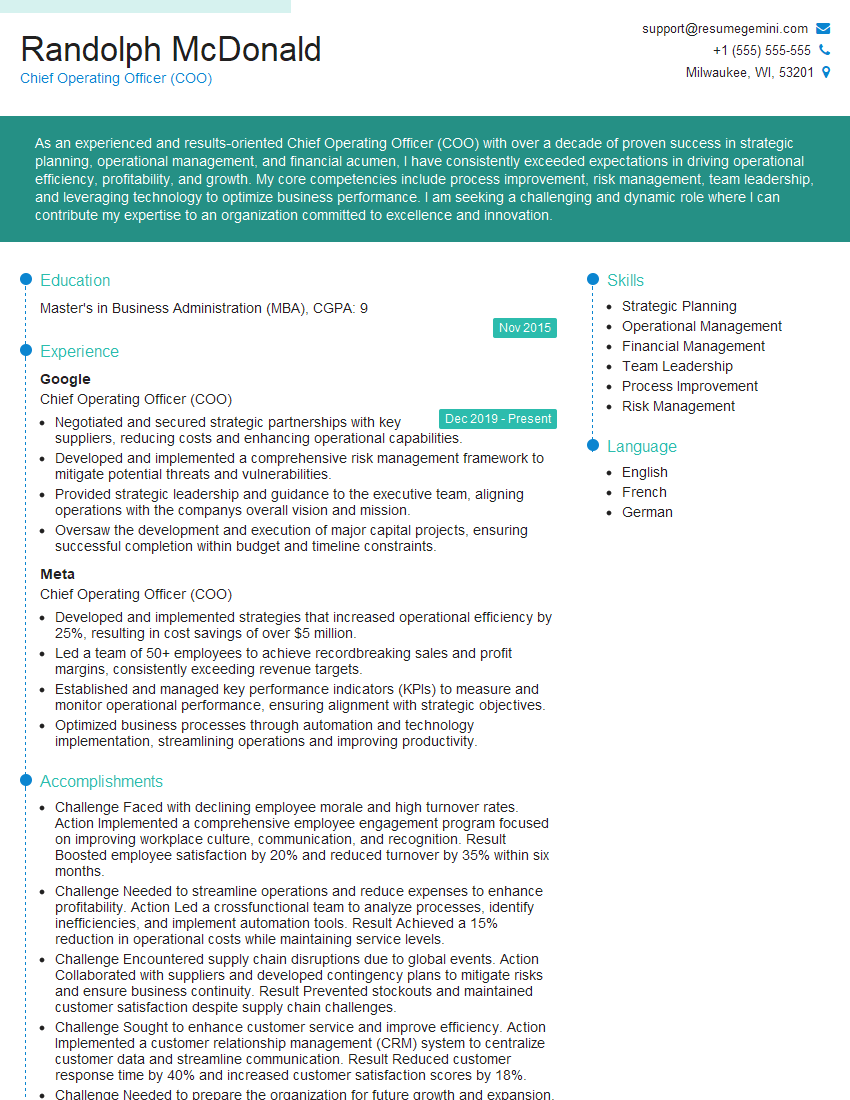
Chief Operating Officer (COO) Resume Sample
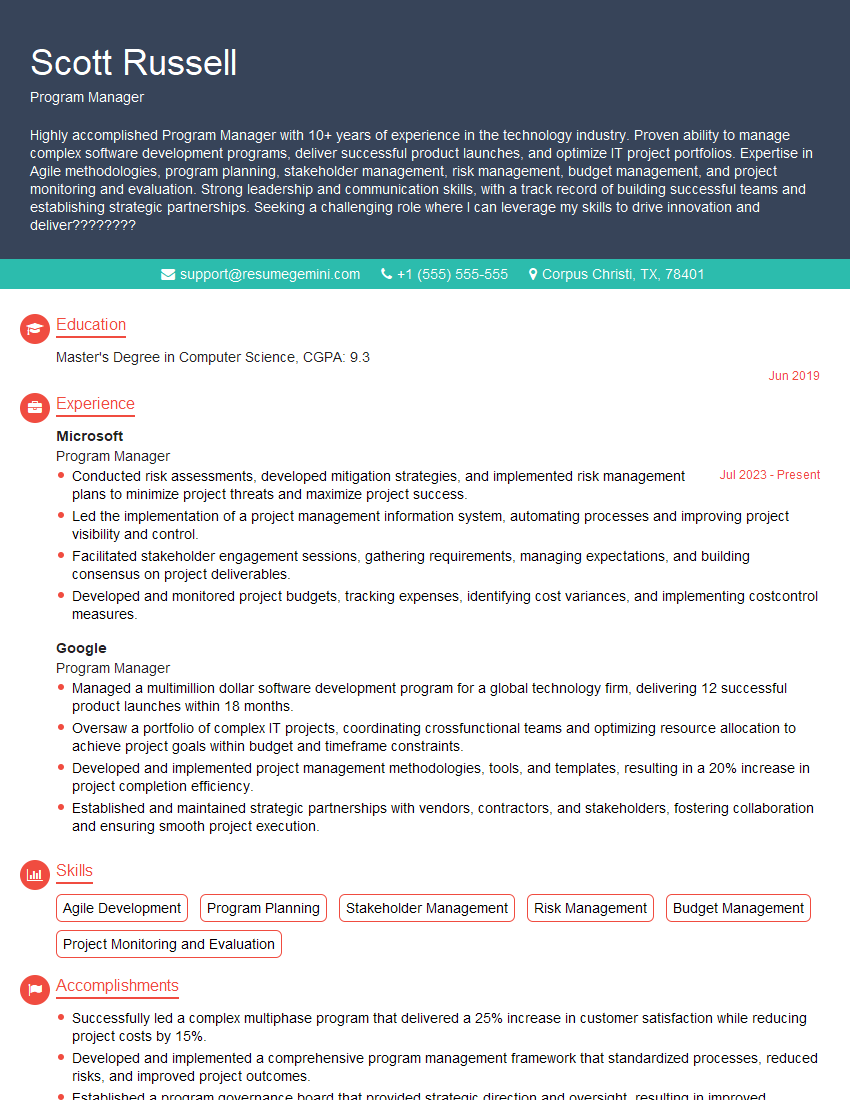
Program Manager Resume Sample
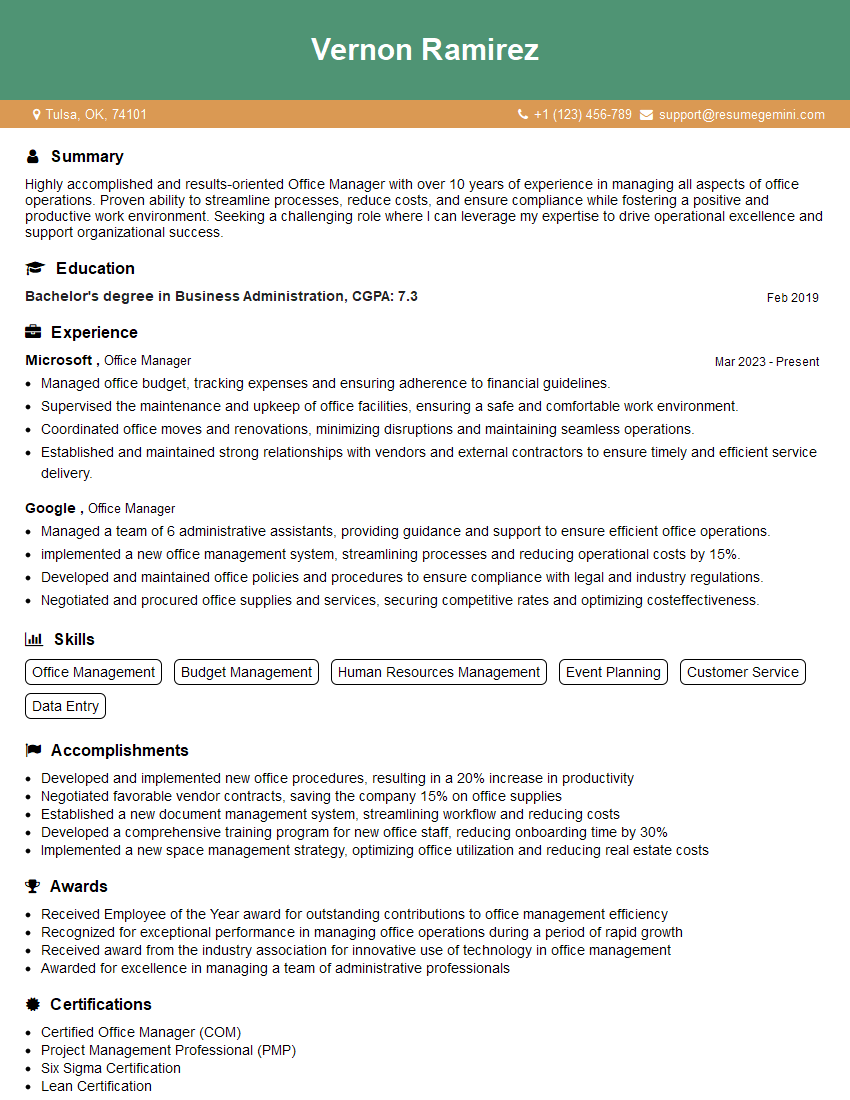
Office Manager Resume Sample

Operations Manager Resume Sample
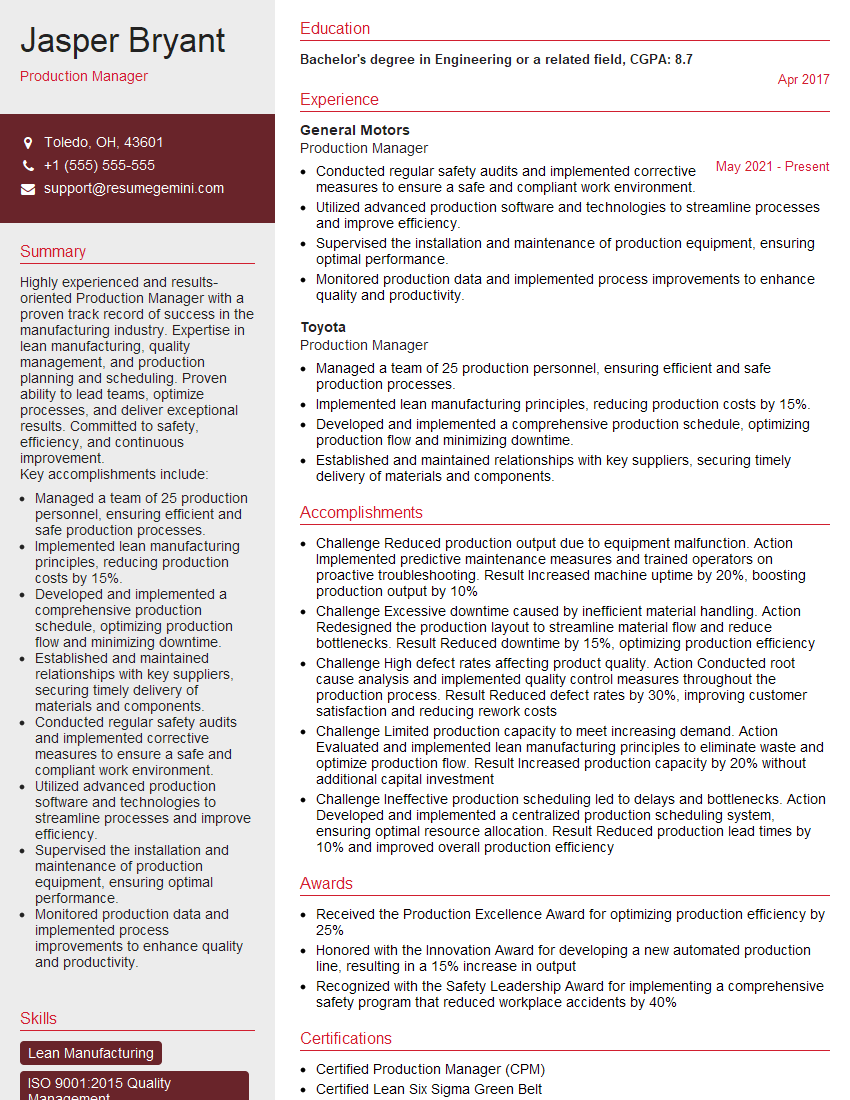
Production Manager Resume Sample
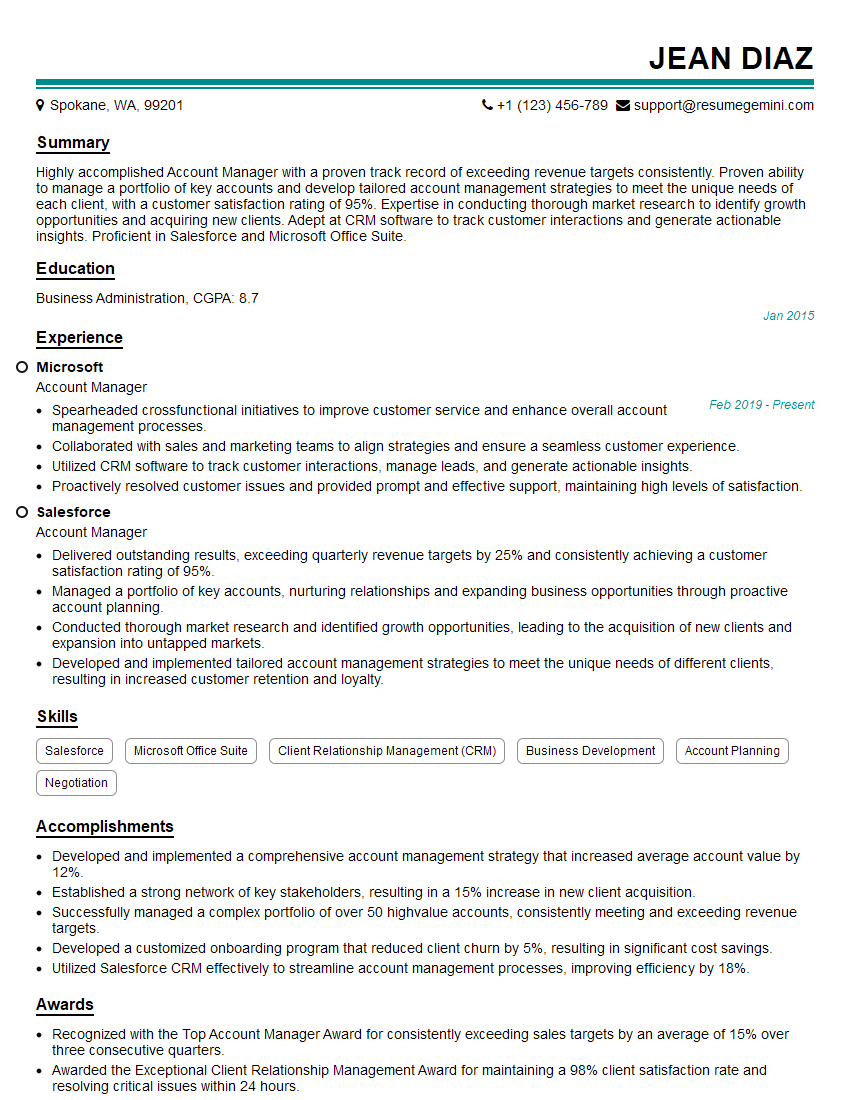
Account Manager Resume Sample
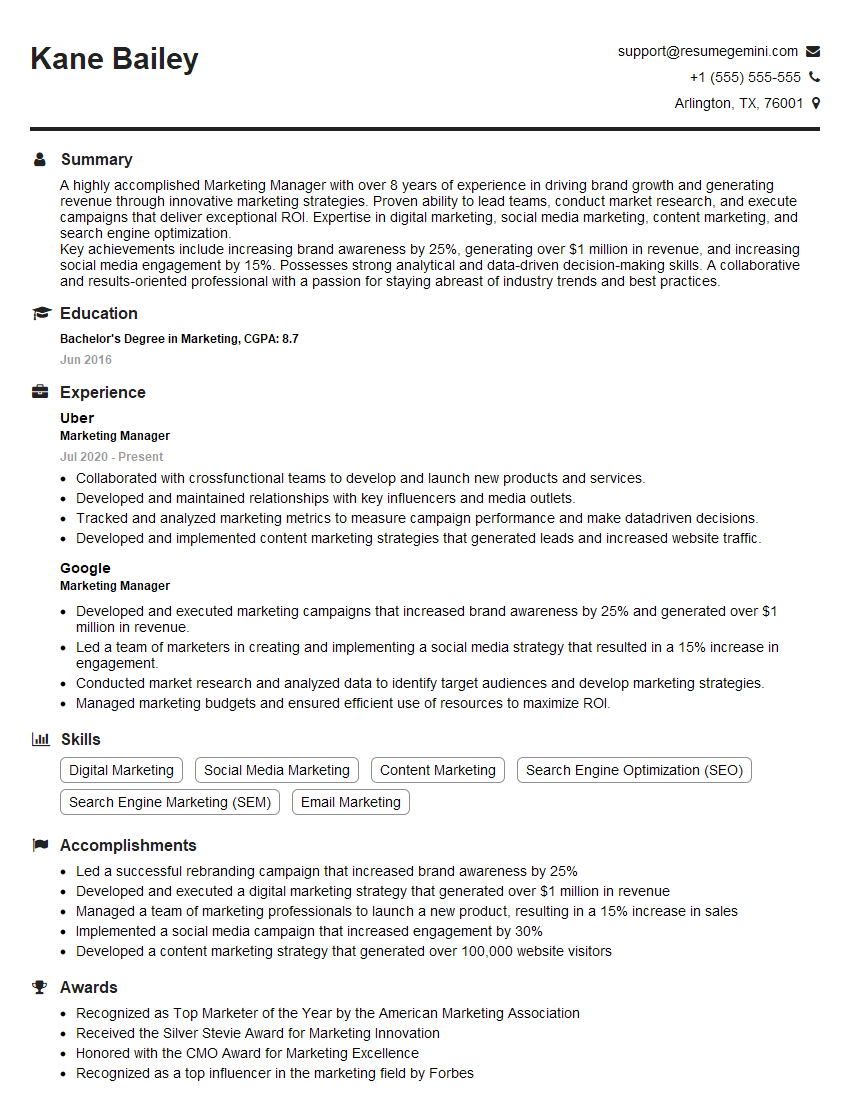
Marketing Manager Resume Sample
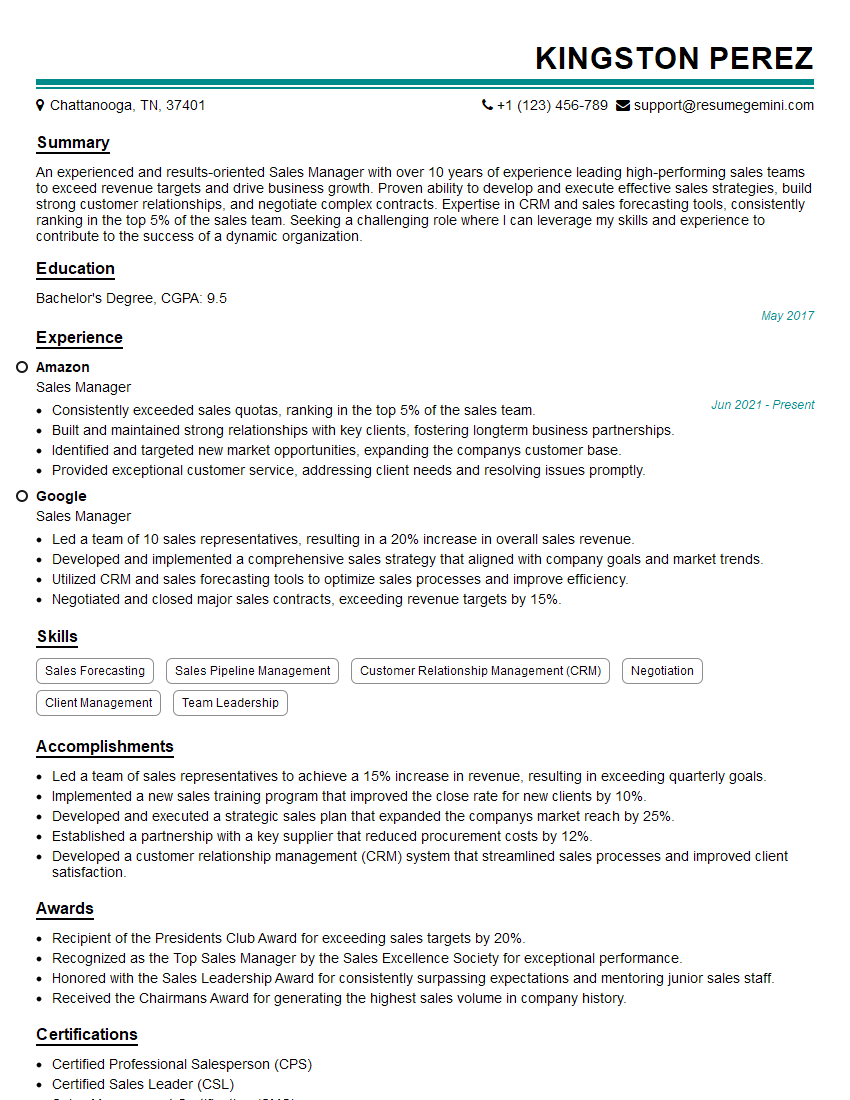
Sales Manager Resume Sample
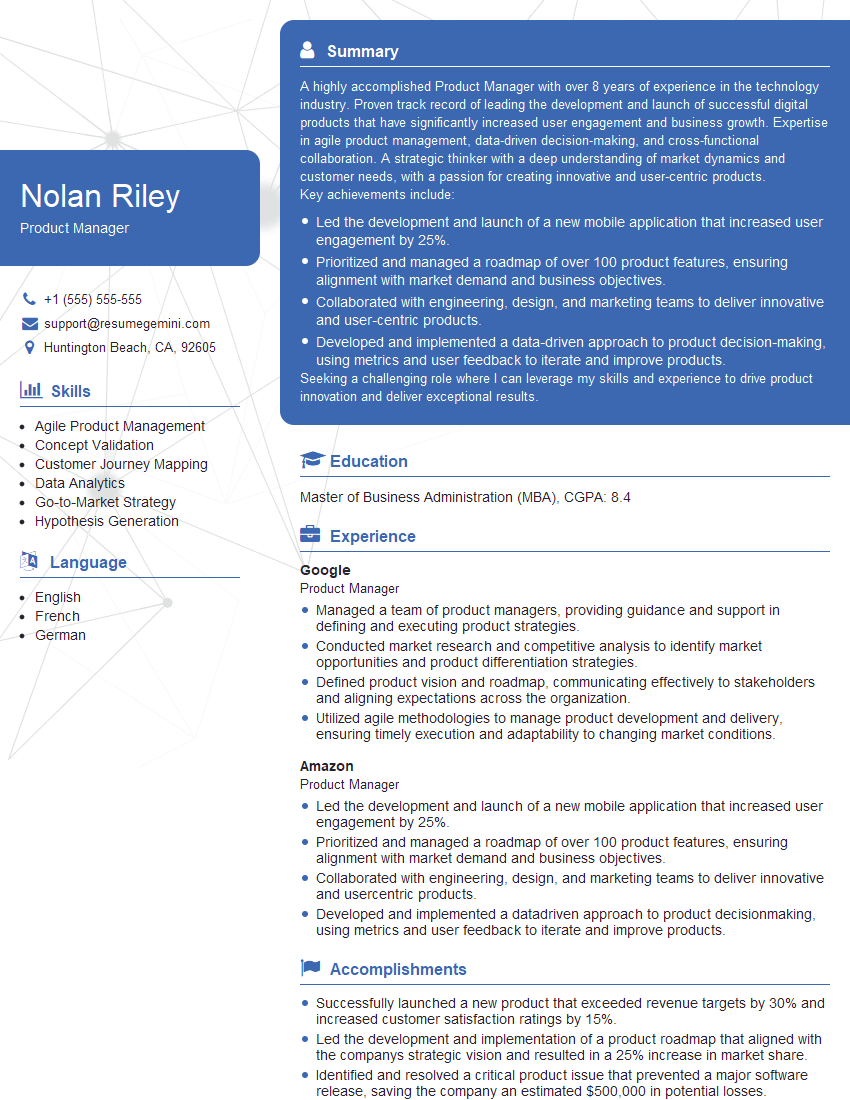
Product Manager Resume Sample
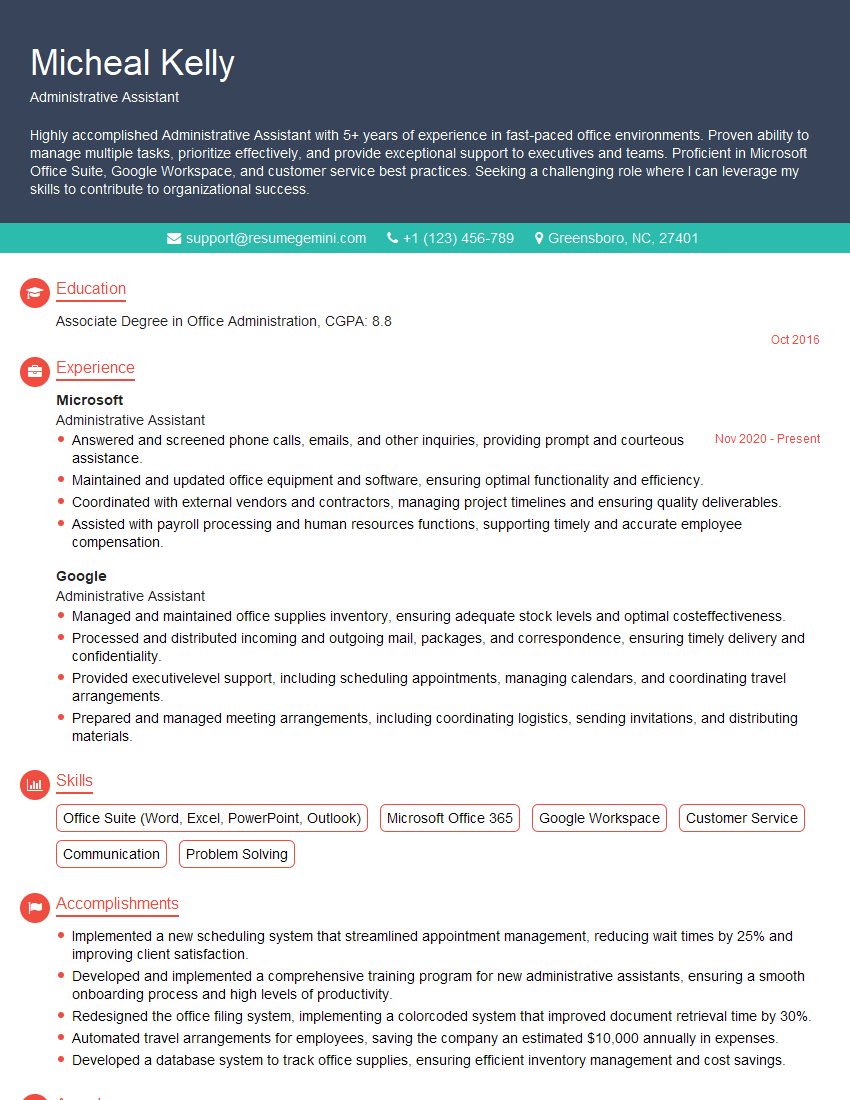
Administrative Assistant Resume Sample
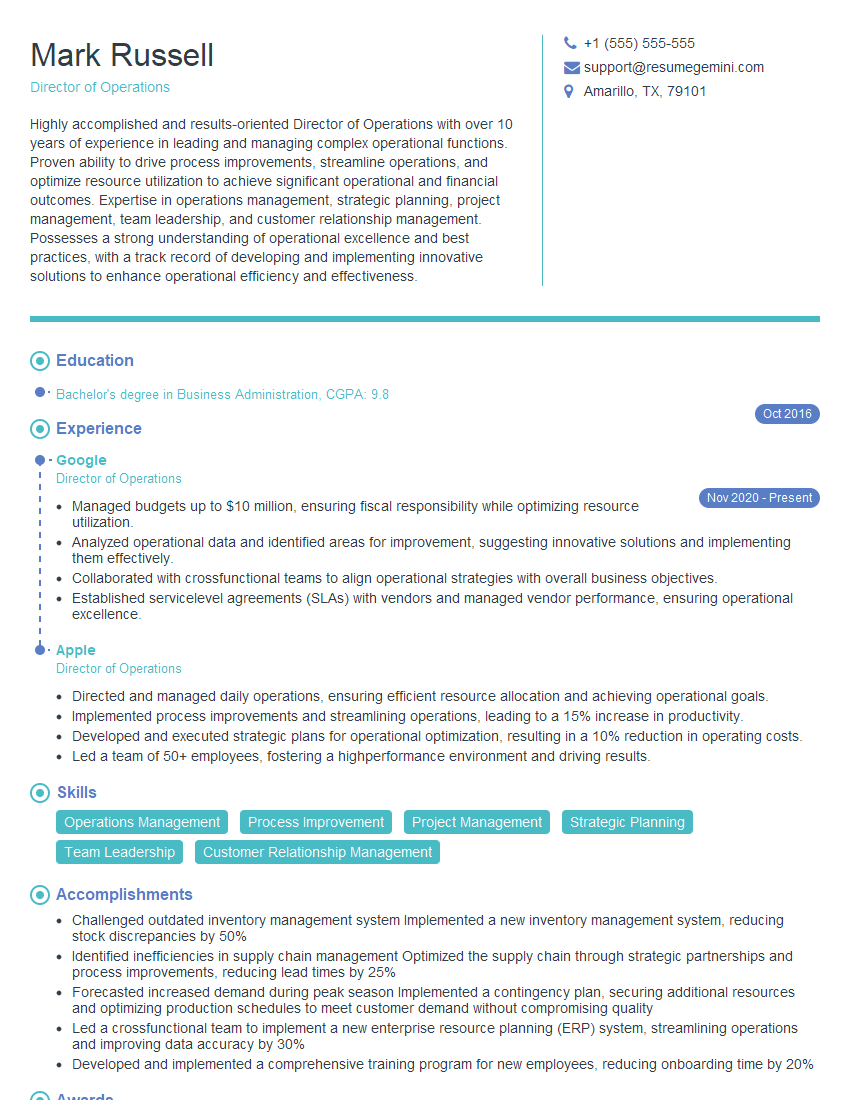
Director of Operations Resume Sample
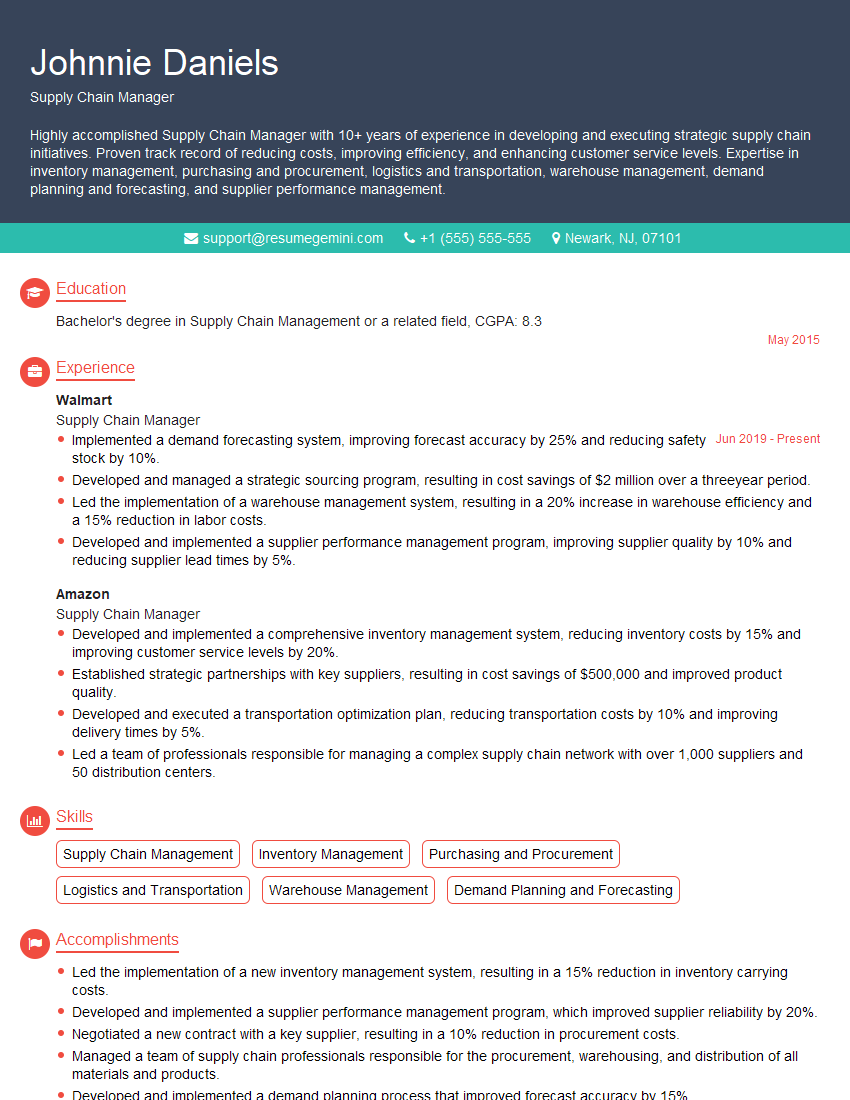
Supply Chain Manager Resume Sample
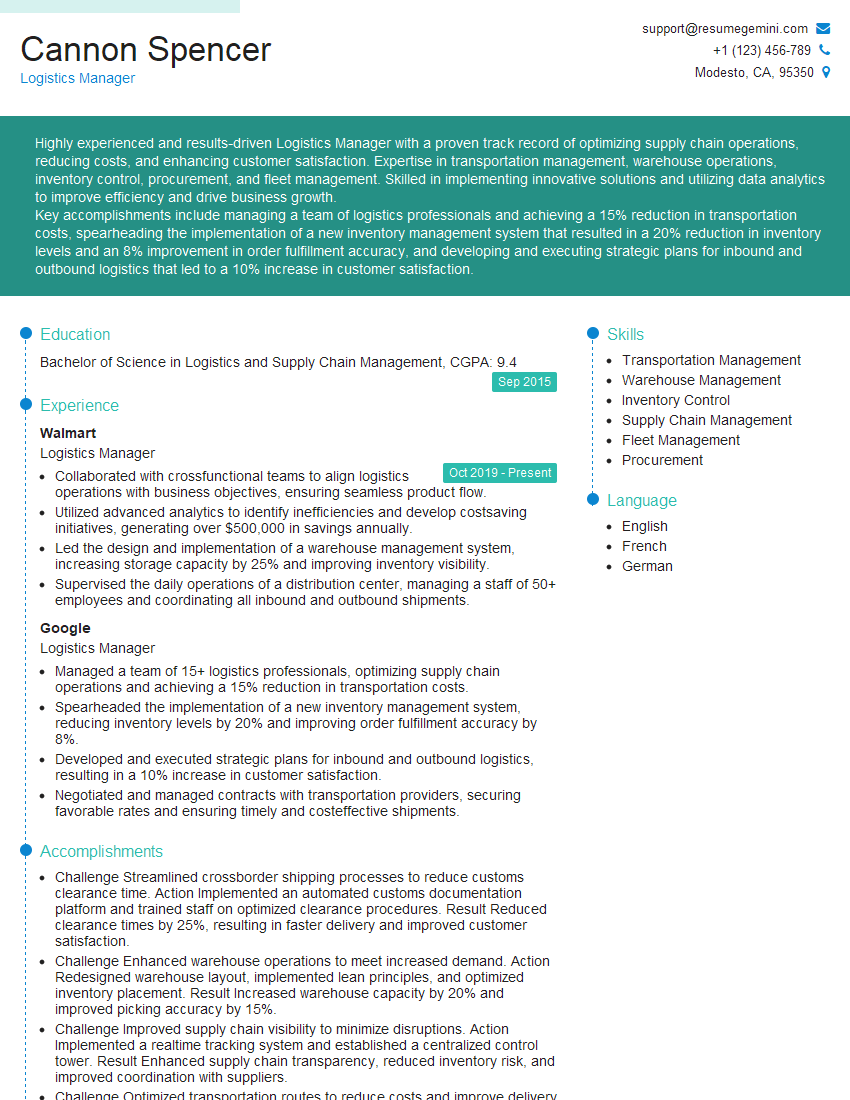
Logistics Manager Resume Sample
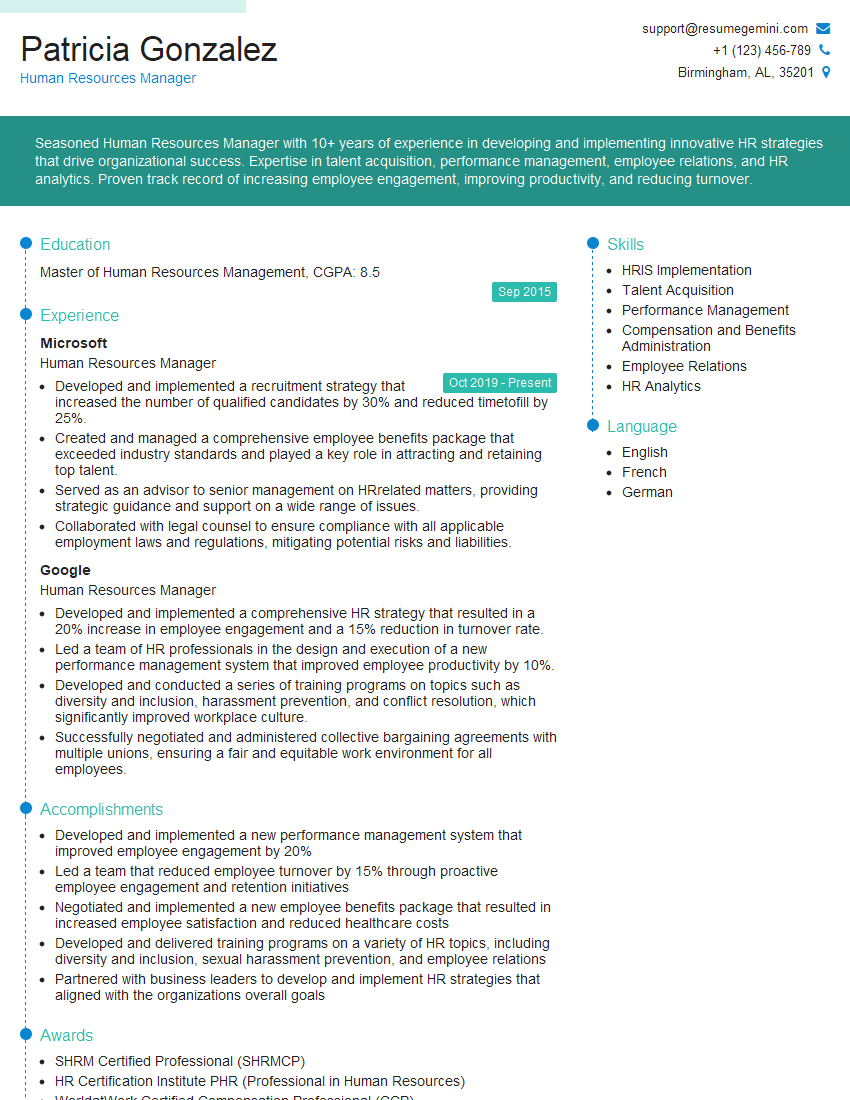
Human Resources Manager Resume Sample
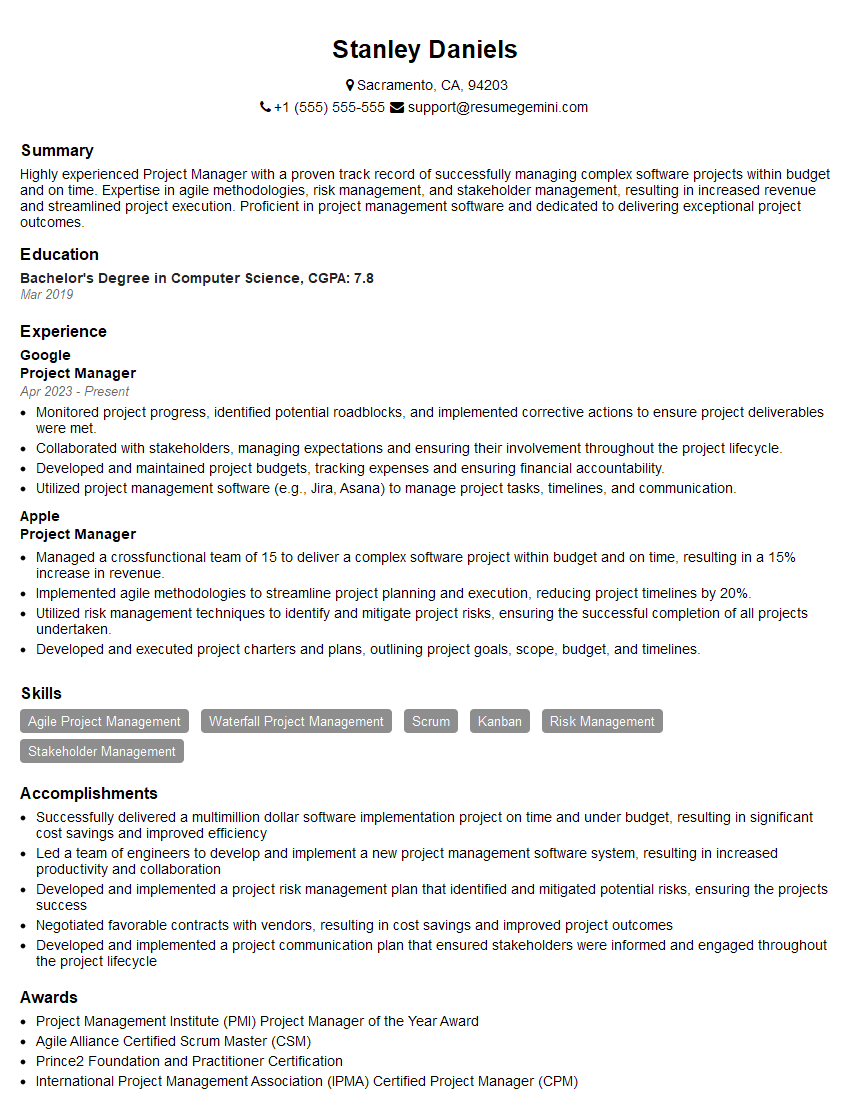
Project Manager Resume Sample
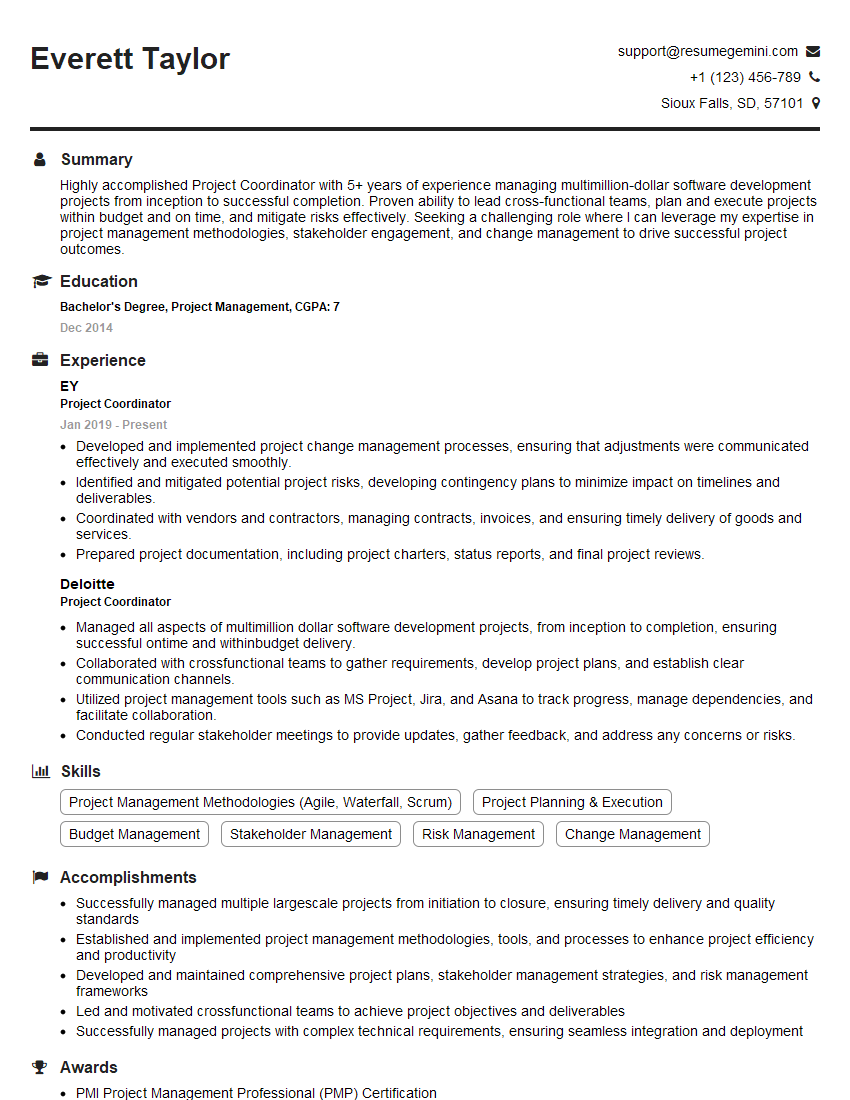
Project Coordinator Resume Sample
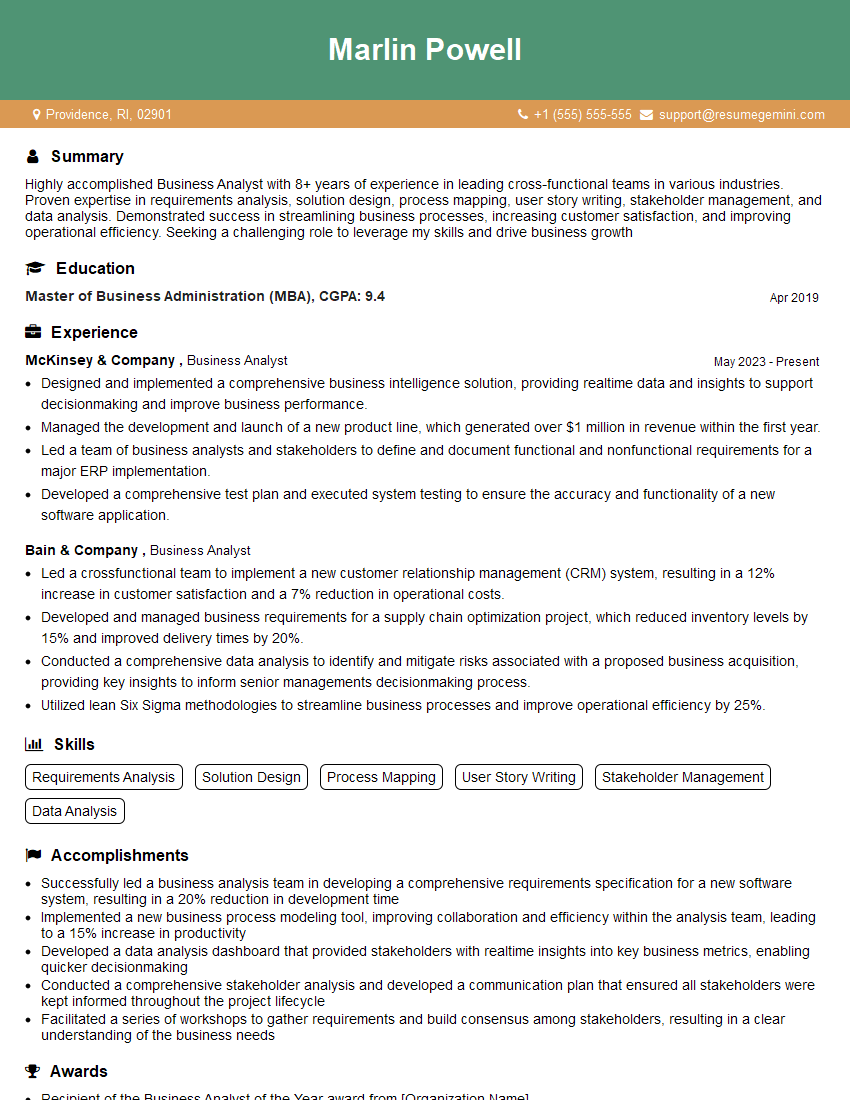
Business Analyst Resume Sample
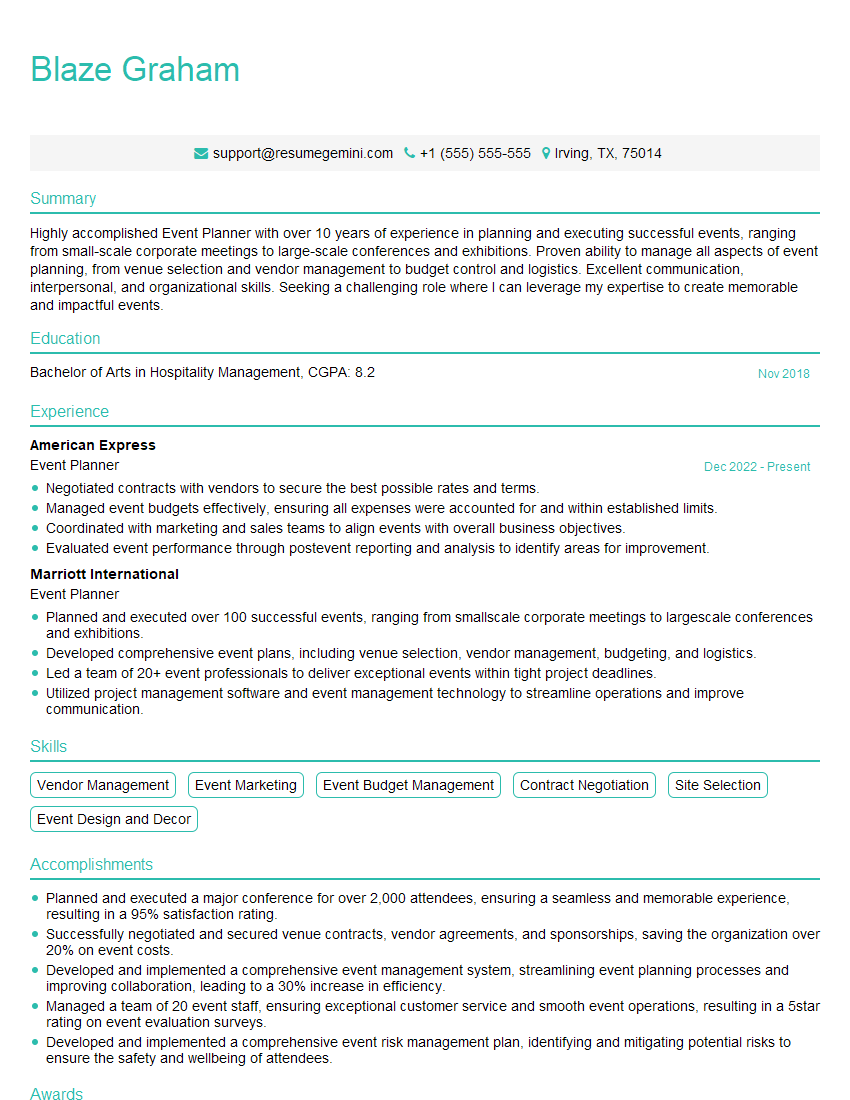
Event Planner Resume Sample

Scheduling Coordinator Resume Sample
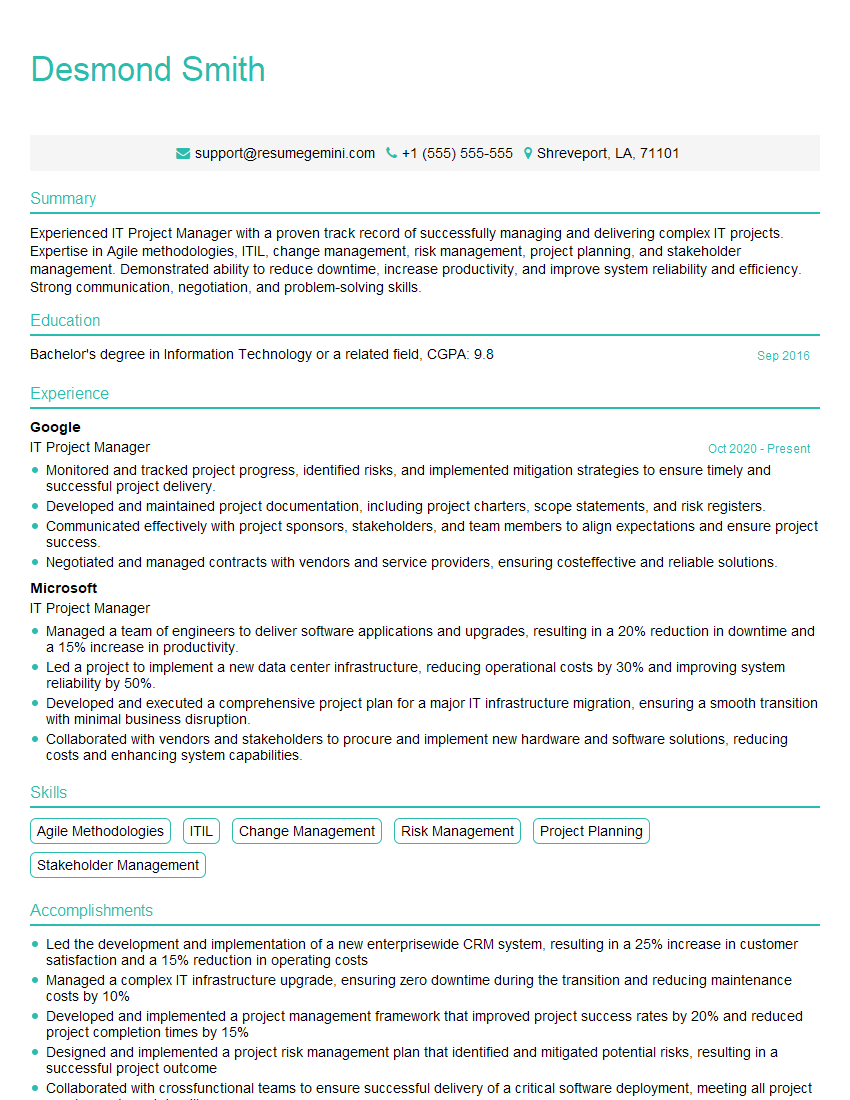
IT Project Manager Resume Sample
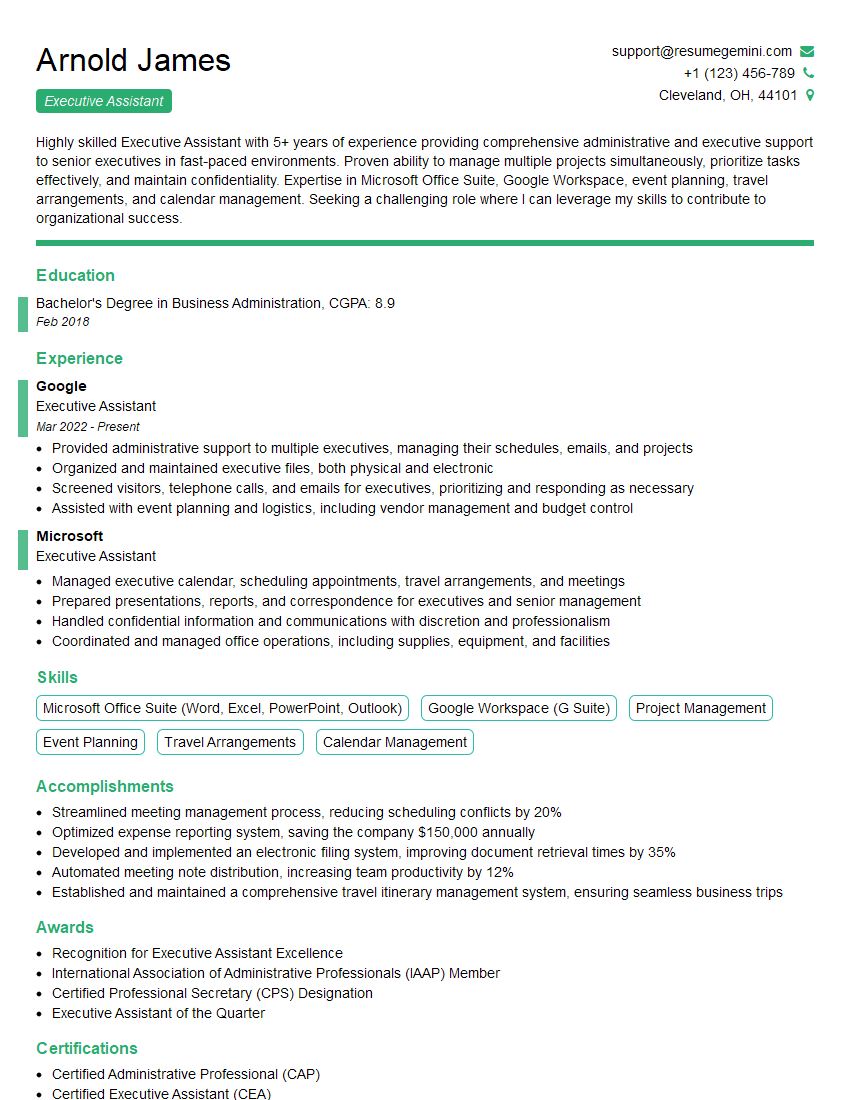
Executive Assistant Resume Sample
- Chief Operating Officer (COO)
- Program Manager
- Office Manager
- Operations Manager
- Production Manager
- Account Manager
- Marketing Manager
- Sales Manager
- Product Manager
- Administrative Assistant
- Director of Operations
- Supply Chain Manager
- Logistics Manager
- Human Resources Manager
- Project Manager
- Project Coordinator
- Business Analyst
- Event Planner
- Scheduling Coordinator
- IT Project Manager
- Executive Assistant
Explore more articles
Users Rating of Our Blogs
Share Your Experience
We value your feedback! Please rate our content and share your thoughts (optional).
What Readers Say About Our Blog
Very informative content, great job.
good