Interviews are opportunities to demonstrate your expertise, and this guide is here to help you shine. Explore the essential Strong work ethic and commitment to delivering high-quality work interview questions that employers frequently ask, paired with strategies for crafting responses that set you apart from the competition.
Questions Asked in Strong work ethic and commitment to delivering high-quality work Interview
Q 1. Describe a time you went above and beyond to meet a deadline.
Meeting tight deadlines often requires going the extra mile. In my previous role at Acme Corp, we were tasked with launching a new software feature by a very aggressive deadline – just three weeks away. The initial estimate suggested it would take at least five. To meet this challenge, I volunteered to work extra hours, often staying late into the evening and coming in early. I also proactively communicated with the team, suggesting we streamline certain processes and identify areas where we could save time without compromising quality. We used agile methodologies, breaking down the project into smaller, manageable tasks and tracking our progress daily. This collaborative, proactive approach, combined with my dedication to working extended hours, allowed us to successfully launch the feature on time, exceeding expectations and earning positive feedback from upper management.
Q 2. How do you prioritize tasks when faced with competing deadlines?
Prioritizing tasks with competing deadlines is crucial for effective time management. I use a combination of methods, starting with a clear understanding of each deadline’s importance and urgency. I utilize a prioritization matrix (like the Eisenhower Matrix – Urgent/Important) to categorize my tasks. Urgent and important tasks are tackled immediately. Important but not urgent tasks are scheduled, while urgent but unimportant tasks are delegated or re-evaluated for necessity. Unimportant and not urgent tasks are eliminated or postponed. For example, if I have a critical client presentation due next week and a less urgent report due the following week, I’d dedicate the majority of my time to the presentation, ensuring it’s polished and well-rehearsed before shifting focus to the report. I also leverage project management tools to visualize my workflow and track progress against deadlines, allowing for proactive adjustment as needed.
Q 3. Give an example of a time you identified and corrected a quality issue in your work.
Quality control is paramount in my workflow. During a recent project involving data analysis, I noticed an anomaly in the data set – a significant outlier that could skew the overall results and lead to inaccurate conclusions. Instead of ignoring it or simply averaging it out, I investigated the source of the outlier. It turned out to be a data entry error. I traced the error back to the initial data collection phase and corrected the mistake. This careful attention to detail prevented the flawed data from influencing the final report, ensuring the accuracy and reliability of my findings, and ultimately saving the project from potential misinterpretations.
Q 4. How do you ensure the accuracy of your work?
Ensuring accuracy requires a multi-faceted approach. Firstly, I meticulously follow established procedures and guidelines. Secondly, I implement robust cross-checking mechanisms; for example, in data analysis, I’d verify my calculations using multiple methods and tools. Thirdly, I employ peer review where applicable, seeking feedback from colleagues to identify potential errors or biases. For instance, when writing a technical report, I ask a colleague to review it for clarity, accuracy, and completeness. Finally, I regularly self-audit my work, scrutinizing my outputs for inconsistencies or anomalies. This layered approach helps to guarantee the accuracy of my work and to minimize the risk of mistakes.
Q 5. What strategies do you use to maintain focus and productivity?
Maintaining focus and productivity involves a combination of techniques tailored to my personal working style. I start by prioritizing tasks and creating a realistic daily schedule, breaking down large projects into smaller, manageable chunks. Time blocking is a very useful strategy for me. I allocate specific time slots for focused work on particular tasks, minimizing distractions. I also utilize the Pomodoro Technique, working in focused bursts with short breaks in between, to maintain concentration. Furthermore, I ensure I get adequate rest and exercise, recognizing that physical and mental well-being are crucial for sustained productivity. Minimizing interruptions through dedicated work spaces and using productivity apps is also essential for me.
Q 6. Describe your approach to handling constructive criticism.
I view constructive criticism as an invaluable opportunity for growth and improvement. When receiving feedback, I actively listen and avoid becoming defensive. I ask clarifying questions to ensure I fully understand the points raised. I then objectively assess the validity of the criticism, acknowledging areas where I could improve. For instance, if a colleague suggests a more efficient approach to a task, I carefully analyze their suggestion and try to incorporate it into my future workflow. I document the feedback and create an action plan to address the noted areas for improvement, demonstrating a commitment to continuous learning and development.
Q 7. How do you manage your time effectively when working on multiple projects?
Managing multiple projects effectively hinges on organization and prioritization. I use project management tools to track progress on each project, setting clear deadlines and milestones for each. I break down each project into smaller, manageable tasks and allocate specific time blocks for working on each. Regularly reviewing my schedule and adjusting priorities as needed is crucial to avoid falling behind. Furthermore, proactive communication with stakeholders is essential to manage expectations and ensure everyone is aligned on timelines and deliverables. This structured approach ensures I can effectively juggle multiple projects without compromising the quality of my work on any single one.
Q 8. How do you handle setbacks or unexpected challenges in your work?
Setbacks are inevitable in any professional journey. My approach involves a structured process: First, I acknowledge the setback without dwelling on it. Analyzing the root cause is crucial – was it a lack of information, a miscalculation, or an unforeseen circumstance? Once identified, I develop a contingency plan. This might involve seeking additional resources, adjusting my timeline, or consulting colleagues for alternative solutions. Finally, I document the experience for future reference, learning from mistakes to avoid repeating them. For example, during a recent project, an unexpected software bug delayed our progress. Instead of panicking, I immediately identified the problem, engaged a colleague with expertise in that specific area, and together, we implemented a workaround, ultimately minimizing the delay’s impact.
Q 9. How do you proactively identify potential problems before they arise?
Proactive problem identification is key to delivering high-quality work efficiently. My strategy involves several steps: Firstly, I thoroughly review project requirements and specifications, anticipating potential roadblocks. Secondly, I conduct regular check-ins, monitoring progress and identifying potential issues before they escalate. Thirdly, I actively seek feedback from colleagues and stakeholders, gathering diverse perspectives. Finally, I utilize risk assessment tools and methodologies to systematically identify and mitigate potential risks. For instance, in a past project involving a complex database migration, I proactively identified the risk of data loss and developed a comprehensive backup and recovery plan. This foresight prevented potential disaster and ensured a smooth migration.
Q 10. Describe a time you had to work with limited resources.
Resource constraints often demand creative problem-solving. In one instance, I was tasked with designing a marketing campaign with a significantly reduced budget. Instead of compromising on quality, I focused on strategic resource allocation. I opted for cost-effective digital marketing strategies over expensive print campaigns. I leveraged free tools and open-source software, and I negotiated favorable deals with vendors. Furthermore, I streamlined the design process by focusing on essential elements and prioritizing efficiency. The final campaign, while executed with fewer resources, was highly successful, exceeding expectations in terms of engagement and return on investment.
Q 11. How do you stay motivated and engaged in your work?
Maintaining motivation and engagement requires a multifaceted approach. Firstly, I set clear, achievable goals and break down larger tasks into smaller, manageable steps. This provides a sense of accomplishment and keeps me focused. Secondly, I prioritize continuous learning and seek out new challenges to stimulate my intellectual curiosity. Thirdly, I cultivate a positive work environment by collaborating with supportive colleagues and celebrating milestones achieved. Finally, I maintain a healthy work-life balance, ensuring adequate rest and relaxation to prevent burnout. For example, I find that dedicating time to personal hobbies outside of work helps me return to my projects refreshed and more creative.
Q 12. How do you measure the quality of your work?
Quality is measured against several key criteria. Firstly, I evaluate the accuracy and completeness of the work, ensuring that all deliverables meet the specified requirements. Secondly, I assess the efficiency and effectiveness of the process used, striving for continuous improvement. Thirdly, I consider the overall impact and value delivered by the work, aligning it with business objectives. Finally, I seek feedback from stakeholders and clients to gain diverse perspectives and identify areas for refinement. I often use checklists and standardized templates to ensure consistency and maintain high standards across all projects.
Q 13. Describe your process for reviewing and editing your own work.
My review and editing process is meticulous. I typically begin by stepping away from the work for a period to gain fresh perspective. Then, I review the work systematically, checking for errors in grammar, spelling, punctuation, and formatting. I also critically evaluate the clarity, coherence, and overall effectiveness of the content. I use style guides and editing tools to ensure consistency and adherence to standards. I often seek feedback from others before finalizing the work, ensuring a diverse perspective is considered. This multi-stage process ensures high-quality and error-free deliverables.
Q 14. How do you collaborate effectively with others to ensure high-quality work?
Effective collaboration is essential for delivering high-quality work. I focus on clear communication, actively listening to and valuing diverse perspectives. I establish clear roles and responsibilities within a team to ensure accountability. I promote open and honest feedback, using constructive criticism to improve the overall outcome. I leverage collaborative tools and platforms to facilitate efficient communication and knowledge sharing. For instance, in a previous project, we used a project management tool to track progress, share documents, and maintain a centralized repository for all project-related information. This streamlined workflow, enhanced communication, and ensured a successful team effort.
Q 15. How do you adapt to changing priorities and deadlines?
Adapting to shifting priorities and deadlines is crucial in today’s dynamic work environment. My approach involves a multi-step process. First, I prioritize tasks based on urgency and impact, using methods like Eisenhower Matrix (urgent/important). Second, I communicate proactively with stakeholders to ensure everyone is aligned on the revised plan and potential impacts. Third, I break down large tasks into smaller, more manageable chunks, allowing for flexibility and readjustment. Finally, I actively monitor progress, making necessary adjustments along the way. For example, during a project where a key client request changed unexpectedly, I immediately re-evaluated the project timeline, identified the critical path adjustments needed, and collaborated with my team to reallocate resources effectively. This proactive communication and flexibility ensured we delivered a high-quality product, albeit with a revised timeline.
Career Expert Tips:
- Ace those interviews! Prepare effectively by reviewing the Top 50 Most Common Interview Questions on ResumeGemini.
- Navigate your job search with confidence! Explore a wide range of Career Tips on ResumeGemini. Learn about common challenges and recommendations to overcome them.
- Craft the perfect resume! Master the Art of Resume Writing with ResumeGemini’s guide. Showcase your unique qualifications and achievements effectively.
- Don’t miss out on holiday savings! Build your dream resume with ResumeGemini’s ATS optimized templates.
Q 16. Give an example of a time you had to make a difficult decision regarding quality vs. time.
In a previous project, we were under immense pressure to launch a new software feature by a tight deadline. However, during testing, we discovered a critical bug that would significantly impact the user experience. Choosing between releasing a potentially flawed product on time or delaying the launch to fix the bug was a difficult decision. After careful evaluation of the risks and consequences of both scenarios— considering potential reputational damage and client dissatisfaction versus a potential short-term revenue loss from delayed launch—we opted to delay the launch to rectify the bug. The extra time allowed us to deliver a superior, bug-free product, which in the long run built greater trust with our clients and protected our company’s reputation. This highlighted the importance of prioritizing long-term quality over short-term gains.
Q 17. How do you handle situations where you disagree with a colleague’s approach to quality?
Disagreements on quality approaches are inevitable in collaborative environments. My approach is always constructive and focuses on finding common ground. I start by actively listening to my colleague’s perspective, seeking to understand their reasoning and the potential benefits of their method. Then, I respectfully present my perspective, highlighting the potential risks or drawbacks of their approach while focusing on objective quality standards and data. If needed, I suggest a compromise or a pilot test to compare both approaches, allowing data to drive the final decision. For instance, when a colleague suggested a shortcut in the coding process to save time, I raised concerns about potential long-term maintainability and security risks. We then discussed the trade-offs and ultimately decided on a modified approach that balanced speed and quality. This resulted in a more robust solution and strengthened our working relationship.
Q 18. Describe a time you had to learn a new skill quickly to meet a work-related need.
I once needed to learn Python scripting quickly to automate a repetitive data analysis task. Our team was facing a tight deadline, and manual processing would have severely impacted our timeline. I used a combination of online tutorials, documentation, and practice exercises to rapidly acquire the necessary skills. I started with the basics of syntax and data structures, focusing on the specific functionalities required for the task. Then, I applied what I learned by tackling the automation project in incremental steps. I documented each step of the process to aid future understanding and maintenance. Within a week, I was able to develop a Python script that efficiently automated the data analysis, saving the team significant time and resources, ultimately enabling us to meet the deadline.
Q 19. How do you stay updated on industry best practices and quality standards?
Staying current with industry best practices and quality standards is vital. I actively engage in continuous learning through various methods. I subscribe to industry publications and newsletters, participate in online courses and webinars offered by reputable organizations, and attend relevant conferences and workshops. I also actively engage with online professional communities and forums to learn from and share insights with my peers. Furthermore, I regularly review relevant quality standards and guidelines specific to my industry to ensure my work adheres to the highest standards. This ongoing commitment to professional development keeps my skillset sharp and ensures I am delivering high-quality work aligned with industry best practices.
Q 20. How do you handle stressful situations that might compromise the quality of your work?
Stressful situations can significantly impact work quality. My strategy involves several key steps to manage stress effectively. I prioritize self-care through sufficient sleep, regular exercise, and healthy eating habits. I practice mindfulness and stress-reduction techniques like deep breathing exercises to center myself. When overwhelmed, I break down tasks into smaller, manageable units to prevent feeling overwhelmed. I also utilize time management techniques like the Pomodoro Technique to maintain focus and prevent burnout. Finally, I openly communicate my challenges to my supervisor or team members, seeking support and collaboration when needed. This multi-faceted approach ensures I maintain focus and deliver high-quality results even under pressure.
Q 21. Describe your approach to problem-solving, focusing on maintaining quality.
My problem-solving approach emphasizes a structured, quality-focused method. I begin by clearly defining the problem, gathering all relevant information, and identifying the root cause. Next, I brainstorm potential solutions, evaluating each for its feasibility, impact, and potential risks to quality. I select the most promising solution, outlining the steps needed for implementation and defining clear quality metrics for evaluation. I then execute the chosen solution, carefully monitoring progress and making adjustments as needed. Finally, I thoroughly evaluate the results against the defined metrics, documenting lessons learned for future improvement. For example, when a system error occurred, I systematically investigated the error logs, identified the faulty code segment, tested various fixes, and implemented the most robust and efficient solution. This process ensures that problem-solving leads to high-quality, sustainable results.
Q 22. How do you ensure that your work aligns with company values and quality standards?
Ensuring my work aligns with company values and quality standards is a fundamental aspect of my professional approach. I begin by thoroughly understanding the company’s mission, vision, and values, often reviewing internal documentation and actively participating in team meetings where these are discussed. I then actively seek clarification on any ambiguous aspects of a project or task, ensuring my understanding is complete before starting work. For quality standards, I familiarize myself with all relevant style guides, process documents, and quality assurance protocols. I proactively seek feedback throughout the project lifecycle, using regular check-ins with supervisors and colleagues to ensure I’m on track and meeting expectations. Think of it like baking a cake: you wouldn’t start without the recipe and quality ingredients. Similarly, I don’t proceed without a clear understanding of the ‘recipe’ (project requirements) and the ‘ingredients’ (company standards).
Q 23. How do you balance individual contribution with teamwork to achieve a high-quality result?
Balancing individual contribution with teamwork is crucial for achieving high-quality results. I believe in a collaborative approach where individual strengths are leveraged to create a synergistic effect. I actively communicate my progress, challenges, and insights with my team members. I’m comfortable taking ownership of specific tasks while remaining flexible and willing to assist colleagues when needed. For instance, if I excel in data analysis and a teammate is struggling with a specific chart, I’ll offer support and guidance. Conversely, I readily accept assistance from others when I encounter roadblocks. It’s about recognizing our collective strength. Think of it as a sports team: each player has a role, but they collaborate to achieve a common goal.
Q 24. How do you delegate tasks effectively while maintaining high quality standards?
Effective delegation is about empowering others while maintaining quality. I start by clearly defining the task, outlining specific goals and deliverables, and establishing clear deadlines. I select the right person for the task based on their skills and experience. Critically, I provide sufficient support and resources, including necessary training or information, to ensure they succeed. I also establish regular check-ins to monitor progress, address any challenges, and offer guidance without micromanaging. I view delegation as an opportunity for team growth and skill development. It’s not about offloading work but about strategically distributing responsibilities for optimized results. Think of it like a conductor of an orchestra: each musician plays their part, but the conductor ensures harmony and quality.
Q 25. Describe a time you received positive feedback on the quality of your work. What did you do?
I once received exceptional feedback for my contribution to a complex project where we had to develop a new reporting system within a tight deadline. My meticulous attention to detail, proactive problem-solving, and clear communication were particularly highlighted. I had meticulously planned the project phases, anticipating potential issues and developing contingency plans. I consistently communicated progress to stakeholders and promptly addressed any concerns. This experience reinforced the value of comprehensive planning and open communication in achieving high-quality results.
Q 26. Describe a time you received negative feedback on the quality of your work. How did you respond?
In a previous project, I received feedback that a section of my report lacked clarity and conciseness. I was initially disappointed but viewed this as an opportunity for improvement. I immediately scheduled a meeting with my supervisor to discuss the feedback in detail. I actively listened, asked clarifying questions, and took notes. I then revised the report, focusing on simplifying complex concepts and ensuring a more logical flow. I also implemented improved editing and proofreading processes to prevent similar issues in future projects. The experience underscored the importance of self-reflection and continuous improvement. It taught me to constructively handle criticism and view it as a catalyst for personal and professional growth.
Q 27. How do you use technology to enhance the quality and efficiency of your work?
Technology significantly enhances the quality and efficiency of my work. I use project management software like Asana or Jira for task management, collaboration, and tracking progress. For data analysis, I leverage tools such as Python with libraries like Pandas and NumPy to efficiently process and analyze large datasets, ensuring accuracy and minimizing manual errors. Excel and Power BI are essential for creating clear and informative reports and visualizations. Utilizing cloud-based platforms for document storage and collaboration further improves efficiency and accessibility. These tools streamline my workflows, enhancing accuracy, and freeing up time for higher-level thinking and problem-solving.
Q 28. What are your strategies for preventing errors and ensuring quality in your work?
My strategies for preventing errors and ensuring quality are multi-faceted. I employ a methodical approach, breaking down complex tasks into smaller, manageable components. This helps to reduce the risk of overlooking details. Before starting any task, I carefully review all instructions and requirements. I also conduct thorough testing at various stages of the process, using checklists and quality assurance techniques to identify potential errors early on. I embrace continuous learning and proactively seek out new techniques and tools to improve my skills and efficiency. Regular peer reviews and seeking feedback from colleagues are invaluable in identifying potential blind spots and improving the quality of my work. Ultimately, a commitment to quality is an ongoing process, not a single event.
Key Topics to Learn for Strong Work Ethic and Commitment to Delivering High-Quality Work Interview
- Defining a Strong Work Ethic: Understanding what constitutes a strong work ethic beyond simply “working hard.” This includes concepts like punctuality, proactive problem-solving, and a commitment to continuous improvement.
- Demonstrating Commitment to Quality: Articulating how you ensure the quality of your work through meticulous attention to detail, thoroughness, and seeking feedback for improvement. Discuss practical examples from past experiences.
- Prioritization and Time Management: Explaining how you manage competing priorities effectively, meet deadlines consistently, and allocate your time efficiently to deliver high-quality work within constraints.
- Teamwork and Collaboration: Highlighting your ability to work effectively within a team, contribute positively to group dynamics, and support colleagues to achieve shared goals. Focus on instances where your collaborative efforts led to successful outcomes.
- Problem-Solving and Adaptability: Showcasing your ability to identify and solve problems creatively, adapt to changing circumstances, and learn from mistakes to improve future performance. Provide concrete examples of how you overcame challenges.
- Initiative and Proactiveness: Illustrating your capacity to take initiative, anticipate needs, and proactively seek opportunities to improve processes and contribute beyond assigned tasks.
- Resilience and Perseverance: Demonstrating your ability to overcome setbacks, maintain a positive attitude under pressure, and persist in the face of challenges to deliver high-quality work consistently.
Next Steps
Mastering the art of showcasing a strong work ethic and commitment to quality is crucial for career advancement. It demonstrates reliability, dedication, and a drive for excellence – qualities highly sought after by employers. To significantly enhance your job prospects, focus on crafting an ATS-friendly resume that effectively highlights these key attributes. ResumeGemini is a trusted resource to help you build a professional resume that stands out. We provide examples of resumes tailored to emphasize a strong work ethic and commitment to delivering high-quality work to guide you. Use these resources to present yourself as the ideal candidate.

Operations Manager Resume Sample
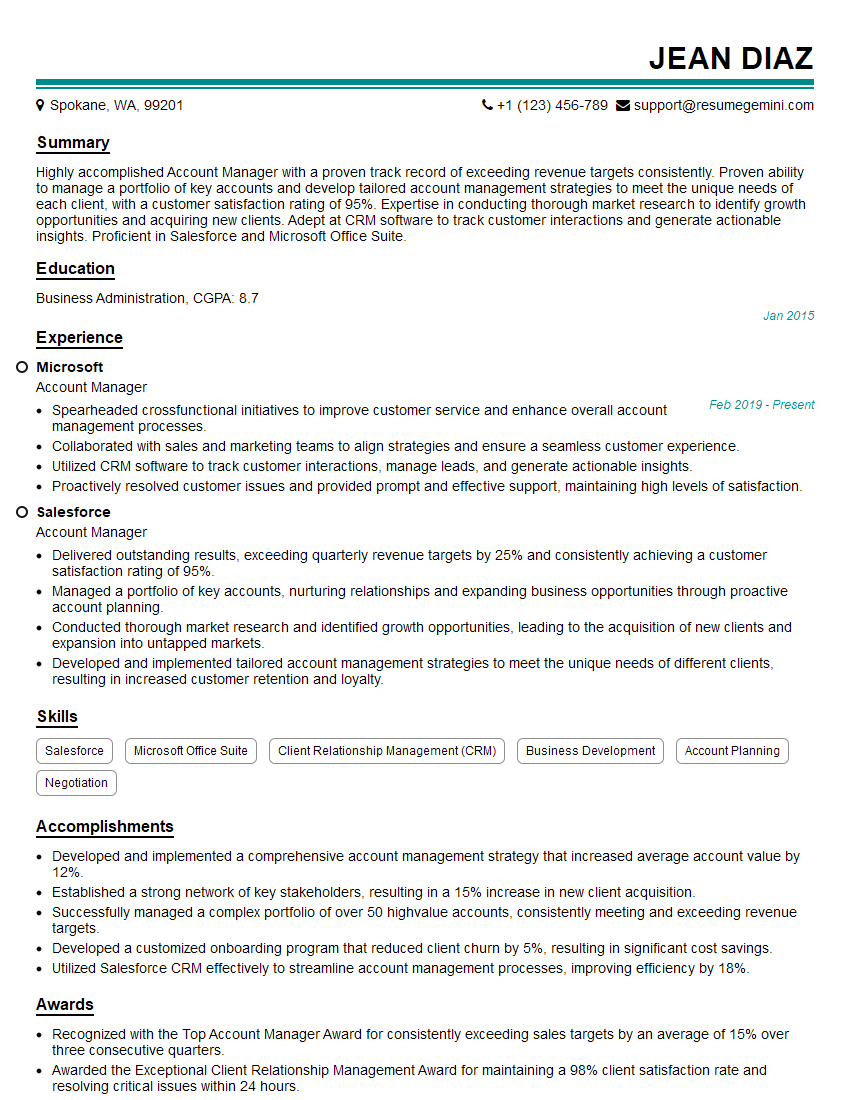
Account Manager Resume Sample
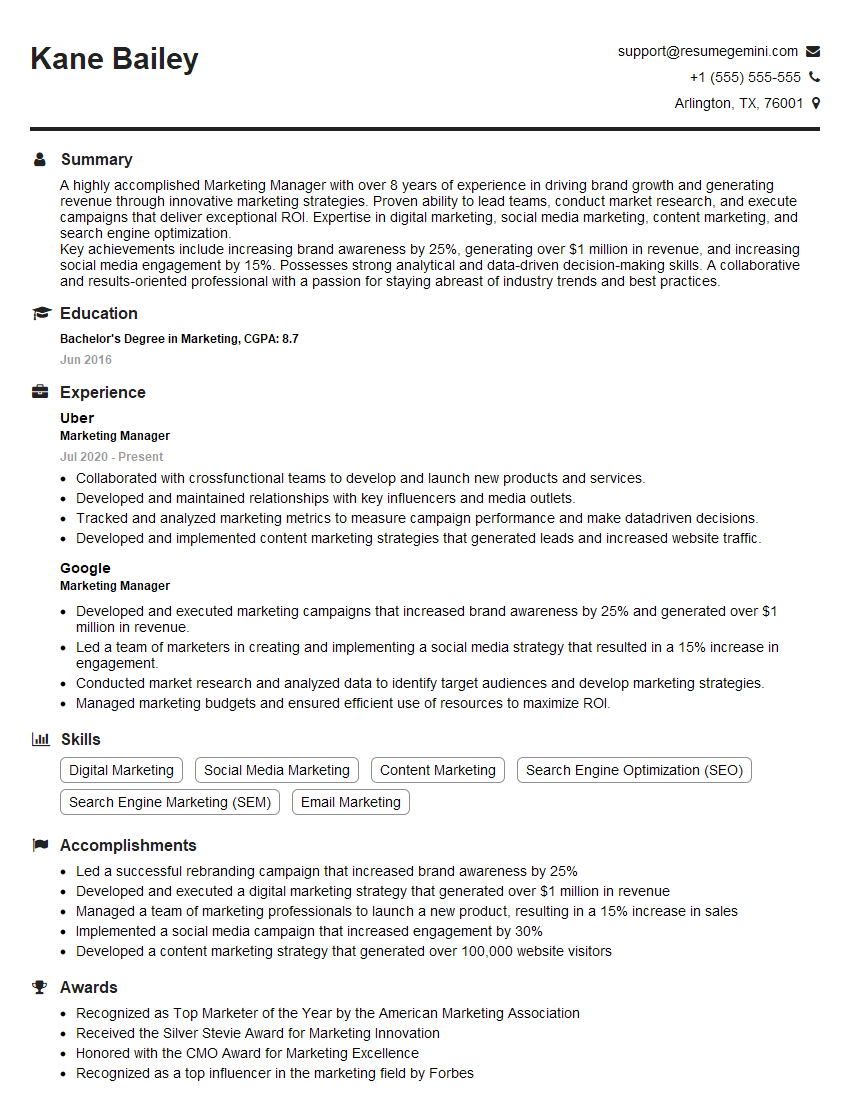
Marketing Manager Resume Sample
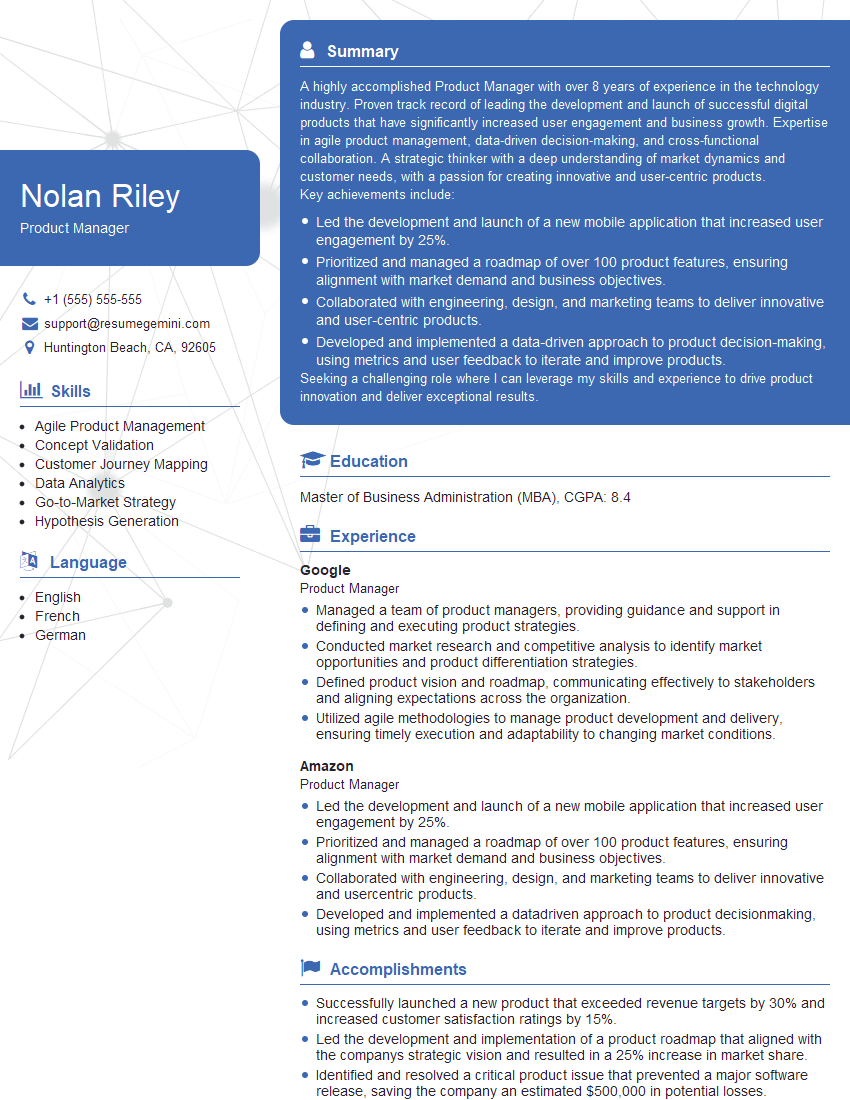
Product Manager Resume Sample
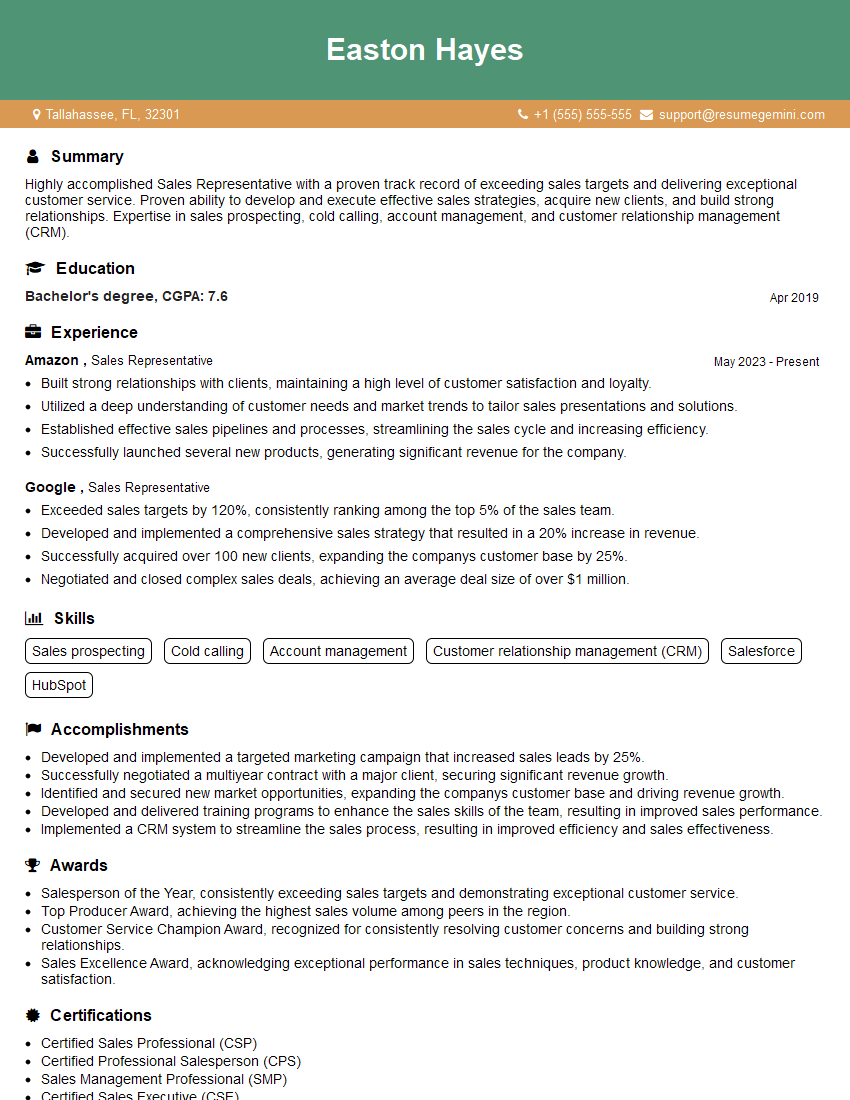
Sales Representative Resume Sample
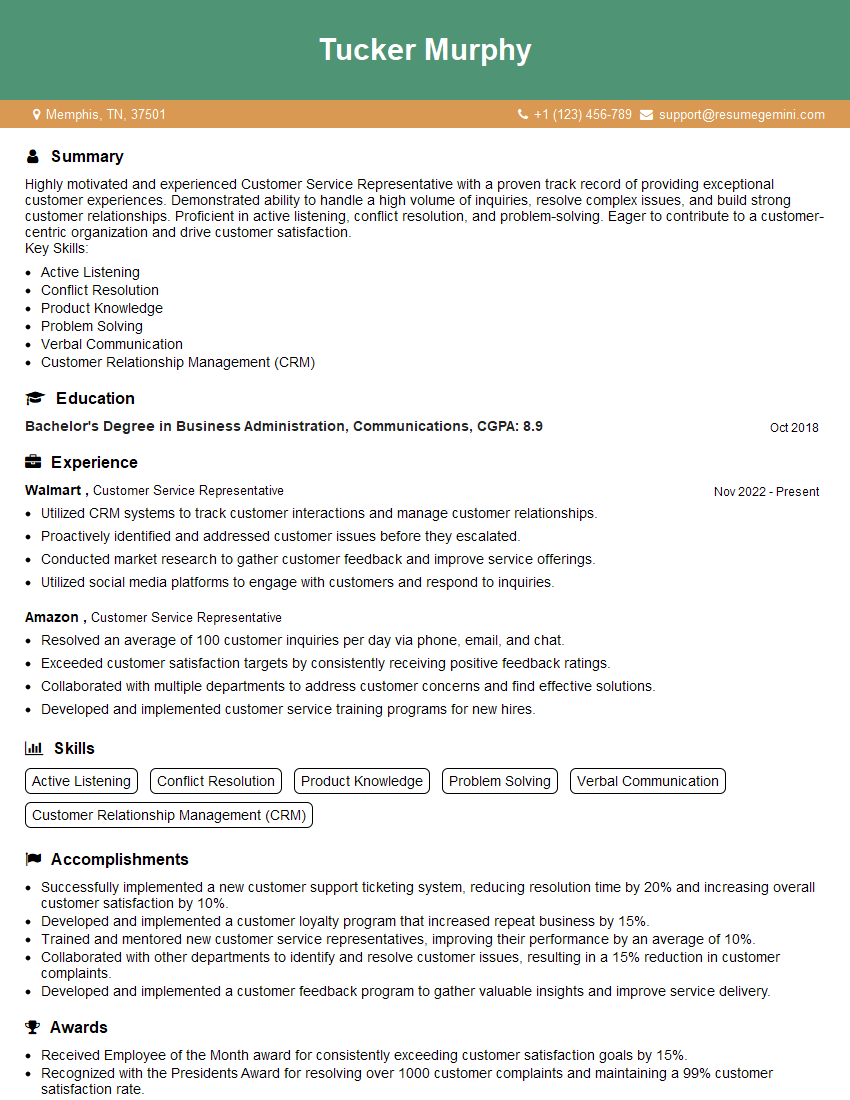
Customer Service Representative Resume Sample
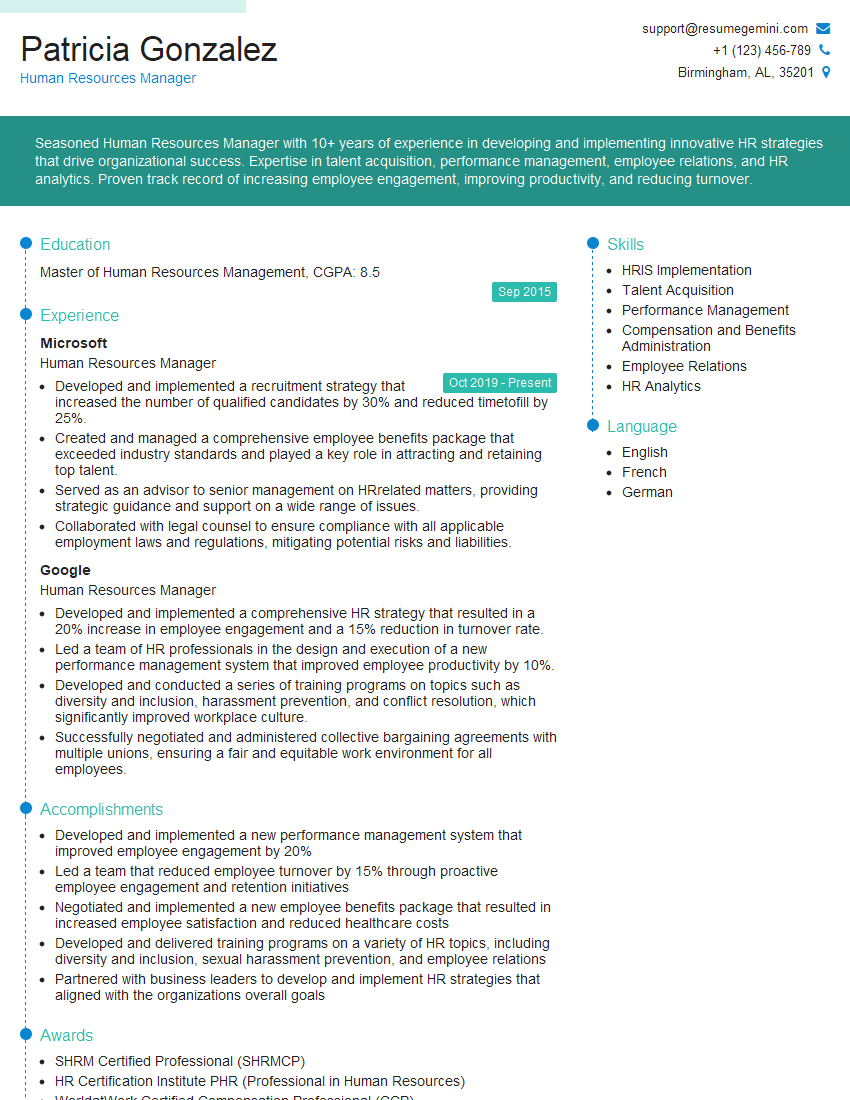
Human Resources Manager Resume Sample

Project Manager Resume Sample
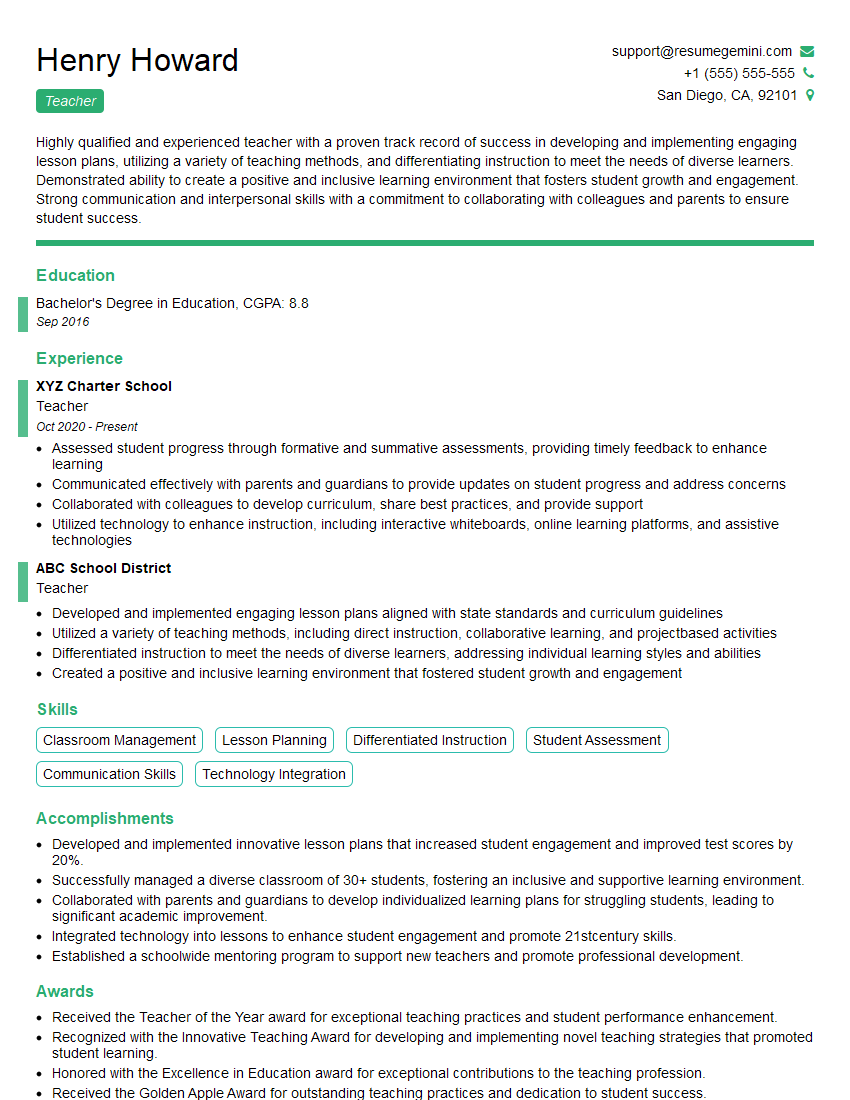
Teacher Resume Sample

Business Analyst Resume Sample
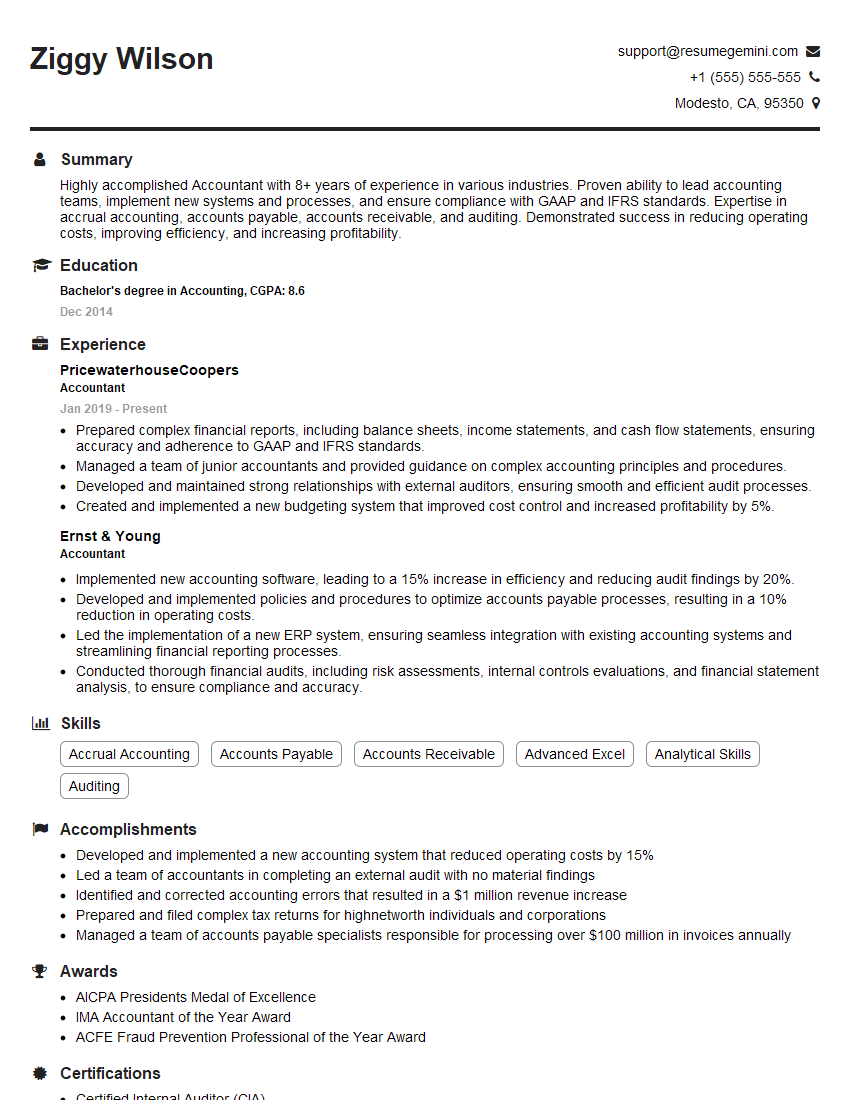
Accountant Resume Sample
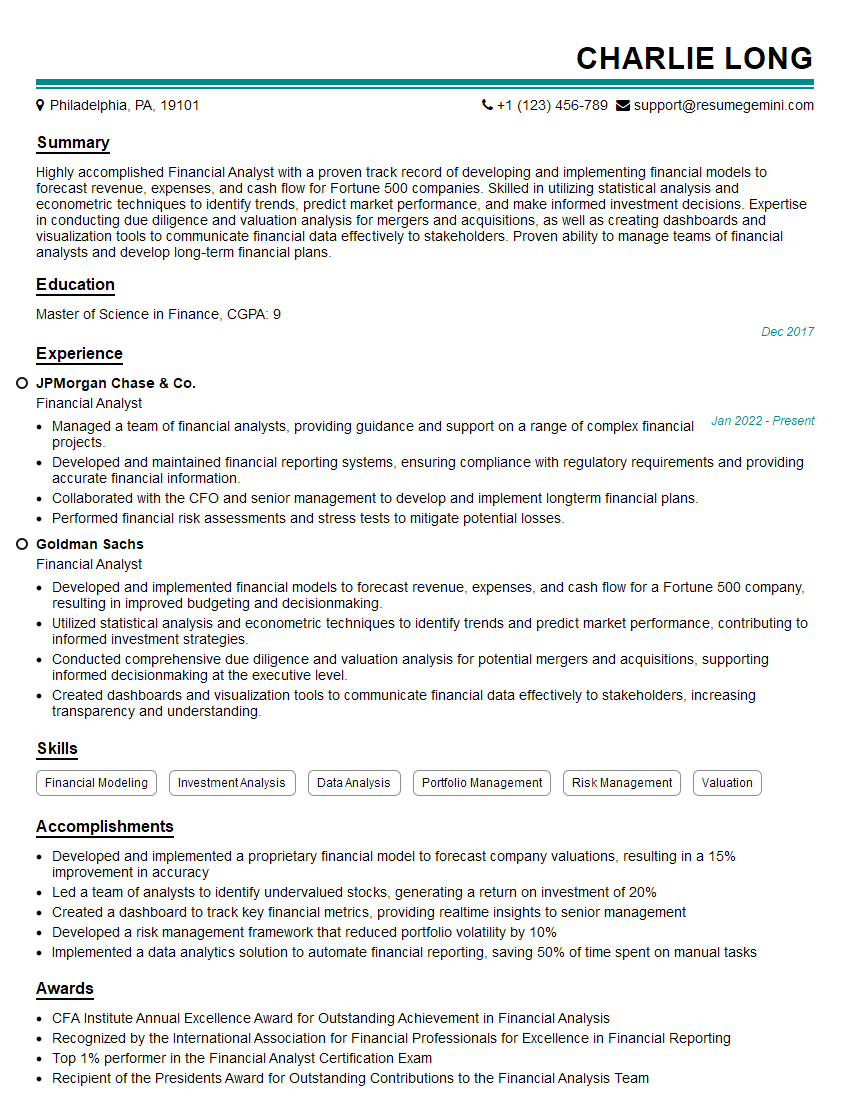
Financial Analyst Resume Sample
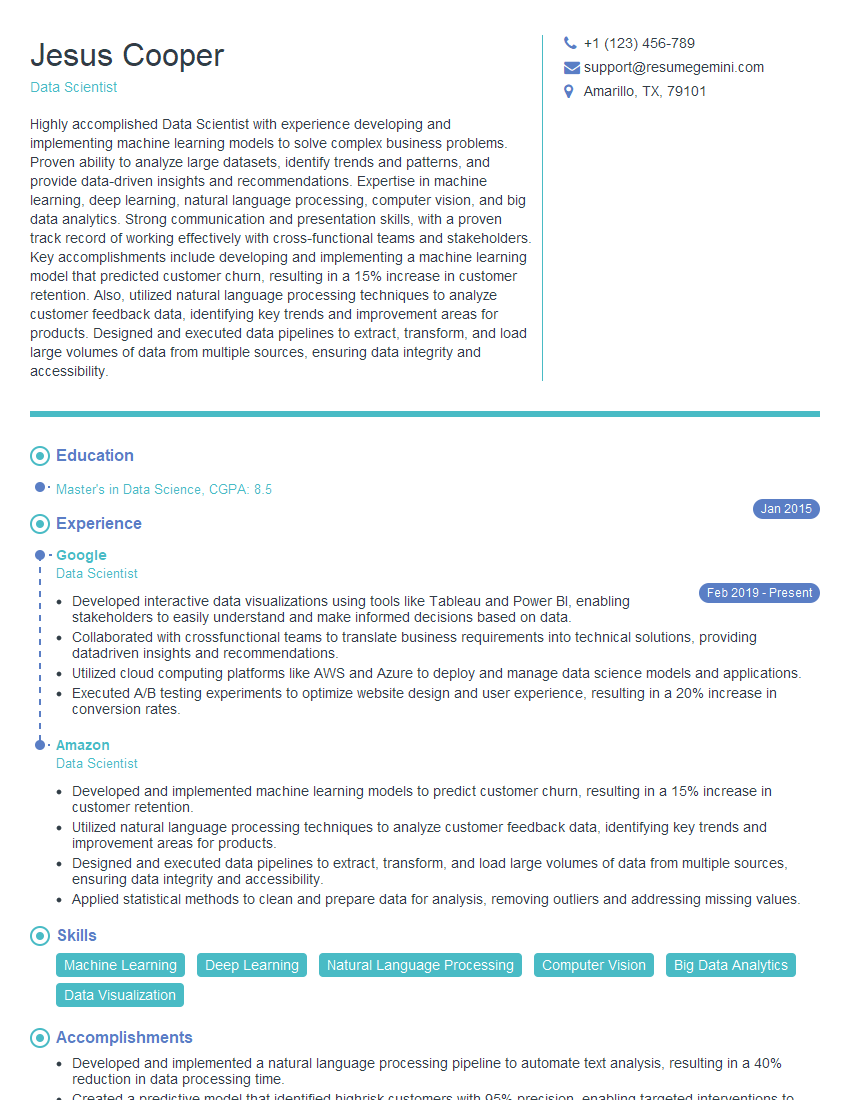
Data Scientist Resume Sample
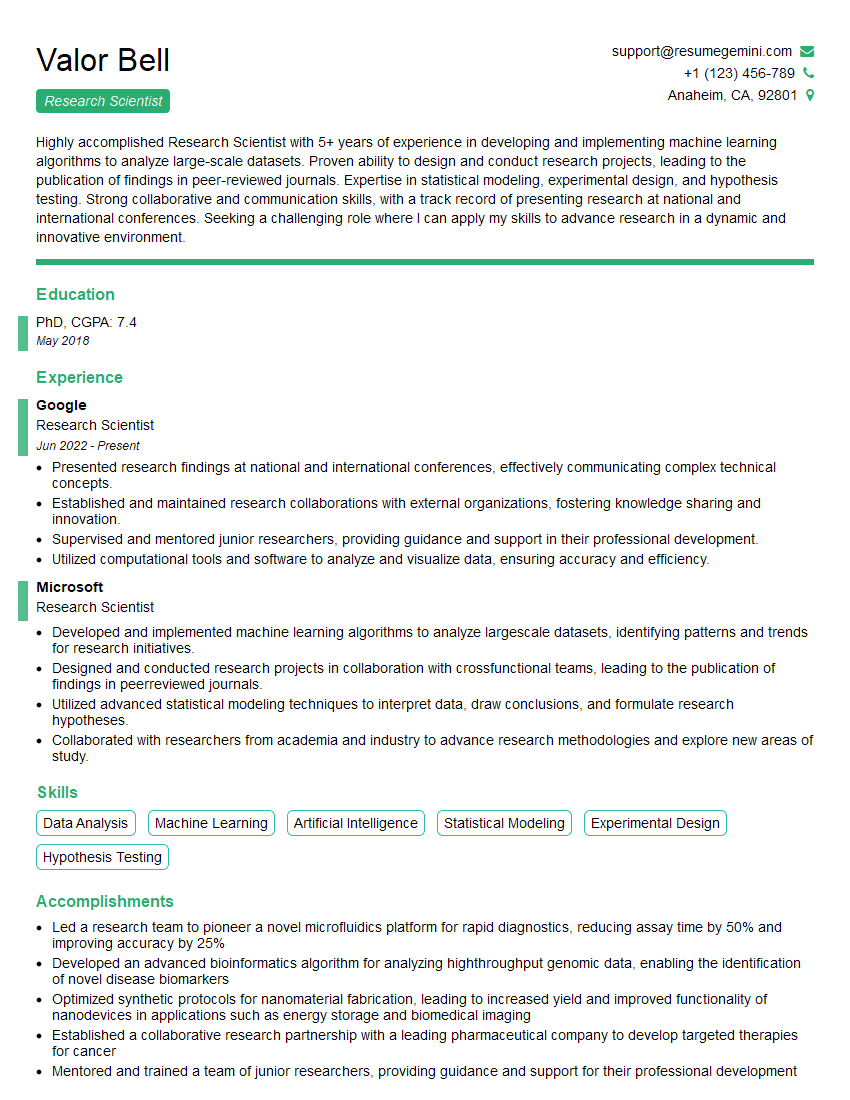
Research Scientist Resume Sample
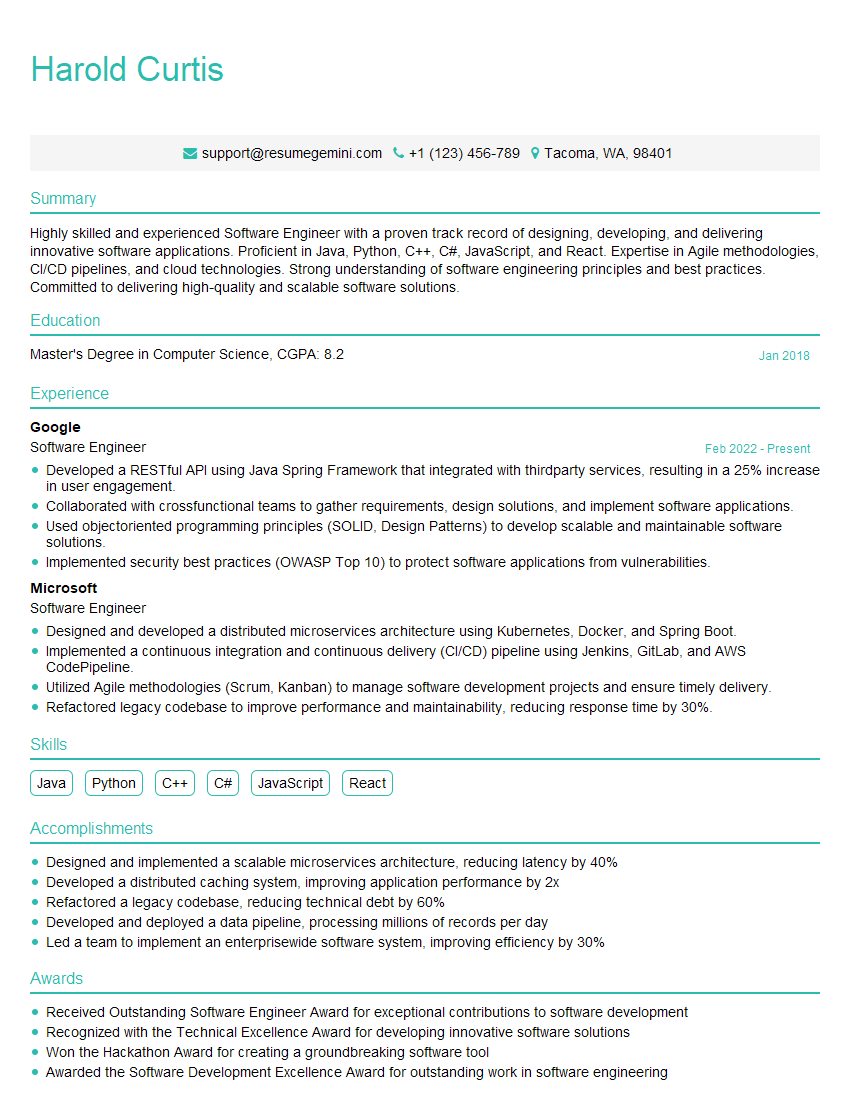
Software Engineer Resume Sample
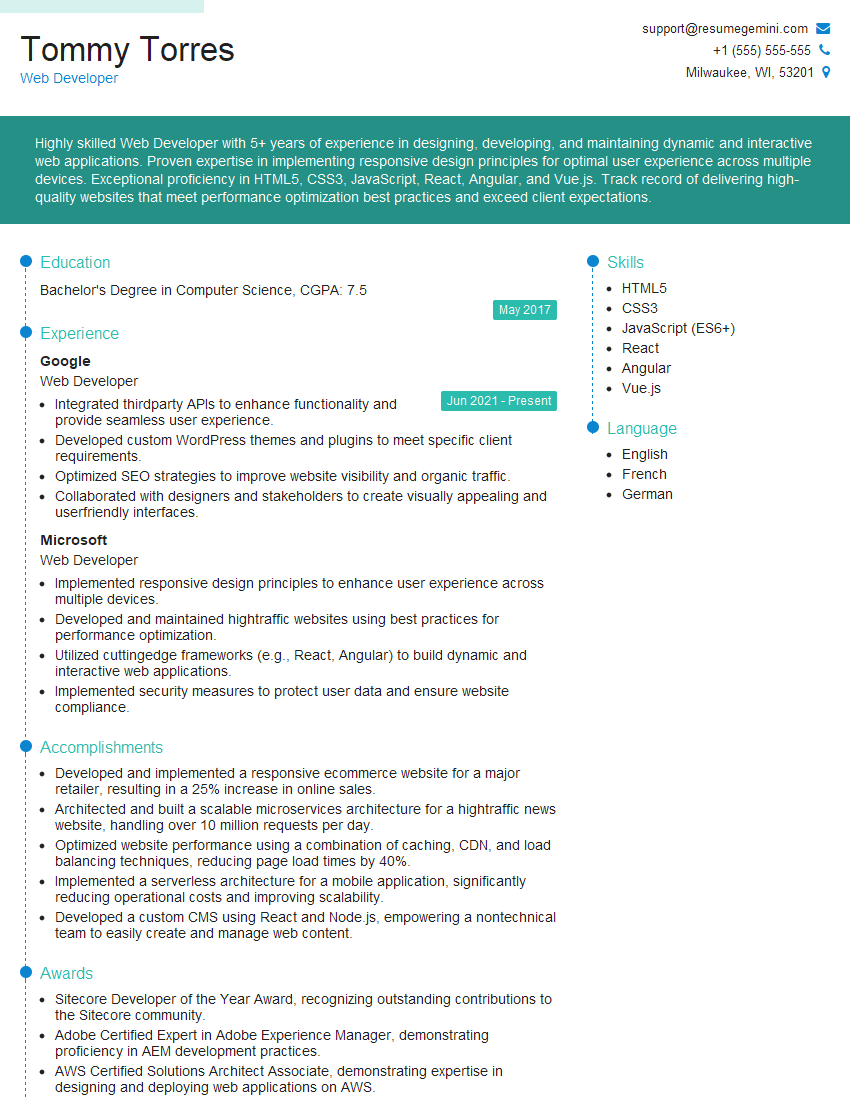
Web Developer Resume Sample
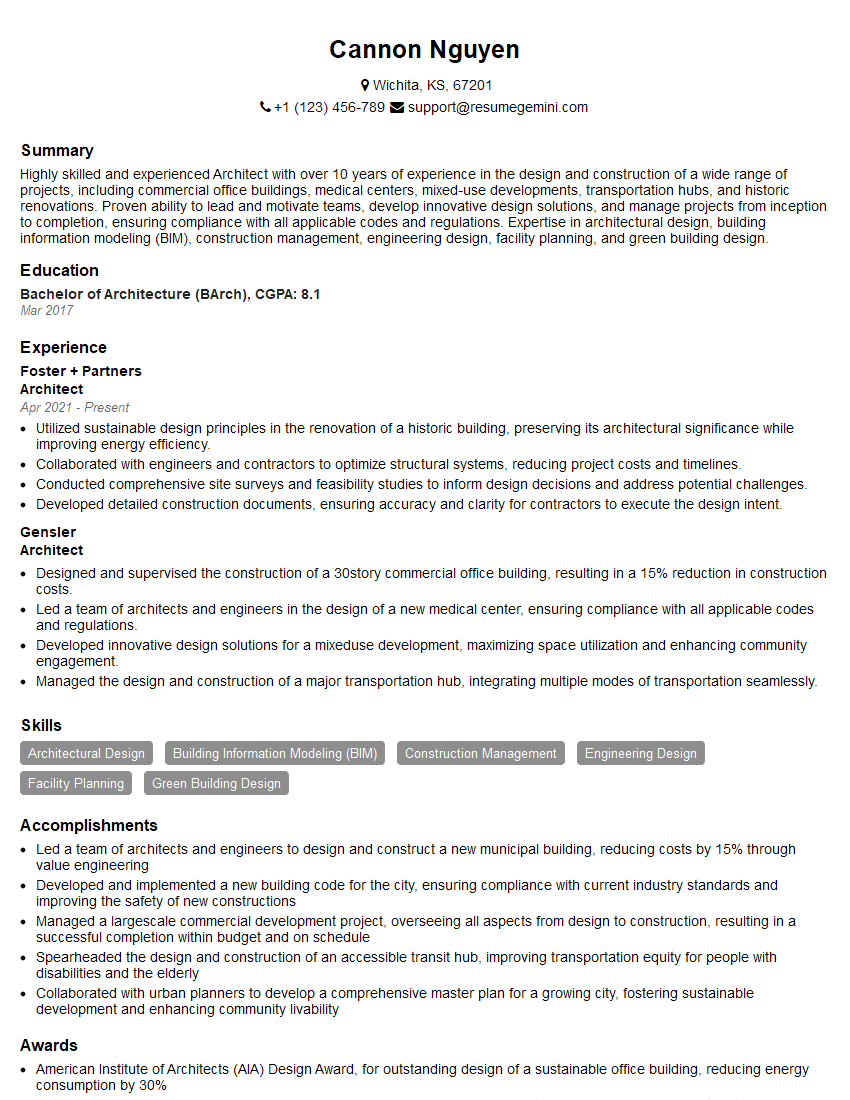
Architect Resume Sample
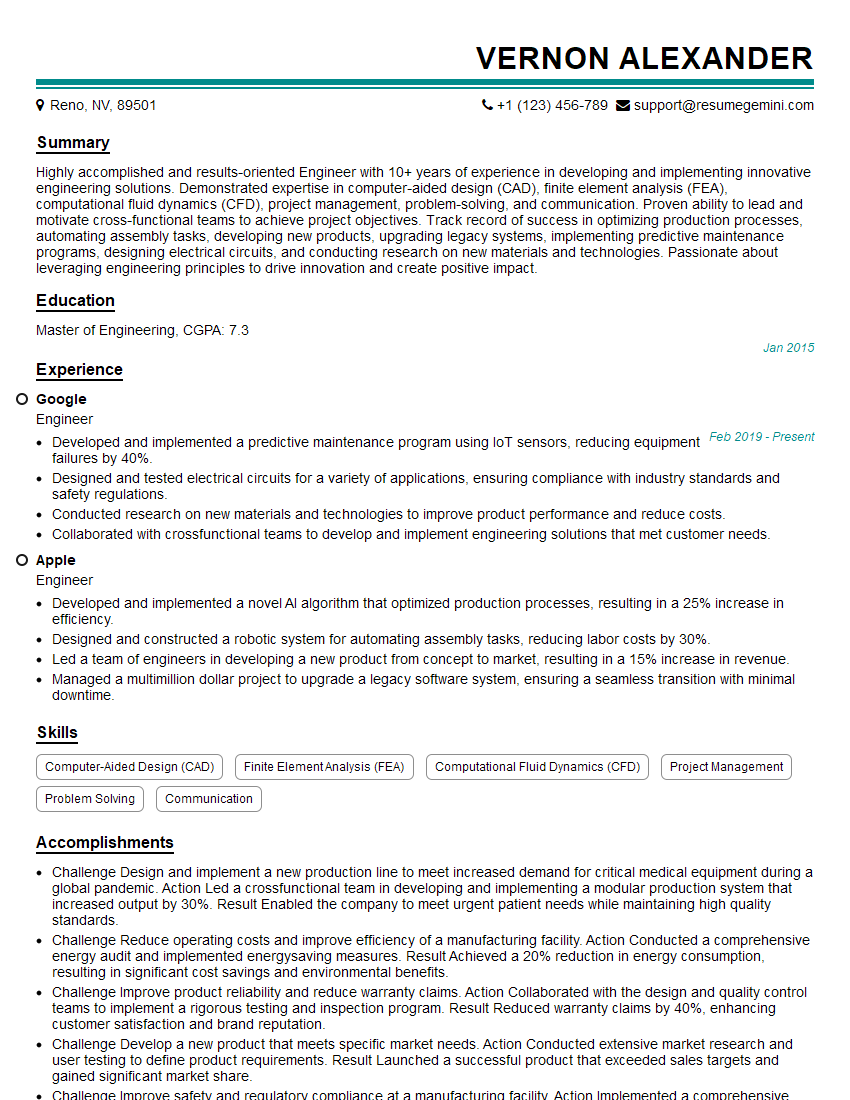
Engineer Resume Sample
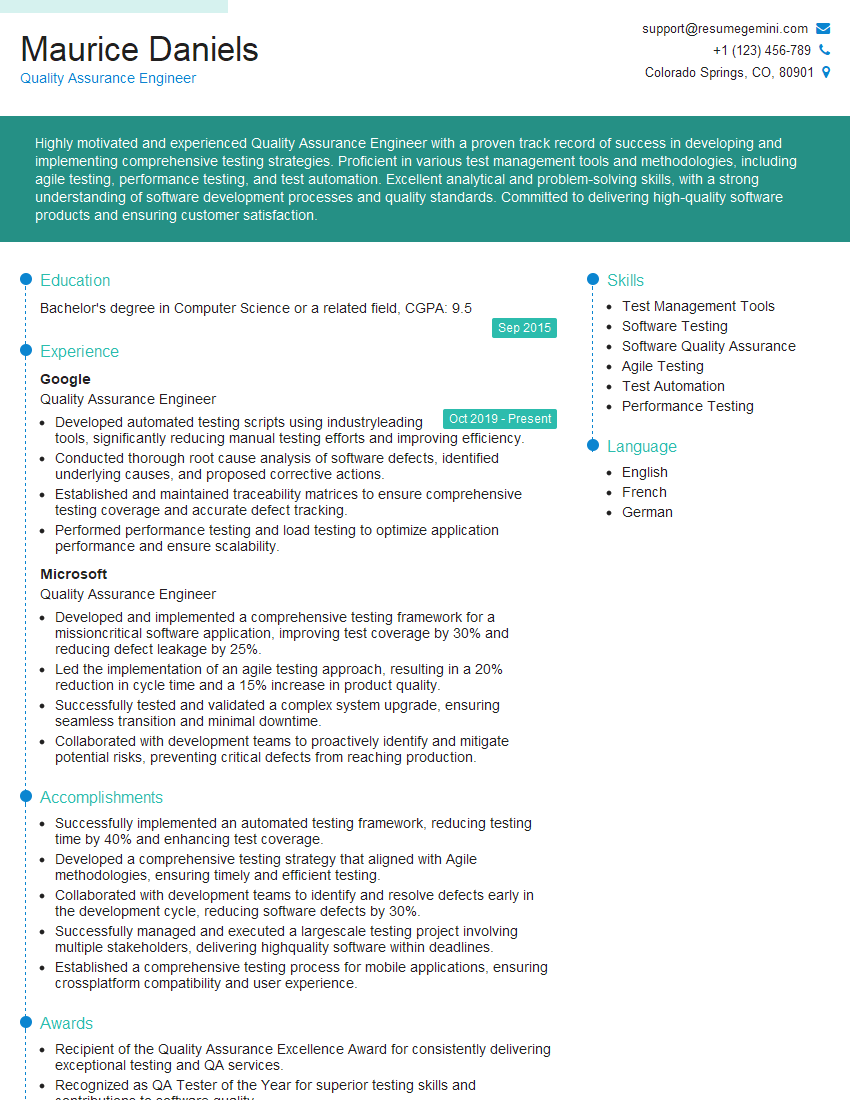
Quality Assurance Engineer Resume Sample
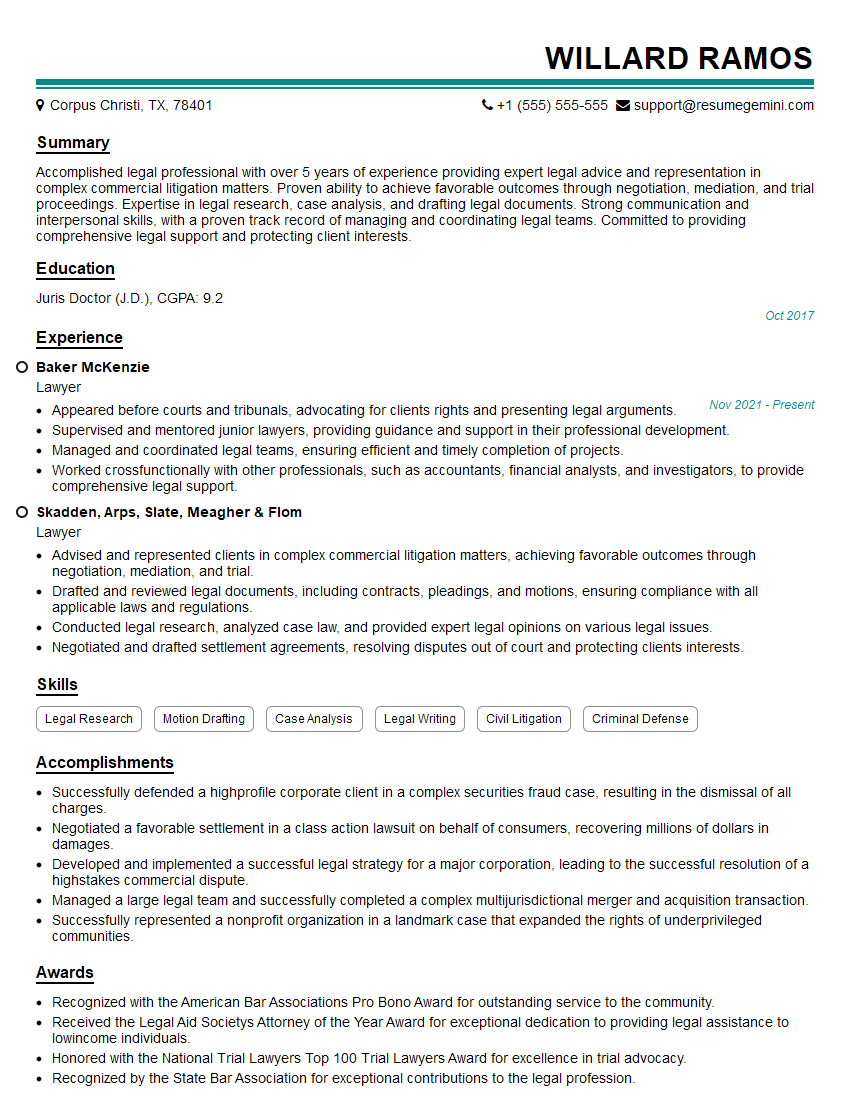
Lawyer Resume Sample
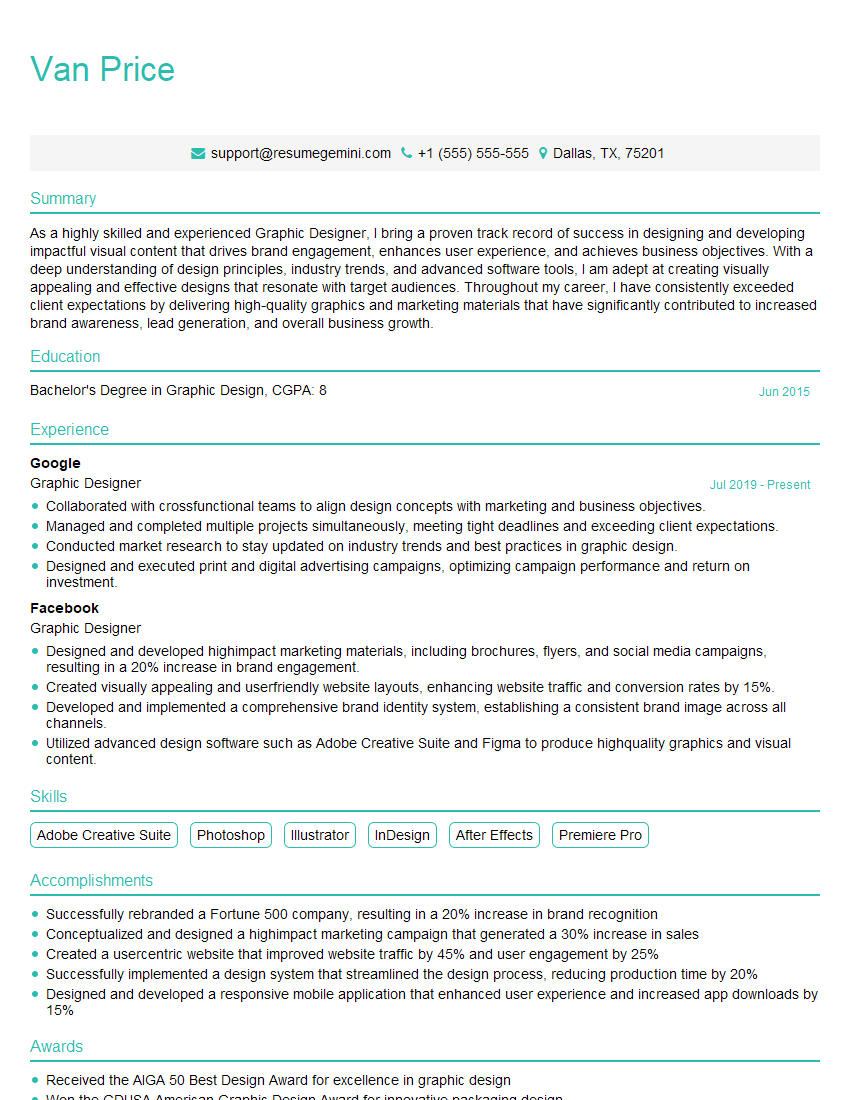
Graphic Designer Resume Sample
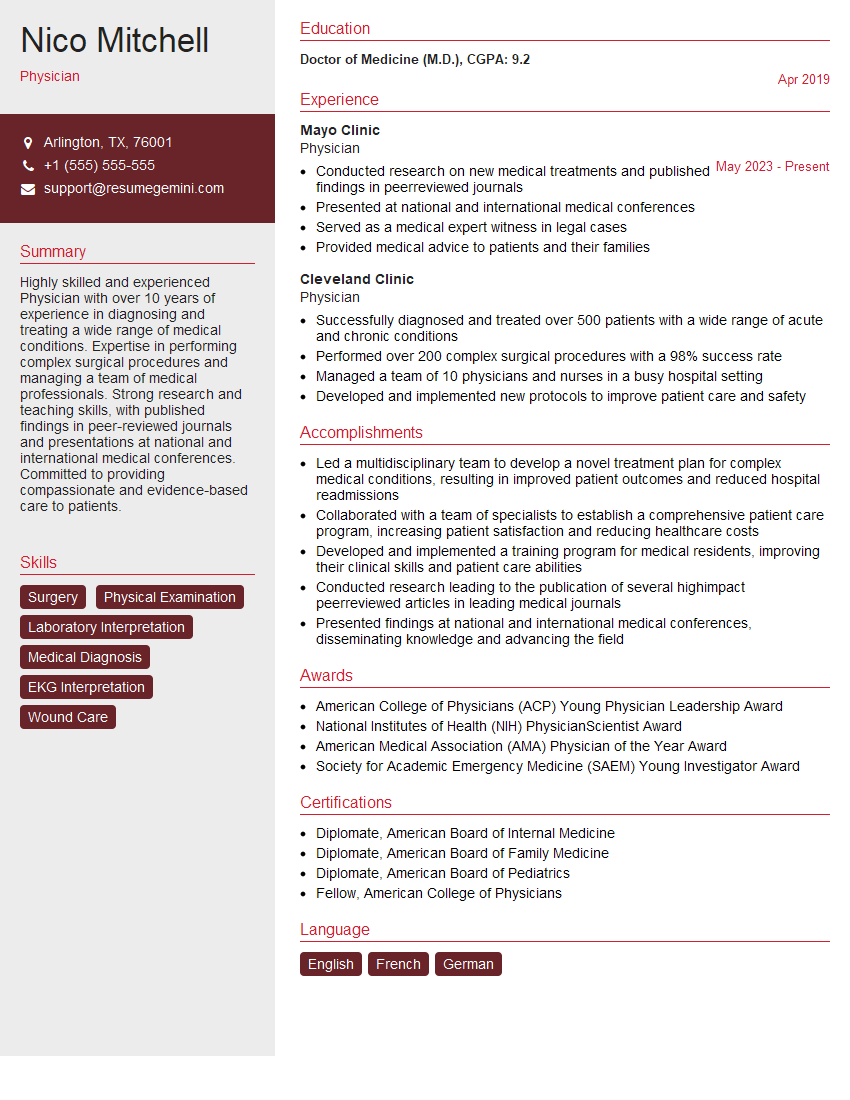
Physician Resume Sample
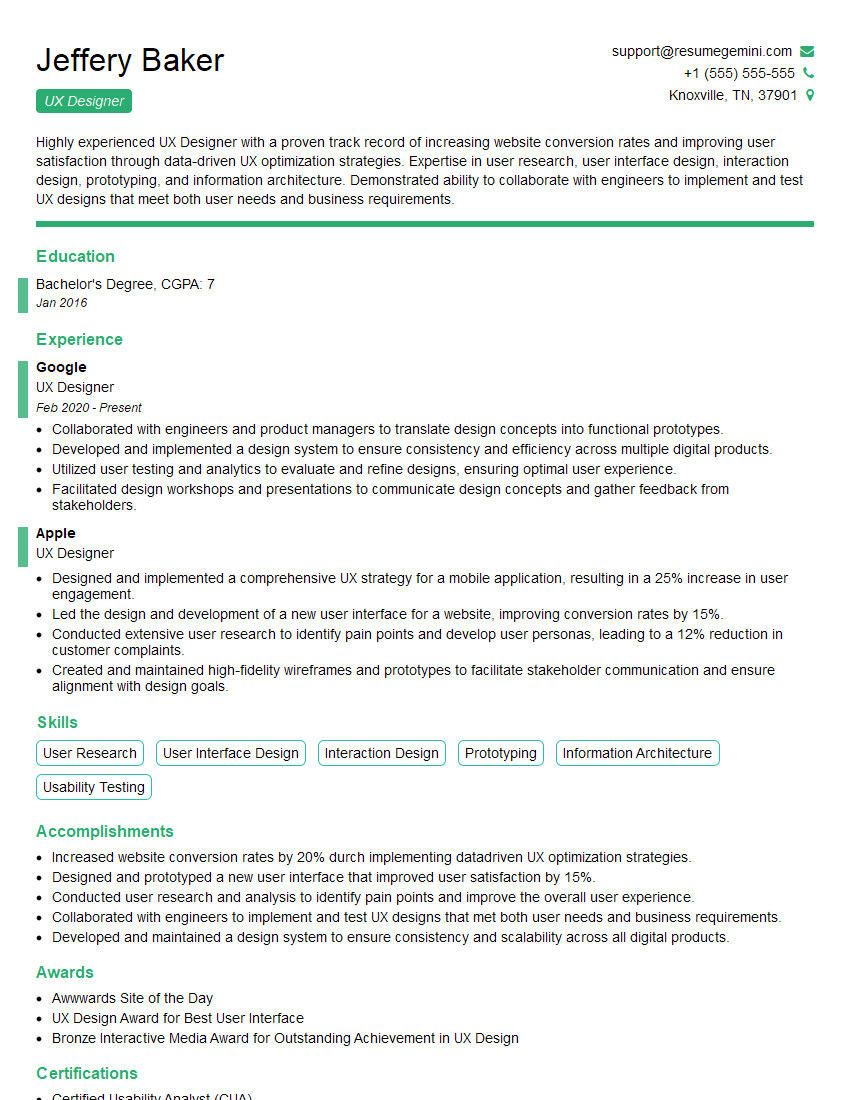
UX Designer Resume Sample
- Operations Manager
- Account Manager
- Marketing Manager
- Product Manager
- Sales Representative
- Customer Service Representative
- Human Resources Manager
- Project Manager
- Teacher
- Business Analyst
- Accountant
- Financial Analyst
- Data Scientist
- Research Scientist
- Software Engineer
- Web Developer
- Architect
- Engineer
- Quality Assurance Engineer
- Lawyer
- Graphic Designer
- Physician
- UX Designer
Explore more articles
Users Rating of Our Blogs
Share Your Experience
We value your feedback! Please rate our content and share your thoughts (optional).
What Readers Say About Our Blog
Very informative content, great job.
good