The thought of an interview can be nerve-wracking, but the right preparation can make all the difference. Explore this comprehensive guide to Sugarcane Mill Operation interview questions and gain the confidence you need to showcase your abilities and secure the role.
Questions Asked in Sugarcane Mill Operation Interview
Q 1. Describe the process of sugarcane juice extraction.
Sugarcane juice extraction is the crucial first step in sugar production, aiming to maximize juice yield while minimizing fiber loss. It’s a mechanical process primarily involving crushing the sugarcane stalks between heavy rollers. Think of it like squeezing a sponge – we want to extract as much liquid (juice) as possible.
The process typically begins with cane preparation, where stalks are cleaned and chopped into smaller pieces to facilitate efficient crushing. These pieces then pass through a series of rollers, usually three, arranged in tandem. The first set crushes the cane, the second and third extract more juice by applying increasing pressure. The resulting bagasse (the fibrous residue) is then removed, and the extracted juice, often called mixed juice, moves on to the next stage of processing.
Modern mills often employ multiple milling units in tandem to optimize juice extraction. The juice may also undergo pre-treatment such as imbibition (adding water to the bagasse to extract more juice) to improve efficiency.
Q 2. Explain the role of clarification in sugarcane processing.
Clarification in sugarcane processing is essential for removing impurities from the raw juice, which improves the quality of the final sugar product and prevents problems in downstream processes. These impurities include fine particles, suspended solids, and colloids, which can interfere with crystallization and affect sugar color and purity.
The clarification process typically involves two main steps: liming and filtration. Liming involves adding lime (calcium hydroxide) to the juice, raising its pH and causing many impurities to precipitate out of solution. Think of it as using a cleaning agent to clump together dirt particles that are then easily removed. After liming, the juice is filtered – often using various types of filters like pressure filters or rotary vacuum filters – to remove the precipitated solids. The clarified juice is now much clearer and ready for the next stages of processing, such as evaporation and crystallization.
Efficient clarification directly impacts sugar recovery and the overall quality of the sugar produced. Poor clarification can result in lower yields and a less pure, darker sugar.
Q 3. What are the key factors affecting sugar crystallization?
Sugar crystallization is a complex process influenced by several key factors, all of which need to be carefully controlled to optimize sugar yield and crystal quality. The key factors include:
- Supersaturation: This is the most critical factor. It refers to the concentration of dissolved sucrose in the syrup exceeding its solubility limit. A supersaturated solution is unstable, and excess sucrose will crystallize out. The degree of supersaturation needs to be carefully managed to achieve optimal crystal size and shape.
- Temperature: Crystallization is temperature-dependent. Lower temperatures generally favor larger crystals, while higher temperatures can result in smaller crystals and potentially hinder proper crystallization.
- Agitation/Mixing: Gentle agitation promotes uniform crystal growth, preventing the formation of large, irregular crystals.
- Crystal Seeding: Introduction of small sugar crystals (seed crystals) provides nucleation sites for further crystal growth, resulting in more uniform and controlled crystallization.
Controlling these factors requires precise monitoring and adjustments during the crystallization process. Sophisticated control systems and experienced operators are necessary to obtain a high-quality sugar product.
Q 4. How do you monitor and control the quality of sugarcane juice?
Monitoring and controlling sugarcane juice quality is paramount for efficient sugar production and maximizing yields. This involves continuous testing and adjustments throughout the process.
Key parameters monitored include:
- Brix: Measures the dissolved solids content in the juice, indicating the sugar concentration.
- Pol: Represents the sucrose content, showing the proportion of pure sugar in the juice.
- Purity: The ratio of Pol to Brix, signifying the level of non-sugars in the juice (impurities).
- pH: Measures the acidity or alkalinity, influencing the efficiency of the clarification process and microbial growth.
Regular testing of these parameters is done using refractometers, polarimeters, and pH meters. Control is achieved through adjustments to the milling process (e.g., roller settings, imbibition), clarification procedures (e.g., lime addition), and subsequent stages like evaporation. Automated control systems in modern mills help maintain consistent juice quality throughout the process.
Q 5. Explain the different types of mill rollers and their applications.
Sugarcane mills use different types of mill rollers depending on the mill’s capacity, cane characteristics, and desired extraction efficiency. The primary types include:
- Three-roller mills: These are the most common type, comprising three rollers arranged in tandem. They are suitable for smaller mills and offer a relatively simple design.
- Four-roller mills: These mills add an extra roller stage compared to three-roller mills. The additional roller improves juice extraction efficiency, especially for tougher cane varieties.
The choice of roller type depends on various factors. Larger mills often use tandem mills for greater throughput and extraction. The roller material is also crucial; high-strength materials like hardened steel or chrome-plated rollers minimize wear and tear and help maintain efficient operation.
Q 6. Describe the function of a diffuser in sugarcane processing.
A diffuser is an alternative to traditional milling for extracting juice from sugarcane. Unlike milling, which crushes the cane mechanically, a diffuser uses water to extract the juice through a process of diffusion. The chopped cane is fed into a diffuser, where it slowly moves counter-current to a stream of hot water. This allows the sugar in the cane to dissolve into the water, creating a diluted juice solution.
Diffusers offer several advantages: they typically achieve higher extraction rates compared to milling, they reduce fiber damage, and they result in a clearer juice with less suspended solids, which simplifies downstream processes. However, diffusers are more complex, expensive to install and maintain, and they require precise control of temperature and water flow.
Diffusers are often preferred in situations where the high extraction efficiency justifies the higher capital investment. They are particularly suitable for high-fiber cane varieties where traditional milling might struggle to achieve optimal juice recovery.
Q 7. What are common maintenance issues in a sugarcane mill?
Sugarcane mills are complex pieces of machinery subjected to harsh operating conditions, leading to various maintenance issues. Common problems include:
- Roller wear and tear: The rollers in the mills undergo significant stress and abrasion, leading to wear and tear. This reduces their efficiency and can impact juice extraction rates. Regular inspections, timely repairs, or roller replacements are crucial.
- Clogging and blockages: The process can lead to clogging of pipes and filters due to fibrous material (bagasse). Regular cleaning and preventative measures are needed to maintain smooth operation.
- Corrosion: Exposure to juice, water, and steam can cause corrosion in various parts of the mill. Using appropriate materials, regular cleaning, and anti-corrosive measures are necessary to extend equipment lifespan.
- Electrical and control system failures: Modern mills are highly automated; failures in electrical systems or controls can lead to significant disruptions. Regular maintenance of the electrical systems and control elements is key.
A proactive maintenance program with regular inspections, preventative measures, and quick responses to failures is critical for ensuring continuous operation and optimal efficiency of the sugarcane mill.
Q 8. How do you troubleshoot a problem with mill roller alignment?
Troubleshooting mill roller alignment issues requires a systematic approach, combining visual inspection with precise measurements. Misalignment can lead to reduced extraction, increased wear and tear, and even catastrophic roller damage.
Step 1: Visual Inspection: Start by visually inspecting the rollers for any obvious signs of misalignment such as uneven gaps between the rollers, roller crowns appearing uneven, or signs of excessive wear on one side of the roller more than the other.
Step 2: Measurement: Use precision measuring instruments like dial indicators or laser alignment tools to accurately measure the alignment. This typically involves checking the parallelism and concentricity of the rollers. We need to ensure the rollers are perfectly parallel to each other and concentric to their shafts. Any deviation needs to be meticulously measured and documented.
Step 3: Adjustment: Based on the measurements, adjustments are made using shims, wedges, or adjusting bolts on the roller mounts. This process requires careful attention to detail and often involves iterative measurements and adjustments to achieve optimal alignment.
Step 4: Verification: After adjustments are made, repeat the measurement process to verify the alignment is within acceptable tolerances. This confirms that the corrective actions were effective and the rollers are properly aligned.
Example: Imagine a scenario where one roller is slightly lower than the other. This would lead to uneven cane crushing, resulting in reduced juice extraction from one side of the cane and increased wear on the lower roller. Using dial indicators, we can precisely measure this difference and then use shims under the mounts of the lower roller to bring it back into alignment.
Q 9. Explain the importance of boiler efficiency in a sugar mill.
Boiler efficiency is paramount in a sugar mill because it directly impacts the overall profitability. The boiler is the heart of the mill, providing the steam needed for various processes, including evaporation, power generation, and heating. Inefficient boilers mean higher fuel costs and reduced sugar production.
Importance: A highly efficient boiler translates to significant cost savings by reducing fuel consumption (bagasse, coal, etc.). This, in turn, boosts the mill’s profit margin. Improved efficiency also reduces emissions, contributing to environmental sustainability.
Factors influencing efficiency: Several factors affect boiler efficiency, including boiler design and maintenance, combustion control, water treatment, and insulation quality. For instance, a poorly maintained boiler with scaling on its heat transfer surfaces will have significantly reduced efficiency. Similarly, improper air-fuel ratio control during combustion reduces the efficiency.
Improving Boiler Efficiency: Strategies for improved efficiency include regular maintenance (cleaning, inspections, and repairs), optimizing combustion control parameters, implementing effective water treatment programs to minimize scaling, investing in modern boiler controls, and ensuring proper insulation to reduce heat losses. A well-maintained boiler with optimized parameters can achieve significant cost savings.
Q 10. How do you manage energy consumption in a sugarcane mill?
Energy management in a sugarcane mill is crucial for maximizing profitability and minimizing environmental impact. Sugarcane mills are energy-intensive operations, and effective management can lead to substantial savings.
Strategies:
- Cogeneration: Utilizing bagasse, a byproduct of sugarcane processing, as fuel in the boiler for electricity generation and steam production significantly reduces reliance on external energy sources.
- Energy Audits: Regular energy audits pinpoint areas of energy waste and identify opportunities for improvement. This could include replacing inefficient equipment, improving insulation, or optimizing process parameters.
- Process Optimization: Optimizing various milling and processing operations to reduce energy consumption per unit of sugar produced. This involves close monitoring of parameters like extraction rate, mill settings, and evaporation efficiency.
- Variable Speed Drives (VSDs): Implementing VSDs on pumps, fans, and other equipment allows for precise speed control, reducing energy use during periods of low demand.
- Renewable Energy Sources: Exploring the incorporation of renewable energy sources, such as solar or wind power, to supplement or replace fossil fuels, where feasible.
Example: Implementing a cogeneration system can reduce reliance on external electricity, saving money and reducing the carbon footprint of the mill. Likewise, optimizing the mill settings to improve extraction rate ensures that we are getting the maximum juice extraction from the cane with minimal energy use.
Q 11. Describe the process of molasses handling and storage.
Molasses handling and storage are critical processes in a sugar mill. Molasses, a byproduct of sugar production, is a valuable commodity with multiple uses (animal feed, fermentation). Efficient handling and storage prevent spoilage and maintain its quality.
Handling: Molasses is initially collected from the crystallization process. It’s then transported using pipelines to storage tanks. Proper cleaning and sanitization of pipelines are vital to prevent contamination and bacterial growth. The transfer process should be controlled to maintain the temperature and prevent foaming or degradation.
Storage: Molasses is stored in large tanks, typically made of stainless steel to prevent corrosion. These tanks are usually equipped with agitation systems to prevent settling and maintain homogeneity. Maintaining optimal temperature and preventing contamination are key considerations. Storage tanks should be regularly inspected for leaks and structural integrity to prevent any environmental concerns.
Quality Control: Regular quality checks are essential to monitor the molasses’ physical and chemical properties, such as its pH, viscosity, and sugar content. This helps to ensure that the molasses maintains its quality throughout the handling and storage process, making it suitable for its intended use.
Q 12. What are the key performance indicators (KPIs) for a sugarcane mill?
Key Performance Indicators (KPIs) for a sugarcane mill provide a snapshot of its overall efficiency and profitability. They help management identify areas for improvement and track progress over time.
Important KPIs:
- Tons of Cane Crushed (TCC): Measures the total amount of cane processed.
- Sugar Recovery Rate: Indicates the percentage of sugar extracted from the cane. A higher recovery rate is better.
- Extraction Rate: The percentage of sucrose extracted from the cane.
- Brix: The concentration of sucrose in the juice.
- Pol: The concentration of pure sucrose in the juice.
- Boiler Efficiency: Measures the efficiency of steam generation.
- Power Consumption per Ton of Cane: Tracks energy efficiency of the mill operations.
- Overall Equipment Effectiveness (OEE): Measures the effectiveness of equipment utilization. A high OEE shows better utilization of equipment.
- Production Cost per Ton of Sugar: Monitors the cost-effectiveness of sugar production.
Tracking these KPIs allows for informed decision-making, optimization of operations, and ultimately, increased profitability. For example, a low sugar recovery rate might indicate a need for improvements in mill alignment or juice extraction processes.
Q 13. How do you ensure the safety of workers in a sugarcane mill?
Ensuring worker safety in a sugarcane mill is paramount. The environment inherently involves heavy machinery, hazardous materials, and potentially dangerous working conditions. A comprehensive safety program is crucial.
Safety Measures:
- Training and Education: Regular safety training and education programs are necessary for all employees. This includes training on safe operating procedures for machinery, hazard identification, and emergency response protocols.
- Personal Protective Equipment (PPE): Providing and enforcing the use of appropriate PPE, including safety helmets, gloves, eye protection, and hearing protection, is essential.
- Machine Guarding: Ensuring all machinery has appropriate guards in place to prevent accidental contact and injuries. Regular inspection and maintenance of guards is critical.
- Emergency Response Plan: Developing and regularly testing a comprehensive emergency response plan, including procedures for handling accidents, fires, and other emergencies, are vital. This includes well-defined emergency exits and assembly points.
- Regular Inspections: Regular inspections of the mill and equipment help identify potential hazards before they lead to accidents.
- Safety Audits: Conducting periodic safety audits help evaluate the effectiveness of safety measures and highlight areas for improvement.
Example: Implementing lock-out/tag-out procedures before carrying out any maintenance work on machinery prevents accidental start-ups and injuries. This is a critical safety practice.
Q 14. Describe the environmental impact of sugarcane processing and mitigation strategies.
Sugarcane processing has significant environmental impacts, primarily related to land use, water consumption, greenhouse gas emissions, and waste disposal. Mitigation strategies are crucial for sustainable sugarcane production.
Environmental Impacts:
- Deforestation and Habitat Loss: Expansion of sugarcane cultivation can lead to deforestation and loss of biodiversity.
- Water Consumption: Sugarcane cultivation and processing require large amounts of water.
- Greenhouse Gas Emissions: Emissions of greenhouse gases, particularly from burning bagasse and transportation, are significant environmental concerns.
- Wastewater Discharge: Improper disposal of wastewater from the mill can pollute water bodies.
- Soil Degradation: Intensive sugarcane cultivation can lead to soil erosion and nutrient depletion.
Mitigation Strategies:
- Sustainable Agriculture Practices: Implementing sustainable farming techniques such as no-till farming, crop rotation, and integrated pest management can reduce environmental impact.
- Water Management: Efficient irrigation techniques, water recycling, and wastewater treatment minimize water consumption and pollution.
- Waste Management: Proper management of bagasse, filter cake, and other byproducts reduces waste and can recover valuable resources like biogas and compost.
- Energy Efficiency: Improving energy efficiency in the milling process can significantly reduce greenhouse gas emissions.
- Afforestation and Reforestation: Protecting existing forests and planting trees can help offset carbon emissions and mitigate deforestation.
Example: Implementing a wastewater treatment plant to remove pollutants before discharge protects aquatic ecosystems and reduces pollution. Similarly, using bagasse for energy generation in a cogeneration plant reduces reliance on fossil fuels, minimizing greenhouse gas emissions.
Q 15. What are the different types of sugar produced in a sugarcane mill?
Sugarcane mills primarily produce two main types of sugar: raw sugar and refined sugar. Raw sugar, also known as muscovado sugar, is the first stage of sugar production. It’s a light to dark brown sugar with a slightly molasses-like flavor, retaining some of the original sugarcane juice characteristics. It requires further refining to remove impurities and achieve a whiter, purer product. Refined sugar, on the other hand, undergoes multiple processing steps, including crystallization, purification, and decolorization, resulting in the white granulated sugar commonly found in households. Beyond these two main types, some mills might also produce specialized sugars like turbinado sugar (a less refined version of raw sugar) or organic sugar, depending on their processing methods and target markets.
Career Expert Tips:
- Ace those interviews! Prepare effectively by reviewing the Top 50 Most Common Interview Questions on ResumeGemini.
- Navigate your job search with confidence! Explore a wide range of Career Tips on ResumeGemini. Learn about common challenges and recommendations to overcome them.
- Craft the perfect resume! Master the Art of Resume Writing with ResumeGemini’s guide. Showcase your unique qualifications and achievements effectively.
- Don’t miss out on holiday savings! Build your dream resume with ResumeGemini’s ATS optimized templates.
Q 16. Explain the role of bagasse in the sugarcane mill.
Bagasse, the fibrous residue left after sugarcane juice extraction, plays a crucial role in a sugarcane mill’s overall efficiency and sustainability. Primarily, it’s a significant fuel source. Many mills utilize bagasse to generate steam and electricity, powering the entire milling process. This self-sufficiency significantly reduces reliance on external energy sources, making operations more cost-effective and environmentally friendly. Additionally, bagasse finds use in other applications like the production of paper, building materials (such as particle board), and even biofuels. Effectively managing bagasse is essential for optimizing energy use and reducing waste within the mill.
Q 17. How do you manage waste in a sugarcane mill?
Waste management in a sugarcane mill is critical for environmental protection and operational efficiency. The strategy involves a multi-pronged approach. Firstly, effective utilization of bagasse as a fuel source minimizes waste and contributes to energy self-sufficiency, as discussed earlier. Secondly, wastewater treatment is essential. This usually involves processes like clarification, sedimentation, and biological treatment to remove pollutants before discharge into the environment. Strict adherence to environmental regulations is crucial. Thirdly, solid waste, including filter cake (from juice clarification) and other residues, needs careful management. This might involve composting, land application (after proper testing), or incineration (with emission controls) depending on local regulations and the nature of the waste. A well-managed waste system helps a mill minimize its environmental footprint and comply with regulatory requirements.
Q 18. What are the different types of centrifuges used in sugar refining?
Centrifuges are indispensable in sugar refining for separating sugar crystals from the mother liquor (molasses). Several types are used, each with its specific advantages. Basket centrifuges are commonly used for initial separation. They are characterized by a rotating basket that holds the sugar slurry, allowing the liquid to drain while retaining crystals. Continuous centrifuges, on the other hand, provide a more automated and high-throughput solution for mass processing, allowing a continuous flow of feed and discharge. These offer improved efficiency compared to batch operations. The choice of centrifuge depends on factors like capacity, sugar type, and desired purity levels. Each type has different operational parameters optimized for specific needs, ensuring maximum crystal recovery and efficient removal of molasses.
Q 19. Explain the importance of proper sanitation in sugarcane processing.
Proper sanitation in sugarcane processing is paramount for several reasons. Firstly, it ensures the quality and safety of the final sugar product. Contamination from bacteria or other microorganisms can significantly impact sugar quality and potentially lead to spoilage or health risks. Secondly, good sanitation practices help prevent equipment fouling and blockages, maintaining production efficiency. Sugarcane juice is a nutrient-rich medium, so bacterial growth can quickly lead to operational issues. Regular cleaning and disinfection procedures, using appropriate chemicals and methods, are crucial. Furthermore, maintaining hygienic conditions improves worker safety and reduces the risk of occupational hazards related to mold, mildew, and other contaminants. A comprehensive sanitation program is a vital element of a well-run and productive sugarcane mill.
Q 20. How do you ensure the accurate measurement and control of sugar concentration?
Accurate measurement and control of sugar concentration are crucial throughout the sugarcane processing chain, from juice extraction to the final crystallization stage. This is typically achieved through a combination of methods. Refractometers are commonly used to measure the Brix level (sugar concentration) directly. These instruments provide quick and reliable readings. Polarimeters determine the sugar content by measuring the rotation of polarized light, providing a more precise analysis, particularly for determining the purity of sugar. Online analyzers provide real-time data, allowing for continuous monitoring and adjustments to process parameters. Feedback control systems automate adjustments based on real-time measurements, ensuring consistent sugar concentration throughout the process. These controls help optimize yield, minimize waste, and maintain product quality.
Q 21. Describe the process of evaporating sugarcane juice.
Evaporating sugarcane juice is a critical step in sugar production, concentrating the juice to increase the sugar content and prepare it for crystallization. This process typically involves a series of evaporators, often multiple-effect evaporators to enhance energy efficiency. These evaporators work on the principle of boiling off water under reduced pressure, utilizing the steam generated in one effect to heat the juice in the next, a cascade effect saving energy. The juice is progressively concentrated as it passes through each effect, ultimately reaching a high sugar content—approximately 65 Brix— before proceeding to crystallization. The precise conditions, such as temperature and pressure, are carefully monitored and controlled to avoid sugar inversion (degradation of sucrose) and ensure optimal evaporation performance. Careful control and monitoring throughout the evaporation process are crucial for efficient sugar production.
Q 22. What are the common causes of scaling in evaporators?
Scaling in evaporators, a common problem in sugarcane mills, refers to the buildup of hard mineral deposits on heat transfer surfaces. This reduces efficiency by hindering heat transfer, leading to increased energy consumption and potential downtime. The primary culprits are the dissolved salts present in the sugarcane juice, which precipitate out as the juice concentrates during evaporation.
- High concentration of salts: The higher the concentration of calcium, magnesium, and silica salts in the juice, the greater the likelihood of scaling. This is influenced by factors like the variety of sugarcane, soil composition, and irrigation practices.
- High temperature and pH: Higher temperatures accelerate the precipitation of salts. Similarly, a higher pH can favor the formation of certain scales.
- Long retention time: Prolonged contact of the juice with the evaporator surfaces gives more time for scaling to occur.
- Inefficient cleaning procedures: Insufficient or infrequent cleaning leads to scale buildup.
Imagine it like a kettle used daily without cleaning – eventually, a hard layer forms on the bottom, hindering efficient heating. To mitigate scaling, we employ techniques such as regular cleaning with acid washes (e.g., using citric or phosphoric acid), using anti-scalants in the juice, and optimizing evaporator operating conditions to minimize the concentration and retention time. We also carefully monitor the juice quality parameters to anticipate potential scaling issues.
Q 23. How do you handle equipment breakdowns in a sugarcane mill?
Equipment breakdowns are an unfortunate reality in sugarcane milling, demanding a swift and effective response. Our approach involves a multi-stage process focusing on minimizing downtime and ensuring safety.
- Immediate response: A well-defined emergency response protocol is crucial. This includes isolating the affected equipment, ensuring the safety of personnel, and initiating a rapid assessment of the damage.
- Diagnosis and repair: Experienced technicians perform a thorough diagnosis to pinpoint the cause of the breakdown. This could involve visual inspection, sensor data analysis, or even specialized testing. Once the problem is identified, we initiate repairs, utilizing spare parts where possible and resorting to external contractors only when necessary.
- Preventive measures: Post-repair, we analyze the root cause of the failure to implement preventive measures. This might involve scheduled maintenance, process parameter adjustments, or even equipment upgrades. The goal is to prevent recurrence.
- Documentation and reporting: Detailed records of the breakdown, the repair process, and the preventative actions taken are meticulously documented. This data contributes to improved operational efficiency and risk mitigation in the future.
For example, a recent breakdown of a diffuser pump was efficiently handled by our team. Quick identification of a faulty bearing, its replacement using readily available spare parts, and a subsequent review of our lubrication schedule prevented a repeat issue. The entire process was documented, facilitating further improvements to our maintenance strategy.
Q 24. Describe your experience with process control systems in a sugar mill.
My experience with process control systems in sugar mills spans over [Number] years, encompassing both traditional PLC-based systems and more modern SCADA (Supervisory Control and Data Acquisition) architectures. I’ve been involved in the implementation, operation, and optimization of these systems, overseeing aspects from data acquisition and process monitoring to advanced control strategies.
In previous roles, I’ve used SCADA systems to monitor key parameters such as juice purity, brix levels, and evaporator temperatures in real-time. This enables proactive adjustments to optimize the process and prevent potential issues. We utilize data analytics to identify trends and patterns, helping in predictive maintenance and optimizing the overall efficiency of the mill. For instance, by monitoring the temperature profiles of the evaporators, we can anticipate potential scaling issues and proactively schedule cleaning.
Furthermore, my expertise extends to PLC programming and troubleshooting. I am familiar with various protocols used in industrial communication networks, enabling seamless integration of various subsystems within the mill. I have been involved in projects involving the integration of new equipment, requiring me to configure and test the PLC programs to ensure proper functioning and data exchange.
Q 25. What are the benefits of automation in sugarcane processing?
Automation in sugarcane processing offers significant benefits, primarily revolving around enhanced efficiency, improved product quality, and reduced operational costs.
- Increased efficiency: Automated systems can operate continuously and consistently, maximizing throughput and reducing downtime. This translates to higher sugar production with the same resources.
- Improved product quality: Precise control over process parameters ensures consistent sugar quality, meeting stringent market demands. Automated systems allow for more precise control over factors like temperature and concentration, resulting in a higher yield of refined sugar.
- Reduced operational costs: Automation reduces labor costs, minimizes material waste, and optimizes energy consumption, leading to overall cost savings.
- Enhanced safety: Automation minimizes human intervention in hazardous areas of the mill, improving workplace safety.
- Better data analysis: Automated systems generate vast amounts of data that can be analyzed to identify areas for improvement and optimize the overall production process. This data-driven approach leads to continuous optimization and improved profitability.
For example, automated bagging systems can significantly speed up the packaging process, reducing labor costs and improving efficiency. Automated process control systems minimize the risks of human error, leading to less waste and improved product quality. The implementation of a sophisticated predictive maintenance system, fueled by data from automated sensors, would lead to reduced downtime and maintenance costs.
Q 26. Explain your understanding of sugar quality parameters.
Sugar quality parameters are critical for determining the market value and suitability of the final product. Key parameters include:
- Pol (Polarization): Represents the percentage of sucrose in the sugar. Higher Pol indicates higher purity.
- ICUMSA (International Commission for Uniform Methods of Sugar Analysis): A color index that assesses the purity and clarity of the sugar. Lower ICUMSA values indicate lighter color and higher quality.
- Moisture content: The amount of water present in the sugar. Excessive moisture can lead to clumping and spoilage.
- Ash content: The mineral content of the sugar. Higher ash content indicates lower purity.
- Reducing sugars: The amount of glucose and fructose present. High reducing sugar content impacts the sugar’s stability and color.
- Turbidity: A measure of cloudiness or suspended particles. Clear sugar indicates higher quality.
These parameters are rigorously monitored throughout the production process, from juice extraction to final crystallization, ensuring the sugar meets the desired quality standards. Deviation from the target parameters can signal problems in the process, allowing for corrective actions to maintain consistent quality.
Q 27. How do you ensure efficient use of water resources in sugarcane processing?
Efficient water management is paramount in sugarcane processing, given its significant water consumption. Our strategies focus on minimizing water usage, maximizing reuse, and treating wastewater effectively.
- Water recycling and reuse: We implement closed-loop systems wherever possible, reusing process water for cleaning and irrigation. This substantially reduces freshwater consumption.
- Efficient irrigation techniques: Implementing drip irrigation or other water-efficient irrigation methods minimizes water losses during sugarcane cultivation.
- Wastewater treatment: Treating wastewater before discharge is crucial to environmental protection. This typically involves settling ponds, clarification processes, and sometimes advanced treatment methods to meet regulatory standards.
- Process optimization: Optimizing the milling process to minimize water usage in various stages, such as juice extraction and cleaning, is vital. We constantly strive to improve our water balance and implement innovative technologies that further reduce water footprint.
- Monitoring and metering: Regular monitoring of water consumption at various stages provides valuable data for identifying areas of improvement and enhancing efficiency.
For instance, we’ve successfully implemented a system where wastewater from the mill is treated and reused for irrigation, drastically cutting down on our freshwater consumption and reducing our environmental impact. The monitoring of water flow rates throughout the mill allows us to detect any leakages and take timely corrective actions.
Q 28. Describe your experience with preventative maintenance programs in a sugar mill.
A comprehensive preventative maintenance (PM) program is critical for ensuring the smooth and efficient operation of a sugarcane mill. Our program involves a multi-faceted approach.
- Scheduled maintenance: Regular inspections and maintenance of all equipment based on manufacturer recommendations and historical data. This involves lubrication, cleaning, adjustments, and replacement of worn-out parts.
- Predictive maintenance: Utilizing sensors and data analytics to predict potential equipment failures before they occur. This allows for proactive interventions, minimizing downtime and costly repairs.
- Condition monitoring: Regular monitoring of equipment performance using vibration analysis, oil analysis, and other techniques to detect early signs of wear or malfunction.
- Spare parts management: Maintaining a sufficient inventory of critical spare parts to minimize downtime during repairs.
- Training and documentation: Providing comprehensive training to maintenance personnel and meticulously documenting all maintenance activities.
We employ a Computerized Maintenance Management System (CMMS) to track maintenance schedules, parts inventory, and work orders. This ensures that all maintenance tasks are performed efficiently and according to the established schedule. For example, regular inspections and lubrication of the rollers in the mill are critical to prevent premature wear and tear. Similarly, regular monitoring of the evaporator tubes allows us to detect potential scaling and perform timely cleaning before efficiency is significantly impacted.
Key Topics to Learn for Sugarcane Mill Operation Interview
- Cane Receiving and Handling: Understanding the processes involved in unloading, cleaning, and conveying sugarcane to the mill, including efficiency and loss minimization strategies.
- Milling Process: Detailed knowledge of the various stages of milling (crushing, extraction), including the role of different mill components and their maintenance. Practical experience troubleshooting common milling issues is valuable.
- Juice Purification and Clarification: Familiarize yourself with the techniques used to remove impurities from sugarcane juice, including liming, heating, and clarification. Understand the impact of these processes on sugar yield and quality.
- Evaporation and Crystallization: Grasp the principles behind concentrating sugarcane juice through evaporation and the subsequent crystallization of sugar. Knowing the parameters influencing crystal size and purity is crucial.
- Centrifugation and Drying: Understand the separation of sugar crystals from molasses using centrifuges and the subsequent drying processes to achieve the desired sugar quality. Troubleshooting centrifuge malfunctions is a key skill.
- Process Control and Automation: Familiarity with the instrumentation and control systems used in modern sugarcane mills, including SCADA systems and their role in optimizing mill performance. Demonstrate understanding of data analysis and process optimization.
- Safety and Environmental Regulations: Showcase your knowledge of safety protocols within a sugarcane mill environment and awareness of environmental regulations concerning waste management and effluent treatment.
- Maintenance and Repair: Understanding preventative and corrective maintenance procedures for mill machinery. Practical experience with troubleshooting and repairs is highly desirable.
- Energy Efficiency and Optimization: Demonstrate an understanding of strategies to improve energy efficiency throughout the milling process, including cogeneration and waste heat recovery.
- Quality Control and Assurance: Knowledge of the methods used to monitor and control the quality of sugarcane and sugar throughout the production process. Experience with quality control testing and analysis is beneficial.
Next Steps
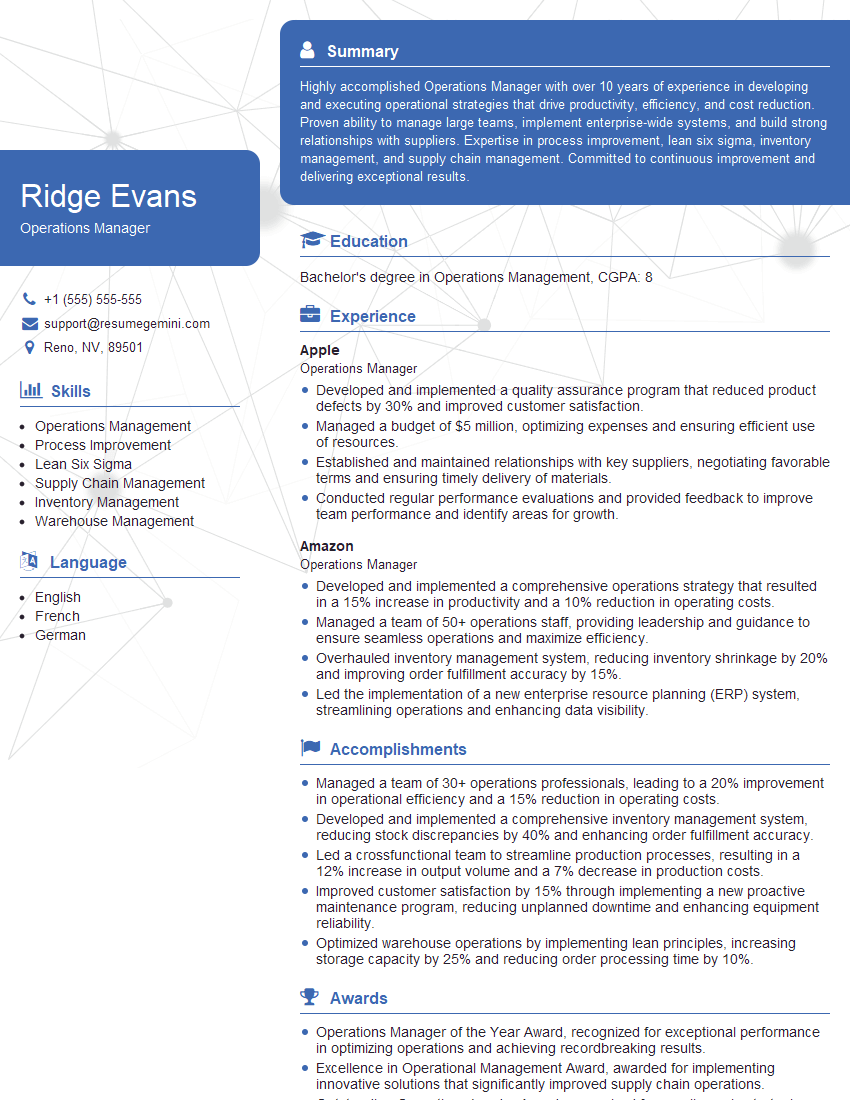
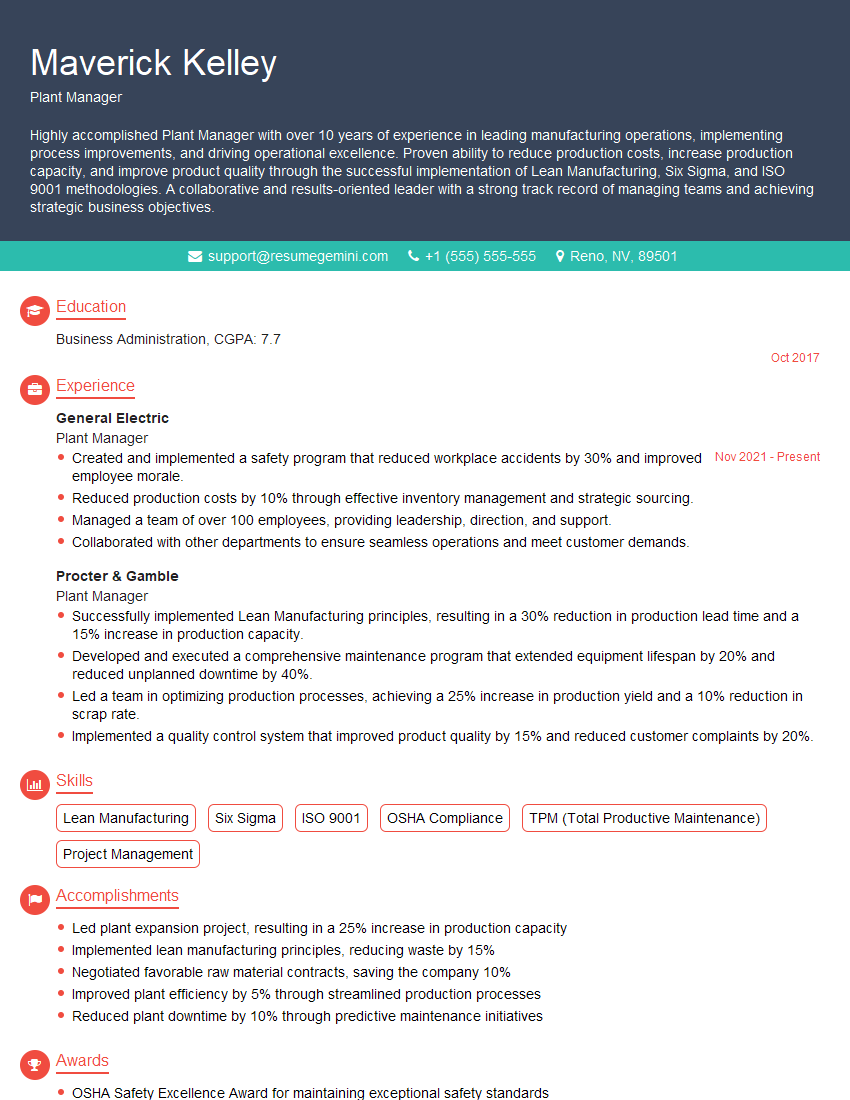
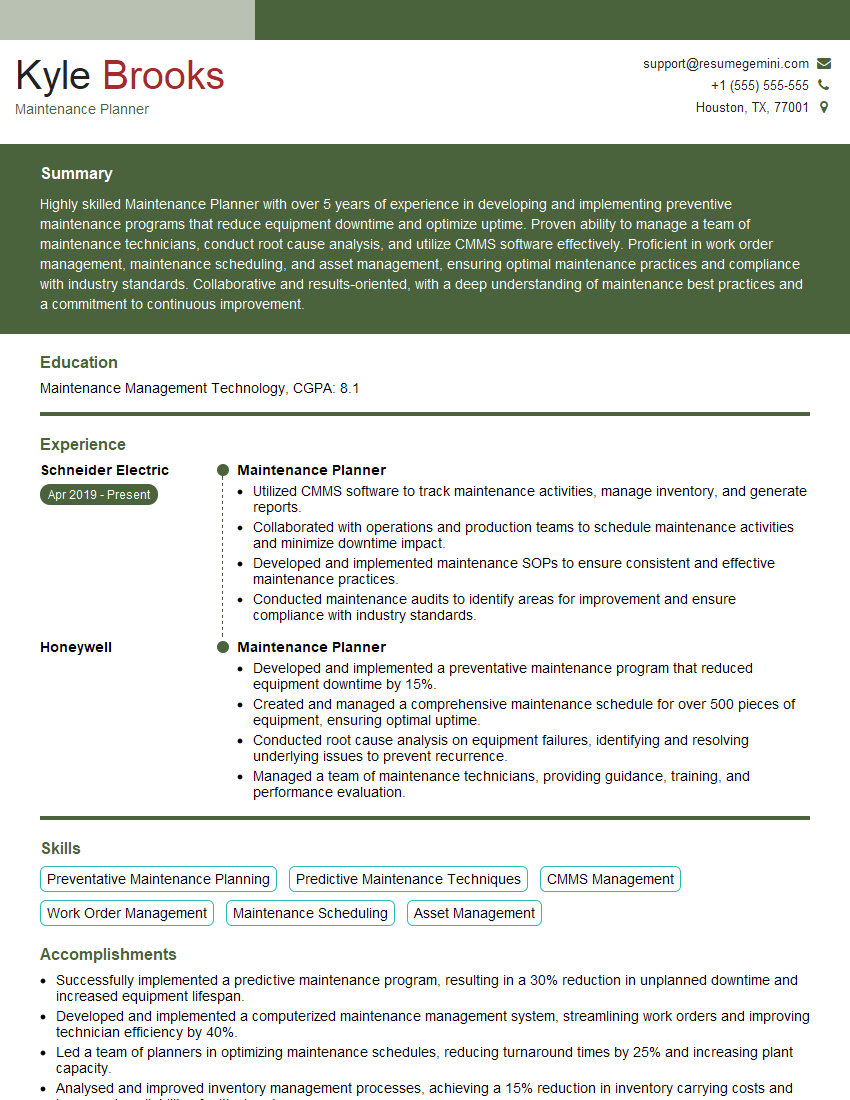
Mastering Sugarcane Mill Operation opens doors to exciting career opportunities with significant growth potential within the agricultural and food processing industries. To increase your chances of securing your dream role, it’s crucial to present your skills and experience effectively. Creating an ATS-friendly resume is paramount in today’s job market. ResumeGemini is a trusted resource that can help you build a professional and impactful resume, significantly enhancing your job prospects. Examples of resumes tailored to Sugarcane Mill Operation are available to guide you.

Explore more articles
Users Rating of Our Blogs
Share Your Experience
We value your feedback! Please rate our content and share your thoughts (optional).
What Readers Say About Our Blog
Very informative content, great job.
good