Feeling uncertain about what to expect in your upcoming interview? We’ve got you covered! This blog highlights the most important Sustainability and Climate Change Analysis interview questions and provides actionable advice to help you stand out as the ideal candidate. Let’s pave the way for your success.
Questions Asked in Sustainability and Climate Change Analysis Interview
Q 1. Explain the concept of a carbon footprint and its calculation methods.
A carbon footprint represents the total amount of greenhouse gases (GHGs) generated by our actions, encompassing everything from energy consumption to waste disposal. Think of it as your personal or an organization’s contribution to climate change.
Calculating a carbon footprint involves quantifying GHG emissions across different categories. This typically includes:
- Direct emissions (Scope 1): GHGs directly emitted from sources owned or controlled by the entity (e.g., burning fuel in company vehicles).
- Indirect emissions from energy consumption (Scope 2): GHGs generated from the production of purchased electricity, heat, or steam.
- Other indirect emissions (Scope 3): All other indirect emissions that occur in a company’s value chain, including emissions from purchased goods and services, transportation and distribution, waste generated in operations, business travel, employee commuting, and even the end-of-life treatment of sold products. This is often the most challenging to quantify but frequently represents the largest portion of a company’s total footprint.
Calculation methods range from simple estimations using online calculators to complex life cycle assessments (LCAs), which we’ll discuss later. For example, a simple calculation might involve estimating your home’s energy use, transportation emissions (flights, driving), and food consumption to arrive at a rough estimate. More detailed assessments require meticulous data collection and sophisticated software.
Accurate carbon footprinting is crucial for setting emissions reduction targets, identifying hotspots for improvement, and making informed decisions towards sustainability.
Q 2. Describe the three pillars of sustainability (environmental, social, and economic).
The three pillars of sustainability—environmental, social, and economic—represent interconnected dimensions essential for long-term well-being. They emphasize a holistic approach, recognizing that neglecting one negatively impacts the others.
- Environmental Sustainability: This focuses on protecting and preserving natural resources, biodiversity, and ecosystems. It involves minimizing pollution, conserving water and energy, and promoting sustainable land use practices. Think reducing waste, using renewable energy, and protecting forests. A company might achieve this through adopting circular economy principles, reducing their carbon footprint, and sourcing sustainable materials.
- Social Sustainability: This pillar centers on fairness, equity, and well-being within society. It encompasses aspects like human rights, labor practices, community health, and education. Businesses contribute by ensuring ethical sourcing, promoting fair wages and working conditions for their employees and suppliers, and engaging positively with the communities where they operate.
- Economic Sustainability: This involves creating long-term economic value while ensuring the responsible use of resources. It promotes innovation, responsible investment, and fair competition. Companies show this through stable profitability, efficient resource management, and sustainable business models which look beyond short-term gains.
These pillars are interdependent. For example, environmentally unsustainable practices can lead to social unrest or economic instability, highlighting the need for an integrated approach.
Q 3. What are the key greenhouse gases contributing to climate change?
Several greenhouse gases (GHGs) contribute to climate change, but some are significantly more potent than others. The main culprits include:
- Carbon Dioxide (CO2): The most prevalent GHG, primarily emitted from burning fossil fuels (coal, oil, natural gas) and deforestation.
- Methane (CH4): A much more potent GHG than CO2, with a shorter lifespan in the atmosphere. Significant sources include agriculture (livestock, rice cultivation), landfills, and natural gas leaks.
- Nitrous Oxide (N2O): Another powerful GHG with a long atmospheric lifetime. It’s emitted from agricultural activities (fertilizers), industrial processes, and burning fossil fuels.
- Fluorinated Gases: This includes hydrofluorocarbons (HFCs), perfluorocarbons (PFCs), and sulfur hexafluoride (SF6). These are synthetic gases used in various industrial applications and are exceptionally potent GHGs with extremely long atmospheric lifetimes.
While CO2 is the most abundant, other GHGs contribute significantly due to their higher global warming potential. Understanding the relative contributions of each gas is vital for effective climate action.
Q 4. What is the difference between mitigation and adaptation in climate change strategies?
Mitigation and adaptation are two key strategies in addressing climate change, each with distinct focuses:
- Mitigation: This involves reducing or preventing GHG emissions to slow down or limit the rate of climate change. Examples include transitioning to renewable energy sources, improving energy efficiency, adopting sustainable transportation systems, and implementing carbon capture and storage technologies. Mitigation aims to tackle the root cause of the problem.
- Adaptation: This involves adjusting to the current and expected effects of climate change to minimize its impacts. Adaptation measures are often location-specific and may include building seawalls to protect against sea-level rise, developing drought-resistant crops, implementing early warning systems for extreme weather events, and creating infrastructure resilient to climate impacts. Adaptation addresses the consequences of climate change.
Both mitigation and adaptation are essential for effective climate change management. A successful strategy requires a combined approach that reduces emissions while simultaneously preparing for the unavoidable consequences of climate change already underway.
Q 5. Explain the concept of Life Cycle Assessment (LCA).
Life Cycle Assessment (LCA) is a standardized method for evaluating the environmental impacts of a product or service throughout its entire lifecycle. It’s not just about the manufacturing process; LCA considers everything from raw material extraction and processing, manufacturing, transportation, use, and finally, disposal or recycling.
An LCA typically involves four stages:
- Goal and Scope Definition: Clearly defining the product system’s boundaries, the intended use of the LCA results, and the relevant environmental impact categories.
- Inventory Analysis: Quantifying all energy and material inputs and environmental outputs associated with each stage of the product’s lifecycle.
- Impact Assessment: Evaluating the environmental significance of the emissions and resource depletion identified in the inventory analysis, using various impact assessment methodologies.
- Interpretation: Analyzing the results and making recommendations for improvement based on the identified environmental hotspots.
LCAs provide valuable insights for designing more sustainable products and services by identifying areas where environmental improvements are most effective. For example, an LCA of a plastic bottle might reveal that the plastic production itself has the greatest environmental impact, prompting investigation into using recycled materials or exploring alternatives.
Q 6. What are some common sustainability reporting frameworks (e.g., GRI, SASB)?
Several widely recognized sustainability reporting frameworks guide organizations in disclosing their environmental, social, and governance (ESG) performance. These frameworks provide standardized metrics and reporting guidelines, fostering transparency and comparability.
- Global Reporting Initiative (GRI): A widely used framework providing comprehensive guidelines for reporting on a broad range of ESG issues. It is flexible and adaptable to various organizations and industries.
- Sustainability Accounting Standards Board (SASB): This framework focuses on material ESG issues that are financially material to specific industries, aiming to provide investors with relevant information for decision-making.
- Task Force on Climate-related Financial Disclosures (TCFD): This framework focuses specifically on climate-related risks and opportunities, encouraging companies to disclose their climate-related strategies and financial impacts.
- CDP (formerly the Carbon Disclosure Project): CDP focuses on environmental disclosure, specifically on climate change, water security, and deforestation.
Choosing the right framework depends on an organization’s specific needs and priorities. Some companies use multiple frameworks to cover a broader range of sustainability aspects.
Q 7. How can businesses integrate sustainability into their supply chain?
Integrating sustainability into the supply chain requires a collaborative effort throughout the entire value chain. Businesses can take several key steps:
- Supplier Engagement: Collaborate with suppliers to assess their sustainability performance, setting clear expectations and targets for environmental and social responsibility. This can involve conducting audits, providing training, and fostering knowledge sharing.
- Sustainable Sourcing: Prioritize sourcing materials from sustainable and responsible suppliers, considering factors such as fair labor practices, environmental certifications, and reduced carbon emissions. This might involve using recycled materials, selecting suppliers closer geographically to reduce transportation emissions, or opting for sustainably harvested timber.
- Supply Chain Transparency: Improve traceability and transparency throughout the supply chain to better understand the environmental and social impacts of different stages of production and distribution. Tools such as blockchain technology can help track materials and products.
- Waste Reduction and Recycling: Implement programs to reduce waste throughout the supply chain, promote recycling, and explore circular economy models that aim to minimize waste and maximize resource utilization.
- Transportation Optimization: Optimize transportation routes and modes to reduce fuel consumption and emissions. This could include using more fuel-efficient vehicles, consolidating shipments, and exploring alternative transportation options such as rail or water transport.
Integrating sustainability into the supply chain not only reduces environmental impacts but also strengthens brand reputation, enhances operational efficiency, and can unlock opportunities for innovation.
Q 8. Describe different renewable energy sources and their environmental impacts.
Renewable energy sources harness naturally replenishing resources to generate power, offering a cleaner alternative to fossil fuels. Let’s explore some key examples and their environmental impacts:
- Solar Power: Uses photovoltaic cells to convert sunlight into electricity. Environmental impacts are minimal, primarily related to manufacturing and disposal of panels, though advancements are reducing these concerns. It’s a geographically-dependent technology, requiring ample sunlight.
- Wind Power: Wind turbines convert wind energy into electricity. The environmental impact is relatively low, but concerns include visual pollution, noise pollution, and potential harm to birds and bats. Offshore wind farms mitigate some land-use impacts.
- Hydropower: Dams harness the energy of flowing water to generate electricity. While a mature technology, it can have significant environmental consequences, including habitat disruption, changes in water flow, and greenhouse gas emissions from decaying organic matter in reservoirs.
- Geothermal Energy: Utilizes heat from the Earth’s interior to generate electricity or provide direct heating. Environmental impacts are generally low, but can include induced seismicity in some cases depending on extraction methods.
- Biomass Energy: Burns organic matter (wood, crops, etc.) to generate energy. While considered renewable, its sustainability depends on responsible forest management and avoids deforestation. Burning biomass can release greenhouse gases if not managed carefully.
Choosing the optimal renewable energy source for a given location requires a careful Life Cycle Assessment (LCA), evaluating energy production, material use, transportation, and end-of-life management to minimize overall environmental footprint.
Q 9. What are the key elements of a successful sustainability program?
A successful sustainability program requires a holistic approach encompassing several key elements. It’s not just about ticking boxes, but embedding sustainability into the core of an organization’s strategy and operations. Think of it like building a house: you need a strong foundation, robust structure, and ongoing maintenance.
- Leadership Commitment: Strong leadership buy-in is crucial. Sustainability must be integrated into the organization’s mission, vision, and values, not just a separate initiative.
- Clear Goals and Targets: Defining specific, measurable, achievable, relevant, and time-bound (SMART) goals is essential for tracking progress and demonstrating accountability. Examples might include reducing carbon emissions by X% by year Y or achieving Z% waste reduction.
- Stakeholder Engagement: Involving all stakeholders – employees, customers, suppliers, and the community – ensures broader support and helps identify opportunities for improvement. Collaboration is key.
- Data Collection and Monitoring: Regular monitoring and evaluation of key performance indicators (KPIs) are crucial. This helps identify areas for improvement and demonstrate progress. Tools like carbon accounting software can be very helpful here.
- Continuous Improvement: Sustainability is an ongoing journey. Regular reviews, audits, and reporting mechanisms allow for continuous learning and adaptation to best practices and emerging challenges.
- Transparency and Communication: Openly communicating progress, challenges, and future plans builds trust and accountability.
Imagine a company implementing a sustainability program by setting ambitious waste reduction goals, investing in renewable energy, engaging employees through training and awareness campaigns, and regularly reporting its progress. This demonstrates a comprehensive, results-oriented approach.
Q 10. Explain the concept of circular economy and its benefits.
The circular economy is a model that aims to minimize waste and maximize resource utilization by keeping materials in use for as long as possible. Unlike the traditional linear ‘take-make-dispose’ model, the circular economy focuses on designing out waste and pollution, keeping products and materials in use, and regenerating natural systems.
- Reduce, Reuse, Recycle: This well-known mantra is at the heart of the circular economy. It emphasizes minimizing resource consumption, maximizing product lifespan, and recovering valuable materials from waste.
- Product Design for Durability and Reparability: Designing products that are durable, easily repairable, and designed for disassembly simplifies reuse and recycling, thus reducing waste.
- Material Recovery and Recycling: Developing efficient recycling systems and technologies to recover valuable materials from waste streams, minimizing landfill waste and reducing the need for virgin materials.
- Waste-to-Energy: Converting non-recyclable waste into energy, reducing landfill burden and providing a renewable energy source.
The benefits are numerous, including reduced environmental pollution, enhanced resource security, economic growth through innovation, and the creation of new jobs in resource management and recycling industries. For instance, a clothing company might implement a ‘take-back’ program for used garments, repairing and reselling some, recycling others, and transforming waste into new materials. This demonstrates a practical application of the circular economy.
Q 11. How do you measure and track progress towards sustainability goals?
Measuring and tracking progress towards sustainability goals requires a robust system integrating data collection, analysis, and reporting. It’s crucial to align metrics with the overarching sustainability strategy.
- Establish Key Performance Indicators (KPIs): Define specific, measurable, achievable, relevant, and time-bound (SMART) KPIs related to environmental, social, and economic impacts. Examples include carbon emissions, water consumption, waste generation, employee satisfaction, and community engagement.
- Data Collection Methods: Utilize various methods for collecting data, including direct measurement, surveys, audits, and data from various sources including operational databases and third-party certifications.
- Data Analysis and Reporting: Analyze the collected data to track progress towards targets and identify areas for improvement. Regular reporting to stakeholders—internally and externally—is vital to demonstrate accountability and transparency. This could involve creating sustainability reports following Global Reporting Initiative (GRI) standards.
- Technology and Software: Employ specialized software and platforms to manage, analyze, and visualize sustainability data. Many platforms offer robust reporting capabilities and integrate with other data sources.
- Regular Audits and Reviews: Conduct internal and external audits to verify data accuracy, identify gaps, and ensure continuous improvement.
For example, a manufacturing company might track its energy consumption, water usage, and waste generation monthly. By analyzing this data, they identify areas for improvement, setting new targets for reduction and reporting their progress quarterly in a sustainability report.
Q 12. Describe your experience with ESG (Environmental, Social, and Governance) factors.
ESG (Environmental, Social, and Governance) factors are increasingly important for evaluating an organization’s sustainability and long-term value. My experience encompasses all three aspects:
- Environmental: I’ve been involved in conducting Life Cycle Assessments (LCAs) for various products and processes, assessing their environmental impacts throughout their entire lifecycle. This includes evaluating greenhouse gas emissions, water usage, waste generation, and resource depletion. I have also worked on projects focused on renewable energy integration and carbon footprint reduction strategies.
- Social: My work has included stakeholder engagement initiatives, assessing social impacts of projects on local communities, and developing strategies to enhance social equity and improve employee well-being. This involves community engagement programs, fair labor practices assessments, and diversity and inclusion initiatives.
- Governance: I’ve assisted organizations in developing robust ESG governance structures and implementing effective environmental management systems (EMS) such as ISO 14001. This includes creating sustainability policies, establishing internal reporting mechanisms, and ensuring transparency and accountability.
In a recent project, I helped a client develop a comprehensive ESG strategy, which involved assessing their environmental impacts, implementing social responsibility programs, and enhancing their corporate governance. This resulted in improved stakeholder relations, enhanced brand reputation, and access to sustainable financing options.
Q 13. What are some common climate change mitigation strategies?
Climate change mitigation strategies aim to reduce greenhouse gas emissions and slow the rate of global warming. Several key strategies exist:
- Transition to Renewable Energy: Shifting from fossil fuels to renewable energy sources like solar, wind, hydro, and geothermal significantly reduces carbon emissions. This requires investments in renewable energy infrastructure and policies to incentivize their adoption.
- Energy Efficiency Improvements: Reducing energy consumption through improved building design, energy-efficient appliances, and industrial process optimization minimizes emissions associated with energy production and use.
- Carbon Capture and Storage (CCS): Technologies capturing CO2 emissions from power plants and industrial sources, storing them underground to prevent their release into the atmosphere. While promising, CCS technology is still under development and faces challenges in terms of cost and scalability.
- Sustainable Transportation: Promoting electric vehicles, public transport, cycling, and walking reduces emissions from the transportation sector. Policies promoting these modes of transport and investing in infrastructure are crucial.
- Sustainable Land Use and Forestry: Protecting and restoring forests, implementing sustainable agricultural practices, and reducing deforestation are crucial for carbon sequestration and reducing emissions from land use change.
For example, a city might implement a comprehensive plan to reduce carbon emissions by investing in public transportation, installing solar panels on public buildings, and promoting energy-efficient building codes. This demonstrates a practical approach to climate change mitigation.
Q 14. What are some common climate change adaptation strategies?
Climate change adaptation strategies focus on adjusting to the current and future effects of climate change. They acknowledge that some level of climate change is inevitable and aim to minimize its adverse impacts.
- Improved Infrastructure Resilience: Designing and building infrastructure (roads, bridges, buildings) to withstand extreme weather events like floods, droughts, and heatwaves. This might include building seawalls, developing early warning systems, and using climate-resilient building materials.
- Water Resource Management: Improving water management practices to ensure sufficient water supplies during droughts. This includes water conservation measures, efficient irrigation systems, and water storage solutions.
- Coastal Protection: Implementing measures to protect coastal communities from sea-level rise, storm surges, and erosion. This could include building seawalls, restoring coastal ecosystems like mangroves, and relocating vulnerable communities.
- Disaster Risk Reduction: Strengthening disaster preparedness and response mechanisms to minimize the impacts of extreme weather events. This involves developing early warning systems, emergency response plans, and community-based disaster risk reduction strategies.
- Agricultural Adaptation: Developing climate-resilient crops and farming practices to adapt to changing temperatures and precipitation patterns. This includes drought-resistant crops, water-efficient irrigation, and crop diversification.
A coastal community, for instance, might implement a coastal protection plan involving seawall construction and mangrove restoration to mitigate the impacts of sea-level rise and storm surges. This represents a focused adaptation strategy.
Q 15. How can businesses reduce their water footprint?
Reducing a business’s water footprint involves minimizing the amount of water used throughout its operations and supply chain. Think of it like a diet for your business – you’re aiming to consume less water, just as you’d consume fewer calories. This can be achieved through various strategies, targeting different stages of production and consumption.
- Improving efficiency: Implementing technologies like drip irrigation in agriculture or low-flow fixtures in manufacturing facilities significantly reduces water usage. Imagine a factory upgrading its cleaning process to recycle water, drastically lowering its overall consumption.
- Water recycling and reuse: Treating and reusing wastewater within a facility minimizes fresh water withdrawal. For example, a brewery can reuse water from the cleaning process to cool its equipment.
- Supply chain management: Collaborating with suppliers to adopt water-efficient practices throughout the supply chain is crucial. For instance, a clothing company can work with cotton farmers to implement drought-resistant crops and efficient irrigation techniques.
- Virtual water reduction: Shifting towards products and processes that require less water-intensive inputs can substantially decrease the water footprint. This could involve using alternative materials or changing product designs.
- Water conservation awareness programs: Educating employees and customers about water conservation methods promotes responsible water use. This can range from simple posters in the workplace to customer engagement campaigns.
By implementing a holistic approach that considers all aspects of the business’s operations and supply chain, companies can significantly reduce their water footprint and contribute to water security.
Career Expert Tips:
- Ace those interviews! Prepare effectively by reviewing the Top 50 Most Common Interview Questions on ResumeGemini.
- Navigate your job search with confidence! Explore a wide range of Career Tips on ResumeGemini. Learn about common challenges and recommendations to overcome them.
- Craft the perfect resume! Master the Art of Resume Writing with ResumeGemini’s guide. Showcase your unique qualifications and achievements effectively.
- Don’t miss out on holiday savings! Build your dream resume with ResumeGemini’s ATS optimized templates.
Q 16. Explain the role of carbon pricing mechanisms (e.g., carbon tax, cap-and-trade).
Carbon pricing mechanisms, such as carbon taxes and cap-and-trade systems, are market-based instruments designed to incentivize greenhouse gas emissions reduction. They work by putting a price on carbon, making polluting activities more expensive and encouraging cleaner alternatives. Think of it as a fee for polluting, similar to a tax on cigarettes to discourage smoking.
- Carbon tax: A direct tax levied on the emission of greenhouse gases. The tax amount per ton of CO2 emitted is predetermined, making it straightforward for businesses to calculate their cost of emissions. This creates a clear incentive to reduce emissions. For example, a carbon tax of $50 per ton would directly increase the cost of activities with high carbon emissions.
- Cap-and-trade: A system where a regulatory body sets a limit (cap) on total allowable emissions. Businesses receive emission allowances, representing the right to emit a specific amount of greenhouse gases. They can then buy and sell these allowances in a market, creating a price based on supply and demand. If a business reduces its emissions below its allowance, it can sell excess allowances to other businesses needing more. This encourages efficient emissions reductions across the market.
Both mechanisms promote innovation and investment in cleaner technologies by making them economically viable. They also generate revenue that can be used to fund further climate mitigation and adaptation projects. However, effective implementation requires careful consideration of potential impacts on different sectors and the need for social equity measures.
Q 17. How do you assess the environmental impact of a project or product?
Assessing the environmental impact of a project or product requires a comprehensive approach known as Life Cycle Assessment (LCA). An LCA analyzes the environmental burdens associated with a product or service throughout its entire life cycle, from raw material extraction to disposal. It’s like a detailed accounting of all the environmental impacts a product creates, from cradle to grave.
The process typically involves several stages:
- Goal and scope definition: Clearly defining the purpose and boundaries of the LCA, specifying the product, its functional unit (e.g., one ton of steel), and the impact categories to be assessed (e.g., greenhouse gas emissions, water usage).
- Inventory analysis: Quantifying the inputs and outputs of each stage of the product’s life cycle, including energy, water, and materials used, and emissions released.
- Impact assessment: Evaluating the environmental significance of the inventory data using characterization factors to convert the different types of environmental impacts into common metrics. This step helps to understand the relative importance of different impacts.
- Interpretation: Analyzing the results and drawing conclusions about the environmental performance of the product, identifying hotspots for potential improvement. This stage helps to prioritize areas for environmental improvement.
Various software tools, like SimaPro and GaBi, facilitate the LCA process, providing data management, calculation, and reporting capabilities. The output of an LCA helps inform decision-making, leading to more sustainable product design, process optimization, and improved environmental management.
Q 18. Describe your experience using sustainability data analysis tools and software.
I have extensive experience using various sustainability data analysis tools and software, including:
- SimaPro: Used for conducting Life Cycle Assessments (LCAs) to quantify the environmental impact of products and processes. I’ve leveraged SimaPro to model different scenarios and identify environmental hotspots for optimization in various projects, ranging from building construction to food packaging.
- GaBi: Another LCA software package offering similar functionality to SimaPro. I’ve utilized GaBi to compare different material options and manufacturing processes, facilitating informed decision-making in industrial projects.
- OpenLCA: An open-source LCA software that is excellent for collaborative projects and customization. Its flexibility allows for tailoring the LCA framework to the specific requirements of each study.
- Environmental databases: I regularly utilize databases like ecoinvent and other publicly available and proprietary databases to obtain life cycle inventory data necessary for LCAs. These databases are crucial for accurate environmental impact assessments.
- Statistical software (R, Python): I’m proficient in using R and Python to analyze large datasets, perform statistical modeling, and visualize sustainability performance indicators. This allows for a deep dive into data, enabling evidence-based decision-making.
My experience extends to using these tools to create comprehensive reports, dashboards, and visualizations to effectively communicate sustainability performance and identify opportunities for improvement within organizations.
Q 19. What are some key environmental regulations and compliance standards?
Key environmental regulations and compliance standards vary significantly depending on the geographical location and the specific industry. However, some prominent examples include:
- The European Union Emissions Trading System (EU ETS): A cap-and-trade system covering greenhouse gas emissions from large industrial installations.
- The Clean Air Act (USA): A comprehensive federal law regulating air pollution.
- The Clean Water Act (USA): A federal law regulating water pollution.
- ISO 14001: An internationally recognized standard for environmental management systems, providing a framework for organizations to manage their environmental impacts.
- ISO 14064: A standard for greenhouse gas accounting and reporting, allowing organizations to quantify their carbon footprint.
- REACH (Registration, Evaluation, Authorisation and Restriction of Chemicals) (EU): A regulation that governs the production and use of chemicals within the European Union.
Staying abreast of relevant regulations and compliance standards is critical for businesses to ensure legal compliance, mitigate risks, and demonstrate environmental responsibility. This often involves engaging with legal and environmental experts to ensure adherence.
Q 20. Explain the concept of biodiversity and its importance.
Biodiversity refers to the variety of life on Earth at all its levels, from genes to ecosystems. It encompasses the diversity within species (genetic diversity), between species (species diversity), and of ecosystems (ecosystem diversity). Think of it as the intricate web of life that makes our planet function. It’s essential for the health of the planet.
Its importance stems from several key roles:
- Ecosystem services: Biodiversity provides critical ecosystem services, such as clean water and air, pollination, climate regulation, and soil fertility. A healthy ecosystem is more resilient to environmental shocks.
- Economic benefits: Many industries, such as agriculture, forestry, fisheries, and tourism, rely directly on biodiversity. Loss of biodiversity can have significant economic repercussions.
- Human health: Biodiversity contributes to human health through the provision of medicines, food, and clean water. It also plays a role in regulating disease vectors.
- Cultural value: Many cultures have deep spiritual and cultural connections with nature, making biodiversity conservation essential for preserving cultural heritage.
The loss of biodiversity, driven by factors like habitat destruction, pollution, and climate change, poses a significant threat to the planet’s ecosystems and human well-being. Protecting biodiversity is crucial for ensuring the sustainability of our planet and future generations.
Q 21. How can businesses promote sustainable consumption and production patterns?
Promoting sustainable consumption and production (SCP) patterns involves shifting towards a model that meets the needs of the present without compromising the ability of future generations to meet their own needs. It requires a systemic change, involving businesses, governments, and consumers.
Businesses can contribute to SCP through several strategies:
- Eco-design: Designing products and processes that minimize environmental impacts throughout their life cycle. This includes using recycled materials, reducing waste, and improving energy efficiency.
- Circular economy principles: Adopting circular economy principles, such as reducing, reusing, and recycling, to minimize waste and extend the life of products. This might involve implementing product take-back programs or designing products for easy disassembly and reuse.
- Sustainable sourcing: Ensuring that materials and resources used in production are sourced sustainably, minimizing environmental and social impacts. This could involve certifications like Fair Trade or Forest Stewardship Council (FSC).
- Green supply chain management: Implementing sustainable practices throughout the supply chain, working with suppliers to improve their environmental performance. Collaboration is essential for achieving systemic change.
- Product stewardship: Taking responsibility for the entire life cycle of products, including end-of-life management. This could involve designing products for easy recycling or implementing take-back programs.
- Transparency and communication: Communicating the environmental performance of products and services to consumers, empowering them to make informed choices. This builds trust and encourages environmentally conscious purchasing.
By adopting these strategies, businesses can play a significant role in promoting sustainable consumption and production patterns, contributing to a more environmentally and socially responsible future.
Q 22. What are the challenges in measuring and reporting social sustainability metrics?
Measuring and reporting social sustainability metrics presents significant challenges due to the inherent complexities of social issues. Unlike environmental metrics, which often rely on quantifiable data like carbon emissions, social metrics frequently involve qualitative assessments and subjective interpretations.
- Data Collection Difficulties: Gathering reliable and consistent social data can be problematic. This is particularly true in diverse global supply chains where access to information and data transparency may be limited. For example, accurately assessing fair labor practices across multiple factories in different countries requires robust auditing and verification processes, which can be costly and time-consuming.
- Defining Key Performance Indicators (KPIs): Establishing meaningful and comparable social KPIs across different organizations and industries is a major hurdle. What constitutes ‘fair wages’ or ‘safe working conditions’ can vary significantly depending on cultural contexts, legal frameworks, and industry standards. The lack of standardized methodologies for measurement exacerbates this problem.
- Data Verification and Validation: Ensuring the accuracy and reliability of social data is crucial. Self-reported data from companies may be subject to biases, while independent verification can be expensive and resource-intensive. This lack of reliable verification can undermine the credibility of social sustainability reporting.
- Stakeholder Engagement: Meaningful social sustainability reporting necessitates effective engagement with diverse stakeholders, including employees, local communities, and customers. Gaining their trust and ensuring their perspectives are incorporated into the measurement process is paramount but often challenging.
To overcome these challenges, organizations are increasingly adopting internationally recognized standards and frameworks like the Global Reporting Initiative (GRI) and the Sustainability Accounting Standards Board (SASB) standards, which provide guidelines for social impact measurement and reporting. Transparency and collaboration are essential to build trust and improve the quality and comparability of social sustainability data.
Q 23. Explain the concept of corporate social responsibility (CSR).
Corporate Social Responsibility (CSR) is a self-regulating business model that helps a company be socially accountable—to itself, its stakeholders, and the public. By practicing corporate social responsibility, companies can be conscious of the kind of impact they are having on all aspects of society, including economic, social, and environmental. Essentially, it’s about businesses going beyond their legal obligations to contribute positively to society and the environment.
CSR encompasses a wide range of activities, including:
- Environmental Sustainability: Reducing carbon footprint, conserving resources, minimizing waste, and promoting biodiversity.
- Social Equity: Promoting fair labor practices, supporting community development initiatives, respecting human rights, and fostering diversity and inclusion within the workplace.
- Ethical Business Practices: Maintaining high standards of transparency, accountability, and integrity in all business operations, combating corruption, and ensuring fair competition.
- Philanthropy and Volunteering: Supporting charitable causes and encouraging employee volunteering to give back to the community.
A strong CSR strategy can enhance a company’s reputation, attract and retain talent, improve stakeholder relationships, and even drive innovation and business growth. For example, a company that prioritizes sustainable sourcing can reduce its environmental impact and attract environmentally conscious consumers, while a company known for its ethical labor practices may attract top-tier employees. However, it’s crucial to ensure that CSR initiatives are genuine, transparent, and demonstrably impactful, not simply a form of ‘greenwashing’.
Q 24. How do you stay up-to-date on the latest developments in sustainability and climate change?
Staying current in the dynamic fields of sustainability and climate change requires a multi-faceted approach. I actively engage with several key resources:
- Peer-Reviewed Journals and Academic Publications: I regularly read journals such as Nature Climate Change, Science, and Environmental Research Letters to stay abreast of the latest scientific findings and methodological advancements.
- Industry Reports and Publications: Reports from organizations like the Intergovernmental Panel on Climate Change (IPCC), the World Resources Institute (WRI), and the World Economic Forum (WEF) offer crucial insights into global trends and policy developments.
- Conferences and Workshops: Attending international conferences and workshops allows me to network with leading experts, learn about cutting-edge research, and engage in discussions on emerging challenges.
- Online Platforms and Newsletters: Subscribing to reputable newsletters and following relevant organizations on social media provides timely updates on policy changes, technological innovations, and best practices.
- Professional Networks: Engaging with professional networks and attending webinars provides opportunities for knowledge exchange and collaboration with peers.
This holistic strategy ensures that I remain well-informed about the latest research, policy developments, and technological advancements shaping the field.
Q 25. Describe your experience working with stakeholders on sustainability initiatives.
My experience working with stakeholders on sustainability initiatives has been extensive and rewarding. Effective stakeholder engagement is critical for successful sustainability projects, as it ensures buy-in, fosters collaboration, and promotes ownership of the initiatives.
In one project involving the development of a sustainable supply chain for a large consumer goods company, I worked closely with:
- Suppliers: We engaged with suppliers to implement sustainable sourcing practices, focusing on reducing deforestation, promoting fair labor standards, and minimizing environmental impacts. This involved training, capacity building, and developing clear performance indicators.
- Internal Teams: I collaborated with internal teams across various departments – procurement, manufacturing, marketing, and sustainability – to ensure alignment and integration of sustainability considerations into their strategies and operations.
- NGOs and Advocacy Groups: We actively engaged with NGOs and advocacy groups to ensure transparency and accountability in our sustainability efforts. This involved sharing progress reports, addressing concerns, and incorporating their feedback into our strategies.
- Investors and Customers: We communicated our sustainability progress to investors and customers through sustainability reports, website content, and other communications channels. This helped build trust and attract investors and customers who value sustainability.
Throughout these engagements, I employed active listening, transparent communication, and collaborative problem-solving to build strong relationships and foster mutual understanding. This participatory approach ensured that our sustainability initiatives were well-received, implemented effectively, and delivered meaningful results.
Q 26. What are some innovative technologies addressing climate change?
Several innovative technologies are emerging to address climate change, each with its own potential and limitations:
- Renewable Energy Technologies: Advancements in solar, wind, geothermal, and hydropower technologies are making renewable energy increasingly efficient and cost-effective. Innovations in energy storage, such as advanced battery technologies, are also crucial for overcoming the intermittency of renewable sources.
- Carbon Capture, Utilization, and Storage (CCUS): CCUS technologies aim to capture CO2 emissions from industrial sources and either utilize them for other purposes or store them underground. While still under development and relatively expensive, CCUS has the potential to significantly reduce emissions from hard-to-abate sectors.
- Smart Grids: Smart grids use advanced sensors, data analytics, and automation to optimize energy distribution, reduce waste, and integrate renewable energy sources more effectively.
- Green Buildings and Infrastructure: Innovative materials, designs, and technologies are creating more energy-efficient and sustainable buildings and infrastructure. Examples include green roofs, passive solar design, and smart building management systems.
- Precision Agriculture: Utilizing data analytics, sensors, and automation to optimize farming practices, reducing water and fertilizer use, and minimizing greenhouse gas emissions.
- Electric Vehicles (EVs) and Battery Technology: Improvements in battery technology are making EVs more affordable, longer-range, and faster charging, promoting a shift away from fossil fuel-powered vehicles.
It’s important to note that these technologies are not a silver bullet. Their successful deployment will require substantial investment, policy support, and overcoming technical and societal challenges.
Q 27. Describe a time you had to overcome a challenge in a sustainability project.
In a project aimed at reducing greenhouse gas emissions from a manufacturing plant, we encountered significant resistance from the production team. They were initially skeptical of the proposed changes, fearing that implementing new, more sustainable processes would impact productivity and efficiency.
To overcome this challenge, I adopted a multi-pronged approach:
- Data-Driven Approach: We presented the production team with detailed data demonstrating the environmental and economic benefits of adopting the proposed sustainable practices. We showed how reduced energy consumption could lead to significant cost savings and improved operational efficiency.
- Transparency and Collaboration: We involved the production team in the design and implementation phases of the project, seeking their input and actively addressing their concerns. This participatory approach fostered a sense of ownership and commitment.
- Training and Capacity Building: We provided comprehensive training to the production team on the new technologies and processes, ensuring they had the skills and knowledge to implement them effectively.
- Pilot Projects and Incremental Implementation: We started with a pilot project to test the feasibility and effectiveness of the proposed changes before scaling them up across the entire plant. This reduced risk and allowed for adjustments based on feedback from the production team.
Through this collaborative and data-driven approach, we successfully overcame the initial resistance and implemented the sustainability initiatives, achieving significant reductions in greenhouse gas emissions without compromising productivity.
Q 28. How would you approach developing a sustainability strategy for a new company?
Developing a sustainability strategy for a new company requires a structured and comprehensive approach. The process should begin with a thorough assessment of the company’s context and goals.
Phase 1: Assessment and Materiality Analysis
- Define Core Business: Clearly define the company’s business model, products, services, and target market.
- Identify Key Stakeholders: Determine the key stakeholders who will be impacted by the company’s operations and its sustainability performance, including employees, customers, investors, suppliers, and the local community.
- Conduct a Materiality Assessment: Assess the environmental and social issues that are most significant to the company’s business and its stakeholders. This involves identifying the environmental and social aspects that are most likely to impact the company’s business, reputation, and financial performance.
Phase 2: Strategy Development
- Set Sustainability Goals and Targets: Establish specific, measurable, achievable, relevant, and time-bound (SMART) sustainability goals aligned with the company’s business objectives and stakeholder expectations. This might include targets for reducing carbon emissions, improving resource efficiency, promoting ethical sourcing, or enhancing social equity.
- Develop Action Plan: Develop a detailed action plan outlining the specific actions that will be taken to achieve the sustainability goals. This should include timelines, responsibilities, and resource allocation.
- Integrate Sustainability into Operations: Embed sustainability considerations into all aspects of the company’s operations, from product design and sourcing to manufacturing and distribution.
Phase 3: Implementation, Monitoring, and Reporting
- Implement the Action Plan: Begin implementing the sustainability initiatives outlined in the action plan.
- Monitor Progress: Regularly monitor the progress towards achieving the sustainability goals and targets, using key performance indicators (KPIs) to track performance.
- Report on Performance: Regularly report on sustainability performance to stakeholders, using transparent and credible methods.
This iterative process, incorporating continuous improvement, is crucial for a successful and evolving sustainability strategy. The strategy should be regularly reviewed and updated to reflect changes in the business, market conditions, and stakeholder expectations.
Key Topics to Learn for Sustainability and Climate Change Analysis Interview
- Life Cycle Assessment (LCA): Understanding the environmental impacts of products and services throughout their entire lifecycle, from cradle to grave. This includes practical application in analyzing supply chains and identifying areas for improvement.
- Climate Risk Assessment: Evaluating the potential impacts of climate change on businesses, communities, and ecosystems. Practical applications involve scenario planning and vulnerability assessments.
- Sustainable Development Goals (SDGs): Familiarity with the SDGs and their relevance to various sectors. Understanding how to integrate SDG principles into business strategies and project development.
- Carbon Accounting and Reporting: Measuring and reporting greenhouse gas emissions. Practical applications include developing carbon reduction strategies and verifying emission reductions.
- Renewable Energy Technologies and Policies: Knowledge of various renewable energy sources, their applications, and associated policy frameworks. Understanding the challenges and opportunities in transitioning to a low-carbon energy system.
- Circular Economy Principles: Understanding the principles of a circular economy, including waste reduction, resource efficiency, and product life extension. Practical application involves designing circular economy business models.
- Data Analysis and Modeling for Sustainability: Proficiency in using statistical software and modeling techniques to analyze environmental data and predict future trends. This includes understanding different types of sustainability indicators and their limitations.
- Environmental Regulations and Policy: Understanding relevant environmental laws, regulations, and policies at local, national, and international levels. Analyzing the effectiveness of policies and recommending improvements.
Next Steps
Mastering Sustainability and Climate Change Analysis is crucial for a thriving career in a rapidly evolving world. Demand for professionals with these skills is high across diverse sectors, offering exciting opportunities for growth and impact. To significantly enhance your job prospects, crafting an ATS-friendly resume is essential. ResumeGemini can be a valuable tool in this process, providing you with the resources to build a professional and effective resume that highlights your unique skills and experience. ResumeGemini offers examples of resumes tailored specifically to Sustainability and Climate Change Analysis roles to help guide your efforts.
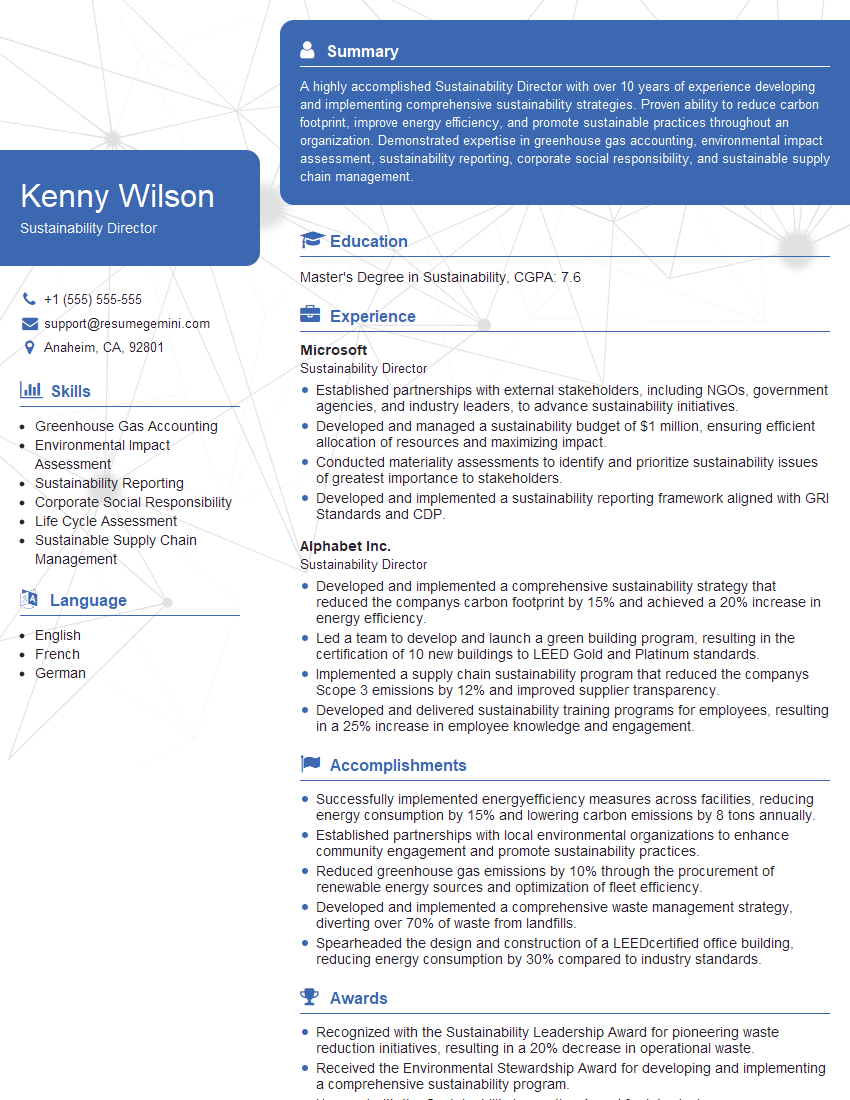
Sustainability Director Resume Sample
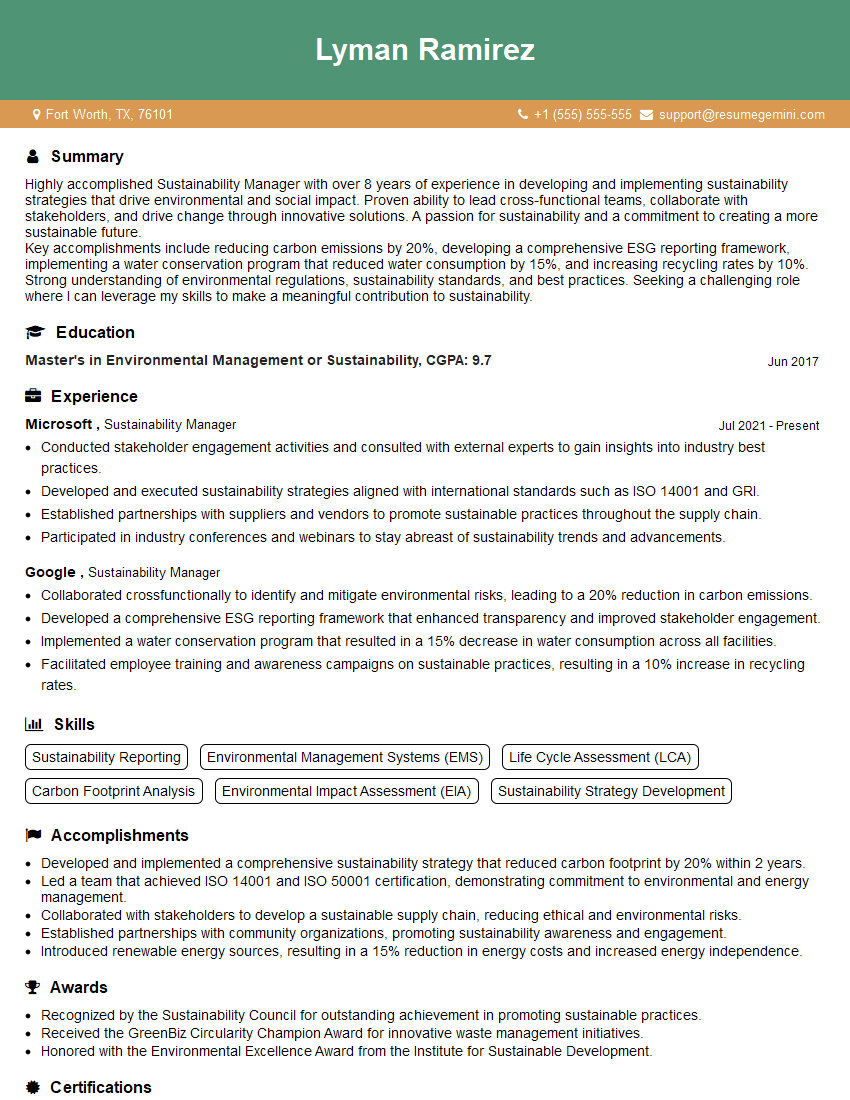
Sustainability Manager Resume Sample
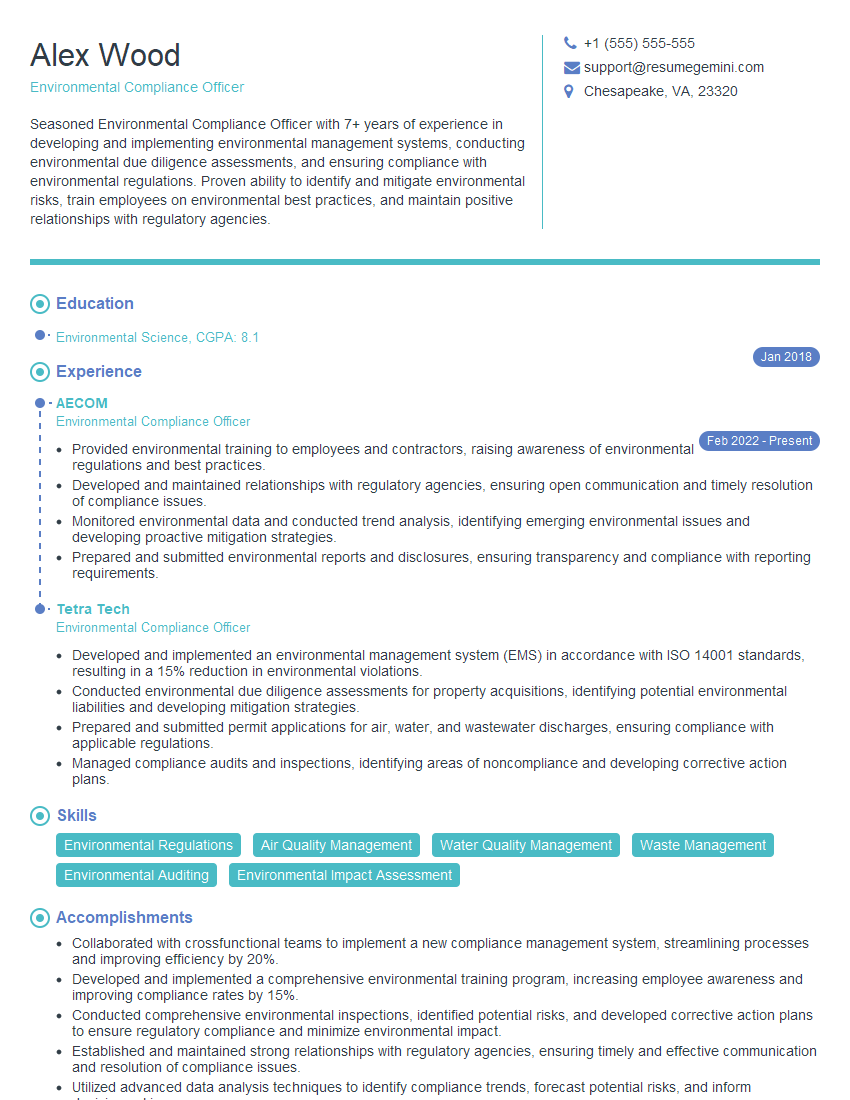
Environmental Compliance Officer Resume Sample
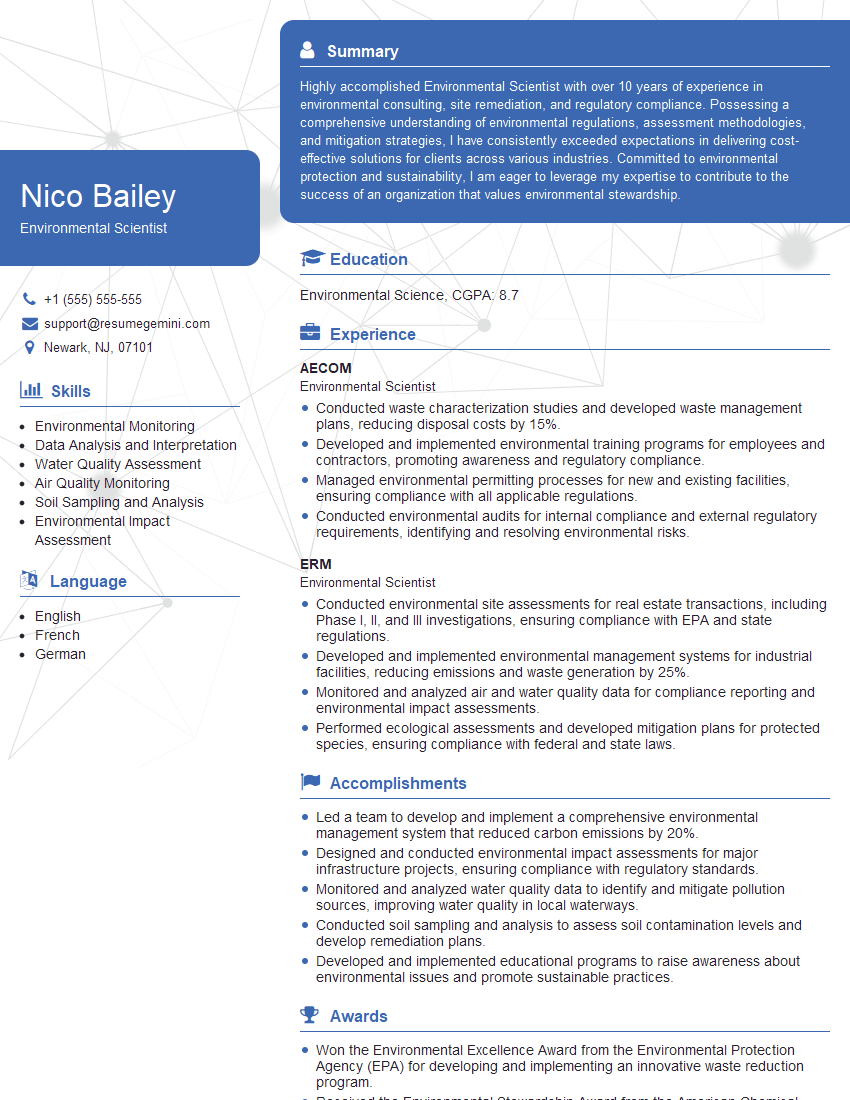
Environmental Scientist Resume Sample
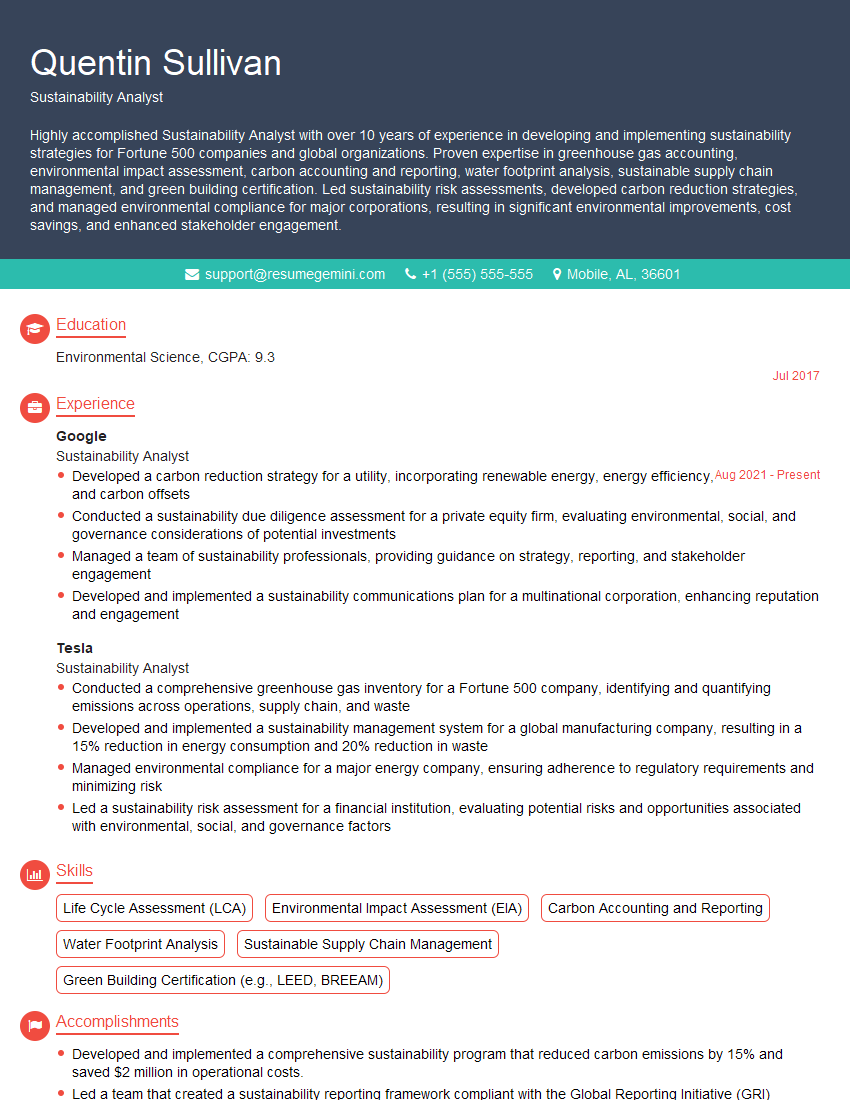
Sustainability Analyst Resume Sample

Sustainability Consultant Resume Sample
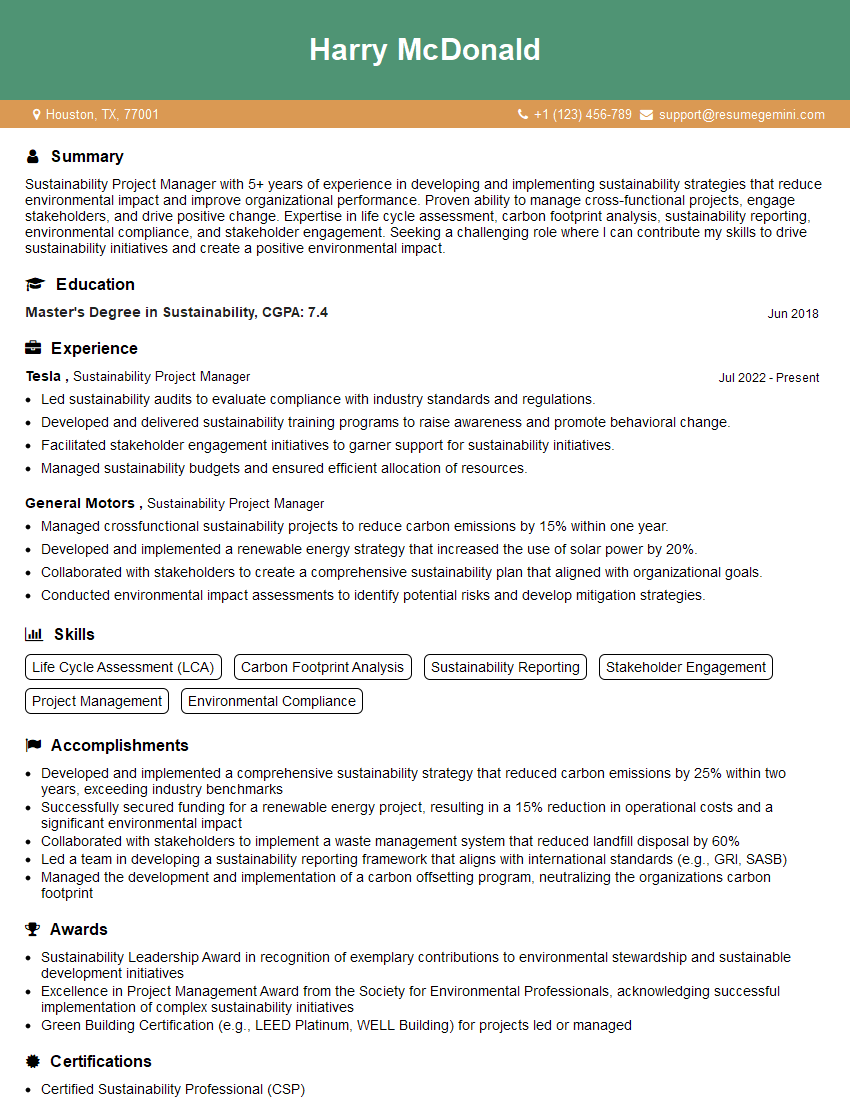
Sustainability Project Manager Resume Sample
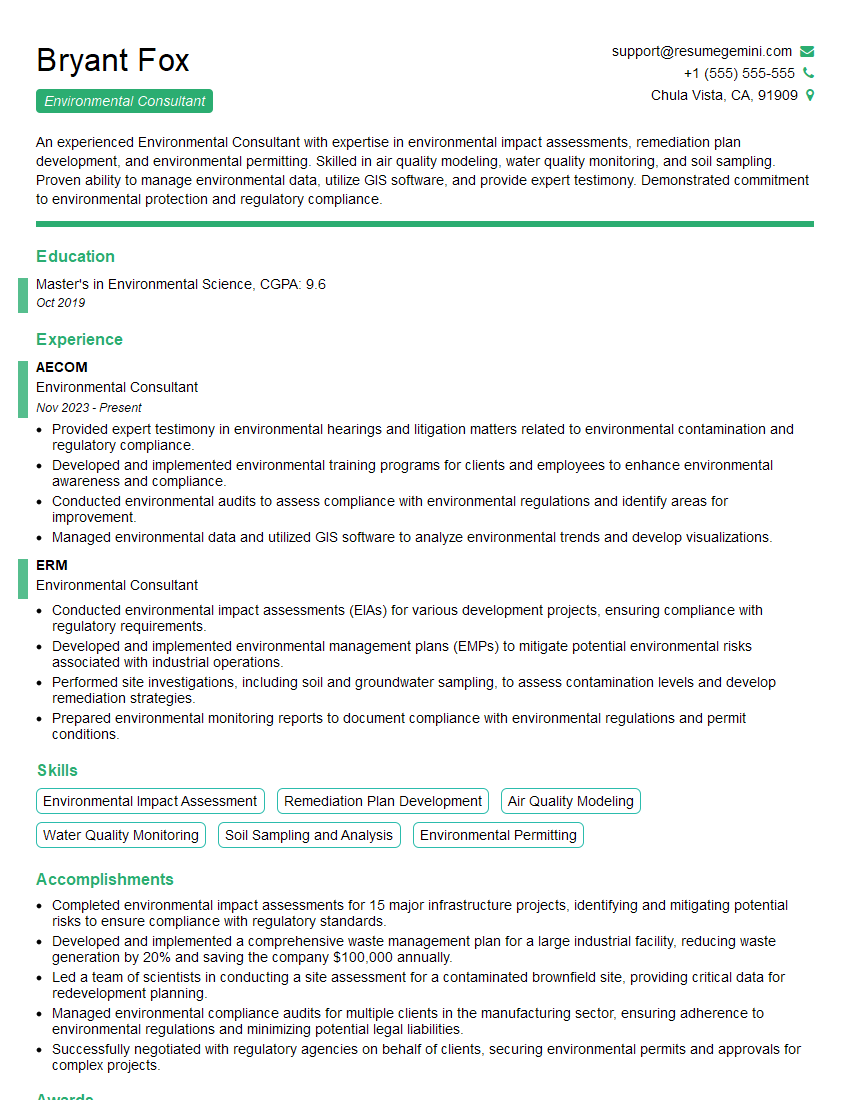
Environmental Consultant Resume Sample
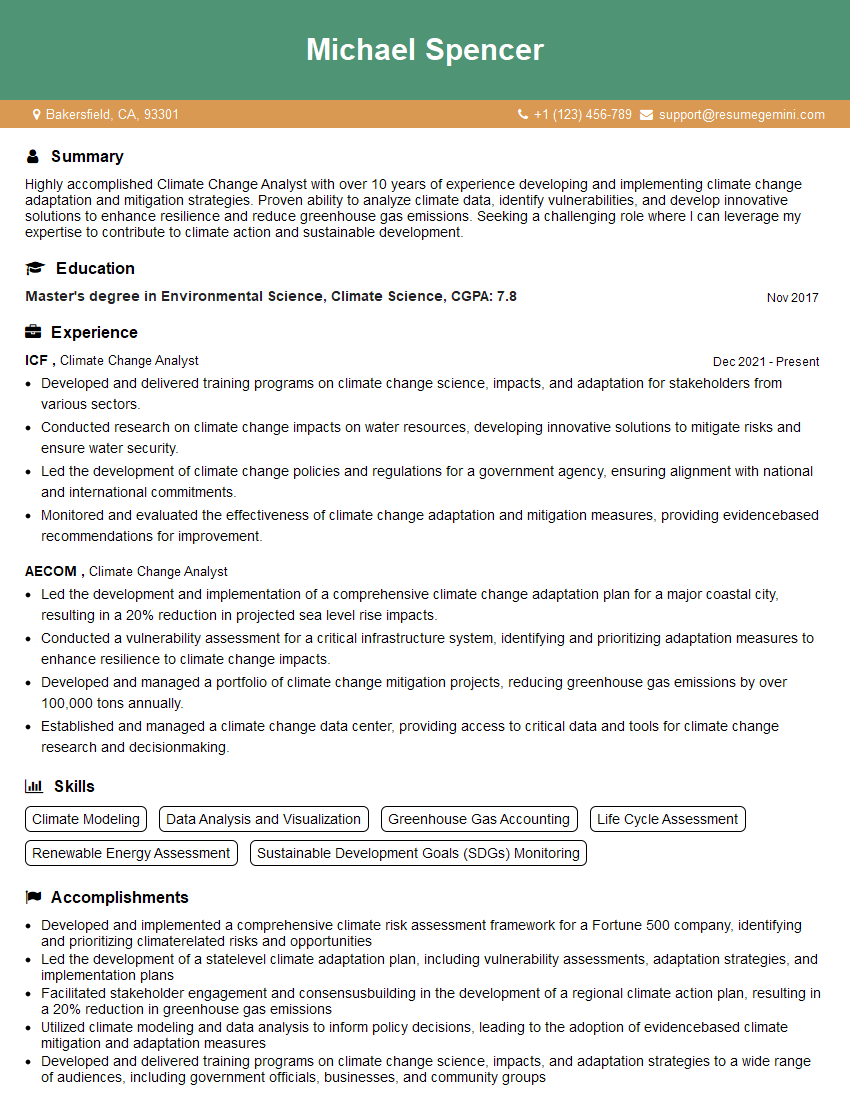
Climate Change Analyst Resume Sample
Explore more articles
Users Rating of Our Blogs
Share Your Experience
We value your feedback! Please rate our content and share your thoughts (optional).
What Readers Say About Our Blog
Very informative content, great job.
good